

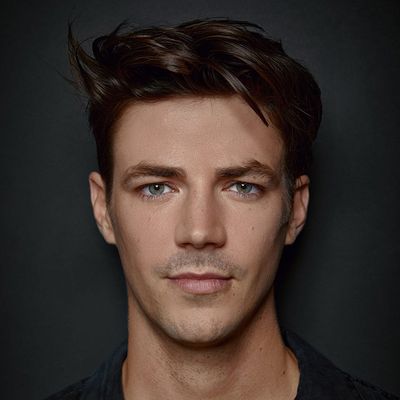
Now starring on Broadway in the critically acclaimed "Water for Elephants," Gustin shares what's most challenging — and most rewarding — about his first return to musical theater after nine years as the star of the long-running CW series "The Flash.".. Read More
From the show: Stagecraft with Gordon Cox
Guests
Featured Shows
About
Now starring on Broadway in the critically acclaimed "Water for Elephants," Gustin shares what's most challenging — and most rewarding — about his first return to musical theater after nine years as the star of the long-running CW series "The Flash."
Transcript
This transcript was automatically generated and might contain errors.
[0:06] Gordon Cox: Welcome to Stagecraft, Variety's Theatre Podcast.
[0:10] Gordon Cox: Your backstage pass to revealing conversations with stars, creators, and industry leaders.
[0:15] Gordon Cox: On Broadway, off Broadway, and beyond.
[0:17] Gordon Cox: I'm Gordon Cox.
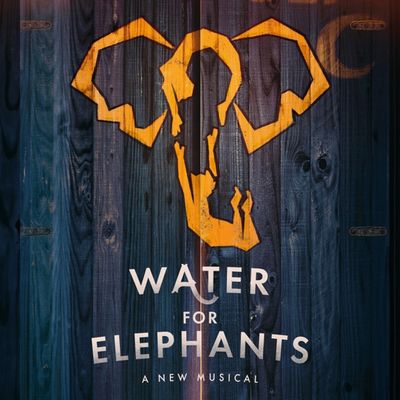
[0:19] Gordon Cox: On this episode of Stagecraft, I'm talking to the actor Grant Gustin, now starring on Broadway in Water for Elephants.
[0:26] Gordon Cox: Gustin is probably best known for his long-running TV gig, playing the title character in the CW superhero series The Flash, which wrapped up its ninth and final season last year.
[0:36] Gordon Cox: But musical theater fans already know him from the recurring character he played on Glee, and before that he'd appeared in the national tour of the Broadway revival of West Side Story.
[0:46] Gordon Cox: He's making his Broadway debut in Water for Elephants, which has songs by the members of the Pig Pen Theater Company, a book by Rick Ellis, and direction by Jessica Stone.
[0:54] Gordon Cox: Gustin plays a veterinarian who runs away with a circus, only to become embroiled in a dangerous love triangle.
[1:01] Gordon Cox: In a staging that incorporates circus artists and puppets, including that headliner Elephant.
[1:06] Gordon Cox: Water for Elephants opened last month to glowing reviews from critics.
[1:10] Gordon Cox: Now, Gustin is in the virtual studio with me to tell us about the joys and struggles of doing eight shows a week, how he trained to swing from a flying trapeze, and why the parts of the show that he gets most nervous about are also the ones he loves the most.
[1:25] Gordon Cox: Hey Grant, thanks for joining me.
[1:27] Grant Gustin: Yeah, thanks for having me on.
[1:35] Grant Gustin: It's been good. It's been all of things, you know. It's like eight shows a week is it's like a mental game, as much as it is a physical game.
[1:44] Grant Gustin: You know, it's a tough grind to keep your voice ready to sing the show. We also do a lot of yelling in the show, so it's hard on the chords. But it's like, you know, eight shows a week is I have found for me, and I think it's the case for a lot of actors, like I'm my toughest critic. So like I think if I'm at a 60% success rate where I feel good about the show, then I'm gonna be okay. But because it's like, you know, you're not gonna love all eight shows. You just gotta keep grinding.
[2:17] Grant Gustin: Yeah.
[2:18] Gordon Cox: I imagine it's a very different schedule from something like working in TV, where it seems like I get the impression that TV schedule just changes like day to day and like minute to minute.
[2:28] Grant Gustin: Yeah, for sure. It's really up in the air. Whereas this feels very regimented. Do you enjoy that?
[2:34] Grant Gustin: Yeah, I do. I mean, I think there's positives for both. There's negatives for both. I mean, TV is insane. I mean, it's you know, especially if you're, you know, I was I led a show for nine seasons. So, you know, you can expect to be there every day for the better part of the day. Especially those early seasons. I mean, it was like, you know, 15 hour days on the regular, five days a week, night shoots like twice a week. So, but I was twenty-three when that started and I did not have a child yet. So, you know, life changes as you do it.
[3:11] Grant Gustin: And then this is, you know, it is more set, like the rehearsal process was a grind, obviously. It's six days a week with one day off, even during the rehearsal process. But it's yeah, it's like 10 hour days, which to me doesn't feel long coming from TV. And then once you're into the shows, you know, it's like you're going into the theater at night once you're not rehearsing in the day anymore, but you just gotta take care of yourself in a different way. Like I don't even remember being sick many times in the nine years that I did The Flash, just because like if you have a cold, you just kind of like it's like I can still do my job. But if I get a cold now, which I'm much more susceptible to with the toddler in preschool, it's a lot harder to muscle through and sing a full, you know, two and a half hour Broadway show.
[4:05] Grant Gustin: So it's just a different grind. And I'm also now away where it's only like, you know, it's I'm gone from the house like five hours at night, but it's like right at dinner time in my daughter's bedtime every night. So it hits you in a different way. You're just like gone during an important part of the day. But I get to take her to school and pick her up from school. And it's just that, you know, it's just hard to find balance.
[4:29] Gordon Cox: Yeah, yeah. And what do you do to maintain yourself physically to sort of stay healthy and you know?
[4:35] Grant Gustin: That's funny. I mean, mostly these first two and a half months or three, you know, it's been, I guess, a little over three months. It's just been like the show keeping me in shape. Jesse L. Martin, who's a Broadway veteran and was on The Flash with me for years, he actually called me last night to check in as I was in the car on the way home. And he was like, I bet you got a six-pack right now, man. Broadway gives you a six-pack. I was like, you know, actually, for considering I haven't been going to the gym, like, yeah, my legs and my core have stayed in pretty good shape doing the show.
[5:08] Gordon Cox: Yeah. And how was opening night? Did you have a good party?
[5:10] Grant Gustin: Yeah, it was like it's funny. I've talked about this a lot where like I'm not a party person. I'm like, I was nervous approaching my wedding in 2018 because of the party aspect of it. And like my wedding, and with opening night, I felt the same way. I anticipated I was kind of like I think almost like trying to keep myself from getting stressed. I was like, it's just another show. Like I just wanted to get through opening and get into our normal schedule. But like my wedding, it was one of the most special nights of my life that I will remember up there with, you know, with my wedding. It was a very special experience. I think I underestimated how special it was gonna be just having so many people I loved in the audience and a lot of them being at the party afterwards, and yeah, I'll remember it forever. It was definitely a culmination of a lot of people helping me get to that moment, and a lot of those people were in the house for the show. So it was pretty special.
[6:18] Gordon Cox: Yeah. Let's talk a little bit about how you got involved in the project. First of all, were you looking for something to do on stage in particular? Was stage an actual focus for you as you had left The Flash?
[6:29] Grant Gustin: Yeah, it was. I we had even between seasons, there had almost been a couple times that I did some things on Broadway. I mean, there was I don't know if I need to say what they were, but there were two that actually fell through. Like one because of COVID, one thing I had I was gonna do, and then COVID shut Broadway down. And then there was one musical I was gonna do for TV, those CBS musicals, and it fell through. So there were two opportunities that we were actually gonna go through with that just ended up not happening. And when The Flash ended, I knew I wanted to get on stage. It was one of my top priorities. I'm very much like, I don't necessarily care what the medium is or what the genre is, as long as like I'm passionate about the story we're telling and the character that I'm going to get to play.
[7:18] Grant Gustin: But I did really want to get on stage when The Flash was over because you get so comfortable doing something for so long. And while I had spent, you know, my early years from the time I was 10 to the time I was 21 doing stage exclusively, it had been 13 years, and I really wanted to get on stage because I knew it would feel scary and I knew that it would push me in a way that I hadn't been pushed in a while, and I thought that'd be good for me. But I also didn't want to do it just to do it. And we were in the middle of the SAG strike, so we had really focused our energy on like, well, is there anything I could do right now? And this just kind of came at the perfect time.
[8:00] Grant Gustin: Like I have a friend, Michael Mendez, that's in the company of this show who has been with it since the workshop and did it in Atlanta, and this role, Jacob, opened up and he messaged me and asked, you know, just kind of gauging my interest as a friend if I'd be interested in doing it. And then it became a very traditional process once like I found out about it, I told called my manager about it. I was like, let's look into this, and nothing happened for a few days, and then I got a request to make a tape, and then I made a tape, and then I got a callback, and I flew to New York for my callback, and it went my way. And I was just, you know, the lucky actor who got the job.
[8:44] Gordon Cox: And what appealed to you specifically about the musical and or the role that you're playing?
[8:51] Grant Gustin: I was aware of the book, I hadn't read it at that point, but my mom had other people in my life had read it and loved the book, and I knew what it was about. I had seen the movie, but it had been a while. So I started reading the book during the audition process, and then I got the two tracks that I had to record for my audition, and was immediately taken by Pig Pen's music and just its uniqueness and the script also. I mean, this even just the couple scenes I had, like I feel like this book, Rick Ellis's book, is like something about it for whatever reason to me feels a little more like a play than like a lot of musicals books tend to feel. And I just I don't know, I was just like excited about the idea.
And then as I kept reading the book, I felt this connection to Jacob. I saw things in him that like are qualities that like I aspire to have a bit more of. I mean, something I've talked about a lot is like I can tend to be more of a pessimistic person, and I'm attracted to characters that aren't that way that can be a little more optimistic, and his positivity in the face of so much tragedy and choosing to, you know, continue on and live his life in an inspiring way was, you know, I liked. And then upon meeting Jess Stone during the audition process, and I think like yeah, and a third of the Pig Pen guys at the callback and Rick, I just knew I wanted to work with these people. It was just like very apparent very early on that this was a good group of creative people, and I wanted to be a part of it.
[10:42] Gordon Cox: Yeah. And what as you got back into the first, you know, theater rehearsal process and pre-production process that you've been in for a while. Did anything feel particularly foreign to you after all that time away?
[10:54] Grant Gustin: Well, I mean, I've always kind of felt that way about music, to be honest. Like, I don't play an instrument. I've tried a couple different times to learn guitar or piano and just like I've never stuck with it for one reason or another. Like I'm busy or I'm, you know, not motivated enough, didn't have a reason to do it, you know, wherever it may be. And I don't like I, you know, I went to a performance high school and was getting a BFA in musical theater in college, and like I've studied music theory and like I've done all the things, but for whatever reason, like don't read sheet music.
[11:26] Grant Gustin: Um like I can follow it, and I've always struggled with confidence in general, I guess, but uh as a singer for sure. I've never thought of myself as a singer, even though like it is technically something I can do. Um, so I was I was very nervous on the first day about just people hearing me sing. Um, I'm also not naive to you know coming in as someone who's been away from this for so long, who's um a quote unquote TV actor, and wanting to feel like I, you know, I earned this and this was this my background is theater, and I didn't want to feel like an outsider coming in, and I was worried I would. But they did, you know, I they made me feel welcome, they made me feel like legitimate. Um, but yeah, it was really scary. Those first two days were just music, and that's when I'm I'm the most nervous for sure. Um that was the scariest part, definitely.
[12:25] Gordon Cox: And is Broadway, has Broadway been particularly meaningful to you as sort of you know, maybe a career goal or a place you came as a kid? Like what what what was your relationship to Broadway before this?
[12:37] Grant Gustin: Yeah, I mean, it this was my goal as a kid. I mean, I you know, I never imagined I would have been um in TV or movies or but I always assumed I would be on Broadway someday because it was like what I put all of my energy into. Like I said, I mean I did exclusively theater growing up. I went to a performing arts high school, and the goal was always to then go to college with a major in theater and to eventually move to New York and pursue Broadway. And like, and I had a different level of confidence as a young person than I did as I got older for whatever reason. Even as I had success um with you know the Broadway tour and and the TV show and and all of it, for whatever reason, that did not build more confidence in me.
Um I I had it as a kid, and I assumed I would be on Broadway someday. So it's to to get to this point now. I I think I almost appreciate it in a way that I might not have if I had, you know, finished my four years at Elon, gone to New York, and got my first Broadway show when I was 23 or whatever. I think it would have felt like, yeah, well, this is what's supposed to happen next. I I don't know. It's funny to like I've had you know all this incredible success that any a lot of actors would kill for the past 13 years, but uh I I think it's almost like in some ways kind of like it humbled me because it's like I all this self-doubt almost in ways, it's like built up somehow as you compare yourself to these people that you admire.
And I don't know, it's been such an interesting journey, and it will continue to be, I'm sure. But I've, you know, I have enjoyed a lot of success. But I've, you know, also like you still you there's all these mental hurdles you need to try to overcome in life and but as an actor for sure.
[14:30] Gordon Cox: I'll have more with Grant right after the break.
[14:39] Gordon Cox: Welcome back to more of my conversation with the actor Grant Gustin. Broadway is of course its own weird little world with its own way of operating. What has been has there been anything that's been particularly surprising for you about Broadway and how it works?
[14:53] Grant Gustin: Just yesterday, honestly. There was like, cause you know, we're we're we're we premiered at an interesting time and we're entering this interesting first of all, this season is insane. Um yeah, which um I kind of knew when I got the job, but it's it's actually it got it's gotten more and more insane over the last couple months with like all these new shows coming in uh before the Tony deadline, award season deadline, and it's just an insane season, which is exciting for Broadway. Um, and also like you know, intimidating for all the shows because it's hard to find success. And like, yeah, I guess I didn't they talked to us yesterday, our you know, amazing, amazing producers uh about submitting each of us for different categories because I didn't realize the whole like if you're uh not above title, it's assumed you're featured supporting.
So that's one thing they came to talk to us about yesterday. Like, are you okay with being submitted for this versus for that? Like, do you so it's just it's funny things I hadn't really thought about.
[16:00] Gordon Cox: Let's talk a little bit about the circus elements of the show. They're very elegantly integrated into the proceedings. And I imagine that involves a whole lot of kind of backstage infrastructure that is unusual compared to most Broadway shows, right? Can you tell me a little bit about sort of how how you all as uh as actors sort of interact with you know all the safety and all the kind of uh structure around all that?
[16:24] Grant Gustin: Yeah, I mean, there's all kinds of rigging that I I don't even see that you know, I mean, we had to rehearse in Long Island City in this really unique space because of all the rigging that they needed. Like we, you know, typically would have probably been at on you know, 42nd Street Studios or whatever, but they needed, you know, very specific space for the things that you know, the trapeze stuff and the aerialist work that you know that's going on. And um, I'm like blissfully unaware to a lot of the rigging that's probably surrounding me. And I also um for anyone that's seen the show knows like I, you know, I enter like five minutes into act one, I and then I don't leave. Like I'm on stage until act one ends.
So I'm not really backstage with a lot of the like craziness that's going on. Like I'm on stage hearing because it's a the Imperial's really tight, you know, narrow wings and in a in a small backstage area as well. And and our set is pretty minimal, you know, it's all these just scaffoldings and stuff, but like we're still there's like you gotta get them off stage sometimes. So they're pretty much like half on, half off a lot of the times that they're in the wings, and sometimes you hear I'm hearing I'm on stage hearing them, you know, lock the brakes, unlock the brakes, move this around, move that around. And at one point in the second act, there's this sequence where a couple performers are attached to this bungee system and they're running onto stage and getting thrown back off into this padded wall.
And that at one point, again, while I'm on stage, so I don't see it happen, comes down from above, they get hooked up to these harnesses. This whole hydraulic system, I think, is put in place with this bungee system. And you know, there's a lot again going on that I'm unaware of, but like I I'm like vaguely aware that it's happening around me, but it doesn't really concern me. I just know where I need to be.
[18:20] Gordon Cox: So I'm safe and everybody else is safe.
[18:21] Grant Gustin: Yeah. At one point you're hanging from a trapeze, right? You're sort of swinging through the air. Is that yeah, correct?
[18:26] Grant Gustin: Yeah. Is that fun and terrifying and or terrifying?
[18:28] Grant Gustin: It is fun now. Yeah. It's um I was scared to do that because like we that was not uh rigged in Long Island City. So I, you know, every time we did we rehearsed that part or eventually were doing runs, I just stood with my feet on the ground. So I never got to do it until we got into the theater. We did off to the side have this space with a mat and a trapeze where I wasn't high off the ground, where we trained me for it. Cause even though I'm just swinging, they they needed to make sure that I was strong enough and capable enough to be on this thing. So they had me um, you know, every day make sure I could at least do 10 pull-ups and then pull my like like get into a pike position and sit on it.
So in case anything goes wrong, I can get safe and then how to get out of the seated position. So like I they did have to train me to just be allowed to like hang hang from the trapeze. Um, but I never did it until we were tacking the show because that was the first time you know, we had the the rigging to do it. And that was scary the first time I did it, because it's like it would have just kind of been this thing. Yes, it's high up. And it'd been just this thing that was gonna happen for like six weeks that you know we just talked about and I was like, yeah, yeah, yeah. But then it was suddenly happening. So the first time I did it was kind of like, ooh, god. But it feels pretty cool now. I'm pretty comfortable with it. And it and yeah, it's pretty exciting.
[19:50] Gordon Cox: And there are a lot of puppets involved in the show as well. Is that fun for you to interact with? What's it like to uh kind of interact with?
[19:58] Grant Gustin: It is. Yeah, I love the way they've done the puppets. I mean, it like Rosie is done, the elephant has done it in in a pretty different way than the rest of the puppets where like the the rest are like pretty abstract and suggestive. Um, where that you know that's not quite the case with Rosie. But it's cool. I mean, the first time we see the majority of them is in the menagerie where you know Jacob enters and and sees all these animals for the first time, and it's a really I like I'm not I'm standing in front of them like as if I'm looking at them this way as they're all behind me. But I get it's like I get chills during that moment every night as you know, Greg Edelman who plays Older Jacob is describing what it was like to see all these animals, and he he says something at one point like it's you know, it makes the hair on the back of your neck stand up.
It's happening right now, and that's what I feel every night as we're doing it. It it's pretty cool. And then I and then I finally turn and get to see them and interact with them, and yeah, and it's it's it's just a it's a awesome, awesome moment. And then we have the beautiful moment at the end of Act One where you know, we see Rosie in her entirety for the first time, and it it's pr it's pretty pretty magical.
[21:09] Gordon Cox: What is the hardest thing for you to do in the show every night? What's the biggest challenge?
[21:14] Grant Gustin: It kind of varies. I mean I would say the most consistent thing I spend time worrying about is just like singing. Just which I knew it would be the case coming in. Yeah. You just gotta take care of yourself and like and and you're gonna be a little like what I'm realizing is most shows you're gonna kind of feel like I'm tired. Like I don't know if I can do it today. And then you do you know and like and I am one thing I'm reminding myself as I'm doing this is, you know, you train for things and like you know you go to the gym to get stronger and like over time like certain workouts get easier and um you get bigger you get stronger and it's the same thing where like you know the first few weeks of rehearsal, you know, I was like I don't know if I can physically sing this stuff eight shows a week.
Mind you I was holding up fine in rehearsal but um and and I do I think underestimate myself at times and I'm again hard on myself but the more you do it it's like I've been doing it for three months now and like I my chords are being trained specifically to do these exercises these songs and I have to remind myself like I am I'm trained for this I'm conditioned for it. I can do it so there's you know days you're tired you feel like you can and then you can and obviously not all shows are going to be perfect and you'll you know have mistakes or flubs or whatever but like fly theater. You mentioned actually the earlier your reaction to the music when you first heard it and you first did the songs how do you describe because it's a sound that uh isn't it's unusual for Broadway, and I wonder if you could just tell me a little bit about how how would you describe it and what's it like for you to sing.
[22:51] Grant Gustin: Yeah, I mean, I think the way you know we usually describe it, it's like it's like bluegrass, like Americana, but it I I also feel like it it is very still like you know, Broadway musical theater influenced. I mean, it has those elements. I mean, some songs more than others, like, you know, we've got Squeaky Wheel at the top of Act Two with Sarah Gettelfinger and Joe DePaul and Stan Brown and myself, and that that feels very musical theater to me, you know, and um, but then there's other like anywhere that I open the show with or open my show with um is uh I I I do think it's like you know, like a musical theater like power ballad elements to it, but it's also still like has their kind of Americana feel that I think is their staple a little bit.
But I think like Road, that the cup we had that big first company song is like kind of what the vibe of their music is and the vibe of the show, and and it is that I think more than anything else is like that true Americana kind of bluegrass feel, and and it's just infused with like fun too and like togetherness and and which is what the show is. Like, you know, we're all holding each other up in the show figuratively and literally. It's um it's very much, you know, I think our show is one of those shows where it's just like devastating that there's not uh you know best ensemble, best company Tony award, because like we would win it. It's like it it's what they're doing is incredible.
[24:27] Grant Gustin: What is your favorite thing to do in the show every night? I you know, it's like while I'm scared and nervous every show, I also like every aspect of it is like fun to me for any given reason. Like um I love like from the moment my show starts with like I pop out from behind this poster that Greg disappears behind and and then I do this leap onto this train um supported by Sam and Nico, two of our company member circus performers, and that moment is like you know exciting. It's it's like it doesn't always go right because we kind of do it in the dark, and it's like a really hard move, and we're very dependent on like all three of us kind of being aligned, and but like it that moment is like I'm I worry about it and it's really fun.
And then like I'm on the scaffolding singing anywhere and like and I worry about it, but it's really fun. And um that's how all of it again, it's like why I wanted to do this. It's scary, but it's like there's nothing more fun or fulfilling than live theater. And like I it's like I have to remind myself like it's okay for it to be both things, you know, both both scary and fun and fulfilling. Yeah, it's like the things I enjoy the most in the show are also the things that like I know like could go wrong.
[25:46] Gordon Cox: Have you found that your time uh working uh in TV and particularly on The Flash has influenced now how you approach your work on stage?
[25:56] Grant Gustin: Maybe. I mean, I did it for so long, it's hard to say like what parts of I mean I guess it's like all in one where it's like because it's like I grew up on that show, you know. I was 23 when I started it and 33 when I finished it. So like I changed so much as a person as I did that show and I grew so much. Um, you know, I matured so much, I changed as an actor. So it's hard to say like what lessons were just like life lessons and what like I was specifically taking from the show, and I guess they're kind of one and the same, but I know now I think it reinforced how hard of a worker I am, which like I didn't always give myself credit for, but I I know now is true. Like I love working and I put everything I have into whatever it is I'm doing.
And I've noticed something people you know will point out about me, about you know, my character as I do specific jobs. And I think you know, it's coming in as like a TV actor into this, like I think my work ethic in some ways like surprised some people. It was like a pleasant surprise for some of the creative team as I came into this. Um so I I think it doing that for so long, like you know, you could go a couple different ways with doing a sh a TV show for so long. You can kind of check out because it is really comfortable and it can get really easy, and and maybe you know, I had some moments like that where I'm not even aware that that's what's happening. But I think for the most part I took it more and more seriously because I never took for granted um how much The Flash that character means to people and had meant to people since like long before I had anything to do with it.
So I think that was the beauty in that. It's like I always knew that it was bigger than me, and people would continue caring about it long after I was done being a part of it. And so I I always took a lot of pride in just like giving everything I had to it. But I think that's also kind of um what I do because I love what I do. So coming to do this, it was you know, the same thing. Like I I knew like I felt insecure about some aspects of it. Like at you know, I can have imposter syndrome where like I feel like um they're gonna realize within the first week they've made a giant mistake and and I they shouldn't have entrusted me with this role. But you know, then I lean on, well, I don't know if I'm gonna be able to do it as well as I want to do it or as well as other people are hoping I can do it, but I know I'm gonna give it, you know, everything I have, and um I'm gonna be passionate about it. I'm gonna, you know, bust my ass and and and make sure I'm doing the best job I can. And I think that's what I've done and I'll continue to do as I do this and whatever other work I do in my career.
[28:38] Gordon Cox: How do you think about theater fitting into your career overall as you as it continues?
[28:44] Grant Gustin: You know, like if w as you asked me that, he just popped into my head. Like when I was again, like this was all I did growing up. So like theater was always like I had always hoped would be a huge part of my career. And I I now hope going forward I can be one of those actors where it's just known that I do both. And I was, you know, uh doing exclusively community theater as uh I forget what year it would have been when Hugh Jackman did Boy from Oz. It would have been like 2004, 2003, something like that. Yeah, right. Yeah. And it was actually at the Imperial. Um that's right, it was. And I saw him do it. And he he was also Wolverine at the time. And um, I think he was specifically doing like Van Helsing or something when that when that I think it was coming out around the time he was doing that.
And it wasn't lost on me even as you know, a 13-year-old or whatever, how incredible it was that like this guy wasn't just like, oh, he's going to do his little Broadway thing. It's like it was part of his fabric. And like, and he was incredible in that show. And it couldn't have been more of a departure from him as Wolverine. And at 13, I was aware of that. And and I wanted nothing more than to like be that when I was older. And I and I hoped, you know, I could be, I thought my track would be, you know, I'm gonna continue to pursue musical theater. I'm gonna be on in ensembles of Broadway shows. Hopefully I can eventually become like a lead on Broadway. That can lead to opportunities in TV and film.
And then I can come back and I can do more. And like this is literally as a 13 year old, what I'm thinking. And I it and it that's why it always it it surprised me that it's like it it kind of like did this reverse course than of what I expected. And and I still ended up pursuing theater, and I still got to do my Broadway tour first, but then I ended up on Glee, which and I ended which kept me in LA for a while, and then it led to eventually The Flash a couple years later, which has led me back to this moment. Um so I you know I I look at someone like Hugh Jackman as like who's always been like an ultimate inspiration to me. And Matthew Broderick was also like an early inspiration to me. I mean, Ferris Bueller is like one of my favorite movies, and I also saw him and Nathan Lane in The Producers.
Um those were just like the guys I looked up to and wanted to be like when I was doing theater growing up, and to think who knows what the rest of my career is, but to think that like that's what I wanted more than anything, and now I've I got to lead you know a show like The Flash that was so important to so many people, and and now I get to be a part of this show, Water for Elephants, that I'm having so much fun with, and people seem to be enjoying, and um who knows what's next, but like to think that I got I've gotten to do both these things is um yeah, really, really, really, really special.
[31:42] Gordon Cox: Is there another show or a role that you are dying to do?
[31:46] Grant Gustin: Not specifically. You know, there was like a lot of um things growing up I wanted to do that like you know, those those desires kind of like change and morph as you get older. But like my ultimate goal was always this, so it was to originate something, and I'd love to get to do this again, like originate something again at some point. I mean, I was talking about earlier, like like Link Larkin was always a role I wanted to play as a kid. Like I don't necessarily really need to do that anymore. I mean, there are certain shows, like no, there's been already like recently a How to Succeed revival, but like that was always a role I wanted to play. Um yeah, I don't know. There was, you know, there's so many.
Uh You're in Town was a show that I always wanted to do. Like maybe it could be time for a You're in Town revival. It's been a while. It's been a little while, yeah. But I don't know. I mean, I'd love to do some straight plays. I'd love to get back here and do like straight plays after this too. Like uh um, I've actually never all my years of doing theater growing up, I've never done a straight play, I've only done musicals. And I, you know, I think of myself now more uh uh as like an actor that sings than like um uh a musical theater performer, like um, even though that is kind of like what my background is and I guess technically what I am right now, but I do think of myself as an actor. So uh, you know, I don't know. I'd like to do more musicals and plays.
[33:07] Gordon Cox: Well, we will look forward to whatever brings you to Broadway next. Uh and in the meantime, uh we'll see you in Water for Elephants.
[33:14] Grant Gustin: Thank you so much, Greg. It was great to talk to you.
[33:16] Gordon Cox: Thank you. It's good to talk to you too.
[33:25] Gordon Cox: That was Grant Gustin, now starring on Broadway in Water for Elephants at the Imperial Theater. If you enjoyed this conversation here on Stagecraft, I'd really appreciate it if you took the time to rate and review us wherever you listen to podcasts. It really helps. Or tell a friend about Stagecraft. Find past episodes and subscribe at all the places you get your pods, including Apple Podcasts, Spotify, and on the Broadway Podcast Network, a great place to find more theater for your ears. Until next episode, find me on Instagram and Twitter at Gordon B. Cox. You can also check out my newsletter about international theater. It's called Jakeweez, and it's at GordonCox.com. Thanks for listening, and see you at the theater.
© Broadway Podcast Network, All Rights Reserved