

The Broadway favorite talks vocal honesty and what her Tony win means to her... Read More
From the show: Stagecraft with Gordon Cox
Guests
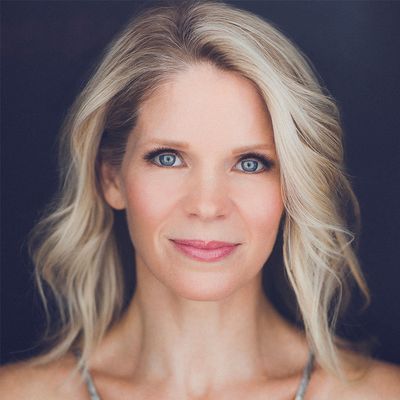
About
The Broadway favorite talks vocal honesty and what her Tony win means to her.
Transcript
This transcript was automatically generated and might contain errors.
[0:07] Gordon Cox: Welcome to Stagecraft, Varieties Theater Podcast, bringing you backstage and behind the scenes with the stars and creators of the hottest shows on Broadway, off Broadway, and beyond.
[0:16] Gordon Cox: I'm your host, Gordon Cox.
[0:19] Gordon Cox: On this episode of Stagecraft, I'm talking to the actress Kelli O'Hara. She's a Broadway musical theater favorite from shows including The Light in the Piazza, The Pajama Game, South Pacific, The Bridges of Madison County, and the 2015 revival of The King and I that won her a Tony.
[0:34] Gordon Cox: She's now back on Broadway for the first time since that Tony winning turn, starring opposite Will Chase in the Roundabout Theater Company's Broadway revival of Kiss Me, Kate. She's here with me to talk about musicals, comedies, and working on her latest project with two greats, Cole Porter and William Shakespeare.
[0:51] Gordon Cox: Hi Kelli, thanks for joining me.
[0:53] Kelli O'Hara: Hi, it's very nice to be here with you.
[0:54] Gordon Cox: We are backstage at Studio 54.
[0:58] Gordon Cox: Um you're fresh off a show, Kiss Me, Kate.
[1:01] Kelli O'Hara: Yes.
[1:02] Gordon Cox: Um so we might hear some singing. So get ready, listeners. You'll hear some singing and maybe some traffic outside.
[1:06] Kelli O'Hara: That's true.
[1:08] Gordon Cox: So Kiss Me, Kate is one of the most recognizable musical theater titles we've got, right? Um, was it a show and a role you always wanted to do? Were you particularly attached to the show, or how did you think of it before you got involved?
[1:22] Kelli O'Hara: That's a good question. Um, you know, it wasn't, although it seems like it should have been. It's got a nice soprano, classic soprano score for her to say for Lily and Kate. Um, there's my phone ringing.
[1:32] Kelli O'Hara: Yeah. Um, it's uh, you know, in college I was doing more opera stuff in the musical theater that I was doing, might have been more kind of Rogers and Hammerstein, Lerner and Loewe type of stuff.
[1:41] Gordon Cox: Right.
[1:41] Kelli O'Hara: This wasn't on my radar as much until I saw the '99 revival with Marin Mazzie and Stokes. And when I Maren just kind of happened to be a symbol for me of what could happen on Broadway for me. It was more of a legit sound. There was Ragtime. She was actually a real big influence. And so when she when I saw her do this, I thought, oh gosh, you know, if I can ever get a chance to do it, even in a concert version or something, I think it would be right for me.
[2:07] Gordon Cox: Right. Uh speaking of concert versions, you did this in a reading with the Roundabout. It was for a Roundabout gala and it was with Will Chase, your co-star in this and a lot of the creative team of this production. What did you enjoy that experience and what made you interested in sort of doing the full production?
[2:25] Kelli O'Hara: Well, a couple of things. I mean, we had done the same thing at a gala years before with She Loves Me, and I really, really loved that and wanted to do it, but I was doing King and I, so I couldn't. So the next time it came around and we had a great time on the night of and you always do, you know, those are so fast and furious, and then you end up going, that was fantastic. Um as far as fun.
[2:43] Gordon Cox: Right.
[2:44] Kelli O'Hara: Um, I thought, no, let's do this one, let's find a time. And it took a few years to find an opening for all of us. Um yeah, why same why did you think to yourself, this one, this one we should do?
[2:55] Kelli O'Hara: Well, again, as I get older and as I find, you know, what I like to do, I am a soprano, I am a kind of a classically trained soprano, so as I get older I find that sometimes I mean there aren't a lot of roles that allow for me to kind of be strong but then sing the way I like to sing. And then so therefore I'm kind of putting on a voice which is doable, but in eight shows a week for many, many, many months, I start to itch to sing bigger soprano stuff. I really do. And so I knew this one would be a fun sing.
[3:30] Kelli O'Hara: Yeah. And I did say yes to it, and then the way the world has been working lately, yeah, and some just some personal things and everything, I thought to myself, I just want to laugh again. I want to, I don't want to play a mother of a kid who committed suicide. I don't, which was, you know, which is also artistic in its way and was valuable at the time for me. But because of, you know, everything that happened last spring and everything that's happened since 2016, I wanted to not only laugh myself, but I wanted to give people the chance to come in for a couple of hours and laugh at just silliness and shenanigans and not have to think about the things we think about on a daily basis that put us into a thought of absolute chaos. Um so that makes me feel purposeful, and um, you know, it's not brain surgery, but it's joy, and that to me is can be just as important sometimes.
[4:22] Gordon Cox: Yeah. Do you like doing comedy?
[4:24] Kelli O'Hara: I love doing comedy.
[4:26] Kelli O'Hara: Yeah, you know, when I was the last one, I guess would be Nice Work If You Can Get It. And I look back on that time. First of all, I mean I made some of the best friends of my life, but I look back on that time and think about just the absolute kind of in my life, how much joy I felt. Just I mean, I would fall to the ground laughing because of these guy these people in my show. And we need that every once in a while. And then we go put ourselves back in the position to search darknesses and all of those things are useful as a human. And right now the pendulum just swung back to fun.
[4:57] Gordon Cox: Right.
[4:57] Kelli O'Hara: And so I'm really glad I'm here.
[4:59] Gordon Cox: Yeah. Speaking of the way the world has changed since 2016, the Kiss Me, Kate being based on, you know, The Taming of the Shrew and incorporating The Taming of the Shrew, it has some elements that can raise some eyebrows, some elements of the story that can raise some eyebrows today and like sort of a comic. I like Taming of the Shrew itself is sort of a comic depiction of subduing a strong-willed woman, or it can be, depending on the production, right? Um what did you think of that dynamic back in 2016? And then did that change at all when in the wake of sort of Me Too and Time's Up?
[5:27] Kelli O'Hara: I mean I think that's informed everything. In fact, once we really decided to push go on this idea, it's probably because of what's been happening to go back into a show that has so many problems when it comes to that sort of thing. It's very misogynistic. Shrew has always been seen that way too, but it's interesting if you think about when Shakespeare wrote it and who was queen, and some of the language that he gives Kate, even in the play that's been cut for Kiss Me, Kate the musical is actually pretty witty and smart, and there is reason for her to be angry and shrewish. You know, um a lot of we hear this all the time. Women aren't just angry, they have a reason to feel certain negative things. Um and they and then when they do get angry, you know, there's always a source, and it's not just being a shrew. And so I found that very interesting at this time to kind of revisit that, put in back in some of the Shakespeare retort that she actually has.
[6:31] Gordon Cox: Right.
[6:32] Kelli O'Hara: Um, shine a light a little bit on the male behavior, cut some of the things that were just useless to us at this point.
[6:39] Gordon Cox: Um, can you give me an example?
[6:42] Kelli O'Hara: Uh well, I mean, gosh, there are lyrics that you know, I've off stuck a pig before that we changed. You know, just just things that are ugly, um that everyone just probably laughed their heads off about. I mean, I can't, I'm I can't think of anything right now that in particular, but probably the most we should say that Amanda Green made some of the adjusted some of that, tweaked some of the lyrics, and one of the most notable is there, there is a song that Lily slash Kate had called I'm Ashamed That Women Are So Simple, but there's a lot of people.
[7:14] Kelli O'Hara: Yeah, I mean I was gonna get to do get to that because I think that was our biggest change. Um it's very small though, we should say. Like it's actually it's it's maybe just one word, but maybe a couple more, and but it really changes the ton of the stuff. It seems like it is, but actually she um I'll go back to say I was trying to think of the men men role, the men lines that were so kind of awful that we've cut some of them and then kept the ones that kind of highlight why we need change. Oh uh, but but what we did in my lines, especially that song I Am Ashamed That Women Are So Simple, she actually changed quite a bit more than you think, but she she so beautifully kept Shakespearean language.
[7:48] Kelli O'Hara: Yeah. Um there's a whole passage where uh she says, you know, why are our bodies finite, bound for dust? The time we share so brief and yet so dear. You know, she's talking about how we're here, we don't we don't have much time, but we're spending all of it fighting, fighting for supremacy and sway and being powerful when all of it goes away except for love at the end. So why don't we spend more time trying to be in that love and enjoying it? Um and not wasting our time. Uh I can the the original lyrics, they're gonna they're gonna I'm gonna my memory's gonna fail me right now, but it spends so much.
[8:26] Kelli O'Hara: No, well, and yeah, I didn't at the one point, but I but it's we spent the it spends so much time the song just saying sorry for being a woman for being and wives, let's just do all this for our men and um and lay base basically lay down and shut up. And uh and that that little change for me is is it seems simple, but it's kind of monumental in just in a way to use my own voice. And so that's been helpful, but it's also is something where a certain audience can come in and and not listen and still enjoy the old fashioned show.
[8:59] Kelli O'Hara: Yeah. Um it's so interesting that the matinees that we do sometimes, today in particular that I've just finished, they're very, very quiet when it comes to things like I hate men that don't like it. They still don't want to hear it.
[9:12] Gordon Cox: Right.
[9:12] Kelli O'Hara: Um, which is which is funny to me. Um and I know it's it may be an older crowd, or it may be um but you have these young women coming in and hooping and hollering on other nights. I don't need the hoops and hollers, but I'm not singing it in a way that you can dismiss it as being shrewish. I'm just trying to sing it straight so that you can actually hear that some of the words are valid.
[9:34] Gordon Cox: Right.
[9:34] Kelli O'Hara: And because I didn't we didn't change those lyrics. They've always been there.
[9:37] Gordon Cox: Yeah, right.
[9:38] Kelli O'Hara: But it is it is um funny to me to, you know, a person who's done a lot of revivals, you know, the matinee crowds are my jam.
[9:48] Gordon Cox: Yeah, right there.
[9:49] Kelli O'Hara: And this is the first time here I'm doing a classic revival and the matinee's crowds just aren't sure what they think about me. It's interesting.
[9:56] Gordon Cox: Yeah. You mentioned that Kate always has a reason to be shrewish. What did you find? What was your way into Lily, who is the name of the actress who plays Kate in the musical within the musical? Um what what do you find is Lily's reason for acting in a way that some people might consider shrewish?
[10:16] Kelli O'Hara: Yeah, you know, I actually find Lily to be um less shrewish. I find her to be a little bit of a you know, an egotistical actress who's kind of oversensitive and overdramatic. Um I think she finally hits a wall and it's called humiliation because she's madly in love with this man and she's absolutely brokenhearted. And it just it cracks something in her as opposed to crying and putting her head on her pillow or begging him back or running away, which she eventually does from for a minute. I think in our 2019 version, she beats the shit out of him.
[10:54] Kelli O'Hara: It's a different, it's a different response.
[10:56] Gordon Cox: Right.
[10:56] Kelli O'Hara: But it's one where I think most women have been at the place where if they could, they would. You know, and um and and because they can't, they might do something more, you know, what would be considered, I don't know, petty or something, whatever it is, but I think in this case she just comes out because she she has the audience to to protect her a little bit. She kind of just goes after him.
[11:21] Gordon Cox: Right.
[11:22] Kelli O'Hara: Yeah. Did the inclusion of Shakespeare?
[11:26] Kelli O'Hara: I don't know, you know, I I talked to um Scott Ellis, the director a while back, um and he was telling me about kind of rehearsing different versions of The Taming of the Shrew musical kind of or the way he thought about it because there's the way the show's supposed to go, and then kind of the way it goes wrong once in the show when Lily finds a note that she she discovers something.
[11:46] Gordon Cox: Yeah, yeah, yeah, yeah.
[11:47] Kelli O'Hara: Um, did was this musical unusually complicated to kind of rehearse for on your end?
[11:54] Kelli O'Hara: It was actually because we we wanted to be thorough. And you know, it's funny, you can throw these up. They're tried and true, they're tested, you can throw them up without thinking. And most many people in the audience will probably just not know the difference. I mean, you feel that way sometimes because you think, oh, all this work, and I don't feel like they're getting it.
[12:11] Kelli O'Hara: And that's not our, that's not our, uh, we shouldn't worry about that. We have to do the job we do. But we definitely did a red version and a blue version. That's what he said. Yeah, tell us more about it. And, um, it's the version where on this night she came to the theater, they've rehearsed here, they've moved the show to Baltimore to open it an out-of-town tryout. And on this night, they do taming, they do the music, uh, musical of Taming of the Shrew, the shrew, which is, um, you know, which is what they've rehearsed. And, uh, Kate is a shrew and Petruchio is an ass, and they, you know, they have the whole play, and there are these funny little fun dance numbers that aren't in Taming of the Shrew, obviously.
You know, this we're off to Venice, and you know, and we're, and, um, and then there's Tom, Dick, and Harry, and there's all these kind of things. And then, of course, you have "Too Darn Hot," which isn't in the show. That's the intermission, that's the actors cooling off, you know. Right. So you have all these pieces to it. But with a show within the show, we definitely had the version where Kate Lily is not angry, but Lily's playing Kate, you know. So they did, the original writers laid them on top of each other in such a way where it really, they match. But I had trouble. I wanted them to be separate. I wanted to separate the two things, how she would have done Kate without, you know, this, and, um, and so it was very, sometimes you're like, your mind is a little bit exploding because you're thinking, no, wait a second, wait, wait, how, how did she do?
How would she feel if this didn't happen? And so we tried to do both and then change it for red, and that way the cast could react differently than they would have in the normal night of the show. So it's more complicated than it seems, and I think the extra work is always worth it. Right. You know. And so, but the actors who are reacting differently to something that is different. You guys are aware that it is different, and I guess we are aware that it is different too, but we don't have the previous, like, we don't have to do. Right. Blue version, right? You're only seeing red version. Right. But it gives us something to, um, those markers to know exactly. Oh, this wouldn't have happened last night, you know.
You know, oh, this is new, you know. That's the thing that can throw you as Lily off. Right. Yeah. Yeah. Or, you know, go to you or inspire you or whatever. Exactly. Right, right. Yeah, it's very, it's very useful and realistic for us. Right. This is for, uh, people who have maybe, you know, seen Kiss Me, Kate and, you know, but don't, aren't quite aware of the exact song list. When you sit down, it's like, oh wait, this song is from here too. Oh, wait, also this song and this song, it's like every great Cole Porter song you've ever heard that is in this score. Did you, do you have a relationship with Cole Porter music in general? Or how are you talking about? I do, actually, you know, I did a, I did a long, uh, Boston Pops tour, uh, of all Cole Porter music, and then I did the same, uh, series with Marvin Hamlisch out in Seattle from Seattle Symphony.
So, um, the funny thing is, uh, we talked about early in the on about me trying to find soprano roles. Right. In my younger years, um, you know, people even say to you, gosh, I didn't, I didn't know you could do this, and, or you didn't used to be able to, or sing high or whatever. And you think, no, the, what people don't realize about actors is we take the work we can get. We really do. And at one point in our career, if we're lucky, we can start to choose. But early on, I was so, I was so lucky to get work, but I was doing grand imitations of Doris Day or whoever it was to do Pajama Game or South Pacific or, you know, Mary Martin, whoever it was, because that wasn't my natural inclination.
Um, those types of scores. So vocally. I'm talking all vocally. I mean, I loved the characters, I loved acting in those plays. But, um, the reason I bring it up is because when I went to do this Boston Pops tour, uh, they said we picked out all the music for you. We picked a dot just perfect for your voice, because we know what your voice is. So I arrived to sing "Anything Goes," "Always True to You," "Darling," "In My Fashion." Um, every low, every single low Cole Porter, uh, basically, uh, alto, uh, song. And the only thing I could really get them to change is they, we changed the "So in Love" to the original key, which is the one I sing now, which is the higher key, but they had the Marin key.
Um, so it was a whole show, and I did it. I did it for a long time. I did a whole show of songs that really aren't in my voice type. And I, I love that I can. I mean, I do love that I can, although I'm not, um, it's just when you're not being your true, using your true instrument, um, you can sometimes not feel like you're being a fraud to the people. I love to be honest with my voice, you know, and so when shows have been written for me or, or I can find scores where I'm really kind of in my wheelhouse, that feels honest. What are those? Name a couple of things. Bridges of Madison County. Yeah, right. Um, Light in the Piazza in a way, although I was young, it was a di, it was a little bit of a put on in a certain way to be a younger sounding person.
Right. Far from Heaven, uh, My Life with Albertine. Um, you know, uh, yeah, so these are new shows that, that are because they've been written for you. Right, because they've been written for you. Yeah, that makes sense. Yeah, yeah. You know, if I say like Margaret or something like that, that's all in my, but I, but, but the joy of being able to do these classics and to do them, uh, to act the parts, you know. I'll, I'll sing whatever I have to sing, and I, and I love it. It's just that I want both things to match up. Right. Yeah. Yeah. Well, you mentioned like the Boston Pops concert. You do a fair num, a fair amount of, you know, concert singing as well. How does that sort of fit into, you know, your work as a musical theater actor?
What, how do you think of those things sort of overlapping and influencing each other? I think, I think of them exactly like that. I think they overlap a lot. Um, but, uh, in a musical theater and on the stage, you tend to, you play one part and you sing the songs that go with that part, and sometimes you do it for a year or more. Right. You know, and so that is, um, that can be very, um, catastrophic to the creative mind and the void, the, the, and challenging and non-challenging to the voice that wants to grow and keep creep, keep, uh, building. And, um, so when I go do concerts or symphony concerts, uh, finding new material to stretch that and then is, is so useful to me, but also singing as me, as my person and not through a character.
A lot of people prefer only singing behind a character. I'm very opposite. I love to, I love to sing everything as myself and so I can filter my emotion through that lyric in a different way. I mean, I would sing these songs even from Kiss Me, Kate, I would sing them out differently than I do. I want to be everything that that character needs on the stage. Right. While bringing some of myself in as much as I can, honestly. Um, it's different than singing as yourself in a, in a, in a concert version of something. Um, doing all sorts of different songs with a concert or, or my, my own show, my solo show. Yeah, right, right. And, uh, you fairly recently spent some time in London, um, doing The King and I again.
Uh, what was it like? Uh, what was it like going back to the role and revisiting that? You know, interestingly enough, uh, and surprisingly, uh, I think I could keep searching in that role and find, oh yeah, as the world changes, my, I'm enamored with the fact that, uh, Oscar Hammerstein wrote that character and those lyrics and those things so long ago. I really am, because I kept finding things in her and in the show itself. Um, so I, I loved doing London last year, um, again with Ken and Ruthie and, and being the, the cast was beautiful, a brand new cast, but I loved, uh, searching through her again and, and falling deeper into that. So there are roles you can do that with, and that was, that's definitely one of them.
What were there, uh, what was your take on sort of how the West End or the sort of London theater community is different or similar to the Broadway community? And so, and is there anything you sort of brought back with you from, from your time in London? Yeah, you know, I think that, uh, we as artists are always trying to search and go forward, and I, I, I think London absolutely is the place where lots of new things happen and theater's been going on for so, so long and the way they, they look at theater is so beautiful because it's, it's more, I think for, for just a normal person out in the world who's not doing theater, I think they think of theater as a cool thing. Whereas I think in America we're fighting for theater to kind of keep a hold and art in general, because you know, we kind of have the, the sports and the, and where I come from where the, it's, it's kind of on the back burner, definitely, um, music and arts and dance.
And I think that London culture tends to embrace that kind of thing more and they embrace the classics even more. And that, that to me felt really, I mean, we felt like we were doing King and I and we felt like rock stars, you know. Whereas here you feel like you definitely have an audience, but, but it's, it might be kind of going away. So, uh, I almost felt like, well, I think I might fit in even better over here. In a way. That, that's what they made me feel. Right. Um, like that was more useful to them. Whereas I feel like over here we're always trying to find the new and the new, which is really good. So I think there's room for both. Right. Um, and I'm glad that I can kind of have my foot in, you know, on both sides of the pond once in a while if I can.
Yeah. Yeah. Uh, King and I, of course, is the role that, uh, you win a Tony for. How did winning a Tony change your career? And if so, how, um, you know, that's a, that's kind of a loaded, uh, heavy question. Uh, or yes, what does it mean to you as another one? Yeah, what does it mean to, of course, I mean, of course it meant the world to me. Um, you know, you, you get up there enough times and you think, uh, that would feel really good. And, and then of course it did, and it kind of blew my mind, and I, I didn't expect to, um, uh, to just kind of to be there. I mean, I think you get used to not being up there and then it happened, and but then you realize I think if you, I think when you win it when you're young, maybe, um, it, it's really kind of a, a catapult, it's a stepping off point and it really pushes you forward in a different way.
I think when you've, we, you're a little bit more seasoned and marinated in this business, you realize that those ups and downs are just that. They're, they're ups and downs that you ride and you have to expect the, the high ones to send you back down for a little bit and then you come back. If you're lucky, you can come back up a little bit. And, and I think the best part of our journey is to try to keep the, try to keep a steady flow so that you don't land in the bottom too for too long, but you don't expect to stay at the top for too long. Um, and, and it, the business will do that to you. I mean, I, I won the Tony in 2015 and I wasn't invited in 2016. So, you know, you to attend. Yeah. So you, you know, so you, you don't expect from it.
You just try to enjoy it with all your heart when it happens. And then you get, you roll up your sleeves the next day and you get back to work. Right. And that's how we have to look at it, and that's how I do, you know. So you're known, of course, mostly for theater work. You've been marinating, as you say, uh, in the theater, but, uh, you've also done screen work as well, sort of all along. And recently you did, uh, a web series called The Accidental Wolf. That's right. Um, that was quite well received, and you did, you had a recurring role on, um, or a regular role on, uh, 13 Reasons Why, the Netflix series. What, how do you think of, how do you think of your screen work? And is it something you want to do more of?
And how does it fit into, uh, what you want to do with, you know, stage and singing and all that stuff? Well, the other thing that this business, you know, it really makes you feel is that you have to do a lot of, a lot of, a lot of everything to, well, first of all, to keep creative. Um, but in order to keep selling tickets in, in theater, which, which we have a hard time doing, you have to have some, a bigger fan base. I'm not great with social media because I'm private, and I, I was raised to not think anybody would care what I'm doing on a Saturday morning at the Starbucks or whatever. I'm, I, you know, who cares? What you need to do is something bigger, something grand or something. Uh, you know, your, your, the legacy you leave should be impactful and that's my goal. And so in order to have that same kind of reach, um, I do believe I have to do more TV and film.
[24:22] Kelli O'Hara: Doing things like Thirteen Reasons Why was interesting and hard for me because I love the feeling of live theater, and I love having a lot to say, and so it's hard to go and do a, you know, you fly to San Francisco, you might leave your children for a couple of days and you say, "Good day in court today," you know, and that's your day's work. So that's hard, but doing something like The Accidental Wolf, with passionate people like Arian Moyed, who gather people like Laurie Metcalf and you know, people around you, and you're getting a masterclass while you're there, and the fact that it breeds things like Emmy nominations or things like that, that's yeah, you were not nominated for an Emmy, which is a good thing.
Well, the reason I say that is because those are the things that you don't even expect to because those are the creative artistic ones that feed you enough that you feel like I could do this forever. You know, I could be in this circle of really, really creative artists just making this interesting work and having something to say. But I think television and film in general can be tough because you're not always given that opportunity. You know, you're most of the time in the makeup trailer and the costume longer than you are on set, you know, to say a couple of words. So if I got something that felt really juicy and purposeful, I just shot this film that's coming out soon called All the Bright Places.
It was a smaller part, but it was really beautiful, and I thought I can do this. I can if I have something to say that means something to me, this is our artistic. Brett Haley, who directed it, was full of passion and fire, and the actors in the room were also that way, and I felt like I want to be around this kind of thing, and even if the heart is small, I can feel something worthy. So, you know, and Thirteen Reasons Why it was like that as far as the people around.
[26:11] Kelli O'Hara: I, uh, but you know, so, uh, it's one of those things where, uh, in the right place at the right time, you want to have a lot of those, a lot of versions of this art in your life.
[26:21] Gordon Cox: Yeah.
[26:22] Kelli O'Hara: I have.
[26:22] Gordon Cox: Are you interested in doing straight plays?
[26:25] Kelli O'Hara: Absolutely. Oh my gosh. You know, there's a part of me that, I mean, the last straight play I did was King Lear. So, you know, but to do it right. How long ago was that? That was in 2012. Right. And I was going to do one at Lincoln Center a couple of years ago, but then my schedule, we thought we were going to London sooner and it conflicted, and I'm always having to make the right sacrifices, but for my kids and what choices to make really I have to think about all of that, like how will my time be spent. But I would love to do a play and not so much to, you know, you say, I want to show people what I could do. It's not it. I want to see for myself how it feels to not say a couple of lines and then fall back on the comfort of singing. Right. Because I have, as a person who doesn't sing, I mean, I think I have a lot to say and I want to prove to myself that I can do something like that.
[27:20] Kelli O'Hara: And um so I've I've put it out there in the universe, I think, if the time is right and and if we can um if I can afford to do it with with my kids and and the schedule, you know, I'd love to
[27:32] Gordon Cox: Is there another sort of classic musical theater role that you've always wanted to do that you haven't gotten to yet?
[27:37] Kelli O'Hara: No. I think I've run the gamut with what I already know. Now there are lots of things I would love to do, you know. I would love to turn things on their heads. I love this idea that Rosalie Craig's doing Bobby in Company, and right, yeah. I love that's unlikely. I was totally on board with an idea of, you know, like a Harriet Hill, not for myself really, but I love those ideas because I do this section of my solo shows of man songs. And one of the ones that kills me the most, and I love singing it, is "Finishing the Hat" because, you know, not that they'll ever, who knows if there'll be a Georgina Surat, but because that's historical fiction and we should say this is Sunday in the Park with George, yeah.
But he's singing of this torturous competition of personal life with art, of finishing that project, being creative, staying in the work when you have the pull of life, relationships on the other side. And that has been my story. I want to be a good mom, I want to be a good wife, I want to have my friendships, I want to have my private life, but I need my work. I cannot live without it. I won't. I refuse. I'll find somewhere to sing or to act, or you know, I don't care where it is. And to play roles that speak on that, they either have to be written right. And I'm asking, come on, come on, women, write some female roles that have to do with those kinds of things. And they are, they're being written, of course they are. But that interests me more than saying, "Oh, I want to play Mama Rose someday." You know, what interests me is leaning towards telling a different kind of woman's story.
[29:32] Gordon Cox: What's the one piece of advice that you've gotten, professional or creative advice that you've gotten over the years that's really stuck with you that you felt like, oh, this person, as the years have gone by, you've thought, oh, actually that person had it on the nose?
[29:32] Kelli O'Hara: Right, right. I'm going to think about that for just one second. Well, I guess I think about this a lot now that I'm older. It's kind of a, you know, we'll always feel like we're in seventh grade and that there's a clique that we don't belong to. We'll always feel that way, no matter where you are. I mean, I think even Meryl Streep must have a place where she thinks, "Hmm, I wish I could, but maybe not." Yeah. But I think that it's just human nature to wonder what's going on over there or to want to be in someone else's shoes or something like that. And I remember a director in summer stock, Mark Bandama, saying, I can't remember if he told me a story, or it was something about someone going, "Oh, well, don't do that because it's always done."
And the idea was, well, it's not been done by me. And that idea of being an individual, we know that not everybody uses their whole imagination like a casting director or whatever when you walk in the door, and if they don't know you, they need something to grab onto. So fine. Open the door with some version of something that you think is familiar. Like, what if you look like Laura Benanti or you sound a little bit like Jessie Mueller, whatever it is, fine. Maybe you get in the door that way, but the minute you can, that's already been done. So start to be you, only you. And I can say that now because I tried really hard to just be in the room where it happened, by singing the way I needed to sing, or kind of reminding someone of somebody else.
And but once I had a little bit more voice, and I know I'm lucky to say that I do, you start to say, "No, this is what I can bring to the table. Me, just me, not a version of somebody else that's already been done." And that's really important because if I hadn't started doing that, I don't think I would have had a place. And my place is really different than other people in this theater business. I'm not going to be belting and doing a lot of contemporary stuff. But I can be in contemporary musicals like Bridges or something because I said to Jason Robert Brown, "Please, please do me the honor of listening to me and writing for me." And he did. And some people don't, but he did.
[32:09] Gordon Cox: Was that the original? How did he say, "I want to write my opera, my love opera, my story"?
[32:13] Kelli O'Hara: He got the rights to Bridges and Mountains Accounting and said, "I want to write this for you." And I said, "That's the biggest thing ever." So we shopped it. We didn't even have a score. He had some Robert songs and a few things. We shopped it around, we found our producers, and then he started to write it. I remember we did a couple of workshops, we did a lot of readings of that with a lot of different Roberts, and in the beginning her music was pretty funky and country, and I can do some of that. I can, but I don't want to do it all just like I said, it's not all I can do. Right. So I said to that, I said, "Is there more? Is there more that's me?" And because of her Italian background, he got this voice in his head about the Italian and the classical, and he showed up with that song, that opener to "Build Myself a Home."
Yeah. And it changed, I think for me, it changed my own sense of confidence about where I belong in this business and that I do have something to give and to say that's a little bit different than other people. And so whatever happened with the show, that will always, and you know, I even want to go back to it and revisit it the minute I can, the minute, you know, did they do revivals five years later with the same people? But I want to revisit because I was also, as we talk, we're, you know, as I said, I'm always trying to weigh things out if they're best for my family. I was having a baby right when we decided it would be the right time to do it when the producers were going to do it. And I was, I had a two-month-old baby and I was nursing and I was doing all these things. So in a way, I don't even remember the experience, but I knew it was mine.
[33:53] Kelli O'Hara: Yeah, so there's a part of me that wants to revisit it and be clear in my head and not so pulled into different directions, but and my voice to be a little bit different, just as far as me being fully on my instrument. But um, it's been a wild ride, but I've had some of those nice gifts like that.
[34:11] Gordon Cox: And what's next for you after Kiss Me, Kate?
[34:13] Kelli O'Hara: Um, I'll go back to King and I for four weeks in Tokyo.
[34:16] Gordon Cox: Oh, great.
[34:17] Kelli O'Hara: Just because that was I think that was always part of the plan to get to Ken's home.
[34:21] Gordon Cox: Right, yeah, of course. This is your coast arc.
[34:23] Kelli O'Hara: Yeah, Ken Watanabe. Uh, to do four weeks there, short run, and I'll take my family and we'll have a great time in Tokyo. And um, and then I'll come back and do I gonna do a big concert with the Philharmonic doing some classical things. And um, and then probably a little bit more maybe a little bit more accidental wolf.
[34:38] Gordon Cox: Yeah, okay.
[34:39] Kelli O'Hara: Uh, that happy place. And and probably, if I'm lucky, um, a little bit more team television and film.
[34:47] Gordon Cox: Um, and are you working on any new musicals that uh—
[34:47] Kelli O'Hara: Yes, there's one in particular that is again been written for me and I'm excited about it. And I'm sitting here with right with you right now, and I don't know that I'm able to talk about it. I saw I don't want to make that mistake. Uh, we just did a reading of it this past couple weeks, um, which is why I'm a little hoarse. But it's actually a project that I asked to be written for me about 17 years ago, and it's just completed. Wow. And um, and I think it could be really powerful and special, so we'll see what happens with it.
[35:24] Gordon Cox: Well, we can't wait to see it when it comes out.
[35:25] Kelli O'Hara: Thanks for chatting. It's really nice to talk to you.
[35:33] Gordon Cox: That was Kelli O'Hara, the Tony-winning star of Kiss Me, Kate, now playing on Broadway at Studio 54. If you like what you've heard on this and other episodes of Stagecraft, please rate and review us on iTunes and subscribe wherever finer podcasts are dispensed. And here's an alert for all podcast enthusiasts. I'll be in Nashville from May 31st through June 2nd for the first Pod X conference, bringing together your favorite networks, podcasters, and podcasts, from true crime and politics to pop culture and storytelling to, of course, theater and stagecraft, all in one weekend. In the meantime, I'll be back next week talking to John Cameron Mitchell, the writer and star of Hedwig and the Angry Inch, whose latest project is the new musical podcast series, Anthem Homunculus. Until then, see you at the theater.
© Broadway Podcast Network, All Rights Reserved