

The Pulitzer-winning creator of “A Strange Loop” on how he celebrated in lockdown, why he used to balk at being called a composer, and how “A Chorus Line” made him cry at his office temp job... Read More
From the show: Stagecraft with Gordon Cox
Guests
Featured Shows
About
The Pulitzer-winning creator of “A Strange Loop” on how he celebrated in lockdown, why he used to balk at being called a composer, and how “A Chorus Line” made him cry at his office temp job.
Transcript
This transcript was automatically generated and might contain errors.
[0:07] Gordon Cox: Welcome to Stagecraft, Variety's Theater Podcast, bringing you backstage and behind the scenes with the stars and creators of the hottest shows on Broadway, off Broadway, and beyond.
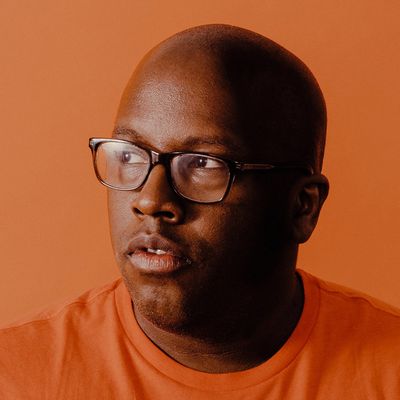
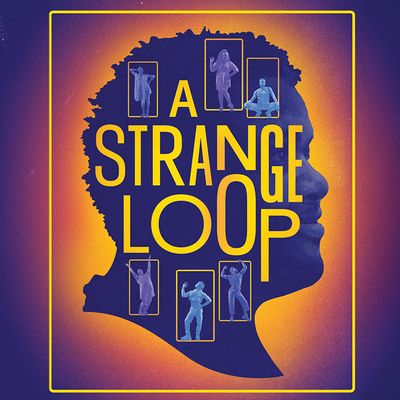
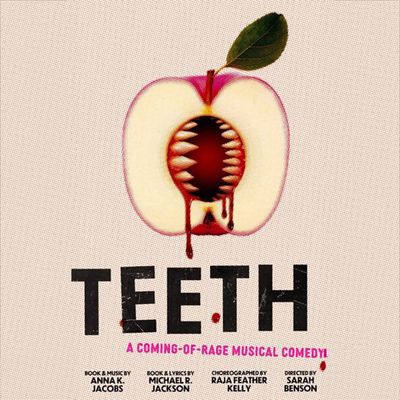
[0:17] Gordon Cox: I'm your host, Gordon Cox. On this episode of Stagecraft, I'm talking to Michael R. Jackson. He's the writer composer behind A Strange Loop, which last month became one of only a very few musicals to ever win the Pulitzer Prize. That was after A Strange Loop became a buzzy off Broadway hit in its world premiere at Playwrights Horizons last year, and has since gone on to win a number of awards, including the New York Drama Critics Circle Award for Best Musical. It's a show we'll all be seeing again, even if the pandemic has hit pause on a DC production that was aiming for Broadway. And in the meantime, Jackson has other work taking the spotlight, including Teeth, a musical he co-wrote based on the 2007 horror film, and getting a digital showcase from the New York Theater Barn June 10th.
Jackson's in the virtual studio with me to tell us about what he's working on these days, how he's celebrated his big wins, and why he's only just begun to embrace being called a composer. Hey Michael, thanks for joining me.
[1:12] Michael R. Jackson: Thanks for having me, Gordon.
[1:14] Gordon Cox: Yeah. So what do you do when you found out you've won the Pulitzer Prize at a time where you can't celebrate with your friends and you basically can't leave the apartment? How did you celebrate?
[1:25] Michael R. Jackson: Um, the only thing I could do to celebrate was go for a walk.
[1:30] Gordon Cox: That's a big deal these days.
[1:33] Michael R. Jackson: It is. I went for a walk and I was I'd listened to Luther Vandross, um, Never Too Much, and Shaka Khan's Through the Fire.
[1:41] Gordon Cox: What why those songs in particular?
[1:43] Michael R. Jackson: Yes, I don't know, and well, some other Shaka Khan songs as well, but like there's something about the two of their voices that felt like a celebration to me. So Luther Vandross and Shaka Khan helped me celebrate on my walk through Washington Heights to New York. And the Pulitzer is, of course, a great big prize, and it's one of several that A Strange Loop has been winning this spring, the all the award season.
[2:05] Michael R. Jackson: Yeah, A Strange Loop ran last summer, but is part of the award season now, such as it is. Um, that's a lot of attention. How is that exciting for you? Does it scare you at all? What's how do you take it all in?
[2:22] Michael R. Jackson: Um, it's really I mean it's been really nice, I have to say, like, you know, I've said this in many interviews at this point, but like I feel like I'm in Sam Beckett from that TV show Quantum Leap. I just feel like I keep transporting back and forth through all these different, you know, realities of like COVID-19 Hellscape World on Fire, and then oh my god, you won like a Drama Critics Circle Award.
[2:48] Gordon Cox: Right.
[2:48] Michael R. Jackson: COVID-19 City on Fire. Oh my god, here's a Pulitzer, you know, like and so like I'm just constantly like going back and forth. It's like very schizophrenic and trippy, but it's also like it's very affirming and um and it makes me feel good, like and especially because so many people in the theater community had sort of they feel like they'd won by virtue of the fact that A Strange Loop won, which is because it's not the piece that you normally think of as winning a Pulitzer, I guess. And like and me watching people celebrate that in this sort of in this time of great uncertainty, it makes me feel warm and hopeful and just good. So it's been a really great experience so far. And it's also been utterly insane because like.
[3:45] Michael R. Jackson: Because like my emails are like exploding every day, and like text messages, and like I just there's just a lot, there's now a lot to do in the aftermath of the Pulitzer.
[3:54] Gordon Cox: Can you give me some examples?
[3:56] Michael R. Jackson: I mean, just like people have reached out to me about wanting to work on projects. I'm recording quite a lot of podcasts.
[4:04] Gordon Cox: Yes, yes.
[4:05] Michael R. Jackson: I'm contributing to this.
[4:06] Gordon Cox: I apologize.
[4:07] Michael R. Jackson: No, it's no, it's good. Like, I mean, prior to all of this, I was just sitting, you know, in my bed watching Designing Women every day.
[4:14] Gordon Cox: Right.
[4:14] Michael R. Jackson: Um, it's good. Like it gets me up, it like keeps it gets reminds me of my purpose.
[4:20] Gordon Cox: Right.
[4:20] Michael R. Jackson: And so I'm like writing and getting ready for various little projects and things like that. So it's been great, like crazy. And A Strange Loop takes its title from a Liz Phair song, and you've cited Liz Phair as an influence on the show and on yourself.
[4:39] Gordon Cox: Yeah.
[4:39] Michael R. Jackson: How Go ahead.
[4:41] Gordon Cox: Oh, sorry, I didn't interrupt.
[4:43] Michael R. Jackson: It takes its place, it comes from two places. Liz Phair's Strange Loop is one, and Douglas Hofstadter's I Am a Strange Loop is the other.
[4:50] Gordon Cox: Right, right. Um, has Liz Phair seen the show? And does she? Do you know yet?
[4:56] Michael R. Jackson: She has not seen the show because when it was first going around, she had just finished a tour. I had seen her in concert like a couple of months before. And because she did Celebrate Brooklyn this past summer.
[5:15] Gordon Cox: Right in the park, yeah.
[5:16] Michael R. Jackson: Yeah, and then she went, and she lives in California. And she like got caught wind of the show, and she was aware of that, and she knew about me a little bit. Um, but like I was like, there's no way she's gonna like fly all the way back from California when she just left here to come see an off Broadway musical. So she hasn't seen it, but she's aware of it. She's like tweeted in support of it. I got to meet her because then she did another tour in New York in New Jersey like a couple months ago, and I got to go backstage and meet her and talk to her, and so it was really wonderful. So like she's been a supporter, but she hasn't seen the show yet. So hopefully in another in the new world, um maybe the show will get done in California and she can see it, or maybe it'll have another life in New York and she can come and see it, but she hasn't seen it yet.
[6:06] Gordon Cox: Right. And another person whose work comes up in the show pretty frequently is Tyler Perry, who's maybe maybe can we say he's read for filth in the show, but uh does he go ahead.
[6:21] Michael R. Jackson: Well, it's interesting because Tyler Perry called me last week.
[6:25] Gordon Cox: That was my question. What has he heard or seen?
[6:29] Michael R. Jackson: He has not seen the show, he's heard about it, and now he has the cast album which he purchased after talking to me. Um, I guess you could say he's read for filth in the show, but what is also true is that the character who is reading him for filth also reads himself for filth through Tyler Perry. So like there's it's a complicated critique of Tyler Perry's work, but also of like sort of larger issues around that.
[6:59] Gordon Cox: Right, right. Yeah. Um, and not many musicals win the Pulitzer, which means A Strange Loop is one of a pretty small group of shows.
[7:07] Michael R. Jackson: Yeah, like just been ten then ten minutes.
[7:10] Gordon Cox: It's ten, right?
[7:11] Michael R. Jackson: Yeah, so it's like Hamilton and Rent and Sunday in the Park and A Chorus Line. I like to keep bringing that up just because that just blows my mind that I get to be near anything as exquisite and perfect as A Chorus Line.
[7:23] Gordon Cox: That was exactly my question was what what of those works is particularly meaningful to you? Why is A Chorus Line that showful?
[7:27] Michael R. Jackson: A Chorus Line I had like this interesting relationship with because it was a show that I actually didn't know like very well as a kid or anything. And I'd always heard about it, but I think like the most I knew about it was One Singular Sensation, and I think they used it in like a popcorn commercial. So like that was like my relationship to it. And then like when I was in after college, I was working a lot of temp jobs, and I remember going to the Virgin Megastore here in New York, may she rest in peace.
[8:02] Gordon Cox: Exactly.
[8:03] Michael R. Jackson: And there was like in the bargain bin was like the original Broadway cast album of A Chorus Line. I was like, Oh yeah, I'd always heard about the show, and I'm a student and I'm the musical theater, you know, MFA. I shouldn't know more about the show. And we studied a little bit in school, but I didn't know the show. And I like, let me buy this cast album, and I'll listen to it. But then I bought it and I like forgot about it, I didn't listen to it. So now I was working this temp job with this horrible insurance company during data entry one day and I was like, I need some new music to listen to while I'm doing this really boring work. I said, Oh, why don't I listen to A Chorus Line? And so I got my then disc man, you know, because I still was doing CDs at that time.
And I said and I'm doing my data entry while listening to the original Broadway cast album of A Chorus Line. And from the moment the music started, like my body just like chills went down like the back of my spine. And then it got to that song, "What I Did for Love," and I just started uncontrollably weeping at my desk while doing data entry in the screens. Because it was just like the most beautiful and emotional and just touching and like kind of jazzy 70s, you know, what we sound like what we we sound like actual human beings and not like auto-tuned, like just everything about it just like plugged in, like just touched me to like the depth of the bottom of my soul, you know.
[9:27] Gordon Cox: Yeah, like and I just and then it turned out that weekend was the closing weekend of the revival of A Chorus Line. So I like rushed and bought a ticket, and I like went and saw like the very last performance of A Chorus Line on Broadway, the revival. And so it's just a show that I just I love, I come back to it so often, and it's one of the touchstones for A Strange Loop in terms of like just the structure of it. Um, and so I and there's things in A Strange Loop that don't necessarily reference A Chorus Line in a direct way, but like I like when I wrote the opening number for A Strange Loop, it was it was trying to sort of be my version of something like uh, uh, gotta hope I get it. Like there were aspects of like just how I approached it, the feeling I wanted the song to have that came from like me listening to you know that cast album.
[10:27] Gordon Cox: Yeah. What are some other musical influences that you're drawing on in A Strange Loop?
[10:32] Michael R. Jackson: Uh, Company is definitely one. Passing Strange is another. Um, The Bubbly Black Girl Sheds Her Chameleon Skin by Kirsten Childs is another. Those four are like my big, big touchstones.
[10:47] Gordon Cox: And in general, for your work, who else do you consider your sort of musical theater kind of influences?
[10:54] Michael R. Jackson: Um, William Finn, Bill Finn for sure, who is my teacher, and he's someone who I sort of I really look to in terms of writing from the south and writing very personal things, like he's someone who I really look to. Sondheim is someone whose work I like deeply, deeply respect just because he's a composer who writes like a book writer, and that's something that I've always tried to sort of model my approach after, even though I don't think our music is not the same or anything, but I love his music and I love his lyric writing. And I just love the way he's so in touch with his own point of view, which is something that I've also like worked on over the years, like being really in touch with my own point of view through my writing. Um, there's like and then there's just there's so many other people, like you know, I love who people who I just love. I could go on and on.
[11:48] Gordon Cox: Have you always been a composer and has music always been a part of how you imagine yourself as a storyteller?
[11:55] Michael R. Jackson: So yes and no. I it took me a long time to embrace the term composer because I don't have any formal composition training. And I grew up I learned how to play piano by ear initially. I took a little bit of classical piano, but like I never particularly excelled at it. I'm not a great player. I can play what I can play. I have a really good ear at perfect pitch. So those sorts of things helped me. And I'm a very musically inclined person. I grew up singing in choirs. Um, I can read music a little bit. Um, but like and I used to try to I was like a big so Liz Phair is like a big influence on A Strange Loop in some of my writing. But Tori Amos is like my initi my my original origin story. Like she she's someone who whose work I encountered as a teenager and I wanted to be her.
Like I want to write like her, and I used to try to copy writing songs like her as a teenager, but I didn't know how to write lyrics. But musically, a lot of the gestures that if you listen to my music, there are certain gestures that overlap with her in lots of ways.
[13:10] Michael R. Jackson: And so all of that sort of boiled into, you know, me not knowing how to write lyrics and therefore not being able to write a song as a high schooler, and then going to college and going to playwriting school, and then going to grad school for musical theater writing as a book writer and who was learning how to write lyrics, and I learned how to write lyrics, and then once I got a handle of that form, it gave the musical impulses that had been with me since I was a little kid somewhere to go.
[13:39] Michael R. Jackson: And so from there I began writing my own music, even though for my thesis project I was paired with a composer. And so I but even then I was just like, I'm just a songwriter, I'm not a composer. To me, composers were just were fancier and more accomplished and more trained and all of those things. But the more I kept doing it and doing it and putting my work up and then starting to integrate that with you know book writing, it just I I had to sort of I I learned to embrace the the title of composer.
[14:10] Gordon Cox: Right.
[14:11] Michael R. Jackson: And you're a performer as well, or do you still think of yourself as a performer?
[14:14] Michael R. Jackson: You haven't so it's so it's interesting because like my initial as a kid I did a lot of child acting and then I like quit the business when I was 13 because I thought I was too ugly to ever be a movie star. And um and so I just I I just was thought of myself as a writer. And but then once I started you know putting songs up in concerts and everything years and years later the thing I noticed was I like I would sometimes give my songs to other people to sing and like they were fine but they just they couldn't quite get in the pocket of what I was writing from like such a personal place. Because they would often some of them would treat what I had given them as though it was like a musical theater a a capital M, capital C musical theater song and that just wasn't exactly what I was writing.
And so I was like I learned that I had to do it to sort of for some of what I was writing to to sort of really communicate the style you know in a clear way. And it forced me to have to become comfortable presenting my own work over years. And so I'm now at the point where like I'll I'll always do it if I need to you know I mean I I obviously collaborate with actors. I never it's one I mean I never want to be in any musical that I ever write um but like when I do like a concert or things like I always am I I'm I I'm happy to like get up there and do it myself. And also frankly it's just easier because it's less people to wrangle.
[15:44] Gordon Cox: Right.
[15:44] Michael R. Jackson: Yeah. And it can be easy to watch a strange loop and think, oh, it's an entirely autobiographical piece about uh you know you in your life, but that's not entirely correct. For one thing, you could have been in the show if it was really about you, right? Um Tell us about what the relationship is of the show to autobiography and how you think of it.
[16:05] Michael R. Jackson: So if the only kind of uh I think of it as emotionally autobiographical and I call it self-referential instead, because like while I did draw on personal experience to write it, I also m it's also something that is made, it's constructed, and it's a mix of fact and fiction. So like, for example, you know, I don't know how well you know the show, but like I did work as an usher at a Broadway musical.
[16:30] Gordon Cox: Right.
[16:30] Michael R. Jackson: I did, you know, go to NYU regret for musical theater writing and playwriting. Right. I did go meet like a horrible like white man in Inwood, but like uh but like the what's important about all of that are just the way it felt, how it seemed to me as a younger person. I'm 38. I'm 30 not I'm not 38, I'm 39. Usher, I know I'm like making myself younger already. Usher is 26. So like the perspectives in the show are from like a younger person who is also reflecting on himself as a younger person and in the present. So like because it contains so many such such a multiplicity of of perspectives and and and feelings, and frankly, feelings of self-hatred, it's not I like I can't call it autobiographical because it's auto to me, autobiography connotes something that has a really one to one representation, and it just isn't that. Like there's there's things I made up, and there's things that are like quote unquote true.
[17:39] Gordon Cox: Yeah. Has working on the musical, or did working on the musical, or did seeing it on stage help you work through some of your own emotions that inspired or were uh part of an echo or were echoed on stage.
[17:54] Michael R. Jackson: Well, honestly, I if to the extent to which I was working through any emotions in my own life, that work had already been done because I couldn't have written the piece unless I had some perspective on it. And that was, I think, part of the reason why it took me as long as it did to write it, because I technically started writing a strange loop when I was 21. I was I star it started off as a monologue, a thinly veiled personal monologue that I wrote my senior year of of college called Why I Can't Get Work, because I was about to graduate from the NYU with a playwrighting degree and like lots of student loan debt, and I didn't know what I was gonna do with my life. And so I wrote this thinly veiled personal monologue about this young black gay man walking around New York wondering why life was so terrible, and also reflecting a little bit on like September 11th, because it was like right in the aftermath of that.
And like in that and like that piece then sort of began to evolve over the years as I began to write music and then try to put the music into that monologue, and so it went from the Bush era to like the next Bush era to the Obama era, to then being produced in the Trump era to both terms of Obama to then being produced in the Trump era. So like uh so like it it just is a piece that just has like a lot of timelines and feelings in it, and uh that that's so like that's something that like I always also like to try to remind people.
[19:25] Gordon Cox: Yeah. I'll have more with Michael right after the break and now here's more with the writer composer Michael R. Jackson.
[19:43] Gordon Cox: Uh you mentioned that the uh you're enjoying seeing uh the community that sort of rallied around the show celebrate with you and uh you know the show has a lot of fans in the theater community and I think a lot of us were very excited to hear that the show was planning to yeah have a run at uh Willy Mammoth in DC and ahead of a potential Broadway run. Um what's the status of that now that everything is sort of paused um well it just has it was originally scheduled to go up in the fall of this year but it just was announced that we're now looking toward a summer run of next year. And you know I have a really amazing um commercial producer behind the piece, Barbara Whitman who you know has like a really strong track record of producing shows for Broadway and so like our hopes are that you know we we will be able to make that happen once we're unpaused. So I mean things are still very much we're optimistic for when that happens.
[20:47] Gordon Cox: Is Strange Loop finished? Are you done working on it?
[20:49] Michael R. Jackson: I'm not I mean I'm not making any major major changes. I'm not like writing any new songs or anything like that. But like we didn't I didn't get to hit everything that I wanted to do during previews um when it was running off Broadway. Uh and so there's some things that I just I want to tighten up and clarify. Again, not major things, but like just a couple things that I think are are important for whatever the next step will be.
[21:20] Gordon Cox: Yeah. Assuming the show does uh reach Broadway at some point, what do you feel like it will mean to you to see it on Broadway in particular?
[21:27] Michael R. Jackson: I almost feel like it'll be like I have I will have secreted it. Like I like I know what I mean?
[21:35] Gordon Cox: Yeah the book's the secret.
[21:36] Michael R. Jackson: Right. Yes. Well because like it because literally the opening number says big black and queer ass American Broadway show. Right. And so like I just I I like dream about the day when like it opens at you know whatever Broadway theater will have us and the first time we get to hear the cast sing big black and queer ass American Broadway show on a Broadway stage. That will be a strange loop. The show in so many strange loops within it already and that I feels like that would be like the final one.
[22:10] Gordon Cox: Right. Is there anything that makes you particularly unless I oh no that would be the final one then that'll be the penultimate one. The next one would be is when both Tyler Perry and Liz Ther and Scott Rudin are all sitting in the same audience together.
[22:23] Michael R. Jackson: Yes.
[22:24] Gordon Cox: Yeah Scott Rudon also gets mentioned.
[22:25] Michael R. Jackson: That's correct.
[22:26] Gordon Cox: Yes.
[22:27] Michael R. Jackson: He's also aware of the show and he really likes it.
[22:29] Gordon Cox: I'm sure yeah yeah.
[22:31] Michael R. Jackson: Um is there anything that makes you trepidatious or hesitant or wary about the idea of the show going to Broadway and you know a sort of more stereotypical Broadway audience second?
[22:41] Michael R. Jackson: Well I guess like it's mate that's kind of another strange loop too because I when I was in the midst, somewhere in the middle of when I was writing it, somewhere between 2001 and 2019, when I was ushering in at um the Lang King and Mary Poppins, I saw that was the first time that I saw like Broadway tourists up close and personal. And then I did a stint as a flyer, I flyed for Rock of Ages for a horrible summer. Oh, yeah. And like, so I was there on that accursed triangle in the hot summer heat with the Chicago girls and like these crazy scalpers being like, Mamma mia, mama mia, mamma mia, you know, and like, and I saw Broadway tourists up close who were like just wanted, it was like they just wanted many of them, it was like they didn't care what it was as long as it was just like a soda.
It was that's what it felt like. And so and I thought in the midst of all of that, the ushering and the flyering and just that time squareness of it all, I was like, oh, I don't do this, and so therefore, no one will ever want to see my big black and queer ass American Broadway show. Like it's not commercial. And so I was like, and oh well, I'm just gonna keep writing it because there's no stakes, no one will ever do it. So I'll just I'll just write it and like and make it whatever the fuck I want to make it. And so, but then lo and behold, the culture sort of shifts, and suddenly people like are gonna do it. And so, like, my if if I have any trepidations or fears, it's it's somewhat similar to what I felt before is that oh, it won't make money, like that people just won't come and see it because it's not quote unquote commercial enough.
And yet the culture, especially with conferring the poets are on it, has sort of given it a cultural stamp of approval in some ways, at least one part of the culture, I guess. And and the thing that was has always been important to me about a strange loop is that it had both it'd be as my mission statement is to make work that is as challenging as it is entertaining. And so the thing I all have always wanted for it and tried to make happen, and I think we're successful at this at Playwrights Horizons, um, was making it something that the we we invited the audience to give a shit. That like we were putting something that was both, you know, really, really entertaining, but really thought provoking and makes you feel.
And I just don't see why musicals can't all be like that. You know, that like that it doesn't have to be stupid to be a good time. Um, and so my hope is that if we are able to get to Broadway, that even though it's a piece that is very challenging in a lot of ways, it's also like extremely pleasurable, and that that pleasure is part of the Broadway experience. Certainly the Broadway shows that I have loved. Um, so I don't know. So my prediction is just that like maybe my calculation will be wrong, and that people only want to see musicals that are escapist and don't have like a deep thinking or deep feeling behind them.
[26:00] Gordon Cox: Right.
[26:01] Michael R. Jackson: But we'll see, we'll find out.
[26:02] Gordon Cox: And if you don't know, we're gonna find out.
[26:04] Michael R. Jackson: Um during this time of pause, some of your other work is starting to show up online, like you've got coming up uh pretty soon a showcase of uh musical you're working on called Teeth Online.
[26:15] Michael R. Jackson: Um tell us about that.
[26:17] Michael R. Jackson: Yeah, so Teeth is a piece that I'm working on with my collaborator Anna Kay Jacobs.
[26:21] Michael R. Jackson: Um we're we're sharing a book, and she's the composer and I'm the lyricist, and it's adapted from the uh 2007 indie horror comedy film Teeth of the same name, uh by Mitchell Wittgenstein. And uh it's about a teenage evangelical Christian teenage girl who discovers she has teeth in her vagina. Um and it's like a sort of a real rip-roaring romp of a show, but also with sort of like deeper messages about female agency in it, and um and so we're we're doing like a little excerpt of it on uh a show that my friend Joe Barros is hosting.
[27:05] Gordon Cox: Is there uh sort of plan or a timeline for that show for when we might possibly see it?
[27:12] Michael R. Jackson: Um we're still in development and and sort of looking for people who might be interested, so we're just sort of staying tuned for that.
[27:19] Gordon Cox: And I know you have another show called I believe White Girl in Danger. Do I have that right?
[27:23] Michael R. Jackson: That's right. And tell me about that.
[27:26] Michael R. Jackson: So I'm working on White Girl in Danger with the Vineyard Theater in the development, and Liliana Blaine Cruz, yeah, is my director. And it's uh it's a show that is inspired by slash set in the world of lifetime original movies from like the 90s. So newties like She Cried No, She Thought Alone, Mother May Sleep with Danger, sort of and also, but also like classic soap operas like All My Children, One Life to Live, etc.
[27:56] Gordon Cox: Right.
[27:56] Michael R. Jackson: Um and it's set, it's like kind of a really wacky piece that's set in it's sort of in the world of one of those uh universes called and it's a universe called All White. And in All White, there are so All White like Pine Valley or Land Fair, Land View or whatever. And in All White, there are like these all-white stories going on that are like you know, be like just white women in all kinds of trouble, you know, and their boyfriends and mothers and all these sorts of things. And then there's also a group of people called the Blackground. And the Blackground are black characters who are just there to support the all their sort of all-white storyline lives. And then one of the Blackground is this girl named Keisha, who decides she's got what it takes to be the protagonist of her own all-white story.
So she sort of begs the writer of the universe to please make her a protagonist, and he sort of strikes her with lightning, and then her hair slowly begins to turn blonde over the course of the show as she sort of usurps storylines from her three main rivals, Negan, Megan, and Megan, um, who are the three sort of like have the hottest white all-white storylines of all time. So, like Megan has uh he's has an eating disorder, and like, and she's always has to get an A on everything, or her mom's gonna kill her. Megan has is like is like a lonely bad girl whose mother is very glamorous, globe-trotting Judith, who ignores her, and and so he's and therefore she like gets into drugs and alcohol and boys, and then Negan has like an abusive boyfriend named uh uh Zach Paul Gossler, who you know, we think is the killer, because the killer, meanwhile, the there's a killer who's killing all these all-white girls and women throughout the town, and so like there's a whole mystery element of like who's the killer, and and once Keisha sort of enters the mix and like her hair starts turning blonde and she starts becoming the center of the story, chaos ensues because there's this Blackground girl sort of at the center of this all-white story, and the universe kind of reacts to that. So it's a very wild, crazy meta-theatrical piece that sort of comes from.
[30:12] Michael R. Jackson: So prior to my getting into musical theater, I moved to New York to go to NYU because I thought I was gonna be a soap opera writer. My dream was to be the head writer of One Life to Live. And that's like what that was. I think I had many shows, but that was the one I wanted to write for. And so that I did like I interned at All My Children, I interned at ABC Daytime. I did a youth marketing consulting job where I got to watch soaps for ABC and tell them what I thought. Like I was like, I was before I got into grad school, I had um interviewed to be uh an executive assistant at CBS Daytime. Like I was like on that was the track I was on, and then I just happened to get in, I didn't get that job, and I got into grad school for musical theater writing, and then my life went into this different direction.
But this show White Girl in Danger sort of is my um attempt to scratch that itch, but also to talk about issues of quote unquote diversity, equity, and inclusion, and representation on stage, and sort of some feelings I've been having as that conversation has been playing out in you know the world over the last couple of years.
[31:20] Gordon Cox: Yeah. What else are you working on that we should know about?
[31:23] Michael R. Jackson: Um, I have a commission at LCT3 for a piece called Accounts Payable. Um that is a uh well, it's actually sort of in flux a little bit right now because the world has sort of exceeded where the piece was. It was set in a dystopian America, yeah. Um, and it still will be, but it's like basically it's an office comedy set in the future at this ad agency in the finance department where all these people are like jockeying for like raises and promotions, but meanwhile, like the world at America and the world is sort of like melting down outside, but they all just want like raises and promotions. So and it's explore sort of like what capitalism, what it means to work 40 plus hours a week somewhere, and like what happens when like capitalism is just like totally breaking down and like crushing and grinding everybody into dust.
[32:18] Gordon Cox: And what if which of these shows are we most likely to see first? What do you feel like is gonna take off first?
[32:26] Michael R. Jackson: Uh like if I had to place the bet, I would say White Girl in Danger, just because it's further along in its development and it has like support behind it. Um so and you know, and I'm like it's just I've done much more work on it recently than the others. Although Teeth is not that far behind it, but we still are looking for support for it.
[32:47] Gordon Cox: Right.
[32:48] Michael R. Jackson: Yeah. How are you spending your time in lockdown these days?
[32:53] Gordon Cox: It does well, first of all, does lockdown make it easier to write and be creative or harder?
[32:57] Michael R. Jackson: Oh, absolutely not. I mean, it does so here's the thing. I had decided at the sort of very beginning of this that time is not of the essence. And that I was not going to pressure myself into any sort of productivity. Because I for me, this global moment is one of looking inward and sort of like taking care of your day-to-day emotional and material needs. And so I sort of had dedicated myself mostly to that. Now, that being said, like winning the Pulitzer has forced my hand a little bit. And so I now have there's certain things I have some responsibilities to take care of. But I mostly have been spending this time just sort of like just seeing what's gonna happen. Because we just don't know what's gonna happen, and like good or bad, we don't know what's gonna happen.
There's lots of like doomsday theater Twitter people who I can't deal with that. And but and then there's also people who are like, okay, we're gonna put on a Broadway show in September, you know, like, and I just think that like the truth is that there's gonna probably be a third option or fourth option, or like just we don't know what's gonna happen. So I I mostly had been just trying to just live in the uncertainty and like embrace it and not sort of uh speculate too much on what's gonna happen.
[34:30] Gordon Cox: But I had done some writing, and like, and as things come up, like I'll do more.
[34:35] Michael R. Jackson: Yeah. Do you have a sense of how this time is starting to affect the way you think creatively about your creative projects or the kinds of stories you're interested in telling, or is it too soon for something to know something like that?
[34:49] Michael R. Jackson: Um well, I'm still very much focused on the pieces that I had been working on, and so I'm I haven't like yet quite thought about ahead. I will say that like Accounts Payable was already sort of trying to look ahead just because of the nature of its story, and this moment will probably inform that as I can complete the draft, though it's not necessarily going to reference it specifically. Um, because there's not a virus in that world, there's like other things. Um that piece is gonna be more about like the world is gonna be more breaking down because of climate change, which I think is uh still an issue now. It's just that our focus is less on it because of the virus, but like um I I guess like I told the Los Angeles Times that my feeling about this moment is that it's is that the virus has exposed all the sort of preexisting inequities in our world, and that and now it's like we've walked into the kitchen late at night, turned on the lights, and found roaches on every surface.
And this time, instead of the roaches skittering away, they just stare back at us defiantly. And so I'm interested in seeing theater sort of on quote unquote the other side of this that is more directly engaging with the roaches and looking at the roaches.
[36:24] Gordon Cox: Right.
[36:24] Michael R. Jackson: Because I think that those things were here with us before. And and frankly, I think like in the theater, like I think the theater, the American theater has suffered a little bit from trying to be in opposition to or in resistance to Trump, and in so doing has lost some sense of self-inquiry, and so I'm hopeful for and I hope to be a part of looking inward and not just sort of just being a resistance playwright. If that makes any sense.
[37:00] Gordon Cox: Yeah, absolutely. Are you interested at all in writing for the screen?
[37:06] Michael R. Jackson: I am. You know, like I when I was in in college, I I definitely took my screenwriting classes and I took some television writing classes. I am interested in that. I had like I had like a film idea that I really want to write. I don't know if I'll get to it this year, but I think it's a really interesting idea that I'd be excited to write with, or maybe even co-write with like a director or something, just because I don't have that much screenwriting experience.
[37:43] Michael R. Jackson: So hopefully I will be able to do that as well, in addition to my theater stuff.
[37:50] Gordon Cox: Yeah. As we as we all sit here uh missing the live experience, what what have you found for you is what's really important about the live experience? Why is theater the place that you sort of do your work?
[38:04] Michael R. Jackson: Um because it's a place where we can all sit together and and have and have a shared experience. Um I think that there's something equalizing about sitting in the darkness together and hearing a story that uh tests our empathy. Um and at least that's the kind of work that I I like the best, and the kind of work that I endeavor to create. Um and and uh that for me is like what's missing. Like just that we all can sit together and like take in a story and need it wherever we are.
[38:38] Gordon Cox: Yeah. Well, I look forward to sitting together with an audience uh to see A Strange Loop and White Girl in Danger and everything else you're working on sometime soon, I hope. Uh, thanks very much, Michael.
[38:49] Michael R. Jackson: Thanks for chatting with me.
[38:50] Michael R. Jackson: Thank you so much.
[38:59] Gordon Cox: That was Michael R. Jackson, the Pulitzer Prize-winning writer-composer of A Strange Loop. If you like what you're hearing on this and other episodes of Stagecraft, you can rate and review us on Apple Podcasts, and you can subscribe and find past episodes there and on all the other pod places, including Spotify and on the Broadway Podcast Network, which is a great place to find more theater for your ears. I'll be back next week with another new episode. Thanks for listening and see you soon.
© Broadway Podcast Network, All Rights Reserved