

The Tony-nominated actor on fighting the good fight, and why it’s “like a war movie” backstage... Read More
From the show: Stagecraft with Gordon Cox
Guests
Featured Shows
About
The Tony-nominated actor on fighting the good fight, and why it’s “like a war movie” backstage.
Transcript
This transcript was automatically generated and might contain errors.
[0:06] Gordon Cox: Welcome to Stagecraft, Variety's Theatre Podcast, bringing you backstage and behind the scenes with the stars and creators of the hottest shows on Broadway, off Broadway, and beyond.
[0:16] Gordon Cox: I'm your host, Gordon Cox.
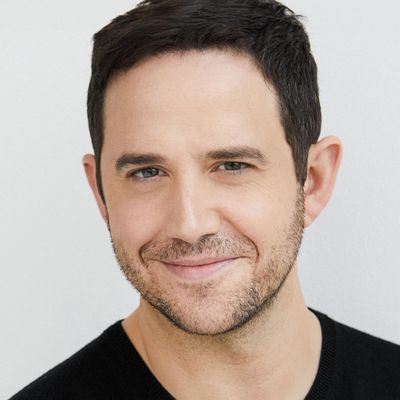
[0:19] Gordon Cox: On this episode of Stagecraft, I'm talking to Santino Fontana.
[0:22] Gordon Cox: The actor has been on the radar of theater goers for years now, since notable performances and shows like Billy Elliott, A View from the Bridge, Cinderella, and Sons of the Prophet.
[0:32] Gordon Cox: While TV audiences got to know him over two seasons on the CW's musical series My Crazy Ex-Girlfriend.
[0:38] Gordon Cox: Now he's back on Broadway and earning raves in Tootsie.
[0:42] Gordon Cox: The new musical by Robert Horn and David Yazbek, the Tony-winning songwriter behind The Band's Visit, relocates the 1982 film comedy from the TV industry to Broadway, where the difficult actor Michael Dorsey finds his greatest role when he transforms himself into the actress Dorothy Michaels and gets a plum part in an ill-advised new Shakespeare musical called Juliet's Curse.
[1:03] Gordon Cox: Tootsie has been nominated for eleven Tony Awards, including one for Fontana for Lead Actor in a Musical, and the actor's in the studio with me to talk shaving, corsets, comedy, and the delicate personal and political dance of playing a man who's playing a woman.
[1:20] Gordon Cox: Congratulations on your Tony nomination.
[1:22] Santino Fontana: Thanks.
[1:23] Gordon Cox: How's it feel?
[1:24] Santino Fontana: Uh great. It's, you know, I'm honored and flattered to be in such great company and yeah, and thrilled for the show.
[1:32] Gordon Cox: Yeah, I was gonna say it's nice when quite a few in the rest of your show is nominated as well, and it's yeah.
[1:40] Santino Fontana: Yeah, four of us in the cast, and then yeah, it's great, it's great. Yeah, we're having a great time, and it's great to know that people are also enjoying, you know, what we're doing.
[1:49] Gordon Cox: Yeah. Does it feel different this time around?
[1:52] Santino Fontana: What, in that Tootsie is now one of the sort of, you know, awards contenders that everybody's sort of buzzing about? Does that make your experience of this time different?
[2:01] Santino Fontana: I mean, uh, no. Yeah, sadly. I mean, I mean in the sense that here's what's great. Especially doing a comedy that's this undeniably funny where you can't, uh, you individuals may not be laughing at everything, but the other fifteen hundred and fifty people in the house are.
[2:22] Santino Fontana: So, in a way, it's great to see, uh, like the community embrace the show and recognize and reward it and say we see it and we like it and you guys are doing well, well done.
[2:35] Gordon Cox: That's beautiful and lovely.
[2:37] Santino Fontana: But we also, like I said, you know, every night we're getting to, we get that from the fifteen hundred and fifty or sixteen hundred strangers who we've never met.
[2:46] Gordon Cox: Right.
[2:46] Santino Fontana: Uh, who aren't, you know, writers or critics necessarily, but audience members who are loving the show. So that kind of has been the wave that really I think we're all really riding, which is just so rare. I mean, I've been in so many comedies and dramas, but I've been in so many comedies that get half the laughs we get.
[3:07] Gordon Cox: Yeah, I was gonna say it is rarer than the number of jokes that land.
[3:11] Santino Fontana: I don't, I like, I can't remember the last time I experienced that in the theater.
[3:14] Santino Fontana: Amen. That's exactly how we feel and as an actor I feel that way. I mean, I knew it was funny. I didn't, I knew it was funny, but I also knew I didn't expect the audience, it to be every night is a bit of an amazing battle, an amazing battle between the audience and the cast of fighting over who's in control over the show.
[3:37] Santino Fontana: Because I mean, I saw a friend of mine came to the show the other day to a matinee that we didn't, we were like, oh, it was bad, we were bad, and the audience was bad. We were, everyone was bad. And he was like, What do you mean it was bad? There was a pause in eight scenes. And I was like, You're right. I, you know, like you don't see the, you don't see that. We're just living it.
[3:57] Gordon Cox: So what happens when the audience takes control? Does this just a laughing keep going and going and going?
[4:04] Santino Fontana: To rein a minute. To be like, no, no, no, no, no. We're telling a story. Is that either, is that easier as Dorothy or easier as Michael?
[4:11] Santino Fontana: Okay. No, it's definitely easier as Michael.
[4:13] Santino Fontana: Because Dorothy would let, you know.
[4:16] Gordon Cox: Yes.
[4:16] Santino Fontana: And also it doesn't ever happen in the scene.
[4:19] Santino Fontana: No, it doesn't happen in the scenes with her.
[4:21] Gordon Cox: Okay.
[4:21] Santino Fontana: It happens in the scenes with him. It happened on opening night. It was terrifying.
[4:24] Santino Fontana: Yeah. Within the first five minutes, I was like, oh no. And, um, Scott Ellis and Dave Solomon, the associate director, uh, they came back at intermission, or they we were texting and they were like, thank God you did that because we would have...
[4:28] Gordon Cox: But what did you do?
[4:40] Santino Fontana: I basically just remind people that yes, this is hilarious and funny, but it also is there's a narrative of an imagined reality with circumstances that are not our own.
[4:50] Gordon Cox: Right.
[4:51] Santino Fontana: That we have to engage and embrace in, and we're not gonna let you, uh, this isn't a stand-up comedy show. So we can't just because I know where we're ending. And is that you, is that right? You know, I can't, oh I gotta turn the car around.
[5:04] Gordon Cox: Right.
[5:05] Santino Fontana: Like, so I know we have to. I just have to lay in what's really important about the story and for the character.
[5:10] Santino Fontana: And that's you adjusting the dial on your delivery in terms of orange.
[5:14] Santino Fontana: It's, yeah, I mean, I wish I could explain. I think it's like, um, well, you see it, you know what you see where you see it, you see it in like, uh, like political debates. You see it where an audience is taking over and somebody, the, you know, some opponent has to remind people about the seriousness of this, and in this case, this is a guy who can't get work.
[5:34] Gordon Cox: Right, right.
[5:35] Santino Fontana: So you have to lay that in. Yes, it's hilarious and funny, and that joke was funny, but this man is about to make a terrible decision.
[5:42] Gordon Cox: Right.
[5:42] Santino Fontana: That is entertaining, but terrible. Right. So you know what I mean?
[5:45] Gordon Cox: Right.
[5:46] Santino Fontana: And you have to make sure they realize that or we're sunk right in the end.
[5:50] Gordon Cox: Yeah. Let's talk a little bit about logistics, because I feel like as I was watching Tootsie, it felt it was easy for me to forget the fact that as you appeared on stage as Dorothy, and then you came back as Michael, and then you came back as Dorothy again.
[6:05] Santino Fontana: That it was very easy for me. Like it took me halfway through the show. I was like, wait a minute, that's hard. Like it, there must be a very elaborate sort of dance that happens backstage and all those transformations.
[6:18] Santino Fontana: Yeah, what tell us a little bit about it?
[6:20] Santino Fontana: I mean, I really sort of ended up forgetting for a while that, uh, that's great. I mean, that's the magic trick that we're trying to do.
[6:26] Gordon Cox: So, but tell us a little bit about it.
[6:28] Santino Fontana: First of all, shaving. What tell me about shaving?
[6:31] Santino Fontana: What has to have to do?
[6:33] Santino Fontana: Because I'm light-skinned and I have dark hair, which is the worst combination you could have not good, not good genetic pool.
[6:43] Santino Fontana: Um, so, um, for this, um, I shave an hour and a half before the show starts. I have to shave, uh, and it's, it's in depth. There's hot towel, there's oil, there's cream, there's a brush, there's a single blade, like German Merkur blades that goes one direction.
[7:04] Santino Fontana: I shave one direction, I repeat the whole process and I shave the other direction. If there is bleeding, and oftentimes there is, yeah, I use a styptic pencil to stop the bleeding. I use an aftershave. Uh, and then there is, you know, we use another astringent before we start the makeup, which is an hour before, and that takes 30 minutes.
[7:26] Gordon Cox: And there must be a whole makeup thing that happens also when you, but when you're changed from character to character, does your makeup, I mean a little bit.
[7:34] Santino Fontana: Yeah, I don't even know how that works.
[7:35] Gordon Cox: What like what changes?
[7:37] Santino Fontana: Well, the great thing, the team of the, there is an army of people, uh, working for they call themselves Team Dorothy, which, uh, Brian Stromwasser, Lauren Galitelli, uh, Michael Ferguson, Margot Lawless, Sarah, uh, uh, Laura, uh, uh, all led by, you know, Joe Sibley and Jesse.
[7:56] Santino Fontana: No, it's a new, it's a, and anyway.
[7:58] Gordon Cox: Is that like 10 P, like depends?
[7:59] Santino Fontana: I was trying to keep track of it. It depends on any given day who's in, who's out in terms of, uh, the crew, and also what's going on costuming makeup, but there are people like there's one person only on my fingernails.
[8:12] Gordon Cox: Wow.
[8:12] Santino Fontana: So, you know, it's, yeah, it's like a war movie back there. People are shouting, there's a lot of loud noises, there are people, there's strangers in the dark.
[8:20] Santino Fontana: You don't, you don't, there are flashlights.
[8:22] Gordon Cox: Um, are you in the wings usually or do you guys go to?
[8:22] Santino Fontana: Always, okay?
[8:27] Santino Fontana: Yeah. There's never a moment, I will tell you, there are only two moments in the show where I have any time where I'm literally waiting. And that is at the very end of act two, there's a scene between, uh, Andy Grolucian and Sarah Styles.
[8:43] Gordon Cox: Okay, yeah.
[8:44] Santino Fontana: And I have about 30 seconds there where I'm chilling.
[8:46] Gordon Cox: Nice.
[8:47] Santino Fontana: Which is nice.
[8:47] Gordon Cox: Nice. What do you do?
[8:48] Santino Fontana: I'm just going to, I either go to the bathroom or I get water.
[8:52] Gordon Cox: Sure.
[8:53] Santino Fontana: Um, and just kind of calm down. And then the, and then in the top of act two, kind of, after Andy Grolucian sings a scene and song, uh, and then Lily Cooper has a song, there's another like 30 seconds in there where he and I have nothing to do.
[9:10] Santino Fontana: So we have water and we, you know, that's it.
[9:12] Gordon Cox: Right.
[9:13] Santino Fontana: But otherwise, anytime you don't see me, it's a war movie.
[9:16] Gordon Cox: You're in the...
[9:17] Santino Fontana: Yeah. I'm in the trenches with a bra and elastic and a corset and makeup and nine people following me around.
[9:25] Gordon Cox: And tell me about the wig.
[9:26] Santino Fontana: What yeah. Was that the wig? Was that always the wig? Did you have to find the wig?
[9:31] Santino Fontana: What, and yes, we did. I mean, Paul Huntley, this was, you know, he did the, he did the well-known Broadway wig designer.
[9:37] Santino Fontana: Yes, but he did the first one.
[9:38] Gordon Cox: Oh.
[9:39] Santino Fontana: So this has been a kind of a great, and he had a kind of a complicated experience on that movie, I think. And he, um, but this has been kind of a great bookend, I think, for him.
[9:49] Santino Fontana: Uh, and we initially looked at initially the first time we tried wigs, I was a brunette.
[9:55] Gordon Cox: Oh.
[9:56] Santino Fontana: And, uh, and it was just my natural hair color. And then we, they had photos of like Tina Fey and Julia Louis-Dreyfus and me, and they like mixed our faces up to try to see...
[9:58] Gordon Cox: Was that creepy?
[10:06] Santino Fontana: Yes, yeah. It was not, not creepy.
[10:08] Santino Fontana: Um, but William had led that charge when we might be long.
[10:13] Santino Fontana: But, um, the costume design.
[10:14] Gordon Cox: The costume designer.
[10:15] Santino Fontana: But then I was like, I think it's too, and we all agreed it's too severe, it's too, and it's too much like Michael.
[10:20] Gordon Cox: Yeah.
[10:21] Santino Fontana: What's the biggest difference?
[10:22] Santino Fontana: And I remembered my grandmother, uh, dyed her hair red, uh, had glasses, wore pearls a lot, and I was like, what if we go with my grandma's hair color?
[10:33] Santino Fontana: Um, and then they started looking at that, and they're like, I think you're right. I think this is closer. And then it was a, you know, it was a gradual process of figuring out. We did long hair, we did updos, we did, we tried everything.
[10:45] Gordon Cox: Right.
[10:46] Santino Fontana: Um, and then they all weighed in.
[10:48] Gordon Cox: Did how did putting the wig on change your, or I guess of all the accoutrements that you were donning for Dorothy, what is the thing that defined it for the city?
[10:53] Santino Fontana: The wig is the most. The wig, I think does the most for us because it's a huge not only just the contrast of between Michael and her, uh it feels that and the glasses, I think are huge.
[11:07] Santino Fontana: Yeah. They're huge.
[11:09] Santino Fontana: Um, that's, I mean, yeah, those are the big things. Those are the things that definitely help. You know, you have to deal with hair, her hair in a way that I don't have to deal with hair. You know, there's just an awareness, there's a physicality to it, and um, uh the same with the glasses.
[11:26] Santino Fontana: So yeah, that those are definitely touchstones to help.
[11:30] Gordon Cox: Yeah. And you have a corset and all that stuff, and butt pads, corset, bra, shaving my chest, shaving my legs, shaving my arms, pantyhose, my mic packs are in my butt.
[11:42] Santino Fontana: Sure.
[11:44] Gordon Cox: Yes, they are.
[11:45] Santino Fontana: Yes, they are.
[11:46] Gordon Cox: So wait, can you sit?
[11:47] Santino Fontana: Yeah, yeah, you can sit in the back.
[11:48] Gordon Cox: Yeah, yeah, yeah.
[11:49] Santino Fontana: Okay, yeah, yeah.
[11:50] Santino Fontana: I was gonna say I recall you sitting.
[11:51] Santino Fontana: Yeah, yeah, no, I sit a lot.
[11:52] Gordon Cox: Okay, um, yes. So that's all, and that's all fine.
[11:55] Santino Fontana: But uh yeah, it's a delicate there are also mics in. I think there are like eight wigs per show for because the problem is you can't have a wig on and off and on and off and on and off, and it won't survive. So they've also figured out I think the for the first time there is an actual mic pack and the mic in the wig, separate from my mic's as Michael, which are on my ears. Okay. So it yeah, it's elaborate. Wow. And we haven't even talked about the dresses, the cause we might be like a lot. And did you were did you have to look for inspiration in terms of transforming yourself this way? Did you watch, I don't know, drag race or well YouTube makeup tutorials? I don't even know what. I did you know what I did do?
I did during I was in, I did a short stint in Hello Dolly. Yeah and I did um I put my face I had a buddy of mine who does uh hair makeup. I was like, Can you can we do a rough pass just like us? Like if like what Michael Dorsey would have done. Because I don't know anything about it, and I need to learn as he would learn. And so he, you know, we did the whole thing, we he put make we put makeup on, we did it. When then we did various levels of makeup, just as a test on my own. And um I took my face and I put it in one of those websites where you can try every different hairdo. It's really only I've only found them for women, not for men. But uh uh because then I tried to do it. I was like, I want to do that.
Um so all these different hair do's and I went around uh backstage like to Bernadette Peters, and I did. I did. I went to Bernette Peters and I showed her and I and she marked the ones that she liked. Pretty girl, and not so pretty girl. Oh the ones she didn't like, and then I gave them to Victor Garber, I gave him to Kate Baldwin, I gave them to everybody and like just kind of got a rough idea of what everyone thought. Uh but other than that, um, you know, we've got a great uh the makeup uh designer Angelina Avalone and Paul Huntley and William Ivy Long and Scott Ellis leading the way. Uh those are who I put my trust and faith in, and that's uh as it should be. So uh I would speak up when I felt like, what do you think about this? What do you think about that? And I just wanted to try everything.
[14:13] Santino Fontana: Yeah. Um and we did. We have yet not yet talked about the there I imagine there was a whole voice thing going on for you because it turns out that women have different voices than men. So um tell us a little bit about sort of what's involved for you. So three years ago when we started the whole process, there the initially there was no uh differentiation in the music between Michael and Dorothy, and I was like, guys, we gotta do something in terms of the key, in terms of the style of the stuff. I mean, granted, build building a show is a huge undertaking. There are so many things to deal with. So when they're dealing with structure and they're dealing with tone and they're dealing with characters and plot and what is the show within the show and why how much do we see of it?
And is it today? Is it the 70s? What what are we doing? Um I think the last thing on their mind was well, we wrote this song, that's her song. And I was like, Yeah, but hold on. Right. If she enters speaking like this, we she's gotta sing like that. Yeah. Um, and uh the great thing is I have the uh great voice teacher, Joan Later, who I have known since I was 20 or 19. When I moved to the city, we exchanged lessons for babysitting. I babysat her kid and exchanged for lessons. Yeah, no, it's very sweet. And actually last night Doug Sills came to the show. Oh, yeah. And he uh when I was 17, he was on tour with Scarlet Pimpernell. And my who became my acting teacher uh had gone to school with him and said, Will you meet with this kid?
Uh I'm from Washington State, and we went to Seattle, and so I will you meet with this kid and tell him how important going to an acting school is versus going to some other school. And I met with him, and he of course was singing, and he also was a great actor, and he said, you know, go to the acting school, and when you want to sing, email me. And uh I went to college for two years, three years, and I said, okay, I think I feel like I need to start if I really want to be able to do both, I need to start looking into that. He hooked me up with Joan Later and that was, you know, two that was in 2001. Okay. Ironically, I saw the full Monte that summer. That was one of the first um, you know, probably shows I saw which is hilarious.
So because Dennis Jones, who was one of the strippers in it, is the choreographer. David Yazwick wrote the music. So it's full circle. Anyway, so Joan later, um she knew what the assignment was and we started playing around with what what can we do?
[16:36] Santino Fontana: And what's what's achievable eight times a week. And what is achievable eight times a week? How do you what is the the the call in it? Yeah I don't know. Are you a bass? You're uh not a bass I'll take it. Yeah. No, I mean the the biggest thing and I I see this this across the board and it is it is a through line not only with my parents but the teachers who have really changed my life and helped me identify the kind of person and the kind of actor I want to be as well as in that applies to Joan as well. The through line is no one was interested in labels or categorization. So it's not a question of you know what makes you think you can do this well why not? And one of the first things when I moved to New York Joan asked or I asked Joan I was like people keep asking am I a baritone or am I tenor?
And she was like you just say yes and then you sing it and we'll sing it the way we want to sing it you're capable that you're only limited by your imagination, which is exactly what all my acting teachers always taught me, and what I think is true of uh humanity. So um I can't tell you uh I don't know, you know, what really I'm doing. I mean, I do know what I'm doing physically, I don't know how to talk about it uh that well. Right physically in terms of breathing, right?
[17:53] Santino Fontana: And every kind of raising. Yeah, yeah. Also, like, for example, like a a man's um typically, and it's not every you know, there are every there are eight million different types of men, and there are eight million different types of women. So, on average, however, the average male uh larynx and vocal cords is about the size of a quarter. Uh if I believe a woman's is about the size of a nickel, I think. I remember um we talked about that. But so basically you're just thinking, okay, so things are getting smaller, there's your vocal cords are stretching, you're making all these different shapes in your body. Right. You know, it's no different than playing you know, yeah, I you would think about this for any character. Right. How are they different than me? Right. How are they most different? And in this situation, we wanted to make sure there was a contrast between Dorothy and Michael, which is I think um, you know, it's vital.
[18:40] Santino Fontana: Yeah. Is it how m how much more challenging is this kind of uh both singing and kind of vocal range for you that uh well it's definitely unlike anything I've ever done a hundred percent. I will say the great one of the other real gifts of doing the show is that in the same way that I think people feel about Dorothy, um, including like my wife, who sometimes wishes I like hung out with her as you know, like that will never happen. Um Dorothy cannot exist in stress. Right. So the fact that Michael is continually banging his head against a wall and unable to see what's in front of him clearly. She is able to walk in on air, both physically and vocally. So it's a constant cooldown. So all the screaming and all the you know angst of Michael and all the uh, you know, uh all that crap is then countered by her ease.
Right. And I think that's what's keeping me alive. I don't really know. I'm knocking on wood, I hope. Um, but so far, so good. We now that we've talked about all the sort of physical challenges, we haven't yet mentioned the in some ways even bigger challenges of sort of addressing this story, telling this kind of story uh in the contemporary climate. Um things have changed since 1982, um, which is great.
[20:03] Santino Fontana: But also, what do you guys do with it, right? And exactly right. So how have you come to think about it? Well, I mean, I I think well, I I do think it's a testament to uh both Scott and Carroll are producers and Scott Ellis' direct leadership and direction, and Robert and David Yazbeck and Andrea Groti, our music director, as well as a pretty damn progressive cast of people who are not gonna say shrap that we feel like isn't taking in the whole picture. And I think uh what Robert has done so brilliantly uh is address all of the issues head on, and not only head on, but making you laugh while it which you know, there's a great, and I've said this before, but there's this great uh Billy Wilder quote: if you're gonna tell people the truth, you better make them laugh or they'll kill you.
Right. And a hundred percent that's correct. I mean, Jeff says when I come in, my best friend, the guy who plays my best friend, Andy Groot Lushin, the character of Jeff, says, uh, when I walk into the restaurant, Elmer Gorin.
[21:06] Santino Fontana: Yeah, the Bill Murray in the movie, yeah. Yeah, he says, uh, oh, what is it? You have the uh when men, when women are clutching back their power from between the legs of men, you have the audacity to take a job away from one by perpetrating one. And Michael's response in his complete hubris and unable to see it is you're not focusing on the positive. I got a job. You know what I mean? Um and that I think encapsulates it tells you what our show is and also why it's a great story to be told. I mean, any story of somebody learning empathy by pretending to be someone they're not and realizing the gravity of their terrible decision and actively then trying to make amends for that. That is a story we should we all need to be telling over and over and over again.
[21:55] Santino Fontana: Um who did you go to for advice as you were it sounds like you talked to a Rebecca Traister or straight to the top? Yeah, I don't know. So I was like, Well, you know what? It's a great story. So I initially Did you know she loves Tutsi? You're gonna love this. And I haven't told this to anybody, I don't think. Great. So I told so William Igualong and I both initially we were like, we've gotta. And William's kind of a family friend. He did my wife's wedding dress and he did Cinderella, and I love him. Yeah, right. I was like, we gotta this is scary. I mean, also, this was all happening. I mean, this has been in the works for years. Right show. So all of the stuff that's happened, which personally for me, I was so thrilled to finally see some some form of justice for the myriads of people I know who have been mistreated and harassed and abused.
So that was great. And then I also at the same time, we were like, wait a minute, how do we do this? Was there ever a moment where you thought of throwing in the towel? I wondered that. If if there was like a time in November 2017, for instance, I didn't think. Because I think it makes it even more important that even it shines even more of a light on what the hell have we been just dealing with and thinking it's okay.
[23:04] Santino Fontana: And what a great opportunity to put someone literally in their shoes and be forced to face it, and we can laugh about it and learn about it. So that said, William reached out to Gloria Steinem. Sure, as you do. All right. Maybe she's busy. And um Emily Mann at the McCarter Theater, who was also a friend, and we went to the same college, and she reached out to Gloria as well to try to put us in touch. And Gloria was very lovely in an email saying, I would love to meet with you guys. I'm very busy doing this thing. But you know what? We can talk in the fall of 2018. That was after Chicago. So I was like, absolutely not. And I, uh, a playwright friend reached out to me, Winter Miller, great playwright, who said, I think you need to make sure you guys do this right. I love you, I support you, but I'm also worried for you. And I was like, so am I. So I literally, and she mentioned Rebecca Traester, who I'd seen on TV and I'd read some articles, not a lot.
[23:56] Santino Fontana: Uh, and I Googled out of nowhere, Rebecca Traister Tootsie, and she has a tweet where she says it's her favorite movie, and that uh no matter whose bad behavior uh will take it from her cold dead hand.
[24:09] Gordon Cox: Right.
[24:09] Santino Fontana: So I was like, okay, well, that's good. So uh and then I went on Twitter and I saw that she was friends with Kate Baldwin and Kate Baldwin was friends with her. Kate Baldwin was playing opposite me in Hello Dolly, and I was kissing her every night. So I said, Kate, what why are you following her Begatracer? And why is she following you? And she said, Oh, we went to college together. Okay. Kate. This is and it's my wife said, This is Beshared. You have this is meant to be. We have you have to get, I have to talk to her. She's like, Well, let me email her. She's very busy. And I was like, No, I know I understand. She got us in touch. We had lunch. And then I found out that Rebecca Traister spoke at Michael Friedman's funeral in Philadelphia at the German.
She's the composer Michael Friedman, we should say. Yeah. Sorry, go ahead. Uh, composer Michael Friedman who passed away uh last last year. This year, year before, maybe and uh I had done a bunch of readings of his work as a friend of his and she spoke at his funeral, which was at German Towns, uh German Town Friends Quaker School in Philadelphia, which is the same school that my wife went to, Michael Friedman went to, and Rebecca Traister went to. And I was at that funeral, and I was like, She spoke at his funeral. Okay. So I was like, listen, I c I think of myself as a forward-thinking progressive guy. I want to fight for the equality for all people. I believe in that to my core. However, I don't want I don't know what I don't know.
And I don't we gotta get this right. And I feel like in all that's happened politically and socially and in the climate recently, I do see a lot of my friends who are like-minded guys afraid of insulting or offending or disrupting the moment, instead of engaging in a respectful way, pulling back and becoming silent, and in the same way, being as silent as the people who want to rewind progress. And I said, How do we deal with this? And she smiled and was like, Well, you start it off from the right foot. And I was like, Thank God. And I basically read everything she wrote. Uh she was working on her good and mad book. I listened to it, the audiobook version, and she and I would be would talk. And she basically just reminded me that all of the superficial stuff, the easier funny stuff, the physical stuff, the corset stuff, all that stuff, the makeup, that's all true and fine.
But the bigger thing is that men don't have to worry. Was I hired only because I'm attractive? Did I not get this job because I didn't respond to the flirt from that guy? Do I I don't have to worry about walking to the subway at 1:30 in the morning in the same way that a woman does. Those things. And that, you know, I knew that, and I felt that, and I fought for it with my friends. And but when she said it, it just, you know, it was such a great North Star to continually follow. And to the writer's credit, they all met with her. They all it was like a huge, duh, just remember, this is big. This is important. Right. We can't mess this up. Has working on this show changed the way you think about some of these issues at all?
[27:26] Santino Fontana: It's definitely broadened my awareness. You know, uh, there's always gonna be more I don't know than I do, and that will never end. Uh I will say I my trigger finger is definitely more uh accessible when I see women being mistreated, and my instinct to want to correct the record. Uh I have to be careful. I mean, I was at the uh an iPhone store with my wife the other day, and a man came in and started berating this woman working and doing stuff that happens in the play, and I wanted to unleash on that guy. Like you are oh terrible. So that's definitely changed. Right, right.
[28:11] Gordon Cox: Um, so let's also talk a little bit about your work on screen. You've done some uh, you know, some TV and film work. Um and a lot of theater fans were also fans of Crater's girlfriend, so you know they saw you on TV then.
[28:22] Santino Fontana: Yeah.
[28:22] Gordon Cox: Um did you do you enjoy that kind of work? Where do you see yourself going in the uh in the future with that?
[28:28] Santino Fontana: Like, I love all of them. In terms of fitting into what you your theater stuff. I mean, I think I want to be able to do, you know, I want to be able to do what all my uh I want to be able to just play great parts and great stories, working with great people, and I don't want I want to continue to believe that we are only limited by our imaginations, and in all you know, I want to be in all media. I had some there was someone at stage door in terms of working in all mediums who uh came because they were fans of Shades of Blue, which I died in like episode nine. Ray Liotta threw me off of a building. Okay. Sapustine won't you have to die? We loved you. We heard you could sing, we came. Uh so I was like great. And then two days ago, I did an audiobook called You, written by Caroline Kepnes, which is this very dark kind of serial killer story, which is great, which is now a TV show.
[29:24] Gordon Cox: Yeah, I was gonna say that's a TV show now, right?
[29:25] Santino Fontana: I did the audiobook before.
[29:26] Gordon Cox: Okay, yeah.
[29:27] Santino Fontana: And it has kind of this cultish, which is great in a great the best version of the word cult. Yeah, right. Um following. And people came like, I love you. I listened to it, and then I heard you were doing this, so I came. So that's already happening, which is kind of amazing, and I have to pinch myself, but um as well as f is frozen and Cinderella.
[29:46] Gordon Cox: Yeah, right, of course.
[29:47] Santino Fontana: Um, yeah, I mean, and Fosse Verdon, just we should have a lot of things. Yeah, just happened together. Yeah, yeah, yeah. So yeah, variety is the spice of life. I became an actor because well, for a lot of reasons, I think I've been trying to avoid an identity as long as I can. And um if I wanted to be the same person all the time, I would never have been an actor. So that's great, you know.
[30:15] Gordon Cox: Have you watched the last couple seasons of Crazy Girlfriend in which your character was played by another actor?
[30:20] Santino Fontana: I love Skylar Rush. I did not. I have that, but I also, to be fair, I don't watch me in anything. I don't watch anything that oh I really tried, and I usually just end up incredibly angry at myself.
[30:34] Gordon Cox: Is that also true of something like Frozen where you're not actually watching yourself?
[30:37] Santino Fontana: Well no, Frozen, but see, Frozen I've seen probably three times. So but no, I yeah, no, because then I give myself I watched Frozen the f it is insane. The first time I saw Frozen, I gave myself notes during it, like, oh, you should have you should have waited a beat there, Santino. And I'm like, wait a beat. It's animated. They edited it. I'm not doing it. They did that. That's not my timing. You know, like so that is hard for me. Um yeah, so no, I don't. I don't watch to be honest, I don't watch as much TV as I probably should. I don't, sadly.
[31:11] Gordon Cox: Are you in Frozen 2?
[31:11] Santino Fontana: I don't actually know. I uh as of now I am not. However, I do not change, right? That could change. Right.
[31:19] Gordon Cox: Um I would love to be, I will say.
[31:22] Santino Fontana: Sure.
[31:25] Gordon Cox: Uh you're in Tootsie for the foreseeable future, it seems like.
[31:28] Santino Fontana: Yes.
[31:29] Gordon Cox: Um, and what are there roles out there that you feel like you've always wanted to play? Is there is there I mean, yeah.
[31:37] Santino Fontana: Male or female that you've always wanted to play?
[31:40] Santino Fontana: Oh boy. I think um I mean, yes, there are, and yet I feel like the life of an actor is the life of having your heart broken because either you're bringing that vulnerability on stage every night, which you should be, and that's our job. You go you don't get a job you wanted, your heart's broken. You finish a job that you loved, your heart's broken. Um, or you're playing people whose hearts are broken. Um, and I feel like I've tried to limit the ways my heart can be broken, and I think having a wish list of roles is one of those things. However, that said, no, there you know what it is too, and I think a lot of actors feel this way. Uh I was supposed to do Pal Joey at the Kennedy Center with Christine Baranski that Terrence McNally had rewritten.
That was oh god, a long time ago now. I was so excited. I was like, oh, this is gonna be so awesome. It ended up falling apart at the last second, like weeks before we went into rehearsal. Heartbroken. Yeah. But I realized it's not about doing Pal Joey, it's about doing that kind of guy, that kind of character. And I was able to find that in another gig. You know, it's it's that stuff. So do I want to play Henry the Fifth? Absolutely. Does it need to be Henry the Fifth? No.
[33:01] Santino Fontana: Uh Richard the Second, I want to play. Richard III, does it need to be those people? No. Uh The Seagull, Hamlet, you know, it's all the obvious ones and and more. And also, I mean, I talk, I text with Stephen Karam all the time about like, where's the next play, send it to me. Yes, this is Stephen who wrote a play that you were in, Sons of the Prophet?
[33:18] Santino Fontana: Sons of the Prophet, and he wanted Tony for the Humans. Yeah, also that. He's a very good friend. And uh, you know, I couldn't have imagined Joseph, you know, that character in Sons of the Prophet. And whereas I wanted to, I sh I wanted at some point in my life, I'm sure, or I know, to play Lewis in Angels in America. Joseph's a pretty damn good alternate. Yeah. And um, you know, you can't plan for that. Yeah. So and there's similar strains of all those people. So I don't know. Can I answer that?
[33:52] Gordon Cox: You did answer that. And I was about to challenge you to describe what Shakespearean role uh Dorothy was, but I guess the easy answer is Juliet's nurse, because that's the Shakespearean role she's like.
[34:03] Santino Fontana: She's got a little Beatrice in her and she's got I love that question. She's also got um. There's like some Rosalind in there, maybe.
[34:14] Santino Fontana: Absolutely. There's no, you're absolutely right. Yeah. There's Rosalind, there's um there's Beatrice, there's hmm. Oh, that's a fun question.
[34:25] Santino Fontana: Okay. I love that. Uh what's her name in um what's the name? Oh, Constance, King John.
[34:32] Gordon Cox: Oh, wow.
[34:33] Santino Fontana: A little bit when she gets upset. All right. I see it. Yeah. I mean, um, yeah. I'd say.
[34:41] Gordon Cox: Yeah, that's a good mix.
[34:43] Santino Fontana: All right. Well, we look forward to seeing you in whatever Shakespearean role, whether it's in Shakespeare or not.
[34:48] Gordon Cox: Or not that you play.
[34:49] Santino Fontana: Yes.
[34:51] Gordon Cox: Uh in the future. And enjoy the rest of your time in uh Tootsie.
[34:54] Santino Fontana: Thank you.
[34:55] Gordon Cox: Thanks again.
[34:55] Santino Fontana: Thanks for having me.
[35:02] Gordon Cox: That was Santino Fontana, Tony nominated for lead actor in a musical in Tootsie. Up for a total of 11 Tonys and now playing at the Marquis Theater. If you like what you've heard on this and other episodes of Stagecraft, please rate and review us on iTunes and subscribe on your Podcatcher of Choice. And for all you podcast junkies out there, I'll be in Nashville from May 31st through June 2nd for the first Pod X conference, bringing together your favorite networks, podcasters, and podcasts all in one weekend. If you're in town, come say hi. In the meantime, I'll be back next week with another current Tony nominee, the Emmy and Tony winner, Brian Cranston. Until then, see you at the theater.
© Broadway Podcast Network, All Rights Reserved