

Stars Kelli O'Hara and Brian D'Arcy James on the joyous challenges of Adam Guettel's new Broadway musical... Read More
From the show: Stagecraft with Gordon Cox
Guests
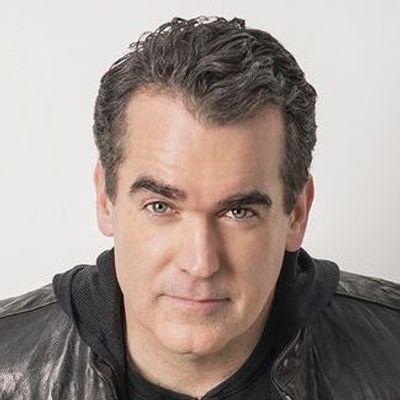
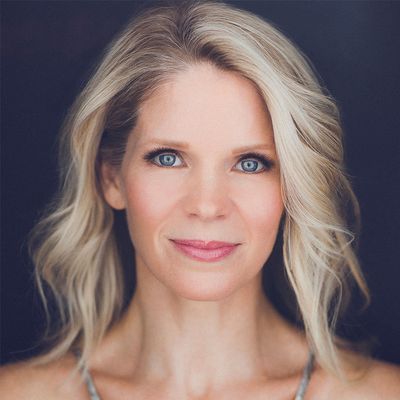
Featured Shows
About
Stars Kelli O'Hara and Brian D'Arcy James on the joyous challenges of Adam Guettel's new Broadway musical.
Transcript
This transcript was automatically generated and might contain errors.
[0:01] Gordon Cox: Welcome to Stagecraft, Variety's theatre podcast. Your backstage pass to revealing conversations with stars, creators, and industry leaders. On Broadway, off Broadway, and beyond. I'm Gordon Cox. On this episode of Stagecraft, I'm talking to the actors Kelli O’Hara and Brian d’Arcy James. O’Hara is a Tony-winning favorite, who's starred in The King and I, South Pacific, The Light in the Piazza, and more. She's also a recurring character on the HBO series The Gilded Age. James, meanwhile, is familiar to Broadway fans from his roles in shows including last season's Into the Woods, as well as Something Rotten and Shrek the Musical. He and O’Hara first appeared together on Broadway in the short-lived musical The Sweet Smell of Success in 2002.
Now, they're reuniting in Days of Wine and Roses, a new musical based on the 1962 film about a couple struggling with alcohol addiction. With a score by Adam Guettel, and a book by Craig Lucas, Days of Wine and Roses premiered last spring at Off-Broadway's Atlantic Theatre, where the show and the performances of its stars won raves. Those reviews helped move the musical to Broadway, where it just began a limited run at Studio 54. Now, O’Hara and James are in the virtual studio with me to talk challenging material, humanizing addiction, and finding a home on Broadway. Hello, Kelli and Brian. Thanks for joining me.
[1:26] Kelli O’Hara: Hi, Gordon.
[1:28] Brian d’Arcy James: Hi, Gordon. Thank you.
[1:28] Gordon Cox: Yeah. So, the first time I saw you two perform together was, I think, in 2002, when you were both starring in the Marvin Hamlisch musical The Sweet Smell of Success. Was that the first time you'd worked together?
[1:35] Kelli O’Hara: Yeah, it was. It was the first time we met and the first time we worked together, and yeah, that's the long and the short of it.
[1:49] Gordon Cox: Is this the first time you've worked together since then?
[1:52] Brian d’Arcy James: No, not really. And we've done concerts here and there. We've done readings. We've done recordings. So, we've had a lot of different occasions to do things that weren't a production, you know, a full-scale production. But yeah, we've had, luckily, we've had lots of chances to do things together.
[2:11] Gordon Cox: How did you both get involved in the project?
[2:13] Kelli O’Hara: You know, I'm a big fan of Brian d’Arcy James. I like to make him squirm. I saw him in The Wild Party, Andrew Lippa's Wild Party. And then I got to do The Sweet Smell of Success with him, which was amazing. And we closed very quickly. You know, Sweet Smell of Success was not a huge hit. And so, I immediately went out that summer to Sundance, Utah, to do Light and Piazza. Well, I didn't go out there to do it. I was put in it randomly. But I discovered this writer, Adam Guettel, and Craig Lucas. And I thought, gosh, they're amazing. And I was loving what I was a part of. But I wanted to work with Brian again. And I had grown up later in my teens with the film Days of Wine and Roses. And that era was the era we had just come out of in Sweet Smell.
And I just thought, what a dark and awesome acting challenge and rich, artful experience to think of sort of this weird, operatic, dark version of Days of Wine and Roses written by Adam Guettel. For Brian and me. You know, I think it came out of a little bit of, oh, you remind me of Jack Lemmon. Oh, you remind me of Lee Remick, or whatever it was, too, in that the whole thing sort of came together. And I thought, that would be really cool. And Adam was intrigued by the idea. And without me knowing, he went off and got the rights to it and started thinking about it. And it just sort of, you know, sort of, I'll say festered over the years. And we did a reading, I don't know, some years after that. It just stretched out over 21 years. Things like that happen. You put them in a box or in a drawer and you pull them back out again.
[3:54] Gordon Cox: Yeah. And so, Kelli, what do you recall particularly responding to in the story of Days of Wine and Roses? Why did it become important to you as you were, you said, your late teen years?
[4:05] Kelli O’Hara: Yeah, you know, I grew up on these types of films. My parents loved, they're like sort of film buffs. And I grew up on films that none of my friends were watching. I mean, I was growing up in the 80s and 90s. And I was such a nerd. You know, I was watching these Turner Classic movie channels with my parents. But I also, the subject matter of alcoholism, I don't know, I think, if I was being really honest with myself, I was in that part of my life where I wanted to, I was trying to get into the craft. You know, I probably wanted to see if I could be a better actress. I always wanted to learn to be a better actress. I still want to every single day. And there was this challenge of it, you know, it's like a musical version of, you know, Who's Afraid of Virginia Woolf?
And nobody's sort of more naive than a 24-year-old girl saying, I want to do that, you know? So I think that's exactly the real honest answer is that I thought it would be this sort of rich, challenging thing to get to play. But also, I would be singing, I would be dramatically singing, not comically singing in a musical. And that was really enticing to me to take on all those challenges. But I realize now that I would have probably never been ready to play it then. It's just what you dream about doing. You want to climb to the top of the mountain, even when you shouldn't, you know?
[5:32] Gordon Cox: Yeah. And Brian, what did you think of the idea? Did you know the movie? Did you know the story?
[5:36] Brian d’Arcy James: I did. Yeah, I knew the movie. I didn't know it really, really well, but I'd seen it a couple times, you know, in college. And just, you know, I don't remember where I saw it, but yeah, I had a reference point for sure on it. And, you know, similarly, I think I was drawn, just like Kelli was saying, to the idea of these very, very dynamic characters. And just, you know, having the imprint of, you know, that Lemmon performance, and the movie in general, and just how harrowing it is, and how demanding of a story it is. And so, you know, that was appealing to me, and just in terms of the richness of the drama of it, and in terms of how the characters were living in that drama. And so, when Kelli brought this up, I thought, well, that makes perfect sense.
You know, it would be really interesting to see this story in a different way. And, you know, this was 2001. So, you know, movies turning into musicals certainly wasn't uncommon, but it wasn't, I don't think it was as just as immediately familiar as it is today in the marketplace for Broadway. Certainly, it had been done before, but it just seemed like, oh, that seems like kind of a novel choice in terms of if you were going to choose, much like Sweet Smell of Success, for that matter, in the sense that it's not necessarily a movie that everybody knew, but one that a lot of people knew and knew really well, were just really blown away by it. And so, anyway, the combination of the character and also the uniqueness of the idea of bringing that particular film to life in a musical way seemed really, really interesting to me.
[7:29] Gordon Cox: Yeah. Speaking of the composer, Adam Guettel, who Kelli, you worked with on Light in the Piazza, he is considered to be one of the more challenging musical theater writers out there. You know, the description that I always think of, which someone else said, was that they think of it as he does not write, usually doesn't write directly, directly write a melody. He sort of writes around the melody, which I think sounds really smart, but I'm not fully sure I understand it. And so I wonder if I could talk to each of you about sort of what, how would you characterize his work? What distinguishes sort of how his music functions? And Kelli, let's start with you because you've, you know, been working with him for a long time.
[8:10] Kelli O’Hara: You know, I think in contemporary composition, it can tend to feel like that. And oftentimes, even I, in the operatic world, will hear something and think that's artsy for art's sake. Like there is not, the one thing I can say about Adam that I completely disagree with that notion is, is that Adam doesn't care as much. I believe I hear the melodies deeply once I learn them, but I don't think he cares as much about a sing-songy melody that you can repeat as much as he cares about how the, every single note affects the emotion of, because he's also writing the lyrics. And so I think he's matching those vocal challenges and those vocal gymnastics to what the character is saying at the time. And so that's why when you, as a singer and an actor approach it and then learn it and digest it, start to feel completely in sync with it, you know, because I've sung things where a composer will, the lyric may be written by someone else or them maybe will say, I am so scared or whatever.
And it'll be like, I am so scared or, or that's a very bad example, but it will not match the emotional journey as, as we would say it in really in real life. And so the thing about Adam, I know this about him is that when he writes it, he's singing it himself. And so I think it makes more sense emotionally. I do understand where it's hard to take in the first time, but I also think that's how we all feel about Sondheim upon first listen. I think that we want to be a little bit more spoon-fed these days. We want things to come a little faster. We want to tap our toe, but anybody who studied music and all sorts of different kinds of music, and I think they want the word, the person wants the challenge of, of, of learning it a little bit more richly than just something you could learn upon one listening.
You know, that's, so I get it. I totally get it. But, you know, I remember very specifically, and I always like to point this out, Light in the Piazza, which I think became something that people just adored the sound of. And I know a lot of people I know feel the same way about Floyd Collins, much of Myths and Hymns. It, it was the first hearing that we, you got mixed reviews for Piazza and things like that. And then after a few months of the album being out, you actually had people reneging those reviews, you know, changing their minds. Sometimes we just need to let things settle in, just like with human beings, just like getting to know a person, you need to understand them better. And then it's deeper than you ever imagined it could be.
[11:01] Gordon Cox: Yeah, there was that encore staging of Light in the Piazza fairly recently, that was really well received.
[11:06] Kelli O’Hara: Yeah. And can you, everybody knows the music now, so it's easier.
[11:12] Gordon Cox: Yeah. And Brian, how do you characterize Adam's work?
[11:20] Brian d’Arcy James: Well, I met Adam in 1994, when I did the workshop of Floyd Collins in his studio loft apartment. And my introduction to him was via a cassette tape of a demo of three songs for the show that I was going to audition for this workshop of a new show called Floyd Collins. The Ballad of Floyd Collins, Daybreak, and one other song, I can't remember what the other song was. But, you know, listen to The Ballad of Floyd Collins or listen to Daybreak in that show and tell me that that's not the most beautiful melodic writing you've ever heard. So I'm with Kelli, I disagree with the notion that he writes around a melody. I think the melodies are so pure and beautiful. Perhaps it's the way that he constructs the composition to not necessarily introduce you to the melody straight away.
But there's so much drama and character and story being parsed out, you know, through his music, in the structure of it, that once you get to a familiar landing spot, a melody, you are just overwhelmed by how satisfying it is. This is my, you know, brutal perspective on it, you know, I'm brutally articulating it. But there's just something about the complexity of...
[12:46] Brian d’Arcy James: We are the same. We want to dig and find deeper. I don't want to go punch an hourly work card and do the same factory work. That's not my idea of sort of a passionate thing, a career. And one of the things about the challenge of learning his music, and then letting it seep in deeper and deeper every night, learning something new every night, depending on how you feel or how the audience responds. That's sort of the beautiful thing that we get to do as artists, is we continue to evolve and grow if we allow ourselves. I don't want to sing the same sort of, you know, five note melodies for all my life. I just love the challenge, you know, and we're so defensive, I think, but let's go with hero and Leander. How glory goes. I mean, melodies, I think, gosh, those can be held up with the best melodies that have ever been written, in my opinion.
[15:17] Kelli O’Hara: Sorry, Gordon. Can I just add to the technical aspect of it? For me, it's been such a, I'm so appreciative of the fact that I get to sing this music because it is hard for me, and I really appreciate a lot of things, but two in particular. One is the fact that Adam has entrusted us and has entrusted me to embody this character in song, and never ever have I felt like I was letting him down. He's always been so incredibly supportive and encouraging and challenging in the best way to say, yeah, you can, you can do this, you can do this, and so I'm so incredibly grateful for that because there have been times in this production where I just have been, I have been, you know, really kind of stymied by, you know, am I going to be able to do this?
And, you know, it's been, there's been some good times to kind of succeed, and then there's some times that, you know, you stumble and you fall in terms of the technical production of things. And Adam has always been, as well as Michael and Craig and everybody else, but, you know, Adam in particular, since he's writing the music, he's always been really encouraging. The second thing is, is I get to watch Kelly from a technical point of view and, and talk to Kelly and to, to really literally watch her sing and figure out how she's doing the things that she does so gloriously and so effortlessly. So that's been a really, a really amazing thing for me because I, I need help sometimes and, and, and Kelly is always, always there to kind of say, well, how about this?
How about do this? Because she, she understands the voice, her voice and, and the pedagogy of it all in a way that I don't sometimes. So it's been a, it's been a real education for me, and, and I can honestly say I don't think I've ever, I'm a better singer now having, having sung this score.
[17:21] Gordon Cox: I'll have more with Kelly and Brian right after the break.
[17:34] Gordon Cox: Welcome back to my conversation with Kelly O'Hara and Brian D'Arcy James, the stars of the new musical Days of Wine and Roses. I will admit to both of you that I sort of had to drag myself to go see it at the Atlantic. I didn't know the movie at all, but I sort of knew the broad sketch of the plot and I thought, oh God, this is going to be so grim. And then I saw it and was surprised by how enthralling I found it. I really, really loved it. And I just wonder if you could tell me a little bit about, because I feel like that storyline has the potential to leave you sort of despondent and somehow it doesn't. Can you tell me a little bit about kind of how you, what you find inspiring about the story and how it, uh, how you sort of balance sort of the dark and the light of the story?
[18:18] Kelli O’Hara: You know, I think what you just said is, is really, um, one of the things that's most striking about this whole experience for me is that it is grim and, but, but yet you're, you're one person who walks out and says, huh, I took something from that. You know, there will be the people who, who don't want it. And then there somehow, somehow there's a validating, um, aspect to it that some people walk out feeling something akin to satisfaction or hope or validation or something. But the thing about it that, what that says to me is that it's art, it's, it's making art out of something that is really, um, really on, on, in the front of people's minds. You know, I, like many things in our lives right now, we can all say we're all touched by this subject matter, you know, in some, some at an arm's length, you know, maybe two uncles away, you know, or, or maybe it's, you know, yourself or your parents or your child or whatever it is.
And I think that it has something for everyone in different ways. But I think it's one of those things where it's not just our, we're not just putting on a story and a show, um, that you can separate yourself from. And that's art. I think you come in and you join the conversation in your heart and in your head, and then you go with it and you see how that makes you feel later. And I think that's the best thing about, again, about what we do is that we don't, we don't turn our heads from the problems, um, in our lives, but we actually go toward them and talk about them and try to, try to, um, make something of them so we can make sense of them and how we feel about them. And we all know that some people don't want to do that and other people really need to do that. And if it's, if that percentage of people that, that we're working for here, that's, it's worth it to me, you know, um, I love to hear that, but I also expect and understand any other reaction.
[20:17] Gordon Cox: Yeah. What about for you, Brian?
[20:20] Brian d’Arcy James: Well, I always come back to the idea of this being a, a story that's taking place on a stage in a theater and why, why do you want to go to see something in a theater? And it's because it's because of that connection, I think, of, of audience and human beings on stage living a story in front of you, and there's no denying that it's all happening in front of you. And in this case, the story is so, um, is so challenging in terms of the, the, the context of it being about addiction and alcoholism. And yet I feel like on a, on a higher level, uh, it's a story about human beings just living in a way that, that everyone can relate to in the, in the terms of, of success and failure of one's own life, you know, how, how you come up against the challenge and, and how you may, uh, uh, excuse it or ignore it, or as Kelly was saying, meet it head on.
Um, these are, this is the essence of human drama and to watch two people who are, are, you know, just rendered in a way, uh, through the words and the music as being so alive and so, um, hopeful and so, um, human, human in the sense of like reaching their full potential in terms of the love for each other, their zest for life, their, um, just, you know, these people that you want to spend time with and then watching them fall, um, due to addiction is, is, is just a, it's a very real thing to watch and a really, a really sad thing, but also something to root for and something to hope for in terms of, I want them to make this decision rather than that one. And living with the consequence of that drama, I think that is so, um, compelling about our show is that it's, it's undeniably human in, in the way that the story is being told, but the fact that it's, it's two people on stage, well, well, amazing cast on stage, but mainly Joe and Kirsten in terms of their, their struggles, uh, you're there with them and you want them, you want them to succeed and you feel their failure. And that's why you go to the theater. You want to feel, you want to feel something. And I think, I think you certainly do in this show.
[22:33] Kelli O’Hara: One of the things that struck me as being particularly done masterfully in the show is I found, I find sometimes that, uh, stories about addiction, like addiction can be such an internal struggle that it can be hard to kind of dramatize. But one of the things Days of Wine and Roses that I think does really well is it does manage to make it dynamic and alive and sort of dramatize because it's so tied up in your, your character's relationship. Like it is so played out in that. And I wonder if you could just, did you, is that a function of the writing? Did you think about that as actors as you, like, did you do a lot of research into addiction? How did you sort of think about, uh, approaching the topic?
[23:12] Brian d’Arcy James: Well, I think all of the above, you know, there's, I think there's layers of all of what you just said. We certainly have a room where there's been so much conversation. There's a lot of knowledge about the subject matter in the room. There's a lot of, um, talking about, about the history where it would have been in this period. But this, this kind of transcends period, to be honest. Um, uh, I think, I think it is important to point out what you just said. I think you can see something maybe more deeply when you see it in the lives of two people that hopefully you care about. You begin to care about two or three, three or four people. Um, I, I think that what really has struck me and I feel lucky about, and I'm hopeful and I hope I'm not assuming here, it's not good to assume, but I also feel like Brian and I have a lot of history together.
And I think what's fun for me, what I'm realizing for me is that, um, I felt more, uh, more safe and more open to be flexible every single night and open in a way that feels natural as opposed to something that's set or we're doing it as if it's a written show that we are, um, doing the same every night, which I've never really done anyway, but this exceeds all that. Like this feels more sort of, um, uh, alive and, and growing and moving and, and stretching. It's painful and joyous. And I think in that way, there are two really human beings on the stage, um, not telling their own stories, but, um, able to seem to be so human. That's how I feel about it. I mean, and so I think what happens hopefully is that there's a reality to it in some way that, that, that allows, allows, um, a viewer to hopefully, um, believe in it.
That's my hope. I think that's what it feels like to me. Um, maybe it's wishful thinking, but if you can believe in it, then you can learn from it and judge it and, um, judge yourself on it. That's not me. Or that is me. Or, you know, one of the things that feels so, uh, real and vulnerable and, um, and itchy and painful is that.
[25:32] Kelli O'Hara: I've had people say to me, it doesn't have to, it's not alcoholism. I had one woman talk to me, just come right up to me and say, I realize I have an eating disorder from the show. Just like an addiction. I need to get in touch with myself, is what she said to me after the show. And it had nothing to do with alcoholism. It had to do with a relationship with your needs in life and what you're not answering and what you're not listening to. Anyway, all this to say, it feels different than any sort of professional acting job I've had. It feels like it morphs into some sort of free play, like a class of open improvisational stretch for me, which is just people say, are you okay? I'm like, God, I feel great. I feel like I'm in a class. I'm in a grad school class of like, do whatever, do whatever and see what that feels like tonight, to a certain extent. I mean, we have to hit the beats of the music, but it feels invigorating for me.
[26:46] Gordon Cox: That sounds like my next question was going to be, what excites you about the opportunity to return to this role? And that sounds like you just described that for you, Kelli. Is there, what for each of you, is there anything that in particular you're particularly interested in, you know, sort of looking at again or readjusting or what, like, how do you, what, what excites you about this opportunity to come back to the show?
[27:11] Brian D'Arcy James: Right now in the rehearsal room, we're really, really lucky in the direction of Michael Greif and what he is interested in, in terms of the story overall, but in particular, I'll speak for, you know, for Kelli and I in terms of what these two characters experience, you know, we're all wanting to make it deeper. We're all wanting to make it more honest. We're all wanting to make it more, just make more sense for ultimate impact. And so there's no, there's no stringent relying on the thing that worked. There's no, you know, dedication to, you know, well, this is how we should do it. And it's, we're all kind of open-eyed about it in terms of like, well, what about this? This is something that I had a question about.
I need clarity on, you know, all the things, all the great things that happen in rehearsal. I mean, in short, you know, Michael is allowing us to kind of forego roads that maybe we were on to explore new ones and, and oftentimes find things that are kind of wildly surprising to think, Oh, I thought I really knew that scene. And all of a sudden there's this whole new room in the house where we can go explore. So that is super exciting because I think what we had, the Atlantic was very powerful and you know, you can never, you can never rehearse too much because there's always something to, to find. Obviously you have to get the, get the thing up on its feet at one point or another, but to answer your question, it's really exciting to, to be surprised by what I don't know about, about this character and this story and, and to have, have more to be revealed to me. Yeah.
[28:57] Kelli O'Hara: You will be in Days of, we're recording this prior to the new year, but you, by the time this airs, you will have just started previews. And so you will be in Days of Wine and Roses for limited run. What else is on your plate that we should know about?
[29:13] Brian D'Arcy James: You can talk about, well, you know, we're right now we're in the middle of, we have our season finale of Gilded Age this week, which is true. Yes. That looks like a great time for all of you. Are you, is that a good time on that? Oh my God. I just, I just crossed my finger every, every appendage that I have that we get a third season. Yeah. Because, you know, it's a little weird that Brian has not been on that show yet, actually.
[29:38] Kelli O'Hara: I have a feeling it's not going to be long. Yeah. You asked, you know, what, what's, when I got cooking, I have basically, I'm just setting time aside to watch the Gilded Age.
[29:48] Brian D'Arcy James: Sure. No, but you know what, honestly, it feels like that's, you know, that television is, it seems like it's here, but it's way far away. Like, I mean, we finished that, I finished that a year ago, but really the idea of this being my sole undertaking right now and sort of just living in it, swimming in it, diving into it. There's a real fear factor for me in this as well. And there's, there's something about that, that challenge that feels wonderful to keep, to keep believing and trying to, you know, show up and, and, and like I said before, you know, be open and flexible and not be in my head. That's a great artistic challenge that I just thought about this maybe two days ago or something.
I thought, if this never happens again, I better enjoy myself, you know? And then, you know, maybe next, maybe I'll have an opportunity to go do something where I'm, you know, tap dancing and laughing and running around a stage in a musical comedy. And that's fun too, but these are the types of things it feels like, these are the types of things you dream about, in my opinion, and as hard as they might be, and, and it just, it feels like a lucky time. And I just want to not take any of it for granted. And I want to be there, be present. So I think nothing else is on my mind right now.
[31:14] Kelli O'Hara: Just in terms of, of what's happening now, I mean, because of the strike that is so, you know, happily resolved and, you know, being in an off-Broadway musical at the time was, was a, is always a great thing, but it was particularly, you know, life-saving in the sense that we, we had work and, and we could go to work and likewise now, because, you know, things are going to take some time to catch up in terms of production. I have nothing, I have nothing going on and thank God, because this requires all hands on deck. And I'm, the older I get, the more I'm, I am really, really like the idea of doing one thing at a time, you know, cause you spend most of your, your career, at least I did, you know, just saying yes, yes, yes, yes.
And you're spinning like, you know, 16 plates just to make things, just make the machine move. And luckily maybe something lucky will happen. You'll get a job, et cetera. But now it's, it's nice to be able to kind of just luxuriate in one thing. And, and like I said, you know, it just requires all, all of our attention and focus and heart and soul. And, and it seems right to be doing nothing other than that.
[32:28] Brian D'Arcy James: Is there something significant for the two of you? You, you have both as performers really made a home on Broadway. Is there some, does it feel particularly meaningful to bring this show to Broadway?
[32:36] Kelli O'Hara: Yeah, I think so. I mean, just in terms of Kevin McCollum, our producer has, has allowed this to happen, you know, so he's created a space where, where, you know, you can choose to see a show like this on Broadway. So I think that's really important. And I think it's very valuable in terms of options for, for people who want to come see theater. I think that's really important, but, but personally speaking, you know, to be able to do this with Kelly, to be able to do it with such a good friend who I respect and admire and am in awe of her talent. And it's, it's, it's such a satisfying adventure. And, and like Kelly was saying before, I don't want to lose sight of the fact that it is actually happening.
We're doing this on Broadway and the people that are, that we're doing with are, are all so dedicated and, and, and, and just so into this idea and are so talented at what they do that, that, that to me is extraordinarily special. And I'm really, really satisfied and grateful for that.
[33:46] Kelli O'Hara: Yeah. Yeah. And I also have to say, you know, I think that Broadway I feel when you say you've made your home, it, it, it doesn't, it still doesn't get old. You know, I pinch myself that there's been a place for me to keep working in this. And, you know, I've gone from this end to this end to try to, and, and tried to sing in ways that don't feel comfortable just to stay working. And it's been very satisfying, but I have to give a shout out to the people who, you know, put their backs into it to try to diversify the landscape. So, you know, you're going to have the big commercial pieces and then you're going to have these new writers doing, doing different things. And I've, I've, in my journey, I've had people like, you know, well, the non-for-profit like Lincoln Center, championing, Light in the Piazza and keeping it going until people kind of caught up with it.
And I've had producers like Stacey Mindich bringing new shows like Bridges of Madison County, whether or not it's going to succeed or, or Dear Evan Hansen, or you have the producers bringing us Fun Home and, and Next to Normal and these, these new things. And, and I really have to give props to producer Mark Cortale, who, who saw this workshop version of this show, which looked like nothing that would be a commercial Broadway run. And, and I mean, pulled it with all his might to the Atlantic, searched out a commercial producer to team up with, believed in us, didn't necessarily heed the warnings of the, well, this isn't going to do anything. It's not so much about that. It's, you know, I don't want anybody to lose money or, and, and you know what, maybe we'll shock everyone and it won't, and it'll be, you know, it'll be something people sort of need to see.
But I, me not being a producer on this particular show, I don't, I don't want Broadway to just have to be that. You know, I don't want it to have to be commercial. I want us to be able to afford to put on things that are new and, and thought provoking and challenging always. And then I also want Next Door for Wicked to play to the masses, because I just took my daughter two weeks ago and we, it was joyous. You know, it's, you know, you go in and you see these incredible, you know, it was packed to the gills. People are, after 20 years, people are singing every word. That is beautiful. And so is this or, or things like this. It's beautiful to have the option of being an art lover and coming to the city, traveling with your family.
And if you can afford it, by God, you see seven different types of shows that week, you know, and then you go see an off-Broadway play, and then you go see jazz at Lincoln Center, and then you go all the way downtown and see something really on top of its head. And I think that's what New York's about. And if we're not careful, you know, it can be one thing and not the other. And I don't think that that's what art is. I think it is a little bit of a lot. And, and, and this is a representation of, of sort of the, one of the far ends. And I think we have to keep fighting for those. And so I have to give props to those producers who, who really, you know, risk a lot to make this happen.
[37:09] Gordon Cox: Well, I hope you both continue to enjoy the, the focus and the challenge and all the work that you're putting into Days and Wine and Roses, exploring everything that's going on in that show. Thank you both. It was great to talk to you.
[37:26] Kelli O'Hara: You too. Thanks.
[37:26] Gordon Cox: That was Kelli O'Hara and Brian D'Arcy James, the stars of Days of Wine and Roses. Now in previews on Broadway at Studio 54. If you enjoyed this conversation here on StageCraft, I'd so appreciate it if you took the time to rate and review us wherever you listen to podcasts. It really does help. Or tell a friend about StageCraft. Find past episodes and subscribe at all the places you get your pods, including Apple Podcasts, Spotify, and on the Broadway Podcast Network, a great place to find more theater for your ears. Until next episode, find me on Instagram and Twitter at Gordon B. Cox. You can also check out my new newsletter about international theater. It's called JQUIES and it's at gordoncox.substack.com. Thanks for listening and see you at the theater.
© Broadway Podcast Network, All Rights Reserved