

In this supersized episode, we present three of the panels and keynote conversations from Variety's 2022 Business of Broadway breakfast: 3:25: A conversation with producers LaChanze ("Topdog/Underdog," "Kimberly Akimbo"), Lee Daniels ("Ain't No' Mo'"), Cindy Tolan ("Death of a Salesman") and Ken Davenport ("A Beautiful Noise"), moderated by Eric Piecuch of City National Bank... Read More
From the show: Stagecraft with Gordon Cox
Guests
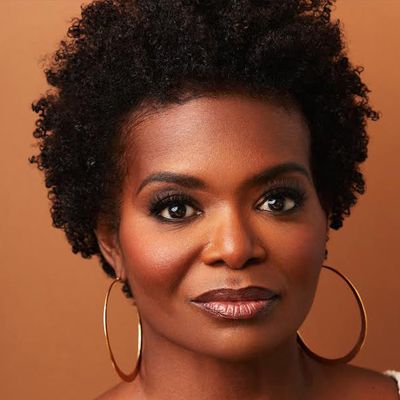
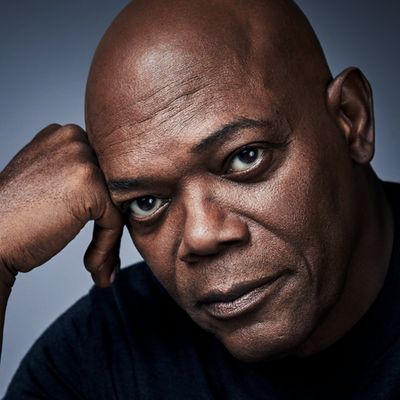
Featured Shows
About
In this supersized episode, we present three of the panels and keynote conversations from Variety's 2022 Business of Broadway breakfast:
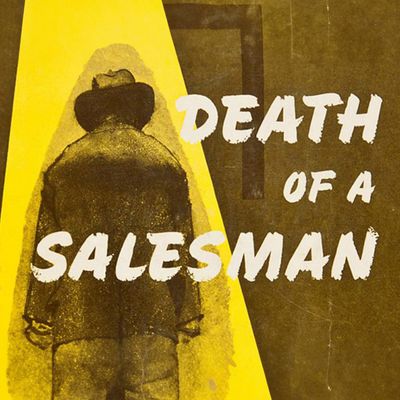
3:25: A conversation with producers LaChanze ("Topdog/Underdog," "Kimberly Akimbo"), Lee Daniels ("Ain't No' Mo'"), Cindy Tolan ("Death of a Salesman") and Ken Davenport ("A Beautiful Noise"), moderated by Eric Piecuch of City National Bank.
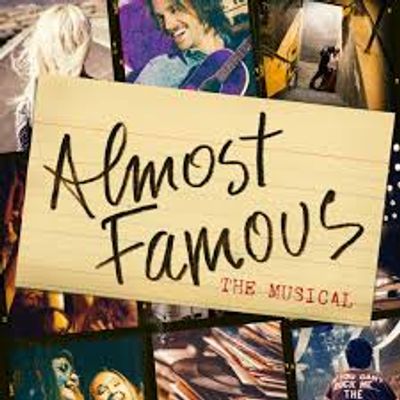
29:00: A panel discussion with three Broadway creatives, featuring Jordan E. Cooper ("Ain't No' Mo'"), Crystal Lucas-Perry ("1776") and Chris Wood ("Almost Famous") and moderated by Stagecraft host Gordon Cox.
51:13: The breakfast's keynote conversation with Samuel L. Jackson and LaTanya Richardson Jackson ("The Piano Lesson"), interviewed by Variety executive editor Brent Lang.
Transcript
This transcript was automatically generated and might contain errors.
[0:06] Gordon Cox: Welcome to Stagecraft, Variety's theater podcast, bringing you backstage and behind the scenes with stars, creators, and industry leaders on Broadway and beyond.
[0:16] Gordon Cox: I'm Gordon Cox.
[0:18] Gordon Cox: Last week, Variety hosted its annual Business of Broadway breakfast that attracted luminaries from all across the industry.
[0:25] Gordon Cox: And on this supersized episode of Stagecraft, we bring you some of the panel discussions and keynote interviews from what was a really fun morning.
[0:32] Gordon Cox: First up, we've got the producer's panel with Lee Daniels, Ken Davenport, LaChanze, and Cindy Tolan in a conversation moderated by Eric Piecuch of City National Bank.
[0:43] Gordon Cox: After that, we've got a panel of Broadway creatives in which I talk with writer-performer Jordan E. Cooper and actors Crystal Lucas-Perry and Chris Wood.
[0:51] Gordon Cox: And for the event's keynote conversation, my Variety colleague Brent Lang talks to Samuel L. Jackson and LaTanya Richardson Jackson.
[0:56] Gordon Cox: In case you want to skip around, the timestamps for all of those conversations are in this episode's show notes.
[1:04] Gordon Cox: First up for you, the producer's panel.
[1:06] Gordon Cox: Here's Eric Piecuch of City National Bank.
[1:10] Eric Piecuch: Next up, we have a terrific panel discussion with some producers to talk about their passion for Broadway and shows they're bringing to the stage this season. I'm very excited to be speaking with each of them. Now I'd like to introduce my guests and invite them up to the stage.
[1:48] Eric Piecuch: So what I'd like to do is each ask you to talk a little bit about your backgrounds and how you became a producer and why this year for that. And I think I'd like to start it off with LaChanze.
[2:06] Eric Piecuch: Exactly. And this season she's producing two shows, a Broadway revival of a play and a new musical. So why don't you tell us a little bit about how you made the transition over and why this year and what brought you to be a producer?
[2:21] LaChanze: Well, the fact that I've been in this industry, commercial theater for three plus decades. I've had the fortunate opportunity to see how the makings, to see musicals how they're made from beginning to end. To particularly being on the stage with dynamic actors and learning from powerful directors and very creative producing teams, I've always paid attention to how everything came together and wanted to be a part of the storytelling. As an African American, as a black woman being in theater, you know, roles were not as often weren't as plentiful as I would have liked, but I've been fortunate enough to have roles that have been memorable and work with some of the top people in our industry, some of the best who are now or people I can now call friends.
And I've always wanted to be a part of the storytelling, the future of Broadway, to make sure that it is inclusive and representative of so many of us. So when David Stone, who is my mentor and now I call friend, introduced he basically taught me the industry over COVID, taught me the business. He called it Stone University. So he knew that I had this bug to produce, and he gave me the, I guess you want to say the 101 in producing, and then invited me to be a co-producer on both of these shows. And I got busy raising money. And that's pretty much how it started for me. And I have to say, I am the happiest I've been in quite some time. I have discovered that I am a boss woman. And that I enjoy this position. So that's how I came to be a Broadway producer.
[4:11] Eric Piecuch: That's a great story. Thanks for sharing that. And Ken, I'll throw the question to you.
[4:18] Ken Davenport: Yeah, first of all, I want to sign up for Stone University. I don't know. Actually, I will just a shout out to David, who has I've taken a few of his classes because he has called me many times, or I've called him. He's an unbelievable mentor to those of us who've been coming in up in this business. You know, this area for me, this question actually resonates a lot because I started in the business when I was a student at Tisch, and my first job was as a PA on the My Fair Lady revival with Richard Chamberlain in 1993, where I learned from Jeff Wilson right there, who's the company manager, and I had to run around this area looking for fresh roasted turkey sandwiches for Richard Chamberlain. They had to be cut off the bone, they could not be processed, and I loved every single moment of it.
So I was a PA for a while, and I was a stage manager for a while, and then I was a company manager and a general manager, which eventually led me to producing. And something we were I was thinking about with all of us is that if you look at the trajectory for all of us, there was this we did something before we were a lead producer, from performer to casting, and I know Lee as well, casting and management before producing film, and now Broadway. So that obviously is a path to becoming a lead producer. And I spent about 10 to 15 years company managing and general managing other Broadway shows for other lead producers, and frankly learning from them until I put together my own style. When I was an actor and I was not a very good one, which is why I moved over, but I remember thinking, oh, I'll take a little Strasburg, I'll take a little Adler, I'll take a little of the method.
And that's what I did to become a lead producer. I learned a lot from Hal Luftig and Robert Fox and the Weisslers and Mike Isaacson and all these people, until I developed my own strategy and started producing on my own off Broadway in about 2004. And then slowly leading my way up to here. And people often say to me, "Hey Ken, how long you've been working on the Neil Diamond musical?" And my answer is 30 years. I've been working on 30 years to get to this point.
[6:23] Eric Piecuch: Great, thank you for that. And Cindy, many folks in the room know you as a casting director on film and TV, and now this is your first time, I believe, lead producing a Broadway show coming out from that side. So tell us a little bit about that transition from casting to being a lead producer this season.
[6:42] Cindy Tolan: Well, I've been a casting director for about 30 years, and I've been involved in theater for 35 years, and I think that Bernie can also attest to this, Bernie Telsey, which is that casting is a natural progression to producing if you stay in it and do it for a long time. You know, it is a business, this is show business, and I think at a certain point, you have more experience than some of the people coming in who are actually making the art. Because you just have the history and the experience. And so Bernie and I negotiate, and Bernie and I know what the budget is for the projects that we're doing, and can we actually make this film for a million dollars? Well, you can make this film for a million dollars, but here are the people that may be able to help you with that who have the qualities that possess to tell the story that you want to tell.
And so for me, it's always about telling the story and how best to tell that story and how best to serve that story. And the way that I came to Death of a Salesman is that I was friends with Arthur Miller, and I spent my 20s and my 30s the weekends with him, and today is actually his 107th birthday. Happy birthday, Arthur Miller. And he basically felt that art needed to be in conversation with culture, and that it was not worth doing unless you could actually change the world slightly. I'm not saying that we're changing the world. I just wanted to get into the conversation of Broadway and help shift it, shift the conversation, shift diversity, inclusion, equity, and that was really why I wanted to do this and actually show a young generation that this play is for them that have never been to Broadway before, that have never seen it and didn't even know this play, and now they know this play as if this was written for them in this way for the first time. And honestly, that's why I wanted to do it. I don't know if I'll do it again. Just to say.
[9:01] LaChanze: I'm with you.
[9:02] Cindy Tolan: Hey, where's Bernie?
[9:04] LaChanze: Right there!
[9:05] Cindy Tolan: Bernie. How you doing?
[9:07] Lee Daniels: I have I Bernie. I'm Lee Daniels. I started out as a manager, and Bernie, you are responsible for many of my kids' meals. So thank you for hiring so many of my clients over the years before I got into producing. I started as a I started out as a I saw Dream Girls when I was 19 years old at the Imperial Theater, and I knew that I wanted to do something in the arts. I didn't know what it was that I wanted to do. I come from a family of drug dealers and pimps, and I knew that I wanted to escape Philadelphia. And so I stole my mom's car and I went to see Dream Girls, and it changed my life. And so I got to California and I was homeless for a little bit and was in the back of a church in the theater and I directed I was sweeping and cleaning up at the theater in Crenshaw area, and I directed I don't know how I directed, I was 22, I directed a piece and I knew that this was the space that I wanted to be in. I then became a cast closer.
[10:36] Lee Daniels: Closer? Okay. Hi, y'all. And then I became a cast.
[10:46] Lee Daniels: Close. Then I became a casting director. Yeah, it was yeah I became a casting director. And then you know I managed Lilius White and Loretta Devine and Paula Kelly and some incredible African American artists. And I realized that I got tired of telling them no Paula Kelly and Loretta and Lilius they wanted to do something besides maids and bookers and drug addicts and stuff and so I decided to produce my first film. I wanted to direct it but I didn't I hadn't I didn't know how to hold a camera. I didn't know anything about the behind the scenes. So I hired a first time director Mark Forster and I raised money for my first film independently and that was Monsters Ball and then thank you and then after that I put you know I got nervous I was trying to figure out how to I just wanted to do the right I wanted to I knew I had to get up the courage to direct and so I finally directed and Precious and then I wanted to get into a new space and so I jumped into I did Butler and then I did Empire.
And then I didn't know what I was doing when I was I didn't know what I was doing when I was producing my first film. I didn't know what I was directing, I didn't know how to direct when I directed my first when I directed Precious. I certainly didn't know what I was doing when I did Empire. I had never done television before, and everybody laughed at me and I was trying and I don't know what I'm doing now. I know honestly I've this is my first time here at the party. I don't know what I'm doing, but I know I know what the culture wants, I know what God is telling me to do, and I saw this I was doing this I did this after Empire they I signed this overall deal at Disney, and they wanted me to continue doing television shows.
But I forgot that I was so focused on Cookie's hat and the music that was going on in the show that I wasn't paying attention to the change that it was making in the community, like the change that it was making in the world, Empire. You know, you're so insecure as an artist that you don't really know that you're making a change when you're making a change. And so when I went to look for writers for this new show that I was trying to create, there weren't any. There were only a handful during Empire. You had I barely could find them. And so I had to start searching the streets. I came into New York, I came home to New York, and I found this incredible voice that reminded me of when it was that I saw Dream Girls for the first time. I'd never been affected by a piece like this ever. I didn't hear speaking of Ain't No Mo. Ain't No Mo, yeah. The play that I'm doing.
[14:04] Lee Daniels: And um, it's a comedy in um, and I knew that it was going to change the conversation. This was the change. Theater is not meant for black people, you know, unless you want to see Denzel or Viola cry or you know what I mean, or Samuel L. Jackson or something fabulous. You know what I mean? Or, you know, I want to take my mom to see Temptations, you know. But it's not meant for my nephews, you know. Um theater is meant not for blacks. And we have to find our space. So I think this will do, I hope this will do for Broadway. Um like it'll make my cousins and my nephews that would buy a pair of uh Nike sneakers or they would go to a Rihanna concert, that they will take this as serious as their Nike sneaker. So that's the intent. I don't know. I hope I do it. Wish me luck, though.
[14:58] Gordon Cox: I want to ask you about that because I think we talked a little bit about your inspiration on the production side about expanding audiences and about your work doing that with these shows and your passion for that. I don't know if you want to talk a little bit about broadening the audiences that are on Broadway to speak to what Lee's talking about in terms of bringing in new people to see shows.
[15:18] LaChanze: That was my one of my reasons for jumping into this industry also, into producing side also, is because I think the future of Broadway demands inclusivity, and we need representation of all of us that are sitting out here having this delicious breakfast. I want to see all of our stories on Broadway. And why I'm so thrilled to be a part of the producing team of Top Dog Underdog is because Yaya Abdul Mateen II and Corey Hawkins are two of our most dynamic, powerful young black male actors in the business. And what Kenny Leon, whoo, what he has done with his direction, you know, I'll go on record saying it's some of the best work I think I've ever seen him do. Um and what Susan Lloyd Parks has written has created a space of inclusivity.
When you go see the show, the play, you um for a moment you forget that you're watching two black men, you're watching two brothers. You're what you're watching uh the conflict, the love, the struggle of these two brothers. And you don't think of them as just black men, you think about them as men, and that's what we need. That's what I think the future of Broadway demands is that we stop segregating ourselves and oh, that's the black show, or that's the white show, or that's the you know, the Asian show, or the older show, or the, you know, I I just I am I am really anxious and ambitious to bring us all together and just see a show about a story that hasn't been done a million times or a theme that we haven't seen a million times.
So, as you say, future has the theater has not been primarily for us. And I think having people of color, women, people who know this industry so well from so many different sides, having us see have having a seat at the table, it is demanding a future that's gonna be for all of us. And I'm ambitious and anxious to be a part of that.
[17:23] Gordon Cox: Great, thank you. And also, one thing that you each have in common on the producing side this year is you're bringing a lot of new uh folks on the creative team to Broadway as well. So, Cindy, I believe the director of your show is uh first time on Broadway, a woman, uh a woman of color as well. Why don't you talk about that. I mean, you know, there's some of you are new on the producing side, but there's definitely some new folks on the creative team coming through.
[17:49] Cindy Tolan: Yeah, Miranda Cromwell directed, co-directed this in London with Marianne Elliott, and she is making her Broadway debut, Black British Woman. We have 17 Broadway debuts happening on this production, top down, inside out, costume director, stage manager, composer, co-producers. That was totally a mission that we wanted to do, which was to open it up to first-time people who had never had an opportunity to actually give money to do something. And we have six um co-producers who are of color for the first time, and they are incredible. The energy, the participation, and they just want to keep giving. It's it energizes me. Um, Kwame Kwe Arma, who's the young uh Vic artistic director. It's his first time as a lead producer on Broadway, and he's directing simultaneously collaboration at MTC.
And we created this uh uh philanthropic initiative called Salesman for Everyone. So we've raised about a hundred thousand dollars, and it's specifically to subsidize tickets for underrepresented communities for kids who have never seen a play before. So we've had a thousand kids come through the door so far, and we hope to have like four thousand more before we close, and that really is the reason for me to do this because as Lee Daniels and all of us will say, it is hard. Broadway is hard. But it is worth it. It is worth it if you can shift it just a little bit, if you can shift that dial just a little bit, right?
[19:32] Lee Daniels: Yes.
[19:33] Cindy Tolan: I want to say also Marcia Pendleton, Chichi Anoai, they are amazing with the getting the diverse audiences into the theater. And we are working uh very closely with them with Aletha Stevens from uh Spock Go, and that has been one of our missions specifically. And so that really is the reason to do it.
[19:54] Gordon Cox: That's great. Thank you. Um as you mentioned, you've all mentioned how producing's hard. Ken, you mentioned that this has been a 30-year project to bring this show to the stage. Do you want to talk a little bit about you know why it took so long? Or you know what what what did that 30 years mean to you and what happened during that time uh to get you to this point now?
[20:10] Ken Davenport: Well, first of all, I want to speak to Lee's uh very insightful I didn't know what I was doing comment because so I I had a podcast for a long time and I recorded over 200 episodes. Many of you in this room were on it, so thank you for that. And um what a lot of you may not know is that one of the reasons I did it was to figure out what was the secret sauce of the most successful people in our industry. And the number one most uttered phrase on that podcast that people at the beginning of their career was I didn't know what I was doing. Every like the most successful, and it was this I didn't know what I was doing, but I did it anyway. Mentality that people do. So anyone out there thinking like I can never do this, I I didn't know what it you should do it because you can, and that's actually the secret.
It shouldn't, it isn't something you hold you back when you say I don't know I don't know what I'm doing, that's your should be your sign to go forward. Um, so I I say 30 years, it's because it turkey took me 30 years to be in the position, frankly, to be gift gifted the ability to work on something as strong as a Neil Diamond musical and and and to get that man's legacy and music in in my hands of my partner Bob Gottios. And the story is um I was in the middle of working on a show that wasn't going exactly the way I had hoped it would go, as is most often the case in this business. And literally, a higher power called me, and I was feeling very down, and that higher power ended up being a mentor of mine in this business, and it really was a sign from the above for me to keep going, in saying, Hey Ken, I have a question for you.
And I was like, What is it? Because I'm I'm not having a good day, and I have to go to a meeting right now, and it's really not gonna be a good meeting. And they said, Do you know Neil Diamond? And I said, Well, who doesn't know Neil Diamond? And then they said, Well, do you know Bob Gottio? And I said, Of course I know Bob Gottio, Jersey boy character himself. And he said, Well, Bob and Neil are working on a musical version of Neil's life. Neil was a massive Jersey Boys fan. And literally, the story goes, after sitting through it like a couple times in one day at one point, he like elbowed Bob and was like, Can I have one of these? And Bob was like, Are you are you kidding? Of course. So this mentor of mine said to me, Would you like to talk to Bob?
And I said, I would talk to Bob about anything, of course. And literally 15 minutes later, my phone rang, it was Bob Gottio. I felt so honored to speak to him, and right then and there it began. And I just know that I never through all the things that didn't work, not only that show, but the many before it, I would never have gotten that call had I not put all the effort and all the work into everything else I had done in order to be in that position. Uh and then it's been somewhat of a fast track uh since then. Um and and I have to tell you, the I'm I feel so fortunate, but it's listen, I'm on a Zoom with Bob Gaudio and Neil Diamond. I feel very much like an underachiever in that group. Um but but having this man's legacy uh in our hands is a is a big deal, especially for those of you who don't know.
Neil was diagnosed with Parkinson several years ago uh and has has said very publicly he will not tour again, and there is no real authorized biography, and there is no documentary, there's none of those things. Neil's a very private man and has said, This is it, Ken. This is my legacy, this is how I want my story to be told, which is an incredible gift, a lot of pressure, um, but one that I'm so excited to be able to tell with Bob and with this incredible team.
[23:47] Gordon Cox: Great. I'm sure it'll be great. Thanks. And uh Lee, another question for you. So, with this show, obviously, the inspiration for this. Um, when you saw it and decided it needed to go to Broadway. I mean, you're bringing a new writer to Broadway, a new director with Stevie. The feeling that you got when you saw this show and said, This is the show that's going to bring you to Broadway after doing TV and film for so long.
[24:11] Lee Daniels: I wanted to direct it, but uh but I I didn't want to fail. So I got uh I got Stevie because I I thought he was just brilliant at what he did. He uh he blew me away what he was able to do with the actors, and uh I his process is been is similar to mine. It's just he searches for the truth, he is not afraid to embarrass himself, and he or and and he and he bears his soul. And so uh he and Jordan together are uh I think the future of what uh Broadway is, of what television is, what cinema is, and I think that um I just like being a part of uh this ain't got nothing to do with me creatively. I have nothing to do with this creatively at all. I'm literally in my edit room. Uh I go from my edit room to uh to uh dialing for dollars.
That's the hard part. Oh my god. So hard Cindy. No. Fuck! That's like crazy. It's hard. It gets easier. No, it doesn't. No, it does not. It reminds me of my days with Monsters Ball, like originally, but it's inspiring, it's humbling, it's uh it it brings me back to a place of uh, you know, how I began. And uh but it's worth it. It's worth it because this the play is spectacular.
[25:39] Gordon Cox: Great. Thank you for that. So I think that's about as much time as we have. I want to thank my panelists here today for sharing their stories and their backgrounds and uh wishing them the best of luck this season with their shows. LaChanze, Ken Davenport, Cindy Tolan, and Lee Daniels.
[25:55] Eric Piecuch: Thanks, Gordon.
[25:56] Gordon Cox: Thank you very much.
[26:02] Eric Piecuch: Coming up, my panel with three Broadway creatives right after the break.
[26:14] Gordon Cox: And now here's my panel with Jordan E. Cooper, Crystal Lucas-Perry, and Chris Wood.
[26:20] Gordon Cox: And now I'm gonna move us on to the next panel. Um I'm gonna talk to uh three of the creative talents who Broadway is getting to know this season. So please welcome to the stage. Uh the writer and star of Ain't No' Mo, Jordan E. Cooper.
[26:37] Gordon Cox: The star of 1776, Crystal Lucas-Perry.
[26:44] Gordon Cox: And now starring in Almost Famous, Chris Wood.
[26:51] Jordan E. Cooper: Hi everyone.
[26:52] Crystal Lucas-Perry: Hi, hi.
[26:54] Gordon Cox: So all three of you are making your Broadway debuts this season. What uh has Broadway meant to you before now, and what does it mean to you to be making the debut right now?
[27:06] Jordan E. Cooper: I am such a Broadway baby. Um literally, I uh from the time I was in fifth grade, every year I would watch that Broadway American Masters PBS documentary with Julie Andrews. Classic. Um I I am just literally uh I I don't have the words. This is this is a community uh that I've always admired. Uh I literally used to stand outside of Hamilton and hand out flyers to my shows. Nobody gave a damn, but we're here now. Um and I I uh I am just so grateful to be uh a part of this uh amazing legacy um and this amazing community and uh yeah I'm just ecstatic.
[27:50] Crystal Lucas-Perry: I'm definitely echoing everything that Jordan just said, um it's an absolute thrill uh to be among all of these incredible people that I've been watching and learning from and being in readings with and just being able to be on the same stage as them has just been such a such a gift, and I'm enjoying every minute of it.
[28:13] Crystal Lucas-Perry: So it's everything I ever thought it was going to be. I love Broadway. I'm not sure. You're okay. You want to switch out? All right. How about this one? There we go. There we go. Likewise, I mean, I just I feel so thrilled to finally be here after so many close calls and so much heartache. Ever since I saw Cats when I was five years old, which is basically the same plot as Almost Famous. This has been the dream, and I couldn't be happier to be here with the show. And two of you, Crystal and Chris, are in front of audiences right now on Broadway. How are you finding the audience response in these, it's still sort of early days as people are still gathering back for theater? How are you finding the audiences have been for you?
[29:04] Jordan E. Cooper: Well, I mean, we've had a really rough couple of years, you know, and I think people are just so thrilled to be back in the space with live theater. Everyone has been so receptive and just being in the environment and sharing the space. Yes, there are masks on, so it's a little bit, you know, cut off, but I think the response that I'm receiving from people is just we're so happy to be in the theater. We're so happy to have New York feel like it's alive again, and that scene is back. So I think that's all I ever want is to be able to connect with my audience in that way.
[29:42] Chris Wood: So yeah, I echo that completely. There's nothing like that electricity of sitting down with a group of people and whether you're on stage or off, getting to go on that journey that night with that exact group of people. It is otherworldly. I have missed it so much. I know we all have through the pandemic. And yeah, I think electric is the word. It just feels incredible. Jordan, you're in rehearsal now for your play with Crystal, also who's rehearsing and performing. Do you have a sense of how you think the Broadway audience might react differently to the show than they did downtown when you did it in 2019?
[30:23] Jordan E. Cooper: I have no idea. And that's the thing that excites me the most is because Ain't No' Mo' is one of those plays where you know in the first five minutes if you're gonna be able to sit through that 90-minute play. You know the first five minutes whether or not you put that church finger up. I can't do this shit. I can't do it. But I'm really excited to see how over a thousand people are gonna be in this community because Ain't No' Mo' is one of those things where literally it's a flight. Literally, you buckle your seatbelt and you are taking off. And so the beauty of being able to do that with over a thousand people a night, and my character Peaches gets to really be one with the audience in a really fun way. So I'm really excited to just play and have a good time and let people go to church. I believe theater is church, and so I think that when you enter into the Belasco Theater, it's gonna turn into a sanctuary, and we gotta get ready to party.
[31:20] Crystal Lucas-Perry: I wonder if we could talk a little bit about how you think about the interplay between your own identity and the identity of the character you're playing, particularly for Jordan and Crystal. You're playing roles that very consciously cross lines of gender and, Crystal, in your case, race. And I wonder if you could just talk a little bit about that gap between your personal identity and the character and how that informs what you're doing and how you're embodying that character.
[31:51] Jordan E. Cooper: Yeah, so I have the privilege and honor of being able to be John Adams in 1776, and then obviously Passenger 5 in Ain't No' Mo', both very different in nature. But one of the things that I do as an artist is again, there are so many ways that I can find how I'm unlike the characters I take on. So I'm always looking for the connection. I'm always looking for how I can, what can I connect to and where can we align and be in accord? And when it comes to John Adams, I can align with somebody who's trying to get something done in the midst of a sea of people who had no interest in going on that route, right? So there's that. And then with the same thing with Passenger 5, it's how I connect to them. And I think that the room again helps foster that energy and foster that journey through the characters. And that's kind of how I find my way in.
[32:50] Crystal Lucas-Perry: And Jordan, what about for June in terms of playing Peaches and how you think about like is it a drag role going forward in your head? Will it always be played by someone in drag, do you think?
[33:00] Jordan E. Cooper: Absolutely. So for a little context for those who don't know, Peaches in Ain't No' Mo' is basically about if all Black people in America got an email saying that they had to go back to Africa, and you watch all these people around the country decide whether or not they're getting on the final plane out of America. Peaches is this drag queen flight attendant who is garnered with the position of getting all these millions of people onto this wonderful plane. Peaches is for me. We've been best friends since my freshman year of college, since I remember Stevie Walker Webb. I remember we were working out one day and we were working on another play of mine. And he was like, "Yo, when are you gonna work on a queer character?
When are you gonna write a queer character?" And me, you know, I had just moved from Texas, so I'm still dealing with my own internalized homophobia of my own queerness. And so I'm like, "Oh no, why would I write a gay character? I would never do that." And I honestly thought about it and I let it chew on me. And then I started coming up with this concept of this story. I didn't know if it was a play, I didn't know if it was a film, I didn't know what it was. But this character came to me, and it was hard enough to write her because to me, Peaches is the Blackest, queerest version of myself that just does not care what anybody thinks and how anybody looks. There was something about that that frightened me, but also she's like this Christ-like figure to me because she's also the only queer character in the play.
And it's interesting to see the dichotomy and how Blackness also has its own bucks up against queerness and homosexuality and this idea of like she's a drag queen because she shows up however she wants to show up and what day it is. If it's Monday, I might be a girl, if it's Tuesday, I might be a boy, who cares? Who knows? And there's something about this idea of this person being so liberated in their Blackness and in their queerness that neither one of them can be challenged. You're not gonna push me in either corner because I am what I am, right? And so she challenges me on a daily writing-wise, and then when I didn't write it for myself. I didn't write it for me to do it. And I ended up, we had a reading one time and I had this actor that I really wanted to do.
I was like, "Oh, please do this, please do it." And the actor did it, and it wasn't the right fit. But we had a show in about 10 hours. So Steven was like, "You better put on his wig and you better go up on a stage, you're gonna be Peaches." And I was like, some part of me was like, "Yes, I want to do this," and the other part was like, "Uh." So I went up on stage and I did it, and the audience went crazy. It felt like I was being possessed. It felt like literally I was putting on a glove that was like, "This is it." It was like my spirit knew I was writing Peaches for me, but my ego didn't. That was the most beautiful thing. So it's an interesting journey.
[36:01] Chris Wood: Yeah. Chris, for you, you have a different challenge with your role—your facial hair?
[36:07] Chris Wood: First of all, the hair. First of all, the hair. But also you play guitar in the show, which is a thing I didn't know until I saw it on Friday. How did you play guitar before this? And how has it been incorporating musicianship into acting and choreography and all that stuff that you do on stage?
[36:25] Chris Wood: Yeah, I've played guitar since I was a kid. Kind of really got into it in high school and did my version of terrible rock music for a while. Sorry, Tom Kid. But yeah, I mean the show, I think what's interesting with the character is obviously if it's a movie, you can kind of fake that stuff, and in live theater you get the option to actually integrate the music into the music. And so it was early discussions for the role. Obviously, there was some playing that was gonna happen, and then it quickly became, "Oh, what if we make all the guitar playing actually play it on stage?" Which is a little terrifying, I'll be honest with you. It's the scariest part of my night, but also the most thrilling. And I had to join the musicians union, which was new and exciting. Had to, got to, I should say. Had the privilege of joining. And yeah, it's a really amazing thing to get to integrate all these different passions of mine into one performance every night. It's pretty rare.
[37:24] Crystal Lucas-Perry: We've all thought and talked a lot about the ways that the theater industry is coming back with a greater focus on inclusion and equity and sensitivity to difference. And I wonder if you could all talk a little bit about how you find that new sensitivity has impacted the way you've worked on the shows that you're working on right now.
[37:46] Crystal Lucas-Perry: I'm gonna pick Crystal because she's nodding.
[37:49] Crystal Lucas-Perry: Yeah. You know, it's important that when we're creating art that we foster a safe enough space to be able to do so. And in both of these projects, there's been such an initiative of creating, you know, the mindset of like, "Okay, how do we tackle this while still making sure that we're all able to show up, bring ourselves to the work?" Obviously, equity has been taking great steps to do so. Even in the room that I'm working in right now, communication is paramount. Even in Ain't No' Mo', we're always looking to hear what the room has to say. And that's been kind of one of the most beautiful things. I know that over the pandemic, when we were in rehearsals for 1776, obviously the pandemic halted our rehearsals, so we ended up actually taking everything online, and I believe we were one of the very first workshops that happened over the pandemic through equity to happen, which was really exciting.
And so we spent a lot of time looking at our computer screens, but we also had a lot of time to be able to just get to know each other. And during that time, we dug deeper into our community agreements and the safe space that we're trying to make, and also just really listening to what not just what we want the room to be, but what we need from ourselves. And I think that, you know, one of the things is as artists, when we're able to communicate or at least tap into what it is that we need and how our process works, and we're able to bring that into the room and learn how other people work as well, it just creates better work. It creates an exciting place to explore the text or the material, and those are the kind of spaces that I like to be in and have been fortunate enough to have experience.
[39:34] Jordan E. Cooper: And Jordan, for you, was that something because you, as the director, you are sort of creating the room and the mood in the room. Was that tell me about how that awareness informed how you approach, particularly this production of Ain't No' Mo'.
[39:47] Jordan E. Cooper: Yeah, I mean, Stevie's the director of this production, but he really is intentional about setting the space, and we both are because the thing about working on a work like Ain't No' Mo' specifically is that it asks you to give 145% of yourself and your pain and your anger and your joy. And so in order to do that, you have to feel safe. You have to feel taken care of, you have to know that you have a life harness on at any moment in time. It's like literally diving into a 124 feet deep ocean with a life jacket on, right? And so I think we're very intentional about giving our actors and ourselves those life jackets because when you bear yourself like that every night eight times a week, it can start to wear on you.
So really, really leaning into that form of self-care. And I think we set a space that from the moment you walk in, yes, we're here to tell the story, yes, we're here to do the job, but also making sure that we're taking care of ourselves. You know, 90 seconds of intentional breaths, you know what I mean? Really, really setting into your body and setting into the ground and setting into where you are in the space in which you have to give. And I think that that's what's important, and I think that that's a beautiful shift that we've taken as a community and as a people, as a human race, is to really look at the introspection of our own mental health as we go into these works and as we do the work that we need to do. Because it's not easy, it's not something you can edit around, you have to be present.
[41:21] Chris Wood: And Chris, what about for you? I mean, obviously the Almost Famous started before the pandemic and before kind of the main cultural shift, I feel in terms of the work that we're doing in theater for equity and inclusion. But it's a 95% I would say of our company and creative team is intact from before that. But there was already an effort being made, and I think there's always room to grow and places to do more and to do better. And Almost Famous obviously is not a story that directly comments on those issues, but I will say that after what we've all kind of collectively been through in the past couple of years, it's nice to have a warm hug from Cameron Crowe. And I think there's a place for that in the world too. Stories that are relatable about things so unifying, like music. Like I don't know many people who say, "I don't like music."
[42:15] Chris Wood: They're probably not in this room if they exist. But uh, but yeah, I think that there's there's there's power to that too. But obviously, um, you know, if we started the show today, I'm sure there would be things that would be done differently. Um, and there's always work to do. All three of you are also involved in screen work. How do you see Broadway and your theater work kind of uh informing and overlapping and fitting into what you do overall?
[42:43] Jordan E. Cooper: Um for me, I uh I created a sitcom uh called the Miss Pat Show for this comedian. Her name is Miss Pat. Uh, I created our showrun it um on BET Plus and Paramount Plus. We just got nominated for Emmy this past year. Yeah. Um but I am uh I'm a lover of I'm so much a lover of theater that theater makes me a lover of sitcoms. Uh from the time I was a kid when I couldn't afford to see theater, that was theater to me. Watching All in the Family, watching The Jeffersons, watching Good Times, watching Martin, watching Golden Girls. That was the it was just theater with cameras, like we were saying earlier. And and literally, uh, when I met Miss Pat, I knew that I wanted to create my own version of that family sitcom.
It just happens to be R-rated. Um, one of the first R-rated live action sitcoms that we shoot with a live studio audience. Um, and we shot the first season when Broadway was down, and and you know, it that was my dose of Broadway. It was like injecting something into my veins, like, yes, I need it, I need it, I need it. Um, and it was the it was the magic of that uh that allows me to inform. Like we do a lot of magical realism. Literally, I had somebody flying off with an umbrella in one of the episodes, and and I remember BET was like, What are you doing? They were like, What are you doing? Getting you an Emmy nomination. Um but but they ended up loving it, you know what I mean? And they understood it and they saw like, what is this theatrical?
You're breaking the fourth wall, you're you know what I mean? You're flying people out of the set, you're talking to the camera, you're doing this, and you're talking to the live studio audience. And and to me, it's like that that was just an extent. That was my way of being able to welcome people into a theater when we couldn't go into a theater. And so thankfully we're moving into our fourth season. Um, and and I just want to continue to do that, but not only with that show, but with all of my works, um, because I I I don't know how to do anything but make theater, uh, even on TV. Um, my uh recent film that I just did with Naomi Watts, Good Night Mommy, which is on Amazon Prime right now, uh, that was something that happened over the pandemic, and again, you know, trying to find out, trying to find ways where you can stay connected and and and be with people in a place where you know, obviously we was very isolated.
We, you know, we couldn't do a lot together. There was no craft table, there was you know, meals in your in your um trailer and everything. So again, uh pulling from pulling from uh the pulling from the community that we have here and thinking back to what it felt like to be in a space with um live theater for me was really important. Um I remember you know doing readings over Zoom and trying to, you know, understanding that these things are gonna be streamed for people who are tuning in all over, but you know, we don't get that same audience connection, right? Um, but again, that's how that's how we can connect. And it's it's basically for me, it's no matter what, you have to find a way to get through to the people that we're trying to share these stories with.
So, whether it is on in a television or film or broadcasting way, or it is in the theater perspective, it's just about you know how we can continue the conversation of what it means to be in community.
[45:57] Crystal Lucas-Perry: Yeah, I I I agree with both of them on all accounts. It's it's also interesting. I there's something I love about uh the intimacy of screen work and just having the lens right there. But the thing that I think I miss most with that experience is the tactile feedback and the the energy that the audience gives you in direct relation to what you're doing. Instead, you have a crew of you know, a hundred people watching the Yankees updates while you're you're doing your finest work. Uh it's heartbreaking sometimes. Uh no, but it's it's it there's nothing like it, and I think that's why I keep trying to chase it, and why I keep I can't ever consider myself one thing or the other, and I think most people who love theater never totally are able to leave it.
Um, and why would we? It's it's it's there's no better feeling than when you are really dialed in live in person with a thousand people. I mean, come on, it's the best. It's never the same, never the same, sometimes in terrible ways. It's not the same. But that's the magic. That's the magic. It's the beginning and the end. It's it's it's there's nothing like it. And literally, I feel like television and film is is has done its work to try to recreate that feeling, even in it's even in its infancy of television and film. And so to just come back to the craft and to do it eight times a week and meet new people every night, you know. It just keeps things fresh. I mean, my goodness. I love, even though we're saying the same lines every night, it it never feels as if as if it's the same because the audience isn't the same.
And my castmates, they're coming in with their days, so that's never the same. There's always just something fresh to keep you kind of alive and aware and just you know, present, which is always something that I'm chasing as well. And it's also like a privilege because it's like even when you what you just said that, it's a reminder that when people are sitting at a theater and they're watching a performance, that will never happen again. Right. Those same people will never be in that same building together again. That is a once-in-a-lifetime moment. And that's why we go out on stage and we treat every night like it's a once in a lifetime moment. Because it is, yeah.
[48:11] Gordon Cox: I think that's a great place to wrap this up. Well done. Thanks for coming. Um thank you all for being here. Thank you. Thank you, Jordan and Crystal and Chris, and thank you all. Introducing a keynote conversation with Samuel L. Jackson and LaTanya Richardson Jackson, moderated by Variety's Brent Lang. So to start, and I'm gonna mangle this a little bit, but in the playbill, Sam, in your bio, you write that this is the culmination of a journey that began at the fine arts building of Spellman College. Can you explain that a little bit?
[48:49] Samuel L. Jackson: Yeah, yeah. Yeah, I said. It's morning for the case. Well, that's that's where we officially, you know, made eye contact and something happened and we're still together. That was 1970. What? I don't know seventy seventy one yeah somewhere um and and to that end uh LaTanya you were the first woman to direct an August Wilson play on Broadway sadly yes sadly yes and I wouldn't because someone should have done it way before me and what does your perspective uh how does that change things to have that perspective or does it at all?
[49:42] LaTanya Richardson Jackson: Oh no that was just an occurrence. It it meant nothing to how the play got done or the rabbit hole that I went down. It had not nothing to do with it. It was just oh really the perspective I think is what changes of the play a woman's point of view of seeing a larger panoply a a a landscape that includes everything. It's how women move through the earth we we have our tentacles and everything so uh that's how I approach the play it's a everything play. It's it's definitely a play there's only one female leading role um in that play. I mean there's a lot of a lot of testosterone on that stage. A lot a lot that that's just inhabited because of who they are as males but they also bring it for themselves.
Men you all have a lot of that you know it's like women, we I I'm just saying, I am, I am. I'm just saying, you know, we've lived next to a lot of that because they get you know the privilege of waking up like that and just assuming the position in the earth, and women are like, you know, well, we're here, and uh yes, didn't we give you that idea? Or or we gave you the idea and you didn't even know you got the idea from us because we're so fabulous and slick. I'm I'm I'm I'm I'm not gonna keep talking because I want him to talk because he because the testosterone is the star. So and I have to live in that life in a capsule.
[51:38] Samuel L. Jackson: But Sam, you also have an interesting perspective because you originated the role of Boy Willie in 1987, and you appeared in the original Broadway production uh as an understudy.
[51:49] LaTanya Richardson Jackson: Or didn't I was there, but you were there?
[51:52] Samuel L. Jackson: Yeah, yeah. I was hanging out backstage being crazy, so no. Um I didn't appear in it, I was there. Um I appeared at Yale, yes. I had an opportunity to create and develop Boy Willie as August was still writing him, and um the other things that they went on the road to do, uh experienced later on. Um but I was cut off. I've been cut off from that.
[52:14] LaTanya Richardson Jackson: You've been doing uh you were doing a very important job, let me say, because standing by and understudying, let me tell you, you it's the best. You have to be the best to do that.
[52:22] Samuel L. Jackson: So it was a it was a great job to have.
[52:27] LaTanya Richardson Jackson: Yeah, thank you. Uh but I've been cut off from that in this production and was told like two years ago, don't say a word about Boy Willie to John David. So I have not. Is it um how how has uh this interpretation, how is it different than the original production that you were in? What did LaTanya find things in the text that surprised you uh when you're coming back to it?
[52:52] Samuel L. Jackson: Um, well, she approached it from a different place. I mean, we were still developing it. You know, August would go off and hang out and come back with five or six pages of new dialogue, you know, kind of regularly. Uh, and we had to adjust and put them in and do things, and Lloyd was a very different director from LaTanya and what we were doing. You know, it's like when you read things about this production as opposed to that production, you find that everyone talks about how wild, loud and crazy boy Willie was, and Charles was too when he did it on Broadway. John Davis a little more nuanced than I was, and I know he's a little more nuanced than Rock was. So there's a huge difference there. And like she said, you know, a woman looking at the play and talking about our relationships uh is very different.
I think about I had I have to think about different things, just because I'm doker, number one. Uh and I remember the first question she asked me about the play after two years of reading it because we were stuck not being able to do it because of COVID. So for two years I read this play every day. Um, even when we were on vacation. I was reading this play every day. And she finally asked me a question about it, and it had to do with I thought the most innocuous thing in the play. She said, How do you feel about winning boy talking to you about Corine? And I'm like, two sentences in the play. What are you talking about? Nothing. I don't care about it. And then she reminded me that I don't have a sibling, so I don't understand sibling relationships.
That was that. Uh so first I had to, you know, explore that. Find out what that means to you. And I'm like, what the hell does that got to do with the play? Um it turns out that it has something to do with the play. So those kind of things happen. You know, she she did ask questions that you know I didn't think about, or she did ask me to explore feelings about other things, you know. Like there's this innocuous line in the play, I think, you know, what you're gonna do when your troubles get like mine after Wining Boys made this long speech about playing the piano. It's like, what's that gotta do with anything? So I tried it like whimsically, I tried it like deeply, I tried it like, you know, I still don't know what it means, but I'm trying to figure it out. I did tell him what I thought it meant, but as you hear, he's still trying that out.
[55:18] LaTanya Richardson Jackson: Till death do us part. Still trying still trying to figure that out, too. Look, Tanya, you were also a very accomplished actress. And what do you think? You know, you you've been on stage and on Broadway, and what is that uh how does that influence your directing? Um, the fact that you have been a performer too, or do you think it has any impact on?
[55:43] LaTanya Richardson Jackson: I do because I think that the great directors that I've had the privilege to work with were always pushing me, saying, Will you be quiet? Just just sit down and stop telling me my job. I have constantly been directing myself and everybody else on the stage while I was acting. That's not what you should do, you know, because it bleeds through, and I really do feel as though I have finally given in. Any actor knows that there's something inside of us that makes us want to stand up in front of everybody and just just do this thing. My whole thing has always been words and my love of words and wanting to say them out of my mouth in a way that people enjoy.
[56:24] LaChanze: But directing, I it's it's I get to sort of, you know, I try to have a vision of what the author and the playwright wrote, but didn't necessarily see. Because my mentor, Douglas Turner Ward, told me that great playwrights write, and at the end of what they have written, it's not necessarily something that they intended. That great writers are visited by spirits, and that they write from that vantage point, and it's a director's job to see that, to see the other. And so in this particular production, I found that I was able, you know, not even though I must, I'm just being very candid and clear with you. I was in the beginning jumping up during rehearsal saying, no, like this, like this, like this.
And so he and another good friend of mine, Peter, said, you got to sit down. You are not acting. I said, I know, but I was just gonna show them it goes like this. Hey, Jesse. It goes like it goes like it goes like this, like this. Um I have found that. Yes, stop acting. That was the stop acting and direct, please. So everyone has been so generous in this community in helping me find that and ushering me through this process that is I know the difference now between the two. And quite frankly, I think I prefer the directing more because eight shows a week is a lot everything. Even though I'm there with them on the eight shows. So it's different. It's it's you get to see and help create the landscape and the larger picture.
And can I just say that for this particular production, it's already been done so perfectly. What was left for me to do but blow it up? So I approached it as a woman who was looking at the things that he was talking about, the relationships, most specifically the relationships, and how August had somehow built this Janice figure with everybody, with Lyman and Boy Willie, with Doker and his brother Wine and Boy, with um Bernice and Boy Willie, that they were coupled up on two sides a lot of times. So I was trying to get in the interstice of that and try to find out. Well, wonder why he did that. Or wonder did he know he did it like that, that somebody was always speaking and the other one was witnessing.
So I I was trying to get in the middle of that. So in the middle of the blowing up the house and all the rest of that. So I don't even know what you asked. Um I mean, the play is very much a almost like a debate between uh Boy Willie and Bernice about what to do with this piano, this family heirloom. And I wonder, I mean, do you feel on different nights the audience's sympathies shifting to one character or another?
[59:39] LaTanya Richardson Jackson: Um, well, you at a certain point everybody makes a choice if you're team Boy Willie or Team Bernice, yeah you can feel that. Uh but you know Boy Willie makes a compelling argument. You know, always did. Uh and sometimes you want to say well, you know, back off a little bit and whatever and you can understand him and know that what his desire is valid. But he's an annoying motherfucker, you know? So you get to that point too. It's kind of like just shut up, you know, so by the time I finally told him to shut up the audience is like, yeah, okay, please just for a minute, you know, let us catch our breath. But you feel the alliances, you feel um different things from the audience. You know, audiences are different every night, you know they uh show up as this thing that we have to go out there and feel and that was one moment when we were having notes and Latanya was talking to us about the play and what we needed to do when we got there that um don't let the audience take the play.
You know and we have to be very careful with that because we fall in love with people falling in love with us. You know they laugh at certain things and you say something you don't get that laugh that night is like you know so we have to stay out of that and stay in the play. So there are there are veterans like me and Michael Potts I know Michael's gonna do the same thing every night you know and I know, you know, there are other actors in the play that fall in love with things and you kind of watch them fall in love with it. So you sit there and go, okay, is this gonna be fast or slow tonight? Can we like let's get back to that, you know? But um, you know, I do the same thing night after night after night.
I just can't not do that. You know, it's it's it's learn spontaneity, not something that you get out there and decide, oh, tonight I feel better about you, so I'm gonna touch you right here. So no, you can't do that. You just go ahead and do what you're gonna do. Um so the audiences are very, you know, audiences are things that I love. I love the energy of it, which is one of the reasons that I'm back. You know, it's like you do enough movies and you do enough TV or whatever, and you miss people applauding for you. You miss feeling the shift of that energy that's going on, because you know, grips and ADs and other people, they don't care. They just wanna go like, how many more takes we gonna do?
And they're done, you know, and nobody applauds you and nobody goes, wow, that was great, you know. So you know what I'm talking about, right? You want yeah. So when you finally, you know, I came up with people pinching my cheek and go, oh my god, that was something you claw clapping. So I miss that, you know, yeah, box office and you know, all that's great, but you know, this is this is what it is. When I tell actors you don't know if you can act until you have some live people sitting there letting you know that you can. You know.
[1:02:41] Gordon Cox: Do you have a preference uh for theater or for film?
[1:02:45] LaChanze: If if if if theater paid like the movies, I wouldn't do movies. Um when I saw the play. I have to do movies because she likes things. She discovered the she discovered the love of movies. When I saw the play, um the audience seemed so engaged and and not just in the play, but it almost seemed like they were so happy to be in a theater again. I mean, do you feel that on stage? Uh do you feel that uh watching it?
[1:03:26] LaTanya Richardson Jackson: Oh, most definitely, yeah. You know, yeah, I feel it. Uh it's it's it's it's wonderful. Like I said, it's it's a recharging every day. You know, there's a there's a thing. There are days you go to the theater when you don't feel like it, you know, until you're standing backstage and they say places and you hear the and you feel it, and you go, okay, they're here. They want it. I can tell. You know, and you can hear them laughing, you can hear them, they're excited, and you get there and boom, and you step out there, it's like, okay, I'm here. I want to do this now. So, yeah, it's um it's there and it's important. And like I said, it's the lifeblood of what we do when we go out there and do it to tell stories, be part of it.
[1:04:08] LaChanze: Um, obviously you are married and you have been married uh for several decades. Does that complicate things when it comes to giving notes?
[1:04:16] LaTanya Richardson Jackson: Uh just say no.
[1:04:25] LaChanze: Sam doesn't suffer fools. He, you know, has a way of always, if he's being directed by somebody, it's like you gotta do your homework. You really do need to know what you're talking about when you when you when you talk to him because he's done his all the time. We used to compare SAT scores to see really, because I'm like, why you always act like you know what you're talking about? Anyway, the note giving becomes, you know, I didn't realize until this time in the incarnation of doing this play that a note for me was going to be contested. Because by now, I just assume, okay, everybody, I'm the most brilliant person in the room. Let's just start there and just do what I say, please. Um, so we're looking at it, and I I gave him a note, and he's challenged it.
Now, not only did he challenge it, he challenged it in a way. That's why I'm saying the star and the testosterone. He he challenged it in a way that was like, oh, everybody in the room, let me just say, I'm the most brilliant person in the room. Uh, she's giving me this note, and yes, I'm gonna question it because who says it has to be like that, or why you why do you think it has to be that way? And I'm like, because I'm looking at it, motherfucker. I'm the one that's I I'm looking at it, and I'm telling you that this is a better choice. So when you say choice to him, then that means that there's another way. So that day kind of went like, well, because I'm in this position right now, and you kind of just need to do it because I'm asking you to do it.
Whether you believe it or not, you have to trust me and do it. But it worked out that way, right? It worked out that it was the better way, right? The notes, the notes worked out that it was a better way, right? See how he just it worked out that that I figured out a way as an actor to make it okay. So there we have it.
[1:06:37] LaTanya Richardson Jackson: Yeah, I'm still doing it the way she asked me to do it. I don't like it, but I'm still doing it.
[1:06:43] LaChanze: It's okay, you don't have to like it.
[1:06:49] LaTanya Richardson Jackson: I also just wanted to ask, you know, why has this play endured? Why is it still so you know, uh effective uh some 30 years uh after it was written?
[1:07:01] LaChanze: The words. I think that August, who chronicled and documented the life of our people and black people in this country in a way that he felt was classical and classy, and was to a point in words that most times are not given over to us. That they are, you know, it's Shakespearean. We you know, we say that it's we say it's so Shakespearean in how he writes. And when you have good writing, you know, now it's August, but Suzan-Lori Parks is doing Topdog/Underdog. It's just something that remains. It it it lasts. Charles Fuller wrote great, you know, stuff like that. Charles Fuller, oh God bless his soul, Charles Fuller. Good writing just sustains itself because it's the truth. And sometimes we don't understand the things, you know, like when August wrote the play, when we did it at Yale, we we nobody was talking about generational wealth or the understanding of it and what Boy Willie's argument actually is.
You know, he was just a loud dude talking about some land that he wanted to get, but now we talk about generational wealth. And is an object worth more than a stake in the American dream? A stake in the American dream. That's I mean, Boy Willie's trying to change his life. He finally realizes this is the one thing that can take him out of the cycle of going back and forth to Parsman Farm. You know, if I get a farm of my own, I'll be too busy working to commit crimes and them locking me up. Because he knew he was caught up in some cycle that he can't get out of. Uh, and Bernice is caught up in the emotion of having this particular thing. I mean, we all have something that was handed down to us that we, you know, hold on to that means something to us.
But if we could take that thing and turn it into something that's greater for your family, shouldn't you do that? And that's a compelling argument that August makes in this play. You know, and that wasn't something that we talked about. All of his plays attack a uh a specific idea of what we need to do to become better as a people.
[1:09:18] Gordon Cox: Well, will you join me in thanking LaTanya and Sam?
[1:09:22] Audience: Thank you. Thank you. Thank you.
[1:09:35] Gordon Cox: If you like what you're hearing on this and other episodes of Stagecraft, I'd really appreciate it if you took the time to rate and review us wherever you listen to podcasts. It really helps us grow our audience of folks who love theater as much as you and I do. Or tell a friend about Stagecraft. Or give us a shout out on social media. Find past episodes and subscribe at all the pod purveyors, including Spotify, Apple Podcasts, and on the Broadway Podcast Network, which is a great place to find more theater for your ears. Until next episode, find me on Twitter at G Cox Variety. Thanks for listening. And see you at the theater.
© Broadway Podcast Network, All Rights Reserved