

Finn Ross and Nina Dunn, two designers responsible for the most striking video work now on Broadway, take us behind the scenes -- and behind the screens -- of "Back to the Future" and "The Shark is Broken.".. Read More
From the show: Stagecraft with Gordon Cox
Featured Shows

About
Finn Ross and Nina Dunn, two designers responsible for the most striking video work now on Broadway, take us behind the scenes -- and behind the screens -- of "Back to the Future" and "The Shark is Broken."
Transcript
This transcript was automatically generated and might contain errors.
[0:06] Gordon Cox: Welcome to Stagecraft, Variety's Theater Podcast, your backstage pass to revealing conversations with stars, creators, and industry leaders.
[0:15] Gordon Cox: On Broadway, off Broadway, and beyond.
[0:18] Gordon Cox: I'm Gordon Cox. For a long time on Broadway, theatergoers thought of stages and screens as two entirely separate things.
[0:26] Gordon Cox: Theater used a stage. TV and film used a screen, and never the twain shall meet.
[0:31] Gordon Cox: But as technology advanced over the years, theater designers began to realize that video and projections could offer more than just high-tech novelty.
[0:40] Gordon Cox: They could be useful tools to conjure an artfully realized world on stage.
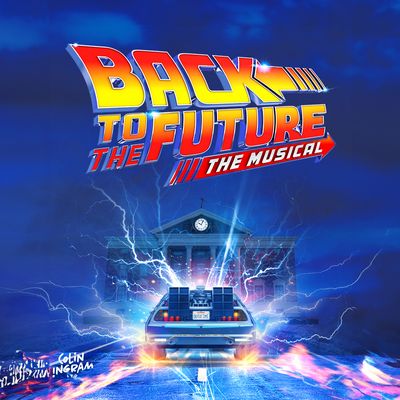
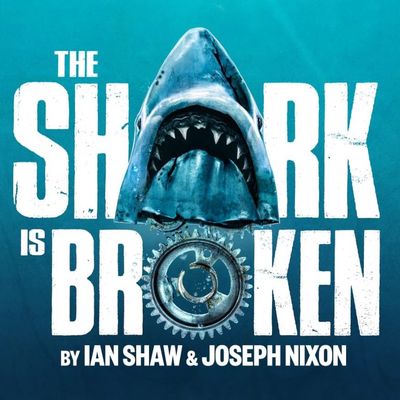
[0:45] Gordon Cox: On Broadway right now, there are two shows using video and projections in innovative, striking, and very different ways. Back to the Future, wowing audiences with sequences that replicate high-speed car rides and clock tower climbs, and The Shark is Broken, the comedy about the making of Jaws that takes place entirely on a boat that, thanks to the show's video elements, seems to rock gently on a calm sea.
[1:11] Gordon Cox: On this episode of Stagecraft, we're going behind the scenes and behind the screens of both those shows to find out just how they did it.
[1:18] Gordon Cox: My guests in the virtual studio are Nina Dunn, the video designer for The Shark is Broken, and Finn Ross, the video designer for Back to the Future.
[1:29] Gordon Cox: Hello, Nina and Finn, thanks for joining me.
[1:32] Nina Dunn: Hi, nice to meet you.
[1:34] Gordon Cox: So the kind of work you do in the theater is not something that gets talked a lot about. And I feel like as a result, a lot of people, including me, don't know a whole lot about it.
[1:44] Gordon Cox: I was telling you just before we started recording that as I was thinking about this episode, I thought, oh, I'd love to do, I'd just seen your two shows, and I thought, oh, I'd love to do an episode about projections. And someone pointed out to me that actually most of the work in your two shows is video more than it is projections, which is totally obvious in terms of like where the from where the image is generated and how it gets to the place that we see it on the stage.
[2:09] Gordon Cox: But I think the fact that I have not thought about that distinction suggests to me that a lot of the complexities of what you do get overlooked. So I wondered if we could just start by having you describe how you use video and projections, if they're involved, in your shows and what the effects were that you aimed to kind of conjure with your work in those shows. I wonder if Nina, let's start with you.
[2:35] Nina Dunn: Sure, thanks very much. Um so um video and projections can be used in such a variety of ways on the on a show, it's quite hard to know sometimes to tell the difference between um set and video and lighting. Um and um so each show has a completely different remit. Um, and therefore on The Shark is Broken, which is the show that you just saw of mine on Broadway, um the remit was to um create the environment around the orca, um, the boat upon which all the action uh happens. So um instead of just having a piece of scenery, we've also got the all-important um effects such as the weather and um and other environmental factors that ceased filming on the troubled shoot of Jaws. So for me on that show, it was sort of um to surround the boat um in in a much larger environment and to create the sense of uh of space and the exterior.
[3:36] Gordon Cox: Yeah, yeah. And what about for you, Finn?
[3:38] Finn Ross: I guess when I'm the key show, I don't distinguish between projection and video because it's sort of one and the same thing in my mind. I mean it gets into semantics, but you still need video to come out the end of a projector in order for it to be on stage. And you can often be using, like we do in Back to the Future, a combination of projection and LED, often working in harmony to create one image. And I think on Back to the Future the goal of the video is it it's like it has a couple of different functions in the show. One is definitely to help the car move because as we want to believe the car is moving at 88 miles an hour, but it's moving at like four miles an hour as it sort of moves around the stage.
So we have to move the world around it. So we do an awful lot of world building and creating like our version of Hill Valley but not sort of faithfully reproducing the film but putting enough in there that you know where you are and you know giving it reason to be live and and then the the other thing the video looks to do in the show is kind of go into more of the fantasy world of Doc's mind. He has a couple of numbers throughout the show where the world transforms from something very normal into something kind of magical and bizarre in accordance with his kind of crazy character.
[4:50] Nina Dunn: Yeah. I think movement if I if I might add to that movement is a really important thing that video and projection can bring to a show um specifically we had a the same issue with our boat is that it just wasn't moving and it was looking very static on the stage and so we created an effect where um in quite a different way to the what Finn did um where the the boat sort of gently looks like it's rocking through the horizon dipping and then at one point, we go quite wild with that and um make a few audience members see sick um in the process. But it can really help in terms of uh elevating the static nature of scenic pieces.
[5:26] Gordon Cox: Yeah, well, that was actually going to be my next question because it seems like in on the face of it, the effects that each of that you each were conjuring in each of your two shows are very different in terms of like one is going for like motion and speed and you know kineticism and like you know, car chases. And I feel like Nina in The Shark is Broken, it's all about kind of vastness and kind of often becalmed, except for those moments when it is not the calm, but there's always that like gentle rocking that uh is is very calming, even when you're just sitting in the audience. Um and so you mentioned that motion is one of the things that that uh video can bring to uh to a project. What are there other uh things in general that you feel like video and projections are uniquely suited to do?
[6:11] Finn Ross: I think one of my favorite things is to use video to go inside the mind of a character and bring something out onto the stage that the audience doesn't otherwise see or wouldn't otherwise know or help us understand the world from their point of view. And that can be a really interesting and fun game to play in in a musical or in a play. Uh, you know, in Back to the Future, it's definitely about a kind of fun, crazy musical inner world for Doc, but you know, in shows like Curious Incident, it's much more about helping understand someone on the spectrum and bring us into that person's world. It it's almost like video is great for world building to put the show in a world, but it's even better, I think, for building the inner world of a person is when it starts to get very interesting for me.
[6:55] Nina Dunn: Yes, absolutely. And I think um, although um in The Shark is Broken, we're in in sort of the nominal scene changes, we're doing a passage of time. We're actually doing a psychological development of the character. So we're trying to land um the character into their scene with some knowledge of where they're at psychologically within the shoot. So you know, if you've got a glorious sunrise, then you've got Roy Scheider having a nice old sunbathe on the deck. That's a very simple example, but but also to create the sense that there are more days passing in between and that you've um and when there's a when the storm occurs, uh we then go into a very dark, kind of rainy, depressing um place um ahead of um Dreyfuss's breakdown.
Um so there's a there's a sort of subtle pathetic fallacy-based psychological journey, not quite as uh interesting or fun as as some of the journeys that Finn took us on in Back to the Future, which I also saw while I was in Broadway. It was fantastic.
[7:49] Gordon Cox: And so how do you define good video design? What what what are the elements that uh that for you uh make for good design?
[8:01] Finn Ross: I mean, I think it has to always be in service of the story and the narrative. Um, and it also has to be in intrinsic dialogue with every other stagecraft in the space. Um, so it has to be super connected to all of those things. Um and to add to that, there's a very, very high level of technical and creative craftsmanship. I don't really see myself as an artist, I see myself as a crafts person. Um, because um, you know, you're not necessarily serving your own artistic narrative here, you're serving a collective communicative narrative which revolves around a story. Um, so and it's actually even to land what looks like a simple seamless kind of stage space with a floor and a psych project and a bit of waves on the front, it involves an enormous number of people and and processes to get that illusion um to to come off, really.
[8:54] Nina Dunn: I think maybe I think for me, video doesn't work when when it takes you out of the show. Uh like what Nina was saying, it's it's about creating one single image, which you are a layer in and lights is a layer, the person is a layer, the set is a layer, the costume, everything brings it all together, and then that's one image and the audience knows exactly where to look. And when that works, that's good video to me. When you're coming looking and going, why on earth is this text? What's that bit of animation? Uh that's when I find I that's bad video to me. So yeah, it's about balance and focus.
[9:29] Gordon Cox: And who initiates your involvement in a production? Is that something that uh set designer decides they want video? Like who who I guess decides they want video in the project? Is that the producer? Is that the director? Is that uh someone else on the design team? Uh is it different for every project?
[9:48] Finn Ross: I mean, I think generally a set designer or director or or producer in my experience, those tend to be the sort of three different ways it comes in. Uh I wouldn't say there's a particular preference, but it's usually they've found a problem that they want to video to help solve in that process because video is a very helpful problem-solving tool in theatre. It can fill in you know gaps in story or help tell difficult stories, or you know, like Nina was saying, like tell the audience time is passing, which would be otherwise quite difficult to do.
[10:20] Nina Dunn: Yeah, it's true. There's normally a problem to solve. I think in one of my earlier shows, um, which was a Flying Dutchman to English National Opera, they had this giant sail for the boat coming through, and they were, and I give this example to some of my students, and they were struggling because they couldn't use fans to make it billow um because of the orchestra and the sound of that. And also it had to be sort of starched because it needed to look like it was billowing, and nothing was going to make it look other anything other than like a really giant toy. Um, but then at some point when I was projecting some water texture, it went on the uh sail, and it just looked like really slow silk billowing, and from that point onwards, I added about 250 cues across the show to try and help this thing billow slower, faster and and all of that.
And so, you know, it's the kind of show where my agent come in and go, gosh, was there really that much video in the show? And I'm tearing my hair out, going, there was so much, it's just completely invisible.
[11:14] Finn Ross: Well, it's interesting is because we get into this world where like video is maybe at its best when it is invisible, where you don't quite like where you can't quite tell if it's lighting or if it's video, or when the director turns around and he doesn't actually know or she uh doesn't know whether to speak to what's faces usually in many these days, but that is charging. Um thank goodness. Uh but the director turns and doesn't know whether to address the lighting designer or yourself as a projection designer, that's when you're always in quite an interesting thing because it means you're tying together in a really nice, interesting way.
[11:45] Nina Dunn: Yeah, absolutely. I once had a moment where we were extending the the set um beyond the um set that was on stage just by doing a repeat, and the lighting designer was struggling to light the trees at the back. And I was like, I think you're trying to light my trees. Do you want me to boost the light on my trees? Because he couldn't he couldn't tell which was which was reality or not. But I mean, I think visibility is a really interesting topic to expand on in terms of people recognising the stagecraft, and also the way that you introduced this conversation, which was that you don't necessarily know what it's about and um or or how to describe it, and I think that's something that um people in the audiences are and and and critics and other people like that who are um responsible for reporting on um on the benefits of of video and its involvement um are struggling to do.
Um, whereas as you said before, um video is kind of becoming more prevalent within stage shows and is becoming a really robust and reliable and relied upon uh stagecraft. So we are trying to uh we're we're so happy to be able to have the conversation right now and help people understand a bit.
[12:55] Gordon Cox: You mentioned Nina a little bit earlier the idea that you have to work in tandem with every other member of the creative team, the sound designer, the set designer, the lighting designer. Could you both expand a little bit about how that works? I mean, actually, the example you just gave Nina about the set designer trying to light a tree that was video is it seems like a prime example. How do you because you know there's almost always sound associated with the video that you create, and I feel like that is not created by you, that is created by the sound designer, I'm guessing. Um, but how do you how do you all collaborate like that?
[13:29] Nina Dunn: I think it's really important to be involved really early in the process and also to share your ideas. Um, even if it's a bad idea, you can share your ideas, and out of that will become a possibly a really good idea. And when you've got multiple tools involved, including other things like puppetry, sound, lighting, uh, choreography, it's sometimes a case of sitting around the script and going, whose tool is it anyway? You know, who can best solve this? And sometimes if I'm asked to do something in video which feels a little bit on the nose and obvious, I look straight at the sound designer or I look at lighting. Um, and um, and equally if there's a prop that's not working, it might be a video solve. Um, but I think, yeah, sharing ideas really early and then continuing across the process. Um, I think Finn, you probably agree that pre-vis is a really important thing and storyboarding, that sort of thing.
[14:20] Finn Ross: Yeah, I think so. I think we are kind of interesting creatures in the number of different other disciplines we touch upon. Um, you know, we have very close collaborations with the set and the lighting designer, but then we will get involved in costume and we'll definitely be syncing things with sound and we'll be kind of worrying about paint finishes on bits of scenery we're going to project onto, and then talking to writers if there's any words that are being projected to sort of you know work out gags. So I always describe it like the minute you first put a piece of content on stage, I describe it as the opinion matrix kicking in because suddenly the director has an opinion, the lighting designer has an opinion, the set designer has an opinion, the producer has an opinion, you have an opinion, and then often you know you've written down the note in the notebook in front of you, then eight other people are going to come and tell you.
Uh, because it you know, a video is a language that everyone has a dialogue for commenting upon, whereas people maybe don't have such a critical vocabulary for something like lighting, because they don't quite know how to put it into words. Like some directors are amazing at talking to lighting designers, others not so much. It you know, it varies. Uh so I think I think what I really like about it is when I walk into the theatre in the morning, I will have so many different conversations with people from so many different disciplines, both technical and uh design, that it's very very interesting. And also with you know, producing, like we we make pictures, those pictures end up on bits of merchandise or in the web marketing, or you know, sort of moving outside that building.
So you know, there's that part of the world that we touch into. And I think that's, you know, for anyone who's thinking about a career in theatre, if you sort of are interested in what everyone else is up to, video is so exciting for that.
[15:57] Nina Dunn: Yeah, no, that's completely true. I mean, as an example on The Shark is Broken, just to sort of bring it into reality for people. Um, the conversation I had with John Clark, our lighting designer, was about where the sun was at any particular time and what the time of day was. And so there's a world which exists in the auditorium, and sometimes the sun or the moon is there and sometimes it's on stage. Um, and then there's a conversation about do you know the scenic finish of the psych and the floor so that we could get a seamless blend between the floor and the and the site, which maybe if you're sitting in the orchestra you didn't see, but mezzanine has a really good kind of world view. And in the end, I ended up producing the artwork for the psych um so that we could get the right colour. Um, and then during the paint call, there was a conversation about how the boat met the floor.
[16:43] Nina Dunn: So we talk about that. Um, and then you know, obviously with Adam Cork, our brilliant um composer sound designer, um, you know, there was a moment when we were taking the show on Broadway and adding a few elements where we were saying, well, we're going on this psychological journey. Um, you know, and I see that you've evolved the sound that way. I'm gonna respond in video, but I've also got an idea about the next transition, um, which is I think we're going in this direction. And so um he then responded to the video when I showed him that. Um, and so having that two-way street is is exciting because you're not creating in isolation, you're constantly feeding off each other, and and that's how a a really a really good show is is made by taking everyone's best judgment and then putting it together and throwing a few things out along the way as well.
[17:29] Gordon Cox: I'll have more with Nina and Finn right after the break.
[17:41] Gordon Cox: And now here's more of my conversation with the video designers, Nina Dunn and Finn Ross. I wonder if we could talk a little bit about how you generate these images. Like it looks like just from a from an observer who knows nothing about it. It looks like Nina, you went and sat on a boat with a camera and it went up and went up and down. Like it looks like that looks like real, a real ocean that you filmed. And like for Finn, for you, I feel like it is seems like some combination of a lot of the the images were some combination of things that were real and things that were you created on I guess a computer I I know nothing and I would love to know more about how each of you did what you do.
[18:21] Finn Ross: I think there are so many different ways you can make an image like you can go and sit on a boat and film things or stick a camera to the front of a car and drive it around. In the case of Back to the Future it's all entirely 3D. There's nothing real in there at all. Sometimes we might sample real world textures but we wanted to get this sort of heightening of reality to sort of meet the level of energy the show exists on which is very kind of up it's like kind of full out I think is the best way of describing it. So you know everything sort of had to become designed even if it's based off something that's real. So you know we we built the whole world of Hill Valley in in a computer and moved it around and you know we use a lot of real time tools to to render stuff really quickly to keep up with the process so you know that that's certainly a way but there are definitely entire shows I've done with a camera and film stuff or entire shows I've done with someone with a paintbrush in collaboration with them. So I think it's very much about there's no one way, but um to ask the question specifically about Back to the Future it is it it none of it's real. It's all all from the imagination.
[19:30] Nina Dunn: Right. Yeah so I think um on um sorry that was the Claxon on the on the um on The Shark is Broken yeah the aim was to make it look as hyper real or real as as possible but actually we've got a sort of sandwich combination um so we've got um the waves are entirely CG generated um uh and we were trying to work out not knowing enough about the script because it was still an evolution we're trying to work out what would send me into the theatre we weren't using real-time um software at the at that time um a couple of years ago before we started to really use it in my studio and um we we work we had to work out what case of parts I could go into the theatre with to be able to respond really quickly um and so we've had we've got just three types of waves um just mild medium and and rough and um and then I've been relighting them in um in another piece of software according to what the scene required and then matching them to a sky um that is organic and that is real footage um that then needs to be to be treated um but beyond that there are all the layers of sort of gradients and and birds and stuff going on like that because you know when when you look at an image on a computer screen yeah it might look great but then when you put it across a curved psych with um six edge blends um you're going oh gosh I'm not gonna get away with that am I so then you have to really respond live to that um but I think the fact that we're using organic um skies helps to really land the fact that it's a CGC that that wants to to match.
[21:05] Finn Ross: Um, so that's the C is entirely CG?
[21:05] Nina Dunn: Entirely CG.
[21:09] Finn Ross: See, that I would I I don't believe you.
[21:12] Nina Dunn: That it looks real as well.
[21:13] Finn Ross: So thank you.
[21:15] Nina Dunn: I'm glad you thought so.
[21:17] Gordon Cox: You both mentioned real-time software. Is that an interactivity thing? Is that something that allows you to uh manipulate my next question is about how video footage has to be manipulable on the fly in the moment during uh production because things go wrong or things go differently or whatever. First of all, what is real time?
[21:40] Finn Ross: Game engine software that has now made its way into the entertainment industry is the best way of describing it. There are I think everyone uh the word unreal engine definitely gets bound around a lot. That is a very, very versatile tool for creating sort of ultra real worlds and and notch is another piece of software. They're there maybe less about image manipulation, more about image creation, and then stuff would come from those pieces of software, go into after effects, be you know tidied up, reformatted a little bit, and then rendered out to the state to a movie file, and then we play that movie file in what we call it a media server, but it's it's a computer that you know recalls a set sequences of images in certain places, certain times, certain cues, effects, and all that kind of stuff, and then pulls the whole show up and together.
And you know, that part of the process is an incredibly complicated and intricate one, as you uh often describe as knitting, as you sort of build your cues together, layering things in and out and and balancing stuff on stage because you know you can work to the screen in front of you, but that really doesn't tell you everything about what you're going to see on stage because you know you might be projecting on a broken up old house or something like that.
[22:48] Finn Ross: So the the footage will respond really differently. So you can only really grade it when it's there in front of you, uh, which is is always the sort of you spend like two months in the studio prepping and then you have two weeks on stage to actually get thing ready. So suddenly your process has to just you know go so much faster and but that's fun because you're you're you're not over you don't have time to overthink things so you have to work on instinct and that that's always a really interesting place to be.
[23:14] Nina Dunn: It's really true and I think the bringing real time in I mean since Finn and I started um working in the industry the real challenge has been to try and keep up with the other processes and quite a lot of the time that we you know we're the last people sat there in previews asking for a lighting Q2Q so we can just finally balance the the colour or the light or you know asking for an automation rehearsal and just to try and tweak that last little bit. But and actually you know the the the media server that we often commonly use disguises a is again another game engine so that really helps us. There have been shows that we've done in the last year that are entirely live run off the game where lighting have controlled the virtual lights within the game and we've built an entire pantomime world and and all the camera moves alive and all that sort of thing.
It's not such a comfortable path to tread at this point because it's not quite as stable as having rendered content. And Finn and I had some conversations around that last Christmas we're a small community and very friendly to each other. But but I think you know the the main thing is that you know partly to to to Finn's point earlier is that you know you have to choose whatever tool the the the show requires um and it's not always the same tool and that's also part of the reason why Finn and I always collaborate with a number of different uh practitioners to input into the video design process so that it can be about high quality footage, it can be about stop frame animation. Um we're not limited as designers to to just what we can do with our own hands. We love working in teams.
[24:45] Gordon Cox: And how uh can you expand a little bit more on how you need to make your work flexible enough to be shifted on the fly, depending on the demands of a particular performance versus you know the performance the night before? Like how do you do that? You mentioned uh one of you mentioned the idea that lots of you know, one effect added, lots of cues.
[25:07] Finn Ross: Oh, it was for the for the boat, uh the the uh the boat flying duty.
[25:12] Nina Dunn: Yeah, yeah, flying dashman.
[25:14] Finn Ross: Um and so that is that is those are cues that are called by the stage manager, I'm guessing, an additional, you know, series of cues that are called by the stage manager in addition to the lighting and the sound and all that.
[25:26] Nina Dunn: Well, that's correct. Actually, often there's no um video operator on a on a show which has video on it. Um we are normally um triggered by lighting or sound. Um that's a preference as well, because then all the cues can really be snappy um and and in sync uh together, or there's time code which we can run along with and and set animation to if there's a a track. Um so yeah, when the production's up and running, you know, we all leave and and leave it in the very, very talented, skillful hands of of stage management.
[25:55] Gordon Cox: And I think the DSM is one of the roles I respect most highly in the whole of all of theater. I think they're absolutely brilliant human beings. You can't live without good stage management.
[26:06] Gordon Cox: Uh after all this, I feel like it's obvious that there is an art to designing video and projections. And uh how did you how did you come to study your craft or how did you discover it as a craft to begin with?
[26:19] Finn Ross: It's funny. Whenever I was talking to a group of students uh last week and saying when I you know came down to London to start a career in showbiz, like the idea of video design didn't really exist. It's definitely a newer notion that has come. So I I came at it through um largely wanting to train as a director really I didn't want to be a director and then going into lighting and then from lighting lighting and video technologies converge and as I oh this this technology is going to do something really interesting in the next couple of years and luckily it did uh so that made that's where I sort of went into it uh as a programmer and then sort of graduated and moved through different experiences to make me the designer I am today I guess so it's not been a direct path but it's been a fun one.
[27:09] Nina Dunn: Yeah and I think for me I I didn't start in theatre at all I looking back I had loads of interest in theatre and was was quite um highly um excited by the prospect of of theatre um but um I suppose like a lot of people in the world they don't think of theatre as necessarily a proper job uh which is sad really um but um I found my way to it um slowly through a um through working in um film and broadcast and um I mean weirdly enough when you're looking at all the elements that you composite on stage um with you know the actors and like Finn said the lighting and the and the set and everything like that compositing mixed media to create a title sequence actually felt really similar um but I was just really keen to break out of the four sides of the single screen and and go big with it initially um through commercial endeavours um working in shops and stores and that sort of thing um and then I got into um I got into theatre and sort of after after what felt like a really good chunk of a career in in broadcast.
[28:08] Nina Dunn: So I'm an animator and compositor by by original trade, but I've been working much longer in theatre than I have um elsewhere. And I just really love um the collaboration with people and also you know the offices are much better. I mean, they're huge and they've got gold everywhere, and you've got massive high ceilings, and every now and then you kind of sit back and you go, God, I'm just so lucky to be working here. It's brilliant.
[28:32] Gordon Cox: You each have to have a real literacy with uh what I imagine are some very complicated kind of computer programming, coding gaming things. I feel like is that it sounds like maybe Nina, you would have had some experience with that just sort of in your job that led you to theatre. But Fanny, if you wanted to be a director, I can imagine you were deeply familiar with coding and all of that stuff that you are now uh doing all the time.
[28:59] Finn Ross: Well, I mean, I wouldn't say I'm doing it all the time. I'd say that I would say that the a great talent, I think, is recognizing your limits and when you need to bring in other people who know things better than you, and you know, create a team that has you know multiple sets of skills that sort of you under your kind of art direction, you bring together into one thing, which I think on larger, more complicated shows is how I find myself more frequently working because I you know do not have the skill to make some of these things they're too much. Uh but that being said, I believe you do need to have an understanding of the various processes that you are asking people to use.
[29:42] Finn Ross: So your requests are realistic, they're timely, they're within the rounds of possibility and budget. Uh, so you're not asking someone to take you to the moon and giving them a bicycle, if you know what I mean.
[29:53] Nina Dunn: It's so true. I think you have to have the imagination and to know what's out there in the world that you could join up because video and theatre, I mean, it started off with people joining up stuff that should never be joined up to run things um in spaces that should never have had video in them. And you just need to you sort of need to know that something's out there. And um, we both work with absolutely brilliant engineers and programmers um and coders, and we, you know, we set them a problem and they sort of wince and suck their teeth and go away for a bit, and then they come back really fired up because they found this amazing solution. And it's so nice to see the light in their eyes, like you would get the light in your eyes about how to solve the theatrical problem with visuals.
[30:29] Nina Dunn: Um, and so um I think um, you know, you you do have to be interested in what technology can can do for you, um, and know enough um to uh yeah, as you say, not to put people under undue pressure when you're when you're asking for things at a certain point, or to create something that's completely unstable and unfeasible. You know, you need to be able to know um to dialogue with the producer about you know how big is the house, how long is the run, how much technology can we afford, and and be sensible about that really.
[30:58] Finn Ross: I think it's also important to not be led by tech, or that the technology works in service of the creativity, because I think you can find yourself going down a kind of gimmicky route sometimes if you're not careful.
[31:11] Finn Ross: And I think it's really important to make sure the technology is always serving the story and it's sort of allowing you to create as opposed to you to have to be a technician.
[31:20] Nina Dunn: Yeah, exactly. I think I always have alarm bells when a producer um, and it's normally a producer rather than a director, comes up to me and goes, Oh, we've got this show and we want to use loads of technology. And I'm like, So so why? And what's the story? You know, just be really cautious. It can't be used to raise production values. You know, video's never going to solve a really crappy script, you know. God know, or send people a terrible performance.
[31:45] Nina Dunn: And also shows don't really sell on the basis of their design. I mean, it's probably changing. People, um, you know, their eyes go wide when they when they look at some of the production shots, and and they they might be enticed into the theatre because of that. Um, but really traditionally it's it's sold on the story and the actors and and that sort of thing instead.
[32:03] Gordon Cox: What's the hardest thing you've each had to do with video and projections?
[32:08] Finn Ross: It's a really difficult question. It's all it's always difficult. I think if it's easy, then you're not trying hard enough, or the you know, you might as well just not bother, or it's not a good idea. Um I mean, you've got to like a challenge to do what we want, what we do. I don't haven't you, Finn?
[32:23] Nina Dunn: Definitely. I think when when it's hard is when you actually find you really don't like the show. Um, like that that it doesn't happen often, but it can happen that you just find yourself doing something, you're like, this is not what I expected it to be, this hasn't turned out. And then when you when you don't have that connection to it and that fire, then it's very hard to then make a design into that world.
[32:44] Finn Ross: Um, but you know, on the more kind of creative side, like I think all the best shows I've ever done have all been really difficult because you're like you're trying to find that language and the language of what your your what your visual vocabulary is is so specific to each show, and it's sometimes like teasing that out is is a really slow process. They don't always immediately you know tell you what they want.
[33:07] Nina Dunn: And I think also, you know, there's a there's a you have to be quite brave as well because um there can be teams that you work with who who struggle to work with video and you have to sort of gauge that and in encourage them. And um some of the hard issues I've worked with um are on are um are where people need that um extra level of understanding um or have presented as not needing that level of understanding but then you need to you suddenly discover you need to coach them through um and then um you know you have to have confidence in being able to um pitch on the fly throw out all the media remake everything um, you know, practically rejay a a show um I mean there've been obviously loads and loads of um technical um things especially early in early career that you look back on you oh you think God I'd never walk into that again my goodness wasn't that terrible you know where you have like a you know I don't know you you're trying to troubleshoot across all departments because you're all triggered by the same thing and it turns out to be a dodgy touchscreen on a lighting desk but you know video are a carrying the can for it and um you know when all the sound and lighting and video cues are firing all at once and you're like oh my god this is dreadful this is the worst situation ever.
[34:19] Finn Ross: Um but I think that's where communication and collaboration is really important. You know no one's working in isolation in theatre and and no one should be made to feel that either.
[34:28] Gordon Cox: Is there an effect or a design that you are most proud of?
[34:28] Nina Dunn: I feel like like there's a couple of shows in the back of my mind that are favourites for various different ex reasons like Curance I love because we went from such a tiny place to such a a big place and it touched so many people and it sort of actually had meaning to their lives rather than just a night out that they you know do it the next day there's other shows like American Psycho we made that and we thought we we had a great design and then we sat and looked at it on stage and we're like this is terrible we need to completely redesign this so it was like my animator was working two songs ahead, the programmer was programming in blind one song ahead, and I was watching like another song run on stage and no say we you know we were flying by the seat of our pants, but it was really good fun, and we we ended up with a really great show at the end.
[35:14] Finn Ross: So you know, I I could go on about millions of other things, but there's um you know the sh sometimes the experience as much as the show is the thing that you that you remember because you can work with an amazing team and remember the time you have together, but make an awful show, then it's sort of it just varies.
[35:31] Nina Dunn: Yeah. Yeah, no, it's it's hard. I mean, actually, to be honest, the some of my favourite shows do revolve around the the dialogue um within the team and and how good or effective or creative that's been.
[35:42] Finn Ross: Um I think one of my first most favourite shows was immersive show in London called Alice's Adventures Underground, and there was sort of video in such an incredibly spatial way in in and we were being very, very responsive on site, you know. Suddenly they needed a moon here that talked, and so we had to shoot the the writer who was also an actor and put the moon up within before the next preview. And you know, sometimes you say yes to silly things like that when you're young and you lose a night's sleep, and then you don't do it again.
[36:10] Nina Dunn: Um but um, but I think um you know that was amazing because there was so much texture and spatial involved in that video and responsiveness, and also seeing the audience. I mean, the shows that I've loved best are the when the audience have just gone crazy for them.
[36:24] Finn Ross: Um and when you've got a really amazing playground as a video design to play on. I mean, you know, the shark set is is ostensibly a psych. Um most people don't see the floor that but when you say that it's a psych and a floor and it's the front of the boat, and you create you know a much more environmental effect within that, then it it becomes it becomes something else.
[36:45] Nina Dunn: Um, you know, we always aim for full stage coverage just in case, and that's a it's a kind of a good idea. But then um, yeah, I guess you know, the the shows that have been yeah, rewarding have been the ones involved around the relationship with people in the audience.
[36:59] Gordon Cox: Yeah, and so uh both Back to the Future and Shark is Broken opened on Broadway this summer. What's next for each of you?
[37:05] Finn Ross: Well, I'm moving on to work with um Kenneth Brown and his King Lear, which is going into the West End um in the autumn, which should be a really exciting um playground as well. That set is going to be a fantastic playground to play on. So I'm really excited about that.
[37:18] Nina Dunn: Um I'm moving on to Boop, the Betty Boop musical uh for it's out of town before it's in town. So the chilly winter in Chicago merging the real world and the world of the Fleischer animation studios into one crazy camp, very romantic kind of jazzy, hopefully beautiful thing.
[37:40] Gordon Cox: Well, we will look forward to uh seeing how each of you solves the various problems those shows throw at you uh when we see them. Uh thanks so much for chatting with me.
[37:48] Nina Dunn: Thanks for your time. It's great to talk to you.
[37:50] Finn Ross: Thank you. Great pleasure. Thanks ever so much.
[37:57] Gordon Cox: That was Nina Dunn from The Shark is Broken, now playing at the Golden Theater, and Finn Ross from Back to the Future, now at the Winter Garden. If you enjoyed this conversation here on Stagecraft, I'd really appreciate it if you took the time to rate and review us wherever you listen to podcasts.
[38:13] Gordon Cox: It really does help. Or tell a friend about Stagecraft. Find past episodes and subscribe at all the places you get your pods, including Apple Podcasts, Spotify, and on the Broadway Podcast Network, a great place to find more theater for your years. Until next episode, find me on Instagram and Twitter at Gordon B. Cox. Thanks for listening and see you at the theater.
© Broadway Podcast Network, All Rights Reserved