

Why playwright Bess Wohl, now making her Broadway debut with “Grand Horizons,” keeps asking for the impossible... Read More
From the show: Stagecraft with Gordon Cox
Guests
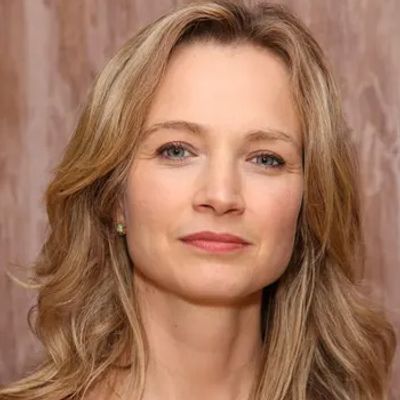
About
Why playwright Bess Wohl, now making her Broadway debut with “Grand Horizons,” keeps asking for the impossible.
Transcript
This transcript was automatically generated and might contain errors.
[0:06] Gordon Cox: Welcome to Stagecraft, Variety's Theater Podcast, bringing you backstage and behind the scenes with the stars and creators of the hottest shows on Broadway, off Broadway, and beyond.
[0:17] Gordon Cox: I'm your host, Gordon Cox. On this episode of Stagecraft, I'm talking to the playwright Bess Wohl, the fast-rising writer whose plays have made a habit of taking seemingly impossible ideas and putting them on stage.
[0:29] Gordon Cox: Small Mouth Sounds, her off-Broadway hit that went on to tour the country, is set at a silent yoga retreat where nobody's allowed to talk to each other. And the result proves surprisingly compelling and funny. And the full first half of her most recent off-Broadway outing, Make Believe, is performed entirely by child actors, which any rational human would dismiss as the worst idea ever. But in this case, became unexpectedly riveting. Wohl is currently making her Broadway debut with Grand Horizons, now premiering at Second Stage's Helen Hayes Theater, with a cast that includes Jane Alexander and James Cromwell. Wohl, one of only two female writers with a new play on Broadway this season, is here in the studio to talk pranks, poetry, and the lasting influence of Sandy Duncan's Peter Pan.
[1:16] Gordon Cox: Hi Bess, thanks for joining me.
[1:18] Bess Wohl: Thank you for having me.
[1:19] Gordon Cox: The last time we talked, uh, you described yourself as a sort of a prankster as a writer. Um tell me a little bit more about that and explain to the listeners what you meant by that.
[1:30] Bess Wohl: Well, I think I'm always interested in um what seems impossible. Doing things that um haven't been done before, that I haven't seen before, that I think um will either uh result in something really interesting or a total catastrophe. And I'm not really sure which. And I'm I'm interested in going on that journey. And I mean, one of those, one of those sort of pranks is like, hey, let's set a play entirely at a yoga retreat where no one's supposed to talk to each other, right?
[1:59] Gordon Cox: Yes, yes. Can I do a silent play? Was that the original thinking? Was the silence the impossible part for you?
[2:07] Bess Wohl: Yeah, I knew before I knew anything else about the play, I knew that the first page of the play would have a monologue from an offstage character because there is speaking in that play. You just never see the person who speaks.
[2:21] Gordon Cox: Right.
[2:22] Bess Wohl: And then I knew that that page had to end with, we will now observe silence as sort of, you know, throwing down this challenge.
[2:30] Gordon Cox: Right. And then so how do you figure out whether or not it works? Do you how much of that is you alone in your room? How much of it, how much of it is you getting into a room with some actors and a director? And tell me about that process.
[2:44] Bess Wohl: I mean, the really bad news is that I don't think you know if it works until the audience is there.
[2:48] Gordon Cox: Okay.
[2:49] Bess Wohl: You know, I really don't. That is too bad.
[2:53] Bess Wohl: It's unfortunate. You know, and I think about that a lot with playwriting. You know, if you're an artist making a painting, you can make your painting and sort of see what it is and then decide later like, do I want to put this into my show or not? But as a playwright, you don't really know what you have until the audience is there. And it's sort of like too late to, you know, back out at that point. So I remember with Small Mouth Sounds thinking when our first audiences came, like, are people gonna fall asleep? Are they gonna walk out? Are they gonna, you know, and then there's this revelation when they come and they're paying attention. And it's amazing.
[3:31] Gordon Cox: And then where do these ideas come from then? Do you have a sense of what inspires you when you uh when you sort of latch on to something that you feel like you want to challenge yourself with?
[3:43] Bess Wohl: Um it's hard to really say for me, but it often feels like a uh an impulse that um I kind of uh uh can't get rid of. You know, it's like it's a little itch that um I really need to scratch, and it often lasts for years before I actually act on it. You know, I'll feel it bubbling up, and I'll think, well, okay, I'm not gonna do anything about that idea for another year. And if I still feel that way in a year, or if I'm still interested in that exploration, then I'll then I'll go for it. Um, you know, my play um that I did um this past fall had a cast of children in it.
[4:11] Bess Wohl: A cast of children. Which is I mean, I I mentioned in the introduction that uh most people would dismiss that as like the craziest worst idea ever.
[4:27] Gordon Cox: Terrible idea.
[4:27] Bess Wohl: It's a terrible idea. Breaking like the the quintessential theater rule of you know, never work with children or animals.
[4:34] Gordon Cox: So I I don't know if animals are in my future.
[4:36] Bess Wohl: Yeah, I was gonna say, I feel like they must be at this point.
[4:39] Bess Wohl: They might be, I don't know. Um I I I'm not really anticipating that right now, but uh, you know, that was something where I just thought, oh, I want to do kids on stage, I want to do kids on stage. And I felt that way for years, you know, maybe for five years before I actually figured out a way to do a play about them.
[4:52] Gordon Cox: Right. And so all of that stuff, all the stuff that the play turned into, that all came later because what Make Believe kind of turned into was kind of this mystery and sort of a thriller and kind of this like unexpected version of telling a story about with young actors and then adult actors. What that all that just how did you sort of accumulate those ideas then? Do you even have a sense of how that works?
[5:12] Bess Wohl: Yeah, well, I started doing workshops with children and figuring out what was interesting to watch them do, what felt outside of the comfort zone for them, and figuring out how to write for them.
[5:25] Gordon Cox: That's really interesting.
[5:26] Bess Wohl: Or must have been really interesting.
[5:28] Bess Wohl: It was, it was. I mean, I quickly figured out that the scenes that I wrote for them, you know, had to be short. So the way the kids part of that play is constructed is a bunch of short scenes. I realized like you can't do a 10-page scene because it's the shaping of it doesn't quite work. You have to sort of shape it with the text and with the blackouts in between the scenes. And then also I learned that it's really fun to watch them pretend so that you can sort of uh lean into the theatricality of being a child and not try to create a sort of naturalistic vocabulary for them. So I I learned a lot about what they could do, and I learned from them.
[6:02] Gordon Cox: And how were you under were you was that a commission at the time? Like how do you end up with the resources to get a bunch of child actors together and sort of play with them in a room?
[6:11] Bess Wohl: Well, I had a commission from Hartford Stage, and I called them and I said, like, here's a play you're never gonna want to do. And um I spoke with Elizabeth Williamson, who was the associate artistic director there, and I said, Um, you know, this is something you no one's gonna be interested in, but I'm just gonna tell you because I am, and she was like, No, I think that sounds interesting.
[6:30] Gordon Cox: Okay.
[6:31] Bess Wohl: And then she got a bunch of local children, and um, they showed up. And originally the play was gonna be only children. That's another thing I learned. Like four days into the workshop, I was like, I think this play should have a second half that's adults, and I'm interested in writing that sort of in conversation with the kids' part. So that was where that came from.
[6:49] Gordon Cox: And your new play uh is in the middle of making its Broadway premiere, and uh, what was the prank that sort of inspired that play?
[6:59] Bess Wohl: Well, um, I don't want to give all of it away.
[7:02] Gordon Cox: Right, because there's one thing that happens that I feel like also was probably in your head as a prank.
[7:07] Bess Wohl: Totally. Totally.
[7:08] Gordon Cox: We're not gonna talk about it.
[7:09] Bess Wohl: Spoilers.
[7:09] Bess Wohl: Well, I mean, yes, we're not gonna talk about it, but if you think about me as someone who's sort of wrestling with convention and theatrical convention and interested in breaking convention, there's a way in which this play breaks convention in a very sort of um uh intentional way. Um I think, you know, I was also, I had written a play about children. I was interested in writing a play that starred two 80-year-old actors to sort of examine the other thing.
[7:35] Gordon Cox: Yeah, summarize the plot of the play, actually, for listeners who haven't had a chance to see it yet.
[7:38] Bess Wohl: So it's um a play about a couple who um decides or to contemplate divorce right after uh their 50th wedding anniversary. So um, and then, you know, really I think the play is also about the effect that that has on their adult children and the way that the parents stepping out of their sort of expected roles forces everybody in the family out of their roles and um uh what happens when a crisis like that hits a family. So um I'm sort of exploring love over time and marriage and family and uh whether love can sustain itself long term.
[8:13] Gordon Cox: And this play, like a lot of your plays, has sort of a big ask in it. Like it is a thing like, oh hey, let's get a stage full of child actors on stage, or oh hey, let's let's do a thing which shall not be revealed in this play that uh that uh some more sort of conventional or timid sort of theaters might be like, oh, I'm not really sure we can do that. How do you find how easy it is to make those asks of the theaters and the theater artists that you work with?
[8:42] Bess Wohl: Well, what I have realized actually, is that the more you ask, the more you get. Um I think I started my career thinking, oh, I'll just make a play that's really quote unquote easy to do. I'll do two characters, it'll be one set, and you know, it'll be a little bit more than a little bit of a simple.
[8:59] Gordon Cox: You get sort of counseled, right? As to two-character play in one room with a table or whatever, right?
[9:04] Bess Wohl: Yeah, but what I have learned in a way is that all theater is really hard. I mean, even two characters on a single set is really hard to pull off. Um so um, why not do the crazy thing that's in your imagination? And then I've also learned that um people are really excited by that challenge, and it sort of lifts everybody up to meet it. So you put a big ask in front of a director or a designer or a cast, and they're like, oh, this gives me an opportunity to uh meet that, and it invigorates everybody, and um, that's the part of the collaboration that I really love.
[9:37] Gordon Cox: And this play, Grand Horizons, uh first premiered over the summer uh at the Williamstown Theater Festival. What did you learn from that first production? And then how did that sort of influence how you thought about and shaped the play after that?
[9:51] Bess Wohl: I learned so much. Williamstown is a wild experience because it's a very compressed rehearsal process. I think you have about like a day and a half of tech, which you know, in the normal world you have like over a week of tech. So um, and then you just go for it and you just do you have one preview, and then you open. Um, so um it's kind of this wild um opportunity to just put everything in front of an audience for the first time, and you really don't know. You know, this play is a comedy, but I didn't know, you know, is anything in this gonna be funny? Are people gonna laugh? Are people gonna go with the story? What story are they following? Um, and so it was really about just figuring out how the play met an audience and and sort of understanding um what the shape of it wanted to be. But it that was really just the very first baby step in our process. Since then we've been revising, going back through the script and um just working to shape it even more.
[10:46] Gordon Cox: In the was there anything, did you discover anything in terms of what the play is about that surprised you?
[10:52] Bess Wohl: I did. I I discovered um a lot of things actually there that surprised me. I mean, the uh what was most interesting was seeing how people related to these characters and seeing the different points of entry for people that some people, older people would come in um relating to the 80-year-old couple, younger people would relate to the children very strongly. Also, there's a lot of sort of uh gender questions in the play about how women see things and how men see things typically. And so, you know, it was interesting to to start those conversations with people and understand that better. Um people, this play's kind of a Rorschach test. People bring their own feelings about marriage, love, commitment, family, all of that to this play, and they really um project a lot onto it, and that's been a really interesting conversation to start to have.
[11:39] Gordon Cox: We should talk a little bit about some of the about the people you're working with on this Broadway production of Grand Horizons because it's kind of a crazy good cast, starting with Jane Alexander and James Cromwell as the you know the older couple that you were talking about, but then we've got Michael Urie and Ashley Park and uh Ben McKenzie, and I'm forgetting how about Priscilla Lopez and who else? I feel like I'm forgetting even another person.
[12:02] Bess Wohl: Oh, right, yeah, exactly. Yeah, um and what do you feel like they have brought? Um because none of them were in the Williamstown production if I'm or no, Ashley was. Ashley, Priscilla and Malik were in the Lily. Oh, all three of them were, okay. So it's sort of divided up in this really um clean way where the whole family, because um Jay and Jamie and Ben and Michael are sort of four family members, they are all new, and then the sort of um outsider characters um all stayed with it. And what do you what does this what has this new sort of group of actors and this team of creators like helped helped bring out of the play, do you think? Anytime you see a new actor in a part, it's fascinating because certain colors come out of the part that you just didn't know were there, and things resonate in a different way, and it's always sort of humbling as a playwright because you think that the words on the page are like the whole thing, and then you get a new cast and you get the design, and you realize like, oh, I've done a tiny tiny sliver of the work of this play, and it's actually this huge collaboration.
Um Jane and Jamie uh have been so incredible because they really are 80, both of them. So there's no acting, you know, up in age. They're bringing their full humanity, all of their experience, all of their both career and life experience to the play. And you know, the one thing as um as a writer who is not 80, uh, I can't quite um get my head around is what it feels like to be at that stage in life. So they've offered so much of their own perspective and their own experience, and um, you know, there it's funny, there's a line in the play where Ben McKenzie's character says to his parents, you know, you're almost 80, how much else even is there? And everyone in rehearsal was like, Oh, that's such a cruel thing for him to say.
And Jane looked at us all and she said, It's true. Right. It's true. You know, and it's like they're bringing that um reality to the show, and that is a very moving and um just enriching thing to be part of.
[14:09] Gordon Cox: I'll have more with Bess Wohl right after the break.
[14:19] Gordon Cox: Welcome back to Stagecraft with the playwright, Bess Wohl. And one of the things that's interesting about sort of the trajectory of your career is that you didn't start out as a writer. You started out wanting to act. Tell us a little bit about sort of what your original idea for your life was and then how that shifted uh over the years.
[14:37] Bess Wohl: A failed actress, basically. I mean, that's not entirely true. I feel like you were working. You were yeah, it's good to I think it's good to have a lot of failure to draw upon if you want to be a writer, because writing is you know about sort of being in a state of vulnerability and misery most of the time. Um yeah, I so I went, I thought I was gonna be an actress. I went to drama school at Yale, I studied acting, and then I've been.
[15:00] Gordon Cox: And so, first of all, you were you got into Yale as an actor.
[15:03] Bess Wohl: Okay, that's a big deal. I mean, that's but so okay, you did that. And then at what point when did that change then for you?
[15:12] Bess Wohl: The I the impulse. Um it was while I was at Yale. Again, like prankster contrarian. Anytime I try to do anything, like the opposite ends up happening. You know, I just I can't go in a straight line. So it was while I was it in drama school to be an actress that I started thinking about writing. I started writing little plays for my friends to be in, and there's a uh student-run space called the Yale Cabaret, and we did some little plays at the Yale Cabaret. One of them came to New York, it was in the fringe festival. It's like the highlight of you know my life still.
[15:46] Gordon Cox: And what was that?
[15:46] Bess Wohl: You wrote so you wrote that play.
[15:48] Gordon Cox: And what was that play?
[15:49] Bess Wohl: It was a play. It was a play called Cats Talk Back.
[15:52] Gordon Cox: Yes, I knew the answer to that, and I just wanted you to say it out loud.
[15:55] Bess Wohl: I've talked about it way too many times. It's almost like a joke. How much we can't get over it. I mean, yeah.
[16:01] Gordon Cox: Now with Cats back in the uh conversation, I feel like there's cause to uh is there a revival of Cats Talk Back on the You know, trust me, I've thought about it.
[16:11] Bess Wohl: Um we almost actually tried to do a revival of it like about a year ago, and um happily everyone who had been in the play was sort of unavailable because they were doing other things with their lives, um, which actually is probably a good thing, but it was just such an important formative moment for me, and I think for a lot of people in the cast, and we sort of like all keep coming back to it as a touchstone.
[16:33] Gordon Cox: What do you have a sense of what it is that you what was it that made you gravitate toward writing?
[16:40] Bess Wohl: What do you get from writing that you didn't get from acting? Um I really like the feeling of um creating opportunity for other people, which I feel like you're able to do as a writer. Um, as an actor, obviously, you're creating a different kind of opportunity because you're bringing something to life through your body, which is an incredible thing to be able to do. Um, but being able to see people and and and really lift them and sort of bring people together in a in a very sort of active way is really fun for me as a writer. Um, challenging people with something that seems impossible. And also, I think um I am a very nervous, anxious person. And so the idea of getting up on stage in front of people, like I just found that the nerves of acting like really, really crippling.
[17:27] Gordon Cox: Do you have the same kind of nerves as a writer? As you like, are you how easy is it for you to watch one of your plays?
[17:34] Bess Wohl: Very hard. But I can do it. And and the thing is, if I'm sitting in the back row of the audience watching a play and like I'm shaking like a leaf, it doesn't matter. No one cares. But if you're supposed to be center stage delivering lines and you're shaking like a leaf, it's a big problem. So it's it's been a happier place for me to be in terms of being able to be my full anxious self.
[17:54] Gordon Cox: Right. Um but you write you acted all through Yale, obviously, and then you went on and acted professionally. You were in TV shows and things like that.
[18:02] Bess Wohl: Yes.
[18:02] Gordon Cox: And would it was a problem.
[18:05] Bess Wohl: It was a problem because I was a lab assistant on one of the CSI shows. And you know, as a lab assistant, you have to do all this really intricate stuff with like the beaker and the Bunsen burner and the tweezers, and I would be like shaking, trying to operate my tweezers. And honestly, that being a lab assistant on CSI was sort of my low point. And you know, and not even being able to do it well was really my low point.
[18:28] Gordon Cox: That was gonna be my next question, actually, is if you had a sort of a breaking point where you said, you know what, I don't think I can this isn't for me.
[18:34] Bess Wohl: It was the fact that I could not do the science on CSI without being panicked. And um I wrote a TV pilot, a failed TV pilot, but it was my first TV pilot about a miserable actress on a CSI who's sort of like third banana lab technician who starts solving real crimes around Hollywood.
[18:54] Gordon Cox: And uh that sounds delightful.
[18:56] Bess Wohl: I think I would watch that show.
[18:58] Gordon Cox: Yeah, it was really fun. Um it's on the you know trash heap of failed pilots. Um but um, you know, it was sort of like when you write something and then you realize, oh, like I'm writing something about an actress who's so unhappy that she's like finding people's lost cats around LA. Maybe I should think about what this is, you know, saying to what I'm saying to myself with this.
[19:19] Gordon Cox: Right, right.
[19:20] Bess Wohl: And how then how do you do that? How do you start to make people think of you as a writer and not an actor?
[19:27] Gordon Cox: How hard was that transition?
[19:28] Bess Wohl: It does take work because I think you know, people are so excited to pigeonhole other people and put them in a box and decide, okay, I know you because of these a few things that I know about you. So it took some time, and I think it's part of why I really had to make a break with acting and um stop going on auditions just to be seen in a new way. And it was a process, and it involved, you know, um, you know, having a few plays done, and and I I think um it took a lot of people by surprise in a way that I was so serious about it. You know, how do you go from being an actor who's written a play to a playwright? You know, it it definitely was not something that happened overnight.
[20:10] Gordon Cox: Do you ever miss acting?
[20:13] Bess Wohl: I miss the good parts of it. I miss when it was going well, I miss um the community. You know, there's such a fun feeling of being on a team of people making something, and being a writer is much more lonely. And you know, you feel as the playwright when you go back into the dressing rooms that you're sort of like the enemy, you know, you've gone behind enemy lines, and all the actors are like, please don't change another one of my lines, please get out of here before you mess up my performance. And uh so I I miss that camaraderie, I think the most.
[20:52] Bess Wohl: Character and sort of going from the inside out and feeling things physically. I I I really um feel rhythm and language, all of that in my body, um, and thinking of things in three dimensions. I try to think with a scene: is there something playable in this? Could I act this, you know? Um, and um, so for me it's the foundation of everything. And also I think it's an exercise in empathy because you know, we're all in our little jobs, and we often don't think about what what's what we're requiring of the other people around us. So for me as a playwright, knowing how terrifying it is to walk out on that stage, knowing how much I'm asking of them, um, it it helps me sort of check myself in terms of um you know my role in the process.
[21:34] Gordon Cox: And taking all that into account, as well as your the idea of the you know seeing impossible things sort of manifested on stage, how does that all kind of fit together into what you think of as what is uniquely theatrical as opposed to what belongs on a TV show or what belongs on film?
[21:50] Bess Wohl: I'm not sure I completely know the answer to that question. I know that when I have an idea, I can sort of feel if it wants to be a play or if it wants to be a movie or if it wants to be a TV show, and I think um some of it has to do with time. You know, time is so compressed in the theater, and um that sense of intensity of a sort of short period of time, you know, most of my plays, well, I guess make believe had a big gap in time in it, but but both of the sort of ends of it were sort of had a sort of compressed feeling of time, and just um, you know, how long how long do I want to spend with these characters? Do I want to spend two hours with them or do I want to spend, you know, um several months with them?
But I I I really love doing theater because um you can see the manifestation of your work very quickly, even if it's just around a table with your friends, you can sort of feel it. Whereas um, you know, in movies and TV, I've been caught in like endless development processes where things never, you know, see see an audience.
[22:44] Gordon Cox: Right.
[22:44] Bess Wohl: Do you have a memory of when you first fell in love with a theater and when you do?
[22:50] Gordon Cox: Yeah.
[22:51] Bess Wohl: How did you guess that I might?
[22:54] Gordon Cox: I do because my grandmother took me to see Sandy Duncan um play Peter Pan when I was a small child.
[23:02] Bess Wohl: I mean, I think I was like four.
[23:03] Gordon Cox: I have a very similar memory.
[23:05] Bess Wohl: I think we had the same kind of experience.
[23:07] Gordon Cox: Of seeing Sandy Duncan?
[23:08] Bess Wohl: Well, yeah, Sandy Duncan, three or four, like who even knows.
[23:11] Gordon Cox: Yeah, exactly. Maybe we were at the same show.
[23:13] Bess Wohl: Oh, that would be awful.
[23:15] Gordon Cox: Let's say that we were.
[23:16] Bess Wohl: Okay, let's imagine.
[23:17] Gordon Cox: Yeah.
[23:18] Bess Wohl: Um, and you know, when she flew out over the audience, it was a good one. I still remember it. I mean I couldn't believe that could happen. I talk about the impossible, you know. I was like, this is unbelievable. Are other people seeing what I'm seeing? And then I I wrote to her um to tell her how great she was, and she wrote back to me. Um, and uh that was sort of one of the highlights of my life as a kid. And so I think from then on, I just I knew that theater was a really special place, and I just wanted to be part of it somehow.
[23:48] Gordon Cox: And what does it feel particularly meaningful to you that Grand Horizons is on Broadway as opposed to being you've worked on uh many off Broadway theaters and all around the country? What d how and in what ways does Broadway feel meaningful to you?
[24:04] Bess Wohl: I think Broadway is always sort of a dream for anyone who works in the theater. There's something so iconic and special about what Broadway means. For me, making a play in front of people is making a play in front of people. So it's not completely different. I always want to connect with people, whether I'm in a tiny 30-seat hole in the wall or whether I'm on Broadway, but I do think there's something special about being part of this community and also knowing how few women are represented on Broadway. It feels meaningful to be part of that.
[24:41] Gordon Cox: Do you have a sense of what, well, first of all, in addition to seeing Sandy Duncan fly out over you when you were three years old, what other performances that you saw kind of impacted your love of theater and what you wanted to be when you grew up?
[25:02] Bess Wohl: Oh wow. I mean, my parents took me to theater a lot when I was a kid because I grew up in Brooklyn. So I saw some things as a young person that really blew my mind. I mean, I saw M. Butterfly when I was a kid, which I had no idea what was coming. My mom just took me. I don't know why I wasn't in school that day, but I remember her looking in the newspaper and seeing a positive quote on the ad for M. Butterfly and being like, let's go to this. And I was like, sure. We had no idea what we were walking into, and we were completely blown away. I mean, talk about a transformation on stage.
[25:37] Gordon Cox: Yeah.
[25:38] Bess Wohl: With John Lithgow and B.D. Wong.
[25:40] Gordon Cox: Yes, yes, yes.
[25:41] Bess Wohl: And I think during the intermission, B.D. Wong sort of transformed.
[25:45] Gordon Cox: Oh, really?
[25:46] Bess Wohl: Yeah. And I remember seeing that and just I had no idea. I had no idea of the trick in that, just being so moved and blown away. And you know, there have been a lot of performances like that over the years.
[25:59] Gordon Cox: Who do you consider some of your biggest influences on you as a writer?
[26:06] Bess Wohl: In terms of my contemporaries or just in general?
[26:06] Gordon Cox: Well, in general, but also your contemporaries.
[26:13] Bess Wohl: I mean, I'm influenced a lot by poetry and music, I think, as much as by playwriting. So, like, touchstones for me that I go back to over and over, like the poems of Frank O'Hara had a huge influence on me, just that sense of spontaneity and the sort of conversational feel of that work. And I read a lot of poetry while I'm writing because I can't get my brain around a novel. It's like too much of a commitment while I'm working on something.
[26:44] Gordon Cox: Right.
[26:44] Bess Wohl: And then I took, this is sort of basic and cliché, but my freshman year in college, I took a full year of Shakespeare, all of the plays with a professor named Marjorie Garber, who's amazing. And she sort of ignited in me this idea that plays could lift into this world of psychology and poetry and metaphor in a way that really became like a pathway forward for me in terms of how to write plays and also how to live my life.
[27:18] Gordon Cox: What, as you've watched the theater industry and Broadway sort of change over the years, what's your sense of where we are right now as a business? I mean, you mentioned earlier that you're one of very few female playwrights with a new play.
[27:32] Bess Wohl: I’m one of only two by my count, you and Ronan Monroe, I believe, with new plays on Broadway this season. What's your take on how Broadway is doing with things like parity, inequality, and things like that?
[27:43] Bess Wohl: I mean, not too well. No, I don't mean to answer in a glib way, but I do recognize that some great strides have been made, obviously, with Heidi Shrek's play last year and Slave Play, and there's some exciting, I think there's an appetite for really challenging material on Broadway in a way that people might not have anticipated a few years ago. But I also think there's so far to go in terms of the work that needs to be done and in terms of the representation on Broadway. So I think I feel sort of hopeful and devastated at the same time.
[28:24] Gordon Cox: Yeah. Have you ever thought about directing?
[28:27] Bess Wohl: I have. I think I annoy the directors I work with so much because I give them like a thousand notes, although playwrights, I think generally do that. So maybe I'm not sure.
[28:36] Gordon Cox: I think that's probably true. But you must feel like your notes are even more directorially minded than others, or I don't know.
[28:44] Bess Wohl: I really think directing's incredibly hard. And I think everyone who sits around and watches the director thinks, oh, I could do that because it's such a public way of working. You know, you don't get to go away and figure it out and then come in and share with everyone. You're figuring it out on your feet. So I always say, like, watching a director is a little bit like watching Wheel of Fortune at home. Like you're like, oh, I could solve that puzzle, but actually when you're doing it, it's much harder. So I've never directed, and I don't know that I would want to do it, but I really love being an irritating voice in the director's ear.
[29:20] Gordon Cox: You've worked with some great directors. What is it, what sort of unites them as like what is the ability that you have that makes you a good director, do you find?
[29:28] Bess Wohl: Oh gosh, it's such a crazy job because there's so many pieces of it. I did a tiny little short play with Lila Neugebauer, and she was telling me how she feels like she's basically just a sponge for everybody's anxiety. Like that's really what a director is. You just absorb all the anxiety, and you have to go home and like wring yourself out. And I do think that's a really good description of the job, but of course, you know, you have to have a visual sense, you have to be good with actors, you have to have a dramaturgical sense. You know, it's just you have to kind of contain every piece of it, and also time management. I mean, each director has their own special skill set or places of strength. And I find that my job as a playwright is in part to try to compliment them. You know, if I can see that they've really got their eye on one thing, I'll try to sort of step in and be helpful somewhere else.
[30:20] Gordon Cox: Have you worked on one musical previously working with Michael Friedman and the Civilians with Pretty Filthy. Is that a thing that interests you? Or are musicals a thing that you would like to pursue maybe?
[30:32] Bess Wohl: I would love to pursue it. I love musicals, and I have to say when a musical is going well, there's nothing better. I mean, that feeling of hitting the right emotional beat in a musical is so incredibly satisfying. And also as a writer, it's really nice to not have to do all the lifting. You know, you say, like, oh, this is gonna be great, you're gonna put a song here and you'll fix it. So I think musicals are thrilling.
[30:58] Gordon Cox: Yeah. And what about writing for film and television? I know you've done some of that. Tell me a little bit about sort of how you think of what you're doing, what you'd like to do in relation to the theater work that you do.
[31:09] Bess Wohl: I'm, you know, I've been sort of messing around in the world of film and TV for a while, and I really enjoy it. And I love the idea of reaching even more people with something that I do, and I also love the meticulousness of creating a world that's filmed and the sort of precision and specificity you can find of really nailing it as opposed to theater, which is sort of like a little different every night and a little, you know, exciting because it's alive, but there's something about the sort of nerd in me that's excited about the order of film and television that you can achieve. So I'm excited to sort of keep going and see what's possible in that world. I have a film that I wrote, speaking of directing that I'm looking to direct potentially, so that's something that maybe in my future. And I'd love to also create a series where we could follow characters over years and years, because as someone who's interested in character, that's an exciting idea for me.
[32:03] Gordon Cox: And what's next for you immediately after Grand Horizons?
[32:07] Bess Wohl: I don't know, a trip to a spa. Six months in an ashram. No, I have a bunch of new plays that I'm working on. I have a bunch of commissions that I'm working on, and just sort of making the next thing. I mean, that's the crazy thing about writing a play, you struggle to get to the end of the process, and then you realize the next day there's gonna be a blank computer screen in front of you, you're just gonna start over.
[32:33] Gordon Cox: Right. Have there been any sort of initial ideas or pranks that you got halfway through the process with and then thought, oh no, never mind, we can't do this. This doesn't work.
[32:44] Bess Wohl: Oh, yeah, of course. I have a million like half-finished drafts of things.
[32:49] Gordon Cox: Can you describe one for us?
[32:51] Bess Wohl: I'm trying to think of specific things that really felt like pranks. They're more just plays that didn't go anywhere. Plays that didn't pan out.
[33:00] Gordon Cox: And do you start writing them? Do you do it?
[33:01] Bess Wohl: I start writing them, and then sometimes I hear them with some friends like around a table, and then I decide, like, let's not do this. You know, I mean, I'm lucky in that everything that I have really committed to has found some kind of an audience. You know, maybe not on the biggest possible scale, but I've been able to share it with people. But you know, everyone has that terrible file in their computer of things that they gave up on.
[33:32] Gordon Cox: Has one of those ever inspired you with what became the next thing?
[33:37] Bess Wohl: Yeah, yeah. And in fact, in each play, there's like shadow drafts that went before that are so different from the thing that went up on stage. Like with Small Mouth Sounds, my play that took place mostly in silence, my first draft had tons of talking in it. Like every, it was set at a meditation retreat, but everyone talked the entire time. And there were these meditation sections where you could hear people's thoughts as they were meditating. So it was like a cacophony of language. And I showed it to a friend, Evan Cabnet, who runs LCT3, and he was like, you set up this great challenge, and then you abandoned it like half a page later. What is wrong with you? And I was like, oh, you're right, I did. That was a terrible. So there's drafts that are just so different from the thing that ended up on stage with every piece I've ever done.
[34:27] Gordon Cox: Do you have a sense of which of your plays is gonna hit next in terms of the timeline?
[34:32] Bess Wohl: What, you mean which will be, which will we be able to see next?
[34:37] Gordon Cox: Yeah.
[34:37] Bess Wohl: Next, you know, I have a play called The Movement that I'm talking with CTG about. It's about the second wave feminists because my mom was one of them. I grew up going to Ms. Magazine as a kid. My mom worked at Ms. I know.
[34:52] Gordon Cox: That's cool.
[34:52] Bess Wohl: I know. So I was a Ms. kid, and I've always wanted to figure out how to write about being a kid at Ms. and also my mom and her friends. And her friends were like Gloria Steinem. Do you know what I mean? So it's like a crazy amazing group of women. So that's something that I've been trying to crack that I feel like will be happening in the next few years.
[35:13] Gordon Cox: Well, we look forward to seeing it. Thanks, Bess.
[35:15] Bess Wohl: Thanks for being here.
[35:16] Gordon Cox: Nice to talk to you.
[35:17] Bess Wohl: Thanks for having me.
[35:21] Gordon Cox: That was Bess Wohl, whose new play, Grand Horizons, is now playing at Broadway's Helen Hayes Theater. If you like what you're hearing on this and other episodes of Stagecraft, it'd be a great big help if you could rate and review us on Apple Podcasts. It's the best way to help other theater fans find Stagecraft. And if you're in New York this weekend for BroadwayCon, Stagecraft will be there too. I'll be recording a live episode with the casting creators of the upcoming Broadway musical, Mrs. Doubtfire. That's this Saturday, January 25th at 3 p.m. at BroadwayCon. And for those of you who can't make it to the live recording, the episode will be released next week. Until then, see you at the theater.
© Broadway Podcast Network, All Rights Reserved