

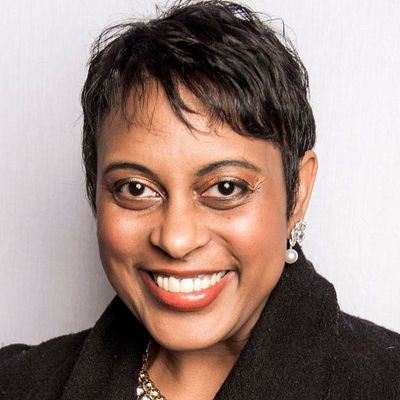
Your favorite podcast hosts Jason A. Coombs and Samantha Tuozzolo , sit down with the iconic and extremely talented Schele Williams, who recently directed two musicals on Broadway, The Notebook at the Gerald Schoenfeld Theater with Michael Grief and The Wiz at the Marquis Theatre... Read More
From the show: Survival Jobs: A Podcast
Guests
Featured Shows

About
Your favorite podcast hosts Jason A. Coombs and Samantha Tuozzolo , sit down with the iconic and extremely talented Schele Williams, who recently directed two musicals on Broadway, The Notebook at the Gerald Schoenfeld Theater with Michael Grief and The Wiz at the Marquis Theatre.
In this episode, Williams spills the tea on her friend and co-director, Michael Grief, who called her to join him in directing The Notebook and how they worked together so seamlessly to maintain one vision. She also shared why The Wiz was such an important musical for her growing up as a child and how that translated to her approach as the director of the recently closed production.
Before closing out the episode with a fun game of “Broadway Word Association ”, Williams talks about performing in the role of Aida on Broadway during its initial run and what inspired her to transition to the role of director from actor!
Episode 102 kicks off with co-hosts Samantha and Jason sharing a mic check that recaps the 4th Annual Bridgeport Film Fest, and the innovative collaboration with the Broadway Podcast Network at the festival.
Lastly, the exclusive video interview can be found here on Broadway World, while the audio-only version of the episode is available on popular platforms such as Apple Podcasts, Spotify, Audible or any of your other favorite podcast apps. Tune in now for insights, inspiration, and entertainment!
Info on Your Hosts:
- Broadway World Article on our Season 3 Launch Party
- Follow Samantha: Instagram | Samantha's Official Website here
- Follow Jason on Instagram | Twitter.
- Check out Jason's Official Website here
- Check out and support The Bridgeport Film Fest
Info on Guests:
- Follow Schele on Instagram
- Tickets to 'The Notebook' on Broadway
Mic Check Links:
- Info on the Bridgeport Film Fest
Important Links:
- Support the citizens of Gaza
- CAIR Shares Resources to Support Students Protesting the War and Genocide in Gaza
- Native Land Map
- US Interior Indian Affairs
- NPR: "How To Help Puerto Rico" Article
- How to Help the People of Florida Article
- Abortion Funds Website
- Plan C Pills Website
- National Write Your Congressman Link
- How to help Uvalde families NPR Article
- Where to Donate to Support Access to Abortions Right Now
Support Us... Please!
- If you're feeling generous, Buy Us A Coffee HERE!
Please don't become complacent:
- Support the Black Mamas Matter Alliance
- Support Families Detained and Separated at the Border.
- Support the AAPI Civic Engagement Fund.
- Support Black Trans Folx here
- Donate to the Community League of the Heights (CLOTH)
- Support the People of Palestine
- How to be an Ally to the AAPI Community
- 168 Ways to Donate in Support of Black Lives and Communities of Color
- The New York Times: On Mexico’s Border With U.S., Desperation as Migrant Traffic Piles Up
- PBS: How to help India during its COVID surge — 12 places you can donate
- Covid quarantine didn't stop antisemitic attacks from rising to near-historic highs
Follow "Survival Jobs: A Podcast”:
Website: bpn.fm/survivaljobs
Instagram: @surivaljobspod | @JasonACoombs | @SammyTutz |
Twitter: @SurvivalJobsPod
Facebook: www.facebook.com/SurvivalJobsPodcast
Transcript
This transcript was automatically generated and might contain errors.
[0:06] Samantha Tuozzolo: Hello, everyone. Welcome to Survival Jobs, a podcast in collaboration with Broadway World and the Broadway Podcast Network. My name is Samantha Tuozzolo, and this is my amazing co-host, Jason A. Coombs.
[0:19] Jason A. Coombs: Jason A. Coombs coming off of a popping weekend of his fourth annual Bridgeport Film Festival. Samantha, how are you feeling?
[0:27] Samantha Tuozzolo: I'm so endlessly proud of you. I really, really genuinely am.
[0:32] Jason A. Coombs: Thank you. I know you are. Thank you so much. Yeah, what a weekend we had. So I mean at the Bridgeport Film Festival, for those who don’t know, we actually had our Broadway Podcast Network friends, Alan and Rob, with the red carpet because we incorporated podcasting, which is another form of storytelling, into the film fest, which was really cool.
[0:53] Samantha Tuozzolo: We had a podcast playground set up in the lobby.
[0:56] Jason A. Coombs: Yeah, we had a really good time this weekend amongst watching 110 films and workshops and panels and everything else we did.
[1:05] Samantha Tuozzolo: For sure. I love coming. I'm so sorry I couldn't be there the whole weekend. The past years I've only been able to be there opening night, but it was so fun to do that, and it was so beautiful to mix your two worlds of podcasting and film.
[1:20] Jason A. Coombs: I'm giving another shout out to Alan and Rob. It was so cool that they were there. And Alan brought all of the Broadway Podcast Network swag. So that was really, really awesome.
[1:32] Samantha Tuozzolo: And everyone, we'll have a bonus episode this weekend out of the audio from the red carpet. So stay tuned.
[1:38] Jason A. Coombs: Stay tuned. It was a popping red carpet. I saw pictures.
[1:41] Samantha Tuozzolo: It really was. I mean, Rob and I were dividing guests and both doing interviews at the same time with different people.
[1:48] Jason A. Coombs: I have no idea how Alan was running the tech with the headphones with both of our audios coming through. It would have driven me absolutely mad.
[1:56] Samantha Tuozzolo: But he's a podcast king.
[1:58] Jason A. Coombs: Yeah, he is. Sorry, I did give his title. I used to call you the podcast king, which you still are, but I didn't think it's Alan.
[2:05] Samantha Tuozzolo: I do want to apologize for giving the title to somebody else.
[2:11] Jason A. Coombs: No, I think it's Alan though. But yeah, we had such a great weekend. It was our biggest. We sold the most amount of tickets this year. We had like our largest attendance. We had a kickoff party on Thursday night. So we added four days to our fourth year.
[2:26] Samantha Tuozzolo: And yeah, it was just super exciting to have the city of Bridgeport support. You know, our mayor came to open the festival with some kind and supportive words. So it feels like it's finally becoming this institution that's becoming bigger than ever before, you know, and to have that support, to have your support, to have Alan's support, to have the support of all of our sponsors and our volunteers and our filmmakers sharing. We can't do a film festival without films, you know. So to have people who come, our panelists, our jurors, our screeners, it just means the absolute world to me.
[3:03] Samantha Tuozzolo: And I'm still trying to recuperate on Tuesday night. I'm sure it's gonna be weeks of recovery.
[3:11] Jason A. Coombs: I just need like a day. Like I slept for like 10 hours on Tuesday night.
[3:15] Samantha Tuozzolo: Oh, good. Which was good, you know. That's the first time it's happened in months, but I need like a day where I just like don't get out of bed, you know, one of those days where you just like watch movies on TV and you order in, just be like a big slob.
[3:29] Jason A. Coombs: I do love those days. Those are the best days.
[3:31] Samantha Tuozzolo: Those are fun days, y'all. Self-care days.
[3:37] Jason A. Coombs: I need one of those.
[3:39] Samantha Tuozzolo: I'm so proud of you. I'll say it until I'm blue in the face, but it's so amazing what you've built, and I hope that you can look at this festival and say, "Wow, I did this," because you did. It came from your brain, and now it's turning into something huge.
[3:52] Jason A. Coombs: And you know, I think it's so important, and this ties into the theme of our show, but like to dip your toe in all different forms of art as an artist, just to stay well-rounded and busy and fulfilled. And I know at times it can be overwhelming and you're busy and you're tired and you're not sleeping, but what you're doing is so amazing, and I'm happy to know you.
[4:15] Samantha Tuozzolo: Thank you, boo. I love it. And I'm happy I get you to partner with me on this, so I can use your brain for all of the things.
[4:23] Jason A. Coombs: This is a good episode, right?
[4:24] Samantha Tuozzolo: Oh, wait, are we doing our musical check-in thing still?
[4:28] Jason A. Coombs: Like, Samia, there's been no minute since we've been a minute. I feel like we're stuck in last season, so we need to come into the new Broadway season.
[4:36] Samantha Tuozzolo: We're in the fall season, so yeah, y'all. We're gonna release two episodes that we've recorded in the summertime.
[4:38] Jason A. Coombs: We had a much-needed hiatus, you know. We had some unexpected deaths happening this summer, which maybe one day we'll talk about, but not today. But we needed the break.
[4:55] Samantha Tuozzolo: So we'll throw these old episodes at you guys, and then we're gonna get into the fall season with the guests that are relevant and things that are going on. We'll be at the shows, we'll be doing the things.
[5:05] Jason A. Coombs: So, all that to say yes, you said let's play your Broadway temperature check.
[5:15] Samantha Tuozzolo: Yeah, hold in a show.
[5:19] Jason A. Coombs: Yeah, yeah. So, Samantha, what's your temperature check? What's a show, I guess maybe you can help me, a show that's about gratitude, because that's how I feel—just very grateful and wanting to express that.
[5:36] Samantha Tuozzolo: And I don't know if there's a show like that. It's kind of a—I don't know. You know, the first thing that popped into my head is Hamilton, only because of the end when Eliza is like, "Let me show you what I'm proudest of" when she makes the orphanage. So maybe not the whole show, but maybe that moment.
[5:51] Jason A. Coombs: Yes, let's do that. I'm Eliza at the orphanage, and the impressive my orphanage.
[5:57] Samantha Tuozzolo: Good job, Samantha Tuozzolo.
[5:59] Jason A. Coombs: Thank you. That's what popped into my head.
[6:01] Samantha Tuozzolo: Oh gosh, I don't know what mine is. I have nothing. I'm honestly flatlining.
[6:05] Jason A. Coombs: Describe, maybe I can help you this time.
[6:08] Samantha Tuozzolo: I'm really tired. I'm overwhelmed. But I'm also grateful. I'm tired, I'm overwhelmed, and I'm grateful. So I did talk about this on the show. I did get laid off this summer, which is turning out to be such a big blessing. You never know why things happen, and in the moment it could feel really scary.
[6:21] Jason A. Coombs: Really scary and scary.
[6:31] Samantha Tuozzolo: But cool things are happening. I'm doing a lot of event work. I have some artistic things brewing, Jay, which I'll tell you about off-camera that I haven't told you yet, that I wouldn't be able to jump and say yes if I was working full-time. And the event work and the gig work and the freelance work is really showing up for me. So I guess mine is also like gratitude and also overwhelmed.
[6:58] Jason A. Coombs: You're Hamilton writing all the letters.
[7:01] Samantha Tuozzolo: Thank you. I'm just thinking about Kimberly Akimbo right now. It has nothing to do with anything I just described. I guess like when Aunt Deborah gets her job at Costco at the end, like she's so happy. I just think about Kimberly Akimbo because it just kicked off its tour, and Caroline Innerbloom is playing Kimberly, and I really would like to get there and see that.
[7:21] Jason A. Coombs: Good, you will.
[7:23] Samantha Tuozzolo: So that has nothing to do with what I'm feeling, but that's what I was thinking.
[7:27] Jason A. Coombs: Okay, your Costco is the event job that you're doing.
[7:31] Samantha Tuozzolo: Here we are. Perfect.
[7:32] Jason A. Coombs: We did parallel pull so deep.
[7:36] Samantha Tuozzolo: It's such a stretch, but we did it, Jay.
[7:38] Jason A. Coombs: We did it. The goal is us.
[7:40] Samantha Tuozzolo: Go.
[7:42] Jason A. Coombs: Yes, Samantha. So this week's episode is featuring Schele Williams, who was co-director of The Notebook.
[7:50] Samantha Tuozzolo: We know I love The Notebook. I told y'all we're stuck in last season. We'll be in this season soon. And she directed The Wiz, which is now sadly closed.
[7:58] Jason A. Coombs: So this episode's a little bit outdated. We're talking about summer, we're talking about Juneteenth, we're talking about The Wiz before it was closed. We're talking about The Notebook before it was announced to be closed. But it's a really beautiful episode, and Schele was so open, and her artistic journey is so crazy and beautiful, and she has so many chapters.
[8:22] Samantha Tuozzolo: And again, Jason, this ties into what I just said to you about being a very well-rounded artist doing it all because you can. So basically, Jason, you're Schele Williams doing it all.
[8:33] Jason A. Coombs: If only I could be as iconic and cool and interesting and dynamic and amazing and talented as Schele Williams. I would be super happy because she is iconic, y'all. She's literally a legend, basically.
[8:53] Samantha Tuozzolo: She was Aida. Come on, I mean, it's my favorite show. I loved it, and we keep asking where's the revival, and like rumor on the street is like, is it coming? Is Schele doing it? We have so many questions. Maybe we'll have to do a follow-up episode, you guys. Enjoy this episode. It's an oldie but a goodie. We promise we'll be back with fresh episodes soon.
[9:16] Jason A. Coombs: Oh my gosh, like this is going so far back, like even to the Tonys. I think we recorded her right before the Tonys, and then I did jump into her Tony night after a couple of glasses of champagne, and I was like, "Schele." She's like, "Selfie, it'll come right in here." She was so sweet. We took a cute selfie, and I was like, "Oh my god, you were just on our show," and she was like, "Oh my god, yeah."
[9:38] Samantha Tuozzolo: I love that. So, you know, we love Tony night, and our brains are still in the summer for this episode, y'all. But please enjoy.
[9:47] Jason A. Coombs: Yeah, and stay tuned for our bonus episode coming just in a few days, and we'll drop some info on how to get tickets to the virtual Bridgeport Film Festival in case you missed it in person.
[9:57] Samantha Tuozzolo: Yes, because it goes to September 30th. Thank you for reminding me, Samantha.
[10:00] Jason A. Coombs: You're welcome. Y'all want to see those movies. When we drop that episode this weekend, Jay, we'll drop all the info.
[10:08] Samantha Tuozzolo: Yeah, all right, cool. Thank you so much.
[10:10] Jason A. Coombs: Thank you.
[10:11] Samantha Tuozzolo: Oh, Schele, welcome to Survival Jobs: A Podcast. We are so honored that you're sharing space with us today.
[10:17] Schele Williams: I'm so happy to be here.
[10:19] Samantha Tuozzolo: Absolutely. Yeah, happy summer, happy pride month, happy Juneteenth. It's all good vibes right now, right?
[10:25] Schele Williams: For the most part, absolutely, I love that.
[10:29] Samantha Tuozzolo: Do you have any Juneteenth rituals? I always ask people that, like, or any summer rituals that you like to do around this time of the year.
[10:37] Schele Williams: You know, my Juneteenth ritual, my kids are out of school now on Juneteenth, which is great. So we do find something to do that feels like we're continuing the conversation about the liberation of black people in this country, and we talk about our ancestors and how extraordinarily grateful we are to not only what they survived, but what they gave us. Because we are here today because of not only their survival, but their ingenuity and their dignity and their unbelievable creativity to continue to endure and create something so beautiful again and again and again because their impressions are all throughout this country, you know, their excellence, their genius created America in extraordinary ways.
[11:45] Samantha Tuozzolo: Wow. Thank you. Thank you for sharing that.
[11:46] Schele Williams: Thank you for sharing that. We have so much to talk about. And Jason and I love getting deep on this show. You're literally killing it this season, double directing in the Broadway season. That is so amazing. But before you were performing on Broadway and directing and living a full artistic life, did you have a survival job along your way?
[12:10] Schele Williams: Or an acting job, yeah, yeah, like one that was fun. Yeah, I waitered, which was great for me. I mean, I was kind of a terrible waiter, but what was great for me is that I didn't carry it with me. You know, like when the shift was done, I didn't care. Like your quesadilla is overdone. Oh well, like it was a perfect kind of a job that like when the shift is over, I never thought about it again.
[12:34] Schele Williams: Um, and I could tag in and out of it kind of brainlessly. So it was really good for me. Um, and it was really easy to be able to swap out lunch shifts for dinner shifts to do auditions. So that was kind of the perfect survivor job for me.
[12:48] Jason A. Coombs: I love that. Let's flip it and reverse it. And I love that you say quesadillas because Sam and I worked at a Tex Mex restaurant.
[12:54] Samantha Tuozzolo: So our survival job.
[12:56] Jason A. Coombs: Yeah, we don't know situations all too well.
[13:01] Schele Williams: Yeah, I can mindlessly hand out nachos like all day.
[13:04] Jason A. Coombs: Like sometimes let's flip it and reverse it. Is there a survival job you had that like gave you nightmares maybe for a couple years? I was just like, uh, I would never ever do that again ever, ever, ever, ever.
[13:17] Schele Williams: Um, I actually worked at a desk. Um, and I'm not type A. And so there was just like a lot of like details that I was just like, ah, I can't read my handwriting, somebody called. Like it was like it was like not meant for me at all.
[13:31] Schele Williams: Yeah, and I only did it for like two weeks, and I was like, this is really like I was stressing out about ways that I was failing at it. And I was like, I can't be mad about failing at something that I don't care about at all.
[13:43] Schele Williams: Yeah, I need to be doing something that I don't care about and don't that I can happily succeed at. So that was um, yeah, that was very, very stressful.
[13:53] Jason A. Coombs: No, we're hard no for the stressful survival jobs. Like, no, thank you.
[13:57] Samantha Tuozzolo: No, thank you. So we definitely thank you for sharing survival jobs. You know, we created the show out of frustration in our survival jobs and want to talk about inspiring artists who are in them, who want a career as an artist.
[13:59] Schele Williams: Thank you.
[14:11] Samantha Tuozzolo: Uh, we have so much to talk about with The Notebook and The Wiz, but before we do that, can you tell us a little bit about uh your upbringing and and your um artistic life, maybe in high school? We read that you were playing drums in the pit, also performing on stage, and then also booking Dorothy in The Wiz, and now here we are in a full circle.
[14:33] Schele Williams: So can you talk a little bit about you know, how you found, you know, art and and how you were just multitasking in high school?
[14:41] Schele Williams: Yeah, so art found me. You know, my mom started me in classes when I was like, I think four years old. I was at Miss Pam's School of Dance. Um, shout out and as she describes it, I was such a precocious child that she put me in every class she could pay for.
[15:01] Schele Williams: She was just like, keep this kid busy. So I was like ballet, tap, jazz. Like I was just like, whatever uh they could get in on a Saturday I was doing. And it just it was a part of the routine. I don't know that I really had a particular love for any of those things. It's just that I just did them, and that it was a great way for me to get out of my, get you know, get out of my energy.
[15:22] Schele Williams: And I loved, you know, and then I just discovered that I did love performing. It was fun for me. Um, and then you know, I went to church and I sang in the choir. So that's where the singing came about.
[15:33] Schele Williams: I started playing drums um in the fifth grade, and I just had such a natural, it was like a, it would they were meant to be in my hand drumsticks. My dad's a drummer, um, my daughter's a drummer, and she's got like the same thing.
[15:47] Schele Williams: Like she put sticks in her hands and she's like unbelievable. She's like in the seventh grade in junior, you know, in junior high school, and she's playing in the high school band just like I was.
[15:56] Schele Williams: Um, that's so you know, there was just something that felt very, very good about it, but I never felt like I had to give up anything that I loved. I could just kind of do it all.
[16:07] Schele Williams: And I really um I love that I never felt limited or never felt like you can't continue to pursue things as a child. I know there's a lot of parents that are like really steering their kids into like you do this, you take this. This is the thing that you're good at.
[16:24] Schele Williams: And and I'm so grateful that my parents just let me continue to play. Um, because I think that that has given me freedom, you know, even when my 30s, when I was like, I think I want to be a director.
[16:35] Schele Williams: I was so fearless about that because I had always had this, the opportunities to explore as a child, those doors were never shut. And I think about that now that I'm in my 50s. I'm like, what am I gonna do next? You know, I I I don't feel limited in what could be next for me.
[16:53] Samantha Tuozzolo: That's so special.
[16:54] Schele Williams: Sorry to I was just gonna exactly say that. That's so amazing and so important. I feel, especially for an artist to feel that you know, you're never peaking, you know, there's always something else to explore.
[17:07] Samantha Tuozzolo: Art is so wide and there's such a huge range that you can just glide in and dip in to whatever, you know, vertical that you want to touch on to next.
[17:17] Schele Williams: So that's amazing.
[17:19] Jason A. Coombs: Yeah, I'm listening to that myself.
[17:22] Jason A. Coombs: So let's talk a little bit about transitioning to New York City in the 90s. And I read that you started on Broadway as an actor and a choreographer for Rent.
[17:32] Schele Williams: And I saw, I don't know if you know, but there's some clips of you as Aida on YouTube that some some bootleg.
[17:38] Schele Williams: I'm aware.
[18:08] Jason A. Coombs: Which you're fantastic. That's that's pretty incredible. But can you share your favorite memory of like being like a younger artist that's kind of new to New York and new to the world of Broadway and like your favorite memory from that time?
[18:19] Schele Williams: Oh my gosh. I mean, there's so many. So, you know, in that time for auditions, you used to have to wait outside the equity building.
[18:27] Schele Williams: Yeah, like it was a thing that you would go in the morning at like six o'clock in the morning, and you would wait to get a time, and the building would open, I don't know, the building would like open at eight, and you'd literally be sitting outside with like, you know, hot curlers in your hair.
[18:27] Schele Williams: And you would wait outside until you could get in the building, and then you could sign up on a sheet for a later time and then like go home and nap, or go home and get ready and then come back.
[18:53] Schele Williams: Um, and I made so many friends during that period of time. You know, I was going on like seven and eight auditions a day. I mean, when I look back, I buy old audition books, and it would just say like Nola equity.
[19:05] Schele Williams: Like I was just running around town with a giant bag in my book, and I just I remember feeling so alive. I remember thinking like anything could happen.
[19:15] Schele Williams: Um and I, you know, I loved I would clean the dance studios to get free classes, and I just remember like my hustle was so hard. Like I was like, you know, I I just loved I loved the work.
[19:31] Schele Williams: You know, like I I really did. I I really loved I loved the classes. I loved feeling like I was getting better. I loved getting notes.
[19:42] Schele Williams: You know, I loved going into audition for someone, you know, for a third time and then being like, good to see you again, you know, just knowing that every time, you know, even though I didn't get the job before I was making an impression, you know.
[19:54] Schele Williams: Um it was it was uh and then I remember the most incredible feeling when I finally got that call, you know.
[20:02] Schele Williams: It was you know, in the 90s, no one had cell phones. You had these you had these things called answering services, which you paid like a certain amount of money a month, and that gave you a consistent phone number.
[20:15] Schele Williams: And because you would like, you know, you're going from like sublet to sublet to sublet. It wasn't like you had a landline that you were gonna be at for any amount of time.
[20:22] Schele Williams: So you paid for a phone number, and if the phone rang, you could hang up and get your, you know, your dime back, you know.
[20:31] Schele Williams: Um, but if it immediately went over to the voicemail, it meant that you had a message. And the only people that had that number were agents and you know, casting directors.
[20:43] Schele Williams: So that meant that you got a call back.
[20:44] Jason A. Coombs: Yeah.
[20:45] Schele Williams: It's been so many days like calling that number and hoping that it would like click and you'd be like, oh my gosh, and you'd get all the information that they would leave on your your answering service.
[20:55] Schele Williams: It was such a wild thing, you know, to think about auditioning before the internet and other things before cell phones.
[21:01] Jason A. Coombs: That is wild.
[21:03] Schele Williams: Yeah, but that it was it was uh a constant dance at the telephone booths with you know chains checking your service.
[21:11] Jason A. Coombs: Wow, that's so special. Thanks for sharing that.
[21:13] Schele Williams: I've never really heard that before.
[21:15] Jason A. Coombs: That's great.
[21:15] Schele Williams: Yeah, I was it was it was an enormous amount of labor. Like it was it was really but I I think that's what makes me that's the thing that I love right now is that I I appreciate the work, like the effort that goes into something really matters to me, you know, because because never no part of this journey has been easy for me.
[21:38] Schele Williams: And because of that, I've always had to continue to invest in myself. I've always had to continue to invest in the craft.
[21:46] Schele Williams: Um and and that has served me everywhere that I've gone in every direction because of that investment as a musician, has made you know made me a better dancer, made me like, you know, I understand rhythm, I understand made me a better director, gives me a shorthand to talk with composers about music.
[22:05] Schele Williams: You know, everything that I've invested in has helped me in some way.
[22:10] Jason A. Coombs: I love that.
[22:11] Samantha Tuozzolo: That's really cool.
[22:12] Schele Williams: Um, I also was gagged when you said you were doing seven to eight auditions a day.
[22:18] Jason A. Coombs: Oh, yeah.
[22:19] Schele Williams: I mean, some auditions, you know, you would go to and there was a really interesting thing in the early 90s, it was like the tall girl era.
[22:26] Schele Williams: So some auditions they would just come in and they'd be you they'd stand you on the line and they'd be like, Thank you, and like you didn't you were typecast.
[22:33] Schele Williams: Oh yeah, like they would just look at you and you were out. There were some auditions where you go in and if you didn't measure a lot of shows were like five, seven.
[22:40] Schele Williams: If you didn't hit the measurement they were looking for, you were out. If they were replacing someone that was like five, six and you weren't the right height, you were out.
[22:47] Schele Williams: Like it was Wow, you know, so there's you know, moments that you're like, Oh, I auditioned, I walked into a room and they were like, Thank you, you know.
[22:54] Jason A. Coombs: Yeah, but it was in my book, you know, running around town all day.
[22:59] Schele Williams: Yeah.
[23:00] Schele Williams: You were seen, you know, you know, yeah.
[23:02] Jason A. Coombs: Wow.
[23:02] Schele Williams: And then there would be like four or five auditions in the same studio, and you just bop around to the chorus calls, you know, like I'm gonna go dance at this one and I'm gonna dance at that one.
[23:09] Schele Williams: If I got a callback, I'll go to that one. Like, it was a lot of hustle.
[23:13] Jason A. Coombs: It's a life.
[23:14] Schele Williams: That's like, oh my gosh, I got chills.
[23:18] Jason A. Coombs: Can you talk a little bit about I know you said you started directing in your 30s? What was that kind of like for you? Was it something that was like over time you're like, I think I want to try this, or was it something that was like, okay, I I could see myself kind of running the show here?
[23:31] Schele Williams: It happened very slowly for me. Um, and I think a I always say that I think a lot of people in hindsight knew before I did. Um when I was I did Poor Game Best, Bayer Blee directed a European production of Poor Game Best, and I was in the show, and the show um closed, and then it was going back out.
[23:52] Schele Williams: And Bayer called me and said, Hey Shelly, would you remount this production for me? I have to be out of the country doing something else. And I was like, Are you kidding? Like, why me? Like I was kind of baffled by it.
[24:04] Schele Williams: She was like, You can do it. You're gonna read these books. So she made me like, you know, do all the research, and and I had a video tape of the show, and I did all the wrote down all the blocking.
[24:13] Schele Williams: I mean, it's an opera, it's like a four-hour opera, like 50 people. I remember like I even have like some of my original notes, and I had like M32, like man 32 crosses here, you know, like it was unbelievable.
[24:27] Schele Williams: Um, and so I had the opportunity to remount that production, and then I like went back to Tommy, you know, like I was like, that was great, that was fun, and I went back to work.
[24:37] Schele Williams: Um, but like, you know, she saw something in me. Um, when I was doing Rent, I was the dance captain on the show, and Marley Sierby, the choreographer, you know, said to me, I need a an associate. Would you become the associate on the show?
[24:51] Schele Williams: And I was like, yeah, sure. You know, and so I became the associate on the show. And so that like my eye was getting um I I was just beginning to look at the show in broader ways.
[25:03] Schele Williams: You know, when you're looking at the show from the other side of the table and you're putting multiple people into the show, you're looking at the show as a whole. You know, you're looking at things like, oh, when you're doing that, you're not in your light. You know, you're beginning to really have a say in auditions. You're in creative conversations. Um, I left Rent. I worked on Rent for about three and a half, four years, and I left Rent. And then I was cast in the original company of Aida. And I was in Aida, I was Nahepka, and I was an understudy. But what happened in that show is I no longer had a say, right? I wasn't the associate choreographer. Like, I suddenly was like, Oh, that's weird.
Like, I don't know that I like this. I enjoy performing, but like I wouldn't do that. Like, you know, like um, and it really, you know, got to me over time, you know. It really did, I really thought about this show was so deeply personal. It was about a Nubian princess, the show had to do with, you know, an enslaved population. I had real thoughts and opinions about the show, and I was silenced. Wow, because it wasn't my job to say anything, and I didn't like that. And when that show ended, I was like, I don't want to be silenced anymore. I want to be able to like say something and be a part of creating work that I feel like represents especially Black women in a way that we have autonomy in the space and that we can say something. And I want to be a part of conversations that are had about work. You know, I just I kind of felt like I couldn't do that anymore and not have a say.
[26:55] Jason A. Coombs: That's so interesting to hear that you say that because we had Ryan Basquez on our show a couple weeks ago. Time is so weird. Um, he talked about how he loved the rehearsal process with you and Michael because he felt that he had a say in his character and his role and his process. So to hear that like that was like the spark of kind of that, it's pretty incredible.
[27:19] Schele Williams: Yeah, when you've been on the other side and you know as an actor, what you have to offer is just not the ability to say words and move through space, but you are a unique human being inside a process, and if given the opportunity, you could grow this piece exponentially. And to be able to be on the other side of the table and constantly do check-ins and ask an actor, how is that for you? Because no matter what, and no matter how much I try to get inside all the characters since I'm thinking about it and having conversations with writers, I will never be in it as intimately as the actor who is playing it, and I respect that, and I rely on their diligence inside their craft to grow the piece, that they are a partner in this, they're not just a puppet in it. Um, and so I it really does mean a lot to me to choose actors that I deeply respect and to go on that journey of creation with them.
[28:21] Samantha Tuozzolo: That's so beautiful because I don't, you know, not everybody is like that, and to make everybody feel a part of it, you can see it on stage, right? You can feel that energy on stage, which brings me to talk about The Notebook. It's my favorite show of the season. Every single episode of this podcast, Jason and I do like little check-ins, and I cry about it every day. I'm like, I love this production so much. This staging is so beautiful, and such like the staging to me was like a character in itself, like it's so beautiful. So, congratulations.
[28:58] Schele Williams: Thank you for giving this to us, you know. I appreciate the show and love it so much. So when Michael called you, Michael Grief, shout out to co-direct with him. Um, what made you want to jump in on this production and co-direct?
[29:17] Schele Williams: Well, Michael and I have been friends, you know, for almost 30 years. Um, and not like work friends, not like, oh, I see you on the street, and how are you? I mean, like, you know, real friends. Um, I've seen almost everything he's directed in New York. Um, that we have always, you know, managed to have many dinners and you know, at my home and in his home, and so when he called me, I was shocked because, like, you know, Michael Grief doesn't need a co-director, right? But then when he talked about the piece and how delicate the piece was, and how the way that Becca and Ingrid wanted to make this show as expansive and as inclusive as possible, the way they imagined it required real consideration, you know. Um, there's a lot of shows that just throw people of various races in there, and you're just like, wait, huh, what? Like, um, wait, doesn't it take place in a period? Are we not taught you know?
[30:20] Jason A. Coombs: Yeah, yeah.
[30:20] Schele Williams: And so how are we how to do that with The Notebook was tricky because the show took place in the 30s, it took place in the south, you know, and it was like, whoa, we gotta hurr. Oh, this is tricky.
[30:35] Jason A. Coombs: Yeah.
[30:35] Schele Williams: Um, and so I watched the show. I mean, I read the script and I listened to the music, and then I was like, I'd like to go on this journey of discussion. You know, let's first start with the conversation about what is possible, and even seeing how far the writers, you know, Becca and Ingrid were willing to go in making changes to create a world in which the world that they imagined could be possible in America. And they were really committed to it, and so then it was easy for us to then start throwing out ideas and going, okay, well, changing the time period, what does that do for us? We still have a war, so suddenly, like Vietnam becomes the war, which is very interesting because then it creates even, I think, a more dramatic chasm between the haves and have nots, you know, in our piece.
Because the draft was a real determining factor of you know who definitely wins and who had the luxury of opting out in ways. Um, and there were beaches in the east that we found, you know, Cars Beach was one of the beaches that I looked at a lot in the Chesapeake that was a Black beach that was right next to a white beach, and they had these incredible concerts or like James Brown played, and 16,000 people were there, and there was white and Black, and so there were like restaurants and concerts, and I was like, Oh, this is where they, this is where this love could happen. So it all became possible, and when it all became possible, then we have a story that we're telling where everyone can bring their authentic selves.
We're not ignoring race, we're embracing it, and we're also creating like a different kind of danger from moment to moment inside of it, you know, that the stakes are a little bit higher, and that was it that was exciting to go on that journey. It was also exciting to use the tools of theater to their fullest, you know, for us to propose this idea that you know you hear a cricket and we all go they're outside, right?
[32:46] Jason A. Coombs: Yeah, yeah.
[32:47] Schele Williams: Um, and so you know, when she says, you know, she looks back on our younger self and they say Allie and the audience goes, Oh, that's Allie, right? It's very, it takes a lot of work to say I reject that idea, and a lot of people have been like, I reject that idea, and I'm like, you want to reject that idea because someone sits in a chair and puts up their hands and you're like, they're in a car. I totally accept that. And I'm like, I don't see a function. I didn't hear any, like, you know, yeah, but if we can do this, then we can look over and say Allie and go, oh, that's her, right? So it has been really interesting to see how selective our audiences have been in terms of how much they want to embrace the actuality of it.
But it has been enormously rewarding to feel how many people can say to us, I'm in this too. I feel I know this story. I was able to see, you know, even if you are not white or Black or Latinx or Asian, that you see the expansiveness of this journey and the impact of all of these characters, and you know that there is a place for you inside a story that so many of us know so well.
[33:59] Samantha Tuozzolo: Thank you for sharing that. That's incredible. Um, I don't understand like people who say they can't, like what, but is your imagination that limited? Or is it something else, right? That that's stopping you. But you know, I and I say that, you know, I have some people are like, Oh my god, I love this, you know, I love the movie, or I love the book, or I you know, I love the stage show. And I always say, like, I have two children and I love them both, right? But you can love both for different reasons.
[34:29] Schele Williams: Exactly.
[34:29] Samantha Tuozzolo: I love all the versions of them, and I love and I am really excited about what this offers, which is different from the movie. So if you love the movie, it's still there, right? You still understand you can still like follow the story that way, and this is a new way to follow the story. It doesn't negate the other, it just creates space and opportunity for both to exist and allow you to love them both in different ways.
[34:52] Schele Williams: I love it. And it's also so great because I've had a ton of friends who haven't seen the movie or read the book, and they're able to still go in and take it as its own, you know. You don't really, you don't need any of that story ahead of time because it's just so beautifully done. I love The Notebook.
[35:10] Samantha Tuozzolo: She's like the biggest Notebook stand you'll meet.
[35:12] Schele Williams: Oh my god, I'm like you cannot miss this show, pick a day and we're going.
[35:12] Samantha Tuozzolo: Oh, I love it.
[35:12] Schele Williams: Yeah, thank you. I love to like pop in and see, you know, like whenever I have a few minutes in town and I'll like pop in and it makes me feel like I'm uniquely back in the theater, you know, and I obviously I'm very biased, but it is so theatrical to me that it just feels, I don't know, it just warms my soul. It makes me very, very happy that show.
[35:12] Samantha Tuozzolo: Oh, I love that. So I hope it's not a stupid question, Schele, but how do you, how do two directors kind of approach the work to make it one vision? Is it like a lot of just a lot of conversations to make sure you're on the same page?
[35:12] Schele Williams: Oh yeah, Michael and I talked a lot. The one thing we've different styles for sure, um, and different sensibilities as directors, but the one thing that I think we do have is like we both have the same taste. So at the end of the day, we'll both try things and we're like that works, you know, like it, it, there was really no question. There's not really one time I can think of where I was like I absolutely hate that and it's on stage or he's like oh my god fine we'll do that. Like we were really like yeah that's the one that you would go with so there was no ego in it. It was all about what version gets us the best result that meets that fits right for the moment.
[35:12] Schele Williams: Yeah, yeah I love that. And we were in, you know, we were in constant collaboration with Becca and Ingrid as well. You know, we it was a beautiful team. And Katie, you know, choreographer, Katie Spelman was like, you know, we all spoke so much about every moment because we were really trying to create something that was so seamless. Um, and so there was, you know, hopefully you don't see where one begins and ends.
[37:12] Jason A. Coombs: Right.
[37:13] Schele Williams: You don't. It is seamless.
[37:15] Samantha Tuozzolo: Literally, yeah.
[37:16] Schele Williams: Perfect. It is perfect.
[37:18] Samantha Tuozzolo: Um, so what do you hope the audiences are taking away from this production?
[37:24] Schele Williams: You know, just a reminder of incredible love. You know, a love that is worth fighting for, a love that is worth believing in, um, knowing that you are worth fighting for, you know, just like, you know, just uh it's so interesting that there is so much destruction and we're constantly being like every single day inundated with so much like so much hate and things that are just like ripping us apart that people fighting for love and and actually winning feels so good.
[38:03] Schele Williams: It feels so good to walk out of the theater and go, yeah, that yeah, we needed that.
[38:10] Jason A. Coombs: Yeah, yeah, yeah.
[38:12] Schele Williams: We also had Jordan on the show and we asked her a similar question, and she was like, Well, because who doesn't want that love? You know, like if you don't already have it and you can see like how beautiful it is, like we want that. That is so beautiful. I'm like, yes. So it's like very in line with what you said. Thank you so much. I love The Notebook. Love. And I guess another the other show that's bringing so much joy to people this summer is The Wiz, which has not been on Broadway since the 70s, 80s.
[38:45] Jason A. Coombs: Yeah, 70s.
[38:46] Schele Williams: Yeah. And it's such a staple for the black community. Can you share a little bit about what it meant for you as a black woman, a black mother to young black daughters, to direct that show? And why do you think audiences are loving it? Because we saw it and the audience was going crazy.
[39:05] Schele Williams: The show is short. The show is joy from downbeat, like to baton down. And that it is a celebration of black culture. Throughout time, like we had so many genres of music, of dance, of fashion, of style, of humor. And it's incredible to be seen in so many ways. You know, oftentimes when I go see shows about black culture, I'm seeing one side of us. It's just nice to be able to reflect so many facets of who we are, and so many facets of specifically our joy and our bravery, and our connection to each other, our love for each other. It was really important to me to do this show. I dedicated it to my daughters. The Wiz would have been lost on them, you know, it would have been lost to their generation, and I wanted it to be, I wanted them to think that The Wiz is for me too.
So, you know, aging Dorothy up was important to me. Having the, you know, what we call the heroes, Lion, Tin Man, Scarecrow, having the three of them, her age really mattered to me. It was really kind of, you know, I it was really important to me, and I talk about this a lot. After George Floyd, I got offered the show in August of 2020. I was really thinking about all the work that I was doing and the impact of the work that I was doing. What was it saying in the world? And there's even some projects I walked away from because I was like, no, that was good then, it's not good now. Not good now, yeah. Not good for me, not good for me. But this piece, it was really important to me to make sure that Lion, Tin Man, Scarecrow, any time that there was a black man on stage, that he was entrenched in community, that we knew that people loved them, missed them, that they had things that they wanted to accomplish in the world, that they weren't just there to sing and dance.
You know, it was really important that showing that there is love, legacy of love in these men is was important. So when people walk out of the theater, they understand that the impact of what we do on our stages has an impact on our streets. And so if I'm doing it, I'm thinking about all of those things. It was also really important to me that The Wiz doesn't get redemption. You know, that someone, you know, who is obviously a con is just a con. And the people who recognize the greatness in you, you know, he doesn't get to give you a certificate and say, Great, we're good, I'm good. Yeah, you know, the people who recognize the greatness in you are the people who are closest to you. That's your tribe, those are your people.
And you got through this because they've been there for you because they see that you are great and they imbue you with that and so the just like really what are the things that I want my girls to know about life about love about friendship about always being who you authentically are and knowing that there will be that will love you for it and how at many stages in your life you question what is home you know how do we continue to redefine that I remember when I moved to New York City when I was 19 years old I was like huh what is home now you know like you know and and so I love that the theme of this is really about belonging yeah and I think that you know we'll continue to face that many times in our lives.
[43:06] Jason A. Coombs: Well this interview is turning into a straight up master class like what a treat for our listeners as well as us. Can you talk a little bit about the collaboration with Amber Ruffin on updating this book and why it was so important for Dorothy to have the first number in this updated version?
[43:27] Schele Williams: Yeah, okay I can't help but laugh every time I hear Amber saying because she makes me laugh so hard all the time I was with her yesterday and I was just like dancing and laughing and she's the best human, the very, very best. Her texts are funny. I just want her with me all the time. She's so great. Yeah. She's so great because she's always like, let's try it. Let's find it. And she's got great humor and she's got great heart. And it really is about how are we serving the people like the one thing I really wanted to make sure is that we were writing the momentum that our audience wanted. You know, the way that we're consuming entertainment is so much faster, especially coming out of COVID. You know, I can always feel when I'm like, oh my god, I'm seeing the show too long.
Like, just I'm like, get to the point. Don't sing that again. Like, I was like, I'm that consumer. You know, like a low and slow revival, who wears me out. Like, I'm like, let's move her along. So I appreciate the pace, because I think that that really, really matters. Also acknowledging that I knew we were gonna have multi-generational audiences, so knowing that young people like listening to kids audibly go, oh no, and knowing that we have them, they're not waiting for us, we're ahead of them on a story they already know, and they're still surprised. So that was it was really great to you know, to have her intelligence on just humor and pacing on this. And then you asked another question, what was it? It was Amber.
[45:20] Schele Williams: Oh, and Dorothy in the first song. Yeah. So with the first thing I did when I was offered the show is I asked the producers in the state to give me every version of The Wiz that existed so I could read through it. And I read through all the versions I could get my hands on. You know, I was like, even if there's like some regional theater and they made a change, like I want all of the versions to consume. And I was like, and then I'll give back to you in three months. And I really did, like, I went away, and then I read all the versions, and then I had like, you know, in my office, there's like a giant whiteboard, and I have giant whiteboard, and I had all of these questions, and I had these big people at post-its, I have giant post-its, and I put them on my wall with like, and so my big question was what happened to Dorothy's parents.
Like, yeah. And are we just assuming because and this is me, you know, always thinking about this through the black lens. Are we just assuming that like her mom was a deadbeat because she's a black girl who's living with her aunt? Like, I was like, I want to know what happened to her parents. I don't want anybody assuming anything about this. So, what happened to her parents? And then in the original production, Aunt Em, you know, Dorothy, she's like, get these clothes, and she's kind of fussing at her, and the first song is essentially like an 11 o'clock number at 805, right? I was like, you know, like I kind of didn't remember that when I saw it at seven, and I was like, okay, I actually want to I want the protagonist to speak first.
I want to know whose lens we're seeing the show through. So the most important thing to me was what's going on with Dorothy and why does she want to leave here? And I don't want her to want, I don't want her to leave because people are fussing at her. And it was another opportunity for me to go, I've had incredible black aunties. Let's show a loving version of a black auntie. Let's show a version in which this is a kid who's struggling about other things, about not feeling like she belongs, that she is displaced, that she feels othered because she's an urban girl in suddenly a very rural area, and to no fault of her own. The kids are like, You're not one of us, and we don't like you, and you don't belong here.
And that feeling of the not belonging has nothing to do with people fussing at her. And so when they sing that song, you know, put your arms around each other, the feeling we once had. The aunt is really able to play the love of those lyrics. And in this moment where, you know, for me, I want to feel like everything's fine. She's got her aunt, everything's fine. She's like they're choking by the end of it. And then the tornado sends her on this journey. So the journey isn't about I'm running away from something. It is the universe saying, You actually have to find belonging without anyone else. You can't then dive into your aunt and that be your safe space. You actually have to learn some lessons on your own.
You have to be brave. You've put yourself out there, you gotta make some friends. You gotta have somebody like accuse you of something and survive it. You gotta have some moments alone, like you know, that the world, the universe is trying to teach her a lesson. And by the end, when she comes back home at the end, it's exactly where she wants to be, and she has her own sense of belonging. So, like that was all over my wall. And I was like, hi everybody, I'm back, and here's some ideas, right? I'm back.
[49:05] Jason A. Coombs: Yeah.
[49:05] Schele Williams: And that was, you know, Amber was like, I'm down, let's do it. You know, like it was really exciting to then be able to like take bits of, you know, we didn't have, you know, all obviously Charlie Smalls who's passed away. So it was like, these are the songs we have. Okay, we'll take a little bit of as soon as I get home and we'll put it at the top, and then you know, it was about how are we making pasting all of these songs and numbers to kind of fit this outline that I have?
[49:34] Jason A. Coombs: That's incredible. You were so iconic. You're such a great collaborator, and it seems like it'd be such an honor to work with you.
[49:40] Schele Williams: I love that.
[49:41] Jason A. Coombs: I feel like you just create a safe space for the people you work with to be heard, to be seen. And that's such a huge, I don't know, is that something I would want as in a collaborator for myself is to have someone who has my back like that and wants to hear my opinions and believes when I have to say and creates that safe space. So bow down to you.
[50:01] Schele Williams: Thank you.
[50:03] Samantha Tuozzolo: Yeah.
[50:04] Jason A. Coombs: We're almost at the we're almost at the end.
[50:06] Samantha Tuozzolo: I know we're we're we're going here, but we have two more questions and a really quick fun game.
[50:10] Jason A. Coombs: Okay.
[50:11] Samantha Tuozzolo: Um, I love seeing the diversity in the audience. I think The Wiz had the most diverse audience in the Broadway show I saw this season.
[50:17] Jason A. Coombs: Yep.
[50:17] Samantha Tuozzolo: And uh I love that a lot of black folks who maybe don't go to Broadway are going to see the show because of the importance in our culture of it. Um so I guess how can how can we keep this going, right? How can we be more inviting to black audiences, right? Every all of us, whether it's uh iconic director like you, podcasters like myself, producers, how can we all help help to make this space more inclusive for black and brown people to see themselves in the in these shows and and be part of the community as well?
[50:49] Schele Williams: I I think it's the stories we're choosing to tell and the way that we're telling them. You know, the one thing I can say about the reason why we have black buy-in is because we're legit like you know like I mean you know it isn't like we were intentional about everything and we were intentional even about saying you bring your authentic self in the space. You want to clap you want to laugh this is not a theater where we're gonna like look down at you because you want to sing along a little bit right yeah this is this is a this is a show where we want you to bring your kid and your kid go oh no and that's okay you know we it like it really is it's a joyful accepting loving space and everything that we are offering on that stage is for the benefit and celebration of our audiences of all generations and all ethnicities but specifically to the black audience we're like we see you we know you we are you thank you thank you for that there's a lot of black shows that aren't black shows you know there's like you know there's black shows where I'm like there's black people in the show you know yeah and there's shows that like I don't bring my kids to where I'm like no you know because I there's more than just being seen you know there's being seen and so I that that that to me is the difference and and you just can't fool a black audience.
[52:34] Schele Williams: Like they'll go you know the first round will go and they'll be like I'm cool on that and then they will tell their friends, right?
[52:39] Jason A. Coombs: Yep.
[52:40] Schele Williams: You know, like I meet people in the audience all the time that are like my friends saw in Baltimore and told me I had to come and I'm here from DC like you know like that's the difference in a black audience is that it will cultivate yeah organic it will beget beget beget beget beget and that's what we have on our shows we have people who are coming because their friends saw it you know in in in North Carolina and they were like no you gotta go Broadway and do that so you can't miss it.
[53:06] Samantha Tuozzolo: Wow that's really amazing so you've already kind of done this with your answers and being so detailed and inspiring but like I said earlier we have a lot of listeners who might be feeling stuck in a survival job um really seeking that creative life the life of an artist to be their only job so do you have any advice for anybody who might be feeling defeated um with you know well done quesadillas on a Tuesday I I tell you the best advice that I ever got um was to be in and around theater as much as possible and and what I mean by that is uh I worked at the promenade theater there used to be a promenade theater on the upper west side I was an usher at that theater when Rent originally opened um I was coach checking um at a restaurant called Pietersanta in in Hell's Kitchen and one of my friends said they're looking for a merchandise person for this new show coming into Broadway you know called Rent and because I was always told to be in and around theater like any way that I could I was like, yeah, I'll do it.
[54:18] Schele Williams: Because that means I get to watch this Broadway show every night. And because I was I was there literally through previews. I was the I sold the t-shirts and hats um I was there on opening night. When the auditions came around for Rent, like who knew it better than me? I had watched that show every night. I was there, like I put in rehearsals, listening to the director talk to like I was listening watching him give notes while I was like folding t-shirts for that night. Like I knew that show.
[54:53] Schele Williams: If someone has a free ticket to something, if someone is doing like a, you know, hey, you want to read a play in my living room, like create space to remind yourself of the artist that you are. You know, even if it it truly is, my friends and I we used to love um, oh my god, I'm gonna forget the name of the play. Um Swampy, uh, what is the what is the name of the play?
[55:16] Schele Williams: Um uh four character play, Edward Albee. Oh gosh, our bad theory majors right now. Um we used to keep the play, uh four roommates, and we skip the play um on our kitchen table, and we would just pick it up and just always start reading it. Just randomly, just randomly reading it.
[55:37] Schele Williams: Um and that just creating like the spaces directed by Mike Nichols. Come on, you guys. It's gonna be.
[56:00] Samantha Tuozzolo: Yeah.
[56:01] Schele Williams: You know, in every way that you can. You know, is like you don't you don't need money. You know, like there's all kinds of like free things happening. Just staying plugged in.
[56:13] Schele Williams: Stay plugged in, you know, stay in plugged in. You know, there's a the free concerts and places, but it was always about how I was as an artist continuing to like connect. And that was often through like friends and saying like, hey, let's read down this thing.
[56:28] Jason A. Coombs: And yeah.
[56:30] Samantha Tuozzolo: I love that. While Samantha's looking, the last question I failed.
[56:34] Jason A. Coombs: I can't.
[56:34] Samantha Tuozzolo: I'm looking, I'm like looking through Edward Albee playlist, and I can't figure out which one.
[56:40] Schele Williams: But I will get it.
[56:41] Samantha Tuozzolo: I've got it.
[56:43] Jason A. Coombs: We saw that you're doing the revival of Aida.
[56:48] Schele Williams: Yes.
[56:49] Samantha Tuozzolo: Your next project. Samantha and I have been talking about that since we saw Deborah Cox because she was she was our Aida when we were younger. So we're like, hey, yeah, we're like, why isn't there an Aida revival?
[56:58] Jason A. Coombs: And then I was this weekend, I was looking looking you up, and I'm like, oh my gosh, that's crazy. At The Wiz, I leaned over to Jason and I said, we need a revival of Aida.
[57:08] Schele Williams: And now we're getting it.
[57:10] Jason A. Coombs: Thank you.
[57:11] Schele Williams: We're getting it.
[57:12] Jason A. Coombs: Yeah, I love it.
[57:13] Schele Williams: You are the gift that keeps on giving.
[57:15] Jason A. Coombs: Seriously.
[57:17] Schele Williams: Um I guess.
[57:18] Jason A. Coombs: Yeah, we're we're we can't, we're so stoked.
[57:21] Schele Williams: But I I guess besides Aida, and I heard Hidden Figures, but do you have like another dream collaboration or project that you want to manifest one day? Because we're big manifesters here.
[57:32] Schele Williams: Um I don't I don't know what that is yet. I will know it when I see it.
[57:38] Schele Williams: I'm always looking.
[57:40] Jason A. Coombs: Yeah.
[57:41] Schele Williams: Yeah.
[57:42] Jason A. Coombs: I'm always looking.
[57:43] Schele Williams: So I will know it when it's when I see it.
[57:45] Jason A. Coombs: Well, thank you.
[57:46] Samantha Tuozzolo: Thank you for uh for sharing your time with us and yeah, this was an amazing episode. Getting deep and just uh I don't know.
[57:53] Schele Williams: This was such a masterclass, like Samantha said.
[57:55] Jason A. Coombs: I'm so good.
[57:55] Schele Williams: This is gonna bug me.
[57:56] Jason A. Coombs: This is gonna make me bug me so badly.
[57:57] Schele Williams: It's Liz Taylor and Richard Burton.
[58:01] Jason A. Coombs: Come on, we gotta get it.
[58:02] Schele Williams: We gotta get it.
[58:03] Jason A. Coombs: Because we're not leaving this.
[58:05] Schele Williams: No, we can't.
[58:06] Jason A. Coombs: Let's say do Richard Burton.
[58:10] Schele Williams: Who's Afraid of Virginia Woolf?
[58:12] Jason A. Coombs: Oh my god.
[58:12] Schele Williams: I mean, like, I was like, there's no way we're gonna end this.
[58:18] Samantha Tuozzolo: And like 10,000 people like write in on the podcast.
[58:23] Jason A. Coombs: Also, like three very like pe detailed people in theater cannot think of Who's Afraid of Virginia Woolf in the moment.
[58:32] Schele Williams: Oh god, I'm so embarrassed.
[58:33] Jason A. Coombs: I was thinking of all the people that were in it.
[58:35] Schele Williams: I was thinking, oh, Kathleen Turner, just gonna but we used to like literally keep that on our table and like pick it up and be like just read from it, and it was just so fun.
[58:45] Samantha Tuozzolo: Um, for the listeners, I want you to know it's a Monday morning that we're recording this, so please forgive us.
[58:52] Schele Williams: The brains are moving a little slow.
[58:54] Jason A. Coombs: Thank you.
[58:54] Schele Williams: Yeah, I haven't even had coffee yet, so you know I mean it should have me either.
[58:59] Jason A. Coombs: This is my breakfast on my horror.
[59:02] Schele Williams: Water with lemon to cleanse the body.
[59:05] Jason A. Coombs: Okay.
[59:05] Schele Williams: Um okay, so this really quick fun game. It's just a Broadway word association. We're gonna give you a word, and you're just gonna tell us the first word or phrase that comes to mind.
[59:14] Samantha Tuozzolo: Okay, yeah, so I'm not sort of early on a Monday morning, but I think we're doing it.
[59:18] Schele Williams: I think you're warmed up.
[59:19] Samantha Tuozzolo: Okay, you're like Samantha Liz Taylor, who's afraid of Virginia Woolf? Go, go, go.
[59:26] Schele Williams: Okay, number one, The Wiz.
[59:30] Schele Williams: Stephanie Mills.
[59:32] Jason A. Coombs: Allie and Noah.
[59:35] Schele Williams: Oh, Mary Ann Torian.
[59:38] Jason A. Coombs: Rent.
[59:40] Schele Williams: Adam Pascal.
[59:42] Jason A. Coombs: Aida.
[59:44] Schele Williams: Heather Headley.
[59:47] Jason A. Coombs: Michael Grief.
[59:50] Schele Williams: Rent.
[59:52] Jason A. Coombs: New York City.
[59:54] Schele Williams: Happiness.
[59:57] Jason A. Coombs: Nelle Lewis.
[59:59] Schele Williams: Oh, sweetheart.
[1:00:03] Jason A. Coombs: Chita Rivera.
[1:00:05] Schele Williams: Legend.
[1:00:07] Jason A. Coombs: Literally.
[1:00:08] Schele Williams: Porgy and Bess.
[1:00:10] Jason A. Coombs: Oh, epic.
[1:00:13] Schele Williams: Starlight Express.
[1:00:19] Jason A. Coombs: Cookie.
[1:00:21] Schele Williams: Hidden Figures.
[1:00:26] Jason A. Coombs: Forgotten.
[1:00:29] Schele Williams: Black Theater United.
[1:00:33] Jason A. Coombs: Transformational.
[1:00:35] Schele Williams: August Wilson.
[1:00:39] Jason A. Coombs: Oh, goodness gracious.
[1:00:42] Schele Williams: Transcendent.
[1:00:45] Jason A. Coombs: Black girl magic.
[1:00:48] Schele Williams: Everywhere.
[1:00:50] Jason A. Coombs: Wayne Brady.
[1:00:55] Schele Williams: Hilarious.
[1:00:57] Jason A. Coombs: Oh, thank you so much for doing that.
[1:00:59] Schele Williams: Oh, of course.
[1:01:00] Jason A. Coombs: We just had 15 for you.
[1:01:02] Schele Williams: This was iconic.
[1:01:03] Samantha Tuozzolo: I hope I said this last week. Hope people had their notepads.
[1:01:06] Jason A. Coombs: I hope they were taking notes off this because this was a lesson, a free lesson that you just got.
[1:01:11] Schele Williams: Literally.
[1:01:12] Jason A. Coombs: Halfway through it.
[1:01:13] Schele Williams: This has turned into a masterclass podcast episode.
[1:01:16] Jason A. Coombs: So thank you.
[1:01:17] Schele Williams: This is incredible.
[1:01:19] Jason A. Coombs: Everybody go see The Wiz and go see The Notebook.
[1:01:22] Schele Williams: Support Live Theater.
[1:01:24] Jason A. Coombs: These productions are incredible.
[1:01:26] Schele Williams: Um and Schele, before we go, can you please let everybody know if they don't know how to follow you on social media and keep up with any projects you're doing?
[1:01:35] Schele Williams: How do we follow you?
[1:01:37] Schele Williams: Uh on Instagram. I'm at Schele Williams.
[1:01:40] Jason A. Coombs: Super easy.
[1:01:42] Schele Williams: Super easy.
[1:01:43] Samantha Tuozzolo: And if you're tuning in because you're a Schele fan and you don't listen to us yet, please follow us at Survival Jobs Pod on Instagram and TikTok.
[1:01:53] Samantha Tuozzolo: On Facebook at Survival Jobs A Podcast.
[1:01:55] Samantha Tuozzolo: Shoot us an email at survivaljobspod@gmail.com.
[1:01:59] Samantha Tuozzolo: Let us know what you think.
[1:02:00] Samantha Tuozzolo: Follow my boy Jason at Jason A. Coombs.
[1:02:02] Samantha Tuozzolo: And I'm Sammy Toots.
[1:02:05] Schele Williams: Shelly, you're an icon.
[1:02:07] Schele Williams: Thank you so much.
[1:02:08] Schele Williams: Counting down the days until we get that Aida revival.
[1:02:12] Jason A. Coombs: Oh my gosh, you would be both.
© Broadway Podcast Network, All Rights Reserved