

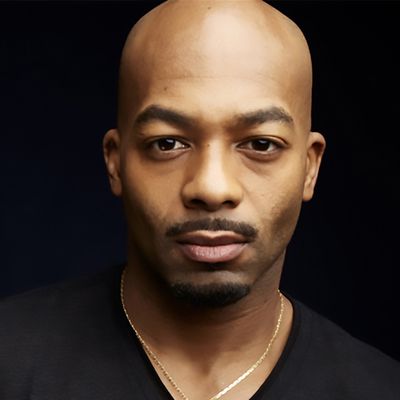
Emmy, Grammy, and Tony Award Nominee, Brandon Victor Dixon shares doing theatre live on TV (Rent, and Jesus Christ Superstar), what roles attract him, Hamilton, his new show adaptation MacGyver, producer life, and so much more!.. Read More
From the show: Take A Bow
Guests
Featured Shows

About
Emmy, Grammy, and Tony Award Nominee, Brandon Victor Dixon shares doing theatre live on TV (Rent, and Jesus Christ Superstar), what roles attract him, Hamilton, his new show adaptation MacGyver, producer life, and so much more! Find out what keeps someone so accomplished excited and involved in the industry.
Curtain up, Brandon Victor Dixon
Connect with Brandon Victor Dixon on social media: @brandonvdixon
Connect with Take A Bow on Instagram: @takeabowpodcast
Connect with host, Eli Tokash on Instagram: @tokash_eli
Produced by the Broadway Podcast Network
Edited by Jessica Lauren (@jessicalaurenradio)
Transcript
This transcript was automatically generated and might contain errors.
[0:00] Eli Tokash: Hello everyone and welcome to episode 139 of Take A Bow. I'm your host, Eli Tokash, and this week we have an incredible guest. He's a Grammy, Emmy, Tony, nominated actor, Brandon Victor Dixon is on the podcast this week. Very, very exciting stuff. I saw him in Jesus Christ Superstar Live, Rent Live, Hamilton Live. I've seen him in a bunch of things, and it was really cool to be able to talk to him this week on the podcast. He has an exciting project that he's working on that I was able to talk to him about and kind of help him promote it. So stay tuned. It's gonna be, it's actually really, really cool. The project is fascinating the way he was describing it, and I think you all will think the same thing, and hopefully y'all check it out.
But first, we gotta talk about some Broadway news, shall we? There's not too too much going on in the Broadway world. We have some casting announcements and some other things, but let's just get into it here. Camelot announced its full cast. We have a Take A Bow family member in the cast, which is super exciting. Taylor Trensch was announced that he'll be in the show. And then of course, Philip Pascoe will be in Camelot and so many other talented people. I'm not gonna name them all because you know, we'll be here for a while. But I'm just really bad at pronouncing names. But very exciting stuff. The cast is wonderful and it has a bunch of wonderful Broadway performers, very experienced. It's not many Broadway debuts, which I was kind of surprised at because lately I feel like all we've been seeing is Broadway debut after Broadway debut.
It's been crazy lately, but very exciting stuff nonetheless, and a lot of familiar faces, which is super exciting. So, congrats to everyone in Camelot and another casting announcement. We have Adrian Warren gonna be coming back to Broadway in a brand new play with music called A Room or just Room, I think. And it's gonna be at the James Earl Jones Theater, which is super exciting. Camelot's first preview, I believe, is March 9th, and then we have April 7th, I want to say for Room, starring Adrian Kennedy. So very exciting stuff, nonetheless. The Room play with music looks wild. I haven't heard much about it until this week, obviously, when it's been in the news, and I've read about it now. And it's just like, wow, this looks crazy and super, I don't know.
I just feel like I'll be watching the show and I'll just be stunned the entire time. And it's really not something we've seen Adrian Warren do on the stage here on Broadway. So I'm very excited for that. It's gonna be completely different from like Tina where she won her Tony Award. So very excited for that. Everyone go check that out. James Earl Jones Theater coming soon in April. So yeah, and it's gonna be a limited run. It's only gonna be about five to six months, so till like September. So everyone check it out if you can. And now moving on, we have one other little tidbit here. Kimberly Akimbo is gonna be having an album listening party, which is gonna happen before the album even comes out, which is super exciting.
And that's gonna be at Wollman Rink in Central Park on February 10th, before the full album releases on Valentine's Day, which is February 14th. So if you're not in New York and you're not planning on coming in for it or anything like that, you'll be able to listen to the album four days later on Valentine's Day, February 14th. But if you are in the city and you are interested and you know, stopping by, they're calling it like the skater planet, you know, the fun little place where the ice skating rink where the show kind of takes place sometimes. And some of the cast will be there, some of the creative team will be there, which is super exciting for us fans, and I will most likely be there as well.
I'll be doing some content there with all of you who come out, hopefully, if you're willing. And we'll be ice skating and doing all the things at Wollman Rink in Central Park. So check that out if you haven't already or if you aren't aware of it. But I think it'll be very fun. Kimberly Akimbo, their marketing has been incredible, so I'm not gonna be surprised if this event will be also incredible. And they already did a little thing like this already with the fans. They were giving out free cookies, the cast and all the things to those who showed up on a certain day and all the things. It was super cute. So this will be super fun. So if you're around, come out and join us. Very exciting. That's kind of like it for Broadway news this week.
There's not, like I said, there wasn't really too much happening. I mean, some speculation, you know, Coco's, they're trying to make a stage adaptation of Coco, the Disney movie that we all love. And yes, we all love it. If you don't, I just, I've never heard someone who doesn't like that movie. And yeah, a couple other things, but moving on. This is just like a friendly reminder here that it is still two for one Broadway tickets for two more weeks, so take advantage of that if you can. I'm super excited because I'm gonna be seeing a show this weekend. I'm seeing The Collaboration, which is gonna be super exciting for me because Andy Warhol, I'm a big fan of his from like near where I'm from.
Very exciting. I have some friends, my brother went who saw the show, absolutely raved about it. So I'm very excited to come on here and give a little review. It's been a minute since last time I did that. So I think it's actually gonna be my first show of 2023, which is wild, but it's true. So I took advantage of the two for one deal. I'm going with my sister, and I'm gonna go see a couple other shows with my family too, thanks to the two for one deal. So I'm very excited for it. Hopefully, you all have been able to take advantage of it as well because these prices you can't really beat them because it's like the same price, really, as like a rush ticket or like a lottery ticket, but you like guarantee yourself a spot, you know?
Like lottery, you don't always get it, rush, you don't always get it, and you have to like wake up super early, freeze out in this January weather. I don't know. I just, it's a lot. So take advantage of this while we can, and all the shows really are doing it, but they have limited availability, so go check it out. Be sure to take advantage of the deal. And one more thing before I turn it over to this week's interview. I do want to mention that we have uploaded some new YouTube videos, which has been super fun and super exciting, and they've turned out really well in my opinion. I'm super proud of them. So hopefully you all get a chance to go take a look at those. They're super fun and they're really like exclusive content.
You know, I've stopped posting red carpet interviews on the podcast unless it's like super clear who we're talking to and who we're talking about. Those nights are just wild, so it's hard to keep track of everything and do all of that. So, nonetheless, they are up on YouTube, they're only on YouTube. We have Ohio State Murders, we have Anne Juliet, we have Kimberly Akimbo, and then this weekend we are gonna be posting some Like It Hot at some point. So I'm very excited for you all to check that out because those are super fun. Some Like It Hot's really, really fun too because we have a very, very highly requested guest finally on Take A Bow for a short couple minutes, but it's so fun. And I won't give it away till it comes out and we can talk about it afterwards.
But I may even do like a live watch, like a live thing where I go live on my Instagram and we can all watch it on like our little computers together. I think that would be super fun, and we could talk about it and all the things. So I'll keep you all posted. Stay tuned on when exactly that'll happen, and we'll see. So with that being said, that's all I have really for this week's episode. It was a quick intro, really. There wasn't much going on. So I'm sure there's, you know how it is. There's always one week that's kind of dead, and then the next week's kind of crazy, and it's like a 30-minute intro. Not actually, but like you know what I mean. But yeah, that's all I have. So without further ado, I say we just turn it over to the interview.
Y'all don't want to hear from me anymore. Let's turn it over to the amazing guest that we have on this week's podcast, and that is none other than Brandon Victor Dixon. So without further ado, Brandon Victor Dixon, curtain up.
[7:59] Eli Tokash: All right, this week's guest is a performer who needs no introduction. I mean, he's been leaving audiences speechless since his Broadway debut, for which he earned his first Tony nomination as Harpo in The Color Purple. Since then, he's gone on to be nominated for another Tony, an Emmy, and a Grammy Award for his theatrical roles on TV and on the stage. Now he's blessing our ears in the new award-winning MacGyver the Musical album, which releases its much-anticipated album following its world premiere. And it features Taylor Louderman and Tristan Mays, and of course, today's guest. So, everyone, it is my honor to welcome to Take A Bow, Brandon Victor Dixon. Hi, Brandon, how are you doing?
[8:43] Brandon Victor Dixon: I'm well, thank you, Eli. Thank you for having me.
[8:45] Eli Tokash: Oh my god, thank you for doing this. I mean, a 40-second intro for you. I mean, you've done it all. I mean, it's incredible the career that you've had, and it's an honor to be able to chat with you today.
[8:56] Brandon Victor Dixon: I have not done it all, but I'm grateful for what I have.
[8:59] Eli Tokash: Come on. I mean, here's the thing. In the roles that you've done, you've just killed every single one of them. Every role has been so special, every role's been so different. And I think that's what a lot of people kind of love about you and fall in love with your craft. So really cool to be able to talk to you about it all today.
[9:19] Brandon Victor Dixon: Thank you.
[9:20] Eli Tokash: Yeah, of course. So let's start at the beginning. I mean, how were you introduced to the industry? Why did you want to tell stories? What made you want to get into all this?
[9:29] Brandon Victor Dixon: You know, I'm very fortunate. I've known from a very young age that I wanted to be a performer. That's something I really knew. And then also my educational environment was steeped in arts education. So, you know, we did three musicals a year. There was a music class every day. So I, you know, very early on, I was introduced to musicals. Julie Andrews was my favorite and Dick Van Dyke from a very early age. Then Julie Andrews, Dick Van Dyke, and Michael Jackson. Those were like my three musical and music idols and storytelling idols, really. And so that's where the love for it and the affinity for it developed. And when I went to high school, I kind of continued to seek out opportunities, not just at my school, but in the surrounding area.
I went to school in DC, and DC is a rich arts culture, so I was very fortunate that there were places around me that I could also engage in and participate in the arts. And then I made sure that I went to school in New York City so that I could, you know, start auditioning and try and get into the business.
[10:34] Eli Tokash: Yeah, well, that's amazing. And have you seen MJ the Musical yet?
[10:38] Brandon Victor Dixon: I have.
[10:39] Eli Tokash: I have. So good.
[10:41] Brandon Victor Dixon: It's fantastic.
[10:42] Eli Tokash: Unbelievable. One of the best shows I've ever seen, seriously. I would go back to that a million times if I wasn't a college student, you know, trying to get my way through. But that's amazing. You go into DC, and then it's pretty rare that people are just like, you know, I'm gonna move to New York because I know what I wanted to do, and you went to school here, and all the things. So, what was it like? You made your Broadway debut shortly after that in The Color Purple, and I mean you had a full experience with that show because first of all, The Color Purple is such a unique and special show, and then you get nominated for a Tony Award in your Broadway debut. What was that whole, like you were really thrown into the thick of things? So, what was all of that like for you?
[11:29] Brandon Victor Dixon: It was a real whirlwind and a wonderful education for me because, you know, I got to experience originating a Broadway show kind of in many respects from its inception. You know, I got to go to the out of town in Atlanta, and then see that through to the workshop that we did, and then, you know, the moment that Oprah Winfrey joined the cast, and that was like an incredible moment. And yeah, we went and we performed on Oprah, like that was like, and then, you know, to open the show, you're opening a show with such a historical literary and artistic legacy, which is really wonderful, and also it was produced by experienced and conscientious people, and it was written by wonderfully talented people as well, so it was just a really great place to get my Broadway debut, you know, and also the diversity of performers with such experience that I was in the show.
[12:47] Brandon Victor Dixon: And so it was a really special experience and yes, and to get nominated for a Tony, you know, it was my dream. It was the only award to get nominated. So when that happened, also because I didn't get nominated for any of the surrounding awards, which get announced first.
[13:02] Brandon Victor Dixon: Right. You know, there was no desk happened. It was really moving for me particularly because, you know, my first professional show I did was the tour of The Lion King and a real kind of trial by fire coming of age experience for me. So to have made it through that and then to get to the achievement of the Tony nomination was a real something I was very grateful for.
[13:29] Eli Tokash: Yeah, and that Tony week, was it like the same as, I mean, you obviously went on and got another Tony nomination for Shuffle Along and you know, I've had conversations with people that have gone nominated a few years in between, you know, and it says like the times just change with the media and all the things. So like for you back in 2005 when you were nominated for The Color Purple, was it kind of like that same craziness with all the media and waking up super early to do the luncheons and whatever and now performing and doing the shows? Like was it just whirlwind after whirlwind?
[14:08] Brandon Victor Dixon: Yeah, it was exactly the same. You know, really wake up and the phone starts ringing and the emails and the texts are coming in, and you know, then you're on with your agent, and you know, they're sending you the information about, okay, yeah, like there's a luncheon here, and then like, okay, and they're like, okay, so we want to get you some outfits, uh, you're dressed for this, and all right, you're gonna, yeah, so like, yeah, that really starts that whole thing, and then the show itself, yeah. The show itself is gonna do a Tony performance, so they're planning what they're gonna do, and you're gonna, we gotta rehearse that. So it definitely becomes a big thing.
[14:45] Brandon Victor Dixon: Yeah, tireless hours, right? Just craziness. The thing that you know, you dream about.
[14:51] Eli Tokash: Yeah, for sure. The adrenaline keeps you going, definitely. Um, I'm curious, you know, like I mean, obviously you have been performing for quite some time, but after your first, you know, Broadway show, is there anything that you like learned about the industry that you just like didn't know until you were really in like the thick of things in your first show, you know, maybe something like from a fancy perspective or someone trying to make it, they wouldn't really necessarily like it wouldn't catch their eye, but like once you're in it, it's like everything clicks, maybe.
[15:22] Brandon Victor Dixon: Um, I mean, I don't know. I mean, I certainly learned a lot of things. Uh, you know, once I got into the industry that I didn't know, or I started to think about a lot of things that I didn't think about before. I mean, I think, yeah, one thing is I began to think of it like an industry. Uh, you know, the longer I've been in it, I'm gonna think of it more of an industry, you know, and also as, uh, or maybe less more of an industry, and then as a result of that, more of a business.
[15:53] Brandon Victor Dixon: Right. You know, and really understanding, particularly as you do shows and you know, you're in certain kinds of shows or you see certain shows work and certain shows don't work or, um, as time goes on, you see what kind of teams make certain things. But yeah, I think more about the industry and then the business of theater, uh, and I think about what it takes to make a thing. Um, you know, so I think a lot more about that so that I have a greater understanding of why things do or do not get made and, uh, I have a greater understanding of, uh, also the breadth of the business, um, and what it means to be an artist. I always thought about being on Broadway, but then once I got on Broadway, I was like, okay, but what else is there? Oh, there are other things you can be on Broadway; you can help put things on Broadway.
[16:47] Brandon Victor Dixon: But that, that, that I think is what I have, but being in the industry, like, you know, has started to make me more aware of just the business of art, the business of art and the intersection of art and commerce and also how they are, you know, diametrically opposed.
[17:06] Eli Tokash: Yeah. Well, I noticed that in 2013 you actually created a producing company. You know, being in the industry, is that kind of something that led you to doing that? Like that got you interested in producing and everything like that?
[17:20] Brandon Victor Dixon: Oh yes, you know, just as a natural extension of, you know, wanting to understand more about and have a greater influence over the creative work I was doing. You know, uh, I've been fortunate to have created a number of shows and so I've worked with creative teams who, um, really, uh, helped, uh, show me what that process is like. And so I've, you know, I've developed a lot of experience at making shows and so in order to have a greater impact over the development of pieces I'm a part of, you know, that's where the desire for the production company came from.
[17:54] Brandon Victor Dixon: Um, but also as a result of, I kind of early on have been able to, uh, have certain experiences and be welcomed into certain spaces that maybe some of my peers haven't or hadn't. And so I wanted to, uh, but, but you know, they're just as talented, if not more so than I am in many respects. And so I always wanted to work to create a platform, uh, for doing that. And so that's why I initially, you know, uh, created the production company. That's why I initially took on, uh, the partner that I had at the time, you know, because I wanted to, you know, uh, help him, uh, reach his goals in the industry and bring him into certain spaces as well. And now that I work on my own, I, you know, that's something that I wanted, I like work to continue to do, to collaborate with others.
[18:41] Eli Tokash: Yeah, what is it about like a show that gets you really excited to want to produce it?
[18:46] Brandon Victor Dixon: I mean really just the story that it's telling and, uh, and the goals of the story, you know, what is it saying and why is it saying it? And those are usually the things that kind of get me interested in. So is that kind of similar to like what interests you as a performer, you know, like the character and all of that just diving into that?
[19:07] Brandon Victor Dixon: Yeah, no, absolutely. You know, then when I mean projects have tended to come to me at, you know, at a specific time in my life that where, you know, whatever that experience is, it's kind of resonating with where I am in my life. But, um, but it's just, you know, when things are like, I just did a reading this week, and I do readings all the time, and some of them I find more compelling than others, but sure, I find very compelling though, there's still work to do, but the music is just like very moving and lovely, and the things that they're saying about, uh, human experience and connection are lovely. But also on a technical level, um, it's just very sophisticated in its creation and it's weaving different time periods, and, uh, there's different, there's really this real character work happening.
[19:54] Brandon Victor Dixon: Uh, you know, so it's just like, you know, when artists, when writers as artists are striving to push their talents, uh, towards the direction of storytelling that is, uh, you know, that is rooted in something that can create, can bridge the gap between, uh, worlds and bring the bridge the gap between communities. That's, that's the kind of stuff that tends to draw my interest.
[20:20] Eli Tokash: Totally. It's a common thought here, but, uh, one of the most compelling shows that I've seen in the past whatever five-ten years, uh, has obviously been Hamilton, and that's a show that you know you obviously were in, and you played Aaron Burr in the show. Talk to me about what it was like to join that company. Have you ever like joined a show with that much hype like, uh, on Broadway?
[20:44] Brandon Victor Dixon: Um, I've never joined. I, I will, I rarely, uh, take over roles, like that's not right. I generally do, but I I've only done it twice. I did it with Rent off Broadway because that had always been like a goal of mine. And, um, and I did do, I did it with Hamilton because of the richness of the material.
[21:07] Brandon Victor Dixon: Uh, you know, I turned it down three times before I said yes.
[21:13] Eli Tokash: What?
[21:13] Brandon Victor Dixon: Because I'm not, because I don't usually, because I was like, I was like, it's been done. It's this happened. It's done. Like it's sure.
[21:21] Eli Tokash: And it was done very well.
[21:24] Brandon Victor Dixon: Yeah. I mean, amazing.
[21:28] Brandon Victor Dixon: Um, but, um, but you know, I was urged to consider it, and while I was listening to the material, I was finding things that were inspiring my creative juices as well. And so then it became something that I was like, oh, okay, yeah, actually, I do think I could, I could live in this for a while. I could, I could enjoy this space.
[21:50] Brandon Victor Dixon: And so that, you know, so moving into that experience ended up being a really great one for me because it's such fertile material for a performer. Um, and it's a wonderful group of, uh, of individuals as well. Like it's a wonderful community in that Broadway space, both the crew and stage management as well as all the actors. So I had a really wonderful time with everybody.
[22:14] Eli Tokash: Right. And it's such a diverse group of actors, you know, on the stage telling a story, which is something that from an audience perspective, especially like around that time, was kind of rare. And to be as, you know, revolutionary as the show was, like all of those storytellers that were on the stage had their own story to tell, and it like heightened the material, uh, in a way that no one could have pictured except the, of course, brilliant Lin-Manuel.
[22:40] Brandon Victor Dixon: Um, yeah, so it's just I love the show. It's brilliant, and I actually saw you in the show. That's, I didn't get to see you in The Color Purple or anything, but I did get to see you in Hamilton.
[22:52] Eli Tokash: So I loved your performance in that show. It really, I became a big fan of yours there.
[22:56] Brandon Victor Dixon: Uh, yeah, for sure. You were awesome. So I'm glad you ended up accepting the role.
[23:02] Brandon Victor Dixon: Me too.
[23:03] Eli Tokash: You mentioned Rent, and, uh, you did do it off Broadway, and you also, uh, happened to do it live on TV, uh, for Fox.
[23:12] Brandon Victor Dixon: Yeah, I mean, another just unbelievable performance. Uh, both of your live, uh, performances, you know, you did Jesus Christ Superstar and Rent, uh, just absolutely amazing. And you know, those, those, you know, theater on the TV and everything, though those things always like compel me, you know. It's always something different because it is theater, but it's filmed and it's just like a different type of theater, and you know, it talk to me about that process and how that all works.
[23:42] Brandon Victor Dixon: You know, how did all of those pieces come together? Do you start in a rehearsal room and then you put it into a camera? And what, how's it all work?
[23:50] Brandon Victor Dixon: Well, they're all unique, you know. They're all done a little differently, according to both the material and the team that's involved in doing them. So, um, and that is why, you know, for me, some of them are more effective than others.
[24:07] Brandon Victor Dixon: Uh, just because it is a unique construction every time, so you kind of have to figure out new problems every time. And so some materials are more conducive to it than others, some approaches are more successful than others. That's just a natural process.
[24:23] Brandon Victor Dixon: Um, but from, you know, the Jesus Christ Superstar was very much like a theatrical development. Uh, we developed the work in the theater, in the theater room in the same according to the same kind of like structure that we build theater pieces.
[24:39] Brandon Victor Dixon: Um, but you know, they conceived it really as a live concert, which worked, which is a very great, which is a great meeting of the mediums. It's a great meeting of the live theater and the television because television is used to operating live in that kind of environment, a concert environment.
[24:59] Brandon Victor Dixon: Um, and so that hybrid worked well. But you know, it was a lot about, you know, you're in this giant space in Brooklyn where they built this huge set. Um, you are, you know, the whole set was covered in sand the first day.
[25:13] Brandon Victor Dixon: Yeah. But then you realized, oh man, the dancers are slipping and falling, like we can't just mess for everybody, and we're seeing and like dust is fine. So then they got rid of the sand overnight.
[25:25] Brandon Victor Dixon: Like 5,000 pounds of sand that they brought in that they so that they got rid of. It's like okay, we gotta figure that out. That that can't work. All right, so the sound engineers always have the most unique job because they're in a new space. They've got a mic, you know, like a 30-piece orchestra in this unique space that they're they built risers in, and then you've got them, everybody's gotta have their own in-ears and their own individual body mics, and it's like, you know, so it's you're navigating the commercial breaks. So it's like you put this together as a theater piece, but then you move into the space, and then you start the camera blocking. And so you start making the adjustments, okay?
Because the camera's gonna be here, you're gonna adjust here, you're gonna do that. The commercial breaks gonna come. So you're gonna lose your momentum. You're gonna lose that energy. So, how do you maintain that? How do you so you can come in after the commercial break and still do, you know, it's those kinds of things that you have to start to navigate with Rent. Same kind of process. We're in the rehearsal room. This one, Jesus Christ Superstar was in New York, Rent was in LA. So we were on the studio lot in LA. Uh, so it you know, a different kind of feel, but we're still in the rehearsal space. But then we get to the studio lot, and the set is a more immersive, you travel around, the cameras come with you, you go places kind of set.
It's more like a playground set with the audience kind of ensconced around you. Um so you you're now you're doing a show, uh your stamina is has to operate on a different level because the scale on which you're singing Santa Fe or you're doing I'll cover you, you're you're picking her up. We're actually on a playground. We're swinging around, we're you're doing the things, whereas you create playfulness in the theater. Whereas now we're doing them. Right. So it changes, it just changes how you navigate that, and and everybody's got to be figuring out problems on the fly. The director is on the fly figuring out how do we tell the story in this space. And you have a clock, because there's only one shot to do it. You're not gonna have previews where you get to see how it happens with the audience and fix it, and you know.
[27:34] Eli Tokash: Yeah. No, I I can't imagine how there is like is it you only have like two weeks to rehearse? Like, is it pretty fast paced, or do you guys have a long time?
[27:43] Brandon Victor Dixon: Yeah, you have the you have like you have the amount of time to rehearse and do it that you need. You have like six. Like you're doing. Yeah, yeah, yeah. Yeah. You do it like you're doing a Broadway show. Right. Whereas with the Broadway show where you're doing your your four to five weeks of rehearsal, and then you're doing two weeks of tech, and then you're doing three or four weeks of previews, and then your opening, you only get one. You know, like you don't you only you get like tech, you get two tech days, and then you get so as like a performer, you know, is it is it kind of I mean for lack of a better term, is it kind of like weird once you start to do the camera blocking because it's almost as if like you know, the audience is no longer a scene partner like it normally is in theater, but this time a camera is your scene partner for for some of it.
[28:30] Brandon Victor Dixon: No. Well, again, depends on how it's designed. But both for Rent and for Jesus Christ Superstar, because they're they're a lot concerts. Right. No. Because we're the camera's capturing the concert. So we're you're performing for the audience. Right. There are there are certain moments, particularly with storytelling, that you're gonna want to tweak a thing and do like I remember with like the pieces of silver as Judas, uh, when I did the scene, you know, yeah m after we did it, Mark, Mark Platt, one of the producers, he was like, Okay, I love it's beautiful, I love everything, but just kid you if you can. Can you just tilt your head up a little more when you do that part? It's like if you can you just can't I don't want to mess up your stuff, but can you so you start either doing things like that so that the camera can capture a dramatic moment or a thing so that the audience is making sure that they're along all at home is along with what the audience is having here, yeah.
[29:32] Eli Tokash: Right. Yeah, I mean that's so cool. Like that whole the whole live, you know, shows the live theater that they do is is so incredible because you're exactly right. You know, like you do somehow keep us along for the journey for us watching at home. Um and we do feel like you know, we it almost as if our room becomes uh theater and we're just watching theater. It's a really cool moment for all of those. And I feel like both Jesus Christ Superstar and Rent were some of the best live shows that they did. I mean, there's been several other live shows that you know I feel didn't really work as well as these two did. And and that's a testament to all of you guys working on the piece for sure.
[30:17] Brandon Victor Dixon: Oh well, really wonderful teams came together for them, and I was grateful to be a part.
[30:21] Eli Tokash: Yeah, and uh those casts were ridiculous too, you know, just absolutely incredible. Uh I'm curious too, with Rent, you know, you mentioned how a piece can really stick out to you. I've had this conversation with Telly Leo and how much Rent means to him and how he just loves that show and that he's it's been a big part of his life and everything. I'm curious for you, like you obviously ended up doing like replacing a role that you did off Broadway in Rent, and then you ended up doing a live show after like revisiting the show. Like, how much does Rent mean to you and why does it mean so much to you, if you don't mind me asking?
[30:55] Brandon Victor Dixon: Rent is one of my favorite shows. And it's weird, because you know, when I first saw Rent, I didn't really get it. I saw it in college. Uh uh. Uh I didn't I didn't really get what the hype was. Like I didn't think I had to audition for it a couple like a month or two later. And so they sent me the material, so I started listening to the album, and I was just like, Wait, this is what they're saying? Like, you know, it just really it washed over me in a whole other way. Um, that that idea of no day but today. Um and I and so that's when I I developed my love for the role of Collins. I listened for that show seven times. Wow. It's also it's also the only show I've ever gone to an open call for.
Like I just I I I I couldn't get through that door. It wasn't until um I did Far from Heaven with Kelly O'Hara and Michael Grife at uh Williams. That Michael was like once I'm in rehearsal, Michael had the nerve to say, Brandon, have you ever done why why haven't you ever done Rent? And I was like, Michael, you ever cast me right. Oh my god, that's hilarious. And so then like I was doing uh I was I was developing Motown the Musical at that time, right? Right after Far From Heaven, and the producer of Motown is all is Kevin McCullough and he was also the producer of Rent. And so Nick Christopher got injured, and so they asked me if I wanted to replace on off Broadway Rent. We went uh to do Motown on Broadway.
So I was like, yeah, like you they were like, Do you want to come do four months, six months? I was like, absolutely. Um and it's one of the most fulfilling experiences I've had. Uh it's where I first met MJ. Umj Rodriguez was my angel. Um and it was just like a really great time. We had a I mean, we had a fantastic group. Um uh uh I Amber Iman, that was her her first show, Tamika Lawrence was her show. Oh my god. The the I'll cover you soloists. Uh Mark. She is fantastic, Timik Lawrence. Wow. Yeah, Marcus Moldames and Ali. She was our our Maureen at the time. Like it was just like Margot Bingham. We had a great cast.
[33:16] Eli Tokash: Yeah, and it sounds like it. That's amazing. We were yeah, we had a great cast.
[33:21] Brandon Victor Dixon: Yeah, they're killing it. Wow. I I want to see that production. W bring that back, eh? I'll talk to Michael. The show definitely it just it means a lot to me. And just that idea that, you know, it's it's it's about the power of of uh about love's power to transform, you know, and and and I think that that's just so so meaningful.
[33:41] Eli Tokash: Yeah. No, that that show is so it was way ahead of its time. I mean, honestly, like when it was written and everything like that, like it was it's beautiful. The everything about that show. And and those songs are classics, you know, like it they it they don't seem to leave. No day but today.
[33:58] Brandon Victor Dixon: Yeah, for sure. All right. Well well, talk to me about this. So yeah, I mean, I think this was before the live shows. Uh you you were obviously your second Tony nomination was Shuffle Along. And we talk about, you know, unbelievable casts. I mean, that was pretty uh unreal, you know. Uh Audrey McDonald, Brian Stokes Mitchell, uh you name it. They were in it. And um talk to me about what it it was like to work with those people and be in a room with them and and you know, tell a story with those uh scene partners.
[34:30] Brandon Victor Dixon: That was a real gift for me. Um, you know, that was uh I've been uh I've been in uh blessed to be a part of uh uh of about three masterpieces in my life. Um and Shuffle Along is definitely one of them. Uh just you know, i uh it was a real shows aren't made like that anymore. You don't develop shows in the way we develop that show anymore, though that's how they used to always do shows. Um and you just like you you'll it it's rare that you can gather that group of creative masters uh in a room for one time to do something. Like, and I'm talking about the creative team themselves, you know, George C. Wolf, our director, yeah, uh Ann Roth, our costume designer, uh uh, you know, uh Peggy and Jules, uh our uh lighting designers, like just uh Santo Laquasto, our set designer, like these are just real geniuses, masters of their craft, and they came together to create this piece of theater that was came out of George C. Wolf's mind.
That was a real wonder piece, particularly as he was he was writing it and directing it simultaneously. Uh and to be in a room with Audra and Stokes, and you know, they were the stars of my the first Broadway show I ever saw, Ragtime. Oh wow. You know, uh with Joshua Henry, who is you know uh a brother of mine in in this theater, and and and Billy, who's just an extraordinary force, like and our ensemble as well. Like the people in our ensemble, uh just it was it was a a special experience, and you know, I don't I don't know that all something like that, it's rare that something like that can happen.
[36:07] Eli Tokash: Right. Now you call it like a master class. Is that like an O to like the cast and the people that you're able to work with? Is it about the show itself? Is it kind of like all the things like it's all encompassing, you know?
[36:20] Brandon Victor Dixon: Yeah. You get to you get to be a part of seeing how something like this can work in this way. You get to be a part of unique artists engaging in a unique creative process that stretches all of all of us in different individual ways. And uh uh and also again that idea of directing a thing while writing the thing, which is different than directing a thing you've written. Right. While you're writing it, and having the level of evolution and awareness to know to talk, you know, I would talk to George and he would talk to me about when he would have to when it was time to shut the director off so that the writer can work, or when it was time to shut the writer off so that the director could edit, so the director could cut.
Wow. So, you know, he would talk about his personal experiences being like, you know, there they are challenges going on in my life, and normal, you know, I would like to shut myself off from them because I have work to do, but if I block off the things I'm feeling, then they won't get into the writing. And the writing needs those things. So I have to let myself experience the the human things so that the writer can write them, but then I have to know when to put the writer away so that the director can cut what needs to be cut and can edit the writer's work. So it's like to to be with somebody who is at that level. Um, you know, to have conversations in the room, uh Brooks Ashmanskis, Joshua Billy, Audrey Stokes, George, myself, about our own individual cultural upbringings.
Um and, you know, when we were included, when we were excluded, what that meant, what that didn't mean, how we were privileged, how we weren't privileged, to bring that into the context of the characters that we were portraying in this story of people in a new space in a new world striving to do something new and different on Broadway, you know, uh, and that that that always encountered, you always have obstacles and you also have supports, and you know, what are our own individual experiences bring to that?
[38:27] Brandon Victor Dixon: And it's just a real masterclass in creation and in human creativity and output.
[38:35] Eli Tokash: For sure.
[38:36] Brandon Victor Dixon: Synergistic collaboration.
[38:38] Eli Tokash: Yeah, you know, something else that it kind of came to mind when you were talking about this was another show that you did, Black No More. And that was recently. And I'm curious to know your thoughts on that because that show was kind of revolutionary in the same sense where you have black artists coming together to tell a story and, you know, from all different cultures and backgrounds. And I just want to hear from you what your experience was like in doing that show.
[39:08] Brandon Victor Dixon: You know, Black No More is an example of one of those shows. I've had the opportunity to develop a lot of shows that start off Broadway or, you know, out of town. And Black No More for me, the most compelling aspect of Black No More is its source material. If anybody gets the opportunity, you know, you should try and read that book by George Schuyler. And the music that Tariq Trotter, Black Thought, wrote was really dynamic and extraordinary. But you know, in order to make a Broadway show, it's the hardest thing to do. It's the hardest artistic thing to do. And it requires so many collaborative elements operating on a certain level. And you know, when you're off Broadway, when you're trying things out, you know, that's when you find out when things aren't quite aligned, so you get more time to go back to the drawing board and retool.
And so I'm really inspired by the music of that show and I hope that Tariq gets to bring us, you know, do some more work, find some more collaborators and bring it back to us in its next period of evolution.
[40:21] Eli Tokash: Oh my god, that would be awesome! I didn't get to see it. I'm dying to see the show. I had a couple friends in the show; they told me about it and like it's awesome to hear the stories. I'm a big fan of Black Thought too, so I would love for the show to come back and see some sort of iteration of the show. I think it'd be amazing for sure. But that's so cool to be a part of that show, especially, you know, at the time that it came out, you know, right after—was it right after or right before the pandemic? You know, it was just so necessary to hear, to have a show like that. You know, so moving on, gotta talk to you about MacGyver before I let you go. Talk to me about it. I mean, the album itself doesn't come out until the 27th, but tell me a little bit about the album and what we can expect as listeners and audience members.
[41:09] Brandon Victor Dixon: Well, look, you know, the album is really cool because the music on the album ranges from punk rock to Broadway show tunes. We really lean into the humor of the show. There are also some, you know, inspiring anthems. The writer, Peter Lurie, you know, he's been in the business for years and he's just a wonderful music writer and storyteller. So, you know, I'm excited about the music that we have. And the show itself was really cool because like I've always been a big fan of MacGyver. I used to watch it with my father when I was a kid—the original MacGyver with Richard Dean Anderson. And then I know that, you know, we've had the remake, though I think it went off air in like 2021. But I was always just a big fan of, you know, that concept of this person who just uses their brain to make use of anything around it to fix things and to help save people, you know?
And it's such a MacGyver became such a global phenomenon. You know, I think everybody's pretty familiar with it. So I think the idea of taking those cultural concepts that people like and are attracted to and making a show of it are really cool. And one of the great things about MacGyver, the show, is that it's very unique. It's kind of immersive in that what will happen is before the show starts, there'll be an announcement that the actor who plays MacGyver, something has happened and they're not going to be able to make it to the theater that night.
[42:40] Eli Tokash: Oh, but they say, you know, the show must go on, so they need somebody from the audience to play MacGyver that night.
[42:49] Brandon Victor Dixon: Oh my god! And so there's a 10-minute audition just before the show where like three to four performers, volunteers rather, get up and you like act a line, you sing a line, and you dance. Some audience by their applause will choose who gets to be MacGyver that night.
[43:06] Eli Tokash: So like wild! There have been MacGyvers of all different genders and ages, like 15 to 85. And so like this show is a really cool, unique experience. So like I encourage people to check the album out because it's very funny and I think it'll just introduce you to this show so that when you get the opportunity to see it, there'll be a very cool experience for you.
[43:30] Eli Tokash: I'm being told that your song is called "Drink, Drink, Drink."
[43:35] Brandon Victor Dixon: Yeah, what is that about? Yeah, what is it like? One of the funny songs is one of the punk rock—it's definitely one of the funny songs, you know? I have a very generic Eastern European accent. And you know, this song is an ode to the wonders of beer that, yes, and so MacGyver and his allies in this punk rock band that he, you know, he ends up forming an allyship with these musicians. And we, you know, we sing the song and we offer the wonders of beer to the soldiers because there's an invasion plan that's happening, but we need them to get too drunk for the attack to come.
[43:49] Eli Tokash: Oh my god, amazing! That sounds like an absolute blast. I can't imagine. I'm so excited to listen, seriously. So wait, going back really quickly, when you have these volunteers come up and, you know, audition for MacGyver, is it just like improv or do you give them like a script or like how does that work?
[44:39] Brandon Victor Dixon: The show is structured in such a way that the ensemble can lead the actor to all of the next things that they need to be doing.
[44:39] Eli Tokash: Okay, yeah, wow, that is fascinating. What a cool concept! I'm excited. I mean, the out of town got such great reviews, so I'm excited to see the next steps for the show and hopefully you back on Broadway.
[45:03] Brandon Victor Dixon: Yes, yes to both things.
[45:07] Eli Tokash: So speaking of bringing you back to Broadway, you know, one final question for you here and I'll let you go. I mean, listen, you've played so many incredible roles and you've been in shows that are so iconic. You know, you even just recently did Billy Flynn in Chicago, which is another iconic role. You know, Barry Gordy—we didn't even talk about Motown and all the things. So is there a character that you haven't done yet that you are wanting to do? And it doesn't even have to be an existing character, but like, because I know you like to originate, so what kind of person or character are you trying to tell their story next in the future?
[45:42] Brandon Victor Dixon: No, this is a very basic answer and it's very easy. The role, and it is, I want to play Jean Valjean in the production of Les Misérables.
[45:50] Eli Tokash: Oh my god! Wait, that would be amazing!
[45:53] Brandon Victor Dixon: That's down what I want.
[45:56] Eli Tokash: And you've never played it before? Not like regional or anything?
[45:59] Brandon Victor Dixon: No, no, no.
[45:59] Eli Tokash: Wow, okay, Valjean, but I would love to.
[45:59] Brandon Victor Dixon: Fair enough.
[46:05] Eli Tokash: Oh my god, you would be fantastic. So anyone listening who out there, if you're a producer or something, you know, you have your guy, you have your guy.
[46:13] Brandon Victor Dixon: So, Brandon, thank you so much for doing this. I really, really appreciate your time and I cannot wait to listen to MacGyver and I can't wait to see what else is next for you. Why don't you share your social media so we can follow your journeys in the future?
[46:21] Brandon Victor Dixon: Yes, I can be found at Brandon V Dixon on all social platforms and please do check out the MacGyver album.
[46:34] Eli Tokash: Yes, thank you so much! Can't thank you enough. It's been an honor to talk to you.
[46:38] Eli Tokash: Take a bow, Brandon Victor Dixon. It was really, really cool to talk to him on the podcast. I am a big fan of his. When we watched Rent and Jesus Christ Superstar live, I was just like in awe of his performances. And then I saw him in Hamilton. So it was really cool to get the chance to actually talk to him and meet him for the first time, obviously virtually, but still it was pretty cool. And with that being said, I also want to say that tomorrow is the release of his new album that he's been working on with Taylor Louderman and a bunch of other people that you all should definitely check out. It's called MacGyver, MacGyver the musical. As I mentioned before, you'll be able to get it wherever you listen to cast albums or anything like that.
It was fun to talk to him about the show. The show's kind of got a really cool, unique kind of vibe and story and all the things. So very interesting to see how this cast album works out and what these songs are that he was talking about and all the things. So I'm really excited for it. And you all should go check it out too, MacGyver the Musical. Once again, so many talented people in the show and all the things. So I was able to get a sneak peek listen, but I didn't get a full song. And the little bit that I was able to listen to, I absolutely fell in love. So I know that you all will love it too. It's totally up a theater kid's alley and kind of the new age of theater composing and theater songs and all the things.
It's so interesting that the shift that we've kind of been seeing into more of like a rock pop kind of musical theater vibe. It's not like the classics anymore, but still cool nonetheless. And I'm very excited to see what and hear what you all think of the new album. And hopefully we'll see it here on Broadway because who doesn't love Taylor Louderman and Brandon Victor Dixon?
[48:25] Eli Tokash: Anyways, so that's all I have for you folks this week. Thank you all for listening. As always, I so appreciate it. Go check out some of our other episodes if you missed them. We had an amazing January so far, an amazing 2023. We started it with Elizabeth Teeter, then Michaela Diamond for Parade. I'm just so thankful and lucky to be able to chat with so many incredible theater makers and artists in the industry every week. And hopefully you all have been enjoying the stories and all the things. I know you all enjoyed Elizabeth Teeter. So if you didn't listen to that one, go check that one out because she's an absolute blast. And Michaela Diamond is just an absolute hoot. She was so candid, so sweet, and she was just incredible.
So, and if you're a Parade fan or if you are kind of on the fence of seeing Parade or whatever, I promise you, this conversation is gonna make you fall in love with the show and make you want to see the show a million times. So go check that out, and we have another great episode coming at y'all next week. And again, I just can't thank you all enough for listening. So, bye everyone. Have a great week.
[49:29] Eli Tokash: For this episode's curtain call, I would like to recognize a few people who also deserve to take a bow. This podcast would not be possible without the help from Dori Barenstein, Alan Seales, Kimberly Garrett, and the team at the Broadway Podcast Network. Next in line to take a bow are our fabulous editors, Jessica Warren, who edits the audio of the podcast that you just listened to, and Tessie Tokash, who edits the videos and visuals for this podcast. And how about a bow for our executive producer, Chris Greiner? And our final bow are extra special to the patrons Brian Thompson, Pat McMahon, the listeners at PCC, as well as all of the other patrons for their continued support. If you're interested in becoming a patron, go to Patreon.com slash TAB.
If you enjoyed this week's episode, make sure to subscribe on the platform that you are currently listening to this on, or go check out our YouTube where you can watch the episode. You can also subscribe, like, and comment on there as well. If you're more into the regular social media and want to follow us, you can do that at Take A Bow Podcast across all social media platforms. The music of this podcast was made by Nikki Torsha and Cormac Collinon, and the logo was created by Giselle Bustos. And that wraps up this episode's curtain call. Thank you all again for listening to this week's episode, and I can't wait to see you next week. Bye, everyone. Have a great week.
© Broadway Podcast Network, All Rights Reserved