

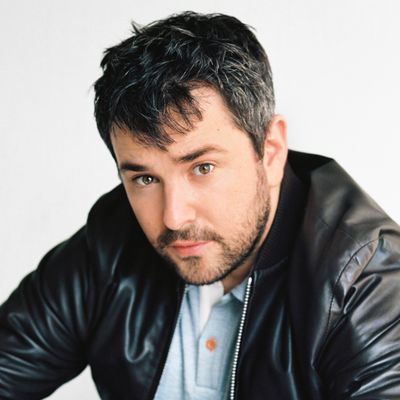
Two-Time Tony Nominee, Alex Brightman Take(s) A Bow after starring in Spamalot at the Kennedy Center. Brightman shares stories from Beetlejuice, School of Rock, Spamalot, and more. From what it's like to work with kids and being a leader, to breaking on stage, to his legendary TONY performance... Read More
From the show: Take A Bow
Guests

Featured Shows

About
Two-Time Tony Nominee, Alex Brightman Take(s) A Bow after starring in Spamalot at the Kennedy Center. Brightman shares stories from Beetlejuice, School of Rock, Spamalot, and more. From what it's like to work with kids and being a leader, to breaking on stage, to his legendary TONY performance.
Make sure to check out the new album "Lewberger and the Wizard of Friendship" dropping this Friday on all streaming platforms.
Curtain up, Alex Brightman
Connect with Alex Brightman on Instagram: @brightmansomesay
Connect with Take A Bow on social: @takeabowpodcast
Connect with host, Eli Tokash on social: @tokash_eli
Edited by Jessica Lauren (@jessicalaurenradio)
Transcript
This transcript was automatically generated and might contain errors.
[0:00] Eli Tokash: Hello everyone and welcome to episode 162 of Take A Bow.
[0:04] Eli Tokash: I'm your host, Eli Tokash, and this week we have another great episode for all of you.
[0:09] Eli Tokash: I am so excited I got the chance to sit down with two-time Tony nominee.
[0:15] Eli Tokash: Alex Brightman is on the podcast today.
[0:18] Eli Tokash: I am I literally, I don't know.
[0:20] Eli Tokash: I I was just so excited to talk to him about his career.
[0:24] Eli Tokash: Um this is a performer who I'd have admired for quite some time, ever since I was on Broadway, and I was able to see him in School of Rock.
[0:32] Eli Tokash: That was the first time I saw him on stage.
[0:34] Eli Tokash: I may have seen him in Matilda, but I'm not 100% sure.
[0:37] Eli Tokash: I saw Matilda a million times, so they all kind of blended together.
[0:41] Eli Tokash: Um, but I was so so excited to talk to him.
[0:45] Eli Tokash: And I just every time he's on stage, it doesn't matter who he's playing.
[0:48] Eli Tokash: It could be someone serious, um, it could be someone completely absurd, and you are just drawn to him.
[0:55] Eli Tokash: That's just how good of a performer he is.
[0:57] Eli Tokash: He can do serious, he could do it all.
[1:00] Eli Tokash: Um, and I it was just really cool to talk to him about his career and and kind of that essence, you know.
[1:06] Eli Tokash: Lately, he's been I mean, Beetlejuice, uh Dewey in School of Rock was kind of a oh wild and high energy individual, character y, all that stuff.
[1:16] Eli Tokash: And Mr. Wormwood, of course, is very charactery and all of that.
[1:20] Eli Tokash: Uh so we kind of talk about that in his career, and we talk about the Tony Awards with that incredible performance and Beetlejuice and the power of social media, uh, improvising all of these wonderful things.
[1:30] Eli Tokash: So I am thrilled uh with today's episode, and I know that you all are gonna love it.
[1:35] Eli Tokash: So, all of you Beetlejuice fans and all of you Alex Brightman superstands, you know, all the things, you're welcome.
[1:41] Eli Tokash: Um, no, I but seriously, like it's gonna be a great episode, and he's one of the nicest guys.
[1:47] Eli Tokash: Um, and you're gonna hear that on today's episode.
[1:50] Eli Tokash: Just so easy to talk to, so chill.
[1:52] Eli Tokash: And uh, you know, he's even working on uh stuff of his own right now, and I think that that's gonna be bunkers and absolutely incredible.
[2:01] Eli Tokash: Uh so it's gonna be something that we're all gonna want to watch out for.
[2:04] Eli Tokash: So I'm very excited.
[2:05] Eli Tokash: Anyway, that's enough about sh like loving Alex and and boosting his ego.
[2:11] Eli Tokash: Uh, we gotta talk about some Broadway news, and then we're gonna listen to Alex Brightman talk about his career.
[2:16] Eli Tokash: Um cool.
[2:17] Eli Tokash: Let's talk, let's shift gears into the Broadway news.
[2:20] Eli Tokash: Okay.
[2:21] Eli Tokash: First of all, I wanna say a happy Father's Day to all of the fathers out there.
[2:28] Eli Tokash: Um, specifically, it's important to say that um because you know, there is no performing as a child, honestly, even as an adult, because at some point in your life, you know, you had to tell your parents that you wanted to be a performer.
[2:41] Eli Tokash: So any parent that allows you to be a performer, huge shout out to you.
[2:45] Eli Tokash: Um God bless you, and uh I love you, dad.
[2:50] Eli Tokash: Um, and uh hopefully ever all the dads out there uh, you know, had a wonderful Father's Day.
[2:55] Eli Tokash: Uh if y'all are listening, and if you're a kid listening, make sure you uh hug your dad a little extra or give him an extra hug uh for letting you do what you love and be yourself.
[3:07] Eli Tokash: So um love that.
[3:08] Eli Tokash: And I also want to extend uh happy Juneteenth to all who celebrate.
[3:13] Eli Tokash: Uh hopefully you all were able to celebrate in this monumentous day for the United States.
[3:20] Eli Tokash: Um Broadway was able to celebrate in a fun, cool way.
[3:24] Eli Tokash: There were performances in Times Square from Tony Award nominees, um, such as Lorna Courtney, Crystal Lucas Perry, Natasha Yavette Williams, all of those, by the way, take a bow family members, including uh we have some more, Walter Russell with a third, uh, Antoine L. Smith, Rachel Webb, Kimberly Maribel, and many, many more.
[3:42] Eli Tokash: Um, so it was very exciting uh to see all of these black performers come together and um, you know, raise their voice and share the showcase their art.
[3:52] Eli Tokash: Um so that was very cool.
[3:54] Eli Tokash: And hopefully all of you had a wonderful uh long weekend celebrating your dads and Freedom for the United States, celebrating Juneteenth.
[4:03] Eli Tokash: Um okay, moving on.
[4:05] Eli Tokash: You know, there's not crazy Broadway news this week.
[4:08] Eli Tokash: I don't even know why I like said Broadway news because Loki could just be like Eli's corner.
[4:13] Eli Tokash: Um, but that's like super silly, and we always do a Broadway news section.
[4:17] Eli Tokash: So um with that being said, since there's not a lot of Broadway news, uh, I want to talk about my experience and my week because I saw two things uh that I want to talk to you about.
[4:27] Eli Tokash: And I also want to shout out Broadway Cares, and this is how I'll start the segment.
[4:31] Eli Tokash: I want to shout out Broadway Cares um and Broadway Bears, really, and they raised over $2 million for Broadway Care's Equity Fights AIDS.
[4:41] Eli Tokash: It's absolutely incredible what they do every year with these two performances that they do, one at 9 30 and one at midnight.
[4:48] Eli Tokash: It's insane.
[4:49] Eli Tokash: These performers come together on literally they do uh an eight-show week and then they do a nine-show week uh doing Broadway Bears.
[4:58] Eli Tokash: And this year's featured like Jay Harrison G, Alex Newell, Jojo, uh, Jessica Vosk, uh Jay Arnchong Johnson, all of these fabulous performers who we all know and love.
[5:09] Eli Tokash: And the fact that they all came together again to to raise money for a unbelievable cause and a cause that is so near and dear to the Broadway community, um, is just so special.
[5:20] Eli Tokash: And uh shout out to Jerry Mitchell too for starting all of this.
[5:24] Eli Tokash: Um, you know, I just wanted to shout out all of them.
[5:26] Eli Tokash: Um, and then I I actually saw this show.
[5:30] Eli Tokash: I saw Once Upon a One More Time recently.
[5:33] Eli Tokash: I didn't see it this week.
[5:34] Eli Tokash: I actually saw it last week, but with all the Tony craziness going on and everything, it kind of slipped my mind.
[5:40] Eli Tokash: Um, and I just kind of just forgot to talk about it on here.
[5:44] Eli Tokash: I thought that this show was actually really, really good.
[5:48] Eli Tokash: Um this show I saw it very early in preview, so I've heard they've changed a lot since I saw it.
[5:55] Eli Tokash: Uh, and I'm curious to go back, but I feel like this is a show that it's kind of like a Mulan Rouge meets like Anne Juliet and Six, you know, like all of them combined.
[6:06] Eli Tokash: Actually, this show is a lot of musicals combined, but that's another story, and that's a story we can have after everyone's seen the show because um there are moments in the show that it's like, oh, and this is Finding Neverland, and this is this show, and this is uh that show, and this is Mulan Rouge, and this is the family-friendly ver Moulin Rouge, you know, type of thing.
[6:27] Eli Tokash: Um, but it nonetheless, it's super cute, super great.
[6:30] Eli Tokash: The cast is incredible, like honesty God to die for.
[6:35] Eli Tokash: Um, Justin Guarini is fantastic, and Jennifer Samart is absolutely hilarious.
[6:41] Eli Tokash: That is a duo I'd love to see on stage.
[6:43] Eli Tokash: Alex Brightman and Jennifer Samard just saying, putting it out there in the universe.
[6:47] Eli Tokash: I think that would be iconic.
[6:49] Eli Tokash: Low key, Alex Brightman, Sweeney Todd with a Jennifer Samar and Mrs.
[6:53] Eli Tokash: Love It, I think would be the funniest version of Sweeney Todd a person could ask for.
[6:58] Eli Tokash: Um, and I kind of talk about that with Alex on this episode, but moving on.
[7:03] Eli Tokash: Um, once Upon a One More Time is great.
[7:05] Eli Tokash: Everyone go see it.
[7:06] Eli Tokash: Marquee Theater.
[7:07] Eli Tokash: It opens this week.
[7:08] Eli Tokash: Um, and hopefully we'll be in attendance at the red carpet and all the things.
[7:13] Eli Tokash: So uh stay tuned for all of that content and information.
[7:16] Eli Tokash: And then I was able to uh go see a private screening just last night, so on Sunday, um, because I'm recording this on Monday before this comes out on Tuesday.
[7:27] Eli Tokash: Um, but I got to see Theater Camp starring Ben Platt, Noah Galvin, uh Molly Gordon, Nathan Lee Graham, all of these wonderful, wonderful performers, and uh, you know, some of these kids that uh I know and love very much, including Take About family member Luke Islam.
[7:45] Eli Tokash: Um, so everyone needs to go see this show.
[7:48] Eli Tokash: Literally, if you listen to this podcast, I would assume you're a theater kid or like some sort of way, or you love Broadway, or you're a fan of something, um, or you maybe you've gone to theater camp yourself.
[8:02] Eli Tokash: Um, I know I have.
[8:03] Eli Tokash: I went in the Pittsburgh CLO summer camps.
[8:06] Eli Tokash: Um, so literally, if that is you in any way, shape, or form, if you were a kid that loved theater, or even if you were like a teenager that loves theater, because you can relate to Ben and the I guess camp counselors, you know, in a in your own way.
[8:22] Eli Tokash: The movie was absolutely brilliant.
[8:26] Eli Tokash: And it's not like it's not too niche, you know.
[8:30] Eli Tokash: Like that's what I was worried about.
[8:31] Eli Tokash: I was like, okay, we're gonna see uh a movie version of like a summer camp for theater.
[8:37] Eli Tokash: Like literally, it was a more well rounded and better story camp rock like Logie.
[8:44] Eli Tokash: And and it was just funnier because it was like improvised and it was just Ben, Noah, Molly, and these fabulous performers just like being silly and and themselves, you know.
[8:55] Eli Tokash: You know, it was kind of it was just brilliant, and uh, I don't know, some of you may know this, some of you may not.
[9:01] Eli Tokash: I was actually part of the theater camp in the YouTube version of of this little thing when this was just an idea for Ben and Noah and uh Molly and them.
[9:12] Eli Tokash: And it wasn't even announced.
[9:13] Eli Tokash: I don't even think it was announced that like Ben and Noah were like dating or anything like that, but like it was just so funny to like see them interact still and all the things.
[9:23] Eli Tokash: Um, but yeah, it so to watch it grow into what it has become and to see this little idea you know sprout into a a wild flower and a garden is just really, really cool and and something that I love.
[9:37] Eli Tokash: And I can't wait to go back because I want to bring my sister so bad.
[9:41] Eli Tokash: Um, but it's it's just so brilliant, and I just can't wait to to see it a million more times.
[9:47] Eli Tokash: And um, I guess this is like a as good as time of ever to announce uh our guests that are going to be joining us for our last for our last episode of June uh of Pride Month.
[10:01] Eli Tokash: Um, we are gonna have both Noah Galvin and Ben Platt on the podcast on Friday, June 30th.
[10:09] Eli Tokash: I'm freaking out.
[10:11] Eli Tokash: Um, but needless to say, so excited.
[10:15] Eli Tokash: And I saw them last night and uh we were talking and they were like Thursday, next Thursday, right?
[10:20] Eli Tokash: And I was like, yes, oh my god, because that's when we record uh the day before it comes out.
[10:24] Eli Tokash: And so I'm just I I I can't wait to to talk to them about the project and about their careers and all the things.
[10:31] Eli Tokash: So uh stay tuned because that's gonna be a really exciting episode.
[10:34] Eli Tokash: And we'll talk theater camp before it comes out in theaters July 14th.
[10:38] Eli Tokash: Um, just super excited.
[10:39] Eli Tokash: And thank you to today ticks and Show score for for inviting us and bringing us along.
[10:43] Eli Tokash: It was just uh unforgettable night.
[10:45] Eli Tokash: Um, and it was fun to be in a literal movie screening and like a movie theater with a bunch of theater kids, you know.
[10:53] Eli Tokash: Like, when does that happen?
[10:54] Eli Tokash: Very rarely.
[10:56] Eli Tokash: And because of that, it just made the experience even better because literally they would reference theater references.
[11:01] Eli Tokash: And this is what I was kind of saying earlier, where it wasn't too niche.
[11:04] Eli Tokash: They made theater references.
[11:06] Eli Tokash: So for your theater loving self and those of us who grew up in the theater, um, we can like cackle for our own ways, but it's also just like genuinely funny content and references that literally anyone will understand.
[11:22] Eli Tokash: Because I went with my brother, and you know, he did some theater, but he's not like a theater kid, and he was still dying, you know, like he was cracking up, loving it.
[11:31] Eli Tokash: Um, and so just a really really fun night, and I recommend it for everyone.
[11:36] Eli Tokash: I'm so obsessed with this movie already, and can't wait to see it again.
[11:40] Eli Tokash: And uh shout out to all of them.
[11:43] Eli Tokash: Okay, that's enough about me.
[11:44] Eli Tokash: That's enough about my rant, and unfortunately, you guys are gonna have to share it all again next week when I have Ben and Noah on the show.
[11:51] Eli Tokash: Um, so with that being said, I think it's perfect time to send it over to our guest this week, Alex Brightman.
[11:58] Eli Tokash: So without further ado, Alex Brightman curtain up.
[12:06] Eli Tokash: So today we are joined by one of everybody's favorite performers.
[12:10] Eli Tokash: He's a two time Tony nominee who we love for his bids, his voices, his charm, and because he brought back one of Broadway's most beloved shows, Back from the Dead.
[12:20] Eli Tokash: So welcome to Take A Bow, Alex Brightman.
[12:23] Alex Brightman: Hi, Alex.
[12:24] Alex Brightman: What a beautiful, beautiful introduction that was.
[12:27] Alex Brightman: That truly was a heartwarming.
[12:29] Alex Brightman: Because you get you get, and I'm privileged enough to say that I've done a lot of like, you know, podcasts that will give you an intro, and they're always the same.
[12:37] Alex Brightman: It's always just people reading your credits, and they go, and of course, the wonderful, whatever.
[12:42] Alex Brightman: And yours was so wonderfully crafted that I I will this will this is gonna go very well.
[12:47] Alex Brightman: Oh my god.
[12:48] Alex Brightman: I love it.
[12:49] Alex Brightman: That's a great start.
[12:50] Alex Brightman: I was worried I was gonna have to say your name three times in a row for you to appear, but uh really glad you didn't because that that it's become it has become now a trite thing to do.
[13:00] Alex Brightman: So I'm glad you didn't do it.
[13:01] Eli Tokash: Yeah, you're over it, right?
[13:02] Alex Brightman: I figured.
[13:03] Alex Brightman: No, I'm not over it.
[13:04] Alex Brightman: I'm not over it.
[13:05] Alex Brightman: I'm just I want to tell you you're too you're better than that, Eli.
[13:07] Eli Tokash: Uh thank you.
[13:08] Alex Brightman: Oh my god.
[13:09] Alex Brightman: Wait, I'm on it.
[13:10] Alex Brightman: Well, this is gonna be this is gonna be so bad, but so good because you put both of us in a room together and we're having a conversation, and I'm just so thrilled.
[13:20] Alex Brightman: Um, but the way I usually like to start these things is just to ask, you know, everyone, you know, how why are we here?
[13:27] Alex Brightman: Like this industry is crazy bonkers.
[13:30] Eli Tokash: What inspired you to want to perform and tell stories in the first place?
[13:35] Alex Brightman: I don't know. No, I I I do know. It's just that it's it's I I don't know if I have a huge controversial answer for this, but I think it's the right one, which is just like unfortunately, I love this. I mean, like, I wish, I pine, I look at it every day. I walk around any city and I see somebody blissfully working at a hot dog cart, and I'm like, why can't I? Why couldn't that have been my love? That looks so much easier than being vulnerable in front of thousands of people or trying to get your writing out there. What am I crazy? Right. Like it so, yeah. I think that why we're here is because we're all a little bit egotistical. We're all a little bit narcissistic. And if you don't, if you don't agree with that, you're lying.
Uh but number two, I just think we have some love that we continuously wake up with that we feel the need to talk about. I love talking about theater. I could do it, I would have done it without you today. I would have done it with my wife or I would have done it with my dog. I talk about theater every day at some point. I love it. I the fun thing about it for me is like, you know, like you said, you walk past a hot dog stand and they're like, why can't that be me? But the fun thing about our job is that, you know, who knows? One day it could be us. We're just doing it on stage or in front of a camera. Or it will be us at that hot dog cart. And I think there is the other the double-edged sword is like I'd like to keep doing this thing that I'm doing, because I know that I would have like I'd go one day working in you know retail or whatever, which again I know is a possibility, and I want to make that very clear because I don't rest on a nomination or two.
I don't rest on the fact that people know who I am, because that doesn't matter in this business that much. You still have to audition and remind people that you're good. So I am and I'll just say this as an a quick anecdote is that during the end, the dismount of Beetlejuice near the end of it. I didn't have something coming up aside for some writing projects and stuff, which again is fun to work on. But Elizabeth Teter and I who played Lydia on the show, we talked about legitimately, not as a bit, not as a joke, applying to work at Shakespeare and Company. Oh so we could number one keep seeing each other, but number two, I need a job, I need to pay my rent. Like we we don't want to admit that that's part of this, but like it's fun, but I want to eat better than a peanut butter and jelly sandwich every day. Right. So I'm more than uh, you know, the hot dog cart thing is great, but like I don't also don't want to work at the hot dog cart.
[16:02] Eli Tokash: Right, totally. It's like college student, it's like college life for our entire life, you know.
[16:09] Alex Brightman: Uh the work in the arts. I love why not?
[16:11] Eli Tokash: Yeah, who in their right mind would sign up for this?
[16:15] Alex Brightman: I mean, this is so ill-advised and so satisfying at the same time.
[16:21] Eli Tokash: Right. But hey, it pays off, it pays off, and I feel like you've I think you've definitely chose the right career. And thankfully, thank you from us and everyone listening, that like, you know, we've been graced by some of the most incredible performances that you know our generation, my generation has been able to witness.
[16:43] Alex Brightman: Well no, seriously. I've tra I've tricked you, I've tricked you well. All of you, that's the big trick. That's the act. Hey, you just fake it to make it, right?
[16:52] Eli Tokash: Um yeah, exactly. So um, you know, you barged onto the scene in all of these wonderful shows, you know. You've done it all, you've done Glory Days, you've done Matilda, you've done Wicked, um, you did all of these fantastic musicals. Um, like when you were first coming onto the scene and when you first made it to Broadway, you know, this glamorous world that we sure think it is, but it's just when you've made it, that's what everyone believes.
[17:21] Alex Brightman: Right, okay, go ahead. I'm with you.
[17:23] Eli Tokash: You know, was there anything that was kind of what was the biggest learning curve for you? Because you know, we theater, you're doing it. I'm sure you've done it before you made it to Broadway. But what was the when you made it to Broadway? Like, oh, I didn't realize this was hat would be happening, or this is something that I didn't realize I'd have to do, or something.
[17:42] Alex Brightman: I think the biggest lesson is all has to do with professionalism. I think it was you know, all the theater stuff is the same. You know, like you're pref you I did community theater forever and high school theater and all that. It's the performing and the rehearsal is all the same. It's a bit longer, it's a bit longer. You're in maybe a nicer space if you're doing it on Broadway. But the performing stuff was like stuff I knew. That's where I felt most comfortable. It's like having to like finish a week of shows, have a day off, and then you go, Wait, I have to do this again? Like I'm so you the most shows I did in a row before Wicked, uh-huh. Or before I no, maybe before my first professional gig, which was a play in Los Angeles, was like a weekend of shows.
Yeah. Of course. Most most people do. Community theater was like you do two weekends. You rehearsed for like nine months, and then you performed four shows for your family and nobody else comes. And now you rehearse a show in under a month and you perform it for two years. Right. Um and so it was about like longevity and consistency was like the big learning lesson for me. Like I didn't know how much you had to discipline yourself to do the same show. And at some point, inevitably, it does here and there get old. I say here and there, because it doesn't just continue to get old. You go through, you know, spikes and peaks and valleys where you go, boy, this week I just don't even remember doing the show.
Yeah. But the audience would never know that, thankfully. Um, but it's about consistency and how you get yourself up every day and ready to do the show that you've done 700 times. Right. So that was the big learning lesson for me, was like how to be a professional, how to be a businessman, also at the theater.
[19:18] Eli Tokash: And did that kind of increase that realization even more when you, you know, had to do Dewey and Beetlejuice? Like those two, you barely leave the stage. Like, were you like talking during the day? Like, did you have to change you know, did you have to exercise? Like, what what happened off stage to get ready for that?
[19:37] Alex Brightman: Thankfully, are those pit stains? Jesus Christ. You look great.
[19:40] Eli Tokash: Thank you so much. You're so lucky.
[19:44] Alex Brightman: Uh thankfully, I didn't have to exercise for School of Rock because I dad the show did that for me. I mean, I legitimately dropping weight to a dangerous amount. I gained a little bit for the show to look shlubby, but then like that was gone within two months. I mean, I looked became like fitter than I've ever been. Uh but vocally, my life had to completely change. I during School of Rock, I I didn't do everything I did on stage, I would do the complete opposite in the daytime. I would rest longer, my breakfasts were enormous because I couldn't eat at some point. If I ate too late in the day, I would, you know, food would start coming up in the middle of the show. Like I would it breathing so hard, and uh because you're right, I never left the stage in school of rock.
Beetlejuice became slightly easier because I had done the leading man thing, so I kind of had a couple of things were on autopilot, right? But that was its own different like experience of like not waking up crazy, like not waking up with the show still on me. Like, I think the big learning lesson there was like how to take the show off every night. Like not just the makeup and costume and wigs, but how to take like the energy of the show, because if you've seen it or if anyone's it's just was like it's not normal. Well, it's not normal what we do anyway, but that on top of it was like then playing that character and then having to like leave the stage door as a human. Right. And then go home and be like a husband.
Right. And then go home and like walk my dog. Like, it just doesn't seem like that's the thing. Like, you think you're just gonna like continue on partying, yeah. So my life did have my life does change when I'm in a show, just because I have a family and I have things to do. And so you had I had to find out late. I'm 36, and I didn't find this out until about 34, that you have to like you have to rest. Yeah. So rest is a not only like a lazy wonderful thing, but it's important. So that's like the big learning lesson.
[21:35] Eli Tokash: And what about like, you know, when you you know, you kind of said that Dewey was your first leading man thing, and I guess you know, uh consistently every night it totally was. Um, but like how is that for you in navigating taking on so much? Like how did you learn how to not take on everything? You know, you have to do all these press things and all this, especially during the Tony Awards. Like, how do you kind of manage that uh as like a first-timer leading man, I guess?
[22:04] Alex Brightman: What an excellent question, by the way. I don't I don't know if I've ever gotten that specific question. So it's always I'm always on the lookout for like who's asking the generally you're gen genuinely interested in this answer, and I appreciate it.
[22:16] Eli Tokash: Oh yeah.
[22:16] Alex Brightman: Um I didn't do it well. I got so that's the answer is I I took on way too much. I said yes to everything that they asked of me because it was my first time doing this, so I didn't want to disappoint anyone. And I put everyone on the same page, so like producers, fans, family. Like I didn't have a priority list, so I just wanted to please everybody. So I think really like when it came to like the Beetlejuice of it all, I learned the power of no, which I'm still way learning, and I'm not good at it. Like, I want to say yes to everybody, I want to read everybody's scripts that they sent, you know, and I'm still doing a bad job at it, to be quite honest. Right. Like I have started to learn the power of no, but the real power, and I think if anyone listening wants to hear a real superpower to develop, the power of not I'm busy, but I'm not interested.
Right. Because you really only have one career, you have one life, and the thing you say yes to takes time away from everything else. So all of a sudden you go, What is really worth it? And not to say that certain things aren't worth doing, but sometimes you're just not interested. And that's okay. But it doesn't feel okay because you have to say yes because you're a performer and we like, you know, uh uh people to like us. So you say yes a lot. So I think the power of no became is still a learning lesson that I'm I'm sort of still kind of trying to figure out.
[23:44] Eli Tokash: Right. And I asked that question because you know, like just recently I've kind of discovered that too. Cause I feel like when I was first, you know, like on my first national tour, I was always told to say yes, you know, and and make sure that you always say yes to everything because you never know where it could lead you, you know, type of thing. But then when I came to New York and I came to Broadway and everything like that, it I was doing like four things at once, and I wasn't even, you know, I didn't have a show named after my character, you know. So I was like, yeah, I was exhausted, you know, and I'm still trying to figure out how to go to school. So I I genuinely ask that in the sense of like, how did you finally allow yourself to become okay?
Because I think that's the biggest thing is for it's us who we have the power to say no, but it's us letting ourselves say no. And so listening to you kind of learn that and how you discovered that and went about it is quite interesting.
[24:39] Alex Brightman: It doesn't, yeah, it's it's a very mature thing that I think a lot of actors need to learn early because we are by nature immature people because we can't impress people and be silly, and so we have to like turn on the like switch your hat around to like the businessman hat to like really negotiate. Like, am I gonna be exhausted by the end of this? Because I can't be, because I have a show to do tonight. So like you have to say no to things to do the thing that's actually important.
[25:05] Eli Tokash: That's right. Well, the thing you're being paid for.
[25:08] Alex Brightman: Exactly. You have to deliver. I mean, everything else is good and for the show, and you want to get more eyes on it. But at some point, I mean, we're humans, we bend really far, but we are breakable. Yeah, for sure. And we tend to sell ourselves short at times, um, especially breaking into it all. Um so I I'm curious, you know, uh you have a you have a career before School of Rocket and Beetlejuice, but I didn't get to see you in any of those. So uh forgive me for not asking you those shows specifically.
[25:40] Alex Brightman: Shame on you, shame on you.
[25:41] Eli Tokash: I I'm sorry. When you're in Matilda, I was performing and I didn't live in New York before then, so I don't know.
[25:46] Alex Brightman: You gotta pass.
[25:48] Eli Tokash: Thank you, thank you. Um, but I've gotta ask, because I'm obsessed. First of all, everyone in School of Rock, I'm obsessed with, you know, those kids are an absolute delight. Diego Lucano, Luca Padavin, Ethan Kuzman, like, oh my god, what what a bunch of incredible performers and musicians and talents they can do it all. Um but I but you know, I loved the show, and all I've wanted to ask you was did you personally like I know every kid had their own specific instrument that they were already musically trained in and everything. Did you have to learn any of that?
[26:23] Alex Brightman: Because you kind of like showed them in the show, but was that really you playing?
[26:30] Alex Brightman: It was really me playing. I played guitar. Yeah, I mean, every every instrument that was in the show was live. I mean, there was no instrument that was there as a prop. Every instrument on stage was tuned. Oh my god. We had a person backstage constantly tuning guitar. So like everything, you know, all the the things people were saying was like the kids sound so good that it can't be real, right? Right. So they were. I mean, I and I I was heads and shoulders the worst instrument player of anybody in that show.
[26:58] Alex Brightman: I knew guitar, I play guitar since I was a kid, not in any sort of obsessive way, but I knew enough to get along. I was in a band or two, like in high school, just to, you know, be in a band because I wanted to beat girls. Um, and by the way, didn't work out. Um, when it became School of Rock time, like when it became time to actually do this, I did get back into lessons um to learn a little more about soloing, like to learn a little more about music theory of it all. Because I knew like power chords and like punk music, and so a little of the soloing was brand new to me, and I would really lean on like Brandon Niederauer or, you know, uh some of the uh other guitar players in the show to help me out because these kids started playing guitar when they were a fetus.
I mean, like crazy. Literally. So yeah, I it was the only instrument really that I was slightly proficient at. So it was that was good, and that was helpful, and that was one of the reasons I think they took notice of me, is that they knew that I already had like a working knowledge of the guitar. Uh but yeah, no, I I truly, and I mean this, like the I was the bottom of the list of instruments of people that played the show. I was. I'm not being um I'm not being humble. I'm not being I'm not saying this for any effect. Genuinely and educationally the worst player on stage.
[28:21] Eli Tokash: Wow, you couldn't tell.
[28:22] Alex Brightman: Good. That's the idea. Well, I yeah, and again, that's not to say I was a bad player. I just I was in no way close to these kids. Yeah. I mean, these kids are still doing it though. Like this is their profession now. I see Brandon traveling all over the world. You know, on tour doing it. Yeah, yeah. And they're all like they've lapped me now. They're all 45 years old. And they mean they're all it's crazy. When I saw when I anytime I see them now, it like I still can't get over the fact I was like, you were a baby when I met you. Yeah, you were a baby. And now look at you. I mean, you're adults that have something to say, and you and they're all just incredible. I love seeing them out in the wild.
[29:03] Eli Tokash: Yeah. I I've gotta ask, you know, like you uh I don't know, we've heard these things on Broadway before where it's like don't work with dogs and don't work with kids. You know, so I gotta ask. I mean, you did it with Matilda and School of Rock, like, and I guess Beetlejuice too. Um but what was that kind of like? Did you kind of have any added pressure to you know, kind of be a leader uh because they probably just automatically, you know, without even knowing, just looked up to you. Did you ever what was that process like in working with them?
[29:34] Alex Brightman: Well, the uh what funny answer number, but it's true, is that I had to really curb my swearing kind of because I swear a lot, and I I've I've tried to be better at this, but I have just a filthy, you know, comedic sensibility and sarcastic. So you had to lock that up. We all did as a building, we all kept each other in check as the adults to really you know and you know, with rhythm reason, because these kids, they're kids are older and older as they go these days. So these were like old soul 10-year-olds. Um, but so that was number one to be a good leader, you had to like also be a kind, gentle person. Um so that was a muscle that I had to kind of learn. Uh but I very quickly, you know, I realized because I didn't have a lot of experience around kids.
I don't have like younger siblings and and any real I now have nieces and stuff, but uh I didn't really know how to act with kids. I didn't know how to converse with them. So I started at the bass level, which was like, what's your favorite color? And they're like, What seriously, because I didn't know, I didn't I had no clue what way in it to a 10-year-old because I'm so not a 10-year-old. Um, but they very quickly just were like, just talk to us, and they were really as helpful to me. And I looked up to them big time, especially with like how to deal with they're humans, they're little humans. The fact that we're at different ages was a pretty negligible fact. Yeah. So it was cool, and they did help me feel like a leader, which helped with the Beetlejuice of it all as well.
To like not just know that on stage you're the number one, but like you lead the building. And if you leave the building well, the show gets better. And so that helps. That helped with experience, and and they were I mean, kids will give you instant feedback if they don't like what you're doing, they will let you know. And so it was good. It was so sometimes a little painful because you're like, oh my god, I genuinely hurt this kid's feelings, and I am in my 30s. Um but you know, they taught me a lot of stuff. They taught me a lot about comedy, they certainly taught me a lot about instruments, and I think that because of their faith in me as a leader, I think it really gave me the confidence to also consider myself one.
Because you know, before that, you're part of an ensemble. Right. And that's good and that's safe because you're part of like the same group when you're leading a show, it is slightly isolating. So it is nice to have that backup of people that say, we believe in you.
[32:00] Eli Tokash: Yeah. Especially because like, you know, you sign up for it and you're like, oh great, I'm gonna be the lead of the show. And you forget everything that comes with it, you know.
[32:07] Alex Brightman: Yeah, there's a lot more than just being the lead, which is memorizing all kind of material stuff. It's crazy. Madness. Um, but this this whole industry is so it's great. Um I gotta talk to you about these two Tony performances because both Beetlejuice and School of Rock. I mean, I think the Beetlejuice one is perhaps my favorite Tony performance ever. Uh it was just so brilliant. Did I got did you write that or did did you have like a group of writers or any of the improv, like what what how did you that all come about, I guess.
[32:41] Alex Brightman: See, I'm an improviser at my core, yeah, but it would be so against everything I believed to improvise anything on live television in front of millions of people. So we really all those performances that we did with Beetlejuice where we changed the lyrics because that wasn't the only time we did it. We did it on the Today Show, we did it, we changed lyrics all the time. And so the improv brain for me helped with that because it's ill advised again to like do different lyrics of a show you're doing that night on in the morning. Uh but no, they uh Eddie Perfect, who wrote the lyrics of the show, he contributed. Oh, yeah. I mean, he could not contributed, he basically did those. I mean, so we would go back and forth.
I would say that I helped 10% uh with the sort of the right, the rewriting of stuff just to make because it, you know, I'm the one out there doing it. And so if it didn't feel right, we would talk about it. But uh yeah, I mean, we we it was a collaboration for sure, but they really did a lot. I mean, a lot of the stuff that people love in the show that are like you must have come up with that. No, I didn't. It was a very, very good script that I was able to run with and get latitude with, but the writers are owed a ton of credit for the show. Tons.
[33:52] Eli Tokash: Yeah, I I love the show. I think the show is brilliant. And I was thrilled to, you know, have an afterlife for the show as well. Uh because I had only seen it like once or twice at the Winter Garden in, but then I got to see it a few times just because Elizabeth and everything. I love her. Um she's the best.
[34:11] Alex Brightman: So um, I yeah, but that Tony performance is like one of the ones I'll never forget. You know, you were just calling people out in the audience. You started in the audience just in a seat. It was just like it was hilarious.
[34:21] Eli Tokash: Adam Driver killed Han Solo like that wrong.
[34:24] Alex Brightman: Everyone, everyone loves that line. And everyone's so brilliant. I so many people are like, Did you improvise that line of the moment? And I was like, Do you know anything about anything? Like, I'm I think I'm okay at improvising. I think I'm pretty good at it actually. But in no way would I trust myself to like look out into the audience and go, let's see who how I can rhyme and also pick someone out. No, I mean it's all the writers, and and the Adam Driver thing came out of I I mean, I had nothing to do with that. I just had to deliver it uh properly, and I think it went well. But uh yeah, that performance is is uh it's got like the most views, I think, of any performance that's like ever been on the Tonies.
[35:02] Eli Tokash: As it should.
[35:03] Alex Brightman: But but that also has a huge um, I don't know, that's like a kind of a testament to your Beetlejuice fans. Your Beetlejuice fans were bonkers, you know.
[35:15] Alex Brightman: They were like a cult. Like I say, we say we say we say it lovingly all the time. I mean, I say all the time, like the Beetlejuice fans are out of their minds, and I say that in a good way. I mean, I say that in like I mean, some I mean, obviously there are there are limits, you know, to fandom and like people can get upset, but that's everything. Right. That's not that's not just like special to Beetlejuice. But yeah, the fans of Beetlejuice, which I made the wrong assumption. I I thought they were gonna be incredibly nuts to a point that was like unfavorable and and unsavory. They were so warm and continue to be, um, and supportive and and not uh I mean for I speaking for what I have experienced, just incredibly kind and love something, you know. It's not an it's not always an obsession, I think, for people, and I think people can look at it like obsession, but I think it's just real genuine love of this show that catered to misfits, you know?
[36:09] Eli Tokash: Yeah, and especially with this younger generation that makes me sound a thousand years old when I say that. With the jet but with the younger generation, like there are you all you have to do is scroll TikTok for 10 minutes and you understand how vulnerable and confident, but sad and scared this new generation is. And I think that like Lydia and the darkness of the show and the weirdness and the embracing of the weirdness really struck a chord with these weirdos. And I and as a musical theater person, I'm also a weirdo, right?
[36:44] Alex Brightman: Right. We f it it was a nice home, it was a nice inclusive home for like this island of misfit toys to commune.
[36:54] Eli Tokash: Yeah, and you know, you guys really kind of played into it in like in and embraced them, you know, to to help that fandom. You know, you had that wall in the marquee, which was one of the coolest things I seen with the fanwork.
[37:08] Alex Brightman: Yeah, and you guys were making, you know, these TikTok videos and all these things. Like, did you ever when when I guess this whole TikTok thing was starting, you know, and Beetlejuice became a hit on TikTok. Did you know what was happening? Or did Presley or whoever kind of just pull you in and be like, hey, you want to do a video?
[37:27] Alex Brightman: Yeah, it was Presley, it was solely Presley Ryan. Really? Who basically saved the Winter Garden run. And I say that I don't say that lightly. I mean, I didn't I went from not knowing what I think I believe at some point I called TikTok Tic Tac. Um because I didn't know what it was, I didn't have it. I didn't, I didn't, I was like, this is a hundred percent not my deal. Like this couldn't be less what I want. And by the way, I've turned to corn run, it's like my favorite app of the world.
[37:52] Eli Tokash: Really, yeah.
[37:53] Alex Brightman: I mean, I'm not on it. I'm not on any social media like in any sort of contributing way anymore. Like I don't I'm not on Twitter, I'm not on Instagram, I'm on TikTok, but as like a viewer, like I don't have a screen name, I don't have a page. Um, but yeah, uh Presley Ryan just asked me to do these things and it was fun, and I love Presley and I loved everyone in the building, so happy to do it. I had plenty of time, and also like we started to see the results um of reaching out and and and connecting with the fans in this way. So it it if we didn't do it, we'd be crazy. I mean, it was just like it helped the show and it kept, it continues to help the show. I'll get tagged and stuff all the time still.
[38:32] Eli Tokash: Yeah, I'm sure.
[38:33] Alex Brightman: And even like, you know, you kind of you didn't like make it happen, but in the in the afterlife, I guess at the marquee, you know, it it continued. Just kind of maybe it was organically, but maybe you guys kind of planned it out with the bows. You know, the bows just became this huge viral sensation between you and Elizabeth. Do you have a favorite one?
[38:57] Alex Brightman: Well, first of all, I legitimately, I'm sure Elizabeth will remember. I don't remember when we decided this was going to be like a thing that we did. Like, we just started doing crazy stuff anyway at the bows because I think bows are a little silly. Like, I think that I just personally think bows are like a little silly when they're like drawn out. So this was my way of sort of like counterculturing bows. Like, I took it, you know, took it and reappropriated it in some silly way of like, and it's Beetlejuice was the perfect show to do it. And Elizabeth got right on board, and as she as she does, she's one of the most creative human beings I have worked with in a long time. And so we yeah, we just kept this list running.
Favorite bow. Um, I mean, the lightsaber battle was super intricate, and we had we had rehearsed it a couple days in a row to get it right. Oh my god. Truly, I mean, we took these our intermissions, like when people most people rest. Our intermission was figuring out and choreographing what the bow would be that night. Um nutcases. I think I think maybe my favorite bow. There is a very specific one where we're both wearing glasses and pretending like we're like celebrities and like being those that maybe because it made me laugh, and it still makes me laugh to watch it. Like, there's footage of it, and when I watch it, it's like Elizabeth and I, like one of our favorites, because it just was so random, and but it worked out well.
[40:18] Alex Brightman: It hit the way we were hoping. Oh my god. There's a million of them, they're so fun. I wish we could continue. I mean, that was the best. Yeah, did you guys ever feel like you were running out of ideas? I feel like that would be so stressful, you know, like constantly figuring it out. We were constantly scraping for ideas, and someone would mention something, and we'd be like, "Oh, that's a good idea." We got to the point where Elizabeth would go on like an Instagram live or TikTok, I don't remember, some kind of live thing, and we were just like, "We're out of ideas, but we're happy to do whatever." So we got great ones. We got a lot of dangerous ones, like lift Alex in the air above your right.
But no, we got some great ones. We got really truly some great ones from online, and why not, right? It was just for them anyway, exactly. A little bit for us, but we for the most part wanted people to stick around, you know, like for the bows and enjoy them. But yeah, no, we were constantly running out of ideas. I think we didn't leave many on the table. We tried to do as many as we could before we left, and we kind of knew we were gonna do for the last one for a little bit that that was gonna be slightly emotional. We didn't want to do something too silly. There's a couple we didn't get to do, you know, there's a couple like we couldn't make happen. Like we wanted a special guest. We wanted to like rise up on the lift with like someone insane, like someone like Jason DeRulo, which was, you know, a callback to like part of the show. We wanted to have one where like Billy Crystal and Kristin Chenoweth would come up and not us.
[41:50] Eli Tokash: Oh my god, we wanted it to just be them and them come take the bow and then us not even take a bow.
[41:50] Alex Brightman: Stop it. So there was a lot of those that we couldn't figure out, mainly because of COVID. Like we couldn't do like a guest in the building.
[42:01] Eli Tokash: Right.
[42:02] Alex Brightman: But no, for the most part, we got them all done.
[42:05] Eli Tokash: So like, did you have to get this stuff approved by stage management or anything before doing it?
[42:10] Alex Brightman: Yes, some of them probably we should have for sure. Some of them we did because like I brought a cell phone on stage to film one of them.
[42:18] Eli Tokash: Okay, yeah.
[42:18] Alex Brightman: You know, we had like a bubble machine on one of them, and we wanted to make sure that like the bubble, like the liquid wouldn't get into like the tracks of the stage. So like a couple things we just double checked, but for the most part, they were very, very cool about if we let them know in advance what needed to happen and how we could do it. So they were very helpful for the most part. We didn't get a lot of no's.
[42:37] Eli Tokash: I love it. I mean, this show's called Take A Bow, so I'm eating it up, you know. I think it's brilliant. Every time you guys did like a really fun one or whatever, or like one that would go viral, I would always mention it here and like play it for everybody. It was hilarious.
[42:54] Alex Brightman: We should have had you come backstage and do a podcast with us and then lift up with us and continue doing the podcast as we were bowing.
[43:02] Eli Tokash: Stop and continue it back into the dressing room, like as like it's part of the podcast.
[43:06] Alex Brightman: That would have been incredible. That would have been iconic. Oh my god, if we ever do it again, if we ever make that happen. If Beetlejuice goes to the West End or whatever, we do it there, then we'll take you with us.
[43:18] Eli Tokash: Perfect.
[43:19] Alex Brightman: Yeah, and I love Elizabeth, and we're talking about her, so I've gotta mention I was texting with her last night, and she wanted me to ask you a very specific question, and you don't have to answer this if you want to.
[43:31] Eli Tokash: Go ahead.
[43:32] Alex Brightman: But she wants me, and I guess she wants me to ask you, and she wants you to explain the time that she broke you on stage.
[43:42] Eli Tokash: So I don't know if I mean I remember one very specific one.
[43:48] Alex Brightman: I don't know if she's if I don't know if she mentioned a very specific one or not. She said that it was the first time he's broken in three years, and he even called his wife to tell her the news. Care to explain?
[44:00] Eli Tokash: She said she holds it over your head.
[44:03] Alex Brightman: So I don't know if you maybe know if that rings a bell. I mean, certainly one of them rings a bell. I don't know if she's referencing something even more specific than this, but there's a moment in "Say My Name." I mean, we were constantly, I was trying to break my side mission in every show that I do is to like break everybody just because it's fun. And some people are much more breakable than others. And she was pretty easy. All I had to do was pretty much make eye contact with her, and she would start laughing. There was just one moment in "Say My Name" right before she pushed me off the roof where I get very close to her. So like we're in profile for the most part, so the audience sort of can't see our eyes.
And she just looked up at me and like was a little cross-eyed. And she never did it before. And I was hoping never again because I was gonna keep bad. And I just couldn't get the rest of my lyrics out until I fell off the roof. And I started laughing, and she started laughing. I would also start laughing like if I broke her big time, like if I did something very new and she just completely lost. Watching her laugh would break me as well. But also we're just in the perfect show to do it, right? Because it's like nobody is gonna go, "Wait a second, they're actors," you know. It's not like in Les Mis you'd try to do that or something.
[45:19] Eli Tokash: Right.
[45:20] Alex Brightman: I'm trying to, I think that was, I mean, that's the one I remember immediately when you say broke. Because again, I genuinely don't typically break on stage. I do the one, I do the breaking.
[45:27] Eli Tokash: Really?
[45:30] Alex Brightman: And so yes, I remember I did. I called my wife, and I was like, "I haven't laughed as Alex Brightman on stage in probably over three years." Because it was just like, and it's a surreal feeling and it makes it feel super live and it's super nervous, it's like very nervy, but boy, did it make me feel alive for sure. So she's the first one, and I imagine for a long time maybe she will be the one that holds the mantle for breaking me on stage.
[45:56] Eli Tokash: She was so proud of it telling me about it. She just was going on and she was like, "No one does it. I was so happy. I hold it over his head," you know. Like I was like, oh my god. For anybody who is wondering about Elizabeth Teeter, which I you should because she's worth watching and wondering about, is that she is because Lydia's was funny and had its own little quirkiness to it. Elizabeth Teeter, I'll go on the record and say this, is one of the funniest people I have ever had the pleasure of talking to, knowing and performing with. And I don't say that because we're talking about her right now, I say that because it is true. I don't know if I know many other funny people like her who could genuinely get a laugh out of somebody. And this is coming from somebody who prides themselves on being a comedian. I don't know if there are many other funny people like her.
[46:43] Eli Tokash: Yeah, I agree. And I think it's like so genuine. Like she doesn't like actually try to be funny or like, you know, it just all comes from such a, she has such a good heart.
[46:54] Alex Brightman: It is like always from a well-placed, yeah, totally. She is, she's fearless, which is like again, like when you see somebody who's fearless like you, like I've met my match, I was like, "Oh, okay, so I don't need to teach her a damn thing." She is, she I mean, she was immediately such a good sparring partner on stage. It's one of the things I miss it the most is not being able to hang out with her all the time. Even though we live pretty close to each other now, which is nice.
[47:19] Eli Tokash: Yeah, yeah, yeah. She's telling me about that. That's so cool.
[47:21] Alex Brightman: You guys, she talks about you all the time. Like there's not a conversation.
[47:25] Eli Tokash: She's like obsessed with it.
[47:27] Alex Brightman: She is obsessed. But there's literally not a conversation where she like doesn't bring up Alex or something.
[47:33] Eli Tokash: Yeah, she so she adores you. I love this relationship that you guys have. It's so cute.
[47:39] Alex Brightman: And that's what we love about theater. You know, we really become a family. It's beautiful. And you find friends, you know, late in life, which is a thing that not a lot of people get the privilege to have. And I think like if you're just working a job in a cubicle, like how often do you get to meet a new friend with what you do? So doing new shows means that you get this new group of people to like figure out, and so some of them become your friend. And I as a person who doesn't have a ton of like friends, like I have a lot of acquaintances and I would be friendly with people, but friends, right? I mean, that's a big word. And so I think that it's cool when you meet somebody like Elizabeth and you go, it's nervous-making because you go, "Wait, is this a friend now? Like, are we friends?"
[48:22] Eli Tokash: Yeah, how does this work?
[48:24] Alex Brightman: Yeah, it's unexpected. It's rare that you have to do friendship, you know?
[48:30] Eli Tokash: Right, right.
[48:31] Alex Brightman: But it's great because the universe kind of puts them right where they're supposed to be, you know. Like we don't have to go to a bar and try to make friends, you know.
[48:38] Eli Tokash: Yeah, it's just great.
[48:42] Alex Brightman: They're built-in friends. I've got to talk to you before we leave the Beetlejuice chat. I as a performer just admired this performance from so many levels. The work that you put into this was so evident, and every night, you know, eight shows a week to be able to do this was, I don't know, it had to have taken a lot of work and dedication, and you did it brilliantly. So this voice that you did to sound like Beetlejuice and everything, I'm sure people ask you about it, you know. I wanna, I'm curious. Did you go into the audition room with this voice, with this character already like we saw on stage, or is that something that kind of developed over time, or what was that?
[49:26] Alex Brightman: But kind of both and neither a little bit. Just kind of, the audition came late. I was like sitting at home and it was like six, seven p.m. and I got this thing that was like, "Hey, they're auditioning a bunch of guys to play Beetlejuice, and they want you to come in tomorrow." And I was like, "Okay." Just fine. I mean, like for me, it's like that's fine. I don't mind, I love coming in for things. I have an improv core. I'm all about like, "Okay, sure." I mean, you asked me, they know this, they know they asked me the night before, so it's not like they're not gonna come in connecting perfection. So I did as much as I could, but I also knew that Beetlejuice was a demon and a monster, so it couldn't sound like me.
People forget that my voice is actually pretty high. Yeah, and because I've done this now for so long, people just assume that I sound like Beetlejuice, which is not true. I came in trying my best to do something that felt like gravelly and monstrous, and it killed my voice. So when I got the chart, I was excited for the reading and workshop, but I was equally terrified because I was like, "How can I keep this up? I don't know if I can."
[50:26] Eli Tokash: Yeah.
[50:27] Alex Brightman: So I worked with a vocal coach and I worked with a vocal pathologist who taught me exercises to do in and out in inside and outside the rehearsal process, and was scoped twice a month by an ear, nose, and throat doctor just to make double sure and triple sure that I wasn't doing long-term damage. And over the course of like about a year, off and on, I think I found the way to do the two and a half hours of the show.
[50:53] Eli Tokash: Wow.
[50:54] Alex Brightman: And then get some rest in between or navigate in certain ways if I was having a little a day where I was feeling vocally under. And the longer we got to do it, which again, that's very privileged. You don't get to do a show this long like this and figure it out. The more comfortable I felt trying stuff. And so it just got stronger. I mean, like the more I felt comfortable doing it, I could do tons of stuff with it and do it for longer, which is great. Except now that I'm not doing Beetlejuice, it's like basically like a party trick that nobody cares about. Except for the fact that it did lead to a ton of voiceover work, which is like really was one of the unexpected sort of perks of learning how to do this with my voice, and helped me want to discover other voices to do, which I never thought would be kind of part of this. I was very into musicals and theater. I was like animation. I don't let other people do animation. But I enjoy it. I love doing voiceover, and it's become another part of my life.
[51:45] Eli Tokash: That's so cool.
[51:47] Alex Brightman: Yeah, but you kind of say, you know, earlier you were kind of talking about people forgetting that you have like a higher voice or what you sound like. But it's so true because like when you, when I go see a show, and even if someone has like an accent or like a dialect that they have, you know, like it's easy to slip in and out of it. Maybe you drop the ball on one of the lines or whatever. But like every time you spoke or sang, it was there, you know. Like you never weaved in and out of the voice or the bit or anything, you know. You fully committed 100%, and I think that's a testament to your performance, you know.
[52:25] Alex Brightman: I try, and I've said this before, and I want to inspire others to try this, even in it doesn't matter what part you play in a show, is like my goal in any show that I do now, and it wasn't always a goal with School of Rock, began. I would like to do something that seems impossible. Like when you see the show, you should lock out going like the show was good, sure, or bad or whatever. But undeniably something that Alex did, you're like, "How the hell did he do that?" Like I want people to feel, but also equally like inspired to like try and find something if you're an actor, like that should be your extracurricular goal is to find something that's not gonna kill you. I mean, it shouldn't feel like you're overcoming any sort of adversity to do it.
Sure. But to like figure something out that's not there. The voice was not a requirement for this show. Like that's not, wow, I just did it. And so people think that that's what it is. But understudies and standbys and people on tour, like everyone is doing a different Beetlejuice, and that's how it should be. And with School of Rock, it was like, how much energy could I output? Like it was just I want people to know I want people to walk out going, "There's no way he does that eight shows a week."
[53:35] Eli Tokash: Yeah.
[53:44] Alex Brightman: Yeah, you know, and I just think it's, you know, that's my new goal. Whether I do something subtle that seems impossible or something really over the top, like that voice. Yeah, um, it just keeps it fun for me and it keeps it interesting. And especially when you do a show hundreds of times, that's like you have to. You have to do something. So continuing to work on the voice, uh, it wasn't, I mean, it was riding a bike a little bit, like you got the pedals in order and all that, you could figure it out, but yeah, making it hard for myself, making it interesting, trying new stuff, and that inevitably like helped the voice, helped the performance, kept it fresh. So, yeah, I appreciate when people, uh, also, Eli, I liked that you said you could tell that there was effort there.
[54:29] Eli Tokash: Yeah.
[54:30] Alex Brightman: Because a lot of people will say, "Oh, it's so natural, it's so effortless." And I'm like, you have missed the whole point of all of the, you've discounted now all the hard work I've done when you just think it comes naturally. I was like, you think this comes naturally to anyone? You try it. And I can, you know, it's obviously yes as performers, as fellow performers, you understand. Like I don't think outside people just understand that we're not just born with a bunch of talent that we just get to like divvy out over the course of years. We discover it, we rediscover it, we challenge it, we get stronger, we get weaker. So we work with that. And so I appreciate when people can understand how much effort it takes to look effortless.
[55:10] Eli Tokash: Yeah, right.
[55:11] Alex Brightman: But it's that's where the rehearsal, you know, that that's the importance of it all, you know, to become effortless or look effortless at least. So theater is a full contact sport. I think people forget that.
[55:22] Eli Tokash: Oh, 100%.
[55:24] Alex Brightman: Yeah. Um, you know, I I've gotta ask you, you know, as a performer yourself, um, and kind of I guess moving forward in your career, um, between, I mean, even Mr. Wormwood and Dewey and Beetlejuice, you know, these are all like character-y, you know, characters, you know. Do you kind of feel like, you know, that is you, like, how do you define yourself as an actor? Are you a character performer, or do you feel like you're kind of typecast that way, or like what is that? And moving forward, is that kind of what you want to continue doing? Is the charactery stuff, or is it something more serious or what?
[56:03] Alex Brightman: Well, first of all, I mean, if it turns out that I am typecast that way, that's perfectly fine because it means I keep getting cast, number one.
[56:09] Eli Tokash: Yeah, period.
[56:11] Alex Brightman: Uh, number two, yeah. I think probably if I had to define something, I would say that I am more of a character actor now than anything. I really enjoy disappearing a little bit um into something. Bringing parts of yourself to it, you think you have to, it's inevitable. But I do enjoy, you know, making you being somebody else and wearing somebody's skin. That being said, yeah, um, I just have done a few things recently where I got to play human beings. Like I do, I'm on this season of The Blacklist right now that's Aaron.
[56:39] Eli Tokash: Yes.
[56:39] Alex Brightman: Um, and I get to play a guy, just a regular dude. And like that's been fun. And discovering that it's not boring. And like I think that I've gotten so used to the idea that if I'm not playing something insane, it'll just be boring. And that's not true. And so I'm learning how to, I think, do more, I guess you'd call it serious, but like still, you know, just more normal, sort of base, like grounded characters. I'm trying to find how to make that layering uh exciting too.
[57:07] Alex Brightman: And I'm succeeding, I think. I think there's like parts I definitely want to play. Um, I have something coming up where I'll be playing uh a human, but I'm playing somebody, I'm playing somebody notable. I'm playing a person that exists. Um, god. And so that's why and I and once we are done recording, I will tell you what it is.
[57:26] Eli Tokash: Yeah.
[57:27] Alex Brightman: But uh I don't know when this is coming out, so I don't, I don't uh, this not been announced. Uh but yes, I think I think it is still a character role because I'm playing somebody else. And I think that is where I feel most at home currently. I think it's where I'll feel most at home for a long time, just because it's fun for me to throw a spaghetti and see what's there. And uh I also like making people laugh, so that's never gonna go away.
[57:51] Eli Tokash: Totally.
[57:52] Alex Brightman: I yeah, because I was always curious because you know, you kind of talked about how much you love improvising and all the things, like that. It is so you and it and you flourish in those types of roles. So I was curious to hear, you know, how you felt about it all.
[58:05] Alex Brightman: Uh, I would be interested. I would be interested in doing something that is like, you know, something I've been averse to for a long, like a Shakespeare.
[58:13] Eli Tokash: Yeah, like what that feels like to have to be beholden to text.
[58:17] Alex Brightman: Yeah. Like low key though, like I see you like, I feel like it'd be sick if you played Sweeney Todd.
[58:24] Eli Tokash: Like if you replace Josh Groban or something, like I wanna see that.
[58:28] Alex Brightman: Well, I hope I would hope they'd be comfortable with me singing it up the octave because I can't sing myself. Um, I would happily do like, you know, the sort of rock tenor version of Sweeney Todd. Again, you know, like it's well, listen, we're all doing weird adaptations of things. Who says that Sweeney Todd can't be, you know, a rock tenor who's funny?
[58:49] Eli Tokash: Uh listen, I will be there. I will buy a ticket.
[58:51] Alex Brightman: I promise. Like, I promise there will be people in seats, you know.
[58:57] Eli Tokash: Like I'm there.
[58:58] Alex Brightman: I think that now I've been given a lot of like goodwill, like good faith to like do things that I want to do. So I'm happy to say, and again, I keep using this word, but it's true. Like I am, I've earned, I think, my success for sure, but I do think that I also am very privileged to have been given the opportunity to do it. Um, and so I'm hoping that I can continue to kind of make good on those things and and be a bit more choosy to do something that is a little more like off the beaten path of something. Not to say that what I'm doing is easier comes naturally, obviously, but to do something where it is so outside of my comfort zone. I felt I have felt in my comfort zone for a long time doing these things.
[59:40] Eli Tokash: So there it is a bit of that like sadistic, you know, masochistic quality of like, let's do something that scares me.
[59:46] Alex Brightman: It's like, what?
[59:47] Eli Tokash: Yeah.
[59:48] Alex Brightman: But I think it's true.
[59:50] Eli Tokash: Yeah, exactly. You want to keep it fresh. You want to exercise new muscles and all the things. It's great.
[59:55] Alex Brightman: Um, well, you're doing a lot right now. I mean, you're writing your own show. You, you know, you have The Blacklist, you have all these things coming up, and you also have this new project that you were working on. Well, I guess that you already worked on, and it's just coming out very soon next week.
[1:00:08] Eli Tokash: Uh, and it's called Lewberger and the Wizard of Friendship, their cast album. We gotta talk about it.
[1:00:15] Alex Brightman: Totally.
[1:00:16] Eli Tokash: You are playing about it.
[1:00:17] Alex Brightman: Well, you're playing Flim Flam the Sausage Man. Is that correct?
[1:00:21] Alex Brightman: That is correct. You didn't, you read that? You read that perfectly.
[1:00:26] Eli Tokash: Perfect.
[1:00:27] Alex Brightman: I didn't even know if I was announcing it, uh, pronouncing it right. Um, I'm uh obsessed, I'm intrigued, I'm I'm all the things, and talk to me about this and this cast album.
[1:00:39] Alex Brightman: Totally. It's the weird, I'm glad we're talking about this. Um, I love that we went from me talking about how I want to play grounded roles to now you play Flim Flam the Sausage.
[1:00:50] Eli Tokash: Yeah, that's its own. I mean, that that should be the commercial for this podcast.
[1:00:55] Alex Brightman: Um, done. I, uh, first of all, I got to work with the Try Guys, right? Uh, during Beetlejuice. I got a chance to meet Keith and all and even Alex and and Huey, who we make up Lewberger. Um, and we just became like light texting buddies, you know, like over like comedy stuff. And then once they started getting this show up off Broadway, they were asking for advice because they'd never done it. So I was, you know, slightly helpful in talking about how to do a show. They'd never done a long run before. Um, and so then they asked me if I would play in the show Keith's Dad, which is like this big cameo part that went through. A lot of people played it. Me, Rob McClor, Elizabeth Teeter, uh, played Keith's Dad in a performance. And so then we just became like kind of entertainment buddies.
[1:01:40] Alex Brightman: And then when this album came out, they asked me if I'd play a part which I did not play in the show. I, it's very hard to say no to because they're so fun and they have such a cool fan base, and they're hilarious, and any chance I could get to hang out with them was gonna be a yes. Um, and then this character is, I mean, it's the craziest show. Yeah, Lewberger and the Wizard of Friendship. I mean, it's the wackiest title for an even wackier show. Um, and Flim Flam the Sausage Man. He is a hot dog looking a sausage in a bun character who sort of guides them as sort of like almost uh like Dobby the House Elf meets Gollum, meets like uh Jiminy Cricket, like he kind of like guides them through this world of uh No Friendia Land, um where they have to like learn how to be friends through this journey, and uh when you listen to the album, you will uh understand that Flim Flam goes through a pretty good uh soul searching through the show and uh decides to sort of come out as who he really is, and I'm not gonna spoil what that is.
[1:02:47] Alex Brightman: Uh, but there's a very big kind of twist that you definitely see coming, which is why it's funny. Uh, and once it's finally revealed, it is a very vulgar, wonderful uh journey, uh end of a journey. Uh but I can't spoil, I will not spoil that for anybody. No, no, no. You have to listen to the album, you have to know the show. Uh, and if you know, you know, is what people say.
[1:03:10] Eli Tokash: I'm obsessed. That's such a cool thing. It sounds so interesting, and they already uh released one of their like, uh, they have a bunch of songs released, and they're kind of like parody, I guess. I don't know, is that kind of a good way to say it?
[1:03:25] Alex Brightman: But that their one song, "It's a Stupid Idea to Put on a Broadway Show," is like so funny because it literally, it's so true and it's so real, like everything they discuss in that song. It's like, yeah, that's pretty much how it works.
[1:03:39] Eli Tokash: Yeah, and it's a perfect, like there are so many comedy shows, even the silliest of comedy shows, like try and take themselves seriously at some point, like to make it like a real theater piece. And I would say, I say this with all the love in the world, they didn't attempt that at all.
[1:03:53] Alex Brightman: I like that.
[1:03:54] Eli Tokash: And they shouldn't have.
[1:03:55] Alex Brightman: Right. And they, the show knew what it was, and it never stopped knowing what it was. And so I commend them for like sticking to their guns and not like bending to like the theater machine to like the last 10 minutes are like this is what the show's really about. It's not that, it's just a comedy, right? And it's like it starts as a comedy and it ends as a comedy. You learn nothing from this show, you shouldn't. If you learn anything from the show, you've made a huge mistake.
[1:04:22] Eli Tokash: Right, and you should just be having fun, it should take you away.
[1:04:25] Alex Brightman: It's exactly what theater does. They're geniuses, they're evil geniuses. Um, and I by the way, and I hope they're listening to this. I use the term genius lightly.
[1:04:33] Eli Tokash: Yeah.
[1:04:37] Alex Brightman: Well, I mean, it's not every day you just come across one. So, uh, I believe it's uh June 25th, and I'll re-record that if that's not correct, when the album comes out, and that's gonna be on all streaming platforms, you know, Spotify, Apple Music, wherever you listen to music, basically, uh, you get to hear from Alex Brightman, you get to hear from all the Lewberger guys, you get to hear from Wayne Brady. Um, there's a bunch of fabulous talent on this album. So definitely go check it out. Uh, very lucky to be a part of the team.
[1:05:07] Eli Tokash: Yeah, it's so cool. And those guys are hilarious. I could totally see you guys getting along. So, uh, I think it's a mashup and a collaboration that everyone is, uh, needs to witness and hear about.
[1:05:20] Alex Brightman: Well, I have before I have a question for you. Um, what are you up to post-pandemic? What has been going on? What have you like, who have you turned into? Uh, like what's one new thing about you that you've kind of figured out about yourself post-pandemic? I know everybody has.
[1:05:39] Eli Tokash: Unless you're the one person that hasn't.
[1:05:42] Alex Brightman: No, no, no. No, that's a great question. Um, I've kind of found myself again. Um, and in the sense that, like pre-pandemic, I was a different man in the sense of I was a little boy, uh, you know, pre-pubescent and all the things.
[1:06:00] Eli Tokash: Yeah.
[1:06:00] Alex Brightman: And, uh, so I did not sing the entire pandemic. And, you know, I told myself that I was just scared. And like I was like, I don't know who I am, and I'd never not known how to sing. And so um felt super lost. But then, you know, I started this because I was like, I want to stay creative and I gotta figure out how, but I love to talk and I love to just ask questions and I'm just, I like to sponge things up, I guess. Um, so I started this and I started talking to friends, and through them, you know, and these discussions, they inspired me to kind of find myself again and find my craft again and brought me back to those memories of, you know, performing on Broadway and being a performer and type of thing.
[1:06:51] Eli Tokash: Um, so I feel like I, I no, yeah. So I, it was just nice that I found myself as like because it was a big question of like who am I, but now I kind of have been okay with the fact in saying that I am a performer, even though I haven't been on Broadway for like what, six, seven years. And it was just like that was kind of hard for me to come to terms with.
[1:07:14] Alex Brightman: Broadway does not equal you being a performer. And I think that that's something that I think that you're learning. I mean, a lot of people like, especially when you get lucky, because how old are you?
[1:07:22] Eli Tokash: I'm 20 now.
[1:07:24] Alex Brightman: Right. So I mean, you really truly were a short still a child. I mean, when this all happened. And so when you get lucky early and you get, you know, the talent pays off early, there is a weird correlation between what you believe success is, and I'm sure that like that came to you now. Like you found this podcast, you go and stuff. Your generation is so crazy ambitious, and it's so cool to know that you survived this pandemic because I can't imagine being young and also going through this. Like I had many years of normalcy, it seemed, before like this crazy thing shut us all down. So I commend you. That's why I asked these questions to younger people. Is like, I think it's incredible that you not only like made it out the other side, but like made it out as an adult. Like you've evolved, you've matured, and it's cool to see.
[1:08:12] Eli Tokash: Yeah.
[1:08:13] Alex Brightman: And you know, I appreciate you saying that. And I feel like if it wasn't for the pandemic, you know, like I don't know, like it just a I don't know how it would have been, you know, like type of thing where it's like I'm gr now grateful for it because it's like it I all these mental health things kind of arose during the pandemic and I think that that's real for everyone and you know I became very OCD and uh like the germophobia was my anxiety was off the charts you know like all of the things and so to kind of navigate and understand all of that um we all got a chance to slow down I wouldn't I think that was the big thing is that we all got a chance to kind of really do the who am I thing which is like we all talk about having the time to do it and then we all were given so much time to do it that we kind of had to do it.
[1:09:03] Eli Tokash: And I think it's great.
[1:09:06] Alex Brightman: Yeah but it's such a scary thing so so that time was like necessary because it was still like just towards the end of the pandemic when kind of things were going back to normal where it was like really like yeah okay yeah this is definitely who I am now like yeah I've pinpointed it but it wasn't like the second year.
[1:09:24] Eli Tokash: Yeah yeah yeah so um you know it taught me a lot um and and being with my family uh through it all was terrible but so wonderful through it all and I think I think nobody I think nobody can't understand that so I think that that's yeah we all want to have each other's heads off now now now back to me I'm I'm I it's back to you yeah well um I mean do you do you need to go uh because I don't want to keep you but I do I could ask you a spam lot question if you want to talk to Spam a lot of you ask me a spam a lot question then at some point I do have to walk my dog so I I but I'm I'm here I'm here for the last question or two.
[1:10:00] Alex Brightman: No, we'll keep it to one. I was able to, I was actually at the same uh to uh coincidence, um was at the same performance as Elizabeth Teter in the Kennedy Center. We we went to spam a lot and uh absolutely crushed the show. That cast with Rob and Leslie and James, like what what a treat that must have been.
[1:10:21] Eli Tokash: It's kind of a bunch of improv legends coming together, and you could definitely tell that there was some improvisation going on uh during this show.
[1:10:32] Alex Brightman: Um so I I've gotta ask you, you know what what was that kind of process like for you? Because I know you love improvising, and and do you have do you remember a moment that was your favorite improv night?
[1:10:45] Alex Brightman: Easily yes to both questions. Um great uh one is that because the process was so quick in the room, I mean we had like no time to like again, like throwing spaghetti is my thing. Like I go into a room, I I turn into a whirlwind, and by the end of it, by the end of the process, we have something. But it takes a month to you know to get things. We had 10 days. I don't know, it was crazy. And so improv became a big safety net, you know, for us, because we you know, we barely knew the show by the time we were performing it. Um and so we you know, we had to like rely on this idea that we know kind of it was like bumper bowling, like we knew we had a place to go, but we could use the improv as like little bumpers to get us along the way.
[1:11:31] Alex Brightman: So I, you know, again, it's like the fault of my fearlessness is that I don't really care what comes out of my mouth on stage as long as it doesn't offend truly. Um, my favorite improv moment of this run, and hopefully with any luck, it's gonna transfer to Broadway. I don't know, I don't know these facts for sure, but like it should. I mean, it's like it's it's time and it's it's it would be a good cast to do it. Uh so my favorite was when I was playing the knight who says knee, I got a chance to sort of do say something that then James had to repeat.
[1:12:06] Alex Brightman: And yes, never was planned. I always kind of figured it out like a minute or two before I came on stage just to like keep my anxiety up in a good way. And I made, I don't know what night you were there for, but I definitely made I made him sing the genie song. I made him sing never had a friend like me in front of an audience. And so like I was not. Not only was it fun to watch him like figure it out, but it was probably fun for the audience to see this Tony winner sing the song he was famous for. So it was like this really great kind of set of events that took place, and I just was like so joy overjoyed to be on stage to like give the audience this James moment.
[1:12:47] Eli Tokash: That is so freaking cool.
[1:12:50] Alex Brightman: That process it would had to have been crazy. Did it kind of help knowing those guys already? I mean, it was kind of like a Beetlejuice reunion with Rob and you and Leslie.
[1:12:59] Eli Tokash: Um, I know, yeah, no, not at all.
[1:13:04] Alex Brightman: I I think we have like a slight delay too, so I think that's what's what's what's screwing us up. Uh, but I've known Leslie and Rob, and I knew uh James from forever ago. James is from my same hometown.
[1:13:16] Eli Tokash: Oh, get out of here.
[1:13:17] Alex Brightman: We actually knew James in California a little bit, not not a ton. We know each other a lot now, but we knew of each other. I knew of him. I was you know, I was a fetus when he was 20. Um so uh that was fun, and also my right one of my writing partners is Nick Walker, who was in the show as well.
[1:13:32] Eli Tokash: Oh, all and then so yeah, so it was just this cast of friends, you know, we got to like play around for money. Like that was the one that felt like.
[1:13:41] Alex Brightman: And I love it. We would have, I'm sure something we would have done if I asked people to come over to my apartment and do it for free, but we ended up getting to do it at the Kennedy Center. Um yeah, it really did help actually. You're right. The chemistry that we already had built and had made day one not feel like day one.
[1:14:00] Eli Tokash: Right.
[1:14:01] Alex Brightman: That's awesome. And I you could totally tell as an audience member, it's like they only had 10 days, and it's like you they're putting together a masterpiece.
[1:14:08] Eli Tokash: But you're so right. I hope it goes come to Broadway. You know, that cast was brilliant, and more people deserve to see that show with this cast because it was one of the my favorite nights at the theater, truly.
[1:14:20] Alex Brightman: Well, a nice thing to say. Thank you.
[1:14:23] Eli Tokash: Of course. Well, Alex, I I appreciate you. I appreciate you coming on here. Uh best of luck with the new projects and the writing projects that uh so exciting. Um, you know, everything that you do as a performer, you've inspired so many people. So I appreciate you taking the time today and kind of letting them know more about you as a person.
[1:14:42] Alex Brightman: Uh and not as just like on the screen.
[1:14:44] Eli Tokash: Yeah, you definitely have a lot to take a bow for.
[1:14:47] Alex Brightman: So thank you so much.
[1:14:48] Eli Tokash: Thank you.
[1:14:49] Alex Brightman: I will take I'm sitting, but I will take a uh I'll do a nod.
[1:14:53] Eli Tokash: Period. Thank you.
[1:14:54] Alex Brightman: Take a bow, Alex Brightman.
[1:14:57] Eli Tokash: Oh my god. Uh, just an absolute delight. Literally, one of the funniest human beings I've had. The fact that we were able to just kind of throw it back and forth to each other was just a blast. Um, and kind of his willingness to to chat with us for an almost an hour and 15 minutes. I mean, honest to God, one of the nicest people.
[1:15:14] Eli Tokash: And honestly, like I don't remember this, but I maybe there was, and maybe it was a long time ago, like during the pandemic. But I don't remember someone like asking me a question. And I don't know if you could tell, but I was really thrown for a loop there. Um, I was not expecting for him to like ask me a question and kind of like check in on me, which was super sweet.
[1:15:31] Alex Brightman: Um, and I'm I kind of went on a little rant there. But um shout out to Alex uh for being just one of the kindest human beings. And you know, you hear about stories of you know, people that work with him and people that want to continue working with for him and with him. Um it's it's just really it's really cool.
[1:15:49] Eli Tokash: And to kind of get that experience, I guess, firsthand today, uh, while talking to him was just an absolute blast and something that I'll never forget. So thank you, Alex, for taking the time uh on your vacation, nonetheless.
[1:16:03] Alex Brightman: Um, so I appreciate you.
[1:16:04] Eli Tokash: And hopefully you all enjoyed those stories. Like the stories that we were able to get from like Elizabeth Teter, uh, you know, with him breaking on stage, and that hasn't happened in so long, you know.
[1:16:14] Alex Brightman: Like, those are the conversations that personally um maybe you guys don't appre uh, I don't know, like find it as fun or or whatever you may.
[1:16:25] Eli Tokash: Uh, but I like those are the stories that I love, you know, and just peeling back the curtain, really becoming like memories and sharing that things people may not even notice, or it only happened like a one-night thing, so nobody knows.
[1:16:39] Alex Brightman: Like the fact, like the fun fact with uh him making James sing the whole you ain't never got a friend like me, like that all of that, like those are the fun tidbits that I I love to hear and that really peels back the curtain and and peeks inside of the human aspect of the performer and who they are and what they like to do um as a performer.
[1:16:59] Eli Tokash: And um, it's just really great. So um hopefully you all enjoyed this week's episode.
[1:17:05] Alex Brightman: We talked a lot about the Tonies.
[1:17:06] Eli Tokash: We tried to shout out, we tried a little we shouted out uh all you Beetlejuice fans and all of you wonderful fans who kind of saved the show in many ways.
[1:17:15] Alex Brightman: And shout out to Presley Ryan, who we both know and love.
[1:17:19] Eli Tokash: Um it's just a really fun episode.
[1:17:22] Alex Brightman: And for those of you who want to continue following Alex and and kind of soak up all of that content uh of Alex and continue to follow his work and stuff.
[1:17:33] Eli Tokash: He does have a new album coming out on June 25th.
[1:17:37] Alex Brightman: It is with the Lubberger group who we had on earlier last month.
[1:17:43] Eli Tokash: And it was it's so fun. I can't wait to hear Alex's The Flynn Flam the Sausage Man.
[1:17:48] Alex Brightman: Uh, and that comes out on June 25th, Sunday.
[1:17:51] Eli Tokash: Uh this Sunday, June 25th. Catch Alex Brightman as Flynn Flam the Sausage Man, you know, his most uh renowned role uh of his career yet.
[1:18:02] Alex Brightman: So um very excited for that.
[1:18:04] Eli Tokash: Uh very serious role, um, one that he's never done before, you know.
[1:18:09] Alex Brightman: Very, very um into it.
[1:18:10] Eli Tokash: So very excited for it. And everyone can go check that out on all streaming platforms, uh, or you can download this, or I guess buy a CD uh from Broadway Records.
[1:18:20] Alex Brightman: So uh everyone go check it out on Sunday, and I'll give you all a little reminder next week, but very exciting stuff nonetheless, and shout out to Alex once again.
[1:18:30] Eli Tokash: He has so much to take about for. We're big fans of his career, and I know you all are too.
[1:18:34] Alex Brightman: So uh thanks for tuning in.
[1:18:36] Eli Tokash: Uh come back Friday with us.
[1:18:38] Alex Brightman: Oh my gosh, you think I'd get the hang of this whole two a week thing, but uh it's kind of keep slipping my mind.
[1:18:45] Eli Tokash: Come back Friday with us and we will chat with Matthew Broderick uh about his career.
[1:18:51] Alex Brightman: Whoa, that was a fun one.
[1:18:53] Eli Tokash: I can't wait to share that episode with all of you.
[1:18:55] Alex Brightman: And uh yeah.
[1:18:57] Eli Tokash: Uh hope to see you on Friday and next week for a little Ben and Noah and some Tony Awards.
[1:19:03] Alex Brightman: Uh inside the Tony room content is coming next week.
[1:19:08] Eli Tokash: So stay tuned. Until then, bye everyone.
[1:19:11] Alex Brightman: Have a great week.
[1:19:12] Eli Tokash: See you Friday.
[1:19:17] Eli Tokash: For this episode's curtain call, I would like to recognize a few people who also deserve to take a bow. This podcast would not be possible without the help of Dory Barenstein, Alan Seals, Kimberly Garrett, and the team at the Broadway Podcast Network.
[1:19:30] Eli Tokash: Next in line to take a bow are our fabulous editors, Jessica Warren, who edits the audio of the podcast that you just listened to, and Tessie Tokash, who edits the videos and visuals for this podcast.
[1:19:41] Eli Tokash: And how about a bow for our executive producer, Chris Grimer?
[1:19:44] Eli Tokash: And our final bow are extra special to the patrons Brian Thompson, Pat McNamara, the listeners of PCC, as well as all of the other patrons for their continued support.
[1:19:54] Eli Tokash: If you're interested in becoming a patron, go to Patreon.com slash TAB. If you enjoyed this week's episode, make sure to subscribe on the platform that you are currently listening to this on, or go check out our YouTube where you can watch the episode.
[1:20:07] Eli Tokash: You can also subscribe, like, and comment on there as well. If you're more into the regular social media and want to follow us, you can do that at Take About Podcast across all social media platforms.
[1:20:17] Eli Tokash: The music of this podcast was made by Nikki Torsha and Cormac Collinon, and the logo was created by Giselle Bustos.
[1:20:23] Eli Tokash: And that wraps up this episode's curtain call. Thank you all again for listening to this week's episode, and I can't wait to see you next week.
[1:20:30] Eli Tokash: Bye everyone. Have a great week.
© Broadway Podcast Network, All Rights Reserved