

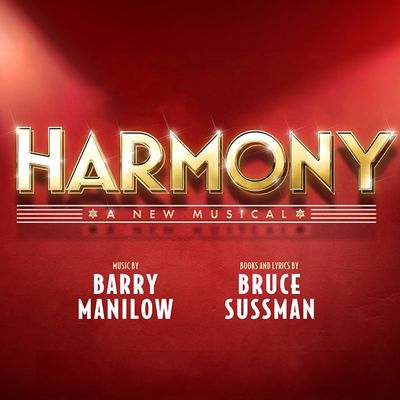
Joining us this week is another back bone of Broadway who is making his Broadway Debut in the OBC of HARMONY. He is carrying the show as he covers 8 different tracks, while also taking on a 9th role as the Social Media Captain. Journey to Broadway... Read More
From the show: Take A Bow
Featured Shows
About
Joining us this week is another back bone of Broadway who is making his Broadway Debut in the OBC of HARMONY. He is carrying the show as he covers 8 different tracks, while also taking on a 9th role as the Social Media Captain.
- Journey to Broadway
- Touring the world with Bandstand
- How he became associated with Harmony
- A CRAZY audition story for his first audition with Harmony
- Backstage stories with Julie Benko, Sierra Boggess, and Chip Zien!
- Broadway newest role "Social Media Captain" (WHAT?!)
- How social media has impacted his career/can be a career on Broadway
+ So much more!
Curtain up, Matthew Mucha
Connect with Matthew Mucha on Instagram: @matthewmucha
Connect with Take A Bow on social: @takeabowpodcast
Connect with host, Eli Tokash on social: @tokash_eli
Transcript
This transcript was automatically generated and might contain errors.
[0:02] Eli Tokash: Hello everyone and welcome to episode 191 of Take A Bow. I'm your host, Eli Tokash, and this week we have such an incredible episode for you folks. And this week we have a very exciting guest. Kind of back to back episodes. Last week we had, or last episode, I guess, we had on Jim Hogan from Kimberly Akimbo, who, as we celebrated like National Swing Week and all the things. Um, and he is a standby over in Kimberly Akimbo for the role of Buddy, the dad in Kimberly Akimbo. Crushes it, so good, so talented, does all kinds of things on social media and everything. Um, absolutely loved it. But this week we have a legit swing on the podcast, backbone of a show in more ways than just being a swing, which is pretty crazy, but we'll get into that.
Um, and uh yeah, I mean, this guy does it all. I'm so thrilled to have Matthew Mucha on the podcast this week. And uh it's a very timely episode because uh not only uh were we just celebrating swing week a couple weeks ago, uh, but it's also um he is currently the swing in Harmony. And uh Harmony, for those of you who don't know, is closing this Sunday on Broadway, which is extremely unfortunate and so sad. Uh to to have this story leave uh New York and and Broadway stages. I have no doubts that this show will be uh put on somewhere, um, and hopefully get its proper, I guess, recognition and uh it's due that it deserves. Um so shout out to everyone in Harmony and uh shout out to Mooch for coming on the podcast, but it's also a super exciting uh episode because he is a social media captain, they're calling his role.
Um, which you already hear on Take A Bow is a brand new thing here on Broadway. Um, and he he's marketing the show for them too. So this guy is very important. He has a very important role over at Harmony on Broadway with one of the most talented casts on Broadway right now. Um, so this is an absolute joy. And he is crushing it over at uh Harmony, doing some incredible stuff for the show's social media, and at the same time, he is learning and doing eight different roles uh throughout a week. So uh just incredible stuff and uh very very fun chat. And it's extremely important like for us to learn about this. Like it's kind of crazy in the year of 2024, especially for like the old schools, I guess, of the us listening, um, I don't know, um, who is like, oh, social media and like that may not have social media if you may listen to this or whatever it may be.
Um, but for us young folks, you know, we live on social media, and it's crazy the impact that social media has had on our economics uh in this country and our influences of uh just the buyers to seller relationship, I guess, um, and and the markets of all of that. So um it's a really interesting tool to learn about and and kind of discuss, uh, especially as Broadway, you know, sort of slowly but also very rapidly uh adapts to to kind of that side of things with the social media and bringing uh you know Broadway to more folks um from around the world, even if you're not in New York City. So uh you know we see like Broadway influencers now like Tommy Bracco and and Amber Ardolino and JJ Neeman um you know all of these fantastic people uh talented people um and it's pretty cool to see Mooch he does it from like a brand's perspective so he's done work with the Broadway Podcast Network he's doing his own stuff for uh Harmony uh for his own show which is uh pretty neat and he's done stuff for you know like I said podcasts and uh I believe I believe he's doing stuff for Beautiful Noise as well.
Uh I saw he like ran over after one of his performances and um was doing stuff for for a Beautiful Noise when uh a celebrity was there, one of the bachelor folks. So uh you know Mooch is kind of everywhere and helping all kinds of shows you know just market the shows to to younger audiences which is super cool. So we talk a lot about that and uh it's a it's a great episode. It's a fun episode and we talk about you know the heartbreaks and uh I guess some stories uh from Harmony and the heartbreaks that come with leaving a Broadway show. Uh especially one that he's been with this one from the beginning. Not for the four that just like four months that it's been on Broadway or whatever it may have been.
It's been a big part of his life. So it it's crazy to to kind of say goodbye. And we we talk a lot about that. So awesome episode can't wait to to have you all listen to it and um you know kind of get an inside scoop on all of that. But before we get into that, we gotta talk about some Broadway news. Not too much craziness going on as opposed to last week's episode. I feel like last episode we had to talk about everything and anything. This week I was able to see White Rose the Musical, which is a little musical happening over at uh Theater Row on 42nd and 9th. It's a little off-Broadway theater, super cute, a little wider than like the public, but reminds me of the public. Um I really really enjoyed the show.
Um White Rose, I had never heard of this White Rose group. For those of you who don't know, White Rose was a resistance group, uh in Nazi Germany uh during Hitler's, you know, regime. Um, and it's currently being led by Joe Ellen Pillman who starred in The Prom uh the movie, like on Netflix. Um, and then you have like you know, your Broadway favorites of Sam Gravite and Kennedy Kanagawa and Cole Thompson from Into the Woods, and of course, you know, Take A Bow podcast. Um so uh but you you have all of these fantastic uh performers. Uh Paolo Montalban uh is also fabulous in this role. Um, you know, they have it's a star-studded cast, to be completely honest with you, and there's the music is really strong.
Um I was sitting like right next to the drum, so I was uh drumming along with uh with the, I don't know, with the drum player, I guess, and um, you know, the the performers. Um tried not to be distracting, but like I was I was driven to it and uh just really enjoyed the show. So hopefully we'll we'll have someone uh from the show on here soon uh to talk about the show because I really really enjoyed it and it's a show that's trying to come to Broadway. Um I think y'all should totally give it a look. Um I think it does have a little work to do obviously that's why it's off Broadway and doing an off Broadway run uh just to get in front of audiences and you know the drill. Um but I really really enjoyed the show and I really think this has a lot of potential uh to come to Broadway uh especially with such a stellar cast they are so freaking good.
Cole actually cracked me up, I mean he was so good in this role. Um he crushed it and he was doing all the things too like he I mean he was making you cry of laughter and also like cry of tears. I mean he was unbelievable. Uh his character name was Willie and so it was just it was so freaking awesome. They everyone was so good. Everyone did such a fabulous job. Um but it was it was really great and I highly recommend going to see it Theater Row. Um see it before it comes to Broadway because I I there it's so fun to watch a show progress and the show's journey to Broadway and all the things so uh definitely give it a look as like I said star-studded cast uh great story behind it great music um so we'll see we'll see what happens with it and hopefully we will chat more about it actually we will I'll I'll just I'll stop hinting around it we will be chatting more about it on the podcast very soon.
Uh, we will have a cast member from the show uh on here to I don't know, I guess share more about the show with you and their time about it. So uh very excited for that. This week we also got a major casting announcement from New York City Center. These City Center cast fan, they just get better. It's crazy. Um, so impressive, but I'm so excited. So Titanic's cast uh came out this past week, and it is featuring literally all the faves. We have Chuck and Eddie Cooper, we have Drew Galen, we have Ramin Karimloo, we have Samantha Williams, uh Brandon Yoranowitz, Take A Bow family members, Judy Kuhn and Bonnie Milligan. I mean, the list goes on and on, and that's not even the full cast. Like, this is about to be crazy, and I am so here for it.
Um, literally again, I say this every time, City Center as like a casting announcement. Take my money. Um, it's just it's bonkers. It's literally bonkers the way that they're able to get so many incredible titans of our industry, or like uh soon to be, I guess, like rising the ranks of getting into that status of our industry. Uh, you know, uh all in one room, all in one show, telling one story. It's crazy. Um, and not to mention, City Center uh is also like super like affordable, like and cost uh friendly, especially for younger folks. So, for those of you listening, I think it's like 35 or under. You can literally get like tickets to the show for like 25 bucks. It's crazy. So um, so worth it.
Uh, I mean, you'll be up at the balcony, but still so worth it to be in a room. I actually sat the last last row of like the entire house for uh Parade at City Center, and honestly, it still wasn't a bad seat. So, like, highly recommend if you can get it for 25 bucks, you can't beat it. Uh it's pr you can get like front row balcony and those seats are like solid, like really good. Uh back row of the balcony is a little tougher. But hey, $25 to see a show it you can't beat it. It's literally cheaper than a rush ticket. So um highly recommend and uh shout out to New York City Center. So um okay there's that and now I I would be remiss not to mention um speaking of Titans of our industry we lost uh two Titans of our industry this past week all on actually one day um it was pretty heartbreaking and um it's so sad that it happens this way but I was so my heart was so full hearing everyone talk about these Titans Chita Rivera and Hinton Battle um they set the bar um especially for this generation they were who we all aspired to be um they paved the way for so many people um it's incredible um and their legacy will continue in all of the lives that they've touched, you know, interacted with, um anything it's it's truly remarkable I mean their legacies um everyone knows about them you know a everyone in this community they are so beloved and that's what I mean by you know sharing stories of how friendly they were for the 30 seconds that they met them to the full couple years that the people were able to work with them and and sharing those stories of how they influenced them or changed their lives as a human how they uh changed their lives as a performer and and inspired them to be a better performer you know um it was so um touching to to hear all of these stories and to hear um the impacts these folks had on people's lives um because it's true I mean they truly did mean so much to so many people and in fact without them there's a lot of us in this industry today that wouldn't even be in the industry if it weren't for these two both Chita and Hinton so um it's it's pretty wild and uh you know true triple threats the both of them and uh my heart goes out to all of their friends, castmates, families, all of them um everyone who who is grieving um during this process um and you know uh just thank you to Chita and Hinton too for everything that you've done for for our community um everything that you've done for um the shows that you were part of um and their legacy continues.
I mean Hinton it it's so sad for someone who originated the role, such an iconic role too, nonetheless, like of the Wiz, like it it's it's about to have a revival, and there's so much excitement around it, and you know, to revisit a show that you created um and in such an iconic role, like I said, of the scarecrow.
[14:22] Matthew Mucha: Um I I wish that he would have been able to see it, and I wish that, you know, for the sake of this cast, like they were able to show it to him and honor the legacy that he created, you know, type of thing.
[14:37] Matthew Mucha: Um, and it's so sad that that kind of happened all in the same year, and he was so close to perhaps revisiting it.
[14:45] Matthew Mucha: Um but it's just so heartbreaking to to see it.
[14:49] Matthew Mucha: Especially Hinton, like he was so young, and Cheetah Rivera was too.
[14:53] Matthew Mucha: I mean, the young age of 91, you know, and and she was been out at these openings and like has always looked so magnificent and so sweet to everyone.
[15:03] Matthew Mucha: Um, you know, she talked to, she would try to make time for everyone.
[15:07] Matthew Mucha: Um, just uh a real sweetheart.
[15:10] Matthew Mucha: So um my heart just goes out to everyone uh that uh is grieving during this time, and you know, thank you again to to the both of them, and uh you will be missed.
[15:22] Matthew Mucha: And um I hope that you both are resting your feet up there and are resting in peace.
[15:27] Matthew Mucha: So um shout out to to two angels of the industry, and uh, you know, I mean, Cheetah now has awards named after her.
[15:37] Matthew Mucha: That you know, she took over the Fred Astair Awards.
[15:40] Matthew Mucha: So it's just like the legacies are are no no bounds, really.
[15:45] Matthew Mucha: Um, so shout out to them.
[15:47] Matthew Mucha: All right, I gotta stop because I'm I could talk forever.
[15:51] Matthew Mucha: So uh just thank you to both of them.
[15:54] Matthew Mucha: And uh yeah, so on to I wish I could say lighter topics here, but um unfortunate topics.
[16:03] Matthew Mucha: We have uh I wanna say happy trails to Gutenberg, which closed this past Sunday, and then I also want to extend a happy trails to Pearly Victorious, which closes this Sunday in uh I I guess on the February 4th.
[16:18] Matthew Mucha: So what is that three days from when this comes out?
[16:20] Matthew Mucha: Um, and then of course I want to extend a happy trails to Harmony on Broadway.
[16:26] Matthew Mucha: Um and Harmony is the show that we're talking about in this week's episode as we have a cast member from that show on the podcast.
[16:35] Matthew Mucha: So I think now is the perfect time to send it over to Matthew Mucha.
[16:41] Eli Tokash: Matthew Mucha, curtain up.
[16:58] Eli Tokash: All right.
[16:59] Eli Tokash: So this week's guest is a man that can do it all.
[17:03] Eli Tokash: He is currently making his Broadway debut at the Barrymore Theater in Harmony, closing this Sunday.
[17:10] Eli Tokash: Crazy.
[17:11] Eli Tokash: Uh, but he's quite literally the backbone of this show, y'all.
[17:14] Eli Tokash: Uh he's a swing, he's the flight, he is the social media manager of the show's social media account.
[17:20] Eli Tokash: Like he's doing it all for them.
[17:22] Eli Tokash: And uh I'm so thankful that he's joining me this week on Take a Bow.
[17:26] Eli Tokash: So everyone join me in welcoming to Take a Bow.
[17:29] Eli Tokash: Matthew Mucha.
[17:30] Matthew Mucha: What's up, Mooch?
[17:31] Eli Tokash: What's going on, man?
[17:32] Matthew Mucha: I'm good.
[17:33] Matthew Mucha: Thanks for that, uh, thanks for that intro.
[17:34] Matthew Mucha: I wear I wear a lot of hats over at Harmony, and and it's it's it's very exciting.
[17:39] Matthew Mucha: Doing the most, doing just craziness.
[17:42] Eli Tokash: Trying to, yeah.
[17:43] Matthew Mucha: Yeah.
[17:44] Eli Tokash: Hey, good for you.
[17:46] Eli Tokash: Uh I don't know how you're still doing it, but uh it's so incredible.
[17:52] Eli Tokash: Um I we kind of talked already, but I I I'm a huge fan of the show, and obviously it was there like opening night and like fun stuff.
[17:59] Eli Tokash: So um I don't know.
[18:01] Eli Tokash: I I it's hard to believe this show's closing.
[18:04] Eli Tokash: Um as a family that loves Barry Vanilo so much and everything.
[18:08] Eli Tokash: We were so excited for for the show, and um then we saw the show and cried, so um fell in love with it, and it it's so incredible what you guys are doing.
[18:21] Eli Tokash: Um but we'll get into that.
[18:23] Eli Tokash: The way I usually like to start these things is uh just talking about, you know, I like to start at the beginning and just asking, you know, how did we get here?
[18:31] Eli Tokash: Why are we why did you want to tell stories?
[18:34] Eli Tokash: Why did you want to entertain people?
[18:35] Eli Tokash: Like what inspired you to do all of this.
[18:38] Matthew Mucha: Yeah, it's it's so funny when I when I think back at like the start of it.
[18:42] Matthew Mucha: I come so I'm from Jersey originally.
[18:44] Matthew Mucha: Um and I come from a family where uh theater and acting was not a thing.
[18:50] Matthew Mucha: It just no one in my family had done it.
[18:52] Matthew Mucha: There was no one like that was engaged in it.
[18:55] Matthew Mucha: My brother played football in high school and now works for the New York Giants.
[18:58] Matthew Mucha: My dad was a football coach, played football, uh, my parents are both teachers, and growing up I I played baseball for a little bit.
[19:07] Matthew Mucha: I did, you know, I played sports here and there.
[19:10] Matthew Mucha: I tried football and it was not my thing whatsoever.
[19:14] Matthew Mucha: And when I was in middle school, my middle school was doing their spring musical, and my friends and I, as like a joke.
[19:20] Matthew Mucha: We were like, let's just see what'll happen.
[19:22] Matthew Mucha: Let's like audition.
[19:23] Matthew Mucha: If we get in, it'll be like, you know, a silly thing to do.
[19:26] Matthew Mucha: And I remember when we we we all got in, and it was a lot of fun.
[19:30] Matthew Mucha: And I remember there was just a moment during like rehearsals where I was like, I think this is a little bit more than just like fun, and like a little bit more than just like something cool to do.
[19:40] Matthew Mucha: Like, like I feel really like I love the the aspect of community.
[19:46] Matthew Mucha: I love how there's so many moving pieces in it that are all operating to do one thing.
[19:51] Matthew Mucha: And I was very lucky to go to a high school, public high school, where the theater department was so excellent and so professional in its way.
[20:00] Matthew Mucha: We did um uh a spring musical, and then we would do a fall play and then a late spring play.
[20:05] Matthew Mucha: So we would do Shakespeare, we would do Moliere, we would do a lot of stuff that yeah, which like I felt so lucky to have that exposure to um as someone who prior to this, I had no, you know, I I didn't know anything, you know.
[20:17] Matthew Mucha: I saw movie musicals or stuff like that, but I I never had that exposure to it.
[20:23] Matthew Mucha: Um, and once I got involved, it was like just took off like a rocket.
[20:28] Matthew Mucha: Like, I I would come into the city like every other weekend with my friends, and we would go rush shows, and we would, you know, go camp out.
[20:35] Matthew Mucha: We would go camp out at the Marriott Marquis Hotel and ride the elevator up and down, and then go see, you know, Chaplin, and then go see Matilda and like do all of these all these amazing things, and and it kind of just like bit me from from early on, and there was something about the the act of storytelling that I really connect with and I really love, and I think musical theater combines what I love about like TV film, but also with the aspect of music in a way that we don't have an art form like that other than this, and it's been around for so long, and I just I just love it, and I've been very, very lucky to study it in college at Merrimount Manhattan on the Upper East Side, and then to have been working pretty consistently since graduating which has been you know I I count my blessings a lot.
[21:21] Matthew Mucha: It's a it's a hard place to be but I'm I'm very very grateful.
[21:25] Eli Tokash: Insanely hard uh I mean we were just talking about that I mean especially when you have like unforeseen circumstances like I know that you are out on tour with Bandstand and obviously the pandemic shut that down you know so it's like you never know like one day two weeks like you know with Harmony now it's like two weeks you know like what's next you know so it's like it it's it's a crazy job and the fact that you have been able to do it just says so much about who you are as both a human and an artist.
[21:57] Eli Tokash: You're just so freaking talented.
[21:59] Matthew Mucha: Um so it's so good.
[22:02] Eli Tokash: It's so good.
[22:03] Eli Tokash: So um I'm I'm thrilled that uh you know it's worked out and I appreciate you like sharing that story because that we get on here we get so many of like oh I went to New York and I saw my first show and I wanted to be you know an actor and I'm like saying that because that's my story so I can make fun of it.
[22:20] Eli Tokash: But as long as like everyone else is so hearing that you know it was from you trying it out and then falling in love with it is something that's so cool and that you kind of were just like let me allow myself to be uncomfortable in audition and that's literally what we do for a job like every day.
[22:40] Matthew Mucha: Exactly but finding that vulnerability is so hard so the fact that you kind of just jumped into it right away without even knowing what was gonna happen or know what a final result would even look like.
[22:50] Matthew Mucha: Like, props to you, because that that's not easy.
[22:54] Matthew Mucha: No, it's it's it's nuts, and I and I I give my family so much so much credit.
[22:59] Matthew Mucha: I'm incredibly lucky they were are they were and are nothing but supportive.
[23:03] Matthew Mucha: And when I decided that I want to kind of pursue this, there was never a moment of them saying, No, you can't, or no, it's not safe.
[23:10] Matthew Mucha: It was always just okay, like be smart, try, right, see what happens, and go, and you know, they they put a lot of trust in me that I really that I really respect.
[23:20] Matthew Mucha: And I don't think I would have been able to be as fearless or as vulnerable in that way if I didn't have them backing me up and allowing me to do that.
[23:28] Matthew Mucha: Because I think what's so hard is you hear people whose families are not as open in that way and see the arts as something that are, you know, it's a risk or it's a hobby, and having that trust from the beginning.
[23:39] Matthew Mucha: I don't think I've ever gotten into a situation being like, well, I I can't, or or or this isn't for me, because I I have that really lovely foundation of like go for it.
[23:47] Matthew Mucha: And and the worst thing that could happen is it doesn't work out, and then you do it again.
[23:51] Matthew Mucha: And I think that's set me up with a really nice mindset.
[23:54] Eli Tokash: Oh yeah.
[23:55] Eli Tokash: Behind every theater kid is an incredibly supportive theater like parents.
[24:00] Matthew Mucha: I don't even know exactly and they're not even like stage moms or stage dads, you know, like just like supporting.
[24:07] Matthew Mucha: They're getting there though.
[24:07] Matthew Mucha: They're they're they're slowly getting there.
[24:10] Matthew Mucha: I'll say with Harmony, my my my parents have have edged their way into being the stage mom and dad, and it's awesome to see.
[24:16] Matthew Mucha: It's very funny.
[24:17] Eli Tokash: Are you kidding me?
[24:18] Matthew Mucha: That's hilarious.
[24:19] Matthew Mucha: It's like my mom is my my grandma, my mom's mom who passed um a few years ago.
[24:26] Matthew Mucha: She was the one who, like, if I could connect any of the dots, she would put on um Yiddish renditions of fairy tales at like their local community centers.
[24:37] Matthew Mucha: So she would do like instead of uh Cinderella, it'd be like Schmozzarella, instead of Pocahontas, it would be like Pocayenta, and she would write all of these stories and perform them.
[24:46] Matthew Mucha: And she was like my big, big personality Jewish grandma who I love nothing, you know, she's she was my my everything.
[24:54] Matthew Mucha: And seeing like that side of it, my mom really like attached herself to it.
[24:59] Matthew Mucha: And my dad was always involved and was always like excited for it.
[25:02] Matthew Mucha: But with the harmony stuff, like every time that he would come and see it, I would just look over at him and he would be like, you know, watery eyes, like his harmony hat, his harmony hoodie, and he'd be like, You'd be like, Don't look at me.
[25:13] Matthew Mucha: I like like I've got to let the emotions go for a minute.
[25:16] Matthew Mucha: And I love that because you know it's I can relate that to how he feels in certain ways with like when he would coach football, and like I know that it's a similar thing, you know, we're two teams trying to achieve a goal, and to see both of my parents, you know, attach themselves to this side of my life has been really, really wonderful.
[25:35] Eli Tokash: Yeah.
[25:36] Eli Tokash: It's so interesting that you say that because I try to come on here and say all the time how like similar like the arts and musical theater is to like sports, because it really is like absolutely trying to work together to accomplish a goal, whether it's to win or to tell a story, you know, like yeah, it's as simple as that.
[25:54] Eli Tokash: You have your little play calls with what dance I'm about to do.
[25:57] Matthew Mucha: Like it's crazy.
[25:58] Eli Tokash: Exactly.
[25:59] Eli Tokash: It's the same thing, just in a different way.
[26:01] Matthew Mucha: Like, like truly.
[26:02] Eli Tokash: Yeah.
[26:03] Eli Tokash: Well, um, obviously you went out on the road with Bandstand, and this was pretty much like what what right after school?
[26:11] Matthew Mucha: It was I I graduated in 2018 and I did a few regional things, and then um summer of 2019, so just about a year after graduating, uh, we had the bandstandsand auditions, and we went out.
[26:25] Matthew Mucha: Um, we started rehearsals for Bandsand in September of 2019.
[26:28] Matthew Mucha: So just about a year after graduating.
[26:31] Eli Tokash: So like what is that life?
[26:33] Eli Tokash: Like you're you're about to like literally like a free man, you know, for the first time, a year out, and you're now traveling the world performing on different stages.
[26:44] Matthew Mucha: It was it was so it was so interesting.
[26:46] Matthew Mucha: I had like the regional stuff I did after college was you know short stints, but it was also my first time, like, you know, I I did Sound of Music at Alabama Shakespeare and I was there for like 12 weeks.
[26:58] Matthew Mucha: I missed Thanksgiving, I missed Christmas, I had never really done that before.
[27:02] Matthew Mucha: And it kind of gave me that first taste of like, okay, this is a really fun job, but there's a lot of sacrifice, and there's a lot of missing time out with my girlfriend now fiance and and and moments with family and stuff like that.
[27:14] Matthew Mucha: Um, and then when Bansan came around, there was something that felt really right about it going into the audition that I just felt like it it was gonna work out.
[27:23] Matthew Mucha: And then when it did, and then you look at that roadmap of what the next nine months of your life look like, it's a whole whirlwind of like, okay, I went from living in an apartment with friends to seeing them every single day to okay, I'll see you in six weeks, and I'm gonna live in a bus, and all of my stuff is at home.
[27:39] Matthew Mucha: And it's just it's it's I I think everyone should, if they have the opportunity, tour once because you get to experience it and it's really exciting.
[27:47] Matthew Mucha: But after the fact, it's it's hard.
[27:49] Matthew Mucha: And you go like you know, just like you said, like you go to being like a free man, like with no class schedule, to all of a sudden, okay, bus call is at 6 a.m.
[27:57] Matthew Mucha: You get on the bus at this time, you gotta do TT at this time, then you're at the feet, like all of a sudden you're back to school in terms of like having no availability.
[28:05] Matthew Mucha: Um, but it was it was thrilling. I mean, Bandstand was such a lovely, lovely group of people. Um, and to do like a first national tour, like check the box that I wanted to do, and especially that show has such a lovely fan base and a lot of heart to it. Um, so it was, you know, the sacrifices were hard, but the you know, the payoff was really nice.
[28:25] Eli Tokash: Absolutely.
[28:27] Matthew Mucha: It's awesome. The past five years, I mean, you've been able to check off so many boxes. The first national tour? Come on, not a big deal.
[28:38] Eli Tokash: This is crazy.
[28:38] Matthew Mucha: I feel very lucky. I feel someone's helping me out somewhere.
[28:44] Eli Tokash: No, well, I mean, it's well deserved too, you know. It doesn't come just overnight. Um, you worked so hard, and it's great to see it pay off.
[28:52] Matthew Mucha: Um, yeah, I mean, it's awesome. So when did you get involved with Harmony? Because I know you were in the developmental process.
[29:01] Eli Tokash: So was it post-pandemic? Was there a reading, you know, pre-pandemic? What was how when did you get involved?
[29:07] Matthew Mucha: I guess. So Harmony, you know, as a lot of people know, has been kicking around for so long. They did a production of it at the Amundsen at La Jolla. Um, they tried to bring it to Broadway. Early 2000s, things happened, mid-2000s, things happened. The plan was a pre-pandemic, I think, workshop that would have become the off-Broadway run. That then the pandemic happened, didn't work out. And then I first got involved. It was summer of 2021, I think.
[29:39] Matthew Mucha: And I got I saw breakdowns go out, and my agents put me in for it. And I remember I was working front desk at a Pilates gym reading the script on like my iPad while like checking people in. And it was one of those, it was like what it was, you know, it's like how how the gig is. And it was one of those things where I finished, I finished reading the script, and I like it knocked me out, and I was like, I don't care if I'm involved in the show, like this show has to be done on a scale that people can see it.
[30:06] Matthew Mucha: And I was lucky enough to be cast in the off-Broadway production um in like August of 21 for the production that was happening in 22. Um, but what was crazy about the process of it was my original booking for it was as a swing for downtown. I was my offer was for a swing, and I was like, Great, I've never swung. This is so exciting.
[30:27] Matthew Mucha: And then 48 hours before our first rehearsal, the casting director reached out to my agent and was like, Hey, there's been a change in casting. Can Matt immediately send in two extra tapes of him singing one of the songs from the show and vocalizing up to a certain point? We need it by like 5 p.m. today. And it was like one o'clock. I was on a train coming home from like babysitting in Connecticut.
[30:51] Matthew Mucha: So I like sprinted home. My fiancé set up the entire ring light and everything. I'm taking a shower, like learning the song, and I sent it in, and it was um the song Come to the Fatherland, which is one of the songs that Harry sings, and I just remember sending it in, and then like an hour later, it was like okay, updated offer, ensemble, um, as these features, and then covering the role of Harry.
[31:12] Matthew Mucha: And I was like, Oh, I was like, Oh, okay, like, sure, like my mindset went from swinging so exciting, my first time, to like right now, it's something totally different. And I got involved there and was really lucky to be with the production for its downtown run. Um, unfortunately, Zal, who plays Harry, still in the Broadway production, got COVID when we were in downtown, so I went on for Harry for about you know 12 days or something, which was really exciting, and you know, checked another box, and yeah, then you know, you close downtown, and there's all this hope and momentum that something's gonna happen with the show, and that you know, let's bring it to Broadway, let's do another version of it.
[31:53] Matthew Mucha: And it kind of laid dormant, and there were like whispers for a while, and you know, you never want to expect anything, because who knows? They could say we're gonna do a 10 person version of it, or we're gonna gut the whole thing and start from scratch, which was you know, like it comes with a lot of anxiety and it comes with a lot of uncertainty. Like, as you said, you know, you find out one thing, and then all of a sudden your life has changed, you know, whether that's a show closing or or a pandemic or something.
[32:17] Matthew Mucha: Um, and I did some stuff in between downtown, and then we did a workshop in September of last of uh of 22, and it was like labeled as like a pre-Broadway workshop. And I was like, okay. It's like I don't know that I'm not gonna think too much about it, because who knows. And then they announced the show coming to Broadway um last year, and still we hadn't really heard anything in terms of casting.
[32:43] Matthew Mucha: I was thrilled for for the six guys and for Chip in Sierra, and and hearing about Julie joining the cast. And I was like, regardless, I I kept going back to that place when I first read the script, being like, whether I'm there or not, I'm so thrilled that this show is getting its time and with these people. And then auditions happened, callbacks happened, and got the offer two days before my birthday in July of 23, and have just been so so thrilled to have had the show in my life for what's almost three years now, which feels crazy.
[33:18] Eli Tokash: Like really nuts.
[33:20] Matthew Mucha: Yeah.
[33:21] Eli Tokash: What a whirlwind, too.
[33:23] Matthew Mucha: Exactly.
[33:24] Eli Tokash: That is like so many ups and downs, and so many, like, like I really think about it in terms of checking boxes as like as like life goal things. And this show has given me such a wonderful opportunity to do so many of those things in one show. I feel like that's very rare. Like you check boxes along a career, but Harmony let me do so many of them.
[33:46] Matthew Mucha: And I just am I'm endlessly grateful that I've had it as part of my life.
[33:51] Eli Tokash: Oh that's stop. This is so cool to hear. And I don't know. Like it's so sweet to see that you're like kind of like able to enjoy it while it's happening. Like you understand what is happening to you. Because people, I mean, like, it's so easy to get lost in like the craziness that is on.
[34:11] Matthew Mucha: You know, I mean, you have heck, you have how many roles are you covering? You're sweating, like you have enough to worry about.
[34:17] Matthew Mucha: Like eight, I think, yeah.
[34:18] Eli Tokash: It's like you gotta learn eight different shows, and you're like, are you still have time to like you know, sit back and be like, hey, yeah, I was doing this in too, you know, like enjoy this.
[34:29] Matthew Mucha: Um it's great to to hear that because if I could go back, that would be exactly one thing I would say.
[34:37] Matthew Mucha: I'm sure, and it's something that I like I think in the past with previous shows had never been that like you know, precious about or like have had that perspective, and I think it comes with age. I also credit my fiancé a lot to being very supportive and very like, you know, you're in something right now that you have wanted forever, and especially like when our closing notice came out, our my immediate reaction was, of course, being very upset and and sad and angry, and those feelings are totally valid.
[35:06] Matthew Mucha: And then my fiancé kept saying, She's like, There will be a moment when the show closes that you will feel those feelings no matter what. Like, like, like on February 5th, I will be sad. I know that.
[35:15] Eli Tokash: Right.
[35:16] Matthew Mucha: So why not fill these two and a half weeks that we have left with just like as much love and joy as possible because I have that opportunity to still be on Broadway with the show right now.
[35:27] Matthew Mucha: And I've kind of tried to have that mindset with a lot of things of like, yes, I know I'm gonna feel something at some point, but if it's not right now, what can I, you know, I'm not gonna anticipate that if I can help it, which is hard to do.
[35:39] Matthew Mucha: Like it's not, it's much, it's much easier said than done, but I've tried to kind of have that point of view more often than not lately.
[35:47] Eli Tokash: Yeah, it's so funny that you the the whole like last week, you know, as you approach the last week. Like, I remember both my last weeks uh in like Pippin and Finding Neverland, and it was just like every day I was like, okay, eighth to last time I'm gonna be signing in, you know.
[36:05] Matthew Mucha: Like it's crazy that you just like count it all.
[36:09] Eli Tokash: You it's always in the back of your head.
[36:11] Matthew Mucha: Oh, you try to ignore it, you know.
[36:13] Matthew Mucha: Like, it's not an easy thing closing a show on Broadway, and then going out there to like forget all of it and try to become someone else, you know, and enjoy it at the same time as a human, you know.
[36:26] Matthew Mucha: Like it's you're juggling everything, you know.
[36:29] Eli Tokash: It's nuts.
[36:30] Matthew Mucha: And it comes in so many waves, like out of nowhere, like my fiancé and I were just like watching like Breaking Bad two days ago, and out of nowhere, I just like think I started to cry.
[36:39] Matthew Mucha: And she was like, What's wrong? And I was like, I was like, I just it hit me like like like something I saw, like like someone said a word in the show that we were watching, and it made me think of something, and all of a sudden I got upset, and that like, and I know that that's gonna keep happening, and and those things will be fewer and far between.
[36:56] Matthew Mucha: But like, yeah, it's a weird, it's a weird wave of emotions of like trying not to always think about it, but also you know, like, yeah, it's always there.
[37:04] Matthew Mucha: Like, I'm going in every day being like, wow, I'm I'm not gonna get to see Chip every day, and I'm not gonna hear Sierra and Julie sing this duet every day anymore.
[37:10] Matthew Mucha: That like I've had in my head for years now, and that I think is a weird thing to think about. That like it's a it's a section of my life that's ending, but trying to just be as as upfront and and present with it as possible.
[37:25] Eli Tokash: Absolutely.
[37:26] Matthew Mucha: Um, I'm curious after you know, being a part of the show for so long, and I know it changes every iteration, I'm sure, that you've done, you know, new songs, new blocking, whatever it may be. But like just being with the show for so long, does that kind of help you as a swing to you know kind of have that relationship with the characters already, and you've been able to watch different performers or different iterations of it.
[37:51] Matthew Mucha: Um I don't know. Did does that kind of influence your your performance? Does it help your performance uh and just like kind of memorizing it or approaching it or how you perform it?
[38:02] Matthew Mucha: Um, what what has that process been like?
[38:05] Matthew Mucha: Yeah, so this is the first time I've ever been a swing, and when the offer came in, I was I I think my initial reaction was just like a little bit of being terrified because I have friends that have swung, I know the swing deal, like I've I've read about it, I've heard people on podcasts talk about it, and I just know that it's daunting in nature.
[38:26] Matthew Mucha: I think I was really lucky to have been with the show already, so I wasn't coming into it as like a new work where I don't know what's gonna happen. Our production that's on Broadway now is pretty similar to the downtown production. There are tweaks and changes and things have been you know cut and moved around, but at its core, the foundation is still there.
[38:45] Matthew Mucha: So I didn't come in as a swing being like, okay, what does the ensemble do? Or like who is Fritz and what is his like I came in having a bit of background knowledge that let me be, you know, working from a place of privilege in that way, which I was really grateful for.
[39:01] Matthew Mucha: Um and then it allowed me to kind of be a bit of a step ahead so that I can get right to memorizing the blocking and memorizing the new vocal parts and all that kind of stuff.
[39:11] Matthew Mucha: Um, and it definitely was was you know, like it's funny, like I'm swinging now roles that I did downtown or in the workshop, and then when I go on as a swing in that track, I'm like, oh, this feels familiar. Like I did this off Broadway, or like, oh my god, I remember when Drew was the radio announcer, and now it's Bruce, and now it's me tonight.
[39:28] Matthew Mucha: And I I have never done this part before. So like I really loved I I've really found that I really love swinging. I think it's a really gratifying and exciting and like terrifying position.
[39:39] Matthew Mucha: And I I think my brain and how I operate as a as a person, I'm very type A and I'm very like I like having my ducks in a row and my spreadsheets and my color coordinated everything, and it kind of works with the swinging.
[39:53] Matthew Mucha: So it's it's taught me that I I really love it, and I think it's something I'd like to do again and in the future. Um, but I think having Harmony be my first time, I was lucky to have a little bit of knowledge going into it.
[40:06] Eli Tokash: Absolutely.
[40:15] Matthew Mucha: I mean, it certainly keeps you on your toes.
[40:19] Eli Tokash: I mean, there's no that is the same.
[40:22] Matthew Mucha: Nope.
[40:23] Eli Tokash: Nope.
[40:24] Matthew Mucha: It's not a it's not an easy thing.
[40:26] Matthew Mucha: And like you said, it kind of takes a certain person.
[40:29] Eli Tokash: Like the fact that you're sure.
[40:31] Matthew Mucha: Like the fact that you're able to also like enjoy it, because not everyone like enjoys being a swing because there's a lot of like as performers, we're so in our heads about everything.
[40:42] Matthew Mucha: That's just like unfortunately, that's who we are.
[40:45] Matthew Mucha: Um we judge ourselves more than anybody else.
[40:48] Eli Tokash: So you know, swinging is not for all the performers, and so I'm glad that to hear that you're enjoying it and that you're you're liking it, and you've kind of found your system because I mean it's not it's not like there's an answer for it, you know.
[41:02] Matthew Mucha: There's no point be a swing.
[41:05] Matthew Mucha: Exactly.
[41:05] Matthew Mucha: And there's there's a book that was written a few years ago called like like swings on Broadway or something, and it's a culmination of like you know, different interviews with with past swings, and they kind of take you from like the audition to the closing process.
[41:17] Matthew Mucha: And I read it before swinging, and there's a lot of good stuff in there, and and going into this process, I was excited like our other two swings, Kyla Stone and Dan Hoy. Dan had swung before, Kyla never had, and I just loved like especially during the preview process, we would be at our little swing table, and I would like peek over and see like Kyla taking her notes in a way that's different than mine.
[41:38] Matthew Mucha: Then I look at Dan and he's taking his notes that are different than mine, but all of the systems work, and they all are gonna do the same thing.
[41:45] Matthew Mucha: Yeah, because we're all gonna we're all gonna go on stage, and we're all gonna do the show, and it's gonna be as correct as we can with no rehearsal time and no whatever.
[41:52] Matthew Mucha: And I I really found that that was something that was so exciting to me because I was like, oh, you're doing it in blue, but I'm doing it in pink and with a red pen, but how oh, but it's the same thing.
[42:03] Matthew Mucha: Like, and and I I totally hear you. It's not, I don't think swinging is for everyone, and there are days where it's yeah, not fun, and there are days where it's really hard, and I don't think I anticipated that aspect of it either.
[42:15] Matthew Mucha: Like, you know, just never doing it. I didn't know what to expect. And there were, you know, there are obvious days where you feel lonely or you feel like, you know, not part of the group. But I'm a very I'm a very social person. I like saying hi to everyone, whether I'm on that day or not. I like making an effort to do so. And I think pushing myself in that way has just helped like my mental health in terms of like even if I'm in the dressing room playing Uno for three hours, I've still said hi to everyone. I'm gonna watch, you know, a number from backstage and check in with the stage management team and like just kind of integrate myself as much as possible so that I don't feel like I'm just coming in, signing my name, sitting on my phone and then going home.
Like and and that might work for others who want to be more like I'm in when I'm in and I'm out when I'm out, but I really thrive on that social aspect, and we have a really lovely cast that that is super, you know, enthusiastic and and outgoing. So being able to kind of worm my way in, whether I'm on stage or not, has been very helpful just to like keep me, you know, trucking.
[43:17] Eli Tokash: Yeah, I love that. You I mean, it's like you said earlier, the community aspect of musical theater is unlike any. So you gotta you know, kind of throw yourself into it all. Um and it's crazy how you know supportive everyone in this industry is, you know, the cast it they make it easy, you know.
[43:36] Matthew Mucha: Yeah, I think I think there was something like with it was probably the pandemic, if I think about it, but when the world kind of woke up to like the swings and understudies being, you know, they've always been valuable, period, but there was a bit of that reckoning during the pandemic where the show quite literally didn't happen unless your nine swings went on. And I think it's interesting to see swinging and understudying and standbys and all that um in a new light in that way. And I I'm very proud to be a swing, and it's something that I've I've like I said, I've really loved, and like Julie, who's who's in our show, is like the most supportive person when it comes to that because she knows what that feels like.
And every time that like one of the swings or covers go on, like she's the first person to like buy flowers, write a card, cheer you on. And it's it's it's a really really lovely thing to have someone like that. I look up to as a performer and a person, but who also was in these shoes, you know, years ago and knows exactly what the day-to-day feels like, and she checks in and she you know makes sure that we're all involved in things, and and I really appreciate that. And I think that it's it's really nice as a swing to have someone like that in the company, and and Julie's just the best in that way.
[44:46] Eli Tokash: Yeah, yeah. Yeah, she d she is so sweet. I've only met her a couple of times, and she like remembered who I was. I was like, you don't know like you have to say my name. Like that's crazy that I just heard my name from your mouth. Like we've never worked for with each other, you know. Like, this is crazy. Um, but that it just seems like she's such a great human being. So it's great to hear that you've had such a positive uh experience, you know, working with her.
[45:12] Matthew Mucha: Yeah. Yeah, it's that it's that community thing, really.
[45:15] Eli Tokash: Yeah, yeah, for sure. For sure. I mean Broadway's the best. Let's be real.
[45:19] Matthew Mucha: Oh yeah. Um theater kids to the core. Um, so as a social like as social media like continues to, you know, it just has like such a big impact in our like daily lives. I feel it just continues to grow and it impacts our economy, all of the things. And like more of Broadway, I feel like has slowly started to, you know, kind of use social media to promote the show or bring it to, you know, people that aren't always in New York or whatever it may be. So you are the social media manager of Harmony. And and you've had experience doing you know your social media for the brands is how we met probably podcast network. Um and um so I mean is that something that shows are doing now like are you seeing more of a trend with like especially you as you're in the show doing social media for the show.
Like I'm sure that's beneficial because you're you're at the theater you know like you can kind of provide it inside content that not like uh if you hired an outside source that how has that been affecting yeah Broadway and social media.
[46:16] Matthew Mucha: It's been it's been fun like the way that I got involved like specifically with Harmony because I had done social media stuff before for I worked for the Broadway Podcast Network. I worked for guys who like musicals was my was my way in. I worked with I worked with Dan and Joe for for right when the pandemic happened I was just bored and DM'd them and they were like sure we can't pay you but come on in and I was like I don't need money I need something to do so let's do it. Yes. And I and I and I just like fleshed some stuff out with them and then have worked for certain people throughout the past few years and have allowed myself to kind of learn from it and Harmony when we were downtown I don't know if there was a plan set up or if there was but it wasn't going to be very extensive in terms of social and I just kind of like pitched myself as like hey I'll I'll I know how to use Canva and these editing apps, and I'll like make the account if you guys want one.
So I got to work with our our lead producer and the digital team and kind of make the downtown socials. And then when the show came to Broadway, they reached out and were like, hey, we want to add this position to your offer, which is the social media captain being like the middleman between the social team that is operating on the show and then the cast. And I'm the person that like I'll get an email every week that's like, hey, so this week is Holocaust Remembrance, and there is these two things that are trending. Can you, you know, film Julie, Sierra, Allison, and Chip doing XYZ and edit it, send it over. And then for Holocaust Remembrance, link up with Zal and film it at like those kind of things.
And you're exactly right. The fact that I'm in the cast, I think is huge because I have I have that access that other people wouldn't. But I also think even if you were to hire a third person, there is a level of just like we don't know each other as well. I think I having someone in the cast do it, you have the luxury of like I've known a lot of these people for years, and the new people I've I know really well now. So there's something like more comfortable about being like, hey man, uh you know, we have to film this stupid, silly video. Do you want to get involved? Yes, of course, because I know that you're gonna do it and I trust you and we're comfortable, rather than like corporate person coming in being like, so we're gonna film this, and you're like, oh, I don't want to make a fool of myself.
Like, I I always lead all of the social stuff by being like, it's not mandatory. I will never put you in something where you don't look or sound good. And if because it's, you know, not everyone is on social, not everyone's into that. But my my way in has been really fun. And I think Broadly's using it in a really great way. Um, I wonder if it's almost too much too soon, and then we're gonna kind of see it slow down a bit. I think it works for certain. I was speaking at a at a panel um for Penn State a few weeks ago about social media and theater and stuff, and one of the things that the kids were asking were like every show seems to be posting as if they're like a 22 year old that has like a TikTok.
And I'm like, you're you're right. Like like like like every show is like let's use the trending sound of XYZ and let's use the Vanderpump Rules clip to do this and that. And I think there are shows that absolutely do that in the best way. I think shows like Titanic, I think shows like Back to the Future, like shows that are big and loud and fun, go for it. Do I think a show like Prayer for the French Republic needs to be doing TikTok dances? No. And I don't think they are, and I don't think that it's marketing the show in that way. But I think that these shows that are using social media in an effective way, I only think we're gonna see that continue to grow. Um I just think it's finding like what aspect of it works best for your show.
You know, we're thinking about it in terms of marketing a product. So you want to make sure that you're selling something accurately. Like with Harmony, we found, you know, it's a true story. So we're gonna tell a lot of on social, we're gonna tell a lot of the truth and the and the real history behind it, which is more beneficial to us than jumping on like uh trending audio because it's fun or something like that. So it's it's been interesting also from my end as someone working in social as like to learn like what works, what doesn't, what's best for what thing. Um it was like an unexpected path that my life has taken, but it's been a lot of fun learning through each opportunity.
[50:42] Eli Tokash: Yeah, I mean, with social media, like did you didn't go to school for that, obviously. Like you went for musical theater. Like it's just something that like, you know, you've you've got it just kind of fell into.
[50:52] Matthew Mucha: Yeah. Yeah. That's like like it's just something that I've I I'm creative minded in a way like like like visually, like I can I can make something look good. I just think that's like a skill that my brain works well at. And I think in terms of it on social, it kind of just fell into my lap at a certain point, and I just said, sure, why not? Um and rode with it, and it's you know, gotten me to a place where I'm working on on Broadway and social media, which is like I didn't have that, you know. But again, like I'll check a box. I didn't have that on the list, but sure, why not? Like so you were making your Broadway debut as a performer and as a social media captain. Go off. Not many people can say that, I can assure you of that.
[51:33] Eli Tokash: Oh yeah. That's hilarious. But yeah, I mean it it's true, like it it's fascinating how the content of Broadway and social media is seen such a large uptick, I guess. Um especially in recent. I love what you guys are doing with like the dressing room tours. Like I know people like eat that up and just like getting a backstage back, I don't know, like behind the scenes look at what's going on and how you know, performers, especially like Sierra and Julie, like you guys have such heavy hitters that like everyone's like, please show me their routine, you know. Like I always I always think about it in terms of like when I was 12, 13, 14, and like coming to see shows and stage during and everything, you know, Instagram was like brand new, and everyone was posting blurry photos with filters that nobody cared about.
And now that we have the technology that is so accessible and that we have people using it, like Julie likes Sierra, like you know, big celebrities that we all love. I just always think about like if I was that 13-year-old kid that doesn't live close by, that has never seen a show before, if I live in the middle of Oklahoma and I've never been to New York, what can I do from a social standpoint for a show or for a production that gives them as much access to it as possible? And I mean, you could get into the conversation about streaming shows and all of that, but like if social is there, like if you're comfortable, let's see the dressing room. Let's see a cool quick change backstage. Let's see, like a few weeks ago in Harmony, we have a moment in the show where the elevator comes up out of the floor with Josephine Baker dancing on it, and the elevator got stuck halfway through, and it was one of those like we're gonna hold the show, and everyone was like laughing because it was a lot of fun.
But we filmed it and we put it on social and it did really well, right? These are people seeing something being like, Oh my gosh, that's I didn't know that happened. Now I'm part of the conversation. I didn't know that Broadway shows had elevators and that they did things like this. So, like, how much access can my position give to someone that can't come see the show? And I think you're totally right, like things like dressing room tours are great because it's a little sneak peek and it gives you a little bit of a way in that you know we didn't get 10 years ago.
[53:40] Eli Tokash: No, absolutely not. Um, I I love it. I love what you guys are doing. The social media of Harmony is fantastic. Everyone should go check that out too. Um but also go see the show. Um I take it. Um so yeah, I I love it. So I want to ask two final questions, and then I want to let you go because I know we're running a little long here. Um, but I I mean, as I said, this is your final week going into the show. Uh it's craziness uh as something that's been a part of your life for three years, and it's kind of like an end of the chapter. So I'm curious, you know, doing this show right now in 2024 and part of 2023, um, just the the how timely this piece is, um, and and performing a story that is so relevant, and you have these interactions with the audience that can be scary, but also can be a bit of a you know, wake up, you know, kind of thing for the audience.
Like uh and I'm just curious, you know, like what do you think as a show that's kind of been trying to make it to Broadway and now it finally is, and this is the time to tell the story, you know. Like, what do you think about the timing of this piece on Broadway and and the importance of having this piece on Broadway and hearing for audiences to receive this message right now?
[55:10] Matthew Mucha: It's our our book writer Bruce Sussman says this a lot in different interviews, and there are there are reactions to certain lines in the show that the lines sound so incredibly timely as if they were written right six weeks ago, but they've been in the show since the 1990s, early 2000s, and for something to be that timely and universal over a span of almost 20, you know, 20 plus years, I think speaks to the piece. I think speaks to the unfortunate reality of what people go through day to day. Um I'm Jewish and being part of the show is really hard at times, but it's also really beautiful to be part of the cast that gets to tell this story. Um, you know, it goes to dark and deep places, but so has our history, and so has, you know, so is the story of the comedian harmonists and these guys. And, you know, I think to have it on Broadway now is similar to how I felt like going to see the revival of Parade and going to see Leopoldstadt.
[56:12] Matthew Mucha: You can tell these stories and get them out there so that people are aware of them, but also walk away with something that they didn't have before.
[56:21] Matthew Mucha: I think something that's so wonderful about Harmony, specifically in terms of it being a story about, you know, three Jews, three Gentiles, and the art that they made being shut down by the rise of the Nazis in the 30s, is you get to see it not from a standpoint of, you know, it's not about the Holocaust. It's not about, you know, this very traumatic, terrible thing. It's an aspect of the story in the epilogue because it's what happens, but instead it shows this wild collision with art and history. And I think it tells the story in such a way that not a lot of other things do. And I just think it's really, it's really important that we continue, you know, once Harmony closes, to continue telling stories like that that can touch on these traumatic moments in history, but we can also relish in, you know, how funny our show is and how beautiful certain moments in the show are.
There's a whole wedding sequence in the show that is like a real, you know, they do the seven, you know, circles as they walk around. They stop the glass. It's a Jewish wedding. We have these gorgeous stained glass windows that come in. And I think it's important to show, you know, you underlie everything with that important message, but you also show the beauty and the humor in what it is to be Jewish and what it is to tell a story like this. And I just think it's unfortunate that it's timely. I wish it wasn't. I wish that it was something that we haven't thought about in decades, but that's unfortunately not the case. But I, you know, we hear it from audiences that come and see it how much they're affected by it. And I just I'm sad that it's timely, but I'm grateful that we have the opportunity to share it with people.
[58:03] Eli Tokash: Wow. Well said. Um, it's crazy. I mean, the show literally will make you feel all of the emotions, and it's literally because of, you know, you could step outside and like it feels like this is still like real life, yeah. You know, like it's I rem I remember I remember sitting in my apartment when Parade had their first preview and seeing on Twitter all the photos and everything. And I just and it was that it was that thing where I was just like, how how is it 20 like I it just like did not compute in my brain to be so visible and so in front of you? And then when things have been happening in the past few months and we just hear different stories and different, you know, you see things graffitied on walls in New York City, and you don't realize that it is so in your face still, and it makes going to work and telling the story hard, but also just so, you know, so important to keep telling the story.
It'd be so easy to say, never mind, I don't want to, it's too hard. And I think the harder thing is to say, no, we're going to do it and we're going to tell the scary thing because it happened, it's happening again. We have to remember so that it won't continue to happen.
[59:13] Matthew Mucha: Absolutely. I love this show. This show deserves better. Just saying, I mean, not that that gesture.
[59:20] Eli Tokash: I agree. I mean for what it's worth. I don't know. Um, okay, leaving on a little bit of a heavier note here, um, I'm curious, you know, I guess this could be like a two questions that you could decide to answer one. Um, so I guess it's like what about the show will be your biggest takeaway, or um is there anything that you will miss most about a show about this show? Perhaps it's like a backstage ritual or just seeing everyone, whatever it may be. You can either answer either of those questions. No pressure.
[1:00:00] Matthew Mucha: Yeah, I think and I think you get it with, you know, and I'm sure you share in this feeling too. When you finish a show that feels special to you, there's that familiarity of seeing the people every day and hearing the songs on the monitors in the back of your head when you're not even noticing it, and saying hi to the stage door guys, and you know, fist bumping security, like it's those little things that that I'll just miss because you take for granted, and you don't realize you take it for granted until it's not there anymore. Um, I'm really lucky to be very close with a lot of this cast, and I hope to continue to see them as much as possible. But the reality is life happens and people are gonna go do different things.
So I'm gonna just like miss the everyday aspect of it. And I think I'm just gonna also miss having the show be so prominent in my life. I said this to my fiance when we got our closing notice. When we did the show downtown, there was always the idea and the hope of something after, and then when we did the workshop, there was something after. Now we're on Broadway and now we're closing, and it just kind of feels like that final chapter, which is beautiful because everything starts and everything ends, but I think I'm just gonna miss having like, you know, Harmony somewhere in the back of my mind, and not saying that it's not gonna be somewhere within me, but that's gonna take kind of an adjusting too.
Um, which is sad, but you know, I have a cast album to listen to. I have a real head full of I have a head full of ridiculous memories of Chip dancing backstage and being a fool that I will never forget, and you know, a lot of lovely, lovely things that I'll take with me far after we close.
[1:01:33] Eli Tokash: I love that. Mooch, congrats. Like, this is like it's so huge. It's so great, and I'm so happy that you've had such a positive experience, and it's been, you know, I mean, literally like life-changing. Um, so congrats. You deserve it, man. And uh, you know, I can't wait to see what's next. Cause this is this isn't the end of your chapter. Or book, I guess. This is just an end of a chapter. Um, so, you know, we're supporting you uh along your way, and I we just can't wait to see what what's to come for Matthew Mucha.
[1:02:12] Matthew Mucha: Oh, thanks, man. I appreciate it. I'm a big fan of yours and of the podcast, so I'm very excited that I got to be on today and to talk to me. I'll do that. I'll do that any day of the week.
[1:02:19] Eli Tokash: Hey, absolutely, and I know it's not easy, you know, final week this stuff is madness. So I appreciate you, I appreciate your time, and hey, you have so much to take a vow for, so appreciate you doing this.
[1:02:34] Matthew Mucha: Thanks, man.
[1:02:39] Eli Tokash: Take a vow, Matthew Mucha.
[1:02:42] Eli Tokash: Oh god, what an episode. I loved everything. Like he was so candid and sharing stories of, you know, Julie, Sierra, Chip, like everyone. He was you you you can tell how much the show means to him and how much fun he's having. And you know, it's episodes like that that's like I don't know, they're just so fun to listen to. Like it's not just like, oh yeah, like this is cool, like nonchalant type of thing. Like it's so raw and it's so candid and you know every little thing means so much and he's able to soak it in and not um, you know not take it for granted I guess I want to say like he realizes you know what's going on and and like I said in the interview if I go back in time like that's the one thing that I wish I could do.
Um one is to you know understand what's happening because I just didn't and understand the the rareness I guess or like the the work that actually went in that I may not have even realized that I was putting into it like um I don't know it's just i it's great to see someone involved in it that just gets it at while it's happening. You know someone who knows they're in the good old days while they're in the good old days.
[1:03:36] Eli Tokash: I don't know. It's it's uh I love that quote. So um yeah just shout out to Mooch and and what a great episode. I mean talking to us it we don't we haven't really talked a lot about social media on Broadway recently I mean we've had JJ Neiman on the podcast and we've had Jim Hogan recently I guess where we talked about how Broadway has kind of or social media has kind of impacted his career but we didn't talk about like this side of it in the sense of like what actors may do as like another job you know or like while they're in between shows, you know that this is a possibility for a lot of actors. Um, especially the rate that this is going, and it still keeps you in your field, you know, it keeps you interacting with fellow artists and collaborating with them, and it can make you feel like you're a part of a cast.
Um, so it's great. It's awesome to to see this and how he's doing it in his own show. Um, it's great stuff. And shout out to Mooch, shout out to being a swing. Mooch, by the way, for the for anyone who's still listening, Mooch, as I speak, just posted on his Instagram story that he is swinging on mid-show. So he had no idea or awareness or um he he had no anticipation of going on in its final week. And now he is going on and is on during the final week of Harmony's uh on Broadway. Um, so it's so exciting and it's so great to see him thriving and see how much he's having fun um and how much he's he's enjoying the the role that he's kind of taken on over at Harmony. Um, especially because in a show like that that is so heavy and emotional and is dealing with so many um real, you know, conversations that uh people tend to shy away from or are more difficult to have or whatever it may be, um, and are still continue to be relevant today.
Um, you know, it it's it's almost as if you have to have fun with it, because you'll just drain yourself otherwise and you will not be happy. Like you you'll end up being sad and and all the things. So it's great to see it's great to see that that's what's happening over at Harmony, and that everyone is having such a great time, and uh they're soaking up this last week. So shout out to everyone over at Harmony. Closing shows aren't aren't easy. So I love having people on um to celebrate their run on Broadway and also reminisce of their runs on Broadway because you know, last week's shenanigans and stuff, you don't always do that, and it just hits you the following day, and that is worse than not thinking about it throughout the week. Um, because it all just hits you at once.
[1:04:12] Eli Tokash: So um yeah, just shout out to them, shout out to Mooch for coming on the podcast. And um, yeah, that's this week's episode of Take A Bow. So uh thank you all for listening. I hope you will come back next week.
[1:07:25] Eli Tokash: We have okay, not gonna lie, we have our about maybe our next six episodes scheduled. Um they're about to be electric. I'm so excited for some of the guests that we have coming on. Um I just can't, yeah, it it's shows that we haven't really talked about um that are gonna like that should be talked about because some of them are like really good ones, hint hint. One of them I think should have won a Tony Award uh j recently, but uh I digress. So um, you know, we we've got good shows coming on, and uh I haven't talked much about them with cast members on the podcast, so uh thrilled that we're gonna have the chance to do that. And uh uh it's got some really cool um people ahead, and I literally I'm screening ear to ear just talking about it.
[1:08:21] Eli Tokash: So uh stay tuned because we have some great episodes coming, and um a lot of performers, by the way. Sometimes I try to throw in a director or writer um when I kind of like mass schedule episodes. Um but I think all of them are performers, so uh stay tuned. Uh and it's great stuff. So uh yeah, that's all I have, and until then, I will see you all next week. Bye everyone. Have a great week.
[1:08:51] Eli Tokash: For this episode's curtain call, I would like to recognize a few people who also deserve to take a bow. This podcast would not be possible without the help of Dori Barenstein, Alan Seals, Kimberly Garrett, and the team at the Broadway Podcast Network. Next in line to take a bow are our fabulous editors, Jessica Warren, who edits the audio of the podcast that you just listened to, and Tessie Tokash, who edits the videos and visuals for this podcast. And how about a bow for our executive producer, Chris Greiner? And our final bow are extra special to the patrons Brian Thompson, Pat McNamara, the listeners of PCC, as well as all of the other patrons for their continued support. If you're interested in becoming a patron, go to Patreon.com slash TAB.
If you enjoyed this week's episode, make sure to subscribe on the platform that you are currently listening to this on, or go check out our YouTube where you can watch the episode. You can also subscribe, like, and comment on there as well. If you're more into the regular social media and want to follow us, you can do that at Take About Podcast across all social media platforms. The music of this podcast was made by Nikki Torsha and Cormac Collinon, and the logo was created by Giselle Bustos. And that wraps up this episode's curtain call. Thank you all again for listening to this week's episode, and I can't wait to see you next week. Bye everyone. Have a great week.
© Broadway Podcast Network, All Rights Reserved