

In this episode, hear all about: Eden's 1st Tony Nomination. Lempicka. Rent. Wicked. Understudying her idol, Idina Menzel. Playing her dream role in RENT. Preparing for her Tony Nominated performance in Lempicka. Taking paint classes to learn how to hold a brush... Read More
From the show: Take A Bow
Guests

Featured Shows


About
In this episode, hear all about:
- Eden's 1st Tony Nomination
- Lempicka
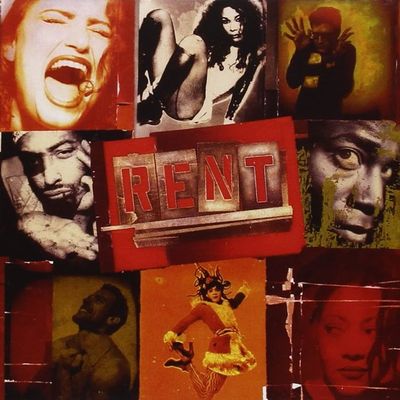
- Rent
- Wicked
- Understudying her idol, Idina Menzel
- Playing her dream role in RENT
- Preparing for her Tony Nominated performance in Lempicka
- Taking paint classes to learn how to hold a brush
- Telling a queer story
- What it's like to be in shows where cast mates idolize her.
- + So much more!
Curtain up, Eden Espinosa
Connect with Eden Espinosa on Instagram: @edenespinosa
Connect with Take A Bow on social: @takeabowpodcast
Connect with host, Eli Tokash on social: @tokash_eli
Transcript
This transcript was automatically generated and might contain errors.
[0:00] Eli Tokash: This week's guest is a Tony-nominated star who has graced the most popular stages on Broadway over the past 20 years. I can guarantee you she's played at least one of your dream roles throughout her career, as you may know our fabulous guest this week as Elphaba, Maureen, Trina, or even most recently as Tamara de Lempicka. She is a Broadway fan favorite who has blessed every Broadway fan in returning to Broadway in this jam-packed season. So everyone, it is my honor to welcome to Take A Bow, the incomparable Eden Espinosa. Hi, Eden.
[0:38] Eden Espinosa: Hi, how are you, Eli?
[0:41] Eli Tokash: Oh, I'm so great now. This is so awesome. You literally, so much is happening right now. You obviously just closed a Broadway show and then of course, the Tony Awards are right around the corner for which you just earned your first Tony nomination for. So I'm very excited to be talking to you all about every exciting thing that's going on in your life right now.
[1:06] Eden Espinosa: Well, let's get to it.
[1:09] Eli Tokash: Let's do it. Should we, I guess let's just get into Lempicka because obviously, just recently closed on Broadway. And this is a show that you've been a part of for almost 10 years now. Is that right? Nine years, I think I read somewhere.
[1:25] Eden Espinosa: Yeah. Nine years, I've been part of it with playing Tamara. But the first reading I did was 11 years ago in which I was Raffaella in that particular reading.
[1:36] Eli Tokash: So wild. So what does it mean now? Obviously, when you say goodbye to a Broadway show, it's always really hard. But something like this, that's been such a huge part of your life, especially in the last nine, 10 years, as you mentioned, what was it like to kind of say goodbye and close it on a Broadway stage? You made it to the highest level, you went through all of the full journey and the full ride. What did it mean to you to finally say goodbye?
[2:07] Eden Espinosa: I haven't fully said goodbye. The grieving process is long. And it's interesting because ever since we found out we were closing, it's been the extreme highs and the extreme lows of what this industry can bring. And I'm still feeling it. Every other iteration with Lempicka, we were out of town. And we knew it was closing. So it was a definitive time that we were doing it, but you got to go home, meaning away from the theater. And now this time I noticed was different. I was like, oh, I can't escape. I don't get to leave where we were. Every time I go to Midtown, I see the theater, I see our signs up, or some of our posters are still up in the subway stations. It's painful. I'm not going to try and pretend that it's not.
I'm still feeling the repercussions of emotional whiplash. It's beautiful to be recognized in the season and for my work in the show, but it's also painful that we don't get to perform at the Tonys and a lot of our creatives weren't recognized. So it's all amazing, and it's all painful. And I'm allowing myself to feel all of the things. And something that you've invested that much time in, it's going to take a long time to get over how short-lived our run was. But we were here. We made it. We have a beautiful fan base, and our cast album comes out next week, which is amazing. And I get to go to the Tonys and wear a beautiful dress and be recognized for my work as Tamara, and that's amazing.
[4:00] Eli Tokash: Yeah. Well, speaking of putting in the work with a show for so long, you look at your career as a whole. You've been on Broadway. You made your Broadway debut exactly 20 years ago this year. And now you finally are being recognized and honored with the highest honor in our Broadway community in being nominated for a Tony. So does it kind of like, I don't know, is it kind of even more rewarding after looking through your whole career and not just this one show and making it per se if you had a Tony nomination in your Broadway debut? Does it kind of mean more that it now comes after this long, incredible career that you've had?
[4:54] Eden Espinosa: Yeah, I would say it does. I think having been a part of some pretty iconic shows in my career, you don't have the opportunity to originate things very often. And the last time I originated something was Brooklyn, the musical, and that was in 2004. So that was 20 years ago. And over the years, I've attached myself to projects that aren't necessarily commercially viable for Broadway. And so that's why it was such an amazing thing that Lempicka got to have a moment. And at this age, at this time in my life, yeah, the nomination means everything because I've been working tirelessly on pieces, originating them in regional theaters outside of New York. So to see one actually make it all the way to Broadway, which for a lot of times is the destination, is the goal, is amazing. So yeah, it means a lot.
[6:07] Eli Tokash: Oh my God, I'm so excited. This is long overdue. So I'm so, so happy that the time has come and that we're finally getting to witness this. So it's very well deserved. Yeah, big fans, everyone listening. And of course, myself.
[6:21] Eden Espinosa: Yeah, of course.
[6:21] Eli Tokash: Well, you talk about originating the role, right? And you've talked about originating multiple roles and attaching yourself to those types of pieces. I'm curious to ask you, as a performer, does it kind of help in a way because Lempicka is a real person that you kind of have some sort of basis going into originating a role instead of just originating it from scratch? Or do you kind of enjoy the just finding your own self in it through like, just, you know, I don't know.
[7:03] Eden Espinosa: Yeah, yeah, that's a great question. I feel like with Tamara, because for most people, she is unknown. You know, there are so many people that would come to Lempicka or would hear about it and think it was, you know, a made-up story about somebody because they haven't heard her name, or they don't know who the artist is, or they haven't seen her work. So in that sense, I think it's almost like originating something that somebody that wasn't here and because she didn't live in a time where, you know, we have seen a little bit of footage of her, but we haven't heard her talk or we haven't, you know, she wasn't in movies, you know, it's, I think it's a little bit different when you're originating somebody that we all are very super familiar with, because you have to live up to certain, you know, isms, the way they speak, the way they move.
And so I had a little bit more freedom with Tamara in that sense. But because we know historical facts about her life and how she moved through spaces, how she survived, how she made a name for herself, there was a certain essence that was there of survival, of tenacity, of ambition that I wanted to capture. And so it's, I think it's both in this case, in this particular case, depicting this person, I think it's both of the things that you said.
[8:44] Eli Tokash: Oh, that is fascinating. So it's really about finding kind of that balance between, of course, Tamara and Eden, which I'm sure are, that's the case for multiple roles.
[8:57] Eden Espinosa: Yeah, of course.
[8:57] Eli Tokash: But that's fascinating. So I'm curious, you know, does it kind of help? So in the sense of like, you know, the historical facts maybe going on in that time period? Does it kind of, I don't know, do you, obviously, she's a famous painter, like, are you taking paint classes? How are your painting skills? Like, what is that whole thing kind of like?
[9:19] Eden Espinosa: Yeah, yeah, you know, it's, it's, again, she lived in a time and in countries that, you know, we are unfamiliar, you know, I didn't have, I haven't had to escape persecution. I haven't had to, you know, completely reinvent myself and provide for my family. You know, there are things that I can put myself, my imagination into her shoes and see what that's like. In our particular show, we didn't have to depict that much painting. You know, I, Rachel's vision was not to be super focused on that because her life is so rich and there was so much to cover so much ground to cover. So I did have some one-on-one sessions with a painter, um, on how, what types of brushes that she would use, how to hold it, um, for certain strokes and what would be the, you know, what would be the thing for more details?
How would the brush work for, uh, you know, covering more ground on the canvas, but I have not taken a painting class. Um, I have painted for fun, um, just, you know, just for, for creative play, but, um, my painting skills, I have to say are, are not good.
[10:46] Eli Tokash: Yeah, I love it. It's okay. I'm still doing the stick figures myself. So no, no hard feelings.
[10:51] Eden Espinosa: That's hilarious.
[10:51] Eli Tokash: Oh my God. I love that. Like, you know, people don't even, you know, think about that. Like the whole brush, the way she holds it, what type of brush she is, that stuff is so fascinating to me. So I love hearing that. Thank you for sharing that. Um, wow. That is so cool. Um, well, yeah. Um, so obviously Tamara is such a layered person as you kind of mentioned, and as the painting wasn't the focal point and Rachel kind of wanted to, you know, focus on her story on top of all of this, you know, it's June it's pride month. So we want, I got to talk about, you know, the fact that you're telling a queer story on stage. Um, and I'm curious for you, you know, obviously in a commercial space, you know, these queer stories, um, you know, we're in an industry that we, I like to think, I don't want to talk to talk for everyone, um, that we are welcoming and we are inclusive to all, but sometimes we need to work on it. Um, so I'm curious, what does it mean to you to represent the queer community and tell a queer story on a Broadway stage?
[12:04] Eden Espinosa: You know, I feel I have always, well, I played Maureen in Rent, so I've been, I've portrayed a queer woman before, and I have always felt, you know, there have been times that I have gone to the theater and seen relationships, whether they be queer or not, depicted on stage, and I sometimes I'm like, I don't 100% believe you, or do you guys even like each other? You know, I'm sure everybody has felt that way at some point. And for me to play a queer woman, I never, ever wanted a queer person to see me and think, I don't believe you. And so that was important for me even back when I was playing Maureen. It's always been important that it feels just as real, just as passionate, just as genuine, just as messy, just as complicated as any other relationship you would see on stage.
And so, you know, in this particular instance, I feel like we haven't necessarily seen a bisexual woman depicted on stage. And on the queer side of things, for her, we haven't seen that deep of a relationship for women on stage that I can think of. I mean, and because Maureen and Joanne, it's not nearly this passionate, you know, and this real in the sense of the complexities and the nuance and, and the messiness. And, you know, that's something that I loved about our show. It's something that both Amber and I held in very high regard as far as the honor of depicting these women and the responsibility that comes with it. And that was one of the most rewarding things about our run is, is speaking to people who felt seen for the first time, who felt like I, you know, I feel, or it felt like it unlocked something in me to see myself, to see this queer relationship on stage, to see two women passionately kissing and, you know, having a, the lead into of a lovemaking scene, to have fights, to have heartbreak. So it was a, it's a beautiful thing and an honor. And, and I, I, it's very, I would hold it very carefully and very preciously.
[14:53] Eli Tokash: Well, you can tell there, there was a lot of work that went into that and creating that because as you mentioned, you know, the chemistry and like, and that's with any relationship that you can see on a stage, not just like a queer relationship. There's oftentimes where you go to the theater and it's like, oh, chemistry's not there, you know, whatever. Like you're in Amber's chemistry is phenomenal. Like, yeah, like you guys can communicate through the eyes, you know, like y'all know what's going on with each other and it is so impressive. So I'm curious, like, I mean, what is the rehearsal process and building that kind of chemistry? Is it happening in a rehearsal room? Is it happening outside? Is it happening with Rachel? Is it just you two on your own? Like how, what goes into the building that?
[15:41] Eden Espinosa: Yeah. I mean, you know, Amber and I happen to get along very well. So that helps, you know, I, I don't think you are always afforded that luxury. Sometimes you just don't gel with somebody, but it's your responsibility to still make believe that you do, you know, to still live truthfully under imaginary circumstances. I didn't have to fake that with Amber, um, gratefully, um, because we do, we do have a bit of a shorthand with each other as people. I feel like we could communicate with very little words off stage. So I'm actually like really pleased that you said that and that it, that was, um, evident on stage. But as far as, um, the mechanics of our relationship, you know, the emotional life is developed with Rachel in the room very much and our, and our book writer or creators and our book writers, you know, we do a lot of scene work, table work, then put it on its feet and then went, you know, blocking and all of that.
But, um, we worked very closely, um, with an intimacy coordinator starting in La Jolla two years ago and James. And, um, and so the, the intricacies of, of intimate moments, and I'm not even speaking solely about the physical intimate moments, but the intimacy emotionally as well. Um, we work on with an intimacy coordinator and it's super helpful. Um, and it's just an abundant resource of, of, uh, tools to be able to access, um, emotions and, and feelings and safely bring them to the stage.
[17:31] Eli Tokash: Yeah, it's unbelievable. That's so it's awesome. I mean, it seems like, you know, with the, it seems like this whole intimacy coordinators seems to be like a trend on shows nowadays. Like, is that always been a thing?
[17:47] Eden Espinosa: I, I, oh, it has. Okay. I have to say, yeah, I have to say it's new. Uh, it might've been around before. I have never worked with one until, um, after the pandemic. Um, and I think I'm so grateful, um, that we are starting to utilize this because, you know, we have to do a lot of, and, and, and again, I'm not just talking about physically intimate things. You know, you meet somebody on a show, you know, them maybe a week and then you have to start making out with them and you're, you know, it's very, or, or, or staging a, an intimate sex scene or, you know, even fighting, um, even emotionally charged moments. Um, you know, if there's anything about a sexual assault or anything, the, the intimacy covers, um, so much more than the physical intimacy.
And it's very, um, it's very helpful to be able to learn how to create safe spaces for each other, how to learn how to access those emotional moments, and then to be able to put it away and not have to carry it with you all the time. So you, you learn all sorts of tools, um, with the intimacy coordinator, um, even, even safety with, um, you know, uh, fighting moments, slapping or, or shoving. Um, it covers everything and it's, it's a, it's a very, very good resource to have on shows. Um, and I, I'm very grateful for ours and James. She's amazing.
[19:20] Eli Tokash: Yeah. Yeah, that's amazing. And it seems like, you know, as performers, when I mentioned like the whole chemistry and, and just being able to communicate, like with minimal, like words or anything like that, like it seems like performers kind of get that so quickly because of what they're just forced to be uncomfortable with each other. And there's, they bond in that way, sort of thing. Do you feel like that that's kind of like, it's easy to just bond with people in this industry or like a scene partner or whatever?
[20:00] Eden Espinosa: Sure. Not for everybody though. Yeah. It's, it's not, you know, not all actors are naturally extroverted or, or do well in social situations. Like quite, quite honestly, a lot of, a lot of colleagues and friends don't do well in social situations or a little more shy or reserved. So, you know, everybody's different. And I feel like we are, we are, um, taking into account everybody's lived experience a little bit more now, which is great, you know, because, you know, a lot of times people carry with them trauma or, or scars that nobody knows about, and then they're triggered in a room and they don't know how to handle it and we don't know how to handle it. So I think we're all learning how to accommodate each other as humans a lot more, which is then in turn going to inform the art in, in a beautiful way and deepen it in a beautiful way.
[21:00] Eli Tokash: Wow. Yeah. That makes total sense. Yeah. Wow. Um, well, I'm curious this, I want to move away from this conversation because, um, I feel like we've covered it. Um, I'm curious to ask you, so I was in Finding Neverland with Mary Page Nance, who was a swing on, uh, Lempicka and yeah, MP, I love her. Um, yeah, so, um, I actually had her on the podcast and like two weeks later, she found out she was going to be in Lempicka and she told me about it and she was freaking out because you were in it. So like, I'm curious to ask you, you know, like, obviously as you have created such a, um, incredible career for yourself and now you're, you're kind of, you know, idolized by so many performers, you know, what does it feel like for you to kind of take on more of like a leadership role in this part, in this part of your career and kind of have like coworkers that are looking up to you and idolizing you, but also like, Oh, we have to like work and we have to like do a scene and tell a story.
[24:39] Eden Espinosa: I'm very much an actor that takes in everything around me. So I will create moments with other people if they are open to having those moments with me as well. And so I feel like that is always fun for me, which makes me feel happy that people like that as well, because they feel seen or they feel like they're a part of it too, because they are. But I think sometimes people can feel like, oh, I'm over here on the side and nobody's paying attention to me. But the leadership part of it is because very much we are a team. And I feel like the vibe of the cast starts from the top down and even creatives and producers above us. And so it's my responsibility to advocate for us as a cast and to speak up when people feel like they can't. You know very well that nobody fully knows what doing eight shows a week is like unless you've done it.
And it's very easy for people on the other side of the stage to go, yeah, we'll do this eight times a week. And you're like, no, eight times a week doing that. I could do it maybe twice, but doing it eight times a week, twice in a day, that's going to cause long term harm. And so you don't always feel like you have the power or the agency to speak up. And so it's very important for me in the creative process to notice moments like that and to speak up for us as a cast. And so it makes me happy that the people feel taken care of when they're in a cast with me. That literally means everything to me. So thank you. And I'm happy we share love for MP. Oh, yeah. The best. Shout out MP. I love her little bar. That was so cute.
[26:50] Eli Tokash: That's so fun. She's the queen. She's the queen of snobs. Yes. I love it. Well, I mean, I kind of want to loop back to kind of the beginning of your career, right? And obviously, Lempicka, you know, shout out to the Tonys. Best of luck there. But I wanted to take a moment and appreciate your work in obviously Wicked and Rent, as you mentioned. And I mentioned, I kind of alluded to it earlier that, you know, you're every young performer's, like, dream role. Like, they idolize you. I always see, like, TikToks of your Elphaba to find gravity riffs or your performance in Maureen, of course, in Rent. Like, do you kind of, you know, do you kind of, at the time, because obviously you played Elphaba pretty early on in the run.
Same with Maureen. Obviously, it was the final. Like, did you kind of know that those roles would have the impact in this industry that it has had and that it's continued to have even all these years later as you're performing? Or is that something that you kind of can reflect on now and appreciate those roles even more?
[28:01] Eden Espinosa: Yeah. Well, I knew that Rent did because it had the effect on me. You know, that original Broadway cast recording, my first trip to New York, I was a senior in high school, and Rent was the first Broadway show I ever saw. All I ever wanted to do was be Maureen. Idina Menzel was, like, everything to me. Yeah. So, you know, two years later, to be her standby in Wicked was the dream come true. Like, you know, I couldn't have been better. So, I didn't know. I didn't know if Wicked was going to have, you know, nobody did. Wicked opened to mixed reviews, and nobody knew that it would catch fire in the way that it did. And oddly enough, around that time was right when, like, social media, YouTube, chat rooms, like, internet, that kind of stuff started really being popular.
And so, I think that that was part of the reason why, you know, the few of us at the very beginning were such a thing. Like, there's, you know, YouTube, people in Germany were watching me on YouTube, and being fans of mine, and, like, wanting to come to, you know, it's crazy. So, I think I didn't know, I didn't know my contribution to Wicked would be as long as it was, and as, like, worldwide as it was. But I think that's because of the time, you know, like I said, social media was just starting to take off and stuff. So, yeah, I'm grateful. I'm so grateful.
[29:56] Eli Tokash: Yeah, well, obviously, your performance has definitely had a long-lasting impact, especially, like, Wicked to this day. I still see, like, Eden Espinosa is my favorite Elphaba, all that stuff. Like, we talked about originating a role, and obviously, with Lempicka. But I'm curious to ask you, you know, like, obviously, with Maureen, and then, of course, Elphaba, like, that was, like, Idina's role that she created. So, like, what was that like to experience, you know, replacing, I guess, a person, and kind of taking over the reign?
[30:34] Eden Espinosa: Yeah, well, and of course, of someone like Idina Menzel, who you were such a fan of. Yes, of course. You know, I learned so much being a standby in that original company, and from watching the show as much as I did, and when I got to go on, because I was a standby for Elphaba, but I was an understudy for Nessa Rose. So, I went on for Nessa Rose a lot as well, and to play opposite those people. So, like, when I was Nessa, I got to work with Idina, and then when I was Elphaba, it was, you know, Joel Grey, Carol Shelley, Norbert Leo, like, Kristen Chenoweth. It was just, like, insane. So, you know, I think once I took over the role full time is when our directors really instilled in me, like, you have a little bit more freedom to make it your own.
You know, you don't have to, when you're a standby or an understudy, you don't have to carbon copy, you know, their performance by any means, but certain timings of things, you know, you have to fit within a structure. The show has to keep going as if they were there, right? So, I feel like when you take over a role and you fully replace, you have more freedom to really make the role your own and make your own choices. And so, that was really cool to have that opportunity and then to play the role for so long after. It's a blessing. You know, people always ask me, do you get sick of people saying they're your favorite Elphaba or I saw you? And I'm like, no, like, you know, I was seven years old when I saw you at the Pantages.
I was like, I love it because I'm thrilled that something I was a part of is still touching people's lives and my contribution to that family and that role that is still sticking, still speaking to people today and resonating with people. So, it makes me very happy.
[32:29] Eli Tokash: Oh, my God. I love that. And I love hearing that, like, your dream role was Maureen, you know, and Rent, and you got to do that on Broadway. That's so freaking cool. Yeah. I have one last question for you and then I want to let you go.
[32:48] Eden Espinosa: Okay.
[32:48] Eli Tokash: Obviously, as we mentioned, it was 15 years between, you know, your return to Broadway, I guess, in Lempicka. And obviously, you know, you still were performing. You did the Falsettos tour, you did Guard of Annuncius, Lincoln Center, and of course, many other things. Yes. Do you feel like there is a big difference kind of now within that gap, obviously, with social media and whatever, just industry trends? And what does it mean to you to be able to take a bow on a Broadway stage?
[33:25] Eden Espinosa: Ah, yes, I think it's very different. I feel like the general scope of Broadway in the sense of, I feel like it's more narrow. There's less room. I feel like there were more, there was a lot more variety of things when I first came to New York. And I sometimes feel like, and this is, you know, a depiction of our society and the things that we've been through. I feel like people really want something familiar. It's comforting to have something familiar. So when you, you know, we have our movies that are turned musicals, our books, our jukebox musicals, which is, you know, a catalog of music that we're familiar with. And it makes me, it makes me a little bit sad that that original pieces aren't doing as well as they were 15 years ago.
And, you know, a lot of people have spoken about, Patti LuPone has spoken about this and we lost him again. Maybe I'll just keep talking. A lot of people have talked about this and that it's a little bit more touristy. It's a little bit more, you know, commercial on Broadway. So to answer your question, to have Lempicka, a piece like Lempicka make it to all the way to Broadway and to have us have some sort of recognition, Amber and I and our set designer, it means everything to be able to say, I took a bow on Broadway with a piece that wasn't supposed to ever get to Broadway based on what is popular today. So that is a badge of honor. It's something I'm extremely proud of. And, and I hope that, that we will start having more room for more original pieces.
[35:25] Eli Tokash: That's beautiful. I love that. And thank you so much, Eden, for coming on and chatting with us today and taking the time. Obviously, you have such a busy Sunday coming up here in two Sundays. I'm wishing you, I guess everyone's wishing you a chorus. We're all rooting for you. The best of luck and so much fun. I hope you have a blast and kind of stepping back into the land of Lempicka one more time. I'm sure that'll be great. So obviously you have so much to take a bow for. So thank you so much for coming on here today.
[36:05] Eden Espinosa: Thank you, Eli. Thank you. Yay.
© Broadway Podcast Network, All Rights Reserved