

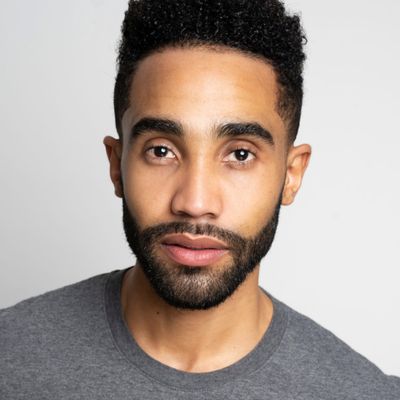
Choir Boy and The Inheritance star, Jonathan Burke takes a bow while reconnecting with host Eli Tokash, after sharing the stage in Mary Poppins together... Read More
From the show: Take A Bow
Guests
About
Choir Boy and The Inheritance star, Jonathan Burke takes a bow while reconnecting with host Eli Tokash, after sharing the stage in Mary Poppins together. Jonathan talks about his meaningful experience performing as the lead in Choir Boy, being in a two part play such as The Inheritance, and his unique challenge that he faced in his Broadway Debut Tuck Everlasting. Tune in to find out why he was never able to perform in his Broadway Debut and much more. Jonathan uses his platform to do special performances and help raise money and awareness for charity and movements. During the month of February, Jonathan has been highlighting and raising awareness about the few black artists who have won major awards in the industry.
Social media(s): @itsjonathanburke, @tokash_eli, and @takeabowpodcast.
Transcript
This transcript was automatically generated and might contain errors.
[0:00] Eli Tokash: Hey everyone and welcome to episode 39 of Take A Bow. I'm your host, Eli Tokash. And today, boy, do we have an exciting, exciting interview and guest and episode all around for you guys? I'm very excited for this one. It's a dear friend of mine who I've known for quite some time. He's been in three Broadway shows, and all of them were original Broadway cast, like, which is extremely rare. So all the shows he's ever done have been in the original Broadway cast. So he's been through the rehearsal process, the tech process, and been with it opening, and has been in the process of all the changes that it's gone through, and we totally get into that during the episode. And I was so excited to catch up with an old friend. Today's guest is Jonathan Burke. But before we turn it over to him, let's talk about some Broadway news, shall we?
[0:50] Eli Tokash: We may actually be a step closer to Broadway reopening with little to no more postponements. That is, you know, we can't open until May 31st. That is the current date that we are able to come back, so we can't come back really before that. That's the targeted date and the date that we will become eligible, I guess, to reopen. But it does appear that there won't be, I mean, we've had multiple postponements as is. It's been postponed a few times for a long period of time. So if it is postponed again, hopefully it's just for a short amount of time. As Cuomo is looking into plans to reopen venues with small occupancy that are socially distant and provide rapid testing. So he's looking to do that obviously right now in sports arenas and wedding venues and all of that.
Um, but he actually is also looking to do it in two theaters. However, he is planning on reopening them in select theater venues such as The Shed, the Apollo Theater, Harlem Stage, and La Mama with COVID-19 testing for audience members and flexible seating. So this is very exciting. They're doing a, I guess, a program of 300 artistic pop-ups over a hundred days. And it'll feature all your favorite Broadway stars. All of the names announced so far include Hugh Jackman, Gavin Creel, Billy Porter, Matthew Broderick, uh Sarah Jessica Parker, Sutton Foster, Jesse Mueller, and many, many more. So that's very exciting. And hopefully the Broadway League is able to reach an agreement that makes sense for everyone.
The Broadway League has also offered up theater venues as a vaccination site. So hopefully that works out, and the theater venues are able to help out in distributing vaccines. So that's another positive sign that we are headed in the right direction, and hopefully, hopefully something soon is able to work out. And in the meantime, we can look forward to that program, that 300 performance in 100 days. But I am very excited and will continue to update you guys with all that information as soon as I have it.
[3:19] Eli Tokash: With that being said, let's talk about some fun COVID-friendly virtual things that are happening this week. Tonight, if you're listening to it the day released, February 18th, which is Thursday, the day it comes out. Tonight, Lilius White is hosting a black history trilogy, and it's a tribute to the music, the life, and legacy of Sarah Vaughn. The next event that I mean, there are several events happening this week, but the next event that I'm going to highlight is a really cool thing that is happening on February 21st at 3 p.m. Eastern Standard Time. A new book called Broadway Baby is being released. And it's really cute because the Broadway Baby, like that's obviously like a quote that we hear often, but it's actually gonna be like a bedtime story.
So in this event, it's going to feature Gloria Estefan, Santino Fontana, Caitlin Kinnunen, who was a guest on Take A Bow in the early episodes. Go check it out. Uh Laura Osnes, uh Tell Young, Kara Lindsay, and Sanders, Adam Pasquale. I mean, so so many people and many more, of course. And they're going to be raising money for Broadway Cares Equity Fights AIDS, of course. And they're also going to be reading the book and doing a couple performances to help raise money for Broadway Cares Equity Fights AIDS. So that's very exciting, and it's a very cute event. It's only like an hour long. It's super cute. I'm excited for it. And yeah, it should be fun.
[4:49] Eli Tokash: Another really cool thing happening on Sunday, February 21st. This one is at 2:30 Eastern time. So they may collide. I'm not a hundred percent sure, but it's gonna be sweet. So this event is called Coming Together to Heal Our World, and it's at 2:30 Eastern Standard Time with Get Ready for This. Kelly O'Hara, previous guest, Gwyneth Paltrow, Ben Platt, Kiala Settle, and so many more. I mean, I'm so excited for this. It's going to be amazing. It's $180 for like your house, I guess, and but it benefits Hadassah Hospitals, who obviously during these times have done so much. So it's for a great cause. Go check it out if you're interested. I mean, you have some of Broadway's and literally like music, TVs, everyone.
Uh, favorite stars who will be attending and giving you all entertainment. So if that's something that you're interested in, go check it out. And last event that I'm going to kind of give a little shout out to before we go over to the interview is the premiere of Julius Caesar, which is going to be a radio play adaptation of Julius Caesar, starring Tony Nominee Patrick Page, who is Hades in Hadestown, who was the Green Goblin in Spider-Man: Turn Off the Dark, he was in Spring Awakening and so many more. It's free. So go check it out. Julius Caesar, if you're a big fan of Shakespeare, I definitely recommend it. I know I'll be checking it out. It's gonna be a four-parter, and it premieres Monday, February 22nd.
And Patrick Page, I mean, come on, it's awesome. He's like a villain on Broadway, which is like not even true because he's one of the nicest people, but like he also just has that look and just has like that voice and everything that you need, and it's like perfect, and I'm so excited to see him as Julius Caesar. Now, without further ado, let's turn it over to our amazing guest this week, Jonathan Burke, curtain up.
[7:16] Eli Tokash: Today's guest has been in three Broadway shows, four national tours, two off-Broadway shows, and plenty of other incredible productions. Most recently, you may have seen him in The Inheritance before the Broadway shutdown. So welcome to Take A Bow, Jonathan Burke.
[7:34] Jonathan Burke: Hey.
[7:35] Eli Tokash: Oh my gosh, I'm so excited to have you on and just reconnect with you. We did the Mary Poppins tour together many moons ago, like seven years ago, maybe now. I don't know. It was 2012 to 2013 that I was, you were there most of that time, but not the entire time, right? Were we there the entire time?
[7:53] Jonathan Burke: I think so. I think we like came in together. You may have like came in like a week or two before me.
[7:59] Eli Tokash: Yeah.
[8:00] Jonathan Burke: But like we were basically there the entire time.
[8:02] Eli Tokash: Yeah. Um, and oh my god, what a time. But before we get into that, let's get into how you were introduced to theater and what kind of inspired you to want to do this as like a profession.
[8:14] Jonathan Burke: Well, I always liked singing when I was little. So I sang in the church choir when I was little, and I had a lot of fun doing that. But I didn't really know that I could be an actor or do musical theater really until middle school when I went to a new school and I auditioned for their choir, and the choir instructor was also the person who taught drama and directed the musicals at the school. And so when I auditioned, she was like, "Oh my gosh, you have to audition for this musical. You're amazing. We need to be a part of this show." And so I auditioned. She wrote this musical called Motown the Musical. She created it herself before Motown was on Broadway.
[8:57] Jonathan Burke: Okay. Originator. I love it. Yes, her name is Kenyatta Hardison at Cardinal Sheehan School in Baltimore, Maryland. And so I was cast as Stevie Wonder. And I sang "My Cherie Amour." Yes. Yeah. And that first opening night, mind you, there's only one week of performances. So you know, first performance. I started singing, and the audience immediately started screaming when I first started singing the song. And by the end, standing ovation. And at the end of that, I was like, okay, I could get used to this. I'm gonna do this for the rest of my life. I'm gonna be an actor. And I decided at that moment that I was gonna be an actor, and I started to devote basically all of my extra time toward that, you know. And wow. And I still sing that song in auditions to this day. I just last week for an audition for a TV show. I sing it all the time, and it books me still.
[9:53] Eli Tokash: Oh my god, I'm obsessed. That's amazing. Wow, so it started in high school in middle school.
[9:59] Jonathan Burke: Sixth grade.
[10:00] Eli Tokash: Oh my god, that's awesome. What a story. I love that. You were like, it just got thrown into it, and just like were like, yeah, I'll do that.
[10:07] Jonathan Burke: Absolutely. And I just, you know, then I did all the musicals in middle school, and um, I did the drama club, and I was in the choir, and I did like a traveling choir boy, and then she, the director of these musicals, had attended this performing arts high school in Baltimore called the Baltimore School for the Arts, where people like Jada Pinkett Smith attended, Tupac Shakur, Christian Siriano, many celebrities, and so she recommended that I audition for that, and so I did, and I went there, and so I went there for acting. They didn't have musical theater. Now I wish they did at the time. I wanted to do musical theater, but they didn't have it. You had to choose either voice and it was classical voice for acting.
And I wasn't really interested in being an opera singer. So I decided to do the acting component, and I figured I could take dance classes and voice lessons outside of high school. Um, that's what I did. And so I went there and I loved it. And I got a lot of wonderful foundational actor training there.
[11:06] Eli Tokash: It's incredible. Wow, that's amazing. And look at you, and you bloomed into this beautiful triple threat. I mean, like, it's amazing.
[11:13] Jonathan Burke: That's what they say.
[11:15] Eli Tokash: That's what they say. Oh my gosh, you're being too humble. Um, let's talk about your Broadway debut. So before you came to Broadway, you obviously did a few tours, and then you finally like made it to Broadway in Tuck Everlasting. So, what was it like from like obviously doing multiple productions to then working your way up to Broadway and finally being on the Broadway stage as they say?
[11:41] Jonathan Burke: It's amazing. Well, it was a journey, I will say, and it was very specific and unique. I went about, I guess it was from 2009, uh, when I moved to New York, 2009 until 2016, before I booked my first Broadway show. So in the meantime, between all of that, I did all these tours that you spoke of with you and others. And that was an amazing experience, amazing learning, growing, seeing the country, you know, it was really fantastic, building relationships, honing my craft, and I was at that time doing a lot of dancing. So I was finally cast in this musical, Tuck Everlasting, this original musical that was based upon a book that was then turned into a movie that was now being turned into a musical.
And I was so excited, it was, you know, everything that I dreamed to do, like make it to Broadway. And here I was having a great time. However, two days before we moved into the theater to start technical rehearsals, we were doing the run through in the studio. And I was practicing a piece of choreography that was pretty challenging for me specifically that I wanted to really, you know, master. And I just kept practicing it. And one practice went wrong. I rolled over my foot and I broke my foot. And so I was then devastated. Um, I was put on medical leave for two months in order to heal. And it turned out that the show only lasted for two months. So the week that I was to return to the show, it closed. So I never actually stepped foot onto the stage to perform this show that I had originated, which was pretty crazy.
[13:37] Eli Tokash: Yeah.
[13:38] Jonathan Burke: It was really crazy.
[13:40] Eli Tokash: So you just had to like rehab, like you weren't attending rehearsals or like anything like that. You kind of were just like laying low, taking it easy.
[13:48] Jonathan Burke: Well, yeah, I wasn't allowed to go to the theater when you're on medical leave, you're not allowed to be in the theater, rehearsing or anything like that. You just have to be going to physical therapy, healing at home, and particularly for this injury, it had to be two months. That was a requirement. You especially because this the show was just opening. So, you know, it was a month of previews and then a month of a run. And they didn't want too much shaking up during that time of people coming in and out. You know, there was no time to do like a put in rehearsal for me again to come back, you know, all the things would be changing and things like that.
[14:23] Jonathan Burke: So it was a required two months of medical leave, and that ended right when the show closed. So I at that time, I have to tell you, I was really devastated initially. However, because of how that timed out, I had to look at it in a way that there was some lesson to be gleaned from this. There was something that I could learn, some reason that this had to have happened in this specific way, in where I was injured right before we went in the theater, I was healed right when the show closed. So that was telling me that there was something keeping me from actually performing the piece that I could and what I came to realize was that as much as I loved Broadway, I love musical theater, I loved dancing and singing and acting all together.
I will honestly say that dancing was never my number one dream for myself. It was never my priority, it was something that I liked to do that I couldn't do well, and that was a great way in the door for me into a lot of professional shows, you know, because in an ensemble, there's so many cast members that are placed there, so it's more opportunity for you to be cast. So it was a great foot in. But it wasn't my ultimate vision for where I saw myself on the Broadway stage, and so I said, you know what? This is giving me the opportunity to make a Broadway debut in which I'm seen in the light that I absolutely see myself. And I didn't know what that was gonna be at that time, but I knew that it was something that was going to happen to make it all mean something and worthwhile. And that happened when I got cast in my second Broadway show, which was Choir Boy. And that's when it all came to be in the right way.
[16:20] Eli Tokash: And let's talk about Choir Boy, because it I mean, first of all, the story of Choir Boy is just so inspiring. It's really, it's so beautiful. I mean, I loved that show. And at the time, I mean, the show was getting so much buzz and like it just continued to grow and it was like one of the hottest shows to see. And obviously, you were in the show since before Broadway, right?
[16:51] Jonathan Burke: No, actually, I Oh, you weren't? No, so I had done only a regional production of the show. In Washington, DC at the studio theater. However, that production was not in any affiliation with the Broadway production. It was different director, different movie director, different producers. It was a whole different team, other than Terrell Avan McCraney, who was a writer of the piece, who was involved with this regional production because he was still making changes to the script after they had done it already off Broadway with Manhattan Theater Club in 2013.
[17:24] Eli Tokash: Oh, interesting. I thought it was like an out-of-town tryout that they know it wasn't. They had done some other out-of-town productions actually of that same production that they did in Atlanta and in LA, but I was not in either of those productions.
[17:40] Jonathan Burke: Oh, okay. I only done it in DC, but in DC, Tyrell was there, and I developed a very strong relationship with him as a friend, as an artist, and a strong connection to his work. And in DC, I was playing a supporting role. The character's name was David, and it was phenomenal because I'm from Baltimore, so all of my friends got to come and see it. Be home. You know, I got to perform in a play, which I had been dreaming of doing professionally, and I had yet to do. And I had this opportunity. And so I really kicked it off with Terrell, and he then asked me to audition for his new play that was happening in California at Berkeley Rep called Head of Passes. So I auditioned for that. That furthered my relationship with him and like my understanding of his work.
So when it was announced that Broadway was coming for Choir Boy, I was really excited about the chance to potentially be in this, even though I had not been in it before. I just heard then that they were adding some cast members to a little small ensemble of guys, and I was like, Well, I know they have the people that did it before, so at least maybe I could be in the ensemble and understudy one of the lead roles, maybe the role that I played in DC was my mind. That's what I thought, which was a supporting role. Turned out that they wanted me to understudy the lead role, which is what I ended up doing, which was an absolute dream come true, especially because I ended up taking over for the lead permanently and closing the show in the leading role.
[19:20] Eli Tokash: Yes. You talking about Tuck Everlasting and everything like that, and saying maybe that wasn't how you were supposed to be represented on the stage or whatever, that was like the perfect representation for you on a stage. Like, what did it mean to finally get the opportunity to not only go on the stage of a Broadway theater, but also like be the leading man and like carry the show?
[19:45] Jonathan Burke: It was truly unlike anything I ever felt, an absolute dream realized in the truest sense of the word. That was what I envisioned for myself, and that is what happened. Not only did it happen that I was the leader of a show, but I was the lead of a show that was telling my actual life story. Right. It was a character that was so close to who I was. Like I said, I grew up singing in choirs, gospel music, and that's what this show was surrounding. A black boy who was grew up singing in gospel choirs, Negro spirituals, who was finding his sexuality, finding himself and growing, and that was my journey throughout my life. So to be able to represent that on a Broadway stage was no better. There was no there was nothing better in the world that I could have asked for than that.
[20:44] Eli Tokash: Wow. And so that's incredible. That came up and said, This was the first time I ever saw myself truly represented on a stage, meant the world to me. And that's for it.
[21:01] Jonathan Burke: Right. That's that's incredible. I mean, that it's so true. Like, I was wondering from your point of view as an actor's point of view. I mean, obviously, you talked about, you know, the characters trying to find his sexuality and everything, and he actually like gets a little like made fun of onto the stage during the show and everything like that. And like I wondered, like, from your point of view as the actor portraying this, like, how was that to do every night? Like, did it take like an emotional toll on you at all? Like, what was that like to do every night when you took over?
[21:33] Jonathan Burke: You know what? It was very cathartic actually in a way, because as a gay man myself, growing up as a young gay boy, people made fun of me too. Right. I was able to tap into those sense memory moments and really kind of let them go and release them, and to realize that this thing that people were making fun of me was the thing that actually brought me to my greatest dream felt like such an accomplishment. And so it was like you guys could laugh all you want, but look at me now. Wow. Here I am and you're in the audience watching me on this stage star in this show about this gay black boy that you wanted to make fun of and or you're watching an interview that I did or you're seeing my picture and this, you know, and here I am.
So it was it was really it was emotional, absolutely, but in a good way. Because it just felt like I got to tell my story and I got to let other people feel like their story was being told because this is a common story around the world, really, that is not told enough. Right. So being able to tell it was an honor. Absolutely. And to have such a close relationship and all those prior experiences and like feeling like you were portraying yourself is just another like amazing thing to like really have that representation. That's so cool.
[22:57] Eli Tokash: You talked about, you know, like doing multiple productions, although it wasn't associated with it, since it had the same writer. Were there like a lot of differences from that production you did in DC to when it came to Broadway?
[23:10] Jonathan Burke: There actually were a lot of changes. Um really. Yeah, there were a lot of changes to the script. I mean, the structure of it was generally the same, but he fine-tuned it. It was already so good, but he's so brilliant. He has an Academy Award. I don't know if you all listen to this, but he won the Academy Award for best adapted screenplay for Moonlight, and he's brilliant. True genius. And so he just continued to fine-tune that thing and make that story really pop. And so by the time we opened, even from rehearsals to opening night, as you know, like shows changed. There were scenes that were changed drastically from first rehearsal for Broadway to opening night. So it was a really fun journey to be a part of that too, and just to be in the room seeing why these changes were made and how they affected the whole story, and just a small thing, how that can really light up a moment.
Absolutely. One word, even like, oh, just change that one word, and then it's like, ah, that makes sense, you know? But it's a continual learning process. That's what I love about the whole process of theater. That you're keep you keep on working at it, working at it, working at it every day. Even after it's open, you're still learning so much because you're doing it new every day. It's not that you get to do it once and let it go. You can keep learning and discovering every day that character and the stories and the relationships, and it's new, and that's what I miss so much about live theater right now.
[24:44] Eli Tokash: Yeah, amen. And we will. Yes. But I can't wait for it. Yeah, it's been way too long, and hopefully, like, you know, the vaccines and they come out with a plan. Hopefully, I mean, they're opening like sporting events. Like, can we figure out something for like is that does that mean Broadway's closer? Like, what does that mean for like the arts and everything? And I hope that like that's what that means, but who knows? I mean, the arts doesn't get enough attention as sports and all of that, but like exactly. Exactly. Always last on the totem pole.
[25:17] Jonathan Burke: So right. So that's a that's a whole nother thing. Hearing you say, you know, shows change from just the rehearsal process and everything like that. Coming from like a tour like Mary Poppins, um, you know, we both came when it was already established, it was already running and everything like that. And then you came to Broadway and you opened three shows and had to go through the process of really developing it before it even opened. Is that something that you enjoy? Is it something that like you know helps with your character development, etc.?
[25:53] Jonathan Burke: That is my absolute favorite thing to do. Originating roles, creating shows is something that I've actually had the privilege of doing a lot of, not only on Broadway, but off Broadway, and even regionally. I did a lot of regional premieres of shows as well. It is nothing like creating a story, putting your stamp on something, and really having your input heard, and then you see the final product, and you're like, This would not have been without me, specifically me. Not as a person, but me. I brought something to this piece that will live forever. So it is my favorite, absolute favorite thing to do, and I just hope to do more and more of it. Like when people always ask me, What is your dream role? I always say, Well, it doesn't exist. It's something that you create. It's gonna be something that I originate. That has never happened before, and that will be a dream.
[26:54] Eli Tokash: Right. And let me ask you, because I've had experiences where like I've I've actually only had experiences where I've like had to take over roles on Broadway. And so, like, when you were the understudy for Ferris, the lead in Choir Boy, like, did you ever not like have trouble like making it your own, but like, did you ever feel like sometimes, you know, you wouldn't necessarily be natural to you, but because you know, the person who usually plays it every night is doing it, I kind of have to adjust that way. Like, have you ever had experiences like that?
[27:30] Jonathan Burke: Well, I have to tell you, I'm so grateful for that experience, Inquire Boy, because the very nature of the piece is about a boy who is so unique and is able to express himself in a way that no one else is. So, in order for a person to truly embody that character in the way that it should be, they have to be a person that is going to bring every piece of themselves and their perspective to that character. So there's a lot of freedom that comes along with portraying a character such as that that may not come along with other characters that you might have to replace, specifically in musicals. I know often it's very structured. I mean, you have to sing this note, you have to start at this point.
You know, well, with the play, there's a little more freedom of expression. And thankfully, the director allowed me the opportunity to bring myself to the role. Yes, there was an amazing structure built. We still had to tell the same story by incredible Jeremy Pope. We speak your name, we love you.
[28:42] Jonathan Burke: You know, set the groundwork for it, and I just started to add some other little bricks of my own layers to it that I thought worked for me. I was so grateful that I was able to do that, and I was given that chance. So, you know, I didn't really have the fear of you know, being stuck in a mold and having to do it that way in that experience, thankfully. But I know that that is a real thing that can happen. And I just would encourage people who are replacements in situations like that to just try your best in any small moment, even if it's the smallest thing, to try to just get your little version or take on something in there if you can, you know, in some kind of way, so that you don't feel like you're just a machine being a replacement for someone else.
So that you feel like it's yours. You gotta take ownership of it, you know, when it's your turn. I mean, when I was when I was the understudy and I went on as uh the understudy because he had gotten sick, right? Was the week after opening, I went on for I remembered this. Yes, I went on two shows in one day, the week after opening, and I had not had full understudy rehearsal yet. I had only about like two understudy rehearsals in which we had gone through maybe a quarter of the show. So we had never rehearsed the entire thing, but I had to do it. That was my job. And in that circumstance, there was a little more of okay, let me try and do what I know he does. Because I just I have to make the show work.
And also at that point it wasn't my role. I was there to serve the piece that he was starring in and to tell that story. So I I was a little more in alignment with exactly the things, you know, that he had done. But when it became my chance to actually take over and make the role mine, not the understudy, then I had much more opportunity to uh express my perspective of it.
[29:39] Eli Tokash: Right. Absolutely.
[30:50] Jonathan Burke: And of course, like too, when you know, when you're doing it every night and you get into like the flow and the rhythm and everything, you know, I I feel like I mean I'm not gonna speak with for you, but as actors, I feel like it's interesting how we all kind of try to figure out new things each night as we continue to go. So, like uh, you know, as you have your own role, you know, you can really get into the flow of things and get more comfortable with it and kind of play around with it to continue to make it your own and find new things that work for you and some things that you know like you can play around, and if they work, they work, and if not, then like it was it was a one time thing, you know. So, like you have tomorrow to try again.
[31:30] Jonathan Burke: That's yeah, exactly. Exactly, exactly. And if it doesn't work, it's even better because now you have a story to tell and it's like live and you gotta figure out how to continue.
[31:40] Eli Tokash: That's right. Um but yeah, it's it's honestly it's I I don't know, just theater's beautiful and like the the whole thing about it being live and everything like that, it just makes everything special and just ha allows you to just have fun and like find your inner self and your inner kid and anything and just play around and like oftentimes I feel like you know it's easy to get away from that, you know, and not like and not and kind of forget about it and I don't know.
[32:13] Jonathan Burke: Yeah, the joy of it, like Yeah. When you when you do find that joy It's called a play because we're playing, we're actually playing, make believe right. It's it's fun, folks. Even if it's a drama, it's still fun.
[32:27] Eli Tokash: Right, and yeah, and yeah, I love it. And so t and now let's get into the inheritance. So, I mean, once again, like that was one of the hottest shows before like Broadway shut down. You were killing it, by the way. I mean, this is amazing. What was what was that? For you?
[32:44] Jonathan Burke: Thank you. Uh what was that process like? I mean it it uh it's obviously different, you know, obviously they're different stories and different just people that you're collaborating with and everything like that. Were there any similarities and what just what was it like to like be back on Broadway and black on back on the block? Like that was awesome. Like you were on the same block as Choirboy. That's my thought.
[33:09] Eli Tokash: Yeah, bro. That's why I was saying now I'm gonna be on Broadway, make it 47th Street.
[33:15] Jonathan Burke: I love it. That's where I got my first apartment when I moved to New York on 47th Street. And I'm sure it's easy for you too to go across the street to Glasshouse if you ever have any parties or anything.
[33:15] Eli Tokash: Every night, Glasshouse.
[33:29] Jonathan Burke: Absolutely. Oh my gosh. Yes. So the Inheritance was an absolutely phenomenal experience. When I first heard about the piece, I was actually doing an off-Broadway play called Tony Stone, a roundabout theater company about the first female to ever play professional baseball, who happened to be a black woman who played in in the Negro Leagues. And her name is Tony Stone, and it's a true story. So check her out, people, if you can look her up. But I was doing this though, and I got an appointment for this workshop of this play called The Inheritance. Unfortunately, I could not do the workshop because it got overlapped with the performances of uh Tony Stone. So I was very bummed, but I knew that the piece was in London on the West End and was such a success.
I read the script and I was like, this is a phenomenal piece. I hope one day that I can be a part of this. There was no announcement of Broadway at that time that it was coming officially, but because they were doing this workshop, there was rumblings that it was going to come to Broadway. And I was like, when it comes, I'm going to be in this. Yes. Know that I'm meant to be a part of this. Even though I'm not doing this workshop, I know that I I will be in this. So thankfully, they did the workshop. Tony Stone actually didn't end yet, but they announced that I was coming to Broadway, had more auditions. I auditioned, I got the part, and I started rehearsals for the Inheritance while I was still in the last week of performances of Tony Stone. Oh my god. Uh so it was I was doing double duty, but it was everything I dreamed and wanted, and it was fantastic.
[35:16] Jonathan Burke: And that was similar in a way to Choir Boy because it had existed before. So we were also kind of reshaping this piece to make it work for this new Broadway cast that we had. Now, some of the cast members had done it in the West End, and some of us were new, just like on Choir Boy. Some of the cast members had done it off Broadway at Manhattan Theater Club, and some of us were new. So it was a process of getting everyone to be on one accord and really melt, which was very easy in both cases. The people involved were just so fantastic and so creative. And thankfully, specifically in regards to the inheritance, they were not locked in having us do exactly what happened in London. Because the piece is such again a unique ensemble piece in which everyone has to work together to tell a story literally.
That's what the characters on stage are doing, and that's what we are doing as actors. So it really took everyone's individual creative minds and personalities to create this story, and they wanted it to be our version of the story, and that's what it was. For instance, the man who originated my role in London was a white man. So the fact alone that they cast me in the debut was different in itself. Like there nothing else had to change, but just the fact that I'm doing it now makes it different. It was it was an amazing, amazing experience. And those are the types of pieces that I love. Those pieces that are ensemble driven, in which people are just telling stories and they're about relationships and characters.
It's not about spectacle or anything. Like those plays that I was in had basically no set, no costume changes. It was just us. And that is magic. Really, when it gets when it's done properly and everyone's at the top of their game, it's no better.
[37:15] Eli Tokash: Yeah. And and the cool thing about inheritance too was that you got to play multiple characters throughout the show. And like, was that anything like different for you? Like, did you have to like kind of reset and like figure out what was going on and like figure out who you needed to be?
[37:34] Jonathan Burke: Let me tell you. Um, during rehearsals, yes. It was very difficult during rehearsals when we were new to it, and it was actually because, like I said, a lot of people had done the play before, so some of us were new, and we were moving very quickly in the beginning just to kind of get a structure of the piece up. And those of us who were new had days when we literally were like, Who am I? Where do you find this story? They were like, Okay, we're gonna do scene five from part two, and then we're gonna jump back to scene three from part one, and then we're gonna do scene. Oh my god, part two, and we're like, I don't even know what that means. Where and so we were playing all these different characters, but once we got that settled in and locked in, we got to really find the joy and the fun in that.
That's what I'm talking about. This ability to jump in and out of these characters really at the drop of a hat we had to do, and in front of the audience, because we were on stage the entire time. So when you had to come up onto the main playing level to be in the scene, you had to go from your character, you know, that was the actor telling the story to the character in the story in the split second. Right. Once you got what those characters were very clearly in your mind, it was it was easy to do. But you know, there are times in the in the learning of it, in which you're like, okay, how do how do I do this? But yeah, kind of stuff that I love. I love that.
[39:01] Eli Tokash: Right. And and it was fascinating too because like from an audience standpoint, like that is very easy to like make difficult for someone watching it to follow along. But the way that you guys were able to execute it was just brilliant. And like I was never like I I didn't feel like anyone was kind of lost in the stories. You guys were able to just continue to flow the show, and like it was just incredible. Like, what like how did you guys figure out how to like properly structure it that it made sense?
[39:34] Jonathan Burke: Well, I mean, we had brilliant directors, Stephen Cauldry and Justin Martin are genius, and so guidance was just so powerful, and we had creative minds, like every person that was cast had a perspective and really just wanted to play and try things, and everyone was willing to fail. You have to be willing to fail when you're an actor, or you have to be willing to take a risk because that's how you achieve greatness, really. A lot of the best moments come from those risks that you take, those moments that surprise you and the things that maybe you're afraid of, but when you jump into it, you learn a lot, and so it was just a lot of playing and a lot of trying things, throwing it out there, and literally, we would literally do a whole entire scene, stage it, do the whole thing, and then the next day we would come back and we would scrap that entire idea and say, actually, we're not gonna do it all and like that at all.
Let's try some stuff, and we'll do it completely different. Uh I'm talking about night and day. We did a whole staging of scene, and then day they would say, Okay, now let's try it this way, and then finally eventually come to some, you know, middle ground, maybe, or or a whole new way. I mean, just kind of depending on what it was. But this is a seven-hour play, right? We had to be innovative in how we're gonna tell this story to keep people engaged and involved in a two-part, seven-hour play, three and a half hours each.
[41:10] Eli Tokash: So that was my next question. So I mean, have you ever done a show that's two parts?
[41:17] Jonathan Burke: Never was that challenging at all? Like, I don't know. Like, first of all, it's long as is the one show, and then like you gotta do a whole nother one. Like, how do you like do that?
[41:28] Jonathan Burke: It was definitely challenging. I'm not gonna lie about that. Um, it's just a huge exercise in focus and intention and awareness, being in the moment at all moments. I mean, listening was key. That was prime number one thing that had to happen throughout the entire performance for every performance. Otherwise, you could just get lost in your daydreams, and but you had to really be invested and really be present and focused. It really it wasn't easy, but it also was fun because you get to also watch these other brilliant actors do their thing every day, and everyone was just so fantastic. So it was always learning as you were watching the people, even if you weren't in that scene specifically, you were still present and involved in some sort of way, and you were learning from that. And um, I actually kind of liked the days when we would do both parts in one day.
[42:31] Eli Tokash: Yeah.
[42:32] Jonathan Burke: We really got the scope of the entire piece, and we got to go on that journey, and the audience got to go on that journey too. So even though it was long, and by the end of it, I mean, we're exhausted.
[42:45] Eli Tokash: Right.
[42:45] Jonathan Burke: It was worth the ride. And a lot of honestly, a lot of people said they could have sat there longer. They were like, I did not want it to be over after seven hours. They were like, it for sure was keeping me entertained. I could have watched more.
[42:57] Eli Tokash: Yeah.
[42:58] Jonathan Burke: It was just captivating.
[43:03] Jonathan Burke: It was so just well done, and like everything. First of all, three and a half hours, it flew. That was like the quickest three and a half hours of my life. You know, like yeah, yeah. And like it was like, I was like, it's over, and then like I looked and I was like, Whoa, that was like longer than it usually is, and like I was like, what the heck is happening? Um, but it was just it was so brilliantly done, and like I mean, you guys on stage were just incredible. Um, of course, like nothing new. Um, but it it was just so watching a show, that's what we always said. It's like bench watching Netflix, like a series, right? Yeah, no, seriously. I mean, it totally is, and it's just like, but like kudos to you guys. Like, I don't know how you guys did it, like three and a half hours show, but like also when you had two shows, that's like a whole like eight-hour day basically performing.
[43:53] Eli Tokash: Yeah, like in weekends we had five. We had one, we had one Friday night, two Saturday, and two Sunday. So it was a huge on the weekend, you know.
[44:02] Jonathan Burke: Like so, like we had Monday and Tuesday off. They gave us two days off.
[44:05] Eli Tokash: Oh, okay.
[44:06] Jonathan Burke: We needed it after that.
[44:08] Eli Tokash: Right. After that, that's what I was gonna say. Like, how are you taking care of yourself? Like, you know, you probably have like shortened breaks on those two show days because of how long it is. So, like, how do you like how did you manage to just like keep your body in check and your voice, even like everything? Like, how did you manage that?
[44:25] Jonathan Burke: Well, I'm a huge gym rat workout person. Okay, so that actually energizes me and keeps me going. So between believe it or not, I would go to the gym even.
[44:38] Eli Tokash: Stop it.
[44:39] Jonathan Burke: Yes, I would. I would it re-energized me, and then I would get something to eat, and I would, you know, eat that a little bit, probably before the second show, and then I would save a little bit to eat like during one of the intermissions because we had two intermissions, right? I would eat some more during that time, and then after the show was over, I would eat again, and then and then I would try to get to bed, you know, if I could, but there's just so much adrenaline, as you know, after a show, so it's hard to like go right to bed, right? But I knew that I needed the rest as well. But the thing that kept I think us going throughout all of this was understanding the importance of the story that we were telling. Because again, it was a story that was really honoring a culture, a community, a group of people that have been lost, that have not been spoken for, that have not been honored, and we wanted to pay tribute to that, and it was very important.
[45:36] Jonathan Burke: And again, just like in Choir Boy, so many people after the show again said, thank you. They were crying, weeping at the stage door, telling us thank you for telling my story. Thank you for making me feel as though I'm important, I matter, as though my partner who I lost to the AIDS epidemic was sitting right with me again.
[45:59] Eli Tokash: Right.
[46:00] Jonathan Burke: It was incredible. I've never felt the energy that we felt after at the end of those performances. The audiences, it was unbelievable. I mean, there was just a huge shift in the space, and that is what live theater is all about. Feeling that shift, and you could feel it tangible. Everyone having a collective catharsis. And as a performer, that's like the greatest thing that you can hear. Like that's just like the greatest compliment and honor to just hear after a performance like that.
[46:35] Jonathan Burke: I mean, and it was without fail, every time. Like it was not time that the audience was silent and not weeping.
[46:43] Eli Tokash: Right.
[46:44] Jonathan Burke: But but also like it wasn't just like a sad show. Like it was like it had all those emotions. It was incredible.
[46:50] Eli Tokash: Well, that's what made it so genius because people I think expected it to be this very sad tale of death and disease, but it was so funny.
[47:02] Jonathan Burke: It absolutely was hysterical, and that's what made it so interesting. And that was part of the challenge of having such a long piece because we knew that we could not have a piece in which everyone's just sad the whole time. We had to have so many levels and so many different moments, and finding that comedy, yeah, honestly, read it, I didn't realize how funny it was. To be honest, when I first read it, I did not realize how funny it was until we got in that room and we started actually doing it out loud with the people.
[47:32] Eli Tokash: Sure.
[47:33] Jonathan Burke: We were dying loud and like this is hysterical. It was funny. It was so much fun. And then it was also real, but you need both sides of that because that is the human experience. That is life.
[47:45] Eli Tokash: Right.
[47:46] Jonathan Burke: You know, one minute you're laughing and the next minute you're crying. It's very possible.
[47:51] Eli Tokash: Yeah.
[47:51] Jonathan Burke: It it it was awesome. I mean, you that being said, you definitely left the theater in tears, but it was still like it was it was just so fulfilling and so like it it just lifted you up and like I don't know, like it wasn't like a bad cry. It wasn't like a you know, like it was that like weight lifted and like refreshing cry that like exactly you need, but you didn't know.
[48:21] Eli Tokash: Yep.
[48:21] Jonathan Burke: Yeah, right. It's incredible. So that being said, I mean, obviously you've done both musicals and plays. So is there like a difference for you and your preparation for a show or even like the week as a whole? Like, is there a difference for you in how to maintain your voice and how to maintain your body, or is it kind of like the same just throughout?
[48:44] Jonathan Burke: Well, I have to be honest, yes, there is a difference because when I'm doing a musical or even Choir Boy, which was a play with music, right? I had to just be so mindful of my voice always, to the point of I couldn't go to certain restaurants because the music was too loud or too many people were there, you know, screaming, you couldn't go to bars, you couldn't stay up too late, you couldn't eat this or that. I mean, there's just a lot of restrictions that you have on yourself because you've got to be able to maintain the quality of vocal for eight shows a week.
[49:19] Eli Tokash: Sure.
[49:20] Jonathan Burke: Um and not easy singing either. So you have to really take care of yourself and make a lot of sacrifices. And so I'm gonna be honest and say it was very nice to not have to sing in The Inheritance or uh Tony Stone for that matter, the one at Roundabout because I didn't have to be such a stickler about my voice. Now of course you have to still be able to phonate and be heard on a stage sure but you can still do the show even if you can't hit that high C that you would have had to hit in the other show because you don't have to hit a high C.
[49:53] Eli Tokash: Right.
[49:54] Jonathan Burke: You speak and if you can speak if you can be heard then the show will still go on and it will be beautifully received. Yes you cannot do that the musical will not go on with you in it.
[50:07] Eli Tokash: It'll go on that's so interesting.
[50:10] Jonathan Burke: I never thought about like going to a restaurant because the music was too loud like that all the time I literally would go places and say friends I'm gonna come but I'm actually not going to speak the entire time.
[50:22] Eli Tokash: Oh my god I will just mouth what I have to say or I'll just smile and I'll eat your presence is more than enough for anybody that smile if you're smiling it's all good you know.
[50:22] Jonathan Burke: Yeah, no course I mean it like it's just I don't know you're you don't need to speak I mean obviously your voice is beautiful um but obviously like your presence you you have such a light and you can just you being on stage, like your light is just like your aura, your everything. Like, it's just like wow, like you like as an audience member, you totally gravitate towards you. Like, it's incredible.
[51:00] Eli Tokash: Yeah, yeah, yeah.
[51:02] Jonathan Burke: For you, star, for me, star. If you guys have not seen him perform, no, you oh my gosh.
[51:09] Eli Tokash: You star.
[51:10] Jonathan Burke: Oh, thank you.
[51:11] Jonathan Burke: Yeah, so yeah, the vocal and even and physically. I mean, like, you know, if I I didn't have to dance in the show, so I didn't have to do right a long, extensive physical dance warm-up. I still did movement warm-up and vocal warm-up, but it was about speech and just getting your body ready because like I said, we were transforming a lot into different characters, different physicalities. We were on a set in which we had to jump up and down, you know, so there were definitely necessities to warm up your body, but not in the same way in which I was doing Mary Poppins, and I had to really, you know, do turns and leaps and all the kinds of things that we did.
[51:51] Eli Tokash: The crazy stuff we did at Mary Poppins.
[51:52] Jonathan Burke: Jolly Holiday was not it, you know, super cow is not it.
[51:56] Eli Tokash: Right.
[51:57] Jonathan Burke: But yeah, I mean, so let's talk about like what you've been up to during this whole shutdown. I mean, you've stayed like pretty busy, like you've done special event performances and you you've done two productions, Purple Rain as a drive-in experience, and a virtual version of uh Anju?
[52:17] Jonathan Burke: Yes, musical, yes.
[52:19] Eli Tokash: Oh my god, so and that was to raise money for Broadway Care's Equity Fights Age. So, like, what is it like to just perform and kind of collaborate and create art during these restrictions that we're facing? Both, I mean, obviously, one was a drive-in on in-person experience, but one was virtual. So, like, how does that work?
[52:41] Jonathan Burke: Well, wait, before you continue, let me clarify. I was not in Purple Rain.
[52:45] Eli Tokash: So you were not in that.
[52:47] Jonathan Burke: No, I only see it.
[52:49] Eli Tokash: So I was at the opening.
[52:50] Jonathan Burke: Yeah, okay. My bad.
[52:53] Eli Tokash: By the way, you looked fire. That Gucci belt. Hello.
[52:56] Jonathan Burke: Oh, thank you. I had to honor Prince. I had to honor Prince in my life. I actually funny to call back, one of my dream roles actually is to play Prince in a biopic or bio musical or bio play. That isn't one of my dreams. So if people that is one of my dreams. But to me, that's also originating. That's in a way, because no one has done that. So it's originating.
[53:20] Eli Tokash: I love that.
[53:21] Jonathan Burke: Get it out there. Anyone who's making a Prince musical.
[53:24] Eli Tokash: Yes.
[53:24] Jonathan Burke: But doing like, but the answer to your question, doing the virtual performances is a whole different beast. It was a huge learning curve for everyone involved. Um I think now that it's been almost a year that we've been doing this, we're figuring we're figuring it out a lot better, but it takes a lot of collaboration and a lot of work on the actors part that we never had to do before.
[53:49] Jonathan Burke: Like we now have to become sound technicians, lighting technicians, technicians. I mean, we have to do so much more than we had to do before.
[53:59] Eli Tokash: Right.
[54:01] Jonathan Burke: Which is very interesting. I thank my theater education because in theater school they do make you learn all the technical aspects of theater at that time. So thank you, Ithaca College, and both for the things you taught me on that front.
[54:15] Jonathan Burke: Um I did not think I would be doing it professionally. But here we are. So and you know, it's just different trying to reach people through a camera, you know, and trying to connect with other actors.
[54:26] Eli Tokash: Right.
[54:27] Jonathan Burke: In that way. It's not as easy, but it's better than nothing. And I will say, doing all the virtual performances has prepared me for the on camera work that I am doing and intend to do more of for TV film. Because it's it's really an exercise and kind of on camera work at home.
[54:49] Eli Tokash: Right.
[54:50] Jonathan Burke: So that that has been a huge benefit for this time. But yeah, I've tried to devote a lot of my theatrical online performances to charities to raise for causes. You know, at first it was COVID relief, a lot of it was toward that, and then Black Lives Matter movement came in full effect, and I kind of really focused everything toward that.
[55:15] Jonathan Burke: And you know, now it's BCE FA I just did. So there's all different types of opportunities to give back, to teach a master class, to do Q&As with people, to do different interviews and speak with people like you. Like we don't get to do. So this is like really cool, and to be able to connect with people that you wouldn't normally do because we're all busy going about our lives and doing our shows or whatever we're doing, you know, we're not able to connect in these ways.
[55:42] Eli Tokash: So that's been great.
[55:44] Jonathan Burke: I also want to acknowledge and just applaud you for what you've been doing by using your platform this month to raise awareness of the statistics and the ratios of black people winning Tonies and other Academy Awards. What inspired you to do that? And also when you're done with that question, give out your Instagram handles so that people can follow along, because that is something very interesting and that more people need to read up about and just become more awareness more aware of that.
[56:11] Jonathan Burke: Absolutely. Um so honestly, the inspiration was my brother, who is not in the arts.
[56:17] Eli Tokash: Oh but one day he just posted a picture of Felicia Rashad and he wrote some stats about her, one of which was that she was the first black woman to win the Tony Award for lead actress in play.
[56:32] Jonathan Burke: And I read that and I was like, Oh my gosh, yeah, she was the first. I knew that when it happened, but I just, you know, hadn't really recalled that. And I said, you know, that is really sad because it was two thousand and four.
[56:44] Eli Tokash: Right.
[56:45] Jonathan Burke: That she was the first for Raisin in the Sun. And I s and then it led me to say, I wonder who were the other first, who else won? Because it couldn't have been that many if it took that long for her to win. So I then did research and looking that up, and I just went down a whole rabbit hole of discovery. A lot of them I knew about. I didn't know the exact year maybe always, but I knew about a lot of them, but there were some that I actually had not heard of, and that is very sad too.
[57:15] Jonathan Burke: Um Unsung Heroes, really. And just I really wanted to highlight the lack of equality that has permeated the stages of our country, not just Broadway, but really all the stages, but specifically Broadway being the one that is most uh represented by, you know, the masses.
[57:39] Jonathan Burke: Most people are able to see that and know what that is, and they know what the Tony Awards are, just for people to see, you know, the disparity there.
[57:46] Jonathan Burke: And it needs to change. And I'm hoping that this time that we are away from the theater, people make these changes so that these type of stories don't have to exist anymore.
[57:58] Jonathan Burke: Absolutely. And so that that my Instagram handle is at it's Jonathan Burke.
[58:05] Jonathan Burke: I T S J O N A T H A N B U R K E.
[58:08] Jonathan Burke: Yeah. Check it out. I'm doing it um right now I'm doing the Academy Award winners that were black.
[58:13] Jonathan Burke: And there are even fewer of those.
[58:15] Jonathan Burke: Oh my god winners.
[58:17] Jonathan Burke: So check it out though because I'm I'm also wanting to honor them. It's not that I want to you know I'm not upset. It's not only about me being upset and making noise about it that is part of it but it's also about me honoring those people who open the doors for someone like me to have a chance to one day you know also be on that list.
[58:38] Jonathan Burke: Right. It's a longer list. Yes period um but like honestly like no one is doing that right now.
[58:46] Jonathan Burke: Like no one I I haven't seen anything really about that. And so when you started that I was like wow this is like extremely like fascinating extremely upsetting but like also kind of amazing at the same time that you're just doing it and honestly like I've learned so much and like like you said I didn't know like half of them and I was like what is happening and and I've always said like since Broadway shut down like hopefully when it opens up it doesn't go back to normal because like to like what it was like the normal that it was and like hopefully that they this time like things do change and things we do progress and we don't just go back to like what it was.
[59:33] Jonathan Burke: Because like obvious like you hear a lot of like oh I hope the world goes back to the way it was and everything like that but at the same time it's like no like why can't we take this time to just like progress and like learn and actually apply it this time.
[59:48] Jonathan Burke: So hopefully just people like you and just continuing to spread the word like hopefully people just take note and hopefully it it some stuff gets resolved and progresses at some point.
[1:00:05] Jonathan Burke: Yeah and and check when you look on my Instagram the posts about the Tonies are going to be on my story highlights because you know they only last for 24 hours.
[1:00:15] Jonathan Burke: But I saved them all in my highlights each for the Tonies and for the Academy Awards.
[1:00:18] Jonathan Burke: So if you miss a certain day you can just look at my highlights and you'll see all the the winners there.
[1:00:23] Eli Tokash: Yes. It's amazing go check it out. It's Jonathan Burke um I'll also leave it in like the Instagram and like tag him so like if you are having trouble it'll go to the podcast Instagram and you can find it there too.
[1:00:36] Eli Tokash: Yay so this was a blast I mean I I've taken up enough of your time I I've loved reconnecting with you and just hearing more about your story and just how everything has gone and your journey through all of this craziness and it's been too long and we're not gonna let that happen again.
[1:00:53] Eli Tokash: But uh thank you for doing this and thank you for using your platform for good.
[1:00:59] Jonathan Burke: So you're the best and thank you for using your platform for good as well and thank you for having me.
[1:01:05] Jonathan Burke: This was so much fun it's so good to see you. I'm so proud of you and best of luck to everyone keep tuning in to this brilliant man.
[1:01:12] Eli Tokash: Thank you thank you.
[1:01:13] Eli Tokash: Take about Jonathan Burke.
[1:01:16] Eli Tokash: Oh my gosh, it was so great to catch up with him again. And just talk about all of his incredible journeys that he's embarked over the past few years, and just talking about all of these incredible things and all these incredible shows that he's taking place in is just absolutely amazing.
[1:01:32] Eli Tokash: I mean, you guys can all hear. I mean, like, he's one of the greatest people ever, and he's one of the nicest people ever.
[1:01:39] Eli Tokash: And you can tell, like, he really takes his job seriously, and it's like he doesn't he doesn't take it lightly, and all of the projects that he's done really means a lot to him and who he is as a person and what message he wants to tell.
[1:01:56] Eli Tokash: And it's just so special, and just knowing him and who he is, it just it just validates the incredible work that he's d he does on the stage on and off and just what he's done throughout COVID and everything like that to give back to organizations and raise awareness, etc.
[1:02:16] Eli Tokash: It's been really great to watch.
[1:02:18] Eli Tokash: So everyone go follow, it's Jonathan Burke. He's a blast, and follow along for what what's next for him, and I uh I'm sure we'll see him back on the stage in no time.
[1:02:30] Eli Tokash: So I'm very excited for that.
[1:02:31] Eli Tokash: And thank you, Jonathan, for coming on the show, and I hope that you all enjoyed the interview.
[1:02:37] Eli Tokash: With that being said, we'll turn it over to uh the triple E.
[1:02:41] Eli Tokash: And that's Eli's Entertainment Experience.
[1:02:44] Eli Tokash: If you didn't listen to last week's episode, I introduced a new segment, and it's the Triple E's, which is Eli's entertainment experience.
[1:02:53] Eli Tokash: And you know, something was brought up during the interview with Jonathan that I was like, oh, you know, like in my QA bank, I actually have this as one of my questions, and I thought it'd be a great time to answer it since we talked a little bit about it in the interview.
[1:03:07] Eli Tokash: So during the interview with Jonathan, we talked about how during a show, especially like Choir Boy, what he was he he was using it in terms of you know, playing Ferris in Choir Boy, as he was a queer black man who happened to be made fun of on stage, and you know, you have to tap in to these certain emotions that can be challenging for yourself emotionally and physically and mentally, uh whatever it may be.
[1:03:39] Eli Tokash: So I actually have the question. Someone asked me, how can you release emotions after a tough show like Trevor or playing Peter in Finding Neverland?
[1:03:49] Eli Tokash: And so honestly, like the release of emotions is honestly what we do on stage.
[1:03:59] Eli Tokash: So it's not like we would have to do it after the fact, it's what we do during the moment.
[1:04:05] Eli Tokash: And I've looked at it a lot like so. Trevor was a gay boy who was being bullied because he had a crush on like the middle school jock, right?
[1:04:12] Eli Tokash: And Peter obviously goes through a lot of emotional trauma with his dad dying and his mom being sick and everything like that, and he takes it to heart and he has trouble with it.
[1:04:23] Eli Tokash: So in doing shows like that take a lot of emotion, both sad and fun, it it can be challenging, but I've always thought about it as letting out your emotions that have been bottled up and not putting yourself in a place where it's forced, uh, because that could be hard and extremely harmful.
[1:04:44] Eli Tokash: It's more about, you know, as we go through our day-to-day life, we have these emotions bottled up that we kinda can ch keep with us or that we may keep to ourselves and whatever it may be.
[1:04:56] Eli Tokash: As it could be an event that happened in school, with your family, whatever it may be. But sometimes we keep it to ourselves.
[1:05:04] Eli Tokash: And I think that when you're telling a story, I think those are the time that you can really open up those emotions.
[1:05:12] Eli Tokash: And that's kind of what Jonathan was saying, as far as he was saying that when he does stuff like that, you know, he visits those emotions that he felt when those things happened to him.
[1:05:23] Eli Tokash: He didn't put himself in a place where he had to think one thing that made him really depressed.
[1:05:30] Eli Tokash: You know, like he literally just opened up those emotions and kind of let them come out.
[1:05:36] Eli Tokash: And that's what it that's really what I did. I didn't put myself in a place where I was like, oh my god, my dog could die, or something like that, and just start crying over it because that is something that I definitely would do.
[1:05:47] Eli Tokash: And that is definitely something that every night if I use that, like I would become very sad and like worried and put things in my head and everything like that.
[1:05:57] Eli Tokash: So when I do it, I really just remember those times that I was frustrated and or sad and I just didn't want to show it, and I bottled it up and I kept it to myself, and I take those moments, I revisit them and I let them out.
[1:06:15] Eli Tokash: And it's it's actually like that's the healthy way to do it.
[1:06:19] Eli Tokash: Like it you feel so much better because you have these emotions bottled up and you need to let 'em out somehow.
[1:06:25] Eli Tokash: So during your performances, you're able to do that.
[1:06:28] Eli Tokash: And that is something that really, really, really helped me when doing a show like Trevor, where I was trying to commit suicide, or doing a show like Finding Neverland when I played Peter because I was really upset because my dad had passed away and my mom was sick.
[1:06:46] Eli Tokash: So it was just like a so he was at a troubling time.
[1:06:49] Eli Tokash: So like both characters are a troubling time, and it's not about letting the emotions out afterwards, it's actually doing it during the show.
[1:06:57] Eli Tokash: And so I think that's the that's the way that's helped me.
[1:07:00] Eli Tokash: Obviously, everyone has their own ways. That is for me the healthiest way that I found, and something that I've found that I will continue to do because it's worked in the past.
[1:07:10] Eli Tokash: So yeah, that's kind of Eli's uh entertainment experience and I guess like the knowledge and the wisdom that I've had in my experiences in the industry and doing shows like that.
[1:07:21] Eli Tokash: So thank you, Pat McNamara, another patron, for that wonderful question.
[1:07:26] Eli Tokash: And I thought it was great to do it on today's episode.
[1:07:29] Eli Tokash: We're gonna turn it over to the word of the day, and actually, we're gonna do a four-parter.
[1:07:36] Eli Tokash: So this is drama dictionary, the word of the week, and the word this week, I guess can be stage directions.
[1:07:44] Eli Tokash: So stage directions actually has two meanings. But the one that we're gonna talk about today is actually a four-parter.
[1:07:53] Eli Tokash: Um, and that means so stage directions, there's an upstage, there's a downstage, there's a stage left, and a stage right.
[1:08:03] Eli Tokash: So it's all these different things, and it's kind of what we use. It's like a code in a way of what we use in blocking a show or taking notes or doing whatever it is that we may need to do, just as far as doing the choreography or the staging or the blocking or of anything.
[1:08:20] Eli Tokash: So we'll start off with stage right.
[1:08:22] Eli Tokash: Stage right is to our right when we are facing the audience.
[1:08:26] Eli Tokash: However, if we are facing upstage, which is towards the back or towards like the wall or the set or whatever, stage right becomes our left side.
[1:08:37] Eli Tokash: So it can get a little bit confusing, but like when the director gives us notes or something, they'll give us a minute and they'll be like, okay, stage right.
[1:08:45] Eli Tokash: If I'm facing upstage, that means it's to my left. If I'm facing the audience, that means it's to my right.
[1:08:50] Eli Tokash: And so when facing the audience, stage right is to our right, stage left is to our left, upstage is actually behind us, and downstage is in front of us toward the audience.
[1:09:01] Eli Tokash: So at times it can get quite confusing, but usually it's helpful to like readjust yourself to face the audience, and then to like get your grounding and be like, oh, so stage right, that means I have to go this way.
[1:09:15] Eli Tokash: So when I have my back facing the audience, I know what way to go.
[1:09:23] Eli Tokash: So it it's it's really fun, but it's really confusing, but it's also something really really important to know.
[1:09:31] Eli Tokash: Like Jonathan was explaining, when you are starting a new show and you're in rehearsal process or you're in tech or you're whatever, so when you are in a show, you'll receive notes from your director, your stage manager, or whoever it may be, and they'll be like, Oh, you know, you need to go more stage right, or you need to go stage left, you weren't hitting your mark, you weren't hitting the light, whatever it may be.
[1:09:52] Eli Tokash: So it's very important to know, and it it may take a second, but when it clicks, it makes so much sense, I promise.
[1:09:59] Eli Tokash: So you may have to go back and listen to what I said a couple times, or just look it up on the internet. It's very important to know.
[1:10:07] Eli Tokash: So I thought it'd be a great word of the week.
[1:10:09] Eli Tokash: So that was our drama dictionary for this week.
[1:10:13] Eli Tokash: Thanks to our patron Diana for the name, by the way.
[1:10:16] Eli Tokash: With that being said, thank you for listening to this week's episode of Take A Bow.
[1:10:20] Eli Tokash: I hope to see you next week, and I hope you enjoyed the episode.
[1:10:24] Eli Tokash: Check out our page on Instagram at TakeA Bow Podcast.
[1:10:27] Eli Tokash: And if you're interested in submitting your own questions or doing whatever, you can reach out to me on Instagram, or you can become a patron and work uh closer with me and get some inside scoop about the podcast and answer and ask those questions firsthand.
[1:10:42] Eli Tokash: So, yes, thank you guys so much for listening, and I hope to see you next week.
[1:10:48] Eli Tokash: Bye everyone.
[1:10:49] Eli Tokash: For this episode's curtain call, I would like to recognize a few people who also deserve to take a bow.
[1:10:55] Eli Tokash: This podcast would not be possible without the help from Dory Berenstein, Brittany Bigelow, Katie Rosen, Alan Seals, and the team at the Broadway Podcast Network.
[1:11:03] Eli Tokash: Next in line to Take a Bow is Tessie Tokash, who edits the audio and all the visuals for this podcast.
[1:11:08] Eli Tokash: A special thanks to patrons Brian Thompson, Pat McNamara, the listeners at PCC, as well as all the other patrons for their continued support.
[1:11:17] Eli Tokash: If you're interested in becoming a patron, go to Patreon.com slash TAB.
[1:11:23] Eli Tokash: And if you enjoyed this week's episode, don't forget to subscribe on the platform that you're currently listening to this on.
[1:11:28] Eli Tokash: Also, feel free to give us a follow on Instagram at TakeA Bow Podcast.
[1:11:33] Eli Tokash: Take a Bow's logo is designed by Giselle Bustos, and the music is by Nikki Torsha and Cormac Collinon.
[1:11:40] Eli Tokash: Bye everyone. Hope to see you next week.
© Broadway Podcast Network, All Rights Reserved