

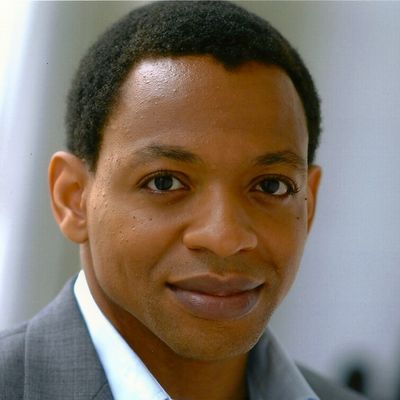
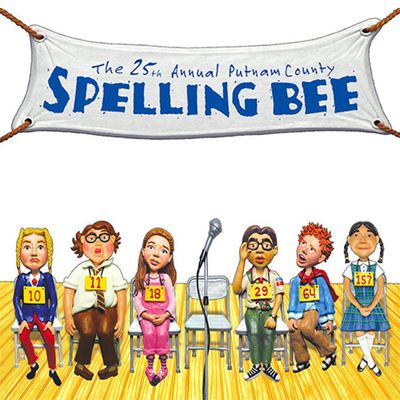
Derrick Baskin is a Grammy and Tony-nominated artist for his astounding performance in Ain’t Too Proud: The Life and Times of the Temptations. Other noteworthy Broadway credits include Memphis The Musical, Disney’s The Little Mermaid, and The 25th Annual Putnam County Spelling Bee... Read More
From the show: The 54 Below Podcast
Guests
Featured Shows
About
Derrick Baskin is a Grammy and Tony-nominated artist for his astounding performance in Ain’t Too Proud: The Life and Times of the Temptations. Other noteworthy Broadway credits include Memphis The Musical, Disney’s The Little Mermaid, and The 25th Annual Putnam County Spelling Bee. Film/TV credits include The Good Lord Bird starring alongside Ethan Hawke, Marshall with the late Chadwick Boseman, and three seasons on Hulu’s critically acclaimed sitcom Difficult People.
Derrick joins Nella Vera, Director of Marketing at Feinstein's/54 Below, to chat about his upcoming cabaret show, meeting the real Otis Williams, and how his earlier life abroad shaped his worldview.
For tickets and information visit: https://54below.com/events/derrick-baskin/
Watch a clip of Derrick performing: https://youtu.be/OykdNdEwDZU
Credits
The Feinstein's/54 Below podcast is hosted by Nella Vera, Kevin Ferguson, and Grace Benigni and produced by the Feinstein’s/54 Below marketing staff.
Original artwork design by Philip Romano.
Follow Nella on Twitter and Instagram at @spinstripes.
Transcript
This transcript was automatically generated and might contain errors.
[0:00] Nella Vera: Good evening, ladies and gentlemen. Welcome to the fabulous Feinstein's/54 Below. Before we get started this evening, just a polite reminder, please take this moment to silence your cell phones. Also, there is no flash photography, please. Enjoy the show.
[0:20] Nella Vera: Welcome everyone. I'm Nella Vera, the Director of Marketing at Feinstein's/54 Below, and this is the Feinstein's/54 Below podcast, where we bring you behind the scenes at Broadway's Supper Club. I'm so thrilled to be back in our virtual studio recording a podcast with an artist who's gonna be performing live on our stage for the first time in 15 months. It is such a joy to think about live shows again, and we're so grateful to everyone who has expressed their support for our reopening. Derrick Baskin is a Grammy and Tony-nominated artist for his outstanding performance as Otis Williams in the Broadway production of Ain't Too Proud: The Life and Times of the Temptations. His other noteworthy Broadway credits include Memphis the Musical, Disney's The Little Mermaid, and The 25th Annual Putnam County Spelling Bee.
Film and TV credits include The Good Lord Bird, starring alongside Ethan Hawke, Marshall with the late Chadwick Boseman, and three seasons on Hulu's critically acclaimed sitcom, Difficult People. Derrick, welcome to the Feinstein's/54 Below podcast.
[1:26] Derrick Baskin: Hey, thanks for having me. I'm so excited to be here.
[1:29] Nella Vera: So, just to give context for this conversation and for anyone who's listening later, we're recording this in June 2021, so it's 15 months after our entire industry shut down. So tell us how you are and how you fared during the shutdown.
[1:45] Derrick Baskin: Um, the first word that came to my mind is I am different. I am not the same person I was 15 months ago, and I'm grateful for kind of the journey that I've taken throughout these 15 months. It's been very hard, you know. It's not often that the world shuts down, you know. During the shutdown, I was able to kind of sit with myself and kind of get my bearings. You know, this business is just all about go, go, go. It's all about moving forward. You're in one project and you're looking for the next project, and you're always just looking forward. And I took this time for myself to be with myself to kind of take a look back at my journey up until this point. And so I did a lot of soul searching throughout this past year and couple of months.
It has been very illuminating. There have been a lot of adjustments I've had to make as an artist, as a man, as a friend, as a brother, as a romantic partner. Like all of these things, I kind of just dived into myself and I didn't work a lot, and I think it was on my end strategic. The work will come back, you know. Broadway's coming back, Feinstein's is coming back, everything is opening, but when there was times of stillness, I wanted to take advantage of that stillness, and that's what I did, man. So I'm in a really good place. I feel like I'm in a better place emotionally, a better place spiritually, and I'm very grateful for kind of the time off.
[3:27] Nella Vera: Gosh, that is so beautiful, and you've so wonderfully expressed, I think what many people have gone through, including myself. I've never had time to sit with myself.
[3:38] Derrick Baskin: No, no.
[3:40] Nella Vera: Or even with my partner.
[3:40] Derrick Baskin: Right.
[3:40] Nella Vera: You know, this much time, it's been incredible. And I, you know, obviously, people have suffered and it's been devastating to a lot of people, but I think the one little ray of hope has been defined the stillness. And it's also kind of crazy to think about I can't imagine going back to that crazy life from before where you're go, go, go. I mean, what we're gonna we're all gonna have to have this re-entry eventually, but it's gonna be an adjustment, I think.
[4:09] Derrick Baskin: I think so. God willing, if you've done the work though, and finding your stillness, you'll keep that stillness as the world opens, right? And so like your, um, the way you approach work now, the way you drive, your drive, it will come from a different place. The types of projects that I want to be involved in, that will change now because I'm like, will this bring me peace? Will this bring me joy? Will this inspire me, you know, as opposed to how much am I gonna get paid for it? And I hope that when people return to whatever vocation that they're in, that they just approach it with maybe more gratitude. That's what I plan on doing, you know. And so it will be an adjustment. I mean, this cabaret for me is an adjustment. I can't I still can't believe I'm actually doing it, but I said, okay, let's say yes to this. It's been a while, obviously, since live performances have been able to take place. How do you feel about getting back on a stage?
[5:10] Derrick Baskin: You know, it's if you grow if you if theater is your thing, right? You have this, you know, whatever show or whatever. It's not not even just theater, if art is your thing with an audience. Like, so if you're a musician, if you're a concert dancer, if you're a straight theater actor or a musical theater actor, if anything involves an audience kind of watching you in the moment, sharing your gifts as an artist, you miss that. I've missed it. I really have missed kind of that in theater, we say like that's the last cast member. You know, the audience is really part of the cast. And then you have this beautiful energy exchange between the audience and the artist, and that type of energy, I missed it. I missed it. I have to admit that I really did miss it. And it'll be great to kind of just feel that again. Um, I'm pretty sure the first night I will probably be a bit overwhelmed because it's just an adjustment, you know. It's like, oh my god, there's people.
[6:20] Derrick Baskin: Or on Zoom, yeah, I've done that too. And it's just so impersonal, you know, but just to be able to breathe together and to really feel each other energetically. I'm just looking forward to kind of sharing that energy again. I think audiences are beyond excited to see live music and live performances again. I mean, I had no problem, you know, we're selling pods so that people can sit together and not sit with strangers. I had no problem filling my pod for your show. Oh immediately, three people responded. I took the first three people who responded, and they were like, of course. And of course, everybody had seen you in your show as well, so that was very easy. But they're beside themselves at the prospect of sitting and listening to live music and live singing.
So it's gonna it's gonna be wild. I'm happy to do that as well. I'm also happy to, you know, me be on the other side and maybe see some live music myself. Like I miss that. I miss going to concerts and yeah, I miss going to plays and theater, and so I can't wait to actually do that myself. Yay.
[7:23] Nella Vera: Um, so you describe your Feinstein's/54 Below show as a journey through cherished moments of love, sorrow, hope, and joy. What can audiences expect from the show? And you don't have to give it all away, but if you can give us some hints.
[7:38] Derrick Baskin: Yeah, uh well, then I won't. I won't I won't give it all away. But um, I will say that I think if you were to look at your life, if everyone was to look at the major moments of their lives, there's a piece of music that will remind you of that time, you know. And so I look at the soundtrack of my life, I look at my time at Ain't Too Proud, and what is that music that I was listening to when I was at Ain't Too Proud and what was I going through, right? I remember specifically who I was listening to when I moved to New York. I remember my CD and my CD player and walking down the street with said artist, and I remember moments in my life where I fell in love. I remember those songs that there's a song like you know, you'll hear one song and it would take you right to this like ex-girlfriend.
I'm just like, wow, and it still happens. I remember when I fell out of love and then what kind of music I was listening to to that. And when it comes to social justice, I love how resilient my culture, black culture is, and how we use music to deal with the pain that we endure throughout maybe the sixties, and well, actually even today, you know. I look at how we use music to kind of soothe our souls, and there's music that when you're thinking about the social injustices that are happening, there's music that makes you think of that and it inspires you to keep moving forward and hopefully it galvanizes you, galvanizes us as a people to keep fighting. And so there are these moments in our lives, and what I love about art and what I love about music is quite oftentimes music has reflected the times.
And so I'm just gonna look at a few of those moments and tie them together. And I hope that it will maybe inspire you to look at your life and the moments in your life and the music that you were listening to in the big moments of your life.
[9:46] Nella Vera: Beautiful.
[9:47] Derrick Baskin: Yeah, so you're covering a whole array of genres.
[9:51] Derrick Baskin: Yeah. I think so. You know, there's um, well, I guess I won't tell too much, but like, I'll say this since this is it'll be obvious. If I have to honor the Temptations, so I will be singing some music from Ain't Too Proud for sure. Um, but I will honor also just my upbringing. I will honor some of my favorite artists. That's what I'll say.
[10:17] Nella Vera: That's so exciting. Uh, you've been in some spectacular Broadway shows from Spelling Bee to Little Mermaid to Memphis and now Ain't Too Proud. When you look back on the shows that you've been in, what's one unforgettable, one or two unforgettable experiences that you can share?
[10:35] Derrick Baskin: Sure. If I were to mention two moments in theater that kind of changed my life, I would have to say the first moment would be my Broadway debut. So my first show was the 25th Annual Putnam County Spelling Bee. It was my first Broadway show. I had no experience whatsoever. I had never taken a voice lesson. And it was there's nine people in the cast, and seven of us had our Broadway debut. We were nominated for several Tony Awards that year, and we won two. But you know, when you're nominated for a Tony, the show was nominated for a Tony. You get to perform on the Tony Awards, and I just was certain that we would do this other song.
[11:27] Derrick Baskin: There were two cast members that were nominated, and I was like, Well, they're the ones that are nominated, so we'll do their song, and I can chill and have a good old time and enjoy my first Tony's. And they were like, So we're gonna do Derek's song for the Tony Awards, and I was like, You got to be kidding me. And I was I literally was like in complete shock. And I think honestly, all of us, the entire cast was in complete shock. But my particular song was the best. Um, what you know, when you're young, you don't realize that the Tony's it's also um it's a calling card for the world to come and see Broadway. And so my song was the particular, it's a really good selling point for what the show actually was.
And so um, yeah, so I was introduced to the Broadway community and to the world on the Tony Awards. No one knew who I was, and no one knew who any of us really were, and it was just like I remember that night after I performed, and people were like, who's this guy? Who's that guy? Who's he? And it was just so crazy to be like, Hi, I'm Derek, and I am a Broadway actor. Like that was my introduction to the Broadway community. And I'll I'll never like forget that. And I'll never forget Bill Finn, who was the composer of that show. And I will be forever be grateful to Bill Finn for kind of just picking me out of obscurity and putting me on the Broadway platform.
[13:01] Nella Vera: Wow. That's such a great introduction. How you said that you hadn't taken a voice lesson, so you just went to an audition.
[13:08] Derrick Baskin: Yeah. That's so kind of like the story that everybody took me to. It's true. It's like I uh they at the time uh the show wasn't connected to a major uh casting director in the city, and so uh everyone else was cast. Bill Finn knew of the person, or he knew the person, so he was just making phone calls, and the only character that he they couldn't find was my character. Someone had played him previously, and that person left the show to do a show at Williamstown, and so they began to call, make calls. They called Norm Lewis, they called Leah Delaria, they called, you know, all these established actors. We were gonna go, we were going to the Berkshires, and we're gonna make literally like maybe 200, I think it was like 267 a week.
No one's gonna go, you know, for two hundred and sixty seven dollars a week. Like that's less than my re I could I still couldn't make my rent paying that stuff. Cause then there's still you still gotta take taxes out. You know what I mean? And pay your agent. And there's that, you know? And so Barrington Stage cast it directly. Just they came down and cast it. And my first agent uh got me into that audition, and I had done my first Broadway show. Not first broad my first um Summerstock show was um Smoky Joe's Cafe. So that's all in songs I had. And so uh I just went in and I sang a song and you know, it was so funny because Bill Finn was in the room and uh in my ignorance I didn't know who which one was Bill.
I didn't know who was what behind the tables like I don't know who the director is, I don't know who the composer is, I don't know who the writer is, and they were all there. And I started singing my song, and this man, this large man, just starts chuckling, like starts like chuckling during like in the middle of my song. And I said, Okay, either I got him right here, and he's very happy, or I am like really, really, really messing up here. And I just don't feel like I'm messing up, so I'm gonna keep going. Cause I for sure like if I hear someone that I really love, it will it will I will chuckle because it'll you you're just you're happy to hear that kind of energy. And so I was like, I think I got him, I'm not certain.
And so um, yeah, I but at that point, you know, I kinda just grew up singing in church, so like that's why that was my you know, my training. And so after he heard me sing, he was like, Great, like he's the guy. And I can now finish writing this musical. So after I was hired, he was able to write a couple more songs for my character and kind of fill out the show.
[15:54] Nella Vera: That is incredible. And what a great show, too.
[15:57] Derrick Baskin: So much fun, man. And also the little show that could made it. I love those stories. When Avenue Q went to Broadway, that was you know, also so great to see that it's not just these enormous. We were just a bunch of the shows that it all Broadway can accommodate a lot of different types of people.
[16:17] Derrick Baskin: Yeah, and they were like our template, you know. They were right before us, like a year or two right before us. And so uh maybe a actually probably just a year before us. And um, and so we were just like, Oh, we're like them, they're a bunch of misfits like us. And so it was really cool. And for me, big shows, like I've been part of big shows, and which is fine. They they're machines because they're so big. A lot of times I gravitate towards those little quirky, flawed shows because like I feel like we are all flawed as individuals, and that's like real life, and not everything is shiny, and that's what Spelling Bee was. It was just very had a very human approach to kind of theater. I loved it. I loved it. So delightful.
[16:56] Nella Vera: Yeah.
[16:56] Derrick Baskin: Uh my second favorite, it's hard because I actually think when this one is my favorite, and I actually I think the one I'm gonna tell you now is my favorite, and Spelling Bee would be like literally their neck and neck. But I did this show off Broadway, which was a play at second stage, and it was called Whirl Inside a Loop.
[17:18] Nella Vera: Ah, I love that.
[17:20] Derrick Baskin: That was Sherry René.
[17:21] Nella Vera: Yeah, Sherry Renee Scott and Dick Scanlon were the writers of it.
[17:25] Derrick Baskin: And it was like a it was almost like a Hamlet, it was like a play within a play. It asked so much of me as an actor. And when I was, you know, starting in this business, people knew that I sang, but I wanted to be known as an actor. And being in this play where there was no music and I couldn't hide behind my voice. And and and the themes of the show were themes that I was going through kind of in my life. And it was talking about just forgiveness and big themes on how like we um kind of react and interact with each other. There was a the huge question was like, are you kind of the worst thing you've ever done? Asking big questions like that. And it was by far, it is still to this day by far the favorite my favorite piece of theater I've ever done more than any musical I've ever done.
This is my it changed my life as an actor. It actually healed me as an actor. And when theater can kind of like touch your heart and touch your spirit, that's the kind of theater I want to do. And that thing, oh that thing was fantastic. And we all played like, you know, it was like we everyone never left the stage. It was completely ensemble piece.
[18:42] Nella Vera: Yeah, for yeah, and no one left the stage, and we all have to we all play like three or four characters, and we went back between black and white races. Like I played a couple of white guys, and and um someone played a white woman. So Hillary Clinton was in the care in the in as was a character. And so it was just like it was just it kind of just stretched it stretches you as an actor, and you're just like, Yes, this is the stuff I want to do. This is it, and it was received so well in the community. Any writer who came to see the show, they loved it. Any actor who came to see it, they loved it, you know. And it was just a wonderful experience. And so I would say, honestly, that's probably my favorite. And then I guess Spell and Bee would be my second favorite.
[19:24] Nella Vera: Yeah, loved it, loved it.
[19:26] Derrick Baskin: Yeah, it was a powerful piece of theater.
[19:28] Nella Vera: Yeah.
[19:29] Derrick Baskin: Also, you know, entertaining and well done, but also really made you feel about so many things, you know, and just looking at things in a new way. Which is really what theater does, and even you know, even the musicals do that in various ways. They create a community, you have that shared experience with people. But but that when you know, that kind of theater is so special in its own way, too. So it's just yeah, I loved it.
[19:58] Nella Vera: Uh speaking of Ain't You Proud, uh, and your role as Otis Williams. Uh, was it unnerving to play a real person? And I think you also got a chance to meet them through the process of putting together.
[20:12] Derrick Baskin: Yeah, well, you know, we we're still in touch. Um, he's like get he's in the gym now getting in shape because they're about to go on tour. What? Yeah, you know, it's just like he was like, he posted something on Instagram. And he was like, and I was like, look at him, he's he's looking good. And so I called him and I was like, You're looking good, man. And you know, they're you know, because the world is opening back, everyone's returning, and so the temptations are going back on tour. And um, but I've been very blessed to um call him friend. We refer to him as Uncle O, you know, that's what we call him. And since the day, like I the first time I met him was the only time that I was nervous.
He had come to see uh we were doing the workshop of it, and we wanted to present to him just the first half of it, right? Because it is his life, and so we didn't want to kind of overwhelm him, and so we're just like, We'll give you, we'll give you this part of your life, and then that's it. And I was I was nervous because you know, this is a he's an icon, he's a juggernaut, and I stand on his shoulders. I am where I am because he was where he was, and so I was nervous, but then we have we share the same kind of spirits, right? Like, so we have the in the way we lead, because he was the leader of that group. Um, and the way I lead is with this kind of gentleness, and it's a firmness, but it's also very gentle, very very genteel.
And so kind of I related to him as um kind of spiritually and emotionally, because we look nothing alike. We look literally, he's about I don't know, four maybe five inches taller than me. You know what I mean? And so it's like, you know, I'm lighter skinned, he's darker skinned. There's there's no similarities in in looks, um, but there's a similarities in how we kind of carry ourselves, and so once I was able to find that commonality with him, and then I realized like kind of what I do as an actor and what he does as a singer, they're very different. So, like, I don't do what he does, and he doesn't do what I do, so that took the pressure off. And I was like, There's no pressure, all you have to do is just honor this man and honor the story, and honestly, just say thank you, and and say thank you through your work.
And if you're telling this story honestly, um that that's more than enough. And he was very, very pleased with um kind of my portrayal of him. He's been very, very supportive. Um, and he's remained in my life, um, and will remain in my life forever. I don't know, you know, you don't think that you'll be friends with someone that famous ever, you know.
[22:52] Derrick Baskin: You know, and I know I was like, and I literally can call him right now and be like, hey man, he'll be like, Hey, and sometimes he calls me oldest, which is the funniest thing. He's like, hey oldest. And I'm like, hey, oldis. That's usually how it goes. He's like, hey oldest. I'm like, hey, oldis. And so um it's it he's just um he's a godsend, and he was very instrumental because you know, of course, I read the autobiography, I read his book, and there was many series about his life, and um, so I of course I knew that stuff, but there's no better way to research something than talking right to that person. And he sat us down and we were in Berkeley, and he sat us down in a hotel, and we sat and listened to him for hours, just kind of reminisce on his childhood because he would they were children when they started, you know, they were 19, and so he was just going back and just taking us back with him, and it was it's it was such a blessing to be able to kind of lean on him and go to him whenever I needed to and kind of just learn him.
And I just remember one day on stage, one day on stage, I kind of just it just clicked. Like it's like one of those things where you're just like I was in it, and then I connected like to his spirit, and I I started, I remember talking a little bit differently because I'm not a good mimicker, I'm not Jamie Foxx played um Ray Charles in the Ray Charles movie, and he's just such a real a really good impersonator, and that's not that's not in my wheelhouse at all. You know what I mean? I should never try to impersonate anyone, but like I remember something happened where it just clicked, and the way he talks, I guess because I spent so much time around him, it just happened naturally, and and the way he moves, it kind of just happened naturally.
And it was I remember being on stage saying, Oh, look at you, Derek. Like you're stepping into this. I was like, You're stepping into this man's life. This is great. And I just felt so accomplished, man. Um, but he's he's such a guy's send and and I I'm so honored to call him friend. What a gift to have that come out of that particular show for all of you.
[25:03] Nella Vera: I think so. I mean, Jelani also told me that he was, you know, got to meet him and that he was also so supportive of the um, so it just yeah, incredible. Um, and of course, after Ain't Too Proud, you don't uh have to worry about people thinking of you only as a musical theater performer. Um, because it's obvious that your acting chops were very, very on display with that, as well as your musical chops. So I think, you know, in terms of you know acting, that was an incredible performance.
[25:37] Derrick Baskin: Thank you. You also were nominated for a Grammy.
[25:39] Nella Vera: Yeah.
[25:40] Derrick Baskin: As well as Tony. Um so how was that? Tell us how you heard about those and what was going through your mind when you somebody told you the news or you saw it.
[25:49] Derrick Baskin: Uh well, I'll we'll we'll start with the Tony first because that came the I think the Tony nomination came before the Grammy nomination. And so um I would like to tell you that, you know, I was sleeping and someone called me and woke me up and 'cause that's always the stories that you hear. But like I really wanted that nomination. I'm not gonna lie to you. And so I knew uh those nominations were coming out. And I woke up that morning, I want to say it was a nine o'clock call, us on um oh gosh, I want to say CBS. I knew the people who were making the announcements, and I woke up because I wanted I I I was nervous. I really, really was. And I'll be honest with you, because I think a lot of people aren't honest, like, oh, it didn't matter.
Like, I wanted it, I wanted the nomination. Um, because I had worked really hard for it, and I I wanted it. And so I woke up and you know, they don't announce all of the categories, of course, but they they nominate the they uh announced the big ones, and so you know, all the leads and and and the uh the supporting actors, they they they mentioned those. And my last name is Baskin. So I was like, well, no, very I won't have to wait too long, you know. It's all I knew it's alphabetical. So after after Brooks, they announced Brooks, well, was he in prom, he was in prom. Um I was like, it's I'm either next or nothing. And when they called my name, and my friend uh Brandon Victor Dixon was once the once one of the announcers, and he called me, he called my name.
I sobbed. I cried like a baby because it was for me, you know, awards and we have to be very, very careful with why we do what we do. I don't think that you should ever do anything to receive an award, but for me, the Tony nomination was a sign, like well done for this hard work that you're doing, and to be acknowledged for literally blood, sweat, and tears. I literally bled on stage for that role, and what I sacrificed in my time, all of those things, you know, to be acknowledged for that hard work. And listen, every guy who has been and and or every performer who has been a lead, um, they deserve to be acknowledged like that. To say thank you for literally carrying a show. And I carried that show on my shoulders.
It was also a role that was like it was a deceptively hard role because it was um a role, it's like the anti-lead. So you're the lead, but you're like, don't look at me. Like, please look at these other people, and I'm there to set that and support this thing and let all the other moving parts move, and I have to hold all the strings, and so it's deceptive. And I didn't know if people knew what I was doing because it wasn't a flashy role, and it usually wasn't usually the lead role, the story's about them. And this story is not just about me, you know, as a as a lead, you have to adjust that, you know. And so to be acknowledged for just everything that I had gone through. I I was I I just cried, I balled like a baby. Um, and I was just very, very grateful for it.
[29:08] Derrick Baskin: Uh the Grammy Award was a complete surprise. It came out of nowhere. Because like you you you know, you can be nominated for it. You do know that, but it's like sometimes as a theater actor, you don't think about it, right? It's just not on your radar. And so when it came out, I was like, What? And so uh they were like, 'Yeah, y'all got you got nominated.' I was like, Okay, great, you know, I literally was like, cool. I was with a friend that morning, and he told me he was like, 'Oh, we got nominated.' And I was like, 'Yeah, cool.' And like that's literally what I said. The whole cast, like everyone, the entire cast, you know, the show got nominated. About an hour or two later, my agent calls me, and he's like, Congratulations on your gram.
And I was like, Yeah, great. You know, we got nominated. He's like, no, no, you have a nomination. The entire cast didn't get a nomination. He's like, no, you, you did. You, Derek, have a nomination. I was like, then it hit me, right? And I was I was at a diner. I was at a diner with a friend when um uh and I think I'm I feel like I was either going to an audition or coming from one, or I was doing something that morning, I can't remember what it was. And I was at a diner down the street in Midtown from my agent, and well, when he said he was like, No, Derek, you you actually, you Derek Bernard Baskin have a nomination for a Grammy. I ran out of the diner. I left my friend, and I was just like, listen, pay for this.
I had to go. And I ran down the street and to my agent's office and like into the agency, straight into the agency and was like started screaming. I I have it. It was like, yes, you you just don't, it was such a blessing because it's not anything I expected. Like I didn't ex- I was like a Grammy, you know, it was just it was so amazing. I just remember being my friends laughed at me. He's like, You were so nonchalant when I told you, and I was like, Yeah, because I didn't think it was me. You know what I mean? I was like, please, it's just every it's everyone. He's like, No, it's you. So it was it was great. It was really fun. And then I actually went, like, I went to the Grammys that year. Yeah, I got to walk the red carpet. Super, super fun.
[31:28] Nella Vera: Awesome. Well, all so well deserved.
[31:30] Derrick Baskin: Thank you. Uh the show was so good. I you know, it's you see a lot of the these catalog musicals, but that one was H2 probably was so different and wonderful, and I think, you know, the music's great, obviously the acting is great, but all of the actors on Broadway are of a caliber that you're seeing great performances. But I think the difference was the book. Dominique really did an amazing job putting that story together in a way that was both familiar and also surprising. And that you know, it was quality stuff. It wasn't just songs put together, kind of a plot. And really the material that she put in, you know, gave you guys to work with, plus your talent, plus the incredible music, all just made this beautiful piece of art that you know, it's it just wasn't your typical catalog musical.
[32:30] Derrick Baskin: Yeah, well, I love about what she did with it. You know, this was her Broadway debut as well. And I wanna say this was her first musical. So, you know, she has a plethora of plays. She's from Detroit, and so a lot of her plays are are set there, and this was a love letter to Detroit. And when you write plays, someone who's gonna write a musical, um, it's sometimes there's a formula to it. You know, this scene has to lead into this song, has to lead into the scene, the scene sets up the song. She didn't do that, you know. I think she approached it um as this is a story I want to tell. This is a play, and it felt like a play. And even my character, like I honestly talked more than I sang. And I'm the lead. Do you know what I mean?
[33:19] Nella Vera: And you were like the Greek chorus.
[33:20] Derrick Baskin: Exactly. Leading us into the Yeah, and so, you know, I I I think, and there was a lot of information she had to get in there. And then a lot. Because when you have five leads, you have to try as much as you can to get as much information as you can. And she and I think she did, I think she did a stand-up job doing that. Um, but it was it felt different because she's different. She doesn't she doesn't follow the rules of this is how you write a musical. She's like, This is how you write this piece. And so I I I think that's why it felt pretty different.
[33:53] Nella Vera: Yeah. I was just so thrilled to see her on Broadway because I've been a big fan. I worked with her when I was at the public theater years ago. She was in the emerging writers group. So she wasn't even a you know, a pu a produced playwright at that point. But she obviously was incredibly talented, and we knew she was gonna be a star one day.
[34:13] Derrick Baskin: She's major. So gratifying to see that journey as well.
[34:17] Derrick Baskin: Absolutely. She's she has um skeleton crew is coming to Broadway. Um they just sent us that started for Sha's Shad and Yeah, I'm I'm very excited. Ruben Santiago Hudson. Yeah, yeah. And so, you know, just very excited, um, kind of for her journey as well, um, in this business.
[34:34] Nella Vera: Excellent. Yeah, so you've also ventured into television, yeah. Uh, and you've been working on who loses difficult people with Shakina, I believe, who's also performing at 54 Below the weekend before you. So tell us about the show, what that experience is like.
[34:50] Derrick Baskin: First of all, Shakina versus theater. Oh, very, very different. Um, but you know, first of all, I so I did three seasons of difficult people. Shakina joined us in season two. I remember when she joined the uh I I remember her first day uh on set because she played this uh waitress who worked at the restaurant that me and the woman who played my wife, Gabrielle Sidabay, we owned. And so we were there for I was there for her debut, and she just came in like a wrecking ball and just like completely annihilated this scene. And I was like, she's amazing! Like it was so amazing to kind of watch her work and to watch her like come into her own, and it's a beautiful thing when you can witness an actor in a role that's really made for them that they can just shine.
And I saw her shine, and we had a we had a discussion about that, I think that day, and I was just like, listen, I I'm just gonna watch you soar, you know, and I'm just so very, very happy um for her and everything that she has accomplished, and we've become really good friends, and it's great, man.
[36:12] Derrick Baskin: But working in TV is different, man. I was the only kind of like straight guy in the cast. Everyone else kind of came from like improv. And so, and but but they're also um huge theater buffs. So like um Julie Klausner and Billy Eichner, they love Broadway, and so like you know, when Andre Martin plays Julie's mom, you know, Andre, she's like Broadway royalty, you know, and so um, but she's also just very funny, and so they hired a bunch of like kind of improv people, and I was not that, you know, and so uh it was kind of an adjustment, a learning curve for me. But I do like being funny and being silly, but I I their characters were so more so far out that I had to be the guy to be like, he's Nate is the normal guy was my character's name is Nate, and so it's like he's he's like the normal and whatever normal is. You have all these kites, and someone has to hold the strings, and so it was just it was it was a lot of fun, man.
[37:16] Derrick Baskin: And I learned a lot about just cameras and camera angles and how tight or how how wide is the shot, and I learned about just kind of staying in that moment and the sometimes in theater the mistake we make as theater actors is going to the audience as opposed to let's just be here and let the audience come to you and in film and television. Quite oftentimes the more simple you are the better, and um, but also you have to remember just to always tell the truth, and if you do it from a truthful place, no matter how big or outlandish it is, it'll still fall and read. And so I was learning how to just continue to stay honest in my um acting, and so it's kind of like just like a learning, a learning thing for me.
[37:59] Derrick Baskin: Yeah, but I had a good time, I had a great time, and we got three seasons of that bad boy, and we were down, we were behind the public theater, so we were like on I want to say 2nd Avenue and 2nd and 6th. I want to say, yeah, that there's a restaurant that they used to uh shut down where we worked out of.
[38:16] Nella Vera: So I want to ask you this. My staff kick came up with these last couple of questions. Okay, they were reading your bio with great interest. You you were obviously a successful actor on stage and screen, but you have a bachelor's degree in biology. Can you tell us the story behind that?
[38:34] Derrick Baskin: Yeah, I'm such a science geek. Like, uh my favorite things in school when I was growing up was you know, math and science and chemistry and that kind of stuff just always turned my brain on. And when I was younger, I wanted to be a doctor. I wanted to be either a family doctor, you know, the kind of doctors like you live in a town and you you're the doctor, you raise that kid, you raise the whole family, you know, either that person or uh or a surgeon. And so I was like one of those. And I just I've always loved medicine. I always loved the mechanisms in your body and your body's ability to kind of balance itself and kind of heal itself. And when someone is sick, what do you do to kind of like heal that person? And so that's always been kind of an interest for me.
[39:20] Derrick Baskin: And so what I'm doing now as an actor, I didn't want to do when I was younger because I didn't, I wasn't, I didn't grow up listening to musicals. You know, I grew up in church, and so like that was my music. And so I didn't grow up, you know, wanting to be an actor. I didn't grow up wanting to be a musical theater performer. I grew up I did grow up wanting to sing because I've that's my first love. But I also was like, well, but I'll just be a doctor. I'll be a singing doctor. And so yeah, you I I, you know, I went to Hampton University, and I I, you know, majored in biology, and I took my MCATS and was applying to medical schools and graduate schools when my course changed, and I just changed the course and moved to New York and said, let's see what happens if you just move to New York. And here we are.
[40:13] Nella Vera: What a story. And it also I also have a note here that you went to high school in Japan.
[40:18] Derrick Baskin: I did.
[40:20] Derrick Baskin: So my dad, he's my dad's birthday was yesterday. Um, happy birthday.
[40:26] Nella Vera: Yeah, happy birthday, dad.
[40:27] Derrick Baskin: He um he and my mom, well, my dad was uh in the military, and he and my mom were high school sweethearts, and so they both graduated high school. He went right into the military. He was stationed in Japan when I was in high school, and so we were at Yakota Air Force Base. Uh, me and my five siblings and my mom, and yeah, that's kind of like you know, the formative year. So that's it if Japan kind of feels like home for me, you know.
[40:56] Nella Vera: Well kind of where I grew up.
[40:58] Derrick Baskin: What an incredible experience for a young person.
[41:00] Derrick Baskin: Oh man, living in Japan, it's so amazing. Like in the mornings, you could see because of the clouds, you can see Mount Fuji kind of like in the mornings, right? But you couldn't see it later in the day. It was interesting. It was just it was, and we weren't even that close to Mount Fuji. You could just see it in the distance. That's how big the mountain is. And so, or volcano.
[41:24] Derrick Baskin: Yeah, I it it was uh one of the best experiences of my life was just like living overseas, and I feel I still feel kind of attached to the culture. I you know, I have my Japanese grocery stores here that I go to when I want my Japanese food, and yeah, I I I went to high school in Japan.
[41:43] Nella Vera: That's so wonderful.
[41:45] Nella Vera: I think everybody should live overseas for a few years.
[41:47] Derrick Baskin: I think so, you know.
[41:52] Derrick Baskin: Yes, I think Americans, we are so self-centered and self-indulgent, and we believe that we're such the center of everything. And if we just take a step back and realize that we are global citizens, and there are so there's so many more cultures, there's so many more ways of living. There's just so many different cultures and to kind of appreciate something other than where you uh other than your corner. I think it gives us it I hope if you kind of educate yourself with like global affairs, you will want to be like more responsible and more re you want to actually more interact with the world. And I think that we don't do that, you know?
[42:38] Derrick Baskin: We don't do that as Americans, you know, you travel and you expect everyone to speak your language. Like if I'm going to like if I'm going to Germany, why would I expect a German to speak English? Shouldn't they speak German in your country? You know what I mean? And granted it's it's a it's a it's a English is a global language. I don't know. I I wish more people traveled. I wish more people kind of just appreciated cultures other than like our culture.
[43:08] Nella Vera: Yeah.
[43:09] Nella Vera: Yeah, it is it's my great joys trouble. And I moved here from Peru when I was eight so this is a foreign country to me.
[43:17] Derrick Baskin: Right.
[43:18] Derrick Baskin: Um it and it's also incredible when you go overseas you realize people do speak English because people speak more than one language.
[43:25] Nella Vera: Yes and there's that and I guess when your neighbor over the border speaks Italian and your neighbor to the south speaks French.
[43:33] Derrick Baskin: Right.
[43:34] Derrick Baskin: You kind of learn the languages.
[43:36] Nella Vera: Yeah we don't we're so isolated.
[43:38] Derrick Baskin: We are you know from coast to coast we're just there and we have one neighbor to the south and one neighbor to the north.
[43:46] Nella Vera: Right.
[43:46] Nella Vera: And that's it. But you know, if you're in the middle of Europe, you've got somebody speaking German over here, yeah, French here, Italian here.
[43:54] Derrick Baskin: So yeah, it's interesting.
[43:55] Nella Vera: But such a great experience, and and during those formative years, I think, also.
[44:00] Derrick Baskin: Yeah, you know, well, I think if I'm very honest, because I when I moved to New York, I I didn't know what I was doing, and I didn't know anyone here. Um, and so, but I think because of my upbringing and growing up around so many different cultures, when I got here, New York really felt like home to me. I was so used to being around different people. I was used to being around people I didn't quite understand what they were saying and figuring that out and communication. When I moved to New York, the just the plethora of cultures that are here. You can go to a different block and have a whole different culture, you know. And to me, it felt like home because I'm used to adjusting, I'm used to different people. So it was I think my upbringing kind of helped me move to New York uh more successfully.
[44:46] Nella Vera: Great. Well, we'll just leave it there. Derrick, thank you so much for joining us today. You can see Derrick's show at Feinstein's/54 Below, June 29, 30, July 1, 2, and 3 at 7 p.m.
[44:48] Derrick Baskin: Thank you so much. Listen, thank you for having me. I'm so excited to be at 54 Below. I hope that when you come, because I'm gonna say when, I'm gonna thank all the listeners for coming in advance. Um, when you come, I I hope that this music kind of touches you. I hope that you leave the show lighter than you came in. I really look forward to connecting with you all. So thank you for coming in advance.
[45:28] Nella Vera: You've been listening to the Feinstein's/54 Below podcast, part of the Broadway Podcast Network. Subscribe and rate us on Apple Podcasts or your favorite podcast app.
© Broadway Podcast Network, All Rights Reserved