

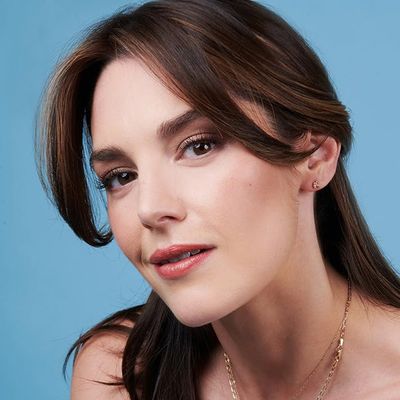
Broadway's power couple Kelli Barrett & Jarrod Spector dropped by to chat with Assistant Programming Director Kevin Ferguson about kings and queens of music, FX channel's Fosse/Verdon, and becoming characters based on real life people... Read More
From the show: The 54 Below Podcast
Guests

Featured Shows

About
Broadway's power couple Kelli Barrett & Jarrod Spector dropped by to chat with Assistant Programming Director Kevin Ferguson about kings and queens of music, FX channel's Fosse/Verdon, and becoming characters based on real life people.
For information about Kelli & Jarrod's upcoming show, visit 54Below.com
The Feinstein’s/54 Below podcast is hosted by Nella Vera and Kevin Ferguson, and produced by Bailey Everett and Michael Allan Galvez, with support from the Feinstein’s/54 Below marketing staff.
Original artwork design by Philip Romano.
Follow Kevin Ferguson on Instagram at @K.Ferg_
Transcript
This transcript was automatically generated and might contain errors.
[0:00] Kevin Ferguson: Good evening, ladies and gentlemen. Welcome to the fabulous Feinstein's/54 Below. Before we get started this evening, just a polite reminder. Please take this moment to silence your cell phones. Also, there is no flash photography, please. Please welcome Kelli Barrett and Jarrod Spector.
[0:20] Kevin Ferguson: Hey y'all, and welcome to the Feinstein's/54 Below podcast, where we take you behind the scenes at Broadway Supper Club. I'm Kevin Ferguson. I'm an assistant programming director here at the club, and our guests today are the Broadway power couple Jarrod Spector and Kelli Barrett. Jarrod Spector was nominated for both Tony and Outer Critics Circle Awards for his performance as Barry Mann in Beautiful: The Carole King Musical. He made his Broadway debut as Gavroche in the original production of Les Misérables. He also played Sonny in The Cher Show and went on to play a record-breaking 1,500 performances as Frankie Valli in Jersey Boys on Broadway. Also a Broadway veteran of 14 years, Kelli Barrett recently starred as Liza Minnelli in the award-winning FX series Fosse/Verdon, opposite Sam Rockwell and Michelle Williams.
Kelli originated the leading role of Lara in Broadway's Dr. Zhivago and Danny in Getting the Band Back Together. She played Nessarose in Wicked, and she has worked with just about every director and composer in countless pre-Broadway workshops and productions to develop other shows you know and love today. In addition to performing, Kelli is also a published writer, director, and coach. Everybody, please help me welcome the one and only Kelli Barrett and Jarrod Spector. Welcome.
[1:44] Kelli Barrett: Hi Kevin.
[1:46] Jarrod Spector: How are you?
[1:48] Kelli Barrett: Oh man, we're good. How are we? I mean, we're thrilled to be on here with you.
[1:52] Jarrod Spector: Yeah, we're at our last two days at our beach house, so you're joining us live with lots of future couture on the wall.
[1:58] Kelli Barrett: We are at the beach right now.
[1:59] Jarrod Spector: I'm in Harlem.
[2:01] Kelli Barrett: But y'all are at the beach.
[2:02] Jarrod Spector: Okay.
[2:03] Kelli Barrett: We're normally on the house.
[2:04] Jarrod Spector: Oh, neighbors.
[2:05] Kelli Barrett: Look at that.
[2:06] Jarrod Spector: We'll be in Harlem tomorrow.
[2:07] Kelli Barrett: Okay.
[2:08] Jarrod Spector: Let's get caught.
[2:10] Kelli Barrett: That'd be great.
[2:11] Jarrod Spector: That is so exciting. Listen, we are so excited to have y'all back at Feinstein's/54 Below. It's been so long, and last year was a very long year for everybody. Is this the first time that both of you are getting back on stage since everything that happened last year, or have you been able to perform before this moment?
[2:29] Kelli Barrett: We've had some performances. We've been really lucky. I mean, one we did pre-vaccination in a very like, there were maybe 10 people probably in the audience because they had to be so spread out for a live stream at Adelphi University. And then we've since done a bunch of other live concerts with vaccinated crowds. And I think the first one back, we both cried pretty good.
[2:49] Jarrod Spector: Oh, yeah. We did a series of shows at Feinstein's at the Nico in San Francisco a few months back. And yeah, that was definitely overwhelming to be in a room with, and they required vaccinations and the whole thing. So everyone was maskless and it felt like old times. For an hour and a half, it was old times.
[3:04] Kelli Barrett: Yeah.
[3:05] Jarrod Spector: And now you're back here.
[3:07] Kelli Barrett: Yes.
[3:07] Jarrod Spector: The other Feinstein's.
[3:09] Kelli Barrett: Feinstein's.
[3:09] Jarrod Spector: Oh, yeah.
[3:10] Kelli Barrett: Below.
[3:10] Jarrod Spector: Do I show Kings and Queens?
[3:13] Kelli Barrett: That I love that title. That is.
[3:15] Jarrod Spector: Thank you.
[3:16] Kelli Barrett: Witch Kings and Witch Queens. First of all, we are not the Kings and Queens. We want to make sure everyone knows we're not crowning ourselves. We are no kings.
[3:23] Jarrod Spector: No, this is the worship of the real kings and queens. This is the worship of the actual artists.
[3:29] Kelli Barrett: Yes, we are influenced by these kings and queens.
[3:32] Jarrod Spector: That's right. Who are some of the kings and the queens being featured?
[3:35] Kelli Barrett: So here's the thing. I'm gonna give you lists. And it's but some of them are like some of them are obvious, like you're not gonna get away from Madonna is the Queen of Pop, right? Aretha Franklin, Queen of Soul. There are some people who there's no controversy whatsoever. It's undisputed. But then it becomes like, who's the queen of country? Who is the queen of disco? Who is the actual king of rock? There are some that are so you know, there are multiple answers.
[4:00] Jarrod Spector: Yes, and that's part of the fun of the show is even when we talk to people about it, people get very upset right away. They're like, No, it's Gloria Gaynor, and you're like, well, okay, but Donna Summer's also the queen, so then how do you have this right? You have to really talk it out. So there's a bit of a Game of Thrones aspect to the night of music. In moments where there are multiples, we try to give you really cool mashups of all of the honorifics so that we're not just necessarily giving you our version. Other times it's our choice, and right have a little fun with it that way.
[4:32] Kelli Barrett: Yes, I love that question. I always ask my friend, who's your queen? Who's your king? Who's that person music-wise that you are just obsessed with? But there are people who really do have these titles that through their legacy, she is the queen of soul, he is the queen of rock, whoever that be, they have hits, and that's such a cool concept of a show. Did y'all come up with that together? Like, what was the light bulb that sparked that? You're like, this is the show we're gonna do.
[4:56] Jarrod Spector: I think you came up with it in the car.
[4:58] Kelli Barrett: We have our best ideas in the car.
[5:00] Jarrod Spector: It's always on long drives. But we were thinking of something. What we really like to do with our shows is not only are we trying to sing music that we want to sing, but we're really trying to give audiences the stuff they want to hear, and in new ways, like we would never just replicate a song. I would never just do Aretha because I'm not Aretha, it'll I'll never, you know. So we try to put our spin on it while still giving you that Aretha tune that you're dying to hear. So we were like, we think this will be the most fun show that we could give the audience, and in this time, we're like, people need joy. Let's go full joy.
[5:31] Kelli Barrett: Yes.
[5:31] Jarrod Spector: And most of our shows have been very autobiographical, and we've done shows all of our shows of 54 Below, like about our careers or about our lives or about our relationship getting together. And part of this was like not necessarily getting away from that, but something that really is about the music and the singers and the composers. And personally, selfishly, I was like, well, how do I come up with a concept where I can sing a Prince song and a Queen song in the same show? So this works pretty well for them. And don't worry, you'll still get childhood photos and some really embarrassing stories.
[6:00] Kelli Barrett: Oh, absolutely.
[6:01] Jarrod Spector: Yeah. I love when artists invite us into their real lives and really can blend the story in while also telling a little bit about themselves. I think it's awesome. Your whole life you're playing other characters. It's rare that people actually just get to meet Jarrod and Kelli. You know what I mean?
[6:17] Kelli Barrett: Absolutely.
[6:18] Jarrod Spector: So I'm really excited to see that. But let's get into these characters. Because y'all have played some iconic, iconic, iconic characters. Kelli, I gotta ask. Fosse/Verdon. Working opposite of Sam Rockwell and Michelle Williams playing the legendary Liza Minnelli. What how do you even prepare for a role like that? How was that experience?
[6:40] Kelli Barrett: Grow up a couple times a day. I don't know. It was nuts. Well, honestly, I mean, when I got the breakdown for the job, I had the two thoughts, which is I'm born to do this, and I'll never ever be able to do this. You know, it's that duality that exists in all artists. She's just such an icon. But I think it would I it gave me permission. I was like, I'm going to fail at this. There's no chance that I'm going to be able to pull this off in any, I'll never be Liza. And in that weird way, it allowed me to, as Liza says, throw it at the wall. And with this creative team, who, you know, it's all the people behind Hamilton. It was Lin-Manuel and Tommy Kail was directing, and Alex Lacamoire was doing all the music.
I was like, they're not going to let me sound stupid or look stupid. It's amazing to have a team you can trust that way. So I threw it at the wall, and ultimately, and I don't say this much, I was able to watch myself on screen and feel excited and proud of it and be a part of a project that I think is bringing musical theater to so many new kids, which is really fun.
[7:40] Jarrod Spector: Yeah.
[7:40] Kelli Barrett: And is lasting.
[7:42] Jarrod Spector: Yeah.
[7:42] Kelli Barrett: That series is classic. That was an incredible.
[7:46] Jarrod Spector: I so much insight.
[7:47] Kelli Barrett: It was just you were amazing. I just feel like But that wasn't the height of your career. You've been on Broadway for so long. You've been in so many workshops, worked with almost every director and composer out there. Was there a moment that made you still love stage versus film? Or would you prefer one or the other? How do you feel?
[8:11] Kelli Barrett: Oh, I say theater is my first love, and you can't walk away from it. It's just the idea of going out there, you get two, maybe two and a half hours to tell the whole arc. That's really special. Christopher Walken said for television, I believe, or movies, he was like, the acting I do for free, I get paid to wait. So it's a lot of waiting. But when I was able to bring those two worlds together, because I do love television and film for other reasons, that really close, intimate camera work where you can see all of my secrets. I get off on that. I was like, okay, these two worlds are coming together in a really special way that isn't always done very well. And I thought they did it masterfully. So it was my little child heart of all my passions just exploding. One of the theater is my absolute first love. Don't tell anyone in television.
[8:54] Jarrod Spector: All right, it's our secret.
[8:56] Kevin Ferguson: And Jarrod, speaking of stage iconic roles, we could start with Frankie Valli, but also there's Barry Mann, and then there's Sonny. I just how do you prepare yourself to play such iconic characters? Is there a routine you have when researching them?
[9:13] Jarrod Spector: Or it's all those things. I was trained at the Atlantic Theater Company. So when I first spoke to Frankie Valli, of course, it was all about I'm going to approach this and it's going to be script analysis basics, just as though it was any other play, which definitely serves. And I don't ever stray from that, generally speaking. But then there's also grasping the reality that your audience is going to come in and they want to transplant onto you their memories of Frankie Valli or Sonny Bono, or if you're playing a real person, your job is to allow for two and a half hours of escapism back into the memories of those people. So finding the anchor points of what makes each of them identifiable and iconic, I think is the first key, is like you know, is the way in.
So for Frankie, it's obviously his voice and his poker straight stature, and there's certain things about him. Kelli really helped me with Sonny. I got the voice just by mimicking it, but eventually she's like, it's he leads with his groin. And I and I mean it really helps me to physicalize like, oh, right, this guy, he always sits back and his crotch is always forward, and like that just changed everything. So if you find those couple, it just it can't be an imitation because an imitation is just simply too superficial, and you have to be able to still do the show and act the scenes with real intention and try to be organic and in the moment. So just finding the externals that you put on, and then you can sort of forget about them so you can act the show. That's the key.
[10:39] Kelli Barrett: Yeah.
[10:39] Jarrod Spector: And so that's what I tried to do. Barry was a little honestly, Barry's a little easier because of all three of them. I think Barry's a little closest to me. And also, you know, I mean when I grew up, you know, if you grew up watching, I mean, I know Woody Allen is a little on the fence at this moment, but Paul Reiser, like Woody, you know, Barry Mann is basically Paul Reiser. It's the same. So if you grew, if you watch Mad About You or Seinfeld, you've basically got the you know the Barry Mann part of it. And he wasn't a stickler about me sounding like him as a singer. He was so generous, and he's just the nicest, nicest guy. Yeah, so that one was a little less pressure.
[11:09] Kelli Barrett: Aw, that's so exciting though, that you have to have that connection. I feel sometimes you don't always get to speak to the person who you're portraying or really pick their brain about certain things. That's an awesome opportunity.
[11:21] Jarrod Spector: Oh, yeah, it makes a world of difference when you can doesn't matter who you're playing, right? I mean, playing Sonny is on some level playing the antagonist in that show, but playing Barry, if you can connect with the person and if you can get on stage every night and defend them in a true way that you really believe in where they're coming from, and you're a hero of a champion for them, it definitely makes it more fun and makes it easier to get out there every night with enthusiasm. He was a gem.
[11:45] Kelli Barrett: Wow, that is so awesome. I love what you said also about staying in the moment with all the performances. Well, I have here on my notes, it says something like you did over 1,500 performances as Frankie Valli.
[11:56] Jarrod Spector: Yeah.
[11:57] Kelli Barrett: That is crazy. That is amazing. And I know we definitely remember you from that role, but I just when you see the number, you're just like, wow, that is a lot of times.
[12:08] Jarrod Spector: Yeah, it's a lot of time. I did the show for six years, and I don't mean to undercut my own number, but some of the original cast members like Sarah Schmidt, if they were in it for the entirety of the run, Peter Ray has the entirety of the run. So they did thousands and thousands of performances. But yeah, I mean, Frankie is a that role is a beast, and I definitely continue to draw some pride from having been able to stay in it for all those shows. But it's a different skill set in school. And these are for any actors out there who are listening. We train, you rehearsal, it's very exciting. You invent the show, and then you like do the performances. And if you ever do like school shows, you get to do like a weekend, you could do a week, or even if you do like summer, like a summer show with you know, it's a my Broadway show, right?
[12:45] Kelli Barrett: Right.
[12:48] Jarrod Spector: But you get into a show and then you have to find ways to reinvent because you know you do the show for years and years on end and have to get out there every night because it's always some audience member's first show or birthday or anniversary or wedding present, and you have to give them your hundred percent, and anything less than that isn't acceptable. So, you know, finding ways to fresh mint all the time is a wholly different skill set.
[13:11] Kelli Barrett: Yeah, yeah. And I feel like that skill set is what comes in between the difference between stage performers and film performers. Like you said, Kelly, you did Wicked and Getting the Band Back Together and countless workshops and productions. So, how do you stay in the moment? Do you specifically think of anything when you're telling the story over and over and over again? You finding new moments, or what's your process?
[13:35] Kelli Barrett: Oh gosh, yeah, I am Meisner trained, which I think there's a lot of misconception about what that actually means. Like, what is method acting? I feel a lot of people like to make fun of it and stuff, but I do actually really believe in emotional preparation, imaginary circumstance, depending on what's happening with my character.
[13:50] Kelli Barrett: I definitely go there and try to live in that space for the duration of the show. I certainly don't bring it home or try not to, depending on what it is. But it's the stamina, right? For an eight-show week. It's like I remember there was a scene in Royal Family where I had to come down the stairs just sobbing and mascara all over my face. And I was like, I will do this authentically, because I was 23 or something, and was like, I will cry myself to sobbing tears every day. And I did for a while. That was a three-hour play with two intermissions. So it was kind of hard to stick. Plus it was a comedy, so what was I doing, to be honest? But it is the stamina. So it's just finding your ways in those touchstones.
For me, I always have something physical I can go to. Like I try to think of what the character would physically surround themselves with, whether it's, you know, whatever the truth is from my life, if it's a picture of my grandmother, that helps me relate to a scene or a touchstone for that character's want or something like that. But I do try to build my little world in my dressing room. I definitely go to my meditation places and that imaginary circumstance and all of that. But I mean, that's the wonder of being an actor, right? Imagination. I get to go back to being a child and fully immerse myself. It's exhausting and exhilarating. That's a good thing.
[15:02] Jarrod Spector: And I'm gonna brag about Kelli for a second because you know, we are in 2020. She's on my payroll. And it's constantly putting ourselves on tape now. That's the thing, right? You get an audition, and so we're constantly filming one another. And Kelli's ability to imagine her circumstances and to imagine her environment is fascinating, especially on film because you can, I mean, we're in our living room or we're in our guest room or whatever, and I know what's behind me. It's a desk and a lamp and whatever. But if you watch Kelli on the screen, you would think she's at a ballroom or in a bar or whatever, whatever it is. Like you can see it in her eyes and all the people that she's talking to, and it's so specific.
So finding again, it's being able to access your imagination helps in both processes, right? Like in the moment, the one time you have to do it, and long term in the show over and over again. You have to do either one, it's a huge contributor to success.
[15:51] Kelli Barrett: Yes, and I know.
[15:52] Jarrod Spector: Yeah, that was so sweet. Y'all are in love. I love that. Maybe make this thing a show.
[15:56] Kelli Barrett: Yeah, we should.
[15:58] Jarrod Spector: I don't know. Listen, what did bring y'all together? Was it a theater production, or did y'all just bump shoulders on the sidewalk?
[16:05] Kelli Barrett: Nope, we were in a show. We were workshopping a show. At the time Lee Silberman was directing. Jen Callella was playing your daughter in like future.
[16:16] Jarrod Spector: Yeah, yeah, yeah. I was playing his wife, and it was all about Burt Burns and the songwriter who wrote Twist and Shout, Hang On Sloopy, Piece of My Heart. So yeah, and we did that together for years and became very best friends. We were best friends before we even started dating. I was dating someone, he was dating someone, we were just friends, you know. But we'd play Words with Friends online all the time, or we'd call each other and watch DVR episodes of Jeopardy. And we'd like to try to hit play, you know. Like we were just really connected. We'd share what was going on in our lives, and it just sort of one day he goes, "You know you're the Sally to my Harry, right?"
[16:49] Kelli Barrett: Oh, and that was it. It was just like light bulb, boom, mac truck.
[16:54] Jarrod Spector: Oh god, why, why?
[16:56] Kelli Barrett: Yes, yes, why now?
[16:58] Jarrod Spector: Yeah, yes. Let's get it.
[17:00] Kelli Barrett: Well, we yeah, we were friends for like a year and a half before we got together.
[17:03] Jarrod Spector: Oh, he would die in my arms every day on stage, right? So how are you not gonna get connected to doing that? You know what I'm saying? And then Jen Callella, who is one of our very best friends, she was the MC at our wedding. She really was the mastermind. I mean, she's nudging him. Look at what she's wearing today. I heard all these stories later.
[17:19] Kelli Barrett: Oh yeah, she definitely, oh Jarrod's voice. I mean, my god, and he's you know, and so she's just pushing us together together. So she really she takes a lot of credit.
[17:28] Jarrod Spector: The matchmaker.
[17:29] Kelli Barrett: Oh, yeah, 100%. 100%.
[17:32] Kevin Ferguson: That is a beautiful story. Wow. I just think together, you guys are such a force. You both bring such an amazing talent of your own to the stage. Together, I can only imagine how fierce your show at 54 Below is gonna be. But we're not done talking about it. I wanted to know, is it gonna feature anybody else? Is it gonna be a full band? Are there gonna be any guest surprises?
[17:57] Jarrod Spector: Yes, yes, yes, yes. Oh no, all the things. Wait, okay. So let me start with that the band. So yeah, I mean we always it's one of the blessings of living in New York City, just access to the greatest musicians in the world. So our band is all like Broadway veteran, incredible. Like our saxophonist was supposed to be touring with the Eagles, but instead he's gonna come. You know what I mean? It's like it's all kind of things. So yeah, our band. Yes, we have a five-piece piano-based drums guitar and um and sax and sax. And then we're incorporating some new sounds that we haven't done before because it's tricky to replicate, like let's say Madonna or I'm not giving you anything away here, like Britney Spears, or without those synth sounds.
So we're definitely incorporating a little more multimedia than we have before in terms of like some pre-recorded tracks and sounds and things and some like some vocal technology gadgets that we've not before. So as Kelli's been saying, it's I think it's musically it's our most ambitious show. Yeah, we're trying to drop you into that 80s. Like we want you back at your prom, you know. If you're younger, but we weren't we just went we want you to be like, oh, I'm listening to the record. Yeah, we're really excited to incorporate some of that.
[19:05] Kelli Barrett: And then for special guests, I wanted to say this earlier, but I think one of the masters of our time at figuring out how to do the most authentic mimic, but still be entirely herself is Jessie Mueller and what she did with Carol King. I'm picking up something going on. I'm dropping up okay. She is obviously one of the greatest actresses of our generation, won the Tony for Carol, but she's also a dear friend and an incredible woman and a beautiful heart. And so she is going to come on Wednesday the 13th and give a special performance. Yeah. And Carol was born Carol Klein and crowned herself King. Let's all remember that. Any fans of Beautiful will know. Yeah. This is a person who chose to carry herself. It's right. It's pretty ambitious. She was 16 when she made that decision. And now she is Rolling Stones, what, like number seven songwriter of all time, Destiny Star when I was 16.
[20:03] Jarrod Spector: Oh, yes. Yes.
[20:04] Kelli Barrett: Something like that. Yeah. That would be my stage name. It'd be a great drag name, honestly.
[20:10] Jarrod Spector: Yes. Right. And then on the 14th, speaking of incredible women that are not only talent powerhouses, but beautiful on the inside. Erica Henningson, the star of Mean Girls, who is a dear friend and Mensch is gonna sing with us on the 14th.
[20:24] Kelli Barrett: Wow. I just feel the friends y'all have probably made working in this industry. The list goes on and on and on and on. But being in this industry as long as you have and your career being as extensive as it has, do you feel a difference in the culture of Broadway when you first started? And I know Jarrod, you came in the game like nice little youngin' on the lame mids.
[20:48] Jarrod Spector: Oh yeah, I was nine.
[20:49] Kelli Barrett: Yeah, you take a lot more to the Yeah, but do you feel any culture differences on Broadway or anything?
[20:56] Jarrod Spector: Certainly. I mean, there's a lot going on that that's happening now, and a lot more work we need to do if we're talking about equitable reckoning in this business and everybody seeing it, and the work's finally starting to happen in a real way, which is exciting to witness and to be actively a part of. But we have a lot further to go in that regard, and then I'll just for myself, I grew up being taught you are the ingenue, and you have to learn Camelot and Oklahoma. And these are still shows that are in, of course, they're around and in, but as you saw with Oklahoma, right? Completely different. Yeah. Not what we're used to seeing. So people are taking chances, the old stuff's getting redone.
And then you've got this new progressive work with these young voices like Slave Play, who are not afraid to go there and give you that experience while also holding up a mirror. I mean, the mirror for our generation was Cabaret. Literally, they put mirrors up at the end and they were like, This is you. And now Slave Play did it again, right? There were actual mirrors in that show. And we're looking at a different side of ourselves. So I'm excited about what's happening on Broadway. I mean, listen, it's still a commercial enterprise. There's still gonna be these shows that are there to make money, and like when you did them in the workshop, they were one way, and then when they finally got everybody's input, they turned into something else, and it's sad to watch.
Like we're no fools. Off Broadway is probably still where the most testing is going to be done and for the best stuff. But every now and then you get that breakthrough and like Strange Loop is coming in, right? And that show, whoo, buddy. I think that's the best thing I've seen that I can remember. So I'm excited about where it's going and hopeful. But there's a lot of work to do.
[22:28] Kelli Barrett: Yeah.
[22:29] Jarrod Spector: Yeah. I don't want to just repeat. So I'm but I was with you the change and the incorporation of multiple styles too is exciting on Broadway. When I grew up, it was Les Mis in Phantom and Cats. And suddenly there was I mean, I know there was also JC Superstar, but then suddenly there was Rent, which is like this new, and obviously, I mean, I don't have to say Hamilton. Like there are just so many awesome, varied styles of music, and not just inside of, of course, you know, like the I don't mind, and I think jukebox musical is sort of a misnomer because sometimes it's jukebox and sometimes it's biomusical, but yes, incorporating rock and pop in their original form, but using those styles to make entirely new shows like Dear Evan Hansen is so pop forward.
Stylistically, Broadway is at least a little more progressive, and I'm sure being influenced by the grassroots of off Broadway and regional houses. That's really exciting, especially for someone who, you know, like me. I mean, I would prefer to sing those styles because that's how I grew up. And my I grew up on Motown and Michael Jackson and Stevie Wonder, and that's those, you know. So singing that kind of music is is easier and feels more organic and authentic to the way I sing, but also my entire generation, and I think the generation below us, so the more that those are incorporated, there's that sort of cultural progression on Broadway as well, which is exciting and yeah, continues to grow.
[23:40] Kelli Barrett: Yeah, I'm feeling it too. I'm fresh to the city a little bit, but I feel even between my few years that I've been here, there's already a lot different and a lot more culture and just like a shift definitely happening.
[23:53] Kevin Ferguson: So fingers crossed that we're moving in a strong direction. I love that you said your inspirations were like Motown and all those voices. Kelli, do you have any singer influences or sounds that you admire?
[24:04] Kelli Barrett: For sure. Oh, yeah. I grew up. Well, it's so funny, right? So partly I'm from the South, so I grew up with like Patsy Cline and some of these country singers, but also like I've gone in such a deep dive in my youth with Mahalia Jackson and some of the gospel singers, and I was a high soprano then, so she was influencing me in ways that I am only starting to understand now. And then obviously Mariah Carey, Whitney Houston, the big pop vocals of my generation that were the queens then. We were all trying to sound like them. I was doing There's a Hero and I Wanna Dance in my living room for my family.
[24:41] Jarrod Spector: I was too.
[24:41] Kelli Barrett: I'm just running up. I was also a hero.
[24:44] Jarrod Spector: Well, Kelli, I think you sang Hero at your bar mitzvah.
[24:46] Kelli Barrett: I did. I think I sang Hero.
[24:48] Jarrod Spector: Many of our mitzvah in my day.
[24:52] Kelli Barrett: That would be amazing. I would love to be able to do it. Well, I'm gonna have to dig that up. And then of course I had Judy Garland and Liza on the Broadway side. So yeah, lots of different influences.
[25:03] Kelli Barrett: And Motown too. I mean, I love Motown. It was such a huge Aretha, Diana, like just such a huge part of the influence of just what's going into my ear all the time, what I wanted to listen to.
[25:13] Jarrod Spector: Yeah, and everything's full circle here. As you can imagine, when it comes to the Queen of Country, Kelli has an opinion. So some people might hear Queen of Country, be like, oh, Dolly Parton, obviously.
[25:22] Kelli Barrett: Right.
[25:22] Jarrod Spector: But Kelli feels it's Patsy Cline, and that's gonna be something that we're gonna address in the show. Then when it's like you know, Otis Redding is my other favorite. And thankfully, also not undisputed. Undisputed King of the King of Soul is Otis Redding, and there's not all I mean, there's but Sam Cooke's amazing, but I think classically speaking. Otis Redding is the queen. And then when it king of Queen of Motown, Diana Ross, Smokey Robinson. So what's fun, and as we were putting the show together is realizing of, I mean, obviously, in retrospect, like, well, of course, we love all these people, but how personal they are musically to us. These huge iconic stars are a huge part of the way that we learned how to sing growing up. So we get to bring that into the show as well.
[26:06] Kelli Barrett: Yes, yes. Okay, and also going back, you were talking about biomusicals slash jukebox musicals. Do you feel a way about the criticism that sometimes jukebox musicals get, or do you rather them call biomusicals? Because there are some jukebox that aren't bio, and you know what I mean? Like, how do you feel about that whole culture?
[26:28] Jarrod Spector: Yeah, I may I for a moment. Yeah, I think a couple of things. I think that there is definitely a difference between a biomusical and a jukebox musical. I don't think that Beautiful is a jukebox musical, it's a biomusical. There's no sung dialogue, right? All of those songs are sung in context, either in a recording session, like a replicated recording session or a replicated performance. And so it's a show about these lives. Whereas something like Jagged Little Pill is the jukebox musical because they're using the songs as sung dialogue or to progress to move the story along in their own way. And that's it's not better or worse, they're just different. And I think it's important that we sort of acknowledge that.
But I do think that they do get undue criticism. I think that there are plenty of straight musicals that are original music that aren't good, right? I mean, I'm not this is not me bashing Broadway or bashing the genre. I love movies, and there are bad movies, right? So, like, there is good and bad and high quality and low brow in every medium and every genre. So to sort of across the board be like, well, jukebox musicals are bad or biomusicals are bad or they're bad for Broadway is frankly idiotic because it's not true.
[27:34] Kelli Barrett: And I know I'm a little bit biased, but Jersey Voice is one of the best books of a musical in terms of the way that like it moves the story along. It is crisp, it's smart, it's just so well done. So to just write off an entire genre when you here's a you know, here's a golden example of something that was done so yeah, Rick and Marshall, I mean, it's done so well, here's the exception that proves that you're wrong. So you can't write them off entirely.
[27:56] Jarrod Spector: And then I think that you know, part of the criticism comes from this culture of critics. And I I don't want to dig myself a hole here, but like if you don't like a particular singer, don't review that show. I mean, it you're gonna come in with your own biases. That's the thing about jukebox musicals, that it lends itself to if you like that person coming in, you're gonna tend to like the music, as opposed to if you just come into a musical that you've never heard of or you've never seen anything, right? You're gonna be fairly open to whatever that thing is. But if you hate ABBA, you're not gonna like Mamma Mia, right? I mean, just like it's just the way that it is. That's not me, I think all that stuff. So I'm but I'm just saying if you know if you're one of those people, you come in with your own biases, which I guess is good and bad because every ABBA fan is gonna want to see that.
[28:39] Kelli Barrett: So commercially, it's like separate thing. But I just think that I don't mean to harp on it, but no, please do. It can be done really well and it can be done poorly, and it it's not to do with the genre in principle, it's to do with the quality of the work.
[28:51] Jarrod Spector: Yeah, yeah, definitely, definitely. I love that you said that because too often I feel the jukebox musical are counted out, or they're on the back burner of shows you want to go catch because you already know the music, and it's like, no, maybe you don't know this beautiful story of the Jersey Boys, or maybe you don't know Carol King's actual story, you know? And these stories are so big and so much spectacle, they deserve to be on a Broadway stage, you know what I mean? The glitz and glam of Cher, that should be a musical.
[29:19] Kelli Barrett: Yeah, I think so.
[29:20] Jarrod Spector: Yeah, well, we all agree. We all preach to the choir. And I think it's the overall other pandemic of just judging what people like, what people want, what people want to pay money for. Everybody's different. Some people might have never thought to even come to Broadway if it weren't for Jersey Boys or Cher even. And then they came and they were like, this is magic. I'm gonna go see another one. And hey, that's how we get our livelihood paid for.
[29:45] Kelli Barrett: Okay.
[29:45] Jarrod Spector: So why would we ever bite the hand that feeds us? Lots of people like different things, and we gotta get over it.
[29:51] Kelli Barrett: Yes.
[29:51] Jarrod Spector: There's a lot of entertainment out there, there. There's something for everyone. So no, that's I mean, that's exactly the point. Maybe you grew up loving Motown, so you're gonna see Ain't Too Proud. And then because you saw that, you're like, oh, this live theater thing is really cool. I'll go see Dear Evan Hansen or whatever. You know what I mean? I and I or maybe you won't make as big a shift, but over time now you're right into musicals you didn't know the songs to before you went. And you'll find an appreciation for the entire medium.
[30:19] Kelli Barrett: Yeah.
[30:20] Jarrod Spector: And not for nothing, but my version of pregaming in college was listening to the cast album before we went to see the show. That's not any different than people from the Midwest listening to Motown before they go and see Ain't Too Proud.
[30:31] Kelli Barrett: Absolutely.
[30:32] Jarrod Spector: Those albums dropped early or very quickly after the shows came out so that they could get an audience that would then want to come. It's the same kind of thing. You're trying to build people wanting to see what they know, you know?
[30:43] Kelli Barrett: Yeah, yeah.
[30:44] Kevin Ferguson: I feel so connected to listening to y'all. You're so knowledgeable of so much, and you have such great opinions.
[30:53] Kelli Barrett: It's so kind. How do you feel about master classes? Like teaching them, or is that something I feel like y'all would be great?
[31:01] Jarrod Spector: Oh, thanks. We actually do them.
[31:03] Kelli Barrett: Yeah.
[31:03] Jarrod Spector: We do them.
[31:04] Kelli Barrett: I love them.
[31:04] Jarrod Spector: How do you choose what topic you're gonna because it's usually a younger generation or no?
[31:09] Kelli Barrett: That you're a doctor.
[31:10] Jarrod Spector: Yeah, oh yeah, it's usually schools and stuff, masterclasses, and sometimes we hold them for people in the city or whatever. But I love doing, I love to teach. I'm a life coach for artists, empowered artist coaching, check it out online. I love to teach, I love to empower people. I am always trying to push people toward their light. I think one of the downfalls of these conservatories is they breed a lot of competition and a lot of early judgment, and you're in some formative years with your own creative process, and to get some of that information too soon stays with you forever and dictates the way that you function in your career and life because a professor once told me that's not my type, or I don't look good in blue, or I shouldn't sing that kind of music, or whatever it was.
[31:48] Kelli Barrett: And so one of the things I love to do when I go into these schools is find what's working and push those students toward their light and empower them because you're gonna fail a million times, and school's supposed to be the safe place to do it. So keep trying, keep failing until you fly. And that's our responsibility as older people older. I guess we're getting old.
[32:06] Jarrod Spector: I know suddenly I'm the older person when I walk into a rehearsal room. I was so used to being the young one.
[32:11] Kelli Barrett: Oh, that's good.
[32:12] Jarrod Spector: And now I'm just gonna do it. But anyway, it's our responsibility is to help kids feel empowered and to keep this medium going because it is vital and important, and life-changing. The musical theater kids around this country are being saved by this medium.
[32:30] Kelli Barrett: Yes, yeah, they are still the outcasts of their generations who come together to find community and tell stories and sing with abandon. And they are our people and they are our children too. We have to take care of them.
[32:41] Jarrod Spector: Yeah, to stop cutting them down and pitting them against each other to who can sing higher bell tire. I mean, this is ridiculous what we're doing.
[32:49] Kelli Barrett: Yeah, the competition for this younger generation is off the charts, and they have more talent than I've ever seen, but at what cost?
[32:55] Jarrod Spector: Yeah.
[32:56] Kelli Barrett: Would you say that's also a little bit of a culture shift as well?
[32:59] Jarrod Spector: I think so.
[33:00] Kelli Barrett: Oh, yeah, like the American Idol effect.
[33:02] Jarrod Spector: Yes.
[33:02] Kelli Barrett: And everybody can have a YouTube channel and is expected to, is expected to.
[33:07] Jarrod Spector: Yeah, yeah. Social media is really, I mean, we took the science of well-being course in Yale, and we won't get into it, but social media is where comparisons and rejection and depression are bred. And when you start mashing that against art, it's really detrimental to these young people's growth and understanding of why they're doing it at all.
[33:27] Kelli Barrett: Just lose sight of the point.
[33:28] Jarrod Spector: Yeah. So when it comes to master classes and things and if we love to do that and also and to find, I'll speak for myself because Kelly has a wide array of the things that she knows how to teach, but it's like, what can we help?
[33:38] Kelli Barrett: Right.
[33:39] Jarrod Spector: What are we qualified or you know, specialized in? And I think that dealing with the business of it, dealing with the other side of it. I mean, it I am not the most qualified person to teach how to act a song, or though I do like acting. Thank you. But I I think you know, Kelly's better at doing it, she's better at teaching it. I mean, I think that you know, in terms of music, I'm always like, well, I would love to do pop and rock with kids because I think that prepping pop and rock auditions is tricky and difficult, and it's like a thing that I think in that musical world that I'm best at.
[34:06] Kelli Barrett: But what I'm talking, speaking to is exactly what Kelly was just saying, which is helping people deal with the business of the business and like the social ramifications, the emotional ramifications of being in the business, because that is something that conservatories do not teach.
[34:19] Jarrod Spector: Yeah, yeah.
[34:20] Kelli Barrett: Or they certainly don't teach enough because you don't spend enough time. I mean, if you're gonna learn your craft, there are only so many hours in a day, and then you graduate from school and then you go and start auditioning, or you find a side hustle so that you can pay your rent, and now you're suddenly living your life on your own in New York or Los Angeles.
[34:36] Jarrod Spector: Yeah, and it is really really hard.
[34:39] Kelli Barrett: And there is no preparation for that.
[34:41] Jarrod Spector: There's not enough, like there aren't enough therapists in the world to prepare everyone for how difficult that is.
[34:47] Kelli Barrett: So the more that we can impart some life survival skills, the more we feel like we're using what we've learned to contribute to the next generation. Because it's entirely antithetical to the point of why you became an artist to try to monetize it, right?
[34:58] Jarrod Spector: Yeah and make it a business.
[35:00] Kelli Barrett: It's the opposite of why you got into it, and then all of a sudden you're expected to know how, and for that to be the end goal.
[35:05] Jarrod Spector: So the fact that these conservatories don't have in-house mental therapy, stamina life coaching courses is crazy to me.
[35:14] Kelli Barrett: It should be all of that all day, and then you have like a voice lesson at this. Do you know what I mean?
[35:19] Jarrod Spector: Like that should be what it is.
[35:20] Kelli Barrett: How to prepare your heart and soul for this.
[35:22] Jarrod Spector: And then maybe you'll be ready to move to New York.
[35:24] Kelli Barrett: Yeah, and then maybe.
[35:26] Jarrod Spector: And then maybe it's right there.
[35:27] Kelli Barrett: And then you know what? Also, maybe it's not, and that doesn't, it's okay to go anywhere else and do art. Every city needs it.
[35:34] Jarrod Spector: This whole New Yorker bust thing, it messes people up.
[35:38] Kelli Barrett: And so then they leave and they go become another thing that has nothing to do with being an artist that is not as fulfilling for them.
[35:45] Jarrod Spector: Because if I can't do it there, I'm not doing it at all.
[35:47] Kelli Barrett: And that's crazy.
[35:48] Jarrod Spector: Yeah.
[35:48] Kelli Barrett: That's why you can't see a basement show in some of these other cities. Because none of those actors decided to take root and do it there and give it back to their community.
[35:56] Jarrod Spector: So we're all still living in the New York New York songs. If I can make it there, I can make it anywhere.
[36:00] Kelli Barrett: But that's a ridiculous goal.
[36:02] Jarrod Spector: That's a crazy notion.
[36:03] Kelli Barrett: Well, and that's true.
[36:04] Jarrod Spector: If you can make it there, you can make it anywhere, but you don't have to really make it there.
[36:08] Kelli Barrett: Right, right.
[36:08] Jarrod Spector: Right.
[36:09] Kelli Barrett: You're not hearing the lyrics of the problem.
[36:11] Jarrod Spector: Yeah.
[36:12] Kelli Barrett: Wow.
[36:12] Jarrod Spector: That's so true.
[36:14] Kevin Ferguson: Obviously. No, honestly, it is just hearing y'all talking about what needs to be seen on Broadway and what things work and what doesn't. It sounds like you're coming from like a producer mindset. If you were giant commercial producers, what revival would you choose to bring back? Or is there a show that you think should come back? Or is there a story that you feel needs to be told on the stage?
[36:38] Kelli Barrett: Oh gosh. Yes, there's so many stories.
[36:40] Jarrod Spector: I mean, there are many stories you need to be told.
[36:42] Kelli Barrett: Okay, so Seneca Village musical.
[36:45] Jarrod Spector: Seneca Village musical.
[36:47] Kelli Barrett: Love that idea. I mean, if we're gonna talk about like, let's do it. Let's get in there with that musical. Let's talk about that community of people that was completely wiped out to build Central Park. Like, why not? There's a lot of stories that need to be told, to be honest.
[36:59] Jarrod Spector: A revival show we love is Parade.
[37:02] Kelli Barrett: Now again, Parade wasn't financially viable in its time.
[37:07] Jarrod Spector: Would it be now? Not sure. But Jared is Jewish, and that story speaks specifically to that part of him. The side of like mob mentality, cancel culture, intolerance, intolerance is scapegoating. Scapegoating is very still much happening all the time. And so I think it would be an interesting moment on the stage. And I just know that North South, Red Blue Divide. There are so many themes in that show that are extraordinarily relevant right the second.
[37:37] Kelli Barrett: And that's my favorite album.
[37:39] Jarrod Spector: I'm obsessed with that show. It's my favorite show album.
[37:42] Kevin Ferguson: Jared and Kelly, I will say, y'all have taste.
[37:42] Kelli Barrett: Y'all have taste.
[37:46] Jarrod Spector: Okay, I saw the nail polish glitter.
[37:49] Kelli Barrett: I know. I was gonna say something earlier, but you were talking and you won't interrupt it.
[37:53] Jarrod Spector: Oh, thank you, thank you, thank you, thank you.
[37:55] Kelli Barrett: Listen, you are a Broadway couple. Is there a show that y'all want to be in together? Like, is there a musical that y'all have always dreamed to play opposite of?
[38:03] Jarrod Spector: We could do Parade.
[38:04] Kelli Barrett: That one.
[38:05] Jarrod Spector: That one, that one, yes.
[38:07] Kelli Barrett: Parade.
[38:08] Jarrod Spector: I mean also I've always wanted to do The Last Five Years, but I know I'm getting a little, you know, he does have a literary.
[38:13] Kelli Barrett: You're in here about Last Five Years.
[38:14] Jarrod Spector: My Last Five Years through the Last Five Years.
[38:15] Kelli Barrett: But that I guess Jason Robert Brown obsession here.
[38:18] Jarrod Spector: No, Parade though is the thing we've always talked about.
[38:20] Kelli Barrett: And any Sondheim show.
[38:21] Jarrod Spector: I'll be fifth from the back.
[38:22] Kelli Barrett: I'm going to be on the ensemble of vocals in Sweeney and Into the Woods.
[38:27] Jarrod Spector: Yeah.
[38:27] Kelli Barrett: Me merrily roll along, please.
[38:29] Jarrod Spector: Yes.
[38:30] Kelli Barrett: Wow.
[38:31] Jarrod Spector: Yeah, those are good shows.
[38:32] Kelli Barrett: That would be really fun.
[38:34] Kevin Ferguson: Listen, it has been so fun talking to y'all, but we have to bring it back to what we're here for. Your show at 54 Below, okay?
[38:39] Kelli Barrett: Yes.
[38:43] Jarrod Spector: October 13th and 14th.
[38:45] Kelli Barrett: Y'all are not gonna want to miss this.
[38:47] Jarrod Spector: It's from Aretha to Brittany to Elvis to Prince.
[38:51] Kelli Barrett: How do you want to miss this show?
[38:53] Jarrod Spector: You gotta grab your tickets now.
[38:55] Kelli Barrett: Kelly, Jared, do you want to say anything else to the people about the show?
[38:59] Jarrod Spector: When you hear Elvis, there's a really interesting take on that, right? Because, well, and we've been talking a lot in this interview about reckoning and what's appropriate. And we're gonna deal with that too, because was Elvis the King?
[39:12] Kelli Barrett: Ooh.
[39:12] Jarrod Spector: If other people had been white in 1956, would we have a different king? So we're gonna talk about these things. We're not straying away from some of those things.
[39:20] Kelli Barrett: But with that, the show has a lot of heart and a lot of investigation of thoughts, but it's really, really fun. And so we want you to know that.
[39:27] Jarrod Spector: The fun is the key. I mean, we've been stuck at home as well. And we haven't been on a Broadway stage, as nobody has been, and we haven't been back at 54 Below, which is our favorite spot to sing. And we just wanted to create a night of really fun music.
[39:40] Kelli Barrett: But again, so you can't do the king of rock without talking about Chuck Berry and Little Richard and Elvis Presley.
[39:46] Jarrod Spector: It is a question. And you can't just sing the king of pop anymore without talking about the issues that are there. So, like, as much as we want to just bang through this music, and we will, I promise we will deliver fun music all night long. That is the goal.
[39:58] Kelli Barrett: But there's also dealing with the reality of here's where we are right now in 2021 and looking back on this with some truth.
[40:05] Jarrod Spector: So it's the little of everything. But again, primarily just a good time. And if you can't make it, please live stream our performance on the show.
[40:11] Kelli Barrett: Yes.
[40:12] Jarrod Spector: Yeah, we just announced that.
[40:14] Kelli Barrett: Come on, you guys. This is gonna be so exciting. Grab your tickets, grab your live stream ticket, grab your in-person ticket. Don't miss Kelly and Jared. It's October 13th and 14th at 7 o'clock. Find Science 54 Below.
[40:26] Kevin Ferguson: Kelly, Jared, thank you so much. This has been a pleasure.
[40:30] Kelli Barrett: You're a dream.
[40:31] Jarrod Spector: Oh my god, y'all are in love.
[40:33] Kelli Barrett: How dare you?
[40:38] Jarrod Spector: We wear the same clothes, but ten years in.
[40:40] Kelli Barrett: It's it's but thank you, Kevin.
[40:43] Kevin Ferguson: You are.
[40:43] Kelli Barrett: Thank you.
[40:44] Jarrod Spector: Thank you.
[40:44] Kelli Barrett: Thank you.
[40:45] Jarrod Spector: Thank you.
[40:46] Kevin Ferguson: All right, everybody. Thank you for listening to the Feinstein’s/54 Below podcast. Again, my name is Kevin Ferguson. You can follow me on all social media at Kevin Ferg, and I will talk to y'all next time.
[40:58] Announcer: You've been listening to the Feinstein’s/54 Below podcast, part of the Broadway Podcast Network. Subscribe and rate us on Apple Podcasts or your favorite podcast app.
© Broadway Podcast Network, All Rights Reserved