

Actor Kenny Leu (A Shot Through the Wall) talks with host Robert Peterpaul about Asian representation in television and film, the difference between being polite and being kind and much more. You won't want to miss his kindness tip!.. Read More
From the show: The Art of Kindness: Pop Culture & Positivity with Robert Peterpaul
Guests
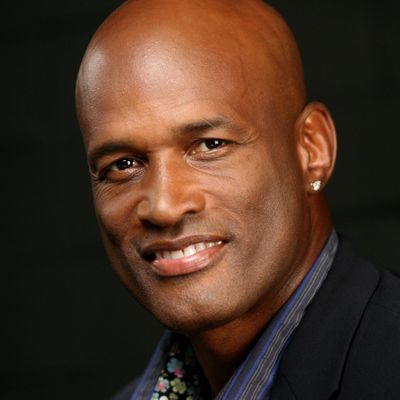
About
Actor Kenny Leu (A Shot Through the Wall) talks with host Robert Peterpaul about Asian representation in television and film, the difference between being polite and being kind and much more. You won't want to miss his kindness tip!
The only son of Chinese immigrants, Kenny Leu grew up in the San Francisco Bay Area. After graduating from UC Berkeley with an engineering degree, Kenny founded startups in Silicon Valley and competed in martial arts tournaments around the world. When one of his startups was sold to Google, Kenny decided to pursue film and television. He quickly landed roles on NCIS, NCIS: Los Angeles and The Player, performing all of his own stunts. He is now widely recognized as Gohan from Dragon Ball Z: Light of Hope, NatGeo’s The Long Road Home (2017), and Yakuza Princess (2021) and more. Kenny’s breakout role came with A Shot Through the Wall (2022). He plays a young Asian-American cop who is responsible for accidentally shooting and killing an innocent Black man, through a wall.
Got kindness tips or stories? Please email us:
artofkindnesspodcast@gmail.com
Follow Kenny:
Follow us:
Transcript
This transcript was automatically generated and might contain errors.
[0:06] Robert Peterpaul: Hello, beautiful people. Welcome to the Art of Kindness, where we have compassionate conversations with artists from all areas of the entertainment industry who are using their voice to spread joy and make this big spinning planet in the sky a better place to be.
[0:21] Robert Peterpaul: I'm Robert Peterpaul, and I'm so glad you're here.
[0:34] Robert Peterpaul: And we're back. Hello, friends! I've missed you. Sorry for skipping a few beats here, but I feel like I've been flying around and I needed to take a little break. I've been in Tech Week rehearsing for and then opening a new musical called Decades in Concert, Spirit of the 60s.
[0:51] Robert Peterpaul: It's at the historic downtown Cabaret Theater in Connecticut. I have such wonderful castmates who are some of my best friends, an amazing team. The music is just iconic. I mean, we have the Beatles, Aretha Franklin, The Who, the list goes on and on, and we use all these wonderful songs to tell the story of this tumultuous decade that really at the end of the day closes out, I think, with a lot of peace, love, and kindness. And it shows that kindness is always the answer.
[1:21] Robert Peterpaul: So if you're in the area, we are playing through May 15th. I would love to see you there. You can get tickets at DTcab.com or My Cabaret.org. And uh yeah, that was an unexpected little plug right there, but that is the reason why I've been kind of MIA.
[1:40] Robert Peterpaul: We also had the holiday weekend recently, where I went home to Jersey and I feel like I need to tell you what happened on the way home. I was driving home for the holiday with my fiancée Cassie, and I have this semi-cheesy magnet on my car that's promoting the podcast. It's big, it's red, and it says The Art of Kindness on it in giant letters.
[1:59] Robert Peterpaul: First of all, if you're driving through Jersey, you gotta hustle. I mean, you gotta speed, you gotta weave. And while you're kind of doing that, and hopefully not cutting people off, but maybe sometimes because it's Jersey, you gotta act fast. You know, if you have a kindness sticker on your car, it that's not a good look. It's just not a good look to be weaving and bobbin with that.
[2:19] Robert Peterpaul: Anyway, I'm flying along the highway. Finally, we get to my grandma's house, and then I look at my car and realize the magnet is gone. It's gone, you guys. It must have flown off on the highway, and I'm still cracking up about it because can you just imagine having a giant magnet poster thing slap across your windshield while you're on the highway? Only to realize that it's promoting kindness.
[2:44] Robert Peterpaul: Cassie said if it flew off and hit someone in the face, maybe it would act as a sign for them to be kinder. So hopefully that flyaway poster did some good and hit somebody that needed it. Speaking of doing some good, this episode features an actor who is striving to change the world for the better with his art.
[3:02] Robert Peterpaul: Today's guest is Kenny Leu. The only son of Chinese immigrants, Kenny grew up in the San Francisco Bay Area. After graduating from UC Berkeley with an engineering degree, Kenny founded startups in Silicon Valley and competed in martial arts tournaments around the world.
[3:18] Robert Peterpaul: When one of his startups was sold to Google, Kenny decided to pursue film and television. He quickly landed roles in NCIS, NCIS Los Angeles, and The Player, performing all of his own stunts. He is also recognized as Gohan from Dragon Ball Z, Light of Hope, Nat Geo's The Long Road Home, and Yakuza Princess.
[3:41] Robert Peterpaul: Kenny's breakout role came this year as he led the film A Shot Through the Wall. He plays a young Asian American cop who is responsible for accidentally shooting and killing an innocent Black man through a wall. Kenny and the film have earned rave reviews since releasing. Kenny and I discuss fleshing out and playing a real-life cop, Asian representation in Hollywood, the differences between being polite and being kind, and much more.
[4:08] Robert Peterpaul: As usual, I invite you to please stick around after the interview for your kindness tip of the week. Now without further ado, please enjoy the kind Kenny Leu. Ooh, that rhymed. Further ado, Kenny Leu. Love a good rhyme.
[4:36] Robert Peterpaul: Kenny, I'm so pumped to talk to you today. I thoroughly enjoyed the film, and I really can't wait to get into all of that with you. So where are you? Are you in LA right now?
[4:45] Kenny Leu: Yeah, yeah, LA right now.
[4:46] Robert Peterpaul: Oh, cool. I like your background. It's very peaceful. There's like a nice plant and some cool paintings on the wall.
[4:52] Kenny Leu: It is all my wife's doing. She's like super great at that kind of stuff. So I can't get credit for it.
[5:00] Robert Peterpaul: No, I know. I feel like people really bring it on the Zoom backgrounds. And so I usually try to just like light a candle because I don't know, otherwise feel like my little apartment will not live up to what people are doing.
[5:10] Kenny Leu: No, I like your apartment too. It's small, but then like, you know, it's quaint, so it's cozy.
[5:17] Robert Peterpaul: Thank you. Yeah, yeah. But like I said, I'm pumped to talk to you. You've been getting such wonderful feedback for A Shot Through the Wall, and rightfully so, because I watched it with my fiancée last night, and I just feel like we both needed like a really deep breath after because it's so powerful and it creates the opportunity to have such important conversations which is my favorite kind of art, so I really appreciate that.
[5:40] Kenny Leu: Oh, you're so welcome and you turned in such a beautiful performance so I can't wait to see what else you do next.
[5:46] Kenny Leu: Thanks, Robert. Thank you for watching the movie too and yeah, it's one of those movies that you know you can't just watch like in the background like you really have to see it because it talks about so many nuanced topics and so thank you for watching it and believing in it and especially before like the interview thank you.
[6:05] Robert Peterpaul: Oh, of course, yeah no thank you for making it and being a part of it. When people give you like feedback about your performance or just give you a compliment in general how are you at receiving those because I feel like it can be kind of hard.
[6:18] Kenny Leu: Yeah, it is still very hard for me, you know like I've had some I've had a couple of high-profile performances I guess and then anytime it's mentioned I'm immediately like oh okay and uh thank you thank you and yeah it still feels awkward it's kind of like you know when we first because you're an actor too right?
[6:18] Kenny Leu: Yes, try it and so that aren't we all trying? But then I remember it took like a couple of years to even be able to call myself an actor because even owning up to that is hard and so then like when somebody sees your performance it feels very similar to like oh thank you so much. It's like because we also filmed that like years ago too so there's always that weird discrepancy of having you know I'd done that a while ago and now I'm receiving the recognition for it, it's just a little bit of a dissonance there.
[7:05] Robert Peterpaul: Yeah, no, I literally could not agree more. I mean, especially when you're spending most of your time not acting, you know, you're at your day job and then you're like a professional auditioner. If you're lucky, you're getting auditions. So it really is hard just to call yourself an actor. I still struggle with that. I've embraced it fully, and it feels much better. But you know, yeah, depending who you're talking to, you can get some interesting follow-up questions like well, what are you seeing you in? Or you know, yeah, yeah, yeah, yeah, yeah.
[7:30] Kenny Leu: You're seeing me now!
[7:31] Robert Peterpaul: Yeah, exactly. But I can say I feel like you handled the compliment that I gave you really nicely because you smiled and you just said thank you, which is really kind of hard to do and not make it weird. So you're not good at it. You're nailing it, I feel like.
[7:44] Kenny Leu: That's the extent of what I'm able to do. I'm just like able to black things off. But thank you. I appreciate it.
[7:51] Robert Peterpaul: No, because it's hard. But I think it goes hand in hand with kindness, you know, telling people something kind about them or something you value that's not necessarily appearance-based. I think those are the ways we can all kind of make the world a better place.
[8:06] Kenny Leu: Yeah, absolutely. I completely agree with you. So I'm glad that you know you have a podcast that is dedicated to kindness because it is kind of an art, you know?
[8:14] Kenny Leu: Like it is very much an art, actually. Because there's maybe okay. So then you want to get into like um how do you define kindness?
[8:22] Robert Peterpaul: That's literally my next question. So take it away.
[8:24] Kenny Leu: I mean, I don't even need to be here. I'm gonna leave the Zoom.
[8:27] Robert Peterpaul: No, no, no, no, no. I want to hear your answer.
[8:29] Kenny Leu: Wow, like, how do I define kindness? Because it's kind of like this thing that you would feel like is very intuitive, but it's kind of not. So the way I would see it is kind of like putting yourself, being able to put yourself in someone else's shoes and doing something that you feel like or think they would appreciate.
[8:49] Kenny Leu: So for me, it was important to a big lesson for me in my life before was there's a huge difference between being polite and being kind. And uh, the best way I can illustrate this is kind of through an example. It's like, let's say, you know, you are walking on the street and you meet an old woman who's trying to carry a box up these stairs. And you know, there's the kind of people that would say, Oh man, that makes me so hard for you. And then you walk away. And then there's another guy who sees that, doesn't say anything to her, helps her carry those boxes up the stairs, and then she goes, Thank you. And then he says, Um, yeah, see ya, or like goodbye.
[9:26] Kenny Leu: Yeah. Like who's who's kind, you know? And to me, it's the second person. You know, it's not the person that is just there to offer a kind word, it is somebody who can actually put yourself in their shoes and be like, This is what they need, and I'm gonna provide it for them. Um, do a little I can at least. And there's a big difference between being polite and being kind.
[9:47] Robert Peterpaul: Yeah, I think that's such a beautiful answer. And I love that example because I think that example brings up for me the gray area, and I'm so interested in just the gray area of life, which again is why I love the film because which we'll get into because it painted racism in not a black and white way, but more of a complex nuance way, which it is, spoiler alert. So I think that example's cool because it then there's also the person who walks by and really wants to help, but for a reason, whatever reason, maybe thinks that would be so awkward if they said no, or just it's kind of being vulnerable in a way when you put yourself out there like that.
[10:20] Kenny Leu: So they don't do it. And what's really cool is that you can work on kindness over the years and kind of work on, you know, showing yourself love first is a woo-woo as that sounds, so then you can show other people love.
[10:31] Kenny Leu: Absolutely. I do feel I do feel like it's very important to take care of yourself and that way you are able to provide that kind of kindness perpetually. Um, you know, there's the other end of the spectrum where it's like you kind of give too much of yourself and at some point you're you're just gonna run out of juice because you know it's like I don't know, another example is like, you know, if an airplane is going down, the first thing they tell you is, you know, don't save your friend, you know, you save yourself. Because if one of you guys is out, then both of you guys are out. Like you need to um be able to protect yourself so that you can protect other people.
[11:06] Robert Peterpaul: Yeah.
[11:07] Kenny Leu: And that's something too, I think artists as they progress in their career need to learn to balance because I'm sure you and so many people as they uh rise the ranks, I guess that's a weird term, but your DMs are probably filled with people maybe asking for favors or to connect you with someone. That starts to kind of happen. And especially for really kind people like I've heard you are, it can be hard to not help everybody, right?
[11:29] Kenny Leu: I know. Yeah, it's very it's very difficult. And so then you you kind of have to learn how to like draw those boundaries within yourself, um with your friends and yeah, it's you're kind of forced to have to because otherwise it's like you can man, I've I've had some people ask me something and I'm sitting there for like a couple of hours going like, Oh, I'd feel so bad if I didn't help them and should I help them? And like, you know, it really it really becomes something much more than um than you intend to. You got all these other things to do too, you know.
[12:02] Robert Peterpaul: Yeah.
[12:02] Kenny Leu: And so so yeah, it is a very nuanced and interesting question, um, that you start to deal with, you know, as like, you know, oh, your movie's coming out, and oh no, suddenly people think of you as this person they can like, you know, get something from or something like that.
[12:17] Robert Peterpaul: Yeah, it's it's hard. It's hard to balance. I think of everybody, self-care versus giving. Because we don't want to do both. Do you think kindness and all these tools that you're eloquently stating, you know, whether you know it or not, is something maybe you learned growing up? Because you had such an interesting childhood from the research that I've done.
[12:39] Kenny Leu: I mean the thing I thought was the most striking was this regimented schedule that you had growing up. Where it kind of allowed you Wow you read you ran into it. Listen, I like to do my research, it's fun. And and you seem to really get to try so many different things within the arts and different activities. I think tap dancing was even something you got to try from that, you know, fight combat and and everything.
[13:01] Robert Peterpaul: So how I guess do you think this is like another question I'm throwing in there that's affected you today. You know, do you 'cause I think having a routine is really hard as an actor or an artist not working. So was that something you carried with you?
[13:16] Kenny Leu: Yeah, yeah. Um that regiment wasn't something of my own creation, by the way. Uh so um I guess the way I interpret it's kind of um my mom was somebody that, you know, wasn't given a lot of opportunity to explore all of her interests when she was growing up. And so something that she wanted to provide for her children was was all of that. You know, um for the viewers out there that don't know anything about me, it was like man, Monday it was tap dancing and ballet. Tuesday it was ice skating. Wednesday it was like piano lessons.
[13:45] Kenny Leu: Um Thursdays it was Chinese abacus and Chinese brush. The fifth day was martial arts and taekwondo it and it always switched. It was like horseback riding and like all kinds of like random things. And it was a very regimented childhood that I didn't ever see as regimented. It was just more like, oh, every day's like kind of new and interesting.
[14:05] Kenny Leu: And that has definitely carried through with me. I'm like really open with, oh, I want to learn this today. I want to learn that today. Um, and it's made me like very uh um I guess uh open open to like new experiences and all. Um to address your question about you know, as an artist, you you know, you really do need something that is regimented, and that is uh a learned skill that I had to develop for myself because you know I'm I'm married now too, and um you know, you can't really just float through day day to day, you know, you need to coordinate your schedules and look out for each other, and the only way you can do that is by providing some kind of structure in your day-to-day. And so that is something that I have discussed and work with um with my wife before.
Um figure out like when is it appropriate for me to have my own solo time, what is appropriate for our own solo time, when do we clean together, when do we do like the cooking and the chores, you know, all of that. And so um, I think it is a skill set that was had to be developed as an adult, and you are constantly learning new ways and nuanced ways of being kind, of um providing of being able to become like a uh a better adult, I guess is the best way you can describe it. A lot of us are just pretending fake it to make it, you know, actually.
[15:20] Robert Peterpaul: Oh yeah, yeah, like oh definitely.
[15:25] Kenny Leu: Perpetually for me it's I know I'm like taking care of myself is kind of a full-time job. How can I uh fit in my day jobs and and auditioning all this stuff? But I I think that's really beautiful that you and your wife have been able to find that balance, and I know it's a work in progress for everybody.
[15:40] Kenny Leu: Always, yeah, always especially balancing each other's dreams, you know.
[15:44] Robert Peterpaul: Oh, totally, totally, especially because she's she's an actress too.
[15:47] Kenny Leu: Yeah, and um, yeah, it's I think it's really kind to be able to um of your it's kind to yourself to accept that it's always going to be a work of progress. I think there's such an attitude of like, oh, I better have it figured out. I need to have it figured out. But I think the truth of it is everybody's figuring it out as they're going. And if you honor yourself and say that, you know, I'm doing the best that I can and I'm just gonna improve myself steadily forever, I don't know if I'll ever feel like I'm there.
[16:17] Robert Peterpaul: Yeah.
[16:18] Kenny Leu: But um, accept that, you know, that's a part of the life, and that's a part of the the growing up.
[16:23] Robert Peterpaul: Yeah, I think it's really cool because life is not reaching a finish line. I mean, that's I hate to say that's death. You know what I mean?
[16:29] Kenny Leu: Yeah, yeah.
[16:29] Robert Peterpaul: It's oh it's just you keep working, you just keep going and and evolving. I think it's the growth versus the finished product, which can be hard as actors too, because I feel like you're in a project and then you just can't wait to see it and have it done. Sometimes you forget to, you know, enjoy the process.
[16:44] Kenny Leu: So absolutely. Well, I think okay, because I'm I'm engaged, and so I'm like, I'm gonna get married so I can have you know a permanent reader. Like it's kind of like deciding I have to do my author's screen. How is that? Take me through this being married to like a fellow actor, you know. Is that just so easy when you get a self-tape, or do you guys kind of not enjoy that?
[17:05] Kenny Leu: Um, well, it's it's yes and no, you know, it's like my wife and I are both the type of people that you know can give to excess, you know. It's like we sometimes forget to take care of ourselves. So that's kind of the way that we have to balance ourselves is we need to remember that okay, I have needs too. Um and a situation that that has come up, for example, is that you know, especially with my latest films coming out, I've been getting a lot of audition requests and and stuff like that. So then she's been reading a lot more from me than I have been for her. And at some point she's like, you know, I love you and you know, I want to give you all of my time, but if you're auditioning seven times a week, and like each audition, like let's say some of them are up to two hours long.
[17:45] Robert Peterpaul: Yeah.
[17:45] Kenny Leu: Like my days are all gone. And so we need to be able to have those kind of conversations of like, oh, I I recognize that honey. Um, so I will some of the ways that we've you know worked around that is is saying that you know, I can find somebody that can help me be a reader too. That'll take some pressure off of you. The second thing is, you know, every time you read for me, then it's it's kind of like a trade, you know. It's like if you read this for me, then I'll do something for you. Just name it.
[18:12] Robert Peterpaul: Yeah.
[18:13] Kenny Leu: And so one of the one of the things that we did was she was like, Well, I really like to take a walk in the morning. So um walk with me in the morning. Um, and that'll be our trade-off for like this time that you do this audition, um, this time that I do the read for you and audition tape. So you know, it's it's things like that, and it's and I really appreciate her because she's really open with communicating things like that, and she doesn't let those kind of things crop up to where it builds like some form of resentment.
[18:41] Kenny Leu: Yeah, um, I'm I'm not as good at that. I'm like, I'm not very good with those uncomfortable conversations. So yeah, in a way, it's a kindness to be able to share that with the other person that you are that you're in love with and you're close to. And I think it's awesome you can label that for all of our listeners because I know for me, maybe we've kind of done that. My fiance will help me with the self-tape, and then I'll do the dishes, and it's like an unspoken trade off. But I think just to go into it with that mindset is really helpful because it can be awful, especially when you get the audition that morning, and then my fiancing's a teacher, she comes home from work, and I'm like, Surprise, I need the surprise, babe.
[19:17] Kenny Leu: Yeah, I gotta light myself, and then you gotta audition with me for hours and hours, and then I gotta edit it. And you can you watch it too and pick my take.
[19:23] Robert Peterpaul: Yeah, so it can be really hard, and I I think that's great advice.
[19:27] Kenny Leu: Yeah, especially now, it's like, you know, there's so many self tapes. All the casting offices are closed. The actors themselves have to not just be an actor. We're directing, we're editing, we're lighting, we're doing setup for like and we're buying this equipment, and it's a lot of stress and pressure, and and it's uh I feel like, you know, because of the pandemic, it's so recent, and so a lot of people I feel like aren't even really talking about it yet. They're just kind of burying it, and that really sucks, you know, especially as actors. We're like we're like the lowest on the totem pole, really. We have like no power whatsoever. We're being so much of us. We have to be off book, we have to do this and do that, and it's like it's nuts. So I'm I'm glad that you know, somebody is able to talk about that, you know, this is a lot of things to expect for an actor to be able to do, and that we've got partners that can help us through this process.
[20:17] Robert Peterpaul: Yeah, for sure. Because there's so much pressure on everybody. And I know people in casting, I have friends in casting where it's so it's even more pressure on them in so many ways, because they have to actually watch these tapes, they have to change the sides, they're trying to make it as little as possible and give you all the information. So I think that's something industry needs to work on for sure.
[20:35] Kenny Leu: Oh my gosh, so much, so much. As you're auditioning and and you're progressing in your career, do any acts of kindness stand out to you that you think possibly change the trajectory?
[20:47] Kenny Leu: Yeah, yeah, yeah. I've uh I've been so so lucky in my in my life, and in especially in this career. Before I ever even thought about acting, I was very focused on like a very normal life. Um I have a degree in engineering, mechanical engineering. I worked as one for a very long time. Yeah, and that was kind of what I expected my life was gonna be because I was that was kind of how I felt like life was meant to be for me. And it wasn't until man, I was like, you know, I'm just gonna audition for something on Craigslist. And then I did. And it was this, it was a feature film that still hasn't come out yet. This is like 12 years ago at this point.
[21:29] Robert Peterpaul: We all have some of those.
[21:30] Kenny Leu: I know we're just waiting. I know we're just waiting. It's gonna come out someday. Yeah, we'll have gray hair and be like, oh, this is my new film.
[21:36] Robert Peterpaul: Yeah, yeah, yeah.
[21:38] Kenny Leu: Anyway, so it was like this really small budget thing, but it was paid. And um, I met this guy who was the acting coach on that set, and he was, you know, I I booked the lead of this movie, and it was it was my first time acting, and you know, so it was really rough, but he saw something in me, and he was like, you know, and this is in the Bay Area, this is not even in Los Angeles. Um, he was like, you know, I really I really think you've got something. So why don't you just come to my house once a week? Um, we'll work on monologues, and you know, we'll just just have fun, you know. Um, and his background is that he used to be an actor in Los Angeles. He's he's uh Taiwanese American, and he used to be an actor in Los Angeles like 10 years even before that.
And he gave up on that dream because he wanted to provide for his family. He was working at Yahoo and Boo as like this executive now. He's like very successful, but he was like, you know, I used to love acting, so I want to pay it forward to you.
[22:33] Kenny Leu: And so I was like, you know, so naive at the time. I was like, oh yeah, of course. And then so I just went to his house for two years. Um, and every time it was like two, three hours of just me and him working on monologues.
[22:44] Robert Peterpaul: Wow.
[22:45] Kenny Leu: And then by the end of that, I was like, you know, it's possible for me to even try this acting thing. And so by the end of it, I was signed with a top agency in the Bay Area, which is a very small market, but um, it set me on this trajectory of, oh, you know, I can make some money doing commercials and short films in the Bay Area while I'm doing my full-time engineering job. And then because of that guy, his name is Tom Lynn, um, you know, this dream became my full-time job now. Without him, I would have never transformed from this idea of, oh, I'm gonna be an engineer for the rest of my life, to, you know, I really love this thing called acting, and I'm gonna do that for the rest of my life. Um, so without his kindness and his dedication, two years, I mean, of horrible monologues. I'm sure they weren't that bad.
[23:34] Robert Peterpaul: That's really special.
[23:36] Kenny Leu: He showed me a video of them recently, and I was like, I can't believe you sat through sat through this.
[23:43] Robert Peterpaul: I'm gonna find that.
[23:44] Kenny Leu: You gotta put that on YouTube.
[23:46] Kenny Leu: Oh my gosh. It's yeah, never mind. I'm not gonna do it. No, we don't have those. No, we all have those. But that's so incredible that he kind of saw your talent and was able to help you grow and evolve and dedicate that time to you. I mean, that's like private acting school to somebody.
[24:01] Kenny Leu: It totally was. It totally was. It made absolutely no sense for me to do it. And it was just such an act of kindness that it it changed my life, you know, like literally. And is that something you think you would ever want to do and give back? Kind of be a mentor to somebody?
[24:16] Kenny Leu: Absolutely, absolutely. The it's really important to me because growing up, like I didn't feel like I had a lot of uh people to look up to. And so something that was really important to me um is giving back and mentorship. So one of the things that I did um a while ago, after right after I finished shooting a shot to the wall, which was four almost five years ago now, um, I became a uh big brother with Big Brothers, Big Sisters. Um, and for you know, those of you out there that don't know, you basically adopt like a little brother or a little sister if you're if you're um a lady. And um you basically hang out with them for uh twice a month for about like four hours each. You just create something, like you hang out at a cafe or you go to a library or something, and um yeah, you have to dedicate a lot of time to this person, but you do develop like this lifelong relationship with somebody that you otherwise would have probably never even met.
Um so my little brother's name is Malik, and he's 20 years younger than me. Um he's you know, he's this kid that doesn't have any siblings, and his mom um is a single mother, and she's she wanted to give him like a male like figure in his life. Um he had just turned 12. And so um, you know, we just started hanging out and like just started like drawing comic books together and like he he loves animation now. Um he moved away to Kansas like a year or two ago. Um, but uh we still keep in touch. He was just out here in Los Angeles for his birthday weekend. He's about to go to college, and it's it's crazy, you know, like um
[26:00] Robert Peterpaul: That's incredible.
[26:00] Kenny Leu: Yeah, yeah, yeah. Mentorship like that is and those bonds like really last for the rest of your life. So I encourage people out there to do something like Big Brothers, Big Sisters.
[26:11] Robert Peterpaul: Yeah, I'm so glad you did that because it really is such an amazing organization. And it's just so important to establish a relationship, like you're saying. You know, some people say they either donate a lot of money or volunteer at events, but just really connecting with another person is kindness and giving back.
[26:28] Kenny Leu: Yeah. Absolutely. Absolutely. I mean, those are the things I think when you are like at the end of your life, you really appreciate, you know. And so yeah, I I wanted to pay forward in some small way, and because I I've been the receiver of so much kindness too. Um, so I just hope that, you know, I would honor what I was given.
[26:49] Robert Peterpaul: Yeah. Well, one thing to have a really clunky bad transition, one thing at the end of your life that people will remember is your martial arts and fight combat. I think what kind of interests me with the fight choreography you've done is if you have found a process for I guess gauging people's skill set when you're choreographing and then making them feel comfortable, or do you just mainly do it for yourself?
[27:13] Kenny Leu: I don't know. Specifically in fight choreography type objects. Yeah, have you have you worked with other people or do you just develop your okay, cool. That's what I thought. Um, yeah, yeah. I mean, I wow, I I've trained so much in martial arts. I used to compete a whole lot. So I've been around all kinds of skill levels. Um it used to be like previous life of mine. Um and so then you kind of get a sense of immediately of who is good at what and how comfortable they are with it. Um if I'm training somebody on set, then um the primary thing for me and the most kind thing to do is make sure that they are not just safe, but that they feel safe. Um so yeah, I think I think a big part of it is understanding people and being able to um talk to them and know like what they're comfortable with doing, what they're not comfortable with doing.
[28:04] Kenny Leu: Yeah, I guess it does all go back to communication, which I think sets are amping up on and making better as we speak, you know, especially after the pandemic when all these people were kind of purged and all these topics were trending, which was great.
[28:17] Kenny Leu: There's a lot going on. These conversations started and I think communication is getting better, which is awesome. Hopefully.
[28:24] Robert Peterpaul: Yeah, hopefully.
[28:25] Kenny Leu: But one thing I really hope too obviously is getting better is representation and inclusion. And I always love when appreciate when artists kind of hone in on the kind of art they want to make and bring to the world.
[28:38] Robert Peterpaul: Oh yeah.
[28:38] Kenny Leu: In addition to just loving acting and doing some fun projects, I think it's really cool when there is that through line you can see. And from what I've read, I know telling Asian stories is really kind of a big focus for you right now.
[28:49] Robert Peterpaul: Yeah.
[28:50] Kenny Leu: Yeah so while we certainly have made progress, there's obviously still a long way to go. What are your overall thoughts on reaching better representation? I know it's a big yeah yeah it's a big question but I appreciate you asking it. Um you know representation as it stands now is especially for Asian Americans right now is a lot of things are going really well. You know, we have Shang Chi, we have crazy rich Asians, finally the Asian American or the Asian stories are bankable.
[29:19] Robert Peterpaul: Um people want to see it.
[29:21] Kenny Leu: Sesame Street too yeah there's a lot of stuff going on and that's really exciting because for a long time we didn't have these positive images of Asians in the West. Um and um where I think we need to go next though is that we have a lot of these like very positive glossy images but what we don't have yet is inclusion. You know, we don't have the type of we haven't developed the type of understanding that I feel like is necessary for Asian Americans to feel like they belong in America, for other people to understand that Asian Americans do belong in America.
[29:56] Robert Peterpaul: We're perpetually seen as a foreigner, perpetually seen as the outsider, our culture is weird, is you know, is strange, it smells bad, you know, like there's a lot of negative stereotypes that have been following us around for a very long time.
[30:09] Kenny Leu: And um movies like A Shot Through the Wall, I hope helps bridge that understanding so that people will see, oh, they do belong here. Not just that they belong here, but that they have a place here, they you know have conflict with other with other people, um, but they do have their own space here. Um, so I hope that A Shot Through the Wall does um some work in that area because I think that is the next step. Past representation is inclusion.
[30:36] Robert Peterpaul: I couldn't agree more, and I think it does. I mean, I you know, I would just watch the movie, and like I keep saying and shouting through this microphone is that it does display racism in such a complex way, unlike the other films we've seen where maybe there's a white savior or like there's these things that have kind of already been done and put in the box.
[30:54] Kenny Leu: And without spoiling everything really so out of the box, which I which is what I loved about it.
[30:59] Robert Peterpaul: I think oh, of course.
[31:02] Kenny Leu: I I think the first question that popped into my head and my fiance, we both looked at each other and said the same thing was just I guess a simpler one, you know, how did you prepare for playing a real life police officer?
[31:14] Kenny Leu: Ooh, yeah, yeah. Great question. Um, so first of all, there was a lot of research that needed to be done, you know, because when the case came out, um, by the way, it's it's inspired by but not based on.
[31:26] Robert Peterpaul: Yeah.
[31:27] Kenny Leu: Um the the there was a lot of controversy around what happened. Um, basically, a young Chinese American cop um accidentally shoots and kills an innocent black person.
[31:40] Robert Peterpaul: Um, and in our story, it's truly an accident.
[31:43] Kenny Leu: In his case, it was an accident, but then there were some other gray areas involved too. Um, but for us, you know, it was really important to understand basically what people were thinking and talking about surrounding what happened.
[31:56] Kenny Leu: Um, the second thing was for me, it was important to understand what it was like to grow up Chinese American in Brooklyn. And so before we started shooting, I spent two weeks in Brooklyn and Manhattan, just kind of wandering the streets, specifically the Bay Ridge area, which is like a very specifically Chinese immigrant area that you wouldn't recognize as New York.
[32:18] Kenny Leu: All the signs are in Chinese, nobody on the street is speaking. There's it wasn't a single word of English that I heard on that when I was walking up and down this huge, like um few streets, this this whole area. Um, so I spent a lot of time there, people watching and talking to people and just getting a sense of what it would like to grow up there and imagining it.
[32:37] Kenny Leu: Um, and the third thing that I did too was um I actually applied for the LAPD.
[32:43] Robert Peterpaul: So for yeah, for me as an act, this wasn't necessarily for the film.
[32:48] Kenny Leu: This was something I had done a while ago because I knew that based on my look, I was going to audition for police officer roles.
[32:54] Kenny Leu: So one thing that I value as an actor is um I don't want to just tell stories for the sake of stories, I want to um pull it from the source, which is real life, and so then I wanted to experience it as much as I could.
[33:10] Kenny Leu: So I basically applied for the LAPD. Um, you had to go through so many like background checks and security checks, and and and like your your credit history, you know, like your criminal drug history, like where you've lived, like interviewing all of your close friends and relatives and parents and all of that.
[33:31] Kenny Leu: There's that stage. And then after that, you're allowed to take their test.
[33:35] Kenny Leu: And their test is a week long. There's at least two physicals. There's a lot of like lie detector test level interviews with interrogators, police sergeants that are asking you, like, well, what the fuck were you doing in 2002?
[33:49] Kenny Leu: Like that kind of like they really suss you out to see if you're a man of your character or a person of your character.
[33:56] Kenny Leu: Um, because their big point was that as a police officer, you are supposed to be a representative of your community. You're not here to like, you know, bully people, and they really suss it out.
[34:07] Kenny Leu: I was really impressed with how um stringent they were with making sure that you were like an upstanding person.
[34:14] Robert Peterpaul: Yeah.
[34:14] Kenny Leu: And so that was shocking to me because you know, you read a lot on the news and and people are very, very angry at the police.
[34:24] Kenny Leu: At least that's systemically, what is happening. And I understand that. At the same time, the people that I I saw were applying, and the only ones that were would be able to pass are like some really like stand-up people.
[34:36] Kenny Leu: And so what it shed light for me is that I wonder how much being an officer on the job changes you throughout the years as you're serving as a police officer.
[34:48] Kenny Leu: That was kind of the conclusion I came to because it didn't match up to me. The stories that I was hearing on the news versus the people that I saw going in, and the people that were allowed to go into the police force, at least now.
[34:59] Kenny Leu: Um, there's a big discrepancy. And so those are some of the few ways that I prepared for this role.
[35:06] Kenny Leu: Um, because we knew that it was a lot of responsibility. And we wanted to tell it groundedly, we wanted to tell authentically as much as possible.
[35:15] Robert Peterpaul: That's so interesting. And I don't think a lot of audiences realize how much work actors put into their roles.
[35:20] Kenny Leu: And not necessarily all actors do that, but kudos to you.
[35:23] Robert Peterpaul: Right, right.
[35:24] Kenny Leu: It really shown through. I mean, there was like an authenticity that beckoned us to ask that question of why what did he do to prepare for this role? That's incredible to learn that.
[35:33] Robert Peterpaul: Did you at any point think to yourself, oh maybe I maybe I should just be a police officer?
[35:38] Kenny Leu: I like this.
[35:39] Robert Peterpaul: Or pure research.
[35:40] Kenny Leu: Okay. I was I was legitimately um uh tempted, especially when I was in the interview, there was a police sergeant there, there was um an attorney there, there was uh a lie detector interrogator.
[35:55] Kenny Leu: Three of them sitting across the table from me, and they were like, Why do you want to believe why do you want to be a Los Angeles police officer?
[36:01] Kenny Leu: And then I was yeah, yeah, yeah. I couldn't tell them that, right?
[36:05] Robert Peterpaul: No, I know, yeah.
[36:06] Kenny Leu: Yeah, yeah.
[36:07] Kenny Leu: But then, but then in that moment, I was legitimately drawn to saying, you know, I I really value being a representative of my community.
[36:16] Kenny Leu: Like I want to protect it, I want to stand up for something greater than myself.
[36:21] Kenny Leu: Um, that was something that spoke very strongly to me.
[36:25] Kenny Leu: And so in that moment, I passed the test because of I probably legitimately felt it.
[36:31] Robert Peterpaul: Um, but yeah, you know, so yeah, I was I was honestly like for at least a few minutes, I was like, maybe I'll just not become an actor and become a police officer.
[36:43] Kenny Leu: That is so cool.
[36:44] Robert Peterpaul: And I think what also kind of always fascinates me that you touched on is you asked yourself that question of the discrepancy you were saying between what people are kind of saying in the news and the people you were seeing apply, and I think that sinks into an overall systemic and probably global issue, and maybe a human issue, which is that we just love consuming negative news, we love drama.
[37:07] Kenny Leu: And certainly a lot of these movements have to be in the news and should be spotlighted, but I also don't think there's enough of the good stories out there of what we're doing.
[37:17] Robert Peterpaul: Like we don't, there's not a great balance of that.
[37:19] Kenny Leu: So I think it makes it a more complex question.
[37:23] Robert Peterpaul: Do you always like do that when you're approaching a role? Do you always have a question in mind that you want to explore, you think?
[37:29] Kenny Leu: Yeah, absolutely. I mean, for me, it's acting is still so fascinating to me because I had such a different life before this as an engineer.
[37:37] Kenny Leu: And so for me, all of it is still fascinating because I feel so lucky to be able to do all of this and and live this life and live that life and that life.
[37:47] Kenny Leu: And so, you know, if an audition comes down and you know, I have to turn an audition in six hours, I'm not gonna go apply for the police to the police to you know feel like what it's like to be a police officer.
[37:56] Robert Peterpaul: Yeah.
[37:57] Kenny Leu: Um, but but I think the core at the core of it, especially when I book a role and I have the time for it, like that's the type of work that I want to do.
[38:05] Kenny Leu: You know, I don't I don't like um taking other people's like examples of what they've explored.
[38:12] Kenny Leu: I want to go explore it myself.
[38:14] Kenny Leu: Um I guess I call it like first principle, which is like you you go and see it and experience it for yourself, and that way it's not it doesn't become a parody of itself, I suppose, because everybody's building on other people's like commentary on what a police officer is.
[38:29] Robert Peterpaul: Yeah, it's not the truth to me.
[38:30] Kenny Leu: It's not it's not truthful, it's not authentic, and it's not as um rewarding as it could be if I went had gone to do it myself.
[38:39] Robert Peterpaul: Yeah, I so agree because I think every single person on this planet in another life could possibly be a police officer.
[38:46] Kenny Leu: You know?
[38:47] Robert Peterpaul: Yeah.
[38:47] Kenny Leu: We see these cookie cutter images, but the truth is for any job, there are a million different looks, shapes, sizes.
[38:54] Robert Peterpaul: So I think just committing to the fact, especially when you have six hours to send it in and you can't do a you know ride along or whatever.
[39:01] Kenny Leu: Right.
[39:01] Robert Peterpaul: Yeah, exactly.
[39:02] Kenny Leu: Yeah, yeah, yeah.
[39:03] Robert Peterpaul: So I think, yeah, that's a good nugget for the actors listening out there, which I know we have a lot of.
[39:07] Kenny Leu: How would you say, I guess while we're saving the world with all these questions, how would you say the industry specifically can become a kinder place?
[39:16] Kenny Leu: Do you have any thoughts on, I guess, even like tactile things that that people can employ when they're you know leading their sets and starting production?
[39:25] Robert Peterpaul: Right.
[39:26] Kenny Leu: Um I think there's a lot, obviously. I mean, anybody that has been here long enough will see all the examples of you know, really bad treatment, especially for the people lower on the totem pole, which is the majority of the people in the industry here.
[39:40] Kenny Leu: Um so I think the only thing that I could say is really I think there needs to be a mindset shift in how we perceive what success is.
[39:51] Robert Peterpaul: Um I think a big part of how we can change that is things like your podcast.
[39:58] Kenny Leu: You know, we we spread the word of what kindness is, um, but also what what um you how you would be able to benefit from it.
[40:07] Kenny Leu: Um there's this really great book that um that actually informed me a lot on this topic. It's called Give and Take by Adam Grant.
[40:12] Robert Peterpaul: Have you heard of that book?
[40:16] Kenny Leu: Uh it sounds very familiar, but I'm gonna write it down. I have not read it.
[40:18] Kenny Leu: It's a it's an incredible book. It's by a uh Warden business Wharton uh School of Business professor named Adam Grant.
[40:26] Kenny Leu: He's a legend there. And he he's done he's a business professor. And he's like, look, the most successful way that you can run a business is by being a giver and not a taker.
[40:38] Kenny Leu: A lot of people in this industry are so take, take take because it's you know, everybody wants to be here.
[40:44] Kenny Leu: It's people become so desperate to get whatever the hell they could that we kind of have this, you know, dog eat dog mentality here.
[40:51] Kenny Leu: But the people that truly stand out and the people that I've seen personally succeed the most are the people that give the most.
[40:58] Robert Peterpaul: Yeah.
[40:59] Kenny Leu: And there's a lot of good reason for that. Um, some of which is is a lot of which is covered in this book called Give and Take by by Adam Grant, and it informs my mentality and my mindset towards how I do my own business as well as how I think this industry can change for the better.
[41:16] Kenny Leu: Um essentially, you you are a person that can give, at the same time, you don't give so much that you sacrifice yourself.
[41:24] Kenny Leu: So you are able to look out for other people with kindness. You're able to give when you whenever you can. Um, and that's that's really that's really it.
[41:34] Robert Peterpaul: That's awesome.
[41:35] Kenny Leu: I have to read that book now because it's so true.
[41:38] Robert Peterpaul: You have to be authentic and true to yourself because we're good judges of ourselves.
[41:42] Kenny Leu: Well, not in every way, you know.
[41:44] Robert Peterpaul: Sometimes we think we look like an idiot when we're filming and it's just not true, we're just in our head.
[41:47] Kenny Leu: But yeah, you know, we have the intuition to know when we're giving too much, but most of the time, when you give, it really gives back to you.
[41:55] Kenny Leu: Because I absolutely there's a lot of great selfish reasons to be generous.
[42:01] Kenny Leu: Yeah, I mean, scientific research shows people that give more, the simple act of just smiling on the street, people will appear more attractive.
[42:09] Kenny Leu: I mean, there's actual data that says yeah, it's a benefit to you too. Now that that's a reason why you should do it. Exactly. And I think the Dalai Lama said something like that, though. He was like, you know, the smartest way to be selfish is to be generous.
[42:22] Robert Peterpaul: Yeah.
[42:24] Kenny Leu: That's true. There's, I mean, just to cover it a little bit, it's like you there are a lot of health benefits to being generous. Um, like your stress levels like um go down, like you there's a lot of chemical reactions that end up happening if you're being altruistic. Um also tend to reciprocate, not just uh to match, but even more so. Um it just works out is is is all I can say, you know. And so there's a lot of selfish reasons to be generous.
[42:56] Robert Peterpaul: Yeah.
[42:57] Kenny Leu: And that's like that's like the key to success. You know, it's great.
[43:01] Robert Peterpaul: Yeah.
[43:01] Kenny Leu: Because we do mirror, even on a simple level, giving somebody a gift, your brain and the chemicals in there, I don't know the technical terms because I'm an actor, are uh mirroring, you know, the the person that's receiving the gift, and you're kind of experiencing that euphoria with them.
[43:14] Robert Peterpaul: So, you know, absolutely.
[43:17] Kenny Leu: Yeah, yeah, yeah.
[43:19] Robert Peterpaul: All right. Speaking of being kind, I know we don't have too much time left together, which is a bummer, but we do have a surprise game if you're down to play.
[43:28] Kenny Leu: Okay.
[43:29] Robert Peterpaul: It's really easy. It's like not even much.
[43:31] Kenny Leu: So mysterious.
[43:33] Robert Peterpaul: I know. I should have I should have done a different reading on that. It's a surprise game.
[43:37] Robert Peterpaul: It's called this is called the compliment game because we haven't talked about compliments enough already.
[43:42] Kenny Leu: Everyone's beautiful in their own way.
[43:44] Robert Peterpaul: It's the compliment game on me.
[43:46] Kenny Leu: Yay, okay.
[43:46] Robert Peterpaul: It's the compliment.
[43:48] Kenny Leu: Compliment.
[43:49] Robert Peterpaul: Yay.
[43:52] Kenny Leu: Mump. Are you down to play?
[43:54] Robert Peterpaul: Yeah, yeah, yeah. I'm down.
[43:55] Kenny Leu: Okay, I promise. It's it's probably not what you're gonna think. So basically, I reached out to somebody in your life for a compliment about you or a statement of what they love about you.
[44:06] Robert Peterpaul: Oh my goodness.
[44:09] Kenny Leu: Okay, alright. So we'll say you get three guesses and maybe five yes or no questions, and I can try and help you, but I really don't. I I probably can't. I don't know anything. I I could try to give you a hint. I have a hint here, actually, that I got. So I can always pull that up if I need to. But I think you'll be good.
[44:26] Robert Peterpaul: Okay.
[44:27] Kenny Leu: Alright. Alright, so I'm gonna read you your your statement here. I asked for just like short, you know, statements, a couple sentences, so don't, you know, get hung up that it's not a huge paragraph.
[44:36] Robert Peterpaul: Okay.
[44:37] Kenny Leu: Kenny's positivity is infectious. He's a true gift, and I feel lucky just to know him.
[44:45] Robert Peterpaul: My wife, Massumi.
[44:47] Kenny Leu: Yeah!
[44:51] Robert Peterpaul: Whoa!
[44:51] Kenny Leu: One and done.
[44:54] Robert Peterpaul: Yeah, yeah, yeah. She is so sweet. She got back to me, because sometimes I'll go through publicists, but we I mean, I we love them, but it's just harder when you have to go through other people. So I direct messaged her, which can go either way.
[45:06] Kenny Leu: And she got right back to me and and thought, you know, I'll t about this.
[45:10] Robert Peterpaul: Yeah.
[45:11] Kenny Leu: She said I could give you the hint of this person loves watermelon.
[45:18] Robert Peterpaul: That's our that's our little inside inside thing.
[45:21] Kenny Leu: Yeah, yeah. That would have totally given away for sure.
[45:23] Robert Peterpaul: Oh, okay.
[45:23] Kenny Leu: Yeah, yeah, yeah. Oh, yeah, I I know that. Um yeah, that's really sweet of her to say that of me.
[45:31] Robert Peterpaul: Um I'm really glad we played this game.
[45:34] Kenny Leu: Look at you, you're getting giddy.
[45:36] Robert Peterpaul: You're so smiley. I guess to keep the the mushy gushy going, what has she specifically taught you on kindness?
[45:43] Kenny Leu: She's taught me a lot. Um we come from very different families. Um, she is her family is quite Japanese.
[45:52] Kenny Leu: And um the main thing that she actually did teach me was my earliest example of the difference between what is polite and what is kind. Like her family, my family is very polite. Um, but we are not necessarily always the most kind. Her family is not necessarily the most polite, but they are very, very kind.
[46:14] Kenny Leu: Um, and the best examples that I can kind of give of that are are that, you know, especially when they buy gifts. My gifts, especially like coming into this relationship, were rather, for lack of a better word, shallow. Like, she'd be like, why she would be like, Oh, thank you, Kenny. But then in her head, she's she would tell me later, she's like, Yeah, I don't know why he got me this. I don't know where the heck I'm gonna put this.
[46:34] Robert Peterpaul: Yeah.
[46:35] Kenny Leu: And I understand that now. At the time, you know, I I thought I was being kind when I was really being polite in a way, because I had just traveled somewhere and I was like, Oh, here's a souvenir for you. Great.
[46:45] Robert Peterpaul: Yeah.
[46:45] Kenny Leu: Um, but then for her, like she's very considerate. Like she would spend, you know, a couple of hours thinking through that person's day and think, like, well, what would they really appreciate? What would specifically be great for them? Not just, oh, like this formality of, oh, it's a it's a souvenir from Hawaii or something.
[47:06] Robert Peterpaul: Yeah.
[47:07] Kenny Leu: And so in that way, she's really taught me what it means to be kind as opposed to just being polite. Um, I had a habit of just doing things out of habit, um, as opposed to like truly being considerate to this person.
[47:20] Kenny Leu: And so I think that's a really important lesson for me, and I'm still trying my best to get better at it. Um, but that's something that she really taught me, and I I still reflect on that.
[47:30] Robert Peterpaul: That's so beautiful.
[47:32] Kenny Leu: It brings up an interesting point I'm thinking of now because I'm the kind of person that whenever I go hang out with friends or just meet someone, I don't like to come empty handed. So even if it's just a chocolate bar I have or whatever, I'll bring it.
[47:43] Robert Peterpaul: But I should start thinking, well, am I doing this for them or am I doing this because I want them to think, oh, you brought something.
[47:49] Kenny Leu: Oh yeah, that's a good question.
[47:51] Kenny Leu: That yeah, I had to ask myself the same thing too.
[47:53] Robert Peterpaul: Like, I'm just doing it for myself, really.
[47:55] Kenny Leu: Oh crap.
[47:56] Robert Peterpaul: But they're still gonna get candy, right?
[47:57] Kenny Leu: It's fine.
[47:58] Robert Peterpaul: Right, right, right, yeah, yeah, yeah.
[47:59] Kenny Leu: That's exactly what I the way I think, you know.
[48:01] Kenny Leu: And so then it really who knows like what is the right or wrong way. Maybe there's a balance somewhere in between, but but it really did make me become a better gift giver.
[48:10] Robert Peterpaul: Yeah, what's interesting too is I feel like it sounds like her family is really uh great about leading with honesty, which I think is a big foundation of kindness. And in this world, being honest can sometimes be seen as being really mean, you know?
[48:24] Kenny Leu: Right.
[48:24] Robert Peterpaul: If people are honest about some of my self tapes, you know, I might cry. It's that kind of thing where you you can get this feedback that's maybe trying to help you.
[48:31] Kenny Leu: And so maybe mixing the two families, which you guys have done because you're married, uh and being honest but with that polite delivery, I think is a nice way to be kind.
[48:42] Kenny Leu: Yeah, yeah, yeah, yeah. At the least, it just opens up your awareness to things, and I think that really is what is important is there may not be a clear like this is the right way, that's the right way, but it does open up your awareness, and I think that is the most important thing.
[48:58] Robert Peterpaul: Yeah, nobody's gonna be perfect.
[48:59] Kenny Leu: But yeah, nobody's gonna be perfect.
[49:01] Robert Peterpaul: Yeah.
[49:02] Kenny Leu: Right.
[49:02] Robert Peterpaul: Yeah, yeah, yeah.
[49:03] Kenny Leu: Well, I think you've given us so many kindness tips, but just to end our time together, I would love if you could share one more kind of tangible kindness or wellness tip or even a a quote that you think our listeners might be inspired by and could integrate into their lives.
[49:20] Kenny Leu: I I might have blown all of my big tips, all of my quotes already.
[49:25] Robert Peterpaul: No, you could if you want to take a second.
[49:26] Kenny Leu: You know what? Here's one. Here's what I think that kindness takes commitment. And it can't just be, oh, I'm gonna change my mindset about this. And I think it does take some commitment because you know, as actors especially, and in this whole, you know, 2022, we are so busy that a lot of times on the face of it, we think, oh, it's more important to be productive than it is to be kind.
[49:51] Kenny Leu: And I think that sometimes you do have to choose. Um, for example, the gift giving thing. Um, I used to be like, I don't have time to think about what would this person like, you know.
[50:04] Kenny Leu: I don't I I can maybe spend like five minutes on it, but I'm not gonna spend like 30 minutes on it. It's very difficult for me, it's very vulnerable for me. So when so I had to after, you know, spending a lot more time with my wife and Sumi, I realized that wow, there is a lot more benefit to me to choose the um kindness over my productivity.
[50:23] Kenny Leu: Because a lot of times my productivity is just me like spinning in circles. You know, I'm not really spending that time wisely, but it feels good to myself because I feel like I'm being productive.
[50:32] Kenny Leu: But I feel like I've gotten a lot more benefit by spending that time of, oh, you know what, my mom's coming to town. What would she really appreciate? I'm gonna I'm gonna carve out some time for her and just sit there and think about it.
[50:43] Kenny Leu: And that has been a lot more rewarding to me. Um, so I do encourage people to, when in the face of it, if you had to choose productivity or an act of kindness, choose kindness sometimes.
[50:55] Kenny Leu: Um, it'll it'll go a long way because it's not just in that moment, but it'll also train you to become a lot more aware of the people that are around you and how you've benefited from them, how they've benefited from you.
[51:08] Kenny Leu: And it just it fills you up in a way that I can't really describe. So I encourage you to do that.
[51:14] Robert Peterpaul: Yeah. I think that's awesome, and I appreciate that. And everybody should do that.
[51:18] Kenny Leu: And you can also combine the two.
[51:20] Robert Peterpaul: I mean, I'm such a list person that you can make the act of kindness or generosity part of your productivity, so it's something you picked up on the list.
[51:29] Kenny Leu: Totally.
[51:30] Robert Peterpaul: That that's exactly what I do.
[51:32] Kenny Leu: Okay, good.
[51:33] Robert Peterpaul: Yeah, look at that.
[51:34] Kenny Leu: Yeah, yeah, yeah. I'm gonna spend three to 315 looking for gifts on Amazon for this person.
[51:38] Robert Peterpaul: You know, you you can kind of incorporate it into your day because I think time is the most valuable gift you can give someone, and I think that's an overall that I'm stealing, and I'm definitely not over it, but I, you know, wish I was, and we all do.
[51:50] Kenny Leu: Um it's one of the love languages too.
[51:52] Robert Peterpaul: There you go.
[51:53] Kenny Leu: Yeah, no, it is Thanksgiving.
[51:55] Robert Peterpaul: Well, I think that's an amazing note to end on, and I really appreciate it. Everybody definitely go check out Kenny's new movie, A Shot Through the Wall. It is pretty breathtaking, and you're probably gonna need just a minute after to let it simmer and have some important conversations with people.
[52:11] Robert Peterpaul: But I thank you for being a part of that movie and everything you do to make the industry and the world a better place because we need more talent like you.
[52:19] Kenny Leu: So thank you.
[52:20] Robert Peterpaul: Thank you, Robert.
[52:20] Kenny Leu: Thank you.
[52:21] Robert Peterpaul: Thank you for having me today.
[52:22] Kenny Leu: Oh, of course.
[52:23] Robert Peterpaul: You're awesome.
[52:24] Kenny Leu: I had a lot of fun.
[52:25] Robert Peterpaul: Me too.
[52:26] Kenny Leu: Yeah.
[52:26] Robert Peterpaul: I think we had some really great conversations about about what we could we we could do it to change our mindset towards what it means to be kind.
[52:41] Robert Peterpaul: Now it's time for your kindness tip of the week.
[52:50] Robert Peterpaul: Hi again, it's me. I think there were so many wonderful kindness tips throughout today's chat, but I'm gonna give you one more because that's part of the deal here at The Art of Kindness. We always end with a kindness tip of the week.
[53:03] Robert Peterpaul: As I'm just kind of winging it, you know what I really value, and I feel like is a tool that brings kindness into your life.
[53:12] Robert Peterpaul: Pros and cons. Weighing the pros and weighing the cons. You know, I recently was talking to a friend who was at a crossroads with a major decision, as we all come to. You know, we make decisions every single day. Sometimes they're mountains, sometimes they're hills, sometimes they're just tiny little piles of mud that we need to cross.
[53:35] Robert Peterpaul: But it can be really paralyzing when you face these large decisions. I know we've talked about that on here before. And you know what, friends? Making a pros and cons list really helps.
[53:47] Robert Peterpaul: I know it seems a little cheesy, but my family, Cassie, a lot of my loved ones are really big believers in this. I mean, I do this all the time whenever I'm stuck mentally. I just make a grid and I list the pros on one side and the cons on the other.
[54:06] Robert Peterpaul: What's also helpful is to assign points to them. So as you're going over your list at the end, you can kind of add up points, and at the bottom, you see which one has more points. And obviously, the one that has more points, you know, you can weigh the items by how much gravity they bring to your life or what they mean to you.
[54:25] Robert Peterpaul: So depending on uh uh what a pro is, it'll maybe have more points than a certain con.
[54:30] Robert Peterpaul: That's only a little bit of a con, if that makes sense. And at the end, you have an actual number. You have data to base your decision off of.
[54:39] Robert Peterpaul: And I mean, in decision making, that's invaluable because you can always look back on that and say, I made the decision that was literally best for me. I really thought about it, I waited out, and this is the decision for me.
[54:53] Robert Peterpaul: And I think at the end of the day, with any of these decision making tools, you know, what it really does is hone in and bring us closer to our gut because we all have that gut feeling. We all deep down somewhere know what the best decision for us is.
[55:10] Robert Peterpaul: And so I think it's really kind to ourselves and also to others, because when we make decisions, it takes pressure off of other people.
[55:18] Robert Peterpaul: Hey, see what I'm saying? It's really kind to use these tools. So I hope this encourages you to make a pros and cons list. I'm such a list person, I know.
[55:27] Robert Peterpaul: Now I'm recording this right before a Sunday matinee performance of our musicals, so I gotta go rest my voice, my boche. But if you want to get in touch, please email us at ArtofKindness Podcast at gmail.com.
[55:38] Robert Peterpaul: You can follow us on Instagram at Art of Kindness Pod or at Rob Peter Paul. I've been posting a lot of weird videos. So if you're into that, come see me.
[55:48] Robert Peterpaul: As always, I thank you from the bottom of my heart for tuning in. Ooh, audio hug. I'll be back very soon. But until next time, remember, everything's gonna be a okay.
© Broadway Podcast Network, All Rights Reserved