

Jennie Harney-Fleming joins THE BLACK BUSINESS of BROADWAY to break down the real of what life is like as a performer. The current Angelica Schuyler in Broadway’s Hamilton shares what it is like to have Tony Award®-winning lineage, the ups and downs of a performing arts career, while allowing for changes in your value system... Read More
From the show: The Black Business of Broadway
Guests

Featured Shows

About
Jennie Harney-Fleming joins THE BLACK BUSINESS of BROADWAY to break down the real of what life is like as a performer. The current Angelica Schuyler in Broadway’s Hamilton shares what it is like to have Tony Award®-winning lineage, the ups and downs of a performing arts career, while allowing for changes in your value system.
Edited by Justin Payne.
Transcript
This transcript was automatically generated and might contain errors.
[0:00] Jennie Harney-Fleming: Life is seasonal and things will change at some point and just embrace it.
[0:10] Gennean Scott: Welcome to the BLACK BUSINESS of Broadway, a podcast brought to you by the Broadway League and Black to Broadway. Here we highlight the stories, how-to's, and successes of the Black professionals and legends of Broadway.
[0:24] Gennean Scott: I'm your host, Gennean Scott. To say today's guest has performing in her DNA would be an understatement. Please welcome Jennie Harney-Fleming, who plays the role of Angelica Schuyler right here in Broadway's Hamilton.
[0:48] Jennie Harney-Fleming: Good. Welcome.
[0:51] Gennean Scott: Yay!
[0:51] Jennie Harney-Fleming: Thank you, Gennean. Thank you for having me.
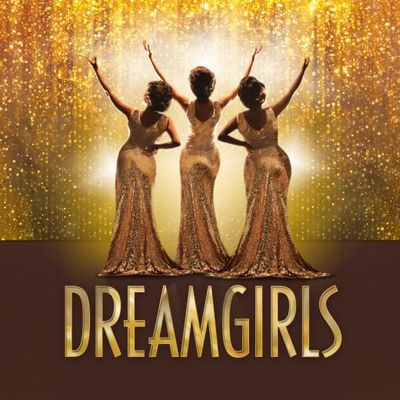
[0:53] Gennean Scott: Oh, yes, yes. Now, in the opening, I referenced your DNA because your father is Ben Harney, who is the Tony Award-winning lead actor in a musical for his role as Curtis Taylor in Dreamgirls.
[1:09] Jennie Harney-Fleming: Yep.
[1:10] Gennean Scott: So what was that like growing up, having him as your father and knowing that you wanted to be a performer?
[1:22] Jennie Harney-Fleming: It was a very layered experience. I think when I was born, my father had left the industry already. I'm the youngest of four, and so he left to pursue ministry. He started off doing like kids' videos and things of that nature, but it was an interesting experience because the arts were always around, but never like pushed on us. You know what I mean? He grew up in a very naturally artistic environment at home. There were always like when I was four, my favorite album to listen to was Gypsy Rose Lee. Like that's not the normal. But it wasn't like, hey, listen to this. Like, isn't this great? I just gravitated towards, you know, that kind of, and that's kind of just how it was growing up. It was just the nature of our environment at home.
And then of course you would meet people and people would meet you, and you could tell there was like an expectation, but that energy never really came from our parents. It kind of allowed us to explore and provide opportunities for us to pursue arts if we wanted to, you know, but there was never an expectation or pressure to do this as our career. I just kind of fell into it really. I mean, I'd been performing my whole life. I mean, yeah, I'm not trying to be confusing, but you know, I was in ballet class at four, and I joined the choir at church as a kid, and you know, you do the things that really are pretty normal for kids, period. It's not necessarily specific to being the daughter of a performer, but he would be, you know, I would be singing in the choir at church, but he'd be over the drama department, you know what I'm saying?
So it was just, it was both sides, you know what I mean? He was never too far away. The reality or the world of that thing was never too distant. It took me a long time to release myself from a certain level of expectation, knowing that, like, okay, if I choose this as a career, that means I'm always gonna be compared or people always gonna look at me with a certain level of expectation before I hit the stage, before I open my mouth, before I read the script, before I do anything. Do I really want to be under that level of scrutiny? But also it's a double-sided situation because then there's already like provision for you in the same respect. So you kinda gotta take the bitter with the sweet.
But I wouldn't change it for anything in the world growing up under my parents' tutelage and guidance because even yes, the performance aspect of it, but they taught me to be a good person. Yes. And the importance of humanity and how much when you choose the arts, it's not about self-glorification as much as it is about telling the story of the human experience and connecting with people from all different backgrounds, you know what I mean? To, in church terms, minister or to just impact or connect with people that you normally probably would never speak two words to on the street. You know. So it was that that left the most indelible mark on me and all that other stuff, yeah, it comes with it too. But those were the most important values I learned.
[5:12] Gennean Scott: That's great. Because it's so often we've talked to so many guests, and it was that they knew, but they didn't necessarily have that supportive, you know. It was like, oh no, I don't know, you know, this is hard. And was there any advice, I mean, given to you by either your mom or your dad? Because you know, your mother is a part of this too, of this equation. Was there any advice that they gave you once you made that decision that you wanted to get into performing as a career?
[5:48] Jennie Harney-Fleming: Yeah, I mean, I think I don't think there was ever, it was always counseling by situation. Okay, you know what I mean? There was never overarching other than like that ministerial mindset that kind of gets ingrained from church and you know, church productions. We did a production of Wisdom and all those wonderful things that we get from those experiences that are poured into all parties involved. I think it was more counseling and helping me learn how to view myself in the industry, you know, learning, you know, like when you first get an agent and you're so eager to please the agent, learning that the agent works for you, learning like those kinds of mindset shifts that usually take a longer time when you don't have a certain kind of guidance in the industry.
[6:40] Gennean Scott: So let's talk about your road to Angelica Schuyler.
[6:44] Jennie Harney-Fleming: Sure. How did you get there? And what did you do to prepare yourself for that role? Although I know that's not your first Broadway role because you were Nettie.
[6:55] Jennie Harney-Fleming: That's correct.
[6:55] Gennean Scott: What, 2016?
[6:57] Jennie Harney-Fleming: Mm-hmm. That's my Broadway debut.
[7:00] Gennean Scott: Yes, yes, yes. It's been an interesting road.
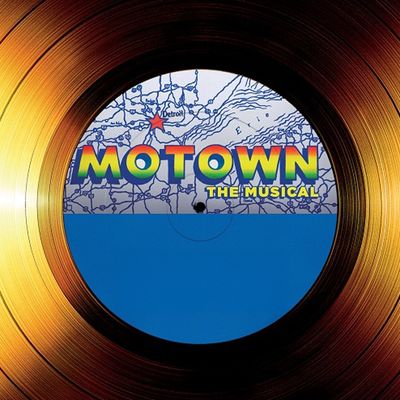
[7:04] Jennie Harney-Fleming: I, my first production contract was with Motown as a swing. It was a Motown first national tour where I met many of my closest industry friends and keep running back into these people everywhere I go. But I was a swing, I think I covered six parts in the first national tour. Everybody except for Diana Ross. I think my hips were a little too wide. But that was a fun experience. I did that for, and then I immediately left and came back to New York to do an off-Broadway production of a musical called Pearl based off of the life of Pearl Bailey, which is where I met my husband, and it was a very brief run in like, I don't know, one of those festivals, one of those like midtown international theater festivals and one of those wonderful opportunities.
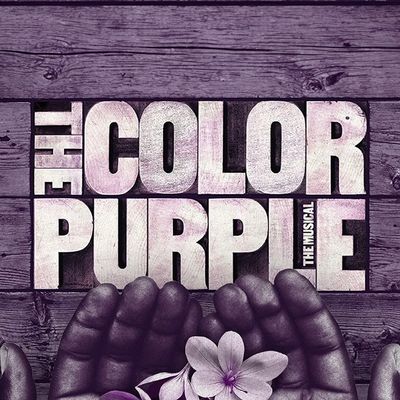
I actually knew the writer and my father directed it and we had been doing iterations of this production since 2012. And so this 2015 I came back and did that production and then I kind of went through a season of drought, which everybody goes through, you know. It was, I kind of felt like it hit me out of left field in a way where I didn't feel like I was getting room. You know what I mean? I felt like I was having a hard time just getting called in for things like I think I got called in for like Shuffle Along and maybe one other thing at the time, but even Color Purple, I would try to get an audition for, and they would tell me I wasn't right for it. And I was like, okay, you know, you're right. Yeah, yeah, yeah. We'll circle back, you know.
[9:09] Jennie Harney-Fleming: Uh-huh. And so for a good year, I was back to temping, doing temp work. I did wedding bands, I did, you know, the jungle struggle, you know, makeup gigs and things like that. And I think I was working with my dad at Brooklyn Academy of Music in the summer of 2016. And at this time, when they started calling me in. I think I was close, I am close friends with Jason Michael Webb, who was CMD, and I think he pushed for me to come in there, and so I got seen and I went through the different rounds, and now in the back of my mind, I'm like, y'all don't want me. You're just bringing me in here like a compare other people and blah blah blah blah blah, but y'all don't, yeah, this is not real. And after multiple rounds and getting to the final callbacks and working with John Doyle, I have my final callback with one other young lady who I adore.
She's like such an amazing person. And it was between her and I, and we got together and we prayed outside of the audition room and put it to bed and said whoever is for us is for them and something else is for the other person. And I walked in the room and I auditioned and I booked it.
[10:22] Jennie Harney-Fleming: Awesome. That was a life-changing moment because I felt like up until that point everything was getting blocked. You know what I mean? Yes. Why can't I get in the room? Why don't these people, what the ha, who is it? Where are you? You know what I'm saying? Uh-huh. Uh-huh. And then you finally learn, oh, these things were being blocked because this was what I was supposed to go to next. And just learning how to go with that flow. And I felt like it was a very similar experience this time around with the Angelica situation because after that I went, I did the show, the show closed, same week of closing. Actually, today, I want to say it closed on January 9th. Color Purple closed on January 9th.
Either today or it was either the day before or the day after my birthday. And I went in to be seen as a universal Schuyler sister, which was something that didn't exist up until that point. Like they were guinea pigging me for this particular track, which is very similar to a universal swing. But the difference is that it's exclusively principal contract. So no ensemble coverage in that contract, which led to a whole other host of things. But I did that for two years with Hamilton. And then we went, and then I got promoted to the Broadway exclusively Broadway company because I was always with Broadway as a home base, and then I would get shipped out and always returned back to Broadway. But then when I took over the Broadway standby contract, that's when I got pregnant with my first baby.
I know I'm giving you a whole history, a whole background, but oh, that's okay. And then the pandemic happened. I had my second daughter, and I went back to Hamilton full time after my second daughter was born. A couple months after I returned, I had already told them years ago, like, hey when my girl Mandy decides to make an exit, would you please keep me in consideration? And they did. And so when she let them know that she wasn't going to continue, they came to me and asked me if I wanted to take over. So that was about six months before I actually took over. And I took over in September. But it was similar in that when I returned to work and was ready to like do the thing, get back into it. It's been a mad years, you know, between the pandemic and birthing children that I had, you know, like been pursuing my career, being very career-focused.
[13:40] Jennie Harney-Fleming: And I went in for audition after audition after audition, and I just kept bombing. I just kept, I didn't know how to audition in person or even on the computer anymore. I was just I didn't know where I was, I lost my footing. And then this offer came in, and I realized okay, those things weren't supposed to happen, you know, because this is what was purposed for this next season. So long story short, that's that's that's what happened. But you know, here's the thing. I know you're like, oh, long story, but there are so many artists like yourself who go through that and who end up and and they're like, oh my gosh. And basically what you're what you're telling them, and you're telling our audience is to keep going and to recognize that what's for you is for you.
And I love that uh you and uh and the other young lady prayed out there and was just like whoever gets it, like we're gonna be happy for the other person because we know you know no matter what, because there's something out there for whoever doesn't. Yes, and just being um and trusting your gift. Um I think that's I think it's a story of trusting your gift and and trusting trusting that voice and um and what uh and what's for you is for you. So I know I appre I I totally appreciate that story, and I think that some of our listeners will hear and see themselves in that story, and and that it's not it's not a guarantee no matter who you are, you know.
[15:24] Gennean Scott: Yeah, and so I I appreciate you for for sharing that. You said that you had so you had a COVID baby basically right to a quarantine.
[15:34] Jennie Harney-Fleming: And that too is perfect timing. Think about it. It's true. It is so true. We had no, I didn't we weren't planning it at all, and then we got pregnant uh August 2019. We moved into our new house or apartment, not knowing we thought we were moving into space. No, no, we outgrew the space before we even got in here, and then we got pregnant again um in 2021. And uh so now I've got a 14-month-old and a two and a half year old, which is awesome.
[16:15] Gennean Scott: How do you how do you juggle that? Um, you know, being a mom and being a wife, um what's work-life balance, or should I say integration? Because I don't know if there's any real such thing as balance.
[16:27] Jennie Harney-Fleming: Girl, I'm tired. I'm tired all the time. I'm tired when I wake up. It's real, it's just real, a very real experience. But I have an amazing husband and a really awesome support system. Great friends. My my parents live in New York. We we moved to Jersey, but they're just top skip and a jump away, to which mom is down in DC. So we have a substantial support system. We've got some wonderful nannies that we've been blessed to find. Um, my sisters are too far. I really needed someone, so you know, that's really the bottom line is relying on people, asking for help. Oh, I hate asking for help. But here we are, we gotta do it. Yeah, you know, for the good of the babes. Um, and you know, just really honestly, you just gotta count it all joy, you gotta count your blessings, you gotta just constantly check yourself and keep things in perspective because there was a time when I prayed for this season.
There's people who are currently praying for a season like this, and so no matter how difficult, because it's hard, girl, it's hard. I'm not even gonna I ain't gonna hold you, boo. This this is hard. Okay. But uh it it it's what it's it's an amazing season. You just gotta constantly remind yourself to keep it all in perspective and remember that it's really just a short period of time. Like they're timing for so short, you know what I mean? Like I look at my two and a half year old, and I'm like, you're a different person for six months ago. Same thing with uh Olivia, like she's counting the ten. Who what? Stop. You know what I mean? It just goes so fast. Um, and I think that's the biggest part of it is that you just have to remind yourself how blessed of a situation you have, and that life is seasonal and things will change at some point and just embrace it.
[18:37] Gennean Scott: Yeah, life is seasonal. I love that. I'm stealing it just so you know, girl, both.
[18:42] Jennie Harney-Fleming: Yes, I'll give you credit for it. I'll give you credit for it. But I I I like that life is seasonal. Um, and some so often we we do forget that that um there is a season, there's a season of sewing, there's a season of rebate. We forget that sometimes. Um looking ahead to the future, I know you're probably like, What? Look, I just got here with Angelica. Mandy just left. I just got here, and now you're talking about looking at the future. And I told you I'm in shock with my two year old count again.
[19:19] Jennie Harney-Fleming: Yes. But looking in the future, what do you what do you what do you see for yourself? What are you what are you seeing for yourself? What are you wanting to do? You know, I started a company over the pandemic that I I really want to try to get back to growing. Called the artist's dream. And it's it's I I don't want to give it away yet. You know, okay. Just because it's still in its infancy. Um but I would like to get that going and up and running so it can become its own form of passive income. I've got some music I want to work on, a lot of recording music and working with friends and putting out different types of music, you know, some theater, some jazz, maybe even some gospel, and just trying to find my own authentic sound in that and just figuring out what this new trajectory is.
Because I feel like after the pandemic, everybody's having to shift what or reframe in their mind what their trajectory looks like. Like it's can't be the same as it was before for most of us. And I think we're all kind of moving in that direction. Okay, like, okay, how what are we what's you know, if you'd have asked me two years ago, I would said, you know, originated Broadway show and you know, do this and do that, and all these wonderful career-based um trajectories. And while those things do still remain hold a lot of weight, I think the value system has changed. Um and I think kind of like what you had mentioned before about creating legacy and something to pass down to your children and longevity in a way.
I think, you know, I started doing voiceover over the pandemic, so that's something I want to continue with. And you know, just realizing that I can work on multiple streams of things and let those things have their own life. So that it kind of takes the pressure off of Broadway dreams and the need to um chop things off the list or accomplish certain things in certain time frame.
[21:37] Gennean Scott: Yes.
[21:37] Jennie Harney-Fleming: Next Broadway show. Absolutely. Yes, you know, um, originating our role, yes, film and TV, yes, commercials, yes, yes, all those wonderful trajectory goals, but I think I need to build a broader foundation for the longevity of all, if that makes sense.
[22:01] Gennean Scott: Yes, it it absolutely does.
[22:04] Gennean Scott: So looking at uh legacy, there's a there's a question we ask all of our guests, um one final question we ask all of our guests, and it is what advice do you have for the future black leaders of Broadway?
[22:30] Jennie Harney-Fleming: Ah, that's hard. Uh we'll take them all, we'll take them all. That is hard. I have a I have a thing now that I've caught up on. So I'll speak on that because it it harkens in my mind every day. And because this is a black black specific audience, excuse me, um, not that others will listen and others can't, you know, absorb and obtain things from this. One thing that has really rested on me a lot is being aware how we speak about each other in general, yeah. They speak about our co-workers, our black co-workers, as black people, even in sp safe spaces, absolutely. Like sometimes we just need to mint, we need to get it out. She's driving me crazy, he's you know, doing this on stage, whatever. We have permission to do that, but I think we need to give ourselves boundaries, especially for me, my my boundary is black women and black mothers.
As much as some people may drive me up the wall, there's a certain limit. I limit what I allow to come out of my mouth about you know, our front of parts, and especially in mixed company. Yes, that's a big thing for me. Like, we in mixed company, I don't know your intentions, I don't know your perspective, I don't know your views, but I sure can't, no matter how much this person may drive me up a wall, I'm not going to come together with you and exchange you know upsets and exasperation. So I think, especially for so many of uh of people that I love in the industry and that I've come to know have grown up in predominantly caucasian or white spaces, and so there may they may feel a certain automatic kinship that when they interact with other black people may make them feel a little alienated from the black community.
We gotta stop to the map, first of all. Um as I think the recognition that we can't say everything to everybody, I think that's a big one. That's a big one for me right now. We gotta be mindful and supportive and remember that there is trauma and there is um a precedent set or an expectation that is set on black women and black mothers and black working person. And we allow ourselves to speak too freely in the wrong set of next company. We are reinforcing and setting ourselves back in a certain way in terms of how people come to view us as human equal, all that jazz.
[25:27] Gennean Scott: So that's oh my gosh. I'm gonna have to wait till we get off this recording.
[25:32] Jennie Harney-Fleming: Yeah.
[25:42] Gennean Scott: I I completely I'll just say I agree uh wholeheartedly with everything that you said. Um, especially in this industry. There are far too uh few of us to begin with, and um we have to continue to edify uh one another um uh in actions in words. Um yeah, big, big, big yeah.
[26:15] Jennie Harney-Fleming: Well, I want to say thank you. Uh thank you for for coming on here and and chatting with us.
[26:22] Jennie Harney-Fleming: Thank you. This is so grateful. So much fun.
[26:26] Gennean Scott: We are grateful. I want to thank our guests and you, our listeners. You could have been doing anything else, but you chose to spend your time with me, and I am grateful. Be sure to subscribe at bpn.fm slash bvb. So you'll never miss an episode. While you're at it, tell a friend. I'm your host, Gennean Scott, and we at the Broadway League hope you enjoyed this episode of the BLACK BUSINESS of Broadway.
© Broadway Podcast Network, All Rights Reserved