

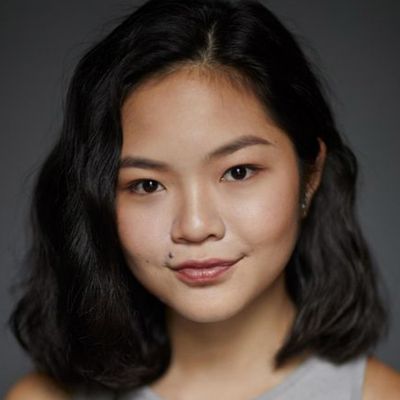
"Do not fight the storm." This week Jess, Andrew, and Bree are joined by the insightful, intelligent, and kind actress and podcaster Rachel Chan to talk about the OTHER 2016 musical that was ignored by the Tony's "Allegiance." It's a hilarious, and educational episode that I know you're going to love!.. Read More
From the show: Musicals with Cheese
Guests
About
"Do not fight the storm." This week Jess, Andrew, and Bree are joined by the insightful, intelligent, and kind actress and podcaster Rachel Chan to talk about the OTHER 2016 musical that was ignored by the Tony's "Allegiance." It's a hilarious, and educational episode that I know you're going to love!
This show was produced and edited by Brianna Jones!
Donate to Black Lives Matter here
Social Media:
Musicals with Cheese on Twitter
Musicals W/ Cheese on Instagram
Email us at musicaltheatrelives@gmail.com
Jess Socials
Andrew Socials
Brianna Socials
Transcript
This transcript was automatically generated and might contain errors.
[0:04] Jess McInally: Hello, I'm Jess McInally.
[0:06] Andrew DeWolf: And I'm Andrew DeWolf.
[0:08] Brianna Jones: And I'm Brianna Jones.
[0:10] Jess McInally: And welcome to Musicals with Cheese, a podcast where I try to get Andrew and Bree to like musical theater.
[0:15] Jess McInally: And today we have a super special guest.
[0:18] Andrew DeWolf: Wow, the specialist guest that we've never had on the show before.
[0:21] Brianna Jones: No, that's not true.
[0:23] Jess McInally: Except for that one time that we did.
[0:26] Jess McInally: Today we are once again welcoming actress, singer, podcaster, which is brand new compared to last time, Rachel Chan!
[0:34] Rachel Chan: Yeah! Hi guys. Thank you for having me back.
[0:36] Jess McInally: Wait, what's the podcast?
[0:40] Rachel Chan: Um, I started a podcast with my best friend called In Betweening the Podcast. And um, it's been interesting. It's stressful, but interesting. I have newfound respect for what you guys do.
[0:51] Andrew DeWolf: Yeah.
[0:53] Jess McInally: You don't have to have any respect for what we do.
[0:56] Rachel Chan: Maybe what you do should... well, it's been a hundred episodes since the last time I was on here, so a hundred miles.
[1:04] Andrew DeWolf: Oh god.
[1:05] Jess McInally: Well, we hit a hundred episodes since last time you were on there.
[1:09] Rachel Chan: Yes.
[1:10] Jess McInally: Yeah, that's what I meant.
[1:12] Brianna Jones: She guessed it relatively early, right?
[1:14] Rachel Chan: Am I?
[1:14] Jess McInally: I mean, she was Miss Saigon, and now you're gonna make me have to look at our cheese rating list to figure out where that episode fell.
[1:21] Andrew DeWolf: Yeah, that was a long time.
[1:23] Rachel Chan: I thought that was a good one.
[1:24] Jess McInally: No.
[1:25] Rachel Chan: What?
[1:26] Jess McInally: You don't like Miss Saigon?
[1:28] Rachel Chan: I love Miss Saigon. I just um...
[1:29] Jess McInally: Oh, you don't think it was a good episode?
[1:32] Rachel Chan: No, it was a good episode. It's just me. Me on the episode, you know.
[1:37] Jess McInally: That was episode 46. Everybody get on Twitter and tell her how much you like the Miss Saigon episode.
[1:45] Andrew DeWolf: That'd need like a fan favorite.
[1:46] Rachel Chan: Yeah, people on Twitter have told me that Miss Saigon episode is their favorite and that they loved Rachel on it.
[1:55] Jess McInally: Now you have to live up to that.
[1:56] Brianna Jones: We listened to episodes.
[1:59] Jess McInally: But the consensus is that you did very good and people loved you.
[2:04] Rachel Chan: Well, thank you guys. Going back and listening to early episodes is like a cringe experience that I don't need in my life.
[2:12] Jess McInally: I've done it once or twice because people have criticized us for things we said, and I'm like, oh Christ, what did we say?
[2:18] Andrew DeWolf: It's like, well, yeah, of course I said something dumb. That was a year ago.
[2:27] Jess McInally: Speaking of reflecting back on dumb things, we're looking back at the year 2016 in this episode, and nothing horrible happened that year.
[2:35] Rachel Chan: Nothing at all.
[2:37] Brianna Jones: Mmm.
[2:38] Jess McInally: And Rachel, you suggested this episode.
[2:41] Rachel Chan: I didn't suggest it. I didn't throw this out there. So I just want to make that very clear. I was not the one that suggested this.
[2:46] Rachel Chan: I would love to have you back to talk about it.
[2:49] Jess McInally: You're like, Allegiance! I've been wanting to do that for so long.
[2:53] Rachel Chan: So I was like, well, if he's that, you know, excited about it, I have to do that.
[2:58] Rachel Chan: It has a nice-ish pro shot of it.
[3:03] Jess McInally: Yeah. I watched it during quarantine because they just released it.
[3:07] Rachel Chan: Do you know how much the DVD of this is worth? It's not even a Blu-ray. A DVD of Allegiance.
[3:13] Jess McInally: How much are they selling it for?
[3:15] Rachel Chan: 150 fucking dollars just for the DVD of Allegiance.
[3:19] Jess McInally: What? That's ridiculous.
[3:20] Andrew DeWolf: Man, I'm so glad stealing exists.
[3:27] Jess McInally: Oh yeah, by the way, we're talking about Allegiance this week.
[3:30] Brianna Jones: Did we not mention what we were talking about?
[3:32] Jess McInally: Cue the music, Bree.
[3:36] Brianna Jones: That's a piece of paper there.
[3:39] Jess McInally: It is an outrage. So many tens of thousands of lives destroyed for one thing to port you back to Japan.
[4:00] Jess McInally: Allegiance is a musical with music and lyrics by Jay Kuo. Or tell me if I said that wrong.
[4:06] Rachel Chan: K-U-O. I think that's right.
[4:09] Jess McInally: Jay Kuo. I pronounce everyone's name wrong. Like I said, I do. It's like a running joke on the show.
[4:16] Jess McInally: Um, and a book by Mark Asido and Lorenzo Thorne. The story is set during the Japanese American internment of World War II, with a framing story set in present day. It was inspired by the personal experiences of George Takei, who stars in the musical. It follows the Kimura family in the years following the attack on Pearl Harbor, as they are forced to leave their farm in Salinas, which is a place in California, and are sent to the Heart Mountain Relocation Center in the rural plains of Wyoming, which just sounds terrible being in Wyoming.
[4:54] Jess McInally: The musical began development in 2008 and premiered in September 2012 in San Diego, California. It played on Broadway from October 2015 to February of 2016. Reviews on Broadway were mixed, although the cast was generally praised. We're done with that until we enter our Bree's section, which will come soon. Um, but Rachel and Andrew, what are just general thoughts on Allegiance?
[5:23] Rachel Chan: I will let the guests go first.
[5:25] Andrew DeWolf: Oh god. Um, I really appreciated the musical. I think that it tried to tackle a very hard topic and a lot of themes, like there are so many, which almost made it a little bit difficult to keep up with and follow. But I think that it did a really good job sort of like showing what the Japanese Americans went through and their general experience. And yeah, I think the music was beautiful and very underrated. I think what it did very well with the way it tackles, because this obviously is a difficult subject to cover, especially for a musical. I think having three different characters that all look at the situation in different ways kind of helps with covering it in a more effective way. Um, that really shows all the different viewpoints that the Japanese had on the situation.
[6:30] Jess McInally: Alright. Um, here I am being the negative Nelly. Once again, Jess is gonna be the mean one.
[6:38] Rachel Chan: Well, Jess, you have to hate everything.
[6:38] Jess McInally: I don't though. I spend the time.
[6:43] Andrew DeWolf: We have to take turns, actually.
[6:45] Jess McInally: We have to take turns.
[6:46] Rachel Chan: I didn't like it.
[6:47] Jess McInally: If I don't hate it, you have to hate it.
[6:49] Rachel Chan: I did love this musical. I feel like it is very confused, and it needed like a few more hours in the oven before it came out to be seen by everyone. I love a lot of the pieces of it, but I feel like it doesn't quite know the message it wants to say, and it gets very confused on the way to the final scene.
[7:11] Andrew DeWolf: Mm-hmm.
[7:12] Jess McInally: But I think that in that way, um, the entire situation that the people of that time must have been living in was very confused. So I kind of had to learn to appreciate how I was a bit all over the place because it was all over the place.
[7:30] Rachel Chan: And one of the biggest themes that I think it really had to tackle was the in-betweenness of the Japanese Americans of that time. Um, I'm a third culture kid and they were cross-culture kids. Um, in our globalized world, there's so many of those. And that sort of like in-betweening of not knowing really where their allegiance lies, um, was very well captured, I think, in how confused it was. Um, but at the same time, I do agree with it being a little bit underdeveloped. Like I would have wanted to see it kind of go through a bit more development before it went on Broadway.
[8:06] Jess McInally: Yes, and I don't understand it felt very rushed onto Broadway. I know they started like testing it out there into the world in 2012, and that is like a three-ish year development process, but I'm not sure what part of it was like we need a lot more Broadway-centric dance numbers.
[8:26] Rachel Chan: Yeah. I think they tried to add in a lot of different styles, like not just the Japanese infused songs, but also like songs from America of that time. But it still was super strange, and I think they tried to make a point with that um sort of like the juxtaposition of the Asian cast doing like super upbeat jazz, uh Broadway musical theater type dances, but at the same time I was like, this is visually a bit confusing.
[8:57] Jess McInally: Um yeah and also this has nothing to do with nothing. It is one of the worst pro shots I have ever seen just in the way it was shot.
[9:07] Rachel Chan: Mm-hmm.
[9:08] Jess McInally: There's like one part where they just close up on some random person and then cut back. And I was so confused.
[9:15] Andrew DeWolf: There are times where you see the cameraman's shadow on the actors.
[9:22] Rachel Chan: Yeah.
[9:22] Jess McInally: I mean that's not really this is that's not really points against the show.
[9:25] Andrew DeWolf: No.
[9:25] Jess McInally: Because that I mean that's just the way that they're filming it in yeah it's ridiculous that they're selling that Pro shot for a hundred and fifty dollars is more what I'm trying to say.
[9:37] Rachel Chan: Why would would is that like a normal cost for a pro shot though?
[9:41] Andrew DeWolf: No.
[9:42] Rachel Chan: A very high price. That's like what I would expect to pay for like a ticket to the show.
[9:51] Jess McInally: But me both me and Andrew are Americans. Rachel, you're decidedly not.
[9:54] Rachel Chan: I am not, no, and I'm not Japanese either. I'm Singaporean, but um, I think 'cause I did a lot of moving around in my childhood, I have grown up in that sort of like where do I really belong? Um, the same as a lot of like children of immigrants feel. And so my biggest like entry into the show was that sort of like how they captured the confusion of the um, the first second generation, first generation Americans, Japanese Americans, um, so Kay and Sammy, and how they had to sort of really figure out where they belonged and where they should place their allegiance. So that was my favorite part and my favorite theme of the entire show.
[10:47] Rachel Chan: But I think it's less obvious to um maybe another perspective watching the show.
[10:53] Jess McInally: Even though the show's called Allegiance.
[10:56] Rachel Chan: I guess as an American, I feel like it was a little bit soft on Americans.
[11:02] Andrew DeWolf: Yes.
[11:03] Rachel Chan: Which maybe is an American-centric point because maybe as an American I want to see, like I see everything as like, oh, Americans made this, therefore they're being soft on America.
[11:15] Jess McInally: Um, so maybe that maybe I'm actually wrong on that front, but uh it felt like you know, this was a pretty terrible thing that America did, and it felt very soft. Like there's it's just like there's dance numbers and and they're like, oh, making jokes about it. And it's like, eh. Is this really something to joke about? I don't know. It felt like you want to critique Americans in the way that they acted, but they also wanted to entertain them, and they all and between the critique and entertainment, the entertainment always won.
[11:46] Rachel Chan: And that was where I felt like, okay, pick your side, like as not with as a character, but pick your side as a show. Because, you know, we round literally we did the same thing that the Germans were doing that they're demonized the same day, like well for doing. I mean, I guess to be fair to America, we didn't do the same thing as the Germans. We weren't summarily executing them, but uh we didn't have to be able to do that. They took away their property without like we arrested them without any like trial or anything. That's bullshit.
[12:20] Jess McInally: And absolutely. I feel like our feet were not held to the fire by this show.
[12:24] Rachel Chan: Yeah, I think it didn't. I felt like when they did explore how terrible the situation is, they didn't bring it to like a huge, dramatic or like very um touching sort of place. So whenever they did try to touch on where um they were suffering and stuff, it just wasn't as impactful as I wish it was.
[12:48] Andrew DeWolf: Yeah. I also think and and I'm not sure how they could have done it, but I it feels like they tried to uh turn the whole situation into almost like a bad individual actors because there was always like one American soldier that was a little too violent, or you know, it was just like oh it's just that one soldier. It's like no no no. All of America got together and agreed to put these people in camps. Like this wasn't just one guy was a little bit over the top, you know.
[13:20] Andrew DeWolf: And I'm not sure if that's something they could have fixed because obviously limited cast, but I think you could see a more of a story element to it than just like showing one person who pulls a gun out when he probably shouldn't have, you know.
[13:36] Rachel Chan: Yeah, and yeah, the one American character that is really even I mean, she's not even that developed, but um that developed is Nurse Hannah, and she's like the good girl, you know?
[13:50] Andrew DeWolf: Yeah, she's like, oh well, I'm an American, but I care.
[13:53] Rachel Chan: It's like you're working in a concentration camp.
[13:56] Andrew DeWolf: Yes.
[13:57] Rachel Chan: Like you are a nurse at a concentration camp. Do you not see why aren't you out protesting this? Why aren't you trying to stop this from happening if you're such a good person who really cares?
[14:10] Jess McInally: I mean, we're so far into this episode, and we still haven't really gone to what the plot of Allegiance is. So, Rachel, why don't you tell us what the plot of the show is?
[14:20] Rachel Chan: Oh my goodness. Why is this always my job?
[14:23] Andrew DeWolf: Fuck it, Andrew. You tell us what the show is.
[14:25] Rachel Chan: I don't give a shit.
[14:27] Andrew DeWolf: Okay. We can take turns. I mean, what do you think?
[14:31] Rachel Chan: Yeah, girlfriend. You get one sentence and Rachel gets the next sentence.
[14:35] Andrew DeWolf: Okay, okay. Um so the story.
[14:40] Rachel Chan: I kind of picture it as about three guys, essentially.
[14:45] Andrew DeWolf: You have the father, the son, and the holy spirit.
[14:52] Rachel Chan: The family friend.
[14:53] Andrew DeWolf: The father, the son, and the family friend.
[14:56] Rachel Chan: Uh um.
[15:00] Andrew DeWolf: Oh, now now it's American.
[15:05] Rachel Chan: Uh but they all have different takes on what happens here, and it leads them down different paths.
[15:12] Andrew DeWolf: Uh one becomes a soldier in the American army.
[15:16] Rachel Chan: One causes someone to die because they're protesting the uh protesting the what would you call it?
[15:26] Andrew DeWolf: The questionnaire they put out essentially.
[15:28] Rachel Chan: Um is imprisoned because I can't quite remember what he did to be imprisoned.
[15:35] Andrew DeWolf: I think it was just they didn't leave. Like vehemently said, like, no, I do not support the American army.
[15:41] Rachel Chan: Yeah, which is completely fair.
[15:45] Andrew DeWolf: But yeah.
[15:47] Rachel Chan: Um.
[15:48] Andrew DeWolf: Alright, alright, who's next?
[15:50] Rachel Chan: I got I got I got the Rachel, pick up where he left up.
[15:54] Rachel Chan: Um, yeah, so the story kind of goes through introducing all those characters and um a woman named Kay, who is the sister of Sammy, the one that fights in the army, and it follows them losing all of their land and being put into the concentration camps when the war starts.
[16:18] Andrew DeWolf: And yeah.
[16:23] Rachel Chan: And everything goes great.
[16:25] Andrew DeWolf: Everything goes straight. Jess, why don't you finish up for us?
[16:28] Jess McInally: Um We're gonna take turns. I mean, I'm down to finish this. This is easy from this part.
[16:33] Rachel Chan: Um so Sammy goes off to war, he comes back, finds out that oh no, his white girlfriend got shot on an accident because of vaguely something Kay was involved with.
[16:45] Andrew DeWolf: Um and so he disowns his sister and his father forever, and then he's drawn to K and then he forgives kind of.
[16:53] Rachel Chan: Yeah.
[16:55] Andrew DeWolf: It's kind of bizarre too, because he disowns his sister and father because they didn't completely disown the guy who really didn't actually do anything.
[17:08] Rachel Chan: Like he was he was trying to stop someone else from shooting uh Kay, right?
[17:16] Andrew DeWolf: Yeah kind of? Or shooting him short enough.
[17:19] Rachel Chan: I think the reason that he was upset though is because they like Kay was in love with him, but they had been bashing heads throughout the entire thing.
[17:28] Andrew DeWolf: Um, that wasn't highlighted as much as they should have. Like they were like, idealistically I disagree with you, but let's go dance.
[17:36] Rachel Chan: Yeah.
[17:37] Andrew DeWolf: Yeah. And then and then they just both kind of separate and and that's it.
[17:41] Rachel Chan: It should have they should have focused a lot heavier on the debate between those two ideas and like, hey, why this is why we should side with the Americans to get them to like us, and this is why the Americans will never like us and we should not side with them.
[17:55] Andrew DeWolf: Uh basically.
[17:57] Rachel Chan: I think they tried to do that with the Act One closer.
[18:03] Andrew DeWolf: Which yeah, they showed like them sort of singing in their different perspectives, but at the same time it wasn't 100% like clearly drawn out, and I wish it was.
[18:16] Jess McInally: Wasn't angry enough.
[18:18] Rachel Chan: Yeah. We needed like a head on like We need a confrontation song like we had in Le Miz.
[18:25] Andrew DeWolf: Exactly.
[18:25] Rachel Chan: And Miss Saigon.
[18:27] Andrew DeWolf: Yeah. Can I talk?
[18:29] Jess McInally: You need that build up to the real confrontation, because that really never happens. Even when he comes back and is like actually confronting them, he doesn't confront him.
[18:38] Rachel Chan: He confronts his sister and his father and then leaves.
[18:42] Andrew DeWolf: I think the mind of I and like hindsight ruins this musical for me, if that makes sense. Like I cannot follow Sammy's plan and like his allegiance to drop the title.
[18:54] Rachel Chan: Um because I know what the Americans do in retaliation, and they drop a fucking nuke on them.
[19:01] Andrew DeWolf: Mm-hmm.
[19:02] Rachel Chan: Like, yeah, okay.
[19:04] Andrew DeWolf: No, I mean you can't think of the show in that way though, because he didn't know that was gonna happen.
[19:10] Rachel Chan: No, but he I as an audience member am like, okay, you feel jingoistic, and I and I sit uh personally in a person that hates like the police and the military while still supporting veterans.
[19:23] Andrew DeWolf: Well, maybe this is why the show needed to be more elaborate more on his positions to get you to kind of at least, even if in your mind you're like, okay, well he's wrong in the end, to at least think like, okay, this is why he thinks he's right though.
[19:39] Rachel Chan: But I think the show agrees with him is the problem.
[19:43] Andrew DeWolf: It kind of does.
[19:44] Rachel Chan: And I kind of agree with that point because I mean, even the ending, he's still in his military uniform when he's at the end of the show.
[19:52] Andrew DeWolf: And I think that's where the problem stands.
[19:54] Rachel Chan: And I speaking as an American, I don't condone a lot of the war crimes we committed in World War II, despite the fact that, yeah, we fought the Nazis, which was pretty neat, but yeah, and Imperial Japan wasn't great, but did they deserve all of their citizens being nuked?
[20:11] Andrew DeWolf: No.
[20:12] Rachel Chan: They did not. Absolutely not.
[20:15] Andrew DeWolf: But this one frames like all the war crimes and atrocities as joyful jaunt numbers, and I just can't I feel like they didn't quite want to grapple with the horrors that went on from this war on the Americans' fault.
[20:31] Rachel Chan: And I think what we're really all getting at is a tone issue.
[20:35] Andrew DeWolf: It's just it's not a dark enough show for the subject matter.
[20:39] Rachel Chan: Yeah.
[20:40] Andrew DeWolf: Yeah. I think they they tried to create that like the heartbreaking moments when they do hear over the radio what has happened to their home and stuff.
[20:50] Rachel Chan: But it just wasn't enough for me because it doesn't connect.
[20:55] Andrew DeWolf: Exactly. Because it's it nothing builds up to it. It's not like you have like and you never get that like crushing moment where like he realizes I was wrong.
[21:03] Rachel Chan: Like I shouldn't have sided with them because look at what they did.
[21:07] Andrew DeWolf: And you never get that moment. Like, it just doesn't happen.
[21:12] Rachel Chan: And I thought we would have that framing device so we would have the hindsight that us people have now whereas like maybe I shouldn't have fucking disowned my sister and my family for this shit.
[21:25] Andrew DeWolf: He does that I don't know he he doesn't get the remorse until years and years later.
[21:31] Rachel Chan: But that's us speaking as American and Andrew that's us speaking from our own like hatred of our own country.
[21:37] Jess McInally: I'm very interested in Rachel's opinion as not being an American being in Singapore and like having no quote unquote American allegiance to us.
[21:46] Rachel Chan: American media has infected every country so yes it has sadly I think to me when I was watching it I was I think they were trying to compel me to be on Sammy's side and as like an Asian uh person um especially in this day and age when like you said Andrew you know the American media is everywhere I was sort of compelled to be like oh yeah Sammy's the hero like especially in the in the lyrics where they're like we are Americans and stuff like that like it made me feel some type of way because I know that the struggles that immigr like children of immigrants nowadays in America have in being accepted for what they are which is um you know citizens of America.
[22:32] Rachel Chan: So I heard that and I was like wow like this must be such a great you know sort of musical for people um that go through that struggle but then now thinking about it, or like upon reflection, I was like, actually, like, should I really have thought that Sammy was the good guy for dropping everything and you know, all of his like family's honor, quote unquote for a country that was like not really doing very good things.
[23:02] Andrew DeWolf: And um Well, yeah, and he can feel in his heart that he is an American, but when America puts you into a camp and says you are not an American, or at least we do not see you as one.
[23:13] Rachel Chan: We're gonna take away the rights we give Americans.
[23:15] Andrew DeWolf: Yeah.
[23:16] Rachel Chan: Yeah. I mean, at that point you need to do something and you need to stand up and s and what he should have done is he should have been like, I'm an American, and I need to stand up and say I'm an American and you need to give me my rights, not oh, I'm gonna join your military, because then maybe you'll maybe you'll uh turn around and be like, Oh, well, you joined the military, so I guess you're a citizen now.
[23:36] Andrew DeWolf: Yeah.
[23:37] Rachel Chan: And I think in showing all the different sides, because there were like five or six different perspectives on this entire situation, uh, while that was really great, I think all of the characters are so extreme in what they think.
[23:51] Andrew DeWolf: Like Sammy like dropped his entire family and had no like moments of being like, is what I'm doing actually right?
[24:00] Rachel Chan: Or is this really something that I should like the decision that I should be making?
[24:04] Andrew DeWolf: And I wish that they had less characters that showed those perspectives, but delved deeper and and sort of developed those characters so that they showed the layers that different people had.
[24:16] Rachel Chan: Imagine if Sammy had an 11 o'clock number all about like him deciding whether or not to betray his family and like cut him off.
[24:23] Andrew DeWolf: Imagine how heartbreaking that would be to see George Takei.
[24:26] Rachel Chan: Yeah, he had his I Want song of like, I'm gonna I love America, and I'm gonna flip it.
[24:31] Andrew DeWolf: Oh no, no, no. Did he get a song when he left his family?
[24:33] Rachel Chan: I can't even remember.
[24:35] Andrew DeWolf: No, we gotta we've gotta wrap this up and get George Takai on stage to come.
[24:39] Rachel Chan: It's like, isn't that like a very big decision that he should sing?
[24:43] Andrew DeWolf: And like, and and really that might have turned me, because I'm not like, yes, I'm I'm giving my own political opinions and things like that, but I'm not saying that there is no show that could exist where someone with his political values could have been on stage and could have been good.
[25:00] Rachel Chan: Even Miss Saigon had a character like that that you kind of supported.
[25:04] Andrew DeWolf: Yeah, you just need to actually, you know, put some passion behind their words and have them sing a number about why they believe what they believe, not just have them go up to their sister and say, I can't believe you're siding with that guy. Bye.
[25:19] Rachel Chan: I think the music, while beautiful, it was, you know, because in musical theater we always say like we sing when words aren't enough.
[25:29] Andrew DeWolf: And I thought that the placement of music was a bit strange because they had all of these filler songs that were like, okay, I I'm sitting here appreciating this, like, this is pretty, but what?
[25:40] Rachel Chan: And then in the parts where I really felt like I needed a punch of like a huge song that really like blew me away and brought me to tears.
[25:48] Andrew DeWolf: I was like, what where is this?
[25:50] Rachel Chan: Like I'm missing it now.
[26:00] Andrew DeWolf: Yeah, it's like they never they never had a big song about any of their like big decisions.
[26:07] Rachel Chan: They had songs about like, oh, we're gonna do a dance party, and it's not it's it's in a camp that's not good.
[26:13] Andrew DeWolf: And like, here we go, here's our song.
[26:15] Rachel Chan: It's like what this has nothing to do with anything.
[26:18] Jess McInally: Can I be a horrible cynic for one moment?
[26:20] Andrew DeWolf: Sure, Jess.
[26:21] Jess McInally: For one moment?
[26:23] Andrew DeWolf: Oh, you should be at the whole show.
[26:24] Jess McInally: You can be at the whole episode if you want, Jess.
[26:28] Andrew DeWolf: My entire podcast?
[26:29] Jess McInally: Oh, dude. Since episode one, it's never stopped.
[26:36] Andrew DeWolf: Guys, I grew up in the year. I can roast him now. I was so polite in the last episode. I was like, oh yeah, like this, this is. No, I'm like. Yeah, I don't think I don't think you understood the discussion that goes on in this show. No, you can tell me that I'm an idiot and I don't understand what I'm talking about. The sphere of discussion on this show is all the way down in like garbage tier. Like we just yell at each other. Alright, let me be the horrible cynic for a moment, and maybe maybe you'll agree with me even Rachel. You never know. Or maybe you'll hate me because you think I'm wrong. Because I might be wrong. But I feel like they just wanted to give as many songs to Lea Salonga as they could, and everyone else was kind of a secondary thought.
Because I feel like they had Lea Salonga casted, and then they were like, well, we gotta give her a bunch of numbers because that's what people are coming into the theater for. And then so Sammy, fuck him. He don't get a song. Like, he's not Lea Salonga. Let's give her the higher song. Even though the emotions that she's going through in this scene really do not support that.
[27:42] Rachel Chan: Well, I think she's brilliant in Miss Saigon, and I think she's brilliant in everything else she's done, and she does great with the material she's given. Her character is not going through nearly enough for these to warrant all these numbers. Well, I think I mean I think Kay's character went through a lot of push and pull with trying to figure out whether she should be loyal to her dad and to a brother, because she raised her brother and then her dad raised her. So she had a lot of confusion in like where should I really be following or who should I be following? And then like her love interest gets brought in and he has another perspective on it, and I'm like, oh my goodness, give this girl a break.
But at the same time, a lot of the songs that she sung, other than uh what is it called? Higher. Higher. Yeah. I love that song, but which was beautiful. I'm gonna put that in my audition rep. But at the same time, I was like, the other stuff that she sang just wasn't as memorable. I feel like in other musicals that she's been in, I walk out and I'm like, oh wow, like Lea Salonga sang all of this stuff. And I just recently saw her in Sweeney Todd in Singapore, actually.
[28:53] Andrew DeWolf: I bet that was amazing.
[28:55] Rachel Chan: It was she was amazing, yeah. It was great. But um, I feel like in this one a lot of the songs were kind of felt like filler songs, even though it wasn't a sung-through musical. Like it felt like a lot of the songs fit into a sung-through musical, but they it wasn't completely all music. So at this I was like, you know, this is a bit strange. It's like a sung-through musical where they cut all the story numbers.
[29:21] Jess McInally: Yes.
[29:22] Rachel Chan: Um, and I don't mean to be negative because I love Lea Salonga and everything that she's in. I am always such a big fan. Um but really I feel like they formed the show around her when they should have formed it around Sammy. Um because he is the one that I personally believe had a lot to go through and makes the big choice in the end. Whereas Lea Salonga, I feel like she would stand out more if we had less of her, if that makes sense.
[29:52] Andrew DeWolf: Yeah.
[29:55] Rachel Chan: Wait, I'm trying to remember what his name is. I saw him as Aladdin.
[29:59] Andrew DeWolf: As the Yeah.
[30:02] Rachel Chan: Tellilyung. Um, I thought he was really amazing with what he was given. Um I really liked his characterization. I just wish that they gave him more layers to play with because I feel like if they gave that to him, he would have taken it and like ran and just had such a standout performance. But um instead, you know, he he got that it was kind of like a one note, and I wish that they gave him more things to grapple with and to play with in the movie.
[30:31] Andrew DeWolf: You see, I feel like he had a lot to deal with. Um like What Makes a Man is possibly the most emotionally gripping song in the entire show.
[30:38] Rachel Chan: Yeah.
[30:39] Andrew DeWolf: Um it is um what's his face? Kay's boyfriend that I feel like has nothing. He is a reflection of an ideal and nothing else.
[30:48] Rachel Chan: Mm-hmm.
[30:50] Andrew DeWolf: He could have been the most interesting character too, or one of them.
[30:53] Rachel Chan: Yeah.
[30:54] Andrew DeWolf: I literally I watched this with my girlfriend, and I turned to her and I was like, this is literally the communist character from Fiddler on the Roof. Like he there's nothing aside for to him to him aside from his ideals, which makes him uninteresting. And then his like whole love story with Kay is really like out of nowhere. I thought they had like two moments, and then they were like, I'm willing to die for this person. I was like, at least give them. I didn't even get a love song. I know that Sammy and Hannah did, but I don't know. They share it with they share it together between the two of them. Um, I think it's with you, I believe.
[31:32] Rachel Chan: Yeah, yeah, yeah. It's so memorable. But I feel like if at the end, like you're willing to say goodbye to your brother that you've raised and yeah, just do all of these like extraordinary things for somebody, you should probably get a little bit more development in your love arc story. So yeah, I was a bit like I wish there was more there, because I think it would have added a lot and and yeah, made a big impact on how I see the characters and how I have shaped them in my head.
[32:08] Andrew DeWolf: But not if enough of what we think. Um, it's time to look at what the Broadway reviewers think. It's time for our favorite section that is now added to our podcast, previews, where Brie talks about the reviews of our Broadway critics and gets to be the bearer of bad news. So Brie, what did the New York critics say about Allegiance?
[32:30] Brianna Jones: Yes, I'm here to tell you. Okay, so in the New York Times, Charles Isherwood praised the performers, but wrote, while well-intentioned and polished, Allegiance struggles to balance both ambitions and doesn't always find an equilibrium. Variety felt that despite good performances and designs, the well-intentioned story would have been better suited as a play, and that in their sincere efforts to humanize their complex historical material, the creatives have oversimplified and reduced to generic themes. In a similar way, the Hollywood Reporter felt that as a musical, Michael Dale of Broadwayworld.com admired the cast, but thought that Allegiance, while certainly not a bad theater piece, is an underachieving one.
[33:19] Andrew DeWolf: Jeez, these are just scattered.
[33:21] Brianna Jones: A large number of songs. Oh, these are scathing. But remember, this was the year of Hamilton and Waitress. This show, as much as it had high hopes, had no chance.
[33:33] Jess McInally: Fair.
[33:34] Brianna Jones: So as mentioned, the large number of songs was seen as a problem by the Huffington Post, which noted, though Co. has written a lot of it, the score just doesn't make the grade. Mark Kennedy of the Associated Press complained of jarring writing, commenting, there are long periods of unrelenting misery with families ripped from their homes and subjected to uh brutality by vindictive white soldiers. Then there's a song about the joys of baseball.
[34:01] Andrew DeWolf: Yeah.
[34:03] Brianna Jones: That that makes a fair point. That gives way to scenes with dangerous choking dust storms, a dead baby, and jail beatings. Then there's a happy sock op.
[34:16] Andrew DeWolf: Sounds chaotic.
[34:18] Brianna Jones: I wish I would have watched it, guys.
[34:20] Andrew DeWolf: You're not wrong, though.
[34:23] Brianna Jones: Critical of both the score and the script, Jesse Green of Vulture thought that outside of several moments, too much of the show is devoted to far-fetched plot twists, whose attempts to gin up excitement only look silly in the shadow of the larger forces at work. Terry Teachout of the Wall Street Journal criticized Ko's score and deemed the show of no artistic value whatsoever, save as an object lesson in how to write a really bad Broadway musical.
[34:55] Jess McInally: Now, I don't agree with most of those.
[34:58] Brianna Jones: That was really harsh.
[34:59] Jess McInally: I don't think I agree with that. You had me read that hurt my soul because as like somebody who does the theater making now, um out. I would cry a lot. That last one was is way too harsh. Holy crap.
[35:14] Brianna Jones: No, it's whatsoever, other than as how to write a really bad Broadway musical.
[35:21] Jess McInally: I think that's a good idea. This isn't Jekyll and Hyde, like, come on. Yeah, it was I don't think it deserved that that bad of a review at all.
[35:32] Rachel Chan: Yeah.
[35:33] Jess McInally: I feel like most of the other ones were relatively fair and said things I kind of agreed with. Um maybe not as aggressively as I would have said it.
[35:42] Andrew DeWolf: Well, you're just such a nice guy, Jess.
[35:44] Jess McInally: I'm not. I'm not at all a horrible human being. Bree will tell you.
[35:49] Brianna Jones: Jesse, you're one of the nicest people I've ever met.
[35:52] Jess McInally: Wow, that's so unfair to say that.
[35:54] Brianna Jones: He is, he really is. You're very mean on this show, but you're very nice to me.
[36:01] Jess McInally: Because I love you. And I I'm not mean to anyone on this show. I love Rachel, I love Andrew. Everyone here just gets so much love from me. I remember I sent a very nice message to Rachel once, and she's like, are you okay?
[36:19] Rachel Chan: Oh my goodness.
[36:22] Jess McInally: But how do we feel about those reviews? Yikes.
[36:27] Rachel Chan: I think the um the second one, the variety one, about the oversimplification and reducing to generic themes. Uh, I do very strongly agree with that one. Um because that is kind of what they did. They made a very complex and kind of horrific subject into a very simple story. I can see why they did that, because they're trying to give it more broad appeal to a larger audience, but I think they lost a lot of what made the material interesting in the first place.
[37:10] Andrew DeWolf: Yeah.
[37:11] Rachel Chan: I I agree with that as well. I can also see where their struggle in trying to find the balance between simple and like way too confusing because yeah, I mean, what it was based on was such a huge topic that had so many moving parts. Um, so I think their struggle was really to find that balance and they just went one way and not the other, and our reviews probably would have been the same if they had gone the other way, which is like really try and like tackle everything.
[37:43] Jess McInally: And it's strange because like we say that they have oversimplified, but the feeling that you get from that oversimplification was like, but there's too many things happening anyway. Like it it kind of had the reverse effect, because I was like, oh, this is like, you know, everything's really spelled out, but I I'm still convinced. I think what they did is they simplified everything and kept everything. When they should have simplified two or three particular parts of it and really amplified those. So simplified but not so much so that there's no substance. Whereas what they did here is they took everything and then simplified all of it, and then now you just have a mess.
[38:26] Rachel Chan: I think that the characters would have touched everybody a bit more if they did have all of the development that they deserved, and like you said, Andrew, um, they cut out a few of the viewpoints and then kind of added them as layers into all of the characters sort of intertwining because human beings are very confusing and have a lot going on in their heads and if they captured that a little bit more and didn't do sort of the like one note like this is how they think um reflection of a person I would have felt much more deeply for every single character and really been very affected by their stories. But because that didn't really happen I was like oh well they're not people you know yeah um and and I uh go ahead really I just kinda want to talk about the Japanese American man that works for the government um Mike Masoka.
[39:25] Andrew DeWolf: Yes.
[39:26] Rachel Chan: I want to talk about him and whether or not we find his entire subplot necessary because while we're in the internment camp and we spend a lot of time with these folks we we do cut away very often to him. Like well I tried and I'm doing my best for the Japanese on American ground but oh I don't know. I'm willing to let my brother die for it all.
[39:52] Rachel Chan: I don't think that he really needed to be there. It just added another layer that just didn't really give us anything. And it just made the show more difficult to follow. I think in including him in all of it, they tried to show how difficult it was, like how in the beginning, he was trying to appeal for his people, and then he was told to say all of this stuff by the Americans. They tried to show how complex it was and how he tried to balance the needs of his people and them fitting in or being accepted by American culture, having to do all these horrible things, like sacrifice their lives. But yeah, it was really confusing. It was an interesting sort of view, and I thought that I got a bit of insight into like, oh yeah, this situation must have been horrible and just not a fun one. But at the same time, I was like, I feel overwhelmed by all of the different viewpoints. So yeah.
[41:03] Jess McInally: Well, I think it's time for a mid-show. Very briefly, I feel like there's one red flag we need to talk about before the mid-show.
[41:12] Andrew DeWolf: Oh boy.
[41:13] Jess McInally: There is an elephant in the room.
[41:15] Andrew DeWolf: And it is name is George.
[41:19] Rachel Chan: Oh my.
[41:21] Jess McInally: Oh my.
[41:23] Rachel Chan: I think he does very good in the show, but this is quote unquote his story as the way that they like to market it. And let's not forget that he is very pro-America in everything he does. Like he was even in a propaganda film as a very young man, like right out of the internment camp. He starred in a film called The Green Berets, which I was taught in like my American history class where he played like a Vietnamese man. And yeah, he's a main character in it. It's a John Wayne movie directed by John Wayne about like the horrors of Vietnam. So he's very much on the American side, even ever since that. Um, and he's a very good actor, and he's also, um, as Bree would tell me, was in a propaganda film called They Called Us the Enemy, which is very much pro-America.
So that is where I kind of feel like a lot of this film's or not film, this show's leanings lean with the beliefs of George Takei. So basically, it is very pro-America because the person who made it is very pro-America. I don't even know if he made it. He was just very involved and then starred in like all that. It's his story and his stars. I mean, he definitely has some involvement, some large amount of involvement. What are your thoughts, Rachel?
[42:58] Rachel Chan: I kind of wish I think that the show did a very good job in highlighting the courage that the Japanese Americans had and their resilience, which was a huge, I mean, there's a whole song about it. Oh, yeah. Um, and it highlighted for me, you know, how much strength they had to have as people to get through all of that. But yeah, I just I really wish that it had more punch in talking about how terrible everything was and what they were put through. Because without that, we couldn't see the full picture of, you know, how incredible they were for getting through it.
[43:40] Jess McInally: Yeah. Alright, let's go on to a mid-show announcement very briefly. Hey folks, today's show is brought to you by the extremely kind donations by our donors at Patreon. On Patreon, you're getting to see Rachel and Bree and Andrew's beautiful faces and my average face. So you get to see all of us in our full glory, whether it be for positive or for negative.
[44:08] Andrew DeWolf: Even in modesty, he can't be humble.
[44:14] Jess McInally: He tried.
[44:15] Andrew DeWolf: I tried so hard.
[44:17] Jess McInally: He tried. But and also you are getting a full-length commentary on the Phantom of the Opera 1989 starring Robert England from me and Andrew. A weekly podcast where me and Andrew cover TV shows, and currently we're doing Fosse/Verdon, which, if you're missing out on that, you're missing out on a lot. Rachel's face says it all.
[44:38] Rachel Chan: Yes.
[44:39] Jess McInally: Approved. Zoom in on that. Approved. Um, but Andrew, why don't you tell us who's supporting us on Patreon?
[44:47] Andrew DeWolf: Oh boy, here we go. Our current patrons are Terry Newman, Max Lunick, Benjamin Lear, Lily Accles, John Dunn, a tear in the duck, Jess the Stampede, Ewan Cassidy, Haley McDonald, Taskier, Fire of September, Mina Maniri, Monica Thoreau, Brent Black, Haley Murray, Alison Wonderland, B Way Flicks, Lataniel Stacey Coon, Lunar Rox 222, Eric Ale, Drew Whiter, Carrie Ahern, Christine Malmadell, Mezzanine Theatre Diary, Marilou Shukit, and not only Cole Birchfield, John Vanels, Holy Sticality, Russ Walker, Musical Hell, Emily Grace, Allison. No, no, no. Andrew Van Barsen, Emily Stacks, Kyle Summers, Jessica A, Mr. B, Janae C, Kyle, Christina Francis, Skylar, uh Liz Lim, Corey, Wilmarth, Allison, Stoller, every nothing is certain except Beth and Taxes. I'm losing it. Uh it's getting too late. It's Pass Andrew's bedtime.
[45:43] Jess McInally: Elizabeth Levingood, Victoria Tribble, Alex. Joseph Evans Green, wait in the wings in Jamie Holland. My god, there's so many names. They give us a little extra financial support that helps us keep the lights on here, Musicals with Cheese, and pay Bree, because Bree deserves money. I mean, she has to deal with us every week. She deserves to get paid for it. And I will keep you updated on my job status. I do still I still don't have a job. But I talked to your future boss, so we'll see how that goes. Um but please, please join them in supporting us and get tons of fun perks such as patron-like commentaries, a full Patreon podcast. Once a month, you get to hang out with me, Andrew, and Bree, and maybe we'll talk Rachel into hanging out with us for next month.
Um we'll be playing Jackbox games, we'll be playing user words, and you can play with us. You can try to make us laugh. It'll be tons of fun. And if you're not on our Patreon, you are missing out. Also, leave us a review on iTunes. Like we're trying to get up there, and I feel like we could do better. We're so good at advertising, it's ridiculous. We should be marketeers. Back to the show.
[47:04] Jess McInally: What do you think of the opening number? Wishes on the Wind.
[47:08] Rachel Chan: Then maybe wishes do come true. Wishes on the wind, drifting through the night, connecting friends and family as they float away from Sun. Wishes on the wind. Our wishes that we share not only for ourselves, but for the ones we love, will always be there for my sister.
[47:41] Jess McInally: I'm gonna let the guests take it. Rachel! Get on that!
[47:43] Rachel Chan: It's all you, Rachel.
[47:46] Rachel Chan: I thought that Wishes on the Wind was beautiful. I think it set the tone for the entire musical, but it just it wasn't as big and punchy and interesting as I think a lot of other musicals try to make their first numbers.
[48:03] Andrew DeWolf: Yeah.
[48:05] Rachel Chan: I mean, I thought if you really look, the part in the end where like climaxes and all of the beautiful harmonies happen was stunning. But if you are somebody that isn't really into musicals and you watch it, you might not be that invested in the musical.
[48:21] Jess McInally: Damn.
[48:23] Rachel Chan: I honestly just feel like the lyrics are kind of generic in a way that I'm like, what does this mean? Like I was very involved in like George Takei's opening scene where he's like, they're just making sure I'm still alive. And I'm like, I want to see this character, I want to dive into this guy, this disillusioned former World War II vet, and then we go back to the past, and I'm like, and they're like wishes on the wind, and I'm like, yeah, it's a Japanese proverb, and I'm like, okay, that's pretty, but it sounds gorgeous. I just wish it had more meaning in the overall story. Because I, unlike Andrew, am very lyrically connected, and these lyrics are very poetic, but don't mean much.
[49:07] Rachel Chan: Yeah, I think they tried to give the audience an insight onto each of the characters, like I want, which is actually the entire concept of the song. It's about like what they wish for the most. And that was, I don't know, what's the word? It was useful as an audience member to be like, okay, so she's this one, he's this one. Um, but at the same time, because it was such a, like you said, generic lyrics, I had already made an inference on the characters before I fully got to know them, and I wish that they explored it more individually than like chucking it all into one song and being like, here, run with this. Like, this is what they all wish for if they could. Um, yeah, and then like the law school thing with Sammy and stuff. I was like, this is interesting.
[49:57] Andrew DeWolf: What do you mean by this is interesting? Please elaborate.
[50:01] Rachel Chan: Cause I mean, I think it's a very true narrative. I think a lot of Asian Americans and I mean Asians of all cultures, especially kids of immigrants, feel and can relate to that. Um, the law school, you know, like you should go to law school. No, but I don't want to go to law school. I mean, every reading that I've ever done has centered around that exactly. And so while I was like, wow, I really like can see why people would relate to that. I was like, oh, so they brought that like that trope into this. Like, it's such an overused thing, and I think that it was unnecessary for the musical, other than to set up how um how much how many expectations were placed on Sammy by his parents. Other than that, I was like, well, what was the use of dropping law school?
Like, just to make this more Asian? Like, I don't know, it was weird. That was the thing I thought, but I was worried how it was being like, maybe you're just generalizing from the media you've consumed and all that.
[51:03] Rachel Chan: I think it is relatable. A lot of people will relate to that and see themselves in that story. But I was like, I wish that they had just gone another route or did something different than that very like generalized, like, law school. You need to go to law school. You don't want to go to law school? Try anyway. Like, you know, it was very um. I was like, oh, sitting back, like this is it. Here we go again. Law school all over again.
[51:36] Andrew DeWolf: Have you tried going to law school yet? I mean, come on, it's gotta be pretty fun.
[51:39] Rachel Chan: Um, I am the youngest of six children, and I luckily am not the one that I mean I have a career in the arts. My parents got to me and they were like, you know what, we'll just let this girl do whatever she wants, because like she just it's whatever. I mean, I don't have a career at all, so you know you're doing good.
[51:59] Jess McInally: I mean, for the brief period we heard her sing, like on our Miss Saigon episode, I was like, oh yeah, this girl's got a career.
[52:08] Rachel Chan: Thank you.
[52:09] Jess McInally: And also she's like GFF's nobazada, so that's pretty cool too. She's doing big things now.
[52:17] Andrew DeWolf: You guys did an Aston episode, yeah.
[52:20] Rachel Chan: Um, I'm on the show. That's my big thing.
[52:24] Andrew DeWolf: Oh god damn, that's really sad.
[52:26] Rachel Chan: That's insulting.
[52:28] Andrew DeWolf: Trying to say we're not a big town, Andrew.
[52:32] Rachel Chan: This is my big thing. I'm very happy to be here.
[52:37] Jess McInally: She looked to the ground and like just for that, we're not even gonna pay her.
[52:41] Rachel Chan: No!
[52:45] Jess McInally: Let's talk about Gamon. There's a word we will say to help get through each day.
[52:55] Rachel Chan: We will bear any nightmare with a simple refrain.
[53:11] Jess McInally: Sturdy and sure. Keep faith and do.
[53:35] Rachel Chan: This song is so gorgeous, and I find myself humming it a lot on my bike rides, even when I'm just kind of like sitting in silence. I'm like, Gamon.
[53:44] Andrew DeWolf: Yeah, I think it's beautiful.
[53:47] Jess McInally: No, I'm just picturing Jess singing this. Which is a very, very depressing sight if I do say so myself as someone that lives with me. Gamon.
[54:05] Andrew DeWolf: What was this song about again?
[54:07] Rachel Chan: Um, Gamon means to like carry on, move on. It's like a it's basically a a Japanese proverb for like resilience. So the whole song was kind of talking about how they have to do that. And then like after that, do not fight the storm comes, right?
[54:23] Jess McInally: So yeah.
[54:24] Rachel Chan: Do not say to fight the storm comes right before Gaman.
[54:27] Jess McInally: Oh, yes.
[54:28] Rachel Chan: Yeah. So it's basically about how they have to just carry on, and Sammy is like the opposing force that is like, no, like we take action here. And um Yeah. I thought I think Gawan's beautiful. And I really like that they did incorporate the Japanese culture and their um, you know, their their music and musical styles into it and their language. I thought it was a really nice incorporation of that. And I I love that those little like moments in the musical when we got to see their culture.
[55:03] Jess McInally: Yeah. Great analysis, Andrew.
[55:06] Andrew DeWolf: Nice! This is a good one. What else do you want me to say? Honestly, my thought on a lot of the music is that it it the music feels very polished. Which I'm not sure if that's a good or a bad thing. It feels like they were set up to be pieces of Lea Salonga's album. As terrible as that sounds. I feel like the music could use a bit more edge in some of the places.
[55:36] Jess McInally: What you don't like the next song we're talking about? Get in the game, all about baseball.
[55:42] Andrew DeWolf: Yeah, what is that? Get in the game. This is what is this high school. We hate the song so much. I hate the song so much. I wanna die. Gotta get in, gotta get in, gotta get in, gotta get in, gotta get, gotta get in, beautiful day. But baseball here. Block 13 up at bat. Gotta get it. The base is fully loaded, and two ounces where we're at. Gotta get it. Got it. Gotta get it in the game. Strike one! Got it again! Gotta get it again!
[56:17] Jess McInally: I I honestly I can't remember why this song came up. Like, did they just have a scene where they were just talking about baseball and then um I think getting the game was when they were like, what should we do as the thing to bring us all together? And they were all like talking about super Japanese things. And Sammy's like, okay, what about baseball? And they're all like, Yeah, that sounds great. And then they sing a song about baseball, which is exact I think their reaction to Sammy. I think um their reactions to Sammy saying that was my exact reaction to like, but why? What? Like, like when when Sammy's like, what about baseball? And they're all like, okay. When when they were singing um the baseball song, I was like, but I'm confused now. Where what is this? Maybe maybe they should have sung they should have sung a song called What the Fuck Are You Talking About, Sammy?
[57:15] Andrew DeWolf: Who shot are you on? Uh while he's on the American side, he joins the RV. He joins a unit that is specifically a suicide unit because the Americans are raised. The show is the show both highlights that and ignores that. At the same time. And also, actually, I mean, maybe I'm getting ahead of myself, but we never talked about how at the end he gets that um affirmation and like recognition from his dad, who was the opposing force, like who was the one that was like, I will stay true to my honor and like do whatever I can to stand up for what I believe in. And then at the end he gets the approval. So it kind of does reiterate that what Sammy did was like the right thing, and now we're talking about how it kind of wasn't.
[58:04] Rachel Chan: Well, yeah, yeah. It wasn't though. Like, as an American, he did the wrong thing. He literally died for a purpose that made no sense, in my opinion. As a dirty dirty American. But he did, because he did die. Well, he didn't die for it, but he he fought against you know everything that happened. He's injured for it. Yeah, and um he got his dad released, and a whole bunch of people went on their merry way with a bus ticket after what he did. So he he But was that the reason why he did it, or was it because he loved America?
[58:44] Andrew DeWolf: Hmm.
[58:45] Rachel Chan: Well, I think it was that it was the first one.
[58:48] Andrew DeWolf: Right.
[58:49] Rachel Chan: Yeah, because he he does talk about he talks a lot about how well if I just join the army then they will release dad. Like when when his dad does get taken away, he's like, I will join the army to do this. And I can see why, you know, obviously he does love America, he wants to um, you know, be full force, like very loyal to them, but he did do it to sort of like talk about his family and all the people in the concentration camps. Like they they showed that a little bit in the sequence when he's talking to like it just feels very a little tasteless, and I think it also shows how bland the music is that we're still talking about the story. Whoop, there it is. Let's talk about higher, a song that I actually like. As a song. I love it.
[59:42] ♪ Musical number: "Higher" — performed by Lea Salonga ♪
[1:00:32] Jess McInally: Well, go ahead, Jess. What do you got? This song is cute. It is an extended metaphor about swing. And Lea Salonga. Okay, let me phrase my experience of this show. This song before I talk about that. Um I saw it as a clip before the show was released, and I was like, oh, this is beautiful. I'm so excited for this show, and I hope that it everything lives up to the height of this song, and it doesn't. As sad as that is, I'm not sad to say that. Um but they should have called this highest. Because it's the highest point in the show. It kinda is. Um, it is it feels like an 11 o'clock number, despite being like at the end of the first act. I kind of want this to be like the final scene that we have with Kay.
Like, if we had just pushed this until like two-thirds through the act too, I think I would have like been sobbing by the end of it. But right now, when she's just like, I'm gonna decide to resist with my boyfriend and maybe have a child with him. I'm like, doesn't hit quite as hard.
[1:01:40] Rachel Chan: Mm-hmm. But what do you think, Rachel?
[1:01:43] Rachel Chan: I love the song. I think it's beautiful. It's one of the only ones, ooh, that sounds really bad. But I mean, like, it's the the one that I s I remember the most and I think brought me to the emotional place that it needed to the most. Like it did his job the best. And like you said, I think placement and everything could have been played around with, but it was a beautiful song, and it it has a lot of interesting intervals in it that aren't typically used. So, like the the melody and everything had a very unique flavor to it that I think in Broadway musicals of like contemporary times and stuff, a lot of people are using very like basic sort of things, but other people are trying to play with those, and so I think that Hire did that for me. I was like, wow, this is so unusual, and I will probably if I tried to learn this, I would have to like figure it out a little bit more. But listening to it was like this is it fills me with like joy that they did this.
[1:02:42] Jess McInally: Yeah. Not gonna lie. Um, the only musical theater song that I can really compare this to, and Rachel will probably be the only one that gets this, is Meadowlark from The Baker's Wife. It feels very similar to that in its progression and just the way it is placed in the story. It really wants to be Meadowlark, but really it's last midnight.
[1:03:03] Rachel Chan: Yeah.
[1:03:04] Jess McInally: Yeah. So I think I would have I like this song. I would have loved it if it were in Act Two.
[1:03:10] Rachel Chan: Mm-hmm. That I think that I think they did really well with um those solo songs, uh What Makes a Man and Higher. They captured like emotions very well, and the melody was stunning, and I really remembered it. But I wish that their ensemble, while they tried to use them a lot and and give them lots of things to do, I wish that their ensemble songs highlighted the strengths of their their uh cast because like as an Asian actress, I I really was looking forward to this musical um being amazing and hitting really hard and showing off the skills that Asian uh actors have, but I feel like the ensemble singing-wise and music-wise was underused.
[1:04:00] Andrew DeWolf: I agree.
[1:04:01] Jess McInally: Yeah. Um, but don't worry, we have a bunch of dances like Paradise where they get to dance all around and be goofy.
[1:04:09] Andrew DeWolf: I hate that song, by the way.
[1:04:11] Rachel Chan: That's is that the uh is that the one where they do like a like a barn dance or something?
[1:04:18] Jess McInally: Yeah, that that is it's so pointless. It's it it's it was so pointless that I still remember it, basically. Man, why does this why is this here? Is that the that's but that's the one that exists because they're trying to show the boyfriend's like point of view.
[1:04:46] Rachel Chan: Yeah. Right? It was that yes, I think so.
[1:04:50] Jess McInally: Yeah. So it started off like interesting. I was like, oh, let's listen to what this guy has to say, and then they were like.
[1:04:56] Rachel Chan: But then they just started dancing. Let's dance. Whoopee! Politics are lame. Let's dance.
[1:05:07] Andrew DeWolf: Alright. I think, like, act two is mostly reprises, reprises. Is anyone have anything they want to say about the songs in Act Two?
[1:05:17] Jess McInally: Well, who could forget such classics as victory swing? And Rachel?
[1:05:30] Rachel Chan: No, I I don't. Well, I think actually we should talk about Sammy and Hannah. Because they sing like I oughta go.
[1:05:40] Jess McInally: Yeah. What how do you feel about that, Jesse?
[1:05:47] ♪ Musical number ♪
[1:06:20] Jess McInally: That song feels like it belongs in a different musical.
[1:06:23] Andrew DeWolf: I oughta go.
[1:06:24] Rachel Chan: Feels like such a weird, goofy, like they said the Japanese would be compliant, but they ain't.
[1:06:33] Andrew DeWolf: And here's some nice harmonies.
[1:06:35] Rachel Chan: It's pretty.
[1:06:36] Andrew DeWolf: It is a pretty jaunty, like, oh, this is cute.
[1:06:40] Rachel Chan: But also, Hannah gets murdered in the opening of Act 2, so she has no point in the story aside from a catalyst to make like Sammy cut off his entire family.
[1:06:51] Jess McInally: A white woman, like literally like she's like, oh, but there's one good one who did all the right things, so it feels I don't know like what about ism.
[1:07:03] Rachel Chan: What about this one girl who was nice to a one Japanese boy.
[1:07:08] Jess McInally: I also think it was really interesting that they decided to give.
[1:07:12] Rachel Chan: Oh, I love Katie Rose Clark, by the way.
[1:07:14] Jess McInally: She was great.
[1:07:16] Andrew DeWolf: Yeah.
[1:07:16] Rachel Chan: Wow, so many like ties.
[1:07:18] Jess McInally: But um, yeah, Katie Rose Clark is amazing, and she did a lot with what she was given, but they do give her the song in act two, which is Should I, and then she dies right after.
[1:07:27] Rachel Chan: She's like, I have chosen to do the right thing, and then she dies.
[1:07:30] Jess McInally: So it was it was weird.
[1:07:32] Rachel Chan: I was like, if you're gonna invest like a couple songs into a character, at least give her something.
[1:07:38] Andrew DeWolf: Should I pay off?
[1:07:39] Rachel Chan: She reminds me of the baker's wife, but less developed.
[1:07:42] Jess McInally: Yeah.
[1:07:43] Rachel Chan: She exists to die, but also like let's let's not give her any moments to like really have an opinion on things.
[1:07:53] Jess McInally: And yet you're wearing her hat.
[1:07:54] Rachel Chan: We are all nurse Hannah.
[1:07:57] Jess McInally: Me, Brie and Andrew are all nurse Hannah.
[1:08:01] Rachel Chan: We're all the good ones.
[1:08:07] Andrew DeWolf: Very controversial.
[1:08:11] Jess McInally: None of us are the good ones.
[1:08:13] Rachel Chan: Oh, those should have probably been cut from the show.
[1:08:19] Jess McInally: But we are the only white ones that aren't problematic.
[1:08:26] Andrew DeWolf: Well, say what you will.
[1:08:27] Rachel Chan: I'm sure someone has something that we've said.
[1:08:32] Jess McInally: I there is no other hat to cut a bought.
[1:08:35] Andrew DeWolf: What could I have bought?
[1:08:35] Rachel Chan: A fucking like like military hat?
[1:08:38] Andrew DeWolf: No, that would have been stolen valor.
[1:08:40] Jess McInally: People have calling us out.
[1:08:41] Rachel Chan: What uh George Takei never wore a hat.
[1:08:46] Andrew DeWolf: Could have gotten like a beret.
[1:08:48] Rachel Chan: That would have been offensive and stolen valor, Andrew.
[1:08:52] Andrew DeWolf: God.
[1:08:52] Rachel Chan: I love stealing valor, though.
[1:08:54] Andrew DeWolf: Why can't I just do that?
[1:08:59] Jess McInally: So, what is our overall thoughts on Allegiance and our cheese rating? Andrew, I'll start with you.
[1:09:06] Andrew DeWolf: Oh boy.
[1:09:07] Andrew DeWolf: Um.
[1:09:09] Andrew DeWolf: Uh I don't know.
[1:09:13] Andrew DeWolf: Very mediocre, like, in a bad way.
[1:09:16] Rachel Chan: Oh my god.
[1:09:17] Andrew DeWolf: I don't like I I don't like the message.
[1:09:20] Andrew DeWolf: I really don't.
[1:09:22] Andrew DeWolf: I think that the subject matter could be done really well, but the way they swing it is just it's so like pro-America, and just like.
[1:09:33] Andrew DeWolf: And I'm okay with having some of that if you have a counterpoint to it, but they really don't give the counterpoint any s any stage time.
[1:09:43] Andrew DeWolf: So Yeah, I don't know.
[1:09:46] Andrew DeWolf: I'm not a huge fan.
[1:09:47] Andrew DeWolf: I think the acting is all is all great, though, and everybody's performs very well.
[1:09:52] Andrew DeWolf: Uh even George Takei, who I was surprised to see, doesn't do a bad job.
[1:09:57] Andrew DeWolf: He actually is one of the highlights.
[1:09:59] Andrew DeWolf: Like him at the beginning and him at the end are like so great.
[1:10:04] Rachel Chan: Yeah, and him at the end, I I didn't I did enjoy.
[1:10:07] Andrew DeWolf: Um it's just the the messaging behind it's a little bit iffy in my opinion.
[1:10:15] Andrew DeWolf: Um as far as cheese, I'm trying to diversify.
[1:10:18] Andrew DeWolf: Uh thank you, cheese.com for this one.
[1:10:20] Andrew DeWolf: I'm giving it a a kiri, which is apparently the only cheese made in Japan.
[1:10:26] Andrew DeWolf: Uh so there you go.
[1:10:28] Jess McInally: Alright, Brie, you're up next.
[1:10:31] Brianna Jones: I didn't watch the film musical.
[1:10:36] Andrew DeWolf: Why does she get an opinion here?
[1:10:37] Rachel Chan: Because she can read she can read our discussion.
[1:10:42] Brianna Jones: Well, if I'm gonna write your discussion, I'll give you a um nice zero audit.
[1:10:50] Brianna Jones: No, you guys did great.
[1:10:51] Brianna Jones: Um stayed on topic for most times.
[1:10:54] Brianna Jones: We didn't suddenly go into the emotional.
[1:11:00] Rachel Chan: Um can I give you guys like a fluffy Japanese cheesecake?
[1:11:07] Andrew DeWolf: What's Japanese about it?
[1:11:10] Brianna Jones: It's made in Japan.
[1:11:14] Rachel Chan: Don't they make those like fluffy cheesecake?
[1:11:19] Brianna Jones: Jiggly, yeah, they're like Japanese cheesecakes, right?
[1:11:22] Andrew DeWolf: Sure.
[1:11:22] Rachel Chan: Not wrong here.
[1:11:25] Andrew DeWolf: Yeah, you fucking dick.
[1:11:33] Jess McInally: Alright, Rachel, you're up.
[1:11:36] Rachel Chan: I think that it was beautiful.
[1:11:41] Rachel Chan: Um, I could appreciate it, and I think it had a lot of potential, but after everything we've discussed, yeah, I I feel like it was lacking in some areas and also tried to oversimplify in others.
[1:11:55] Rachel Chan: Um, but I would give it, I don't know if you guys have had these, but they're these like Japanese cheese crackers that are amazing, but if you eat like too many of them, your throat gets dry and very like you know, sound effects.
[1:12:13] Rachel Chan: So yeah, I would give it that because I think that um it was a bit bland in in certain areas, but had a lot of like potential to be great.
[1:12:27] Rachel Chan: It had a lot of heart, exactly.
[1:12:31] Jess McInally: Um I think that's a good good good good response, Rachel.
[1:12:36] Jess McInally: You are always a joy to have on the show, and you always bring your A game here.
[1:12:40] Jess McInally: Um maybe it's because it's always early in the morning and you're we're getting the best version of you when we get you on.
[1:12:47] Jess McInally: But this show I think is confused in my opinion.
[1:12:50] Jess McInally: Um, and I wanna like it.
[1:12:52] Jess McInally: I really, really did.
[1:12:53] Jess McInally: Um, I think the Pro Shot is badly filmed, unlike the Miss Saigon Pro shot, which I think is very well filmed and probably one of my favorite pro shots ever.
[1:13:05] Jess McInally: Um, I think the show in and of itself is not sure what it wants to say, but what it does say, I think is very effective.
[1:13:12] Jess McInally: I think Lea Salonga, her songs are gorgeous, and anytime she's on stage, I am intrigued because she is such a compelling actress in and of herself.
[1:13:22] Rachel Chan: Um, George Takei, same I could say for him.
[1:13:25] Jess McInally: But really by the end of the show, I felt hollow.
[1:13:29] Jess McInally: I felt uh un-emotionally connected, and I feel that's sad, and I hope I am not offending anyone by saying that.
[1:13:37] Jess McInally: It was a packed year, so maybe, maybe if they had a little time and they weren't up against Hamilton and Waitress, they m they might have put another step forward to try to get a Tony nomination, let alone a win.
[1:13:50] Jess McInally: Um, so my cheese rating is Serbian Donkey Cheese as posted and promoted by George Takei himself on his Twitter on November 15th, 2019.
[1:14:04] Rachel Chan: Are you serious?
[1:14:06] Jess McInally: Yes, this is a thing.
[1:14:07] Rachel Chan: Can we pull this up?
[1:14:08] Jess McInally: Can we share?
[1:14:09] Rachel Chan: I can share this.
[1:14:11] Rachel Chan: Um it is in a video that he um posted call where he just says, What is your favorite cheese, friends?
[1:14:18] Rachel Chan: And it is one of the cheeses in that video.
[1:14:20] Rachel Chan: So I was like, you know what?
[1:14:22] Rachel Chan: That that feels about right.
[1:14:23] Rachel Chan: I feel like I could use that.
[1:14:26] Jess McInally: Oh, fair enough.
[1:14:28] Jess McInally: George Takei's personal favorite cheese.
[1:14:30] Rachel Chan: I won't say that, but it was definitely featured in the video that he posted.
[1:14:35] Rachel Chan: I won't speak to Mr. Takei himself.
[1:14:39] Andrew DeWolf: Do y'all see it for the moment it was on screen?
[1:14:42] Rachel Chan: Yes.
[1:14:43] Rachel Chan: I did.
[1:14:43] Rachel Chan: I also saw makes cheese out of his wife's breast milk.
[1:14:47] Andrew DeWolf: Hey, hey, George Takei.
[1:14:49] Andrew DeWolf: George Takei, what are you dr what are you eating over there?
[1:14:52] Rachel Chan: I don't know.
[1:14:53] Rachel Chan: He paused with his wife.
[1:14:55] Rachel Chan: Um George, what's up, man?
[1:14:58] Rachel Chan: Are you eating someone else's wife's breast milk cheese?
[1:15:01] Andrew DeWolf: Oh yeah, he's gay.
[1:15:09] Rachel Chan: George Takei, explain.
[1:15:13] Andrew DeWolf: That's some hairy cheese.
[1:15:15] Rachel Chan: But do you know who doesn't make hairy cheese?
[1:15:18] Rachel Chan: Our wonderful patrons.
[1:15:19] Jess McInally: Thank you guys for listening.
[1:15:20] Rachel Chan: Rachel, why don't you tell us where we can find you and all the wonderful stuff you're doing in the world?
[1:15:25] Rachel Chan: You can find me at Hyper Rachel on Instagram.
[1:15:29] Rachel Chan: And I now have a podcast.
[1:15:31] Rachel Chan: Surprise.
[1:15:32] Rachel Chan: I didn't know that that was gonna happen.
[1:15:33] Rachel Chan: But yes, it's in between the podcasts.
[1:15:35] Rachel Chan: Like, find us wherever you find podcasts.
[1:15:38] Jess McInally: And I've listened to it, and it is a joy to listen to.
[1:15:41] Jess McInally: Rachel is a great host.
[1:15:42] Rachel Chan: Of course I am.
[1:15:43] Jess McInally: I've I shared it on our face on our Twitter and all that.
[1:15:47] Rachel Chan: You did.
[1:15:47] Rachel Chan: I was like, this is so sweet and the nicest thing that anybody has ever done for me.
[1:15:51] Jess McInally: So then you come on here and you attack me.
[1:15:56] Rachel Chan: I'm sorry, okay.
[1:15:58] Rachel Chan: Please invite me back.
[1:16:02] Jess McInally: Please listen to her podcast.
[1:16:03] Jess McInally: It honestly is a joy to listen to.
[1:16:05] Jess McInally: Is there anything else you want to promote out there for the world?
[1:16:09] Rachel Chan: I don't know.
[1:16:12] Rachel Chan: How about you sing us two bars of higher right now, just for the world to hear?
[1:16:17] Rachel Chan: Absolutely not.
[1:16:19] Jess McInally: See, I was at pushover in the last episode, and I would have done this kind of thing, but um, it is it is I've had a lot of dairy today in the coffee, and it's just not.
[1:16:29] Rachel Chan: I I know my worth now.
[1:16:30] Rachel Chan: It's not my.
[1:16:33] Jess McInally: What if I asked for like the first two lines of American Dream?
[1:16:33] Rachel Chan: American Dream.
[1:16:41] Rachel Chan: Yeah, like literally that's spoken lines.
[1:16:43] Rachel Chan: So I was like, My father was tattoo.
[1:16:46] Jess McInally: There we are, um, can you sing can you sing uh all-star?
[1:16:53] Rachel Chan: Please do.
[1:16:59] Rachel Chan: We've come a long way.
[1:17:01] Rachel Chan: Somebody once told me the world was gonna ruin me.
[1:17:04] Rachel Chan: I ain't the sharpest tool in the shed.
[1:17:07] Rachel Chan: She was looking kind of dumb with her finger and a thumb in the shape of an L on her forehead.
[1:17:16] Rachel Chan: Well, the years stop coming and they don't stop coming, and they don't stop coming, and they don't stop coming, and they don't stop coming, and they don't stop coming, and they don't stop coming, and they don't stop coming, and they don't stop coming, and they don't.
[1:17:16] Jess McInally: So thank you guys for listening.
[1:17:34] Jess McInally: Our Twitter is at cheesy musicals, our Patreon is musicals with cheese, our Instagram is musicals with cheese, our YouTube page is musicals with cheese.
[1:17:42] Jess McInally: We have a Patreon only podcast called Patreon with Cheese, where Andrew and I are currently talking about Fosse/Verdon, and it's pretty great because Andrew's learning a lot about Bob Fosse.
[1:17:53] Andrew DeWolf: Who I have just now realized I am almost identical to.
[1:17:57] Jess McInally: Yes, you have sex with a lot of women and also do a lot of drugs.
[1:18:02] Andrew DeWolf: Very many.
[1:18:03] Andrew DeWolf: And you're also very bald and probably Extremely like going through marriages like there's nothing.
[1:18:10] Jess McInally: Um Exactly.
[1:18:12] Jess McInally: I'm exactly the same as Bob Fosse.
[1:18:14] Jess McInally: You also have a goatee, which is the one thing that's actually similar.
[1:18:19] Andrew DeWolf: Yes.
[1:18:19] Jess McInally: You've also inspired Michael Jackson in many ways, but not that Michael Jackson, another one.
[1:18:25] Andrew DeWolf: No, a different Michael Jackson.
[1:18:26] Jess McInally: Yeah, yeah, yeah, yeah, yeah.
[1:18:27] Jess McInally: Michael Jackson that's like sells crack down below you.
[1:18:33] Andrew DeWolf: To me.
[1:18:34] Jess McInally: To you.
[1:18:34] Jess McInally: Specifically to you.
[1:18:35] Jess McInally: You you taught him.
[1:18:37] Andrew DeWolf: Alright, well, what what are we talking about?
[1:18:39] Jess McInally: Our email is musicaltheatrelives@gmail.com.
[1:18:42] Jess McInally: Our title card was created by the amazing Jolene Casco.
[1:18:45] Jess McInally: Go follow her at Jolene Casco.
[1:18:47] Jess McInally: This show is produced by the absolutely incredible Brianna Jones.
[1:18:52] Jess McInally: And it's her birthday, so it's just keep on clapping.
[1:18:55] Andrew DeWolf: Yeah, Brie.
[1:18:58] Jess McInally: We love you, Bri.
[1:19:00] Jess McInally: You're amazing.
[1:19:05] Rachel Chan: Is there anything else you want to say before we wrap this up?
[1:19:09] Rachel Chan: Thank you so much for having me on the show and for yeah, listening to my weird thoughts this week.
[1:19:16] Jess McInally: Oh, Andrew.
[1:19:19] Jess McInally: This is divulged into a horrible mess that will only make sense to the people that paid for us on Patreon.
[1:19:28] Jess McInally: Alright, on that note, we'll see you next time on Musicals with Cheese.
© Broadway Podcast Network, All Rights Reserved