

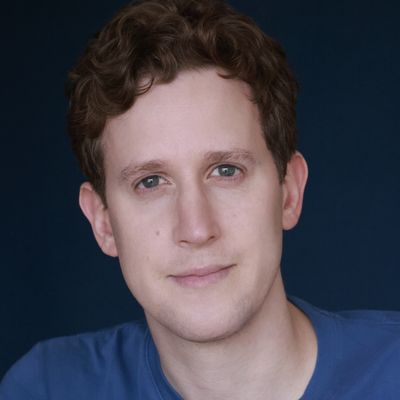
I met Alex Wyse 3 or 4 years ago after an event and we became quick friends. Aside from being hilarious, he has such a wealth of experience and the perspective he’s gained from all the work he’s done is so informative and, I think, helpful for anyone who’s trying to figure out how to navigate a career in entertainment... Read More
From the show: The Come Up
Guests
Featured Shows
About
I met Alex Wyse 3 or 4 years ago after an event and we became quick friends. Aside from being hilarious, he has such a wealth of experience and the perspective he’s gained from all the work he’s done is so informative and, I think, helpful for anyone who’s trying to figure out how to navigate a career in entertainment. He’s worked on and off-broadway, in television, film, as a producer and most recently he and his writing partner, Wesley Taylor, released the third season of their award winning web series INDOOR BOYS. I thought this would be a perfect time to sit down and reflect with Alex on where he’s at. He was pretty insistent with me that this not be a rundown of his resume, which I was thrilled to hear. I wasn’t quite sure where the conversation would take us, but we found ourselves talking about self-worth, the definition of success, creating your own path, mothers and sons, and much much more. Wether you know Alex or not, I think you’re really going to come to appreciate what’s he’s got to share.
On television, Wyse has appeared in multiple roles since 2010 including Bored to Death, Switched at Birth, The Bold and the Beautiful, Marvel's Iron Fist, and Masters of Sex. On film, he appeared opposite America Ferrera in X/Y. With Wesley Taylor, he co-created, wrote, directed, and starred in the web series Indoor Boys. To date, it has been nominated for eighteen Indie Series Awards and won six, including Best Web Series – Comedy, Best Writing – Comedy, and Best Lead Actor – Comedy for Wyse. In theater, he performed in various regional productions before making his Broadway debut in Lysistrata Jones, which ran at the Walter Kerr Theatre from 2011 to 2012. Also on Broadway, he played schoolboy Georg Zirschnitz in the Deaf West Theatre's production of Spring Awakening, and in 2018, he joined the musical Waitress, as Ogie. Off-Broadway, he has been seen in Lysistrata Jones, Triassic Parq, Bare, and Ride the Cyclone. In 2013–2014, he toured with the national company of Wicked, playing the role of Boq. And in 2015, he appeared opposite Evan Rachel Wood and Rumer Willis in For the Record: Dear John Hughes in Los Angeles. He also co-produced the Broadway transfer of Heidi Schreck's play What the Constitution Means to Me, which opened at the Helen Hayes Theater on March 31, 2019.
The Come Up is a podcast that holds space for honest conversations about the reality of being a growing artist in the entertainment industry today. The myth of "making it" tells us that our happiness and fulfillment is dependent on a specific outcome when the truth is that there is no moment of arrival - the journey is never ending. This podcast will serve as an archive of individual perspectives and a source of inspiration for anyone navigating their own creative path. It's an opportunity to reflect on where we've been, where we're at, and where we're going.
Transcript
This transcript was automatically generated and might contain errors.
[0:00] Matt Rodin: Thanks for hitting play. My name is Matt and this podcast, The Come Up, holds space for honest conversations about the reality of being a growing artist in the entertainment industry today. I think I'll probably say this every single time, but you really are in for a treat today. I met Alex Wyse three or four years ago after an event and we became very quick friends. And aside from being hilarious, he has such a wealth of experience and the perspective that he's gained from all the work that he's done, I think, is really informative and helpful for anybody who's trying to figure out how to navigate a career in the entertainment industry. He's worked on and off Broadway, in television, in film, producing.
And most recently, he and his writing partner, Wesley Taylor, released the third season of their award-winning web series, Indoor Boys. So I thought this would be a perfect time to sit down and reflect with Alex on where he's at. He was pretty insistent with me that this not be a rundown of his resume, which I was really thrilled to hear. I wasn't quite sure where our conversation would take us, but we found ourselves talking about self-worth, the definition of success, creating your own path, mothers and sons, and much, much, much more. Whether you know Alex or not, I think you're really gonna come to appreciate what he has to share. So let's just get into it. I hope wherever you are, you are remembering to breathe and trusting as best you can that you are exactly where you're supposed to be. Thanks for being here right now, and enjoy this conversation with my friend, Alex Wyse.
[1:53] Alex Wyse: You look like a ninja.
[1:56] Matt Rodin: Oh, because of the black hat, too.
[1:57] Alex Wyse: Yeah, also a black hat, and your mouth is covered, and I just feel like there are a lot of barriers between you and I.
[2:03] Matt Rodin: That is one profession I would not... I don't think I would be... I took judo as a child.
[2:09] Alex Wyse: Really?
[2:10] Matt Rodin: You know what judo is?
[2:11] Alex Wyse: No.
[2:11] Matt Rodin: You know what judo is? Yeah, it's a martial art.
[2:15] Alex Wyse: I've heard of it. I don't want to sound like I'm not well-read.
[2:17] Matt Rodin: Okay, well, that's literally what you just said. I asked if you knew what it was, and you...
[2:20] Alex Wyse: I know, but I'm waking up, and I just need a little leeway here.
[2:23] Matt Rodin: So you've heard of judo?
[2:24] Alex Wyse: Yeah, I've heard of judo. I took karate for a year, and I was...
[2:29] Matt Rodin: When?
[2:30] Alex Wyse: When I was five.
[2:32] Matt Rodin: When I was 24.
[2:33] Alex Wyse: No, no, no. When I was about five or... I think five or six, I did it.
[2:37] Matt Rodin: I can picture you.
[2:38] Alex Wyse: My main memory was... Well, I was a white belt the entire time for obvious reasons, and also I remember there was one girl in my class, and she was kicking ass, and she was... And I remember I was there at one of her ceremonies where she upgraded in belt color, and I was just like...
[2:59] Matt Rodin: Were you pissed?
[3:00] Alex Wyse: I was so furious. Not that I think I just... I mean, of course I didn't deserve to be anything but a white belt. I'd see a butterfly, and I'd be crushed under its heavy wings, but...
[3:14] Matt Rodin: You were so delicate.
[3:15] Alex Wyse: So delicate.
[3:17] Matt Rodin: I'd argue you are still quite delicate.
[3:20] Alex Wyse: Thank you.
[3:21] Matt Rodin: In the best way.
[3:21] Alex Wyse: Thank you.
[3:22] Matt Rodin: Right?
[3:22] Alex Wyse: See, all I heard was beautiful.
[3:24] Matt Rodin: That's true. That also is true.
[3:26] Alex Wyse: That's all I heard.
[3:27] Matt Rodin: So you had jealousy from a young age. You had a sense of jealousy.
[3:32] Alex Wyse: Let's reframe that. I would say I had drive. I had drive to do well and to make waves, but it was very clear that karate was not the correct room in which I was supposed to do that.
[3:43] Matt Rodin: Make waves.
[3:44] Alex Wyse: But jealousy... I've worked hard to not have jealousy, though there are still moments, and I'll tell you more of them when we're not recording.
[3:51] Matt Rodin: I was going to say, do you still feel like... When you see other people that you know accomplish things, do you feel like... Does it inspire you now, or do you still get the tinge?
[4:03] Alex Wyse: Because I would love to say that I don't, but I feel like sometimes...
[4:05] Matt Rodin: Yeah, exactly. I want to say the inspiring thing, but the real truth is, I'm a human being who wants to do well, and sometimes it's hard. But I do have to remind myself.
[4:17] Alex Wyse: What I have gotten a lot better at is that jealous voice comes, but I'm better at redirecting it now. I'm better at kicking in that adult voice that can say, hey, there is room for all of us to do our thing, and if that's not what I was supposed to get, then that's okay, and that's not the path for me, and I'm going to find out what is the path for me.
[4:39] Matt Rodin: The awareness gets quicker.
[4:43] Alex Wyse: Your wise voice, you said your adult voice, kicks in quicker.
[4:47] Matt Rodin: My Alex Wise voice.
[4:48] Alex Wyse: Your Alex Wise voice kicks in quicker and is like, I hear you.
[4:52] Matt Rodin: Yeah, and I think you could think of it as the voice that can take care of my jealous voice, the voice that can say, hey, jealous voice, thanks for trying to stick up for me, but you're actually doing it in the wrong way, and there's room for me as well, and it's okay if I am not in the middle of a huge press moment right now. It's okay if I'm not standing on a Broadway stage right now. Those things will happen again if I work hard and if I have faith and self-esteem. If I keep working on those things, the other things can come, so I'm better now at redirecting, I would say, but of course, that jealous voice is maybe always going to exist. I just hope I get better at dealing with it as time goes on.
[5:36] Matt Rodin: Yeah, it feels like something I didn't realize that I could do, that I was capable of doing, was like speaking to my inner child.
[5:43] Alex Wyse: Oh, that's real.
[5:44] Matt Rodin: Do you know what I mean? Because I think that's what the jealous voice, that worthless feeling, I mean, we were talking about not wanting to get up this morning, of just being like, oh, what's that?
[5:55] Alex Wyse: Yeah, we were saying we feel very autumnal on the inside.
[5:57] Matt Rodin: Internally, which I think is so well-articulated, but it's like I now know that I can take a beat, and if I have to hold myself, I can hold myself, and just say, it's okay. I hear you, and I know that that's okay that you're feeling that, but know that it's all good. And also, and this was my next thing, was the things that you listed, like having a big press moment, or being on a Broadway stage, or all those things. My definition of success has completely shifted.
[6:30] Alex Wyse: Those things to me were all, they all dictated my self-worth. You know what I mean? If I wasn't doing that, then I wasn't successful.
[6:39] Matt Rodin: Yeah, it's really hard to... There are so many external factors around us that are sending us that kind of message.
[6:45] Alex Wyse: Always.
[6:46] Matt Rodin: And it's really hard to combat that with the truth, which is success can be measured in a lot of different ways. And the thing that one person thinks is success is not the thing that can actually make you feel successful, or feel most integrated with yourself. And it's so hard to remember that when we're getting bombarded with messages that are opposing that.
[7:07] Alex Wyse: Well, yeah, especially in the entertainment industry, what is praised is more fame, more followers, more money, because that's what we're exposed to. That's from a very young age, that's what we see on... You only see... I love Broadway.com, but the only thing you see on Broadway.com is opening nights, and the vlogs too, but you're not watching the actor who does that. You know what I mean? You're only seeing this certain part of it, and you assume, and you start to associate like, oh, that's when I will be successful. And I think what you said was so powerful that you... I don't know if you meant it, but you said most successful, most integrated with yourself. Is that what success looks and feels like to you?
[7:55] Alex Wyse: Yeah. I mean, yes and no. I still struggle with wanting to be the best, or have all the toys in the toy chest, get all the roles, but that's not real. I also know now that getting those things does not equate happiness.
[8:15] Matt Rodin: Say that one more time.
[8:17] Alex Wyse: Getting the job does not equal happiness, but liking myself, that equals happiness. And then if I like myself, I'm usually more equipped to get the job.
[8:28] Matt Rodin: How about that?
[8:29] Alex Wyse: Yeah. It's that weird how we're taught the total opposite. They're like, oh, I can like myself when I have the job.
[8:37] Matt Rodin: Right.
[8:38] Alex Wyse: But that's how they sell you things. I mean, this goes into... And then we get into the patriarchy, which is so real. But they're just trying to sell you things. Wear this, put on this makeup, listen to this music. This is what makes you belong. This is what makes you pretty.
[8:55] Matt Rodin: I think you're pretty.
[8:56] Alex Wyse: Thanks, Matt. You've done... I mean, listen, you've done... When I say a lot of jobs, the number is arbitrary. It doesn't matter. What I'm thinking of is I'm like, oh, you've gotten to do a variety of things in the industry, right?
[9:12] Alex Wyse: I have, yeah. You've acted in professional productions. You've done regional stuff. You've been on television. You've done a lot of different things. And to hear you say the job doesn't ultimately bring me happiness, it can bring me joy in the moment from doing the thing.
[9:31] Alex Wyse: Well, part of the tricky thing is that when I'm in a moment of... When I'm performing, there can be total ecstasy. And then it's like, we're these heroin addicts who are chasing that high that we once felt. But that's not really sustainable. It's also really important for me to remember that I'm not supposed to be high all the time. I mean that both literally and metaphorically. Those are supposed to be moments. And if you don't have the moments where you're feeling autumnal, like maybe we are today, if you don't have those moments, you're not going to have the moments where you feel absolute ecstasy. How can you recognize... And how can you get your body and mind ready for a moment if you're not resting and preparing for the next one?
[10:36] Matt Rodin: That's now how I'm trying to deal with periods of unemployment. I'm trying to remember that it's okay to be unemployed. It's okay to not get the job because I need to rest. I need to recover so I can be ready when the next thing comes.
[10:38] Alex Wyse: What does rest and recovery look like?
[10:41] Matt Rodin: Well, it means seeing shows. I've been seeing a lot of theater and seeing movies and catching up on all those TV series. And so taking in as much art as I can.
[10:49] Alex Wyse: Like filling up that cup.
[10:50] Matt Rodin: Yeah, and reading books, but also spending time with my family and going on dates and seeing lots of friends and things like that. Just trying to have experiences in the world. Or this past weekend, I went back home to Cleveland to visit with my grandmother because that's not something I often get to do. And so, especially if I'm working, and if I was working, working, working, working, working, working, I would be a shell of a person. I would not get to have as many personal relationships. I wouldn't get to foster those. And I would be a completely burned out person who would have no life experience to draw upon when I actually am called to do my art.
[11:27] Alex Wyse: Preach, preach, preach. I mean, ultimately you have to have the baseline of like solid, healthy connections, relationships in your life to fill up the love cup because you have to feel loved and full of love so that when you walk in a room, you're not hungry and thirsty for a thing. You're not asking them to fill up your love cup.
[11:54] Matt Rodin: Right.
[11:55] Alex Wyse: It's already full. And you can bring that into their audition room and they can take it or leave it.
[12:01] Matt Rodin: Or leave it too, and that's totally fine.
[12:05] Alex Wyse: But my cup is full because I've been working so hard, in theory, on loving myself and on fostering the relationships around me.
[12:15] Matt Rodin: Now speak to the in theory because this is the other thing too. Is that like, this is not easy.
[12:20] Alex Wyse: Oh no.
[12:21] Matt Rodin: And like when you're in it, it's very hard.
[12:23] Alex Wyse: It's very hard. These are things, I think I can also put these into words because I work so hard on sending myself this kind of messaging to combat the kind of messaging that the industry sends us or the world at large or the patriarchy, the sexist media around us, the messages that they are sending that I am never enough of a man or I will only be successful if I am the most seen or if I get the most likes on my Instagram post or if I am with the hottest guy or somebody. That's not real happiness. But I've worked really hard on helping myself and it's an ongoing process.
[13:05] Matt Rodin: Right. No one's perfect at this.
[13:08] Alex Wyse: No, I'm not finished with my evolution. I'm only very much in the middle of it, but doing everything I can to become aware of how I can be the best person and send that outward. And maybe also, you know, and one of the reasons I wanted to do this podcast or any podcast is to also send the message to any young person or any age person who might be listening who needs to hear messages like this because these are the kind of messages I so desperately needed to hear when I was a kid.
[13:38] Matt Rodin: I am with you on that. I did not hear that as a kid.
[13:42] Alex Wyse: Never, never.
[13:43] Matt Rodin: Not even in college. Like I was not hearing any of this kind of stuff.
[13:48] Alex Wyse: No, I was discouraged a lot.
[13:50] Matt Rodin: A lot.
[13:51] Alex Wyse: I was discouraged.
[13:51] Matt Rodin: Directly or just like from your environment?
[13:53] Alex Wyse: Directly. Listen, I love my college, for instance, but they also, I had a meeting with the professor, with a couple of professors my freshman year where they told me I should not be an actor and I should drop out. So my college gave me a lot of great things and my experience is very singular to myself and I don't mean to bad mouth Boston University who did great things, but I also was discouraged from becoming an actor and I think it was because of personality clashes.
[14:23] Matt Rodin: I was gonna say, that was really what it was?
[14:24] Alex Wyse: I think so. There's a whole long story that goes along with it that no one needs to hear. It's also like gross and painful and it involves maybe a teacher.
[14:36] Alex Wyse: I don't want to say things that are bad mouth in my school too, because I also care about my school and want my school to be the best it can be so they can keep helping kids.
[14:46] Yeah, and ultimately no place is going to be the perfect place. There's going to be ups and downs of every single place that you go to study, just like any relationship, just like any, you know what I mean? There's going to be two sides of the coin.
[14:57] Yeah, every Broadway show I've done has had amazing moments and painful moments, and people I worked with who were incredible and inspired me, and people I worked with who detracted from my happiness. But even though...
[15:14] Yeah, so I guess I just felt like as a kid I didn't hear these messages enough. Also, there weren't really podcasts when I was a kid.
[15:22] No.
[15:24] Well, again, it was like we only were exposed to this much of the industry.
[15:28] Yeah, I didn't have Twitter, so I could write to my heroes, and it just didn't exist. I did my best to read as much as I could and study as much as I could, and...
[15:38] Were you studious?
[15:39] Yeah, not academically, but about...
[15:43] Okay, so you just wanted to get good grades and da-da-da-da-da.
[15:46] No, I didn't really care about my grades so much. Surprisingly, based on my attitude, or in opposition to my attitude about it, I did pretty well in school. I did fine. I got A's, B's, and a C. So I did totally fine, but I hated every second of it, and I did the minimum amount of work to get by and get credits that would appease my parents. I mean, grades, excuse me.
[16:10] Yeah, no, me too.
[16:10] The grades that would make them happy.
[16:13] Because you knew what was coming on the other end? You knew what you wanted to be doing on the other side? Or you knew what you wanted it to look like?
[16:20] Yeah, I was pretty clear that I loved the arts more than anything in the world, and I felt like that's where I belong. And as I got older, more and more, I was able to choose the people around me, especially when I was a kid, and then I started driving.
[16:37] Which makes a really big difference.
[16:38] That does. Then I could go to other schools or have friends from other schools who were also the big fish in their drama departments, and I could find some understanding.
[16:51] I think that's also a good point, that you go from being big fish to small fish at college, and then tiny, teeny minnow.
[17:01] Little tadpoles.
[17:03] You're so... The pond, it's just so big. It's so massive here that at some point, you start to feel like a number. You just start to feel like another... I don't know. That was the thing that I came up against the most, was like, I just don't want to be another person.
[17:19] Which I am, I suppose.
[17:21] Yeah, but what's so great about you is you're not because you've so paved your own way. That's one of the reasons I'm so crazy about you, Matt, and I absolutely mean this. It's not just because I'm on your podcast. I'm blowing smoke. But I've always adored you for many years because you've been so driven, and you've created your own thing. You've done your red carpet challenges. You've done your podcasts. You do your music writing circles. There's so many things that you do that distinguish you and also give you all of these outlets to create and create circles around yourself full of like-minded people who also want to be creative.
[17:56] I really, really appreciate you saying that. And I know you mean it.
[17:59] I do.
[18:00] I know. I don't know. It's a weird... At some point, I don't know when... I kind of feel like it was an accident, but you just have to figure out... Or I don't know how I figured out, but at some point, I was just like, I have to do my own fucking thing. I cannot wait for an opportunity to come. And yet, it's so funny that at the time, I still was waiting. I feel, honestly, until the last six months of my life, I have been like... That's probably... No, six months, really. Six months to a year, I have been so hungry for something I didn't have. I was in total scarcity mindset and felt like I needed something outside of myself to validate me in some way, when ultimately, the thing I've been doing for so long is creating my own stuff.
[18:55] And I was like, oh my God, I don't need to feel... We were talking about this earlier, jealous of this person or this person or this person, because I have my own thing.
[19:04] You're on your own path. If you keep carving out your path, no one can get that job over you, because it's your path. You made it.
[19:13] And those things ultimately bring me such a deep sense of satisfaction. And by that, I only mean they make me feel like I get high on them. Like what you were saying earlier, I get high on it, and it's because to me, it's connected to the love place in me. It's like totally, I just am in full love mode in those things. And ultimately, there's no amount of like, we were talking about this earlier, followers, money, success, whatever the fuck that means, that's going to bring me that feeling. And I just want to keep... Like you were saying, it's chasing that feeling. But now I know that I don't need someone else to open the door in order for me to feel that thing. Do you know what I mean?
[19:57] No, you can open your own door. All that being said though, it's very hard to open your own door.
[20:03] Thank you for saying that.
[20:03] It's really hard.
[20:04] Because there's no context. You don't know what you don't know. So you're basically walking into the dark because you're like, oh, I don't know what this is going to look like. I don't know what this is going to feel like. I have no idea what the outcome will be. Even if I try my hardest to control this with all of my might, you ultimately cannot predict how the thing is going to come out, whatever it is, that moment. And yeah, I just, I don't know.
[20:35] And so I appreciate you saying all those things. I also, it takes one to know one, truly. I mean, listen, you're somebody that... Okay, I listened to your podcast with Josh, which by the way, is a wonderful history lesson in Alex Wyse. It's fabulous.
[20:53] And you really have a great understanding of your own experiences because I think you have perspective on them now. And it's just, it's very well articulated. It's very well said, like really interesting. Didn't know that you were a writer. Didn't know that you had a show at Nymph. Like that is not, that was like new information to me.
[21:12] So it's like, you've been doing the make your own stuff stuff for ever. Like, you know what I mean? I don't know.
[21:22] A long time. I think something I didn't say on Josh's, I want to make sure I don't say things on here that I said on Josh's. And when we are, we're having a very different kind of conversation, which I'm glad about because I'm not, we are all not one thing.
[21:36] I'm not just funny and entertaining all the time.
[21:39] But you are funny and entertaining.
[21:41] Thanks. But after I, I had this musical in Nymph quickly after I came to New York and it went so terribly for me. I felt so much shame about it that for many years, I didn't put anything out there that I had written publicly. I thought I was done. I thought that was over. I felt...
[22:03] When you say years, like give me like...
[22:06] That happened in 2010. And it wasn't until 2017 that Indoor Boys came out.
[22:14] That was what I was going to say, like...
[22:15] That was the next thing that I wrote that I showed to people.
[22:20] Seven years.
[22:22] Now, within that seven years, a lot of things were happening. I was acting, I had my outlets, I was working on some writing privately. I've had a play I've been working on for many years and some other projects, but I was very afraid. I was very, very afraid to put something out there.
[22:43] Not having that outlet of making your own thing and carving your own path.
[22:49] What did that do to you?
[22:52] Well, well...
[22:55] Because listen, you were doing a lot of other things. Like you had... I mean, I imagine your cup was being filled up in other ways from the opportunities that you were getting.
[23:04] Yes, I was still... I still get... Some of the greatest joy I get from writing is the act of writing. When I'm in the flow, which takes a lot of crappy work in order to get to the flow, I write a lot of terrible pages and then suddenly I hit one and it pours out of me and I'm in a trance. And that's rare. It's rare, but it happens sometimes. So when I hit that spot, which I would hit privately, that was so fulfilling for me, but I wasn't showing that work to anyone. I did a couple of private readings of my play. I did a couple of readings of a musical, but private, keeping a lid on it, not really... Maybe showing people a glimpse of things here and there. I performed a song that I wrote in a concert a few years ago that I think...
[23:53] Weren't you involved in that?
[23:54] What show?
[23:55] No, you weren't. I'm sorry. I think it was Cory Mock's series. It was Broadway Sings Their Own.
[24:02] I may... Well, listen, I may have been working at 54 Below at the time. I just... Sorry if I'm misremembering things. It's been a long, confusing life.
[24:10] You're like, many concerts, many, many gigs.
[24:15] Another concert, another hall. So I was just keeping it private because I think I was not feeling as brave, especially after I felt so ashamed of how my Nymph show had turned out.
[24:31] But teaming up with Wesley Taylor gave me... He helped me a lot find the self-esteem to get to the finish line. That's one of the best things that Wes has done for me.
[24:45] And we're going to keep writing together. We have three seasons of this web series we wrote and created and edited and directed, all the things. We can talk more about that too. But one of the first things that he did for me is say, hey, it's okay, and we're going to release this. We're going to make this and we're going to put it out there. And I was like, what if people don't like it? And I was so scared.
[25:06] It's terrifying.
[25:07] But he's really good at putting it out there.
[25:11] I was going to ask where that bravery came. How did you get your bravery back?
[25:14] But I think you articulated it well.
[25:16] Yeah. He helped me. I helped Wes a lot too, in a lot of ways that I don't want to speak for him, but I know that we've both done a lot of things for each other that have made us better artists.
[25:31] That's why it's a great partnership and why I'm really proud of Indoor Boys is because we have a partnership on this show that has made me better in a lot of ways.
[25:36] I've worked harder than I've ever worked. I didn't make a dime and I was so happy.
[25:49] And you're smiling. Look at you smiling. You're lit up about it. Not about the not making money, but just about the fact that you can say that and it be just another fact of it, it doesn't even affect you.
[25:54] No, I didn't care. When I was in the middle of working on it, especially the summer, I would have auditions for things and some of them I had the time to go on, some of them I didn't. But when I went, I did not care. Not one iota did I care.
[26:15] And not in a way that's like...
[26:16] Not in an aggressive or...
[26:20] What's the word? Not in an antagonistic kind of way, but in a way that I, like we said, I didn't need them to fill up my love cup. It was so full. I was surrounded by all of these people who inspired me so much because of this, because I was able to get into the flow and write something that really excited me and all these jokes that were so funny and made me laugh again.
[26:44] We were making ourselves laugh and telling a story that felt, in the end, also very personal. I think the web series starts off cute and funny and it's a gay-odd-couple dynamic, but I think then it becomes about things that are real, that we really care about.
[26:58] And we kept writing toward that goal of writing things that felt meaningful to us and my love cup was full because I was surrounded by people who believed in that message, too.
[27:08] And honestly, doing that kind of stuff is... I mean, like you said, you were writing, producing, directing. I mean, the hours that go into that is...
[27:20] It's just not easy work.
[27:21] Like, let's... I mean, I just want to put...
[27:23] You know what I mean?
[27:23] No, it really is the hardest I've ever worked.
[27:26] And I really want to hammer that in because the love cup is full and I think it was because of... I don't want to speak for you, but...
[27:36] You can.
[27:37] But from what I'm hearing you say, all of that stuff, all of that hard, long hours was...
[27:45] Oh, you were willing to do that because your cup was full.
[27:50] You felt fulfilled.
[27:51] You felt...
[27:52] Yeah, because I was becoming a better artist because I was working with people who I loved and every single person who joined onto this project made it better and made it bigger and more realized.
[28:06] And then it wasn't just an obligation to myself.
[28:10] It wasn't me sitting alone in a room saying, Oh, I got to get into the flow. I got to write something.
[28:16] No, I had a responsibility to Carolee Carmelo to give her a role that was great and to give her dialogue that could sing.
[28:27] I mean that metaphorically.
[28:28] No, I know.
[28:31] I had a responsibility to set up the shot list so our crew knew what to do.
[28:35] Yeah, you have to show up.
[28:36] Uh-huh.
[28:36] I had a responsibility to cast this with really talented people so we could all shine and all the other things.
[28:46] I had a responsibility to find the money so we can make it happen.
[28:49] But it wasn't just for me.
[28:51] I was working for everyone else there.
[28:54] I was working so everyone around me could have a joyful experience.
[29:00] Because what's the point of creating if it's not going to bring you joy or enlightenment or a deeper understanding?
[29:05] And it brought you joy.
[29:06] And enlightenment and a deeper understanding.
[29:09] Really?
[29:10] Yeah, it was incredible.
[29:13] Alex Wyse: Hard. It was so hard, but it was so incredible. I can't believe that we got to the finish line and made this thing. This thing that feels like it's not about Wes or me. It's about all of us. It's something bigger. It's something bigger than you guys. I feel that way. I know that we're at the front of it. I know, but isn't that a weird feeling, though, to know that it feels so much bigger than me? But no, I wanted to be there so I could make everyone else shine, and I could have everyone on set have a happy experience. We really killed ourselves to try to get everyone to have a happy experience. We sometimes came up short because there was just such a huge production. It was nine crew members. It was 40 cast members. It was ten producers.
[30:00] Matt Rodin: How many days?
[30:02] Alex Wyse: Nine days that we filmed.
[30:04] Matt Rodin: How many episodes?
[30:05] Alex Wyse: Eight episodes, and the whole thing is about 80 minutes long. I mean, come on.
[30:09] Matt Rodin: Yeah, we filmed a movie in a little over a week. We filmed like 20 hours a day.
[30:14] Alex Wyse: Twenty hours a day you were writing?
[30:17] Matt Rodin: Yeah, just about.
[30:19] Alex Wyse: I mean, that's crazy.
[30:20] Matt Rodin: It was crazy. In the future, I hope to schedule that a little more humanely. And again, you can't know what you don't know.
[30:30] Alex Wyse: Yeah, we also didn't know that this would take X amount of time. We didn't know that all of these people would need this amount of coverage. We learned so many things. Also, it's so funny because you've done television.
[30:44] Matt Rodin: Yes.
[30:45] Alex Wyse: And yet it still took you guys doing it in order for you to now have experience that you can then –
[30:54] Matt Rodin: I'll be like, now I know how I'm going to do it better next time.
[30:56] Alex Wyse: Yeah. I think every season we figured out how are we going to do this better next time. But also every season, it got bigger and bigger and bigger.
[31:04] Matt Rodin: Yeah, and it's gotten better and better and better.
[31:06] Alex Wyse: Thank you. But it became a bigger production. I had never run a whole production before. I did in a small way in the way of, hey, guys, we're going to film an episode this afternoon. Come here. We'll have sandwiches. We'll set aside five hours and we'll make this four or five-minute episode, which was totally doable at the very beginning. But that became a very different game when it was 20 cast members, nine crew members, a 16-page script for one episode.
[31:41] Matt Rodin: So it became bigger and bigger, and we had to keep learning, and we made mistakes. But we –
[31:49] Alex Wyse: And also I just want to acknowledge it takes a lot of courage to do all those things, like to be willing to ask people that you really admire to be a part of the thing you're working on. That's number one, and this is in no particular order. But I'm just saying things that I'm hearing you say, like to ask people for money to invest in something that you believe in and something that you're creating as a piece of art.
[32:13] Matt Rodin: That was hard.
[32:14] Alex Wyse: That takes a lot of courage.
[32:15] Matt Rodin: Yeah, that was hard. I would say having to show up on set and be a director. I also know my lines as an actor.
[32:26] Alex Wyse: Courage. All those things take courage, and to hear you say that you showed up because you wanted – it was for everybody else. It was all these people that were counting on you that you mustered up this bravery to do all these things that you maybe would not have been able to do having not had all of these people sort of behind you.
[32:51] Matt Rodin: Yeah.
[32:52] Alex Wyse: It didn't – I know that Wes and I are very much – the story is about our characters, and I think especially my character, but I don't think that this was a vanity project.
[33:02] Matt Rodin: No, and it doesn't seem that way from the – I don't know if you care about other people's perception, but like –
[33:07] Alex Wyse: I do, though, because I want to make things that people like.
[33:09] Matt Rodin: Yeah, no, I don't – it doesn't seem that way at all.
[33:12] Alex Wyse: Yeah, because it was not about get out of the way and let me have my moment. It was so much about let's all make this together. Like the process of making the thing.
[33:24] Matt Rodin: Yes, and let's ask these characters what they want to say.
[33:27] Alex Wyse: Yeah. Let's ask them what they want to say. That was a big part of it. Listening.
[33:34] Matt Rodin: Uh-huh.
[33:35] Alex Wyse: There was a lot of listening in the writing room.
[33:37] Matt Rodin: Yeah.
[33:38] Alex Wyse: Writer's room, which was Wes and me on a computer.
[33:43] Matt Rodin: A Google doc.
[33:45] Alex Wyse: Yeah, it was our Google doc. Yep. Yeah, but we had to listen.
[33:50] Matt Rodin: Uh-huh. Listen to – yeah. Do you – the satisfaction that you got from – I mean, okay, well, let's start here. Do you feel proud of Indoor Boys?
[34:01] Alex Wyse: Very, very much. The pride that you feel, the satisfaction you feel, how is it different than the feeling of taking a bow on a Broadway stage or seeing your name in the credits of a television episode on HBO or Showtime or whatever it was?
[34:21] Matt Rodin: Or CBF.
[34:22] Alex Wyse: You know what I mean? Can you differentiate those two?
[34:26] Matt Rodin: Yeah.
[34:27] Alex Wyse: One – okay, well, I think being on a Broadway stage is a more euphoric, immediate rush. I think that is a thing. When I was doing Waitress, I had to – not that I was tempering that, but I was reminding myself before I went on stage every day, this is unique. You're about to step on a Broadway stage. This doesn't happen every day. Whoa. I'd kind of give myself a talk before I rolled on stage on the platform sitting in that chair. Every day. Every day because I knew this is rare. This is a moment. Be so thankful. This is going to be a euphoric rush, and it's going to be over one day, and it's going to be okay. So now let's have the best time in the world. Doing it.
[35:19] Matt Rodin: Yeah.
[35:20] Alex Wyse: Now let's live in it and understand that everything in life is temporary. Ready, set, go. And I guess then the follow-up to that one is then – and we'll get back to the other thing. Sure. This is a big question.
[35:32] Matt Rodin: Yeah, but did it take doing the other things on – like, you know what I mean? You couldn't have known that being your first job.
[35:37] Alex Wyse: You know what I mean? That couldn't have been you on your first job.
[35:40] Matt Rodin: No.
[35:41] Alex Wyse: When I did – so my Broadway debut was Lysistrata Jones, which was –
[35:46] Matt Rodin: Which I also YouTube-dived.
[35:48] Alex Wyse: Oh, you did? Yeah, well, because Dan's posted like all of – he's posted so many of the numbers on YouTube, like in full.
[35:54] Matt Rodin: Yeah, yeah.
[35:55] Alex Wyse: There's some footage on there. You're a basketball player.
[35:58] Matt Rodin: I could not dance. Let me tell you. I am not a dancer.
[36:01] Alex Wyse: I am just not. I had to work so hard, and my body was killing me, and I was taking classes every morning before I'd go to rehearsal.
[36:12] Matt Rodin: No way.
[36:13] Alex Wyse: I was because I was behind. I was so behind. I couldn't do things. I couldn't land a double pirouette. I can't do that. I went to acting school. I never studied dance. I just – it was not in my body, and I had to – that was hard. But I don't know. These are all tangents. But I was saying you couldn't have had that – you couldn't have known that.
[36:35] Matt Rodin: Yeah, that first time, though, I thought it was a whole feeling of like my dreams are coming true. My dreams are coming true. I've arrived. I'm one of the cool kids. It's happening. It's happening. And then when the rug was pulled out from under me, I thought, well, I'm a failure. I guess I'm not one of the cool kids. I'm a failure. I'm a failure. I'm not one of the cool kids.
[36:56] Alex Wyse: Uh-huh, uh-huh. Whoa. That was hard for me. I didn't know back then, especially what we were talking about earlier with all the messaging that you're cool when you're on Broadway. You're not cool when you're not, that very false messaging that we got when we were kids.
[37:10] Matt Rodin: Which is total fucking bullshit.
[37:13] Alex Wyse: Yeah, it is. I'm like I'm sorry to be so crude, but that's really what it is. I know that messaging still exists, but I do hope it's better for people today than it was – I don't know how long – 15 years ago when we were kind of coming of age and seeing our role models, looking up to them and thinking, well, they're cool because they're in the show. They have it all figured out. They're finished. They did it. They made it. The idea of making it. Making it. Yeah. They made what? They made what?
[37:44] Alex Wyse: So at first I was not able to understand that being on a Broadway stage was rare, a privilege, an adrenaline rush that I'd be chasing after. I think after Lysistrata Jones closed then I was going into auditions with the intention of, well, I've got to get back on Broadway because I've got to have that feeling again. And I was tanking all these auditions. I was doing so badly.
[38:10] Matt Rodin: You were so hungry, so thirsty for it.
[38:13] Alex Wyse: Yeah, but I wasn't thirsty to make something. I was thirsty to get the fix of being on Broadway again. I'm telling you. It was like heroin. It was so unhealthy. That is so profound what you just said. But it was very real for me.
[38:29] Matt Rodin: Yeah, it resonates. I hear it.
[38:31] Alex Wyse: It took me getting so frustrated with New York and giving up on my dream temporarily. I said to myself, well, I'll never get on Broadway again.
[38:44] Matt Rodin: Yeah, but you had made it.
[38:45] Alex Wyse: Yeah, but I thought I'm done. That's it. That's my one credit. I can't get back. How do I get back? No one will cast me. That's what it felt like. I also know these were very skewed things I was telling myself. I was still getting jobs. I was still doing fine. I was doing a little bit of TV work, but I was measuring success by a very small, narrow thing. Success was – I had a really terrible definition of success, but I gave up on it.
[39:16] Matt Rodin: Yeah.
[39:17] Alex Wyse: And then I ended up in Spring Awakening by happenstance. And I really think – I mean you totally let go. I mean you really – I mean you fucking moved.
[39:29] Matt Rodin: I moved.
[39:30] Alex Wyse: I moved. I moved to Los Angeles.
[39:32] Matt Rodin: You left?
[39:33] Alex Wyse: Yeah. I thought New York didn't want me. That's what I thought. I thought I failed, and that's it for me, and I can't get a job here. And maybe Los Angeles will want me because what was really happening though – so I'm also glad I moved to LA because I did a lot of cool TV work.
[39:48] Matt Rodin: Yeah, yeah, yeah.
[39:49] Alex Wyse: And also that's where I got involved in Spring Awakening.
[39:50] Matt Rodin: Well, that's what I mean. You had to let go in order for you to get back.
[39:53] Alex Wyse: Exactly. The strangest, most roundabout way that felt very much like someone was looking out for me. Organic. Yeah, and also felt like you have to fall on your ass in order to learn how to get back up in a different kind of way. But also what was happening, it wasn't that New York didn't want me. It was that I didn't want me. It was that I had a skewed version of success. It was that I was chasing after the wrong thing, and I was trying and trying in all the wrong ways. And it took me throwing up my hands and saying, I can't try this way anymore. I have to redirect myself in order for it to reappear in my life when I least expected it. I think that was a huge growing up moment for me. I mean, Spring Awakening was a profound experience in a hundred ways. Working with deaf actors, meeting some of my best friends. It was profound and one of the luckiest things that's ever happened to me.
[40:47] Matt Rodin: And lucky. Just lucky.
[40:50] Alex Wyse: I also know that I was there because I had worked hard and proven myself, and I was a capable performer. So, I'd also earned the right to be there, and I don't mean to totally undercut myself, because I think I'm...
[41:01] Matt Rodin: I know, but it's a combination of luck, timing, and talent.
[41:03] Alex Wyse: Yeah. But I got so lucky that I was a part of something like that, that had an enormous personal and professional impact on me. Did you, at the time, were you aware of...
[41:19] Matt Rodin: Speaking now about the version of success that you had, did you have that revelation while you were there?
[41:24] Alex Wyse: Yeah.
[41:25] Matt Rodin: You did?
[41:26] Alex Wyse: Yeah. When I was doing Spring Awakening then, I remember the thoughts really coming into focus. Okay, this show is going to end, and it's going to be hard.
[41:37] Matt Rodin: And you knew?
[41:38] Alex Wyse: I knew. I knew this is going to be hard. This is going to be painful. This is going to be like a death. This is going to feel like grief when this leaves. And it did. It was so painful.
[41:49] Matt Rodin: Yeah.
[41:50] Alex Wyse: But I was preparing myself. I understood nothing lasts forever. These moments are rare. And I was able to get ready for it in a way I was so not ready for it with Lysistrata Jones. I was not ready to be on Broadway. I was not ready to be off of Broadway. It all happened so fast.
[42:09] Matt Rodin: So fast.
[42:10] Alex Wyse: And then by the time you got to this, your experience speaking about being off stage at Waitress and saying that to yourself.
[42:15] Matt Rodin: Yeah.
[42:18] Alex Wyse: So then by the time I get to Waitress, which I'm so fortunate to have that as my third Broadway show, which is an incredible feat. I can't believe I've gotten to be in three. Because it was forever just my dream to be in one. And three is amazing, and I have a lot to be thankful for. But by the time I'm in Waitress, I'm sitting off stage, and I'm thinking, this is my heroine rush, and this will end. But for now, I'm going to celebrate it. I'm going to feel good. I earned it. I get to be here. And I'm going to share the love with everyone in that audience and everyone on that stage and have the best experience I can. And it's going to be gone. And it's going to be gone.
[43:01] Matt Rodin: That's what we do.
[43:03] Alex Wyse: That's what's so painful. What we do is it's all of these births and deaths. And I feel like I've lived dozens of lives.
[43:12] Matt Rodin: Yeah, me too.
[43:13] Alex Wyse: And it's so tiring, but it enriches my soul so much. And that's why I keep doing it. But I've tried very hard to have an understanding about what it is and to chase after a kind of success that feels like an integration with myself instead of standing on the Broadway stage. Understanding that that's a great marker. It's a wonderful thing to get to do. But that's not everything. Then switching gears a little bit, something like Indoor Boys, I get to tell the story.
[43:49] Alex Wyse: The kind of story I wish I had seen when I was young about gay people being people. Yeah. And as much as I'm so thankful for all of the stories that came before about disease and acceptance and so many other big ticket items like that. My experience of being a gay man is a lot more like, gosh, how do I find a date? And is this person my friend or my boyfriend? Yeah, it's like more confusing and mundane. Yeah, it's just kind of diminished that, but it is. Yeah. And how do I talk to my parents? Right. And just in a way of like, how do I tell them that I went on a date without it feeling a little awkward? Right. That is what Indoor Boys is about. It's just about life. And it's really funny. And then it means something.
But how does, what's the difference in satisfaction? Well, the difference is I, well, I feel a lot more exposed. I feel exposed in a different kind of way. Whoa. People aren't seeing my body in time and space in the same way that they're seeing me in live theater. I'm a little more physically protected, if that makes sense. Like I don't have to make sure I hit the gym every day, keep up my health. I mean, yes, I do, but not in the same way. Yeah. But it's exposing a part of my soul. Hey, here's a story that I want to tell. Yeah. That feels like a different kind of exposure. I'm also the lead of this thing. But the way I look at it is going back to that thing of writing and being in a sense of flow.
It then feels like the story is mine, but it's also not mine. The story just happened. This is what this is the story that asked to be told. The heavens opened up and asked me to tell this story. And I just listened, is how it feels. And so when I was being an actor in that story, what I kept saying to Wes, he kept sensing how nervous I was as we went on as an actor, yeah. But I was nervous about wanting to do that story justice. That was your anxiety. Yeah. I wanted to, I wanted to, I felt like, okay, this story, we wrote this, but it also kind of wrote itself. This is a great vehicle for Carolee Carmelo and VN Cox and Daniel K. Isaac and Krista Rodriguez and all these people I think are brilliant.
Sean Grandillo, all these people I love and respect. And I've got, we've gotten them to be in our series. And I want to do this story and all of them and our cinematographer and everybody, I want to do them justice. So it also caused some anxiety. I was scared. Yeah, I was super scared. Whoa, because I was exposing a part of myself, I was exposing a story that feels very, coming from my subconscious. So as an actor, I'm taking on someone else's words and accessing parts of my life, perhaps, or more than that, really connecting with people in order to tell this story. I don't mean to say I'm doing all this method work.
[47:14] Matt Rodin: No, but it's an empathy thing. You're like, you're literally walking in someone else's shoes.
[47:17] Alex Wyse: Yeah, but in a way, I felt like I was walking in my own shoes. Well, that's about Indoor Boys is like, it's you, it's not you, but it's like, it's not me. It's not my story. Those things didn't happen to me. Yeah, but it's certainly based on things that I have felt, right? I have felt those things. Yeah, right. And I just want to do it justice. I want to be a good enough actor that that story is effectively communicated. And then we can all be good in this thing. Does that make sense?
[47:45] Matt Rodin: 100% and I that what what I'm inspired to ask is like, did do you feel? Huh? Do you feel like feeling through those things as an actor? Whatever those feelings were as an actor in those scenes? Do you feel like you now feel more clarity on or closer to or? I don't know what I'm trying to say. But But do you understand those feelings in a different way? Having now process them through that process? Does that make sense? Do you know what I'm at? Do you know what I'm trying to ask? Do you hear like,
[48:26] Alex Wyse: I do I can I can speak to maybe the clearest part of it for me and the part that felt the most vulnerable to me was the part of the story in which it's about my character's mother. Okay, that felt like the most personal thing to me about having a sort of overbearing Jewish mother who couldn't be better and couldn't love her son more. Yeah, but it maybe happens to a fault. I bet you relate to that. So that feeling. Before the screening, I called up my mom. I kept this kind of tight lipped and really wanted to not tell her about it's not it's this is not about my mother. No, it's certainly about feelings that both of us have experienced. And I've also also within that I tried to take on her voice and and give her dignity within that.
It's not about me saying see me as a person mother. It's not that's not what it is. It's also her saying I am a person. And I've really tried to I tried to protect my mother, my actual mother and all of that. I called her up for the screening. I said, Mom, this is a very vulnerable thing. It has been for me and I don't know what it's going to be like for you to see this tonight. But I just want to impress to you that this is so much about mothers and sons. And I just want you to know that. And I want you to know that nothing in here is ever directly about you. Nothing in here is ever attacking you. But if anything, it's just honoring a lot of the feelings that I think we have experienced together. And so I wanted to was she touched? Yeah. And and yeah, and at the screening to very much and and I I just wanted to do all of that justice.
[50:34] Matt Rodin: I mean, and you're not gonna like me saying this, but it speaks to the type of person that you are. That you wanted that you would want to have that you would want to have that conversation with your mom beforehand. And that you could have your conversation with that conversation.
[50:48] Alex Wyse: Well, I think that's also what Indoor Boys did your original question about did this get you to understand those subconscious feelings more in making this thing which a lot is about communication between a mother and a son. I did exactly that. Yeah. You know, I, so I'll talk about something kind of hard. And that's, I just went to see my grandmother this past weekend. Oh my god, I need to like, reel it in for a second. I'm sorry. But I think so many generations of women who have come before our generation have been so repressed in so many ways. Like they have. I'm speaking really about, you know, my grandmother too. Had to be beautiful, and couldn't have a job, and had to be the homemaker. And I think more and more in my, in the artwork that I'm the art, the art that I'm making, I want to give those women a voice.
You know, it started off as this, this vehicle for Wes and me because we were bored in Los Angeles and we needed an outlet and we wanted to make something. And what it turned into was us trying to give these incredible actresses, mostly actresses and some actors too, who are over 40 a vehicle. Because right when they are as smart as they've ever been, right when they have more experience than they've ever had, the industry stops valuing them. The, the society we're in stops valuing them. But I want to also give the character of my mother dignity. Yeah. And it's not me saying, hey, you're a prop to my story, but it's also her saying, I have a story too. More and more, I want to write that. And I want to write the kinds of things that my grandmother never got to say. That's kind of a mission that I'm, I'm finding more and more.
[52:59] Matt Rodin: Yeah. I would say, when did this, when did you have, when did this come in? When did this come, when did you have this revelation?
[53:02] Alex Wyse: Well, as I'm getting older and more and more as, as my grandmother is, aging and mortality is the weirdest, strangest thing. Yes. Yeah. It's like all of this, if I'm if, if all she ever had through her life was covering up her oppression with makeup, which is what so many women of earlier generations were asked to do, just keep your voice low, just be quiet, go along with it and just make a beautiful home because that's what you are here to do. Don't have a job. Don't have agency. Don't say how you feel. Don't talk about when you're angry. Nobody wants to hear about when you're angry, but I think that's something I so relate to. Well, and this thing, oh my God, I'm so glad you said that. Well, also as a gay man, I feel like I've inherited a lot of these feelings of taking when I'm angry or something, I can turn that in inward on myself.
I'm not expressing how I'm feeling, but I want to keep my voice low and I want to be palatable to all the people around me and I want to assimilate into culture. So these are things I kind of understand and can, and in Indoor Boys in season three, I've done what I can to give voice not only to the gay characters who are so often sidelined in media, but also to all of the incredible adult women who are asked to just put on makeup and be pretty and keep their voices low. I know I'm not solving the issue. I know I'm not taking on women's rights, but I think I'm just starting to chip away at an issue that I see and I feel and I'm experiencing in my own family. So it's, uh,
[54:55] Matt Rodin: and you don't have to be moving mountains to making change, like to have revelations within yourself and to change your mind about something and to understand something more deeply in a new way to me, like that is the work because then that is going to be a part of everything you do moving forward, the way that you interact with people, the way that you move through, you know what I mean? Like it just affects the way that you move throughout the world. It affects the way that you have conversations. It affects, it affects the people that you want to have relationships with. Like it affects what you order for lunch. Like it literally affects everything when it becomes something that, you know, that you didn't know before.
And I, so I really think, I mean, I didn't know until very recently that like my idea of what a man was, was completely skewed that like, how so I, like, I didn't, I didn't understand. I don't know. I it's, it's like, I didn't realize that my, the generation that's talking about the generational thing, like it was like, oh, you have to be like strong and you can't show that you're sad. Um, or if you're angry, like you have to put that away, like whatever the emotion is, like lock it up, put it away, be strong. And if you're not, then you're being weak, then you're weak. And I didn't re and now I know it's the other way. Like the other way, I think the most, the most masculine men I've ever met are the most emotional guys.
Yeah. Do you know what I mean? The ones who can speak to what's really going on inside of them and connect and have empathy. And I want that in men and I want that in women. Uh-huh. And that's the thing is I feel like there's this like waking up that's happening that people are going like, oh, I can speak truth. I can speak my truth. I can be honest. I can feel whatever it is the fuck that I'm feeling. And it doesn't make me less of a woman. It doesn't make me less of a man. In fact, it makes me like more human. It makes me like, just, I don't know. I feel so more deeply connected to men and women in a way now, because I'm like, it's just, it's just so profound. It's so crazy. This thing that's like, and maybe this is maybe this is what happens in your twenties.
Like maybe you're supposed to just like all these crazy things and revelations, but it feels like there's something shifting. It feels like time is, is like history is changing in a way. Do you know what I mean? I hope so. At the very least, I think we can just keep becoming more and more aware of the things that need to change and hopefully reflect that in our lives and our artistic output. So that's what I'm trying to do.
[57:45] Alex Wyse: And align yourself and projects you're aligning yourself with.
[57:48] Matt Rodin: Yeah, I'm trying. It's hard when also you don't have a lot of choice as an actor. Most of the time we just get cast or we don't get cast and it's not, it's not often I get to choose. I think what's profound to me about Indoor Boys is almost every moment of that. I got to choose every person, every word. Yeah. And I chose those together, but that's what feels so big to me about it. It's more than me standing on a Broadway stage and having the adrenaline rush and chasing after the high, which is another one of the greatest joys.
[58:25] Alex Wyse: But this one is a world I created around myself and I chose every piece of it.
[58:35] Matt Rodin: Do you feel like?
[58:38] Alex Wyse: And then, by the way, and then was surprised and was made better because everyone brings in their own ideas and that's the best part is I can create the blueprint but I'm bringing in people who are, I don't wanna sound like I chose the, I built the world around me and it is. No, but you build the house and then the people come. You know what I mean? They have to fill it with their lives and who they are.
[59:04] Matt Rodin: Yeah, and then all those people, they decorated the house.
[59:06] Alex Wyse: Yes. And it's so much better decorated than I could ever decorate it on my own. And like you said, it's bigger than you guys. It's much bigger than you guys.
[59:14] Matt Rodin: Yeah. Do you feel like you have to like, I don't know how to say it. Do you feel like you have to like drink the Kool-Aid a little bit on your own stuff when you're working on something? You know, obviously you can believe in it but to some extent I feel like you have to like, I'm nervous to say to a fault because I don't think that's what I mean but like you have to really deeply believe in the thing that you're doing.
[59:39] Alex Wyse: Yeah, but I don't think I would have taken it to the finish line if I didn't deeply believe in it because I've had a number of projects I've started, tried to write and it didn't quite happen. This one I believed in. That's not to say that there were things along the way I wish we had done differently. I look back on-
[1:00:10] Matt Rodin: Yeah, but you learn.
[1:00:11] Alex Wyse: Yeah, that's part of it though. I look back on some parts of it and I think we could have shot that differently or we could have told a different story there that would have added to the bigger picture a little more effectively. But I believed in it and I kept going and kept trying to make it better as I went.
[1:00:35] Matt Rodin: Was all that, all the learning?
[1:00:39] Alex Wyse: The belief, the passion.
[1:00:41] Matt Rodin: The belief.
[1:00:42] Alex Wyse: Yeah. You know, and you also, I mean listen, you've also like been a producer. You've also, you know what I mean? You've also put, speaking of choice, like you get to associate and align yourself with things as a producer that you want to succeed, that you feel like are making a difference in the world.
[1:01:04] Alex Wyse: Yeah, I loved doing that because no one cared how I looked. And I just got to help someone else tell their story and sit back and feel proud that I got to help someone else tell a story that needed to be told.
[1:01:20] Matt Rodin: Yeah, that seems different for you.
[1:01:23] Alex Wyse: It is different. That is different and required a lot less of me. All it required really was helping them raise money and some office work. But faith, a lot of faith that this is a story that needs to be told. We're talking about what the Constitution means to me which I was a co-producer on.
[1:01:41] Matt Rodin: Yeah.
[1:01:42] Alex Wyse: And some other producing projects which I have in my future. But so many people have helped me and I want to pay that forward.
[1:01:54] Matt Rodin: Yeah, I mean, I imagine it's another totally different sense of satisfaction.
[1:01:58] Alex Wyse: It is and it's a different kind of experience.
[1:02:01] Matt Rodin: Right.
[1:02:02] Alex Wyse: But it's also great. I've gotten to divert, like you said at the beginning of this, I got to diversify a lot of projects I've been on whether they've been soap operas or producing Broadway shows or being in a musical or touring with a play or whatever it was. I'm lucky that so many different kinds of things have come my way and I'm just trying to get on the train before it leaves without me.
[1:02:30] Matt Rodin: Yeah, you said something really, really, I think poignant on Josh's podcast that you were like, I've always just wanted to be a part of it.
[1:02:41] Alex Wyse: Yeah, that's true. I mean, I love theater more than anything in the world and television too now. But the way theater sitting in an audience when I was a kid and now more rarely, but still as an adult, when I am transcended by theater, there is no greater joy. All I want to do is talk about it and re-experience it. I cannot tell you how many times I've listened to the cast album of The Prom, remembering how that made me feel when I was sitting in that theater and that show was talking so directly to my inner child. And that's why that show just rocked my world and why I'm bopping along to that cast album all the time. It's a great cast album.
[1:03:30] Matt Rodin: But I just want to be a part of the conversation because I think the conversation is so awesome and I want to help direct the conversation in ways that I think are productive, moving us forward, telling stories that need to be told.
[1:03:46] Matt Rodin: Do you feel like you're a part of the conversation?
[1:03:48] Alex Wyse: Sometimes.
[1:03:49] Matt Rodin: Today?
[1:03:51] Alex Wyse: Well, today I'm a part of this conversation and this conversation is meaningful to me.
[1:03:56] Matt Rodin: Me too.
[1:03:57] Alex Wyse: So there's that.
[1:03:58] Matt Rodin: Yeah, I think, and I guess that's the thing. I'm like, I just want to keep doing that. I'm like, I just want to keep having meaningful conversations.
[1:04:05] Alex Wyse: Yeah, when I say the conversation, I don't mean some giant conference room that I go to with all the Broadway elites, but it's a lot of things like this.
[1:04:15] Matt Rodin: Backstage of BroadwayCon.
[1:04:16] Alex Wyse: Yeah, yeah, sure. But it's just us and we're just talking about things that mean something to us. That's the conversation.
[1:04:23] Matt Rodin: Yeah, and then when you're doing a show, it's lots of people doing that in a room all together. They're all talking about something that's meaningful to them. And how can we make that story as good as it can be and how can we tell that story in the most effective way? But it's all of us just talking in a different way.
[1:04:41] Alex Wyse: And that's what the world needs is more conversations. So that's why I do any of this is because I need to communicate and I need to figure out how to work out the things inside of myself that need to be worked out and then hopefully I can help work out things in the world by proxy.
[1:04:57] Matt Rodin: And it's vulnerable.
[1:04:58] Alex Wyse: Yeah, man. Talking about things that are meaningful to you is not, it's not a walk in the park.
[1:05:04] Matt Rodin: Well, that's what strength is. Going back to your idea of what being a strong man or strong woman is, strength is talking about it. Strength is putting things, is speaking from your heart.
[1:05:19] Alex Wyse: And yeah.
[1:05:21] Matt Rodin: No, I think, I agree. I mean, I really, I think it comes from, like you said, honesty, you know, and showing up and holding space for people. To me, that's really, that takes a lot of strength to really listen to someone else and not, like I am known and I've always been known as like, I am the guy that wants to be part of every conversation, speaking conversation. I try to talk over everybody, like I'm that guy. Like, and I know, and I know that about myself. And it's something that I've worked really actively on to be a really, and that's why I love doing this, is because it like forces me to be a really good listener.
[1:06:07] Alex Wyse: I have to listen. And to me, being willing to take a back seat for however long, that takes a lot, that takes strength too. Like to not, for me, it takes strength to not have to be the center of attention or you know what I mean? It's the insecure person who talks at you without stopping, without a sense of curiosity about how you are, but just they need to keep going, keep going, keep going, and they can't receive.
[1:06:39] Matt Rodin: Curiosity.
[1:06:41] Alex Wyse: I think that's another big one too. That like, without that, I'm not curious about myself, I'm not curious about the world, I'm not curious about other people.
[1:06:53] Matt Rodin: Yeah, but if you stay curious, look at all the things that can come into your life. Anyone who's listening to this, anytime you've been curious, it's asked you to open a book or walk up to a group of friends, a group of people who you didn't know before, and yeah, that's what it's about. That's what asks you to step out of your comfort zone, is curiosity. That's what asks me to make things. What would it be like if I told this story? What would it be like if I was a producer? Something I never thought I would do, but it's been such a cool experience.
[1:07:30] Alex Wyse: Yeah, never thought you would do that.
[1:07:30] Matt Rodin: No, I didn't either.
[1:07:31] Alex Wyse: Really?
[1:07:31] Matt Rodin: I didn't either, but I'm glad I did.
[1:07:34] Alex Wyse: Oh, I didn't say, I'm not saying I never thought you could do that, I'm saying you never thought you could do that.
[1:07:39] Matt Rodin: No, no, you never thought either.
[1:07:40] Alex Wyse: I looked at you and I said, he's not a producer. That guy, that kid is a lot of things. But that's, you know what, true. Let me tell you something, I'm done with, I talked about this last night, I'm done with expectations, I'm done. I cannot, anytime I try to put any expectation on anybody or anything, I get it wrong 100% of the time. Do you know what I mean? I just never know what's gonna be on the other side. I have no idea who somebody truly is until they say, until they tell me, until they talk about what they're experiencing in that moment. You know what I mean? I can't know.
[1:08:20] Matt Rodin: No, and if you knew everything, then there wouldn't be art. Art is all about the gray area. It's not about things that are black and white. It's not telling you, this character is good and this character is evil. I think bad art is like that. But I think really good art asks you to empathize with a character you disagree with.
[1:08:46] Alex Wyse: That's interesting.
[1:08:46] Matt Rodin: Yeah, and I like to think that the good stuff makes, I see myself, I see parts of myself in everything. Do you know what I mean? Like, oh, that guy, even though I don't agree, there's something about him that I identify with. There's something, it's that empathy thing we were talking about.
[1:09:05] Alex Wyse: Yeah, and then maybe if you see that in art, then we can do that better in our lives. Which like, that's what we really need to do. I need to do it still. The number of people I look at on the subway and I instantly hate them. But it would-
[1:09:18] Matt Rodin: Yo, but that, isn't that crazy?
[1:09:19] Alex Wyse: It would serve me well to remember this conversation and have a sense of curiosity and empathy and-
[1:09:28] Matt Rodin: And again-
[1:09:29] Alex Wyse: That would make a better world.
[1:09:30] Matt Rodin: Harder in practice.
[1:09:32] Alex Wyse: Yeah, of course.
[1:09:32] Matt Rodin: Than just speaking it. There's so many things around us, so many external factors that are asking us to harden ourselves, so.
[1:09:40] Alex Wyse: And I also feel, and I think you spoke to this earlier, you talking about all these things, and trying, it's like we teach the things that we most need to learn. I remember having a conversation with somebody who was like, you say all these things, and you, but this is how you act. This is how, you're reacting to this thing this way. And I'm like, yeah, because I'm trying to teach myself. I'm trying to, me saying those things are affirmations. I am trying to put these messages out in the world so that I can apply them to my life. And the more that I speak them, the more I'm trying to integrate them into who I am.
[1:10:24] Matt Rodin: Yeah.
[1:10:26] Alex Wyse: Not easy.
[1:10:27] Matt Rodin: No, no, that's not easy. That's why I keep making things. It's why I try to prepare myself for my show ending so I can take on that lesson better if I talk about it, if I put it out there, all these things, just communication, right? With other people and with yourself.
[1:10:51] Alex Wyse: And with Matt Rodin on his podcast. I cannot, there are not enough words in the English language for me to express how deeply I love and care about you. Like I truly, you know what I mean? Like I just, and I feel like I say this to everybody, but I really do feel that way, that I'm like, I love you so deeply in a way that I did not know that I could. And it's because of the fact that we can have a conversation like this. Do you know what I mean? Where it's like totally, sure, we're sitting in front of microphones, but like we could be sitting on my couch and we would be talking this way too.
[1:11:33] Matt Rodin: Yeah, we did something similar to Diner a couple weeks ago.
[1:11:36] Alex Wyse: That's what I mean. Like, you know, it's like I'm always so nervous for these things because it's, there's some, it feels like there's like pressure and like stakes and-
[1:11:45] Matt Rodin: Yeah, I mean, me too. I want to say things that people want to hear.
[1:11:48] Alex Wyse: Right.
[1:11:49] Matt Rodin: I hope I did. I hope, I hope I did. I hope that someone can learn something or think about their lives or think about what they want to make. Cause there are so many stories in all of us and it takes a lot of courage and a lot of rest. There's a lot of different ways. There's a lot, it looks so many different ways. You know what I mean? And I also now, I also have tried, thing I'm working hard on is like trusting that like who needs to hear this is going to hear this when they need to hear this. And they'll hear the things that they like need to, you know what I mean? Like at some point it's like completely out of our control. And like, I just, I trust, I have to have faith that it like, it will fall in the hands that it needs to. It will fall on the ears that it needs to. We'll see.
[1:12:43] Alex Wyse: That part is up to somebody else.
[1:12:44] Matt Rodin: That's right.
[1:12:45] Alex Wyse: I love ya.
[1:12:46] Matt Rodin: I love you too, man.
© Broadway Podcast Network, All Rights Reserved