

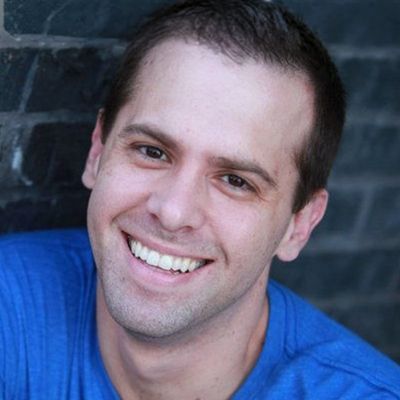
Actor Brandon Gill shares his experiences with the dark side, teaching, how his approach to auditioning has changed, growing up and getting his training in NYC (he's a graduate of LaGuardia High School and The Juilliard School, right across the street from each other), owning your strengths, and developing an honest relationship with representation... Read More
From the show: The Compass
Guests
About
Actor Brandon Gill shares his experiences with the dark side, teaching, how his approach to auditioning has changed, growing up and getting his training in NYC (he's a graduate of LaGuardia High School and The Juilliard School, right across the street from each other), owning your strengths, and developing an honest relationship with representation.
Transcript
This transcript was automatically generated and might contain errors.
[0:00] Leah Walsh: Hi, and welcome to The Compass, the podcast documenting the struggles of life as an artist.
[0:05] Leah Walsh: I'm Leah Walsh.
[0:06] Leah Walsh: My guest today is Brandon Gill.
[0:09] Leah Walsh: Brandon is an actor, teacher, and singer who is one of my dear classmates from Juilliard.
[0:14] Leah Walsh: He is an actor who I find so much joy in watching on stage.
[0:18] Leah Walsh: He has an earnestness to his work, which is lovely to see.
[0:22] Leah Walsh: And I could listen to his voice all day long.
[0:24] Leah Walsh: So editing this conversation was very easy.
[0:27] Leah Walsh: On that note, I hope you enjoy the 117th episode of The Compass.
[0:41] Leah Walsh: How do you try to keep from going to the dark side as an artist?
[0:47] Leah Walsh: And what is the dark side for you most often?
[0:52] Brandon Gill: Okay. How do I stay away from the dark side? I think I stay away from the dark side. I always tell people that this is a faith-based industry. That you really have to truly believe from the jump that this is gonna work out for you, whatever this workout is for you, whatever the end goal is for you, that you're going to obtain that. And so I really just have the faith in the unseen that this is gonna work out for me. And I know that sometimes I will go through lows of not working or like not getting the auditions that I want and stuff like that, but it's really having that faith and then also like friends, like watching my friends achieve their goals and watching my friends stay in it, like in it to win it, like surrounding myself with a good circle of people who I know are going through the same thing. Their highs and their lows and their in-betweens. That's really what kind of try to focus on.
[1:46] Brandon Gill: I enjoy teaching. The kids always inspire me. Kids always inspire just my classroom, or like if I'm doing one-on-one coaching. It's just that they almost have so much hope and faith, more hope and faith than you do. But it's just 'cause you've just been in it for so long and like you've seen what the dark sky could feel like and what it could look like, but they always like give you hope. They have so much hope in their eyes and so much like inspiration in their voice.
[2:15] Leah Walsh: So for my kids, how does it usually manifest for you if you are in that place of feeling kind of run down or discouraged or uninspired?
[2:28] Brandon Gill: Usually isolation. Usually isolation usually just like sticky to myself, not making a lot of plans to be social with people like a lot of I try to plan. Like when I'm in the dark place I try to like think about like what can I do in the future maybe not to get here or like did I get to this position it wasn't my fault or things like that. Um but usually manifests itself by like isolation. Isolation is the biggest thing.
[3:01] Leah Walsh: Yeah.
[3:03] Brandon Gill: What can be hard with some i I mean if it's not your close close friends who like really really know you.
[3:08] Leah Walsh: Right.
[3:09] Brandon Gill: Can be hard to make that conversation when people are just like what are you doing? What are you working on?
[3:12] Leah Walsh: Exactly because that's so that's that's what you're avoiding.
[3:16] Brandon Gill: Exactly that's you're avoiding going out running and people like oh my god I've seen you it's what's up what's going on how's it going? And you're like I don't want to talk about that.
[3:24] Leah Walsh: Yeah.
[3:25] Brandon Gill: Yeah they're the people who aren't gonna ask like how's your family?
[3:28] Leah Walsh: Right.
[3:29] Brandon Gill: How's your heart doing right exactly. What are you doing with your days regularly outside of this crazy thing we do.
[3:36] Leah Walsh: Yeah.
[3:37] Leah Walsh: So how do you keep that faith?
[3:41] Leah Walsh: 'Cause I know you're religious, but you're talking about a different kind of faith.
[3:45] Brandon Gill: Um I think faith is faith in it it's it's the belief in the unseen, is the belief in something that is not tangible, you know. Um I keep up the faith. It's also it's great for me always to go back to the last time I went into like a dark spot or dark spell, and like I got out of that.
[4:11] Leah Walsh: Yeah.
[4:12] Brandon Gill: There was an end to that. There was light at the end of that tunnel, so why wouldn't there be this time? And the more and more you go through the dark place. Not that it becomes easier, but it becomes easier. Because you kind of understand what's going on. You can understand like why you feel this way.
[4:32] Leah Walsh: Right.
[4:33] Brandon Gill: You can see that, yes. You can see that it will end.
[4:36] Leah Walsh: Yeah.
[4:37] Leah Walsh: Um, you mentioned teaching. Have you been doing a lot of teaching?
[4:40] Brandon Gill: I usually get busy with teaching around like August or so, because that's when kids are either doing auditioning for high schools or auditioning for colleges. Cause I also do coach people like one of peers like one on one, like who are like auditioning for television shows and plays and stuff like me, but also uh the kids, the kids who are dishing for high schools and colleges. So usually like August to like April is really like a lot of that.
[5:06] Brandon Gill: Like, oh, I gotta remember what all the monologues are. That is great. Okay, so this year I do. Yes, yes. And especially for like different age brackets too. And so this is actually the first year I was like, okay, I need to go ahead and like take note of all the monologues and either giving out or what they bring in, like so I can have a little library of like references for them. Um Yeah, 'cause I feel like I've I've forgotten all of that. I can't even remember the last time I had to do a monologue. Maybe a Shakespeare monologue here and there.
[5:35] Leah Walsh: Right.
[5:35] Brandon Gill: Um no, maybe one or two, but like last time I had to do a monologue prepare one was like years ago. So um, but yeah, but that's doing good. Like I just one of my students just got into Juilliard.
[5:48] Leah Walsh: Yes.
[5:48] Brandon Gill: Yes, I'm so nice. I'm so excited for her. She's on PPAS. Like you talked to the teachers, you're like, I did. What's up? I did. I was like, I was like, hey, I just want to let you know. One of my kids are coming through. I really think they have like great super potential. Like, she did it. She did the final callbacks and she just she did it. So proud. I'm so proud, so happy for her.
[6:11] Leah Walsh: How has that much time passed that you're talking about someone getting into Juilliard with that kind of distance?
[6:19] Brandon Gill: It's it's crazy, it's just so surreal. And she was telling me about her experience auditioning, and she was telling me things, I was like, oh my goodness, I forgot that we do that, or I forgot that that's how that happens, or just yeah, just really it actually brought back a lot of memories of like my final callback night, which is just like such a long day because you know we didn't go through the callback process.
[6:40] Leah Walsh: Like oh yeah, the whole callback weekend.
[6:42] Brandon Gill: Yeah, the callback weekend thing, like mom's just one long day from seven in the morning to eleven at night. Yeah, I'd just say thank God. Because I'm like, that's a whole that's a whole other beast that they go through.
[6:54] Leah Walsh: It's a whole other beast.
[6:56] Brandon Gill: Well, that's so exciting. Do you ever do groups or just you're mostly do the coaching?
[7:01] Brandon Gill: I do most of the time. Like if I do groups, it's like through a school. But the closer and closer we get to like the auditions for the schools, I'll take my students and put them together.
[7:14] Leah Walsh: Oh, you know, so they can watch one another's monologues, watch the coaching, like understand what it feels like to have people watch, give an opinion, like stuff like that.
[7:22] Brandon Gill: Yeah. I like doing that. So that like usually is toward uh like February, because auditions start soon.
[7:29] Leah Walsh: How has your approach to auditioning changed since getting out of school?
[7:33] Leah Walsh: Like are there any things that you feel like you've changed your approach to or learned?
[7:41] Brandon Gill: I think auditioning is almost like a technique all on its own. Yeah. Like to audition. Cause I explained to my kids, you're preparing a mini performance. A mini performance of the material that they've given you. And I guess that's one thing that I've honed on on being more specific. And not specific with the work, but specifically, what are they looking for right now just in this space in these like 10 minutes that I have, like with this side, like what is it that you're looking for? Like as opposed to going in there and like doing a good audition of how I explain it.
[8:27] Brandon Gill: Or do you mean like you might do it differently than you would if you were doing the whole piece, but you think they only need to see like they chose this these two pages because they need to see this element of the characters?
[8:41] Leah Walsh: Right, I think so, yeah, yeah.
[8:42] Brandon Gill: Because sometimes you'll read a play and like, oh, this character goes through so much, but like they'll choose sometimes they'll see choose the most emotional scene, and sometimes they choose the least.
[8:52] Leah Walsh: Right.
[8:53] Brandon Gill: And you're like, oh okay. I don't need to try to fit the entire thing.
[8:57] Leah Walsh: Right, exactly.
[8:57] Brandon Gill: You cannot tell a whole character's arc or story in just auditioning. And I think that sometimes that's the that's the downfall that people fall into. Like, I'm trying to show you the whole arc of this character when really they just want to see this portion of their life.
[9:11] Leah Walsh: And you've done a pretty good mix of stage and film stuff now, right?
[9:16] Brandon Gill: Yeah.
[9:17] Leah Walsh: Has there um what's the auditioning on camera been like for you?
[9:21] Brandon Gill: Auditioning on camera for me is um I think it's all it's it's definitely different than auditioning for theater. Uh I honestly think a lot about like what my face looks like when I audition for a film and television in terms of like you know, a raised eyebrow on a stage is completely different than a raised eyebrow on camera. And so and trying to be cognizant of I know what sad feels like, but I'm am I portraying it? Can can you see that on my face? Like, or I know what anger feels like, but is it translating to my face the way I think it should, or or where I feel that looks, uh feel like anger looks like.
[10:20] Leah Walsh: Huh.
[10:21] Brandon Gill: That makes sense.
[10:21] Leah Walsh: Yeah.
[10:22] Brandon Gill: No, it's m it's much more zeroed in. That's what I think about when auditioning for film and television shows.
[10:28] Leah Walsh: Yeah, I was just curious. I haven't had to do with it. So it's it's interesting. I'm just trying to think about like, yeah, when I'm in the room, like and how your eyes can tell a lot of story.
[10:39] Brandon Gill: Their eyes can tell a lot of story, and also at film and television, sometimes I'm not I'm I'm less afraid of the silence.
[10:49] Leah Walsh: Yeah.
[10:49] Brandon Gill: And sometimes on stage. It's like filled pauses and things like that. I think I take more leeway with that, stuff like that.
[10:57] Leah Walsh: Yeah.
[10:58] Leah Walsh: Um now you grew up in New York.
[11:02] Brandon Gill: Or were you on Long Island? I don't remember.
[11:03] Brandon Gill: Well, Long Island in Queens is mostly where I grew up. Like started out in Uniondale, then we moved to Queens Village and then Rosedale, Queens. That's where the family house is now.
[11:12] Leah Walsh: Oh, okay.
[11:13] Brandon Gill: Um, how does it feel to be living so close to where you grew up?
[11:18] Brandon Gill: It's always interesting. Especially because I went to college right across the street from my high school.
[11:25] Leah Walsh: Right.
[11:26] Brandon Gill: You went to LaGuardia.
[11:27] Brandon Gill: Yeah, so it's just so funny. It's just always so funny. Like I have so many memories between like 59th Street and 72nd Street of like my whole like childhood through adulthood. I mean, I think that I I have nostalgia like walking through Lincoln Center.
[11:43] Leah Walsh: It must be insane for you.
[11:44] Brandon Gill: Yeah, like even the McDonald's on 72nd Street, just like I remember sitting in there with groups of friends when I was 14, and then I could fast forward. I remember sitting in there with like Mechie and Ziana at 20. Like, you know, it's just so many, it's just so many memories there. Um like I always say, so Amsterdam, Amsterdam is usually where that's where my adolescence was. Because that's where like all the restaurants were. Then when I joined college, everything was more on Broadway because that's where the bars were. You know, so but it's cool though. Like I do miss the fact that I didn't have to learn a new city. Like a lot of my friends are transplants, like where people in my college anyways, uh, they have to come here, learn a new transit system, and like you know, learn new streets and like how to get around and all that stuff.
I never really had to do that, except for when I go away, it's like short three month stints to go like work on some regional theater stuff. I'll learn stuff there, but uh that's the only thing, but I I love New York. I love being born and raised in New York. I love working in New York. I love the vibe of New York.
[12:49] Leah Walsh: Have you ever thought about LA?
[12:51] Brandon Gill: Yes. I've thought about it. Um my thought about LA is that I think I just want work to bring me there.
[13:00] Leah Walsh: Right.
[13:01] Brandon Gill: I don't think I want to go there and look for work.
[13:03] Leah Walsh: Yeah.
[13:05] Brandon Gill: You know, I also feel like at least when I first graduated, I was like, I wasn't ready. I wasn't ready to go to a place that I felt like didn't appreciate the fact that I have a degree from Juilliard.
[13:23] Leah Walsh: Hm.
[13:23] Brandon Gill: I wasn't sure if that was a thing that was gonna mean anything to them.
[13:27] Leah Walsh: Right.
[13:28] Brandon Gill: You know, and uh they were focused on other things.
[13:30] Leah Walsh: Right.
[13:31] Brandon Gill: And so even now I think about it differently. It's just like I don't know if I'm ready to go to a place where I'm going to have to kind of get people to know me again in terms of casting directors and stuff like that. Like building up those relationships and like of course they've I'm sure some of them seen my tapes, but just that one on one experience is completely different.
[13:54] Leah Walsh: Right.
[13:55] Leah Walsh: Yeah.
[13:55] Brandon Gill: Um yeah, I'm just curious how geography affects people artistically.
[14:01] Leah Walsh: And like how do you feel when you do work out of town? Like on those regional gigs and stuff?
[14:05] Brandon Gill: In terms of what? Like I don't know, do you feel inspired? Do you feel like bored? Because it's out of town? I'm just curious, yeah. If anything, I always find it interesting, the community that watches the theater or it comes to the shows. That's always the thing that's really different. Yeah. Because you know, you go to these regional shows and like there's actors in the show from everywhere. From sure they pull people from LA and Chicago and New York, and then you come and you're doing the show, but it's always the community. It's like what is the community that we're doing? What's the art community that is gonna come see this thing? Those are the people that are always different. They give you different responses, and if they're used to seeing certain types of work about certain things, or even like going to places that like you know, I've done some pieces in places that people they're not seeing, like they're not used to seeing groups of people of color on stage and stuff like that, you know, and so how do you gonna respond to this work or that must be bizarre? Yeah, it's just it's interesting. It's one of those things, it's one of those experiences that feeds you as an artist that you use is gonna come out some way in something that you do.
[15:18] Leah Walsh: Do you have um I know that you're a singer and you are a dancer? I don't know if you still call yourself a dancer.
[15:25] Brandon Gill: I mean, you know, I always call myself an actor who likes to do other stuff, you know, but which I actually need to be more, I need to be more proactive in that, at least in claiming that I I'm a singer anyways, like you know, I've always been so scared of my voice.
[15:41] Leah Walsh: Really?
[15:41] Brandon Gill: And like, yeah, oh my goodness, yeah. Or like singing in front of people, like scared of my voice, but do you have a beautiful voice?
[15:49] Leah Walsh: Thank you.
[15:50] Brandon Gill: And you did you did musicals before Juliet?
[15:53] Leah Walsh: Yeah.
[15:54] Brandon Gill: Yeah. Uh, but it was just I don't know why it was always so scary for me. I guess it's because like you're very like intimate, it's very vulnerable.
[16:01] Leah Walsh: Yeah, for sure.
[16:02] Brandon Gill: But I guess like it's almost a comparison thing, like because I felt like I knew people who were singers, singers, you know?
[16:07] Leah Walsh: Right.
[16:07] Brandon Gill: And like, you know, and that's not what my training in is at all. It's just like a thing that I can do that I've got, like taking some classes here and there, and um, but yeah, that's that's something I actually learned this year about how fear can distort your reality.
[16:23] Leah Walsh: Uh-huh.
[16:24] Brandon Gill: I have been so scared of my voice for so long that I always tell people, Oh, they're like, 'Are you a singer?' Like, oh yeah, I could kind of sing. But literally every show I've done since I've graduated has been a musical until last year.
[16:42] Leah Walsh: Really?
[16:43] Brandon Gill: Every yes. And I had to sit down and think about that. And I'm like, how of all of these shows, like Stagger Lea Dallas Theatre Center, and then the last goodbye at the Old Globe. Um, and then I did Bella here and Bella Here and did a workshop, a couple of musicals. Like everything of you touched is usually a have been a principal and it's also been a musical. But fear of it. It's not like West Side Story or something, so you're not like thinking about it.
[17:09] Leah Walsh: Right, right, right.
[17:09] Brandon Gill: They're usually new pieces and stuff like that. So, right, like the musical I did in California was a it was a musical version of Romeo and Juliet. Right, with Jeff Buckley's music, right? So I was like still speaking Shakespeare and all that, but yes, I did sing too. But yeah, fear completely distorted my reality in terms of that I couldn't even see that. Even when you were doing it. Yeah, I couldn't even see that, like, oh, the show I did this before this was a musical. Oh yeah, the show before that was a musical too. Oh yeah, that workshop was a musical.
[17:41] Leah Walsh: So, how are you thinking about it these days? Are you uh trying to be proactive claiming that? Are you like I need a break from that?
[17:48] Brandon Gill: No, I'm trying to be proactive in claiming that. Especially with this Lucer Lattel nomination now.
[17:55] Leah Walsh: That was Tell me about that.
[17:58] Brandon Gill: I mean, you know, I did a show called Bella on American Tall Tale at Playwrights Horizons. It's all good. Um last year at Playwrights Horizons and I'm now nominated for outstanding featured actor in a musical.
[18:10] Leah Walsh: That's amazing.
[18:12] Brandon Gill: So it's kind of like God being like, shut up, own what you do and like go ahead and move forward with it, you know. So that's really what I've been trying to do, like really just owning that. And owning that talent's coming all various degrees of good.
[18:29] Leah Walsh: Well, and also that good doesn't sound like just one type of voice.
[18:33] Brandon Gill: Right, right, right, right, right. And there's no value in comparison because I think that's also where my fear comes from, is just comparing myself to the people. I'm like, oh, you're a singer singer.
[18:41] Leah Walsh: Right.
[18:43] Brandon Gill: I saw um I saw the lucky ones last night.
[18:47] Leah Walsh: I saw that last week.
[18:49] Brandon Gill: Oh my god.
[18:51] Leah Walsh: Yeah.
[18:52] Brandon Gill: Um, but do you do you know Damon Donna, who he played the Kai character, the young?
[18:52] Leah Walsh: Oh no no, but I met him.
[19:03] Brandon Gill: I met him, he's a nominee too. I met him at the time. I mean I met him years ago through Gabe because he did brief encounter with Gabe on Broadway and then like he's lived with all those guys for a long time.
[19:15] Leah Walsh: Yeah.
[19:16] Brandon Gill: Um, but watching it, I just I was thinking how one, like how unusual Damon's voice is, and whenever I see him in a show, I'm like, well, no one else could do that. And then that show though was filled with people like that. Yes, each person.
[19:37] Leah Walsh: Yeah, sorry guys, there's so much street traffic today. Uh garbage tracks and how a siren. Um the new streetscape I'm getting used to. Um, but each person in that show, I was like, I've never heard a voice like that. I love it, and it's amazing. But it's not necessarily the voice you think of like melting on a Broadway stage. I thought their voices were so incredible and the way they used them, and what I appreciated about their voice is that you could like feel the emotion in the notes and the way they even went like saying certain words or going after certain certain notes. Yeah, you felt you felt the emotion in in the attack of it. Which is interesting to me because then I had a conversation with my agent about it because she was like, so was that a play or a musical?
And I said, I thought it was a play with music because I felt like I was watching actors tell a story through song as opposed to watching singers tell a story through song. I mean, I think you could say it was any number of things, but it was also like since they're a band, it was also coming from the perspective of kind of being a concert with a play.
[20:51] Leah Walsh: Right, right, yeah, yeah, yeah.
[20:52] Brandon Gill: Which is interesting. Yeah. Yeah. Yeah, like passing strange or like total bend or things like that. Yeah, yeah, yeah. Oh, that I yeah, I was so glad I got to sneak in and see it before it closed. Yeah, I enjoyed it a lot. I don't know where I was going with that, but the whole point is embrace everybody, everybody should embrace their voice.
[21:13] Leah Walsh: I love the uniqueness of everyone's voice. Do you have any other um I guess when I originally asked you about that, I was thinking like, have you found a creative outlet in writing or um do you have an interest in self-producing, or have you uh oh have you been kind of focusing all of your energy on the case?
[21:33] Brandon Gill: I always yeah, I always focus on the performance part of it. My dad always keeps telling me to write. But it's almost like one of those things where just like I tell people with acting, I feel like you want to write, like you should have possibly gone to school for that, or you should like, you know, have some type of background or training or a course or something, like it's a thing that takes it's a craft that they take some in type of instruction. Um I have not, but I think about it. I think about it. What else do I really concentrate besides the performing aspect? If I'm not doing it, then uh then I'll probably just like teaching it.
[22:13] Leah Walsh: Yeah.
[22:13] Brandon Gill: Yeah. Yeah. Those are my two things. If I'm not doing it, then I want to watch it or teach it.
[22:19] Leah Walsh: Do you have any mentors that have been important to you over your course of your career?
[22:27] Brandon Gill: I think I've met and I've worked with some pretty cool people that I stay in touch with. Like the director Leah Gardner. I really enjoyed working with her. I speak to her about things sometimes, and she's very honest and open and sharing. Kent Gash is another great director I worked with, who heads one of the departments over there at NYU in the TIS school. He's really awesome to me. Charles Wallace. Charles Wallace is uh another actor, but he's played my dad like three times in random shows, random readings. I mean, that has to mean something. Yeah. Right. And we just got well, we've gotten close, and like you know, he's original cast of Miss Saigon and a whole bunch of actually other shows way in the beginning of his career, and it's great.
He's just actually been inspiration, like watching he owns this beautiful brownstone in Harlem that he's bought through his art, you know, and just uh so people like that. People like that that I can talk to who like and it's less that they've mentored me through life necessarily, but it's more they've been great examples of the accomplishments that you can do through your art. Like you don't have to have a regular nine to five, or like you can live a very full life being an artist.
[23:49] Leah Walsh: How have you found a way to balance the kind of art and commerce part of it? I know you said that you do a lot of teaching, but honestly, it's through teaching, unemployment, and working.
[24:05] Brandon Gill: Yeah. That's a good triad. That's really it. That's my triumph. Yeah. That's it. Like, I got a work enough that I could pull some unemployment from that and do a little teaching on the side. And just like kind of like carries me through. Scotch tape it all together.
[24:22] Leah Walsh: Yeah, which is legit. Scotch tape it all together. So, because you already you've been acting for a very long time, and you had an agent for a very long time. Didn't you? Didn't you already have an agent before you came to Julia?
[24:36] Brandon Gill: Yeah, I had um I had my manager since I was eleven, Sinclair Management, Judith Leslie. Um, and she got me my agent, Abrams Artist, uh, when I was thirteen. So I was with the youth division. Well, I'm still am, funny enough.
[24:51] Leah Walsh: Really?
[24:52] Brandon Gill: Yeah. Cause you see just certain things, certain things that the adult division don't doesn't work on. Because now they're transferred to the adult division, but like uh yeah, certain commercials or they still like keep their eye out for you.
[25:03] Leah Walsh: Yeah, yeah.
[25:03] Brandon Gill: So it's just cool. Can you talk a little bit about I mean I guess you've had the same pretty much the same representation that whole time, but um, you know, I know representation is kind of a fraught thing for a lot of people, and it's hard to find a balance between you know, it's a professional relationship, but it since we use ourselves as our instrument, it's very personal and it's kind of a weird uh partnership you have. What are some of the things that you feel like have made it a positive experience for you?
[25:39] Brandon Gill: The first thing I always want to say is like I try to remind artists, and this is taking this is not making it personal, this is taking the emotional out of the business, is remembering no matter how long you've known them, they work for you. Your manager works for you. Your agent, they work for you. You know, now granted, now I've known my manager for like 18, 19 years now. And what's what's made me stay with her is the faith that she has in me and that she also is very collaborative, that she will listen to the things I don't want to bring to the table and uh she doesn't think my dreams are far fetched. Um and so just really finding people who are gonna like stand behind you and like are uh understand the trajectory that you're going for in terms of your career and one that's not just pushing you more towards television, like I try to stay as versatile as possible.
Like I want to continue to do film, television, musical plays, all of that, like you know. So yeah, and even when I decided to go from the youth division over into the adult division, it was like meeting with those guys and trying to figure out like why are you interested in me and what do you think that you can help me do just without you not knowing me, you just seeing me as a product. Who do you where do you think I fit and then let me tell you what I think of myself as a product, but now let me tell you who I am as a person and let me tell you the things that I want and uh the spaces that I think I could squeeze into even if there are not a lot of people like me there.
[27:21] Leah Walsh: And stuff like that. It's interesting with those types of relationships because um, you know, it's easy to put a lot of pressure on yourself to be like, well, I haven't been booking the auditions or whatever it is. So like what are they supposed to be doing for me?
[27:34] Brandon Gill: Yeah.
[27:38] Leah Walsh: But then there's times when, you know, the relationship maybe isn't you you're you're looking at them and feeling like what are you guys doing? And I also say a couple times. I'm working my ass off, like make sure you're doing your part. Like, you know, yes, I I totally part of me waits for the phone to ring, like with an appointment or whatever, but at the same time, I'm like connecting the dots for them. I'm like going on Playbook, like, hey, I know this is coming out, so look out for these appointments, or oh I work. This guy I know right. Yeah. This guy I know wrote this thing and he's about to write this other thing and do that, and yeah, that's lit that's how too heavy for your pocket happened for me.
[28:14] Brandon Gill: Really?
[28:15] Leah Walsh: Oh, that's right.
[28:16] Brandon Gill: That's right.
[28:16] Leah Walsh: Cause it was a real playwright, right?
[28:19] Brandon Gill: That you're 2013, like December, went to go do like a reading of his first play up at Yale that Susan Lorry Parks was like conducting.
[28:28] Leah Walsh: So cool.
[28:28] Brandon Gill: Did it, it was fine. He hit me up maybe about like five months later, and he was like, Hey, it was really nice meeting you that day. Um, I've been writing this play with you in mind.
[28:42] Leah Walsh: Which is like an actor's dream, like, um, yeah, okay, sure.
[28:47] Brandon Gill: Sure you have, right. He's like, Yeah, would you mind coming up like reading like what I've got so far? Yeah, sure. I went up there, it was 2014, like I read it with him, and like I was like, Oh, this is great, it looks beautiful play. I loved the character, like, you know, the character's name was Bozy Brandon. I was like, Okay, cool. And then literally three years later, the first production in New York, he made sure that I did it.
[29:11] Leah Walsh: That's beautiful when someone like keeps their word like that.
[29:15] Brandon Gill: Keeps their word, but also the humbling thing is that somebody has so much faith in you.
[29:20] Leah Walsh: Mm-hmm.
[29:21] Brandon Gill: Like, you know, and honestly, he'd never seen me do anything besides that one reading. You know, and so it's just having uh that's the yeah, that's the most humbling part. It's of people who have faith in your talent. Like, you know, because we went from to strangers to collaborators to friends, or like c friends to collaborators, but yeah, like it's just that's the that's the most humbling part that he he trusted me enough his first role premiere in New York with his first play, and it was beautiful.
[29:58] Leah Walsh: Yeah, it was a beautiful play.
[30:02] Brandon Gill: Try to do those readings or those workshops that do not pay you what you're worth because you're planting a seed and eventually trees grow.
[30:10] Leah Walsh: Yeah you never know what's gonna come back around.
[30:12] Brandon Gill: Yeah.
[30:13] Leah Walsh: Um what does your family make of you choosing to be an artist for your career?
[30:18] Brandon Gill: Lucky enough that they a hundred and fifty percent support it. They're so excited about it. I mean you've obviously been so serious about it from a young age.
[30:28] Leah Walsh: I was five years old and I told my mother I wanted to be inside the television which is adorable.
[30:34] Brandon Gill: Like where did that come from? Like you know where did that come from Oh and that's th that even makes me laugh some too times too just like as an adult like where did this thing come from in my heart that I want so badly like you know that I always wanted to do that I still want to do and like it was placed there.
[30:36] Leah Walsh: It was placed there.
[30:56] Brandon Gill: You know just but they support me. They support me a hundred fifty percent. They come to my things and are any of them artistically inclined?
[31:05] Leah Walsh: My mom can sing. She used to be in a singing group uh so be maybe before from like five to like maybe like I was like nine or ten she's in this singing group called Trichet.
[31:18] Brandon Gill: I used to like sit and watch her and her group like rehearse in the studio and stuff like that.
[31:23] Leah Walsh: That was cool.
[31:24] Brandon Gill: My grandmother my grandmother used to be a dancer so back in the day she used to do that. Um, but that's really it. As far as my family.
[31:34] Leah Walsh: Like me and my sister, we both grew up like, you know, taking dance classes and singing classes and stuff like that.
[31:38] Brandon Gill: But I really st stuck with it.
[31:43] Leah Walsh: I bet they love it you're in New York since they can come see everyone.
[31:46] Brandon Gill: Oh my mother is so relieved that I didn't go to college somewhere else on the other side of the country or the other side of the world. Like, no, she's great, that I'm so accessible.
[31:56] Leah Walsh: And I am too. I'm such a mama's boy. I love my mother through and through.
[32:00] Brandon Gill: Through and through.
[32:02] Leah Walsh: Are there any lessons that you've learned in the last couple years that you're really proud of that you want to tell me about?
[32:09] Brandon Gill: Be a small thing, a big thing.
[32:15] Leah Walsh: Just the way you think you're approaching your life a little differently these days.
[32:31] Brandon Gill: Like, you know, I I think I really learned or or my journey for the last year was I want to say God's showing me my strengths, the things that I the things that I need not question. And as long as I continue to do my part and be persistent and like specific and work on them, that they will continue to be that.
[32:55] Leah Walsh: I think that's what I learned this year was like knowing what I was capable of.
[33:02] Brandon Gill: And not to put uh not for you to be the one to tell yourself no.
[33:10] Leah Walsh: Let them say no.
[33:11] Brandon Gill: Yeah. Let them say no, you can't do it, or we don't want you to do it, but you being fearless and throwing your throwing your throwing your hat into the ring.
[33:25] Leah Walsh: And being confident but not cocky that you know what you come to the table with.
[33:29] Brandon Gill: I know what I can provide here. I know my strengths and I know my weaknesses as far as it comes to what I like to do. My art, my business.
[33:38] Leah Walsh: Right.
[33:39] Brandon Gill: Um don't censor yourself.
[33:42] Leah Walsh: Mm-hmm.
[33:43] Brandon Gill: Mm-hmm. Following those impulses and trusting them.
[33:48] Leah Walsh: Uh yeah, trusting, trusting oneself.
[33:53] Brandon Gill: Trusting yourself and your ability, what you were capable of.
[33:57] Leah Walsh: That's what I'm saying.
[34:01] Brandon Gill: It is.
[34:02] Leah Walsh: It is.
[34:03] Brandon Gill: It is.
[34:05] Leah Walsh: It is.
[34:06] Brandon Gill: I was this year I was awesome. I was thrust into the forefront of these two great shows that happened in New York City.
[34:15] Leah Walsh: And it felt like such a huge responsibility, and it I felt like, you know, eyes were watching and peers were watching, and I just had to I had to trust that I was given these responsibilities for a reason and that I can I can follow through on them.
[34:44] Leah Walsh: Yeah.
[34:45] Brandon Gill: Yeah.
[34:48] Leah Walsh: Um yeah.
[34:50] Brandon Gill: That's like a a lifelong project.
[34:53] Leah Walsh: Oh yeah.
[34:54] Brandon Gill: Especially when you have to do it over and over again.
[34:56] Leah Walsh: Oh yeah.
[34:57] Brandon Gill: It's not like you're getting a job and you're gonna be there for the next ten years, you know, and you you got over the hurdle of like speaking up for yourself once.
[35:07] Leah Walsh: Mm-hmm.
[35:08] Brandon Gill: You have to do it every every couple days.
[35:14] Leah Walsh: That's a great one.
[35:15] Brandon Gill: So I have a couple more questions that I usually end with, but is there anything that I haven't touched on that you were really excited to talk about or something you've been working on that I've I just don't know to ask you about?
[35:26] Brandon Gill: Oh, I mean I'm about I just finished doing uh Marvel's the Punisher.
[35:34] Leah Walsh: You did?
[35:35] Brandon Gill: Yeah.
[35:36] Leah Walsh: I'm recurring on season two.
[35:38] Brandon Gill: Nice.
[35:38] Leah Walsh: That's exciting.
[35:40] Brandon Gill: That was my first time.
[35:41] Leah Walsh: Is it I'm assuming it's a superhero show?
[35:43] Brandon Gill: I don't know anything about it.
[35:44] Leah Walsh: It is a superhero show.
[35:45] Brandon Gill: Yes.
[35:46] Leah Walsh: Yes, my own.
[35:46] Brandon Gill: Nice. Superhero show. Um, but it's my first time like really like I did like go to like gun school and like action and like it's like fighting, gunfighting, and so.
[35:57] Leah Walsh: Was it what you thought it would be like or is it uh was it the first yeah, yeah.
[36:03] Brandon Gill: The difference for me always between television and theater is that television or even movies is that your imagination becomes a reality. It's like your imagination is actually 3D and there's not a lot of pretending that you have to do for the most part.
[36:20] Leah Walsh: It wasn't like a green screen situation where you really had to use it.
[36:24] Brandon Gill: No, no, we're holding real guns and like, you know, when they fired they made real loud, real gun sounds.
[36:30] Leah Walsh: Uh-huh.
[36:31] Brandon Gill: You know, and uh Yeah, that was the cool part, and like, you know, you use squibs and things, those squibs are the little mechanics that they put in certain things to let them blow up.
[36:44] Leah Walsh: That was cool.
[36:45] Brandon Gill: Like, like you know.
[36:46] Leah Walsh: It's real.
[36:48] Brandon Gill: Um, so that was fun. I'm about to do Little Rock.
[36:52] Leah Walsh: It's a new play at the Sheen Center.
[36:55] Brandon Gill: It's about the Little Rock Nine, the nine students who I integrated a central high school in Arkansas.
[37:03] Leah Walsh: I'm about to do that. I'm really excited about that show.
[37:06] Brandon Gill: You haven't started rehearsals yet?
[37:08] Leah Walsh: No, start on Monday.
[37:09] Brandon Gill: Yay.
[37:10] Leah Walsh: Yeah, I'm really excited about that.
[37:12] Brandon Gill: I'll be doing that until September.
[37:14] Leah Walsh: Um, who's the playwright of that?
[37:16] Brandon Gill: Rahanja Ramun Maharaj.
[37:18] Leah Walsh: That's a beautiful name.
[37:19] Brandon Gill: It is. He wrote it and he and he's directing it.
[37:23] Leah Walsh: Awesome.
[37:24] Brandon Gill: That's great. I'm excited about that.
[37:25] Leah Walsh: Alright, well, you have to let me know the details, and I'll let I'll let everyone know.
[37:32] Brandon Gill: So the last two questions.
[37:33] Leah Walsh: The first one is when you are having a time when you're kind of like losing that faith. Or in the dark place. Like, are there any books that you reread or music you listen to, or like concrete things that you you go to to try to shake yourself out of it?
[37:50] Brandon Gill: I wish I said that I read more, but I don't. But when I do read, it's a lot of uh affirmations. I read a lot of affirmations, a lot of uh spiritual affirmations.
[38:04] Leah Walsh: Um last like two years, year and a half, like church has become a a a daily thing for me of every Sunday situation, and always hearing the word always helps me put things in perspective.
[38:22] Brandon Gill: Um it must be nice too to be like in a big community of people where no one cares about anything.
[38:22] Leah Walsh: No one cares about your career, no.
[38:34] Brandon Gill: Any of that there, yeah, yeah, yeah. To feed the heart, feed the soul, and like learn.
[38:40] Leah Walsh: Um that's really what I do.
[38:44] Brandon Gill: That's really what I do because I I I consider myself maybe a private person, so that's why the isolation probably comes so quickly once I go to the if I in the dark place.
[38:56] Leah Walsh: But affirmations, affirmations, church and faith, like you know, all of that combined, like really like gets me together.
[38:56] Brandon Gill: Gets me together.
[39:10] Leah Walsh: And then lastly, is there anything you've seen recently of any art form that you want to recommend?
[39:16] Brandon Gill: The last thing I saw was the lucky ones, which I thought was incredible, just the way that they all used their talents, the acting and the singing and the dancing, the choreography by Sonia Taye.
[39:29] Leah Walsh: Like, you know, who's also nominated for Lucero Lotel for that, actually.
[39:32] Brandon Gill: Oh good.
[39:33] Leah Walsh: Yeah, yeah.
[39:35] Brandon Gill: Yeah, I took my um I have a Juilliard mentee who's in the dance program. I took her with me to see it last night, and she she was pretty happy with the core.
[39:44] Leah Walsh: Yeah.
[39:45] Brandon Gill: It's great. She's such a good storyteller through body.
[39:49] Leah Walsh: Uh she choreographed at the last goodbye in uh Oh in California that did at the old boat.
[39:55] Brandon Gill: Yeah.
[39:56] Leah Walsh: Um that's what I would recommend, even though it's probably it's I know.
[39:59] Brandon Gill: It's I think this is the last weekend, but um, which would be after this comes out, actually.
[40:05] Leah Walsh: Yeah.
[40:06] Brandon Gill: But uh hopefully, you know, might get another life some point.
[40:09] Leah Walsh: For sure.
[40:10] Brandon Gill: For sure, because a lot of people loved it.
[40:12] Leah Walsh: Yeah.
[40:12] Brandon Gill: It's like one of those downtown gyms.
[40:15] Leah Walsh: I saw Winter Tale, Winter's Tale at a theater for the new audience that Mechie was in.
[40:20] Brandon Gill: Uh-huh.
[40:21] Leah Walsh: I thought that was really good.
[40:23] Brandon Gill: And Dion.
[40:25] Leah Walsh: Um I saw it, but I think it was their very first preview that I saw.
[40:29] Brandon Gill: So I would have been curious to see it later in the round too.
[40:31] Leah Walsh: But Dion and Mechie were wonderful as usual.
[40:34] Brandon Gill: As usual, I was just excited to see them up there and be able to play together.
[40:38] Leah Walsh: Yeah, I thought that was great.
[40:40] Brandon Gill: That's all I've seen so far.
[40:42] Leah Walsh: Or fairly recently.
[40:45] Brandon Gill: I know.
[40:45] Leah Walsh: I need to get out and see some more things.
[40:47] Brandon Gill: I do too.
[40:47] Leah Walsh: I do see a couple of months.
[40:50] Brandon Gill: It has been, but yeah, I definitely need to see more.
[40:52] Leah Walsh: I need to see more artists in general.
[40:54] Brandon Gill: In general.
[40:56] Leah Walsh: Alright, Brandon.
[40:58] Brandon Gill: Thank you so much.
[40:59] Leah Walsh: This is such my pleasure.
[41:01] Brandon Gill: Such my pleasure.
[41:13] Leah Walsh: Thank you for listening to the Compass Podcast. If you find these conversations valuable to your life as an artist and would like to support the ongoing production of the Compass, please consider becoming a patron at Patreon.com slash The Compass Podcast. Pledges start at as little as one dollar a month. You'll get access to bonus content and anything you can give would be greatly appreciated. Also, if you have a moment, please rate or review in iTunes. Every little bit helps other listeners to find the podcast.
[41:50] Audio assistance from Nick Choxie, and a special thanks to Frankie J. Alvarez. See you next time.
© Broadway Podcast Network, All Rights Reserved