

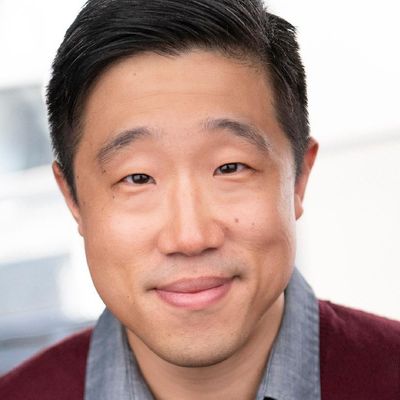
Actor and singer Raymond J. Lee shares his experiences moving between genres, developing new musicals, using social media to your advantage, speaking up for yourself and fellow performers, and becoming a parent as an artist, See what he's up to at: www.raymondjlee.com... Read More
From the show: The Compass
Guests
Featured Shows
About
Actor and singer Raymond J. Lee shares his experiences moving between genres, developing new musicals, using social media to your advantage, speaking up for yourself and fellow performers, and becoming a parent as an artist, See what he's up to at: www.raymondjlee.com
Transcript
This transcript was automatically generated and might contain errors.
[0:00] Leah Walsh: Hi, and welcome to The Compass, the podcast documenting the struggles of life as an artist. I'm Leah Walsh. Hi everyone. So this will probably be my last episode for a while. My due date is next week, so gonna be meeting this baby soon and taking a break. If you haven't already, take a look back through the archives. There's so many great conversations with wonderful artists. Please take advantage. My guest today is Raymond J. Lee. Raymond is a wonderful actor and singer. We met a while ago through my husband. His open and beautiful spirit made such an impression on me. I was curious to hear about his experiences working in musical theater, among other genres. And especially since Frankie and I are about to become parents, I wanted to talk to him about his experiences being a parent and juggling his career as a working performer. So I hope you enjoy the 125th episode of The Compass.
[1:06] Raymond J. Lee: How do you try to keep from going to the dark side as an artist? You know, as an artist, I feel like once a month I call it actor's PMS where I'm like, I can't do it anymore. It's a cycle. It's a cycle, you know, you go because you know you're always burying your soul at each audition and like to get rejections, you just feel like it just kind of weighs in on you and you try and get rid of it. So once a month it always feels like, how much longer can I do this? Should I try and get another job? But I always remind myself, especially as a dad, I look at Ella and I say, I have to like this is what I love to do. This is like my dream, and I have to work my ass off. And so I always just kind of slap myself. Right. Get it together. Get it together. Stop complaining. You're good. You are doing good. Um, and you have to show your daughter that you have to work hard for your dreams. And so in a way she kind of propels me out of the dark side.
[2:06] Leah Walsh: Yeah.
[2:07] Raymond J. Lee: And um and then the occasional like I tell my husband, just can you pet me and tell me I'm pretty and talented and he'll do them like, okay I'm good. Like I know this is a little ridiculous but it's what I need.
[2:17] Leah Walsh: Yeah.
[2:18] Raymond J. Lee: And I think with actors too 'cause like you rarely get feedback, you know, of like why the audition didn't happen. And so you get go to the dark side of maybe it was this, maybe it was that, maybe it's how I look. Am I too fat? Am I too thin? Am I it is cause I'm Asian. And so I always have to shut those voices out and be like, no, it could be something as simple as, you know, they hired a star, you know? So I always have to kind of keep myself in check.
[2:44] Leah Walsh: Yeah.
[2:45] Raymond J. Lee: Um it is funny how how often that cycle repeats you're right it can really be like that monthly thing.
[2:52] Leah Walsh: Yeah.
[2:52] Raymond J. Lee: Even Robbie's like, oh no, can you give me warning? 'Cause I'll like
[2:55] Leah Walsh: Yeah.
[2:57] Raymond J. Lee: you know. And it's a strange thing to have to get used to because you're like, okay, I see I see that this isn't real.
[3:03] Leah Walsh: Mm-hmm.
[3:04] Raymond J. Lee: But I know I have to I go through it again and again and I always come out the other side. Such a bizarre reality to to be like, oh this is a reality of my industry.
[3:15] Leah Walsh: Yeah, it's like a bizarre professional.
[3:18] Raymond J. Lee: Which is why like I can always see like you know when stars have breakdowns or like they have to go away and like, you know, go to like Tibet and like meditate for a month. It's it's funny to like know that it also happens on like that level. You know, I feel like we all go through that as as artists and actors in like different points in our careers and it's always about navigating. I feel like a lot of it is navigating the dark side.
[3:39] Leah Walsh: Yeah.
[3:40] Raymond J. Lee: You know, some people turn to drugs and you know, or food, and and I always have to I always have to navigate my dark side healthily. And I do that with family. I do that with going to an amusement park or going to a movie and giving myself a break. You know, because we we work so hard with all the different facets of being an actor. I just have to give myself a break.
[4:03] Leah Walsh: Do you feel like you've always been able to do that? Like focus on the healthy ways to deal with it, or has it been something that your process has evolved on?
[4:10] Raymond J. Lee: I think it's definitely evolved, like navigating the dark side. That sounds like a podcast, like to like Bray's podcast. Um very unhealthy ways. I think because it was I was young. Um I didn't know how to do it, you know. Like my first two years in, it was food. It was always food. I remember getting rejections and um I was bought out of a show once, and I remember just getting a call from the director and saying, Hey, we've gone another direction, we're fortunate gonna buy you out, you're not gonna be part of the process. And I ended up buying like from takeout, like Thai food, pizza, and Italian food, and eating it all in one go. And it was like that's just how I dealt with it.
[4:51] Leah Walsh: Yeah.
[4:52] Raymond J. Lee: And but now uh if that ever happens, I you know, give myself the break. I might have a bite of chocolate and then I go play with my daughter, or I treat myself to a movie. I find healthier ways to kind of process you know, the negative stuff that happens to us. But it definitely has evolved.
[5:10] Leah Walsh: Can we talk a little bit about your daughter and how becoming a parent has changed you as an artist or changed your approach to this career?
[5:20] Raymond J. Lee: It's she's four.
[5:22] Leah Walsh: Yes, she's four years old.
[5:24] Raymond J. Lee: She just turned four uh last month. I missed her birthday because I was out of town, so I bought her lots of presents. Daddy killed. We had our gotcha day and I was like, I'm buying you a cake and LeVane bakery cookies.
[5:37] Leah Walsh: Oh my god.
[5:38] Raymond J. Lee: They're so good.
[5:39] Leah Walsh: They're the best.
[5:39] Raymond J. Lee: No, it has um it has changed me for the better being a dad and being an actor. Cause I think um in the beginning I you know I admit I was very self-absorbed being an actor in this business. It was always what can I do.
[5:52] Leah Walsh: Easier to do.
[5:53] Raymond J. Lee: Yeah, 'cause you're f you're you're the product, you know, and how do you maintain your product? But being a dad, like there's something just more important than me.
[6:03] Leah Walsh: Yeah.
[6:04] Raymond J. Lee: In this world that I have to focus on. And if I ever have a bad audition, she is always ready to give me a kiss and a hug. And it makes me realize there are more important things out there than you know than that one line I could have gotten, you know, that I focus so hard all day on. And it's it's made me a better actor. There's so much more as you guys will find out. There's um so soon. Um you experience a lot. There's almost like this like crazy learning curve. Even like the first year of being a parent, like the love you feel, the different emotions you feel they're at such a deeper level. The connections you feel even between y'all, the connections just get more intense and deeper and you reach this new level of understanding emotions that helps you, you know and your imagination for what's possible when you're inhabiting a character.
[6:54] Raymond J. Lee: It's that much deeper. Like you know you you you might see uh even like a part like protecting somebody, you know, you go in for a part, but you don't really you feel a different level of it when you have this baby that you're always constantly protecting. And so you're able to, you know, like transfer that. But yeah, it's made me more grounded too, I think.
[7:15] Leah Walsh: Were there any resources that you guys used when you were going through the adoption process that helped you figure it out? Or like was did you run into any roadblocks because you were an artist, like proving your income and stuff like that, um that you had to deal with?
[7:30] Raymond J. Lee: We were lucky because um so I was in Mamma Mia for a good four and a half years.
[7:34] Leah Walsh: Oh my god, four and a half years.
[7:35] Raymond J. Lee: Yes, that's where we got the adoption fees. Thank you, Mamma Mia. Um, but we had so that was kind of the perfect time.
[7:42] Leah Walsh: Oh, perfect time.
[7:43] Raymond J. Lee: Yeah. Um actually, like during Mamma is when I met my husband, and we had this, you know, long conversation that I I wanted to be, you know, we I wanted to be a dad, and he was like, you know, I'm gonna get on board with it, because when I first met Robbie, he didn't want to be a parent. And so we had a huge discussion like year into the relationship.
[7:44] Leah Walsh: And he was like, you know what, I could be on board.
[8:00] Raymond J. Lee: And then we kind of like it's slowly started like budgeting because we knew adoption fees or surrogacy fees. We knew that those are the two angles as being a gay dad, like is either fostering adoption or surrogacy. And we made the decision that there were just so many kids out there, and you know, surrogacy was so expensive, but we had had friends who had gone through several rounds of it, and then we we had a castmate mommy who had gone through open adoption, which is basically um still having a relationship with the birth mom or birth dad, and we saw how beautiful it was, and that's the angle we wanted to go.
[8:32] Leah Walsh: So, resource wise, it was cool to have another castmate go through that entire process.
[8:37] Raymond J. Lee: Oh, so much. They were there to for advice all the time. Um, and so we went through that agency.
[8:45] Raymond J. Lee: Um, and then Ella came home after we had left Mamma Mia. I think I had I think we started we were doing research during Mamma Mia, and then I did Anything Goes after, and we kept doing research and that's when we started the process. We had the applications and this and that.
[9:01] Leah Walsh: Um but we always kept going back to my castmate and Mamma Mia, just like how did you do the application process? How did you deal with the waiting?
[9:11] Raymond J. Lee: Cause the waiting for us was was very was hard.
[9:18] Leah Walsh: Because how long did that process end up taking?
[9:20] Raymond J. Lee: It took about two years.
[9:21] Leah Walsh: Yeah.
[9:22] Raymond J. Lee: Um and for my castmate mom Mia, it took about two months. They got their daughter like almost right away. But for us, um, and I can attribute it to uh audition, callback, final callback, book the job, is what the uh adoption process is like.
[9:37] Leah Walsh: Yeah.
[9:38] Raymond J. Lee: Like you go through your first round of auditions, and then you get a callback, and then our final callback, you actually meet the birth mom. And so we had about three or four final callbacks, but we never booked the job. And because I was an actor, I literally was like, Okay, I'll believe it when I book it. And but my poor husband
[9:55] Leah Walsh: Right, you know he didn't have anything to compare it to.
[9:59] Raymond J. Lee: Yeah, so each time he was like, Oh my god, what if this is the one? And I was always have to I have to tell him, Hey, you can't you can't have your heart set on it. You we have to protect ourselves. And then we actually had an instance where we were picked, and then they kept their child.
[10:14] Leah Walsh: Right.
[10:15] Raymond J. Lee: And that was um that was really hard, and that was at the two about the two year mark, and we didn't know if it was ever gonna happen. Um, but then Ella's birth mom picked us right after that, and it all happened like it was supposed to.
[10:28] Leah Walsh: And then you got her, like we were talking about this before we started recording, but that you got her like you found out like twenty four hours.
[10:35] Raymond J. Lee: Yeah, we had about a two week period where um they're like the you know, this birth mom is interested in you, she's looking at your file, it could happen. But because we had just had that experience, we're like, sure, whatever, I'll believe it when it happens. And then it was on a Wednesday at four o'clock. I remember I was at Schmackeries eating cookies And Robbie was at work and we got a call at like four o'clock, and they said, Hey, you've been chosen. She signed the final documents, and you pick your daughter up tomorrow at one o'clock.
[11:02] Leah Walsh: And how old was she at that point?
[11:03] Raymond J. Lee: She was six weeks old.
[11:04] Leah Walsh: Okay.
[11:05] Raymond J. Lee: Yeah, she'd gone right into interim care, um, like right away. Um her birth mom had her in the Hamptons, which we always joke about. We're like, our daughter's so fancy, she was born in Southampton.
[11:15] Leah Walsh: Oh my god, this girl, this queen.
[11:17] Raymond J. Lee: She's gonna want to go back. Like, oh no. Take me to my homeland of the Hamptons.
[11:24] Raymond J. Lee: Of the Hamptons and you know, I was eating caviar instead of having formula when I first was born. Um, yeah, and then we um it was very uh it was a very trippy process because we had heard when you first, you know, when you go to meet your child, you have about an hour or two of paperwork, additional paperwork signing, and the birth mom and her social worker are in another room signing their paperwork and kind of doing their therapy, last kind of minute therapy session. But um people were running late, so we got there, and within about ten minutes Ella came around the room and we both, you know, there's a video out there that people have seen, and we just broke down, started crying, and we knew that she was our she was our little one, and the rest is history, and there is an initial thirty days once the baby's placed at the birth mom could possibly um try and you know, maybe claim the the which makes sense but that must have been nerve wracking it was nerve wracking.
[12:20] Raymond J. Lee: Um having had met her birth mom, we knew that that probably wasn't gonna happen. And also because she had already been out of the womb for six weeks, we knew that that was a she had some time to think about it she'd some time think about it um but it was scary so by day thirty one it was like okay like rejoice yeah our shoulders kind of yeah loosened up a little bit even more I want to talk about so many different things but I hope you don't mind if I ask you some more parenting things that's obviously on my mind right now.
[12:52] Leah Walsh: Yeah I'm such an open book totally ask away.
[12:55] Raymond J. Lee: Well I know you've been dealing with this lately but like how how have you guys been since your husband's not in the industry like how have you guys been dealing with the long distance when you're looking out of town and you know it's by like having opposite hours if you're doing a show in the city like how has that been for you?
[13:13] Raymond J. Lee: I'm I'm I'm fortunate I've had a bunch of experience with that too so feel free to ask me if I 'cause I talk in tangents, let me know if you like gear me toward another angle.
[13:21] Raymond J. Lee: Um, in having just been out of town, um, I'm lucky because my husband is so, um, supportive, um, and he understood that this was like a big show. Um, it was a big creative team, it was a new musical, it was a great part for me because I get to have a whole song, it was political, so I get to kind of have my own political therapy doing the show.
[13:44] Leah Walsh: Which we all need, right? We all need, you know, I basically I played a vice president who loves guns and, you know, like in this giant scene.
[13:51] Raymond J. Lee: Um, and so he knew that this was a big project for me, so he was ready to be single dad for a good three months.
[14:00] Leah Walsh: Wow.
[14:00] Raymond J. Lee: Um, and we talked about it and, uh, I'm very fortunate 'cause I know other, you know, actor parents who are in a relationship where they don't have that luxury because, you know, maybe they, you know, their spouse just isn't able to, you know, 'cause my husband has his full-time job and they're also flexible, so we know how lucky we are.
[14:20] Leah Walsh: Oh, that's nice.
[14:21] Raymond J. Lee: You know, he could take a day off here and there and work from home. Um, but yeah, and like, I mean, we also, uh, auditions will come up too where it's, hey Ray, this is another out of town regional gig of, you know, of, uh, Guys and Dolls.
[14:34] Leah Walsh: Right.
[14:35] Raymond J. Lee: And for two months in, you know, Texas or Chicago, and, uh, we just have to, you know, a lot of the times I have to say no just 'cause it's hard for our family.
[14:47] Leah Walsh: Yeah, and if it's not something that you feel particularly passionate about, is it really worth trading that time?
[14:52] Raymond J. Lee: Yeah. And of course, I would love to play these roles. I would love to play a Seymour in Little Shop. Um, but you know, it's just like, oh, but I have to, um, think about my family, um, and see, uh, the toll that it takes on them, me being out of town. So it's a tricky, um, river to navigate these days.
[15:10] Leah Walsh: Um, and I wish I had a crystal ball telling me which project I should focus on.
[15:15] Raymond J. Lee: Right. Like, especially when you're working on new material. You don't know, like, okay, is this an investment I need to make because then it's gonna go on and eventually come to New York, or is this gonna be the end of the road?
[15:28] Leah Walsh: Yeah, you know, actually there was a situation before, um, before I took Soft Power where I had the chance to be in an ensemble in a new Broadway show.
[15:36] Raymond J. Lee: Mm-hmm.
[15:37] Leah Walsh: And so we were just, it was eating at me, um, 'cause I would be an ensemble member and we'd have that security, that paycheck, it was guaranteed. Like, and this one, this one was probably, it was gonna be a hit and gonna run. But then we were also at the point of my career where having just finished Groundhog Day, it was like, do I go back into the ensemble or do I try and take a leap, yeah, and try and do the principal work and try and do the parts that get me out there.
[16:06] Raymond J. Lee: So that was a huge family discussion. Um, my husband did say if you take this ensemble gig, we can go to Hawaii. Like we can go to even go to Disney World.
[16:14] Leah Walsh: Yeah, there are pluses.
[16:17] Raymond J. Lee: There are pluses, yeah. And it was a hard decision because it was good people, but, um, ultimately too, there's just like I had to follow my gut, and that's a thing that it's juggling like following your gut, but also following your brain, following your heart. It's this juggle that you find as a parent, and ultimately I had to follow Soft Power and see what happens from that, you know.
[16:39] Leah Walsh: But it's tricky, it's very tricky.
[16:42] Raymond J. Lee: Yeah, and you have to have that open communication with your partner.
[16:45] Leah Walsh: Yeah.
[16:46] Raymond J. Lee: He was very supportive, and I'm very lucky. Um, but even now too, like there's been, um, jobs, uh, or auditions I've gone in for like, you know, even off-Broadway stuff that doesn't pay as much. And fortunately, I just have to, you know, trying even if I have to cater or work or temp, I just have to be able to make, you know, at least my five hundred bucks a week so I can pay for the daycare, and that's something that we both decided that I have to, which is sad to think that some off-Broadway gigs, I know that, you know, there's a big movement right now to get better payment for that, but it's sad that you can't say that about all those opportunities.
[17:25] Leah Walsh: Yeah, and at our cause if I, you know, if it didn't have a family, I would be at those auditions in a heartbeat for these amazing projects. But, you know, after you pay your agent and your manager, and ultimately it's like I just can't, it would take a toll on our family, so I have to buckle up.
[17:39] Leah Walsh: I was gonna ask about, um, the day job thing. Like, what are some of the things that you found over the years to kind of patchwork together when you're in between better paying gigs?
[17:50] Raymond J. Lee: I've been lucky to temp. Um, I have a couple of agencies that I'm with. Um, and so they get me out there and I always ask about flexibility. And I usually, I find the jobs that I've been very lucky, knock on wood, that I can take like a two-hour lunch break and go to an audition or go to a dance call, and are they usually like short, short-term assignments? Like a week-long assignment.
[18:09] Leah Walsh: Like ten, you know, ten to five.
[18:10] Raymond J. Lee: And they pay by the hour, and usually it's just like data input. And so because I can type really fast and I work really fast, they're like, yeah, you know, go ahead, do your thing.
[18:22] Leah Walsh: Um, and so I've been very lucky with that.
[18:25] Raymond J. Lee: Good.
[18:25] Leah Walsh: But, um, but then we'll see, and then I, you know, of course I'm in unemployment and trying to figure out how to, once it runs out, I'll be like, okay, now I have to really reach out to the temp agencies right now and figure out the next thing.
[18:25] Raymond J. Lee: Figure out the next thing.
[18:38] Leah Walsh: How long have you been in New York now?
[18:41] Raymond J. Lee: I moved here in two thousand and four.
[18:43] Leah Walsh: Yeah.
[18:44] Raymond J. Lee: Graduated, um, I guess about one year before I did.
[18:47] Leah Walsh: Oh, we two thousand five. Where'd you go to school?
[18:50] Raymond J. Lee: I went to the University of Evansville.
[18:52] Leah Walsh: Okay.
[18:53] Raymond J. Lee: In Indiana, and then I came here and went to Juilliard where Frankie and I met.
[18:56] Leah Walsh: Oh, that's all cool.
[18:57] Raymond J. Lee: My, um, I just did a, um, a reading of a play and, uh, Lincoln Center and Juilliard's, uh, Juilliard's right next door. And so we have a couple people from Juilliard.
[19:06] Leah Walsh: Like current students or?
[19:06] Raymond J. Lee: Yeah, just graduated.
[19:09] Leah Walsh: And it's, gosh, it's so, I feel like I've learned just from them, like their processes, if that makes any sense.
[19:15] Raymond J. Lee: I'm sure they're deep in their process. If they just graduated, they're probably like they're deep, but they're like my, like my friend now Fala, she's like, she's deep in the process, but she's also so down to earth about it.
[19:26] Leah Walsh: And it's so cool to like watch them go back and forth.
[19:28] Raymond J. Lee: Like it was really special to go to school like in Lincoln Center.
[19:33] Leah Walsh: Yeah.
[19:33] Raymond J. Lee: Like we just went back and saw a show at, uh, LCT three and whenever I'm there, I'm just like, oh my god, I spent four years basically in this like such a public cultural center, but I walk through it and I picture like living in the dorms my first year.
[19:49] Leah Walsh: Yeah.
[19:49] Raymond J. Lee: So weird. Do you have like other alumni events you ever go back and like, you know, talk?
[19:53] Leah Walsh: Yeah, we go, we go back or like they're very sweet about letting me use space sometimes to like record the podcast or do stuff like that.
[19:59] Raymond J. Lee: So good.
[20:01] Leah Walsh: I would love, but to go back to grad school 'cause I was a film major.
[20:04] Raymond J. Lee: Oh really?
[20:05] Leah Walsh: Yeah.
[20:05] Raymond J. Lee: Full film, I was started up pre-med chemistry 'cause my Korean parents were like doctor.
[20:09] Leah Walsh: And then this was, I, but from my internet snooping, this was Northwestern, right?
[20:13] Raymond J. Lee: Yeah, Northwestern, go cats.
[20:15] Leah Walsh: And, um, I only had about a year of acting.
[20:17] Raymond J. Lee: Oh, because of the music theater program.
[20:19] Leah Walsh: Okay.
[20:19] Raymond J. Lee: And so, god, I wanted so much more. Like, um, you didn't act in high school or anything, just as a...
[20:19] Leah Walsh: I did. It was like, you know, it was like musical, so I was very schmackedy when I first entered Northwestern 'cause it was like jazz hands and like expressive faces and, you know, you know, that's what high school's for.
[20:36] Raymond J. Lee: Yeah, you know, see, Quints like Show choir.
[20:36] Leah Walsh: Show choir.
[20:41] Raymond J. Lee: Um, and so a lot of actually like, uh, of my adult careers has been like stripping away that like very ostentatious acting that I thought was what people wanted, you know, and slowly kind of getting to like bringing yourself more into your parts to make it more real. Um, which has helped, and it's been fun to like, I mean, I learned a lot by watching other people like you, you know, so the for the past week watching my friend Fala, just how she works and how she brings herself into a role has always been very eye-opening and I've learned a lot.
[21:10] Leah Walsh: But yeah, that one year of acting class, I, it like it hooked me at Northwestern. I'm like, oh, I want, I wanna go to grad school. I just can't, I just don't have the time these days, but...
[21:16] Raymond J. Lee: Well, I mean, if you're working then...
[21:16] Leah Walsh: Yeah, I'm like, I'm like I'm doing something right, hopefully.
[21:25] Raymond J. Lee: Um, so what was, what were you interested in in the film when you decided to switch to that and like, are is that something you're still interested in?
[21:32] Leah Walsh: I am. I mean, it was, oh god, it was me being such a passive-aggressive Korean son.
[21:37] Raymond J. Lee: You're like, I'm gonna do this.
[21:38] Leah Walsh: I was like, I told my parents when I'd switched I was gonna be an entertainment lawyer. And so if I switch to film, they won't, you know, put too much of a hissy fit.
[21:47] Raymond J. Lee: Right, it's like pre-law.
[21:49] Leah Walsh: Yeah, pre-law. And so they're like, oh, okay, okay, from doctor to lawyer, okay, good. Oh, entertainment. And, you know, so I was a film major and I actually worked at MTV when I first moved here for a good year. I was working on like the VMAs and the movie awards and so like in production kind of.
[22:05] Raymond J. Lee: In production.
[22:06] Leah Walsh: Um, and so they saw this m, you know, and they never, my parents never really asked 'cause they saw me working in entertainment and they thought generally the next step was me studying for LSATs and going to law school. But then on the sides I was sneaking, I was sneaking to auditions.
[22:22] Raymond J. Lee: Like not telling them and luckily Mamma Mia was one of those auditions I snuck out to and I remember I got the call that I booked the company, um, on like the last day of our movie awards edit. I was working on a show. Uh, like at the edit I got the call.
[22:38] Leah Walsh: And then it was like, hey, okay, I'm not gonna be available 'cause I'm gonna go over to Mamma Mia right next door on fifty first street.
[22:44] Raymond J. Lee: Oh my god.
[22:46] Leah Walsh: So it was pretty fast.
[22:48] Raymond J. Lee: Pretty fa, I mean it was about two years actually. It was about a year of a year at MTV and then it took a kind of a year off to kind of really pursue it and then, um, then I found out how hard it was and decided to go back to MTV as a PA and kind of juggle both.
[23:03] Leah Walsh: Um, so I was working at MTV, also going to auditions on the side. And then that's when it kinda happened in two thousand and six. I found out I booked Mamma Mia and the rest is history.
[23:14] Raymond J. Lee: Yeah.
[23:15] Leah Walsh: Um, so the film thing was really kind of a cover.
[23:18] Raymond J. Lee: Totally a cover. Although, I mean, I'd learned a lot of skills. Like, I mean, I'm able to, you know, cut my own reel. I'm able to work with like GarageBand for voiceover auditions and, um, that basic understanding of all that stuff.
[23:30] Leah Walsh: Yeah, even Photoshop, like we had to take Photoshop classes, Final Cut classes. Um, I learned how to work a camera. Um, so it was actually being behind the camera helped me figure out what to do in front of the camera.
[23:43] Raymond J. Lee: So it was a good education.
[23:45] Leah Walsh: We don't have to talk about this if you don't want to, but one of the things I usually ask about is like, what does your family make of you deciding to be an artist for your career?
[23:53] Raymond J. Lee: Yeah.
[23:53] Leah Walsh: So like since you're well past that transition phase now, what do they kind of make of your...
[23:53] Raymond J. Lee: They are so much supportive now. Before they were not supportive. They were always like, when are you gonna get the real job? Uh, how are you gonna make it? Um, especially being Asian American.
[24:09] Leah Walsh: Yeah, they were like pressure.
[24:11] Raymond J. Lee: So much pressure, and they were like, there are no Asian faces out there, uh, there's no room for you. How are you gonna make it? Especially on in theater. Um, and I'm, you know, I don't want to say they're not wrong, but that is an intimidating thing. Like there isn't enough representation.
[24:24] Leah Walsh: Yeah.
[24:27] Raymond J. Lee: I'm just always so stubborn that I was like, there has to be, you know, like I'm gonna show them happen. Yeah, I'm gonna show them what I do. There's like, you know, I could be in Rent. Like I remember thinking, like, you know, there's there are Asian faces out there. Sure, they might be like, you know, playing the dry cleaner in this movie or this and that, but there has to be room. There has to be growth, and I wanna be one of the people that kind of maybe changes minds. So I was very stubborn with that.
[24:49] Leah Walsh: Um, and I think they've learned now too because my mom's a pharmacist and my dad's an engineer.
[24:57] Raymond J. Lee: Oh, okay.
[24:58] Leah Walsh: So they had no idea like how artists made a living.
[25:00] Raymond J. Lee: Yeah.
[25:01] Leah Walsh: And now that they see it and they're like, oh, okay, I guess you can. But now their questions are always like, well, why haven't you booked a series regular on a TV show? How hard could it be?
[25:09] Raymond J. Lee: My dad is also an engineer and those sound very familiar to me.
[25:17] Leah Walsh: So, like, do they ask you like why aren't you doing a TV show right now? You're gonna be the next Nicole Kidman.
[25:25] Raymond J. Lee: Because it's so easy.
[25:26] Leah Walsh: Yeah, why don't you get another agent?
[25:28] Raymond J. Lee: Yeah.
[25:29] Leah Walsh: Don't you just walk up to the agency and, you know, I saw Coyote Ugly, you just put your tape in the office and they'll sign you.
[25:38] Raymond J. Lee: Um, I mean it's hard when you're coming from a different world and you don't understand how it works.
[25:44] Leah Walsh: I think my mom asked me, uh, one of her last questions was hard for both parties, the child and the parents.
[25:49] Raymond J. Lee: Yeah.
[25:50] Leah Walsh: Which is why we kinda, we always get each other, and I feel like we always tell each other the parents like the same stories and the same excuses just to kind of keep them like, keep them happy in that bay.
[26:00] Raymond J. Lee: Um, do they have a chance to see a lot of the stuff here and now?
[26:05] Leah Walsh: They do. They actually came to see Soft Power.
[26:07] Raymond J. Lee: Oh, great.
[26:08] Leah Walsh: Um, and they, they saw Groundhog Day. Um, Anything Goes they didn't see because we were going through a bit of, uh, you know, uh, uh period where it was also me being an actor and them realizing I was gonna be full-time acting. And it was also me being gay, so it like kind of hit together at the same time.
[26:21] Raymond J. Lee: Yeah.
[26:26] Leah Walsh: And so, but then they've gotten, they're starting to come around. The gay thing is just baby steps, but the acting thing they've actually been very supportive. They actually put more pressure on me than I feel like anybody else now.
[26:39] Raymond J. Lee: It's like, oh God, like you don't have anything coming up?
[26:43] Raymond J. Lee: Believe me, I'll let you know. I'm trying, Mom, that I'm trying. I'm going through the auditions.
[26:51] Leah Walsh: That's hard. Are you an only child?
[26:53] Raymond J. Lee: I have a younger brother and he's a business consultant. Gotcha. Yeah. But when we were growing up, I was supposed to be the doctor and he was gonna be the dentist. He broke away from what my parents wanted him to do, which is great.
[27:11] Leah Walsh: Yeah, even though to us it seems like, oh, you still went down a traditional career path.
[27:18] Raymond J. Lee: He understands that a little bit with you. He does. He understands like we both had so much pressure to fit these molds and we both tried to fit the molds and then we both went through a crazy rebellious period. Then he found what he wanted to do and I found what I wanted to do. So we're just happier people now. Um, and he, you know, he's engaged. He lives in Los Angeles, so he's kind of doing his thing. I'm very proud of him. He's come a long way since we've both been like angsty college students.
[27:54] Leah Walsh: That's awesome.
[27:55] Raymond J. Lee: Yeah, I wanted to talk a little bit about because I saw that you've worked on a ton of new shows. How have you found over the years to invest yourself in those workshops and not let your heart break when they do or don't become something or they do or don't take you with them? Um, like what do you enjoy about that part of the business? 'Cause it just seems like it's such a huge part of the new musical world. It's helping to develop the new work.
[28:25] Raymond J. Lee: I love it. Actually, tonight I'm going, I'm doing a reading of a new musical that I've been involved with before called The Remarkable Journey of Prince Jen. Hopefully, it comes to a theater soon. I love creating because also being Asian American, like that's where I can change minds.
[28:44] Leah Walsh: Yeah, if it makes any sense.
[28:44] Raymond J. Lee: Yeah, I can be a voice in the room, and I love going in because, you know, there's been certain moments like even in Groundhog Day when I went in, like the part in the West End had been Caucasian, the part of Ralph. And I got to go in and that was also a testament to the creative team where they saw every actor for the part. They didn't see just skin color. You know? And so creating these new musicals, I love to go in, show them what I do, and hopefully there's a place for me in the musical. I also get to show them what Asian actors do these days and open up their minds and make them see past skin color. Um, I just also love creating. It's so much fun.
[29:27] Raymond J. Lee: It's such a different beast to help create a role versus being a replacement and trying to, like, you know, slowly and like without any ripples, fit into a cast in a show.
[29:39] Leah Walsh: Yeah, they're two different beasts.
[29:41] Raymond J. Lee: Yeah, very tricky. Um, both take different skill sets. But yeah, it's fun. I mean, it's very scary also creating a role. Like with Soft Power, a lot of it was like, what do I do? What choice should I make? It could really go any way.
[29:58] Leah Walsh: Yeah, it could go any way.
[29:59] Raymond J. Lee: And also the creative team is kind of like, you know, they are kind of waiting to see what choice you make too because they're also creating, and sometimes they get stumped. And a lot of the time, I've learned to make bold choices. But then it helps me gear toward the right choice. So I've learned with new musicals just to make the choice. Make a bold choice, stick with it, and see how the team responds. Instead of getting stuck in that place of like, I'm gonna be timid because I don't wanna, I want them to like me. I don't want to ruffle any feathers.
[30:31] Raymond J. Lee: Also, 'cause when you replace, you know, there's other castmates, and they have done the show longer than you, and they kind of like how they do the show. So you want to make it right when there's multiple workshops and you're enjoying the fifth one or whatever.
[30:45] Leah Walsh: Yeah, if I'm like the fifth replacement of like Bach, and someone has been there since the original company, I want to make sure that, you know, I still want to bring myself into the part, but I also want to make sure I don't create this huge ripple effect in the lake and make other castmates unhappy. I want to make sure that I come in as a company member, you know, and not just as like, I'm here, let's do it my way.
[31:06] Raymond J. Lee: Um, but I enjoy creating new work, and I just have to say, like, I've done a lot of musicals, but I'm trying to get more into plays, and plays are hard. Like, wow, yeah, because I feel like you're always fully invested throughout the play, versus in musical theater, I feel like you get breaks.
[31:26] Leah Walsh: Right.
[31:26] Raymond J. Lee: You know, we're like, great, this is the acting portion, and now I gotta focus on the dance portion and like the singing portion. Like, you know, you're still acting, but you ha like it's like the principal gear now is focusing on the voice and the singing and telling the story through singing. But with plays, it's like from start to finish, you're like a character, and you have to make these choices and be in it. So I found that plays are hard.
[31:51] Leah Walsh: I love that it's all one thing, but we can be so involved in separate parts of it.
[31:57] Raymond J. Lee: To me, musicals are so intimidating.
[32:00] Leah Walsh: Really?
[32:01] Raymond J. Lee: You're like, plays are so different. Have you done a lot of musicals later? Like would you have to do that in high school?
[32:02] Leah Walsh: I've done some plays with music, but I'm not a musical theater singer at all.
[32:11] Raymond J. Lee: You know, I have to say, like for me, I'm more of a singer, and I never thought I'd do musical theater. Like the fact that I tap danced in two shows, it's still like, what? Why did they hire me? I don't tap dance.
[32:20] Leah Walsh: So you didn't come from like a dance background.
[32:25] Raymond J. Lee: No. I didn't take dance classes really. I just, you know, besides, I mean, my dance training was I wanted to be a boy in a boy band when I was in high school, so I like emulated all in singing all their music videos. Yes, and singing Backstreet Boys, you know. But that was all the dance I did.
[32:40] Leah Walsh: So there's still moments where I laugh about the shows I've done.
[32:44] Raymond J. Lee: Um, and now Frankie was mentioning earlier that you've been doing some cabaret concerts.
[32:48] Leah Walsh: Yeah.
[32:49] Raymond J. Lee: Um, is that something that you find helps you have control over your creativity in between shows?
[32:56] Raymond J. Lee: Yeah, it's um, I feel like with a lot of the shows I've done, I love to sing. Um, but being a pop singer, I still haven't had the chance to sing what I like innately love to sing, which is just pop music. And so doing these cabarets and concerts, I get to kind of sing the songs I wanna sing, the songs that really kind of match my soul, and you just get to show a piece of really who you are, you know. Versus in the musicals, I feel like I take myself and play a part. With these concerts, I just, you just get to see Ray.
[33:32] Leah Walsh: Right. Is there a lot of, um, do you have to take on a lot of the producer role when you're self-producing a concert?
[33:37] Raymond J. Lee: Yeah, it's like when you do a concert, like you're producing it, you're music directing it. Luckily, you had a great amazing music director who took on the like helping us create these mashups and, you know, the song list and help also orchestrate the band. And a lot of it, it's like you are directing yourself, you are again music directing yourself with the songs, you're marketing yourself, you're selling the tickets. Um, and so it's a good experience to have as an actor because you play so many hats. But I also feel like an actor these days, you're like marketing yourself, like you become your own corporation, especially in the age of social media, like you're constantly networking, you constantly have like a quote unquote brand of an actor.
[34:22] Leah Walsh: Right.
[34:22] Raymond J. Lee: Content.
[34:23] Leah Walsh: Content.
[34:24] Raymond J. Lee: Yeah. And how, what do you find that useful or like overwhelming?
[34:29] Raymond J. Lee: Both. I found it both useful and overwhelming because, um, especially with shows, with Groundhog Day, we really felt it where we really felt like social media helped us 'cause we had such amazing, wonderful fans that wanted to get kind of close to us and close to the show. So they wanted to see what backstage was like. They wanted to see us in our dressing rooms. And because there was that niche, we decided to like post pictures and show them what backstage was like and actually invite some of them backstage. Um, also because our show wasn't selling well, we thought it was important to have that fan base. But it ends up being a lot, you know, because you're how do you juggle being an actor on stage? And then the moment you know, I, uh, back then you once you left the door, you were done. Your job was done.
[35:18] Leah Walsh: Right.
[35:18] Raymond J. Lee: You could like put your hoodie on, your sunglasses, you know, interact with the fans and then kind of go home. But now there's this whole other world of, hey, this is Ray having a coffee at this, you know, like, and it's not usually part of your contract, but they're asking you to do it if you want to help the show. But it's very interesting now, and I still am figuring out how to juggle it. Like, I don't know how you guys do it. I always love asking like other actors and other artists, like how do you also juggle it? Some people just completely don't do it. Other people embrace it.
[35:54] Leah Walsh: Yeah, I mean, I haven't been in a position where I've been in like a big show where I need to do it. It's more like self-producing the podcast and like when I'm in smaller shows, just trying to get the word out to people I know more than that.
[36:06] Raymond J. Lee: But Frankie has a public Instagram. When he was doing Looking, he like started doing that.
[36:12] Leah Walsh: Yeah.
[36:12] Raymond J. Lee: And so that's always interesting to see the overlap of like when he posts stuff about our family and it gets like the, you know, the 80 likes from our friends and then he'll post something with a castmate from Looking or like a shirtless picture at the gym and he gets like a thousand likes or whatever. All those thirsty boys.
[36:31] Leah Walsh: Yeah, all those thirsty boys. I guess the power of the fan base is still out there.
[36:37] Raymond J. Lee: Yeah, yeah, yeah, yeah, depending on how you want to use it. And like even with Looking too, I feel like there's such a fan base that wants to see it come back. Like then like Jonathan Groff doesn't have it. He doesn't have any social media.
[36:47] Leah Walsh: So, and like my classmate from Juilliard, Adam Driver, who's like huge, no social media.
[36:53] Raymond J. Lee: Yeah.
[36:54] Leah Walsh: Yeah.
[36:55] Raymond J. Lee: So it's like you don't need to have it. But it's, yeah, it's a weird extra world. And then other people use it like actually like you. I don't know if you've heard of the show Be More Chill that just opened off Broadway.
[37:06] Raymond J. Lee: Um, they, I love the show. They, I feel like they had this huge social media outpour of fans that listened to the cast album that started doing fan art that started really like creating friends together. It's huge. We had so much fan art in Groundhog Day and we loved it, and that kind of genre we would like post it on our walls.
[37:30] Leah Walsh: That's cool because it's still an artistic conversation.
[37:32] Raymond J. Lee: Yeah, and that's a little different. It's a good outlet for them too, that kind of bonds both of us, you know, the fans and the actors. But Be More Chill has this huge run now. They sold out their run.
[37:41] Leah Walsh: Because where are they playing?
[37:43] Raymond J. Lee: Um, they're off Broadway. I forgot what theater they are, but um, I love it. I think the show is fantastic. I love the cast album. But that, uh, they were able to like harness the power of social media and the fan base, and was able to, you know, create this niche that wanted to see the show, and literally they've sold out their run, and I really predict a Broadway run happening. It's that popular.
[38:08] Leah Walsh: Um, so they're, yeah, it's such a different age now. I almost wonder if they teach like social media classes in college.
[38:15] Raymond J. Lee: Well, I just saw um, Eighth Grade. Have you seen that yet, that movie?
[38:18] Leah Walsh: No, I haven't seen it.
[38:20] Raymond J. Lee: I mean, it's just about not about any business side of it, but about these thirteen-year-old kids in eighth grade and how much social media is a part of their lives, the way they maybe don't interact in school every day but then interact online immediately afterward.
[38:36] Leah Walsh: Oh, interesting.
[38:37] Raymond J. Lee: So, like when those kids are nineteen and out in a workforce, like it's just, it's all changing. I worry because like I love the movie Wally, but I slowly feel like are we becoming those people?
[38:51] Leah Walsh: Yeah, and 'cause you, you'll see too like, um, as parents, I have, um, I have a thing where when I'm with my daughter, I put my phone away unless I need to, um, you know, check text or, you know, check the time.
[39:01] Raymond J. Lee: Yeah.
[39:01] Leah Walsh: Because I see a lot of parents out in playgrounds where the kids like running around and they're just kinda checked out.
[39:06] Raymond J. Lee: Yeah.
[39:06] Leah Walsh: And that always just worries me as a parent because I think it's so important to have that interaction with your child. Ella, you know, is always like, Daddy didn't come, and I want to push her on the swings and I want to, you know, watch her climb the jungle gym. And I'll see parents like even at our local playground that will push their child but like, but with a phone is in their hand.
[39:26] Raymond J. Lee: Yeah.
[39:26] Leah Walsh: And I'm like, oh, what's that doing to the next generation? Um, and there are those moments where you're like, oh, I need to return these emails. Yeah, I can do that now.
[39:34] Raymond J. Lee: But yeah, it, I've, I've Frankie and I have definitely already talked about that. Like we use our phones a lot right now 'cause we can and it's just the two of us, but we have to be conscious of it. We try like if, if one when Dad needs to email or text, we're like, okay, great, I so now Ella has my full attention now. Like, you know, we'll like pass it off so like both of us aren't on our phones and she's just kinda like by herself.
[39:58] Leah Walsh: Well, even my sister-in-law has expressed to me like she's an avid reader and she wants to model that for her kids, but she's like switched now to a Kindle.
[40:08] Raymond J. Lee: Mm-hmm and she's like well how do I like I don't know if they understand yet they see me on a tablet. When actually like I'm doing this thing that is positive and I want that. Like I'm reading. It's interesting. It's it's tricky and it's it's funny 'cause I remember being like, I'm never gonna show Ella like a phone and this and that. And then once like the only way we could get her to like to like comb her hair was like, okay, we're gonna show you Moana on this phone. It was like our last resort, like, here's Moana. That's how it happens. We're like, okay, so she knows once it's like time to brush her hair, like she gets the phone, like, here you go. So that we don't have like screaming banshee sounding like I'm torturing her as I'm like brushing her hair.
I call like child protective services. Like, why is this child screaming for her life? I'm trying to braid her hair. So we've been like guilty of that. But then we always make sure, okay, let's turn phone off and let's you know, we have Jenga, we have she loves the color, so we try to Yeah, it's it's a tricky and you guys will also figure it out. It's like a this digital age is really tricky. You know.
[41:13] Leah Walsh: Have you found any mentors in your career that have been um important to you as you've got so long?
[41:20] Raymond J. Lee: You know, it's like I feel like the older generation of Asian actors um that I've had I've been so lucky to work with. Like I when I first worked here, it was like um like Alan Ariano, um, Christine Toy Johnson, Frances Ju, who I've worked on, who's in Soft Power and I've worked with a while, Alanka. When I first got here, they like embraced us all and they kind of showed us the ropes. And even to this day, like I asked I called Francis for advice, like before Soft Power, and he was answered it right away. And to see how generous they are with their time, but with their art and what a community they they created, like Anne Hirada, like has been inspiration to uh to me and like I feel like my generation of of actors, Asian actors, like Devin Elo, and you know I'm Allie Ewalt.
Like, and so we want to pass it down too. We wanted to embrace like this next generation and sh you know take 'em in and you know help them out and show them what we've learned and hopefully pass the wisdom forward. But it's i they've been kind of like my mentors and my inspiration and they still are like I still will email them for like advice. You know that's so awesome. They've been so supportive.
[42:31] Leah Walsh: Super supportive and they and and now they are they are our peers. It's it's really really cool and and it's the Asian American community is a very awesome community here in New York. It's so supportive like when we go in for like an Asian part or an Asian show, it's never competitive. It's like what's up boo I have to go in. But hey let's go to Banton after and catch up.
[42:52] Raymond J. Lee: That's I mean that's the way to do it 'cause it's so it's so tempting. Yeah when people put you in a box like you know, the overwhelming culture is like you all have to compete for this one role. It's the worst thing to fall into. Like there's no reason to be we're all so different. And I've gotten that question too like what if like from other people like what if that person gets the part? Well we're both so different. I would rather them have the way I would play that part would be completely different. Exactly. Yeah. Yeah we s I sound different. I move different I act different. So great if they get the part that's fantastic. There's the we should I I feel like we we should support each other.
You know that's why when crazy um Rich Asians comes out we're all gonna go see it instead of It's coming out like this like this week, yeah. I'm so excited. You know I have a it's based on a book, right? Yeah it's based on a book. I haven't read the book either. I feel like I don't get a chance to read a lot these days unless it's like Harry Potter that just lets me escape for a little while. Yeah. I should read it, but that's great.
[43:54] Leah Walsh: I'm glad everyone's so supportive of each other.
[43:56] Raymond J. Lee: Yeah, yeah, yeah. Um, are there any lessons that you've learned in the last couple of years that you're really proud of that you want to share with me? Could be a small thing.
[44:05] Raymond J. Lee: You know, it's a big lesson I've learned and and and I'm so excited to like share this, especially with y'all is that like family comes first. Family comes first and to see how fast my daughter grows and I don't want to miss any part of it. Like even being away in Los Angeles for two months I came back and she had grown exponentially. I was like, who is this child? Right. Um I didn't want to miss it, and the business will always be there. You know, so um but my it definitely marks time in a different way when you have a little kid around. Yeah. You know, I could go in for the same type of parts and same musicals. But if I took a break from my child for five years, they would be a completely different person.
I would have missed out on five years of these of um memories and and myself growing. And so it's always like family comes first. I think you know, there's something that I'm learning too, is like because I've I've done a lot of music theater and it's it's sometimes hard because in this business you get labeled into certain categories. And so I know these days I've been trying to you know, again, do more plays, try and get out for more TV.
[45:19] Leah Walsh: Yeah, I saw you've been doing a bunch of TV stuff. That's great.
[45:19] Raymond J. Lee: Yeah, it's been really good and I have uh uh a film coming out that I I did which is like my first film. Or like or so no second or third film that I've I'm constantly learning about and and it's it's also constantly learning how to evolve your career. You know, I feel like music theater's been so wonderful. I'm so excited to now expand. Right. You know. And not put yourself in that box.
[45:42] Raymond J. Lee: Yeah, not put myself in like it's easy to be comfortable and um you know, to just keep doing the same projects. But I also met a place now where I kinda wanna challenge myself, you know. I don't wanna I think I know what to do as an ensemble member in a musical, but I c I wanna continue growing and and part of that is like, okay, let's try and do plays. Let's try and do more on camera stuff, let's try and do voiceover. That's awesome. In as scary as it is But No, but what do you have to lose? You can always do another ensemble part if you need to, like Yeah. And I love doing ensemble parts. Like it's I think the ensemble's the backbone of theater. Um but it's also as an artist, I wanna make sure that I c continue to grow and and there's a hunger to like continue learning. Um yeah, that's a big lesson I've learned. Always try and learn.
[46:32] Raymond J. Lee: And like and always try to be nice. Oh my gosh, like um actually there's two lessons I've learned, not to ramble. Tell me. I want all the lessons.
[46:41] Raymond J. Lee: Actually, yeah, recently, this is a wonderful is that like actors I think are such um resilient beings and we want to not people please, but you know what I mean, we want to make sure that everyone's okay, everyone's happy, we wanna not like be too much of divas. But there are moments recently that I've learned where I'm like I I've learned to like put my foot down or learn to like um stand up for myself and my fellow actors whenever there's like a safety issue. Or you whenever I feel like we might be taken advantage of. Like I've learned uh in a way to also like have that voice, you know, to to stand up for us.
[47:20] Leah Walsh: Right, and that doesn't have to be it doesn't mean that you're being a dick.
[47:24] Raymond J. Lee: Yeah, you know. I'm not being a dick or a diva. I I'm no I'm someone who shies away from confrontation, but sometimes like it's okay. It's okay. Yeah, if I see a fellow actor like uh a safety issue happening, like I'm I'm gonna like raise my hand and be like, hey, that's not cool, that's not safe, and and I think I've I've people know how I work and they realize that I don't like being dramatic. Um and so I hopefully they'll take that with respect. But yeah, that's something I learned to like how to kind of stand up more for yourself as an actor.
[47:52] Leah Walsh: Yeah, that's important.
[47:53] Raymond J. Lee: Yeah. If you are having a day where you're like in the dark place and feeling uninspired or whatever it is, are there any concrete things that you reach for again and again, like a book or an album you listen to, or like a place you go or anything like that?
[48:09] Raymond J. Lee: I will actually go to the movie theater. I love going to the movies. I like going by myself, dude.
[48:15] Leah Walsh: You too.
[48:15] Raymond J. Lee: Yeah. You live so close to Kop and Astoria. It's dangerous. Thanks, Movie Pass. Hope you don't self-destruct next week. Please say that I like you. Yeah. It I it's so nice. Like I like I like I'm such a visual person, and to watch like it like reinvigorates me to AC just kind of like other people working on screen, but also just to have my focus in a movie theater. And you're not multitasking, like you're not on your phone too, or you can almost turn your phone off for like a an hour and a half and not be like fully available. So that's where where I will go when I'm in that like uninspired kind of dark place. I need to kind of be re reinvigorated. And it'll like depend on what movie I want to see.
Like the last time I feel like I might have seen Mission Impossible just because I wanted to see a Henry Cavill, my like sh super movie crush that I think is amazing. But be I wanted to see like action because I always want to be like an action star. So Frankie just saw it. I was like, it's okay, I'll stay home. It's incredible. Tom Cruise is such a badass. I'm like, I can't believe he like heli like he actually like helicoptered himself. It's crazy.
[49:18] Leah Walsh: Um how old is he now?
[49:24] Raymond J. Lee: I guess so. I guess he started out so young. He's not as old as I think he is. Yeah, I can I'm always like I always go like younger, because I don't ever want to like say like I never want to like, you know, must be in his like mid 50. But he looks great. He like he like jumped over a roof. He did all this amazing, wonderful, crazy stuff. And also, like I think to watch films and to be like, hey, hopefully, maybe that could be me one day. It just like reinvigorates me. You know.
[49:51] Leah Walsh: The last question is have you seen anything recently of any art form that you want to recommend?
[49:57] Raymond J. Lee: Oh, you know, I just saw Head Over Heels. I've been hearing that's good.
[50:02] Raymond J. Lee: It's so fun. I don't really know anything about it, but it's it's um, so it's the music of the go-go's. Oh, okay. To um I don't know if this was a play. I'm so horrible. Arcadia. Is Arcadia? Yes. Oh my god, see, I'm the worst theater person ever. Oh my god. It's a Tom Stoppard play, it's hard to get through. Oh. It was like in verse. So I don't know if they took it and like made it in verse, but it's um Yeah, he's kind of a poetic writer. Okay, maybe that's what they and then they like put it felt like a shakes Shakespeare play. But with the go-go's? With the music of the go-go's. Oh. Um, and so it's really cool because they're like talking in verse, it's like set, and like there's all this like, you know, there's like a character in drag, there's a non-binary oracle played by Peppermint from Repaul's Drag Race, and it's really fun.
It's about love, but then they'll bust out and like, you know, ooh, heaven is a place on earth, you know. That sounds awesome. And it's really cool, and um, I had a great time, and it's always hard with musicals where it's hard to know which ones are, you know, selling the tickets and this and that. And I know that they were in a harder place, so I wanted to go support them and support my friends in it. And I had the best I had the best time. It was so much fun. So go maybe we can go see it before the baby gets here.
[51:20] Leah Walsh: Yeah!
[51:20] Raymond J. Lee: It's a fun date night. It's a fun date night um show. I'm trying to think the last movie I saw. Oh, the A Quiet Place.
[51:27] Leah Walsh: Oh god, that one I am not seeing until after I have the baby because I've I've heard about it.
[51:31] Raymond J. Lee: Yes, don't watch it when you're about to have a child. Maybe oh girl, Frankie saw it. What did Frankie think is supposed to be about to be a dad? I know that she gives birth silently, and I don't need to see that. Yeah, you don't and like there's just yeah, the beginning of the movie too, it's just you might want to watch that maybe a couple years from now. Because you're gonna want to lock everything, you're gonna want to have you have it have a backpack leash for your kid. And toys that don't make noise. We already want that. Okay, great.
[52:01] Leah Walsh: Well, thank you so much for doing this. This was so much fun.
[52:05] Raymond J. Lee: Thanks for having me. This is great. This is like so nice to play talk and chat.
[52:19] Leah Walsh: Thank you for listening to the Compass Podcast. If you find these conversations valuable to your life as an artist and would like to support the ongoing production of the Compass, please consider becoming a patron at patreon.com slash the Compass Podcast. Pledges start at as little as one dollar a month. You'll get access to bonus content, and anything you can give would be greatly appreciated. Also, if you have a moment, please rate or review in iTunes. Every little bit helps other listeners to find the podcast. The Compass Cover Art is by Kim Miller, music by Brandon Speath, audio assistance from Nick Choxie, and a special thanks to Frankie J. Alvarez. See you next time.
© Broadway Podcast Network, All Rights Reserved