

Mark-Eugene and David dive into the topic of stage fright with special guest Dylan Glick. Later, they’re joined by first-time picture book authors—and sisters-in-law—Phillipa Soo and Maris Pasquale Doran to discuss their empowering children’s book Piper Chen Sings... Read More
From the show: The Drama Book Show!
Guests
Featured Shows

About
Mark-Eugene and David dive into the topic of stage fright with special guest Dylan Glick. Later, they’re joined by first-time picture book authors—and sisters-in-law—Phillipa Soo and Maris Pasquale Doran to discuss their empowering children’s book Piper Chen Sings.
Inspired by Soo’s own childhood experiences, the story follows a young girl who must overcome her nerves when chosen to sing a solo at her school concert. With support from her beloved Nai Nai, Piper finds the confidence to shine.
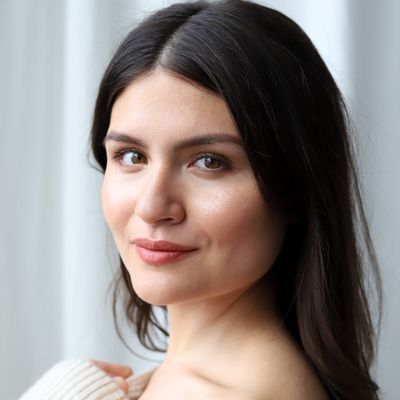
Phillipa Soo is a Tony-nominated, Grammy-winning, and Emmy-nominated actress best known for originating “Eliza” in Hamilton, with additional credits in Into the Woods, Camelot, One True Loves, Over the Moon, Dopesick, and Shining Girls.
Maris Pasquale Doran, LCSW, is a psychotherapist and lecturer at Columbia University. Piper Chen Sings is her debut publication.
Transcript
This transcript was automatically generated and might contain errors.
[0:00] Mark-Eugene Garcia: Welcome to the Drama Book Show! My name is Mark-Eugene Garcia.
[0:22] David Rigano: My name is David Rigano, and this is Season 2, Episode 4. And we're here with a special guest,
[0:31] Dylan Glick: Hi! Also from the Drama Book Show. Happy to have you here, Dylan.
[0:36] Dylan Glick: Happy to be here, Mark. And today's episode is
[0:40] Piper Chen Sings by Phillipa Soo and Maris Pasquale Doran, illustrated by Keen Ling.
[0:49] Mark-Eugene Garcia: This is a cool event. This was a really cool event. It was one of the ones that we had kids here, which is always exciting. And it was my second Skylar sister that I got to interview.
[1:04] David Rigano: We just need a Peggy.
[1:10] Mark-Eugene Garcia: Yes. I wonder if I made that joke in the last episode. Any Peggy listeners in the audience, please write a book and we can...
[1:15] David Rigano: Or just come on down and, like Dylan, be a special guest.
[1:19] Dylan Glick: Please! Exactly. Something I loved about this book is that it covers stage fright, which is something that I think we all go through, that everyone goes through.
[1:27] Mark-Eugene Garcia: And it's not really talked about.
[1:33] Dylan Glick: Yeah, it's talked about in this hush kind of way. And it's something that like, I'm one who always is like, I totally get stage fright all the time, every time. And then, but then other people are like, oh, no, not me. Couldn't be me.
[1:42] Mark-Eugene Garcia: And I'm just like, no, don't we all? It's so interesting how we don't talk about it. And it's nice that there is a book that brings it up to kids, so they can get into this business, knowing, hey, this is something that's going to happen. And this is ways to deal with it.
[2:01] Dylan Glick: Yeah. And just understanding that you are not alone. Stage fright can be a very lonely feeling.
[2:11] Mark-Eugene Garcia: Truly.
[2:12] Dylan Glick: And to have this and understand, maybe even before it happens to you, that this is totally normal.
[2:20] Mark-Eugene Garcia: Yeah, because I think there's been times even backstage where I feel it coming on. And like, someone who I'm in the show with would be like, are you okay? I'm like, yeah, totally fine. I'm great. Right. I'm good. And I like, why not tell them like, oh, no, actually, I'm terrified right now. I feel like there are so many stories like nowadays that are so, this is one of the stories that if I was a kid reading this, I would feel so seen. And also, I don't know, it's just such a nice thing to have in your pocket. If you're a kid reading this book, I don't know, you know what I mean?
[2:50] Dylan Glick: No, truly. And it's very much like our last one, JJ's Audition Adventure. It's something that kids need to hear. I think for us, well, different for me, because I'm significantly older than Dylan. But going into this when I was younger, it was completely blind. It was just like, no, this is it. You go, you do your thing. There was nothing to teach me about rejection or to teach me about stage fright or any of these things that we deal with. And then we have these books that are now out here that say, hey, this is part of it and part of you.
[3:20] Mark-Eugene Garcia: And I think that another great thing about the way that this is presented, this is a good thing for adults too. Like we talked about that with JJ's Audition. It's not just that it's really sweet and fun for the adult. This is a good reminder for all of us.
[3:39] Dylan Glick: And this is about not overcoming your fears. It's about becoming familiar with your fears, utilizing the energy. And I don't want to give it away, because they're going to read the book. I remember. And it was the four, like, you breathe.
[3:56] Mark-Eugene Garcia: Yes.
[3:57] Dylan Glick: You hold your breath.
[3:59] Mark-Eugene Garcia: Squish. And I immediately took that away. I took that and used that and have used that since. And it's like some serious time that whether it's about to present something, whether I am performing in something, anything like that, where I'll just actually, you can't see me doing this because you're listening, but I will do the full hold, breathe, hold. It became part of me.
[4:19] Dylan Glick: Yeah. You can breathe along. She does it with you. So you listeners at home, you can breathe along with Maris when she does the activity.
[4:27] Mark-Eugene Garcia: And I suggest you do. I say, take it with you. It is a valuable tool to have in your back pocket for many situations that not just stage fright, anything where anxiety is part of your day or part of the task ahead, to have this technique of just breathing and being aware and being in the moment. It was really a beautiful moment. And acknowledging your own anxiety.
[4:51] Dylan Glick: Yes.
[4:51] Mark-Eugene Garcia: And saying hello to it.
[4:54] Dylan Glick: Hello, you old friend.
[4:55] Mark-Eugene Garcia: Just like a bee on the shoulder, like sitting on your shoulder, you know?
[4:58] Dylan Glick: My anxiety and I are...
[5:02] Mark-Eugene Garcia: You again.
[5:03] Dylan Glick: My relationship with my anxiety is like the two leads of Death Becomes Her, the hit now musical.
[5:10] Mark-Eugene Garcia: Frenemies.
[5:10] Dylan Glick: Let's listen to our authors talk about it.
[5:14] Mark-Eugene Garcia: Yes.
[5:14] Dylan Glick: Let's dive right in.
[5:15] Mark-Eugene Garcia: Please help me welcome Maris and Phillipa.
[5:28] Mark-Eugene Garcia: Thank you for being here, everyone.
[5:31] Maris Pasquale Doran: So thank you for joining us. To start out, should we all hear the book?
[5:36] Phillipa Soo: Yes.
[5:37] Maris Pasquale Doran: Do you guys want to hear the book?
[5:38] Audience: Yeah.
[5:39] Maris Pasquale Doran: That'd be great.
[5:46] Phillipa Soo: And if you have yours, you might want to follow along.
[5:50] Maris Pasquale Doran: Gorgeous.
[5:53] Maris Pasquale Doran: Y'all ready?
[5:55] Maris Pasquale Doran: Piper Chen sings.
[5:59] Maris Pasquale Doran: This is Piper Chen.
[6:02] Maris Pasquale Doran: Piper loves to sing. She twirls through rooms, bounces up the stairs, and hops foot to foot, always singing out a tune.
[6:14] Maris Pasquale Doran: She sings good morning to the peaking sun and good night to the cresting moon. She sings to the orange-chested robins whistling outside her window and to the chanting frogs in a faraway pond, and they sing back to her.
[6:32] Maris Pasquale Doran: Piper performs with her closest friends, with Sari Ondaka, always. She listens to Nai Nai's homemade jolts of pop as they cook, and hums of pleasure as she eats them. She hears the world's rich sounds as beats and rhythms, and adds her voice to its orchestra.
[6:54] Maris Pasquale Doran: On a bright spring morning, Piper scoots to school, slapping her foot against the pavement and popping her hand into the beat. When Ms. Lopez takes attendance, Piper belts out, Here! She practices her whistle when she collars and cuts, and comes quietly.
[7:18] Maris Pasquale Doran: In her favorite class, Piper stands tall and is focused. She feels the chorus of voices vibrating through her. When the class takes a break, Mr. Harris asks Piper if she wants to sing one of the solos in the spring sing. Piper gets her excitement answer, Yes!
[7:39] Maris Pasquale Doran: Yet when they start practicing again, something doesn't feel right. Piper is suddenly frozen, and she can only sing in a worried whisper. If you feel nervous, Piper, that is normal, Mr. Harris assures her. You have the choice to sing a solo or sing with the class. Just tell me what you decide next time we meet.
[8:06] Maris Pasquale Doran: When Piper returns home from school that day, she does not twirl through the rooms, bounce up the stairs, or hop from foot to foot. Piper is not the same. Listening to the tune from Nai Nai's piano, Piper does not hum along. She does not sing one note.
[8:30] Maris Pasquale Doran: Nai Nai is sitting upright at the piano bench as she often does, one foot resting on the pedal, never wiggling or even rattling her teacup. She starts playing their favorite song. Piper, I know you are there, but you aren't singing.
[8:49] Maris Pasquale Doran: Piper climbs next to Nai Nai and tells her about the solo. What if I forget the words? What if I sound like a frog, she says. When they practice, I felt like butterflies were having a dance party in my belly. What if they come back?
[9:06] Maris Pasquale Doran: Nai Nai pauses her playing and smiles. Hudié, she says to Piper. What is hudié, asks Piper. It is the Chinese word for butterfly, answers Nai Nai. I remember being your age the very first time I touched piano keys, playing along to the rain's beat against the window.
[9:31] Maris Pasquale Doran: Nai Nai plays the keys to sound like raindrops, and Piper giggles. Before my first piano recital, the butterflies danced in me too. Go away, hudié, I begged, but they just flew faster. They would only settle once I began to play.
[9:51] Maris Pasquale Doran: Eventually, I realized the butterflies visited to tell me when something exciting was ahead, Nai Nai explains. They flapped fast when I left China and traveled to America, and I felt them fluttering the day I graduated from music school. They flew through me when I married your dad. They hovered over us when we rocked your father home for the first time, and they twirled unstoppably on the day I became a U.S. citizen, she says. Then, when they greet me, I greet them back. Hello, hudié, ni hao.
[10:29] Maris Pasquale Doran: Piper, do you want to sing the solo? Piper blinks and thinks and nods. Nai Nai resumes playing their favorite song, and Piper finally sings along.
[10:47] Maris Pasquale Doran: Weeks later, on the night of the show, Piper feels the butterflies flapping their wings from side to side. When her herculexus turns ascend, they walk out slowly. Piper sees the spotlight shining over the bright, welcoming sun and its reflection on stage like the inviting moon. She hums to herself, hello, hudié.
[11:17] Maris Pasquale Doran: Piper steps into the glow. The butterflies rest, and she sings. She sings like she sings to her stuffed animals and Bodhi the dog, the sun and moon and stars, the trees and birds and frogs. She sings because she loves to sing, and her love is alive in that moment, fluttering through her family and friends and her loving Nai Nai, fluttering up and out into the world.
[11:51] Maris Pasquale Doran: The end.
[11:58] Phillipa Soo: Thank you so much for that. I love that story. I want to talk to you a little bit about the book, but first, I just want to know from all of our attendees, is there anybody here who likes to sing or dance or play an instrument or act on stage or get up and perform in any way? Me too.
[12:23] Phillipa Soo: Is there anybody here who has ever felt the hudié before you're supposed to go on and perform? Yeah, me too. I hope that this book has already helped me. I read it the other day in preparation, and I said, oh, I'm going to start using some of these. Where was the inspiration to start writing the book in the first place?
[12:47] Phillipa Soo: It all started at a family Christmas party in 2018. Maris and I were off in the corner having a cup of cheer and discussing the fact that we both were very passionate about children's literature. At the time, there was a live Hamilton children's book that had come out that I'd written an after before. And since that moment, I'd always been thinking of thanks to Random House and our publisher there, Lee Wade, had been encouraged by her to come here if we'd ever had an idea for a children's book.
[13:18] Phillipa Soo: And so I was telling this to Maris, and at the time, Maris and her boys were both at the age when they were reading books like this and so many books like this, and Maris herself was toying with the idea of writing some board books herself. Then she was telling me about them. And I essentially said, let's try and write a children's book together. Why not?
[13:37] Maris Pasquale Doran: Why not?
[13:39] Phillipa Soo: And it became a very fruitful, long, but fruitful and fulfilling journey, which started with just a conversation and ended up with this idea of Piper around 2021. So we had gone through a lot of ideas and had taken some time. There was a crazy thing called a pandemic that had happened in between that thing. And we settled on the idea of Piper. It became very clear to us that we wanted to tell a story about a real little girl, an Asian American girl. And especially during that time, it felt important to us to have a message that was not just an entertaining book and a beautiful book, but a book that could maybe be useful and helpful, that we could offer something to young people and their parents at a time when there was a lot of really hard things for us that's going on.
[14:29] Phillipa Soo: You said it well. That's how it began.
[14:59] Phillipa Soo: I think it's very important to us that we wanted to create a character that existed in her own right. That she's not me. She's herself. And I think that the idea of stage fright came along after a bunch of conversations about my own experience as a kid. And we've stuck with this one story that is very similar to Piper's story. It wasn't a spring sing, but I had a dance recital and I was very nervous to go on and I didn't go on. And my teacher said, will you bow at the class? And I said, nope. I was very young. But I was like, no, I really don't want to. She said, will you do a special bow with me? And I said, okay, that sounds good. And so I went out and I took a bow with Miss Lisa, wherever she is.
I have so much gratitude towards her. And I stood up and I looked out and I saw the audience and everyone was clapping and smiling. And I was like, oh, special bow. But that was the sort of aim for the idea. And once we settled on that, I think Maris' expertise was extremely important in terms of the delicacy in handling the situation.
[16:00] Maris Pasquale Doran: Exactly. We knew, to Philip's point, that we wanted her to be real and to really face things that real people, and especially young people, are going to face and how we can speak to them. So this is a very universal concept. Very specific in Piper, right? For her, it's being on stage. It's a more kind of theatrical. It's using her voice. It's something that she loves. It's universal that we feel nervous often. And what can our emotions say to us? And Philip and I often talk about both of our works. And I use mindfulness a lot in my practice. And to really speak about mindfulness to young people and their grown-ups seemed to be very important as a message. And to talk to kids and grown-ups about holding two emotions at once.
She's nervous and she's excited. And the fact that we are able to hold two emotions that sometimes seem very opposed, and we can hold them both together, and to take that time to pause and reflect and acknowledge, and then have agency to choose how we want to move forward in our lives, knowing ourselves, to be neat and curious about ourselves, and where we come from, the nice story, etc. So every piece, I would say, was very intentional for us, to really look at that emotional awareness as a takeaway, to really look at hopefully mindfulness as a takeaway, to look at that self-curiosity as well as the curiosity of where we, our own families come from, and hopefully then that of others, to be a place to start.
And getting that language and the specificity of her story felt really important to us, as we've said so often, not to be a script of this is what to do, but this is what worked for this young character, and it may be something to work for you as well when you're in these moments, but that the takeaway really being listen, be aware, figure out what's right for you and how you want to live in your life and in your world that you get to build.
[17:58] Mark-Eugene Garcia: That's so wonderful, and I've been there, and I've especially sustained those conflicting emotions, and to bring up another musical that you've been in, I have frequently said in those kinds of situations, oh, I'm a little red riding hood right now. Excited and scared.
[18:12] Phillipa Soo: And yeah, and sometimes it's hard to know which...
[18:15] Maris Pasquale Doran: Is to drive.
[18:17] Mark-Eugene Garcia: Yeah. I want to just let everyone know, I'm going to open it up in a second to some questions, if anyone's been thinking of anything, and now would be the time to figure out and formulate it, but one thing that I want to know, and because I often, I look at our youth section, and I go, my goodness, if I had this selection of what we had when I was a kid, so how do you feel having, if you had this as a kid, how would that have impacted you, helped you, what would it have meant to you to have something like this?
[18:52] Phillipa Soo: Oh, gosh. I would have felt so seen in many ways, and I think that's why I'm so proud of this book, because not only do I see myself in her physically, but I feel seen in her struggle, and that living in a gray area, living in between two emotions, feeling big emotions, is something that we all experience, and I'm not alone in that feeling. But this book, I say a lot, this book is oftentimes, I think of it as the response to the question of what would you tell your younger self, and I really wish that I could just hand her this book, because I think you have to see it to believe it sometimes. So if you see yourself in a book, in a character, whether it's because of your cultural background or the way they conduct themselves in life, I think that gives you permission to just go further into examining yourself.
And yeah, sometimes feeling those really big feelings at a young age, just knowing that someone else has gone through this, makes it easier for you to, oh, someone else has gone through this, and come out the other side, I can too. These are skills. And that's the thing, right? These are skills we have to, we're learning to emotionally regulate. Most of us are learning now. People often ask me about my practice, and assume I work with adults in my private practice. And adults were looking a lot at what happened when we were kids. We're looking at a lot of these same things, and these same themes. We're looking at emotional regulation. We're looking at having those skills. And so when we have the opportunity to be in a small part of maybe some of that skill building, it's an honor.
[20:35] Mark-Eugene Garcia: Does anybody have any questions for either of our guests tonight?
[20:39] Audience Member: Yes.
[20:44] Audience Member: How did it feel like when you finished the book?
[20:48] Audience Member: How did it feel when you finished the book?
[20:51] Phillipa Soo: It felt awesome. That's the short version. It felt awesome. Although it's a really great question about writing a book, and certainly probably lots of creative forms, that it's hard to know when it's finished. There was certainly a time that we had to submit our final manuscript, our final piece, but then getting to have all of these beautiful moments thereafter have all been so special. Getting to see the illustration start to come to life, getting to see it bound for the first time. It's not necessarily a beginning and an end. It's a beginning and then all these other parts. This being one of them, getting to share it with everyone, especially audiences that are young, has been a whole other beginning of the process.
This process would not be complete without you being here. This is the whole point. We started with a chat at a Christmas party, and we ended up here. Hopefully you will take this conversation that you heard today and you'll carry it on through your life to somebody else who may be curious about their butterflies or their feelings. I think that's why stories are so powerful because their beginning is their end, is their beginning is their end. They just keep going. They keep going.
[22:20] Mark-Eugene Garcia: Is there anyone here who likes to write stories or plays or songs or musicals?
[22:27] Maris Pasquale Doran: So on that, not just the how did it feel when you were finished, but like you were saying, there's so many steps to done, and there's so many versions of those. Oh, I finished a draft. Oh, I finished the next draft. And I do want to talk a little bit about the, I think this is a good point to talk about your illustrator. The illustrations, as you saw, are so gorgeous. Chin Leng is a visual developmental artist as well as an illustrator and author of children's books. Recent books include A Day for Sandcastles, written by John Arno Lawson, Clover, which was the award winner of the prestigious Governor General Literary Award, written by Nadine Robert, and her author-illustrator debut I Am Small.
She lives in Toronto with her husband and her son. And I'm sure that part of the process of writing this isn't just figuring out the text, but figuring out the layout, figuring out when there's something that, do we say this with words or do we say this with pictures? So what is that process that gets you to that feeling when you know you're done?
[23:33] Phillipa Soo: Oh, it's a beautiful, very long process. But ultimately, we were lucky that we had such luck in being presented with Chin as a possible illustrator, and she was one of our first choices that we were given, and it was like, yes, that's it. I think our only notes to our publisher, to me, was that we were looking for something that felt handmade, that felt nostalgic, that felt timeless, and in terms of the color, we definitely have a lot of back and forth about color, sometimes about things that Piper was wearing, like sometimes she was wearing a dress, but could she wear pants sometimes? And Chin was so unbelievably collaborative. And we also sent her some pictures of me from childhood, myself, and she really got it.
She really captured, I think, that very nostalgic, timeless feeling that we get when we look back at pictures of ourselves. But it's also new in its own way, which I love. So it was a lot of small pieces here and there, and then one day it was just definitely... It was incredible. We had received little pieces throughout about a year, and then one day it was just, here's the PDFs of all of the images. It was incredible.
[24:47] Maris Pasquale Doran: Did anyone else get a little bit hungry looking at the illustrations when Nai Nai was cooking? The dumplings?
[24:51] Phillipa Soo: Oh, they looked... I wanted to pull those right off the page.
[24:54] Maris Pasquale Doran: Yeah, I know. She captured that feeling. She captured all the feelings really well. The best thing is we could give a little margin of what we see or what we hum, because that definitely was a part of our learning curve. I think our first draft was, like, so long. Seven times longer than the picture of what was supposed to be. Far too long. But we love it, and we need to chop it by a million. That was a big piece of saying, okay, pull this, it's a visual. Pull this, it's a visual. Being able to make notes in the margin, and then Chin, Nikki knows, and Raina like... It was a really beautiful process to watch.
[25:29] Mark-Eugene Garcia: I know we had some more questions. I think I saw one.
[25:31] Audience Member: Yeah, what's your question?
[25:34] Audience Member: Do you still get stage fright now?
[25:37] Phillipa Soo: And if so, how do you deal with that? And, like, do you still go on?
[25:43] Phillipa Soo: Yes. I do. I do get those nervous, butterfly-in-the-belly feelings. And sometimes it's very unpleasant. But there's two things that I do. One is I remember to breathe. I remember to breathe because in those moments, sometimes I think, oh my god, I don't think I've taken a breath for a minute. And the second thing that I do is practice my gratitude. I just remember that I'm so incredibly lucky and honored that I get to do this as my job, that I get to tell stories, and I get to communicate with people, and hopefully change people in some way, shape, or form through the storytelling that I'm about to do, which is quite an honor to me. And so I just have gratitude that I can do that. And it makes me feel less... This is going to sound funny, but it makes me feel smaller, like in a way that's more manageable.
It makes me feel like a small piece of a huge thing. The production, this audience, the world, the tech, it's just everything's so much bigger than just me in this moment. And so that's how I find my little private corner, moment of peace. But we actually did a really cool thing. We were just at the LA Times Book Festival, and Maris guided us through some square breathing. Do you guys know what square breathing is? Have you guys ever done it? Do you want to try some square breathing right now with us? Would you guys like to?
[27:16] Audience: Sure, yeah.
[27:17] Phillipa Soo: In high school, we called it box breathing. So we're calling it butterfly box breathing. So the idea is that when you're feeling nervous or maybe overwhelmed or something like that, that our breath can be very grounding. I hear grown-ups use that word a lot, like, what the heck is that mean? It's like just being here now.
[27:36] Maris Pasquale Doran: Love the way that you put that. You're just in your private corner with the world and okay. And a big way to do that is to use your breath. And so box breathing or square breathing, you can actually make a trace of your finger up for your breathing in for four, and then you hold it for four, and then you breathe it out for four, and then you pause for four. So we'll get it going. Ready? You breathe in 2, 3, 4. Hold 2, 3, 4. Breathe out 2, 3, 4. Pause 2, 3, 4. You can do that in rounds as the scientists show us that it works. And anyone you talk to will typically say, and it works, right? You may have to do a few different rounds of, but it can be calming and centered into yourself. It's a great tool, and one that I love that you use by our age.
[28:38] Mark-Eugene Garcia: Let's take a photo of Sue back there.
[28:40] Phillipa Soo: Yeah.
[28:41] Phillipa Soo: Got my little Sue on. I love it. And this goes back also to the, oh, if I know that someone else, if I know that a Tony Award nominee from Hamilton feels this, I guess it's okay.
[28:58] Phillipa Soo: For me to feel this as well. How is it different or not different or better or worse when you are in like a long runner, when you're doing the show every single night, when you're doing it eight times a week? Yeah, the first, for those of you who may not know, we have a preview process which is a couple of weeks and then we have our opening night which is where all the friends and family are there, the show is frozen which means we're not changing the show anymore, we're keeping it as it is and eventually critics have their reviews but I don't hate to do that. In those first couple of previews which are truly the first couple of times that we do the show in front of an audience, like a paying audience, I get so nervous mostly because I just want to remember everything.
I just want to get it right which is not necessarily a great practice for myself, I have to work at that, not getting things right all the time, I think I'm a little bit of a perfectionist which is not always helpful in making art because you have to be vulnerable and that's what something like singing or acting or performing is requiring you to do because you can sense how someone's feeling, if someone's nervous you can feel it, right? And I don't want that to get in the way of telling a story which I've worked so hard to craft and I think is so important and that's why I'm there. I put that I think as a priority and that definitely helps and then I also get nervous weirdly when my dearest friends are there but in a different way, in an excited nervous way.
Maris' son Nolan is very into theatre and Nolan came to Camelot and that day I was really excited for Nolan to be in the show, mostly thinking I wonder what Nolan's thinking now, I wonder if he's watching this summer and thinking oh I really like that dress or oh I wonder what the package of that is this summer and I was like oh I got his own story. And then actually as the run goes on it's, you get more and more comfortable, it feels, sometimes it feels like I'm just walking into my living room, that's how comfortable it feels and that's the feeling that I'm striving for but you don't want to get too comfortable because then you forget the stakes. This character is not comfortable, I, the actor, should be comfortable but this character might be very uncomfortable depending on what's happening to them.
To answer your question, Eliza casually burning some letters, throwing the letters into the fire without a care, no, actually you can bring up a really good thing which is like something like fire on stage which is very nervous making and you have a system in place so that you can do your work so that you don't have to be nervous about the fire. Your character could be nervous about burning something that's very precious to them but you shouldn't be nervous about catching a fire and turning into a ball of flames, you know what I mean? And that's more about work environment and just making that sure that you feel safe and healthy in your work environment so that as the actor I can go to places that might be scary emotionally for me but I'm putting myself there if that makes sense.
[32:00] Maris Pasquale Doran: You are your own safety net.
[32:05] Phillipa Soo: Exactly, yeah. I mean I know we had some more hands, we have other questions that, yes?
[32:13] Audience Member: As a fellow perfectionist, I'm wondering how it felt to get feedback and have to make changes on something that was so important to you through the process of writing book work, acting in general?
[32:27] Maris Pasquale Doran: For the book, I think we were really fortunate where something that Phillip and I brought was to be confident, excited, we owned this process, loved this process and we were students of the process. We knew that we were in beautiful hands as Lydian and Random House, we knew that Chin was creating something gorgeous herself, each person was doing their piece and we were also fortunate that most of our feedback was less content or story and more, this is 80,000 times longer than it actually was supposed to be. I think thankfully it didn't feel personally like something was a problem, it felt like there's a structure and a format of people who know this is their version of the expertise and our role is to bring our story within that format and within that structure that they're there to guide and to help us so not being threatened by feedback but seeing that feedback as really increasing our runway of what we could do with the book.
I think just generally with this book and being an artist in general, it's been a process of understanding and redefining what failure means, that failure is a way for us to learn, especially at an early stage in an artist's project, whether you're writing a book or you're reversing a play, you have to go to places that might not make sense, places that might be messy because if you're inventing something new how can you expect it to be exactly the right way the first time that you do it? That's just, I see it like cooking, you have to try different things, you have to just see what you like first off and then see what flavors that you can add into it but there is a point where you need feedback, you need someone to be like, you can't add this much pepper otherwise it's just gonna taste like pepper, right?
I don't take it personally, I see it as a tool, tools not rules, right? It's a way for me to interpret and figure out what I'm trying to say and it's helpful because I'm only one brain and body and heart, I need other people, I think that's why our collaboration was so wonderful to me because having Maris to not only just talk to and have an amazing time with but as a soundboard for these ideas because sometimes as a writer and somebody said that you were writers, you feel really like in the dark and you don't know where to go with something and it's really scary and there is value to that but eventually you have to share it with people and like I said initially share it with a bunch of people who are all going to have their own opinions about it so I think it's like practice for the world seeing it, you have to be able to share it with somebody you trust first before you can share it with the world.
[35:30] Audience Member: Yeah, as creatives you're writing a book about Stage Fright, this is a new venture for you, did you use the book yourself to get through the process in the sense of I'm writing a book for the first time, there's ups and downs, how did you cope with those ups and downs?
[35:48] Phillipa Soo: Yeah, I think while we were constantly like we would be talking about something especially once the book was finished, we would be talking about an event that was coming up or our launch event or there were a couple of tv appearances that we did, I definitely was telling myself accept the butterflies, accept that this exciting feeling is happening to you because the minute that I'm pretending like it's not happening is the minute that I'm like I'm like spitting off, it's not a good it's not a good situation for me. Yes, I'm constantly reminding myself to use this tool that I actually read that we love but it's easy to forget and it's also I think a great example of how these kinds of books and recognizing your feelings is really a practice.
Maris can speak to this, she has a practice in which she is practicing her psychotherapy, you've got to do it every day, so you've got to practice it in order for it to work. Yes, to answer your question, I am certainly doing it. I think also the fact that we were so fortunate to have such a beautiful collaborative process really helped and to know that we were totally safe within each other of because we joked at the beginning but truly we were really there's a lot going on in 2018, 2019, we're talking pre-pandemic, there was a lot going on right about how do we address this world with children and we had a lot of concepts and ideas and it was teachers say it often, I sure hope they do, grown-ups say it all the time, I sure hope they do, no bad idea, be safe, let's explore, let's try this, what if she did this, what if she did this and then sit with it for a while and being okay and safe to throw anything out there and then being okay and safe to be like I don't know, I would be sad on this, maybe that's not right, maybe that's not it, maybe that's not the thing right and to keep checking in with each other in this way to be able to have that trust so it's significantly less isolating or scary or alone but something that I do think is really interesting about this process especially a picture book because it does take so long from our having submitted to seeing it is that all of a sudden I got nervous to oh it's going to be out in the world and in the beginning we thought so often about my boys and my mommy writing a book and that's special enough, period, end of sentence, if just they were the two readers that could be ending though, but they're not, and it's out, everyone's got a bookshop and it's been amazing but that part too of oh wow this is vulnerable, this is vulnerable, we wrote something as to people bringing our expertise and bringing our thoughts and suggestions and reading what we feel is really important to try to talk to young people about into the world, that part feels really more vulnerable probably more than any of the actual writing.
[38:45] Audience Member: I have a good book for you.
[38:51] Phillipa Soo: I love that what you get to is welcoming the feelings in. I know I've been there with my anxiety where I like I greet it but I'm usually like my own menisus but and then what you were talking about about like getting the feedback and getting yourself excited to learn something I know that I wrote a play and I had a little reading I had a bunch of friends in my house and then they started asking me questions about the play and I went oh I don't know, they said what did this person do when this happened, who was at this event that you talked about and who said this is the and I went I don't know and rather than going oh my god I don't know I failed as a writer I go look at all of these things I have to put you've given me toys, look at all of this that I have to have fun with moving forward and yeah and I know that I address my writing that way and I know that I do not address getting on stage.
I love that it's that has anyone here had that try to welcome those feelings in has it worked for you okay good any other I'm keeping an eye on the time any other questions yes over here mine's not a question as much as a statement I just want to say that Hamilton changed my life my family's life forever so I want to thank you but at the same token I'm fortunate enough that this is the second time I've been to a reading here the first one was Ali Stroker and between Ali and yourself and what you're using your platform for to create important books like this for young girls like my daughter I'm even more appreciative so thank you.
[40:21] Phillipa Soo: Thank you for saying that thank you for sharing that and we've got another question here yeah good question if I could tell you in one sentence it was an honor and so much fun and a lot of hard work but I feel incredibly like I said lucky that I get to do this as my job and I have to feel proud of myself because I studied really hard I went to drama school I took a lot of classes I tried a lot of things that didn't necessarily go the way that I wanted it to go but I learned a lot and I'm grateful for all of it.
[40:59] Audience Member: If I can piggyback off that comment over here obviously Hamilton I don't know if you sat there at the first rehearsal the first reading or something and went oh this is a juggernaut this is something amazing but it was you were in the proverbial room where it happened and no one else knew what was going to come out of this and then Into the Woods obviously is a very beloved and dear show that a lot of people go into knowing the entire score by heart and then Camelot is a very beloved show that you got to do a version of that no one knew so with those three very kind of distinct kind of shows do your butterflies show up in different ways?
[41:46] Phillipa Soo: Oh boy do they I think the most nervous I've ever been in my whole entire life was the first preview of Into the Woods because I learned the show in 10 days and when you're like oh I know that show I know that song I sing it in my car sometimes and then I get into the rehearsal room and I'm like I got this I'm familiar with this just so you know that song for me is Times Are Hard For Dreamers and then if I get up to like actually sing it I'm like I know the words from Pippa singing it with me in my ear buds see I was like okay I know that Your Fault is gonna be a hard one because you guys know it's five different characters and they're all like singing over each other and I'm like okay that's gonna be hard and it was but it was even just the stuff that I thought I knew because Sondheim is a genius and no two lines are ever the same and a lot of my journey was finding tricky ways to remember what I was supposed to say and sing which involved very sneaky intricate choreography that nobody knew that I was putting into the show except me because it was the only way that I was going to remember everything I was so nervous I tell you David I was like I was telling my husband I was like Steve I think I quit I think I have to quit I don't think I can do it I think it's not going to happen it's not going to come out and he was like no it's gonna be fine you're gonna get through it you might make some mistakes but you know what you're doing and that's what honestly that's what the preview process is for truly yes it's a paid audience but it's really for us to.
[43:27] Maris Pasquale Doran: I think that the story of Piper Chen Sings is really about finding your voice and the importance of support systems. Piper, the main character, is a young girl who is nervous about singing a solo, and she has her Nai Nai, her grandmother, who supports her. This relationship is really central to the story, and it reflects the kind of support that can help children overcome their fears.
[43:57] Maris Pasquale Doran: We wanted to create a character that children could relate to, especially those who might feel shy or anxious about performing. It's important for kids to see themselves in stories and to know that it's okay to feel nervous. The message is that with love and encouragement, they can find the courage to express themselves.
[44:27] Maris Pasquale Doran: The illustrations in the book also play a huge role in conveying the emotions that Piper goes through. They really bring the story to life and help to show the warmth of her relationship with her Nai Nai. We worked closely with the illustrator to ensure that the visuals matched the tone of the story.
[44:57] Maris Pasquale Doran: One of the things that I love about children's literature is that it can tackle big themes in a way that's accessible to young readers. We wanted to address the idea of stage fright, but also the broader concept of self-acceptance and the journey to finding one's voice.
[45:12] Maris Pasquale Doran: I think it's so important for children to understand that everyone feels nervous sometimes, and that it's a normal part of growing up. Piper's journey is one that many kids will resonate with, and we hope it encourages them to embrace their own unique talents.
[45:22] Maris Pasquale Doran: The process of writing this book has been incredibly rewarding for both of us. It’s been a journey of reflection for me, thinking about my own experiences growing up and how they shaped who I am today.
[45:32] Maris Pasquale Doran: I remember feeling nervous before performances, and I think that’s something that a lot of kids experience. Writing this book allowed me to explore those feelings and to create a character who ultimately finds her strength.
[45:42] Maris Pasquale Doran: We also wanted to highlight the importance of family and community in helping children navigate their fears. Nai Nai is a representation of that support, and her wisdom and love are what help Piper to overcome her anxiety.
[45:52] Maris Pasquale Doran: It's been amazing to see how the book has resonated with families. We've received feedback from parents who say that their children see themselves in Piper, and that’s exactly what we hoped for.
[46:07] Maris Pasquale Doran: We also included some interactive elements in the book, encouraging kids to think about their own experiences with fear and how they can overcome it.
[46:17] Maris Pasquale Doran: The goal is to not only entertain but also to empower young readers to face their challenges head-on.
[46:27] Maris Pasquale Doran: I think that storytelling is such a powerful tool for teaching resilience and self-confidence.
[46:47] Maris Pasquale Doran: We want children to know that they are not alone in their feelings and that they can always find support in those who love them.
[46:57] Maris Pasquale Doran: The book is really a celebration of individuality and the courage it takes to share your voice with the world.
[47:07] Maris Pasquale Doran: I hope that readers take away a sense of hope and encouragement from Piper's story.
[47:27] Maris Pasquale Doran: It's about embracing who you are and not being afraid to shine, even when it feels difficult.
[47:47] Maris Pasquale Doran: We also wanted to make sure that the book is visually appealing and engaging for kids. The illustrations are vibrant and colorful, which we believe helps to draw young readers in.
[47:57] Maris Pasquale Doran: We wanted to create a book that not only tells a story but also sparks imagination and creativity in children.
[48:07] Maris Pasquale Doran: I think that’s one of the most rewarding aspects of writing for children—seeing how they connect with the story and how it inspires them.
[48:27] Maris Pasquale Doran: We hope that Piper Chen Sings will encourage kids to express themselves and to feel proud of their unique voices.
[48:37] Maris Pasquale Doran: It's been a joy to share this journey with my sister-in-law, Phillipa. We both bring different perspectives to the project, which has enriched the storytelling process.
[48:47] Maris Pasquale Doran: Collaborating on this book has strengthened our bond as family and as creative partners.
[49:07] Maris Pasquale Doran: We’re excited to see where Piper’s journey takes her next, and we hope to continue sharing stories that resonate with children and families.
[49:28] Maris Pasquale Doran: The feedback we’ve received has been overwhelmingly positive, and it’s heartwarming to know that our message is reaching so many.
[49:56] Maris Pasquale Doran: We’re looking forward to future projects and continuing to explore themes of empowerment and self-discovery in our writing.
[50:16] Maris Pasquale Doran: Thank you for having us on the show to share our story and the journey of Piper Chen Sings.
[50:36] Maris Pasquale Doran: We hope that listeners will be inspired to find their own voices and to support the young people in their lives as they navigate their own journeys.
[50:46] Maris Pasquale Doran: It’s been a pleasure to discuss our book and the importance of storytelling in helping children grow.
[50:56] Maris Pasquale Doran: We appreciate the opportunity to share our work and our passion for empowering young readers.
[51:16] Maris Pasquale Doran: Thank you for joining us today, and we hope to see you at our upcoming events!
[51:26] Maris Pasquale Doran: We’re excited to connect with more families and share the joy of reading together.
[51:36] Maris Pasquale Doran: Remember, it’s never too early to start encouraging children to express themselves and to embrace their unique talents.
[51:46] Maris Pasquale Doran: We look forward to hearing from readers and seeing how Piper’s story impacts their lives.
[51:56] Maris Pasquale Doran: Thank you again for having us, and we can’t wait to share more stories in the future!
[52:06] Maris Pasquale Doran: It’s been a wonderful experience, and we’re grateful for the support we’ve received from the community.
[52:26] Maris Pasquale Doran: We hope that Piper Chen Sings will be a source of inspiration for many children as they find their own voices.
[52:46] Maris Pasquale Doran: Thank you for listening, and we hope you enjoy the book!
[52:56] Maris Pasquale Doran: We’re excited to continue this journey and to share more stories that empower and uplift young readers.
[53:06] Maris Pasquale Doran: It’s been a joy to be here today, and we appreciate the opportunity to share our work with you.
[53:26] Maris Pasquale Doran: We hope that everyone will take the time to read Piper Chen Sings and share it with the children in their lives.
[53:36] Maris Pasquale Doran: Thank you for your support, and we look forward to connecting with you all soon!
[53:46] Maris Pasquale Doran: It’s been a pleasure to discuss our book and the themes that are so important to us.
[54:07] Maris Pasquale Doran: We hope that Piper’s journey will resonate with readers and inspire them to embrace their own unique voices.
[54:35] Maris Pasquale Doran: Thank you for having us, and we can’t wait to see where this journey takes us next!
[54:55] Maris Pasquale Doran: We appreciate your support and look forward to sharing more stories in the future.
[55:05] Maris Pasquale Doran: Thank you for listening, and we hope you enjoy Piper Chen Sings!
[55:15] Maris Pasquale Doran: It’s been a wonderful experience, and we’re grateful for the opportunity to share our story with you.
[55:25] Maris Pasquale Doran: We hope that our book will inspire children to find their voices and to feel proud of who they are.
[55:45] Maris Pasquale Doran: Thank you for joining us today, and we look forward to connecting with you all soon!
[56:05] Maris Pasquale Doran: It’s been a joy to be here, and we appreciate the support from everyone who has been part of this journey.
[56:25] Maris Pasquale Doran: We hope that Piper Chen Sings will be a source of inspiration for many children as they navigate their own journeys.
[56:35] Maris Pasquale Doran: Thank you for listening, and we can’t wait to share more stories in the future!
[56:45] Maris Pasquale Doran: We appreciate your support and look forward to connecting with you all soon!
[57:05] Maris Pasquale Doran: Thank you for having us, and we hope you enjoy Piper Chen Sings!
[57:25] Maris Pasquale Doran: It’s been a wonderful experience, and we’re grateful for the opportunity to share our story with you.
[57:55] Maris Pasquale Doran: We hope that our book will inspire children to find their voices and to feel proud of who they are.
© Broadway Podcast Network, All Rights Reserved