

Mark-Eugene and David celebrate women in musical theatre, sharing their favorite writers and their impact. Later, David chats with Jennifer Ashley Tepper—acclaimed theatre historian, producer, and author—about her upcoming book, Women Writing Musicals: The Legacy That The History Books Left Out... Read More
From the show: The Drama Book Show!
Guests

Featured Shows
About
Mark-Eugene and David celebrate women in musical theatre, sharing their favorite writers and their impact. Later, David chats with Jennifer Ashley Tepper—acclaimed theatre historian, producer, and author—about her upcoming book, Women Writing Musicals: The Legacy That The History Books Left Out.
Tepper, known for her work at 54 Below and productions like Be More Chill, highlights over 300 women who shaped Broadway, from Tin Pan Alley pioneers to today’s trailblazers. She shares stories of icons like Betty Comden and Jeanine Tesori, as well as lesser-known but groundbreaking figures.
Plus, Mark-Eugene and David tease an exciting partnership with Manhattan Theatre Club in the next episode!
Transcript
This transcript was automatically generated and might contain errors.
[0:18] Mark-Eugene Garcia: Hello, welcome to The Drama Book Show.
[0:20] David Rigano: My name's David Rigano.
[0:22] Mark-Eugene Garcia: And this is episode 31.
[0:25] David Rigano: 31.
[0:26] Mark-Eugene Garcia: We're in our 30s now.
[0:27] David Rigano: Yeah.
[0:28] Mark-Eugene Garcia: Here to talk about some women writing musicals.
[0:30] David Rigano: Yes.
[0:31] Mark-Eugene Garcia: With one of my favorite women in the theater, specifically musical theater industry.
[0:38] David Rigano: That's very specific.
[0:40] Mark-Eugene Garcia: This is she's very specific.
[0:44] David Rigano: Truly, she is she's a queen of musical theater.
[0:46] Mark-Eugene Garcia: Uh and just everywhere I turn.
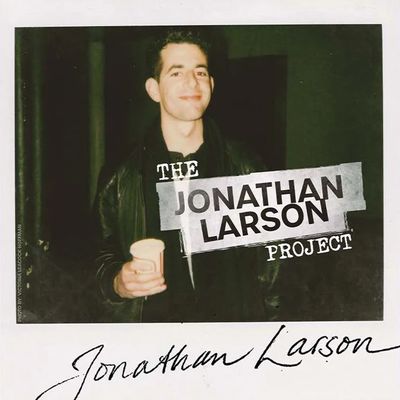
[0:48] David Rigano: Uh even a couple weeks ago, I uh it was my anniversary, and uh Rodrigo surprised me with a show, and I'd been emailing with her all day about the Jonathan Larson project and the Drama Book Shop.
[1:02] Mark-Eugene Garcia: And then the surprise was I was seeing that show and ended up in the middle of emailing her, oh my god, I'm here.
[1:09] David Rigano: I looked up and there she was.
[1:12] Mark-Eugene Garcia: And the Jonathan Larson Project has been a pet project of hers for a while.
[1:18] David Rigano: Um if you haven't seen it, go.
[1:20] Mark-Eugene Garcia: It is so good.
[1:21] David Rigano: It is so good.
[1:22] Mark-Eugene Garcia: As someone who came out because of Rent and learned what a chosen family is through that show and knew that that was something that I wanted and then really followed that trajectory after Tick, Tick... Boom! came out into writing musical theater and knowing the sound I loved to go back and hear these songs that he wrote that we hadn't got a chance to listen to, or that others had said no to, or that just hadn't got a chance to really shine and to see them shine in such a beautiful way.
[1:55] David Rigano: And there was something about his music that when you hear those pounding chords just bop, you're you're it's the drive, it's just there.
[2:02] Mark-Eugene Garcia: My heart just started beating, and I started crying, and it's wonderful.
[2:07] David Rigano: And thank you, Jennifer Ashley Tepper, for helping bring that back here.
[2:10] Mark-Eugene Garcia: Even for someone who you know who really only has two musicals out there, one of which was not really compiled into a full musical until posthumously.
[2:23] David Rigano: Yeah, yeah, he's got a recognizable sound when you're hearing one of his songs.
[2:27] Mark-Eugene Garcia: And I love it, I love it so much because it really captures the sound of youth that captures New York City in the 90s.
[2:34] David Rigano: Yeah.
[2:35] Mark-Eugene Garcia: That late 80s, 90s, like what I always imagined New York City to be, that's the sound that he writes.
[2:41] David Rigano: And uh this started as an album.
[2:43] Mark-Eugene Garcia: Uh-huh.
[2:44] David Rigano: So it was a few years back.
[2:46] Mark-Eugene Garcia: Jen got to go down to the Library of Congress and look through his papers.
[2:51] David Rigano: And she and Charlie Rosen, who is also a genius, because they sifted through unfinished manuscripts.
[2:58] Mark-Eugene Garcia: Wow.
[2:59] David Rigano: And some of it was Charlie being like, I feel like this is where it's going.
[3:03] Mark-Eugene Garcia: So some of it it would be like as but from what I understood, some of it would be like there'd be a lyric and then there'd be a sketch of the full thing that Jonathan had in his head, and then Charlie would try to honor the sketch and create.
[3:17] David Rigano: And now, of course, Charlie has Charlie orchestrated for the album, and they got amazing performers on the album.
[3:23] Mark-Eugene Garcia: Yeah.
[3:23] David Rigano: Both on the album and on stage.
[3:25] Mark-Eugene Garcia: Lauren Marcus, who's now in the show.
[3:27] David Rigano: Yes.
[3:27] Mark-Eugene Garcia: And she's divine.
[3:30] David Rigano: Oh, yes.
[3:31] Mark-Eugene Garcia: And Dimentis is so good.
[3:34] David Rigano: So good.
[3:35] Mark-Eugene Garcia: My pal Adam Chandler Barat.
[3:37] David Rigano: Speaking of college days, yeah.
[3:39] Mark-Eugene Garcia: Adam and I went to college together.
[3:41] David Rigano: Wow.
[3:42] Mark-Eugene Garcia: Shan and I were interns together during college.
[3:46] David Rigano: When I was at Marymount, she was at NYU.
[3:48] Mark-Eugene Garcia: So yeah, I and I just haven't made it.
[3:50] David Rigano: It was actually, it was my birthday this past weekend.
[3:52] Mark-Eugene Garcia: And my brother reached out to me and said, Do you want to see the Jonathan Larson project for your birthday?
[3:57] David Rigano: I can get tickets for this day at this time.
[3:59] Mark-Eugene Garcia: And I said, I would love to, but I will be, and this is a great way to spend your birthday weekend as well.
[4:05] David Rigano: I will be teaching a workshop for the New York Thespians Conference.
[4:09] Mark-Eugene Garcia: You know what? That's a great crazy thing.
[4:11] David Rigano: I teach a couple of different workshops, both a workshop in collaboration called Playmaking and a workshop in direction called Focus on Staging.
[4:20] Mark-Eugene Garcia: And I was doing my staging workshop with these kids, and it was really fun.
[4:23] David Rigano: So you haven't seen it yet.
[4:25] Mark-Eugene Garcia: I haven't seen it to go.
[4:26] David Rigano: But I've seen a lot of the stuff that Jen creates.
[4:31] Mark-Eugene Garcia: She is a musical theater historian, and she is the booking manager at 54 Below.
[4:37] David Rigano: So she is whenever you see that a weird musical that you've never heard of is getting a concert done at 54 Below, she's part of the reason for that.
[4:45] Mark-Eugene Garcia: Exactly.
[4:46] David Rigano: If you go online, because you've heard about this song from a musical that was never recorded, and there's a video from a if it only even runs a minute concert, that's because Jen created that concert series to get these songs from flop musicals that never got recordings, get them in front of an audience.
[5:05] Mark-Eugene Garcia: So that's been so much of the work that she's been doing.
[5:09] David Rigano: And I love that because it's spreading the history of theater out to people.
[5:12] Mark-Eugene Garcia: Yeah.
[5:13] David Rigano: Just making it accessible for all of us.
[5:15] Mark-Eugene Garcia: And her newest output is this incredible book, Women Writing Musicals.
[5:23] David Rigano: And it is about the full history, and we are going back to the 1800s.
[5:30] Mark-Eugene Garcia: The full history of every woman who she could find information on who had contributed to the writing of a musical in any way.
[5:43] David Rigano: Yeah.
[5:43] Mark-Eugene Garcia: And some of these musicals you look back at some of those like old movies where someone's trying to sell their song in Tin Pan Alley, and the producer hears it from across the hall and says, I've got a new musical, and we something's been missing, and that's it.
[5:56] David Rigano: All right, kid, your songs, and you go, What do you mean your s you're putting this song into a musical that's already in rehearsal?
[6:02] Mark-Eugene Garcia: What but they did that, and there were some of these women whose contribution was one song in a musical one time and Jen tracked them down, not tracked them down, but found them and put them in the book to honor their contribution.
[6:19] David Rigano: And that's incredible because these people would disappear.
[6:22] Mark-Eugene Garcia: Yeah, their work would disappear into the memories.
[6:26] David Rigano: And so to have that back.
[6:30] Mark-Eugene Garcia: I feel like I'm someone who knows my musical theater history and really does honor the women who have written some of the most wonderful musicals.
[6:41] David Rigano: Absolutely.
[6:41] Mark-Eugene Garcia: Obviously, the Jeanine Tesori, the Lynn Ahrens and Mindy Dickstein, and it's like that.
[6:46] David Rigano: But also going back to the Dorothy Fields and the Carolyn Leighs in the 60s, and Betty Comden, of course, and all of her work with Adolf Green and Leonard Bernstein.
[6:56] Mark-Eugene Garcia: And they wrote Singing in the Rain, for goodness sake.
[6:59] David Rigano: My goodness.
[7:00] Mark-Eugene Garcia: And even the Nancy Fords and Gretchen Cryers, who have their more niche cult musicals, but my good golly, did I find out how much I didn't know?
[7:10] David Rigano: And that's wonderful.
[7:11] Mark-Eugene Garcia: It's so wonderful.
[7:13] David Rigano: I'm excited for all of these people to find out all the things they didn't know.
[7:19] Mark-Eugene Garcia: So let's jump in and hear a very exciting interview.
[7:25] David Rigano: We had a good time.
[7:26] Mark-Eugene Garcia: You guys had a great time.
[7:28] David Rigano: David and I interned together in 2006, not 2007.
[7:31] Mark-Eugene Garcia: Sorry, David.
[7:33] David Rigano: We had we had a little bet going and I lost.
[7:35] Mark-Eugene Garcia: I was incorrect.
[7:36] David Rigano: I should have known to always defer to Jennifer Ashley Tepper when it comes to historic and important dates in theater history.
[7:47] Mark-Eugene Garcia: 18 years ago, Lahayam.
[7:49] David Rigano: We entered together.
[7:50] Mark-Eugene Garcia: Yeah.
[7:51] David Rigano: And I've been looking forward to this since you just said I'm working on a new book, and you didn't say even what it was at the time.
[7:57] Mark-Eugene Garcia: And I said, But you're gonna do an event at Drama Bookshop, and I'm gonna interview you because obviously, duh.
[8:04] David Rigano: What a book.
[8:06] Mark-Eugene Garcia: Thank you.
[8:07] Jennifer Ashley Tepper: There are how many women in this book?
[8:10] Mark-Eugene Garcia: There are over 300 women in this book.
[8:13] Jennifer Ashley Tepper: Yes.
[8:13] Mark-Eugene Garcia: Who thinks they can name 300 female musical theater writers?
[8:16] David Rigano: Who wants to try?
[8:17] Jennifer Ashley Tepper: I can't even do it.
[8:18] Mark-Eugene Garcia: And I have the book.
[8:20] David Rigano: Yeah.
[8:21] Mark-Eugene Garcia: We'll go through all of no, we won't.
[8:23] David Rigano: That's why you had to buy the book on your way in, and now you have it and you can take it home.
[8:27] Mark-Eugene Garcia: Um, is anybody here because you are a female musical theater writer?
[8:36] Jennifer Ashley Tepper: Wonderful.
[8:37] Mark-Eugene Garcia: Lauren Marcus, raise your hand.
[8:41] Jennifer Ashley Tepper: You talk a little bit in in the intro about what got you started thinking about writing this book.
[8:49] Mark-Eugene Garcia: What was your research process?
[8:53] Jennifer Ashley Tepper: And did you like how did you even begin going about it?
[8:57] Mark-Eugene Garcia: Did you research chronologically?
[8:58] Jennifer Ashley Tepper: What was the way that you went about that?
[9:00] I wrote this book in 2020.
[9:02] For those who don't know, the flashbacks to COVID while I've been talking about this book have been plentiful.
[9:08] So when we were all locked in our apartments, when we were all washing our groceries and not seeing each other, these women kept me company.
[9:14] I spent that whole year of 2020 listening to obscure musicals by Nancy Ford and Gretchen Cryer and diving into like women from the 1920s and what they did to survive the Great Depression.
[9:25] And really all of that research, I wrote 80% of the book in 2020.
[9:28] So I did not research it chronologically.
[9:30] It was still like wake up, be unemployed for the first time.
[9:33] Which women do you want to learn about today?
[9:35] Adventure for me.
[9:36] And it actually was really um exciting to have some structure that was predicated by the fact that we couldn't leave our apartments.
[9:43] Like I love nothing more than researching at the Great New York Public Library, but I couldn't go there.
[9:47] So it was like, what newspaper archives can I research within that I've never tried researching within before?
[9:53] And some of the women I discovered because I would read their hometown newspaper, or I found these very obscure newspaper archives I might not have found if I had just been going by what was in the standard places for research.
[10:05] Mark-Eugene Garcia: That's incredible.
[10:06] Jennifer Ashley Tepper: Now, just to speak for those of you who have not opened cracked the book yet.
[10:12] Chapter one is the 18th and 19th centuries.
[10:17] Mark-Eugene Garcia: Yes.
[10:17] Jennifer Ashley Tepper: That's how far back this research.
[10:20] If you think musical theater started with The Black Crook, you are wrong.
[10:23] Mark-Eugene Garcia: You will read the book.
[10:25] Jennifer Ashley Tepper: It's a little more complex than that.
[10:27] Mark-Eugene Garcia: Yes.
[10:28] Jennifer Ashley Tepper: But thank you for getting on that soapbox with me because I also have feelings about it.
[10:32] Mark-Eugene Garcia: Yeah.
[10:33] Jennifer Ashley Tepper: This was like mind-blowing me.
[10:34] I wrote the first chapter last, and I actually finished my book.
[10:36] I just love this.
[10:37] Jennifer Ashley Tepper: I went out of town to see Death Becomes Her, uh, written by co-written by one of all of our friends, Julia Murney, a female musical theater writer we all love, and I sent in that final chapter while I was like sitting in the hotel lobby waiting to see a musical written by a woman we all love.
[10:49] Mark-Eugene Garcia: So I love that.
[10:50] Jennifer Ashley Tepper: But that was when I finished the chapter on the 1700s and 1800s, the first chapter, and it's by far the chapter with the least information.
[10:57] There was so little to go on.
[10:59] Mark-Eugene Garcia: And so much of me was honestly, if I'm being completely honest, it's the chapter I'm like the most insecure about because it was so hard to find information on these women.
[11:06] Jennifer Ashley Tepper: But at the end of the day, I was like, I have to include these women.
[11:09] It wasn't musical theater like we know it.
[11:11] They were writing entertainments that had songs in them when Manhattan was first founded, the way we know it to be today.
[11:16] Mark-Eugene Garcia: And they were like at the tip of the island as like theaters were being built for the first time, creating things.
[11:21] Jennifer Ashley Tepper: And I was like, even if I can include just a little bit of information on these women, I have to, because it's so amazing.
[11:26] Mark-Eugene Garcia: So I feel a little insecure about that first chapter.
[11:28] Jennifer Ashley Tepper: There's not a lot there, but hopefully, this book will mean that other people go and try to find more about them.
[11:33] Mark-Eugene Garcia: And I think for the majority of us, I would even venture to say literally all of us, the fact that there's any information written down about, I mean, you you do say in your intro that like that this is literally the history books left this out.
[11:52] Jennifer Ashley Tepper: This information has not been collected anywhere.
[11:55] Mark-Eugene Garcia: So I do think that no matter how sparse the available information is, the fact that it's all in one place is gonna be in insanely educational for everyone.
[12:07] Jennifer Ashley Tepper: Because I had not heard of, I think, any of the women from that chapter.
[12:11] Mark-Eugene Garcia: There are some fascinating women in that time that some of them I hadn't heard of at all either, and I'm glad I have now.
[12:17] Jennifer Ashley Tepper: So, were you surprised by the sheer number, not the number of women who've written from musical theater, but the number of women that we just as we're just have not even heard of.
[12:31] Mark-Eugene Garcia: Yes, and no.
[12:32] Jennifer Ashley Tepper: It's so funny. We don't know so many musical theater writers. It's not exclusive to women. And certainly when I was going through, one of the first things I did was I again, pandemic, right? So we're all just like sitting in our apartments, and I don't know if this is how I would have done it otherwise. But I would go to IBDB and literally look through every single season from the beginning of Broadway and just be like, that sounds like a woman's name. Maybe I'll search it in every archive I can find. And honestly, like some of those women, like they wrote one show, they contributed three songs to a review, and they ended up having a fascinating story that I wouldn't have found otherwise. So part of it was that it was surprising, and at the same time it wasn't because I was going, oh, look, here's a show I've never heard of that I've never heard of it, and I'm a super nerd.
And here's 16 writers, and two of them were women. Amazing. But look at these other 14 writers who were men who we don't know. So Broadway has a long and storied past with a lot of shows that you know deserve to be talked about. Relatively new art form. But as you point out, it is also it has a longer history. Just Broadway has a longer history than we even necessarily. And we really think of so little when it comes to your like pre-Showboat.
[13:42] Mark-Eugene Garcia: Yeah.
[13:42] Jennifer Ashley Tepper: Showboat pre-Oklahoma. Even to say pre-Showboat slash Oklahoma when they are 20 years apart. Absolutely. And there's so many facts there's so many interesting stories from beforehand. And one of my favorite things that was a surprise to me as I was writing the book was I do think that if you're not a theater nerd, which I know a lot of us in this room are, and I love that more than anything, and maybe people listening too. Hello. But one of the things I love, I think if you're not a theater nerd, you can pick up the book and you can go, oh, I want to learn about like women who were writing on Broadway in World War II, or I want to learn about Dolly Parton when she wrote a musical, or I want to learn about a specific thing, you can enjoy it as a non-theater nerd.
But if you have any knowledge of the timeline of Broadway, this is like a parallel story where you're going, Oh, this is where reviews became less popular because people were watching TV. Here's all the women that wrote reviews, and then here's what they wrote when TV became more in vogue. So you follow, oh, here's rock musicals, here's women that wrote rock musicals. All these trends as Broadway develops are like in the book, just as a parallel line to the women who are writing.
[14:37] I and I even you're jumping the gun on the book. Sorry, Dave. Because I do say that this is a cool glimpse into the history of not just Broadway, but the history of how musicals get written.
[14:50] Mark-Eugene Garcia: Yeah, from a very specific perspective of the women who are writing those musicals.
[14:55] Jennifer Ashley Tepper: Yeah. But before I get into the question involved with that, I did want to also ask, because this happened to me a couple of times. Were there any shows or songs that you were surprised to learn were written, at least in part by women?
[15:12] Honestly, I'm not gonna just keep only talking about the 1700s and 1800s, but bear with me. But there was this woman named Pauline Elizabeth Hopkins, and she I became blown away by her. She was a black woman who wrote musicals in the late 1800s. She was the first noted, and I'm saying first noted because we all know now there's lots of stuff left out of the history. She was the first noted black artist to put slavery on stage in a musical entertainment in New York City. So told from a black perspective. She also wrote a novel that they called it a lot of the quotes about the novel said that it invented like Wakanda before there was Wakanda. Like it was about like a prototypical society where black achievements had been hidden. There were these women who I would just go, oh my god, what? And there was an Olympic champion who wrote a Broadway musical. There was a woman who saved the Alamo, and she also wrote a Broadway musical.
[16:01] Mark-Eugene Garcia: Yeah.
[16:01] Jennifer Ashley Tepper: It would just goes on and on. So there weren't, when you get to Pastor Oklahoma, like nothing surprises me before Oklahoma, I was like, what the heck? Like, who are these women? This is crazy. I had some things where I was like, oh, I know that song. And I had no idea. And actually, I mentioned this to you upstairs in the Mickey Grant chapter. And we know, of course, that Mickey Grant was a singer-songwriter and a pop songwriter outside of the work that she did for musicals and Broadway. But I had a real nerd out moment when you mentioned that she wrote the song Pink Shoelaces.
[16:36] Mark-Eugene Garcia: Yes.
[16:38] Jennifer Ashley Tepper: And it hit me that in the last season of The Marvelous Mrs. Maisel, and I would have to go back and check, but possibly in this in within one episode, two of your writers were represented.
[16:54] Mark-Eugene Garcia: New trivia.
[16:55] Jennifer Ashley Tepper: Women writing musical. Because Pink Shoelaces was a song that was done on Mrs. Maisel and started a whole TikTok dance trend. Some of you may have seen, some of you may have participated in. And in I think it might have been the same episode, but we'll have to go back and check. Leslie Kritzer plays Carol Burnett singing shy from Once Upon a Mattress.
[17:18] Mark-Eugene Garcia: So there's Mickey Grant and Mary Rogers.
[17:21] Jennifer Ashley Tepper: Mickey Grant was definitely one of my favorites to write about because for those who don't know, Mickey Grant was the first woman to write book and music and lyrics for a Broadway show. Love that nod. And she starred in it, and it ran for over a thousand performances, and we don't remember this show. And actually, to answer your last question, also, one of my favorite discoveries was the first all-female writing team for a musical happened in 1922. Four women wrote a Broadway musical in 1922.
[17:44] Mark-Eugene Garcia: And we don't know any of their names.
[17:45] Jennifer Ashley Tepper: I will say them Madeline Shepherd, Anna Wynne O'Ryan, Helen Woodruff, and oh God, I'm forgetting one. Anna Lou Burns. I didn't forget. I have to say their names because that's the point. But they wrote this musical called Just Because in 1922, and there was so little on it. And when I tell you, one of the interesting things I discovered, the way that we prioritized talking about identity and giving people opportunities, all of that, it wasn't talked about in the same way. So there wasn't like, hey, the first musical by an all-female writing team is now playing. There was none of that. And so it was really a quick, a sort of quick run. It was not like a big success, it wasn't a big failure in 1922, and it just went by.
And when I discovered that, I was like, who are these four women? And I looked for anything I could find on them. And it's it's so interesting when you talk about the way that we don't really know, like, and we talked about this upstairs as well. The way that you don't necessarily know about their personal lives and about things about the way that they might have identified and groups that they might have identified with, because there was a woman in the book in those early years who wrote under a male name.
[18:48] Mark-Eugene Garcia: Yeah.
[18:49] Jennifer Ashley Tepper: And there's no information on what her real name was. No information on her real name. There was also one woman in the first chapter. Oh my god, I am I'm talking about 1700s again. But there's a woman in the first chapter who had she saved the Bowery Theater, which was like one of the first theaters in New York. She saved it by writing hit plays, and there's no known photo of her because the press kept saying she was too ugly to be photographed. We can you will have jaw-dropping moments reading this. There, I say this in the introduction, like I wanted to include some of the more problematic quotes about these women to show what they were dealing with. I didn't want to erase any of that. And some of the comparing people's physical appearances, some of the problematic language, it's really wild and fascinating, but there's no picture of Louisa Medina.
I said her name as well. Louisa Medina. But yeah, the number of reviews that start by saying, Oh, she's a lovely little and it's like can we're not gonna see her if we go talk about the show, talk about the work.
[19:39] Mark-Eugene Garcia: Yeah, there's definitely some of that.
[19:41] Jennifer Ashley Tepper: And also a big goal with my book was I wanted to write about all of that. I wanted to address all of that, and I also didn't want to make it all about that. I wanted to make it about the women's accomplishments, about the work itself. Like a lot of the women, um, there's an amazing the interval. If you guys have read uh interviews on the interval, a lot of women who are interviewed talk about how all they are ever asked about is being women in theater, and of course that's what the book is about, yes. But also put it aside. Let's talk about what they were writing, let's talk about this review that did address the dramaturgy. It was a balance between those two things. But I also loved the quote in I believe it was from Lisa Crone, where she says every interview during Fun Home, every interview that she and Janine would do, and they would always ask about being women in in on Broadway, being women right away.
Well, why are there so few? And I loved when she was like, Why don't you ask the men that why don't you ask the producers that yeah, because obviously they they exist, they're out there, they're doing it. It's whether or not the work gets yeah, very much so.
[20:46] Mark-Eugene Garcia: And speaking about them being out there and them being doing it and doing the work, I do want to turn to all assembled as well and say, does anybody here have any questions? We're gonna just start back and forth about this. Uh, does anyone have any questions for Jen about uh the creation of this book or its contents?
[21:03] Audience Member: Yes.
[21:19] Jennifer Ashley Tepper: Yeah, that's actually David was asking me upstairs. There's been so the book covers anything that premiered on or off Broadway up till 2019. So there's been so much history made in the past four years since then that hopefully it'll be like an addendum chapter eventually.
[21:32] Mark-Eugene Garcia: Yeah.
[21:35] Jennifer Ashley Tepper: Yeah. It's true. And that's not even in the book because Shayna does have a section, but it was before that happened. So that's some point updated. You can write that in, you guys. Like I'll give you a pen when I sign your book. You can write it in.
[21:54] Mark-Eugene Garcia: Okay, guys, quiz me.
[22:00] Jennifer Ashley Tepper: In one night. And I also want to say just a little drama bookshop lore. The libretto for SUFs is now published, and we do sell it here.
[22:11] Mark-Eugene Garcia: You cannot buy it here.
[22:14] Jennifer Ashley Tepper: Because it's sold out within two days of arriving. So we do have a lot more on order. They'll be on their way. But yes, yeah, Shane is doing such amazing. Another thing, oh my god, I really am jumping around. But David asked me if I have done a playlist of the book, and I am working on one. But one of the things about that is that there are so many songs I want to include by women who are in the book that I can't find on any of the streaming services. So I'm gonna have to do a Gen Tepper bootleg version where I'll send you some of the songs. Uh-huh. Including you that I'm talking to on the podcast. So I'm working on a playlist. But also one of the things I was listening to the Liz Suedos album that a bunch of her mentees made, including Shayna, including Ali Stroker, this Grace McLean.
And there's multiple women in this book who were mentored by Liz Suedos. So I loved writing about women in this book in one chapter that you would see mentoring a woman in the next chapter. There was quite a bit of that too.
[23:01] Mark-Eugene Garcia: I s well, Roland has a question.
[23:07] Audience Member: And I guess I'm curious as you started to assemble all of this together.
[23:17] Jennifer Ashley Tepper: Yeah, it's a good question. One of the things that emerged was, and I guess maybe this shouldn't have surprised me, but it did, was women who wrote musicals that ended up becoming successful as TV writers, and how the musicals that they wrote actually influenced the TV that they created later on. There were a few of those. And the one that I knew um was Marta Kaufman, who I I love the musical personals, and my name is Alice. They're like two of my favorite lesser-known off-Broadway musicals. And I knew that she wrote both of those, and then she went on to create friends. And really diving into this and like thinking about the other women that went to LA because they were like, oh, my musical didn't go to Broadway.
It's time to try Los Angeles. Yeah, which it happens, but there were multiple women that happened too. And if you listen to personals or Hey, My Name is Alice, there were you know, Marta's work for it, which you should because it's so good. You hear friends. You hear it's about 30-somethings and relationships and dating in New York City, and you're like, oh, they took what they loved writing in musicals and they brought it to TV. So there were a few of those that I loved learning about too.
[24:14] Mark-Eugene Garcia: Yeah.
[24:15] Jennifer Ashley Tepper: And I did see a musical theater writer, Julia Crafton. You have a question.
[24:20] Audience Member: This is so beautiful that she did this, and I still played it as a 19-year-old girl in this first night's like okay.
[24:34] Jennifer Ashley Tepper: Thank you. I heard about you before the session started, Julia. I am so beyond excited about you guys.
[24:42] Audience Member: I had a question that I had to have some organizing.
[24:54] Jennifer Ashley Tepper: Oh my God. Great question. It looked like groceries being watched with Clorox wipes while I was researching women.
[25:01] Mark-Eugene Garcia: Yeah.
[25:01] Jennifer Ashley Tepper: One of the hardest things for me, which will surprise few people in this room, was making the book as short as it is, because everyone's laughing, everyone's nodding.
[25:09] Jennifer Ashley Tepper: It was really difficult. Like it's a book about women who were left out of history books. So I didn't want to leave out women. I didn't want to leave out this project they did. And it really was difficult. And it took editors and like friends with good opinions and like my own self doing this to me. Honestly, it was another like obstacle was writing in such isolation. I was like, you have to be your own. Okay, people on the podcast, I'm like hitting myself with my own hand. But that was part of it. It was the editing that was really difficult. But the research of it all, it really was like a million piles on my desktop. And one of my favorite things was when I first started to write the book.
I attended a Zoom wedding for my friend Kevin Michael Murphy. And in the Zoom wedding, everyone was like, Oh, we're sitting in our apartment. We wore a mask at the grocery store. And I was like, you guys, there was this woman who wrote this musical at The Majestic in the 1940s, and then there was a swimming pool on stage, and everyone, Joe and Lauren included, were like, this seems normal. Like Jen's doing well. And I just remember like later, like Robert Kicking and Amanda Flynn were there too, and they were like, we thought maybe you were working on something, or we thought maybe it was just like a normal COVID day for you. If I may Andrew Jack really quickly, back in our interning days, there were times when like we'd see each other a lot because we were working together, and then we wouldn't because the theater wouldn't have events, and then we'd see each other again.
The Great York Theater. And so for a while at the at the wonderful York Theater, for a while, there was a summer where you'd just go up to people and say, 'What year were you born?' And then they'd say what year they were born, and she'd go, 'Ah, fan of the opera one to tell me that year.' And it is a party game I used to play. Yeah. I remember them not seeing you for a few months and then coming back and I was asking people what year they were born. Yeah. And you just went, I'm working on best actress winners now. So my god, I remember that. 2006. So it so it is absolutely in the norm. Yes. And that's it was more about how my brain was organized during that time with the files on the computer.
Because it was like my bookshelves looked crazy, but it was mostly like how I was trying to organize my brain. Because I let myself write it out of order. I let myself wake up and be like, okay, today I want to write about Kay Swift. And if I was like, I don't, there's no bright side to COVID. I'm saying that on the record. But if I was writing this while I was like juggling work and projects and a million things, I might have been a way more organized. And honestly, the book might have been a little different. And I like that it wasn't. It was disorganized at first. And I like that, of course, when we get to Mary Rogers, Betty Comden, Lynn Ahrens, there's pages upon pages of stuff to talk about.
But and obviously, we talked about in the 1700s, it's a lot of like really short paragraphs because that's all that there is. But even like when we get into the 90s, we can have someone who just takes up a little bit of space on the page, but at least she's there. Like at least she's represented. And but it it yeah, I don't think that it diminishes. I think it adds to the fact that you have over 300 women. I wanted to write about women, yeah. No, I'm glad you said that. I wanted to write about them in ratio of how much they worked in musical theaters. Of course, Lynn Ahrens has so many paragraphs, but if someone contributed to one musical, I wanted to write about them as well. There's also there's a number of conceivers in the book, people like Gratiella Danielle, Susan Stroman, people who take have taken conceiver credits as directors who it felt like they intersected slightly with musical theater writing, so I included them.
But normally a book about musical theater, you'd have a gigantic Susan Stroman chapter. And it was just like here's how she contributed to conceiving some musicals. And there were like a couple women like that. There were some women I wanted to include who wrote music for plays that might have had a little bit of an intersection, but again, they felt worthy of inclusion. I think it was great to have that much. And even when you say trying to limit yourself to say, I'm gonna include them, and it's just gonna be the necessary information, but to make sure that they're represented.
[28:56] Jennifer Ashley Tepper: Yeah. Another thing I really tried to do was have women speaking in their own words. So this book has over 600 sources, two sources per woman approximately. Um but it has a lot of sources, and wherever possible, I wanted to have women talking in their own voice. So as much as possible, it's like them representing their own work.
[29:15] David Rigano: Do we have I we have another question?
[29:18] Audience Member: Yeah. Like kind of um Hi Max. Hi, girls. I think that's the question I was gonna ask, which is um uh in your previous books, there's so very much interview content. Is this book comprised of some interview content as well?
[29:31] Jennifer Ashley Tepper: Or purely recently, yeah. That was another great part of writing something like in a totally different time was that it wasn't interview-based for the first time. So a lot of conversations that I had with women in person informed this. Like I found myself thinking so much about something George Stitts said or something Lynn Ahrens said, or something that Kirsten Child said, but it wasn't interview-based. It was based on like my own set of knowledge. And even as I say there's 600 sources, there's so many more than that because just listening to or seeing a musical that these women wrote informed how I wrote their chapter. And it felt like interviews I did for The Untold Stories of Broadway also informed the book, whether I was writing about that specific woman or not.
So it was taking like all of that and distilling it into this book. And sometimes I would think as I was like picking up which quote of a certain woman to include, if I was the one interviewing, like what represents them best. So I did bring some interview skills to it.
[30:19] David Rigano: Good question.
[30:20] Jennifer Ashley Tepper: Yeah. I really was like loath to end at 2019. I will tell you that. It was really hard to put that pen down, especially when I knew that like Subs was about to go to Broadway and like all these people I knew were about to write musicals. But so it was really that last chapter where I was like, there's gonna be more stuff to say, but like we have to finish the book. I did start it in 2020. It's four and a half years later, so it was time for it to come out. Yay! Happy November 19th. But there weren't women from along the way that I didn't include. I really included everyone. Occasionally I would come up with a name, like I said from searching IBDB and going, that sounds like a woman for a dollar.
Name a woman. Billy, I care. I would come up with a name and there would be nothing. And I would go, okay, I can't include this woman if there's nothing, but if there's ever like an addendum chapter where I update the 2020s, maybe I'll find some info on those women then.
[31:06] Audience Member: Anyone else?
[31:07] Jennifer Ashley Tepper: Yes.
[31:09] Audience Member: One I'm just wondering if there was an interesting second question because that's all I changed.
[31:35] Jennifer Ashley Tepper: That's oh my god, two very good questions. Honestly, a number of the women, so Mickey Grant has this quote where she was a black woman writing musicals, and she said, I'm so sick of people acting like I only write about being a woman or being black. If you wake up in the morning, you don't have a black headache, you just have a headache. And she, I mean, her story is one of my favorite stories that I got to write in the book. And that made me think of the whole book differently. I didn't want to just say, like, here's all these women's stories, and this is what they were writing because they were a woman. It was this is a musical they wrote, and there's no saying it would have been different had a man wrote it.
It's different because this individual wrote it. Um and yes, maybe that was informed by all of her experiences being black, being a woman, writing pink shoelaces, you know, being on this soap opera. But it's you know, I didn't want to be reductive. I wanted to go, oh, this person's an individual. What did they write? And so her saying that actually like made me take a step back from all of the women I was writing about. As far as surprises, honestly, it goes back to that pre-Oklahoma thing where yeah, before Oklahoma, there were so many, there were popular songs where I think I could name like the great American songbook songs by Dorothy Fields or Carolyn Lee, some of those like wonderful women who actually did make it into the history book, so to speak.
But then there were all these other standards where you know, someone, Anne Ronell, first woman to write a full Broadway score by herself, music and lyrics, and she wrote Who's Afraid of the Big Bad Wolf? Which was the first hit song for an animated Disney movie. And honestly, I was like, What? She also wrote the first song that ever played over film credits as a theme song. And again, first full score for Broadway musical. Anne Ronell, we don't know her. So it was mostly the pre-Oklahoma women that I would go, what? Why don't we know this?
[33:14] David Rigano: Do we have anybody?
[33:15] Audience Member: Yes.
[33:18] Jennifer Ashley Tepper: So now saying like Ray Chatter's in closing. Congratulations, Sierra Fox. Something that was really interesting to me is this idea of like what is unreliable. We're not much of that on stage today. Um I thought it might be interesting the way that you're talking and thinking about like how do we celebrate these songs that like honestly wouldn't produce.
[33:42] Jennifer Ashley Tepper: Um I've been thinking about that as about your play, but it's like, how do you celebrate this work that you know was a minute's time and that's modern audience was not a margin. It's actually one of my favorite things to talk about, which I don't know if you knew that, so thank you for asking. But one of the reasons that a lot of work by women doesn't get revived as much, and honestly, the reason why a lot of work that was written by people of color doesn't get revived as much is this kind of like macro sense, and I am gonna be a little bit reductive because to explain it, George Bernard Shaw writes about five white men sitting around playing poker, and that's the same in 1910 as it is in 2024.
Wendy Wasserstein writing about being a woman in the 80s sounds dated to us in a way that I loved the most recent revival of the Heidi Chronicles so much, and I hated that people were like that version of feminism is not feminism anymore, so why are we still talking about that? And it's a lot of these women were writing from their perspective as women during a certain era, and then you go, Oh, here's this protest musical that women wrote in the 70s, and it was so great. Oh, but it's about being a woman in the 70s, and we we put those on a pile in a way that they might have a little bit of problematic language, they might just be a different perspective on a certain segment of the population, but they are worth being revived, they're worth being seen because we can't just have all the men sitting around playing poker.
And honestly, it shuffle along in 2016 was so inspiring to me as a theater historian because I went, Oh, there are these important stories that we're not reviving because there's problematic elements, but it's because it was written by someone who was marginalized, and they were writing about being marginalized. So there were a number of musicals by women that came up as I was thinking about that, and honestly, one of the craziest and saddest parts of the book for me was like if a musical was not recorded, it doesn't exist, right? If a tree falls in the forest and there's no cast recording, it never happened. There are these musicals that played the public theater in the 60s, and they were about like the women's movement, but also it was women just writing about like the environmental movement or like politics or anything.
And you're going like, oh, this was never recorded. This had a run at the public theater, or this ran off Broadway for a year, or there were a number of musicals that were recorded on LP and then never went to cassette or CD, which sounds so tiny or never went to streaming, but like a whole generation missed out on this musical, didn't license it, didn't regular drama teacher to do it because of this cast recording. So left out of the history book started to mean for me, like left out of the licensing roster, left out of the cast albums. Like it's all of those things. And I did think so much about what you asked of like, why are we not reviving this? Because there's a perception that it's dated because a certain person wrote it and their experience has changed.
There was, I was just flipping through this trying to find a quote that I really should have dog eared because I loved it so much when I first about and I it's either in the early 1900s or the 1910s about a white woman writing in a review, a black minstrel show in a review where two black men wrote a song about like a Native American war song.
[36:39] Audience Member: Yeah.
[36:39] Jennifer Ashley Tepper: Yes. And I read it, I'm like, wow. The George Bernard Shaw estate would never. When you talk about unrevivable.
[36:48] Jennifer Ashley Tepper: Yeah. Honestly, the review as like the melting pot of American culture is a fascinating part of this because so many of the women in the early 1900s were contributing a song to review, contributing a skit. And it was like, oh, women could do that. They might not be able to leave their families and their ovens and write a full musical. But yeah, women could write one song. Don't cancel me. I'm clearly being sarcastic. But reviews allowed people to give opportunities to someone who they might have the perception they could write a one part. So that did give artists of color opportunities. It did give women opportunities. And a lot of times you would be looking at these lists of writers for review, and it would be incredibly diverse, much more so than when you get 10 years later and there's book musicals.
[37:25] Jennifer Ashley Tepper: So I do want to talk about the because I mentioned that this is it's a glimpse into how musicals were made from the perspective of the women who were writing them. And I mentioned to you, we see these old tropes in some 1940s films where there's the young Tin Pan Alley songwriter, and he's just trying to get his song sold, and then the big producers, I have a musical that's in rehearsals on Broadway and something's missing, and your song is it.
[37:49] Jennifer Ashley Tepper: And it's my song's being put in a Broadway show. And you just You're doing one man smash right now. That's coming to the Maneta Lane next season. I would, I would. Um but you see some of that in here. I'd love for you to talk about that pre-Oklahoma, like the whole Tin Pan Alley era, and how even in what were at the time considered book musicals, you have some women who are in there because they're like, oh, she wrote this one song.
[38:20] Jennifer Ashley Tepper: Yeah, Tin Pan Alley. Um honestly, what you just said reminds me of the K Swift part because it is written like a soap opera. I got really carried away in the K Swift section. If you just want to start somewhere in the books that's juicy, start there. So for those people who don't know, you just write me the stuff to say it. But so Kay Swift was the first woman to write, composed musical. So we talked about Ann Ron L, who wrote book two wrote music and lyrics, but Kay Swift wrote music for a whole Brown Music School. She had a longtime affair with George Gershwin. K Swift's husband was the advisor to FDR on the banks while the Great Depression was going on. And meanwhile, Kay Swift, who was this like history-making woman, had this long creative collaboration and affair with George Gershwin.
It's like a very fascinating personal and like professional intersection of things that happened. And also, like another of my goals with the book was like write about Mary Rogers without just talking about Richard Rogers and Adam Gettle. Write about Kay Swift without just talking about George Gershwin. So it was a question always of like when someone that was more famous, whether they were a man or not, came into the story, like how much space to give that. But Kay Swift's section is written like what you were just talking about of and then they went out of town and he said, I love you, and he bought me a bracelet. Like it's all of that.
[39:27] Jennifer Ashley Tepper: Yeah. But also And you do mention a because it's just a fact of the nature of it, how many of these women made it bec through their connection to a man? Totally. Whether it was a brother or a father or a husband or something. Yes. A lot of the time, the women in the early chapters, the only way that they got in the door, and it's not to say they didn't have to be incredibly talented, earn their place at the table, all of those things, but it was their brother was a writer or their father owned a theater. And it does intersect with these nepotism conversations we're having today. But it, I don't know, there's a different connotation of joining the family business. And my dad's a stage hand, so I'm a stage stage hand.
And the fact that like women were always excluded from that. And then in these like niche ways, they started to get included. And it would be like Bella Spiwak wrote Kiss Me Kate, because her brother, it was women that got in the door because of men. And honestly, George Gershwin was an interesting one because I kept discovering not just Kay Swift, but multiple women who were like, I got into the theater because George Gershwin said you have to hire this girl as a rehearsal pianist, or you have to hire her to write this song. And so there were men who were making space and were trying to like advocate for women, and that is part of the story. So I did want to include it. But it's it's also just so interesting how many of them at that time needed a man to the door for them because of the other men, let's just say it, because of the other men in the room.
[40:50] Jennifer Ashley Tepper: Yeah. And then this goes back to the Tim Pan Alley thing that sometimes it could be like someone just had to open the door for you to write one song in a show. Yeah. And now you're a Broadway composer. So now you have the entree to do your thing. Yeah, and when you think about it, like a lot. I did do research into like women in the workforce. Like it's not a book about the workforce, but I did a lot of research into that. And it was, oh, how many women got an opportunity or couldn't get an opportunity because how you got one was like playing a song in a bar after hours, and it's all these men sitting around like smoking cigars, or oh, it's Tin Pan Alley, and they're like giving a break to their friend, or it was environments that like women weren't invited into, and that they had to push the door open to in a different way.
[41:33] Jennifer Ashley Tepper: Do we have other questions?
[41:35] Audience Member: Yes. Hi, Carrie.
[41:42] Jennifer Ashley Tepper: And I just understand a story about technology to get like teaching. TikTok is the new Chin Pan Alley.
[41:54] Jennifer Ashley Tepper: Thank you for asking. Uh-huh. No, it's a great question. I always used to say like YouTube is the new Chin Pan Alley, and it is actually social media now. So it's true. I think that like in some ways, like we all know the internet is evil in all of these ways, but in some ways, it's democratized like entertainment in a positive sense, where there are women who've gotten opportunities because they've found their own audiences. Like there is that internet aspect of it where um I talk about Kate Kerrigan and Brie Loudermilk in the book, and it's like they're the YouTube generation of writers who you became introduced to their work on a screen. And there's so much with like live streaming now with accessibility with pro shots, where I do think that we'll see a lot of like women's stories intersecting with TikTok, or as long as we have it.
Or yeah, all of those like new media forms, which you see it again, it's like that parallel story of like how musical theater developed. As you get into the 2010s, you're like, oh, everyone has some intersection with the internet as part of their professional story. And Kerrigan and Motor Milk was that for us.
[42:50] Jennifer Ashley Tepper: Yeah, at the time. We were the audience who was discovering them on the internet and getting obsessed and playing say the word over and over. And that was someone walking down Tin Pan Alley, hearing someone banging on a piano. That's what that was. And and now we also have, and obviously TikTok is something that that is still being navigated. But you we have Bridgerton, the musical on TikTok, which is its own.
[43:22] Jennifer Ashley Tepper: Oh boy, I can't wait to read the story about that in the next book. Yeah. Because that's such its own thing for these two to write their own musical, all legalities aside. But uh like on TikTok and completely have their audience and basically their cast album on TikTok. I will say also, like the internet part of it definitely came into my brain as I was like writing about it, but I did want to write about like musicals for the stage. And the same way that I was like, oh, here's an interesting way it intersects with TV or a film or the internet. I wrote about that, but I was like, you know, sitting in my apartment being like, what are we gonna get to be in a theater? And when am I gonna get to see one of these musicals again?
And like honestly, like it brought the magic of theater to me even more that we didn't have it, that I was like dying to be in a room with people telling stories on a stage. So it does intersect with the internet, but the book is very much about like live entertainment.
[44:15] Jennifer Ashley Tepper: And yes, Kendall.
[44:25] Jennifer Ashley Tepper: Oh my god, great question. I read a lot of it. There is this one musical called Night Boat that if you have an hour, I'll tell you about it later. But there Anne Caldwell uh wrote this musical called Night Boat, and she wrote 30 Broadway musicals pre-showboat, and it's like who Anne Caldwell, like what? And you're like very prolific. And this musical Night Boat was like the hit of its season. It was one of her biggest successes. This is a good example of Sierra's question earlier that intersects with yours. It was about the boat that took businessmen to Albany so they could cheat on their wives. It was about this very common thing that anyone seeing a Broadway musical in this year of the 1920s would have known about because everyone did it.
And it was like, I gotta go on business to Albany, baby. See you later. And it was it's incredibly outdated, it's incredibly sexist, problematic, but it was written by Anne Caldwell, and it was a big hit. And it's like, how do we revive that? Like we revive it in an academic way. So there were musicals like that where it's 2020, again, we're all just like depressed and sad and the world is ending. And I'm like, oh my god, night boat! Like these women, like they kept me alive. Like it was so exciting. So I read a lot of them, and honestly, once things did open up in the New York Public Library was back, I went there and I read and listened to so many of these shows. It was a lot of listening to like those pre-Oklahoma uh shows because some of the scripts aren't published, some of them are published here, and I tried to read as much as I could.
[45:40] Jennifer Ashley Tepper: Some of that kind of thing sounds like it's ripe for a 54 below or something. My dream, my real dream with this is that like someone reads it and is oh, yeah, we should do personals instead of this musical we've done a million times, or oh, I should try to find that record. It is, I do want people to get this and be like, I'm gonna add that song to my book. It sounds weird and interesting. That's my job. So I think this does bring us back to the playlist.
[46:03] David Rigano: Yeah.
[46:03] Jennifer Ashley Tepper: Like, how is the playlist being put together?
[46:09] Jennifer Ashley Tepper: Very emotionally. I stopped. Like, how how will the playlist interact?
[46:14] Jennifer Ashley Tepper: Yeah, and and how esoteric were you able to get the playlist starts with We Are Descended from Dessa Rose, Lyred by Lynn Ahrens, because the first lyric in that song is We Are Descended from a Long Strong Line of Women. Perfect way to start this playlist. And then most recently, yesterday, I was working on getting this playlist together, and I became very depressed that the musical Onward Victoria is not on any streaming services, so I stopped working on the playlist. So I'll pick it back up soon and we'll all have it. But Onward Victoria musical played now the Al Hirschfeld Theater on Broadway, written by two women, and it was about Victoria Woodhall, the first female candidate for president.
And all of this stuff relevant, but aside, I love that cast recording. That cast recording is I'm obsessed with it. Like Jill Eikenberry just like singing songs as the first female candidate for president. It's so good. I've done songs from It In Runs a Minute. And when I discovered it wasn't on streaming services, I gave up on the playlist briefly, but I'll go back to it. But honestly, like it does. It makes me want to just go to anyone I can and be like, hey, like that cast album is sitting, it's recorded, it's sitting in a drawer. Junesbury, my favorite Liv Suidos album, also not on streaming services. So we'll have a playlist on Apple Music and Spotify, and then we'll have again a separate Gent Hepper file.
And then the like those women should be compensated, so I shouldn't be sending them in the so that leads to the like especially not just for the songs that were recorded but are not streaming, but for the songs that maybe weren't recorded or were recorded on cylinders or a label that's defunct.
[47:41] Jennifer Ashley Tepper: Yeah, all of that. Um what are the chances? And I don't mean to totally put you on the spot because I didn't tell you I was gonna ask this. What are the chances of a Jonathan Larson project? Style something where where some of these songs can be brought to life.
[47:58] Jennifer Ashley Tepper: Yeah. Even to listen to them and go, yeah, that's problematic as hell. It goes back to Carrie's question, because honestly, the internet is our friend in this. I it sucks that this is not being like monetized for these women, but at least it's on YouTube, or at least it's on social media, or at least I can go, oh, why isn't this Mickey Grant album streaming? Oh, it's on her website. The internet has given us a plethora of ways to consume things for better or worse, where you can find a lot of it. And I do hope people take this and are like, yeah, I want to do like the Night Boat project. That is my dream. There's 300 women, so it won't be me with all of them. But yes, I want all of these shows to have further life, even the ones that are problematic.
I do think there's ways with all of them to be in an academic setting or to be with some context and go, oh, we want to examine like the songs from this that are amazing, or the characters that this woman was writing that are influential. There's ways to address that.
[48:44] David Rigano: Were you able to find materials?
[48:46] Jennifer Ashley Tepper: You talk about reading the script for Nightboat. Were you able to find score and any music materials for things that haven't been recorded?
[48:53] Jennifer Ashley Tepper: I couldn't. You're asking about bootlegs, David. We're at the drama book shop. No, no, no, no. I'm I'm I'm like, i is there published material out there that even if it hasn't been recorded, yeah, someone might be able to get their hands on and some of it, but the other great thing, and it's like one of the reasons I also hope this gets into a lot of good people's hands that can help with this, is sometimes that recording is like sitting in some grandkid's closet. Right. And there's this musical that I became obsessed with called Viva O'Brien that it was. It was the first musical that had a swimming pool on stage on Broadway. And it was written by this woman, Maria Graver, who was the most successful female Mexican composer.
She had tons of songs on the radio, and she wrote this Broadway musical about the intersection of Mexican culture and Irish culture, Viva O'Brien. And again, she had tons of hit songs. You can listen to a lot of her songs, and you'll go, Oh, I remember my grandparents playing that, or oh, that was on the radio. But that musical, I found nothing, absolutely nothing. And it's my hope that someone, some great grandnephew of Maria Graver is gonna go, Oh, I have that. Maybe the musical theater people would like to. That's that's why do we do anything? That's why I do everything for someone's closet discovery.
[50:00] Jennifer Ashley Tepper: So out there in podcast world. Yes. Maria Graver's great grandnephew. If you are listening, please contact me. Jennifer Ashley Tepper at gmail.com.
[50:10] David Rigano: Do we have other questions?
[50:12] Mark-Eugene Garcia: We have so many good questions.
[50:14] David Rigano: Thank you guys for asking so many great questions.
[50:17] David Rigano: Let me pull back to my notes and what have we, what have we asked? Uh, so this was, and I think you've talked about a lot of them, but do you have any favorite women who you did not know about before writing this book, before starting your research?
[50:34] Jennifer Ashley Tepper: There were so many that I could have given you a sentence or two on. The way that I just was like, oh my god, go to the K-Swift section. I could talk about K-Swift for an hour, and I could have talked about her for a minute before. It was really exciting and inspiring to read about a lot of the women more in depth. And then there were, like I said, discoveries, the all-female writing team of a musical. Gretchen Cryer and Nancy Ford were really cool to dive into. For those who don't know, they wrote, I'm getting my act together and taking it on the road. They are the longest-running female team. They have been writing together since the 50s. And they're like incredible musical theater writers who've had like a prolific output. And that if you wouldn't know it from the streaming services. No, there were a lot of there were a lot of women like that who I was excited to learn more about.
[51:13] David Rigano: Were there any who you absolutely did not know about until you started the research?
[51:18] Jennifer Ashley Tepper: And then you were like, Oh, my new A lot. Honestly, a lot. The first chapter, the first woman in the book is Anne Julia Hatton, who truly was the first woman to write a libretto in America while like America was being settled. What? I honestly I can walk around the theater district and go, Oh, here's all the women who wrote shows with the Niederlander at the St. James. I was going to like the lower tip of Manhattan once New York City opened back up and being like, Anne Julia Hatt wrote a show on this core street corner. Like those, those are the women that I love this question, and I clearly could talk about like 600 different examples. But the women from the beginning who I was just like, oh, when people were trying to just get through the winter, these women were like, here's an entertainment because we need that.
And again, this was during COVID. A lot of what I come back to is I wanted to write about women who wrote musicals during World War II, during the Great Depression, during these times of adversity in New York City history and American history, because it was inspiring to me in 2020. And those women from the beginning, it's like, damn, damn girl.
[52:15] Jennifer Ashley Tepper: When I you say, Oh, I don't mean to keep going back to the 1700s, but I think they're like, we all know that we're gonna open the book and we're gonna we're gonna find the Mary Rogers chapter, and we're gonna find the Sarah Borelas chapter, we're gonna find the Shana Taub section. Like I'm hyping the 1700s ladies. Yeah, and we're gonna we know we're gonna go to those sections in in the book, and we're gonna read what there is about these women who we already know about and love. But so much of this is to point out these these women who we had no idea this was like you're saying we had no idea this was happening yeah people weren't paying attention to it so it is it's that those timelines that we look at where it's like now women can have a credit card or now women can vote like all of these women from these first few chapters are writing musicals before women can vote and it's again like it's not a book about voting rights but it's look at all these ways that women were triumphing over different systems but also just look at the work look at what they were creating at a time when it was very hard to create let alone create as a woman in the theater very hard and now you know we have people like Georgia Stitt with the Meister program so I get before we get too much into that do we have other questions?
[52:40] Mark-Eugene Garcia: Do we have other things that we want to yes because I'm gonna come back to this we're gonna close out with so I just want to have the last thing but we call it theory how it else is saying that they're not all of that there's evidence that science progress is not linear and talking about that all about writing to me I'd love to hear just like our make progress I love that question because it's not linear and one of the ways that was surprising to me was in the table of contents I was constantly like going through and going back and forth between the table of contents and the book and I would see these chapters that had fewer women than the chapter before it and you would go like oh how did women's roles change in the 50s the 40s when you're like, oh, women are taking over the factories.
Again, I'm being a little bit like reductive in generalizing, but there is this sense of like World War II, all the men are away, women can have opportunities that they maybe weren't afforded. And then we go to the 50s and it's get back in your apron. And there is a little bit of that trajectory as you look at the women who are writing musicals. So there's a lot of two steps forward, one step back. There's also just a lot of that with musical theater writing in general, with Broadway in general. Like you see the fickleness of the business. So it intersects with being a woman and with things that were going on in the workforce. It's just also theater in general. And as you go through the decades, certain decades that embrace specific kinds of work by women.
So it was like people wanted to see protest musicals written by women in the 60s in a way that maybe it took women a bit longer to get those huge, like mega adaptations in the 80s. It was like, oh, it's a big spectacle, like we might need a man at the helm. So there were certain like connotations and certain like uh generalizations people made as they were hiring women that I think became clear as I went through the timeline.
[55:15] David Rigano: Anybody else?
[55:18] Audience Member: Yeah.
[55:25] Jennifer Ashley Tepper: Like very old stories where they're specific.
[55:31] Jennifer Ashley Tepper: Yes. So the theater district like moves uptown over the course of this book. When these women started writing, like it wasn't even called Broadway. And I got so excited. You will find as you're reading the book, it might seem, if you're not in this room, it will seem extraneous, where you're like, oh, and that musical played at the Herald Square Theater. And you're like, did we need to know that? And I'm like, yes, because it was so interesting to watch the way that like as these women were writing, theater did the theater district moved from the tip of Manhattan to Union Square to Herald Square to Times Square, and you saw like all the things that women were writing be affected by the way that Manhattan was expanding.
The railroads affected the musicals that women were writing, the subway opening in 1903. There's all these crazy little things that you're like, maybe that has a little bit to do with theater. No, it has a lot to do with theater. Once so many more people could come see a Broadway musical because of mass transit, the types of musicals that were getting produced changed, and that affected how women were getting hired. The real estate and the geography of it did come into play. And I was glad I had that information. But again, going downtown and standing in places where those first theaters in New York were that women worked at was really cool. I should really do a walking tour.
[56:33] Mark-Eugene Garcia: Yes.
[56:34] Jennifer Ashley Tepper: Yes. But also you talk about Molly Pican and you talk about her starting out with the rest of the Yiddish theater on Second Avenue. I think there are so many ways in which geography has, like you're saying, has always been a part. And that Second Avenue was where the Yiddish theater was. And to talk about the Jewish population being able to go to Broadway more. And so some of that entertainment moving from just the Yiddish theater to Broadway. There's a lot of the cultural life. There's over 50 Jewish women in the book, and there are ways that things intersect with the Yiddish theater, but there's also there's women who were Irish who wrote Irish songs because that was like the part of the cultural landscape they occupied.
And then you get into the mid-20th century, and everyone's writing everything, and we've all forgotten like that there are nationalities or ethnicities or anything. And it's like, yeah, it mirrors America. There's a lot of that. The Yiddish theater was really fascinating because there were a number of women who wrote like basically Yiddish musicals that ended up on Broadway because the Yiddish theater district was disappearing. One is called Oyes Dusaleben. And you're like, what? I listened to that was a very good question about what I listened to and read because I tried to read and listen to musicals in Hebrew. I'm like, thanks to my Hebrew school education, I understood 10% of it. But there were some like Jewish musicals that had really interesting histories written by women.
[57:51] David Rigano: So now I want to ask, and obviously you don't have a crystal ball, but moving forward, like, where are we now?
[57:59] Jennifer Ashley Tepper: And that's why I bring up Georgia Stitt and the Maestra program and people like you platforming all of the amazing work that you do at 54 Below and giving so many writers uh options to put their musicals up. Um what do you see moving forward? And keeping in mind, again, of course, that nothing is linear.
[58:18] Jennifer Ashley Tepper: And I don't have a crystal ball. You don't have a crystal ball. Yeah, it's not linear. I think what I hope is that lesson that I learned from Mickey Graham of women should be hired to write whatever the heck women want to write. They shouldn't have to be like, oh, you're writing a story about women, or there were a lot of, oh, this woman got hired to write this story because it's a romantic comedy. There's a lot of stereotyping that I think like I did see some leaps forward of let's hire women to just write anything because they're the best writer for the job. Um, and of course, best writer for the job is also like subjective. So you get into it's pretty complicated, but I do think we've made great strides, and I do think a lot of the women in the latter, like the final two chapters are women I'm just so excited about as writers.
And I think there'll be a lot of stuff that comes in, you know, the next decade that's not in this book yet. And that's some of the stuff that I think that that you all are gonna find so fun about writing this is to have a history book that spans more than 200 years, and to be able to be reading a book and go, that's where I enter. Yeah, that's where my consciousness of musicals enters. And like I mentioned with Kerrigan and Lodermelk, I that was the first part in reading the book where I was like, I was there for that. Yeah, yeah. And then moving forward, there are so many more names that I'm not just oh, I know, but I know them personally.
[59:31] Mark-Eugene Garcia: Totally.
[59:32] Jennifer Ashley Tepper: They come into this bookshop, yes, all the time. Yeah, as I hope that you all will come into this bookshop more. As I'm so grateful for you coming in today. Once again, please help me.
[59:42] David Rigano: Thank you, David. Thank you guys for coming.
[59:50] Jennifer Ashley Tepper: I don't know how you guys got through that entire time without even taking a breath.
[59:56] David Rigano: As as we said, this was an interview practically 20 years in the maker.
[1:00:02] Mark-Eugene Garcia: Yeah.
[1:00:03] David Rigano: I said I wasn't gonna say the number, I said the number. Not quite 20, but I remember as it was happening, Secrets Out. Sometimes I edit the podcasts to make them a little faster for some speaker. This was one of the few times when I listened as it was happening, going, I'm gonna have to slow this down because these two are having so much fun and it is going by so fast.
[1:00:27] Mark-Eugene Garcia: It's again like when we were like 21, we were sitting in the dressing rooms, which were being used as offices, intern offices at the York Theater, basically having these kinds of conversations.
[1:00:46] David Rigano: Oh, it was great.
[1:00:47] Mark-Eugene Garcia: Yeah, the whole thing was like two theater besties in school talking about theater and what it does, and it just it was so fun. And the ability to include us all in the room in this excitable conversation. It it was just so much fun. It brought me back to my high school days and my college days, and even the days now. I guess we never change. But it just kept it, it was so fun. Ultimately, that's what we do at the bookshop. Truly, truly. We just so much talk about theater.
[1:01:16] David Rigano: Yeah, yeah.
[1:01:16] Mark-Eugene Garcia: And it's nerd out all day.
[1:01:18] David Rigano: Exactly.
[1:01:18] Mark-Eugene Garcia: Now we do it for a podcast.
[1:01:20] David Rigano: Yeah.
[1:01:20] David Rigano: So there you go. Coming up, we're gonna talk about even more theater in our next episode. We partnered with the Manhattan Theater Club to do an event here.
[1:01:29] Mark-Eugene Garcia: For two exciting writers.
[1:01:31] David Rigano: Yeah, not just one. We had two exciting plays coming up. And have written some of the most exciting plays. We had Josh Harmon and Rajiv Joseph stop by to do a uh playwright.
[1:01:45] Mark-Eugene Garcia: Scrip over those names he just dropped.
[1:01:47] David Rigano: Yeah, of course. To do a little talk on being a playwright. So tune in. Join us at our next podcast episode to hear what they had to say. And don't forget to follow us on Instagram at Drama Book Show Podcast. Don't forget to follow us on Instagram at Drama Book Show Podcast. Please follow the drama bookshop on Eventbrite so that you can learn when we have live in person events. And remember that all the books and scripts we talk about can be found here at the drama bookshop. And so can we. And we will see you at the bookshop.
© Broadway Podcast Network, All Rights Reserved