

No marketing means no audience… but how *do* you talk to the Marketing Department?.. Read More
From the show: The Dramatists Guild Presents: TALKBACK, sponsored by the Dramatists Guild Foundation
Guests
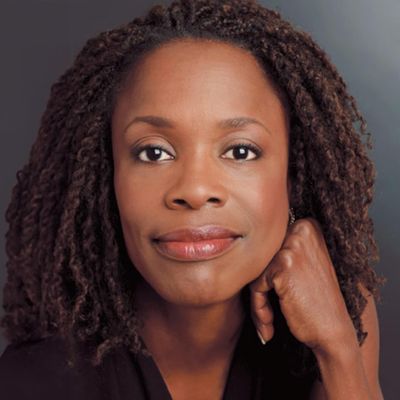
About
No marketing means no audience… but how *do* you talk to the Marketing Department? Christine Toy Johnson sits down with actor/playwright Charlayne Woodard, playwright Lydia Diamond, producer Garlia Cornelia Jones, and marketing director Caitlin Baird for a lively discussion on how artists can get the marketing support their plays need to thrive, and chat about practical strategies for turning conflict into collaboration.
TalkBack is distributed by the Broadway Podcast Network. Like and subscribe on your favorite podcast platform. For episode transcripts and exclusive content visit us on the web at dramatistsguild.com. Keep the conversation going on Twitter using #DGTalkBack
Transcript
This transcript was automatically generated and might contain errors.
[0:02] Christine Toy Johnson: Welcome back to the Dramatist Guild Presents: TalkBack.
[0:05] Christine Toy Johnson: I'm your host, Christine Toy Johnson, actor, playwright, and advocate for inclusion.
[0:10] Christine Toy Johnson: This season, TalkBack focuses on how the theater industry succeeds and fails when it comes to diversity, equity, and inclusion.
[0:17] Christine Toy Johnson: Our guests are all theater professionals working across North America.
[0:20] Christine Toy Johnson: We recorded our conversations over summer 2019.
[0:24] Christine Toy Johnson: The Dramatist Guild of America hosts these conversations.
[0:27] Christine Toy Johnson: In line with the mission of the guild, everyone comes to our table with their own opinion and perspective and is free to express it.
[0:34] Christine Toy Johnson: Whether you're in the business or you aspire to be, we're glad you're here.
[0:38] Christine Toy Johnson: Today we tackle theatrical marketing.
[0:49] Christine Toy Johnson: Welcome, Charlayne.
[0:50] Charlayne Woodard: Thank you, Christine.
[0:51] Charlayne Woodard: It's good to be here.
[0:53] Christine Toy Johnson: Well, it's wonderful to see you and hear you.
[0:56] Christine Toy Johnson: I know that you have had so many experiences with marketing departments, and you have taught me so much about when it's right to start getting involved with marketing your own play, etc.
[1:10] Christine Toy Johnson: And I just love to let you talk about what you want to say.
[1:15] Charlayne Woodard: Well, um, I have a motto, and it is make friends with marketing.
[1:20] Charlayne Woodard: As soon as I know I'm on this season, I get in touch with marketing.
[1:25] Charlayne Woodard: And one of the things I let them know about my play, I tell them I know about my play, so I share what I know with them.
[1:33] Charlayne Woodard: And I know the audience that I would love for them to invite to my play.
[1:39] Charlayne Woodard: And I share that with them.
[1:41] Charlayne Woodard: And, you know, I give them the log line of the play, you know, that single sentence that lets everybody know what that play is about.
[1:50] Charlayne Woodard: And I have actually, in other times, I have asked them to hire a publicist that knows the community that I'm really going after just for that play.
[2:06] Charlayne Woodard: So that I have had like 720 seat theater with a four-week run with a complete diverse audience for the entire sold-out time.
[2:19] Charlayne Woodard: Because, you know, if the theater has a play that doesn't do well, that's okay.
[2:24] Charlayne Woodard: They're going to do seven more plays that season.
[2:27] Charlayne Woodard: But if your play doesn't do well, that really affects you.
[2:31] Charlayne Woodard: So it's important to get very involved with marketing, and you'd be amazed at how marketing wants to get involved with us.
[2:41] Charlayne Woodard: We help them with their job, you know, because a lot of times these marketing departments and like in regional theaters, they don't have really diverse staffs.
[2:51] Charlayne Woodard: So, you know, they'll say for a play of mine, well, we can hit the church audience, and I say, okay, the church audience is wonderful, but then there are all these other groups and all these other things that we could possibly do.
[3:06] Charlayne Woodard: I also get involved with the look of the promotion.
[3:10] Charlayne Woodard: You know how we own our play and we own our likeness.
[3:14] Charlayne Woodard: Well, I get approval over the marketing, and I give suggestions even on what I might even think they might do to attract an audience.
[3:24] Charlayne Woodard: Even a ridiculous sketch of something, an idea.
[3:28] Charlayne Woodard: They have professionals that can run with that idea and just, you know, enhance it.
[3:34] Charlayne Woodard: And there are no surprises.
[3:37] Charlayne Woodard: And I start early on.
[3:38] Charlayne Woodard: I have had a lot of friends who say, Did you see that poster?
[3:43] Charlayne Woodard: What is that?
[3:43] Charlayne Woodard: I'm very upset.
[3:44] Charlayne Woodard: Well, now you've started rehearsals.
[3:46] Charlayne Woodard: It is too late to do anything about that.
[3:49] Christine Toy Johnson: Charlayne, have you always had the insight to get involved with the marketing department so early?
[3:56] Charlayne Woodard: Or is there some specific experience that spurred you on to do this?
[4:02] Charlayne Woodard: I learned the hard way that I needed to make friends with marketing in my first two plays, basically.
[4:08] Charlayne Woodard: The first play was about the life of a little girl from birth to 12 and her family.
[4:17] Charlayne Woodard: And I arrive in a town to do my play, and I see this picture that looks like I'm saying, hallelujah.
[4:27] Charlayne Woodard: And it says, Oh, rip rollicking good time.
[4:32] Charlayne Woodard: And that's not what the play is about at all.
[4:35] Charlayne Woodard: They're promoting it as if it's a musical.
[4:37] Charlayne Woodard: It's not at all a musical.
[4:39] Charlayne Woodard: And it's really not a rip-frolicking good time.
[4:42] Charlayne Woodard: But by the time I got there, it was too late.
[4:46] Charlayne Woodard: And in the second play, the play was a coming of age.
[4:51] Charlayne Woodard: Oh, and it was a solo play.
[4:53] Charlayne Woodard: That's another thing.
[4:55] Charlayne Woodard: Somebody didn't tell them that it was a solo play.
[4:59] Charlayne Woodard: So that was a problem because back in the 90s, folk didn't really take to solo plays really.
[5:06] Charlayne Woodard: We had to sort of turn them on to solo plays.
[5:09] Charlayne Woodard: And the play was a coming of age of a little girl in the civil rights era.
[5:18] Charlayne Woodard: I get to town, and there were posters all over town with the end of the play, and she's ascending into the heavens, and it's the entire end of the play told on the poster.
[5:35] Charlayne Woodard: And I had to change that poster because it gave away the entire end of the story.
[5:42] Charlayne Woodard: So you have to make yourself known to the marketing department.
[5:48] Charlayne Woodard: And then when you get to town months later, oh go in and talk to them and let them know you love the way they're marketing you, you love what they're saying online.
[5:59] Charlayne Woodard: You know, that's very good, and encourage them because usually if your play does well, you come back to that theater and now they know you.
[6:07] Christine Toy Johnson: You mentioned that you have approval over marketing.
[6:11] Christine Toy Johnson: Is this something that you have come to negotiate in your own contracts?
[6:15] Charlayne Woodard: Mm-hmm.
[6:16] Charlayne Woodard: Right away, as soon as they say you're on the season, then they'll send a contract.
[6:21] Charlayne Woodard: But I always have in there that I want approval of everything because it's my play, and it's representing me and my creativity.
[6:32] Charlayne Woodard: And they will send you every idea that they have.
[6:36] Charlayne Woodard: And I also help to write the synopsis.
[6:39] Charlayne Woodard: I help and I make sure that they know that this is a team effort.
[6:43] Charlayne Woodard: I'm not going in demanding A, B, and C.
[6:46] Charlayne Woodard: I'm suggesting and letting them know constantly really what the play is about and how I'd love to have a diverse audience because I can do the play in silence, but it's really nice when there's some give and take with the audience.
[7:03] Charlayne Woodard: Um I always let them know that diversity is a real important thing to me.
[7:10] Charlayne Woodard: And I've always done that from the very beginning.
[7:14] Charlayne Woodard: And they work towards that.
[7:16] Charlayne Woodard: We throw ideas around and we have things I have to sometimes fly into town to do before I even get there.
[7:23] Christine Toy Johnson: Have you ever gotten pushback from a marketing department about the ideas that you have?
[7:29] Charlayne Woodard: Yes.
[7:30] Charlayne Woodard: Oh yes, because first of all, we can't afford it.
[7:33] Charlayne Woodard: They have very limited funds, these theaters in general.
[7:37] Charlayne Woodard: Everybody has limited funds.
[7:39] Charlayne Woodard: So they can't afford a lot.
[7:42] Charlayne Woodard: And but I say, oh, but let's not have any posters that's like newspaper print where I can't find the name of the play on the poster on the card.
[7:55] Charlayne Woodard: I mean, that has happened.
[7:56] Charlayne Woodard: And I said, why was this happen?
[7:59] Charlayne Woodard: Well, we didn't have a lot of money, so we had to do it in black and white.
[8:03] Charlayne Woodard: So I actually say that make sure that we can see the title of the play.
[8:10] Charlayne Woodard: And I say these things in a very lovely way, like it's a suggestion.
[8:15] Charlayne Woodard: That's pretty important.
[8:17] Charlayne Woodard: Because you know what?
[8:19] Charlayne Woodard: If this play works at that theater, they will look at your other plays.
[8:24] Charlayne Woodard: And this becomes one of your theater homes.
[8:28] Charlayne Woodard: You know, I market myself to the marketing department.
[8:32] Charlayne Woodard: I let them know what my following is on Facebook and Instagram, so that I'm reminding them about social media.
[8:40] Charlayne Woodard: And one of the ways I have introduced that diversity subject is I ask, is there anyone on staff who knows my audience?
[8:50] Charlayne Woodard: You know, once I've explained the audience I want, then I ask, is there anyone on staff who does know that audience?
[8:58] Charlayne Woodard: If there is no one on staff, is there anything in the budget that can help us connect with that audience?
[9:05] Christine Toy Johnson: That is so smart.
[9:07] Charlayne Woodard: Oh, yes.
[9:07] Charlayne Woodard: But you know, if you don't do this, you learn the hard way.
[9:11] Charlayne Woodard: I was up at Sundance just recently.
[9:13] Charlayne Woodard: I'm sitting at the table with playwrights, and the playwright is upset because they've sent her the poster of her first play, and it's the poster of how she's going to look all over this particular lovely town.
[9:27] Charlayne Woodard: And the writing is all wrong.
[9:29] Charlayne Woodard: The calligraphy is almost embarrassing, and her photograph is not even bright enough.
[9:37] Charlayne Woodard: You can hardly see her, and it looks so crazy, and she was furious.
[9:42] Charlayne Woodard: So I sat there at the table at dinner and told her, well, it's not too late.
[9:49] Charlayne Woodard: At least they're showing you this two months in advance, and you can make a difference.
[9:54] Christine Toy Johnson: And how does she react?
[9:56] Charlayne Woodard: Well, she said, I'm going to have my people do this.
[9:59] Charlayne Woodard: And I said, Do your people know your play?
[10:02] Charlayne Woodard: Do your people know your audience?
[10:04] Charlayne Woodard: Do your people know what you want, what's in your mind?
[10:06] Charlayne Woodard: It's really lovely to talk to them.
[10:09] Charlayne Woodard: You can call them up and introduce yourself, market yourself to the marketing department.
[10:15] Charlayne Woodard: I think some people are shyer than you and I are.
[10:20] Christine Toy Johnson: Yeah, and yes, I know.
[10:22] Charlayne Woodard: I'm an actor who writes plays, and most playwrights don't want to do that.
[10:26] Charlayne Woodard: Or well, explain it to your representative so that everyone knows.
[10:31] Charlayne Woodard: And everyone has to know that you have now this playwright did have approval of marketing, which is why she received that flyer.
[10:41] Christine Toy Johnson: Have you ever run into a situation where the theater was reluctant or reticent to give you the approval over marketing?
[10:50] Charlayne Woodard: Never.
[10:52] Charlayne Woodard: It's a funny thing.
[10:53] Charlayne Woodard: If we don't ask, they don't give it.
[10:56] Charlayne Woodard: But you'd be amazed what they give if you just ask.
[11:00] Christine Toy Johnson: Well, that's a new motto to embroider on a pillow, along with what was the first one?
[11:04] Charlayne Woodard: Make friends with marketing.
[11:06] Christine Toy Johnson: Make friends with marketing.
[11:08] Charlayne Woodard: Yes.
[11:09] Charlayne Woodard: I think that's excellent.
[11:10] Christine Toy Johnson: Mm-hmm.
[11:11] Charlayne Woodard: We, you know, I just believe we should get what we can get.
[11:14] Charlayne Woodard: And you don't get everything that you need, but you don't get everything you want.
[11:19] Charlayne Woodard: You get what you need.
[11:20] Charlayne Woodard: You don't, you know, but you have to ask.
[11:22] Christine Toy Johnson: Great advice.
[11:23] Charlayne Woodard: I do believe that the reason I have never gotten flack from marketing departments is because of the way I ask them and suggest to them, and I collaborate with them.
[11:40] Charlayne Woodard: And that's one thing a playwright knows how to do is, you know, collaborate.
[11:46] Charlayne Woodard: So if you go into it not saying, I'm having a meeting with marketing, you know, but to say it's time for this other collaboration so they can serve that play up in the way you want it served up.
[12:00] Christine Toy Johnson: Great advice.
[12:02] Christine Toy Johnson: My thanks to Charlayne Woodard for our one-on-one chat.
[12:05] Christine Toy Johnson: After the break, I'm joined by a panel of playwrights, producers, and marketing experts from New York City.
[12:10] Christine Toy Johnson: Stay with us.
[12:24] Christine Toy Johnson: Today I'm in Chicago, while our guests are in New York City and Los Angeles.
[12:28] Christine Toy Johnson: Let's welcome our panel in New York.
[12:31] Lydia Diamond: Hi, I'm Lydia Diamond.
[12:33] Lydia Diamond: I'm a playwright.
[12:34] Lydia Diamond: Sometimes lately maybe a little bit of a television writer, but I'm a playwright and I'm an educator, and it's nice to be here.
[12:41] Garlia Cornelia Jones: Hi, my name is Garlia Cornelia Jones.
[12:44] Garlia Cornelia Jones: I am a playwright.
[12:45] Garlia Cornelia Jones: I am also a founder of a series for black playwrights, and I run another organization that supports black artists.
[12:55] Garlia Cornelia Jones: And finally, I am a line producer at the Public Theater.
[13:01] Caitlin Baird: Hi, I'm Caitlin Baird.
[13:02] Caitlin Baird: I'm the director of marketing at New York Theater Workshop.
[13:05] Christine Toy Johnson: And let's bring back Charlayne from Los Angeles.
[13:09] Charlayne Woodard: Yes, I'm Charlayne Woodard, and I'm a playwright and an actor.
[13:14] Christine Toy Johnson: Thank you so much all for being here today.
[13:16] Christine Toy Johnson: I want to start off with this question.
[13:18] Christine Toy Johnson: When should a playwright start to get involved with the marketing of their own play?
[13:23] Lydia Diamond: This is Lydia.
[13:24] Lydia Diamond: I think it's important to start marketing as early as possible.
[13:27] Lydia Diamond: I'm always appreciative when a theater company reaches out to me on the front end, and I always say that I'm the kind of playwright who is always thrilled to help them sell my show.
[13:40] Lydia Diamond: There seems like there's a lot of times in the regional theaters, and I work in the regional theaters more than I work in New York.
[13:47] Lydia Diamond: Um, it seems like there's always this kind of, oh, we don't want to bother you.
[13:51] Lydia Diamond: Would you like?
[13:52] Lydia Diamond: And because marketing a black play is not necessarily part of the mainstream of their marketing, their default marketing.
[14:03] Lydia Diamond: It's imperative that they partner with me to market.
[14:06] Lydia Diamond: But I do spend a lot of time on the front end like selling that idea.
[14:11] Lydia Diamond: Yeah, and I would add that um I I I think that's something that is really important for the theaters and for playwrights to even uh remind theaters is that a lot of times like I like I've come from a very community based groups and so we all market our shows because that's something we do because of our fronts and that's just how we operate.
[14:40] Lydia Diamond: And so when a playwright or the actors or or anybody involved wants to um market the show I think that is important for the departments to to hear not as they're doing our jobs but also as that's part of the community and it's an extension.
[15:02] Lydia Diamond: And I think that is something that I think is interesting to navigate you know coming as any POC artist into a bigger institution where they're really working to fill the house.
[15:16] Lydia Diamond: I like the way you phrased it because I hadn't thought about that in terms of because it does seem like there's a tension sometimes I think I don't know but I I I fear sometimes that marketing thinks that you're saying you're not doing a good job.
[15:31] Lydia Diamond: I mean and sometimes you have to say that but mostly um if they could understand that it's part of the culture of being a black artist in largely white institutions in um you know a discipline that is sadly really elitist and um in institutions that are built on assuming that the audiences are white.
[15:54] Lydia Diamond: And so I like the way you said it.
[15:57] Charlayne Woodard: I'm gonna use that.
[15:58] Lydia Diamond: Go right ahead.
[16:00] Lydia Diamond: It's really important to spread that news.
[16:04] Lydia Diamond: Like everyone just needs to know that because at the end of the day, the playwrights want to see their friends and family and the communities that they wrote the play in their minds for.
[16:19] Lydia Diamond: And if there is, you know, something that that impacts that or they feel like there's a struggle, at the end of the day, the playwright is not gonna be happy.
[16:30] Lydia Diamond: And then that is a challenge just being in the theater because you want your play to be seen by all these people, but if they can't, you know, come, so how do we just work as a team?
[16:43] Lydia Diamond: I think it's just you know, the playwright being very firm and saying this is what I want, but also the departments being open and understanding that.
[16:57] Caitlin Baird: And you know, we all know that there's a lot, there's dances that are done to make those things happen.
[17:04] Caitlin Baird: Um I mean, I'll say on the right, as somebody who spends all of my days thinking about and literally dreaming about marketing and and how to share work, um, and somebody who comes from an art making background originally, um, that's music to my ears to hear that you want to join, right?
[17:24] Caitlin Baird: Because like um, I think on the administrative side, I never want to impede the great work that you're gonna do in the room and um you know what you're taking on and making a play.
[17:37] Caitlin Baird: And I have such a tremendous respect for the energy and care and life that it takes to do that.
[17:44] Caitlin Baird: And I I try to begin every process with uh a conversation with the generative artist so that I know I know what I don't know, right?
[17:51] Caitlin Baird: Uh I start by reading the play, and then I begin by asking questions to say, tell me where this came from and tell me what this means to you, and tell me um, you know, what what your dreams would be and what does this look like and what does it sound like, and talk to me about the world because as a marketer, my job is to figure out how to translate that work that you're doing in the theater that's so ephemeral that lives in that one night and then the next night and the next night, and translate that to an audience, find the audience, entice the audience in, pique their interest, um, and just sort of be a shaman, but not to impose my own self on it, right?
[18:30] Caitlin Baird: Because, you know, I I read it with one person's perspective, but just one person's perspective.
[18:35] Lydia Diamond: So it's tricky, isn't it?
[18:36] Charlayne Woodard: Yeah.
[18:37] Lydia Diamond: I've always been curious.
[18:38] Lydia Diamond: Do you get that from white playwrights as much as you get it from playwrights of color?
[18:43] Caitlin Baird: We do I get we'd like to partner with you.
[18:46] Caitlin Baird: We feel it is imperative that we partner with you.
[18:49] Caitlin Baird: Uh, you know, every experience is different.
[18:51] Caitlin Baird: I don't know if I could say um on the whole, because every artist, there are some artists who say, like, nope, I don't want any part of that, you do that, I do this over here, and plenty of people who have no interest in it, right?
[19:04] Caitlin Baird: They don't want to talk about sales, they want to make art, and they'd rather keep sort of a separation of church and state.
[19:09] Caitlin Baird: So I think every artist probably has a different process.
[19:12] Caitlin Baird: Um, you know, when we're talking about audience development and community outreach and opening doors, um, I'm gonna enter the room with the life experience that I have and try to bring as many people into that room and as many ideas into that room and pursue every possible idea that I can.
[19:30] Lydia Diamond: It's interesting because sometimes I I I feel like earlier in my career I had a I felt almost immediately that my relationship to the marketing department was adversarial.
[19:42] Lydia Diamond: And it had nothing to do with the brilliant lovely people who were in charge of marketing, but a lot to do with how I'd seen shows at the theater marketed in the past and also what I'd seen the demographic of the audience being.
[19:58] Lydia Diamond: So in my mind, if I go to a show that is like a black show and the audience is 95% white, I feel like marketing maybe doesn't really want black people in the space.
[20:11] Lydia Diamond: It's all very about feelings.
[20:13] Lydia Diamond: It's not necessarily intellectual, but more recently I've come to think of it more as a collaboration.
[20:20] Lydia Diamond: But I have wondered sometimes if there are other playwrights like myself, and so there isn't kind of already in the water a sense that it's gonna be adversarial, you know, even when I'm when I'm coming right, if you will.
[20:32] Lydia Diamond: I also think that playwrights like Dominique, more and more so have done a really wonderful job of making sure that the theaters are working in tandem with her.
[20:46] Lydia Diamond: And that is very helpful for other black playwrights and other playwrights of color to see, okay, you know, we can be involved, we can say this is even even the rules of engagement that she has when she wi with each of her plays are.
[21:11] Charlayne Woodard: It helps the dominant is like sunshine itself.
[21:14] Lydia Diamond: Exactly.
[21:14] Charlayne Woodard: Yeah, right.
[21:15] Charlayne Woodard: But yeah, I've got to be able to do that.
[21:17] Charlayne Woodard: This is the reason why I say my approach is to uh contact them early on and uh and say I'd like to collaborate with you.
[21:27] Charlayne Woodard: That word helps anybody's resistance.
[21:31] Lydia Diamond: Sometimes, Charlayne.
[21:32] Charlayne Woodard: Sometimes.
[21:33] Charlayne Woodard: I mean, no, it doesn't always help, but it it puts you in that room with them so that at least you can be listened to.
[21:42] Lydia Diamond: I wondered if all of you have advice for playwrights who might not be approached by um a marketing department like Caitlin Runs with all of those wonderful questions.
[21:51] Lydia Diamond: Um if you have advice about how playwrights can be clear with the marketing department, setting up this collaborative spirit, um, but also being really clear and firm about their own vision that they want to see uh manifested in the marketing.
[22:09] Caitlin Baird: It does feel like more and more marketing departments are getting really more sophisticated about that.
[22:14] Caitlin Baird: I feel like 10, 15 years ago, it was like, what is she saying?
[22:19] Caitlin Baird: She wants to be involved in marketing?
[22:22] Caitlin Baird: What?
[22:22] Caitlin Baird: And now I I feel like I'm more often than not invited, whether or not they always mean it.
[22:28] Caitlin Baird: I do feel like it's become a part of the rules of engagement.
[22:31] Lydia Diamond: Does that sound right to you?
[22:33] Charlayne Woodard: Yeah, I mean, I also wonder if you haven't received the invitation, then send the invitation to start a conversation, right?
[22:40] Charlayne Woodard: To take that approach and flip it on its head and say, I'd love to talk about this play.
[22:45] Charlayne Woodard: Can I share more about it?
[22:46] Charlayne Woodard: Because like, I mean, for me, every single thing that I hear is an idea and an opportunity.
[22:51] Caitlin Baird: And I should also say that conversation that I uh host is not just marketing.
[22:58] Caitlin Baird: That's uh producing, that's education, it's development.
[23:02] Caitlin Baird: Um, it's the press team because every single idea and every single, you know, bit of story that we hear is an opportunity to pursue a thread.
[23:10] Caitlin Baird: Oh, you know, we could could oh that aligns with this story.
[23:14] Caitlin Baird: Could we pitch, you know, something about this play and this other play that we just did or this play that's happening across town?
[23:19] Caitlin Baird: It's like uh more and more the the landscape is not less competitive and there's so many ways that people can spend their time.
[23:27] Caitlin Baird: Um so we've gotta be smarter and we've gotta work together to share these stories and to continue to find an audience and maintain an audience and bring in new audiences, right?
[23:37] Garlia Cornelia Jones: I was just gonna say I would also say that if a playwright has a specific group or organization, if they know the the schools, the alumni groups, churches, I mean, if if they know who they want in the audience, that's the perfect opportunity to create, you know, codes or create groups and just get those people in there early.
[24:02] Garlia Cornelia Jones: And I and that and I think the more that we know who we want in the audience and the more it is that the uh collaborative spirit, the more the the team, the marketing team can go and do all the work they have to do and say, here you go, you know, creative team, here's what you need, let's go out there.
[24:21] Garlia Cornelia Jones: And then if people don't buy the seats, then you know that's that's a whole other thing.
[24:25] Garlia Cornelia Jones: But it that's a that's a really great first step to kind of have everybody on the same page to start.
[24:32] Lydia Diamond: I think it's also interesting to talk about certain assumptions that might be made about what audience uh would respond to the play.
[24:42] Lydia Diamond: I was talking once about one of David Henry Wong's plays and how the marketing department was trying to approach audiences in Chinatown to come see it, and I thought that is just not even the place you should be thinking about going.
[25:00] Lydia Diamond: But there's an assumption that because he wrote this play that that that's where the audience was.
[25:07] Charlayne Woodard: Yeah, I've had a lot of that.
[25:08] Charlayne Woodard: Like they're gonna send, you know, they'll send you to a church.
[25:11] Charlayne Woodard: And I'm like, well, I would love for all of you to come.
[25:15] Charlayne Woodard: I hope you're okay with pedophilia and you know, like otherwise, I I opened my arms to the congregation.
[25:26] Charlayne Woodard: Please.
[25:28] Charlayne Woodard: That's another thing.
[25:29] Charlayne Woodard: When I was when I did my first play in one of these theaters, they said, you have uh a busload of people coming from you know a black neighborhood.
[25:41] Charlayne Woodard: And I was so excited at the matinee, and I go out, there's music playing, Miles Davis' all blues, and I say to the audience, you hear that?
[25:52] Charlayne Woodard: And the audience responded, yes.
[25:56] Charlayne Woodard: They were eight to ten-year-old girls, 50 of them.
[26:01] Charlayne Woodard: And it was so horrible.
[26:05] Charlayne Woodard: And uh I just at intermission, you know, I just wanted to rip that dressing room apart, you know.
[26:12] Charlayne Woodard: But what can you do?
[26:14] Lydia Diamond: I had to explain, go in.
[26:16] Charlayne Woodard: This is what I mean.
[26:17] Charlayne Woodard: I didn't explain anything.
[26:19] Charlayne Woodard: I thought it was uh common sense, and um I had a I had uh a black audience of babies.
[26:27] Lydia Diamond: Well, I had a question for Caitlin.
[26:29] Charlayne Woodard: Please go ahead.
[26:30] Lydia Diamond: This is it's great.
[26:31] Lydia Diamond: The conversation is fantastic and um I I'm all for it.
[26:35] Lydia Diamond: Go ahead.
[26:36] Caitlin Baird: Okay.
[26:36] Caitlin Baird: For Caitlin, I wanted to know about this.
[26:39] Caitlin Baird: I've I sometimes am confused about press versus um marketing.
[26:46] Caitlin Baird: And to me, it feels like they're very much part of the same thing, but I'm learning that in the structure of the theater, they're very separate.
[26:53] Caitlin Baird: And I'm wondering if it's different in terms of the way they speak to one another serves different kinds of playwrights over others, or if it's just the way it is because it has to be that way.
[27:06] Caitlin Baird: I think it probably depends on the size of the company or the you know muscle behind a show.
[27:12] Caitlin Baird: But often it I think it's really sort of two different sets of context, right?
[27:18] Caitlin Baird: Press is uh advanced, right?
[27:21] Caitlin Baird: Feature coverage, people writing about the show, reviewing the show, and you know, more and more of that now is online content, right?
[27:27] Caitlin Baird: There are a lot of different ways that press can go.
[27:30] Caitlin Baird: But press feels like it's is strictly about uh unpaid content, right?
[27:35] Caitlin Baird: And marketing is gonna be more in the advertising realm, but bridges over into a lot of different areas.
[27:43] Caitlin Baird: So maybe marketing is the umbrella and press is one component under it.
[27:46] Caitlin Baird: Press teams maybe wouldn't appreciate that that instruction.
[27:49] Garlia Cornelia Jones: Yeah, I bet. I mean, I well, and I'm thinking about this in terms of our press and a marketing team at the public. You know, there's a, as you said, there is kind of an overarching communications, but there are different groups of people who focus on the press releases and the features and the news versus the content, the creating of videos and creating of content that promotes the show. And I interact with them as a producer, so there are different ways I interact with both press and marketing. In terms of, so if I say to a theater company, I would love to partner with you to help sell my show in whatever way is necessary, and I'm a new playwright, maybe my first big regional show or something.
[28:48] Charlayne Woodard: How do I know who to start that conversation about I want to collaborate with you? And yes, I think that's my question. I feel like the first meeting might even be with both teams, because at the end of the day, they will work in tandem. So if the first meeting is with both, then they can discuss what really they need for their pre-press release and then information that the other side will need in order to market the show to different communities or where to buy advertising, as you were saying. So yeah, I think the first place is to start with both, and then of course, people will break off into the smaller groups, and then you can have a more intimate meeting with marketing to kind of really build a strategy, or they already have one, so you can hear what they have to say and say, "Oh, how about this?" or "I have this idea."
I really love to collaborate. Why can't we all be friends? We are, we are. We're so well taught in the theater. Like we understand in the rehearsal room all of the nuances around which lane you're in and how you cross into somebody else's lane and the silos and the whatever, but they don't teach us how to work institutionally as artists and when you're in somebody's lane.
[30:13] Christine Toy Johnson: Charlayne, I just wanted to bring you back into the conversation too, because I think you and I both have experience as actors and writers and dealing with press and marketing, those two different perspectives. And in your case, many times you are the person in your own play. And I'd love to hear from you about your particular insight on that.
[30:37] Charlayne Woodard: And perhaps because I am the actor who's running the whole thing the whole evening, maybe this is why they do listen to me and we do come to agreements on things by everybody throwing their ideas into the pot. But one thing I do notice about these regional theaters is that they have a cookie-cutter approach to marketing. It's all very cookie-cuttered. This is what we do at this point, this is what we do at that point. So when we come in there with these suggestions, we're breaking down walls. It's like, you know, and but I know I feel like I managed to get in there because they really don't want to upset the person who's got that whole play on her back for those whole four or five weeks.
[31:24] Charlayne Woodard: Yeah, because when you're just the writer, they're like, "Oh my god, oh my god, just appease her and she'll be gone in two weeks." No, no, this person is around in the building. This person is coming to you saying, "What's happening with that Sunday show?" You know, this person is in there for the run. And but you're right, it's a different thing with me. I have actually said, "I need some flyers," and I went to the local Whole Foods and gave out flyers and told everybody half price tonight, and got my audience. I was upset with this group that had not produced an audience for me. When they saw that I was giving out my own flyers, saying half price tonight, and people came with that, they had to honor it, and then they got to work. That was early on in my run. I feel like if we don't get hands-on, we go down. I've experienced it. I was forced to get involved in it with each play still. I have to get involved.
[32:29] Charlayne Woodard: Can I add that I think it's interesting because I sometimes think that people forget that we're also talking about the quality of the art? Like, you know, we're writing plays almost always, if we're playwrights of color, that in some way have to do with the intersection of class and race. And we're in these theaters that are largely white, and there's a conversation to be had. But if the conversation isn't happening because the audience is so homogenous, the play is landing in a way that maybe gets less laughs. I find that if there are, you know, at least 20 to 30 percent people of color in the audience, the people of color give the white people permission to laugh, and you know, and on and on. And I think sometimes it's hard for theater companies maybe to hear that and to trust that.
[33:16] Charlayne Woodard: And then here's the thing that's like on the dark side of the conversation, which is the conversation that any of us who've been sitting on panels about race and inclusion in the American theater have been talking about for decades, which is do they really want black people in their houses? That's important. I say black, I beg your pardon. People of color, people of any color, do they want to have non-white audience bases? Well, I also think that the playwrights find these conversations maybe more stressful, or they are more apprehensive to say things when there are fewer artistic leaders and there are fewer people of color on the staff. And it's something that I know a lot of theaters are working to change.
[34:13] Lydia Diamond: Are they? It just makes my palms sweat, and you just, I can't even and I stutter, but right now I'm just speechless because you know, yeah. Well, I feel like whether I'm wanted there or not, I have a story to tell, and I've put myself there, and I'm telling that story, and there will be an audience if I have to go out and grab it myself. That's why I'm so glad you're doing this podcast because I don't know, you know, right? We're in these little silos, writers, and particularly writers who aren't from New York. There's not like a necessarily a community of writers. So how do you know if you're being given your first regional theater show? Already the power dynamic is such that we are doing you the biggest favor to have put your show on our stage? And that right there is what slows us down.
[35:09] Charlayne Woodard: I let them know the biggest thing you have is that you've brought me to this stage, and I'm the only black show you had in the whole season. Absolutely. And how we empower young playwrights, the importance of doing that, because I remember also earlier in my career feeling resentful. I had my opening in three weeks, and I'm trying to write a show, and I have to sell it too. I'm less resentful and more resigned, but I do think that's a really important thing for young playwrights, maybe period, but certainly young non-white playwrights to know that they have the power to do that. Yes, it's an uphill battle. It's always going to be an uphill battle. We haven't come to the point where it's going to be easy for us yet, if it ever will be. We have to go in there knowing why are we writing in the first place? Because our story isn't told. So we have to get in there.
[36:05] Lydia Diamond: I was just gonna kind of circle back to that whole spirit of that word that you used, which was to collaborate. And so we know that there's not a ton of artistic leaders of color on staff. Okay. So we're not, you know, doing any pointing of the finger, but we're just gonna say, let's work as a team. So, you know, things change over long periods of time. So right now, what we all have to do. Right, but you know, as we are now, then we just have to have all the things that we want. We want to have these people in the space, these groups, and let's see how we can work with the people who are here so that we can, at the end of the day, say that we went through all of these steps. We brought our hopes and desires and we had the teams to do all their work and everybody got together and hopefully achieved something. And then we can figure out what worked and what didn't at the end.
[37:17] Charlayne Woodard: And cynical as I sound, I have been able to work with theater companies who really do it very well. You know, for whom it feels like they're putting their money where their mouth is and they are listening and they are partnering with you. And so I didn't want to just spread darkness.
[37:36] Christine Toy Johnson: Right. No, and I think that theaters hear all of this. They've experienced it. They've experienced young playwrights in their doors who are not thrilled with what's going on and they're trying to take next steps and collaborate and work as a team. But it's, as Charlayne said, it isn't an uphill battle. But Caitlin, I'd love to bring you in and from your perspective, talk about your response to this, what you wish that other marketing departments, other theaters would do in line with all of the concerns that were just raised.
[38:17] Caitlin Baird: Sure. I mean, I think from our perspective at the workshop, we're taking more and more steps to engage in a sustained conversation. So it's not just about, you know, one play and that it's in fact an ongoing relationship, so that your play might present an opportunity to open the doors and meet new people, and then how do I continue that conversation and make sure that you're always welcome here? So that hopefully that audience is changing, not just for your play, but in general, right? An audience has no reason to trust me if I pop up, you know, every once in a while, right? But how can I continue to consider the marketing of a production of a season of an organization in a sustained way to host what kinds of conversations can I host, what kinds of events can I host to create a community to make you feel welcome for a play, which is the start of a conversation.
[39:11] Caitlin Baird: So it takes an investment of time, it takes an investment of ideas and coming to a table honestly to acknowledge where we're all at and to collaborate. And you've got to put resource behind it, is the other thing I'll say, right? That like that doesn't just happen with like hopes and dreams. You know, that you gotta put some money into advertising, you gotta put some money into events. You may need to hire somebody. If you don't know people in a community, then we need to find a partner to help us make connections and build relationships with people because they have no reason to trust me if this is the first time we've ever met.
[39:46] Christine Toy Johnson: Do you build in higher budgets for plays that would ask you to reach out to audiences that are not automatically always coming to your theater?
[39:56] Caitlin Baird: I mean, the budget is so tied to the income of a show, right? So it's like I can negotiate for money, but I might instead, if I'm not gonna get more money, because like I'll ask for more money all the time, right? For everything I do, but instead I might reallocate money and try to figure out how I'm gonna spend resources and what's the most important thing for this project. So sometimes yes. Now, at one point I asked, is there anyone in this department who knows my audience and can reach my audience? And they said, not really. And so I asked if they could hire this publicist that knew the entire community, all the groups, everything. And when I did that, they negotiated with him for a price, and he came in and he did an amazing job for the run of the play. It was a completely diverse audience for four weeks of a large theater. And it sold out. But he was paid specifically to bring in a diverse crowd of people.
[41:02] Charlayne Woodard: I feel sometimes like maybe there's a sense of if we hire a consultant, they will be the marketing department. Because we don't know nothing about marketing, no black plays, you know, and it feels wonky a little bit.
[41:17] Caitlin Baird: Well, he was always in on all of our meetings. So he just became a part of the team.
[41:24] Charlayne Woodard: Yes, they really do like to bring in those consultants. They lean on them, but that's where we stay in it, and they are a part of all the meetings, so that they're throwing around the name of the, oh, the links and the hundred black women and you know, all these kind of names and these groups of people that will buy tickets if they know your play is there. And it requires that the institution actually be invested enough in it, because right if we're doing this subscriber-based thing, is it really that big a deal if the February show doesn't sell as diversely as we would have hoped?
[42:00] Charlayne Woodard: Exactly. I don't know. That sounds cynical, but I think that the whole reason we're having the conversation, right, is to empower us to know to have those conversations. But one of the things that I've learned is that the consultants are given a budget that is smaller maybe than a marketing budget. But if the theater just kind of says here it is and then wipes their hands of it, then the consultants' hands are tied, right? Anyway, which then affects their good name and well, and I think that's when the consultants, as Charlayne is saying, have to be included in the whole. There's a really big picture of all of this, and it includes the consultants, the art department.
[42:48] Caitlin Baird: Social media, I'm gonna repeat working as a team to do all of this, but there's so many different components that will create that end goal. And so it can't be one person hire this consultant because they're a person of color and they're gonna do everything, and then we're gonna go market the other shows. Cause then that's just a recipe for the case. And I'll also say, you know, I think sometimes, right, for me, if I'm bringing someone else in on the team, that person is another collaborator and a person who brings experience and knowledge and opinions that I mean you're foolish if you're not listening to and respecting and engaging with, like we're all on a journey to continue to learn and marketing as a landscape is changing faster than we can keep up.
And so it was like ch I mean we g you know, I think that's something that's really huge is that you know, playwrights need to know, and I tell this to people all the time. I've I have a personal and a professional Instagram. So there's two, you know, there's a public face and one that's that's private if you want to show your kids and things, but I think that that helps so much for people, especially now.
[44:05] Caitlin Baird: Absolutely. I would say that something that's really cool about Jeremy O'Harris is that he is very active on Instagram. And that I think is something that allows the audience to get to know him and to engage with him in a really cool way. And there are also other playwrights, but he's he's one that I think just kind of comes to mind when you see I don't know how many followers he has but it's something he's got that blue check mark. Right. And so that is that is cool as a I mean that's just really cool. And you know more and more artists who feel really comfortable in the social world right and who wants to be a part of the sales side of a project they're a tremendous resource just by sharing insights from the process and to loop back um we were talking about the difference between marketing and press right like press can create tremendous opportunities that marketing can then leverage to signal boost.
You're gonna trust that piece of press coverage way more than you're gonna trust some advertising copy. But you can take that piece of content that an audience will inherently trust because it gives you a deeper insight it gives you a more honest insight it's some like fun social media stuff that the artists are doing silly stuff on breaks in the rehearsal room. Like it can be the most benign content that you can signal boost as a way to um pique someone's interest and grab their attention in a very crowded advertising marketplace, which again is the start of a conversation, right? It feels like so much of this is about beginning a conversation with an artist with an audience. Um, that's where it all starts, and that's the opportunity.
So, however, we can work together to seize those opportunities and make something to drive the attention to the art, right? Like, that's what it all comes back to. So the more we can remember, we're all working towards the same purpose and we all have the different things that we're gonna do. And no artist should feel the burden of having to market their show, like you know, Charlayne, the notion that you're standing at a Whole Foods handing out flyers because that's the only way to find an audience is like, oh, I feel that, because that that means, you know, we we've let you down on the other side of it.
[46:15] Garlia Cornelia Jones: Um, if you, in addition to performing that show and writing that show, have had to take on the opportunity of being the on-the-front line salesperson at that level, um, then there's a break somewhere. It certainly did embarrass the marketing department. And it's and it jiggled them and put them into action. Um we're all so excited. I was gonna say, I think that kind of goes back to what we were saying about the uh tension between an artist saying, I want to help to market this show, because then it's like we're not it's that final uh line of, are you saying we can't do our jobs? No, we know how to do our jobs, but we're saying, oh no, this is a community thing. We want to build community. But then does community mean that the playwright stands outside of a Whole Foods, if Charlayne is saying, no, not quite, you know.
[47:11] Lydia Diamond: I've been thinking about how we really have to start marketing our own plays before they even get produced. And I wonder if anyone has thoughts about how being conscious of that can lead forward into the next phase of the collaboration with the teams that we encounter when we are being produced.
[47:34] Charlayne Woodard: Okay this is the so this kind of moves my hat over to my play playwright hat because I have a play I've been working on forever but something I've I did for a lot of plays when I was in my MFA and afterwards was I would always hire someone to do art. So two of my plays have art that I paid someone to do. And that was for me a way to kind of say this this is my play. There's one play that I don't think will ever be done but the other play I hope someday some theater wants to produce. How do you use the art? Like what do you do I use the art so I also do a lot of photo shop and things so I create my own like images. So I would use her art for my the flyer and in my mailing I would send it out.
[48:27] Caitlin Baird: If the play isn't being produced yet are you sending the visual out with the play as you send it to producers?
[48:33] Charlayne Woodard: Yeah. So I so I so I have sent it out with the producers and so then when we do a reading of the play I already have some artwork that people can associate with the play. So that's something and I think you don't have to pay a lot you know you're not paying hundreds of dollars but if there is a way to create any kind of artwork that is something that you know, if people go through my Instagram feed, they'll see that show pop up a few times. It's you know, over the years, and I assigned it a hashtag. So that's a thing that if it doesn't ever exist, it did at some point. And if it does, then great. I already got it started. You know what I mean?
[49:25] Christine Toy Johnson: So that's so cool. Christine, you you asked the question, do you do marketing on your plays before they're produced? Well, I've heard different producers' opinions about this, whether it's about specific artwork, maybe it seems like it's if there is specific artwork, it turns them off because they want to have the ability to be in on something from a very early stage. Um, but I also am thinking about marketing in terms of how we have to sell our own play to a theater, and whether that part of the thought process can be useful in leading us to start these collaborative conversations once we are in the door. Uh so it's sort of a hypothetical question, but something that's been on my mind because I do feel that we have to start thinking from the business point of view earlier than perhaps we'd like to.
[50:27] Garlia Cornelia Jones: Can I say that Michael R. Jackson, he has a play called Strange Loop. So as he workshopped that play, he would do little videos, and long before that play saw the light of day, or you you knew this song, and you knew that song, and from here and from there, and from that little workshop and from that little workshop. And I'm doing a thing of uh with each workshop, making sure that everyone knows we're in this town now. Oh, we were up at Sundance this time and we're here and we're there, and you let them know because he made me want to do want to come to his play, because I heard these little tidbits of it online.
[51:08] Lydia Diamond: So it's all online. I mean, that's interesting. Umline, and it was yeah, it's all about social media, it sounds like. And if I could offer, I I'm married to a playwright. Um, this is we spend so much time talking about uh theater at home uh and how to talk about plays. Um so one of the things that I think uh is helpful in that context is beginning to craft what the like elevator pitch is for the show, right? What's the way to communicate in the shortest span of time? And it's not about the plot of the play, but it's about what's that hook that um gives an audience um the why, right? Why to come around? It's not the what, the how and the why, um, right? And and it's not the what or the how that motivate people, but it's the why.
So if you can begin to help articulate as the person who's closest to the project, what the why is and what it is you want to say, even if you don't ever want that to be written in marketing, right? But like if you can help to communicate that, I think that's how you connect deeper to a person, you know, past the brain into the right into the inside.
[52:11] Caitlin Baird: Um, and then yes, yes to the Michael R. Jackson and the Jeremy O'Harris, and um, you know, part of it is promoting yourself, um, which like maybe getting more comfortable with that notion, gets more comfortable with the notion of marketing in general. Um, because I think at first when you start doing that, maybe it feels icky or weird, or like, uh, do I have to really talk about myself? You know, so many writers would rather not and would rather write, um, and that's their collaborative means and their voice. But building the community around your art, which is exactly what um Michael is doing when he's posting those tidbits of like, here I am and here I am, and he's giving people insights and he's winding people up as they encounter the work.
I worked on the marketing for Hades Town, and we inherited this huge following from Aeneas Mitchell's album, where then we could look and hook into people who are already fans of her work to signal boost them because you're gonna trust someone else much sooner than you're gonna trust the marketer, um, the producer voice on a show. Um and that inherently uh may also serve in getting that play produced. If you have a community, a circle of writers and you're sharing work between them, um, and then that person is like, oh, I read that person's play, I love that person's play, and they're telling somebody else. It's like a big network. So the more seeds you put into that network, the more reach we all build, right? It's like we all just want each other to succeed, hopefully. I don't know, that's a Pollyanna uh point of view, but I think it would be a playwright to hire a publicist.
[53:41] Charlayne Woodard: Well, because as I'm listening to you, I don't know how to do any of those things. Before you get to a project, I'm not sure. Because I've certainly seen a personal publicist during a production, you know, if that can take off, but how and where you resource that from. Like you gotta have you gotta have deeper pockets than I do as a human, probably to do that.
[54:02] Caitlin Baird: Well, I that's where things like uh paid Trion are helpful, you know, for creative arts. Like I'm on I've been on there for a while. It's before it's called um it's called a Patreon, P-A-T-R-E-O-N. And it's a way for um it's a way for for an artist to engage with their fans in a way that they become of a pay uh that they become their uh patrons. And so in that way, an artist can kind of grow, and there are so many ways that a person can you use that. There is not one way, and if you go on there you'll see all the hundreds of thousands of ways, but you're thinking like how how does an artist in this age try and promote themselves if they don't know how? Well, how do they engage it when they don't have the funds? Well, this is a way, you know, there yeah, you know, there are there are so many ways for us to figure out how to be artists, which is a whole other podcast topic.
[55:08] Christine Toy Johnson: I just want to say uh thank you for having this conversation. Caitlin, building the community around your art. That is something I feel like the dramatist skill is all about, and I'm so grateful that you articulated it in that way. I just want to say I'll say again, thank you so much for joining us in this conversation as always, to be continued. And I want to wish you all all the best things for all of your plays that you're marketing.
[55:39] Garlia Cornelia Jones: Same to you, Christine.
[55:43] Christine Toy Johnson: This has been the Dramatist Presents Talk Back, a production of the Dramatists Guild of America and Boom Integrated. Our podcast is lovingly produced by Sarah Storm, Christine Toy Johnson, and Amy Von Mesig. It's edited by Jen Grossman and Clint Rhodes of John Marshall Media. Special thanks to Tina Fallon, Ralph Sevish, David Foe, Terry Stratton, Adrian Glover, and John Marshall Cheery. TalkBack is distributed by the Broadway Podcast Network. Like and subscribe on your favorite podcast platform. For episode transcripts and exclusive content, visit us on the web at dramatistsguild.com. Keep the conversation going on Twitter using hashtag DGTalkBack. I'm Christine Toy Johnson. We'll see you next time.
© Broadway Podcast Network, All Rights Reserved