

We're back! This season is all about "Reinvention". With so much change going on in our industry and our country, host Christine Toy Johnson wanted to sit down with some of her fellow writers who also serve on the Dramatists Guild Council, and ask them about the many ways they are thriving and writing in and about this moment we’re in... Read More
From the show: The Dramatists Guild Presents: TALKBACK, sponsored by the Dramatists Guild Foundation
Guests
About
We're back! This season is all about "Reinvention".
With so much change going on in our industry and our country, host Christine Toy Johnson wanted to sit down with some of her fellow writers who also serve on the Dramatists Guild Council, and ask them about the many ways they are thriving and writing in and about this moment we’re in.
In this 2-part episode, Christine spends time with 2 of her fellow officers, Amanda Green and Branden Jacobs-Jenkins, for some real talk about how writers get paid (or not), remembering what we offer to the field, advice about renewing our approach to marketing, and how we’re aiming to reawaken to the power of being together in community at the Guild.
*Note: when Amanda and Branden refer to "minimums" being paid to writers on Broadway, they are referring to what's known as "minimum weekly guarantees"; a fee that's been stipulated in our Approved Production Contracts to be (guaranteed to be) earned once the show begins performances.
Amanda Green is a 2-time Tony nominated, Grammy nominated, multiple-award winning lyricist, composer and the first female President of the Dramatists Guild. Her Broadway shows include “Mr. Saturday Night”, “Hands on a Hard Body”, “Bring it On”, and “High Fidelity”.
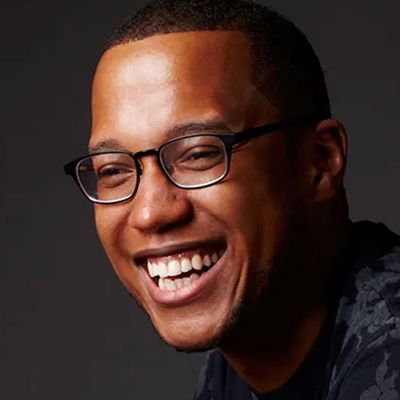
Branden Jacobs-Jenkins is a Pulitzer Prize and 2-time Tony award winning playwright and Vice President of the Dramatists Guild. He’s also the recipient of a MacArthur “genius” grant and too many other accolades to list in one episode!
The Dramatists Guild of America is the national, professional membership trade association of theatre writers including playwrights, composers, lyricists, and librettists, whose mission is to protect the economic, legal, and creative interests of professional writers in the American Theater. Visit www.dramatistsguild.com to learn more.
This podcast is supported by the Dramatists Guild Foundation (DGF), a national charity that fuels the future of American theater by supporting the writers who create it. DGF fosters playwrights, composers, lyricists, and librettists at all stages of their careers through educational programs; awards, grants, and stipends; free space to create new works; and emergency aid to writers in need of immediate support. DGF is a 2024 recipient of a Tony Honors for Excellence in the Theatre. By supporting and nurturing the creators of today, we protect the stories of tomorrow. Visit www.dgf.org or follow @DGFound to learn more about DGF's grants and programs or ways to donate.
Talkback is executive produced by Christine Toy Johnson and edited and recorded by Bruce Johnson. Our theme music is by Andrea Daly. Distributed by the Broadway Podcast Network.
Transcript
This transcript was automatically generated and might contain errors.
[0:01] Christine Toy Johnson: Welcome to Season 6 of the Dramatists Guild Presents TALKBACK, sponsored by the Dramatists Guild Foundation.
[0:15] Christine Toy Johnson: I'm your host, Christine Toy-Johnson. We're so happy to be back. This season is all about reinvention.
[0:23] Christine Toy Johnson: With so much change going on in our industry and our country, I wanted to sit down with some of my fellow writers who also serve on the Dramatists Guild Council and ask them about the many ways they're writing in and about the moment we're in.
[0:39] Christine Toy Johnson: I hope you'll be as inspired and fascinated by their responses as I've been.
[0:44] Christine Toy Johnson: In this two-part episode, I sit down with two of my fellow officers, Amanda Green and Branden Jacobs-Jenkins, for some real talk about how writers get paid or not, remembering what we offer to the field, and how we're aiming to reawaken the power of being together in community at the Guild.
[1:03] Christine Toy Johnson: Amanda Green is a two-time Tony-nominated lyricist, composer, and the first female president of the Dramatists Guild. Her Broadway shows include Mr. Saturday Night, Hands on a Hard Body, Bring It On, and High Fidelity.
[1:16] Christine Toy Johnson: Branden Jacobs-Jenkins is a Pulitzer Prize-winning, two-time Tony Award-winning playwright and vice president of the Dramatists Guild. He's also the recipient of the MacArthur Genius Grant and too many other accolades to mention in one episode. Here we go.
[1:31] Christine Toy Johnson: I'm so excited to be talking to the two of you today for the reboot of Talk Back.
[1:39] Amanda Green: Talk your back.
[1:40] Christine Toy Johnson: Thank you. Madam President Amanda Green is here, and Mr. Vice President Branden Jacobs-Jenkins.
[1:46] Branden Jacobs-Jenkins: Not a thing.
[1:47] Christine Toy Johnson: Unfortunately, Chris Diaz could not be with us today, but we will talk behind his back.
[1:52] Amanda Green: Excellent.
[1:53] Branden Jacobs-Jenkins: Excellent.
[1:54] Christine Toy Johnson: So, I wanted to start with talking amongst the officers of the Dramatists Guild, because we have been spending a lot of time, especially over the last year, six months, talking about our mission and how we can best serve writers and how we can best amplify the work that we want to do together.
[2:19] Christine Toy Johnson: And so, I wanted to start with just bringing up the question, why the Dramatists Guild? What does it mean to you? Words of inspiration, insight, whatever you want to say.
[2:33] Amanda Green: Well, I think the Dramatists Guild is so important because it's the only group that is us, that is theater writers looking out for the welfare and concern of other theater writers. That's our singular focus.
[2:50] Amanda Green: There are lots of organizations, you know, and there's Equity and there's SDC and there's BCEFA, who does fantastic work. But this is really about us looking after our professional interests.
[3:01] Amanda Green: And there's still so much that people don't realize about theater writers. The fact that, you know, I work, you know, working alongside directors who actually are shocked that we don't get a paycheck. And most people don't realize that writers aren't paid for their labor.
[3:21] Amanda Green: And, you know, there's a saying, they always said that as a theater writer, you can't make a living, but you can make a killing. And that's become almost obsolete as well. It's really hard to make any kind of living.
[3:36] Amanda Green: And it's almost impossible now to even make a killing, wouldn't you say?
[3:40] Branden Jacobs-Jenkins: I don't know anyone who's made a killing.
[3:42] Amanda Green: Yeah, we know Lin-Manuel Miranda who's made a killing and, you know, deservedly so. But that's a model that is not sustainable for most mortals.
[3:53] Amanda Green: And yet every year there's some sort of news event about how that's the highest grossing, you know, Broadway season in history. And that is not being reflected in the compensation to writers, honestly.
[4:06] Amanda Green: And probably a lot of people in the field, but definitely not writers. And I think people don't also realize how long it takes from the first idea, from writing the first word to the production. And then from there to seeing any kind of money.
[4:21] Branden Jacobs-Jenkins: Yeah, well, I think it's, I mean, we've sort of veered a little bit to talk about Broadway, which is like supposedly the Holy Grail, which is not true for many writers. But for those for who it is, it is kind of a fallacy that once you get there, you'll be making big bucks.
[4:39] Branden Jacobs-Jenkins: I, that has not been the case. I mean, I, you know, I've talked about my first, you know, seven years from my first Broadway show. And then like showing up at that first, you know, rehearsal and the stage manager passing out or the company manager passing out the checks and like walking by me.
[4:56] Branden Jacobs-Jenkins: And I was like, oh, wait, it doesn't start now. I thought it was now. And it doesn't. It actually, maybe it never starts for some people.
[5:04] Amanda Green: It maybe never starts.
[5:05] Branden Jacobs-Jenkins: Yeah, that show didn't do well.
[5:07] Amanda Green: You closed early.
[5:08] Branden Jacobs-Jenkins: We closed early.
[5:10] Amanda Green: You deferred payment.
[5:11] Branden Jacobs-Jenkins: You know, yeah.
[5:11] Amanda Green: Yeah, I got a tiny advance because it was my first show. I made no money, really no money. So Broadway is not a guarantee that you will make a living.
[5:19] Amanda Green: And I've honestly made more money off Broadway than, I mean, yeah. And this year, I mean, and I think that like in some ways I feel the industry trying to, everyone's saying it's a good time to do plays.
[5:32] Branden Jacobs-Jenkins: It's because all the producers have gotten onto the fact that there's actually been tremendous value created off Broadway and this like bumper crop of crap, this bumper crop of writers, you know, who do well very regionally.
[5:44] Amanda Green: If you look at sort of, even if you look at something like the Pulitzer Prize, you know, a substantial number of the last several didn't go to Broadway.
[5:52] Branden Jacobs-Jenkins: That's right.
[5:53] Amanda Green: If you look at the company booths, primary trust, if you look at the kind of American Theater magazine, it's like most produced plays, a lot of those are not Broadway plays, right? So actually a lot of playwrights stand to make money by not going to Broadway, which is a new idea, right, that no one's quite talking about.
[6:08] Christine Toy Johnson: Let's circle back to the first question about why the Dramatists Guild and how the Dramatists Guild continues to fight against exploitation of playwrights, even though we are talking about the truth of the pay structure. How else are you seeing the Guild?
[6:25] Branden Jacobs-Jenkins: Yeah, I mean, for me, the Guild has, I always call it like the watering hole. You know, I think that it's, I was drawn to the Guild and brought to the Guild by the great Marsha Norman, who is my teacher, because she had this saying that, you know, the only people who look out for writers are other writers.
[6:49] Branden Jacobs-Jenkins: I think that's the truth, honestly, throughout Universal League Knowledge. Not so Universal League Knowledge. But, you know, one of the major benefits of the Guild is actually putting generations of writers or writers of different stripes in conversation who would otherwise never have any interaction, right?
[7:08] Branden Jacobs-Jenkins: Like, we're not running into each other in our own rehearsal rooms, and yet that kind of knowledge sharing becomes really tremendous because we need to be able to ask the right questions of our collaborators, of our representation, and you're not going to learn that anywhere else.
[7:22] Branden Jacobs-Jenkins: You're not going to learn it by doing it, right? I think we're also very good at sort of self-education. I think that we have The Dramatist magazine, which I think does a very great job for a lot of people of really breaking down what a commission is, you know, demystifying things like money, like copyright, like relationships with directors, and that's what every writer needs, that kind of apprenticeship.
[7:44] Branden Jacobs-Jenkins: Like, I think all arts professions are ultimately apprenticeship professions, right? So I think that's something that we do very well.
[7:51] Amanda Green: Absolutely. And, I mean, it was founded to, you know, to stop the exploitation of writers. We didn't have copyrights. We didn't own our copyrights. Anyone who produced our show could slap their name on it and say they were co-writers.
[8:05] Amanda Green: And, I mean, it is one of the great things that keeps us all writing for the theater, even though it's such an infuriating thing, is that we own our words. We have dominion over our work. No one's allowed to change it. That is thanks to the Guild, and it's like it was a battle that was fought long ago, but it's a battle that is being fought every day still.
[8:28] Amanda Green: And as Branden said, like, we care about each other, and we care. You're so siloed as a writer because, you know, with actors, you're in a group, you're a thing. So it's a chance for us to get together and say, how's it going for you? What's happening over at your neck of the woods? And information sharing.
[8:46] Branden Jacobs-Jenkins: We really learn so much in community, and I think that's one of the things that the Guild was one of its greatest strengths. I mean, not only our council, but we do have a council of way too many people, so many people. But get us together in a room, and we can really learn from each other in a way that we don't.
[9:07] Branden Jacobs-Jenkins: Even people who have great agents and great lawyers, it's you and them, and this is us talking to each other.
[9:15] Amanda Green: Yeah, absolutely. I think that the community aspect is so important. I know we're talking about having more community conversations amongst people who are working in the same sectors and cities.
[9:29] Branden Jacobs-Jenkins: Affinity groups.
[9:30] Amanda Green: Yes, yes. Because, you know, Broadway, Off-Broadway, Lort, Off-Off-Broadway. There's theater across America. I mean, your plays are done all over America, and I've worked in various states.
[9:44] Amanda Green: But I mean, there's such a robust, vibrant theater scene, and everything's getting harder across the country. I think one of the hardest—I mean, I always talk about this in meetings, that I suspect that writers have been divorced from their identity as economic actors.
[9:59] Amanda Green: But we actually are the reason why people get jobs. I mean, it's because we sit down and do our work, that a designer has anything to design, a director has anything to direct, an actor has anything to act. It doesn't work the other way around, really.
[10:10] Branden Jacobs-Jenkins: And I also think that people forget that the theater has undergone such tremendous shifts in the last 30 years alone. I mean, look at what's happening with nonprofits. There's regional theaters. There's university theaters. There's youth theaters. There's what we do here in New York, our lovely hallowed ground.
[10:29] Amanda Green: There's a million ways to make a living as a theater artist that didn't exist however many years ago. And a lot of the contractual terms and language we have have not kept up with that evolution and explosion of different ways of doing.
[10:41] Branden Jacobs-Jenkins: And that's part of our work coming together, is trying to go like, OK, we need to refresh something. What are we refreshing? How does your rehearsal process work versus mine? And are you being exploited? Am I being exploited? How do we kind of like find common ground across these different kind of subgenres of the art form, you know?
[11:00] Amanda Green: Yeah, I think that that's so important to remind ourselves about the network that is national and why we gather so many people together.
[11:12] Christine Toy Johnson: What do you think are the biggest priorities that we need to be focusing on in terms of protecting our fellow writers right now? What's on the top of your list?
[11:30] Amanda Green: I think basically standard practices as they pertain to creative labor outside of sitting at our laptops and writing, what comes to our mind.
[11:43] Amanda Green: Our jobs are really multifaceted. We're managers. We're consultants. We don't get paid to be in auditions, actually, right? Though we want to be. In theory, we want to be part of auditions. But what does it mean that we're giving that courtesy and what's the power dynamic between myself and a producer and a director and a casting agent?
[12:02] Amanda Green: I think about, you know, there are some places that are kind enough to pay the fee for writers to be in rehearsals. I'd like to see that become a standard practice, because sometimes you're directing the show quietly, you know, depending on who you're working with. Sometimes you're meeting with a designer and you're fixing a design, and these are things that are not recognized as labor for us, but require expertise.
[12:31] Amanda Green: Let's talk a little bit about why we are not a union, because of the rights that actually we have to be there and to retain the rights to give the input and everything that we want to say.
[12:51] Amanda Green: Let's do positive and negative.
[12:53] Branden Jacobs-Jenkins: Right, I'm like, you take positive.
[12:56] Amanda Green: Yeah, okay.
[12:58] Amanda Green: I also want to announce that we are three Capricorns with birthdays within a couple of days of each other.
[13:09] Branden Jacobs-Jenkins: Which is why it works.
[13:10] Amanda Green: Which is why it works. And then Christopher Diaz on the other side of the ...
[13:13] Branden Jacobs-Jenkins: Is the yin to a very large yang.
[13:16] Amanda Green: Yes, exactly. So anyway, Amanda, why don't you tell us the positives of why we're not a union.
[13:24] Amanda Green: The positives are that the Guild fought for us to retain our copyrights and to have ... We have a Bill of Rights as writers, which affords us ... We have approvals over casting, over who directs our show, who's the sound designer, costume designer, lighting designer, et cetera. No one is allowed to change a word or a note or a lyric without our permission. And we have the right to be at rehearsals. It's such a different experience. Brandon has vast more experience working in film and TV, but the little I've done, it's just sort of like you write something and they go, we had 12 other people working on it. You're like, okay. And you get paid, but you have very little control over that. So the positives are that.
[14:16] Amanda Green: This last musical, Regency Girls, I've been working on for seven and a half years. But I had the experience of like, yeah, the show I thought of and me and my collaborators thought of is the show we saw on stage, which is like, whew. And that's a very satisfying experience that doesn't happen a lot in film and TV. And it really can't be underestimated that you do have the right to set your own value and set your own terms creatively with this. But you have to have the willpower to stand by that idea.
[14:49] Branden Jacobs-Jenkins: You do. It's a job.
[14:51] Amanda Green: It's a job. It's a job to remind people that your work is worth what it's worth.
[14:55] Branden Jacobs-Jenkins: The negatives of why we're not a union.
[15:00] Amanda Green: Yes. Primarily it's that we can't collectively bargain. So it's very difficult for us to, as a field, fight against price. What's the word I'm looking for here? The way that everyone's just underbid. In general, it's a practice of underbidding. It's very difficult to come together and talk about things like price fixing, which we would... I'm using the wrong words here. What's the phrase we're using?
[15:24] Branden Jacobs-Jenkins: Well, collective bargaining of going like, well, they made this so I can make...
[15:29] Amanda Green: Yes. Setting prices.
[15:30] Branden Jacobs-Jenkins: Setting minimums.
[15:31] Amanda Green: Setting fair minimums.
[15:32] Branden Jacobs-Jenkins: Yes. Setting minimums. And basically establishing best practices across the field when it comes to compensation. Because we operate with numbers that have not changed even to deal with the cost of living increases for the last decades.
[15:49] Amanda Green: I literally had to explain to my agent that a minimum now is not worth what it was 15 years ago. So I don't want to be told that I should be happy with that.
[16:00] Branden Jacobs-Jenkins: Also to piggyback on that, the reason why we can't collectively bargain is because we are technically business owners. That is the legal reason. And it's built on a fallacious argument that we are on the same par. We are business owners in the same way that producers of commercial producers are business owners. And we're just not. We are one person or at the most four people, but who don't have the money or the bargaining power. And so it's for that reason, we are hobbled from being able to collectively bargain.
[16:36] Amanda Green: And I would say, I'll acknowledge that one kind of complaint we hear a lot is like, why don't we have health insurance? And this has to do with not being in union and vice fellow writers.
[16:46] Branden Jacobs-Jenkins: If you're so great, why don't you get us health insurance?
[16:49] Amanda Green: I think people will say that with half of an understanding of something like the Writers Guild, but actually in a union, you pay a portion of your income into a health fund. That's how a union works. And if we ask ourselves why we don't have the health fund, it might be because we're not paid enough to sustain one. So it's a chicken and egg conversation. People are interested in health insurance. They should be asking themselves, well, how would I possibly contribute into one at the price points I'm making?
[17:14] Branden Jacobs-Jenkins: It's all about this idea of refreshing our idea of ourselves as economic actors. We participate in an economy. And a lot of us come to this because we love doing it. We're students of the theater. We made student work. We did university stuff. It was a fun thing to do. But then turning that corner into professionalism, we forget that actually there's a whole set of premiums here that needs to support that fun. And I think part of the job of the Guild is to kind of like activate that in people. And again, not fall into what, again, citing Marsha Norman, she would always talk about the grateful trap. That as an artist, you're asked to be grateful that someone's giving you a chance to basically exploit your work.
And at the end of the day, it's not about being grateful. It's about remembering that what you're doing is actually the thing adding value. And when you start from there, ask yourself what you deserve because you should be able to sustain your life on the work that you do like everyone else in the world. And it's very hard for playwrights and dramatists to do that.
[18:10] Amanda Green: Yeah. I remember there was one production that my collaborator and I were negotiating with the producer and everything was going okay until he said, oh, by the way, I'm not planning on giving you any royalties. And we said, what? No, I'll produce your play. So we said, that's not going to work for us. And then suddenly, then he said, oh, well, my passion for your piece has now changed. Like, really?
[18:44] Branden Jacobs-Jenkins: But I think it's worth talking that there's a whole class of producers who've been trained to try to exploit us that way. Like that's, he tried something.
[18:52] Amanda Green: It's like for the honor of you.
[18:54] Branden Jacobs-Jenkins: Yeah. But he knew that he should at least try to get you to cheat yourself. You know what I mean? That's the standard practice. And listen, I've seen a lot of, I've been on various boards and have friends in various places. And you see that a lot of these producers now are calculating their budgets based on not paying the writer, right?
[19:14] Amanda Green: Yes.
[19:15] Branden Jacobs-Jenkins: This is the standard.
[19:16] Amanda Green: Say more.
[19:17] Branden Jacobs-Jenkins: Meaning, I've seen decks for sheets for investments for Broadway shows where you look at what they expect to compensate the writer and it is minimums. They are telling investors that they're not going to pay more than minimums.
[19:33] Amanda Green: That's right.
[19:34] Branden Jacobs-Jenkins: So we're part, so the exploitation of writers is the, yeah, exactly. So, which did not exist in 19, whatever.
[19:40] Amanda Green: Maybe we should speak about what that is for the listener who might not know what that is.
[19:44] Branden Jacobs-Jenkins: I can't really speak. I mean,
[19:46] Amanda Green: I'm not, I'm not an expert on it, but I, all I, I,
[19:49] Branden Jacobs-Jenkins: It ain't good for writers.
[19:50] Amanda Green: It ain't good for writers. I will just say the, the, the general idea is that investors are, you're treated as an investor, the playwright, and the people who put money in are paid back before you see anything other than minimums. Even if you have written a big fat hit, which is a hit show, which is why when we say you can't make a killing these days, it is largely because of amortizations.
[20:20] Branden Jacobs-Jenkins: Right. So you actually, I think described it very well from what I understand too.
[20:25] Amanda Green: That's the end of that.
[20:26] Branden Jacobs-Jenkins: Yeah.
[20:27] Amanda Green: Yeah. But again, the exploitation of writers is being baked into the business models people are using to raise money. That to me is a real crime. Right. And we think about, you know, we think about the fact that producers expect to participate in the life of your work beyond its, it's producing, you know, ask yourself, well, where's, where, where do you make any money in these, in these scenarios? Right. We all know someone who's been, who's involved in a show that has made upwards of $50 million in its run and has been paid not even 1% of that. That's tough.
[21:03] Amanda Green: So let's talk about how, what, what we think we might be able to do to help shift the culture around that. And I, and also I have another question that you might be able to answer for me maybe.
[21:16] Branden Jacobs-Jenkins: Yeah. I mean, I think for me it's about acknowledging that people don't know what they don't know. Right. And it's our job to educate ourselves. We can't depend on our agents as lovely as they may be. We can't depend on the producers. We can't depend on directors. Right. There's no one else who understands honestly how we get compensated. You know, I, and so we have to do the work of asking ourselves, well, how do we get compensated? Where do we talk about money honestly with each other? I think we're trained to believe that we're somehow in competition with each other, but we all know that's not really true.
[21:46] Amanda Green: Right. Yeah. Because only you have written your play.
[21:50] Branden Jacobs-Jenkins: And even like literally people who I've been in competition with for shows, once they get the show or I get the show, it's done. The competition's over and then they're that person writing the show and I'm the person writing that show. And we are all, it's, I mean, that is really the great thing about the Guild is that we are here for the betterment of all writers. Like don't take this deal because you will screw a hundred other people who come after you. You know, so we are looking at contracts and making sure that they, that they will not exploit others, not only ourselves, but the other fellow playwrights.
[22:26] Amanda Green: That is something that I really think is important to think about, individualism versus collectivism. Because I think that we are obviously all singular people writing our own plays and trying to get our own work out there. But there is something about the power of collectivism and us standing together and knowing what we know about each other's work so that it can help us figure out how to help more people.
[22:56] Branden Jacobs-Jenkins: And the truth is that we should always be fighting to improve the possibility for livelihood in this field. You know, it's not just about what's, like you said, the contract I take is going to affect the contract because it's going to set a precedent for people, right? So what can you do to make, knowing how hard it was for you, it's been seven years making a musical, how do you help the person next to you have an easier seven years, right?
[23:21] Amanda Green: That's really the spirit, I think, of the Guild is we know, we are the only ones who know how hard it is to tell a story the way that we do, right? How much time it takes, the late nights. You know, if you really try, if you try to make an hourly wage.
[23:34] Branden Jacobs-Jenkins: Don't do it.
[23:35] Amanda Green: Don't do it.
[23:36] Branden Jacobs-Jenkins: Don't do it.
[23:37] Amanda Green: Don't do it.
[23:38] Branden Jacobs-Jenkins: You know, and we've all been in situations with a collaborator who wants to pitch a story idea and you're going like, you don't know what you're talking about, you know? But it's like, how do we really give that value and honor that thing that we've all dedicated so much time to understanding and learning?
[23:51] Branden Jacobs-Jenkins: I think also as information sharing, we can't collectively bargain, but the more you're aware of what's out there, the more power you have to ask for something that's obvious.
[24:05] Branden Jacobs-Jenkins: And the Dramatists Guild was founded by these writers who were just being totally taken advantage of, who just were audacious enough to say, no, I'm asking for this and I'm demanding this. And they were a group of writers. But if one person is brave, then that begets bravery begets bravery. Hearing of somebody who's like, I'm not going to have that in my contract. And you're like, oh shit, you asked for that? And you got that? You know, so... That's the point of being able to possess your own copyright. Is you have the right to establish the terms and value of your work. And people want to tell you, like, well, that's too expensive for the field, but who cares? Why would that be? Well, so, you know, the theory is that Amanda Green can write whatever she wants and go, I'm selling this for $1 million, right?
Now listen, market forces are what market forces are. Hello? Hello? You know, but in theory, that's the right of owning your own work. You should set the terms and value of it. People may not want to buy it, but that's your work. You decide. No one knows how you made it, but you, right? And I feel like what you'll encounter is people going like, that's absurd. I can pay Bobby Joe Bobby. Love their work. Love their work. For that exact musical. But we both know that those musicals are different musicals.
[25:36] Amanda Green: Yeah.
[25:36] Branden Jacobs-Jenkins: Right? So this is a very convoluted way of just saying, like, you know, what we get to say to our agents and to our producers, actually, I don't accept that contract. There's no standard here because my work is not standard. I own it. I set the terms of its value. And if you want this work, you have to do this. It gives you more negotiating power. Whereas at the union, you're really standardizing those things, right? You're saying like, well, all of you guys lift boxes. So that's the one skill set you got to offer as a union. Well, you all can lift boxes for the same price. You know?
[26:06] Amanda Green: We're going to make stationery that says, there is no standard because my work is not standard.
[26:12] Branden Jacobs-Jenkins: Basically, that's the point.
[26:14] Amanda Green: Love Branden. I think that's fantastic. Let's talk about all of the good things that are happening in the theater right now, because I do think that we're making plays right now is actually—
[26:27] Branden Jacobs-Jenkins: And musicals.
[26:28] Amanda Green: And musicals. Well, I'm using that as an umbrella. No, I'm using it as an umbrella. Present here.
[26:34] Branden Jacobs-Jenkins: I write musicals too.
[26:35] Amanda Green: Again, this one writes better.
[26:38] Branden Jacobs-Jenkins: But it seems almost an act of resistance to be making plays right now because I'm going to veer into the censorship discussion adjacent to this. Because I do feel like censorship is also something that we at the Guild have been fighting against since the dawn of the formation of the Guild. And that the DLDF, the Dramatists Legal Defense Fund, which is under our umbrella, is really working hard to stay abreast of the daily changes in the culture. So I wanted to talk about what changes you may or may not have seen that have to do with censorship in all forms. Because sometimes it might seem subtle. Sometimes it might seem like, well, we're just not programming plays like that, or we're not programming things about that subject. And it's not the definition of censorship, but it does feel to me like it is part of what's in the zeitgeist right now.
[27:52] Amanda Green: Yeah. I mean, I will say that I've had a number of meetings with artistic directors. And every time I meet an artistic director, I'm curious about what they're seeing and what they're thinking they have too much of, what they don't want to see. And I've had multiple artistic directors at this moment say to me, like, you know, I'm really tired of plays about identity politics, which is code.
[28:12] Branden Jacobs-Jenkins: Yes. Yes. Please elaborate.
[28:14] Amanda Green: It's just code, right? And what they're not being held accountable here for is their own choices in programming. Did you choose the plays and support the plays and give context to the plays that allowed your audiences to understand what was happening? Or did you throw up tokens and then did no work to like bridge the gulf between the artists and the audiences, right? And you created experience of alienation, which drove your ticket sales that, you know, it's like that kind of in. So now it's the people being punished for that or the artists making the work as opposed to the institution addressing its own kind of structural creakiness, its squeaky wheels, if you will. Right. But I don't love hearing that because I'm like, no, I think identity politics are not going away.
But what is it that you want to move forward aesthetically in the form? Like, what is it that you're how could these plays do better for you? Right. Why is it just that suddenly work about people of color is something you want to see less of? That's how it sounds.
[29:15] Branden Jacobs-Jenkins: Yeah. I mean, all theaters. You have, again, more much more experience. But some theaters are a bit more performative and they're like, OK, we did that. We didn't know what to do with it. Moving on. And then some theaters have embraced diversity and are doing really exciting.
[29:24] Amanda Green: Yeah.
[29:25] Branden Jacobs-Jenkins: Work by people, you know, just across the board and subjects that are across the board and cultures that across the board. And it's always, it's, you know, good work. It's just good work. And the truth is not all theaters are doing poorly. Theaters are doing well. There's a program. Well, actually, those theaters are programming quite diversely and always. Right. And what happens, though, is the theaters that don't do well blame the artists.
[29:56] Amanda Green: Yeah.
[29:56] Branden Jacobs-Jenkins: And not how they program. And then they do.
[30:00] Amanda Green: Yeah.
[30:00] Branden Jacobs-Jenkins: The same five plays. Right. So just reading describes that kind of culture that I think becomes even harder for artists to address. You know, have you had those conversations with people in your outside voice or have you have you know what I'm saying? When when you've heard.
[30:19] Amanda Green: Well, I well, you know, ask yourself how much it's worth it.
[30:24] Branden Jacobs-Jenkins: Yeah. Right. Yes. Sometimes they're old dogs and we know what they say about old dogs. I think that the other thing about theater, too, is it moves quite slowly. So people plan their seasons a year in advance. Right. So it's hard to name the trend until it's in front of you. Right. I'm telling you what I'm sensing happen based on these conversations. But it's not everyone I'm talking to. Right. But I'm shocked by how many meetings like that I've had in the last six months.
[30:44] Amanda Green: So, Branden, you have this musical Regency Girls, which you have also described often as the abortion musical.
[30:51] Branden Jacobs-Jenkins: Yes.
[30:51] Amanda Green: Yes. Not when I'm trying to sell tickets. But it's a musical about bodily autonomy and reproductive freedoms. And it's a comedy and it's fun. But yes. So I we just did it in San Diego at the Old Globe and I was like and Appropriate was playing there. And I you know, it was I was really heartened just by like Appropriate is playing that the audience was mostly older white people and they fucking loved Appropriate. And they you know, and and then we did this musical about, you know, a musical comedy about abortion and they fucking loved it, you know, and and some younger people. Okay, I don't know. And then there was, you know, there was a play by an Indian playwright being done after me. And it just was like, it was called it. I forget the name of it. The House of India. But just so I was like, there is an audience and people do like it because they I'm playing with the courts.
[31:56] Branden Jacobs-Jenkins: This is hands up. No, you're doing great. I love it. I love it. Because it's who you are. You're so passionate. I love it.
[32:05] Amanda Green: Anyway, so there is an audience and diverse audience. There's got to be a diverse audience. But you can teach some old dogs some new tricks because people love theater and they love good theater and it doesn't and a good story is a good story.
[32:21] Branden Jacobs-Jenkins: How big was the house for Regency Girls you remember?
[32:25] Amanda Green: How big like how big is the seating that it was in the same theater as Appropriate. So I think it was like 400 or 500.
[32:30] Branden Jacobs-Jenkins: Yeah, I always find it very funny. They were talking about rooms that only seat 400 people in cities with populations in the millions.
[32:35] Amanda Green: Yeah.
[32:35] Branden Jacobs-Jenkins: And everyone acts like there's not an audience. You know what I mean?
[32:40] Amanda Green: Yeah.
[32:40] Branden Jacobs-Jenkins: I'm like, yeah, I'm sure there's 400 people in your town that might want to see this musical. And yeah, and there's just always this illusion that we can't find the audiences. I'm like, how many people? I literally compared the theater size to the population of Wikipedia of the town. And I'm like, are you telling me nobody you cannot fill this seat with anyone in this town?
[33:00] Amanda Green: Well, that's what I was going to say. So I know we're all over the place, but I love it. But market.
[33:05] Branden Jacobs-Jenkins: No, it's true.
[33:05] Amanda Green: But marketing is, is everything. So if you're not marketing to if you, we've talked about this actually before in other seasons.
[33:12] Branden Jacobs-Jenkins: How are there no churches?
[33:15] Amanda Green: Every time there's a black play, they go to the black churches. Who are you thinking you really are trying to get into this theater? And based on what?
[33:26] Branden Jacobs-Jenkins: They tried to bring, they tried to make my actors who they, by the way, were told that they were not worth that $10,000 a month billboard in Times Square, that they should go to churches on their day off to advertise the show. And the actor said, no, because also that's such an old school tenured way. Like nobody as if people at church don't have Instagram as if they themselves are not being targeted on Facebook. You know, it was just like this weird, like, like fossil of an idea. And it's such an indicative, indicative, just, it indicates me like the brain drain of some of the marketing in our field. And honestly, I was in development too. I'll be honest, like, you know, I feel like the money for your show should not be raised by the playwright. If you have a staff of people who get, you know, five figures a year to fundraise.
[34:09] Branden Jacobs-Jenkins: So two things, two things we're going to talk about right now.
[34:18] Amanda Green: Okay.
[34:18] Branden Jacobs-Jenkins: No, two things we're going to talk about right now. We are going to get back to us having to fundraise for our own shows and bring what's it called? You know, enhancement money. But I do want to talk about marketing first. How have you interacted with the people who are doing marketing for your shows and has, do you have words of advice, insight for playwrights who are going to be talking to marketing how to best express what you want to see in the marketing?
[34:43] Amanda Green: I mean, get in there early, get in early. I mean, this is one of those moments where we really do need to call that bluff that we're producers, right? Because producers are in there early. You should be in that first meeting with your producer or theater and being like, what's the plan? You know, because the thing about marketing is if it's too late, it's just too late, you know, and there's nothing that such thing as too early. I think you should be looking, you should be studying the marketing of other places and how that theater already markets, you know, look at how they announce their season, look at the key art they've done in the past. Is it really servicing those plays if you happen to know those plays?
Talk to other writers who've been there. I think that you have to really, it's not okay to go to a meeting and just be kind of a bitch. I think you want to be an informed bitch. And so the work you have to do is to prep for those meetings and say, you did this. Was it successful? You did this. It wasn't successful. Why? How do we avoid that now? Because the truth is people forget that for you, this is something you've worked on for three years and it's hopefully the flowering of this great long process. But for these people who work on these theaters, it's one of six things they got to do this year, you know, and that helps you both respect that thing, but also figure out where the pressure points are. So once you're done, there's gonna be another poster design. There's gonna be another show to market, you know, and how do you help be a part of their flow?
[36:08] Amanda Green: Welcome back to the show! We're excited to dive into the topic of money today.
[36:38] Branden Jacobs-Jenkins: Yes, it's such an important conversation, especially for writers in our industry.
[37:08] Amanda Green: Absolutely. We often find ourselves navigating financial challenges that aren't always discussed openly.
[37:38] Branden Jacobs-Jenkins: Right, and I think it's crucial for us to share our experiences and insights on this.
[37:48] Amanda Green: One of the things we need to address is how writers are compensated, especially on Broadway.
[37:58] Branden Jacobs-Jenkins: Yes, the minimums that are set can sometimes feel inadequate for the work we do.
[38:08] Amanda Green: It's important to remember what we bring to the table as creators and how that value is recognized.
[38:18] Branden Jacobs-Jenkins: And we need to renew our approach to marketing ourselves and our work.
[38:28] Amanda Green: Exactly! It's about reawakening to the power of community and supporting one another in this journey.
[38:38] Branden Jacobs-Jenkins: I think we can learn a lot from each other's experiences and strategies.
[38:48] Amanda Green: Definitely. Sharing resources and knowledge can help us all thrive.
[38:58] Branden Jacobs-Jenkins: And it's also about advocating for ourselves and our worth in the industry.
[39:08] Amanda Green: Yes, we have to be vocal about what we need and deserve.
[39:18] Branden Jacobs-Jenkins: It's a collective effort, and we need to stand together.
[39:28] Amanda Green: Absolutely. The more we talk about these issues, the more awareness we create.
[39:38] Branden Jacobs-Jenkins: And that awareness can lead to real change in how writers are treated and compensated.
[39:48] Amanda Green: Right, and it's about building a sustainable future for all of us in the theater community.
[39:58] Branden Jacobs-Jenkins: Yes, and that starts with open conversations like this one.
[40:08] Amanda Green: I'm glad we're having this discussion, and I hope it encourages others to join in.
[40:18] Branden Jacobs-Jenkins: Me too! It's time for us to take charge of our narratives.
[40:28] Amanda Green: Exactly! We have the power to shape the future of theater.
[40:38] Branden Jacobs-Jenkins: And that includes advocating for better financial practices and support systems.
[40:48] Amanda Green: Yes, let's keep pushing for what we need to succeed.
[40:58] Branden Jacobs-Jenkins: Together, we can create a more equitable landscape for all writers.
[41:08] Amanda Green: Absolutely! It's all about collaboration and community.
[41:18] Branden Jacobs-Jenkins: And reminding ourselves of the value we bring to the industry.
[41:28] Amanda Green: Yes, we are essential to the storytelling process.
[41:38] Branden Jacobs-Jenkins: And we deserve to be compensated fairly for our contributions.
[41:48] Amanda Green: That's right! Let's keep this conversation going and inspire change.
[41:58] Branden Jacobs-Jenkins: I'm all for it! Thank you for leading this important discussion.
[42:08] Amanda Green: Thank you for being a part of it, Branden. It's great to have you here.
[42:18] Branden Jacobs-Jenkins: It's a pleasure to be here and share these thoughts with everyone.
[42:28] Amanda Green: Let's continue to support each other as we navigate these challenges.
[42:38] Branden Jacobs-Jenkins: Yes, together we can make a difference.
[42:48] Amanda Green: Thank you to everyone listening, and we hope you find this conversation valuable.
[42:58] Branden Jacobs-Jenkins: Absolutely! Let's keep the dialogue open and ongoing.
[43:08] Amanda Green: Thank you so much to all our guests this season. This podcast is sponsored by the Dramatists Guild Foundation,
[43:18] Amanda Green: a non-profit organization that fosters playwrights, composers, lyricists, and librettists at all stages of their careers.
[43:28] Amanda Green: DGF supports these writers with financial grants, free space to create new works, and career resources and programs.
[43:38] Amanda Green: If you are a dramatist seeking support, or are a lover of theater who wants to support the future of storytelling,
[43:48] Amanda Green: visit dgf.org or follow at dgfound to learn more.
[43:58] Amanda Green: Talkback is executive produced by me, Christine Toy Johnson, and edited and recorded by Bruce Johnson.
[44:08] Amanda Green: Our music is by Andrea Daly. As always, to be continued.
© Broadway Podcast Network, All Rights Reserved