

There isn’t a theatre choreographer more associated with their own unique style than Bob Fosse. The infamous Oscar-, Emmy- and Tony-winning director and choreographer created his own signature technique that distinguished shows like Chicago, Pippin, and Damn Yankees into dance masterpieces... Read More
From the show: The Ensemblist
Guests
Featured Shows
About
There isn’t a theatre choreographer more associated with their own unique style than Bob Fosse. The infamous Oscar-, Emmy- and Tony-winning director and choreographer created his own signature technique that distinguished shows like Chicago, Pippin, and Damn Yankees into dance masterpieces. This April, FX launches a new limited television series Fosse/Verdon, based on the 2013 biography by Sam Wesson with a focus on his marriage and collaboration with Gwen Verdon.
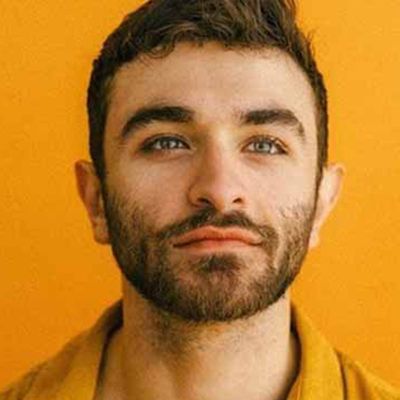
In the third episode of the F/X Fosse/Verdon miniseries, the episode’s primary musical moment does not celebrate Fosse at all. It is a flashback sequence where a young Gwen Verdon, working as a reviewer for the Hollywood Bugle, first sees the work of seminal choreographer Jack Cole. Performing in a nightclub as Cole’s dancers are Eliza Ohman, Adrian Lee, Reed Luplau, Ryan Steele and my guest for this episode, Ricky Ubeda.
Ricky Ubeda made his Broadway debut in the Broadway revivals of On The Town, which he joined just after winning the 11th season of television’s So You Think You Can Dance. Since then, he’s become a mainstay of the Broadway stage, playing Mistoffelees in the revival of Cats and in the revival Carousel choreographed by Justin Peck.
Transcript
This transcript was automatically generated and might contain errors.
[0:01] Mo Brady: This episode is brought to you by our friends at Actors Connection, a professional development home for actors at all levels of their careers. Check out their website at actorsconnection.com to register for a free seminar, learn more about their self-tape services, or sign up for a completely free one-on-one program consultation.
[0:20] Mo Brady: And guys, since Actors Connection is such a big fan of The Ensemblist, they have given us an exclusive discount code for our listeners. So you can use this code, it's ENSEMBL15 at checkout for 15% off of your next purchase of a class or intensive. Honestly, Actors Connection is a great place to hone your craft, build your business mindset, and connect with both peers and industry guests. So give it a try. What have you got to lose?
[0:46] Mo Brady: You're listening to Fosse & Verdon from The Ensemblist, the only podcast that shows you Broadway from the inside out. Welcome, I'm Mo Brady. This month, FX launched a new limited television series, Fosse-Verdon, based on the 2013 biography by Sam Wasson, with a focus on his marriage and collaboration with Gwen Verdon. There isn't a theater choreographer more associated with their own unique style than Bob Fosse, and much of that work was created with and fueled by his relationship with Gwen Verdon. This spring, The Ensemblist is speaking to some of the artists with Broadway cred who helped make the series possible.
[1:36] Mo Brady: The third episode of the television miniseries begins with a dream sequence for Fosse as six dancers parade him through an office hallway on his way to begin the editing process for the film of Cabaret. While we see moments of the movies Mine Hair and Two Ladies on the editing bay monitor, the episode's primary musical moment does not celebrate Fosse at all. In fact, it is a flashback sequence where a young Gwen Verdon, working to review for The Hollywood Bugle, first sees the work of seminal choreographer Jack Cole. Jack Cole was a legendary jazz dance pioneer. He really kind of was the father of 20th century jazz.
[2:15] Mo Brady: And a lot of Broadway's most famous choreographers of the 60s and 70s, Jerome Robbins, Bob Fosse, took Jack Cole's style and adapted it for their own work. Jack Cole was a Broadway choreographer. He choreographed numerous Broadway shows, including the original production of Man of La Mancha and A Funny Thing Happened on the Way to the Forum. But he got his start really working in nightclubs. And that's what we get to see in this episode of Fosse Verdon. Performing in this nightclub as a quintet of Cole's dancers are Eliza Omen, Adrian Lee, Reed Luplow, Ryan Steele, and my guest for this episode, Ricky Ubeda.
[2:55] Mo Brady: Ricky made his Broadway debut in the revival of On the Town, which he joined just after winning the 11th season of television's So You Think You Can Dance. Since then, he's become a mainstay of the Broadway stage, playing Mistoffelees in the revival of Cats and working on Carousel choreographed by Justin Peck. Here's our conversation.
[3:23] Mo Brady: Hi, Ricky.
[3:24] Ricky Ubeda: Hi.
[3:25] Mo Brady: Will you introduce yourself and tell us what you did on Fosse Verdon?
[3:28] Ricky Ubeda: My name is Ricky Ubeda, and I was one of Jack Cole's dancers in that sequence.
[3:34] Mo Brady: So tell me about your relationship to both Fosse or Jack Cole.
[3:39] Ricky Ubeda: Sure. I mean, it's funny because I feel like there's like a tier, right? There's like a tree. It's like Jack Cole, and then it's like Fosse and Jerry Robbins, and they all stem from that. And then now I feel like Andy and all these people stem from that. So I feel like I didn't know that much about Jack Cole, actually. I know that he's kind of like the godfather of jazz. He sort of really did sort of the roots of where all of this that we're doing now in theater and on Broadway comes from. And then as far as Fosse, I've never actually done any of his work, but I mean, I'm obsessed with Steam Heat. I'm obsessed with watching people who can do it really, really well. And funny enough that I worked on Fosse, I didn't have to do anything Fosse-related.
[4:23] Ricky Ubeda: I know. I knew you were on the series, but then only when I watched the episode, I was like, well, he's not doing Fosse at all! I'm not even doing Fosse. I was like, I'm booked on Fosse, and I'm not doing Fosse, anything Fosse-related at all. But it's a great scene.
[4:36] Mo Brady: Yeah. Tell me about the first time you heard about the series and going in for it.
[4:42] Ricky Ubeda: Okay. Well, I was actually working with Andy on A to Bet. We were workshopping another show that he's writing, and they announced sort of that he was involved in the new Fosse series. And then the audition didn't come around until months later. And then I actually don't remember the initial call that well, but I remember very, very vividly the final callback. It was one of those days where you feel like the audition was almost more fruitful than actually getting the job. I feel like it's like an Andy staple. Andy loves to do this thing where he calls back everyone that's left in consideration for anything.
[5:23] Ricky Ubeda: Seventy people maybe left, or sixty, I don't even know. And it was definitely a fire hazard, for sure. I was like, if this building goes down, half of Broadway is going to miss it. Oh my gosh! Yeah. But he had everyone that was left, and we just danced. We did everything that we had learned and all of the audition rep that we had learned. Two combos with Andy, and everyone just kind of went in really small groups, and everyone was just giving picture-perfect Broadway audition. Everyone was like, you were like, I am in this room with the best dancers in New York City right now. I'm a part of this. And you just would go out there, and everyone was so supportive, and everyone was giving it just 200%. It was really wild. That was one of my favorite audition experiences actually ever.
[6:05] Mo Brady: And then you found out, they said, okay, we want you, and we want you for this scene.
[6:10] Ricky Ubeda: Yeah. It was kind of – I don't really know how TV film works, but there's – No one really understands that. I feel like there's just always a million moving parts. There's so many cooks. I think I first heard, like, you will be doing something. I think Andy had me in mind for that. And then sort of as time kind of went along, they were like, you'll be doing a Jack Cole dance sequence. I was like, oh, fun. I feel like that's something that Andy will choreograph, which is actually something I feel excited to collaborate with him on that. And then it wasn't until like a few weeks before that they were like, this is actually what you're doing, and this is actually the day you need to come in, and this is actually the day you're shooting. But it was like all very kind of last minute finding out exactly what you're doing. I feel like anyone who booked it was kind of like, I'm doing something on it, and they're just going to let me know.
[6:56] Mo Brady: So was it really three days, costumes, rehearsal, performance?
[7:00] Ricky Ubeda: That's not what you call it in television, but – You know it.
[7:04] Mo Brady: Okay.
[7:05] Ricky Ubeda: I don't really remember how the – oh, fitting?
[7:07] Mo Brady: Yeah.
[7:08] Ricky Ubeda: We had like one day random fitting, and then we did one day rehearsal and one day shooting.
[7:13] Mo Brady: That is so fast.
[7:15] Ricky Ubeda: It really was so quick.
[7:17] Mo Brady: I didn't realize that. And was Andy – did Andy choreograph this Jack Cole?
[7:21] Ricky Ubeda: Yeah. So it's kind of like Andy's – it's like Andy's version of Jack Cole stuff. When we were like in the scene, we are Jack Cole's company. He knew that he kind of had to get it – I feel like he hired – he was like five people who I've worked with before, and he was like, we put it together, and it was – oh, it was also the audition material, a lot of it.
[7:39] Ricky Ubeda: Andy's audition material. So we kind of threw it together. We didn't throw it together. We put it together and then yeah. And Andy wasn't even at our shoot because he was doing Cats? He was doing the Cats movie. So he was like in town for the day. We had like a four or five hour rehearsal. We like put it together. He was like, looks great. Susie Meisner, pop in the Chicago movie as we like to refer to her. We were just all like geeking out. We were like, she was pop in the movie. And we had pop and Marianne. How much choreography did you do? It was like two minutes. You know, we started these tables in the scene and we like smoke these like herbal cigarettes that like, I don't know if you like know this, but like in SAG or whatever contract, they like have to come light the cigarette for it.
Like, like come take a cigarette from you. They like put it in this little contraption. They like light it. Everything stops with lighting of the cigarettes before like the scene can start. So like every time we would do it, they would have to like relight the cigarettes until like a full 10 minutes to go to like each boy one by one. Oh my gosh. And they like, they were terrible also. But you only have them for a moment, right? We only had them for a moment, but like they want us like, they're like, okay, take a drag, like let it out and then go dance. And you're like, this is not ideal because you do like, you're like, take a, none of us smoke. Even if it is an herbal cigarette, it's like smoke in your mouth.
And then you were like trying to like act and like feel cool with like these extras who are sitting at these tables, watching you dance. And you're like, yeah, like I'm smoking this herbal cigarette and now I'm going to do these moves, but it really did feel a lot less cool than it probably looks.
[9:11] Ricky Ubeda: So you choreographed it to the number that you, that it was performed to? Yes. Okay. Yeah. Because Sing Sing Sing has so many like kind of like interesting roles and like interesting things with the music. Okay. So it was really choreographed for that music. Yeah. Lots of, lots of like classic Andy Blank and Buehler musicality. That's very difficult. So yeah, it was to Sing Sing Sing. Awesome. And how much time did you get to do all of like the lifts and the? Yeah, we sort of like got to, we got to the space and we sort of had time to like space it out in the, and sort of feel like what our shoes felt like in the space. What like, where we sort of had to like start and do certain things. And we did do a lot of like pickup shots.
So we did like a lot of like, there's like a big list where she like, we like spin with her and all of us. So we had to do that sort of like picked up on like a million different angles on a million different cameras. And that was sort of the whole day because the number is not long, but it did take like a full day, very early morning to nighttime to sort of get the whole number shot in the way that it sort of needs to be like from all interesting. And they like the people behind the camera definitely knew how to capture dance, which was also super exciting. And then they really took their time to sort of get sort of everything that they wanted from it.
[10:19] Ricky Ubeda: And when they were putting it together, was it like we want this kind of shot here? And we want this kind of shot there? Or were they just kind of taking? I feel like he had to sort of he wasn't going to be there. So and like, he's not the DP. And he also like so he kind of had to like let it and so he had to like trust that Susie and Miriam would sort of let them know what Andy's vision was. And I think they did that pretty well. What was the most challenging part of the shoot? Probably the most challenging part is break. They do need breaks like they're okay, they know that they want this one angle, right? So they're like, we're going to shoot this we got it, we're going to do it a few like 10 this one section, like 10 times in a row, and we're going to shoot it really well.
Then they're like, they have to kind of gather themselves and feel like how what is the next setup we want, we have to set up this giant crane, or we have to do like another setup for another shot takes a lot of time. So then they put us on break and we get cold. And we sort of like eat or whatever eat cronuts. That's what I was doing. Because they have that at craft services. And then you have to just like whenever they're ready, they're gonna just like, okay, we're ready. Now you kind of have to just like jump back into it, which is I think is pretty difficult for any dancer.
[11:21] Ricky Ubeda: What are some other differences between for TV film and dancing on stage? It was interesting because we did have like a we had a live audience per se, because we had like so many extras. So it did feel there was a big piece of it that felt like it was a live performance because there was like so many eyes on you that are just like, we had spectators in the scene. We were performing we were performing live in the scene. So it almost did feel like a live performance. Watching the episode so much of what we see at home is from the perspective of young Gwen Verdon. Like we're sort of seeing her they're cutting away to her there. We're like seeing your dance through her eyes. Did you interact much with that actor at all?
No, we didn't actually get to talk to her at all. They sort of shot her scenes totally separate from what we were doing. And she was just like at that table the whole time that we were dancing. So we didn't get to interact with her a lot. But it was interesting to know sort of where we fit in in the story. So like she I had no idea that Gwen Verdon had any relation to Jack Cole at all. Or that's how she like or she that she was associated with Jack Cole before she was associated with Fosse. And I didn't know that. So it's interesting to feel like where we were where we were placed in history and that like she came to review us because she was with someone who was a reviewer and he was she was sent there.
I think I'm getting this right. Yeah, we were sent there to review this piece. And that's sort of how she got associated with Jack, which there gets her associated with Fosse. So it was really cool to know.
[12:47] Ricky Ubeda: How much of a script did you get? Like, did you get a script at all? No script, no script. We truly knew nothing. Which was I mean, we knew when we got like we knew what the context of our piece was. But like as far as like what else was happening in our episode or like what was like how it was nothing. We just kind of got no other information besides like what it was that we were doing that day. So fascinating. Yeah. And where did you film? We filmed at Grand Prospect Hall in Brooklyn. It's just like beautiful vintage like almost like banquet hall. Apparently there was like this memorable commercial on New York on New York one. Yeah, yeah, yeah. We make our we make your dreams come true. That is correct.
So I had no idea. I had to look it up on YouTube. It's like everyone was there was like this the Grand Prospect. This is that commercial and I was like, I don't have any idea what that is because I don't have cable. We were on location and they had built a sort of they built that whole set with inside the banquet hall like all the the bandstand and like the palm trees and all like the tables that was all built into there.
[13:48] Ricky Ubeda: What was your favorite thing about working on the show? However brief that time was. I loved coming together with the with the group that we had because it was it was a really special group. I feel like they assembled people that I don't think any of us had worked together in a while and it was really special to get moment with them filming something that was something that we I don't think any of us were used to. It's like we're used to being like live performers like performing on Broadway and doing all these things. So for us to have this like really special like TV film experience together and sort of like go through the paces of what that was and learn all that together, I think was my favorite part.
[14:31] Mo Brady: Special thanks to Ricky Ubeda for sharing his stories with us this week. You can learn more about him and how to connect with him online by visiting our website, theensemblist.com. The Ensemblist was produced today by me, Mo Brady. You can help others find out about The Ensemblist and this miniseries Fosse and Verdon by leaving us a rating and review on Apple Podcasts. You can also download episodes wherever you listen to podcasts or at theensemblist.com. Follow The Ensemblist on Instagram to see our latest post from our website, where we are sharing the stories of talented artists working in Broadway ensembles. Thanks for listening, guys. Until next time.
© Broadway Podcast Network, All Rights Reserved