

We’re revisiting our 2015 interview with Krysta Rodriguez. In 2006, Krysta performed in the ensemble of the original Broadway production of Spring Awakening, understudying four principal roles. 9 years later, she took on Ilse, one of the roles she previously understudied, in the show’s Broadway revival... Read More
From the show: The Ensemblist
Guests

Featured Shows
About
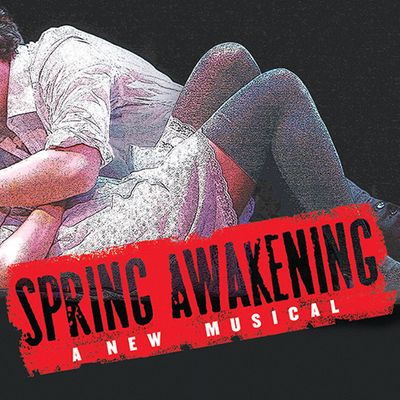
We’re revisiting our 2015 interview with Krysta Rodriguez. In 2006, Krysta performed in the ensemble of the original Broadway production of Spring Awakening, understudying four principal roles. 9 years later, she took on Ilse, one of the roles she previously understudied, in the show’s Broadway revival. In our conversation, Krysta chats all about how the two productions differed, why she wanted to revisit the material, and how she approached the role differently her second time around.
Transcript
This transcript was automatically generated and might contain errors.
[0:01] Jackson Klein: You're listening to The Ensemblist, the only podcast that shows you Broadway from the inside out. Welcome, I'm Jackson Klein.
[0:14] Jackson Klein: This month, we're digging deep into The Ensemblist archives to share highlights from some of our favorite interviews from our early days.
[0:26] Jackson Klein: On this episode, we're revisiting our 2015 interview with Krysta Rodriguez. In 2006, Krysta performed in the ensemble of the original Broadway production of Spring Awakening, understudying four principal roles.
[0:39] Jackson Klein: Nine years later, she took on Ilsa, one of the roles she previously understudied in the show's Broadway revival.
[0:46] Jackson Klein: In our conversation, Krysta chats all about how the two productions differed, why she wanted to revisit the material, and how she approached the role differently her second time around. Here's our conversation.
[0:58] Krysta Rodriguez: Hi, I'm Krysta Rodriguez, and I live in Chelsea, and will for the rest of my days.
[1:24] Krysta Rodriguez: I was in the original company of Spring Awakening on Broadway in 2006, and opened that show, and never thought I would come back, and here I am in 2015 playing Ilsa in the revival with Deaf West.
[1:37] Krysta Rodriguez: My original revival experience was Chorus Line, and that was more of a direct kind of representation of the original, and was put on by the same people, some of the same people, and was very much true to that version.
[1:56] Krysta Rodriguez: This version of Spring Awakening is almost entirely different from the first one, while still maintaining the themes of communication and the vital importance of empathy and understanding where people come from for the good of our society.
[2:13] Krysta Rodriguez: I think that theme drives home now maybe even more than the first time, but it's still the central theme of the show, and we've added an entirely new language, so it's almost comparable to saying we're going to do Oklahoma in French.
[2:28] Krysta Rodriguez: We just said we're going to do this show in two different languages and see what comes of it.
[2:34] Krysta Rodriguez: I think it's very nostalgic for the people who liked the show the first time around, and it hasn't been that long. It's been less than a decade, particularly since it closed, so people were saying, is this too soon?
[2:48] Krysta Rodriguez: In other circumstances, yes, I think it would be too soon for a revival of the show, but it's such a different version and brings such a different meaning to it. Without changing a single word, we didn't change a single word of the show.
[3:03] Krysta Rodriguez: Some of it feels very much the same. You know, there's some things you can't really step away from now. We're not setting this in an insane asylum. We're setting it in 1891 Germany, just like the first one.
[3:22] Krysta Rodriguez: So the period is sort of the same. The boys wear their school uniforms through most of the show. We've added some fun touches as the time goes on. We mark the seasons in this production more than we did in the last one, where a coat will be added or a little hat, and I think it shows personality a little bit, so that sort of has changed.
[3:42] Krysta Rodriguez: And I think one of the biggest adjustments, well, aside from the fact that we have four adults instead of two adults, so that also allows for a little more clarity of who the adults are playing, and they change costumes, whereas they didn't in the first one.
[3:58] Krysta Rodriguez: I think, if I could say, Ilsa is one of the biggest changes from the original production, the character that I play. She has an entirely different motivation this time around. As before, she was sort of this fairy nymph that was living in the forest somewhat, and while she had a very tragic life, she still had a crisp white men's shirt on and carried a bouquet of flowers,
[4:27] Krysta Rodriguez: whereas this time she has literally just escaped from being in a very life-threatening situation and has decided to come home. And so what does it take for a girl who left a situation where she was being molested by her family, like a member of her family, what does it take to bring her back, and what must she have been through?
[4:54] Krysta Rodriguez: So she's much more beaten down, much more kind of insane. So it's fun and draining to play, and she has more of an arc of where she has been and where she's going and where she becomes and how she integrates back into society, and so I think that's been a huge difference. But then, of course, the sign language is also very different.
[5:18] Krysta Rodriguez: In the original production, we had a very small cast, and that was really special. I think there was 11 onstage, and then we had the four ensemble members who I played. We were dressed in modern clothes, and there was seating onstage in the original production, and we entered as the audience. We had fake tickets, we gave them to ushers, we were seated in our seats.
[5:43] Krysta Rodriguez: And then about a third of the way through the first act, we would reveal ourselves as part of the show and pull microphones out of our clothes, because that was sort of a trope of the first version where microphones would appear from places.
[5:55] Krysta Rodriguez: It was sort of a mirrored image of this period drama, and then when they needed to express themselves where they were being told they couldn't express themselves in a way, they would flip into modern rock stars as if this was their chance to get their emotions out like they were singing alone in their bedroom to the mirror. So that was sort of the concept.
[6:17] Krysta Rodriguez: So in that original one, it was sort of the extra cast members, I would say the ensemble, added a level of this is not just what was happening then, this is also what's happening now, and how far we've come, and yet not far at all.
[6:32] Krysta Rodriguez: In those parents talking to their children, and the open communication about things that everyone goes through, which is puberty and going through the exploration of their bodies. So that's what the original sort of meant, and the cast members, that's the function that they played.
[6:50] Krysta Rodriguez: In this version, we still have that communication breakdown, but it really is heightened because the characters are deaf. And in past Deaf West productions, they've done more conceptual staging, where it's just been two people might play a character, but the character is not deaf.
[7:12] Krysta Rodriguez: They made very specific choices about who was going to be deaf. So if the character is deaf, they also need a singing, signing counterpart. So that adds almost double the cast that we had before. And those people are in modern clothes because they represent the rock star that the person cannot be, the person in the mirror. We literally start the show at opposite sides of the mirror.
[7:34] Krysta Rodriguez: So it still has that feeling, we've just had to add more people to accomplish the same thing. So where I play a character that is not deaf, so I sign and sing simultaneously and speak on my own, as if I was interacting with deaf people, deaf characters, but I also have to be careful because I can hear the voice, but she wouldn't hear the voice in the reality of the show.
[8:02] Krysta Rodriguez: So you have to really be watching only the person that you are physically doing the scene with. And then you're still interacting with that other person because they are giving you the emotion, but you can't turn around and still know what the person you're doing the scene with is saying.
[8:17] Krysta Rodriguez: Well, in the original, the Moritz and Ilse scene, which basically starts the second act, was performed entirely at microphones on a stand and only facing out. They never looked at each other the entire scene.
[8:39] Krysta Rodriguez: So there was no staging. So when I would go on for it, you would walk on, stand at a microphone facing the audience, and leave at the end of the scene. So by the mere fact that Ilse has to take a step to the left or to the right, the entire thing was different. And then let alone add the fact that she is now signing.
[9:21] The Ensemblist & Broadway Podcast Network: The Ensemblist & Broadway Podcast Network is a production of the Broadway Podcast Network LLC. Every Wednesday night at 8 p.m. ET, The Ensemblist & Broadway Podcast Network.
[10:02] The Ensemblist & Broadway Podcast Network: The Ensemblist & Broadway Podcast Network is a production of the Broadway Podcast Network LLC. Every Wednesday night at 8 p.m. ET, The Ensemblist & Broadway Podcast Network.
[10:43] The Ensemblist & Broadway Podcast Network: The Ensemblist & Broadway Podcast Network is a production of the Broadway Podcast Network LLC. Every Wednesday night at 8 p.m. ET, The Ensemblist & Broadway Podcast Network.
[11:24] The Ensemblist & Broadway Podcast Network: The Ensemblist & Broadway Podcast Network is a production of the Broadway Podcast Network LLC. Every Wednesday night at 8 p.m. ET, The Ensemblist & Broadway Podcast Network.
[12:28] The Ensemblist & Broadway Podcast Network: The Ensemblist & Broadway Podcast Network is a production of the Broadway Podcast Network LLC. Every Wednesday night at 8 p.m. ET, The Ensemblist & Broadway Podcast Network.
[13:18] The Ensemblist & Broadway Podcast Network: The Ensemblist & Broadway Podcast Network is a production of the Broadway Podcast Network LLC. Every Wednesday night at 8 p.m. ET, The Ensemblist & Broadway Podcast Network.
[14:08] The Ensemblist & Broadway Podcast Network: The Ensemblist & Broadway Podcast Network is a production of the Broadway Podcast Network LLC. Every Wednesday night at 8 p.m. ET, The Ensemblist & Broadway Podcast Network.
[14:48] The Ensemblist & Broadway Podcast Network: The Ensemblist & Broadway Podcast Network is a production of the Broadway Podcast Network LLC. Every Wednesday night at 8 p.m. ET, The Ensemblist & Broadway Podcast Network.
[15:38] The Ensemblist & Broadway Podcast Network: The Ensemblist & Broadway Podcast Network is a production of the Broadway Podcast Network LLC. Every Wednesday night at 8 p.m. ET, The Ensemblist & Broadway Podcast Network.
[16:08] The Ensemblist & Broadway Podcast Network: The Ensemblist & Broadway Podcast Network is a production of the Broadway Podcast Network LLC. Every Wednesday night at 8 p.m. ET, The Ensemblist & Broadway Podcast Network.
[16:28] The Ensemblist & Broadway Podcast Network: The Ensemblist & Broadway Podcast Network is a production of the Broadway Podcast Network LLC. Every Wednesday night at 8 p.m. ET, The Ensemblist & Broadway Podcast Network.
[17:08] The Ensemblist & Broadway Podcast Network: The Ensemblist & Broadway Podcast Network is a production of the Broadway Podcast Network LLC. Every Wednesday night at 8 p.m. ET, The Ensemblist & Broadway Podcast Network.
[17:28] The Ensemblist & Broadway Podcast Network: The Ensemblist & Broadway Podcast Network is a production of the Broadway Podcast Network LLC. Every Wednesday night at 8 p.m. ET, The Ensemblist & Broadway Podcast Network.
[17:48] The Ensemblist & Broadway Podcast Network: The Ensemblist & Broadway Podcast Network is a production of the Broadway Podcast Network LLC. Every Wednesday night at 8 p.m. ET, The Ensemblist & Broadway Podcast Network.
[18:08] The Ensemblist & Broadway Podcast Network: The Ensemblist & Broadway Podcast Network is a production of the Broadway Podcast Network LLC. Every Wednesday night at 8 p.m. ET, The Ensemblist & Broadway Podcast Network.
© Broadway Podcast Network, All Rights Reserved