

Today, we celebrate the Broadway sensation Ain’t Too Proud: The Life and Times of the Temptations. The shows follows the Temptations journey from the streets of Detroit to the Rock n Roll hall of fame... Read More
From the show: The Ensemblist
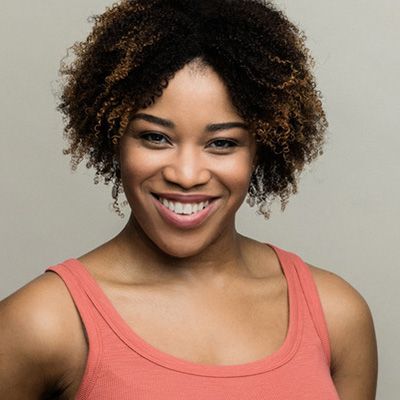
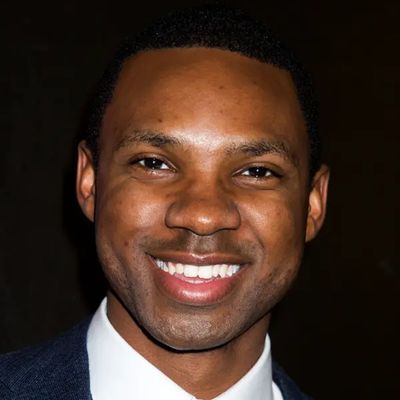
Guests

Featured Shows
About
Today, we celebrate the Broadway sensation Ain’t Too Proud: The Life and Times of the Temptations. The shows follows the Temptations journey from the streets of Detroit to the Rock n Roll hall of fame. In order to the five actors playing the Temps themselves, the 16 onstage cast members play a myriad of real life personalities, including Berry Gordy, Johnnie Mae, Smokey Robinson and more.
Prior to the shutdown, Ain’t Too Proud had played more than 400 performances at Broadway’s Imperial Theatre. On today’s episode, we share some of our favorite stories from ATP cast members originally shared on the podcast or on our blog.
Transcript
This transcript was automatically generated and might contain errors.
[0:00] Mo Brede: Hey, listeners! Just want to give a quick thanks to our Patreon members, including Kat Hicks, Cheryl Hodges-Selden, Linda Lee, Phoebe Stort, and many, many more. We've been bolstering our Patreon offerings in the last couple months, so make sure to check us out at patreon.com slash The Ensemblist. You're listening to The Ensemblist, the only podcast that shows you Broadway from the inside out. I'm Mo Brede. Today, we celebrate the Broadway sensation Ain't Too Proud, the life and times of The Temptations. The show follows The Temptations' journey from the streets of Detroit to the Rock and Roll Hall of Fame. In addition to the five actors playing the Tempts themselves, the 16 onstage cast members play a myriad of real-life personalities, including Berry Gordy, Johnnie Mae, Smokey Robinson, and more.
Prior to the shutdown, Ain't Too Proud had played more than 400 performances at Broadway's Imperial Theatre. On today's episode, we share some of our favorite stories from ATP cast members originally shared on the podcast or on our blog. First up is a conversation with E. Clayton Cornelius. Last year, on an episode of our I'm Still Here miniseries, he spoke to host John Whelan about the process of getting the show to Broadway and why he considers the cast unique among theatrical families.
[1:54] E. Clayton Cornelius: My journey with Ain't Too Proud started three years ago. I had just finished doing the national tour of Kinky Boots. I was actually sort of deemed, I guess, one of the first standbys for Lola on the second leg of the tour, and I stayed with that tour for about a year and some months. And right as I sort of winded down with that tour and said, you know, I think I don't want to do this anymore, I have done about nine national tours, nine Broadway national tours, and I was sort of thought that that would be sort of, not this sort of, you know, I love Kinky Boots, but I think where I was in my life, some personal things were going on, and I just did not want to be on tour anymore. And I kind of was questioning where my life was going at that point and quickly started auditioning for Ain't Too Proud.
Thankfully, the tour was sort of around the New York area, so I was able to go to every single audition and then actually even sort of drive straight to rehearsal from Kinky Boots to an audition for Ain't Too Proud and vice versa. So I made it work, I got into the cast, and there you have it. That's sort of how that journey started, and I've been with Ain't Too Proud since the very beginning, the reading around a table.
[3:08] Mo Brede: Oh, that's incredible. So you were there while it was doing out-of-towns in Toronto then?
[3:12] E. Clayton Cornelius: Yes, yes. So I've been with the show since the very beginning around a table. I did the workshops, I did both workshops, and then we went to Berkeley Rep, obviously, for five months, and then we did a three-month sort of out-of-town, like over the summer, out-of-town sort of tryout at three different cities, and that was D.C., L.A., and Toronto. So I was definitely at everything. And then finally, we came into Broadway because we couldn't find a house to go to, a Broadway house, and finally we found one.
[3:46] Mo Brede: You're just in a holding pattern waiting to...
[3:48] E. Clayton Cornelius: Oh my God, it was the longest three years of my life. I've never been with a show for that long waiting to get to Broadway. The whole cast is wonderful. I mean, I really feel that the cast is filled with nothing but A-plus Broadway performers, and especially that original cast. And we were just sacrificing our livelihood because we weren't getting paid very much as we were going through all the steps of the workshop, to going to Berkeley, to going out of town with it on tour. And we didn't really hit sort of production Broadway money until the last leg of our tour before we came into Broadway. So it was a long financial journey for all of us who are used to sort of always doing a Broadway show. So it was a sacrifice. It's definitely worth it in the end.
[4:38] Mo Brede: Oh, totally. And I think we all knew that. And that's the reason why we stuck with it. We knew what this show was going to be. We knew what it represented. We all were so proud of the work that we had put into the show, what we created. I've done eight Broadway shows, and out of all my Broadway shows that I've done, even tour-wise, it's very rare that you have a cast that you love like family. And this is definitely... I can't wait to get to work to laugh and to joke with the people that I work with. And that's a rarity, to go to work and loving everybody who you come in contact with.
[5:14] E. Clayton Cornelius: Yeah. The actual show happens backstage. It doesn't really happen on stage. We're definitely family in that theater.
[5:22] Mo Brede: Thanks, E. Clayton. Next up, Jason Forbach shares an interview he wrote with original cast member Rashidra Scott about the joys and challenges of creating an original role in the Broadway canon.
[5:46] Mo Brede: Ain't Too Proud, The Life and Times of the Temptations, is a new Broadway musical that tells the story of the men that made up this pop supergroup and their music. Despite all these men and their ferocious talent, it is one woman's performance that had me suddenly sitting taller in my seat. With all of the show's stylish flash and sizzle, If You Don't Know Me By Now, so sublimely sung by this actress, had audience members scrambling through their playbills to find her name. If you don't know her by now, you should. Her name is Rashidra Scott. We spoke with Rashidra recently about her role as Josephine in this show's ensemble, her journey bringing this character to life, and how she manages the pressures of premiering an original musical on Broadway.
Let's start with how you began creating this role of Josephine for Ain't Too Proud. Did you feel a different challenge or weight of responsibility when recreating a real person on stage compared to other fictional roles you've taken on in the past?
[6:48] Rashidra Scott: I pulled from my mother and the village of women, single and married, who had any hand in raising me. I had the great fortune of growing up around a lot of strong women, watching them balance their own careers and lives while carting us kids between school, community theater, dance rehearsals, piano, and voice lessons. It's always a challenge portraying a real person because you want to make them as well-rounded and three-dimensional as possible, while also honoring their legacy and being truthful to their journey. Josephine could actually come to the show one of these days and have her own thoughts and feelings about this stranger portraying her. My specific Sister Act nun, Finian's Rainbow sharecropper, or Hare Tribe member will never pass judgment on my past performances because they don't exist in real life.
You were involved with the show in its out-of-town tryout. How has the show grown or changed on its journey to Broadway? How has your involvement, your role in the show changed? Can you speak a little about that experience, mounting it several times with the intention of bringing it to New York?
[7:46] Rashidra Scott: The Josephine track didn't really change at all. I mean, maybe an addition or cut of a few lines here and there, but overall she stays the same. But seeing the expansion of the other female roles has been exciting. We came in knowing that obviously this show is not about the women, but about the men. Going through the journey of our collective presence being expanded has been fascinating and exciting. From Johnny May going from just her scene to singing herself off, The Supremes expanding from one song to a medley in Act 1, and Tammy Terrell going from having a couple brief scenes to an entire duet, the team realized the desire and need for allowing each of us to have more of a presence throughout the storytelling of the show.
Mounting the show in different cities was exhilarating. You never know how a show will be received. We've known from day one how special this project is, and we've all felt the responsibility of bringing nothing short of our A-game into the room every day. But just because we feel the magic doesn't always mean audiences will. Experiencing breaking box office records in three cities before we even got to New York was equally exciting and terrifying to me. Performing well on the road doesn't always translate to a successful New York run, but it seemed to strengthen us. It gave us each more time to really explore our characters and find more for and with.
[9:04] Rashidra Scott: You've originated several Broadway shows, one of them being another mega jukebox Broadway hit, Beautiful. How does this experience compare to that? After working with Des McAnuff, who has elevated this style of jukebox musical storytelling yet again with Ain't Too Proud, what did you see in his process that was new or different compared to other original shows you've helped create?
[9:31] Rashidra Scott: I had the same feeling of this show was going to be something special. At the reading presentation of Beautiful and during the workshop of Ain't Too Proud, while every ensemble member in Beautiful has a feature, they're production number-based more so than acting. Most of my time was spent with Josh Prince, Jason Howland, and the rest of the ensemble. We'd get pulled into the room to do our book scenes as needed. There seems to be more weight to our ensemble features in Ain't Too Proud. Des and Sergio like to have everyone in the room at all times, so we're always on the same page and have access to the same information that's being discussed in the room, which can be really helpful in figuring out how the characters fit in with each other and inform how we interact with each other.
I think the lesson I've been reminded of is the reward of stepping out on faith and walking in your purpose in spite of any fear or uncertainty. Both Otis and Carol and practically every artist have had to pick themselves up from some potentially debilitating personal issues and tragedies, and they didn't let those circumstances stop them. They were fortified by their own personal tragedies in a way that is nothing short of inspiring. I also learned to trust my voice, to not worry about comparing my sound to anyone else's, but to trust in my gift and my journey. Your track in the show has several beautifully overwhelming moments of emotional gravity. Without the build of interacting with fellow actors constantly on stage, how...
[10:52] Rashidra Scott: This question is like you were a fly on the wall in our rehearsals. Figuring out how to access the necessary emotions was very isolating for most of the process until New York, I think. I always had to separate myself from everyone else and figure out how to get myself to the necessary emotional depths, particularly for the final scene. I had to think of the saddest things that have ever happened to me. Sometimes I'd picture my deceased grandfather smiling at me, saying, I'm proud of you, baby, and only the way he could. Anything along those lines. Then one night I was about to step out, realizing I just couldn't get there. And I thought about how this is a tribute to Lamont and how we so often don't consider the impact we have on people's lives.
But our living is never in vain, and to live a life worth honoring every day, because tomorrow is never promised to any of us. Creating my own backstory for Josephine, with and without Otis, and getting more familiar with all its intricacies helped me more than any sad thoughts or stories, though. Playing the honesty of each moment and all that's behind them is really what best helped me key in.
[12:11] Rashidra Scott: There is a huge positive crowd response with this show. It must be thrilling to have such a fired up, engaged audience. There have also been thrilling reviews. How do you juggle the demands of a new show with so many eyes on you, not only from expecting audiences, but from creatives and critics, through previews to opening all the way to Tony night? Do you feel like you are still in the middle of this marathon? I know this is said of every cast, because it's generally true in some sense, by nature of what we do and dynamics we have to create. But this cast really is like a big ol' family. We've been there to lift each other up and push each other through some highs and lows of life. We've all personally experienced the personal life sacrifices that we touch on in the show.
Our understanding of that central theme gives us access unlike any other. Even in our time together, we had cast members miss family funerals, births, celebrations. We've each sacrificed within this show and before it, and there's such a high level of respect and appreciation for what our journeys have been. We all felt purposed to be a part of this show and to take care of each other as best as possible.
[13:22] Rashidra Scott: What is the hardest challenge you've had to face in this process? What has been the greatest joy? The hardest challenge, I think, has been the struggle of existing as a Black woman. We so often naturally, effortlessly, and seamlessly take the position of being caretakers and nurturers to the point of sometimes not being aware of our own needs and ending the day feeling empty and not knowing why. Having four, five, including our book writer, Dominique, other strong Black women to share the weight of that responsibility was helpful, though. It validated moments when I otherwise would have been left to feel insecure or crazy. It was an absolute joy and honor to watch my brothers shine every single show.
To watch them get the recognition they've deserved for years. To never have had the right roles to showcase their true star power until now. To watch a group of Black men be celebrated and uplifted. To watch them take their final bow and recognize the responsibility they carry. To be such positively wonderful role models of and for Black boys and men. To be any small part of that is humbling and thrilling.
[14:34] Mo Brady: Thanks Rashidra and Jason. Last up, a manifesto of hope from original cast member Sean Bowers. In the wake of Black Lives Matter protests last summer, he shared his views about what the cultural conversation meant for artists. Here, in his own words, is Sean Bowers.
[14:59] Sean Bowers: That's supposed to be our song, Otis. I am a Black man in America. But I assume you knew that based on the dark hue of my melanated skin. The pigment of my skin is infinite. It is long-lasting. Like that of my ancestors whose backs withstood the sun-drenched sky that beamed down like lashes, leaving marks that tell a story. The story of endurance. The story of strength. The story of beauty. The beauty of my people is bold, brilliant, abrasive, and resilient. That beauty keeps me up at night. It's in my spirit. It lives within me silent, yet the whole world can hear it. Not some temporary trend that is here today and gone tomorrow. These roots run deep. I am finding my voice in the midst of two pandemics, and both are deadly.
There is a pandemic that has shown us that no one person is worth more or less than the next. It has stopped us in our tracks and forced us to pause. But there is another virus that has plagued us for far too long. It has proven to be much more powerful and has killed far too many. That virus is racism. My body is not to be utilized like some target practice. Televised shots that replace the whips of a master that abused his power. Nah. My clenched fist saluting the sky represents unity. Unity for my people and unity for our country. The Martin Luther King in me says to protest peacefully while the Malcolm X in me belts the voice of a disgruntled people saying, burn it down, by any means necessary.
Ooh, I shouldn't have said that. I'm sorry. I digress. See, this turmoil, this back and forth is what I grapple with daily. I guess that's what happens when the struggle cracks the surface. Until black lives matter, we cannot yet say all lives matter. All men created equal is just slang for all men that look like fill in the blank. Separate but equal, we were told. But we have learned over and over that equality isn't its best when separated. Where do we go from here? Now what? And no, that's not rhetorical. Gone are the days where hands up don't shoot and I can't breathe are uttered as a last cry before my ascension. Or so I thought. What happens when the marching stops because our bruised feet can no longer hold the agonizing weight of our bodies?
What happens when the fires burn out? What happens when our voices tire and we cannot form the words anymore? What happens? Through the barrel of a gun, there is a moment of silence. When provoked, silence can be deadly. It harbors secrets whispered in the dark. Racial prejudices passed down through generations. Privilege can be deadly as silence is complicit. But through the barrel of a gun, when there is a moment of stillness and the silence takes over, don't be the one to pull the trigger out of fear. Be the one who decides to change his mindset. No more fear, for fear is only brought forth by things unknown. I am a black man in America, forever and always. And my swag shouldn't frighten you.
Embrace it like our music that trickles from your lips, never skipping a beat. The inevitability of change is amongst us and it is on display for the world to see. Racism is not innate. It is taught. But anything we learn can be unlearned, and anything unlearned can be built upon. We have to make sure that the foundation we lay is one that is representative of the whole and not the other, for there is no such thing. We must acknowledge the past and set forth principles that we can all live by. Principles that are at the core of our being. Only then can we truly be the vessel of change. I've been thinking, what is the legacy that I want to leave behind? I challenge you to think about what legacy you want to leave behind.
Make your mark, no matter how small. If the seed is planted, then it will continue to grow. And the only way we grow is if we grow together. So let your tears hit the soil, because what they grow has the power to impact lives long after you are gone. It starts within. Dare to dream. Dare to dream like the little boy in Atlanta, Georgia. Refuse to give up your seat like the woman from Tuskegee, Alabama. It starts within. You have the power to make a difference. In this season, we have the opportunity to come out of this with much more than expected. There is a purpose to this season. Don't let me flatline. Let me live. Let love be our weapon of choice as we fight for racial and social justice. But let us not forget, there is a war we are up against, and it is about more than race. It is the fight for our humanity.
[20:48] Mo Brady: Special thanks to Sean Bowers, E. Clayton Cornelius, Jason Forbach, and Rashidra Scott for allowing us to re-share their stories today. The Ensemblist was produced today by Jackson Klein, Christopher Gurr, and me, Mo Brady. Please rate and review The Ensemblist wherever you listen to podcasts, on Spotify, Apple Podcasts, or at bpn.fm, the home of Broadway Podcast Network. Our Patreon members have on-demand access to our archive, including full conversations with our guests and early access to episodes. You can join Emily Chen, Christian Ranke, Ty Williams, and more by supporting The Ensemblist for between $5 and $20 a month at patreon.com slash The Ensemblist. Thanks for listening. Until next time.
© Broadway Podcast Network, All Rights Reserved