

On this week’s, show we speak with “Dear Evan Hansen” and “The Real O’Neals” star Noah Galvin who is about to appear in MCC’s “Alice by Heart,” a new musical... Read More
From the show: The Fabulous Invalid
Guests
Featured Shows
About
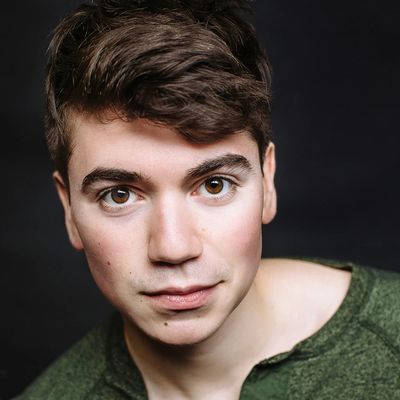
On this week’s, show we speak with “Dear Evan Hansen” and “The Real O’Neals” star Noah Galvin who is about to appear in MCC’s “Alice by Heart,” a new musical. Noah discusses beginning his career at the age of ten, working in almost every off-Broadway house in New York City, the differences between TV and theater, his newfound love of baking, and the cuisine of Yotam Ottolenghi. Before all of that, Rob and Jamie discuss the recent passing of Broadway legend Carol Channing. This week’s music: Carol Channing singing,“Ain’t Misbehavin’” and “So Long Dearie.” From “You’re A Good Man Charlie Brown” 1999 Revival, “The Kite” and “Bows: Happiness."
Transcript
This transcript was automatically generated and might contain errors.
[0:00] Jamie DuMont: I'm Jamie DuMont.
[0:01] Rob Russo: And I'm Rob Russo, and this is The Fabulous Invalid.
[0:17] Jamie DuMont: Oh, hi Rob.
[0:18] Rob Russo: Hi Jennifer.
[0:19] Jamie DuMont: Welcome.
[0:20] Rob Russo: I saw that.
[0:20] Jamie DuMont: I was waiting for you to—I didn't cut that.
[0:24] Rob Russo: No, uh, we're reading our script, and Jennifer is unfortunately not here today.
[0:28] Jamie DuMont: Um, but we will see her again very soon, Jen. We miss you and we love you.
[0:33] Rob Russo: And we're excited to see you in Mean Girls.
[0:35] Jamie DuMont: Oh, we're going to see Jennifer Samard in Mean Girls.
[0:38] Rob Russo: You know, my parents have seen Jennifer in Mean Girls before I have.
[0:43] Jamie DuMont: Yeah, well, you saw Carrie Butler.
[0:44] Rob Russo: I did.
[0:45] Jamie DuMont: Well, I saw it right when it opened.
[0:46] Rob Russo: Yeah.
[0:47] Jamie DuMont: And then we decided to wait.
[0:48] Rob Russo: That's right.
[0:49] Jamie DuMont: January.
[0:49] Rob Russo: We're gonna wait because fall was so busy for both of us.
[0:52] Jamie DuMont: Yeah.
[0:53] Rob Russo: More so you than me, but it's not a contest.
[0:56] Jamie DuMont: It's always a contest.
[0:58] Rob Russo: How long have you known me? Everything's a contest.
[1:00] Jamie DuMont: Everything's a list, everything's in order.
[1:03] Rob Russo: Love's a list.
[1:04] Jamie DuMont: I love a list.
[1:05] Rob Russo: We've established that.
[1:06] Jamie DuMont: Well.
[1:07] Rob Russo: And yet your list became a show.
[1:10] Jamie DuMont: Right.
[1:10] Rob Russo: No, look, I'm happy. I'm very happy that we had a chance to do that. I loved doing that.
[1:13] Jamie DuMont: That was funny.
[1:15] Rob Russo: Any big news that's happened lately?
[1:16] Jamie DuMont: Well, Carol Channing's dead.
[1:18] Rob Russo: I mean, that's big news.
[1:20] Jamie DuMont: That's huge news.
[1:21] Rob Russo: Yeah. You know, there's a great line from a play called The Country House.
[1:21] Jamie DuMont: The play was okay, but the line was better.
[1:28] Rob Russo: And this fading star is in her country home, um, and she says, there are no more Broadway stars, just stars on Broadway.
[1:38] Jamie DuMont: And I, you know, not to knock our contemporary stage performers, of course. You know, there's such talent, but Carol Channing is a legend for a reason.
[1:49] Rob Russo: And um, to see her passing be marked the way it was was um quite incredible.
[1:54] Jamie DuMont: Well, she was incredible.
[1:56] Rob Russo: Yeah.
[1:56] Jamie DuMont: And I think it's—I think uh, I think it was uh appropriate.
[2:01] Rob Russo: Just like that little boy Jack Horner, way over this side in the corner.
[2:07] Jamie DuMont: I don't go nowhere.
[2:09] Rob Russo: No, why do I care?
[2:14] Jamie DuMont: Well, I don't care.
[2:16] Rob Russo: Your kids waiting for—believe me.
[2:24] Jamie DuMont: I understand.
[2:26] Rob Russo: No, don't even want to go.
[2:30] Jamie DuMont: I'm home about eight.
[2:32] Rob Russo: Just me and my little radio.
[2:38] Jamie DuMont: I'm saving my love for you.
[2:46] Rob Russo: Oh, I just—so good I can't stand myself.
[2:50] Jamie DuMont: She was incredible. I will say, just on a personal note, my husband had worked with her a few times.
[2:56] Rob Russo: And uh, when we first—when I first moved in with him, um, many, many, many years ago, like 25 years ago, um, that first Christmas, we got our Christmas cards started coming in, and uh, there was one from Carol Channing and Charles Lowe, and I thought, oh, he's a keeper.
[3:12] Jamie DuMont: This one, this one.
[3:13] Rob Russo: All right, I've found it's a real test.
[3:16] Jamie DuMont: Yeah.
[3:16] Rob Russo: Well, look, when I was 12 years old, I um, I went to the public library and they had a book that had addresses to famous people. And I looked it up and I wrote down a list of all the people I wanted to write to, and Carol Channing was of course on the list.
[3:30] Jamie DuMont: Um, what address did they give?
[3:32] Rob Russo: Oh, I don't know, it was somewhere in California.
[3:33] Jamie DuMont: She famously didn't have to be.
[3:35] Rob Russo: Right. It might—maybe it was her like agent or something. I don't know.
[3:38] Jamie DuMont: She lived for many, many years. She and Charles would receive mail, and probably this is the address at a friend of theirs' house who was a famous photographer, did portrait photography.
[3:47] Rob Russo: Yeah, I can't remember his name.
[3:49] Jamie DuMont: In somewhere in the Hollywood Hills.
[3:50] Rob Russo: Yeah. So anyway, so I wrote to her, and lo and behold, you know, not long after, I got back a personally autographed photo, you know, inscribed to me, um, with her very famous red Sharpie.
[4:03] Jamie DuMont: I think she probably always signed everything in red.
[4:05] Rob Russo: It's probably a nod to Hello Dolly.
[4:07] Jamie DuMont: Um, and the best part of it though, I mean of course, I mean that in and of itself was amazing. But the envelope that it came in, the address and the return address were handwritten by Carol Channing using that same red Sharpie.
[4:22] Rob Russo: And I saved the envelope. I—it's in my parents' house, but didn't you say—I think you texted me a photo of it?
[4:27] Jamie DuMont: And I said—I tweeted a photo of the photo that she sent. Maybe we'll put it on our—because it was the coolest thing. You know, I uh, I look back on all the folks who wrote back to me when I did my that little mailing campaign when I was 12 years old, and I'm so glad that I did, A, and B, I'm so grateful that you know, almost all of them wrote back.
[4:48] Rob Russo: It was a different time.
[4:49] Jamie DuMont: Yeah.
[4:51] Rob Russo: Those were stars who were trained on how to be a star.
[4:55] Jamie DuMont: Right.
[4:55] Rob Russo: But now it's a different kind of training. I mean, this is a whole different conversation. But now with social media, like I—I really marvel and sort of, at least in the Broadway community out, which is mostly people I follow on social media. There are people who behave on social media with their fans in that old Hollywood way, right?
[5:14] Jamie DuMont: Like Ashley Park is a great example.
[5:16] Rob Russo: Donna Murphy is another great example. Um, these are our stars who behave like stars and understand how to be a—uh, who understand a loyal fan base and understand the importance that that means to us as fans.
[5:36] Jamie DuMont: And I think part of it too is the responsibility of knowing that you're someone that people look to, right? Which is something that sadly some few of our politicians seem to understand these days.
[5:48] Rob Russo: But you know, when I wrote to Cy Coleman or Stephen Sondheim or—of course you wrote to Cy Coleman.
[5:56] Jamie DuMont: And not only did they write back, but uh several of them included letters where they, you know, gave me advice, right?
[6:01] Rob Russo: Well, Stephen Sondheim's letter, um, what he had written to me in reply was, you know, thank you so much for your kind words about me and my career. And then he said, I'll never forget this, they made my day.
[6:16] Jamie DuMont: And I just thought that was the sweetest thing for, you know, someone that you look up to to say to you, right? Imagine, I'm sure he gets letters nonstop.
[6:25] Rob Russo: And he's famous for his letters, right? Stephen Sondheim is known for his beautiful typed stationary, the whole thing.
[6:32] Jamie DuMont: Um, but you know, I'm sure that's a line that he probably uses with, you know, all the kids who write to him. But for me, you know, just receiving that was such a, um, it was such a real statement, and it's something that stuck with me over the years.
[6:45] Rob Russo: I wrote a fan letter to Carol Burnett when I was, I don't know, nine, ten years old.
[6:51] Jamie DuMont: And I wrote, dear Carol, you are my biggest fan.
[6:56] Rob Russo: And my parents sent it because I was convinced that was the right thing to say. And I got a letter back from her saying, Dear Jamie, you are right. I love Carol Burnett.
[7:05] Jamie DuMont: See, I mean, that's incredible.
[7:08] Rob Russo: So I wrote to Carol too.
[7:10] Jamie DuMont: Yeah, well, both Carols, Carol Channing and Carol Burnett.
[7:13] Rob Russo: You wrote a lot of letters.
[7:14] Jamie DuMont: Well, look, it's what I do for a living now, so it's clearly I was onto something.
[7:19] Rob Russo: Yeah. No, I wrote to Liza Minnelli. She wrote back.
[7:21] Jamie DuMont: I did write a letter to a porn star.
[7:24] Rob Russo: And he wrote back.
[7:26] Jamie DuMont: Did he write back or he did?
[7:28] Rob Russo: He did. He sent some—he sent some photos too.
[7:30] Jamie DuMont: But I do want to say his name was Dirk Schaefer, and I want to say that to her I wrote to him because he um, he wrote and started and created this movie called Man of the Year, um, which was like a fake biopic um based on his life. He was a gay, sort of gay kind of porn star, not really, and he won the Miss, um, the Playgirl, you know, man of the year.
[7:56] Rob Russo: Yeah, but he was gay, and they kept—they spent a whole year trying to keep that under wraps, right? Because that guy for a Playgirl has to be straight.
[8:05] Jamie DuMont: Anyway, he made this very, very funny movie based on that. It's kind of a spoof. Um, a lot of great theater actors in it, actually.
[8:12] Rob Russo: And I wrote him a letter um and he wrote back, but anyway, that's Dirk.
[8:15] Jamie DuMont: Thank you, Dirk.
[8:16] Rob Russo: Thanks, Dirk. He died recently, a few years ago. It's a very funny movie. If you can find Man of the Year.
[8:21] Jamie DuMont: Yeah. Here I thought it was like the gender swapped version of Woman of the Year, the candidate musical.
[8:26] Rob Russo: No, no, no, no.
[8:29] Jamie DuMont: Anyway, I think it's time to get on with our show.
[8:32] Rob Russo: Yes.
[8:37] Jamie DuMont: And on those cold winter nights.
[8:43] Rob Russo: You can snuggle up to your cash register.
[8:49] Jamie DuMont: It's a little lumpy, but it rings.
[8:54] Rob Russo: Don't come a knocking, I'll be all down.
[8:59] Jamie DuMont: And singing that song that says you're down.
[9:04] Rob Russo: I told you so.
[9:07] Jamie DuMont: So how you will find your life for saddle story.
[9:12] Rob Russo: When you see your dolly shuffle off to glory.
[9:16] Jamie DuMont: Oh, I should shared so long.
[9:16] Rob Russo: So long.
[9:34] Jamie DuMont: Noah Galvin starred on television in The Real O'Neals.
[9:37] Rob Russo: He made his Broadway debut in Dear Evan Hansen.
[9:40] Jamie DuMont: Has appeared in numerous off-Broadway productions at Signature Theater, New York Theater Workshop, Rattlestick.
[9:45] Rob Russo: Basically every off-Broadway theater.
[9:48] Jamie DuMont: I really think I have worked out most off-Broadway theaters in New York City.
[9:51] Rob Russo: All of them.
[9:52] Jamie DuMont: And including the very famous production of Our Town at Barrow Street Theater.
[9:58] Rob Russo: That's right.
[9:59] Jamie DuMont: Yeah. I was actually in that with my brother-in-law and my sister.
[10:03] Rob Russo: Really?
[10:04] Jamie DuMont: Yeah. My brother-in-law was in it for like a year. My sister was in it for like six months, and I was in it for the final six weeks of the run.
[10:11] Rob Russo: Wow. So who was your um stage manager? Was it Cromer?
[10:13] Jamie DuMont: Um, I worked with Cromer and Scott Parkinson.
[10:18] Rob Russo: Um, Michael McKeon.
[10:21] Jamie DuMont: Uh, yeah, that's it.
[10:24] Rob Russo: Helen Hunt left the day before I got there.
[10:27] Jamie DuMont: So I got to see her final performance.
[10:29] Rob Russo: She was so fucking good.
[10:31] Jamie DuMont: She's so good.
[10:32] Rob Russo: And then the one they did in LA, she did it. She was a stage manager in a way.
[10:37] Jamie DuMont: I can't think of Our Town without smelling bacon.
[10:39] Rob Russo: Oh my god.
[10:40] Jamie DuMont: Yeah.
[10:40] Rob Russo: Well that moment was.
[10:41] Jamie DuMont: David Cromer. He knows what's up.
[10:43] Rob Russo: Was it a good production?
[10:45] Jamie DuMont: Anyway, I didn't say your name, but welcome, Noah Galvin.
[10:47] Noah Galvin: Thank you for joining us.
[10:50] Jamie DuMont: Thanks for having me. Before we sort of dig into it, I'm a little curious about what you do with your downtime. What do you do when you're not working?
[10:59] Noah Galvin: Yeah, it seems like you work constantly.
[11:01] Jamie DuMont: Yeah, not a lot of downtime.
[11:03] Noah Galvin: But uh, the downtime I do have, I'd say is spent. Um, I just got a stand mixer. It's all very exciting.
[11:11] Jamie DuMont: Um to bake.
[11:13] Noah Galvin: Oh, honey, do I bake? Uh, I made a—I made my first red velvet cake last week. It was very exciting.
[11:18] Jamie DuMont: Do you use food coloring or juice?
[11:21] Noah Galvin: I use food coloring.
[11:23] Jamie DuMont: Okay.
[11:23] Noah Galvin: Um, she's basic, but you know, it's okay sometimes.
[11:27] Jamie DuMont: But yeah, I do a lot of baking.
[11:29] Noah Galvin: Food coloring is the way you should be making a red velvet cake.
[11:31] Jamie DuMont: Yeah.
[11:32] Noah Galvin: By the way, I just wasn't— we're in a new time and place in our society, and I should be using beet juice.
[11:38] Jamie DuMont: But you know.
[11:39] Noah Galvin: It makes it taste like beets.
[11:41] Jamie DuMont: It's not.
[11:41] Noah Galvin: Well then what's the point?
[11:43] Jamie DuMont: It's a good thing.
[11:43] Noah Galvin: Because it's—because red food coloring is very poisonous for the most part.
[11:48] Jamie DuMont: Hell yeah.
[11:48] Noah Galvin: But also, like honestly, I think that's a thing that makes red velvet cake taste like red velvet cake.
[11:53] Jamie DuMont: A poison.
[11:55] Noah Galvin: Right. Let's call it dye. I don't want to get sued.
[11:58] Jamie DuMont: All right. So how did it turn out?
[12:00] Noah Galvin: It turned out really well. I served it to my cast and nobody died, so like double thumbs up.
[12:05] Jamie DuMont: Yeah.
[12:05] Noah Galvin: Yeah, yeah, yeah.
[12:06] Jamie DuMont: Choice.
[12:08] Noah Galvin: I did. I made a simple uh cream cheese frosting.
[12:12] Jamie DuMont: Wow.
[12:12] Noah Galvin: Yeah.
[12:13] Jamie DuMont: No, she's legit. What color is your stand-up mixer?
[12:16] Noah Galvin: Um, my stand mixer is uh, she's red. She is a uh fire engine red.
[12:21] Jamie DuMont: KitchenAid?
[12:22] Noah Galvin: Yes, sir.
[12:23] Jamie DuMont: You're talking to him.
[12:24] Noah Galvin: Well done.
[12:25] Jamie DuMont: So yeah, so I worked as a chef for many years.
[12:29] Noah Galvin: Wow.
[12:29] Jamie DuMont: While working on some of the greatest flops in the history of Broadway.
[12:33] Noah Galvin: Of course, of course.
[12:35] Jamie DuMont: Most recently I've been obsessed with—do you know who Yotam Ottolenghi is?
[12:38] Noah Galvin: Do I ever?
[12:39] Jamie DuMont: Okay. I've been obsessed with all of his cookbooks, and I was just—I spent like too much time in London this past year.
[12:45] Noah Galvin: I was not working in London. I had no reason to be there, but I love it so much.
[12:49] Jamie DuMont: And also Martha Plimpton was just doing Lynn Nottage's Sweat, or is currently doing. If you're in London, go see it. Don't know when this airs. Whatever.
[12:57] Noah Galvin: Anyway, I was in London. I went to Ottolenghi like seven times.
[13:01] Jamie DuMont: I made his carrot cake last week. It was incredible.
[13:04] Noah Galvin: Well, the pumpkin curry that I made for tonight is actually his, so I will say you're on a—did you go to Nopi?
[13:10] Jamie DuMont: Nopey's my favorite.
[13:11] Noah Galvin: No, Nopi.
[13:12] Jamie DuMont: Well, Nopey's his proper restaurant with tables and chairs.
[13:15] Noah Galvin: So Ottolenghi, for those of that don't know, is like a takeaway place.
[13:19] Jamie DuMont: But it's super.
[13:20] Noah Galvin: They have seating.
[13:20] Jamie DuMont: They have seating.
[13:22] Noah Galvin: Which one did you go to?
[13:23] Jamie DuMont: The one in Belgrave Square?
[13:24] Noah Galvin: I went to the one in Islington.
[13:25] Jamie DuMont: Oh.
[13:25] Noah Galvin: Well, they may have—I've never been there. They have like some tables and chairs and some larger tables. You know, there's a little sit-down option.
[13:31] Jamie DuMont: Okay.
[13:32] Noah Galvin: It's not so limited there, Jamie.
[13:34] Jamie DuMont: All right.
[13:34] Noah Galvin: All right. Well, in Belgrave Square, which is the one I've been to, they have one giant table and it's very posh and you can't ever sit there.
[13:48] Noah Galvin: Um, but they have tables.
[13:50] Jamie DuMont: Wow.
[13:51] Noah Galvin: They have a big table downstairs where you can watch the kitchen um work.
[13:56] Jamie DuMont: He's sometimes he's in there, sometimes he's usually not.
[13:59] Noah Galvin: Honestly, he's hot too.
[14:00] Jamie DuMont: Yeah, he's a good looking fella.
[14:01] Noah Galvin: Yeah.
[14:02] Jamie DuMont: He is sort of responsible for changing the uh the the way food is thought of in in London.
[14:08] Noah Galvin: Well, I'm late to the game, but I'm in the game now.
[14:10] Jamie DuMont: So I'm very impressed.
[14:12] Noah Galvin: That you that you uh that you're a fan.
[14:14] Jamie DuMont: Well, good.
[14:14] Noah Galvin: And you had a nice time in London?
[14:16] Jamie DuMont: I did, yes.
[14:17] Noah Galvin: Got to see Patty for a second time in Company.
[14:21] Rob Russo: Rob's a big fan of that show.
[14:23] Noah Galvin: So good.
[14:24] Rob Russo: And she's so good in it.
[14:26] Noah Galvin: Yeah, she's so good.
[14:28] Rob Russo: Was that your first time seeing Company?
[14:30] Noah Galvin: Yeah, actually.
[14:31] Noah Galvin: That was the first.
[14:32] Noah Galvin: I mean, besides uh the Neil Patrick Harris, you know, Lincoln Center and the—You've seen the documentary, I assume?
[14:40] Jamie DuMont: Yes, yes, yes, of course.
[14:41] Noah Galvin: But I've never gotten to see it live.
[14:42] Noah Galvin: And so seeing it live for the first time, especially in 2018 with a woman in the lead role is very special.
[14:50] Jamie DuMont: Yeah, I hear she's great.
[14:51] Rob Russo: I hear what's the fellow who plays Jamie?
[14:53] Jamie DuMont: I hear he's great.
[14:54] Noah Galvin: Oh, I'm lacking on his name, but he's fantastic.
[14:57] Noah Galvin: Yeah, manic and perfect.
[15:00] Rob Russo: And how was Sweat?
[15:02] Noah Galvin: Sweat was—I did not get to see it any in New York, and it was very, very impactful.
[15:11] Noah Galvin: I left with a heavy heart.
[15:13] Jamie DuMont: Yeah, yeah.
[15:14] Noah Galvin: I I've heard people say that this production somehow is better, even though the New York?
[15:20] Rob Russo: Yeah, I think it's at the Donmar.
[15:21] Noah Galvin: Yeah, okay.
[15:22] Noah Galvin: Yeah.
[15:22] Noah Galvin: It was beautiful.
[15:24] Noah Galvin: It's extremely well acted.
[15:26] Noah Galvin: I'm, you know, biased, but I think Martha Plimpton is just a fucking national treasure.
[15:32] Jamie DuMont: Well, I agree with you.
[15:34] Jamie DuMont: Um, I've also—I don't know her personally, but I have grown up because we are roughly the same age.
[15:39] Jamie DuMont: So, you know, she's—I have watched her in films and all of that.
[15:44] Jamie DuMont: She's, you know, she's like that heartthrob uh uh for my generation.
[15:49] Noah Galvin: Yeah, however, I will say one of the greatest things I ever saw in London was Other Desert Cities with Martha Plimpton playing the daughter, and she was spectacular.
[16:01] Noah Galvin: Yeah.
[16:01] Noah Galvin: Like I went back, I went back the next night, which I never ever do because she was that good.
[16:07] Jamie DuMont: So she's just so cool.
[16:09] Noah Galvin: She's been a Steppenwolf company member since she was like my age or younger.
[16:13] Noah Galvin: She was telling me all these stories about like her and John Malkovich.
[16:15] Noah Galvin: It's just so cool.
[16:16] Jamie DuMont: But you guys worked together for a couple of years.
[16:19] Noah Galvin: Yeah.
[16:21] Jamie DuMont: So you know a thing or two about her.
[16:23] Noah Galvin: I slept on her couch in London.
[16:25] Jamie DuMont: Oh, excellent.
[16:27] Noah Galvin: Is that where you stayed?
[16:29] Noah Galvin: Yeah.
[16:30] Noah Galvin: Me and BB, I went with BB Wood, who played my little sister on The Real O'Neals, and we stayed with Martha.
[16:37] Jamie DuMont: That's fantastic.
[16:38] Noah Galvin: It was.
[16:38] Noah Galvin: I hope when you filled out your customs card, you wrote, you know, Martha Plimpton's couch will be my place of residence.
[16:43] Noah Galvin: Yes.
[16:44] Noah Galvin: Of course I do.
[16:45] Jamie DuMont: Are you New York-based now or are you LA based?
[16:47] Noah Galvin: Yeah, I moved back from LA in September.
[16:50] Jamie DuMont: Okay.
[16:50] Jamie DuMont: And how did you like LA living out there?
[16:53] Noah Galvin: I love working there.
[16:55] Noah Galvin: Being employed in LA is like really sweet, you know.
[16:59] Jamie DuMont: Uh huh.
[16:59] Noah Galvin: This city is so like steeped in the business, just entrenched.
[17:06] Noah Galvin: Um, and to be unemployed there as an actor, it's a palpable feeling when you leave the house as an unemployed actor in LA.
[17:15] Noah Galvin: The heat somehow beats down slightly harder.
[17:33] Noah Galvin: Three million people in the city of Angels, according to the last census.
[17:37] Noah Galvin: Easily half of them up to something they don't want the other half to know.
[17:42] Noah Galvin: We all get sucked in by the lobby.
[17:45] Noah Galvin: Palm trees finger the sky, and there's enough sunshine to lay some off on Pittsburgh.
[17:50] Noah Galvin: But that's all on top.
[17:52] Noah Galvin: LA, truth to tell, is not much different than a pretty girl with the clap.
[17:57] Jamie DuMont: It's interesting.
[17:58] Jamie DuMont: Los Angeles can be a very lonely city.
[18:00] Noah Galvin: Oh, I think I believe that.
[18:02] Noah Galvin: You know, everything's so far away from each other.
[18:04] Noah Galvin: If you don't have a community in your little neighborhood, then you're on your own, bro.
[18:10] Jamie DuMont: Yeah, it's—where did you live?
[18:11] Noah Galvin: What part of town?
[18:12] Noah Galvin: Um, I—the first year in LA, I was in Sherman Oaks, living in the guest house of Jay Ferguson, the man who played my father on The Real O'Neals.
[18:20] Noah Galvin: Um, I'm very method.
[18:24] Noah Galvin: Um, and then we—and then I moved, um, yeah.
[18:32] Noah Galvin: And then I almost moved in with the kid who played my brother, but we didn't.
[18:35] Noah Galvin: We decided that was a bad idea.
[18:36] Noah Galvin: We almost like got a mansion together in Glendale.
[18:39] Noah Galvin: Terrible idea.
[18:40] Noah Galvin: And we avoided it.
[18:42] Jamie DuMont: Just the sentence mansion in Glendale alone is—
[18:50] Noah Galvin: So then I moved—the woman who played my aunt on The Real O'Neals, Mary Hollis and Bowden, was living in an apartment building in North Hollywood, which is like five minutes away from the Disney lot where we were filming, so naturally I moved in there.
[19:04] Noah Galvin: It really was like family members.
[19:06] Noah Galvin: It really was.
[19:06] Noah Galvin: And like I—a lot of people like to like on social media, like tout that they're like so close to their cast, and their cast just like soul holes, and they're all like family, and like everybody loves each other.
[19:16] Noah Galvin: But like my cast really did.
[19:18] Noah Galvin: We spent like every waking minute together.
[19:20] Noah Galvin: I lived with them.
[19:22] Jamie DuMont: You especially, you lived with them.
[19:24] Noah Galvin: Literally.
[19:25] Jamie DuMont: Wow.
[19:25] Jamie DuMont: That's fantastic.
[19:26] Jamie DuMont: I can only imagine that that helped the whole experience of being a good experience.
[19:32] Noah Galvin: It did completely.
[19:33] Noah Galvin: If there had been one bad egg, it would have made the the two and a half, three years we spent together just that much harder, you know.
[19:41] Jamie DuMont: Yeah.
[19:41] Jamie DuMont: It's tough because you're working what, 14 hour days, six, seven days?
[19:45] Noah Galvin: I mean, you're—it's just—it's all you do.
[19:47] Noah Galvin: It's a very triggering statement.
[19:50] Noah Galvin: People don't appreciate it though, right?
[19:51] Noah Galvin: The how much time goes into making it.
[19:53] Jamie DuMont: No, I think there's some shots.
[19:54] Noah Galvin: It is the most—it was probably the least I've ever slept in my life.
[19:58] Noah Galvin: I don't know how on earth I did it, but you know, you're pampered as fuck when you're on TV.
[20:03] Jamie DuMont: Right.
[20:03] Noah Galvin: Um, but it's so—people think it's—you're making a lot of money and you're pampered, so people think it's very easy.
[20:08] Noah Galvin: But being an actor on a television show, and especially being the lead on a TV show, you are—every single minute of downtime you have, um, you know, within your like 16-hour day that started at like 5:30 is filled with like fittings, and I was narrating the show too, so I had to do like voiceover, and then they were constantly editing the voiceover up until the last minute until the show aired.
[20:30] Noah Galvin: So I was like constantly just on my phone recording like voice memos of, you know, voiceover that they had rewritten.
[20:37] Noah Galvin: Um, or I was in like a dance rehearsal, or I was, you know, always constantly like doing something.
[20:42] Noah Galvin: There was never really a moment of downtime on television, so it was really exhausting, but it was like the hardest and best work I've really ever gotten to do.
[20:54] Noah Galvin: Maybe not the most like soul satisfying work, but you know, the hardest like mentally challenging work I've ever had to do.
[21:03] Jamie DuMont: Would you do another series?
[21:06] Noah Galvin: Um, yeah, absolutely.
[21:09] Noah Galvin: If it's like the right thing.
[21:12] Noah Galvin: I think after The Real O'Neals, I sort of left that show feeling like network television wasn't really the place for me.
[21:19] Noah Galvin: And I don't necessarily think that's true.
[21:22] Noah Galvin: Um, I think—I don't know.
[21:29] Noah Galvin: I also understand that that's a terrible and shitty question to ask because of course how do you know, you know, like totally and as an actor, like I'll take whatever fucking job you give me.
[21:37] Noah Galvin: Like I want money, you know.
[21:39] Jamie DuMont: But I think it's safe to say because you've been working in the theater since you were what, 10 years old?
[21:45] Noah Galvin: Yeah.
[21:46] Jamie DuMont: I think it's safe to say that that's a good place for you, right?
[21:48] Noah Galvin: That that's a place where you find comfort?
[21:48] Noah Galvin: The theater is where I feel the most at home, yes.
[21:54] Jamie DuMont: Okay.
[21:54] Noah Galvin: But I'm starting to feel, you know, more and more comfortable on a film and TV set.
[21:59] Noah Galvin: It's still like relatively new for me, but I enjoy it immensely.
[22:01] Jamie DuMont: Well, you're currently in rehearsals for a new musical.
[22:04] Noah Galvin: Yeah, also very tired right now.
[22:06] Jamie DuMont: Yeah, thank you for joining us.
[22:06] Noah Galvin: No problem. I did offer you coffee.
[22:11] Noah Galvin: This is a new Dunkin'Cheek musical uh off Broadway at MCC.
[22:14] Noah Galvin: Yeah, Dunkin'Cheek and Steven Seder.
[22:16] Noah Galvin: Alice by Heart is the name of the show.
[22:19] Noah Galvin: I'd say it's about um love and loss and leaving childhood behind and how a piece of art, be it a book or a story or a song or a movie, uh how a piece of art can evolve with you as you evolve as a person.
[22:52] Jamie DuMont: Yeah.
[22:53] Noah Galvin: There it is.
[22:54] Jamie DuMont: How's that?
[22:55] Noah Galvin: That was very good.
[22:56] Noah Galvin: I was happy to see it.
[22:57] Jamie DuMont: And that the piece of art, obviously, in this piece is Alice in Wonderland.
[23:00] Noah Galvin: Yes, is Alice's Adventures in Wonderland, yes, by Lewis Carroll.
[23:04] Noah Galvin: I've been working since I was 10 years old in theater and like in specifically development of theater is sort of something that I like fell into as a really young kid.
[23:13] Noah Galvin: I was sort of the kid in like every reading there ever was of any new musical in development for like a solid five or six years.
[23:27] Noah Galvin: And it's something I very much enjoy.
[23:30] Noah Galvin: Um, but I've, you know, within the like um among the like I don't know, 150 plus readings I've been a part of.
[23:39] Noah Galvin: I have never ever seen a show, a play or musical from reading stage, workshop stage to production, like to fruition.
[23:49] Noah Galvin: I've never gotten to do that.
[23:50] Noah Galvin: So this is the first time I'll ever be actually, you know, developing something that I'll then get to perform, which is incredibly exciting.
[23:58] Noah Galvin: And I came on to the project.
[24:00] Noah Galvin: We did a uh—there's a theater in Aspen called the Aspen Theater, and I—we did a workshop of it, like a two-week workshop of it four a little over four years ago.
[24:11] Noah Galvin: Um, so I'm ready to fucking rip this band-aid off, you know.
[24:15] Jamie DuMont: And you guys open in February, correct?
[24:17] Noah Galvin: Yeah, we start—we have a very long preview process.
[24:20] Jamie DuMont: Yeah, because you start previews at the end of January, correct?
[24:22] Noah Galvin: We start previews January 30th, and then we open February 26th.
[24:25] Jamie DuMont: That is a long—is that—does any of that have to do with being in the new theater space, or is it all show related?
[24:31] Noah Galvin: I think it's all show related, I think.
[24:33] Noah Galvin: And you know, MCC—uh, MCC, this new the Robert Wilson theater space at MCC is—uh, they just broke ground on it today, or they just did that, they didn't break ground on it, obviously.
[24:42] Noah Galvin: We didn't break ground, there was just a balloon drop.
[24:44] Noah Galvin: But it was—there was a big—were you there for the big Michigash today?
[24:48] Jamie DuMont: I was.
[24:48] Noah Galvin: Very fun, Juliana Margulies' hyperparabou.
[24:53] Jamie DuMont: Yeah, yeah, right.
[24:56] Noah Galvin: That's all of Bernie's ladies.
[24:57] Jamie DuMont: That's right.
[24:58] Noah Galvin: Yourself included.
[24:59] Noah Galvin: Myself, Bernie's ladies.
[25:00] Noah Galvin: Um, that sounds like another show.
[25:03] Noah Galvin: Um, God, I forgot where we were.
[25:07] Jamie DuMont: Um, the new space.
[25:09] Noah Galvin: Uh, the new space.
[25:10] Noah Galvin: So the so the long preview process is—
[25:11] Noah Galvin: The long preview process I think is more about this creative team, just making sure that the show, once it opens, is perfect, you know.
[25:20] Jamie DuMont: And how do you feel about it now?
[25:21] Noah Galvin: Do you feel pretty good about it?
[25:22] Noah Galvin: Yeah, yeah.
[25:23] Noah Galvin: I feel good about it.
[25:24] Noah Galvin: I think—I think this whole cast was like not quite prepared for the amount of uh movement involved with the show.
[25:34] Noah Galvin: The choreographers are these two brothers from Canada, the Cooperman brothers.
[25:39] Noah Galvin: They're fantastic, but um they're used to working with like, you know, very skilled dancers.
[25:45] Noah Galvin: And we're movers, like we're strong ass movers, but we're not like dancers, and there is a lot expected of us.
[25:52] Noah Galvin: And we have risen to the occasion, let me tell you, but our bodies are in pain.
[25:59] Jamie DuMont: Well, you're through the woods almost.
[26:03] Jamie DuMont: But I have a quick question before I forget, which is you had said a moment ago that you did about a hundred and fifty of these readings, um, never coming really to fruition except for obviously now.
[26:16] Noah Galvin: Yeah.
[26:16] Jamie DuMont: What was that like during that process?
[26:19] Jamie DuMont: Was it frustrating?
[26:20] Jamie DuMont: Did you think this is never gonna happen for me?
[26:22] Noah Galvin: I'm never gonna—nothing is gonna work out.
[26:25] Noah Galvin: I mean, you can't enter, you know, more often than not, you're doing a twenty-nine hour reading.
[26:30] Noah Galvin: And more often than that, you're doing like a one-day reading of something, you know.
[26:34] Noah Galvin: And so going into like a one-day or five-day twenty-nine hour reading with the idea, like, yeah, baby, we're going a fucking Broadway, it's just like not helpful for anybody, especially yourself.
[26:45] Noah Galvin: But I feel like that's not—I mean, you were young, you were younger then, and I feel like when you're younger, you have stars in your eyes, and it sounds that that what you just said sounds like a much more grounded perspective than I would expect a—
[26:45] Noah Galvin: Yeah, a teenager to have.
[27:01] Noah Galvin: I don't know.
[27:01] Noah Galvin: My first gig wasn't like—I wasn't in New York.
[27:05] Noah Galvin: My first job wasn't like in New York doing like a Broadway show.
[27:08] Noah Galvin: It wasn't like a big budget movie.
[27:10] Noah Galvin: I think if that were—if those were my beginnings, I would have—I would have felt differently about all of those readings and all of the development I did.
[27:17] Noah Galvin: But because I mean my real first job was like the tour of Les Mis, but like no, that doesn't count, you know.
[27:22] Noah Galvin: That's not real people life.
[27:24] Jamie DuMont: Um, was that 2005?
[27:25] Noah Galvin: 2004.
[27:27] Jamie DuMont: Yeah.
[27:28] Noah Galvin: Um, and—but after that, my first like what I consider my first like real real job was this musical called Ace, written by Richard Oberacker and Robert Taylor, that was done at directed by Stafford Arima.
[27:43] Noah Galvin: Love you, Stafford. Um, it was done at St. Louis Rep and then Cincinnati Playoffs in the park, and then the Old Globe picked us up and brought us to San Diego. Um, and that was the first time I'd ever gotten to like be the lead of a musical. I was 12. Um, there was like a lot on my shoulders, we were developing it, we were like honing it, and I just got to like sink my teeth into this new work, and it gave me this like fire and passion for development, you know. I just wanted to keep working with collaborating basically with like writers and music writers and things like that. It's interesting that your first job was a revival of a fairly well-known musical, and then boom, that's it. Like then for the next what decade you're doing new works and readings, and then you come to Broadway and you're in a new musical.
Yeah, well, that was the craziest thing of all is that I was in New York for 10 plus years, just like grinding working at every goddamn off-Broadway theater there is, maybe not even 13, like nobody even thought of you for 13. I was in callbacks. Okay, all right, all right. Um, no, but then you know, it took moving to LA and being on a TV show for me to book my first Broadway show. Of course, it's pretty backward, but that's how it goes. I think it's backward, but I think it's also how this stuff works. Absolutely, it's how it goes. It's just I think that's just one of those life. Did you like touring? Um, because it's not for everybody. Yeah, it was 10 years old and I got to live in hotels. It was lit.
Well, it's not delightful. And you're on stage for like what 10 minutes. You get to die. But it's not a hard time. At that point, we still had a fucking turntable and everything. Right, because this wasn't the new read this was the. What is this bullshit new version with the no the like tanning tanning turning through the years, but nobody's turning. Listen to the words, right? Wow. Oh, that's great. Thank you for that. No problem. Now I don't have to do a music cue and insert anything because it's a good thing. No problem. I'm here for you. So um, well, when you first saw Dear Evan Hansen in DC at Arena Stage, did you think to yourself, like, that's a part I want to play someday? I was simply just jealous of this role of this like incredibly meaty, juicy, funny, like sad, heartbreaking role that he got to play.
Um, it was just a showcase of like every single trick in his book, and I was like, I want that. Um, and then I got to see it, you know, off Broadway, and I got to see the evolution and how it changed, and I thought it just got better and better, and then I got to see it on Broadway, and the night I saw it on Broadway, I was with my dad, and I entered the theater, my dad and I like walked up to the Will Call booth to get our tickets, and I got a call from my showrunners from The Real O'Neals saying that the show was canceled. And so I like entered and I entered the theater, the Music Box being like, hmm, life shifts like happening right now. And then I sort of like sat down, told my dad about the phone call, and he was like, Well, like, there's you know, there's nothing to be done.
It is what it is. We just gotta like let's just sit here and have a fucking cathartic ass experience watching this very sad show. And I was like, lit, let's do it. And I was like, gotta pee first. And then I like went up to go to the bathroom, decided I should like call my manager, let her know what was happening. And as I was like ending the call with my manager, I looked up, and David Schwimmer was like ducked in a corner on his phone. And I was like, hmm. I had done a reading with him. What's uh king of the reading? Um, he had directed, there you go, another actor as director, directed me in a reading. He's a lovely director, actually. Um, prolific director. Yeah, he's he's wonderful, yes.
And he directed me in this reading of a Steven Belber play at the Lucy Lortel, the ex-home of MCC. Um, it all comes full circle, is what I'm saying. But I saw him and I was like, you know, maybe he could help here. And I was like, hey, man. And he was like, What's up? Oh, I know you. And I was like, Yeah, we did the thing. He was like, Yeah, yeah, what's up, what's up. Um very exciting conversation. That was rebating, right? That was Ruby. Um, and then he was like, How are you? And I was like, not great. Um and I was like, my TV show just got canceled. And he was like, Oh, yeah, I don't really know what that's like. And I was like, and I was like, sure. Fair, sure. Well, doesn't feel good, is what I'm saying.
Fuck you, Schwimmer. Yeah, but he gave me like a lovely pep talk. We had a lovely conversation, made me feel good. It was just a very funny like confluence of events. Yeah, you know, and then I went back to LA for a little while, chilled. They, you know, gave me a call. They're like, Would you be willing, you know, would you be open to auditioning for the show? And I was like, How long's that contract? And they were like, a year, and I was like, no, thank you. As wonderful and as as much of a showcase as it is for any actor who goes into that role, it's also exhausting. Um, and I'm very close with Ben, and I saw how you know it takes a toll on you emotionally and physically, and you have to live a certain lifestyle when you're doing the show.
And it wasn't something I wanted to do for a show that I didn't get to be with from yeah, for a show that I didn't get to develop. I didn't really want to give so much of myself to something that I didn't have a hand in the creation of. Um, and so I politely said, no, thank you, but if you come back to me with a shorter contract, like I would be so willing to come in. Um, and they were like, all right, well, you're a little bitch, but like we'll circle back. Got a quote. And then later they were like, all right, come in anyway. We'll talk about it like if you get the job. And I was like, fair enough. So they sent me a packet of how long was it? I want to say it was like over 50 pages of material.
Oh my gosh. Um, it was three songs, like four scenes, all of the crying stuff. All of the crying. All of the crying stuff. Um just like all the emotional bits, you know. Um, and I worked my ass off in LA with this guy named Michael Orland, who was the musical director on American Idol for like a bunch of years. He's so sweet and lovely. And he I just worked my ass off with him. And I worked with him like, you know, four days a week on this material, and uh, and then flew to New York for an audition. And then the night before my audition, I went to see the show. Um, and Ben got me like a standing room ticket, and it was really intense. Because it's an intense thing to like fly to a city to like audition for a job that you don't know that you have.
You're really putting on a putting it all on the line, you know, financially and emotionally. Um and it was an intense thing, like watching the show. I was like, fuck, like, yes, I want to do this. Like, I want to cry in front of Australian tourists fucking six times a week. Like it's exactly what I want to be doing. Um, through all the New Yorkers by the time you came out. Clearly, yeah. M. Night Shyamalan was there once. That was cool. Um, anyway, we okay, so yeah, so I did the audition, everything went well. Um, and then I went back to LA, and they told me that I had gotten it, and then like to just sweeten the deal, I was only gonna have to do it for three months. And I was like, very lit.
Why? But very lit. And because Taylor Trench was in Hello Dolly at the time, his contract didn't end until February, and Ben was like, nah, brah, I am out in November, and so I swooped in in November, did it from November to February, and then peaced out. And it was like The Real O'Neals work, you know, it was fucking work, and I it was more so to like I wanted it as a personal challenge for myself to see if I could like live that lifestyle, and I was in rehearsals for a while, so it was basically like six months of my life, and I dedicated to the show, and I was like completely sober and eating the healthiest I've ever eaten, and like you know, working out a lot and singing a lot, and just being a good little Broadway bunny, you know.
[36:52] Jamie DuMont: What's your big takeaway from that six-month experience?
[36:57] Noah Galvin: Being the lead in a Broadway show is hard.
[37:03] Jamie DuMont: What's harder? Television or Dear Evan Hansen?
[37:09] Noah Galvin: They're two very different things. Being in a show like Dear Evan Hansen is a it's a sprint, you know. You're uh you're like gearing up for this thing, you're gearing up for it, you're gearing up for it, and then once a day you do it for three hours. But it's like basically never leaves the stage.
[37:25] Jamie DuMont: No.
[37:26] Noah Galvin: You leave the stage for like you have like one pee break.
[37:28] Jamie DuMont: And when does it come?
[37:31] Noah Galvin: At what point in the do you do you know the do you know the the hour mark? The first uh there are a couple. The first pee break is in Requiem.
[37:36] Jamie DuMont: Right.
[37:45] Noah Galvin: Where the Murphy family is singing. That's right. And then intermission.
[37:51] Jamie DuMont: And then the other one.
[37:53] Noah Galvin: Everybody gets that one, right? Right. And the other one is when you like fight with your mom and then storm off stage in tears. So you're like peeing and crying. Um, we've all been while like while Mike Feist and Will Rowland are like looking at real estate on the stage manager's computer, like in the stage management office, and I'm like, hey guys, just like doing my thing, don't mind me. You know? Just a lot of that. Six times a week.
[38:21] Jamie DuMont: Yeah, six times a week. Uh what what is next on your your bucket list of things you'd like to do as a performer?
[38:27] Noah Galvin: I don't know. People ask me that a lot. And I don't, I've been really lucky to just like have the variety within my career I've had um so young, and I just want to like keep doing it all, you know. I love it all. I do. I'm addicted to working, and I'm addicted to like being on a set and collaborating with people, being in a cast. There's no better feeling, and I want to do it forever and ever. And I plan on it.
[39:01] Jamie DuMont: That's not a bad thing. I love it. I love it. I think before we let you go, um we usually ask everybody what was that show that did it for you and made you want to work in the theater. Was it a movie? Was it a was it a was it a theater piece? Was there something specific?
[39:24] Noah Galvin: I mean, I wanna say it was the John J. Middle School production of The Whiz. Um, but it was that but I'd say like the first it was honestly my first Broadway show. I remember like waking up from nap time in preschool and my aunt being there, and that was like a big deal. Um, and she was like, I got us tickets to see You're a Good Man Charlie Brown on Broadway. And I was like, Oh my god. Um, and I spontaneously combusted and then found myself at the theater, and it was like very eye-opening and thrilling. I was like, ooh, baby, I want that.
[40:09] Jamie DuMont: I'm like, I worked on that show.
[40:10] Noah Galvin: Did you really?
[40:11] Jamie DuMont: I did. I did. I did the marketing for that show.
[40:14] Noah Galvin: Wow.
[40:14] Jamie DuMont: Very well because it didn't it didn't last long.
[40:16] Noah Galvin: It didn't last that long. That show was incredible though.
[40:18] Jamie DuMont: That showed. And that cast was incredible.
[40:22] Noah Galvin: What a fucking cast. Roger Bart, Chris Chenwith, Anthony Brown.
[40:25] Jamie DuMont: Oh my god.
[40:26] Noah Galvin: They were all fantastic, and I have to say that was one of those, like that first preview that we did was one of those like electric nights in the theater where everyone went crazy.
[40:39] Jamie DuMont: Yeah.
[40:39] Noah Galvin: And I wanna say there was no gypsy run through that. That that the first preview was was more of an invited dress for scheduling reasons. I could be wrong about that, but it was an electric electric, and we all walked away going, oh, this is I mean, this is we've got this. It's gonna be amazing. And then the second preview, and the audience just sat there and like, like, like, I mean, it was a completely different show.
[41:13] Noah Galvin: A little more speed, a little more rope, a little more wind, a little more hope. Gotta get the stupid kite to fly.
[41:20] ♪ Musical number: "The Kite" — performed by Noah Galvin ♪
[41:57] Noah Galvin: Now that I've seen you chasing moles, climbing trees, digging holes, catching your string on everything, passing by not fly.
[42:12] Noah Galvin: What did you chalk that up to? You know, I think it was a combination of a lot of things. I think I think you know that I might get in trouble for this. I loved I loved that show desperately, and and and the talent on stage, and I thought everything about I thought I thought Andrew Lippa's added work was great. I thought the big set were I thought all of it worked, right? Because that's really a show where you do on boxes with like uh like nothing. Well yeah, it's like a black box like middle school musical more often than not. And I think that I think that I think at that time people still had a relationship to that show because it was done a lot in high schools and whatnot, and I think that people reacted to it being so overproduced.
I think that had a I think that worked against it in in certain ways. Um I hate that. It's fucking Broadway. I was saying to me that's the genius of it, right? Taking this show and putting it around. Taking this very simple, beautiful, like black box show and elevating it. Yeah, I I I can't actually say I I loved that production, but it was nobody wanted to come see it. I I will never did. I know of you too. I fucking saw the shit out of it. Well, yeah, that's one of the many flops to which I referred earlier that I worked on series of flops. Um, that's all I have. Do you have uh do you have any more? Uh I can't wait to see you on Alice by Heart.
[43:32] Jamie DuMont: Yeah. Also I play a woman. I don't know if I mentioned that.
[43:33] Noah Galvin: No, you didn't that okay, so um okay. Now you tell us.
[43:42] Jamie DuMont: Um drag, or is it is it suggested?
[43:45] Noah Galvin: I don't really know yet. Actually, fuck it. I'm gonna be in drag. Hell yeah. Um, I no, I don't really know. But I know I'm gonna be wearing a big skirt. That's all I know, really. So far. It's gonna be lit, is all I know. But I play a character called the Duchess, who in Alice's Adventures in Wonderland is like this like pig woman, um, who carries around like a truncheon and this like spanking stick, and like she's a she's a pretty like vile, vile woman, naturally. I'm playing her. They thought no again, we've gotta get him.
[44:21] Jamie DuMont: Since you brought this up, I was trolling your Twitter account this morning over coffee, as I tend to do before people come on the show. And I'm asking this because I'm actually curious.
[44:30] Noah Galvin: Okay.
[44:34] Jamie DuMont: You in August had met, you had asked a sort of a the Twitter verse the question, is Tootsie a transphobic story?
[44:41] Noah Galvin: Yeah.
[44:42] Jamie DuMont: And and I think that you also said after that or before that is Mrs. Doubtfire. So I I'm curious. What was the response to that? And what do you do? What do you think about that? Do you have an opinion on that? Do you have an answer or did you get an answer that you liked from from did people respond?
[44:59] Noah Galvin: Yeah, people responded, but people responded like purely negatively. Nobody wanted to engage in like an actual conversation about it, which is what I was trying to have, but people were like, you're you sack. And I was like, but okay, that's not what we were trying to do here. Like you go to create. I'm genuinely curious, right? Because this is the thing I'm uh what was the other one I said? Uh Mrs. Doubtfire. I think I have I have settled the fact that Mrs. Doubtfire is not transphobic.
[45:28] Jamie DuMont: Okay.
[45:29] Noah Galvin: But why still because he's trying to get his kids back? Is his intention is honorable? I don't know. A little bit. Okay. Kind of, yeah. Because Harvey Feierstein makes him up.
[45:44] Jamie DuMont: I Harvey has a hand in it. It ain't transphobic.
[45:48] Noah Galvin: Okay, so so Tootsie, um that's Tootsie, I think that's an interesting one.
[45:54] Jamie DuMont: Yeah.
[45:54] Noah Galvin: And then and then does that make like some like phobic?
[45:59] Jamie DuMont: Well, yes.
[46:01] Noah Galvin: Yes. I I I don't know the answer to this, but I was really intrigued by that question because I think it's actually really I'm intrigued about Tootsie more so. Just the idea of I don't know, in 2019, a straight white man not being able to get a job is like lol's. Okay. But also, like I don't know. I I think if you're gonna be doing that show, let's update it, shall we?
[46:31] Jamie DuMont: Okay.
[46:32] Noah Galvin: So this is where the 52-year-old me comes into play. Because I thought you can Tootsie the movie. I didn't actually get that you were talking about Tootsie, the show.
[46:40] Jamie DuMont: No, I mean I am talking about Tootsie the movie, but the movie is being turned into a musical at this moment. It's happening, you know.
[46:47] Noah Galvin: Okay, so that okay. So it's an even bigger, it's an even bigger question.
[46:50] Jamie DuMont: Yeah, and I'm curious as to how problematic and the level.
[46:57] Noah Galvin: Yeah. I'm hoping that they will change the story.
[47:00] Jamie DuMont: Good.
[47:01] Noah Galvin: I'm hoping that they will address the fact that that is a laughable. When they first announced it though, I think everyone who's you know who thinks about these things was like, what? You're doing Tootsie? Of all the properties. In 2019.
[47:14] Jamie DuMont: Well, we are running out of movies to turn into musicals, so that is the fear that I have. Um but you know, it's interesting because even in 1985, when that or four when that film came out, it was laughable. I mean, if you really want to break it down, it is laughable that that he could get away with it, and nobody, nobody, everyone around him was that stupid. I mean, if you want to like it's it's also a heartwarming wonderful film if you want to say that about it.
[47:41] Noah Galvin: But um if you want to say that about it. I don't, but if you'd like to go ahead.
[47:47] Jamie DuMont: Well, that was an interesting question, and I I thought it was interesting that you that you asked the the Twitter world about it, and I'm not surprised that you got a lot of negative feedback about it because that's I have since uh engaged in actual real conversations with you know with the trans community about it. Um but Twitter was not the platform for said discussion. I'm absolutely not like denouncing the show or anything. I'm really excited to see it. I'm hoping that they've taken this opportunity to like update it and like do something special with it.
[48:17] Noah Galvin: Absolutely. I don't we're I'm not baiting you to say something negative about I didn't even actually even know you were talking about to see the musical. I really stepped in that, didn't I? But um, yeah, no, I'm curious too, because I think I think um I think Scott Sanders is an excellent producer, and I think I think that I think from what I've heard, they've done wonders to to it. So I'm curious.
[48:39] Jamie DuMont: Great.
[48:39] Noah Galvin: I'm excited to see it.
[48:40] Jamie DuMont: Yeah.
[48:41] Rob Russo: Well righty. Well, thank you for coming down.
[48:44] Noah Galvin: No problem.
[48:45] Rob Russo: Thank you. Thanks, guys. Bye.
[48:54] Rob Russo: Rob here with you may be wondering. Throughout his jam-packed career over the past 15 years, Noah Galvin has been involved in the development of several plays and musicals, as we talked about. Most recently, Alice by Heart, which is soon starting performances at MCC. It's fairly common for actors to participate in readings, workshops, and developmental labs all the time. Some lead to gigs, some don't. You may be wondering about the brewing controversy over developmental labs that just recently resulted in Actors Equity Association calling for a strike. Taking a step back, developmental labs are a tool used by creators and producers to get a property up on its feet. They usually last about four weeks, during which time performers who were cast from auditions or otherwise called in, and a creative team work together in the rehearsal room to test out and finesse material, from dialogue to songs and dance steps.
A lab typically happens further along in the development process of a new work, after readings, and sometimes even after a production has been mounted out of town. According to the New York Times, about a quarter of all Broadway shows use developmental labs, with the most recent examples being To Kill a Mockingbird, The Cher Show, and Hello Dolly. Under contracts negotiated through Actors Equity Association, the labor union that represents actors and stage managers in the theater, actors are paid about a thousand dollars a week for participating in a developmental lab. A rate that has not changed in the 12 years since that type of contract was created. Equity is presently seeking not only an increase in this weekly rate for its members, but also a new provision, requiring that those shows that do make it to Broadway and succeed in recouping their capitalization costs, share 1% of their profits with the actors and stage managers who were there as part of the show's early development, as a way of reflecting their collaborative contributions to the creation and ultimately the success of the show.
That would mean for every $1 million in profit made by a show after recouping, $10,000 would be set aside to be split up and shared by all the actors and stage managers who participated in its developmental labs. For its part, the Broadway League, which represents producers on the other side of the table, believes that these profit sharing deals should be decided by individual producers on a project-by-project basis, as opposed to by one collective boilerplate agreement. Negotiations are ongoing, but for now, Equity has announced a strike, barring its members from taking part in any developmental work on Broadway shows, including labs, workshops, and staged readings. According to the Times, there are at least four labs scheduled to take place imminently, including for the musical adaptations of the films Almost Famous and August Rush, and new jukebox musicals, based on the work of Huey Lewis and Michael Jackson.
Just whose contributions count during the development of new work has long been a source of controversy. Late in the snowy evening of January 26, 1974, legendary Broadway director and choreographer Michael Bennett assembled 19 dancers at an informal workshop conversation where they talked about their lives for 12 hours. That evening became the basis of the hit musical A Chorus Line, with lyrics and dialogue lifted directly from what those participants said. While the chorus line went on to smash records and gross nearly $150 million on Broadway, those dancers signed away the rights to their life stories for $1 each at a later development workshop. Most did so because they feared they wouldn't get cast in the show if they didn't sign.
As you can imagine, once the show became a hit, lawsuits ensued, and Bennett later settled for some profit sharing with the original 19 dancers and the original cast members, but only for profits coming from the initial production. Fast forward nearly 40 years, the musical Hamilton, another public theater presentation, which broke ground in many ways, but one of those ways, and perhaps one that flew under the radar, was by agreeing to share profits with cast members who were part of the show's development and first productions. Now, this didn't happen voluntarily. About a two dozen of those actors came together and hired a lawyer, but it did establish precedent for equity's current position.
In the years since that Hamilton agreement in 2016, the producers behind Frozen and Mean Girls have followed suit, voluntarily agreeing to share profits with the participants from their developmental labs. You may be wondering how this current impasse between equity and the Broadway League will be resolved. Well, that remains to be seen. I'm confident that the show will go on.
[53:34] Rob Russo: Rob here, that's our show. Thanks for listening. The Fabulous Invalid is a production of OM Etc. and the Fabulous Invalid LLC. Our theme music is by Lucky Chops. Today's episode was edited and engineered by Aaron Kaufman. Find us on iTunes and online at the FabulousInvalid.com and on social media at Fabulous Invalid. And be sure to tune in on Wednesdays. This episode is dedicated to the memory of Carol Channing.
© Broadway Podcast Network, All Rights Reserved