

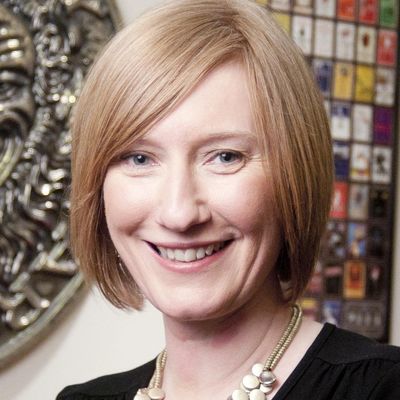
This week’s show features our sit down with Heather Hitchens, President and CEO of the American Theatre Wing, and Patrick Pacheco, a journalist and award-winning commentator who served as editor of American Theatre Wing, an Oral History, a beautiful book published last year to celebrate 100 years of The Wing—an organization dedicated to supporting excellence and education in theater... Read More
From the show: The Fabulous Invalid
Guests
Featured Shows
About
This week’s show features our sit down with Heather Hitchens, President and CEO of the American Theatre Wing, and Patrick Pacheco, a journalist and award-winning commentator who served as editor of American Theatre Wing, an Oral History, a beautiful book published last year to celebrate 100 years of The Wing—an organization dedicated to supporting excellence and education in theater. We discuss the mission of the Wing over the last one hundred years, diversity, inclusion, education, and what the future looks like. But before that, Jennifer, Jamie, and Rob each share the show that “did it” for them.
This week’s music: Irene Ryan singing “No Time At All” from “Pippin”, “Charming” from “Natasha, Pierre and the Great Comet of 1812”, and “Far From the Home I Love” from the Original Cast Recording of “Fiddler on the Roof.”
Transcript
This transcript was automatically generated and might contain errors.
[0:00] Jamie DuMont: I'm Jamie DuMont.
[0:01] Jennifer Samard: I'm Jennifer Samard.
[0:02] Rob Russo: And I'm Rob Russo, and this is the Fabulous Invalid.
[0:21] Jamie DuMont: Hi Jennifer.
[0:22] Rob Russo: Hi Rob.
[0:23] Jennifer Samard: Hello.
[0:24] Jamie DuMont: What's going on?
[0:25] Rob Russo: Well, I first of all I love the script because it says, Hi Rob.
[0:28] Jamie DuMont: Hi, Jennifer Samard.
[0:30] Rob Russo: So formal.
[0:31] Jamie DuMont: Well, Madam Jennifer Samard.
[0:35] Rob Russo: Okay.
[0:36] Jamie DuMont: So proofing and editing is not in my wheelhouse.
[0:41] Rob Russo: The scripts are often wrong.
[0:43] Jamie DuMont: Um last week's script, I think said David Henry Wong, even though we were interviewing Christine Andreas.
[0:49] Rob Russo: Um and I think that's just a layover from last week when we recorded and you were back, and I said, Hi Jennifer Samard.
[0:56] Jamie DuMont: Well, let's just say I'm shit for calling you out right now about that.
[1:00] Rob Russo: But anyway, it did make me laugh.
[1:02] Jamie DuMont: Jamie Colon, hi Rob, comma, hi, comma, Jennifer Samard.
[1:06] Rob Russo: It's so adored.
[1:07] Jamie DuMont: At least you got the commas right.
[1:10] Rob Russo: Well, I have gotten a lot better with certain punctual things, uh punctuation things because of my knowing Rob Russo.
[1:18] Jamie DuMont: Oh, that's right.
[1:18] Rob Russo: For example, I never used to punctuate the proper names of books and movies and um shows properly, just because I was lazy.
[1:29] Jamie DuMont: And you have shown me the light.
[1:32] Rob Russo: That's so beautiful.
[1:33] Jamie DuMont: So I do that now.
[1:34] Rob Russo: Most of the I used to capitalize.
[1:36] Jamie DuMont: Like I would write Oklahoma all caps.
[1:39] Rob Russo: That's a very industry thing though, I feel like all of them.
[1:41] Jamie DuMont: It is well now my autocorrect automatically goes to all capping things when it thinks it's a proper title, which is now super annoying because I'm not doing that anymore.
[1:52] Rob Russo: Right, right.
[1:53] Jamie DuMont: Anyway, that's the phones are too smart.
[1:56] Rob Russo: Uh that's a debatable point.
[1:58] Jamie DuMont: They're gonna take over the planet.
[1:59] Rob Russo: That is probably what's happening.
[2:01] Jamie DuMont: Probably what's happening, yes.
[2:02] Rob Russo: Yeah.
[2:03] Jamie DuMont: Um okay, so wait, what did we want to talk about?
[2:05] Rob Russo: Now I forgot.
[2:06] Jamie DuMont: We had a couple ideas.
[2:07] Rob Russo: We thought maybe we should finally answer the question we ask our guests every week.
[2:13] Jamie DuMont: What's our first show that did it for us?
[2:16] Rob Russo: Yes, yes, yes, okay.
[2:17] Jamie DuMont: Jennifer, you go first.
[2:19] Jennifer Samard: Okay. I think I might have said this in another podcast um that we did, but uh Nick, that's neither here nor there. Um, but the thing that gave me the bug uh was a 1974 production of Fiddler on the Roof uh in a summer stock uh in Manchester, New Hampshire at the beautiful Palace Theater. This was this beautiful house that was built in 1915, and I was sitting in the front row with my uh family, and that was sort of our spot, the front row center, where I could see the comedy and tragedy masks above the proscenium, and I was sitting on my mother's coat, and I saw a little girl on stage who was my age, and I thought, oh, I wait a minute. I was I don't want to be up here, I want to be down there.
Mom, I don't how does that how do I make that happen? So that was it was just this magical place, and it was so it was a production of Fiddler on the Roof. It always it all comes back to Fiddler on the Roof, or the King and I. I mean the people or the King and I and that Palace Theater is a spectacular theater. Gorgeous. That um if you're ever in Manchester for whatever reason, it's well worth peeking in aside. Although I don't think they keep buildings unlocked anymore. I think I'm mistaken. It was 1984. I was a little girl in 19820.
[3:31] Rob Russo: Oh, well, okay. I was gonna say my first was 1974 as well.
[3:36] Jamie DuMont: However, I want Robert.
[3:37] Rob Russo: Sure it wasn't 1990.
[3:39] Jamie DuMont: Actually, I think it was 2004.
[3:41] Rob Russo: Last week.
[3:41] Jamie DuMont: I think it was you know, it was.
[3:43] Rob Russo: It was last week.
[3:45] Jamie DuMont: Good.
[3:46] Rob Russo: Um so, Rob, what was yours?
[3:48] Rob Russo: So, and it's not the first show I saw, but the first show that really bit me was Hello Dolly.
[3:54] Jamie DuMont: Oh, hey now.
[3:55] Rob Russo: I saw it's a tradition in my town, I'm sure this is very common, that the local high school, when they would perform a show, that they would invite the elementary school kids to come see a matinee, which I think was probably like their dress rehearsal. Um and so I went to see a matinee of uh Hello Dolly at Long Beach High School in New York. Um and I just fell in love. I loved it. My cousin was in the ensemble, and I'll never forget like you know, it was huge cast, probably like 60 people. And she came on in the trains, you know, when the train comes on and she was in one of the windows, and there were tiny little windows just waving. And that was pretty much the only time I saw her in the entire show.
Um, but that show really bit me. And since then, um I've been in love. And you know, later that year, that spring, I saw an ad in New York Times magazine for an evening with Jerry Herman, which was a little cabaret show that he did on Broadway for like two months in the summer of 1998, and it had the Hello Dolly logo on it, and that's what grabbed me, it was right after I'd seen Hello Dolly. I clipped it out and I showed it to my mom, and she said, Well, we'll just have to go. So we got tickets to a matinee of an evening with Jerry Herman, which is a little bit of a paradox, um, and uh that summer and got to see him uh on stage in person and met him afterwards at the stage door. He was the nicest man, took time to talk to everyone. Um, and since then I've just been head over heels in love.
[5:20] Jamie DuMont: For me, it was I think 74 or 1975, and it was Pippin. And I was way too young to be in the theater. Um, and I didn't understand a lot of the sexual stuff enough of it though. I mean, I was, you know, I was whatever I was seven, eight, something like that. But I could I could not really get over the dancing and the the from the hands at the opening to to what was my favorite number from that evening, the the um Irene uh God, I can't think of her name, the grandmother's number. Irene Ryan's number. That just like blew me away.
[6:22] Jamie DuMont: And watching your flight be flung all over.
[6:27] Rob Russo: Make me man.
[6:42] Jamie DuMont: You know, we didn't ask Aaron. Aaron, was there a show that oh, there's no mic for Aaron?
[6:48] Rob Russo: Sorry.
[6:49] Jamie DuMont: Okay, we don't get to hear Aaron's answer.
[6:52] Rob Russo: Well, we'll build some anticipation, and on the next episode, he'll have to answer.
[6:57] Jamie DuMont: Unfortunately, Jennifer, you have a show that you have to go do.
[6:59] Jennifer Samard: I do, I gotta run and put on.
[7:01] Rob Russo: It's not unfortunate.
[7:02] Jamie DuMont: Thank God you have a show.
[7:03] Rob Russo: You have to do that.
[7:04] Jamie DuMont: I know exactly.
[7:05] Rob Russo: But let's let's rephrase that.
[7:07] Jamie DuMont: I know.
[7:07] Rob Russo: But you can't sadly you can't stay too for the interview too.
[7:10] Jennifer Samard: I know, and I'm ex- I love Patrick, he interviewed me on New York One, and I would love to be here for Heather, and um you're gonna have a great time.
[7:16] Rob Russo: But have fun.
[7:17] Jamie DuMont: Yeah, and you're missing the scones.
[7:20] Rob Russo: Boo.
[7:26] Jamie DuMont: This week we are delighted to have with us Heather Hitchens, president and CEO of the American Theatre Wing, and Patrick Pacheco, a journalist and award-winning commentator who served as editor of American Theatre Wing and Oral History, a beautiful book published last year to celebrate 100 years of the wing, an organization dedicated to supporting excellence and education in theater. Heather joined the Wing in 2011, following her term as executive director of the New York State Council in the Arts, and her roles as president of Meet the Composer, CEO of the Delaware Symphony Orchestra, and on the development team of the American Music Heather Festival. Patrick's work has appeared in the New York Times, the Los Angeles Times, The Wall Street Journal, and Esquire.com. And of course, you may know him from his many appearances on New York One's On Stage and the now shuttered Heather Talk on PBS. Welcome to Heather and Patrick.
[8:17] Heather Hitchens: Welcome.
[8:21] Rob Russo: Right, that's right.
[8:22] Jamie DuMont: Quite an interesting invalid.
[8:25] Heather Hitchens: Well, thank you for coming down. Before we dive into this wonderful book, Heather, I was wondering if you could give our listeners a little overview of what the Wing does.
[8:34] Heather Hitchens: Well, as was just said, it's about education and excellence. And in particular on the education um side, we're concerned about the pipeline and making sure that we have we're feeding the theater community with people that look like the the world that we're living in. And so a lot of our programs are really focused on making sure that we're giving people that don't normally have opportunities or the same access to theater, opportunities for training and scholarships to make sure that we have a future on the stage behind the scenes and in the audience that looks like the country, the world that we're living in.
[9:11] Rob Russo: Excellent.
[9:12] Jamie DuMont: Well, that's very good.
[9:15] Rob Russo: You are actually concerned about that.
[9:17] Jamie DuMont: It's good to know that you all are doing that.
[9:20] Heather Hitchens: But you know what's interesting about that is that I would like to say that that's my that's my idea, my great mission. But it was actually the women that founded the American Theatre Wing in 1917 before they had the right to vote that had that as their mission. And they're um, you know, one of the things that uh the American Theatre Wing did, and these women did was found the stage door canteens, which was you know the precursor to the USO. And the stage door canteens were actually integrated before the armed forces were integrated and before Major League Baseball was integrated. And they were criticized, the women of the wing for um this on the floor of the Senate by Senator Bill Bow. Tell me if I can vote right.
[10:00] Rob Russo: That's right.
[10:01] Heather Hitchens: And um they were I think the term was used they they were mongrelizing.
[10:06] Rob Russo: Wow.
[10:06] Heather Hitchens: And the women of the American Theatre Wing way back when said, go suck an egg.
[10:11] Rob Russo: Is that a quote?
[10:12] Heather Hitchens: So I would like to say that I'm just continuing in their footsteps. But you know, we might not say that as politely today.
[10:20] Rob Russo: You haven't told anyone to go suck an egg lately.
[10:22] Heather Hitchens: I might have said something that rhymed with that.
[10:24] Rob Russo: No.
[10:25] Heather Hitchens: Kidding, kidding.
[10:28] Jamie DuMont: Well, the American Theatre Wing does have this really incredible, fascinating history. Um, and you know, Patrick, your book that you edited and put together um has, you know, such amazing photographs, but also a really lovely, you know, oral testimony of um, you know, the history of this organization.
[10:46] Patrick Pacheco: Um, that's also very diverse. Um, you know, voices from out the you know, throughout history, but also in the present day, um, you know, behind the scenes, on stage, writers, directors, producers, sort of everyone contributed to making this book happen.
[11:01] Jamie DuMont: So I'm curious to know how did you go about putting it all together?
[11:04] Patrick Pacheco: Well, that that's a fascinating uh topic because I think the first thing that uh Heather and I sort of discussed at lunch was what form it would take. And early on, because it was going to be a fairly quick production at that time, um, I said, why don't we do an oral history? I had always loved oral histories, uh, you know, throughout uh you know literature. There's been a number of them, and I've always found the other thing that Heather had asked me uh was make it emotional. Um give the reader a tie, an emotional tie to the American theater wing. And I thought you could do that by uh bringing in the voices, a hundred years of them, both posthumous voices and the living voices of the organization that um made it such a dynamic and creative force for a hundred years.
So I started with uh with many, many hours and weeks and weeks in the library performing arts, going through these magnificent tomes, scrapbooks, really large, thick scrapbooks from 1917. They kept a very good record of their history, the American Theatre Wing, and they had donated those and given them to Library of Performing Arts. So that's basically where it started. And I would put on these latex gloves and have this kind of uh instrument to turn the pages because they were crumbling, practically crumbling into my lap. But what the what did come through were the voices, they you know, they came through dynamically and powerfully and emotionally, and as Heather said, these were kick-ass women who founded uh this organization and gave it its spiritual DNA.
[12:52] Patrick Pacheco: Uh really gave it this generosity. It was it was created obviously as a service organization for soldiers in the First World War. So they raised funds, they sent over two million uh you know objects uh overseas to help the uh refugees. They took in refugees, they raised seven million dollars at a time when it would have been 140 million now. Um, you know, they were able to raise seventy thousand dollars in 45 minutes in front of the public library. And of course, this is all very graphically illustrated in the book, and then we divided and then brought it up to date with uh about I think Heather, you gave me a list of about what started with 50 people and expanded to about 80 living people to interview.
It was hard. We were we were sort of evolving the list as it came along because we're like, well, are we gonna cover all these? But how I I mean, you wouldn't, you couldn't stop. That was the problem. And because it's true. It was like, oh my god, I have to go back to the library. Oh my god, I have to like talk to this like these women, and then one thing would lead to another. And so I think we said we were gonna get to 100. We picked the 50 essential people, and then we were gonna sort of expand from there. But I think at the end of the day, 125. Yeah, there were about ultimately 125 voices in in the book itself, complemented with 300 pictures, photographs, and uh and of the wide range, it does reflect the country and the world that we're living in.
So, one of the things that I'm proudest of about the book, and it's unlike any theater book that's ever been published, I think, is that there's equal space and text and photographs given to the unheralded and poor uh artists that are struggling that the the wing, by its very nature of its programs, support and give uh money to and nurture as part of their tremendous mission, along with the celebrities that you would expect, whether it's Angela Lansbury who writes the preface, or James Corden, or Lynn Manuel Miranda, Christian Chennewith, and all the others, uh, you know, uh Audrey McDonald, uh who are all part of this book as well. The subtitle of the book is 100 years, 100 Voices, which now we know it's a little bit more than 100 voices.
But it's a it's a good session. Um 100 million miracles, which of course is a nod to uh flower drum song. Um, but you know, reading through the book, you know, there is sort of a miraculous nature to this organization that it has endured and that it has shifted and changed through the years and has this incredible history um in its founding uh right to the present. I'm wondering if each of you could share with us if there's a particular story or moment in the history of the wing that um you know that you particularly love or that you discovered in the course of doing the the research for this book.
[15:46] Heather Hitchens: Well, I think, you know, we just talked about it a little bit because you know, we a lot of us involved in the wing, and particularly uh David Henry Wong, our chair and I were like, we really have to do something about diversity, and then when we looked that this was in our DNA, we weren't starting something new here. It was actually we were obligated by the founding of the organization, and that it was, you know, the that there was a long history of that. I think that was um really um a wonderful discovery and sort of fuel to keep going. Um but I think this whole notion that we sometimes lose in this community, that the artists will lead us. Artists as leaders, artists as thought leaders, art artists will lead us through their work, but they also have something to contribute to the larger society, and that it is always the way out of anything that we do.
And you see miracle after miracle where the art has moved the political dial. And I think one of the things that really, you know, because we said, well, how have we been with the Tony's in terms of moving the political dial, sort of the most famous thing we do? Well, you look back, and you know, the crucible was awarded the Tony at the height of the Red Scare, where you know, when the Pulitzer Committee deemed Who's Afraid of Virginia Wolf too controversial, it won the Tony. And you know, seven years before Hollywood tackled Vietnam with the deer hunter, the Tony went to David Ray's sticks and bones. Um, and um, you know, in 1983, when AIDS was first devastating communities, it was Harvey Feurstein's Torch Hung Trilogy.
So you look back at that and you go, you're really proud of the theater community for, you know, and you think about well, i it how much progress we've made despite what it might feel like at this moment in time, and that it was really the theater that created the dialogue, and the wing was there pushing that along. So that I think was to me just really encouraging. The theater really is miraculous.
[17:40] Patrick Pacheco: And uh, you know, take you know, Dave Malloy, he never thought he'd have a career in the musical theater. Uh and um he was playing in a band in San Francisco, Harrison Fjord. The Harrison Fjord. The only connection that he had with musical theater was that they would play songs from Jonathan Larson's rent. So he moves to New York and he's gotta pay the rent. He's poor. And so he googles grants, and one of the first things that pop up is the Jonathan Larson grant, which is administered by the wing. He says, They're never gonna take me. My music is much too weird for the musical theater. No, he gets the grant. He gets a grant, and not only does he get a grant, but he ends up uh working at Ars Nova, developing a show at Ars Nova, which got a National Theater Company grant, and also an Obi uh award from the um that's administered by the wing as well.
So he starts working on this obscure little show in this 87th uh seat house called Natasha Pierre and the Comet The Great Comet of 1812, and all these forces come together, and in and the person that is designing um uh the show is Mimi Lian, who again never thought she'd have a career in the musical theater, but uh she also got an Obi as well as a grant from the American Theatre Wing. So it's it's this kind of nurturing that Heather started talking about in the beginning that kind of creates the ambience in which these miracles are most likely to occur.
[20:00] ♪ Musical number: "Charming" — performed by Irene Ryan ♪
[20:18] Heather Hitchens: How many grants does the wing give out a year? Do you have a number?
[20:22] Patrick Pacheco: Um, I would say it's close to 10.
[20:27] Heather Hitchens: 60.
[20:28] Patrick Pacheco: Wow, that's significant. Yeah. So we we give um 10 National Theater Company grants. Um we give about 14 grants to uh Title I schools to help them do uh theater around the country. We give about somewhere between between 15 to 23 um uh training scholarships. So these are for kids in um elementary school through high school that teachers say these kids they've really got it, but if they can't they they can't afford to go to Interlochen or wherever they need to go to get the advanced training, but if they get there, they'll get it in the college, we'll get them in the pipeline. And then we have about five scholars per year that we send to college through, and that's through the Andrew Lynn Weber program.
So um, you know, there's a significant amount of um activity, but they're all really, and then we have our Jonathan Larson grants, so which are about you know four or five a year. Bench Passick and Justin Paul, who uh figure in the book quite a lot, uh actually took a lot of extra courses in college so that they could graduate early so they could qualify for the Jonathan Larson grant.
[21:37] Heather Hitchens: Wow. And one of the things that we think of is in terms of um being given grants is that it's not just the money, we want to pair the money because a lot of people they need the money so that they can get the training, but they also need the network, right? So it's like bringing them into the American Theatre Wing family, figuring out how to network them with a mentor. There was a young lighting designer who, you know, basically self-taught herself, was you know, wanted to get training. Um her mom said, you know, we can't afford it, so she googled scholarships and found the Andre Lloyd Weber scholarship. We sent her to Carnegie Mellon, and then you know, she came to present to the board meeting, and who was leading that board meeting, but Natasha Katz.
So to see Natasha Katz and this young lighting designer, you know, sit next to, and now she has not Natasha Katz in her network. So, and with the Jonathan Larson grant, we give money, we also give a residency, we give um the opportunity to create better demo recordings and recordings, you know. We try to just not just give the money and forget about it, but really say, okay, these people have deemed been deemed special by this panel of experts. Let's surround them with the kind of resources that are gonna make sure that they're successful, not just we're not one and done.
[22:50] Patrick Pacheco: W we had a conversation not too long ago about whether we were gonna get rid of the National Endowment for the Arts. But I guess the the thing is to just persist, right? Which is what you are doing at which is what you do every day, right? That's persist and and there will be success stories and the and miracles, and those you know, will be get other success stories and other miracles, and you know, you hope you can shift and you know, look, and when you look at when we were talking about some of those those productions and what they were tackling at the time it was controversial, but look at where we are now, and the kind of things, you know, when you think about well, 1983 in Torch Song, and then you know, um Funhome winning the Tony and touring the country. So we have made some progress, you know.
[23:33] Heather Hitchens: Absolutely, you know, just on a personal note, for me, I was I think 13 when Harvey Feerstein made that speech on the Tony Awards, and I was watching it with my parents, and I was struggling with my sexuality, and I remember that my parents laughed at what he said in a in an accepting way, like, oh, isn't that great? And I knew in that moment that when I finally came out to my parents, it would be okay because they would accept me. And I would not have had that without that moment in time and in history. And so what you do is it it affects everyone, as you know, it touches so many lives. There are stories after story in the book recounting exactly your experience in in terms of Neil Patrick Harris was the same way.
He said, I just shied away from anything having to do with Lakage of Harvey Fire Scene because it was guilt by association. I just didn't want to even sort of acknowledge musical theater. But it saved my ass. Um it really saved my ass. And when my father took me to see James Earl Jones in fences, I was all of about 11 or 12, and there was no reason for an 11-year-old, and he recounts this in the book, there was no reason for an 11-year-old to identify with this with this couple, with this family. But I did big time. And when his wife was just reading him The Riot Act, I balled my eyes out, my eyes out. It just touched me so deeply. And I knew in that moment the healing power, the power of theater and what it could do, and it sent me on my path.
And you see that over and over and over again in the book, just how much the theatrical experience brought people out of their shells and made them realize that there was this world and this tribe of crazy people in New York and that they so wanted to be a part of and became a part of.
[25:31] Heather Hitchens: And you know, it's the acceptance, you know, of that. And when you look at um, when we were talking about the sort of advocacy and how do we get the message through, you look at the Parkland kids. They've had theater, they they are articulate because they've had theater and they know how to do that. And then our community said we want to reward that teacher, and we want to put a spotlight on that on the on the Tony Awards, and that's how you know you create those reverberations of why arts education is important. Um that was another remarkable moment when you had those kids on the show. That was fantastic. It really does. I think I think it's emotional, it's probably one of the most emotional uh awards programs of the year because it is people that can articulate their thoughts and are free to express them as well.
And it was the kiss that was heard around the world as well when Mark Shaman, you know, kissed his his lover uh Scott. Uh, you know, it was a shocker to some people out there, certainly not to us, but it's it's in the book because it does kind of look through some of the great moments of Tony history. You know, and there was even a moment in 1967 when the Tonies disappeared. But when you see uh when you see it all together in a book, you see the continuity, and you not only see the continuity, but you kind of see Guardian Angels lifting it up just when it's about to disappear for one reason or another, whether it's economics or people uh just people who were sustaining it die, like Helen Mencken or whatever. Somebody else comes in and just lifts it up to the next chapter, and somebody else just comes in as well. It's the fabulous invalid. It is the quite literally, right?
[27:13] Patrick Pacheco: When you say that the Tonies almost disappeared or did disappear in 1967.
[27:17] Heather Hitchens: Well, they almost they almost did. It was Helen Mencken was sort of sustaining it through uh uh with her own money to some extent, or her husband's money, she was very well married at the time. And she had had what you do get a sense of uh the women that lead this organization will are like mother courage. Nothing stops them. And they they you know, Antoinette Perry died fairly early on because she was giving her last ounce of devotion to the Tony Award. Helen Mencken likewise had had a heart attack, and yet she kept going. Isabel Stevenson, the same sort of thing. So uh Helen Mencken had had a heart attack, she was slowing down, and she says, I just can't do it anymore. And they'll they announced that there would be no Tonies that year.
Harold Prince said uh Helen Mencken, uh, who he knew and liked, and they had a relationship, and he was also involved with the League at that time. It was called the League of American Theater Producers. And he said, You can't let it go. Now, he had something of an investment in it because it was the year of Fiddler on the Roof. So Fiddler on the Roof, of course, went on to win a number of Tonies that year. That's a good thing. It was a good thing that he did have something invested in it. But he did, it did go on. And it's now, as you can say, this powerhouse that uh brings uh the the theater, the Broadway Theater, to the rest of the country.
[28:56] Heather Hitchens: Well, give him my regards, this uh Moses of yours. I always thought he was a good man. Tell him I rely on Azanna to treat my daughter well. Tell him that.
[29:34] ♪ Musical number: "Far From the Home I Love" — performed by Irene Ryan ♪
[30:04] Heather Hitchens: We're so lucky, you know, in terms of the Broadway part of the theater here in New York, the commercial part of theater. It's like people, you know, through the recession, it's just continued, like the, you know, the attendance and grosses continue to go up and people continue to go because it's an experience. When you go back home in your local community, it's more like, you know, going to church every Sunday and do I want to see this? And and and so, and they don't have the sort of marketing support and things like that. But I think people are finding the theater more and more if it's not you know through their kids and um, you know, there people are looking for an experience that isn't a virtual experience. Um, I think that's still the live experience still, you know, translates and means something to people. Can't be replaced.
[30:49] Patrick Pacheco: Not at all. It's one of the places where, you know, you're you well, I was gonna say you're not on your cell phone. Hopefully. If Patty Lapone has anything to do with it, you're not.
[31:01] Heather Hitchens: Next test. And um, and you're taking the same journey together at the same time. You know, it's uh and there's nothing else that's like that. And you know, you look back and we were like talking about these women, and you were talking about Antoinette Perry and not letting the Tonies die, and that and I like to the point where she was a gambler, and she supported the wing with gambling proceeds. Talk about favorite stories. I love that.
[31:24] Patrick Pacheco: Yeah. Because when people go, oh, are we honoring the history of Antoinette Perry? I'm like, oh yeah, the you know, the Obi's is right up her alley. She played the horses, right?
[31:36] Heather Hitchens: Yeah. During wing meetings, she would send her runner out to put her numbers uh on these horses.
[31:43] Patrick Pacheco: Oh, that's incredible.
[31:44] Heather Hitchens: Yeah, that's great. These women so it's true that the wing would not exist in the form that it exists if it had not been started by women. I mean, there's no other way that it could be what it is, correct? I mean, that's what I keep hearing over and over again. It was these tenacious women who wouldn't take no for an answer, who were probably told no all throughout their lives about even vote. They couldn't even vote. And some cemeteries wouldn't accept actors, you know, into the cemetery as well. And when you think about where we are today, where it feels, and maybe it just, you know, from where I'm sitting that women leaders are under attack more than ever before, you know, and it's just, you know, and you see this happening and you think about what was it like?
But we have the right to vote now. We have the, you know, and I think what was it like for these women at that time, and what was it that made them just continue to persist despite all odds and obstacles that have been put up that were put up in front of them.
[32:46] Patrick Pacheco: Uh if I may, can I read something that's pertinent from the book?
[32:50] Heather Hitchens: Please do.
[32:51] Patrick Pacheco: It's from uh Brooks Atkinson of the New York Times in uh, I believe about in the mid-40s. And uh this was when men became involved in the American Theatre Wing when they were creating the stage door canteen. Uh Brock Pemberton was very active. So uh Brooks Atkinsons offers a toast at this point. And he says, gents, I give you woman. Let us propose a toast in honor of the good ladies of the American Theatre Wing. Since January 1940, they have been working away at war relief on a war basis, sewing and knitting garments, collecting money and secondhand clothes, and partially and dispatching everything to England. Last autumn, a men's committee was organized under Gilbert Miller's chairmanship. It made deep masculine sounds for about two months before getting down to work.
But the impractical and glamorous ladies of the stage, who are commonly suspected of being helpless, inefficient and vain, have been carrying on for more than a year without benefit of champagne or orchids. And that kind of gives you an indication of men sort of sitting around, you know, smoking cigars and drinking brandy. Well, the men are well, the women are kicking ass and have been since 1940 before America even entered the war. They took in refugees. I think that was one of the most inspiring things to me was to be reminded of a time when people uh were willing to sacrifice, when sacrificing for your country was an obligation and a duty and a willing uh, you know, uh spirit in this country.
It was so great to be reminded of that. Just how united this country was in fighting against this foe, and especially the theater. Especially the theater. I think um once time and time again, Eleanor Roosevelt said that the American theater wing and its stage door canteen is the greatest morale builder in the country. And they spread these canteens all over the country and Europe as well. They were they were really extraordinary in their efforts and in the war efforts. And I think it continued. That DNA was set in 1917, and it continues to this day. I think that's what I came away with.
[35:15] Heather Hitchens: Such a legacy. It really is. And I hope I never make a deep masculine sound. If I do, please put me down.
[35:25] Patrick Pacheco: Well, you know, so the wing was, you know, forged in wartime and certainly emerged from World War II with this national profile and embarked on all these grant programs. I'm wondering what do you see as the future for the wing?
[35:38] Heather Hitchens: I think it's doubling down on the same sort of values, the same core values. It's funny because we were founded on a war footing, and in many ways we're on a war footing now. And you know, it's always about returning to the artist and the art. Um and and making sure people have access to that because it's through that that we change. It's through that that we advance. That's the only place that's left that we actually have some kind of dialogue happening. You know, it is um Oscar Eustace, when he spoke to our advisory committee, said, you know, it is um, you know, the theater has to tell the hard truth of how terrible life can be while preserving hope. And I think the other thing, when when you talk to people, they were they were wanting to create dialogue, not division.
They, you know, and I think that was really important that that that came through. And that, I mean, we can support and get behind brave artists and brave voices. We can amplify those voices, and it's that that's the only dialogue that we have left, actually. Um, and you know, it's interesting because you know, um, everybody on you know, every side of this still likes to come to the theater. We have some very prominent examples of recent history. You know, who still feels welcome to come to the theater and wants to and wants to come to the theater. So it is kind of such an opportunity to sort of get behind these brave artists and just let them be heard. Um that's kind of what I feel our mission is, and to get more people, you know, um different voices heard as well.
And you know, you took you talk about all these miracles, and some of them, you know, happen on the Tony Awards. So we have, you know, proof of that. But some of the miracles happen in the panel rooms. And you know, like one of the things that has just you know um makes me want to cry is when I see the members of our community, especially through the Andrew Lloyd Weber initiative of the last year. You see, like the top people of our community that took time to read applications, and they come in and they are like, get your boxing gloves out. I have five kids that I'm gonna fight to the death for. And you think, and especially because there's one kid that you know, Bernie Tells he said, You're gonna watch his audition, you're not gonna argue with me because you are gonna see nobody argued, and now you know, I want you to read this young man's statement.
[38:02] Patrick Pacheco: And he said, when my mother gave up her parental rights to me, I found the theater. Um, and we put, you know, that young man made his Broadway debut this year and said it would not have happened without this community, and to see that community caring, um, you know, about the next generation, those miracles, and so you see like the top people in our community saying, we want to make the next generation, and we want to find these new voices and we want to lift these people up. Those miracles are the ones that are not broadcast, but they're happening every day. And it's really, again, it's about the Wing is just the vehicle for bringing the community together on these things. The diversity that you're talking about extends from Ty Defoe, who was a Jonathan Larson grant winner and who identifies as trans and Native American, to Stefan Walford, who was a veteran of Middle Eastern wars.
So I was really excited when I was doing a story on Bedlam, which had received an Obi as well as a National Theater Company grant from the American Theatre Wing. And he said, oh yeah, we have a veterans program. And I said, what? And he said, yes, because I wanted to tie 1917 to 1948 when Joe Mastroff, who wrote Cabaret and She Loves Me, got a grant from the American Theatre Wing that sent him on his way. So I could trace it from 1917 to 1948 to today, Stefan Walford was able to, because Bedlam got a grant from the American Theatre Wing, could bring together soldiers and veterans of Middle Eastern wars who were suffering PTSD, and they could share their experiences. And you see there a hundred years of the American Theatre Wing supporting soldiers.
It was such a eureka moment when I called the artistic director of Bedlam and I said, could you, is it arguable that the money you got from the American Theatre Wing supported the veterans program? And he said, absolutely, it wouldn't have happened without it. So I think that's a good thing. Well, this is one of the great things that Patrick did with this book was draw these lines from our history, which seemed like vast, and you know, and I'll never forget the board meeting when you drew the line from the women sewing uniforms in, uh, you know, back in the war times to William Ivy Long putting the ribbons together, the year of the Orlando tragedy, um, you know, and in which we all wore silver ribbons in solidarity with, um, the people of Orlando, and it was just like, aha, that was the Eureka moment for us.
That this thread of courage, this thread of, um, compassion that has been there from the beginning, and there's not anything that you, you know, any point in the history that you can't find that, um, it and it's, and it's, it is emotional and it's passionate, and, uh, the thing about it is, is that I was at this induction ceremony, uh, for the Heather Hall of Fame, and everybody, of course, was waxing poetic about our love of the theater. And Susan Stroman, who's had her ups and downs in the theater, came up to the podium to, um, uh, to present an award, and, uh, she said, you know, we all love the theater, but we also know that it can grab you by the scruff of your neck, drag you down a dark alley, and just beat the crap out of you.
Um, she didn't use the word crap, she used something else. But I think you're a, you have a polite audience. And it's really, and we all know that that's true, but man, when the proverbial crap hits the fan, uh, the theater does reach out to its own. And I think that's reflected in the book as well. You do sense a family, a dysfunctional family.
[42:00] Heather Hitchens: Oh, absolutely. And I would think that now that the book is completed and you've made these connections and you've looked at the past, I would assume that that helps guide the Wing's future, correct? In terms of when you see all these through lines over its hundred or more years, that you can really look towards what's going to happen with the Wing in the future by looking at its past.
[42:26] Patrick Pacheco: Absolutely. And that these two things, so supporting brave work and brave people is really key, you know, to going forward. And you look back and you say, you know, when they write the book about the next hundred years, I want the, I want stories as rich and interesting as these stories. I want, you know, the theater, um, Wing to change the world, which is what it has done, you know, uh, without being too, you know, hyperbolic here. You know, when we began this process, and I always tease Patrick I'd never done a book, and he never did a book, but he was the first person that came to mind to do this project because I love the way he writes. He had a deep knowledge of, um, the American Theatre Wing, and I knew it would be in good hands.
I wasn't gonna get sort of like, uh, you know, boilerplate, like that he, he was gonna dive into this with all of his heart and all his soul, and clearly that's what, you know, um, that that came out of it. And, um, so you know, you think the next hundred years you want, you want a book to be written. I don't know where the next Patrick Pacheco is gonna come from, unless you have some kind of longevity that I don't hopefully through a Wing grant start his career or her career. That's how it all happens.
[43:37] Heather Hitchens: Well, it's a beautiful book. Um, and I should say that it's in its second printing, is that correct?
[43:42] Patrick Pacheco: Yeah.
[43:43] Heather Hitchens: That's fantastic. Very exciting. And we're hoping to go to the third and fourth printing. Is there a softcover edition in the works, or is it just gonna be this beautiful, gorgeous, hard?
[43:48] Patrick Pacheco: So far it's just been the hardcover, but if there's demand for a soft cover, I think we'll, it's the only thing I don't like about it is that it's really heavy. It's about five pounds. It's substantial. It cost me 60 bucks to send it to Europe.
[44:10] Heather Hitchens: But it is, uh, uh, what was exciting about it in talking to Jason Egan and Aris Nova, in which all these elements sort of came together with Dave Malloy and Natasha Pierre and the Great Comet, is that he said, you know, everybody asks me, uh, did you know, you know, you were gonna go all the way to Broadway and be nominated for 12 Tonys and win two Tonys? And he said, heck no. He said, the fact that all this happened was as big a surprise to us as to anybody else. We were just telling stories. And basically that's ultimately what it all comes down to. We're just telling stories. And that's true of the book as well. All these people just came together, these, uh, posthumous voices were just telling stories, and all the living voices as well were just telling their story. And it was vibrant and exciting and educational. And one thing that I've always gotten from people, especially people in the theater, is that it was inspiring. So I'm glad about that.
[45:16] Heather Hitchens: Do you have a favorite quote from the book of all the quotes that you gathered?
[45:20] Patrick Pacheco: Oh, I think.
[45:23] Heather Hitchens: No, I think that how long do we have?
[45:26] Patrick Pacheco: Yeah. There were quite a few. I think, um, one of them was certainly what I w what, uh, I responded to earlier, and that was the Neil Patrick Harris story about having his heart ripped out. Um, watching Fences at the age of 11, at the risk of repeating myself, was another Neil Patrick Harris quote. And that was I valued those few individuals who saw a spark of something creative in me and kindled that fire and made sure that it wasn't snuffed out by shame.
[46:02] Heather Hitchens: Oh.
[46:04] Patrick Pacheco: So I think that is what we were talking about earlier, is that so many of us grew up with a sense of shame that we didn't fit in. And we, we are so grateful to the people that kindled the creative fire that they saw in us, one after another. You know, and I think that's what the Wing does best. The Wing kindles the fire.
[46:39] Rob Russo: Rob here with you may be wondering. We just finished our chat with Heather Hitchens and Patrick Pacheco about Patrick's oral history book of the American Theatre Wing. Most people know the Wing, if they know it at all, from the annual award show that they co-present with the Broadway League. You know it, the Tony Awards. You may be wondering how this tradition began, though, and how the Tony Award itself got its name. Well, in order to explain, first you have to meet Mary Antoinette Perry, born in 1888. Perry was an actor and director who worked her way from Denver to New York and by the 1920s was a regular player and then prolific director, season after season on Broadway, most famously directing the hit play Harvey in 1944.
While playwright Rachel Carruthers founded the Stage Women's War Relief in 1917 and rechristened it as the American Theatre Wing of the British War Relief Society in 1940, it was Perry who Carruthers chose to become the first chairwoman of the board. In this role, Antoinette Perry led the organization through World War II as it launched the famous Stage Door Canteens, led a much lesser-known speakers' bureau and performance group known as the Victory Players, and sent full-fledged productions abroad to entertain the troops. A devout Christian Scientist, Perry refused to see a doctor, even as she suffered from heart disease. And so, on June 28, 1946, the day after her 58th birthday, she died of a heart attack.
Her devastated colleagues had given her life for the Wing, and so they got together and decided to honor her legacy by starting an annual award presentation in her memory, known as the Antoinette Perry Award, or Tony Award, after her nickname. And thus the tradition began. The first Tony Awards were held in 1947 at the Waldorf Astoria Hotel in New York. Unlike the present-day awards, those first prizes were a scroll accompanied by a money clip for the men and a compact for the women. In 1949, the Tony Medallion was introduced, featuring the masks of comedy and tragedy. And in 1967, the year of the first Tony telecast on TV, those medallions were mounted on a black granite pedestal, which reflects the current award design.
Since the 1900s, Broadway Theater has been considered the highest level of commercial theater in the English-speaking world. And so, the Tony Awards remained the most prestigious honor in the theater, reflecting the pinnacle of achievement for actors, writers, directors, choreographers, designers, and producers. Since 2015, the Wing has also co-presented the Obi Awards with the Village Voice, celebrating the best of Off-Broadway and Off-Off Broadway. When the Voice shuttered in 2018, the Wing publicly committed to keeping this tradition alive. From the Tonys to the Obies to all their other important programs that Heather talked about, I'm sure that Antoinette Perry would be very proud of the Wing and the vital role it has played in advancing arts and cultural visibility in America and around the world.
Our theme music is by Lucky Chops. Today's episode was edited and engineered by Aaron Kaufman. Find us on iTunes and online at the Fabulous Invalid.com and on social media at Fabulous Invalid, and be sure to tune in next Wednesday.
© Broadway Podcast Network, All Rights Reserved