

Part two of a special, two-part episode of “The Fabulous Invalid”, Jamie and Rob take an in depth look at the life, work, and legacies of Bob Fosse and Gwen Verdon by talking with actors and dancers who knew and worked with them... Read More
From the show: The Fabulous Invalid
Guests


Featured Shows
About
Part two of a special, two-part episode of “The Fabulous Invalid”, Jamie and Rob take an in depth look at the life, work, and legacies of Bob Fosse and Gwen Verdon by talking with actors and dancers who knew and worked with them.
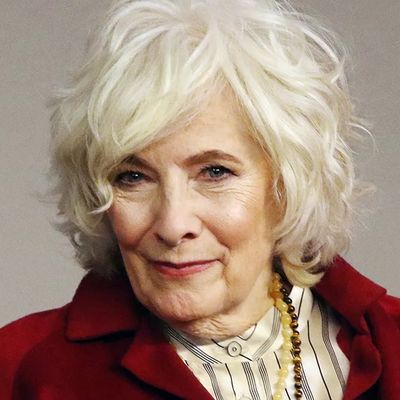
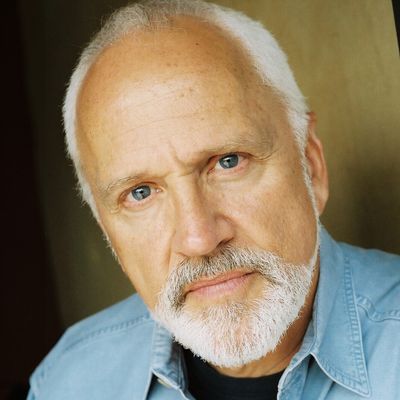
From their first auditions to memorable experiences in the rehearsal room and in performance, Mimi Quillin, Jane Lanier, Chet Walker, and John Rubenstein—along with Betty Buckley and Donna McKechnie—pull back the curtain to reveal the Bob and Gwen they knew. This podcast offers a unique look at one of the most famous, successful, and fascinating show-business duos in history.
This Week’s Music: “Overture” from “Chicago”, “A Little Brains, A Little Talent”, from “Damn Yankees”, “Who’s Got The Pain”, from “Damn Yankees”, “Bye, Bye Love”, from “All That Jazz”, “Steam Heat”, from “Fosse”, “Life’s A Bowl Of Cherries” from “Fosse”, “I’m A Brass Band”, from “Sweet Charity”, “Hot Honey Rag” from “ Chicago”, “South Mount Sinai Parade”, from “All That Jazz”.
Find us on Twitter & Instagram: @fabulousinvalid
Facebook: www.facebook.com/fabulousinvalid
Rob’s reviews: www.stageleft.nyc
Email us at: info@fabulousinvalid.com
Jamie Du Mont
Twitter: @jamiedumont
Instagram: @troutinnyc
Rob Russo
Twitter/Instagram: @StageLeft_NYC
Jennifer Simard
Twitter: @SimardJennifer
Instagram: @thejennifersimard
Transcript
This transcript was automatically generated and might contain errors.
[0:18] Jamie DuMont: Welcome to The Fabulous Invalid, a Broadway-centric podcast, where we take a 360-degree view of the theater through interviews with actors, writers, directors, designers, and everyone in between. I'm Jamie DuMont, recovering marketing associate, personal chef, and event planner.
[0:32] Rob Russo: And I'm Rob Russo, writer and theater critic with StageLeft.nyc. This week we're resuming our look at the life and work of Bob Fosse and Gwen Verdon by sharing interviews we did with people who knew and worked with them.
[0:44] Jamie DuMont: If you missed last week's episode, give it a listen.
[0:47] Rob Russo: Yes, in that episode, we talked a lot about Bob Fosse. In this episode, we'll talk a little bit more about Gwen Verdon. You'll hear from Betty Buckley and Donna McKechnie, who we also interviewed for their own episodes of The Fabulous Invalid. But you'll mostly be hearing the voices of Mimi Quillin, Jane Lanier, and Chet Walker.
[1:02] Jamie DuMont: So we'll let them introduce themselves first.
[1:05] Jane Lanier: Hi, I'm Jane Lanier. I worked with Bob and Gwen initially on the revival of Sweet Charity, starting in 1985, opening in 1986 on Broadway. And I worked as a performer. And then I was brought in to help them reconstruct the show. And I was also asked to be dance captain, so I know where all the bodies are buried.
[1:39] Chet Walker: Hi, I'm Chet Walker, and I have worked for both Bob Fosse and Gwen Verdon together and separately.
[1:46] Jamie DuMont: That's our cast. First up, though, is a word from Betty Buckley.
[2:17] Betty Buckley: Fosse and Gwen Verdon. They were like gods to me, you know. Like when I first moved to New York, I found out who made who was a man named G. Banks who made Gwen Verdon's dance boots, because I had to have a pair, and so he made me dance boots exactly like Gwen Verdon. And for all my auditions, I used to wear a red, a skinny black velvet ribbon tied around my neck. When I met her, I saw that she wore beauty marks, so I always wore a beauty mark. And I always wore a beauty mark with any character I played because she did.
[3:42] Chet Walker: I really do think, you know, Gwen was his muse and could do anything. And you know, he had a party for us, the cast in had his house in Quag. And he's not married. I mean, he's married to Gwen, but they're not together. But she's there playing the hostess with him all day long. And it was beautiful. There was no, I never saw any tension or weirdness at all between them. She was the muse of Jack Cole. Right. And she was the muse of Bob Fosse, and Jack Cole and Bob Fosse never were around each other. To be a muse, as great as she was, is kind of hard. Being a muse of one person is one thing. Being a muse of two people, that's you know, that's a lot of pressure. You are the kicking board, you are the sounding board, you are the uh the therapist, you are uh uh the one who gets yelled at.
Yeah, because you always hurt the people that are closest to you. Um yeah, a muse is, and then and then, you know, look at other choreographers who've had muses. The muse before the muse no longer is the muse.
[3:42] Betty Buckley: You could love a guy like that.
[5:40] Rob Russo: What's my plan? Same as with any man. I'll use the standard path plus a little this, uh, and a little that, uh, with an emphasis on the ladder.
[6:06] Jane Lanier: Their relationship was like, I don't think some of us understood. I mean, maybe some people did, I don't know. Wasn't important. What was important was the respect, you know, that each had or the desire that each had a need for the other for certain things. And if that person, the other person would give it great, and if they would hold back great, because all would end up being the end result was not about them, it was about what they were doing. And they're human. Their banter with each other could be easily misinterpreted as being um a little fight, but it it was just banter. And the first time I witnessed it was when I was in um pre-production, and I got there, and I think we worked like 10 to 4, five days a week for you know several weeks, and um Gwen was wearing her charity dress over her rehearsal clothes, which usually her rehearsal clothes were like a um uh man tailored shirt, usually the collar up, perfect angle, and just jazz slacks.
And she had the charity black dress on. It wasn't zipped all the way up in the back, but she was, and but she had her top hat and little little ankle socks on and heels, and she did, if my friends could see me now. And Bob just says, What are you doing? And she was like, and then he and oh uh what are you wearing? That was it. Not what are you doing? What are you wearing? Well, it's my original dress. Well, do you know that it's open at the well of course I know it's open at the back. My boobs are bigger now. Well, well, it looks awful. Well, what looks awful? Uh uh, you know, and it and it just went on and on. Well, you made it. Well, no, I never choreographed that. Well, I'd like to know who did.
Then, well, do it again without well, it doesn't look right without without a dress. Okay, and then he just went out for coffee. And she would say, He needs to get out of the room. And they would, and but it wasn't angry. It was, but I was like, Oh my, what have I gotten into? Right. Oh, and they would have lunch together, too. He would clear everything, and lunch was no talk about the show, you know. And he would make like almost like my memory, and it's totally wrong, is that there was all of a sudden a linen tablecloth, and we were having lunch, and Bob would go and buy it. I mean, that's what they were very, and he would, and then when lunch was over, all foods out of the room. And you know, Gwen at her apartment, none of her Tonys or any, they were in a closet.
Posters, everything wasn't, nothing was out. We were doing the the commercial of Sweet Charity, and I was gonna assist Mr. Fosse, and our call time was at nine o'clock. And I got there right at nine o'clock, and the stage manager Craig Jacobs says, He's on stage. I go on stage. He says, What time is it? I says, nine. I was here at seven. Got it. I should have been there at 6:45. Got it. Didn't didn't need to need to hit me. You know, I got it. Things like that happened all the time to me. And him wanting to know where she is, can't find the her calling around, doing all this stuff, going, I would go back into rehearsal, and he goes, Did you find her? It's like, no. Go out and find her. It's like, how do you go find someone in New York City?
Right. You know. And finally, when she showed up, I said, you know, Bob's been looking for you. Oh, has he? And I went, oh, okay. Then we walked into rehearsal and they looked at each other, and that was it. That was it. As if everything is right in Glackamora. And I know that there are other stories about him he his improper behavior, you might call it coming on to women and all that. If he ever came on to me, I totally missed it. That's how naive and dumb I was. But um he could also be he could be a little cruel. He and he would he would do that once in a while to me. But I think that's because I was very close to the flame all the time. You know, I was always there. We were in Los Angeles rehearsing, Bob was there.
There was another director. We put the show together, and then Bob came back to see a run-through. And I'm sitting on the side, and I just look up at the front of the room, and Gwen is charity in her chair. She is going through the whole play while watching Debbie supporting Debbie, which was great, but that was so beautiful to get a glimpse of what who she is was as a performer sitting in her chair.
[10:56] Rob Russo: Do you think she was aware that she was doing it, or was it just coming out?
[11:02] Jane Lanier: Probably not. No, because she was so into the run, she had no idea, you know, but I just happened luckily to look up and see her. This is a long time ago. But them working together always seemed seamless to me.
[11:47] Chet Walker: I saw something different in him. He was 59 at the time. I just saw this openness. I mean, I kept hearing him call my name, and I kept saying, "Yeah," as we're going through the dressing. He was trying to find each other. The first thing he said to me, and we hadn't seen each other in several years, was, "Oh, you're blonde now." Yes. I mean, it's like that's what you have for me, right? Like, and so that was funny to me. That was like, so we're back. That was like saying, "We're back. It's okay." So you, you know, so you didn't call like I asked you to do, and you know, blah, blah, blah, blah, blah, which I'm bad about. All that other stuff didn't matter. Didn't matter, you're blowing our. And when you say openness, like, do you mean openness just in terms of like being receptive towards praise?
And he was a little boy having fun. This was a period of time, that that 59 up to 60, where he's, in my opinion, was like, and because there were times when he would say to me, "I think I need to go back to work." And you're like going, you have Chicago, the movie, you have this, the movie, you have that, the movie. Like what he meant was getting into the garage and his dance studio and kickball changing and figuring out the next thing. But that's, you know, that's how he looked at it. The creation of something new, that process again.
[13:11] Rob Russo: Bob Fosse famously suffered a heart attack requiring open heart surgery in 1974, shortly after work began on the original production of Chicago on Broadway. His poor health ended up delaying the show until the next season, when it was pitted against the juggernaut of A Chorus Line and became the biggest Tony loser in history. Bob would later use this experience as material for his autobiographical film, All That Jazz. In that film, you'll also see the character of Joe Gideon, a thinly veiled Fosse dealing with substance abuse. In real life, Bob, who was a chain smoker, relied on a mixture of alcohol, cocaine, Seconal, and Dexedrine to power him through marathon work sessions. He'd go days without sleeping.
Haunted by depression, he checked into the Payne Whitney psychiatric clinic, battling suicidal thoughts shortly after his Oscar win for Cabaret. After that heart attack and open heart surgery, he'd cough and struggle with angina for the rest of his life. By the 1980s, Bob had turned his focus to Hollywood, following the critically acclaimed success of Cabaret and All That Jazz. Well, he had a plan to adapt Chicago for the screen. The 1983 film, Star 80, dramatizing the tragic story of Playboy model Dorothy Stratton, would be his last. After working on the 1985-1986 revival of Sweet Charity, but before gearing up for its national tour in 1987, he directed and choreographed one final original musical on Broadway, The Oft Forgotten Big Deal, for which he also wrote the book and chose existing jazz songs from the 1930s to be the score.
[14:38] Jane Lanier: Big Deal was Bob Fosse in his purest and most uncensored form. A stage musical that had the look and style of a film, reflecting his work in Hollywood. His last show would also unfortunately be his first and only Broadway flop, closing after only 69 performances, but earning him one last Tony Award for Best Choreography. Death, a constant fascination of Fosse's, was lurking once again.
[15:06] Jane Lanier: I'm 60, I'm gonna postpone it as long as I can, I guess. Bye bye, life. Bye bye. Happiness. Hello, lonely Ned. I was um at the Minskoff rehearsal studios again. This is so this is what is this? 87, like in June or something, before the national tour went out. And I was auditioning for something, some other show. Um, and we're all sitting there in a lobby waiting to go in. And all of a sudden, Fosse walks by, and I kind of look up and he looks at me and he's like, Jane. So I get up and I give him a hug. All the other girls are like at me, right? And so he said, I'm in studio, whatever. Come see me when you're done. I said, Okay, you know, so I'm so excited. Um, and then like 10 minutes go by and he peeks his head around the corner and was like, Have you gone in yet? And I'm like, No. He's like, Okay, good luck. But how sweet is that, right? Yeah. And kind and supportive.
[16:40] Jane Lanier: And so I went in, did my audition, and then I went to his studio, the door, and I knocked on the door, and as I'm opening it, I hear music playing, but he shut it off immediately. So I don't know if he was working on his next piece or a next show. And then um we talked for a little while. He was really sweet, because I was like, I think I should be the ponytail girl, Bob, in the in the tour, and he laughs. I'm like, well, I was kind of serious, but okay. Um and that's the last time I saw him. Bye bye. Bye-bye, sweet caress. Hello, emptiness. I feel like I could die. Bye-bye, my life, goodbye. Bye-bye, your life, goodbye. Two, three, four, five. The story is that he died between rehearsal and the curtain going up, but that was opening night.
[17:35] Jane Lanier: And I remember going down to the stage to warm up, and Bob, if he was in town, would always come around and just say hello. And he would always do um, well, he and I had this little thing where we didn't really have to say much to each other, but he'd say Miss Quillin, and I'd say Mr. Fosse, and we'd do like a little nod or bow, and then I would continue warming up, and you know, we'd and um I kind of it kind of fueled you for the evening. And uh he wasn't around, and I was sort of like, okay. And so at the end of the show, um, which went beautifully, and Donna McKechnie was a fabulous Charity. Actually, they all were fabulous in their way. Donna was wonderful. And um they called us to the stage, and um we all thought it was closing notice. We thought they're gonna we're we're gonna close. So we all went down to the stage, and one of our producers, Peter Kulak, just stepped forward and said, Bobby died.
[18:30] Jane Lanier: Now, there was a stagehand named Bobby, and we didn't call him Bobby. People that knew we were newer, we called him Bob. And it took us all a minute to go, but Bob. And then people just started to fall apart. Bye, bye life. As Mimi mentioned, Donna McKechnie was headlining that 1987 National Tour of Sweet Charity. When we sat with Donna recently, she recounted the story of that final day with Bob, September 23rd, 1987. That's one of those things in your life that, you know, uh when I when I do master classes, when I'm able to go around and do my show and then, you know, work at a college or you know, uh a school, um, I I like to impart some information because everybody knows the name now, and now they know Gwen, they brought her back, which is great.
[19:35] Jane Lanier: And there was a speech he gave us the day he left the planet, just before we opened at the National Theater in Washington, DC. And I think back on that, and I and I I feel that he had to know something that was going on because he talked, he sat us all down, and he talked to us like a father, talking to you know his children. And and that's how he related to us anyway, because we were all individually handpicked. Um said, you know, uh, my advice to you is you know, save your money. I should have listened to that one. Um when you get up in the morning, don't you know, ask yourself how can you be a better performer? Be don't be frightened, I mean afraid of um facing your weaknesses, acknowledge your weaknesses, and then work on it.
[20:25] Jane Lanier: And don't compete with anyone else. You have to compete with yourself. And you know, these are the things he was saying to us. And he said, and not just as a performer, but when you get up in the morning, say to yourself, how can I be a better person? And then I was going, wow, this is this is interesting. And he said, and then become that person, that better person. That he said, yeah, and this is a good one. I I think about this a lot. He said, when you get into the conflict or or you're up against it, just say to yourself, what is the important thing here? It's a very simple question.
[21:09] Jane Lanier: At one point, he was rehearsing us so hard that day that I thought I said to Lenora Nebitz, I said, you know, he doesn't he know we have to open tonight. I'm dying here. And uh so he he left us and he left us a little early, and Gwen sensed something was wrong, so she ran out. She told me later that he never leaves a rehearsal like that. So she sensed something. Anyway, so we do the show. And I come back to the dressing room, and there's um Cy Coleman and Joe Harris, the producer, and I said, Oh, hello, and and he said, Well, sit down, we have some bad news. And I said, No, what happened? And he goes, Well, you sit down, I go, No. And I went, Oh my god, our pink slip show's closing. I just went, okay, give it to me.
[21:58] Jane Lanier: And uh he said, Bobby died. And I didn't know who he was talking about because having seen Bobby, Bob, you know, I just he was so full of spirit and alive and energetic and gave me a nice big warm hug and said, good luck tonight. And so you don't, you know, you can't process that right away. And then when they said, then I heard, oh, it makes me cry. I heard the sounds in the hallway, you know, as everybody was, I'm still processing. It's just I loved them both, and uh, you know, the contribution. And you know, I was a lucky girl to be able to work with him initially in my first show, but I was a lucky girl to be able to go back 25 years later and work with them again, you know.
[22:50] Jane Lanier: So that was a full circle. Bye-bye. My life. Oh, yeah. Good. Bye. I created Flossie. Yeah. We were doing Sweet Charity in San Francisco when Kathy Lowe and Craig Jacobs and Lonnie Ball. I think that was it. Listened to me talk about what if we were to do this show where he would have to hear people say, I love you or thank you for what you've done for me. Because sentimentality was not high on his list. And that kind of stuff. He once said, you know, what they think of me is far more interesting than who I am, so let them talk.
[24:05] Jane Lanier: And I went. I don't know if he was saying that like the most profound thing in the world, but it was the most profound thing in the world. Then he passed away on opening night at the national. So then it took grieving, and you know, my mother saying to me on the phone, um, on the night that he passed away, and I'm like, Oh, you know, this is this and this and this. And my mother goes, You are so stupid. What a stupid young man. It's like, okay. Okay. She's in California. And I said, Why? And she says, All this man has taught you, all this man has taught you, and this is what you have to say. You don't know what to do poor you. You weren't finished. Don't you have something you have to do?
[24:53] Jane Lanier: Okay. I'm gonna go drink now. Yeah, I it hit me. It's like, yeah. So how do you how do you do that? Because I had him. Now I don't have him. So that made it kind of interesting. And then I found um Miss Verdon with her daughter in Germany. And I faxed her as to what I was doing. And I knew she knew nothing about it. And none of them knew anything about it because that's just the way he wanted this to be. He didn't want anyone around.
[25:22] Jane Lanier: So it took 15 years. They were starting to hold auditions for the show Fosse. Chet Walker was in charge at that time. They had done a workshop in Toronto. Um, I had had my two sons. I was doing plays and some TV and hadn't taken a dance class in five years. And I get a call one day, and I hear, Jane, it's Gwen Verdon. I'm like, I know who it is, you know, because I mean the voice was unmistakable. And she called me at home and said, Would you audition for Fosse?
[26:01] Jane Lanier: So I auditioned, and Chet auditioned me in LA, and the next day he was flying to New York, and then my friends in New York at the callback, and ranking showed up. It was hard for me. But opening night on Broadway, standing backstage, I felt so lucky, because I never thought it would actually even really dance again to get to do Fosse material and get to do Steam Heat, which I just I loved every single night finding the humor in that.
[26:43] Jane Lanier: And it was hard and satisfying. And I was so thankful that I got to open a show.
[26:58] Jane Lanier: Yeah. I got steam heat, I got steam heat, I got steam heat, but I need your love to keep away the cold I got.
[26:59] Jane Lanier: Steam heat I got. Steam heat, but I can't get warm without your hand at home. The way I do things is by minutia and small things and details. I mean, that's to me is the most important thing because the end result will fulfill through with that. Um I mean, we worked for two and a half years teaching classes and what have you. And that's with people who actually had worked in shows of Mr. Fosse.
[27:47] Jane Lanier: So it wasn't, you know, like the other shows that people don't even know who this person is, and we're starting from scratch. Right. Um but tried to do that, but there's so much information that if he were here, uh, he would make it better. Or he would have chose different things. I I feel sure he would have. Right. You know, because he wanted to be pushed, you know. You know, it's like if this didn't work out there, I want to make it work now.
[28:17] Jane Lanier: And you know, you can't take musical numbers out of musicals and put them in a show because people the first time we did Steam Heat, you got smack, smack. And it's like, what the hell? Really? Oh, yeah, because Steam Heat doesn't make sense to people who don't know where Steam Heat comes from in the in the play in the musical. You know, they're they're mad, they're angry, you know, they want to raise, you know, there's there's steam in it.
[29:32] Chet Walker: I had the bright idea, not so bright, is that I was gonna make it like a Manhattan transfer vocal. That got less. And it's like, oh my God. But you then learn quite quickly that you know, what is iconic, you need to make it seem as if what you're doing, it would be iconic. Coal in the oiler. No good. Oil in the burden. No hot. Yes. Yes, yes, yes. Come on, Union, get hot.
[30:47] Chet Walker: I need your love to keep away the company. I need your love to keep away the Annie said that this was like a ballet. The whole show felt the whole show was like a ballet tribute, or do you know like you were saying it was really focused on the dancing. So how can you lose? What are you never? He is just a bull of chemies. So leave and life. Leb and laugh at it.
[32:28] Rob Russo: Fosse opened in 1999, less than twelve years after Bob passed away, which is now 20 years ago, which is kind of hard to believe. But that show was so important for cementing his legacy, especially since they filmed it. And that's one thing, you know, that we didn't really include in this episode. Um, or both of these episodes is that when we talked to Mimi, she talked about how she had to reconstruct the choreography for Sweet Charity, and how when it came time to do that, it was just pulling from memory because there was some video that they were able to splice together, but dance is a visual, you know, kinetic thing that unless you record it is sort of only lives on in the memory of the people who did it.
[33:11] Rob Russo: Which is something that just shocks me every time I hear this, because we've spoken to other choreographers in the course of doing this show, and they all say the same thing. There is that one method, I can never remember what it's about. The bomb the Laban method, but nobody uses it. Right, right? It's nobody nobody recorded it the way it was meant to be, or whatever that is. And it just shocks me that like so much of this one of the things that I thought so fascinating listening to Mimi and Jane and Chet for that matter talk about recreating his work was how hard it was just to get it all right because it wasn't written down.
[33:48] Rob Russo: I just I and there was there's very little video. Although I will say, as I've been doing some deep dives into the video that does exist on YouTube, there's more out there than I thought was in existence. Yeah. Well, God bless YouTube, right? Which has made so much of this material accessible to folks who otherwise wouldn't be able to see some of this iconic choreography. Um, but a point that Mimi made that I again I don't think made the final cut is that even if you have the video, which is important, and that's like sort of step one and a baseline. Um, and I'm so glad that they recorded the show Fosse, because that's you know the biggest collection of his choreography that you could ever have in one spot.
[34:30] Rob Russo: Um, you know, it only shows one dimension, right? Uh and then choreography involves three dimensions. Um, so you're limited even from that tape in being able to recreate it, and it doesn't tell the full story because as we learned in talking to them, behind every step was a motivation, was a story, was some hook that Bob and Gwen um developed when choosing that step. And if you just do the step without knowing all of that uh history behind it and that motivation behind it, you might be technically doing the step, but you're not giving the same level of performance that the performers in Fosse were able to do because they had uh Gwen Verdon and Ann Reinking and Chet Walker and all these folks who would work directly with Bob Fosse.
[35:16] Rob Russo: And a lot of those dancers were Fosse dancers, right? They were still the alumni of shows that he had worked on personally. Um but that show really, you know, for me, it was my introduction. I was a kid when I saw Fosse, and uh we went to one of the first previews, and I'll never forget spotting Ann Reinking at the back of the Broadhurst Theater. Uh and you know, I went up to her and I said hi, and I got her autograph, and it was sort of like, you know. What did she sign? Uh she signed the Playbill. I have it. I have it still. Um that was a really cool, you know, sort of way to connect um the history of it all. Um, but that that show was was very important for that reason.
[35:57] Rob Russo: And what's become quite amazing about Bob Fosse's um legacy is that Chicago, which at the time, you know, in 1975 was a frustrating creative process. Um, if you watched Fosse/Verdon, it gives a really good insight into, you know, the TV show. Because it's a really good insight into the artistic push and pull that was going on between Bob and Gwen and the creation of that show. And um it was hard. You know, it's just something it's something that we don't think about as fans of these shows. We see them as finished products, but the people who were actually working on them have a totally different perspective.
[36:36] Rob Russo: Well, we also look at Chicago through the lens of the 20 plus year show that has run the revival that is run. And and it's misleading because in its day, Chicago was not a success necessarily. Right. It didn't you know, they had to put it out on, which is something they talk about in the TV show. You know, it had to go out on tour, right? Because they needed to make them, they need to try to make some of their money back. Right. And even the tour wasn't successful. I remember hearing stories at the time when I was a young kid, because of course I was obsessed with with Bob Fosse and Gwen Verdon at a young age. But I remember hearing people say that they would walk out of Chicago, particularly on the tour in in Chicago and in Los Angeles, that it was not successful.
[37:19] Chet Walker: Right. Well, it was it was such a dark and cynical show. Um Bob Fosse, as he always did, brought on his pals, Patty Chayefsky and Herb Gardner, to help him doctor, you know, the script of any show he was working on. But that one in particular, um, but his other pal, Neil Simon, wouldn't touch it because it was so dark, it was so cynical. It came uh, you know, around the time of Watergate and was this indictment of the American system in a time where, you know, there was such a, I guess Jimmy Carter would call it a malaise years later, right? America in the 1970s was really was really struggling, and so was Broadway.
[37:56] Chet Walker: Um, and so to see this dark show, you know, it it's certainly in comparison to Michael Bennett's A Chorus Line, which was the same season, which was this jubilant, exuberant, you know, sentimental celebration of the theater. Um, it struck people, you know, certainly in a very negative way and was and overshadowed, you know, ended up overshadowing Chicago. So what is amazing is that in 1996, following that Encore's presentation at City Center, Chicago was brought back with a whole new concept. Uh director Walter Bobby Um and Ann Reinking, who choreographed in the style of Bob Fosse the entire show, um has then moved to Broadway after the success of that concert and has been running since 1996, right? Or ninety seven uh on Broadway, which is incredible.
[38:46] Rob Russo: It is incredible. I also think that part of the success of the revival of Chicago has everything to do with the state of America post OJ Simpson. I really think that because of that trial and the way that that trial captured America and what regardless of what you think about as guilt or innocence, that trial was exactly the same kind of trial that they talk about and that happens in Chicago. Right. And I think that that really helped the people understand what Chicago, the musical, really is about and the cynical time that we were living in and continue to live in, I think has helped really make that show, the brilliance of that show come through and people understand it.
[39:32] Chet Walker: Absolutely. And it's it's the prescience of Bob Fosse, right? That he had that vision in 1975. Right. That, you know, it was ahead of its time. And Jane even said, you know, he was ahead of his time in so much in his movement and in in his his view of culture and society that is peppered throughout his entire body of work.
[39:52] Rob Russo: Well, it'd be it would be interesting to see if Bob, if Bob were alive today and he tackled the Knights of Cabiria and came up with Sweet Charity in the world we live in today, what would that show look like? Right. Well, what's interesting is is Big Deal, which I talked about, uh, you know, was much like Chicago, received very poorly because it was so dark and so cynical. Uh, I wonder if that show were to be given a you know a uh a re airing in contemporary society, uh, if if it would be better received, um, because he was so so ahead of his time.
[40:29] Chet Walker: Um you're here for a revival of Big Deal. I know, I've been pushing it. It's my own personal agenda. I'm just fascinated by it. I think it's such an incredible, um, such an incredible nugget of his work that gets overlooked. Um but thankfully uh we had the opportunity to sit with folks who knew him and worked with him. And uh one of the questions we asked all of them was to reflect, as we've just done, on his legacy. So let's get back to our interviews, uh starting with John Rubenstein.
[40:57] John Rubenstein: Let's before I knew him and saw all those shows, the Damn Yankees and Redhead and uh How to Succeed in Business and uh I mean all I saw them all as a young theater fan, hoping to someday be in the business. Um he just seemed to have a sense of humor that transcended whatever else was going on. Uh and in life, he did too. He was he was funny, he liked the joke. He he saw the joke in life, I believe. You know, he was part of that made him cynical and and made him sort of a no bullshit person. You you he didn't go for elevated kind of uh uh putting on airs, either in a in a piece in a show or in in person. And I think I gleaned that I saw that in his work.
[42:03] John Rubenstein: I never thought about it that way, but you know, Damn Yankees is hilarious. And Redhead and all those, all those things he made Gwen do, and she brought out of him uh were sexy and funny, not just sexual, and not just comedic. He had that way of bringing the irony and the joke into his work. And that that's what I guess what I see as his legacy. I just think he was way ahead of his time. Um the fact that everybody wants to do a style still speaks volumes, and they want to play with his style and music videos or in quotations using his style in choreography because it's so unique, and it's it's sexy and sensual, but not trashy.
[43:06] John Rubenstein: No, it's there's elegance, and that's what I love too. You know, it's not about opening your legs and doing, you know, you get not the same effect, but a similar effect, but then you get to use your imagination, which I find is more interesting than being hit over the head with something. He could see me in a way that I hadn't been seen before.
[43:38] Jane Lanier: All of a sudden I wasn't too tall or really too anything. Which was great. Because being um five, ten and a half, I mean, they're taller nowadays, but back when I was, you know, I was like, that was unusual.
[43:52] Rob Russo: It was, wasn't it?
[43:53] Jane Lanier: Yeah. And he saw me. And um, he brought me out and gave me the opportunity and the space to be myself. And I wish I were a little bit older because I would have taken more advantage and understood. I at that point I was doing a club act with two other women not in the show called The Big Blondes, and Bob kept offering to come and see the show, and I kept saying it's not good enough yet. And I so regret that he would have helped. I and then Gwen said, Oh, well, we'll give her the chair dance from Chicago. Because at that point, a movie wasn't planned, a revival wasn't planned. They were gonna give me the, you know, the um the chair dance that Velma does to do in my act. And I and I didn't pursue, I mean, I was so dumb, but I was in my twenties and I was so in awe of them.
And you know, they were but they were just so generous. And actually, Bob um gave me a scholarship to the Strasbourg Institute to study acting. He said, You're an actress, you just don't have any skills yet, but you're you just go get them. But but don't be a method actor. He said, It's all the same. It's all the same at the end of the day, but for God's sake, don't be a method actor. I mean, I can still see him demonstrating some of the moves in the fruit. It's like a movie in my head. Him with his cigarette and his black and moving across the studio. You know, I'll never forget that. And that sparkle and that twinkle in his eye, and he just had an aura that you wanted to be around.
[45:33] Rob Russo: Both Bob and Gwen endeared themselves to the people they worked with, but also their fans the world over. After serving as artistic advisor to the review Fosse in 1999, ensuring the work she did with Bob would be immortalized forever. Gwen Verdon passed away in her sleep in October 2000 at the age of 75. I often wonder if in a way Fosse was like an unfinished bit of business that she had to get out of her system.
[46:02] Jane Lanier: Probably. You know?
[46:03] Rob Russo: Right. I imagine it was probably incredibly cathartic for everyone who worked on that review. But as we talked about earlier, you know, she was sort of the living encyclopedia of his work. And Fosse, the review was the most formalized way that she could impart that knowledge, that insight into his work that uh would be passed along to a new gener a a new generation who have carried it forth. It was really quite heartening to hear from Jane and Mimi that they still teach his work. And that they're sh in the process of doing that, sharing the nuggets that they got from Gwen, right? So there's this amazing through line that that's been passed along uh through the years.
[46:49] Rob Russo: I think it was Jane when we were talking off mic, said something about how her Fosse class of all the tech classes she teaches, the Fosse classes are by far the most well attended.
[47:00] Jane Lanier: Oh, yeah, I believe it.
[47:01] Rob Russo: Yeah. Well, it's the most distinctive style of Broadway choreography that exists, really. Um it required at the time, certainly, um, and still today, performers who are able to do it, right? And that is a part of Gwen Verdon's legacy that um is so central is that not only was she a great dancer in her own right, and but she became his muse. And she was the best instrument for sharing his choreography with the world that he probably ever had. I mean, Ann Ryan King would be probably another one of the top dancers who became, you know, that that muse and that instrument uh later on. Uh but it's really been exciting over the past year, actually less than a year, over the past months, to witness this rebirth of interest in Gwen Verdon as a performer.
Um, because as we talked about, you know, in the first introduction to her at the beginning of the first episode in this two-episode series, um, she was the hottest musical comedy dancer singer of the 1950s. And unfortunately, we can't fully appreciate what that means or meant, because the theater is ephemeral, and this is before YouTube and before social media. So her greatest work, those four Tony Award-winning performances in under a decade are kind of lost to us. You know, there's a couple, a couple times she performed these uh these dances from Can Can or Damn Yankees, you know, in in later iterations. And of course, the film Damn Yankees is an important um document of of who she was as a stage performer. Um, but so much of that is lost, whereas a lot of the Bob Fosse work it lives on. It lives on in other ways. And Fosse really helps.
[48:54] Rob Russo: Yeah. So this Fosse Verdon show, uh TV show that Michelle Williams played Gwen Verdon and won an Emmy Award, rightfully so, because she gave such an incredible portrait of this woman. And then the show really did a did an amazing job of focusing on on Gwen.
[49:08] Jane Lanier: Right.
[49:13] Rob Russo: And complicated woman, yes to say the least.
[49:16] Jane Lanier: Absolutely. And and pulled, you know, behind the curtain, you know, what it was like to live in her in her shoes, right? Because she was, she was a bigger deal than Bob Fosse.
[49:28] Rob Russo: Oh, for sure. In the 1950s, right? And people, it's easy to forget that. Um, but she was the sort of in in that duo, she was the star, you know, until he really eclipsed her with Sweet Charity and would go on in the 1970s to have his, you know, his incredible fame. And that is part of the the tragedy, if you want to use that word, of being a dancer. It's like an athlete. Your prime years are limited.
[49:52] Jane Lanier: Right.
[49:56] Rob Russo: And of course, she had her biggest burst of fame in the 1950s when she was in her you know 30s. And he would, as a choreographer, be able to have build a career that would crest when he was in his 50s and 60s. And that's just, you know, that's the nature of the game, of course, that dancers are are limited by their bodies, right? Because that's it's their instrument, it's what they have to play with. Um, but it's been exciting to see her legacy revisited and to have to see such interest in it. And I think it's important when we talk about Gwen Verdon and we look at her legacy to remember that in addition to being one of the greatest dancers to have certainly ever worked on Broadway, she was a fantastic actress.
[50:43] Jane Lanier: Yes.
[50:43] Rob Russo: And as an actor, I think she gets sort of overlooked. I think part of what made her so brilliant was that she really understood um character, and she really brought a lot of that to everything that she did. And and not to mention one thing I thought that was so interesting about the doing this is learning that Gwen didn't think she had a very good singing voice. And I think she has a terrific voice. I like I love you know, there's you you read stories of how she really wanted them to cut where am I going from Sweet Charity because she didn't think she could sing it. I think she, yeah, maybe vocally, she's not the strongest, but it's all in the acting. Right. If you listen to that song, it's so beautifully acted. And I think that's something about her that gets overlooked.
[51:28] Jane Lanier: Yeah.
[51:29] Rob Russo: Well, of course. And we, you know, we live in an era where there's such polish, right? Like performers are expected to be perfect. And in a way, you know, it's a shame because you lose the idiosyncrasies and the the unique um, you know, uh uh uh traits that performers of your, you know, brought to their performances, like Gwen Verdon's voice. I mean, can you imagine Chicago without that voice?
[51:52] Jane Lanier: No.
[51:53] Rob Russo: Or Sweet Charity without that voice. It's so, it's so essential to who she was. But you touched on something just now that I think is also really important about her legacy is that she was a great actor. And she might have performed her last time on Broadway in 1975, but she went on to have a film career. Quite a great film career. And you know, that also gets a little overlooked. Um, but I mean, I I think of her performance in Marvin's Room.
[52:15] Jane Lanier: I knew you were gonna say that.
[52:16] Rob Russo: Yes. I mean, she plays the the sort of you know, kooky eccentric uh aunt, grandmother, I think she's an aunt character. Yeah, and she is hilarious, but also breaks your heart.
[52:28] Jane Lanier: Absolutely.
[52:29] Rob Russo: You know, and that's what Gwen Verdon could do. That's what you know, so many great performers can do. It's what characterizes them, right? It's how they can they can grab your, you know, grab you and make you laugh in one second and make you cry in the next. Um, and she was uh just a master at that. And she worked quite a bit.
[52:45] Jane Lanier: Yeah, yeah.
[52:46] Rob Russo: She went on to work uh until she passed away, uh, which is pretty incredible. Well, we uh we asked our our our guests to also share their reflections on what Gwen meant to them personally, which is gonna be far more interesting than what you and I have to say. So let's get back to Mimi.
[53:06] Mimi Quillin: Gwen Verdon. She was like my guardian angel. She found me. And she convinced Bob to hire me. So um, because you know what she said, she said this I found this out later. When he said she looks terrible, she said, and I will do it as Gwen. She said, Oh, Bob, she's just like me. She's not much up close, but put her on stage and she lights right up.
[53:32] ♪ Musical number: "The Band" — performed by Mimi Quillin ♪
[54:00] Mimi Quillin: In a good sense of the word, I idolized her and loved her and respected her. And, you know, occasionally she'd demonstrate a step and you would like fall over because she was better than any 20-year-old there ever was, do you know? And she loved what she did. She was an artist, and she wanted it to be the best it could, and you to be the best you could. And you know, she said in Toronto, Janie, could I come change in your dressing room? I'm like, of course you can. You can hang out. She was, oh no, no, no. It's your time. I don't want to bother you. You know, I forgot my makeup. Could I use I said, of course, we have the same coloring. She's like, I know, that's why I asked you. Yeah, what a gift.
Gwen took care of me, and she really taught me a lot of not just about theater, but about being a woman. And we talked personally, not in any great depth, but I knew she I knew she had my back. Gwen was a good woman friend. She taught me a lot about theater. She taught me to leave my warm-up in the wings and go for it.
[56:32] Rob Russo: That's our show. Thanks for listening. You can hear us anytime on iTunes. The Fabulous Invalid is a production of Owen, et cetera, and the Fabulous Invalid LLC, and a proud member of the Broadway Podcast Network. Today's episode was edited and engineered by Aaron Kaufman and Charles Van Kirk.
© Broadway Podcast Network, All Rights Reserved