

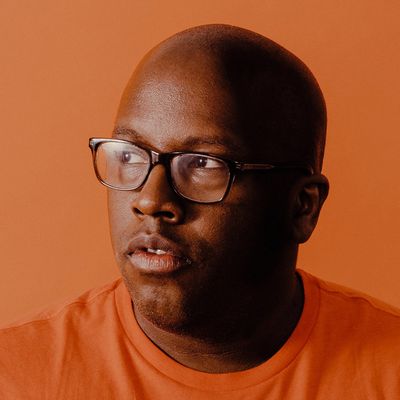
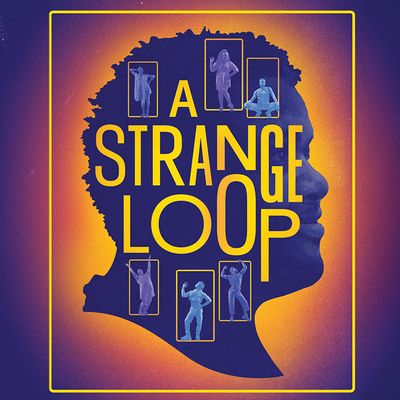
On this week’s show, Rob and Jamie are back at Orso Restaurant. They sit down with composer, lyricist, and playwright Michael R. Jackson, creator of "A Strange Loop”, a fantastic new musical that played Off-Broadway last summer... Read More
From the show: The Fabulous Invalid
Guests
Featured Shows
About
On this week’s show, Rob and Jamie are back at Orso Restaurant. They sit down with composer, lyricist, and playwright Michael R. Jackson, creator of "A Strange Loop”, a fantastic new musical that played Off-Broadway last summer. “A Strange Loop” is a “self-referential” musical by and about “a black, queer man writing a musical about a black, queer man who’s writing a musical about a black queer man”. Together, they talk about the fascinating development and construction of the show. A bit later, Rob gives a closer look at other landmark black theatre artists whose work has shaped and expanded the American theatre.
This week’s music: “Intermission Song”, “Inner White Girl”, “We Wanna Know”, “Memory Song”, “Writing A Gospel Play”, “Periodically,” and “A Strange Loop”, all from “A Strange Loop”. “One Life To Live Theme”, by Peabo Bryson.
Find us on Twitter & Instagram: @fabulousinvalid
Facebook: www.facebook.com/fabulousinvalid
Rob’s reviews: www.stageleft.nyc
Email us at: info@fabulousinvalid.com
Jamie Du Mont
Twitter: @jamiedumont
Instagram: @troutinnyc
Rob Russo
Twitter/Instagram: @StageLeft_NYC
Jennifer Simard
Twitter: @SimardJennifer
Instagram: @thejennifersimard
Transcript
This transcript was automatically generated and might contain errors.
[0:00] Michael R. Jackson: I'm Michael R. Jackson, and this is the Fabulous Invalid.
[0:15] Jamie DuMont: Welcome to the Fabulous Invalid, a Broadway-centric podcast where we take an in-depth look at the theater through interviews with actors, writers, directors, designers, and everyone in between.
[0:24] Rob Russo: I'm Jamie DuMont, recovering Broadway marketer, personal chef, and event planner.
[0:28] Rob Russo: And I'm Rob Russo, writer and theater critic with StageLeft.
[0:32] Jamie DuMont: Hi, Rob.
[0:32] Rob Russo: Hi, Jamie.
[0:33] Jamie DuMont: Well, we're back at Orso.
[0:35] Rob Russo: Yes.
[0:35] Jamie DuMont: Yay.
[0:36] Rob Russo: That's fun.
[0:36] Jamie DuMont: I love being here.
[0:37] Rob Russo: Yes, as always.
[0:39] Jamie DuMont: And uh the holiday season is upon us.
[0:41] Rob Russo: So it is.
[0:41] Jamie DuMont: Fala la la la.
[0:43] Rob Russo: It's very exciting.
[0:44] Jamie DuMont: Yes, very close.
[0:45] Rob Russo: Yeah.
[0:45] Jamie DuMont: It's almost the end of the year.
[0:46] Rob Russo: It's kind of hard to imagine.
[0:47] Jamie DuMont: You know what? Bring it on.
[0:49] Rob Russo: Yeah.
[0:49] Jamie DuMont: Bring it on.
[0:49] Rob Russo: You ready for it?
[0:50] Jamie DuMont: It's been a great year, but I'm ready for 2020.
[0:54] Rob Russo: Okay.
[0:54] Jamie DuMont: You're a page turner.
[0:55] Rob Russo: I well.
[0:57] Jamie DuMont: I have been accused.
[0:58] Rob Russo: Good.
[0:58] Jamie DuMont: Yeah.
[1:00] Rob Russo: I stand accused.
[1:01] Jamie DuMont: I stand accused.
[1:02] Jamie DuMont: Um well today we have a really exciting guest joining us at our usual table here at Orso.
[1:09] Rob Russo: That we do.
[1:10] Jamie DuMont: Yes.
[1:11] Rob Russo: Back in June, there was a remarkable new musical at Playwright's Horizon off Broadway.
[1:17] Jamie DuMont: Yes.
[1:17] Rob Russo: That extended and extended twice?
[1:20] Jamie DuMont: Three times?
[1:20] Rob Russo: I think it was I think it was twice.
[1:21] Jamie DuMont: It might have been three times.
[1:22] Rob Russo: And what show is that, Rob?
[1:23] Jamie DuMont: Uh that show is A Strange Loop with uh book, music, and lyrics by today's guest, Michael R. Jackson.
[1:29] Rob Russo: Oh, I'm so excited.
[1:30] Jamie DuMont: I know, I know.
[1:31] Rob Russo: We were both floored by it.
[1:33] Jamie DuMont: We saw it individually, and then we had to go back a second time and experience it together.
[1:37] Rob Russo: That's true.
[1:38] Jamie DuMont: Which was pretty funny.
[1:39] Rob Russo: But it's the kind of show as we'll get into with Michael that the more you see it, the more it reveals itself to you.
[1:46] Jamie DuMont: And the more you listen to it.
[1:48] Rob Russo: Yes.
[1:48] Jamie DuMont: It is on deep rotation in my life right now.
[1:51] Rob Russo: Yeah, for sure.
[1:51] Jamie DuMont: And yours too, I think.
[1:52] Rob Russo: Yeah, no, it had spit's been on a loop.
[1:55] Jamie DuMont: How many times am I gonna make that joke in this episode?
[1:57] Rob Russo: Oh, I don't know.
[1:57] Jamie DuMont: That's one.
[1:58] Rob Russo: Yeah, one.
[1:59] Jamie DuMont: Well, we'll keep a counter.
[2:00] Rob Russo: We need a bell to Well, in case you did miss it during its run at Playwrights, I believe it was sold out.
[2:05] Jamie DuMont: Um, A Strange Loop is uh loosely autobiographical, or as Michael prefers to call it, uh self-referential musical uh by and about a black queer man writing a musical about a black queer man who's writing a musical about a black queer man and so on and so forth.
[2:20] Rob Russo: Uh the the dramaturgy of this show is mind-blowing.
[2:24] Jamie DuMont: And I think we both agree it's it's unlike anything we've ever seen before.
[2:28] Rob Russo: That is why we decided, I think then and there that we had to get him on our show.
[2:32] Jamie DuMont: It was a goal of the season.
[2:33] Rob Russo: We stalked him on social media and and through email.
[2:37] Jamie DuMont: I plan to come clean about that with that.
[2:38] Rob Russo: I do too.
[2:39] Jamie DuMont: Yeah.
[2:39] Rob Russo: Well, I I have a feeling he might already know that.
[2:42] Jamie DuMont: Well, yeah.
[2:43] Rob Russo: I I I get the sense he knows what he's walking into.
[2:46] Jamie DuMont: Yeah, but as as you say, or if you don't say, you suggest, what's social media for if not stalking?
[2:51] Rob Russo: It is all about stalking.
[2:52] Jamie DuMont: You know?
[2:53] Rob Russo: And it it it plays perfectly into my warped sense of what's right and wrong in the world.
[2:58] Jamie DuMont: Yeah, well, on that note, uh should we should we get to our interview with Michael?
[3:03] Rob Russo: Let's do Michael, we are delighted to have you with us tonight at Orso.
[3:11] Jamie DuMont: Welcome.
[3:12] Michael R. Jackson: Um, if you didn't know from our social media stalking, I don't know if you picked up on this, but we are both huge fans of A Strange Loop.
[3:12] Jamie DuMont: I don't know if you've noticed us stalking you, but we have quite a bit of a.
[3:21] Michael R. Jackson: Yeah, keep track of my Twitter.
[3:23] Jamie DuMont: Right?
[3:23] Michael R. Jackson: Yeah.
[3:23] Jamie DuMont: I mean, don't we?
[3:24] Michael R. Jackson: It's good.
[3:25] Jamie DuMont: So we're really excited to have you with us tonight.
[3:27] Michael R. Jackson: Uh happy to be here.
[3:28] Jamie DuMont: Yes.
[3:29] Rob Russo: So to begin, could you give us an overview of what A Strange Loop is about or describe it in your words?
[3:29] Michael R. Jackson: Sure. A Strange Loop is a musical about a black gay musical theater writer who works as an usher at a Broadway show, who's writing a musical about a black gay musical theater writer who works as an usher at a Broadway show, who's writing a musical about a black gay musical theater writer who works as an usher at a Broadway show, um at the New Amsterdam Theater, and is sort of cycling through his own perception of himself and his self-hatred.
[4:00] Jamie DuMont: So where did you get the idea to write this musical?
[4:03] Michael R. Jackson: Um well it began as a monologue that a thinly veiled personal monologue that I had written when I was about to graduate from undergrad at NYU. At that time it was called Why I Can't Get Work. And it was just sort of like a, as I mentioned, thinly veiled personal monologue about a young black gay man sort of walking around New York City wondering why life was so terrible. And it was just for me just a way at sort of venting as I was sort of like getting very nervous about graduating from college, having a playwriting degree, not knowing what the fuck I was gonna do with that, and just needing to put that into some sort of form.
[4:43] Michael R. Jackson: A couple of years later I went to grad school and I started writing music that were sort of these personal songs that then I ended up trying to put into the monologue, and then it sort of over time sort of turned into a musical.
[5:00] Rob Russo: One of the things that struck me in the theater is the narrative clarity of the piece, which is clearly the result of drafts and drafts and drafts and rewriting.
[5:11] Michael R. Jackson: Lots and lots of rewriting. What was it? What was the process like of actually writing the show? Because there's a million different ways you could tell it.
[5:17] Rob Russo: Right.
[5:17] Michael R. Jackson: And there's and it could very easily go off track.
[5:19] Michael R. Jackson: Well, that was the thing is that like early on, I didn't have a container for it to sort of live in. Because I didn't know, I knew that there was like this main character, and then these sort of um other principal characters who were kind of abstract, but I didn't have an identity for them.
[5:37] Michael R. Jackson: And I kept changing what they were called. Um and then finally, you know, after years and years of sort of like figuring out like what and the story as a result kept shifting and changing, like, and elements kept coming in and out of it because I just couldn't figure out like what the actual sort of event was.
[5:56] Michael R. Jackson: And it wasn't until well, first thing that happened was uh one day I was I was I used to be an usher, surprise, surprise. Um I used to usher at the New Amsterdam Theater when The Lion King and Mary Poppins were there, and I did a short stint with Aladdin. But during the early Lion King years, one day I was on the mezzanine, I was stationed on a mezzanine, right as we were opening the doors to the theater, and then this older woman had come in and was sort of had already gone into her seat, but then she was calling up to ask the he didn't want to walk all the way up the stairs to ask the usher a question, so she like yelled out Usher Usher, and I sort of clocked that, and I was like, Oh, wait, that's like a that's like a thing in this musical.
[6:39] Michael R. Jackson: Yeah, like the sort of musical notice and also like an identity for the main character. Usher usher, usher, usher, usher, usher, usher, usher, usher, usher, usher, usher, usher, usher, usher, usher.
[6:57] Michael R. Jackson: So I like named an usher. And then, like, from then another thing that happened was like the title had changed from Why I Can't Get Work to Fast Food Town, which was like a name of the song that I had written a long time ago. And then there used to be this whole thing about Liz Phair in the piece where Usher was trying to get her permission to use her music in the musical, and he was writing mashups against some of her songs, which I had been doing.
[7:28] Michael R. Jackson: And so I was concurrently trying to get Liz Phair's permission to use these songs. And then after many years, she was like, no, you cannot use these songs in this musical. But like one of the mashups was going to, I had written this song that's not on the show anymore called Fanboy, that was a mashup with her song Strange Loop. And I didn't know what the term Strange Loop referred to for many years, but I loved that song on her album. And so one day I looked up, I just Googled Strange Loop, and the thing that came up was Douglas Hofstadter, who is this cognitive scientist who coined this term to talk about the notion of self-reference in the brain, and the self is sort of being a uh like a sort of a concept that can only be defined by referring back to itself.
[8:15] Michael R. Jackson: So it's kind of a paradox. And once I and I was like, oh wait, that's like literally what I'm trying to write about, but don't have a container for. And so then suddenly the piece became called that and was sort of about self-reference. But I and then the like little pieces would come in. So then the next piece was like, I was like, I want to give Usher like a thing that he has to do in the piece, which and that thing turned into writing a gospel play, which his mother and his agent wanted him to do. And so just slowly, bit by bit, all these pieces would sort of come together that would suggest a structure. And I just kept wanting to make sure that there was that you could, as unconventional as this piece would be, that like there was an inherent sort of logic and forward motion to it, even though it was by nature uh uh uh had endless egress to it.
[9:08] Michael R. Jackson: Queer as American Broadway. Big black and queer as American Broadway, big black and queer as American Broadway.
[9:17] Rob Russo: Did you ever communicate with Liz Phair?
[9:20] Michael R. Jackson: So I have met Liz Phair a couple of times over the years, always, though always in like small bites, and never like in in a in a real way. Not in like a real like communicating, like we're now like follow each other on Twitter, and she's like very aware of me and of the project and like that sort of thing. But she lived in LA, and I sort of feel like a time will come. She didn't get to see the show this past time, but like a time will come when like I feel like she will see it, and we'll have like a proper meeting as that's not just like fan to you know to rock star. You know what I mean? Like it'll be like, you know, it'll be like a proper meeting.
[10:06] Jamie DuMont: I do.
[10:07] Michael R. Jackson: So I have not been brought to artists meeting on those terms.
[10:10] Rob Russo: Right.
[10:10] Jamie DuMont: I feel like it's an appropriate time for me to confess something.
[10:13] Rob Russo: I grew up with Liz Phair.
[10:15] Jamie DuMont: So she and I were childhood friends, and we played um, we used to play together when we were kids.
[10:22] Rob Russo: So I actually reached out to her, um, but I didn't think of it until yesterday. So I reached out to her to see if I could get her to like FaceTime us or do, you know, like do something, eat just send an email, whatever. And um, but unfortunately she's on a book tour, so we she and I have not connected.
[10:37] Michael R. Jackson: Um and I mean are you for real?
[10:39] Jamie DuMont: I'm totally for real.
[10:40] Michael R. Jackson: I'm I'm I swear to God, in fact, I if I had had time, I would have brought my um you know yearbook from school to show you a photo of the case.
[10:48] Jamie DuMont: Wait, did you go to New Trier?
[10:49] Michael R. Jackson: No.
[10:50] Jamie DuMont: Or did you go to Oberlin?
[10:51] Michael R. Jackson: No, I I went to school in Los Angeles, but I went to we went to um to Greeley and Skokie and Washburn.
[10:57] Jamie DuMont: So we went to grade school together, and I left I left, I left.
[11:02] Michael R. Jackson: How could you bury the lead?
[11:04] Jamie DuMont: Well, it's about burying it.
[11:06] Michael R. Jackson: I mean, I am.
[11:07] Jamie DuMont: Jamie's a man of many surprises.
[11:08] Michael R. Jackson: I am coming clean with it.
[11:10] Jamie DuMont: Um I will say that she and I have not remained close friends.
[11:14] Michael R. Jackson: Sure, sure, sure.
[11:14] Jamie DuMont: So I don't know.
[11:15] Michael R. Jackson: Did you read her memoir?
[11:16] Jamie DuMont: Uh no.
[11:19] Michael R. Jackson: In fact, I was just told that I should read it because apparently there's stuff in it about our childhood that pertains to stuff we used to do.
[11:28] Jamie DuMont: I don't know, I have to I have to read it.
[11:29] Michael R. Jackson: But what I remember about Liz predominantly, because Liz was, you know, we were all geeks, we were all losers, we were all terribly unpopular. And we used to play this game called Vampires, and we would just basically suck each other's necks. And it was like highly sexualized and you know, the 70s.
[11:45] Jamie DuMont: So, in the process of developing the show, you know, we're the lucky beneficiaries who get to sit in a theater and see a finished sparkling product that's amazing and has lighted lights and costumes and you know has been so well honed. But obviously, what I'm hearing and what I know to be true is that it takes years and years to get a show like this.
[12:07] Michael R. Jackson: So as you're going through these various iterations, um was it always sort of shepherded by Playwrights Horizons, or were there other entities along the way? Like what what what is the journey like for a musical like this? Um, well, I guess like the first thing to sort of like keep in mind is I sort of had assumed that this musical would never be produced. Like I just I mean, I was working on it for sure, and I had like opportunities here and there to work on it, but I just sort of like was like, no one's going to do this. Because of the music, yeah, so it's too crazy, it's too gay, it's too black, it's too all the things. And like, and I sort of, as someone who moved to New York over 20 years ago, like I sort of had been watching the landscape of musical theater that whole time. Right. And I would just be like, so if that's happening, this is not happening. Right. If that's happening, this is.
[13:50] Michael R. Jackson: From there, I did a reading at The Lark in like 2007. And then from there I did a reading at NYU, grad musical theater writing with Steven. We did a reading of the piece in 2000. And so then we did, I did something at the Johnny Mercer songwriting colony. Jim Pepper approached me about doing a concert at 54 Below, and Barbara Whitman and off uh and then Page 73. Sort of reading at Playwrights on November 11th, 2008. And then we did an industry reading at uh Musical Theater Factory and Page 73, like nine months later. And then from there, Playwrights committed to doing the piece. Less than two.
[14:37] Michael R. Jackson: So you've just named like more than a dozen different entities that. Oh, wait, and I forgot to mention the first place where I did the one man show version was Playwrights Realm.
[14:48] Rob Russo: Okay.
[14:48] Michael R. Jackson: Right when they first were started.
[14:50] Rob Russo: One more.
[14:51] Michael R. Jackson: There you go.
[14:52] Rob Russo: Yeah.
[14:52] Michael R. Jackson: So it takes it takes a village.
[14:54] Rob Russo: Truly.
[14:55] Michael R. Jackson: To get something up on its feet.
[14:56] Rob Russo: Oh, yes.
[14:57] Michael R. Jackson: Wow.
[14:58] Michael R. Jackson: Because white girls can do anything, can't they?
[15:02] Michael R. Jackson: Black boys must always obey male bothers.
[15:06] Michael R. Jackson: Black girls can do anything.
[15:09] Michael R. Jackson: Can't they? Can't they, can't they?
[15:13] Michael R. Jackson: They get to be cool, tall, vulnerable and luscious.
[15:17] Michael R. Jackson: They get to be why old and I know eyes.
[15:21] Michael R. Jackson: They get to be shy and introspective.
[15:25] Michael R. Jackson: They get to make noise, they get to masper eyes.
[15:28] Michael R. Jackson: Black boys don't get to be cool, tall, vulnerable and luscious.
[15:33] Michael R. Jackson: Don't get to be why, old and eyes.
[15:37] Michael R. Jackson: Don't get to be shy and introspective.
[15:41] Michael R. Jackson: Don't get to make noise, don't get too phantom.
[15:51] Rob Russo: When you were ushering and seeing shows like The Lion King and the other shows you referenced that were telling you, you know, I this isn't gonna happen, you know, this this isn't the show I'm writing, or this isn't gonna happen for me. Did that like inform or help you write the piece that you that a strange loop help you write this a strange loop?
[16:11] Michael R. Jackson: Because it you certainly didn't stop, right? It feels like it almost fueled you to keep going in the direction that you were going.
[16:17] Michael R. Jackson: Yeah, I mean, because like, well, because in after because I ushered for a long time, and then I like kind of got phased out by management at New Amsterdam, and then I started working at TKTS as a flyer flyer rank for Rock of Ages. I did that for a summer. It was like the worst summer of my life. I was kept seeing Broadway up close.
[16:33] Rob Russo: Right.
[16:38] Michael R. Jackson: And so I was just like, I'm not like I I feel like I was absorbing something about that. I also was gonna put in the show, but I also was like, I'm not trying to appease these people in any way.
[16:53] Rob Russo: I think that's the question I was I think that's where I was going, which is there wasn't a show like you've written that you could reference, right? There wasn't anything you could say, oh, I'm writing that, so there's a place for me.
[17:05] Michael R. Jackson: I mean, it I think if you really dig down, like there were a ton that I like company. I like it's it's referenced pretty specifically from the very beginning. Badi, body, baby, body, baby, usher, usher, usher, usher. You know, so like that, um, a chorus line, Passing Strange, The Bubbly Black Girl Sheds or Chameleon Skin. Like all a lot of these shows were all not necessarily direct inspirations in terms of content, but like in form.
[17:36] Rob Russo: Right.
[17:37] Michael R. Jackson: And that they all in their own ways were sort of foreign passing strength. They were all foreign-breaking musicals that were still in the musical theater tradition. And like, you know, I was a student of musicals having gone to grad school, and so I loved them, but I also hated the like the business, like I hated what like it seemed that the business of musical of making musical theaters was doing to the actual storytelling.
[18:04] Michael R. Jackson: And I felt I felt like determined that I could create something that was just had as much entertainment value as something that you would expect to see on Broadway, but that it had the sort of like heart and intelligence, like heart and mind, right? That that you know are in a lot of those classic musicals of yesteryear that are harder to get produced today.
[18:29] Rob Russo: Well, it's it's that strange reinforcing thing where because something is successful, other there's a commercial push to emulate it, right? And then that just rips the heart out of whatever people are creating and producing, right?
[18:41] Michael R. Jackson: Yeah, and I just feel like musicals, the form of musicals, the musical theater form is so powerful that you can do anything with it.
[18:52] Rob Russo: Right.
[18:52] Michael R. Jackson: And like, and I'm often disappointed by what it sometimes how little it seems people want to use that form to do. And I'm just like, it doesn't have to be like that. So I I've set out while of course realizing that if you do that, no one will produce it. That I'm gonna try to make this musical be as foreign-breaking and pushing, but like as coherent as possible.
[19:15] Michael R. Jackson: We wanna know what's going on in New York.
[19:22] Michael R. Jackson: We wanna know what's going on in your life with people there live in which a way and to heck with what the BIB LE say.
[19:36] Michael R. Jackson: We wanna know what's going on in New York.
[19:42] Michael R. Jackson: We wanna know if you've been chasing your dream.
[19:48] Rob Russo: Do you also feel a certain pressure on the other end of things? Uh you know, just thinking about the show and an Usher's own opinion or point of view towards what is thought of as black media, right? You know, that that he he rejects wanting to write about slavery or write about police violence, because that's not what's interesting to him, right? Do you feel that same sort of pressure as a black writer that there's an expectation that you need to write something unapologetically black, right?
[20:18] Michael R. Jackson: Which is the phrase used in the show.
[20:20] Michael R. Jackson: Yeah, I mean, but I guess like I think A Strange Loop is unapologetically black. But like, what does black mean? Like, I'm like really this is actually a topic of another piece that I'm like thinking about writing. But like I just had started to really, especially as a theater writer and sort of looking at the landscape of theater over the last year or two, like I'd started to wonder about what the theater industry thinks black writers' role is in this medium, because it often feels to me like what theater would like for black writers to do is to sort of like be soothsayers and like explain to white people sort of what's happening over the course of history and time and space, and not really let us spend any time thinking about ourselves or about like that may encompass some of those questions, but that are not we're not strictly here to like be historians and or to punish you, white people, or any of these things.
[21:26] Michael R. Jackson: And and so like as I was getting closer and closer to the production and doing my rewrites, I was very conscious of wanting to resist being put in any sort of box. And because the piece formally is about someone who is being introspective sort of endlessly, I've realized that there were opportunities to both comment on the boxes that he felt he was being put in, but also he was putting that commenting in a box at the same time.
[22:00] Michael R. Jackson: So I wanted to sort of kind of have my cake and eat it too in this musical as much as possible.
[22:08] Rob Russo: Well, you said um to the New York Times, and I had I typed it down because I thought it was it really struck me about how you wanted to use your voice, and I'm gonna quote you to talk about the potential for creation and for living and for dealing with the problems of the world for laughing and for joy, rather than talking about your own quote potential destruction.
[22:26] Michael R. Jackson: Yeah, I mean, because like there's so many, I feel like, and this is beyond just theater, like there's it's often seems like we can only understand black existence in if it's like being killed or destroyed or shot or enslaved or whatever. And it's not to say that those that those stories should not be told. I think that they should, but like I I just wonder like what would it mean if we could also see lots of stories about black people struggling and surviving.
[22:56] Michael R. Jackson: Like, because that's to me is like um that's what happens in any other story of people you know like Evan Hansen doesn't die at the end why shouldn't Usher live why shouldn't a black character really sort of learn something about their own life and like survive just think it's important for people or just live life or just live life day to day right and when he does we are like bowled over by it right I mean yeah yeah because unfortunately there aren't that many examples of a musical have a character like Usher.
[23:33] Michael R. Jackson: Right and like and that and that was there was also that like I was just kind of like you know there's been you know with the success of something like Moonlight there's perhaps you know people now feel like oh we can see like black queer stories more clearly and like we'll program these things but like but even in in when you see those stories the people in them are always like a lot of times it's just stuff out of Calvin Klein.
[23:59] Rob Russo: Right.
[24:00] Michael R. Jackson: And I was just like that has never that has never been my experience ever. And like and I sort of and not just in even a black A context just even to think about myself as like a gay man it's like I've been consuming gay content that has been like white men for most of my life and then in 2016 Moonlight comes out and then it's like now it's black gay men but then the black and men are still the same client models or whatever.
[24:31] Michael R. Jackson: And so then I just like had to create a space for like another image of blackness and black queerness that I could feel at home in some way. And like, and hopefully share with other people so they could see it.
[24:49] ♪ Musical number ♪
[25:56] Jamie DuMont: Talk to us a little bit about Larry Owens.
[25:58] Michael R. Jackson: So, um, I can't talk about Larry without talking about the rest of the cast because every person who sort of came to it, came to the piece, came to it because early on in my career as a musical theater writer, I was mostly just doing a bunch of concerts. And in those concerts, I was writing what I was writing for these concerts, and I would often have trouble finding people who wanted to sing some of the grittier, gayer, whatever things. And there was this one particular concert I did at Joe's Pub called So Fucking Gay. I did it in like 2010, where I had all these singers drop out or threatened to drop out because they were worried about how they would be perceived by Telsey and whomever else.
And one of the people who came, who I met during that, who stuck with me was James Jackson Jr., who plays Thought 2 in A Strange Loop. And once he sort of committed to really singing my material and doing my work, he stayed like a constant collaborator with me through everything. And then John Andrew Norrison had been singing the song He Sing the Strange Loop periodically. That was an early song that I had written maybe sort of thinking that there might be a piece but not sure. And he sang that song from the At R's Noda back in 2008. And then he just kept singing it over the years, even when there wasn't like a script. And then L. Morgan Lee was someone who had been recommended to me by a musical theater writing colleague, Gordon Leary, and she had been just with the piece.
So everyone kept coming to it. And then, as far as Larry goes, Jason Beasy was someone who had then recommended to me also by another musical theater writing colleague, and they ended up becoming these integral, really super important bolts and nuts in what kept the piece together. So then, as far as Larry goes, how that came about was I always knew that someone was gonna have to play Usher who wasn't me, and I just didn't look to the musical theater landscape and see who that could be because no one really fit the bill. And then one day on Facebook, I just was like, 'Hey Facebook, if I'm casting I need I had a musical theater piece that I'm writing where if race and age and gender weren't an issue,' I would cast Mary Louise Parker.
Who is that? And like 90 comments later, where everyone was like, 'What are you talking about that doesn't exist?' Whoever, like Larry had popped up because I had met him through the musical theater factory, had said, 'Hey, I can keep the part warm while you're looking for the perfect person or whatever.' When it was time to cast the reading that we were doing, I just handpicked everyone because I didn't want to go through people hemming and hawing about content, and so I made sure that every person sort of passed my character and integrity test. And then I just called Larry up because he was like the only person who would in all the years that ever been like me, and then he just sort of ended up sticking with it.
[29:30] Rob Russo: There was never a moment at which you thought you would sing or play Usher.
[29:34] Michael R. Jackson: No, because I felt if I did that, it would just change it into a totally different event. And I just really wanted it to just be like a musical, and I'm not an actor, like I'm a writer, and I wanted to write. I wanted to rewrite. I wanted to, you know, be able to watch it and make it be as good as it could be. And I just felt like me being in it would be a distraction, and also like vocally, it would have sat in a much different place.
[30:01] Jamie DuMont: Well, the strength of that ensemble was unbelievable. I mean, the opening number in particular.
[30:09] Michael R. Jackson: Yeah.
[30:10] Jamie DuMont: Just knocked me off my own.
[30:12] Michael R. Jackson: Yeah, I mean, I love all those people.
[30:14] Jamie DuMont: Yeah, and the way that all of the thoughts interacted together. It was clear that there was a history there, right? I mean, these weren't just actors you'd picked up off the street, right?
[30:27] Michael R. Jackson: Yeah, no, and that's what made coming into the first day of rehearsal so special was that we came into rehearsal with like five years of working on it. And so we were so much further ahead than it's just like, you know, it was a first day and people didn't know the material, like we were really able to move much further.
[30:52] Rob Russo: Like dig into it on a way you could it you know it's it's also remarkable, I think, especially with periodically what you said a moment ago was a you know a song that had been written for a while and performed and worked on. And I think that really shows because that number in particular reads like it's its own piece.
[31:10] Michael R. Jackson: Right, right.
[31:11] Rob Russo: It works beautifully in the show, but it also stands alone, as do most of the songs, quite frankly. That number in particular, I think is the one number that even for me, my mother is nothing like that character that the mother that's being referenced, and yet I can connect with that mother-son relationship, and I think everyone can. And it's just performed so beautifully, and it's such a perfect example of what a mother-son dynamic is.
[31:44] Michael R. Jackson: Because it captures a complexity, right? That is at the same time that there's this deep love and joyful love that this mother has for her son on his 26th birthday. She also turns on a dime and harbors this deep homophobia.
[32:02] Rob Russo: Right.
[32:03] Michael R. Jackson: And it's like, how do you how that's ugly? And how do you reconcile that? But that's so real.
[32:08] Rob Russo: Right.
[32:09] Michael R. Jackson: It's so real. Yeah, and I think like John Andrew is he just knows how to synthesize those two things. And that love isn't just this sort of one-dimensional thing. It can be painful.
[32:25] ♪ Musical number ♪
[33:56] Jamie DuMont: First of all, I'm I am so grateful that there is a cast recording.
[33:59] Michael R. Jackson: Me too.
[34:00] Jamie DuMont: I mean, that in and of itself, not only to document those performances, but also to share the show with folks who you know couldn't couldn't get to it.
[34:09] Michael R. Jackson: Right.
[34:10] Jamie DuMont: But it's it's a rare example to me of a cast recording that like totally captures the essence of the show. And I know I'm sure you worked very hard to make sure that was the case. What was that process like?
[34:21] Michael R. Jackson: Um, so we had an incredible. Well, first of all, I just want to give like honor to Playwrights Horizons for budgeting for the cast album to be recorded. Not every, you know, off-Broadway theater does that, and like a lot of really great shows can be lost. Or, you know, and or they're if you don't have a cast recording, it can like affect how the future life of something, and so I'm like so grateful to them and to Barbara Whitman.
[34:47] Jamie DuMont: That was something you knew going in.
[34:49] Michael R. Jackson: You were well, I asked them just because I was like, is there how I was like, who do I I said, who do I need to ask about if we can have a cast album and because I wanted I felt like it would probably take a long time to get that process going, and I just asked naively, and they're like, oh no, we have we have that budgeted, and I was like so excited about that. They're smart there, yeah. And then so then the and they had, I guess, oh, I don't know if it's a deal or whatever. The person who the producer they worked with is this incredible man named Michael Crater, who works at Yellow Sound Lab within Broadway Records, and he was he, I think just did like a brilliant job of like mixing the album and like working with us to make sure that we you know stayed on a good schedule to recorded, and like so.
The process was like, you know, he and I sort of talking through things, and my music director Rona Sidicki, who sort of figured out what the cuts would be because we weren't doing we had to we had to make sure the album was 16 minutes or less, and so we had to sort of cut some things, cut within some of the songs in order to maintain that, and so it's just a lot of working through that and then like figuring out you know what the band was gonna be doing. Charlie Rosen, my orchestrator did a lot of work on that to make sure that everything came together. So it was just like a methodical process just to make sure that we stayed under time and that everything sounded as good as it could for this for an album like this, yeah, especially since like a strange loop isn't like a musical theater-y album.
[36:32] Michael R. Jackson: So we wanted to have like that sort of rock bite to it.
[36:35] Jamie DuMont: That's interesting that you say it's not a musical theater album. Why do you say that?
[36:39] Michael R. Jackson: Well, meaning like it's not it has a songwriting, the songwriting in it is like is based in my singer, my songwriter sensibilities, as opposed to if I were, let's say, writing "Caroline, or Change," which is more composed. All the songs in "A Strange Loop" are like songs that I like figured out how to link together and like what the sort of integrity of them would be within and of themselves. But they it's not like a composed show. I would call "A Strange Loop" what used to be called a concept musical. And so it's written very much like that, as opposed to like a traditional book musical.
[37:25] Michael R. Jackson: Writing a gospel play, writing a gospel play, writing a gospel play, because that's what the people want.
[37:34] Jamie DuMont: Well, thank you for making sure that "Writing a Gospel Play" was not left on the cutting board, because that's something that you could very easily have.
[37:44] Michael R. Jackson: Yeah, I mean, because that Larry's performance is incredible. And I, you know, the I I saw the show twice, and coming back the second time, it was like the moment in the show I couldn't wait to see because of the way that he plays what is it, five, six characters.
[38:00] Jamie DuMont: Yeah, and one has this whole scene with himself.
[38:02] Michael R. Jackson: Shanisa, Michelle.
[38:05] Michael R. Jackson: I'd have made some tater salad.
[38:07] Michael R. Jackson: Come on now, I done put my foot in this.
[38:10] Michael R. Jackson: Uh-oh, ain't Patty.
[38:12] Michael R. Jackson: I love me some tater salad now, and I'm hungry as his ale.
[38:16] Michael R. Jackson: Yo, fast behind ain't hungry for nothing but a crock rock and a stripper pole girl, go wash your hand.
[38:23] Michael R. Jackson: It was the moment that I sort of had developed. Like it actually was inspired from I have one of my very dear friends is uh my friend Kisha Edwards Gandhi. And she and I, she was the person who actually first um told me about Tyler Perry. I didn't know who he was when we both started off as freshmen at NYU. And one day we were like looking at something.
[38:50] Michael R. Jackson: I don't know what I don't know what we were looking at because it I I thought it was like on YouTube that YouTube didn't exist at that time.
[38:56] Michael R. Jackson: Shale, what wrong, baby?
[38:59] Michael R. Jackson: You ain't eating up your tater salad.
[39:02] Michael R. Jackson: Oh, ain't Patty, how can I eat tater salad when there's no ring on my finger?
[39:09] Michael R. Jackson: Michelle girl, you better forget about that ring and learn how to drop it like it's hot.
[39:14] Michael R. Jackson: Fix it, Jesus. We were looking at something where we were like Tyler Perry, and and I heard that a Tyler Perry play was coming to New York. And so for her birthday, I took her to see um "Why Did I Get Married" at the Beacon Theater, um, which starred Kelly Price, RB's Kelly Price. And she and Kisha, like years later, did an impression of what she thought a Tyler Perry play was, where she played all the parts, and I just was rolling on the floor.
[39:45] Michael R. Jackson: Well, have you prayed?
[39:51] Michael R. Jackson: I get down on my black knees every night.
[39:53] Michael R. Jackson: I know what I do down on my black knees, girl.
[40:01] Michael R. Jackson: And then, like, years later, after that, I like was writing this Nona, and I was like, Oh, I want to see Usher do a version of that. And so that's sort of where that came from.
[40:11] Jamie DuMont: Well, if you're getting down on your knees, and the Lord isn't blessing you the way you think he ought to, then I'm baby you don't know how to pray.
[40:21] Michael R. Jackson: Maybe you don't know how to pray.
[40:24] Michael R. Jackson: You don't know these.
[40:31] Michael R. Jackson: And my stupid.
[40:35] Jamie DuMont: Well, one thing that we haven't really delved into yet so far, um, we've talked a lot about your writing, but we haven't really talked about your music.
[40:45] Jamie DuMont: And it's rare to find someone who does all three, who's the sole author of a musical.
[40:51] Jamie DuMont: Um and does all three so well, I might add.
[40:55] Michael R. Jackson: Um thank you.
[40:57] Michael R. Jackson: But I was a little um not shocked, but surprised, maybe to learn when you were telling us about your your own um education that you didn't that you studied playwriting and that you studied music in graduate school, is that right?
[41:10] Michael R. Jackson: Or no, so my development is that as a kid, I was a child actor for a moment, and then I quit the business when I was 13. And I was writing fiction and poetry, but I'd been playing piano since I was eight years old.
[41:29] Jamie DuMont: Okay.
[41:30] Michael R. Jackson: And I learned initi how to play piano initially primarily by ear. So I was just always constantly playing and making up songs and making up songs and thinking songs, and I used to try to write songs, but I didn't know how to write lyrics when I was growing up. And so I would just keep making up little musical phrases and so forth, but uh they had nowhere to go.
[41:49] Michael R. Jackson: So then I studied playwriting in undergrad, and so I was learning a lot about storytelling. And then when I went to grad school, I went and went into the program, the graduate musical theater writing program as a book writer.
[42:02] Michael R. Jackson: Got it. And then I they teach you how to write lyrics as part of that because all the book writers are gonna end up being lyricists on their thesis projects. And so once I started learning about lyric writing, it ended up being like a really great container for writing that I had been doing as a poetry and fiction writer and playwright, going all the way back to when I was writing in middle school and high school.
[42:27] Michael R. Jackson: And so then at the end of toward the end of the first year, one of my uh our teachers said, if you're a lyricist who's never written music and you want to try it, go for it for this one assignment, and vice versa. So since I had gotten a handle on song form, I decided to try writing my own music to something.
[42:48] Michael R. Jackson: And so the song that came out of that was called "Memory Song," which is in "A Strange Loop." Though at that time it was just a standalone song for me. And so it and I I played that song for my class, and people liked it, and they encouraged me to continue writing my own music, even though I was going to be paired with a composer for my thesis project for the second year.
[43:11] Michael R. Jackson: And so I just kept writing songs on the side. And like that's always why I would say it's funny that like gradually over time people came to know me as a composer, even though I don't have a composition background, I'm not the greatest pianist at all, and I'm moved to New York. I have a BFA in playwriting, and I'm moved to New York to write soap operas. So like my way, my like half to composing was a very topsy-turvy, twisty, bendy one. But like I always had a good ear for music, and so I just kept doing it because I had been my whole life had been singing in choirs and playing piano and listening to music and loving music, and like it just it was just there was it sort of made sense that I would end up writing my own.
[43:58] Michael R. Jackson: These are my memories, these are my memories.
[44:02] Michael R. Jackson: Eat his body, drink his blood, communion buffing.
[44:05] Michael R. Jackson: These are my memories.
[44:09] Michael R. Jackson: After church, we're driving home to Radio Crackle.
[44:13] Michael R. Jackson: Jazzville Zapper, Moldown Blues and Skin is a shop.
[44:16] Michael R. Jackson: Good.
[44:16] Michael R. Jackson: But one lone black A boy, I knew who chose to turn his back on the lawn.
[44:24] Michael R. Jackson: One long black A boy, I knew who chose to turn his back on the lower.
[44:32] Jamie DuMont: You just said two words that mean a lot to me. Soap opera.
[44:36] Michael R. Jackson: Oh yeah. What did you come to New York to write for a specific show?
[46:22] Michael R. Jackson: "One Life to Live."
[46:22] Jamie DuMont: The greatest show ever on television.
[46:22] Michael R. Jackson: It is. Although I have to say, in the space between the end of "Strange Loop," and where I just was like so exhausted and doing nothing, I found myself going online and watching old episodes of "Guiding Light" from like 1993 and 90s in the 90s.
[46:22] Jamie DuMont: "Guiding Light" in the 90s was hot.
[46:22] Michael R. Jackson: It was lit.
[46:22] Jamie DuMont: Yeah.
[46:22] Michael R. Jackson: It was so good.
[46:22] Jamie DuMont: Yeah.
[46:22] Michael R. Jackson: But it's and it still is good. Like if you could watch his episodes now, they are so good.
[46:22] Jamie DuMont: Yeah.
[46:22] Michael R. Jackson: CBS is doing a lot of good stuff.
[46:22] Jamie DuMont: "As World Turns" was good too.
[46:22] Michael R. Jackson: Yeah, so I I told Michael Park this story.
[46:22] Jamie DuMont: I love Michael Park.
[46:22] Michael R. Jackson: When we're Snyder, yes, when we interviewed him, and and and he looked at me like, I don't care.
[46:22] Michael R. Jackson: And that and that is that um my father was actually engaged to Catherine Hayes before he met my mother.
[46:22] Jamie DuMont: Yes.
[46:22] Michael R. Jackson: He it's actually a secretary. He broke his engagement with Catherine Hayes to marry my mother.
[46:22] Jamie DuMont: How and and see, this is the reaction I wanted, right?
[46:22] Michael R. Jackson: Michael Park, love him. He's a wonderful actor.
[46:22] Michael R. Jackson: He was like next at a time.
[46:22] Jamie DuMont: Yes.
[46:22] Michael R. Jackson: But no, but he because he's like a an actor's actor.
[46:22] Jamie DuMont: Right.
[46:22] Michael R. Jackson: And that was like a day job for him.
[46:22] Jamie DuMont: Yeah.
[46:22] Michael R. Jackson: I mean, a day job that he did extremely well.
[46:22] Jamie DuMont: Forever.
[46:22] Michael R. Jackson: Forever.
[46:22] Michael R. Jackson: And then he like seamlessly was like, I'm going back to theater and I'm gonna be a musical theater actor and a theater actor and whatever.
[46:22] Jamie DuMont: He's great.
[46:22] Michael R. Jackson: But no, he was so good.
[46:22] Jamie DuMont: I mean, I mean, I know everything.
[46:22] Michael R. Jackson: I mean, I know everything about that industry.
[46:22] Michael R. Jackson: Um and like one of the actors from "Life to Live" came to see "A Strange Loop," and I like lost my mind.
[46:22] Jamie DuMont: Tell me who it is.
[46:22] Michael R. Jackson: Um, Hillary B. Smith.
[46:20] Jamie DuMont: I have Nora.
[46:21] Michael R. Jackson: Nora.
[46:22] Michael R. Jackson: I've been watching "One Life to Live" since 19.
[46:24] Michael R. Jackson: I I started uh with the trial of Karen War Wolk.
[46:28] Michael R. Jackson: Which I watch regularly her scene.
[46:30] Jamie DuMont: Have you seen the clip they have where it's uh Rita McIntyre describing it?
[46:34] Michael R. Jackson: Yes.
[46:35] Michael R. Jackson: Rita McIntyre is what makes it.
[46:38] Michael R. Jackson: I mean, in addition to Judith Light being a fucking brilliant genius giving you like you want my slime, you want my fouth!
[46:46] Jamie DuMont: Talbot Huddleston!
[46:48] Michael R. Jackson: Like they had names like character names like Talbot Huddleston.
[46:51] Jamie DuMont: Yeah.
[46:51] Michael R. Jackson: I mean, come on.
[46:53] Michael R. Jackson: I mean, they really knew how to get it to you.
[46:57] Jamie DuMont: I'll give you tomorrow.
[47:00] Michael R. Jackson: Let me be the one to share with win.
[47:08] Jamie DuMont: We only have one to live.
[47:15] Jamie DuMont: You talked about Liz Fair, but other than Liz, what is the music that has inspired you?
[47:22] Michael R. Jackson: I mean, it's so much of it.
[47:23] Michael R. Jackson: So much.
[47:24] Michael R. Jackson: Um, I mean, well, it's funny that like Liz is like such a touchstone for "Strange Loop," but like my like first white girl in my number one of all is Tori Amos.
[47:24] Michael R. Jackson: Number one.
[47:38] Michael R. Jackson: No, no one above her.
[47:41] Michael R. Jackson: She she's like was my initial person who inspired me to write.
[47:47] Michael R. Jackson: Like if I hadn't heard Tori Amos' music, I would not be writing musical theater.
[47:51] Jamie DuMont: Wow.
[47:52] Michael R. Jackson: Because she had that much of a an influence on me.
[47:57] Michael R. Jackson: Musically, lyrically in some ways, just in her openness, her honesty.
[48:02] Michael R. Jackson: I've I was very um moved by that.
[48:07] Michael R. Jackson: The way that she talks a lot about religion and sexuality. There that's so much a part of "A Strange Loop."
[48:11] Michael R. Jackson: Um and so I she's like like someone who like I is like a deity.
[48:16] Michael R. Jackson: It's like I always call her, I was called Joni Mitchell the mother, Liz the daughter, and Tori is the Holy Ghost.
[48:24] Michael R. Jackson: That's quite a trinity.
[48:26] Jamie DuMont: Yeah.
[48:26] Michael R. Jackson: It really is.
[48:27] Michael R. Jackson: Those are like my three, my three inner white girls.
[48:29] Jamie DuMont: Yeah.
[48:30] Michael R. Jackson: Um but then like beyond that, like I grew up in uh Detroit in Motown. My all I ever listened to when I was growing up, my parents constantly had Motown, the uh Philadelphia sound, 70s soul music, all of that is such a part of my musical vocabulary that I adore and love, treasure.
[48:52] Michael R. Jackson: Um people like Billy Joel, um uh Laura Nero, uh all kinds of gospel music, like the Clark Sisters, Twinkie Clark, Yolanda Adams, um uh the Hawkins family, like so much gospel music.
[49:14] Michael R. Jackson: Uh and then in musical theater, which I came to later, like there I like love Sondheim, though I don't necessarily count him as like uh he's not like a musical influence per se, but certainly as a lyricist and as a story as someone who thinks of lyric writing as playwriting, I I like definitely look to him.
[49:37] Michael R. Jackson: He's like to me that one of the masters of that. I love the musical Raisin that not all people know. It's one of the best songwriting you'll ever hear. And it does a beautiful job. It actually makes the case for why why sing in that story of Raisin and his son.
[49:57] Michael R. Jackson: I love Kirsten Childs is somebody who encountering her work was something that in with a body black girl sheds her Canadian skin that like said you can write something personal passing strange was another one musically I mean just it's from so many places.
[50:18] Michael R. Jackson: I love music I love music OJs well yeah oh yeah we're with you amazing so it's comes from all over yeah but Tori is my number one.
[50:18] Jamie DuMont: Did your parents see the show?
[50:18] Michael R. Jackson: My parents did see the show and they loved it. They loved it.
[50:39] Michael R. Jackson: I was but more mostly because I just didn't know how they would receive it eat just even as a piece of theater because like they don't go to the theater ever. And so I just didn't know what how they what the experience of that would be like for them.
[50:52] Jamie DuMont: Were you nervous about them coming?
[50:59] Michael R. Jackson: But they were so it was kind of the major point in our relationship I think because like I had been living in New York for all these years and they like were never seen anything that I was writing and they got to see what I was doing.
[51:16] Michael R. Jackson: And so like they were like immensely proud and like they were just so impressed by the how it was put together. I don't know that they've necessarily understood every aspect of it but like they just loved to see me shining and and so it was like a really a great day when they came and like my mom like bought the cast album and sometimes she'll like sing it to me like when she when I answer the phone and I always think that's funny.
[51:47] Jamie DuMont: What does she say?
[51:47] Michael R. Jackson: Well she'll be she'll be like she'll be like I just called to remind you periodically like she'll sing that to me or like didn't she inspire that song?
[51:47] Michael R. Jackson: Well so I took a voicemail that she had left for me and I used that as a jumping off point for the song.
[52:08] Jamie DuMont: Yeah.
[52:08] Michael R. Jackson: But like and so she just here I think it gives her like an amusement I feel like they kind of responded to the piece almost as though they had been given a Sardis caricature you know you'd be like oh my god it's a Sardis I got a caricature name.
[52:26] Jamie DuMont: Yeah right what was that thing or that experience that made you want to work in the theater?
[52:35] Michael R. Jackson: When I was 18, I was a freshman at NYU playwriting in the dramatic writing department. And they took us to see Death of the Salesman with Brian Dennehy.
[52:49] Michael R. Jackson: And it was the first thing that I ever saw where I like cried at the end. And like I felt really moved by it because that play is about the fact that in America you're worth more dead than alive.
[53:07] Michael R. Jackson: And like it's delivered through this like old white man who was couldn't be further from my experience or even understanding of the world in any way. And yet they managed in two in that production for me to take that message across the proscenium and deliver it to like an 18-year-old black kid, middle class kid from Detroit.
[53:27] Michael R. Jackson: And I was struck by like the power to a theater to create empathy amongst unlike people. And I think it was one of the things that like I as a result of that, I kept I was like, I want to in something I write, I want people to feel that.
[53:46] Michael R. Jackson: And so I feel like A Strange Loop was my attempt to sort of reverse that experience. Not specifically just so that like some old white man in the audience couldn't empathize, but yes, but that like an audience could empathize with like someone who maybe isn't like them but also is like them.
[54:07] Michael R. Jackson: So like that was like why in the sort of even the marketing of the show, I didn't like try to say A Strange Loop is for black queers or whatever. I like wanted it to say this is about what it's like to be a self in general and a black queer self in particular, so that everyone could come to it however they want to, and that like the show is ultimately a test of their empathy.
[54:32] Michael R. Jackson: And so Death of the Salesman in 1999 was that for me.
[54:39] Jamie DuMont: And you realize that that's exactly what you've done with A Strange Loop.
[54:42] Michael R. Jackson: I mean, it's something that like I think about seeing that production net a lot. I've thought about it a lot over the years, and I want it to create something like similar in A Strange Loop because like you have because the audience is coming in, watching this person who's not normally center stage in a musical or a player anywhere, in life, they're not even center stage.
[55:03] Michael R. Jackson: And so I wanted people, I was like, I people have to grapple with this person grappling with himself. And in grappling and and watching that person grapple with themselves, they can think about their own self, but they also can think about him.
[55:19] Jamie DuMont: Which is exactly what happened.
[55:20] Michael R. Jackson: Yeah.
[55:21] Jamie DuMont: Or what happens.
[55:22] Michael R. Jackson: Yeah, and I hope. I mean, I and I to me, any production should produce that experience.
[55:29] Jamie DuMont: Couldn't agree more. Well, thank you for coming down.
[55:31] Michael R. Jackson: Thank you so much.
[55:32] Jamie DuMont: Thank you for having me.
[55:52] Rob Russo: Rob here with you may be wondering. Michael R. Jackson's A Strange Loop dares to expand our notion of who gets to anchor a musical and how their story is told.
[56:00] Rob Russo: Usher's story is about a queer black man navigating his place in the world, artistically and sexually, pushing for a more expansive view of his own black identity, and in the process, broadening our conceptions of gayness and blackness as reflected in works of art.
[56:14] Rob Russo: The show was not only masterfully written by Michael R. Jackson, but is itself a plot point in the ongoing effort to present stories on stage that reflect the full spectrum of our diverse society.
[56:24] Rob Russo: I recently came across a passage written by a two-time guest of our show, playwright David Henry Huang. David wrote, quote, American theater is beginning to discover Americans.
[56:33] Rob Russo: Black theater, women's theater, gay theater, Asian American theater, Hispanic theater, these are more than merely fads or splinter movements. They are attempts by the American theater to come to grips with the multicultural character of our society, to portray it truthfully.
[56:46] Rob Russo: As such, they represent simply the artistic face of what is essentially a political transformation. David wrote those words in 1982.
[56:55] Rob Russo: And while there is still much more progress to be made, in 2019, it is finally starting to feel like that political transformation has arrived, with works like A Strange Loop, Slave Play and Soft Power, playing to sold-out crowds and receiving critical acclaim.
[57:09] Rob Russo: Not to mention the juggernauts of In the Heights and Hamilton, the success of the musical Fun Home, and thrilling plays like Heidi Shrek's What the Constitution Means to Me, Claire Barron's Dance Nation, Sarah DeLappe's The Wolves, and Ming Pfeiffer's Usual Girls, to name a few.
[57:23] Rob Russo: Still, Michael R. Jackson remains one of the few black musical theater writers who wears the hat of composer and lyricist ever to have a musical presented in New York.
[57:32] Rob Russo: You may be wondering, who are some of the other black artists, the pioneers who came before Michael? Well, in 1921, Shuffle Along was the first fully-fledged Broadway musical to feature an all-black cast, playwright, composer, and lyricist, with songs by UB Blake and Noble Sissel, and a book by Effie Miller and Aubrey Lyles.
[57:50] Rob Russo: A bona fide hit, it ran 484 performances, a record at the time. You may have heard about Shuffle Along because of the 2016 musical conceived and written by George Wolfe that told the amazing story behind the making of that 1921 musical and all that followed.
[58:05] Rob Russo: In 1959, Lorraine Hansberry's Raisin in the Sun became the first play written by a black woman to be produced on Broadway, as well as the first with a black director.
[58:14] Rob Russo: In 1971, Mickey Grant became the first black woman to write both the music and lyrics to a Broadway musical, with Don't Bother Me, I Can't Cope, a musical review in which each song illuminates a different slice of black life, from home to church, workplace to dance hall, traversing a wide variety of musical styles, including jazz, funk, soul, rock, calypso, and gospel.
[58:35] Rob Russo: As we talked about with André De Shields, the 1975 musical The Whiz was a major milestone for black theater. Though the book was written by a white man, the Tony Award-winning music and lyrics by Charlie Smalls, along with director and costume designer Jeffrey Holder's touch, transformed the show into a huge mainstream hit that laid the ground for later revues like Bubbling Brown Sugar and Duke Ellington's Sophisticated Ladies.
[58:55] Rob Russo: In the years to come, August Wilson and Suzan-Lori Parks would also emerge as major black dramatists, with works produced on Broadway and all around the country.
[59:03] Rob Russo: Composer and lyricist Kirsten Childs, a 1999 recipient of the Jonathan Larson Grant, wrote the Obie Award-winning semi-autobiographical musical, The Bubbly Black Girl Sheds Her Chameleon Skin in the year 2000, which, coincidentally, also premiered at Playwrights Horizons, where A Strange Loop played this last summer.
[59:19] Rob Russo: Theater in America still remains a very white space, but a space that I hope, and as David Henry Huang presaged in 1982, is finally cracking open to reflect the diversity of our country.
[59:30] Rob Russo: And we are all the beneficiaries of that. If you haven't listened to A Strange Loop beyond the excerpts we've included in this episode, check out that fabulous cast recording.
[59:38] Rob Russo: I promise that, like me, you'll also want to keep it playing on a loop. And however you can, find ways to support theater made by women, non-white, and LGBTQ artists.
[59:47] Michael R. Jackson: Maybe I don't need changing.
[59:51] Michael R. Jackson: Maybe I should re-brew.
[59:58] Michael R. Jackson: And I is just an illusion.
[59:59] Michael R. Jackson: It's an illusion, just an illusion.
[1:00:01] Michael R. Jackson: If thoughts are just an illusion.
[1:00:08] Michael R. Jackson: Then what a strange.
© Broadway Podcast Network, All Rights Reserved