

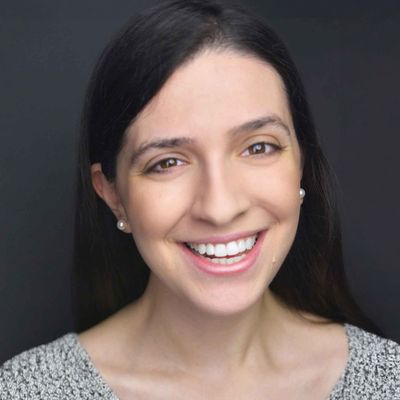
On this week’s show, Rob, Jamie, and Jennifer are back at their usual table for the final Orso Restaurant episode of the decade! They’re joined by director Sammi Cannold, who just directed a stunning new production of “Evita” at New York City Center and will present Celine Song's “Endlings” at New York Theatre Workshop Off-Broadway this winter... Read More
From the show: The Fabulous Invalid
Guests
Featured Shows
About
On this week’s show, Rob, Jamie, and Jennifer are back at their usual table for the final Orso Restaurant episode of the decade! They’re joined by director Sammi Cannold, who just directed a stunning new production of “Evita” at New York City Center and will present Celine Song's “Endlings” at New York Theatre Workshop Off-Broadway this winter. Together, they discuss Sammi’s impressive career to-date, what’s next, and the importance of female mentorship in the theatre.
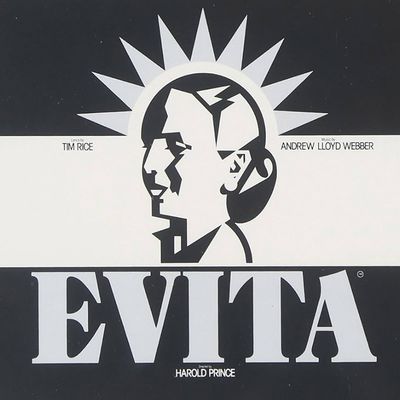
This week’s music: “Another Suitcase In Another Hall” and “Art Of The Possible” from the "Evita” Original Cast Album, “Prologue” from “Ragtime” and “Magic To Do” from “Pippin; New Cast Recording”.
Find us on Twitter & Instagram: @fabulousinvalid
Facebook: www.facebook.com/fabulousinvalid
Rob’s reviews: www.stageleft.nyc
Email us at: info@fabulousinvalid.com
Jamie Du Mont
Twitter: @jamiedumont
Instagram: @troutinnyc
Rob Russo
Twitter/Instagram: @StageLeft_NYC
Jennifer Simard
Twitter: @SimardJennifer
Instagram: @thejennifersimard
Transcript
This transcript was automatically generated and might contain errors.
[0:00] Sammi Cannold: I'm Sammi Cannold and this is the Fabulous Invalid.
[0:15] Jamie DuMont: Welcome to the Fabulous Invalid, a Broadway-centric podcast where we take a 360-degree view of the theater through interviews with writers, actors, directors, designers, and everyone in between.
[0:29] Rob Russo: I'm Rob Russo, writer and theater critic with StagedLeft.nyc.
[0:33] Jennifer Simard: And I'm Jennifer Simard, formerly of Mean Girls and about to appear in Company on Broadway.
[0:39] Jennifer Simard: Door rings, door chimes, something.
[0:42] Jamie DuMont: In walks Jen Simard.
[0:43] Jennifer Simard: That's what my friend Erica Henningson kept singing yesterday.
[0:46] Jennifer Simard: She just sang everything related to Company and she would switch all the lyrics to my name.
[0:52] Jamie DuMont: So funny.
[1:01] Rob Russo: Yeah, they are.
[1:02] Jennifer Simard: They really are.
[1:03] Rob Russo: And you were there last night.
[1:04] Jennifer Simard: Again, your support is so incredible.
[1:06] Jamie DuMont: Thank you for the same.
[1:07] Jennifer Simard: We've seen Mean Girls probably more than I've seen most shows this last season.
[1:11] Rob Russo: Yeah.
[1:11] Jennifer Simard: Yeah.
[1:12] Jennifer Simard: I'm a big fan.
[1:12] Rob Russo: You know, we've said this before. It's a great show.
[1:14] Jamie DuMont: It's just a really well-done show.
[1:16] Rob Russo: Yeah.
[1:17] Jennifer Simard: And you are magnificent in it.
[1:18] Jamie DuMont: Thank you so much.
[1:20] Jennifer Simard: Thank you.
[1:21] Jennifer Simard: I know. We'll forever be.
[1:22] Jennifer Simard: I have to process it all.
[1:23] Jennifer Simard: Um no, and none of it would have been possible without Tina Fey.
[1:26] Jamie DuMont: So brava, Tina.
[1:28] Rob Russo: Yeah, how's it feel? You're, you know that you've closed this door.
[1:31] Jennifer Simard: Yeah, I feel good. I feel relaxed. My shoulders have dropped.
[1:35] Jennifer Simard: It's um in any walk of life, no matter what you do for a living, there's a lot of pressure involved when you start a new job because you want to uh not disappoint your um superiors. You want to um like high school, get along with everybody, be liked, have them you know, like them.
[1:53] Jennifer Simard: Um I think other than um the job itself and working with Tina Fey and Casey Nicholaw and how incredible that was, I think my biggest takeaway is that it felt so good to earn the love and respect of these kids they could uh could actually be my children, that's how big an age gap there is and my best analogy is it felt like when you come into a show and you take over like I'm a stepmom, you know because I took over for my friend Carrie Butler and she was so beloved of course and so you know I'm the stepmom and like we're not gonna call you mom we're gonna call you Jen and then by the end of this whole run they're like mom we love you know and it's just there's nothing more satisfying than that you know and I feel so grateful and I feel proud that that's how it ended that we really do love each other so so much and I think that was evident yesterday and like they all just showed up and they came to the party and that genuinely seemed so excited and that's the part that feels the nicest I've I love those kids and love them.
[2:56] Rob Russo: Well that curtain call when they all swarmed you at the end.
[2:58] Jennifer Simard: Yeah we do that now that's tradition we do that for everyone who you know starts the show is their first debut or leaves the show and it's really a unique group over there and I'm gonna miss them terribly.
[3:09] Jamie DuMont: It's a nice tradition.
[3:10] Rob Russo: Yeah well Company is very fortunate to have you but I'm gonna put you on the spot super quickly because I just have a question for you. This is something we did once long ago and we didn't uh we never picked it up yeah but when we did our trial episode we played this game and um and we didn't end up using it on the show for a variety of reasons but I'm gonna ask this to you now.
[3:28] Jennifer Simard: Yeah.
[3:34] Jennifer Simard: Oh Shag, Marry, Kill.
[3:38] Jennifer Simard: Um, I think I would. I think I would shag Mrs. George because I think she'd just be so much fun in the sack, right?
[3:47] Rob Russo: Yeah, I agree.
[3:48] Jennifer Simard: Oh, yeah. She’s kinky.
[3:50] Jennifer Simard: Um, I think I would marry Ms. Norberry because she's, I think, the most like me. And I'd know how to talk to myself.
[4:00] Jennifer Simard: And um, I think I'd kill Ms. Heron, not mostly by default, because I love her, but you know, she's maybe a little too crunchy granola.
[4:13] Rob Russo: Yeah, right there.
[4:13] Jennifer Simard: You know, and my tunic.
[4:16] Jennifer Simard: Hey Andy, I'm Sabrina George. Here is my audition for the real housewives of Illinois. I'm a mom who knows what she wants. Approval from her daughter. Remember, real beauty comes from the face. And your plastic surgeon who has his own reality show. They say Regina's bark is worse than her bite, but trust me, it's not. That bite got infected.
[4:58] Rob Russo: Tonight we are excited to have with us at our table at Orso, Sammi Cannold, director who is one of Forbes magazine's 30 under 30 in Hollywood and Entertainment of 2019. As we'll talk about extensively, she recently directed a stunning new production of Evita at New York City Center. And up next, she'll be directing Celine Song's's Endlings off-Broadway at New York Theatre Workshop after having held the World Premiere at the American Repertory Theater. Sammi, we're delighted to have you with us tonight.
[5:23] Sammi Cannold: Thank you for having me.
[5:24] Sammi Cannold: I'm so excited.
[5:25] Jamie DuMont: Yes, we're delighted. We're very happy you're here on this rainy night.
[5:28] Sammi Cannold: Likewise, it is so rainy.
[5:30] Jamie DuMont: It is, and it's gonna rain all week, so uh why can't we get a little snow is what I want to know.
[5:35] Sammi Cannold: Much prefer the snow.
[5:37] Jamie DuMont: So, Sammi, you are fresh off the heels of your spectacular production of Evita at uh City Center, which was part of their uh annual gala.
[5:45] Sammi Cannold: Yes.
[5:46] Jamie DuMont: Um and the production that you directed is a slightly revised production with a little sort of new twist. Tell us a little bit about your show.
[5:53] Sammi Cannold: So uh I've been obsessed with Evita um since I was in high school, and it is my favorite musical, it is a musical that means the most to me. And uh I read every book I could get my hands on about Eva Perón and about her life, and um as I was reading the more I read, the more I was struck by the line in the musical that says that Eva's 15 at the beginning of the show. Because every time that I saw the show, it was a woman who was in her 30s playing the role, and um it's theater, but at the same time, um I was so excited about what it would mean to actually put a teenager in the role at that point in the musical and see what it means for the rest of the musical if we start with a young person, um for the reason of authenticity, but also for the reason of um the more I read, the more that I understood that when she was a teenager, there were multiple incidents of rape and sexual assault in her young life, and if um her encounter with Magaldi actually happened, she would have been 15 and he would have been 36.
And I think in 2019, we understand that differently than it may have been understood in the 1970s, and so having the opportunity to tell that story visually with the lyrics that are already miraculously in the show, like Tim Rice's acknowledgement of her age and it being not appropriate that this relationship happened is all over the text.
[7:25] Sammi Cannold: Um but we had the opportunity to bring it out visually in this new time, and it was such a special opportunity, and um I loved every minute of it. So grateful.
[7:36] Sammi Cannold: I was talking to Rob before uh you got here, and I I told him that a very, very long time ago I got to play the mistress. He says, Well, you should tell her because she does a wonderful thing with Another Suitcase, Another Hall. And can you tell us about that?
[7:48] Sammi Cannold: Yeah, so when I was as soon as we realized we were gonna have two Avas in this production, we went through the show to try to figure out how it would what the ripple effects would be elsewhere. And when we got to Another Suitcase, and I was listening to it, I was like, Oh, Another Suitcase is this girl's narrative, it is the mistress's narrative, but really it's Ava's narrative because it is the narrative that 15-year-old Ava would have sung if we ever got to hear what was in her soul. So what we did was um, you know, with permission from the powers that be, uh the mistress sang the verses of the song, but Ava and young Ava sang the choruses together, and young Ava appeared in flashback, mirroring the mistress, so that we understood that the experience that the mistress was going through, having just been thrown out by the now very empowered, very uh in charge version of Ava is exactly what she went through as a young person, and what does that mean for the older version of Ava to be seeing her younger self in this girl who she's just kicked out to the streets?
[8:52] Sammi Cannold: So um that, that I think to me that's sort of the centerpiece of this production, and I I told my assistant and associate that um it is the number that I would like to be performed at my funeral. Um not in a morbid sense, but it is like it is the number that to me is like what I have to say to the world as a director is like everything is in that number, I think.
[9:15] Sammi Cannold: So time and time again, I've said the time I don't care that I'm immune to go, that I'm hard through and through. Not every time it matters, am I with desert me? So anyone can hurt me. And they do. So what happens now? Another suitcase and another bottle take a picture of another wall.
[9:57] Rob Russo: It's why you always have before where am I going to? Well, I have to say, I mean, when I had first read about the concept, you know, just like a single line in press materials that there would be two actors playing it. At first I was like, oh, so someone's doing the matinee, someone's doing the evening, right? But then I like read it again, I was like, oh no, no, no, they're both playing the part in, you know, every night.
[10:18] Sammi Cannold: Yeah.
[10:19] Rob Russo: Um and it occurred to me that like, you know, that that glow up moment for Ava is early on in the show, right? I mean, it's Buenos Aires, right? It's when she comes to the big city and suddenly, you know, she really advances. Um so I thought, oh, okay, so young Ava's really only gonna be in it for like the first ten minutes or something, right?
[10:35] Sammi Cannold: Um but then as you just alluded to, you so beautifully weaved sort of the ghost, if you will, uh of young Ava throughout the entire production.
[10:44] Sammi Cannold: Yeah, she comes back.
[10:45] Rob Russo: Was that like a process of trial and error, or did you have a clear vision from the get-go of where she would show up again?
[10:51] Sammi Cannold: It was completely trial and error, and um we had an amazing brain trust of uh our creative team would just like sit until like 1 a.m. like being like, okay, what if she has these seven appearances? Nope, it should probably be five, and uh, you know, where are they and how does she function? And I think what we landed on um actually as a result of some amazing notes that we got from Janine Tesori who came to one of our early run-throughs.
[11:14] Sammi Cannold: Good person to give notes.
[11:15] Rob Russo: So good.
[11:16] Sammi Cannold: So good. Uh the best. Um, and she, I think, you know, uh I as a director, I'm starting to find that I think a lot in pictures, like in what's gonna be an evocative picture. And I would make these pictures where like young Ava would come in and in a way that would like mirror Ava, but then Janine was like, what does that mean? Like who is she? And I was like, oh, yeah, I guess that's an important question.
[11:40] Sammi Cannold: Um and and so we took a step back and we said, okay, who is young Ava after she transitions into older Ava? Because we knew we wanted to bring young Ava back. We knew that was like uh having a conversation between young Ava and older Ava was like the meat of what having two Avas allows you to do.
[11:58] Sammi Cannold: Um but we didn't know what purpose young Ava served in Ava's life. So what Janine unlocked for us is that young Ava became a flashback. Every time she appeared, it was an allusion to something that had happened in the first 15 minutes of the show that we brought back as a way of either triggering Saleya who played the older Ava, or her reckoning with her past self, or at the end of the play, her seeing her past self in a moment where she's failed, um, and saying, Oh god, I let down the memory of my younger self, and what does that mean for my demise at the end here?
[12:38] Sammi Cannold: Um, so anyway, it was all trial and error, and we we did this amazing pre-pro process with um uh 27 Pace students who helped us to figure out how to stage the show.
[12:50] Sammi Cannold: And when we did the run-throughs with Pace, we had like so many more appearances of young Ava, and then we were, and then Jack Rattel, who is also somebody who you really want giving you notes, extraordinary notes, said, I think you have diminishing returns on the flashbacks, and we were like, ah yeah.
[13:07] Rob Russo: Very polite.
[13:08] Sammi Cannold: We do.
[13:09] Sammi Cannold: He was so sweet about it, sweetest man, but we had diminishing returns.
[13:13] Jennifer Simard: I understand you went to Argentina to do research. What how did that inform the piece for you?
[13:16] Sammi Cannold: Um, massively. Um, I've been three times. I went once when I directed the show in college, thanks to some amazing grant funding. Um, and then I went twice this summer with the show's associate director, Rebecca Aparicio. And we interviewed so many people who either knew Ava or whose lives had been affected by her. Um, and it's extraordinary because I think for me as someone who's not Argentinian, I first and foremost saw it as my responsibility to get to know the subject as intimately as I possibly could because she's a woman who means so much to so many people in this country that for me to say I know her without actually knowing her would I think be irresponsible. So it was like that base level of like, am I gonna get the facts right?
Am I gonna know her as intimately as I need to? Um, but then on a deeper level, um, you know, we got to talk to this woman named Mario Genia Alvarez, who is now 92 years old and in the 50s, she was Ava's private nurse when she was dying of cancer.
[14:35] Rob Russo: Okay.
[14:36] Sammi Cannold: And she's extraordinary, and we went to her family's home and we talked to her for two and a half hours, and she just told us stories of what it was like to talk to Ava on her deathbed. And we were, I mean, we were so, and it all sort of trickled its way into the show, sometimes in visible ways, in the sense that like we had an ensemble member who played Mario Genia in the show who was this nurse who did certain things that she did. Um, but also just like in ways that I don't know that we necessarily clock, like we, um, for example, in Hunin, um, when Ava, when Magaldi's trying to leave and Ava won't let him, um, typically that number is performed as if Magaldi is like flying solo in this town all by himself.
But on our trip to Argentina, all the historians kept saying to us, well, you know, his wife was there, and we were like, oh, that's complicated. So we put a woman from our ensemble who played Magaldi's wife into the scene to see what that would do. We didn't add any text, obviously. Uh, but we were like, what's it gonna do if, you know, she's there complicating the picture for 15-year-old Ava who thinks she had a one-night stand with a single man who's not so single.
[15:59] Sammi Cannold: Tim Rice came to see the show and he was very complimentary, very nice. I saw him in intermission, and he started talking, going through all the things that he liked, which was very generous of him. And then he goes, and then McGaldi's wife. At first I was like, what is she doing? And then I was like, okay.
[16:23] Rob Russo: It's funny because you know, you mentioned a minute ago that you know you're a director who thinks very much in image. And so was Hal Prince, right? Who originally directed Evita, right? I don't think there's a mistake that you both had success putting this piece on stage. Um, but as you're mentioning these moments, they're all popping right back into my head, you know.
[16:43] Sammi Cannold: And it's so glad. It's incredible because a show like Evita, you know, for those who don't know it, um, it's almost entirely sung. There's very little text, right? And you're not gonna change the text, obviously. And Tim Rice is one of the greatest lyricists of all time, right?
[16:59] Rob Russo: Um, exciting that he came to see.
[17:01] Sammi Cannold: I know, and then he tweeted about it.
[17:03] Rob Russo: Oh my gosh, bravo.
[17:04] Sammi Cannold: I know you're very good. But the challenge that comes with that, of course, a show that is entirely sung is that you're locked into a rhythm with the music and certain things that have to happen. How do you approach a musical that is almost entirely sung as a director? Because I imagine you also had a choreographer you were working with to, you know, do dance as well.
[17:24] Sammi Cannold: Yeah. We had an amazing choreography team of actually two choreographers, one who is named Valeria Salomonov, who's an Argentine tango choreographer.
[17:33] Rob Russo: Um, now I'm thinking of those tango dancers.
[17:35] Sammi Cannold: Right. Yes, it's all coming right back. Those images are working. Uh, and then Emily Malby, who I've collaborated quite a bit with, and the two of them were like dynamite together because they brought such different things to the table, but were able to coalesce their styles in a way that was really exciting. Um, and I think that, you know, to me, part of what's so exciting about Evita is that um, there's so much freedom for directors and choreographers in it, um, in the sense that the numbers don't dictate how you stage them. Um, like I think you could go see, and I have seen like 12 productions of Evita. Um, little upset. Um, and some numbers are staged in ways that you could never imagine them being staged because the lines don't dictate, like now I'm walking into the house, now I'm sitting down at the table. And I think that's part of the lack of dialogue helps with that.
[18:28] Sammi Cannold: But, um, you know, I mean we, uh, and I think that like Hal Prince's production embraced that in the most amazing way that was so inspiring to us because it was so abstracted. Right. Um, and like one of the things that we pay homage to pretty directly in our production is um, he staged Art of the Possible as a game of musical chairs initially. So we did our own sort of stylized version of it, but so that's not in the text. That is like directorial choice.
[18:51] Rob Russo: Not in the text.
[18:59] Sammi Cannold: Just even the way the music starts and stops.
[19:02] Sammi Cannold: Yeah, it just sounds like musical chairs, whether it was, whether, you know it or not.
[19:16] Sammi Cannold: One has no rules, it is not precise. One barely acts the same with voice. One device. Practice the art of the possible.
[19:47] Sammi Cannold: I think that the idea of it being a game of elimination has always been part of it. There's nothing in the libretto that suggests that it's supposed to be that. And the revival didn't do it that way.
[19:59] Rob Russo: Oh, the last revival didn't do it that way.
[20:01] Sammi Cannold: So I, you know, we sort of felt um as we were starting out that like we stylistically were closer to Hal's production than we were to the revival. Not through any judgment on either, but we were just like stylistically, we live more in that world. So I think there's naturally more that we borrowed or, you know, were inspired by from that production.
[20:27] Sammi Cannold: And Hal was very inspired by doubling and tripling. And in his first conversations with Tim Rice and Angelo Weber, he came to them and he pitched three Avas. Um, and they said no. Um, and um, uh so obviously I didn't get to ask him about that, but I got to ask Tim about it and others, and um there's some things in various folks' biographies written about his interest in tripling. Um, and so we obviously didn't triple, but doubling, I think, um, in many ways, in addition to all the dramaturgical reasons that we were interested in it, was also about you know paying homage to that idea of his and what it means to do that.
[21:14] Jennifer Simard: In your really excellent TED talk, which I watched and which everyone who's listening to this, as soon as you're done, you should go watch her TED talk. You said something that I jotted down because I thought it was just so brilliant. Um, as a director, you said I must investigate what it means to be telling the story in the time and the place that I'm telling it. And that might seem obvious, but it's not always the case.
[21:37] Sammi Cannold: Right.
[21:37] Jennifer Simard: And it's very clear to me, having seen your production of Evita that that is very much, you know, your approach to this piece. And as you're talking about your production team, I keep hearing the name of women. And it sounds to me like part of that mission was bringing a team of women together to tell this woman's story, which has historically not been the case for this musical.
[21:59] Sammi Cannold: Yeah. And I think that, you know, I mean, there's never been a first-class production of Evita directed or choreographed by a woman. We're technically not a first-class production, so there's still never been one.
[22:10] Rob Russo: What class are you?
[22:11] Sammi Cannold: I don't know.
[22:12] Rob Russo: Well, you're first class in my mind.
[22:13] Sammi Cannold: Thank you. I mean, it's like the categorization of I guess like Broadway and the West End are our first class or national tours. Um, so that blew my mind when I heard it. I mean, I guess it's not surprising, but I was also just saddened by it because it just feels like I feel like I understand her story from the perspective of being a 25-year-old woman and she's 25 at the age that she becomes first lady. 25, 26. Um, and I think that women have something to say about her story. Um, not to say that anybody got it wrong, but I mean everybody got it right. But I think there's like an added dimension to allowing women to tell her story, and also an added dimension to allowing Argentinians to tell her story.
And we had nine Argentinians on the team in various capacities, and that was also so critical to me because I think, you know, if you go and talk about her in Argentina today, she is such a divisive figure. She means so much to so many people in good ways and bad ways. And I was like, I think we need to tell that story from the perspective of the people who live it every day.
[23:24] Sammi Cannold: Um, and so we were so lucky to do that and you know, the example that sort of trickled its way into the piece most compactly is that our costume designer, Alejo Vietti, is from Rosario, Argentina. Um, and his father was in the Navy when the Perons were in power, and he went to a ceremony where he was required to shake Ava's hands. All the men in his naval unit were required to shake her hand. She went on the line and she shook all their hands, and at the when she got to the end of the line, they all took their gloves off and they threw them on the ground, and as a means of saying we are not in support of you, and she threw them all in jail for a night. So when I had this conversation with Alejo about doing the show, he was like, Yeah, I'll do the show, but just so you know, Ava put my dad in jail.
So I don't have particularly nice feelings about her. You know, so it's, it was about incorporating that viewpoint of someone for whom this story means so much, and we actually put that glove throwing into the production. So, you know, it's things like that.
[24:32] Jennifer Simard: Once again, those images.
[24:33] Sammi Cannold: Yeah.
[24:33] Jennifer Simard: That was a very powerful moment when he takes the glove off.
[24:36] Sammi Cannold: It was very clear.
[24:37] Jennifer Simard: I did not know the backstory, and I'm really glad you just told us all that because it's really powerful. Um, it's really interesting too that you talk about going down to Argentina and you talk about what a divisive figure she still is down there. And yet I think going back to your casting a younger Ava, I think that really helped in my experience of watching the show, it helped put that all into perspective. So in other words, older Ava in is somehow with the presence of the younger Ava softened. It makes her a sympathetic character. But then while almost at the same time that you're having that experience, you have the Shea character who is vilifying her, or you have the army, or you have, you, so it's constant, right?
[25:31] Sammi Cannold: This idea, you're constantly reinforcing this idea of what a complicated figure she was. There was good, there was bad, and everybody had an opinion about her. And it's just so beautifully done. I don't have a question. I wish she wrote our reviews. It's really more of a compliment.
[25:48] Rob Russo: Well, you know, it's interesting because you also mentioned Hal Prince, and because you can't talk about the show without talking about, you can't really talk about theater without talking about Hal Prince. But that's another podcast. But his production looms large, right? And I would imagine that when you were putting this all together, you had to kind of navigate through that a little bit, right? And reconcile with that.
[26:10] Sammi Cannold: Yeah, and I think that, you know, he's obviously such an inspiration to me, and so at no point did I want the sentiment of the production to ever feel like, "Oh well, they got it wrong, so now we're correcting it." Because that's genuinely not how I feel. Because I think, you know, in the 70s, their telling of Evita was amazing. It was in the time and the place that they were taking.
[26:41] Rob Russo: Exactly.
[26:41] Sammi Cannold: And it would be amazing again now. I think that there are like 27 different productions of Evita that could coexist because it is a musical with all those contours and colors within it. So I just, you know, I wanted to be so clear that we wanted to respect what came before us while also saying, you know, revivals give us the opportunity to do something new.
[27:02] Rob Russo: So is there talk about this being a first class?
[27:08] Sammi Cannold: Let's just get to it. Sure. Yeah, I mean the conversations are so complicated, but that would be such a dream.
[27:10] Rob Russo: That'd be nice.
[27:10] Sammi Cannold: That would be such a dream. Let's all go cross our fingers.
[27:20] Rob Russo: Well, you mentioned we could talk about Evita all day, and I know we have other things that we want to talk to you about. But you mentioned Che just now.
[27:26] Sammi Cannold: Yes.
[27:30] Rob Russo: And I didn't want to let this moment pass without talking to you about that character because ever since I first encountered this musical as a ten-year-old listening to my double CD of the original Broadway production, I've always been so confused by that character, by just the decision to put Che Guevara, right, a Cuban revolutionary in this story about Argentina when he wasn't, I mean, you know, his activism was everybody was dead, right, by the time he was, you know, organizing. How did you approach that character? What was your thought process behind sort of bridging those gaps and making it your own for this project?
[28:15] Sammi Cannold: It's complicated. To me, he was the biggest challenge because I disagree with him. In terms of I'm on Ava's side.
[28:20] Rob Russo: Yeah.
[28:21] Sammi Cannold: As a human. And poor sweet Jason Gotay, who did a miraculous job in the role, was like, "You so clearly don't agree with my character." And I was like, "That's correct." And I tried so hard to hide it. But I think that, you know, for me actually, you mentioned, you know, like a future first class production. That's the thing that I want to keep cracking. Not in terms of anybody's performance, but in terms of who Che is in this version of the story, because I think that, you know, you can choose to lean hard in the Che Guevara direction. We did not. My 13-year-old cousin came to one of our run-throughs and similarly to Jenny DeSori and Jeff Vertel, gave the most amazing notes. The biggest note of which was, "Who's that guy?"
And she pointed to Jason, and I was like, "It's a fair note." We didn't really tell you who he was, he just showed up and started telling the story. So I think, you know, to me, he was inspired by Che Guevara, which is essentially what Tim Rice says, but is not literally Che Guevara. But I very much admit that I think there's another frontier to how that character functions in this version of the piece. Should we be so lucky as to get to do it again?
[29:56] Rob Russo: Yeah, more than 10 days, by the way. Everybody, you have 10 days to make these if you don't know.
[30:00] Sammi Cannold: Ten days.
[30:01] Rob Russo: Yeah.
[30:02] Sammi Cannold: It's my mission statement to make sure everybody knows ten days.
[30:05] Rob Russo: That's right. Thank you.
[30:07] Sammi Cannold: Which is remarkable.
[30:09] Rob Russo: Yeah.
[30:10] Sammi Cannold: One, that they ask people to do that. Two, that people accept that job. And that it is always pulled off. I mean, it always comes together. I mean, obviously certain shows are more successful than others, yours being at the top of that list. But it had to have been a crazy, crazy frustrating process for you as a director.
[30:36] Sammi Cannold: I will say that actually the ten days, the like notorious ten days, themselves were not bad because we psyched ourselves up so much about them that we planned every single minute and we knew exactly what we were gonna do, and we had ten days of pre-production before that with these amazing Pace students. So we came in and we hit the ground running. What for me was very difficult was when the show opened, and suddenly there are 2300 people watching something that you made in ten days and a day and a half of tech to paint the full picture. And you just feel very naked because you know, typically you'd have three times that or more, four times.
[31:29] Rob Russo: There's no preview period.
[31:30] Sammi Cannold: There's no preview period. Yeah, and so I would watch the show. I actually had to stop watching the show because I was like, I couldn't watch it without thinking, "I want to change these 20 things." And the actors were doing such an incredible job, but I was like, "You're trapped in a show that's not done." And so that is what Encore is, and it's beautiful and it's magical. But as an artist, of course you're like, "I wanna keep going," you know.
[31:55] Rob Russo: So I'm really proud of what we made and at the same time I think there would be a lot more to do had, you know, if in a world where we have more time. But as a director, globally speaking, do you feel that way about all your shows? Or do you ever feel like, "Okay, this is done. We are finished with this piece"?
[32:14] Sammi Cannold: I kind of do. I mean, I can't help but go back and, and I mean, and also I haven't had shows that have run for very long yet, but my point of reference is I did a show at the ART last year and the play is short and we had a long rehearsal period and we got to a point where I was like, "All right, we're ready." And now we're doing another production of the play, and there are tons and tons of things that we're changing now based on what we learned from the audience and everything, but I felt it more in this process than I think in other processes because we had so many ideas and I think part of it was the match of this version of Evita with the City Center process, because what they do there is heroic.
What the staff does is heroic. And I think oftentimes they're not reinventing these musicals. They're saying, "Look at this gem from 1957, we're just gonna show it to you in a sort of museum piece of what it was." And of course directors put their stamp on it, but it is oftentimes an homage to what it originally was. And for us, we were like, "We are reinventing the wheel and doing it in ten days," and I think it was the combo of those two things. If we had been recreating a house production or doing something quote unquote easier, I don't think I would feel that because we'd have a product that we know works, but we were experimenting with new ideas.
[33:51] Rob Russo: That's really interesting, because what I'm hearing you say is that because you had this ten-day process, it allowed you the liberty to take these chances that you didn't have any, you couldn't second guess yourself at all, right? So you strip something, you add this, you do that. You just have to do it and move on and make it work.
[34:07] Sammi Cannold: Yeah, that's the thing that it's magical for is that you go with your first impulse and you run. And it teaches you a lot about who you are as an artist, I think, because you learn what your default is. So, and you also don't have time to, I mean, I don't know, as a director, like, and I think this is probably because I'm younger, but like I constantly analyze the way I talk to actors. Like I constantly analyze the way that I run a room. I constantly like self-evaluate. And Encore gives you no time for that. You're just like, "I'm a director and I'm gonna say things, and things are gonna happen now."
[34:47] Rob Russo: Things happen.
[34:49] Sammi Cannold: And you brought up, you just brought up ART and you have a history with the American Repertory Theater. So a couple things, you know, what are the benefits and challenges of working in a theater like that? And I think one of the productions you did was Violet, as well as in college, a show on a bus, staged on a bus. So I want to know that and do you have other site-specific things in mind?
[35:10] Sammi Cannold: Yeah. I mean, ART is such a magical place in a way that's different from City Center, both magical places but different. And I think to me what makes ART so special is its mission statement of expanding the boundaries of theater because everything that they do is about questioning what theater is and can be. And I think that boldness and that audacity is like so thrilling. And I've worked on nine shows there in the past however many years, and Violet, as you mentioned, we did on a moving bus that drove through Cambridge and it stopped at various stops, and the audience was on the bus with the actors. And it was amazing because I think at ART they're used to asking questions like, I mean, they're not used to asking questions like, you know, when do we need to fill up the bus's gas, but they're used to asking questions like that because so much of the work they do is so idiosyncratic that they're not shy about questions of, you know, they had a garden on stage four seasons ago, and now they have boats running around the stage in Moby Dick.
And you know, it's like there are all these things that are outside of the boundaries of what we typically think of as theater. So working there was really special. And then in terms of site-specific work, we're hoping that a production of Ragtime that was site-specific on Ellis Island may be on the way in full soon. We'll see how what happens.
[36:46] Rob Russo: When was that done?
[36:47] Sammi Cannold: I directed a concert of it in 2016 that was on Ellis Island and it was for one night. And it was such a special experience for me getting to, you know, be in the middle of it all, but I think the goal of it was always to see could we do this for a long period of time on the island, make it accessible, and tell this story that really matters right now. I mean, Ragtime always matters, but like right now, especially right now, every minute it gets more and more relevant.
[37:22] Rob Russo: Right.
[37:23] Sammi Cannold: And I think that we have been trying to get it off the ground and we're close.
[37:46] Rob Russo: Everyone warm everything still and there was distant music symbol and songs all time on music on people calling Ragtime.
[38:07] Rob Russo: And tell us how many people were in the company when you did the concert version of Ragtime at Ellis Island?
[38:12] Sammi Cannold: Oh, I think it was forty-six.
[38:16] Rob Russo: Wow, I love that.
[38:18] Jennifer Simard: That's crazy.
[38:19] Sammi Cannold: Did you have a full orchestra?
[38:20] Sammi Cannold: Um, we had twelve pieces.
[38:21] Rob Russo: Okay, yeah, yeah.
[38:22] Sammi Cannold: Yeah. Um, and it was such a wacky venture. I mean, I look back on it now and I was like, how did wait what? Um, because you know, I I um had after I did uh Violet on a bus in in college, I like made a list of site-specific musicals that I was, you know, good musicals that could be performed site specifically.
[38:42] Jennifer Simard: Yeah.
[38:43] Sammi Cannold: Ragtime paired with Ellis Island was at the top of that list, and we wrote to the National Park Service and we said, uh, hey, like, how do you do an event on Ellis Island? At the time the plan was to do like some friends around a piano singing songs from Ragtime on Ellis Island just to like test what it would be like. And um they sent us a permit that was like you can rent Ellis Island for the night. So we did, raised 150,000, and I it snowballed into this thing that was so much bigger than we anticipated, because we um I I was friendly with Laura Michelle Kelly and she had said to me, you know, if you ever um if I I was like an intern on a show that she was doing, and she was she was so sweet to all the interns.
And she said, you know, if you ever need me to like come sing anything for you, and I think she meant like F 54 below, but um, like I I'll do it. And so I was like, Hi Laura, like do you want to come sing mother in Ragtime on Ellis Island? And she was like, Okay. Um and and and then as soon as we had her on board, we were like, Well, now we need people who are of her caliber, and it was just this amazing snowball that just grew.
[39:56] Rob Russo: And I think what you're talking about, I think I think there's a very important lesson uh twice in what you just said, both with calling the parks department and just calling Laura Michelle Kelly.
[40:06] Sammi Cannold: Yeah, and that is you have to ask for what you want. You have to just do it. Sometimes sometimes the craziest ideas that you think people will think are the craziest ideas, are not to other people the craziest ideas. Like clearly the parks department heard that and thought, oh, well, sure, why not? For who knows what? Who knows? Maybe they wanted the money. Maybe they maybe they like Ragtime. We're I don't know what their motivations were for it, but but that's not the point. The point is you had the gumption to say, all right, I'm just gonna I'm gonna I'm gonna call this person, I'm gonna call that person, and then suddenly all the pieces fall into place. Plus, who else you got Laura Michelle Kelly, you just said now we have to elevate the class, we have to surround ourselves with like talent. Who else was in that company?
[40:53] Sammi Cannold: Um, Brandon Victor Dixon, Shannon Tao, um uh uh Brian Stock Special narrated it. Oh my gosh. Um Aisha Jackson was Sarah, Michael Park, um Andy Bientis. It was like such a look at the Georgia Engel, Robert Petkoff. I mean, it was like I said, I mean that's that's that's again, that's uh we keep saying this, it's a first class a production of the show. And I think it's just remarkable that you were um younger than you are now, and and that you did it. And and I I think it's I guess I just have to say this one more time. It's that class, it's a great lesson of you have to do what you believe in, and you have to just try.
[41:36] Jennifer Simard: Yeah, right. I think that's it's your proof right there.
[41:39] Sammi Cannold: Thanks. You know, you're operating in a in a world in which tragically, there are not a lot of female directors who were working, you know, yeah, in first class productions of musicals.
[41:54] Rob Russo: Yeah, and that's changing, thank heavens. And I know you work with Rachel Chavkin.
[41:58] Sammi Cannold: Yes.
[41:58] Rob Russo: On Great Comet, and she's you know, one of the women who's pioneered, but you know, it was very striking in her Tony acceptance speech, right?
[42:05] Sammi Cannold: Yeah.
[42:05] Rob Russo: Where she said, you know, for uh for an industry whose job it is to imagine, it's shocking how little we imagine what the world could be, right?
[42:12] Sammi Cannold: Yeah.
[42:12] Rob Russo: Um so who who are some other women who have been mentors to you um or who you look up to you know in this love this question.
[42:21] Sammi Cannold: Yeah. Um uh so Rachel first and foremost, I mean she I I've worked for her for four years and um uh on the comet or on on other projects um on Great Comet I was her personal assistant for three years um which was amazing um it was like the hardest thing ever to quit um uh and um uh she she just is so amazing and focused on mentorship and I think that's not always the case and um she you know she has this rule that I I find so uh incredible that with all of her ADs she'll say to all of us your work comes first which is like such a generous thing to say to someone who you really need to be around all the time.
[43:04] Sammi Cannold: Um because I feel it now that I have ADs of my own I'm like I really want to say that to them but I really need them. And and and she like to her it's like fostering the voice of the next generation is is more important than her you know whatever she need you know and and I think obviously within reason but but um uh it it gave me the freedom to be able to um do my own work alongside working for her and I think that's really rare. And then um uh Diane Paulus um is is I mean um I first worked for her and I worked for her on and off for for seven years and um I her vision of what theater can be, which is the vision of the American Repertory Theater, like she she rewrote the mission statement, but um uh is so inspiring to me and and working for her taught me so much.
I think it it goes back to what you were saying about um knowing to pick up the phone and call because um when I first I was very very obsessed with Diane Paulus in college, like very obsessed. Um and so working for her was a very surreal experience.
[44:14] Sammi Cannold: Um but uh I met with her assistant director at the time, who's now her very long time associate, Mia Walker, and um she was so kind and like answered like my 27 questions. And um I said, what what do you think is the silver bullet to Diane's success as a director? Because I just wanna know how to become Diane Paulus. Um and she said she asks for what she needs. And I was like, I I will never forget that answer because I I felt, and you know, it goes back to what you were saying about being a woman and being a young woman in particular. When I walk into rooms, particularly high caliber rooms, it's very hard to have the courage to say, like, no, I'm sorry, I need you to be on time, or no, I'm sorry, I really would like that dress to be blue, or you know, to say like I and like I need more tech time, like and and to know what you need to ask for, because at the end of the day, the product is on you.
[45:11] Sammi Cannold: And if you don't ask for what you need, the product will suffer. And so that has stayed right here for ever. I mean, since since that conversation. So um those two, Diane Borger at the American Repertory Theater has given me like every opportunity I've ever had, and is like we we went to Korea together to do research for a play. She's the most amazing warm, warm woman who she's not a director, but like has opened the doors for so many directors. Um, and she it's so funny. Um she hit um has a group of women in London, like every female director in London who's like 40 and under, at some point was given a job by Diane Borger.
[45:55] Sammi Cannold: And so she has this club of like girls that that are forging a new path. And um, she's I should say, she's the executive producer at the American Repertory Theater. She is Diane Paulus' counterpart. Um, so you know, them and so many others, but um I'm lucky. Good role models.
[46:15] Rob Russo: You you referenced this a little bit ago, but but next up for you is Celine Song's's Endlings, which is the production at ART you spoke about a moment ago. Tell us a little bit about Endlings.
[46:26] Sammi Cannold: So it's a play about Korean free divers who live on islands off the coast of mainland South Korea, and they're these remarkable women, uh, women only, who dive to harvest seafood off the ocean floor, and they do it without any equipment. So no scuba, no snorkel, nothing. They go uh up to sixty feet deep, and they can hold their breath, some of them for up to twenty minutes.
[46:52] Jennifer Simard: Oh my god.
[46:53] Sammi Cannold: And the the the craziest thing about them. They they don't um they never retire, so you do it until you die. Um, and so the oldest woman doing it right now in Korea is ninety-eight years old. And the majority of women who are still diving are in their seventies, eighties, and nineties because fewer and fewer young women are choosing to go into the profession, and it's going extinct. So now there are only six thousand of these women left in the world, and UNESCO predicts that in fifteen years there will be none of them. So the play is about the lives of these women. Act one is about the lives of these women, and then act two is about what it means for Celine, who's the playwright, to be writing about them in the very whitewashed theatrical landscape that she's writing in. And so I I love the play so much. ART was uh such an amazing experience to to work on it.
[47:47] Sammi Cannold: And like, you know, much like I was saying with with with Encourse, to get more time to keep working is such a gift. And the the production at New York Theater Workshop will be a bit different in a number of specific ways, in that um the the space is quite different from ART. So we've redesigned the set quite a bit, but it is the same DNA of the of the production at ART.
[48:08] Rob Russo: So when does it begin?
[48:10] Sammi Cannold: We um uh start previews in mid-February and we open March ninth.
[48:15] Rob Russo: Okay.
[48:15] Sammi Cannold: Um so very very excited.
[48:18] Jennifer Simard: Are you in rehearsals now or do you start?
[48:20] Sammi Cannold: Uh mid-January.
[48:21] Rob Russo: Yeah.
[48:22] Sammi Cannold: And our our rehearsals are particularly fun because we rehearse um uh five days a week um in a rehearsal studio, and then the sixth day we go to a pool.
[48:31] Rob Russo: So um because there's a tank on stage, I should say that.
[48:36] Sammi Cannold: So um we have a we have a forty-foot long water tank that's on stage.
[48:40] Rob Russo: Wow.
[48:41] Sammi Cannold: And the actors who um are uh all senior citizens, um uh dive and swim during the course of the show.
[48:50] Rob Russo: Not only is it a story that like my jaw dropped when he started describing it, um, but also, you know, it it sounds like a piece that is anchored by older actors.
[49:01] Sammi Cannold: Yes.
[49:01] Rob Russo: Which is another, you know, talk about an underrepresented group and a group who never gets exciting new material to perform.
[49:08] Sammi Cannold: I mean, it's been it's been it remarkable to to audition, and actually this morning I was auditioning um understudies for the three women, which is a particularly heroic track because we have we're hiring one understudy who's gonna cover the three women um who who's star in it, so she has a hefty um task. Um uh but you know, elderly Asian women are a group that have been uh given terrible roles over the years.
[49:35] Sammi Cannold: Um I mean no role is terrible, but but not been given meaty roles over the years. Um and and I think that it's it's so um frustrating uh to me and to Celine when we watch the reels of these these women when we're trying to cast them, and everything is like, you know, um uh all all the roles that they're playing are so um uh uh stereotypical in a way that is is really um frustrating. So I think one of the things, amazing things that Celine has done in writing this play is created these really meaty roles for Asian women in their seventies, and I um I'm in awe of her and and so lucky to be working on the play.
[50:16] Rob Russo: So great.
[50:17] Jennifer Simard: Well we can't wait to see it because I will I will be there.
[50:19] Sammi Cannold: I love New York Theater Workshop.
[50:21] Rob Russo: And uh you've hooked me with that.
[50:23] Sammi Cannold: With that setup.
[50:24] Rob Russo: Yeah, yeah.
[50:25] Sammi Cannold: I love that too.
[50:27] Rob Russo: Perfect.
[50:27] Sammi Cannold: Cool place to do that.
[50:28] Rob Russo: You don't like to make it easy on yourself, do you?
[50:30] Sammi Cannold: No.
[50:31] Rob Russo: Ellis Island to forty-foot tank.
[50:33] Sammi Cannold: You're really dr it feels like I you're you're clearly drawn to projects that have social significance. You're clearly drawn to projects that highlight women or have really strong female roles. Um you're really drawn to projects that are logistically complicated.
[50:52] Sammi Cannold: Yes.
[50:53] Rob Russo: Or you make the projects logistically complicated.
[50:56] Sammi Cannold: I'm not sure which. Um, but I think it's what probably interests you the most, the combination of these things, correct?
[51:07] Rob Russo: Better than I could have said it myself.
[51:08] Sammi Cannold: Yeah.
[51:09] Rob Russo: It's the complexity.
[51:10] Sammi Cannold: I mean, it's, it's, it's like I feel so silly to say this, but I really don't know how to direct like two people on a couch plays. Like I respect the hell out of them and I go see them all the time, but um, I don't know how to do intimacy and simplicity in that way.
[51:29] Sammi Cannold: Um, I mean, I know how to do intimacy, but like the, where I think, and I don't necessarily know why, but I gravitate towards um, things that are very challenging physically speaking, um, uh in the sense of uh, like I can't wait to like one day work with automation. Like because I'm like, I love tech, I love moving things, I love, you know, scenery. I'm doing an opera this year, and like I'm so excited about what it means to work in opera with like so many big moving pieces, and you know, my personal like dream job of like my entire life is the Olympic opening ceremonies because it's like that level of complexity and scope and size is just so thrilling to me as a storyteller, and um, so all these things sort of feel related to that in some kernel way.
[52:26] Rob Russo: I love that you have a goal of the Olympic opening ceremonies.
[52:30] Sammi Cannold: I had written a question that, and that question was where do you see yourself in 10 years? And I think you may have given a version of an answer to that.
[52:40] Rob Russo: But I don't know if it's 10 years, maybe it's 20 before. Or maybe five, you know, well, maybe not five, because these things are probably planned a lot of people.
[52:46] Sammi Cannold: Also they're on even years.
[52:48] Rob Russo: Oh, that's true.
[52:49] Sammi Cannold: Right, and it has to be in it. It probably has to be in America because they're not gonna, I doubt I'd get hired. Usually it's a local hire like that.
[52:55] Rob Russo: Yeah, that's true.
[52:57] Sammi Cannold: So a lot of things have been.
[52:59] Rob Russo: So we need to get behind an Olympic campaign for US City.
[53:01] Sammi Cannold: We gotta make this happen.
[53:03] Rob Russo: But it's interesting that I think, you know, as we live in, as our, as we live in complicated times that we do, I think it's really interesting that you're not interested in telling us a simple, uncomplicated story or telling a story in an uncomplicated way.
[53:20] Sammi Cannold: Like I think that, I think that the world in which we live and the things that you're drawn to live perfectly together. So I'm excited.
[53:28] Rob Russo: Also, that opera that you referenced, is that Carmen?
[53:31] Sammi Cannold: Yes.
[53:32] Rob Russo: Yes.
[53:32] Sammi Cannold: I'm directing it with Master Voices, right?
[53:34] Rob Russo: With Master Voices in the spring.
[53:36] Sammi Cannold: I've never directed opera before, so I'm learning very quickly.
[53:40] Rob Russo: You picked a good one, yes.
[53:41] Sammi Cannold: I didn't pick it, but I'm so jazzed. And um, it's for one night at Rose Hall at Lincoln Center, and um, it's like very, I'm really grateful that they trusted me with it because um, I'm so excited to move into that art form, and I feel like I needed a safe way to do it.
[54:01] Sammi Cannold: And this, you know, obviously it's not safe, it's at Lincoln Center, but um, it's one night, so it's not review there, it doesn't have to be sustainable, it can just be like, oh, what can we do in one?
[54:12] Rob Russo: And that's a very unique space, Rose Hall.
[54:14] Sammi Cannold: Yeah.
[54:14] Sammi Cannold: So that's another, you know, sort of challenge built into it. How do you do an opera with a stage like that?
[54:19] Sammi Cannold: Well, we're lucky because Carmen has all these allusions to bull rings, and you know, many directors have staged it in, in, uh, as if we're in a bull ring, but that theater is shaped like a bull ring so we are very lucky and we fit right into that.
[54:19] Rob Russo: So you went to Argentina to to research and prepare for Evita. You're new to the opera world. What's that research process gonna be like?
[54:19] Sammi Cannold: Um, seeing a lot of opera. Um, uh, because I mean, it's two levels for me, right? It's, it's uh, researching the form, um, and then researching the content. So um, uh, I'm starting with form, uh, and calling a lot of directors who've done opera and just saying what's your process, reading, reading books. I'm just starting now, so um, uh, it's fun, um, uh, and I'm going to see a lot of opera in the next...
[55:11] Rob Russo: Did you see Akhnaten?
[55:11] Sammi Cannold: No, I know you told me to.
[55:13] Rob Russo: Loved it.
[55:11] Sammi Cannold: Well, I think it's, I think it was Des McAnuff in our interview who said one of the things he loves about directing, maybe this what didn't make the final cut or not, but is that you get to dive into a whole world and you get to learn everything you can about this one very specific subject.
[55:11] Rob Russo: Right, did make the final cut.
[55:11] Sammi Cannold: There you go, okay, the episode.
[55:11] Rob Russo: Yes, yes, it, I mean, it's just, and I think like I've now done this on for three shows where I've taken like very immersed trips to try to, and I, I don't personally like going on vacation, it's just, it's not something that I get joy out of.
[55:48] Sammi Cannold: And like my mother is kind of the same way, so like what we do instead is we go on like research trips. It's very nerdy. And so that, that was Argentina and then that was Korea when I went with Diane Borger, and um, I find that like if I can bring into the room an experience of having lived the story firsthand in some specific way, I am so much better at my job than if I hadn't done that.
[56:14] Sammi Cannold: And obviously it's expensive and everything, but when you're not, you know, going to Florida or the Bahamas, you can go to Korea. Um, so um, uh, I find it so enriching, and I think like as a director, I'm like so research oriented, and um, uh, like historical musicals are sort of in addition to what you said, like I gravitate so heavily to them because there's so much I can do and learn um before I even step foot in the room.
[56:42] Sammi Cannold: It was a trip to Spain on the horizon. I've been, so I feel like that trickles in. You've got the setting; you unknowingly did your research. Exactly, right? It's the universe telling you someday, someday it's gonna be useful.
[56:55] Rob Russo: Yeah.
[56:55] Rob Russo: So is there a historical musical that you are interested in tackling?
[56:55] Sammi Cannold: Many.
[57:02] Sammi Cannold: Um, I think Man of La Mancha is like the top of my list of things I would love to do.
[57:08] Sammi Cannold: Um, uh, Aida, obviously, there's a production in the works now, so not any time in the near future, but, or I mean maybe in another state or like elsewhere.
[57:19] Sammi Cannold: Um, uh, I'd really love to revisit Violet now that like I'm a little older and like, uh, have more research under my belt.
[57:28] Sammi Cannold: Um, uh, yeah, those are like the three historical ones that are... Les Mis, I mean, but when do you get to direct a production of Les Mis?
[57:38] Rob Russo: Well, we have one final question that we ask everyone.
[57:41] Rob Russo: I think you're probably aware of what this question is.
[57:43] Sammi Cannold: Yeah, um, thinking about it.
[57:45] Rob Russo: I'm not surprised.
[57:47] Rob Russo: Um, but that is, what was that show or experience that made you want to do what you do?
[57:52] Sammi Cannold: Um, so I, I, my answer is pre-prepared because I'm a very avid listener. Um, uh, so when I was a freshman in college, I um, saw Diane Paulus' revival of Pippin.
[58:05] Sammi Cannold: And I, I was lucky in that like I grew up around a lot of theater, I saw a ton of theater, but seeing that production was the moment where I was like, ah, I'm doing this because I sat and watched act one, knowing the musical, but then also knowing what Diane did to it.
[58:24] Sammi Cannold: And then at the end of Act One, I like turned around in my seat, and I was sitting like towards the back of the orchestra, and Diane Paulus was standing behind me, like noting her own show.
[58:36] Sammi Cannold: And I, it was just like something clicked with having seen that and then seeing the human who dreamt it up.
[58:43] Sammi Cannold: And I was like, oh, I could do that.
[58:47] Sammi Cannold: And so that was when I was like, I want to be a director.
[58:51] Rob Russo: And then I went up to her and I was like, hi, I'm a fangirl.
[58:56] Sammi Cannold: Then I worked for her for seven years.
[58:57] Rob Russo: Exactly.
[58:58] Sammi Cannold: So that's next level.
[59:03] Rob Russo: So had you not thought about being a director before that moment?
[59:06] Sammi Cannold: I had, um, I very much so, I had.
[59:10] Sammi Cannold: But I, I was on a, like my, my mom works in theater, my dad works in film, and um, when I, I had done a ton of theater as a kid, had had some like bizarre quote unquote directing experiences as a kid, um, uh, as much as it can be called directing.
[59:27] Sammi Cannold: Um, and then was in a period of revolt when I went to college because I was like, I'm not gonna do what my mom does. I don't, I don't wanna, you know, be that kid who like, you know, goes into the family business.
[59:41] Sammi Cannold: Um, and then that the moment of seeing Diane was the moment that I was like, I'm coming out of my period of revolt. Here we go.
[59:50] Rob Russo: Well, the world is a better place that you went into the family business.
[59:53] Sammi Cannold: I can say that.
[59:54] Rob Russo: Also, did we talk about this? Pippin was my show.
[59:56] Sammi Cannold: Really?
[59:58] Rob Russo: Yeah, but the, but the original production.
[1:00:01] Sammi Cannold: My, my parents, for better or worse, took me when I was way too young to see the show.
[1:00:07] Rob Russo: I was, that's the only way to see Pippin when you're way too young, as far as I'm concerned.
[1:00:11] Sammi Cannold: I was like nine.
[1:00:12] Rob Russo: Or so I was really young.
[1:00:13] Sammi Cannold: Wow.
[1:00:14] Rob Russo: Yeah, I mean, you know the show.
[1:00:16] Sammi Cannold: But, but it, yeah, but it was, that was the show for me that I thought, what is this?
[1:00:22] Sammi Cannold: Right, what is this? What is happening? Who are these people?
[1:00:25] Rob Russo: Interesting.
[1:00:25] Sammi Cannold: What is this thing?
[1:00:27] Rob Russo: We do a tally of everybody's responses and like see what the most popular.
[1:00:33] Sammi Cannold: Fiddler on the Roof is.
[1:00:34] Rob Russo: A lot of Fiddler.
[1:00:35] Sammi Cannold: Yeah.
[1:00:36] Rob Russo: Um, there's one other Fiddler and you're the, I think you're the first Pippin outside of me, right?
[1:00:41] Sammi Cannold: Yeah.
[1:00:41] Rob Russo: I'm Hello Dolly.
[1:00:42] Sammi Cannold: That was a good thing.
[1:00:43] Rob Russo: He's Hello Dolly.
[1:00:43] Sammi Cannold: There's a few Hello Dolly high school productions.
[1:00:46] Rob Russo: Yeah, and that hooked me.
[1:00:47] Sammi Cannold: I was Fiddler because I was four or five, I think.
[1:00:50] Rob Russo: Or it was the first production I saw.
[1:00:53] Sammi Cannold: So in Manchester, right?
[1:00:54] Rob Russo: In Manchester, New Hampshire, yeah.
[1:00:55] Sammi Cannold: So that's what it is.
[1:00:56] Sammi Cannold: You know, I remember I, they know this, but I was looking at a little girl on stage, the youngest daughter, and I was in the front row balcony and I was tugging on my mother's coat.
[1:01:05] Sammi Cannold: I was like, I don't want to be up here, I want to be down there.
[1:01:08] Rob Russo: Well, it worked.
[1:01:10] Sammi Cannold: She's, I'm, she looks like me.
[1:01:12] Rob Russo: Yeah.
[1:01:13] Sammi Cannold: And we're glad you saw it.
[1:01:15] Rob Russo: You can't be what you can't see, right?
[1:01:17] Sammi Cannold: Yeah.
[1:01:17] Sammi Cannold: Oh no, it's like Janine Tesori's Tony's speech.
[1:01:20] Sammi Cannold: You have to see it to be it.
[1:01:21] Rob Russo: Yep, yep.
[1:01:22] Sammi Cannold: And it's Rachel Talk and Diane Paulus.
[1:01:23] Rob Russo: You didn't just see any director, you saw Diane Paulus.
[1:01:26] Sammi Cannold: Yeah.
[1:01:26] Sammi Cannold: Yeah.
[1:01:27] Rob Russo: And that, that's meaningful.
[1:01:28] Sammi Cannold: And I think it means a lot that like I look like her.
[1:01:31] Sammi Cannold: Right.
[1:01:31] Sammi Cannold: You know what I mean?
[1:01:32] Rob Russo: So I was like, I could see myself.
[1:01:33] Sammi Cannold: And you know, I'd say myself.
[1:01:35] Sammi Cannold: Literally see yourself, yeah.
[1:01:36] Sammi Cannold: Like I saw, you know, my mom my whole life, but when it's your mom, you're like, ah, my mom.
[1:01:42] Rob Russo: No offense, mom.
[1:01:43] Sammi Cannold: She's definitely gonna listen.
[1:01:44] Rob Russo: This is the book we need.
[1:01:45] Sammi Cannold: We need the book of female Tony Award acceptance speeches of empowerment.
[1:01:53] Rob Russo: But we need more women to win Tony Awards before we can have this book where it's a good one.
[1:01:57] Sammi Cannold: So it's not a pamphlet.
[1:01:58] Rob Russo: Right.
[1:01:58] Sammi Cannold: It's to be a coffee table book.
[1:02:00] Rob Russo: Yes.
[1:02:01] Sammi Cannold: It's gotta be substantial.
[1:02:02] Sammi Cannold: But I mean, it's, I'm so grateful for them, for Lear de Bessonet, for Annie Kaufman, for Lee Silverman. Like all of the, I mean, it's so inspiring.
[1:02:09] Rob Russo: Lear, who's taking over Encores.
[1:02:11] Sammi Cannold: Of course, and has been a huge help to me and so many others.
[1:02:14] Sammi Cannold: She's such a good mentor.
[1:02:16] Rob Russo: Well, you've been very fortunate with your mentorship.
[1:02:19] Sammi Cannold: I really have.
[1:02:19] Sammi Cannold: And I assume you're gonna, you're gonna be that person for somebody else.
[1:02:23] Sammi Cannold: I hope I'll be helpful.
[1:02:24] Rob Russo: Yeah, I think you will.
[1:02:26] Sammi Cannold: I mean, I certainly will intend to be.
[1:02:27] Sammi Cannold: I don't know if what I say will be helpful.
[1:02:30] Sammi Cannold: We'll find out.
[1:02:32] Rob Russo: Amazing.
[1:02:33] Sammi Cannold: Sabby, it's been an absolute delight having you join us.
[1:02:36] Sammi Cannold: Thanks.
[1:02:36] Sammi Cannold: I'm so honored as a listener.
[1:02:38] Sammi Cannold: It's like, wow.
[1:02:39] Rob Russo: Thank you so much.
[1:02:40] Sammi Cannold: Thank you.
[1:02:41] Sammi Cannold: Real pleasure.
[1:02:42] Rob Russo: Thanks.
[1:03:00] Jamie DuMont: Jamie here, that's our show.
[1:03:02] Jamie DuMont: Thanks for listening.
[1:03:03] Jamie DuMont: If you like what you hear, please rate and review us on iTunes.
[1:03:06] Jamie DuMont: You can find us online at thefabulousinvalid.com and on social media at FabulousInvalid and on iTunes, Spotify, and wherever you find your podcasts.
[1:03:14] Jamie DuMont: The Fabulous Invalid is a production of OM etcetera and the Fabulous Invalid LLC and a proud member of the Broadway Podcast Network.
[1:03:21] Jamie DuMont: Our theme music is by Lucky Chops.
[1:03:23] Jamie DuMont: Today's episode was edited and engineered by Aaron Kaufman, and be sure to tune in next Wednesday.
© Broadway Podcast Network, All Rights Reserved