

On this week’s episode, Jamie and Rob are back at Orso where they are joined by Tom Schumacher, President of the Disney Theatrical Group and Chairman of the Board of the Broadway League... Read More
From the show: The Fabulous Invalid
Guests
Featured Shows

About
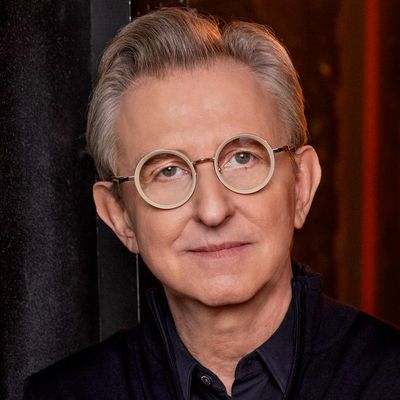
On this week’s episode, Jamie and Rob are back at Orso where they are joined by Tom Schumacher, President of the Disney Theatrical Group and Chairman of the Board of the Broadway League. Over the past twenty years, Tom has created and overseen the Broadway productions of “The Lion King”, “Mary Poppins”, “Peter and the Starcatcher”, “Newsies”, and “Aladdin”, to name only a few. Together, they discuss his incredible career, the impact of Disney on Broadway, and Tom’s spectacular book, “How Does The Show Go On”, now in its third edition. A bit later, Rob gives us a look into The Center Theatre Group, the storied Los Angeles nonprofit theatre where Tom got his start, and before all that, Rob and Jamie address a little show called “Hamilton”..
This Week’s Music: “Helpless” from “Hamilton”, “Can You Feel The Love Tonight” from “The Lion King”, “Arabian Nights” and “High Adventure” from “Aladdin”, “For The First Time” from “Frozen” and “She’s In Love” from “The Little Mermaid”.
Find us on Twitter & Instagram: @fabulousinvalid
Facebook: www.facebook.com/fabulousinvalid
Rob’s reviews: www.stageleft.nyc
Email us at: info@fabulousinvalid.com
Jamie Du Mont
Twitter: @jamiedumont
Instagram: @troutinnyc
Rob Russo
Twitter/Instagram: @StageLeft_NYC
Jennifer Simard
Twitter: @SimardJennifer
Instagram: @thejennifersimard
Transcript
This transcript was automatically generated and might contain errors.
[0:00] Tom Schumacher: I'm Tom Schumacher, and this is The Fabulous Invalid.
[0:18] Jamie DuMont: Welcome to the Fabulous Invalid, a Broadway centric podcast where we take a 360-degree view of the theater through interviews with actors, writers, directors, designers, and everyone in between.
[0:28] Jamie DuMont: As Playbill calls me, I'm Theodore Savant, Jamie DuMont.
[0:31] Rob Russo: And I'm Rob Russo, writer and theater critic with StageLeft.
[0:35] Jamie DuMont: Hi, Rob.
[0:36] Rob Russo: Hi, Jamie.
[0:37] Jamie DuMont: Well, it's 2020.
[0:38] Rob Russo: It's 2020, and we're back at Orso.
[0:40] Jamie DuMont: We're back at Orso.
[0:41] Rob Russo: At our favorite little table.
[0:42] Jamie DuMont: Oh, I love Orso.
[0:44] Jamie DuMont: And today's guest is a really special person who has, through his work, like literally changed the face of Broadway and by extension the American theater.
[0:54] Rob Russo: Correct.
[0:55] Rob Russo: Tom Schumacher is a theatrical producer who currently serves as the president of Disney Theatrical Group, which means he oversees the development, creation, and execution of all Disney Live entertainment around the globe.
[1:08] Rob Russo: So that includes Broadway, touring, and licensed productions.
[1:12] Jamie DuMont: It's a big job.
[1:13] Rob Russo: It's a huge job when you consider the amount of shows that Disney has developed over the last 25 years.
[1:18] Jamie DuMont: And what are some of those shows, Rob?
[1:20] Rob Russo: Well, Tom has been involved in the Broadway, West End, touring, and international productions of Beauty and the Beast, King David, The Lion King, that little show you might have heard of.
[1:30] Rob Russo: The Hunchback of Notre Dame, Elton John and Tim Rice's Aida on the Record, which was a review of Disney music.
[1:38] Rob Russo: High School Musical, Tarzan, Mary Poppins, The Little Mermaid, Newsies, Peter and the Starcatcher, Aladdin, Freaky Friday, and Frozen.
[1:46] Jamie DuMont: Peter and the Starcatcher, which made my best of the decade.
[1:50] Rob Russo: That's right, that's right.
[1:51] Jamie DuMont: Ugh, what a great play.
[1:52] Rob Russo: And Aladdin, a show that I talk about a lot.
[1:55] Jamie DuMont: Yes, and you've seen more times than I think you can even count.
[1:59] Rob Russo: I have seen more times than I can even count.
[2:01] Rob Russo: In fact, I saw it, what, twice last year alone?
[2:03] Jamie DuMont: I think that's correct.
[2:04] Rob Russo: Once with you.
[2:05] Jamie DuMont: Yeah, that's right.
[2:06] Rob Russo: That's right.
[2:06] Rob Russo: We got to see Jacob Dickey, former guest of the show.
[2:09] Rob Russo: I saw Jacob Dickey do it twice last year.
[2:12] Jamie DuMont: How about that?
[2:13] Jamie DuMont: But Tom's career at Disney actually began in 1988 when he produced the animated classic The Rescuers Down Under for Walt Disney Feature Animation.
[2:22] Jamie DuMont: And then he went on to oversee 21 other animated features, including the original The Lion King in 1994.
[2:30] Jamie DuMont: But prior to this, to coming to Disney, Tom did work extensively in the theater.
[2:35] Jamie DuMont: He was the associate director of the 1987 Los Angeles Festival of the Arts, where he shepherded the American premiere of Cirque du Soleil.
[2:43] Rob Russo: That he did.
[2:44] Rob Russo: Which is in and of itself a phenomenon.
[2:46] Jamie DuMont: A thing people don't know about him.
[2:48] Rob Russo: Yes.
[2:48] Jamie DuMont: Oh, I when I read that, I was shocked to learn it.
[2:51] Jamie DuMont: That was news to me.
[2:52] Rob Russo: Yeah.
[2:53] Jamie DuMont: And before that, he had spent five years on staff at the Mark Taper Forum in Los Angeles, Center Theatre Group, and served as a line producer on the 1984 Olympic Arts Festival when the Olympics were in Los Angeles.
[3:04] Rob Russo: I was there, I remember it well.
[3:06] Jamie DuMont: There you go.
[3:06] Jamie DuMont: And as the assistant general manager of the Los Angeles Ballet.
[3:09] Jamie DuMont: So he has done like everything.
[3:11] Rob Russo: Everything that one can do in the theater.
[3:14] Jamie DuMont: Which is what makes him such an extraordinary producer.
[3:17] Rob Russo: Yes, of course.
[3:18] Jamie DuMont: And today, in addition to this remarkable job he has helming Disney Theatrical Productions, he's also the chairman of the board of the Broadway League and a member of the Board of Trustees for Broadway Cares Equity Fights AIDS, the Tony Administration Committee, and the advisory committee of the American Theater Wing.
[3:34] Rob Russo: So Tom is a very busy guy.
[3:36] Jamie DuMont: We are very grateful that he's taking time out of his schedule to come chat with us.
[3:40] Rob Russo: Yeah, I don't know how he found the time, but he did make sense.
[3:42] Jamie DuMont: And we are the beneficiaries of it.
[3:44] Jamie DuMont: But before we get to our interview, I know that there's something that we both previewed that we would talk about on this episode in particular, because this is the first one we've taped in the new year since airing our best of the decade.
[3:56] Rob Russo: Dun dun dun dun.
[3:58] Jamie DuMont: I think we were both excited to hear from listeners of the show in the wake of that best of the decade.
[4:04] Rob Russo: I've heard from quite a few people.
[4:05] Jamie DuMont: Quite a few people, which was really exciting.
[4:07] Jamie DuMont: If you ever have an opinion or thought about what you've heard, please tweet at us.
[4:10] Jamie DuMont: We're at Fabulous Invalid on Twitter.
[4:12] Jamie DuMont: Or you can come to our website to find out how to email us.
[4:15] Rob Russo: I will respond.
[4:16] Jamie DuMont: Yes, yes.
[4:17] Jamie DuMont: We love hearing from people who listen to the show.
[4:19] Jamie DuMont: But one of the most common things that we heard about following that episode was that we had put together our lists of our top 10 favorite plays and musicals of the past decade, so 2010 to 2019.
[4:34] Rob Russo: And through no coordination of our own and not as a result of any sort of agenda, we both neglected to include Hamilton on our list of 10 musicals.
[4:45] Jamie DuMont: Which is funny, you know, it didn't even occur to me until you mentioned it to me offhand that neither of us had done it before we taped.
[4:55] Jamie DuMont: And then we were so caught up in taping our conversation that we didn't really.
[4:59] Rob Russo: Yeah, we didn't comment on it.
[5:00] Jamie DuMont: So correct me if I'm wrong, Rob, because I think you had the same experience.
[5:04] Jamie DuMont: When you sat down and wrote your list as I did, it didn't come naturally, right?
[5:09] Rob Russo: We didn't think to exclude Hamilton.
[5:11] Jamie DuMont: Right, that's what I mean by it wasn't the result of any agenda.
[5:14] Rob Russo: Right.
[5:14] Rob Russo: You know, in fact, I didn't reference anything when I sat down to write my first version of my list because I wanted to, you know, the shows that were my favorites were the ones that would come to mind without me being prompted.
[5:26] Jamie DuMont: First, I think there was a bit of a misnomer in the way that we perhaps messaged the show and that we called it best of the decade when the prompt, and we said this on the episode, is that the prompt that we used was what were our favorite shows?
[5:41] Rob Russo: Which is very different.
[5:42] Jamie DuMont: Which is different.
[5:43] Jamie DuMont: If I was writing a best of, you know, if I was choosing the best, there's no doubt in my mind that Hamilton would have been in my top ten.
[5:51] Rob Russo: It probably would have been number one.
[5:53] Jamie DuMont: I mean, honestly, right?
[5:54] Rob Russo: For music.
[5:55] Jamie DuMont: Absolutely.
[5:56] Jamie DuMont: But we decided to frame it as favorite.
[5:58] Rob Russo: So I think that that's one thing to, you know, just sort of get off our chest to begin with.
[6:02] Jamie DuMont: I think the reason why I don't think of Hamilton as one of my favorite shows is very, very specific.
[6:09] Jamie DuMont: That show came out in 2015 at the Public, first at the Public, and then moved to Broadway.
[6:14] Jamie DuMont: And in 2015, I was working on a presidential campaign for a candidate named Hillary Clinton.
[6:21] Jamie DuMont: And was living in Brooklyn where that campaign was headquartered and working with, by the time it was over, well over a thousand people at that headquarters, most of whom were 30 or younger, most of whom were 25 or younger.
[6:35] Jamie DuMont: And Hamilton, which the story of Hamilton is it's a very patriotic show, right?
[6:42] Jamie DuMont: About the founding of our country, about the promise of our country, about the way that American history evinces this sort of march towards progress, right?
[6:51] Jamie DuMont: It's a very hopeful, uplifting tale about America.
[6:55] Jamie DuMont: And at the same time, it came out at the same time that we were working to fulfill that promise on this campaign.
[7:02] Jamie DuMont: So it was very poignant when that show came out, and it became, you know, the cast album of Hamilton became sort of the soundtrack of our campaign.
[7:10] Jamie DuMont: It was a very special thing.
[7:11] Jamie DuMont: And in hindsight, in the wake of that election, I have a sense memory connection with the music of that show, and the show is almost entirely sung.
[7:20] Jamie DuMont: That brings me right back to 2015 specifically, and the hope of it all, which is then colored by the tragedy of it all and the trauma of it all for me, you know, personally, having lost that campaign.
[7:35] Jamie DuMont: So it's very bittersweet.
[7:37] Rob Russo: And that I think is why I don't run to Hamilton as one of my favorite shows, because I have a fraught, you know, just very personal connection with the music.
[7:50] Rob Russo: I can't wake up.
[7:54] Jamie DuMont: Hey!
[8:04] Rob Russo: Look into your eyes in the skies and I'm the helpless.
[8:10] Jamie DuMont: Down for the calendar, I have never been.
[8:14] Jamie DuMont: You know, Helen Shaw, critic for New York magazine, recently went back to Hamilton and sort of re-reviewed it, Hamilton and the Book of Mormon, and wrote a really fascinating piece about what it's like to revisit two shows, two musicals that were blockbuster juggernauts of the past decade through the lens of the present.
[8:34] Jamie DuMont: And I haven't seen Hamilton since March of 2017, but I can imagine that the message of the show is colored by the events of the last four years.
[8:46] Rob Russo: How could it not be when it is so expressly political?
[8:50] Jamie DuMont: And like I said, about the forging of our country, as to some people, and I'm one of them, we're witnessing it sort of unravel.
[9:00] Rob Russo: I saw Hamilton last year.
[9:02] Jamie DuMont: Yeah.
[9:03] Rob Russo: And how did it land for you in terms of...
[9:03] Rob Russo: Well, to be honest with you, I didn't look at it in the context of the new political climate.
[9:10] Rob Russo: I was actually looking at it in the context of it just being, I saw it in San Francisco.
[9:16] Rob Russo: So I was really sort of looking at it more through the lens of how does the show hold up on the road?
[9:21] Jamie DuMont: Yeah, how does a show...
[9:21] Rob Russo: I saw it, I saw it in the same theater in San Francisco when it first played there a few years ago.
[9:28] Rob Russo: So I was looking at it through that lens more than anything else.
[9:33] Jamie DuMont: That's fair.
[9:34] Rob Russo: And how marvelous it was.
[9:38] Rob Russo: Two things.
[9:39] Rob Russo: One, how drastically cheaper my ticket was the second time around.
[9:42] Jamie DuMont: Are you sensing a theme here?
[9:43] Rob Russo: By like $300 for the same exact seat.
[9:47] Rob Russo: And then secondly, also how marvelous that production was and how it was as good as the three other times I had seen that show in various...
[9:58] Jamie DuMont: Yeah.
[9:59] Jamie DuMont: Well, I think there's something to be said for the way you act, the accessibility of a show also informing one's fan relationship with it.
[10:08] Rob Russo: When we had super fan Joanne Veneziano on the show, she talked about this, about how certain shows don't have the same, the fan culture around them is very different because they're so hard to access.
[10:19] Jamie DuMont: And I think of that with Hamilton, you know, just personally, right?
[10:24] Jamie DuMont: I mean, it's a show that I very much admire.
[10:26] Rob Russo: The other thing, since we're talking about Hamilton, you know, the show has been heralded as being sort of revolutionary, and I have always bristled at that characterization of it.
[10:35] Rob Russo: I think it's revolutionary to someone who doesn't know a lot about musical theater history, but if you know musicals and you know them well, what Hamilton is more so than representing any sort of revolution or departure or progression for the form of musical theater, for me it's just an apotheosis of it, right?
[10:54] Rob Russo: It is an example of musical theater perfected.
[10:58] Jamie DuMont: Which is different than, say, in a chorus line, which is rap, you know, changing the form of musical theater itself or company or cabaret, right?
[11:07] Jamie DuMont: Musicals that truly push the form.
[11:10] Rob Russo: I don't see any major innovation in Hamilton, other than that it's just a really well crafted, designed, and performed show.
[11:19] Jamie DuMont: And it touched a generation, right?
[11:21] Rob Russo: Yes, and it defined a moment.
[11:22] Jamie DuMont: Absolutely.
[11:24] Jamie DuMont: I mean, I think a couple of things are clear.
[11:26] Jamie DuMont: I think we love Hamilton.
[11:28] Rob Russo: Yes.
[11:28] Jamie DuMont: We understand its place in history.
[11:31] Rob Russo: Um, I think we love cast albums.
[11:34] Jamie DuMont: Yes.
[11:34] Jamie DuMont: I think cast albums make us very happy, and we love Tom Schumacher.
[11:37] Rob Russo: So let's get to our conversation with him.
[11:39] Jamie DuMont: Let's get to our conversation.
[12:00] Jamie DuMont: I'm gonna read this list of accomplishments because I cannot commit it to memory because it is so great.
[12:06] Rob Russo: Nor can I.
[12:07] Jamie DuMont: Our guest has worked as a shoe salesman, a custodian, kitchen assistant, puppeteer, box office treasurer, movie producer, stage carpenter, stage manager, personal assistant to a famous actress, and most recently a Broadway producer.
[12:21] Jamie DuMont: I am delighted to welcome the chairman of the board of the Broadway League and the president of Disney Theatrical Group, my friend Tom Schumacher.
[12:29] Rob Russo: Wow, that's so exciting.
[12:31] Jamie DuMont: Well, I have to tell you that Rob wrote a more proper introduction that actually lists your more recent credits.
[12:37] Rob Russo: But I did that's from the book.
[12:39] Jamie DuMont: This is for which is where I stole it because all of these things are true.
[12:44] Tom Schumacher: But I did I wrote that introduction or the rather I wrote that um that bio, you know, for the book because I wanted kids who got the book to read that people actually do things for a living.
[12:55] Jamie DuMont: Yeah.
[12:56] Tom Schumacher: And that all of us who work in the theater have had so many different jobs, and I did everything I could to keep myself afloat while I was trying to build a career in the theater.
[13:05] Tom Schumacher: And I think that's an important thing for kids to see. I'm I did a talk once at the Mark Taper Forum years after I'd worked there when we were doing Aida at the Amundsen, and they'll they had gathered 150 moms and dads and kids, and they were all in a rehearsal room. And I said, I want everyone to stand up, every ever all the kids in the room, stand up and then separate your feet 12 inches apart.
[13:23] Tom Schumacher: And they're all doing this whole like thing. And I said, look down at the floor, but between your feet, because my first job in this theater was sweeping that floor. And so many moms came up to me afterwards to say thank you, because they can't get their kids to sweep.
[13:37] Tom Schumacher: And I didn't sweep up at home either, but I've swept a lot of stages, let me tell you.
[13:41] Rob Russo: There's an art to sweeping, isn't there?
[13:42] Tom Schumacher: Oh yes.
[13:43] Rob Russo: Well, yeah, that's tricky because if you leave anything crummy out there, you'll get yelled at because people are in their bare feet.
[13:48] Tom Schumacher: It's actually there's a whole, you need the mop that spins so you can do the tuck around in the corners.
[13:53] Rob Russo: It's pre-Swiffer.
[13:54] Tom Schumacher: Pre-Swiffer.
[13:55] Rob Russo: Life is different after the Swiffer.
[13:58] Tom Schumacher: No wet mop.
[13:59] Rob Russo: Well, yes, except for dance.
[14:01] Tom Schumacher: You would use a wet mop on um like a Marley floor.
[14:04] Tom Schumacher: And I'm so old.
[14:06] Rob Russo: How old are you?
[14:07] Tom Schumacher: I'm so old that we used to pour a can of Coca-Cola into the mop water to make this floor a little bit tacky for the dancers.
[14:16] Rob Russo: I've heard of that that that trick before.
[14:17] Tom Schumacher: But that's from the olden times.
[14:19] Rob Russo: Yeah.
[14:20] Tom Schumacher: And then they invented electric lights and all sorts of things, and everything in the theater changed.
[14:24] Rob Russo: So now it's Coke Zero.
[14:25] Tom Schumacher: Is that what gets sacked?
[14:27] Rob Russo: I don't even understand.
[14:27] Tom Schumacher: Do you even understand Coca-Cola?
[14:28] Rob Russo: No, I don't drink soda pop.
[14:30] Tom Schumacher: So I either I just I just knew that reference, but I don't know what it means.
[14:33] Rob Russo: I don't either.
[14:34] Tom Schumacher: And then it's different abroad. But we're here to talk about something else.
[14:37] Jamie DuMont: Yes, well, you've you've just mentioned your book, um, How Does the Show Go On? An Introduction to the Theater, which is a really wonderful um exactly that, and an introduction to the theater meant for a younger audience. Um, what prompted you to write this book specifically?
[14:50] Tom Schumacher: Two things. One is I actually thought I was gonna have free time when I when I moved full-time to New York um and left the animation business behind and was just um producing shows for Disney. I actually was on my way to Harlem. I was on the A-train um with my pal Jeff Curdy, who helped me with the book, and he'd written a lot of books already. Now he's written over 35 books on Disney culture and Disney things. And I said, I I think I want to write a book.
[15:13] Tom Schumacher: And he goes, About what? And I said, I want the book that I wanted as a kid. How are shows actually made? Who does what? All the behind the scenes parts. And he said, Great. And I said, What now? He goes, Well, when do we start? And then I literally that night did an outline of the book. And it's it's the book I wanted. I when I was in junior high, I subscribed to Theater Crafts magazine and The New Yorker, an inappropriate publication for a child, I might add.
[15:37] Tom Schumacher: But that way I could keep up with what was happening in New York and Theater Crafts, I learned everything you could want to know about a Roscoe fog machine in 1972.
[15:45] Jamie DuMont: So the book is in its third edition.
[15:47] Tom Schumacher: Yes.
[15:48] Jamie DuMont: What is new in this third edition?
[15:50] Tom Schumacher: Well, the format of the book, the fundamental idea of going job to job and what things are is the same. The physical format of the book is larger. I've completely changed all the photography. I've updated each section, because like the Natasha Katz section, Natasha Katz legendary lighting designer who's featured in the book more than apparently anybody else.
[16:09] Tom Schumacher: Her picture's on every other page.
[16:11] Jamie DuMont: We did notice that.
[16:12] Tom Schumacher: Yes. Well, she is a genius.
[16:14] Rob Russo: Well, she's a genius.
[16:16] Tom Schumacher: Um, and uh her section's completely updated because the technology has changed so much. But the other thing is when the book was created, it was what they call an artifact book. So you could pull little tabs and things and take stuff out of it, which meant that when the book was three years old, there was no tabs left in it because you'd pulled them all out.
[16:31] Jamie DuMont: Right.
[16:32] Tom Schumacher: And it's also very expensive to make the book that way. And so this version has augmented reality, which allows you to take an iPhone or an iPad or whatever, an Android, and you download a free app and you can hold it over certain images in the book and they come alive as movies.
[16:49] Tom Schumacher: And for me, that technology, A is fun for a kid to play with, but it lets you take a deeper dive into the book. And for example, for the chance to see Lisa Don Cave, the original um production stage manager of um of Frozen, backstage calling all the cues for a sequence.
[17:08] Tom Schumacher: And I have an introduction of me talking, you hear my voice, and then you see her do it. For me, the idea of a kid somewhere in America, um, primarily where this book sells, although it sells in other English speaking countries. Looking at Lisa Dawn, African American woman, former dancer, who's now a stage manager, being the single most powerful person in the theater in charge of the whole show, it's a game changer for me.
[17:33] Tom Schumacher: Because no matter who you are, when you look at this book, I promise you, you'll see yourself and you'll see a job you could do.
[17:40] Jamie DuMont: That was one of the most poignant things to me when I was paging through it in preparation for this interview was how you were highlighting the folks who don't often get uh the acclaim that they deserve for the work that they do behind the scenes and from everyone from electricians to you know the wardrobe staff to the street.
[17:59] Tom Schumacher: Well, sure, and partly they're because they're my friends, but more importantly, because anyone who actually does this for a living and has done it for a long time knows that without everybody you have nothing.
[18:09] Jamie DuMont: Right.
[18:09] Tom Schumacher: But the audience has a little little opportunity to see anything beyond um the cast. And you frankly don't even see the orchestra much anymore because of the way pits are built, uh orchestra pits are built. So for a kid, you're you think, oh, theater is acting, but theater is making and designing and building and rehearsing and writing and composing and all these things.
[18:31] Tom Schumacher: So for me, to know about these people is the part that makes it the most fun. And as I suspect many people listening to this who've worked in the theater have that sense of family. And so many of us who come to the theater come to it in search of family.
[18:46] Tom Schumacher: Um, whether it's a second family or frankly your primary family. And to see the depth of this family, uh I f I I love and I find very moving. I think it's one of the number one things we hear over and over again when we talk to people about the theater is that sense of community and also people that uh mo many people that come to the theater felt like a misfit at some point in their childhood, right?
[19:10] Jamie DuMont: Right.
[19:10] Tom Schumacher: And so to be able to be surrounded by people that think and feel exactly the way you do is as as Tim Fetterly says, um, the kids who are picked last for dodgeball.
[19:20] Rob Russo: Right.
[19:20] Tom Schumacher: Um, and that is a segment of us in the theater, but I also think that um I think this sense of wanting to be with people who love what you love.
[19:29] Jamie DuMont: Yeah.
[19:30] Tom Schumacher: And when you go, you know, I I go to the Yankees every year and I watch, I watch a baseball game, and I love watching the people around me because they love being there with the people they're there with.
[19:40] Tom Schumacher: And who doesn't love people who like the same things you do? And what's fun about the theater is that we're all so different. I mean, just try to survive a you know, four-week rehearsal process. You realize how different everyone is, but we are brought together by the thing that we love.
[19:54] Tom Schumacher: Because who would do this if you didn't love it?
[19:56] Jamie DuMont: What would you say, just generally speaking, would be like a number one takeaway that you want readers to get from the book?
[20:04] Tom Schumacher: That theater um is about joy and participation. It's not a career guide. But I think the big takeaway is just that the theater is fun, beautiful, and joyful. Now, do I have an agenda? You bet my agenda about getting kids engaged, kids doing something.
[20:20] Tom Schumacher: Because the book is clearly pitched at kids. There's a lot I think any reader would learn, but but it's pitched at them to say, engage, plug in with something, put down the device and engage in the collective experience together.
[20:32] Jamie DuMont: That's why I love it.
[20:33] Tom Schumacher: It's interesting though that you say it's not a career guide, because for me, reading it and rereading it the other day, it really does read like a how-to work in the theater.
[20:43] Jamie DuMont: I I would I would approach it if I were younger and reading it, that I what I would take away from it is all of the jobs I could do in the theater beyond being an actor, which is the job everybody thinks they would.
[20:54] Tom Schumacher: Well, that's only if you're actually thinking about a career. But I grew up doing community theater. I I did very little theater with k people my own age. Um I was directing actors that were, you know, you know, 200% older than me.
[21:11] Tom Schumacher: Um, I was producing community theater, I was in community theater. So I was working with people who were like in their 40s, 50s, and 60s, who did two shows a year every year, who just did it for the joy of doing it.
[21:23] Tom Schumacher: And I kind of like to think about them because if you can get them, then the ones from that crowd that want to do it for a living. But I don't want people to think, oh, here's a career guidebook. Because I think just getting kids engaged is great.
[21:38] Tom Schumacher: The other thing, which is perhaps maybe too cerebral, but not for your podcast, is I think the world is so prefab and fake now for many people that it's hard for them to understand that everything you touch was created and made by somebody.
[21:55] Tom Schumacher: And because we don't feel the human touch on things now, and we don't see the people who make it, that you start to think things are easy. Like people don't actually do that. But they do.
[22:06] Tom Schumacher: Somebody actually screws that into that and paints that and lifts that, and things are made. And I think for kids to know that everything they touch or consume, eat, wear was actually made by somebody.
[22:20] Jamie DuMont: I think that's a that's great.
[22:22] Tom Schumacher: Because then you realize there's something behind everything. Nothing just fell in your lap because grandma gave it to you.
[22:28] Jamie DuMont: It seems to me that it would be very easy for someone to have this perception that a producer is just someone handling money in some room somewhere.
[22:35] Tom Schumacher: But what we're hearing and what you describe in the book is how so much of it is being creative and problem-solving and being resourceful. How how do you describe your job as a theatrical producer?
[22:46] Tom Schumacher: Well, everybody does it differently. And I think you bring whatever skill set you have, but because I'm actually trained in the theater, right? I grew up in the theater, I went to theater school, I've done every job in the theater for money except play in the orchestra.
[23:02] Tom Schumacher: So I I have a broad sense of it. And I like every part of it. So I'm as happy in a room doing rewrites. I'm as happy sitting with Alan Mencken on the bench while he plays something as I am figuring out how a piece of scenery moves.
[23:18] Tom Schumacher: And I I usually do everything we ask the actors to do. I've come up in the there's elevators in Aladdin that we call them toasters that shoot you out of the floor.
[23:36] Tom Schumacher: So I tested those and did them. The one I didn't do is the genie, the twisting elevator that comes up. And the only reason I didn't do that is I'm profoundly claustrophobic, and I'd have to be drugged to do that.
[23:48] Tom Schumacher: I I mean, but I did a there's an effect in um Mary Poppins where Roberts and I has an accident in the kitchen and a whole cabinet falls on his head.
[23:56] Tom Schumacher: And we tested it the first night in uh England um in Bristol on me, and it I saw stars at knock me on the floor, and I like literally saw stars like a Tex Avery cartoon.
[24:08] Tom Schumacher: So we didn't try that on the actor the next day. But I I love the backstage, I love the whole thing. And so, you know, I joke that every producer should at least know how to find the past door in a theater and get backstage, but a lot of people don't, you know, they they invest money, and that's their version of producing.
[24:29] Tom Schumacher: We've we've listed your credits, we could list your jobs, but how did you really get your start in the theater?
[24:36] Tom Schumacher: Well, uh I have like multiple starts in the theater, but I um when I was a kid, um, my community, San Mateo, California, outside of San Francisco, was a very well-funded. You know, I was born a long time ago. So in the 70s, when I was going into junior high and high school and college, I did all that in the 70s. Um, there was so much funding for the arts that my community had a fantastic community center. I started volunteering there, and they literally hired me to direct plays. So while I was a college, a high school student, I directed six plays for the community center that featured children performers. And we did full-on either posters and costumes and sets, and I can show you photographs of them. I mean, I did six shows for them. So I have my first job actually being paid to do theater, and then I went off to school and had to become a busboy to pay for my life at UCLA.
[25:30] Tom Schumacher: Right, which is some of those jobs that they had exactly we mentioned earlier. And then while I was at UCLA, I always had an interest in puppetry and took a lot of puppetry classes, and it debated being a puppetry graduate student. And while doing a puppet show, I played Heyman in a production of Antigone, a very famous puppeteer. This is before computer animation existed, so everything you saw on TV was puppet animation. And he um he wrote me a letter and said, Would you like to come audition for me? And I became a professional puppeteer as my side job while I was going to UCLA. And I toured, I toured. I opened for Ann Murray. I opened for Jose Feliciano once. And I think Jamie, you've actually seen my Marionette Act.
[26:10] Jamie DuMont: I have uh on more than one occasion, and you are an accomplished puppeteer.
[26:14] Tom Schumacher: So I know I learned a lot about puppetry doing that. You saw you had employed me, and the last night of working for UCLA, um, this would have been in the um end of summer, early fall 1980, we were striking the set from the show, um, directed by Michael Gordon, member of the group theater, and my directing teacher. Of course. Um, he also directed the film Pillow Talk, which is why we love Michael Gordon. Um, but I'm walking through the piece of lumber and a payphone is ringing, and I answer the payphone. And um, because you did that in those days, and then you would post the call, right? And it was somebody I knew, uh, he's he's no longer alive, man named Don Carr, who was looking for someone to be Joseph Chaikin's driver.
Chaiken founded the open theater in New York and had written a play with Sam Shepard, and uh called uh Tongues and Savage Love, One Man Show. And he was gonna perform it at the Taper Lab space, and they needed a guy to drive him. And I drove Joe Chaiken, and we had fantastic adventures for two weeks.
[27:11] Tom Schumacher: And basically, when um Gordon Davison asked him um how the week had been, this is the truncated version, he said, Great, and you should hire this kid. And the next day, the taper called me, and I became the production assistant on the main stage in the fall of 1980, and I have never applied for a job in the theater or the arts since then that I've gotten. And then the weirdest thing that happened was the taper eventually hires me to run their youth theater company with Peter Brocius, who runs children's theater in Minneapolis. So we ran the improvisational theater project, which went all over LA. But in the summer, I had nothing to do, but I'm on staff, so I'm just kind of planning for the next season.
And I end up sharing an office with this guy named Peter Schneider, and this is the summer of 1983, and they've brought him in to coordinate the theater component of the legendary 1984 Olympic Arts Festival. And nobody liked Peter. But I did, I thought it was funny, and we shared this dinky little office, and we had nothing to do with each other except we were in the same space. And so we'd have lunch together.
[28:17] Tom Schumacher: And that led to my actually being a line producer on the Olympics in 1984, which led to me meeting people from the Quebec delegation, which is gonna pay off later when I bring Cirque de Soleil to America, because then after the Olympics, I become the associate director of the Los Angeles Festival, this ongoing thing, and all of a sudden I'm traveling the world recruiting people to come perform in LA. Just because I think it's just because nobody else wanted these jobs, or they didn't know they existed. Or, you know, there was just less competition then.
[28:44] Jamie DuMont: Yeah.
[28:47] Tom Schumacher: I just think that I look at all these really hungry young people and I think, oh, there was just less competition in my day. You know what? You know that the correlative to this, as Rick Ellis would say, is when you watch a Busby Berkeley number and you realize none of those people know how to dance. Like none of them can dance, and none of them would you pay money to look at live on stage today. It was a little bit like in my generation. You could get hired to produce or direct because nobody else would do it. I'm like a Busby Burgley, you know, chunky dancer. So in 1988, you came to work for Disney in the animation uh uh division.
[29:23] Tom Schumacher: 32 years ago.
[29:24] Jamie DuMont: Yeah.
[29:24] Tom Schumacher: So how did that come to be?
[29:26] Tom Schumacher: Nobody wanted the job.
[29:27] Jamie DuMont: There you go.
[29:28] Tom Schumacher: Okay. It's a recurring theme, yeah, right. I know it's just Shaw, you know, what happened is um because it's all about, you know, you meet that's why I always say I never applied for and got a job in the arts after answering that pay phone to be Joe Cheiken's driver, because you keep work at people and then they in turn invite you. So we did the Olympics that was run by this guy named Bob Fitzpatrick. He had recommended Peter Schneider to go be the head of Disney Animation during the animation renaissance when Roy Disney said, let's build up animation again. And so he went out there and he'd been there for a year and a half and he was drowning. So I finished the first festival after the Olympics, and he called me and said, Do you want to come produce a movie? So I took a pay cut from the nonprofit, a pay cut from the nonprofit to produce a little movie called The Rescuers Down Under.
[30:18] Jamie DuMont: I've heard of it.
[30:19] Tom Schumacher: And then one thing led to another.
[30:21] Jamie DuMont: Right.
[30:21] Tom Schumacher: Yeah. So having had this extensive background in the theater, all the different jobs you've done, all the training that you did.
[30:27] Tom Schumacher: I didn't know crap about making animated movies.
[30:29] Jamie DuMont: Exactly.
[30:29] Tom Schumacher: I was about to say none of us did.
[30:30] Jamie DuMont: Yeah.
[30:31] Tom Schumacher: None of us did. Because no one who knew how to make movies was willing to come do it. Do you think part of the success of that renaissance in the late 80s, early 90s was the fact that people who had been involved in the theater world were now involved in making these animated films and were able to influence the way those films were made?
[30:48] Tom Schumacher: Yes, and no. I think the theater impact that is most important is Howard Ashman. So what happens is these animated movies are being made. Um, Oliver and Company with a compilation score, you know, everyone has a song in that. And then Who Framed Roger Rabbit, which gave in the summer of 88, gave animation edge again, right? And then that goes into Oliver Company that as we're going, this idea of making an original animated musical for Little Mermaid gets presented to Howard, who walked in the door with an Arabian Nights story, but Howard had abandoned um Broadway, and then Howard and Alan began working with John Musker and Ron Clements on Little Mermaid, and no one expected it to be anything.
And then as that movie was finishing, and that was the summer of 89, and as it was finishing to open for the fall, people realized everyone was loving it. And it was the first actual musical Disney had made because Mary Poppins verges on a musical, but it's got novelty songs that don't actually propel much of the story. And all the other films just are novelty songs. No one's actually driving. I always say Little Mermaid's the first of the Disney movies, that if you took the songs out of it, you wouldn't know what the story was about.
[32:12] Tom Schumacher: And that for me is the distinction between a stage musical and a film musical. Um, as Howard would say, the songs turn the story corners. And uh I think that impact, as I was coming out, because the very that summer, the summer of 1989, when Mermaid was finishing, was when the first story reels came in on Beauty and the Beast, and it wasn't very good. Like it just wasn't good. And that's when Howard and Alan were asked to step in on that one. Howard legendarily was very sick at the time, so the team moved to New York, Fishkill, New York, to work on the movie at near Howard's house, and that changed everything. That changed everything for Disney Animation, it changed everything for it it created Disney theatrical, everything changed based on the Howard's impact.
And Howard only did Mermaid and Beauty. He didn't see Beauty open, he was gone by the time it opened, and Aladdin was substantially reworked after he was gone, which is how Tim Rice came in. I think Howard Ashman is somebody who doesn't get discussed as much as he probably should, and it's so fascinating to hear you give him such credit for things that I think people wouldn't wouldn't necessarily correlate.
[33:22] Tom Schumacher: Howard changed everything because even though everything we did wasn't a musical, we never would have made Lion King, right? Which which changed the Walt Disney Company. Think about this. I mean, to the degree that your listeners care about these big business stories, but but when the Lion King movie came out in 1994, you know, companies have values. It's a, you know, like what is this company worth? The Walt Disney Company was a $13.5 billion company when Lion King, the movie came out and drove a billion dollars in business. That's a giant impact that one film could make on a company. Today, it's a 250 plus billion dollar company. So any one film, any one thing is not gonna change it. Lion King changed everything for the Walt Disney Company in a way.
And that even though Howard didn't write it, that's Elton and Tim, Elton, John and Tim Rice. But Howard brought that idea that we would make musicals up. And then we made many, many music. And then then the mu then they became like Westerns or Kung Fu movies, and they become unpopular. And but then a whole generation grew up in them, so they have fantastic um uh uh nostalgia about them, which is why Aladdin plays to such success on Broadway.
[34:45] Jamie DuMont: I just love a happy ending.
[35:08] Tom Schumacher: But only about 10% of the Aladdin audience on average is under 18.
[35:13] Jamie DuMont: Really?
[35:14] Tom Schumacher: Yeah, aren't you shocked?
[35:15] Jamie DuMont: That is shocking.
[35:16] Tom Schumacher: It's a nostalgia audience. Because that movie came out 27 years ago. So if you were 13, you're 40 today.
[35:22] Jamie DuMont: Yeah.
[35:23] Tom Schumacher: Or 52.
[35:25] Jamie DuMont: I vividly remember Aladdin coming out. And did you have a favorite character that you felt a certain tingling over?
[35:31] Tom Schumacher: You know, that's interesting. I've never thought of it that way.
[35:34] Jamie DuMont: I bet you did.
[35:35] Tom Schumacher: Oh, I mean, it's Aladdin, right? That's the answer.
[35:38] Jamie DuMont: Nor Jasmine, everybody has a feeling about them.
[35:42] Tom Schumacher: Oh, that's a good thing for Aladdin, as you are well aware of.
[35:46] Jamie DuMont: Really, I don't know if not. Well, now that you're at the helm of Disney Theatrical, um all these years.
[35:51] Tom Schumacher: All these years, yes.
[35:53] Jamie DuMont: And you have this remarkable catalog of intellectual property from which to pull from. And now we have Fox, too.
[35:59] Tom Schumacher: And Fox, exactly. How do you, as the person leading this organization make decisions about which properties to put on stage or to workshop or together?
[36:09] Tom Schumacher: Yeah, I'd love to tell you that there's a real precise matrix. It's all all gut, but even Aladdin, which is you know remarkably successful here and around the world. Um, but when we're making Aladdin, it was really to create a licensed production of Aladdin. And then in a reading of Aladdin with wonderful actors, like Bobby Creighton and all these fantastic people that you know were they were doing the show, Jonathan Freeman, my pal, who is the voice of Jafar in the movie and has done four shows with us. We um we were in the room, you know, at um, you know, the rehearsal hall at Times Square Studios, and there we are.
[36:49] Tom Schumacher: And uh we're in the middle of high adventure, and my longtime um pal and music producer Chris Montan turned to me and said, Why aren't we putting this on Broadway? And I went, Why aren't we doing that? And then I had to become a covert process to develop it for Broadway because nobody at the time was very enthusiastic about Aladdin except me. It's time for a high adventure. Changer to danger we go to beyond afraid of me. There's no ignoring or denying the kind of pill that it's applying, and the events electrifying. Tonight, 21. So this year we will open um Frozen in Sydney, in Tokyo, in London, and right now, a year from now, we'll be rehearsing Germany. For the first time in forever, there'll be magic, there'll be fun for the first time in forever.
I could be noticed by someone. And I know it is totally crazy to dream I'd find Romans, but for the first time in forever. At least I've got a chance. But we'll also open in that period a Lion King in Paris, Aladdin in Schaveningen, which is Holland. Essentially Amsterdam. We'll do full readings of Aida and we have a new Beauty and the Beast we're working on that's going to open in the UK.
[39:04] Rob Russo: And it has so how many countries are you currently in?
[39:07] Tom Schumacher: Oh gosh. Did I ask a trick question? Well, no, because it we're moving, like we have tours. For example, tonight the Lion King is in Hong Kong, which is very tricky, right? Because it's not really a really great environment to be in right now. Um I have to take a piece of paper out to this. But it's a lot. It's a lot. And there, those are our shows. Those aren't those aren't um like someone else doing it that we licensed. That's those are our productions.
[39:34] Rob Russo: Right. That's what I was asking. Replica productions of Broadway. Productions that you're in charge of.
[39:38] Tom Schumacher: Yeah. Currently. Yeah. Now, whether we pay for them or not, because sometimes we will we will say you pay for it, and we will deliver the show to you and manage it and all that. Um, but yeah, like right now it's just casting frenzy for lots of shows. And do you guys on Lion King? Within an average year, Lion King, we make somewhere between 350 and 400 casting decisions on worldwide.
[40:00] Rob Russo: That's unbelievable.
[40:03] Tom Schumacher: Yeah, that doesn't mean new people that are cast. It's decisions about who's gonna be in which production, who moves from here to there, like like a Rafiki, Ui Izama, who I just adore, has played five different companies as Rafiki. We've taught Rafiki. We have we have one Rafiki who did London in English, who played um Brazil and did it in Portuguese, and then learned it in Mandarin to play Shanghai for two years.
[40:25] Rob Russo: Do you have a giant graph of this? How do you keep it all so far?
[40:28] Tom Schumacher: A brilliant guy named Thomas Schlank, who works for us, really is the guru of that. Who's going with it? Yeah, but also because you can't, I mean, in fairness, you can't match every Simba. No, one Simba may not be able to play with the next Nala. Height issues, age issues. You can have two Simba Nala in their 30s, and it plays fine, but if one of them is 22 and one is 34, then it can get funky.
[40:52] Rob Russo: I loved the story in the book about the night at the Lion King, where they were so there were so many people calling out that they had to poach someone from Aida.
[41:01] Tom Schumacher: Yeah. Isn't that terrifying? Oh my gosh. Well, we have we had a full stop on Aladdin um what's tonight two nights ago. We were still we were down for 16 minutes on Broadway because um the Aladdin got a um nosebleed that wouldn't stop, and so we had to get the cover on in the middle of the show. We've done that a lot. Yeah. Some I my favorite for that was um JJ Singleton, who had been a young Simba on um uh on The Lion King, was playing uh Flounder in Mermaid and uh uh Cody Hanford, who was in the movie Walk the Line, is young Johnny Cash. So you can tell that they're not gonna look the same, are they? And and uh they were each playing, they were splitting the role of Flounder, and one of them got sick in the middle of the show, and the other one had to go on. Audience just rolls with it, you know.
[41:56] Rob Russo: Yeah.
[42:09] Tom Schumacher: Playing to sing. No mistake. No mistake. Look at those obvious what they must be symptoms.
[42:24] Rob Russo: She's in love.
[42:26] Tom Schumacher: She's in love.
[42:31] Rob Russo: Yeah!
[42:32] Tom Schumacher: Yeah! Well, this might be an obvious question, but from from your perspective, uh, what is the the difference between developing a show, a live show at one of the Disney parks versus what you do with Disney Theatrical developing shows for the stage.
[42:51] Tom Schumacher: Well, it's a good question for Broadway. The first thing is that my colleagues in the parks, their job is to reproduce the movie experience for you. That's their job. When you go to the park, you want to see the the pro the the movie or the experience you grew up with. And you love it the more that it does that. Right. But for the Broadway audience, it's a different audience. Um they're having a different experience. It doesn't come free with your ticket to the park. They invested in it. So there's a whole different dynamic and structure around it. And so therefore, you like to take what, and you hope you get it right. Sometimes you do, sometimes you don't. What what do people want to see of that story and how do you shape it?
So Julie Tamore's take on The Lion King is an expanded version of the story, but it's this pretty m straight ahead telling of the story. Just filling in the moments, begins and ends in the same place. But it is her design concept. And her big narrative ideas, Rafiki is the it will be a narrator, and it's a Sangoma, a woman sort of witch doctor, if you will. Um, explaining the role of Nala would be kind of a more obvious thing, which we did, but that's that's it's all about the the manner in which you can tell the story.
[44:04] Tom Schumacher: In the case of Aladdin, it's a reinvention of the story where we take here's what you like from Aladdin, but we're not gonna do the stage version, the the movie version. Um we're gonna turn on its head and make it sort of the genie follies, so it's presented to you by the genie in the original way that Alan and Howard conceived him, which is Cab Callaway. Sort of Cab Callaway meets Fat Swaller, and this Harlem Jazz Renaissance um genie follies that he's gonna present to you. And that is a whole reinvention of how you're gonna tell the story. And then we and we don't do all the same sort of because there's a lot of shoe leather and action adventure stuff in Aladdin that would just never be fun to see on stage.
Right. Right. And then of course, by doing that with the genie, we reinvent and we're not doing um Robin Williams. Robin Williams played it, it was Robin Williams as a shapeshifter, and that's really um, you know, three different people, right? So there's a guy named Don Ernst who edited all of that Robin Williams' text. There's a guy named Eric Goldberg who animated it, and then there's Robin. It's three people who made the genie, right? And and people sort of imagine it's just Robin, but it's three people who did that. But you can't do Robin Williams on stage, you can't shape shift, you can't do all that. And every reference he makes in the movie is completely out of date. Who's heard of Howard Cocell, you know?
Like, really? You know, you know. I mean, like we do in the movie has Walter Kronkite and Howard Cosal, and all these people that who the hell remembers any of them? Yeah, not know. He wouldn't know who any of them are. Peter Laurie, for God's sakes. Although there was a Peter Laurie reference last night in Freestyle Love Supreme, and I thought, who in this audience besides me knows who Peter Laurie is? It's amazing.
[45:51] Rob Russo: That's a fair point. You mentioned a new production of Aida, and you have another production of Beauty and the Beast currently in the works. Is there anything you can tell us about these two productions?
[46:02] Tom Schumacher: Yeah, well, the beauty is the entire original team who created the show, Robert Jess Roth, Anhold Ward, Natasha Katz, Stan Meyer, you know, the whole gang is um Matt West, choreographed it, they're all back. Um, and it's but it's a new design concept, it's a whole new staging concept for the show. So numbers are are being reinvented. Um David Chase is doing new dance arrangements. I mean, it's really fun. Great people working on it. And um, it's my hope that this has becomes the new standard. It's a little tighter. We've cut a few things, shortened it, tightened it up a little bit. There's also some things that you probably wouldn't have noticed before in Beauty that are shifted a little bit to be seen through the lens of how we would talk about these characters today.
Um but then it's beauty as you know it. And because there have been so many versions of Beauty and the Beast, because everyone has done this thing. Aida, what we've done is um it started with people asking us, will we do a revival of Aida? And for me, one of the big signatures of Aida is that glorious Bob Crowley design. So I was meeting with Bob talking about we want to do a kind of a redux version of it, simplify the narrative a bit, simplify the staging a bit. Um, Tim Rice has always said less talking and more singing if we could. Um, but also just physically, how could we tighten it up a bit so that it could tour? And while we were working on it, we were talking about who should direct it.
And and we and now we're of course now the time is moving on, and you're thinking about the lens of how we view the relationship between Aida and Radamaze keeps changing with our the times we're living in, right? There's a there's a very uncomfortable slavery idea in it, and all these things that are not really germane and um to what the story has to be. And while we were working on it, I'm holding a model piece in my hand, which was the character of Nahebka, who um sings The Gods Love Nubia. And uh she's throughout the show, and she's played by a wonderful Broadway actress of the time named Shelly Williams. And Shelly was a friend of mine, and we'd been meeting and meeting because she was expanding her life as a director and a writer.
And so since all the years after Aida closed, I'd been meeting with Shelly on a fairly regular basis. And I kept saying we need, and I'm holding the model piece of Shelly, saying we need someone who knows the show but wouldn't be afraid of reinvention, but wouldn't want to throw the baby out with the bathwater. I was going, and I said, Oh, and I'm literally holding on to Shelley. I said, How about Shelly? And Bob says, Shelly's a great idea. So I came back and I had I said to Shelley, I said, come in and talk, and we talked about her taking it over. So Shelly is directing it. Wow. So it's so now it's interesting, African American woman directing who was in the original production and played Aida on Broadway over 70 times because she covered the part, as well as playing Nahebka. And she did the whole run of Aida, the whole time she was affiliated.
[48:59] Tom Schumacher: Oh wow. Um, and for me, it's a chance to go in and dig back into scenes. There's some stuff that's historically different. We're gonna be all Bob Crowley, Shelley, me, and Court, my co-producer, we're all going to a museum in Boston on Friday of this week to see a show about Nubia. Not a museum show. Because how we portray Nubia and talk about it in the original version is not accurate. There's been all this research found. Things we know that are just minor bits of research that inform us, and also having done the show so much, Aida particularly, I mean it's so much in Asia where we do not ethnically differentiate between Amneris, Aida, and Radamais. You realize there's no reason to do that binary ethnicity.
You don't need to—what does that have to do with the story? It's a—and so then we realize that Aida would have been as high born as Amneris. She wasn't from some sort of lesser culture. She was absolutely equals. And at times, Nubia ruled over Egypt with their own pharaohs. So now with all this information, we go, oh, we could completely reinvent how it's cast, we can reinvent how it's played. And then Tim Rice got excited because certain songs mean more now. And so that's really digging in. Now, is that a—it's not Oklahoma, right? What Daniel did with that. This is, you know, we're—but we own this IP, so we can rewrite it. So David Henry Wong, book writer, has dug back into rewrite scenes. We've changed a lot.
[51:01] Tom Schumacher: In 2019, uh, Disney Theatricals celebrated 25 years on Broadway. I know, isn't that a shocker? What did that anniversary mean to you personally? Well, you know, the obvious answer is the most true one, which is it's about all these people. We did a concert um, uh, for Broadway Cares, and you know, to see Mandy Gonzalez up there who got her Broadway debut with us, right? Ephraim Sykes got his Broadway debut with us. The number of people whose Broadway debut was with us is um, Renee Lee Scoldsbury. I mean, it goes on and on and on of people that could because we've been around so long, right? Right. And that's um, that to me is exciting. The people who've been with it a long time, the people we've touched.
I now meet people who are, you know, grown adults, who either when they're students of mine at Columbia or wherever, who then tell me what their first show was, and 25 years is a long time. Well, when Beauty and the Beast opened on Broadway in 1994, I believe, um, you know, Disney was seen as somewhat of an outsider, right?
[52:07] Rob Russo: That Disney I think the word you're looking for is pariah.
[52:12] Tom Schumacher: Um, and now, you know, more than 25 years later, you're the chairman of the Broadway League. You know, Disney is—well, they ran out of people. They ran out of people to pick. Um, it is Disney is Broadway. Well, I think that because what's happened is over that 25 years, um, the Broadway audience has grown. People in seats, tickets sold has grown a hundred percent. In that same 25 years, the movie industry tickets sold is flat. We're not talking about money and pricing, just our audience has doubled in this period of time. So when you say Disney is Broadway, what I would argue is Disney is a vital part of Broadway because we played a part in reopening this community. So at the same time, the Times Square Alliance stepped up and all these different elements were happening.
The theater is, you know, if you're in a small town, you have a theater and it runs, it's driving your hotels, it's driving your restaurants, it's driving everything because we bring people in. You know, on Broadway we'll sell more tickets this year than every New York area sports team combined. That statistic flummoxes people every time. It's my favorite one.
[53:20] Rob Russo: Yeah, because people can't imagine it.
[53:22] Tom Schumacher: We're the number one tourist industry in New York. That we have been a big part of that. We are not that whole thing. Sure. There's this huge—and that's the great thing about Broadway today. Look at the range of shows that tonight that you could go see Jeremy Hansen and Jagged Little Pill, and Frozen and The Lion King and Wicked, that you could see these remarkable plays. That we have Layman Trilogy coming back in the same season that you have The Inheritance, that you have Harry Potter, that the range of what you can see is so great. That to me is really thrilling. And that speaks to the strength of Broadway. What was that thing that made you want to work in the theater? Was there a particular show or production or movie?
[54:06] Tom Schumacher: I think I was probably reluctant to think I would work in the theater, but the enchantment, the unbelievable enchantment of watching the Peter Brook Midsummer Night's Dream when I was in junior high, um, juxtaposed with in the same month with Jack O'Brien's um staging of You Can't Take It With You at ACT in San Francisco. The idea that the theater could be those things which seemed so different to me and so fully delivered. And I remember, I mean, I remember I literally talked Jack once through the with lights up on You Can't Take It With You. And he was like, How do you remember? I knew where people were sitting, I knew where Grandpa Vanderhoof was. Penny was downstage left on her typewriter, played by Mary Wicks. It wasn't really until I was doing it that I thought I could actually do it for a living. That would take me a long time. Because I thought it was gonna be a drama therapist, you know. I thought I would, because nobody thought you could.
[55:06] Rob Russo: That's funny, and then and bring it back to the book.
[55:08] Tom Schumacher: No one thought these were jobs.
[55:10] Rob Russo: And no one thought they were jobs, and jobs they are.
[55:14] Tom Schumacher: Okay, fellas. Well, it's a beautiful book.
[55:16] Rob Russo: Thank you, man.
[55:17] Tom Schumacher: Thank you for coming down.
[55:18] Rob Russo: Thanks.
[55:19] Tom Schumacher: And to it's enough for this rest one number.
[55:41] Rob Russo: Just through me with you.
[55:57] Rob Russo: Rob here with you may be wondering. During our conversation with Tom, we mentioned the Center Theater Group or CTG. If you aren't familiar, you may be wondering: what is the Center Theater Group? Well, CTG is one of the nation's most influential nonprofit theater companies. Based in Los Angeles, CTG has been using the art of theater to broaden horizons and illuminate new perspectives for over 50 years now. The story of CTG begins with arts leader Dorothy Chandler, who, after saving the Hollywood Bowl from financial ruin in the early 1950s, dreamed of creating a performing arts center for Los Angeles. Chandler began working in 1955 to raise the necessary funds, an estimated 20 million dollars that would grow to be 35 million dollars.
And the Performing Arts Center of Los Angeles County, or Music Center, as it is more commonly known, welcomed its first patrons in 1964 and was completed in 1967. Today, as Jamie mentioned, it consists of the Dorothy Chandler Pavilion, the Amundsen Theater, the Mark Taper Forum, the Roy and Edna Disney Cal Arts Theater, and the Walt Disney Concert Hall, all on a shared campus in downtown Los Angeles.
[56:59] Rob Russo: But back to CTG. Gordon Davidson, who we talked about, was working as a stage manager in New York City in 1964 when he was invited to LA by producer John Hausman to work on the theater group at UCLA's production of King Lear. A year later, when Hausmann left UCLA, Davidson became the director of the theater group. Then in 1966, as the music center was nearing completion, Dorothy Chandler invited Davidson and his company to become residents of her new performing arts center. And boom, the Center Theater Group was born, performing their inaugural production of The Devils at the Mark Taper Forum in 1967. Gordon Davidson went on to lead CTG from 1967 until 2004, when Michael Ritchie was selected as the new artistic director of the organization.
Today, CTG is one of the largest and most active theater companies in the nation, programming seasons year-round at the 2066-seat Amundsen Theater and the 736th seat Mark Taper Forum at the Music Center, as well as at the 317-seat Kirk Douglas Theater in downtown Culver City. CTG's mission is to provide Los Angeles, national and international audiences with the greatest range of theatrical entertainment possible from one theater company, from groundbreaking new works to explosive productions of the classics to hit Broadway plays and musicals. Under the artistic leadership of legendary Broadway producer Robert or Bobby Fryer from 1971 to 1989, the Amundsen Theater welcomed some of the most acclaimed actors in the world to its stage, including Catherine Hepburn, Elizabeth Taylor, Jack Lemon, Ingrid Bergman, Charlton Heston, Angela Lansbury, and Peter Eustinov.
Among CTG's notable premiere productions over the years include the Broadway plays Ben Gal Tiger at the Baghdad Zoo, Brighton Beach Memoirs, Burn This, Children of a Lesser God, Marjorie Prime, The Shadow Box, Yellowface, and Zootsuit, and the Broadway musicals 9 to 5, 13, Bloody Bloody Andrew Jackson, Curtains, The Happy Time, Jelly's Lash Jam, Smoky Joe's Cafe, and The Drowsy Chaperone. Not to mention the record-breaking four-year, 130-plus million dollar run of The Phantom of the Opera at the Amundsen in the early 1990s, and early productions of the Pulitzer Prize winning plays, The Kentucky Cycle, and Angels in America, which had also been workshopped at CTG. And of course, a vibrant mix of national tours, new works, and revivals.
In just the past 11 seasons alone, under the leadership of Michael Ritchie, CTG has presented 174 productions, including 38 world premieres and five American premieres. Beyond its main stage productions, CTG is also engaged in the Los Angeles community, reaching over 20,000 students, teachers, and community members from over 130 schools throughout Southern California each year with their theater education programs, and by commissioning local, national, and international playwrights, as well as ensembles and artistic collaborators to develop new plays, musicals, and other boundary breaking theatrical works. So it's no surprise that CTG has been a breeding ground for some of the most talented people working in the theater, including Tom Schumacher, who answered that payphone, got a job as a driver, and ended up working at the Mark Taper Forum, and has been employed in the entertainment business ever since.
[59:48] Rob Russo: And on social media at Fabulous Invalid. The Fabulous Invalid is a production of OM Etcetera and the Fabulous Invalid LLC, and a proud member of the Broadway Podcast Network. Our theme music is by Lucky Chops. Today's episode was edited and engineered by Aaron Kaufman and Charles Van Kirk. Be sure to tune in next Wednesday. And thank you as always to Orso Restaurant for hosting us.
© Broadway Podcast Network, All Rights Reserved