

On a special episode, Jamie, Rob, and Jennifer salute the Actors Fund with Seth Rudetsky and James Wesley, whose “Stars in the House” has taken the internet by storm; Erich Bergen the brainchild behind the one night reboot of “The Rosie O’Donnell Show”; and the one and only Brian Stokes Mitchell, Chairman of the Actors Fund... Read More
From the show: The Fabulous Invalid
Guests



Featured Shows

About
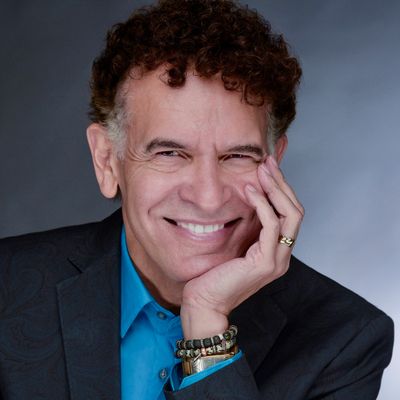
On a special episode, Jamie, Rob, and Jennifer salute the Actors Fund with Seth Rudetsky and James Wesley, whose “Stars in the House” has taken the internet by storm; Erich Bergen the brainchild behind the one night reboot of “The Rosie O’Donnell Show”; and the one and only Brian Stokes Mitchell, Chairman of the Actors Fund. In this time of crisis, the Actors Fund is there for *everyone* in the entertainment industry.
This week’s music: “It’s Today” from “Mame”, “I Wouldn’t Go Back” from “Closer Than Ever”, “The Rosie O’Donnell Theme Show”, and Brian Stokes Mitchell singing “Make Them Hear You” from “Ragtime” and “There’s No Business Like Show Business” and “What A Wonderful World” from his album “Brian Stokes Mitchell: Plays with Music”
DONATE: The Actors Fund
WATCH: Stars in the House
Find us on Twitter & Instagram: @fabulousinvalid
Facebook: www.facebook.com/fabulousinvalid
Rob’s reviews: www.stageleft.nyc
Email us at: info@fabulousinvalid.com
Jamie Du Mont
Twitter: @jamiedumont
Instagram: @troutinnyc
Rob Russo
Twitter/Instagram: @StageLeft_NYC
Jennifer Simard
Twitter: @SimardJennifer
Instagram: @thejennifersimard
Transcript
This transcript was automatically generated and might contain errors.
[0:09] Jamie DuMont: Welcome to the Fabulous Invalid, Broadway's podcast, where we present essential conversations with a curated roster of the best, most important, and innovative theater makers working today.
[0:19] Rob Russo: From actors to writers, directors, designers, and everyone in between.
[0:23] Jamie DuMont: We took our name from the title of a 1938 play by Kaufman and Hart that has since become a loving nickname for Broadway itself.
[0:29] Rob Russo: Always deemed on the verge of decline, yet always bouncing back, the Fabulous Invalid.
[0:34] Jamie DuMont: I'm Jamie DuMont.
[0:36] Rob Russo: I'm Rob Russo, writer and theater critic with Stage Left at NYC and Stage Left the Podcast.
[0:42] Jennifer Simard: And I'm Jennifer Simard, currently starring on Instagram from my apartment.
[0:47] Jamie DuMont: Hi, Jennifer.
[0:48] Rob Russo: Hi, Rob.
[0:48] Jennifer Simard: Hi.
[0:49] Jamie DuMont: Howdy.
[0:50] Rob Russo: Hi.
[0:50] Jennifer Simard: Howdy.
[0:51] Jamie DuMont: Ooh, howdy, I like howdy.
[0:52] Rob Russo: Howdy, a little howdy.
[0:53] Jennifer Simard: You're a little cowboy today.
[0:56] Jamie DuMont: And as you all know, seriously, I'm in company on Broadway, but we're on the highest right now, but we will be back.
[1:02] Rob Russo: But um here we are, fabulous.
[1:05] Jamie DuMont: Here we are.
[1:05] Rob Russo: Great title, Jamie.
[1:07] Jamie DuMont: Yes, as we've said before, this title is more timely now more than ever.
[1:13] Rob Russo: I don't think our listeners expected to hear from us twice this week, but we've been busy talking to some key people that have really come together for a very worthy and much beloved organization.
[1:23] Jamie DuMont: We're talking about the Actors Fund, a place I hold very near and dear to my heart and an organization I've donated to my entire career.
[1:31] Rob Russo: On this week's show, you'll hear from Seth Rudetsky and James Wesley, who both jumped into action with their sensational YouTube show, Stars in the House.
[1:40] Jamie DuMont: And we also spoke with Erich Bergen, star of Stage and Screen, who came up with the idea for Rosie O'Donnell to reboot her beloved show from the 90s for a one-night only event, which was this past Sunday.
[1:51] Rob Russo: And finally, we chatted with the one and only Brian Stokes Mitchell, who for the past 16 years has served as the chairman of the Actors Fund of America.
[2:00] Jamie DuMont: But before we get to all of that, I want to tell you all about my friend Seth's other new show, Seth Rudetsky's Back to School, a brand new podcast that launched on March 24th on Sirius XM and Pandora Radio.
[2:13] Rob Russo: This new show will feature celebrity interviews about high school experiences and how those experiences continue to shape their lives.
[2:19] Jamie DuMont: Seth will talk to my friend and former boss, Tina Fey, along with Vanessa Williams, Michael Urie, Rosie O'Donnell, and many, many more.
[2:26] Rob Russo: So tune in.
[2:27] Jamie DuMont: Okay, shall we get to our chat with Seth and James?
[2:30] Rob Russo: Yes, let's.
[2:32] Jennifer Simard: Yes.
[2:37] ♪ Musical number: "There's No Business Like Show Business" — performed by Brian Stokes Mitchell ♪
[3:03] Jamie DuMont: Seth and James, thank you so much for joining us today.
[3:06] Seth Rudetsky: About a week ago, you started Stars in the House. For the two people on the planet who don't know what that is, can you tell us a little bit about what you're doing?
[3:14] James Wesley: Sure. Uh, Seth, take it away.
[3:18] Seth Rudetsky: Well, last weekend we, you know, we have we've done, as Seth long before I met him, has done benefits for hospitals. I mean, Jennifer knows these, but uh, uh Seth, you'd say what you've done in the past that then led to us working together.
[3:31] James Wesley: I think that's a great podcast. God, I totally forgot Jennifer used to do that.
[3:35] Seth Rudetsky: So Hearts and Voices. I'm like Hearts and Voices. So I remember moving back to the city in the early 90s after I did a course on in Europe and I was working volunteering at God's Love We Deliver, by the way, Jennifer, right across the street from Gail, our therapist, although we're anonymous, so we're not really in therapy.
[3:48] James Wesley: Hey, um, I was volunteering there, and I remember like being like, I don't even cook. Like, why am I volunteering in like a kitchen when it's not my skill? I was just someplace I could actually use my skill to help. And I began volunteering for Hearts and Voices, where we bring singers to hospitalized patients with AIDS. And I did it every week for my God, almost 20 years. Jennifer Simard did a million of them, belted her face off, a couple of IVs broke, it's all good. But anyway, the point is I've always done these, I've always loved bringing theater to help for social justice. It's always I did the Dream Ghost benefit for Actors Fund, you know, um Easter Bonnet, just tons of benefits.
[4:20] Seth Rudetsky: So when James and I finally got together, um, whatever, 12 years ago, we began doing a lot of concerts together. We did one uh every year for foster care called Jennifer was at the very first one. Oh my God, Jennifer, you're in the audience and so we did every year we do for foster care for you, got to believe to help older foster youth find homes. Um, after the post-nightclub shooting, Jennifer, you were there too, you're right on the video. We uh James came up with the idea of doing what the world needs now is love to help the people in Orlando who would either, you know, their families and the victims. Anyway, so we always try to do social justice and music together.
[4:48] James Wesley: And then after the election of a certain president, we decided to do these concerts called Concert for America to benefit basically organizations that nonprofits that were gonna we knew that would be screwed by this administration.
[5:02] Seth Rudetsky: Yeah, so we did it every single month all over the country.
[5:04] James Wesley: So it was Southern Poverty Law Center. We helped benefit NAACT, National Coalition Against Domestic Violence. Uh, I'm what else am I missing, Seth?
[5:13] Seth Rudetsky: Oh God, Sierra Club and Southern Poverty, uh National Immigration Law Center, of course. And we did them all over the country. So my point of saying that is that we ended up having sort of a built-in staff, as it were, meaning all volunteer.
[5:26] James Wesley: Yeah, all volunteer people that have helped us with either advertising or like how to do the sound. And by the way, we also came up with this format of music, but also chat with the people who are on stage and chat with officials, like people that actually know things. We had a, you know, a support system in place that we knew that we could do this. The only thing that we were unsure of when we had the idea last weekend.
[5:47] Seth Rudetsky: Which by the way, let me just give one more thing. One more shout out to Broadway. Jen Cody posted, like, I challenge, I'm like, I challenge Broadway people to like come up with something to help, you know, the Actors Fund. I don't even know what, by the way, she didn't tag me, rude. But she was like, I challenge you guys to come up with an idea. So I went to James and I said, we have to do something. I said, why don't you? I said, we could do like an online concert or something to help. And I said, I'll just send piano tracks and we'll do like little 15-minute mini concerts. And that's when James was like, I mean, that inspired me to say, well, it needs to be more than that. It needs to be basically a mini concert for America, slash what Seth does on Sirius XM, his Seth Speaks talk show, slash what he's done with at Chatter his Chatterbox show that he did at Don't Tell Mamas for 20 years. And it needs to be sort of a combination of all of those things.
[6:32] James Wesley: And it was really only, you know, last week that we right the literally the day before we went on the air, as it were, that we figured out the platform. Um yeah, we don't know anything about technology.
[6:45] Seth Rudetsky: Or we figured out how to do this thing, and by the way, we both blame each other. We don't know who came up with the idea of two shows a day. I say it was James, he claims it was me.
[6:51] James Wesley: Well, I came up with the idea that it was a matinee and evening show to follow a theater schedule, and then it should we should do it until Broadway opens.
[6:59] Seth Rudetsky: And then James added, I think rightly so, by the way, the insane concept of doing a matinee and evening show, not just on Wednesdays and Saturdays, but literally every single day at the end of the day.
[7:09] James Wesley: But you know, which by the way, actually is paying off because people are really watching around the world.
[7:13] Seth Rudetsky: That is true, so and there are people in these different time zones that watch. And one of the crazy things, just on a total side note about time zones, that Lea Salonga emailed us and said, I want to do it. And she is gonna be doing one, but she's in Manila, so she said, Can I please do the 2 p.m. show? Because then I only have to stay up until 2 a.m. So she's literally doing in Manila at 2 a.m. But the point is, I'm really glad we're doing twice a day because people over the world can watch in their time zone.
[7:35] Jennifer Simard: First of all, when I do your show, I also would like to request 2 p.m. so I don't get evicted from my apartment.
[7:40] Seth Rudetsky: Oh just do you know what I mean? Just developing.
[7:44] James Wesley: You got it.
[7:44] Seth Rudetsky: Yeah, you know what I mean.
[7:46] James Wesley: Yep.
[7:47] Seth Rudetsky: Okay, great. Um, uh but you guys you've been doing this now for a week, and other than learning that you have to go back into marriage counseling, what else have you learned?
[7:48] James Wesley: What else have you learned from this experience?
[7:59] Seth Rudetsky: Wait a minute. First off, Jennifer, how did you know that Gail texted us to ask that to say that she could do Skype session?
[8:07] Jennifer Simard: Oh, yeah. If you don't know, we all have the same therapist. And Gail was like, just so you know, we can do a Skype session. And by the way, what Jennifer is referring to is the fact that James and I decided we're like Lucy and Desi because during this show we're all laughs and smiling. As soon as it's over, the amount of arguing, screaming, I can't tell you, we completely hate each other in real life.
[8:25] James Wesley: It's nice. We say, you know, it's like I love Lucy, you know, where it's like we're all too young to have seen it in its original incarnation. But if you love I Love Lucy, you know that when they move to the country, that that's the end of the show. And then you also know that they do for three years those hour-long specials, and on the last episode, like their marriage, their divorce is final, like the day of the last show airs or something, or the next day, like literally.
[8:49] Seth Rudetsky: So as soon as Broadway reopens, we're out. Just FYI. We're doing it for the good of the arts, and until then, excellent.
[8:56] James Wesley: Yeah, go ahead.
[8:57] Seth Rudetsky: Anyway, what have we learned? Sorry.
[9:00] James Wesley: You know what? I will just say what's kind of fun is that the show keeps developing and then two things that came up. I'll talk about one of James, so we can talk about Joanna. But one of the cool things is Dr. John LePook, that's the other just crazy thing, let me just say. We were supposed to be doing a hand washing song on CBS. Dr. John LePook interviewed us. He's the chief medical correspondent for CBS News. And he interviewed us after Broadway for Orlando. So he called us and he said, You guys, you know, help me quote unquote save the country. Can you do a hand washing song? People are not washing their hands, a star-studded one. And this is by the way, it's so funny, it was not even that long, it was maybe a week ago, and we were so naive.
It was when everyone thought that hand washing would be enough. And we're like, we'll get 50 people together in the studio. And then it wasn't until a day later he was like, Well, we shouldn't have people in that close contact. Like, we didn't even, it wasn't we were still doing it at that point. Well, it's sad that actually it shrunk from 50 in a studio to 10 in a studio to like we could do it at CBS. And then someone at CBS. I mean, it like so rapidly changed.
[9:55] James Wesley: Go ahead. So, anyway, so we were gonna do that. That all faded out, and then on Monday morning, he called us again when this all began and he said, Let's talk about the hand washing song. Can we videotape it? And we said, We can't do that right now because we're doing a live stream for the Actors Fund. And he said, Oh, I'll join you and I'll give some medical advice. And then he did the first one, and he's like, Well, he's like, I'm doing every single one from now on. So this craziness, so now he's on the show twice a day. Literally, so we have entertainment and we have Dr. John LePook giving medical advice, but he was talking about how isolated people are and how important it is to reach out.
[10:23] Seth Rudetsky: So, because of that, every time we have a celebrity now, we surprise them with one of their friends. So we it's kind of fun. It's also stressful, but we keep researching who people are friends with. So we had Jason Alexander, we knew he did the rink with Chita. So we had Chita make a surprise appearance on Jason's show. We had Audra McDonald and Will Swenson, and they haven't seen Gavin in so long, he's been in London. Gavin came on the show, by the way, but we had a full wig. So he wouldn't be recognized by them. And then he ripped off the wig and it was Gavin. Anyway, so that's one of the fun things is we've added this celebrity surprise moment because it is so true. The fear of the virus and the isolation is what's really hurting people mentally.
[10:55] James Wesley: And what did you want to say, honey?
[10:56] Seth Rudetsky: No, I know you couldn't have said it about it.
[10:58] James Wesley: No, yeah. So when Joanna was on our show, she just like all of a sudden she showed the staff, the actual staff of Bernadette Peters from Into the Woods that she basically stole at the end of the run.
[11:10] Seth Rudetsky: No, no, no. That's me.
[11:12] James Wesley: No, okay. Audrey McDonald stole her baby for the show.
[11:14] Seth Rudetsky: Okay, I'm getting actors stealing confused.
[11:17] James Wesley: Joanna was given that staff as a present. Quote unquote. But she said, she said, I would like to auction this now for the Actors Fund.
[11:25] Seth Rudetsky: Yeah. So now we have this idea because people are in their houses and they have all this stuff around them that they don't necessarily need. So now every show, an actor is gonna auction something off. And speaking of that baby from Ragtime, all just showed it to us. And she said she has two babies that she held during Ragtime during Willows of a Dream. She's gonna auction one of the babies. So which And Laura Benanti.
[11:41] James Wesley: Oh, Laura Benanti is gonna auction her shoes from where she played Maria in The Sound of Music.
[11:46] Seth Rudetsky: So it's all these kind of really cool. All going to the Actors Fund.
[11:51] James Wesley: That's right. Just by the way, uh the cane, the cane when Jamie texted me about it, and he said, Did you hear that Joanna's has the cane and they're gonna auction it on Seth and James's show? And my text, I'm reading it right now. I say, Oh, I'm gonna have to steal it. I'm gonna have to sell.
[12:06] Seth Rudetsky: So I'll be at your apartment in my dress slacks any moment.
[12:13] James Wesley: Well, I guess her house. You know, I d I think Jen and I are serious about wanting this cane. And now that I know that there's a baby up for sale, I went in on that too.
[12:22] Seth Rudetsky: How does one how does one auction? Where does one bid? Where do where do the auctions live?
[12:27] James Wesley: We're starting it right now. We don't really know. Go, James.
[12:29] Seth Rudetsky: It was so it was when I say it was a surprise, I mean it was a surprise. I had to on the spot with Joanna, because we're doing them all live. I had to figure out how in the hell do we make this work? And I just came up right away because I didn't want to ruin that amazing opportunity. And I just said, anyone watching, email us at Stars in the House 2020 at Gmail.
[12:49] Seth Rudetsky: And I just asked Joanna again on the spot. I said, how long do you want this is your staff from Bernadette Peters? How many days do you want to give to bid on it? And she said a week. And we're like, great. But what we're going to do, we're having someone today, hopefully, create a website that will link into Actors Fund and where that'll be a bid, you know, like they have on Charity Buzz or eBay, that sort of thing. But it's still in development. So hopefully it's by the time people hear this, uh they it will be in it will be up.
[13:18] James Wesley: Yeah.
[13:18] Seth Rudetsky: What if Bernadette herself like tries to get it back under some pseudonym like right?
[13:25] James Wesley: Like Bernafette Leaders.
[13:28] Seth Rudetsky: Yes. 20,000. Um, by the way, I hate to put you on this hate to put you on the spot, Jennifer, but I don't know if your listeners of this podcast know how brilliant your Bernadette is. Can you just give us a little bit of like worst pies in London or something, something inappropriate that you would sing?
[13:44] Jennifer Simard: Yes. Oh, um, I well, you know, I love her so much. So I'll just say I think the first um the first thing I had to do in Forbidden Broadway was actually um when she was in the goodbye girl, you know. Um I don't I'm trying to remember what that was. I think it was Tears hood everything. And I can't I don't want to insulted the me Laler lyrically. It's not insulting, it's amazing that you can do her voice.
[14:11] Jennifer Simard: Yeah, I'll just talk like a butters. I love her so much. I love her. No, I'm looking at all the accouchments she gave me around the apartment. She is an angel. What an angel to work with. Really. Believe believe the hype.
[14:27] Rob Russo: Hey Seth and James, it's Rob here.
[14:29] James Wesley: Um Hi Rob.
[14:31] Rob Russo: You've both been uh at the heart of Broadway for decades now. Um and you've you've been through, you know. Well, Seth has. I'm a tag along by being uh married to him, but uh Seth has. Have you heard him sing? James can sing, just so everyone knows.
[14:45] Seth Rudetsky: Aw.
[14:46] Rob Russo: All right, settle down, everyone. Settle down. Go ahead, Rob.
[14:48] Rob Russo: No, no, no. Um, so you've you know, but you you've seen this community really rally in times of crisis, whether it was the AIDS crisis or 9-11 or the odd strike here and there. I'm wondering from your vantage point, um, what do you think it is that's unique or special about the Broadway community that inspires it to really come together in these times?
[15:07] Seth Rudetsky: Look, I I would just say artists, you know, you know, I I get irritated because I think it's this whole myth about like no artists are narcissists and they're all selfish, and it's like I I really don't believe that. Of course we all love applause and we love performing, we love getting a laugh and all that kind of stuff. But artists are just sensitive people and we're emotional and and we everything we do is really part of a community. I mean, I guess there's maybe some solo people, but even if you're doing something solo, you're part of a community. So I think artists love helping their community. They've always loved it, and I think we also know how easy it is, the gifts we've been given, how easy they are to share, and how that can help just emotionally that's the one thing, by the way, I would say that I learned.
I I definitely wanted to do this to raise money, but I didn't realize how isolated and sad people are. It's actually making me sad thinking about it. But people are writing how special it is to watch these shows, and I didn't realize how lonely people were gonna be during this social distancing. I mean, it's obvious, but I live with a family and I have four dogs. I don't, I forgot that people are just living by themselves and they're uncomfortable going out. So anyway, I think artists know how easy it is to just share our gifts. I mean, like playing the piano, like it's so easy for me. Like, I don't know, I took lessons and now I can play. It's very easy for me to do what I do. And if it can raise money and make people happy, why wouldn't you do it?
So artists are like, it's not like we're not working in the fields for money, we're like just singing. And I and I know this doesn't answer your question, but just to to riff for a second, that what I think for me, besides it makes everyone happy, like Jason and Cheetah connecting, and I'm sure they haven't connected in years, um, is the fact that we're getting these emails every day of of like this organization in it's like the Actors Fund of Canada. And so they said this guy wrote in and said, You guys are inspiring me to do the same sort of efforts, but for Canada, Canadian actors. And then someone from the UK said the same thing that they're that they're gonna do the same, you know, like that's what we're doing.
It's just really been heartening and to and to get those emails from all over the world Australia, Singapore, Tokyo, the Netherlands, all of that, and they they watch. So in the end, Seth was totally right to do the two and eight o'clock show because it enables people in different time zones to watch it. And and by the way, it it's still on starsinthehouse.com. They the shows live on.
[17:20] Seth Rudetsky: So yeah, you can find them on YouTube, I believe, as Actors Fund YouTube channel, and then or on the website. Margie Verdon did it literally put up our website in like 12 hours.
[17:32] James Wesley: Yeah, we had a piece on uh yeah, we had a piece on CBS this morning, and they we needed our own website. So Margie built this website, starsinthehouse.com. Uh, you brought up Dr. John LePuok before, um, the chief medical correspondent for CBS News, and you mentioned you know that he's on twice a day, and that it's not just hand washing, it's social distancing. Is there any other one like if you have to pick out one single piece of advice you learned from him, what would it be? Is it what you've already mentioned, or is there something else?
[17:57] Seth Rudetsky: I I would just I would say our own emotional, spiritual, psychological well-being, and what Seth said about that. And I will do a shout out, or there are dogs in the background. Do a shout out to Blake Ross, who was the former editor in chief, is that right, of Playbill. And she created, again, a week ago, a kind stranger. Is that right, Seth?
[18:19] Seth Rudetsky: Yeah, so it's a kindstranger.com. And it's amazing. It's a website where you can reach out and say, I'm completely feeling lonely. Can someone connect with me? Or does anyone know how to fix my computer? Can you FaceTime with me? Or you can volunteer and say, I'm available for a half hour a day to just pay a visit to someone and FaceTime with them, or I can give advice about technical stuff. I can give plumbing advice. So it's a way to connect people together. It's called a kind stranger. And like I said, I didn't realize the isolation this was going to bring up. So that's the biggest thing. I every day I I try to with Brad, I try to look at what we do have instead of what we don't. And one of the things we happen to have in this apartment we're currently living in is a lot of light.
And I've been thinking about that in New York City. Boy, I'd say more people than not don't have a lot of light. Right. And that's really got to be affecting people. So I'm so grateful to you guys for that information. A kindstranger.com. Is that correct?
[19:11] Seth Rudetsky: Yes, that's great.
[19:12] Rob Russo: Okay, great. Excellent. Well, Seth, James, you've been great and so generous with your time. I know you're very busy, and you've got to get back to your two shows for today. We have one final question, and that is you know, there's no tune like a show tune. And we're wondering if there's a particular show tune on heavy rotation right now that's getting you through these troubled times.
[19:33] James Wesley: Rotation, we don't have time to play anything because we're doing shows ourselves. But you know what, Seth?
[19:36] Seth Rudetsky: Oh, uh, and it and you you're gonna kill me that I can't remember. You were playing it while you were working out the other day from MAME.
[19:43] James Wesley: It's today.
[19:45] Seth Rudetsky: Oh, literally the song is okay. I got it right. Wait, that that gave you uh Yeah, that actually when I heard you working out to that, it just it filled me with joy. So that's like my today, if I if you no pun intended, is my go-to song, it would be that.
[19:59] James Wesley: Tune the ground up, dance your shoes off, strike the band off. It's today.
[20:12] Seth Rudetsky: And I'll tell you actually, mine that actually I love so much. Um the song, it's the end of act one from Closer Than Ever, where you know they sing, uh, if someone told me just, you know, even just a week ago that I might never have a love at all. I would have said you're crazy, I'd have brushed right into tears, but here I am today. Basically saying, like, who I mean everything's made me emotional, but like, whoever thought we'd be dealing with this crazy effing situation. It's so bizarre, and yet I think there is a lot of amazing things coming out of it. Now, if someone had said to me a year ago that I would take the truth I'm taking now. I would have said you're crazy, I'd be better off right here.
But here I am amazed, find that I can learn and walk right through the dock. And what is fun? I wouldn't go back. I wouldn't go back. As trained as I feel I simply couldn't go back. I'll never go back where I lost people. I think people are really appreciating connection more than we ever have. I just thought about my friend Jack, and I was like, God, I used to be able to just hop on a plane and visit Jack if I wanted, and I can't now. I'm so going to appreciate it when I actually get to see him again. So I think it's gonna hopefully make us appreciate life even more when this ends. And it will end. Dr. LePoot keeps saying that. He goes, it's not an extinction event. He goes, it's not the zombie apocalypse.
He said we have to go through this right now, and then it will be over. We have to just deal with it right now. And I think that's so important to remember those very words. Um you guys are amazing, by the way. Thank you.
[22:02] Seth Rudetsky: Thank you so much for your time. We'll let you get back to what you're doing and um keep doing the great work. We really we're loving every minute of it. You're amazing.
[22:31] Rob Russo: And now let's go to our conversation with Erich Bergen. Eric, thank you so much for joining us today. I think there isn't a single person listening who doesn't know what happened on Sunday night. But if they don't, you, in conjunction with Broadway.com, Paul Warntorick produced a one-night Return of the Rosie O'Donnell show. Now, this was truly your brain child. How did this all come about?
[22:54] Erich Bergen: Uh well, it it came about out of out of a um out of a position of of uh fear. It came uh I read the news. It was it was Thursday night, and they announced um that Broadway was shutting down. And I don't think I've uh I'm not even in a Broadway show right now, but I I had this thought of that's not good. And I don't mean that's not good, like, oh, that's just bad. That's not good because we don't know, first of all, the fact that they announced that it was only going to be closed for a month, I immediately called BS on that. I I don't understand how you know you read the reports, and I I'm sorry, that's gonna be this is gonna be longer than a month. I have this instinct to kind of do communal things for uh the uh kind of a uh a good reason.
Um, and I don't know why I have this instinct because it's a lot it's a lot of work. So when this happened on Thursday night and I felt that instinct kick kick in again, I thought, oh God, really, is this really am I really about to do this? You know, because I I I but at least the good part was for this one, I uh I didn't have to put on pants because I got to uh do it from the comfort of my own home. So anyway, it happened on Thursday night. The first thought I had was Rosie O'Donnell. And I think the first reason why I thought about her was she was so instrumental in getting the national attention to Broadway. Um, not even for any other reason that you know, she loved it. And when she had her talk show in the in the 90s, obviously she made Broadway such a central theme and and really uh steered a lot of national attention to shows that would never have gotten national attention.
And then, of course, after 9 11, she was instrumental in bringing people back to Broadway. And so I think my brain just went to her for that reason. So I I sent her a DM. I slid into Rosie O'Donnell's DMs on Twitter. And as one does. And you know, that really can be good for work sometimes. You know, a professional DM slide isn't such a bad thing. So I uh I said to her, We're in trouble. Can we bring back the Rosie O'Donnell show for one night? And uh do it as a big fundraiser. And 10 minutes later she wrote me back and said, if you can put it together, yes. Then I called Paul Wentork at Broadway.com, who obviously they're facing their own kind of dilemma, which is their whole business model is selling tickets to Broadway shows.
[25:34] Erich Bergen: Um so he was certainly open to any ideas to uh to help out because he is a major part of the community, and obviously it's also their business. Um and I and we really needed a Broadway partner, and um I always think that they do such great work. So I called Paul and kind of pitched him the idea, and he was in. And that was kind of how it was built. And you know, it started off with me calling my friends and saying, hey, would you come on the show? And then I brought in Craig Burns from Telsey Casting to reach out to the people that I didn't know. And um I forgot that everyone's available. It's a producer's dream. There's no one's not available. Um so everyone said yes, and uh I couldn't say no to these.
These people would come back and say yes. What am I going to say no to? So I uh we ended up with a 19 hour show that I then you know tried to scale down as best as possible. And uh Rosie was in. You know, we sat there and we did it. I mean we weren't aiming to do what ended up happening. I mean, people having watch parties, and I just spoke to someone this morning who said that him and his husband made it a date night and they got dressed up and they had a part. I mean I didn't I didn't I know it really was lovely, and I didn't think through all of that. I mean, I guess that's what any of this stuff really is. You can't plan on, you know, you don't try to plan something big, you just try to plan something that's good.
[27:22] Erich Bergen: What you did was incredible, and I think you raised up almost six hundred thousand dollars, is the last tally I heard from Paul.
[27:28] Jamie DuMont: There yet, well, they're still counting it because things came in all sorts of different ways, and we're almost to 700,000 now.
[27:37] Rob Russo: Okay. Wow. That's incredible. Um do you have Eric, do you have a personal experience with first of all? Thank you for your leadership on this. You know, someone one of the phrases I love, if if not you, who? And you just stepped up, and so God bless you. Um but do you have a personal experience with or know someone who has benefited from the Actors Fund yourself?
[27:58] Erich Bergen: Uh yeah, me. They paid my rent when I had zero dollars in my bank account.
[28:03] Jamie DuMont: Thank you for sharing that. It's my favorite place to donate since my early 20s when I didn't have two nickels to rub together. That's where I would send any donation I could afford. Artists are vital to the world on a um emotional basis, of course, but also from an economy standpoint. Broadway is like New York City's number one industry. I mean, it is the epicenter of why people come to New York City. It's to see a Broadway show. Those don't exist without the people who put it on every single night.
[28:45] Erich Bergen: And not that we are we, but not that they are heroes, but they're literally the reason why the economy works in New York City. You know, so I want to start to think of artists as business people. Um and not as like, oh, well, you know, we get someone else to I you know, it's just art artists being expendable to me is something that we have to stop. We we can't think of them that way. Um and so I think things like the Actors Fund, that's what that's why Sunday Night for Me, it wasn't just about raising money, but it was also about education. Artists are not expendable, they are vital to the economy of any place that they are in, especially New York City.
[29:43] Jamie DuMont: Yeah, and and and a really fascinating sort of byproduct of the fact that everyone had to sort of phone in from home is that you know you got to see everyone from home, right? You got to see Patti LuPone in her basement, right?
[29:57] Erich Bergen: Patti LuPone's basement was a thing.
[30:00] Jamie DuMont: Right. And talk about, you know, talk about humanizing though, you know, these people that we look up to. Um, you know, there was Audrey McDonald and Will Swenson, you know, in their hangout clothes, uh, you know, just in their living room, right? I mean, it was I think that obviously wasn't the reason that you did it, but that was a uh an aspect of it that certainly, you know, 100% in fact impression.
[30:22] Erich Bergen: Absolutely. In fact, that was people, you know, people kept on saying, like, um, you know, you made us forget about the real world for three and a half hours. I actually think it was not quite that. I actually think what it was was for three and a half hours, you got to, especially at the end, you know, of that week. It was Sunday night, it was the end of the first week of this crazy new world that we're living in. And I think people were emotionally strung out. For three and a half hours, we got to see that our favorite performers who we view as heroes are going through the exact same thing. You know, uh, Laura Benanti, Audra, people who we think, oh gosh, their lives must be, you know, fully together. They're what they have the same exact issues you do. And I think that was more important than people getting their mind off the real world. It was to actually recognize that we are all in this real world together.
[31:24] Rob Russo: Thank you so much, because it was that, you know, I was I'm a cast member of Company with Patti, and we were supposed to open on Sunday on Sondheim's birthday. So having that that evening was like therapy. And it was so nice to have a light and a light like that that particular evening, personally. And I know it was beyond me, but just personally, thank you, because it was really lovely.
[31:49] Jamie DuMont: In these troubled times, uh, we're all sort of turning to uh Twitter and social media and music and entertainment in the confines of our own home uh for some solace. Is there a particular show tune or playlist or album or something that you're listening to right now that's uh on heavy rotation?
[32:09] Erich Bergen: Ooh, well, it's a good question. You know, it's been it's been the Rosie O'Donnell theme song for the past week. Uh as you know, we put together those uh those opening credits, and we kind of, you know, the team at Broadway.com rebuilt the Rosie opening credits and everything. So uh that was kind of like you know, comfort food for me for the past week was just hearing it's the Rosie O'Donnell, you know. What I will say, what I will recommend is I think we have forgotten, maybe not you guys, but I think as a people, you know, with pop music, it's it's pop music has become very disposable, and I think with streaming, it's become very easy to kind of have a kind of a song for a moment that you like, and then I move on to the next one, blah, blah, blah.
You know, listen to music at home with not the TV on. You know, we used to do this, we used to sit around and listen to albums. You know, we used to have music on in the house. You know, we have a six CD changer, and we meaning the world, we used to have a uh we used to have music on in the house without the distractions of other things. So my recommendation, what I've always I've loved, I love to do this is go and listen to an album. Uh go and listen, go and have a have a music moment as opposed to just binging everything on Netflix, except Madam Secretary, of course. But uh I would I go and listen to records. Go and listen to a full record from from beginning to end, uh in bed, maybe with headphones on. I think it's time we could really go back to listening to music the way we used to, and not just uh, you know, on our iPods at the gym.
[33:47] Jamie DuMont: Thank you so much for chatting with us. Um it's been great talking to you. Thank you for everything that you've done for the Actors Fund and for just the world at large with uh Sunday night's reboot of the Rosie O'Donnell show.
[34:06] Erich Bergen: Hey, Vegas, hey no TV commercial, easy as possible. She comes in town, no more. It's the Rosie O'Donnell Show.
[34:26] Jamie DuMont: And now we go to the wonderful Brian Stokes Mitchell. Brian, thank you so much for taking the time to chat with us today. Um my husband, Rick Miramontes, refers to you as Broadway's Nancy Pelosi. Um that fact, and aside from uh all the work that you've done as an actor, you are the chairman of the Actors Fund of America since 2004.
[34:48] Brian Stokes Mitchell: Yes.
[34:49] Jamie DuMont: And we and we are dedicating this episode to the Actors Fund of America. We've spoken with Seth Rudetsky and James Wesley, whose Stars in the House is taking the internet by storm, as well as Erich Bergen, the brainchild behind Sunday's reboot of the Rosie O'Donnell show. Uh so we're wondering, um, from your vantage point as chair, um, what are some of the immediate issues that are facing the entertainment industry during this pandemic?
[35:13] Brian Stokes Mitchell: Well, I mean, uh our industry is no different from anybody else's, it's appearing right now. You know, we've gotten hit hard and suddenly and quickly, and maybe the first among the uh other industries as well, with the closing of Broadway, which happened what is about a week and a half ago, and then shortly after that, the closing of the uh television and movie production companies. Um one thing I'd like to say too, uh before uh you know, we get into this is the Actors Fund, uh some people know this. The Actors Fund's been around 138 years, but it's always been for everybody who is uh working in the entertainment industry, entertainment professionals, um you know it's for people in our entertainment community.
[35:59] Brian Stokes Mitchell: And um, when we hear of these closings of Broadway and of television and film production companies, and especially if you hear us, you know, representing the uh people as the Actors Fund, people think we are there for the actors. No, we are there for everybody. And um I it's especially uh important at this time to remember that because um even though actors are the most visible aspect of a Broadway show or uh a television or film show, the vast majority of the people and really the backbone of all of those industries are the costume set designers, the ticket takers, the uh uh the grips, the gaffers, the camera people, the boom operators, the uh company and stage management, you know, dancers, the orchestra, the there are so many people involved in all of these productions.
Um, that I just want to remind people that when we're talking uh about uh the entertainment community, especially with regards to the Actors Fund, we are talking about all of those people who are who are having issues right now.
[37:10] Brian Stokes Mitchell: Um in answer to your your first question, you know, the most immediate thing is people are wondering where their rent is, how they're gonna pay their rent and how they're gonna deal with bills and everything, because like everybody else, um, you know, we were not working. Um just as an example, I was doing a um show at uh City Center Encores, my wife and I both, uh, which got uh canceled along with all the other Broadway shows, and then I was supposed to be shooting a TV show that I've been working on, uh canceled as well. And I had about four concerts, at least at this point, it probably will be more, that have been canceled too. Um and those are three examples of uh the kinds of things and people that are being affected.
And again, it's not about me. There's follow spot operators at the concerts, there's you know, the orchestra members and the sound people and the lighting people and the crew. There's lots and lots of people who are having issues because they're also unemployed uh right now and worrying about uh what's next.
[38:11] Jamie DuMont: Thank you for saying that. You know, my husband is a lighting guy himself, so I appreciate you saying that, including including everyone outside of donating money, which everyone should do today, and no amount is too small.
[38:24] Brian Stokes Mitchell: Uh, one dollar makes a difference.
[38:26] Jennifer Simard: What else can someone do from home to help, in your opinion?
[38:29] Brian Stokes Mitchell: Oh, there's there's so many things, you know, depending on here here's what is amazing to me, and just uh uh is inspiring to me as well. Watching the way that our community has responded to this, everybody is just like, what what do you need? What can I do? And everyone is coming up with inventive ways, like Seth and James's show. How can we keep people out there? How can we keep performing? How can we make money for the fund while everybody's still isolated and quarantined in their home? And that's the same kind of thing that uh Eric did with uh uh Rosie's show as well. And we're we're trying to find these new ways to do things. We were uh set to have our actress Fun Gala on the 6th of April, and also our ragtime concert on the 26th of April, both of which got canceled, and both of which uh were huge um uh ways for us to make money to get out to the people that need the help, and especially to have those canceled is is quite uh quite uh uh challenging right now.
So one of the things that I would do that everybody can do, and also you can be entertained at the same time while you do it. Tune into Seth and Jane's show at uh starsinthehouse.com. They have they're doing two shows every day, not just on the Broadway schedule, but at the Broadway time, two and eight PM Eastern Standard Time. You can go on there and you can donate money to the actors fund during the show. They're also gonna be uh uh put on an archive as well, so you can watch past shows, you can still donate to those shows, and anything you give is gonna be welcome. If it's one dollar, if it's uh one million dollars, you know, uh anything is welcome and helpful now. So uh, and also it's a great way to just get a little respite from uh the news and all of the uncertainty that we are facing right now.
Um people are doing other things uh too, like your show, the fact that you're doing this and getting the word out. I'm so grateful for people like you and uh who are being a part of the solution. Uh, even though we're still at kind of the the dawn of this this thing, um most of the uh healthcare workers are saying, you know, we're not gonna be in the middle of this for still even another 40 days. So for people to be on this right away, uh like you are right now as well, is really really useful because we can get good information out to people.
[40:56] Brian Stokes Mitchell: And um, and also it inspires other people to come up with ideas for how they can help their own, and not not just the entertainment community necessarily, but uh, you know, they may be uh uh carpenters or or uh or accountants, you know. I I hope it inspires us to realize that we're all here for each other right now. This is a big reset button for the world. And um, and I think a lot of us are are are realizing it, and uh many of us have realized that for a while now. But it's it's Mother Earth's giving us a message. Hey, y'all, you you need to change your ways here, and you need to work together and cooperate. And um, and a lot of people are getting that message, and that's what's so heartening about that is seeing the kinds of things people are coming up with and saying, Yes, I hear you, Mama Earth. Let's let's fix this, let's work together, let's cooperate.
[41:52] Jennifer Simard: Right. I'm doing Broadway Jackbox tonight, actually, which is also raising money for the actors' fund. So that's another great thing people can check out. Lots of game shows. That's like a game show between uh the Broadway community. It's really fun. So where do we find that, Jennifer? Tell me about that.
[42:06] Jennifer Simard: I'm gonna send you, I'm gonna say a link, right. I'm gonna find the link right now, and maybe Rob, you can take the next question. When you come back, I will have it for you. How's that sound?
[42:15] Rob Russo: That's spectacular.
[42:17] Brian Stokes Mitchell: No, go ahead. Um, one of the things I was also gonna say is, you know, I think what's so outstanding about uh the the entertainment uh community is one of the things that people are seeing right now is something that we have done always, and that is cooperate. Um it's always been amazing to me, and I've said this for years. When I'm in, for instance, a Broadway show or a film or television show as well. It's amazing to me that you have so many different people from so many walks of life, uh, all colors, all uh all sexual orientations, all um uh ethnicities, all religions, and especially uh different kinds of talents and skills that come together to put on this amazing show for people. And if any one person messed it up, I mean, imagine if the lighting lighting uh operator decided, oh now I'm not gonna do this anymore.
Or, you know, the actors or the conductor or anybody, if any one person messed it up, the whole thing falls apart. But miraculously it doesn't. It all comes together because people are cooperating in this incredible, wonderful way. And and I've been saying for years, man, I I wish Washington would take a cue from what the entertainment industry has been doing, because look what we can accomplish together when we cooperate with each other, when we when we talk to each other, when we create to with each other, as they say in the uh the improvisation exercise, when we say yes and to each other. It's really, really important, and it's really, really great to see that we are continuing to demonstrate what happens when we cooperate and say yes and to with each other.
[43:59] Jennifer Simard: Yes, and I yes, and I have that uh place where you can donate. It's actorsfund.org forward slash jackbox. That's J-A-C-K-B-O-X. And this is something that fellas from Dear Evan Hansen are running. Andrew Feldman, Alex Uh Bonniello, uh, Will Rowland. And tonight the guests are myself, Rob McClure. Well, we'll air this later, but tonight, anyway, in the past, is me, Rob McClure, and Alex Brightman. But they do this uh um several times a week, and you get different people every night, and all the proceeds go to the actors fund.
[44:30] Brian Stokes Mitchell: Oh, thank you so much for that, Jennifer. That it just is really amazing. You know, and one of the the one of the other great things that's so encouraging is you know, our we're trying to figure this out. The actors fund is like everybody else right now, and we've been set up for this for 138 years we've been around. And it feels to me those 138 years, in a sense, have been like the previews for for what we're facing right now coming together. And um what we've been able to do is link all of these, and we've been doing this all along, link all of the different unions, organizations, um, aspects of the entertainment community together so that we can better help each other. And uh one of the things that's fascinating, and I love this, and I say continue to do this because the actors' fund is, you know, we're trying to help people and do other things right now.
What's great is seeing people come up with their own ideas, their own creativity, and linking to the actors' fund because then they're saying, okay, let me be responsible for this idea. Let me let me take this great idea I have and do something with it. And um, and we'll link it to the fund. That's really, really important to do, and that really is showing how we're able to cooperate, work together, make this happen. We're finding our own ways to do it, and and quickly and amazingly and creatively, and on behalf of the entire actors fund, uh, I just would like to thank everybody who's been been doing that. So thank you all.
[45:57] Jennifer Simard: Well, and thank you for everything that you've done. I mean, this is you know, it's it's it's exactly what you said. In a time of crisis, it's amazing to see people come together and work towards a solution and work together, just period. That's I think so important. Um, I do have a question though. For you, in your 16-year tenure as the chairman of the Actors Fund, when you look back on that time leading the charge, do you have a favorite moment or do you have a particular thing that you reflect upon uh in terms of your leadership?
[46:33] Brian Stokes Mitchell: Oh man, there's so many things that I could say, ways to answer that question. One first and foremost, I you know, people tend to give me uh more credit uh for things than I like to take. Um, the actors fund is a collaboration, just as a production, anything that we do. And I have to give a shout out to Joe Ben and Casa and the staff. We have an incredible group of volunteers who work with us as well. Our medical staff, um, there's so our donors, everybody is a part of the actors fund, and it's really hard to pick one moment. It's funny because when Joe Ben and Costa first asked me to be become the chairman of the board of the fund, um, this was uh before my son was born, and I was uh getting ready to start another show and getting ready to you know have this child.
And he asked me about it. I said, Joe, I can't, I just don't know if I can do this. How how long is this gonna be? He said, Well, the the the term is for three years. I said, Joe, I can't possibly do it for three years. Let's do this. I I want to make sure I'm useful to you. I don't want to just be there in name only. I want to make sure that that what you need from me, I'm delivering. And um, let's do this after a year. Let's kind of revisit this and see how it's all working out and make sure that I'm I'm what you need as well. And here we are now, 16 years later. And I can't say that I'm uh I don't know if I've ever done anything that's made me happier than that.
[47:57] Brian Stokes Mitchell: Um, one of the other things that's been occurring to me lately, you know, I I I've said before that doing uh there have been certain points in my career, ragtime was certainly one of those, when I was doing that show, that I had a very strong sense from literally from the first notes of the very first workshop. I I this this kind of descended on the room in a beautiful way. And during the course of that run of the show, I felt the same way. I felt, wow, you know what? I think this is one of the reasons I'm on the planet right now, is to do this show and to and to spread this message along with all of these other people who were on the planet right now. Um uh Lynn Ahrens, uh Stephen Flaherty, uh uh Graziella Danielle, Frank Galati, Terrence McNally, um, you know, and all of the other cast members.
It felt like we had been gathered somewhere from the ether where we had said, Hey, I'm gonna learn this, I'm gonna learn this skill, I'm gonna do this thing. We're all gonna go to the planet and do something really, really incredible together. And that's what ragtime felt like. I feel like this is the same thing. We’re at that moment as well. All of us on the planet right now. We are here for a reason. And uh we, this is our time, all of us to step up to the plate and and to help out. I really do believe that. I feel like it's perhaps this is the main reason the actor's fund is on the planet uh right now and has been for all of this time. But I think that's that's something that uh all of us can can say. And uh so now of all the times, right now this feels like oh okay, this is the this is the most important time of all.
[50:28] Brian Stokes Mitchell: On a sad note, we learned today, just a couple of hours ago, of the passing of Terrence McNally. Yes, due to complications of COVID-19 among his many works. He wrote the books too, because of the Spider Woman and of course ragtime. Do you have any reflections of his life, work, and legacy that you'd like to share?
[50:47] Brian Stokes Mitchell: Oh, I could talk for again uh another 10 hours on Terrence alone. I I did Ragtime with him, I did Kiss of the Spider Woman with him. That was my first time to meet with him, and I also did one of the early workshops of Love, Valor, Compassion as well. And we've stayed in contact. Terrence was uh just a gentle, wonderful, curious, delightful man to be around.
[51:10] Brian Stokes Mitchell: And um one of the great things about uh being an artist like Terrence Um is if you want to if you want to know who Terrence was, go see his shows or read his plays, you know, read his works. You see his spirit lives on forever in that uh in all of his works. And he had this gigantic um uh gigantic uh what is the word I'm thinking of, hold on. Words the words lately have been I've been short of them lately. I'm sure I'm not alone here.
[51:44] Jennifer Simard: Likewise, no.
[51:46] Brian Stokes Mitchell: The days are blending together. Aren't they? Um but he had this gigantic capacity and uh ability to bring people together uh to by sewing us together by showing our common uh goals, ideals, fears, all of the things that make us human, no matter who we are, no matter where we're from, no matter what we do, he had this way of just looking at the humanity in individuals, in groups. Um he had uh so many fascinating ways that he did these in it in each of his plays as well. But I think the theme is hey, everybody, look, we're all the same. Come together. Look at look at Ragtime, you know, that was based on the book of E. L. Doctorow. Um, look at uh uh uh uh Frankie and Johnny, look at um you know love, valor, compassion.
I mean, all all of the shows that he's ever written uh have that theme that that goes through them. And that's that's that's a great artist, I think, is somebody who brings us together, makes us feel more human, makes us feel more empathetic, makes us look at our neighbors that are around us. Hopefully, we leave the theater changed and different than than we did when we walked in.
[53:01] Jamie DuMont: And man, that was really, really easy to do if if you go to if you've been to a Terrence McNally play.
[53:08] Jennifer Simard: Beautifully said, thank you. Well, you you uh you you mentioned earlier the uh the the actors fund uh concert of ragtime that had been in the works. I know it's something that I was personally looking forward to, and I know it, I can imagine, I can only imagine that it would have been incredibly uh personal to you as well. Um do you think it'll maybe still happen, perhaps at a later date?
[53:29] Brian Stokes Mitchell: I I would say yes uh to that. We're looking at that now. We're looking at later dates. And um so yes, is short. Yes, stay tuned. Um when it will be, we don't know. I mean, that's the most difficult thing about this um this whole pandemic is the uncertainty of everything. You know, will will we be through it by September? Will we be through it by July? Well when when will we when will people feel comfortable to come out and gather again in great numbers? And um these these things will make themselves known. Dr. John LePouque has been uh uh regular guest on um Stars in the House with Seth and he's just been amazing. He's just this wonderful voice of reason and truth as well. Um and one of the things that he's he says often is don't forget, this thing, it has a beginning, a middle, and an end.
This is not something that's gonna be going on forever, and we have to keep that in mind. And especially at this early part of the pandemic, where there are more questions than answers, we still must be confident that this is gonna have a beginning, a middle, and an end. And as it as it progresses, as it goes on, we'll have more of the questions that we have answered. And we'll be able to figure out things like uh how will we gather again? Uh you know, huge questions and and and smaller questions, you know. Uh am I gonna get it? What happens if I get it? What how will we do? You know, will there be room in the hospital? Um, uh is ragtime gonna go on again? I mean, we can spoke a million questions about a million things. And the, you know, this too, these questions too shall shall be answered, and we just need to be patient and um and love each other and be kind to each other along the way.
[55:25] Jennifer Simard: Well, I don't think we could love you any more than we do right now in this very moment. Um and speaking of questions, we have one final question uh before we we let you go back to doing all the good work that you're doing. And that question is there really is no tune like a show tune. And in these troubling times, is there a particular album or song that you have on heavy rotation to lift your spirits?
[55:51] Brian Stokes Mitchell: That's a spectacular question. Man, there are so many wonderful songs and artists. You know, for me, I would say to everybody put on the artist that fills your heart up, whoever that is. That's not gonna be the same artist for probably any two people. Uh, listen to the things that make you happy right now, that fill your heart and make you feel good and optimistic and hopeful. That's what I think we all need to do. Um, you just remind me, and if I may, just talk about this. Uh uh one of the things that that I uh did is I placed a call to Van Dean, who is the president and CEO of uh Broadway Records. And I just um uh came out with uh an album last year called Plays with Music. And um and I talked to him yesterday, I said, Van, I got an idea.
Can you make this happen? He said, Yeah, we can make this happen. I decided one of the things that I'm would like to do personally is to donate all of the profits from that album from the time it went on sale last year until we get through this this thing um to uh to go to the the actor's fund uh to help people out. And that album, you know, I've been singing a lot of those songs lately because they're the the what I put on those that album were songs that kind of make me feel good, that that make my heart light, that make me laugh, that make me feel good about hum being a human being and give me hope. So, for those that like musical theater, you know, there's songs like What a Wonderful World, and there's no business like show business, and that's really becoming my anthem now because look at what's happening with everybody coming together and just making making this, you know, making the best out of a terrible, terrible situation.
Um, but you'll also find your other artists. So I would say go on broad if you like that idea, go on to Broadway Records.com and um and order plays with music, and then um, and the profits from that album will go to uh the actor's fund, and you can help out that way. But otherwise, go to anybody who makes you happy, who makes your heart sing, who you know, do that and and share those tunes with friends of yours as well. That's kind of a fun thing to do nowadays.
[58:04] Jennifer Simard: That's fantastic. I know I'm gonna go on Spotify and listen to your version of the day after that from Kiss of the Spider Woman as soon as we hang up. So thank you so much for joining us today. It was really an honor to talk to you.
[58:18] Brian Stokes Mitchell: Thank you guys so much. It's been a joy and an honor to be with you as well. You know, I really think that every human being has the opportunity to be a healer. And I think we are all healers right now. We all have our own gifts to offer and um the our own things that we can do to help heal ourselves, our community, our world as well. So I encourage everybody to explore what that is that you have, your individual gift, and let's all go out there and heal things together. We'll get through this together.
[58:57] Brian Stokes Mitchell: Yesterday they told you you would not go by that night you opened and there you are. Stay on your dressing room babe on the star. Let's go on with the show. Let's go on with the show.
[59:30] Rob Russo: Rob here with you may be wondering. In our conversations with Seth, James, Eric, and Stokes, we learned about the amazing fundraising efforts of the Actors Fund. Even after our conversations, though, you may still be wondering what exactly is the Actors Fund and what does it actually do? Well, founded in 1882, the Actors Fund is a national human services organization that fosters stability and resiliency and provides a safety net for performing arts and entertainment professionals over their lifespan. Through offices in New York, Los Angeles, and Chicago, the fund serves everyone in film, theater, television, music, opera, radio, and dance, with programs that include social services and emergency financial assistance, health care and insurance counseling, housing and secondary employment and training services.
Among its many facilities, the fund owns and operates the Lillian Booth Actors Home, a skilled nursing and assisted living facility in Anglewood, New Jersey. The Samuel J. Friedman Health Center for the Performing Arts in New York City, in partnership with Mount Sunday Hospital, which offers medical care for everyone in entertainment. The Dorothy Ross Friedman Residence, which provides supportive housing to special low-income groups, including seniors, working professionals, and people living with AIDS, and the Palmview Residence, a similar residential facility located in West Hollywood, California, in addition to the Phyllis Newman Women's Health Initiative, the Al Hirschfeld Free Health Clinic, the Dancers Resource, and more.
Going back to its founding at the end of the 19th century, an NYU freshman named Harrison Gray Fisk started writing for the New York Dramatic Mirror, a theatrical paper of the time, and a short order became the editor when his father bought the paper. Almost immediately he began a campaign for an actor's fund to help ameliorate the critical problems facing the profession. And boom, the Actors Fund was born in 1882. One of the charity's earliest efforts was to purchase cemetery plots at Evergreen Cemetery in Brooklyn, ensuring that no one would be without a proper burial. And the first Actors Fund home was dedicated in 1902 on Staten Island. From the get-go, special benefit performances in New York and around the country, along with a series of hugely successful fairs, filled the coffers of the fund so it could continue to provide assistance to entertainment professionals.
That tradition continues to the present through two world wars, recessions, the HIV AIDS crisis of the beginning of the 1980s, 9-11, and our current health crisis with the global pandemic caused by the novel coronavirus COVID-19. Through the return of the Rosie O'Donnell show is a special telethon organized by Eric and John McDaniel, and Seth and James's stars in the house and the contributions and leadership of countless members of the entertainment industry, from its chair, Brian Stokes Mitchell, right on down to fans and supporters. The Actors Fund is once again stepping up to help people in need. To make a tax-deductible donation, go online to ActorsFund.org. Every little bit makes a difference.
[1:02:13] ♪ Musical number: "What a Wonderful World" — performed by Brian Stokes Mitchell ♪
[1:02:43] Jamie DuMont: Hi, it's Jamie. That's our show. Thanks for listening. And as always, you can hear us anytime on iTunes. The Fabulous Invalid is a production of OM, etc. and the Fabulous Invalid LLC, and a proud member of the Broadway Podcast Network. Our theme music is by Lucky Chops. Today's episode was edited and engineered by Aaron Kaufman. You can find us online at the FabulousInvalid.com and on social media at FabulousInvalid and on iTunes, Spotify, and wherever you find podcasts. Be sure to tune in Wednesday and stay safe and be well. And I think to myself, what a wonderful one.
© Broadway Podcast Network, All Rights Reserved