

On this week’s episode, Jamie and Rob talk about the current state of Broadway amid the Covid-19 pandemic, what’s ahead, and what the road back to “normal” looks like with Dori Berinstein, a four-time Tony Award winning Broadway producer and founder of the Broadway Podcast Network, and Lee Seymour, a Senior Contributor on Arts and Hollywood at Forbes Magazine... Read More
From the show: The Fabulous Invalid
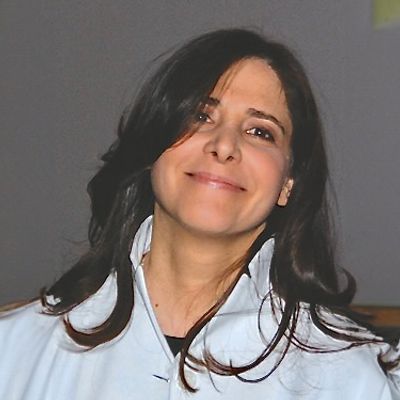
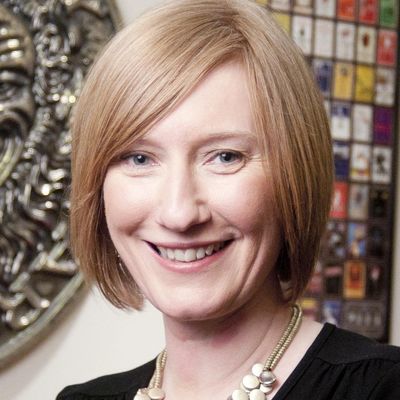
Guests
Featured Shows
About
On this week’s episode, Jamie and Rob talk about the current state of Broadway amid the Covid-19 pandemic, what’s ahead, and what the road back to “normal” looks like with Dori Berinstein, a four-time Tony Award winning Broadway producer and founder of the Broadway Podcast Network, and Lee Seymour, a Senior Contributor on Arts and Hollywood at Forbes Magazine. At the top of the show, Jamie and Rob get an exclusive look into what the American Theatre Wing has planned with its President and CEO, Heather Hitchens.
This week’s music: “Changing Lives” and “The Lady’s Improving” both from “The Prom”.
DONATE: The Actor’s Fund
Find us on Twitter & Instagram: @fabulousinvalid
Facebook: www.facebook.com/fabulousinvalid
Rob’s reviews: www.stageleft.nyc
Email us at: info@fabulousinvalid.com
Jamie Du Mont
Twitter: @jamiedumont
Instagram: @troutinnyc
Rob Russo
Twitter/Instagram: @StageLeft_NYC
Jennifer Simard
Twitter: @SimardJennifer
Instagram: @thejennifersimard
Transcript
This transcript was automatically generated and might contain errors.
[0:19] Jamie DuMont: Welcome to the Fabulous Invalid, Broadway's podcast, where we present essential conversations with a curated roster of the best, most important, and innovative theater makers working today, from actors to writers, directors, designers, and everyone in between.
[0:33] Rob Russo: We took our name from the title of a 1938 play by Kaufman and Hart that has since become a loving nickname for Broadway itself, always deemed on the verge of decline, yet always bouncing back, the Fabulous Invalid.
[0:44] Jamie DuMont: I'm Jamie DuMont.
[0:47] Rob Russo: And I'm Rob Russo, writer and theater critic with Stage Left.
[0:52] Jamie DuMont: Hi, Rob.
[0:53] Rob Russo: Hi, Jamie.
[0:55] Jamie DuMont: Well, here we are at home.
[0:57] Rob Russo: Yeah, still.
[0:58] Jamie DuMont: Still, exactly.
[0:59] Rob Russo: Never left.
[1:00] Jamie DuMont: Never left.
[1:01] Rob Russo: Moving forward.
[1:02] Jamie DuMont: Are we moving forward?
[1:03] Rob Russo: It's hard to tell you.
[1:04] Jamie DuMont: I think so.
[1:04] Rob Russo: I think so.
[1:05] Jamie DuMont: I'm choosing to believe so.
[1:07] Rob Russo: It's Monday, Tuesday, someday, next day.
[1:10] Jamie DuMont: Exactly.
[1:10] Rob Russo: Yeah, I've seen that going around.
[1:12] Jamie DuMont: Yeah, time knows everything.
[1:14] Rob Russo: I'm not original, but it is Tuesday.
[1:16] Jamie DuMont: It is a beautiful spring day, so I see out my window.
[1:20] Jamie DuMont: And today we have yet another sort of special episode, kind of in vain of the in line really with the theme of our show, The Fabulous Invalid.
[1:31] Rob Russo: Um, the notion of Broadway bouncing back.
[1:34] Jamie DuMont: Today we'll be discussing the business of Broadway with Lee Seymour, who is the senior contributor of Arts in Hollywood at Forbes magazine.
[1:42] Rob Russo: And he was also a producer on The Inheritance, which prematurely closed its run early due to the shutdown.
[1:50] Jamie DuMont: And also is a play that Rob and I are both very, very fond of.
[1:54] Rob Russo: Yes, yes, yes.
[1:56] Jamie DuMont: Uh and also joining us is Dori Berinstein, who is a four-time Tony Award winning Broadway producer, an Emmy Award winning director, and uh producer and writer of film and television.
[2:07] Rob Russo: Her Broadway credits include Full Moon, Story of Modern Millie, um the 2013 revival of Who's Afraid of Virginia Woolf, and of course The Prom, which I lost count of how many times I saw.
[2:17] Jamie DuMont: I loved that show.
[2:19] Rob Russo: Uh yes, I think that's a fair assessment to say for both of us.
[2:24] Jamie DuMont: Um and I also love that we have to put a date on what revival of Virginia Woolf it was because every several years there's another really fantastic revival, and of course, one that we will never get to see that's closed again because of the shutdown, starring Laurie Metcalf and Rupert Everett.
[2:44] Rob Russo: Yeah, yeah.
[2:45] Jamie DuMont: And just to close the loop on Dori, I of course we have to mention that among all of her many hats, uh, she's also the co-founder and CEO of the Broadway Podcast Network, which of course this show is a very proud member of, and Stage Left the podcast is also a member of the Broadway Podcast Network.
[3:01] Rob Russo: Ah, our beloved BPN.
[3:03] Jamie DuMont: Well, BPN family.
[3:05] Rob Russo: Before we get to our show, I think we wanted to talk about some fun stuff that we've either been streaming or looking forward to streaming.
[3:13] Jamie DuMont: Yeah, yeah.
[3:14] Rob Russo: Well, I mean, first and foremost, I implore anyone who's listening to this podcast to go um check out the Broadway Podcast Network if you haven't already.
[3:23] Jamie DuMont: Um, because there's so so much content, and folks have gotten very creative, uh, just like us, and they're recording from home and keeping their shows going.
[3:30] Rob Russo: So there's a lot of really great podcast content that you can check out uh on BroadwayPodcastNetwork.com.
[3:36] Jamie DuMont: There really is.
[3:37] Rob Russo: And I think even Mo Brady with The Ensemblist is doing something every single day.
[3:42] Jamie DuMont: He's dealing with either response or how people are, you know, coping.
[3:48] Rob Russo: It's really remarkable the con not only the content that he's putting out, but also just the incredible people he's talking to.
[3:56] Jamie DuMont: It's really a very good thing to listen to.
[4:00] Rob Russo: Totally, totally.
[4:00] Jamie DuMont: And I think I'm not alone because I've spoken to several other friends and colleagues who've said the same thing that like I'm actually getting a little overwhelmed with the number of things that I can stream and download and tune into and uh watch and listen to.
[4:15] Rob Russo: But one thing I found really helpful, my little tip of the day is theatermania.com on their landing page they have um a link called shows you can stream at home and they update it daily and it's a really really helpful resource for all the different things that are going on.
[4:34] Jamie DuMont: You know it seems like every theater company has their own little um you know situation going on online.
[4:40] Rob Russo: So if you check that out theatermania.com shows you can stream online it's a really helpful little guide for what you can catch.
[4:47] Jamie DuMont: And I don't know, uh Jamie have you have you tuned into anything that you've really enjoyed?
[4:47] Rob Russo: Well I've streamed some of the Met live some of the opera you can go to metopera.org um they've got quite a few things up I don't really know how long they're I've sort of I can't tell you exactly how long each production has been up for um Nixon in China was the last thing I watched and it was uh it's something I saw at the Met Live and it's it's almost never done it's an incredible, incredible production.
[5:17] Jamie DuMont: If it's still up, go check it out.
[5:20] Rob Russo: Totally my favorite thing um is uh the National Theater uh over in the UK.
[5:26] Jamie DuMont: They've been streaming um or rather, making available uh shows from their archive, much like the Met Opera's been doing.
[5:33] Rob Russo: And One Man, Two Governors, which was a Richard Bean play that was on Broadway in 2013, I think, with uh James Corden, is uh was available.
[5:43] Jamie DuMont: I don't know if it still is, um, for to stream in full.
[5:46] Rob Russo: And I just absolutely loved that play.
[5:49] Jamie DuMont: I hope it's still available because I forgot to watch it.
[5:52] Rob Russo: And I think on those you have about a week, right?
[5:54] Jamie DuMont: Yeah, I think so.
[5:55] Rob Russo: Yeah, they're releasing them on an ongoing basis.
[5:57] Jamie DuMont: I mean, even something as simple as um City Center, you know, the Encore series, they've been releasing um, you know, sort of like a song a day um through their own little video series that they have online, which is a fun little short thing that you can tune into every day to get a little uh little dose of Broadway.
[6:12] Rob Russo: Um something else I read about that I thought was really cool um is the Irish Repertory Theater Company, which is um I think one of the great sort of like hidden gems of New York Theater.
[6:23] Jamie DuMont: Um, you know, they're located in Chelsea.
[6:25] Rob Russo: Um they have um a little initiative that they're calling the show Must Go Online, um, which is pretty clever.
[6:31] Jamie DuMont: And they've got you know alumni of their shows recording videos of monologues and songs and scenes from you know the Irish American canon.
[6:39] Rob Russo: Uh so you can find that at IrishRep.org.
[6:43] Jamie DuMont: And I know um New York Theater Workshop, which is another, I mean, talk about an amazing powerhouse company.
[6:51] Rob Russo: Um, they've been doing uh masterclasses and fireside chats with um, you know, some of the folks who've been involved in their productions that are pretty neat.
[7:00] Jamie DuMont: I think for those you need to reserve a spot.
[7:03] Rob Russo: For those you need to go to nytw.org and sign up and register, but it's well worth it.
[7:09] Jamie DuMont: They have masterclasses with Rachel Chavkin, Doug Wright, Jeremy O'Harris, Celine Strong, Celia Keenan Bulger, and I'm sure they'll be announcing many, many more as the weeks go on.
[7:20] Rob Russo: Yeah.
[7:21] Jamie DuMont: Cool.
[7:21] Rob Russo: Amazing.
[7:22] Jamie DuMont: Awesome.
[7:23] Rob Russo: Well, before we get to our conversation with Lee and Dori all about uh the business of Broadway during this uh rather perilous moment for the industry.
[7:31] Jamie DuMont: Uh there's some breaking news today from the American Theater Wing.
[7:35] Rob Russo: Um, and we were very uh delighted to be able to have an opportunity to chat with uh Heather Hitchens, who is the president and CEO of the American Theater Wing.
[7:45] Jamie DuMont: We had her on the show, I guess almost a little more than a year ago to talk about uh the wing and all the great stuff that they do.
[7:52] Rob Russo: So we're gonna we're gonna chat with her real quick about how the wing is responding to COVID-19, and then we'll get to Lee and Dori.
[8:05] Jamie DuMont: Heather, thank you for joining us today.
[8:07] Heather Hitchens: As uh many of you know, Heather is the president and the CEO of the Wing, and the Wing had a big announcement today.
[8:14] Heather Hitchens: Yes, uh we did, and I'm delighted to be here. Um this is these are very surreal and difficult times.
[8:21] Heather Hitchens: And uh we at the wing, like every theater organization, like every person, like every institution, has been really sort of digging deep and figuring out what um we need to do to pivot and um to um respond to uh the times we're living in with this COVID-19 pandemic.
[8:43] Heather Hitchens: And um we made a series of announcements of what we're calling our first response to this, because you know, I think one of the things that makes this uh pandemic so difficult is that um we don't know how long it's gonna last.
[8:59] Heather Hitchens: Um most of the media and entertainment, the publicly traded media entertainment companies have withdrawn their guidance because they're just saying we don't know.
[9:09] Heather Hitchens: Um, so I've been telling people this is a marathon, it's not a sprint, and that we have to stay flexible, nimble, and responsive.
[9:18] Heather Hitchens: Um, so we looked at our core capabilities and said, how can we pivot? How can we respond? And first of all, um, there was a pressing decision in front of us regarding the OB Awards.
[9:29] Heather Hitchens: Um, the OB Awards were to take place May 18th at Terminal Five. It became clear to us, two things became clear to us.
[9:37] Heather Hitchens: One, um that we probably weren't gonna be able to gather by then. And two, our the season had been cut short.
[9:46] Heather Hitchens: Um, because when this hit, you know, we there was I, you know, we're in the process of compiling a list, but there I think our list is up to 90 productions off and off off Broadway that had to um cancel or postpone and over 500 artists affected.
[10:05] Heather Hitchens: Um, and so we were left with a bit of a dilemma. Um, the judges of uh the OB judges led by the amazing Rachel Halk and Sam Pinkleton really felt strongly that we take the time to honor what did exist off Broadway and off off Broadway this season because it was extraordinary.
[10:24] Heather Hitchens: And um, but that we also find a way to acknowledge what had been lost because all this art had been lost, so much of it will not come back.
[10:35] Heather Hitchens: Um, and so uh what you heard today was that we were both going to have a digital Obies presentation to honor the social distancing, but we were also going to take some of the funds that we would have used to produce the Obies along with um more substantial funds that we raised to create a relief fund targeted to the artists who were involved in the productions that were canceled or postponed.
[11:03] Heather Hitchens: Um it's not much, it's a small gesture, it's $250,000, it's up to $500 per artist until the funds run out.
[11:13] Heather Hitchens: But it was, you know, us speaking to our um core values, us making a gesture, and to say to the world that like this is we're doing our part here, and everybody, if everybody does their part, we can get through this.
[11:29] Heather Hitchens: That was the immediate thing. And then we said we are the American theater wing, we are the big tent for theater.
[11:34] Heather Hitchens: We're about Broadway, off-Broadway, and the regions, and how do we um you know respond nationally? And we for many years ran something called the National Theatre Company grants, and we there were 82 companies that had gone through a vetting process that we said these are fabulous companies all over the country that have done great work.
[11:57] Heather Hitchens: Is can we just reach out to them and say, you know, in solidarity, we have your back, here's a thousand dollars to keep going.
[12:05] Heather Hitchens: Um, so that's the second part of the response. Um, and then the third part of the response that was in today's announcement was a big part of what we do beyond honoring excellence on and off Broadway and in the regions is uh training, supporting, educating the next generation.
[12:28] Heather Hitchens: And so many of these kids, well, all of them are home, right? So whether they go to high school or they go to college, they're studying from home.
[12:37] Heather Hitchens: And so for a lot of these theater kids, they're missing out on productions, um, classes live and in-person. And we thought we do all these, you know, live and in-person workshops.
[12:49] Heather Hitchens: Why don't we just take advantage of the technology situation and let's launch a series of online master classes and workshops for people on both on stage and off, and um do it through uh Zoom and Facebook Live and give uh all the kids at home some uh access to you know Broadway's greatest talents.
[13:13] Heather Hitchens: And so we're excited to be launching that um very soon as a way to also you know continue that educational mission.
[13:21] Heather Hitchens: So all of these programs that you're that you've announced that you can learn more about them on your website, the American Theatre Wing dot org, correct?
[13:29] Jamie DuMont: Correct.
[13:30] Rob Russo: Amazing.
[13:32] Jamie DuMont: And and I'm I'm I'm curious. I I know that there was an announcement earlier that the Tony Awards, which you know is another one of your signature um annual events, um, had been postponed. Is there any is there any update on that front? Or is it sort of uh stay tuned?
[13:46] Heather Hitchens: It's a stay tuned. We're working, you know, our collective butts off on it. It's a complicated. Um, but you know, the thing is it I mean, it doesn't really take a crisis, but the crisis really does bring out people's true colors and the true colors of the Broadway community are pretty spectacular. Um, you know, there's lots of ideas, there's lots of opinions, but they're mostly the most important thing is there's a lot of heart, um, and there's a lot of integrity, and there's a lot of grit. And those are three um you know qualities that are gonna come up with the right solution for us and allow us to move forward elegantly. Wherever all of this lands, it will be exactly that. It will be elegant as it always is.
And um, you know, we we've really enjoyed uh in the past couple weeks getting to talk to folks who were who were doing exactly what you described, you know, which is why we wanted to have you on today, and responding and and bringing out all the the best qualities and features of this community and bringing the heart and the creativity to uh to keep us all together and to keep us moving forward. Thank you so much for your time today, Heather. The the Wing is an extraordinary institution, and um, it's times like this that leaders like you show us what it is to be a leader, and so we appreciate that.
[15:04] Heather Hitchens: Well, thank you. I'm I'm sitting here in my uh up in the Catskills trying my best. Uh it's this is the time when you know it's the hardest time to be a leader, but this is when you realize you're incredibly privileged to be able to move something forward and help um a community heal.
[15:22] Jamie DuMont: Well, thank you so much. And healing we need to do. All right, Heather, thank you so much. We'll let you uh get on with your day.
[15:24] Heather Hitchens: Thank you.
[15:28] Rob Russo: Thank you.
[15:35] Jamie DuMont: And now for our conversation with Lee and Dory. Lee and Dory, thank you so much for joining us today.
[15:38] Dori Berinstein: Thank you.
[15:43] Lee Seymour: Yes, yes.
[15:44] Jamie DuMont: Um, as we all know, uh Broadway was shut down on March 12th, and this was uh a really historic decision without precedent, really, and um stands to have an unprecedented impact on the business as a whole. Um Dori, as a as a Broadway producer, uh with a show, you know, currently up that was um that was poised to open just before this this shutdown. How did you find out about um the decision to shut down Broadway and what was your first thought?
[16:13] Dori Berinstein: Uh well, you know, the writing seemed to be on the wall. I think everybody was anticipating some kind of shutdown, at least brief, a brief shutdown until everybody could get their arms around what in the world was going on and uh how we needed to react responsibly. Uh I'm also on the board of governors, so I was part of uh the discussions that were happening early on uh leading up to the decision to close. So I I, you know, knew about it and knew it was coming on. And of course, I was completely heartbroken uh for all the shows and all the sh 16 shows that were about to open that uh were poised, you know, to to for opening night, and they are not getting their chance. So just really heartbroken, but also devastated for the ticket buyers and people who you know had been planning on attending all these shows for so long, and maybe people traveling for spring break and coming to New York City, and that everything just came to a standstill. So it's just in every way heartbreaking.
[17:17] Lee Seymour: Dory, your beat for Forbes is literally the business of Broadway, and you're also a producer of the Inheritance, which uh which was up this season but also had to close a couple of days early because of the shutdown. How did you hear about it and uh what were your initial thoughts?
[17:33] Lee Seymour: Um I so I f I first heard about it while I was actually driving away from New York. I uh left New York three three weeks ago, the day that it got shut down. Um so I I heard about it uh from my partner who was on the phone and got a news notification as we were driving past New Rochelle, which at the time was functionally quarantined. So it felt like we were kind of racing horrifying news up the coast away from the city. My first thought in that case was fuck, we are so fucked. Um and and to echo Dory's point as well, I I don't mean that to sound uh so flippant. It's it's terrifying and so saddening. I think we got in some way a very bittersweet silver lining with the Inheritance because we only lost four performances, I think, um, before we were set to close.
And as Dory said, there's 16 shows that that never even got to open, and many of those probably won't, and that's uh just horrifying. I just want to say how much I love the Inheritance. I thought it was so magnificent.
[18:40] Dori Berinstein: Thank you so much.
[18:40] Lee Seymour: Thank you, Dory. Well, Dory, I'm I'm glad that you that you mentioned the ticket buyers as well, because I feel like I haven't really seen that perspective um, you know, spoken about from folks in the industry. Um, you know, obviously everyone's concerned about the shows that they were working on and and the actors and the creatives and making sure everybody is, you know, being taken care of in this time. But you know, Broadway is is the heart of the New York economy. And people, you know, going to a Broadway show is a really special thing. I, you know, those of us on this on this episode today, we see Broadway shows all the time, but for your average theatergoer, it's you know, it's an event and it's something that you plan for. Um I was wondering if if if both of you are, you know, if you can take turns, um, could give a bit of an illustration of of what Broadway means to the economy of New York.
[19:28] Dori Berinstein: So Broadway, what what it means literally to the economy of New York, just in number terms, is it means almost $14 billion per year uh in uh revenue and economic impact. Uh it means 87,000 jobs that are supported by the industry and almost 600 million dollars in tax revenue. So it is a cornerstone of the city, both with its cultural cachet and as a driver for other industries like restaurants and hospitality and tourism. It's huge. Um I I know this is kind of often quoted, but I think it's really worth saying again that more people see a Broadway show in any given year than see the the attendance of all 10 major New York and New Jersey sports teams combined. So it's huge.
[20:06] Lee Seymour: That's my favorite statistic about Broadway.
[20:10] Dori Berinstein: Yeah. When you think of New York, uh, you know, it is this very special uh destination for this one-of-a-kind live you know experience. I mean, not that it doesn't exist all over the world, but I mean, New York is very much known for that. So it hits at the heart of New York. And with $2 billion uh a year in ticket sales, you know, this it's a giant hit to the economy and to all the the people that are the 87,000 jobs that are lost because of it. It's it's massive.
[20:49] Lee Seymour: Yeah. What what's incredible to me is that that $2 billion in ticket sales trickles out to be $14 billion in total economic impact, which which speaks to what Lee, you were saying, you know, it's not just the shows, but it's it's restaurants, it's hotels, it's parking lots, it's souvenir shops. It's it's the whole ecosystem of Midtown, basically, that hangs on Broadway.
[21:11] Dori Berinstein: It's massive. It's absolutely massive.
[21:14] Jamie DuMont: Um, so now that we're in this shutdown um era, um, and you know, I should say we're recording this on April 3rd, so you know, news is is changing all the time. But as of now, we don't know, you know, when Broadway will be back. You know, the initial shutdown was till April 12th, but I don't think anybody believes that is actually going to be um the extent of it. Um Dori, how does a producer navigate this this time and um make the decision, the hard decision of whether to close, like you know, Who's Afraid of Virginia Woolf and Hangmen already have, or to weather the storm and and what factors go into that decision?
[21:51] Dori Berinstein: Well, this is new territory, you know, obviously nobody has been through this before. And I think that uh what's what's positive is that everybody is working together to try and figure it out, and and everybody is working very hard to figure out how to support all the people in the community who are out of work at the same time. Uh and uh, you know, in terms of um how you manage this and navigate this for your show, I think it so depends on the show. Uh, and obviously the longer this goes on, the more challenging it is for any show. But you can have a show that is so dependent on tourism, and you have to think about well, what does this mean? Even if Broadway ramps up, um, it's going to be much longer, potentially before we have an influx of tourism again.
And so it's not like you can just turn the lights on when that moment comes and you're back in business. So it it's going to affect, you know, different shows in different ways. Uh, there are a lot of shows, and I I I admire this so deeply that have, you know, completely embraced Zoom and Zencaster and all these digital platforms, and they're continuing to rehearse and are continuing to work with their shows to keep things fresh and moving forward and anticipating return. And that's fantastic and low cost. But ultimately, you know, in addition to all the marketing and advertising that's going to go into having to reboot and let the world know that we're back and that you can buy tickets to these shows and come see them, assuming the world is comfortable stepping back into these environments, you know, you're gonna have to get back in the rehearsal room and start to uh get ready.
And that costs money that no one ever anticipated having to spend again. And so producers are are needing to regroup and and figure out how are we gonna finance this. And some shows uh perhaps because of the teams around the shows or their investors, or because of of uh uh you know the money that had already come in, they're able to start to figure out how they're going to finance this. And in other instances, it's just an unknown, it's overwhelmingly uh uh daunting and perhaps devastating. So uh it's uh uh you know, and no one knows when when this is going to end, so uh it's changing every day.
[24:27] Dori Berinstein: Dory, the outside of the sort of surprise costs you just outlined, the costs of having to go back and rehearse when you didn't put that into your initial budget, because why would you? What are the costs associated with keeping a show sort of in a in a hold pattern right now?
[24:44] Dori Berinstein: Well, I think one of the things that is being discussed is uh trying to figure out what are the obligations in terms of ongoing payments. And of course, every show is uh working closely with uh the Broadway League and the unions to try and make sure that um the artists involved and the all the people around the show uh are are paid for as long as it makes it possible to pay them. Uh and uh at the same time, um, you know, it's not like many of the shows, and particularly the new shows have uh resources to keep that going indefinitely. Uh and you also have um the obligation of paying rent to the theater owners and not clear on what those how that's all going to play out in terms of how long uh that obligation will exist and how people can sustain that. So uh there are a lot of a lot of considerations, and um uh everyone is trying to navigate this um and get as much support for uh their show family as possible along the way.
[25:52] Jamie DuMont: Well, from a from a you know, sort of business angle, Lee, I'm I'm curious what your perspective is, you know, because it it seems to me that that the worst thing you ever want in any sort of business is lack of clarity and and and and inability to plan for the future, right? And that's sort of where Broadway is right now, and you know, as we've already talked about, it's not just the you know, 41 theaters on Broadway, it's it's the ecosystem that that that benefits from that as well. Um, what do you see as as the the particular difficulties and challenges, you know, in this moment where there is a lack of clarity and inability to plan?
[26:26] Lee Seymour: I mean, Dori hit a lot of it uh uh right right on the head. I mean, the the big the big things that I would think about are all of the sort of unforeseen costs, like re-rehearsing. But like she said, also it's well, one, it's gonna be different for every show, right?
[26:42] Lee Seymour: And so for example, a limited run show that has movie stars attached to it, so like American Buffalo, Plaza Suite, How I Learned to Drive this season, those are gonna be really, really difficult, even if they do have, you know, really strong reserves, those can be difficult to remount in the fall or next spring or whenever it happens because they're tied to star schedules, right?
[27:03] Lee Seymour: So that's one category. There's also shows that were sort of selling okay, but maybe not stellar, which depending on the reserves of each show, that's gonna dictate basically how long they can keep paying people.
[27:23] Lee Seymour: So my understanding, and Dori, you might know more about this than I do, is that we've just hit the end of the three weeks that was originally negotiated between the league and the unions, where anyone who is currently in a show that was running or about to open was going to get compensated through these three weeks.
[27:40] Lee Seymour: Um and then past that it was sort of up to the individual shows based on what their resources are. So we've now just hit that. It's three weeks since the since it's shut down.
[27:49] Lee Seymour: Um Premier Right Out, it's a big question mark. And I think the worst thing we could do as an industry, big picture, in light of this lack of clarity is to reopen before it's safe to do so.
[28:02] Lee Seymour: Uh it's we're sort of in an impossible situation, right? So China just tried to reopen some of its theaters and then they had to shut everything back down because that reopening of congregation spaces created a new surge of infections.
[28:19] Lee Seymour: And that false start, like Dori was saying, represented millions spent in re-rehearsals, remarketing, re-advanced building, all of which was functionally burned when they had to shut everything back down again a couple days later.
[28:32] Lee Seymour: So that's what we want to avoid both for like the personal health of our audiences and also long-term economic health of the business, we can't afford multiple false starts.
[28:42] Lee Seymour: And that's excruciating in the meantime.
[28:45] Dori Berinstein: And I completely agree with that. And the other thing when you think about it, when you think about so many of the shows where there is incredible dancing and intimacy and all that, it's the actors' safety as well.
[28:59] Dori Berinstein: And we can't jump the gun on that either.
[29:03] Lee Seymour: Absolutely. Well while we're in this interim moment, um what do you think if anything the government at all levels both, you know, city, state and federal and private philanthropy could be doing to help the industry that perhaps it currently already isn't?
[29:20] Dori Berinstein: Well I was really excited to see that some philanthropists got together and created a $75 million fund for arts organizations that specifically for that have operating budgets under 20 million and they can apply for grants.
[29:36] Dori Berinstein: So that was such a good gesture and I hope we'll inspire others to do that to support the arts but you know I think that with the SBA loans, I think so many of the organizations in the community are right now on their computers poised to press the button and apply and hopefully get some relief at least for a little while.
[29:36] Dori Berinstein: But you know I think it also is amazing what's going on in terms of the community coming together to support Broadway cares and the Actors Fund and all the work that they're doing to support so many in our community who are now out of work.
[30:24] Dori Berinstein: I mean we need we need money and rent freezes in terms of like government and private philanthropy money in people's pockets and a relief from the obligation to pay things like rent and mortgages.
[30:38] Dori Berinstein: That's like literally it. You know an ideal response from the way I look at it would be a complete freeze for X amount of months. No one pays rent, no one pays taxes, no one pays mortgages, no one pays insurance premiums, etc.
[30:53] Dori Berinstein: The only money used you know which could come from these stimulus bills would be for groceries and supply and chain maintenance. And then the Fed ideally would buy up all that debt which it can do and just never collect on it.
[31:05] Dori Berinstein: And we have you know a couple of lost months that are functionally written off the books at the end of it once people are able to go back to work.
[31:15] Dori Berinstein: Yeah 2020 I think we've I think we're starting a campaign right here.
[31:23] Lee Seymour: Lee you have my vote.
[31:23] Lee Seymour: It's sort of shocking yeah it is shocking that that this hasn't happened already that the that the that this is the heels are being dragged on this at all is is is quite unfortunate.
[31:35] Lee Seymour: Um so I have a question for both of you you. You know, I think there's I think there's a thing you can say about um Broadway that it's too big to fail.
[31:44] Lee Seymour: You know, much like the banks in two in 2008. Um but I I'm curious, how does this compare to like a major financial crisis or even 9-11 where the theaters were shut down for a couple of days?
[31:56] Lee Seymour: Are there similarities? Are there differences? Is it too early to kind of even make that comparison?
[32:03] Dori Berinstein: Well, when you think about 9-11, the theaters, I believe, shut down for two days. So it's it's radically different.
[32:10] Dori Berinstein: And it was also, you know, for the community and the whole city and to come together in support of an enemy that was tangible, you know.
[32:23] Dori Berinstein: You knew what happened for the most part, and you know, to stand tall against it. You can't stand tall against this, you know, and it is omnipresent.
[32:35] Dori Berinstein: So it's a very different battle. Um and you know, we were able to ramp up and recover much more quickly.
[32:44] Dori Berinstein: And in 2008, it was it was I can tell you as a producer, it was challenging for the shows in terms of you know, some loss of audience, but also raising financing for new projects was really difficult during that time.
[32:59] Dori Berinstein: But these are all, you know, no one no one would um was life was at risk at that point, you know.
[33:07] Dori Berinstein: It wasn't about that and survival and and loss of massive jobs. This is night and day.
[33:13] Lee Seymour: Um this is a much different situation for the whole community.
[33:17] Lee Seymour: Yeah, I was about to say that um it's it's less of a comparison and more of a contrast.
[33:22] Lee Seymour: You know, 9-11 was really an exogenous shock to the system, right? So people were scared, we shut the theaters down, but like Dori said, you could come back and stand tall together.
[33:32] Lee Seymour: After 9-11, you know, you didn't run the risk of somehow becoming a terrorist by attending the theater, right?
[33:39] Lee Seymour: Now we have the risk of you attend the theater and you could become a disease vector.
[33:43] Lee Seymour: And like that, that is something that nobody can do anything about right now.
[33:48] Lee Seymour: Um and I do also want to highlight like the longer this goes on, like Dori said, 9-11 was a two-day shutdown.
[33:56] Lee Seymour: Uh 2008, the industry was was in a slightly tougher spot. But sales, if you look back at what the industry was doing then sales-wise, we dipped, you know, two or three percent, maybe relative to what we'd been doing, but because there was still a relatively healthy flow of tourists into the city, we weren't hit as hard as some other sectors in 2008 and 2009.
[34:21] Lee Seymour: Um, basically the farther we push back, there's the added complication of the landlords who are, I mean, Broadway is a real estate business on a certain level.
[34:32] Lee Seymour: We've got 41 theaters, 40 theaters, maybe now if you want to not include the palace under renovation.
[34:38] Lee Seymour: But those booking schedules can be set up to a year or two in advance.
[34:43] Lee Seymour: So this is going to be a whole separate wave of tough choices six to eight to twelve months from now when the landlords have to decide between honoring agreements with shows that got shut down or honoring agreements with a show that's been planning on that theater being available for the last 18 months.
[35:00] Lee Seymour: So there's this added level of pain that's probably going to come in that we're not really thinking about yet.
[35:07] Dori Berinstein: And it's interesting, you know, I believe the general sort of historical take on 9-11 is that it basically forced three shows to close prematurely.
[35:16] Dori Berinstein: That there were three shows, I think it was Kiss Me Kate, Rocky Horror, and one other one, that like, you know, we're poised to run longer.
[35:22] Dori Berinstein: And because the audience wasn't there, the tourist market wasn't there, they had to close earlier.
[35:29] Lee Seymour: Um, you know, something that I imagine is going to be the case here is as Dori mentioned, once we're back, um, that doesn't mean that the audience is back at the levels that it was.
[35:40] Lee Seymour: And, you know, Broadway, as we all know, has been booming for well over a decade now.
[35:46] Lee Seymour: Um, you know, it's every year sort of besting itself.
[35:49] Lee Seymour: Um, do we think this is the end of that boom?
[35:51] Dori Berinstein: I mean, I think the answer to that is yes, but um, you know, how do you anticipate this will change um the business of Broadway moving forward?
[36:01] Dori Berinstein: Well, I'm I'm a very hopeful person, and I really believe that this is this obviously has put a major damper on things for the foreseeable future, but that we will rebound.
[36:15] Dori Berinstein: I believe in that deeply. And I and I think I'm also justified in that belief because I'm looking at, you know, I work with you both on the Broadway Podcast Network, and I'm what I'm seeing from that vantage point is that you have the world of podcasting out there that has dropped by 20% overall because people aren't commuting, and that's often when they're listening to podcasts, right?
[36:42] Dori Berinstein: But the Broadway Podcast Network, and I think Playbill as well, um, we're seeing a gigantic leap of 20 to 30 percent, depending on the day, in podcast listening, because our community is so passionate and is all about connectivity and wanting to be together, and there's such love and confidence in the art, you know, belief and in the power of the art.
[37:13] Dori Berinstein: So I do think that when the dust clears and we're able to get together and be together in that space, that Broadway is going to come on really strong because everybody out there are they are not gonna let anything but that happen.
[37:30] Lee Seymour: I'm really seeing that online right now, and I really feel that Broadway will come back strong whenever the time is right for it to come back.
[37:38] Dori Berinstein: I agree.
[37:39] Dori Berinstein: I mean, the only thing people are going to want to do when it's safe to do so is spend time with each other and indulge in the joys that they've been denied for months.
[37:52] Lee Seymour: Uh so I totally agree with Dory.
[37:55] Lee Seymour: I think that when we bounce back, we will bounce back hugely.
[37:59] Lee Seymour: My fear, and this actually relates back to the last question about you know comparisons to past crises, the one way in which I think that this could be a really apt comparison is its effect on the smaller theaters and the off-Broadway market.
[38:16] Lee Seymour: So one of the biggest fallouts of 9-11 was that a number of downtown theaters basically the closer you were to the two towers, the more likely you were if you were a downtown theater, the more likely you were to lose your space because people were more frightened of going downtown than they were of coming back up to midtown.
[38:41] Lee Seymour: And here for a different reason, I'm very frightened for the smaller to mid-sized downtown theaters, the ones that remain, because if they don't get the kind of relief that they need, they're not, you know, they don't necessarily have millions and millions in reserve cash.
[39:01] Lee Seymour: Uh so I'm the greatest indignity of this all, I think would be to see yet another downtown theater turned into a fucking Sephora because they didn't have a big enough endowment to weather this.
[39:14] Dori Berinstein: I agree with you.
[39:15] Dori Berinstein: What I'm what I'm hoping though is that a lot of those downtown theaters have very committed younger audiences.
[39:24] Dori Berinstein: And I'm hoping that what happens is that, you know, since people of a certain age are a little bit more insulated from this virus than others, that I think that if they can be come on strong and start supporting theater downtown, excuse me, then that could mitigate that problem.
[39:51] Dori Berinstein: Um I can only hope that that's what happens.
[39:54] Lee Seymour: I hope so too.
[39:55] Dori Berinstein: I you know, it's funny, I've been thinking a lot about off-Broadway in the last few weeks because I feel like it's getting overlooked a little bit in all of this.
[40:04] Dori Berinstein: And I my hope is that when we start to bounce back from this and people return to the theater, that off-Broadway actually has a resurgence and a boom. Maybe that the economics of doing an off-Broadway show could get a little easier, but also the fact that the theaters are smaller and it's a smaller group of people coming together might be more enticing for an audience than sitting in a big theater with 1200 or 2000 people.
[40:34] Lee Seymour: Yeah, I mean, I think that it's in some ways, absolutely. Like I think, I mean, I have to assume this is the case, that the reversal of the various orders against congregating will take place in reverse order. So the smaller spaces will be, you know, come online, so to speak, before the big spaces. So I do think that we'll see off-Broadway theaters come back online before we see Broadway houses, just given the size of the places. I hope that this will in some way provide an opportunity to re-examine how we fund theater in general, both commercial and nonprofit. I hope it basically gives us a chance to look at how we set up contingencies for riskier shows and riskier products upon which we're still betting people's livelihoods, regardless of how safe a bet they are commercially.
So I think there's a great opportunity here for Broadway and the arts more broadly to lobby now, especially in this next round of stimulus that's gonna come through Congress for a federal subsidy, something similar to what exists in the UK, or something like a very generous tax forgiveness package, something like that. I think there's a really strong, there's no better time right now for us to lobby on behalf of a more secure federal-level safety net for the arts.
[42:07] Dori Berinstein: Yeah, you know, and something, you know, speaking about, you know, big picture and sort of structural changes and things looking forward that would help this industry, you know, what's really come into high relief throughout this moment is sort of the lack of pre-existing resiliency built into this business. And how it seems like everybody was caught kind of flat-footed and there was no alternative than to just shut everything down, right? There was nothing already planned or in train as a plan B for what to do with live performance when people cannot congregate. And we're seeing now in a, it's been a couple weeks a patchwork of streaming services coming online and people creating content from various locations.
But I'm wondering if either of you have any thoughts about what this industry can do once we get past this immediate crisis to be more resilient in the future, whether it's having a pro tape available for every show so that when we have to shut down because of something, you can offer that to ticket buyers as something that they can still access to keep a revenue stream. You know, things like that. Did you have any ideas or thoughts about this idea of resiliency for the industry?
[43:26] Lee Seymour: I think that's a really good idea. I do think that it's important for, you know, particularly for the off-Broadway theaters that have shows and what they have basically is in some instances is a lockdown shoot from the back of the house, you know, and that isn't how you want people to experience theater. And so if there was some kind of fund that would give shows the opportunity to capture high-quality versions of their show and it was carefully curated, then I think that that would be a wonderful thing. And I think a wonderful thing to have the record of that show. But I think we have to be careful because it could backfire if it's not done well. But I am inspired by the resiliency of our community and how they have come together online to be innovative in creating entertainment and connecting with the audience, and I think what will actually come out of that perhaps is other layers of ways that we can communicate about our shows and get people excited about it and create programming around the shows, talkbacks, engagement with people involved behind the curtain, where you can have all these experiences around a show without having to be in the theater, and I think that that could kind of have potentially expand people's engagement and excitement about a show, and I think that that is something that could come out of this whole thing that could end up having a positive impact on the community and growing the excitement about theater because at the end of the day there isn't anything like live theater, and so, you know, to the extent that all of these things help generate excitement about what's possible, at the end of the day, you still have to show up and have that communal experience and all be together to experience the show in the room.
[45:43] Rob Russo: Yeah, we all want to be in the room where it happens.
[45:47] Dori Berinstein: That's right. As we get to the end of this wonderful conversation, we could talk forever about the business of Broadway. The Tony Awards are obviously sort of a beacon for Broadway and kind of the organizing principle, you know, structurally of the season, right? They kind of dictate when the season ends and begins. You know, shows plan not only around theater availability, but also around the Tonys and having a maximum impact and building a campaign. Since, you know, as of today, we don't know the fate of the Tonys this year, and you know, they're certainly not happening on June 7th, we know that. But how does the lack of a Tonys or the postponing of a Tonys impact the business end of things as we're looking forward and trying to navigate the waters ahead?
[46:39] Lee Seymour: Like you said, I think the Tonys can provide a sort of temporary lifeline to certain shows, and winning can occasionally be the difference between closing and turning a profit. However, I mean, in this case, I don't know. I try to be an optimist as well, and I'm wondering if this is not if something that could come out of this is maybe a re-evaluation of exactly of like Tony timelines in general of when we hold them, what they do for the industry. I mean, they're partly, I'm not exactly sure when the Tonys became set as a June thing. I don't know if it how long before tourist season really became a thing over the summers, because right now, right now it coincides with the very beginning of when a lot of tourists are gonna be coming to the city, which is perfect for shows that want a kind of national commercial then.
And really, I don't know. I'm really, I think that's what we're looking at if the Tonys happen this year, which they might not, I mean, we could be looking at more of a just like acknowledgment gratitude type ceremony. If they feel that too many shows were left off the docket. We could be looking at a ceremony where we're basically just recognizing shows that went up last year, but most of them will be closed or postponed and won't necessarily benefit from the exposure. So really I think the big takeaway could be the Tonys could be and maybe should be like Broadway's calling card back to the nation of like we're here, we're open for business, it's safe, like come back to Broadway. I feel like we're looking for bang for buck for the industry.
If that's the timing, that makes sense. The question is whether or not that means postponing the Tonys for, you know, 12 months as opposed to three, which we still have no idea whether or not that's gonna be necessary.
[48:40] Dori Berinstein: Yeah. I would think that the most important thing about the Tony Awards for the shows is to be seen on the Tony Awards to have that moment to perform. The Tony Awards only really moves the needle in a big way for the show that wins best musical. And otherwise, it's about the shows having that moment to shine on the Tony Awards. So to have a major event sooner rather than later that gives all these shows that are gonna be reopening the chance to shine and to be out there for the audience to see, I think Broadway's gonna need that really badly. And to me, I don't think it's gonna be about who gets the actual Tony. I think that's gonna be a lot less important than putting Broadway out there and saying, we're back and come and see our shows. And that's what the next Tonys should be about to me.
[49:44] Lee Seymour: No, I agree 100%. As we finish this conversation, Lee, I want you to take off your journalism hat and Dori, I want you to take off your producer hat. And just as fans of the theater, can you each tell me what would be the first show you'd like to be an audience member of?
[50:02] Dori Berinstein: Wow. Oh my gosh. I want to go back to Six.
[50:09] Lee Seymour: Excellent. Well, everything. I would start at one show and then I'd sneak out and go to another one and another one. I just want to see, I'd be so excited to be back in the theater with everyone. And just, you know, just seeing the lights on and people pouring into the theaters. You know, it doesn't matter. I'd go to any show, I'd just be happy that it was thriving and alive and happening.
[50:38] Dori Berinstein: Oh my gosh, Dori, that is such a more diplomatic answer than me. I love it.
[50:44] Lee Seymour: But also Six.
[50:45] Dori Berinstein: And also Six, right? Well, it's funny. I, you know, I think we're all having all sorts of emotions every day as we go through this time. The other day, I got very nostalgic for Wicked out of nowhere. And I thought to myself, I mean, I like Wicked, and I haven't seen it since like 2012. But I've been thinking like, do I need to go back to see Wicked? Like when we're going to see Broadway shows again? I'm getting a ticket for Wicked, you know.
[51:12] Rob Russo: Guys, thank you both so much for this. This was a fantastic conversation, and I appreciate, we both appreciate your time today.
[51:21] Dori Berinstein: Thank you. This was fascinating and hopeful. We're gonna get this.
[51:25] Lee Seymour: Likewise, this is lovely. Dory is so nice talking with you like this. This is fabulous.
[51:30] Dori Berinstein: You too, Lee. And Jamie, always so great talking with you.
[51:36] Rob Russo: Yeah, thank you guys for having us. It's groundbreaking, earth-shaking, life-affirming, breathtaking, upfrenching, heart-taking into words, it's history-making. That's why you're predictor size for a generation.
[51:50] Rob Russo: And conversation that comes from nice chasing. It's just what we do.
[52:06] Rob Russo: Rob here, that's our show. Thanks for listening. At this difficult time, please consider making a donation to the Actors Fund at ActorsFund.org. The Fabulous Invalid is a production of OM etc. and the Fabulous Invalid LLC, and a proud member of the Broadway Podcast Network. Our theme music is by Lucky Chops. Today's episode was edited and engineered by Charles Van Kirk. You can find us online at the FabulousInvalid.com and on social media at Fabulous Invalid, and on iTunes, Spotify, and wherever you find your podcasts. Be sure to tune in next Wednesday. Stay well and be safe.
[52:36] ♪ Musical number: "The Lady's Improving" — performed by Jennifer Simard ♪
© Broadway Podcast Network, All Rights Reserved