

On this week’s show, Rob and Jamie are joined by three-time Tony Award winning composer, lyricist, conductor, arranger, orchestrator, director, and performer Jason Robert Brown, best known for his shows “Songs for a New World”, “Parade”, “The Last Five Years”, “13”, “The Bridges of Madison County”, and “Honeymoon in Vegas”... Read More
From the show: The Fabulous Invalid
Guests

Featured Shows
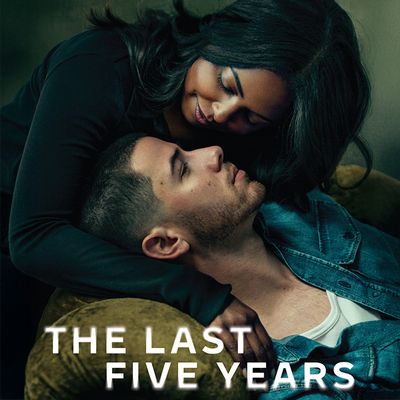
About
On this week’s show, Rob and Jamie are joined by three-time Tony Award winning composer, lyricist, conductor, arranger, orchestrator, director, and performer Jason Robert Brown, best known for his shows “Songs for a New World”, “Parade”, “The Last Five Years”, “13”, “The Bridges of Madison County”, and “Honeymoon in Vegas”. Together, they discuss his musical theatre work, solo albums, concerts, monthly residency at SubCulture, Eydie Gormé, the Muppets, and what it’s like making music in quarantine.
This week’s music: “Opening: The New World” from “Songs for a New World”, “I’m Still Hurting” from “The Last Five Years / SubCulture Concert 58”, “A Little Brains, A Little Talent” from Andrea Burns “A Deeper Shade of Red”, “Melinda”, from “How We React and How We Recover”, “I Love Betsy’, from “Honeymoon In Vegas”, “The Old Red Hills of Home” from “Parade”, “Hope”, from “How We React and How We Recover”, “Friki-Friki”, from “Honeymoon In Vegas”, “One Second and a Millions Miles”, from “The Bridges of Madison County”, “Moving Too Fast” from “The Last Five Years”, “Sanctuary”, from "SubCulture Concert 58”, “Do the Work”, from “Prince of Broadway”, “Wait ’Til You See What’s Next”, from “How We React and How We Recover”.
DONATE: The Actor’s Fund
Find us on Twitter & Instagram: @fabulousinvalid
Facebook: www.facebook.com/fabulousinvalid
Rob’s reviews: www.stageleft.nyc
Email us at: info@fabulousinvalid.com
Jamie Du Mont
Twitter: @jamiedumont
Instagram: @troutinnyc
Rob Russo
Twitter/Instagram: @StageLeft_NYC
Jennifer Simard
Twitter: @SimardJennifer
Instagram: @thejennifersimard
Transcript
This transcript was automatically generated and might contain errors.
[0:00] Jason Robert Brown: Hello, I'm Jason Robert Brown, and this is the Fabulous Invalid.
[0:17] Jamie DuMont: Welcome to the Fabulous Invalid, Broadway's podcast, where we present essential conversations with a curated roster of the best, most important, and innovative theater makers working today, from actors to writers, directors, designers, and everyone in between.
[0:31] Jamie DuMont: We took our name from the title of a 1938 play by Kaufman and Hart, which has since become a loving nickname for Broadway itself.
[0:38] Jamie DuMont: Always deemed on the verge of decline, yet always bouncing back, the Fabulous Invalid.
[0:42] Rob Russo: I'm Theodore Savant, Jamie DuMont.
[0:45] Rob Russo: And I'm Rob Russo, writer and theater critic with Stageleft.nyc and Stage Left the Podcast.
[0:50] Jamie DuMont: Well, Rob, I feel like I've said this a lot in the two years that we've been doing this.
[0:57] Jamie DuMont: But today is a very special day.
[1:00] Rob Russo: Yes, it certainly is.
[1:02] Rob Russo: And why is that, Jamie?
[1:03] Jamie DuMont: Well, Rob, that's because today we're talking to none other than Jason Robert Brown.
[1:08] Rob Russo: Yes.
[1:08] Jamie DuMont: Oh my gosh.
[1:09] Jamie DuMont: We are such huge fans.
[1:11] Jamie DuMont: I mean, talk about someone who's literally in our ears every day, right?
[1:14] Rob Russo: Yes, absolutely.
[1:16] Jamie DuMont: Uh well, for those who somehow don't know, I don't know if they beamed in from Mars this morning and decided to listen to this podcast.
[1:22] Jamie DuMont: Um, Rob, who is Jason Robert Brown?
[1:25] Rob Russo: Well, he is a three-time Tony Award-winning composer, lyricist, conductor, arranger, orchestrator, director, and performer.
[1:35] Rob Russo: He does it all.
[1:36] Jamie DuMont: He's an all-around music man.
[1:37] Rob Russo: Yeah, for sure.
[1:38] Rob Russo: And of course, you know, if you're a fan of musicals, and chances are that if you're listening to this podcast, you are.
[1:44] Rob Russo: You're no doubt familiar with his roster of shows, which includes uh Songs for a New World, Parade, The Last Five Years, uh 13, Bridges of Madison County, and Honeymoon in Vegas, um, in addition to his contributions to Urban Cowboy and Prince of Broadway.
[1:58] Rob Russo: Jason Robert Brown is also an accomplished concert performer and recording artist with two solo albums, independent of his musical theater work and a monthly residency at Subculture in Noho, where he collaborates with some of the most exciting artists in the business.
[2:14] Jamie DuMont: I have had the great pleasure of seeing him perform there.
[2:17] Rob Russo: Yes.
[2:17] Jamie DuMont: I think everyone should, when we can go back, you should see something at Subculture.
[2:23] Rob Russo: Yeah, it's such a great venue.
[2:24] Jamie DuMont: It's a great venue, and the stuff that they do there, you really feel like you're in this special moment because it's never gonna happen again, and it's really a rare treat.
[2:35] Rob Russo: Yeah, 100%.
[2:35] Jamie DuMont: Well, before we get to our interview, I have one uh one little mea culpa to get off my chest.
[2:40] Jamie DuMont: And it's actually Jason Robert Brown related.
[2:42] Rob Russo: Um my god, what have you done?
[2:44] Jamie DuMont: I know.
[2:45] Jamie DuMont: Well, you know, we used to have a segment on the show called Take Two, where we would do Take Two and correct mistakes we had made in prior episodes.
[2:51] Rob Russo: But we just haven't made any mistakes.
[2:53] Jamie DuMont: Well, yes, we've just been so perfect.
[2:55] Rob Russo: But no, um, in our episode about Bernard Gerston, our tribute episode to that extraordinary producer and nonprofit leader.
[3:03] Jamie DuMont: I somehow, I don't know why, lumped in Songs for New World, Jason Robert Brown's um song cycle, into the list of shows that were done at Lincoln Center while he was there.
[3:13] Jamie DuMont: And that's not true.
[3:14] Jamie DuMont: Uh it was it premiered at the WPA Theater downtown.
[3:18] Jamie DuMont: So I wanted to get that off my chest, lest anyone think that I'm ignorant of Lincoln Center Theater history and Jason Robert Brown history, uh Songs for New World, which I like am absolutely in love with WPA Theater, not Lincoln Center.
[3:31] Rob Russo: Rob Russo, I can say with assurity that no one would ever think or call you ignorant.
[3:37] Rob Russo: Ever.
[3:38] Jamie DuMont: But we all make mistakes, which is why we have Take Two.
[3:41] Rob Russo: Exactly.
[3:42] Jamie DuMont: So take two, take two.
[3:43] Jamie DuMont: And on that note, let's get to Jason Robert Brown.
[3:46] Rob Russo: Let's do it.
[3:59] ♪ Musical number: "A New World" — performed by Jason Robert Brown ♪
[4:30] Jason Robert Brown: Thank you so much for joining us today. We're delighted to have you. You've had a residency at Subculture for over five years now, which has produced, I think, 58 concerts to date.
[4:39] Jamie DuMont: I was lucky enough to see you and Betty Buckley last November, which was a pretty good one, yeah.
[4:43] Jason Robert Brown: Oh, I've seen Betty many, many, many times, and I think that was one of the best concerts I've ever seen.
[4:48] Jason Robert Brown: The two of you together were it was magic.
[4:51] Jason Robert Brown: You know, Betty and I uh had known each other for a long time, and we always said we were going to do something together, but then it was never exactly obvious what we were supposed to do because I don't write that many shows, and it's not like she can just say, Oh, I'm going to have Jason Robert Brown come in and conduct or whatever it was.
[5:07] Jason Robert Brown: So we kept talking about it, and we never really knew what to do.
[5:10] Jason Robert Brown: And then finally, I said, listen, there's no money in it, but do you want to come and do these concerts with me at Subculture?
[5:17] Jason Robert Brown: Because I've been doing them for five years now, and we've sort of got it down, and I think the audience would get a kick out of it.
[5:22] Jason Robert Brown: But it would also give us an opportunity to really explore things with each other and make music together and really do that.
[5:28] Jason Robert Brown: And you know, Betty loves being a musician.
[5:31] Jason Robert Brown: You know, she's such an extraordinary actor that you forget that about her that what she really, you know, underneath she just wants to be uh, you know, a singer, and she wants to make music with other musicians, and her taste is amazing.
[5:45] Jason Robert Brown: So we got to really play around and find some good stuff.
[5:49] Jamie DuMont: And uh, you know, it helped that she had done a whole bunch of my songs already.
[5:53] Jamie DuMont: So we uh half of the program she already knew, but then we got to really find some new fun things.
[5:58] Rob Russo: Yeah, your music really suits her voice beautifully.
[6:02] Jamie DuMont: And I agree with you about the musicianship.
[6:04] Jamie DuMont: I mean, I think there's a reason she puts out an album every year, you know.
[6:07] Jamie DuMont: She's very, very prolific in that department.
[6:10] Jason Robert Brown: Um, so thank you for that.
[6:11] Jason Robert Brown: It was a real treat.
[6:13] Jamie DuMont: I'm glad you could get in.
[6:14] Jason Robert Brown: We did everything we could to keep the riffraff out, but I guess you snuck through.
[6:18] Jamie DuMont: Got got in.
[6:19] Jamie DuMont: I was in the first row.
[6:20] Jason Robert Brown: Are you kidding?
[6:21] Jason Robert Brown: Oh, well, that's the that's where we've put the riffraff, actually.
[6:24] Jamie DuMont: Yes, good to know.
[6:25] Jamie DuMont: Well, I was able to watch your uh most recent concert, number 58 online the other day, and it was uh, you know, a live stream event with Shoshana Bean and Ariana Grande and a remarkable group of musicians, as always.
[6:38] Jamie DuMont: I was wondering, you know, it was such a perfect production for you know these times online.
[6:44] Jamie DuMont: Uh, I was wondering how it all came about.
[6:47] Jason Robert Brown: Well, the I mean, the first problem we had was that we really did have a show scheduled for uh for April, and so we didn't want to not do it.
[6:58] Jason Robert Brown: Uh, we are in fact, not doing May, because we're just too burned out and it's too hard to do these things.
[7:04] Jason Robert Brown: But um, but for April, we really wanted to do it, but we didn't want to do something that didn't serve the music.
[7:10] Jason Robert Brown: And I think streaming is very difficult.
[7:13] Jason Robert Brown: Uh, the live streaming uh is not it, it's not satisfying to me.
[7:18] Jason Robert Brown: Um, and for a lot of reasons, not just the sort of latency and the inability of the musicians and the singers to all play at the same time and any of that.
[7:26] Jason Robert Brown: But just it's just unreliable.
[7:28] Jason Robert Brown: And I said, why don't we do something that really allows us to make music?
[7:32] Jason Robert Brown: What do we, what do we have to do to make some music out of this?
[7:36] Jason Robert Brown: So we um we all, you know, we're all used to making demos in our houses, except for our bass player Randy, actually had to go buy some equipment because he literally had never had to record in his house before.
[7:51] Jason Robert Brown: But we all did, and uh, it was just, I mean, essentially it was just making a TV special with all of us being kind of amateurs at doing it.
[8:00] Jason Robert Brown: And then, you know, uh, we wrapped it all up with some professionals.
[8:04] Jason Robert Brown: Uh, we had uh Jeffrey Lesser, who's been my record producer for 20 years now, you know, he came in and he helped me uh assemble all of the tracks and ultimately mix them.
[8:15] Jason Robert Brown: Um and then we had a wonderful editor in Los Angeles named Jody Benstock, uh, who worked with Alan Smith, who's our usual videographer, uh, to cut it all together.
[8:24] Jason Robert Brown: Um, you know, none of it was uh especially expensive, I guess, but it was really about we wanted to make sure we did it right.
[8:34] Jason Robert Brown: And so, you know, some of those songs, there were tracks that went back and forth and back and forth and back and forth, you know, six or seven times until we all could make music with them.
[8:46] Jason Robert Brown: Uh and we all felt good about the music we were making.
[9:03] ♪ Musical number: "Jamie is Over" — performed by Jason Robert Brown ♪
[9:33] Jason Robert Brown: That uh, you know, of those six songs, the band has been playing four of them for years now, you know, and a long, long time.
[9:41] Jason Robert Brown: Uh, and uh, so they pretty much know how to do what they have to do.
[9:46] Jason Robert Brown: And I I, you know, I really enjoyed it, and I I love doing it, but it was sad.
[9:50] Jason Robert Brown: It was a sad thing to do.
[9:51] Jason Robert Brown: I don't I don't like making music that way.
[9:54] Jamie DuMont: As I was watching it, I was I was imagining each of you in your own apartment, you know, just sort of singing or playing solo, and how what what that experience must be like.
[10:05] Jason Robert Brown: It's the opposite of what I got in this business to do.
[10:09] Jason Robert Brown: You know, and I and I honestly I think there are some people, uh and not even not not a few, I mean many musicians who really do enjoy the just putting on their headphones and sitting and getting lost in tracks and and and uh sitting in their own world.
[10:23] Jason Robert Brown: But I'm really all about making music with other musicians.
[10:26] Jason Robert Brown: That's that's the main thing that I want to do in this world is to to create something sort of that's about people sparking off of each other and and uh what that ignites.
[10:37] Jason Robert Brown: And it's it's just hard to do it all by yourself.
[10:41] Jason Robert Brown: Uh you know, I I uh I kind of at this moment I envy those musicians who uh who really can enjoy just getting lost in their own uh in their own world um for me I really need all the stimulus of everyone else and what other ideas they're gonna throw at me and all that stuff.
[10:41] Jamie DuMont: Well it was really wonderful so thank you for that and and i have to say the sound quality was excellent i don't know how you achieved it it it must have taken a lot of work.
[10:41] Jason Robert Brown: I you know it's i it was a priority is how we achieved it we really it was the main thing and and more than what it looked like we were mostly concerned that it sounded good so we spent a lot of time on it.
[10:41] Rob Russo: Good uh yeah it it certainly showed i think of all the things that i've i've listened to it's it's the best sound quality um uh out there so it it you mission accomplished.
[10:41] Jason Robert Brown: You know i also wasn't gonna drag ariana and shoshana into this situation and then not make them sound perfect you know i i thought that's you know i i have reputation and uh you know relationships to preserve here so i you know i we went out of our way to do it it it does help i mean again everyone was recording on actual microphones and and uh doing stuff like that instead of what i'm doing right now which is yelling at my computer but uh it it makes a big difference that's for sure.
[10:41] Jamie DuMont: Speaking of relationships i uh i watched uh you on stars in the house the other day and uh i learned something about you that i didn't know which was that you're a big edie gourmet fan.
[10:41] Jason Robert Brown: Oh who's better?
[12:18] Jason Robert Brown: Who's better than Edie Gormé?
[12:18] Jamie DuMont: No one.
[12:18] Jason Robert Brown: And I and i have nobody i i and i have to tell you, I then went and listened, obviously, to the the uh arrangement that you did for andrea burns of uh Little Brains's Little Talent, and you really nailed it.
[12:31] Jason Robert Brown: Just a little this.
[12:34] Jason Robert Brown: And a little that.
[12:36] Jason Robert Brown: With an emphasis.
[12:39] Jason Robert Brown: On the letter.
[12:42] Jason Robert Brown: On the letter.
[12:50] Jason Robert Brown: Look out.
[12:53] Jason Robert Brown: And those Don Costa arrangements, that's, you know, I grew up thinking, oh, that's what I want to do.
[12:58] Jason Robert Brown: I want to, I want to make bands sound like that.
[13:01] Jason Robert Brown: I want to support singers that way.
[13:03] Jason Robert Brown: So, you know, the the one I did for Andrea is sort of, I mean, it's a gag because I'm stealing a lot of stuff from you know different uh different arrangements.
[13:11] Jason Robert Brown: But um I oh Edie Gormé.
[13:15] Jason Robert Brown: Yeah, it's again talk about a talk about a true musician and a and a and a and a unique voice that will never be uh replicated again.
[13:24] Jamie DuMont: I agree.
[13:25] Jamie DuMont: Yeah, the best.
[13:27] Jamie DuMont: Well, speaking of um things we admire and uh inspirations, I also learned while watching Stars in the House that you are a big Muppet file.
[13:35] Jason Robert Brown: Uh and that you really wrote the score to Honeymoon in Vegas as an audition to work for the Muppets.
[13:40] Jason Robert Brown: So I mean I I you know I I said sort of as a joke, but I of course I really did I did hope that uh you know somewhere along the line somebody would say, hey, you know who'd be really great at writing for the Muppets?
[13:52] Jason Robert Brown: That guy who did Honeymoon in Vegas.
[13:54] Jason Robert Brown: Um I I no I worship them.
[13:56] Jason Robert Brown: They're you know I I'm not as up on current Muppet stuff as uh as I am on the you know the stuff that was when I was in, you know, when I was growing up.
[14:05] Jason Robert Brown: But that's the best stuff. I mean, I that that's what I grew up on, you know. Well, that's my feeling, you know. Exactly. You know. Well, so I have to ask, who is your your Muppet avatar? Well, I mean, obviously it's probably Dr. Teeth, but I it's I mean, I'm not really a Dr. Teeth guy. So if you ask, I I am most likely Fozzie. Um I'm probably a Fozzie, but but other people would uh would uh say differently. And I I have been told that I am the Dr. Bunsen Honeydew of uh of music. So um I'm I'm open to I'm open to uh responses now. Anyone who wants to uh to write in and tell me what uh what Muppet I am. Yeah I'm happy to take it. I had for years a uh a Beaker t-shirt that I wore around. And I and I really I don't feel like I am Beaker, but I feel for Beaker.
I really my heart goes out to Beaker. I I uh he's very sympathetic. Yeah, well, I think that you know, I think there is a movie in the Beaker story. What you know, how did Beaker become Beaker and how did he end up there and all of that stuff? It's it's the untold backstory in the Muppet uh it's the Beaker origin story, is what I think you're talking about. Yeah, no, exactly. Well, a question that we love to ask composers and lyricists is what are your musical influences?
[15:29] Jason Robert Brown: What are my musical influences? Uh I mean, I I've been answering the question the same way for so long that I feel now I should just sort of say something totally fucked up just to uh to throw you off the scent. But um, you know, when I when I was growing up, it was always uh Leonard Bernstein and Steven Sondheim. Uh you know, the both together and separately. Um, but Bernstein introduced me to so much music, not only of his own, but just through his conducting uh and you know, through his enthusiasm for music, that there's so much I learned from that. And at the same time, I was growing up in the 70s and the 80s, and so it's a lot of dopey pop music that really, really got me going. And of course, Billy Joel uh is a huge uh influence on my sound.
Uh but I think uh those are the kind of formative things, and then the the real like the spices. Uh once I started paying attention to how stuff gets written and what is it, I think you've got Joni Mitchell and Paul Simon are kind of key uh in that. Uh, and then you know, Stevie Wonder is probably uh sort of wandering around in there. And then I got deeply into uh into the minimalists. I got into Steve Reich and to Philip Glass and Fred Shachevsky, and I was I was sort of really way into that world uh for a long time, and sort of all of the American symphonists of the 40s and the 50s. There, you know, there's a lot. The great thing about being a composer is that you know you just are part of this stew, and uh I happen to love music.
You know, people say, what kind of music do you listen to? But I listen to everything. I just I love music. Uh and so I um I I listen to anything and uh and I pull from the strangest places, and there have been you know, uh songs of mine that were inspired completely by songs that I would never admit that I even listened to. But you know, I happen to be what you know, sitting at Virgil's while I was, you know, in between shows and over the radio, I heard something, and I was like, wait, I love that. Um so I I take it from everywhere. Uh, you know, I'm I definitely show my age. I mean, I think my influences are very much about I'm a I'm a 49-year-old guy who grew up in New York, and I think you can hear that if you listen to my music, you'd know exactly that stuff about me.
But at the same time, I I'm just sort of open to whatever noises come in and whatever sounds come through me. Uh so I mean, uh, and maybe that is the way in which I was most influenced by Bernstein, you know, is just that ability to say anything can be music, uh, and I'm I'm open to it. Down there on the street, someone's playing songs. Someone's playing disco. Someone's making something bad. Someone plugged in a guitar and it should fireworks. And I'll say believe. When's it gonna be my turn?
[18:42] Jason Robert Brown: Well, one thing that I've always wondered about is, you know, composing music and writing lyrics are obviously two different and distinct skills. Uh yet some of the best songwriters in Broadway history, yourself included, uh, do both so well. So on one level, you know, that shouldn't make sense, right? That one person can master such different mediums of expression, and yet an elite few have. So, what do you think explains that? Well, I'll tell you the truth. For singer-songwriter people, and that is sort of how I think of myself most. Uh that's natural. You know, the division of labor that is sort of part and parcel of what we think of as Broadway, or even, you know, for operas or any, you know, theatrical thing where the words are one person and the music is somebody else, uh, that is not a natural division of labor to me because I grew up with Billy Joel and Joan Mitchell.
You know, I grew up with Carol King. I grew up with people who do both. And, you know, it's true that Elton John doesn't write his own words, but you wouldn't have even known that unless you were paying attention because he sang them. And so it always seemed to me like it's all supposed to come out of one person. The music is supposed to come out of the same person who sings those words. Uh so I recognize that it's weird, and honestly, if I could stop writing lyrics, I would. It's torture. Um slows me down most. I mean, I would write all day long, except I just have to rhyme something. And God, is that hell? Um, I I remember once I just wrote on Facebook, you know, that I uh if it weren't for this rhyming thing, I might be good at this.
And uh and Lynn Manuel wrote back if it weren't for the rhyming thing, I wouldn't have anything. And uh, you know, and it's just true that we all sort of gravitate into different parts of what it is that feels comfortable and feels easy. And for me, I mean, I could come up with melodies and harmonies and and all of that stuff. I I love doing that all day long. But the minute I have to, you know, give the characters the things that they have to say and figure it out exactly right, it just takes an eternity for me.
[20:49] Jason Robert Brown: She likes hockey, noise wear. She likes guys with thinning hair, and I love Betsy. Loves Betsy. She likes pizza and Chinese Lou Boutons and mac and Cheese. God, God I love Betsy. Loves Betsy. She likes swimming, writing letters. She likes watching double headers. She drinks bourbon and socking, and even likes Rocky 3. I'm amazed, and I'm impressed. But the thing not I love best is I love Betsy, and she loves me. We saw you um at the parade reunion event at New York Public Library for the Performing Arts uh back in January. And it was a fabulous event. And I think you know, both Jamie and I were both struck by the way that you described, you know, the craft that went into writing the opening of that show in particular, you know, musically.
Um it was such a window for us into why a particular piece of music might be so effective dramatically, and why another attempt that doesn't have that same sort of craft or intelligence behind it might, you know, fall flat and fail. So I'm wondering, I mean, you've just alluded to you know the fact that lyrics will take you a long time. Do you write many drafts of a song before getting, you know, getting it right? Whatever that means.
[22:04] Jason Robert Brown: I try not to because I hate it. I mean, I really I hate throwing songs away because they take me so long to write in the first place, that uh the idea that I've written it now, oh god, you need to go do it again, uh, is just torture. I do a lot of writing a chunk of the song in my head before I sit down. Um, I realized that I do this the other night. I was walking the dog, and I have a piece that I'm working on uh for a show that I'm doing now. And I was thinking, oh, I know what that song is supposed to be, because we've been talking about it for a while, and it's time for me to write it and all of that. And so I started as I was walking the dog, I was working through the song in my head, what I thought it would be.
You know, it's not about so much, these are the lyrics and this is the music, but it's sort of like this is the mood and this is the idea, and this is the like this is the title, and sort of just mushing it all around in my head and just sort of starting to stream it out. And the interesting thing about it was that as I was doing that, I hit the roadblock. And I was like, oh, wait, that's not the right idea for the song. And as I hit the roadblock and started to find my way around it, I was like, oh, over here, this is actually the right idea for the song. This one is sitting over here. I may be wrong about that, you know what I mean? But at the in the moment, I was like, this is this is why I if I can go over to here, maybe this is what makes the song go.
And all of a sudden, once I did that, then a whole other thing started unlocking itself, and I could follow that, and it I didn't hit a roadblock, you know, I just kept going with it. And I think that is my process all the time, is that I've got this mental work that I do where I see the song and I follow my way through it until I get up to the point where I'm like, oh no, wait, I can't do that one. But if I never get to the point where I stop, then I write the song, which sounds sort of bananas, but I think that is the process. I think it is a lot of that for me.
[24:09] Jason Robert Brown: That um, you know, with the old Red Hills at home, for example, uh, I'm I I know that Alfred had an idea about everyone sitting on a porch of an antebellum house in the south and singing a sort of anthem to the to the way that it used to be. And I suspect that I took that idea and started walking down the street with it until I hit a roadblock that I couldn't get around. And it's just that that process, once I hit that roadblock and said, All right, it's not that, but what is it? What why did I hit that roadblock? What is it about this? And I oh, it's I don't like all the people. I don't like the whole idea of a whole bunch of people sitting on a porch because it I have to uh individuate them at some point, or I have to say who they're can I do it with one person, and if it was one person, who would that one person be?
Oh, if it was a soldier, then I I have something. If it's a soldier and he's young and he's going off to the war, now I've got something to do. Oh, and if it turns out that when we go forward 50 years and we then it's the same soldier, but now he's lost his leg and he's remembering what it was. Then I've got now the whole shape of this. And as I'm doing that, as I'm working through it, I don't hit any roadblocks because I I know how to write this song. And it may be that any other writer would come up with that idea and say, oh no, and bang into a roadblock at any given point in it. And I just didn't, because the kind of writer I am, that's the song that I wanted to write.
[25:43] Jason Robert Brown: They call me to tell it the lives that we live when the Southland was free. Not much survives of the old hills of Georgia, but I close my eyes and believe all the treasures we. I always think the difference between writers is really just about you know it's not about can we write a song or can't it's the thing that we do well is because it just unlocks certain you know I it's it's like a a maze, you know, and there are just certain doors that'll unlock for you as you go through it because of who you are and what you've listened to and what turns you on and what gets you excited that some other writer would just not open those doors, he'd open entirely different ones, or she'd come to an entirely different way of doing it.
[27:06] Jamie DuMont: Your song "Hope," um, you wrote that the day after the 2016 election. Um, and I I heard you say that that was a song that poured out of you. So clearly there weren't any roadblocks on that particular song. Was that um was uh that sounds like that's a unique experience. Do you have any indication of why that song just poured out of you? And and and do you have other examples of when that happens and you you don't find a roadblock?
[27:33] Jason Robert Brown: There have been a couple of times when I'm responding as Jason Robert Brown, as opposed to as a character. There are a couple of times where I'm responding to the world where I feel like I know what my response as a person is, and I can articulate it. You know, "Hope" is a very simple piece. Uh you know, it uh within it, it's you know, it's got its own complications, but uh, you know, it's musically a very simple thing.
[28:03] Jason Robert Brown: I had a very similar response um after the shooting at Newtown. Um, and I wrote a song called "26 Names," which I wrote uh that day, which was just a setting of the names of all the people uh who had been killed. So there are times I think when the when the world tells me uh that I'm supposed to say something.
[28:37] ♪ Musical number: "Hope" — performed by Jason Robert Brown ♪
[29:05] Jason Robert Brown: One verse is done, the work's begun.
[29:11] Jason Robert Brown: I think what I'm often trying to do as a theatrical writer is to get to a place where I am in the character's head as well as I am in my own head when I write as myself. And I think that takes a while. You have to sort of build the character's world well enough uh inside yourself that you can step into that character. It just takes a while. And I think musically it takes a while in addition to the lyrics. I think characters sing in a certain specific way, and you have to really find what that is, or else you're in danger of betraying the character.
[29:48] Rob Russo: Have you ever had an example where you couldn't get inside a character's head where it was really a struggle?
[29:54] Jason Robert Brown: I'm always uh I'm always bad at bad guys. Villains are very hard for me. Um because I think I'm just I I was working on a project with a screenwriter uh a couple of months ago, and he said to me, Well, you know, he had proposed an idea, and I said, Well, what if they said this in response? And he said, You can't be that reasonable all the time. It it kills the drama. And it's true that uh I would like to believe that everybody was actually acting for good reasons and in, you know, in the best interest of the world. It's a romantic thing. I think people think of me as very cynical, but my cynicism comes from a genuine hope, a constant, ridiculous uh hope that people are really going to be doing what they think is best.
Um, and so I find it very hard to write bad guys and and villains and uh and stuff like that because I I just can't I I can't get to the side where you just see them be evil, you know, they're just wicked people doing wicked things. I I it's just not I I don't buy it, but it but I acknowledge that it is, you know, it's true, and also that the drama requires it. I had a lot of trouble with uh when we were doing "13," I had a lot of trouble with Brett at jock, uh, because he was supposed to be a jock, which first of all was I spent my whole life avoiding those people. So I, you know, I had no idea what they were supposed to say. But then uh it was also that I I couldn't figure out if he was evil because I thought most of the jocks I knew weren't evil, you know, they were not interested in me and their interests so far uh, you know, uh detoured around mine that it seemed as though they were diminishing anything I was interested in but uh but is he evil is he selfish is he just stupid and I none of those things are are fun to write for me stupid people are not fun and and evil people are not fun and I you know I think it's why I have so much trouble writing comedy is that comedy does rely on a certain sort of uh you know uh a a joyful idiocy a kind of like well you can't possibly mean to say that and uh I I think I'm I I'm so I'm to my own detriment I'm so thoughtful all the time that it's just uh it's hard for me to write uh those characters you know I I I get there when I have to but uh when we're working on the movie of "13" now and uh we're still back trying to make Brett make sense because uh I I never liked it in the uh in the Broadway version and so we sort of tried to recalibrate it because I I just think I've met so many great 13 year old kids in the last 10 years since that show started and even the jockeyest of them are not evil or stupid and I thought well then why do we have to write them that way so uh that's the long and all of these are the long answer as you can tell I'm into long answer second.
[32:57] Rob Russo: So are we yeah we always are um well speaking of different you know skill sets um you know beyond obviously uh writing music and lyrics um you know you also have orchestrated all of your musicals either solo not all of them but but yeah most of them yeah most of them most of them um and you know growing up uh when I first you know became infatuated with with musicals, I I always assumed that the composer was the person who who did that.
[33:21] Jason Robert Brown: Um but of course it's it's actually rather rare that one person does does both of those things, at least in a Broadway musical.
[33:27] Rob Russo: Is that is that just a matter of skill set or or practically speaking, like time?
[33:32] Jason Robert Brown: It's both. Um there are there are specific sort of weirdnesses about how you have to orchestrate a Broadway musical as opposed to just sort of orchestrating something you hear in your head. But you know, uh a Broadway musical is about how many human beings you have and what they have to do and how they have to do it. And uh and there's a certain technology in Broadway musicals and how you understand all of that. So I happen to be really into it. You know, I was when I was at French Woods when I was at summer camp, you know, all I wanted to do was sit and stare at the scores, you know, and stare at the orchestra parts. Um and I spent a lot of time just getting to know that language uh and kind of educating myself about what the tradition of orchestrating for Broadway was, because it's very different than orchestrating for jazz band, and it's uh different from orchestrating for symphonic orchestra.
It's got its own vocabulary. So there is there is a specific skill set around orchestrating a Broadway show, but just orchestrating anything in general requires uh uh obviously a considerable amount of literacy uh within the uh, you know, what can an instrument do? Why would an instrument do it, and how do you write that down? Right. Uh and I, you know, I think a lot of singer-songwriters, again, the the kind of people I grew up thinking I was gonna be, they never concerned themselves much with it. Uh because, you know, if you say, Oh, I want a bunch of strings, then you go hire a string guy and he'll, you know, put on a bunch of strings, or oh, you know, oh, I uh wouldn't it be great to have a harp and somebody brings a harpist in it, you know.
Uh but um, but I again it was I was around Leonard Bernstein. Uh, you know, I wasn't around Leonard Bernstein, but I was listening to it all the time. And so then I was sitting and listening to actual orchestral music and really diving into how that works. So I think again, the reason I learned how to do it is because it was fun. I wanted to know how to make music with a bunch of other musicians and how to say what I wanted to say and have them uh you know be able to respond to it. Uh, you know, and I went to a music school, I went to Eastman for two years, and uh I spent a lot of time there uh trying to be an arranger and learning what that was. Uh but um but then there is a practical consideration to why you can't do uh the orchestrations for a Broadway show.
It is virtually impossible to have enough time to do it, uh, which is why I didn't uh I uh "Honeymoon in Vegas" in particular, it that kind of sound is not entirely my skill set. I knew that there were people who were better at doing sort of big jazz band stuff than I could do, and so Sebeski, who is the king of that, uh, was obviously my first choice. And even for the kind of goofy uh big Broadway kind of Muppet Show things in the second act, you know, songs like "Friki-Friki" and "Every Day is Happy in Hawaii" and all of that stuff. You know, I can I can hit a xylophone as well as anybody, but it it it's I don't I don't really know that language, whereas Larry Blank sort of lives it and breathes it, and I was like, there, that's the guy who I want to do those songs.
[36:47] ♪ Musical number ♪
[37:30] Jason Robert Brown: Is it getting warm? Don't take that off. Come on, we make freaky fricky. The churn of the ocean, the rise of the moon, catheters, iron law, the animal earning, malaria. It's time to make babies. Egg salad.
[37:49] Jason Robert Brown: With "Parade," it was a little different. Uh "Parade," I orchestrated the smaller things. I orchestrated Leo and Lucille's uh music. But for the big stuff, I really did want a kind of orchestral sound that I thought I don't know how to do. And, you know, 20 years on, 25 years on, whatever it is, I think I could do it now. Uh I've got a lot more experience with it, and I spent a lot of time studying it and learning how to do it. But back then, I really needed a teacher. And so Don Sebeski was the best teacher in the world. I had listened to his orchestrations. He had an album called uh "Symphonic Sondheim," which was him and the London Symphony Orchestra, I think. And it was just instrumental arrangements of uh Steve's songs, but these gorgeous, beautiful, uh, you know, smart, really well th, you know, basically bringing it back to Ravel.
Uh and so I listened to that, and I was like, if I could get that guy to orchestrate "Parade," that would be great. And someone introduced me, and he said yes. So I got to do that. But then uh, you know, "Bridges of Madison County" is a very small orchestration, it's really just sort of rhythm section and strings, and I felt like I have enough time to do it, and I wanted to do it very much. And so that worked out, and that was okay. Uh, and "13" again, it was only uh six people in the band in "The Last Five Years." So it was only it's it's a very hard orchestration for "The Last Five Years," but again, it's only six people. So, you know, I like doing it when I have enough time to do it. Uh and uh and when I know exactly what I want to say. But if there are people who do it better, I I would just as soon hire, you know, someone who it does it better than I can do it, and then I get to learn from them and I get to collaborate with them.
[39:53] Rob Russo: Well, I just have to say that uh the orchestrations for "The Bridges of Madison County" are more than just okay. Um it's one of the most gorgeous uh pieces of music I've ever heard. So thank you for that gift.
[40:42] Jason Robert Brown: Absolutely.
[40:44] Rob Russo: Um you you oftentimes conduct your own shows. I've seen you in the pit on several occasions. I've seen you on the back wall at second stage for "The Last Five Years." Is that an important way to stay connected with the shows? Is there a practical reason for conducting your own your own shows?
[41:01] Jason Robert Brown: Well, I mean, I conducted the tour of "Parade" because I needed the money, but um
[41:01] Rob Russo: That's a good reason.
[41:07] Jason Robert Brown: Uh you know, but again, it really does come from that singer-songwriter thing. It really does come from the sense that the music is supposed to come through me. Uh and it it's it's weird to me that you know I should just sort of deliver the stuff and hand it over, and other people are gonna make the music. What fun is that? I want to make the music. I want to, you know, I I wrote the music so I could make it, you know, and I realize I can't play all the parts, and okay, I've you know, I'll survive. But you know, I I still want to be involved in the making of the music. So for me, if I can, you know, stand up and conduct uh "The Bridges of Madison County," then I get to really that music comes through me.
It's it is too difficult to be the music director uh while you're the composer of a new show. It's just too much. Your ears are being pulled in too many directions. And and the music director of a Broadway show is as much an administrator as you are a musician. It's a it's a very heavily administrative job, a relationship job.
[42:07] Jason Robert Brown: But if I can step in every once in a while and get to make the music, it's just pleasure for me. It's it's uh and not only pleasure, but it feels like it's my obligation to the music. I'm supposed to be there to help make it. I'm never worried to walk the wire. I won't do anything just half-assed. But with the stakes get somewhat higher, I got a singular impression. Things are moving too fast. I found a woman alive. And I found an agent who loves me. Things might get bumpy, but some people do you have a favorite song that you've written?
[42:56] Jason Robert Brown: I have a favorite song that I've written. I mean, they change all the time. Oh no. What comes to mind today? Oh, literally, what comes to mind is how many times people ask me that question, and I never have an answer. Um, let me ask you this. Do you have a favorite song that you wish you had written?
[43:16] Jason Robert Brown: Do I have a favorite song that I wish I had written? Yeah, I mean, I wish I'd written a song that made me some money. That would have been nice. Um, I I here's the deal is I think there are a lot of composers who are doing amazing work, and I listen to their stuff, and I think, ooh, ooh, I wish I could do that. But the joy of being me is that I can then say, oh, well, maybe I will go and do that. And so, you know, if I'm listening to, you know, Shana Tao put out a great album a couple years ago, and I was just listening to it, and I was thinking, you know, I want to do something like that. And I thought, well, nobody's stopping me. I can just do that. I can do my version of this. What is it that I want to do?
And so, you know, I hear Jacob Collier, or I hear Shawn Colvin, or I hear, you know, or uh what Stephen Sondheim is doing, or I hear some Benjamin Britten piece, and I just think, ooh, I want to be in the middle of that world. And I, you know, luckily, I can take a shot at it. I can do my best uh to to find it and explore it. And then if it turns out that I can't come up with anything that I like that much, then I can just play their song. And that works out. I mean, you know, in terms of like what's my favorite song that I've written, I'm just I I'm thinking that the what you heard at the opening of the SubCulture concert, "Sanctuary," uh, was something that I wrote uh for New Year's Eve this year, and turned out to be so weirdly prophetic about the world we were gonna be in, and I had no idea.
Um, and uh so I you know, I there's something so beautiful and and special about that, and also that I got to do it with my family, that my daughters and my wife were singing it with me, and that that's a thing we can still do even here in isolation. I can actually uh, you know, sing with my family, and we can all make music together. Uh and I I think of all the musicians who uh aren't able to do that, that aren't able to make music with uh with anyone else during this time. So that feels very special, and and I'm very grateful for that.
[45:18] Jason Robert Brown: Um I can't hear with the children crying. I can't think with the anger flying. I can't breathe with my mentors dying and I am searching for sanctions. Will you shelter me? Will you shelter me? I am searching for sanctions. Will you shelter me? I am writing your name in the air. Can you see me? Can you see me? I am writing for sanctions.
[46:25] Jason Robert Brown: Well, you've been uh very generous with your time, but we we can't talk to you and not talk about Hal Prince, who of course was an extraordinary mentor and influence in your life.
[46:34] Jason Robert Brown: Yeah, you wouldn't be talking to me without Hal Prince.
[46:36] Rob Russo: Oh, exactly. Right.
[46:37] Jason Robert Brown: So we had the honor of attending the memorial that you put together at the Majestic Theater back in December, which began with your magnificent overture to "Prince of Broadway." Um, but as we continue to reflect on his incomparable life and legacy, uh, especially in this perilous moment for the theater, what do you think his advice would be to all of us?
[46:58] Jason Robert Brown: Oh, he would just say keep going. I mean, you know, he he he would not he wouldn't have a whole lot of patience for uh the the issues and the time, you know. It's just keep working, keep keep doing it. Uh you know, if you can't do it the way that you want to do it, do it some other way. The amazing thing was watching him during "Prince of Broadway," you know, there weren't a lot of people lining up to produce "Prince of Broadway." It was always gonna be expensive, it was always gonna be weird. Um but uh in the what, six, seven, eight years that we were all working on putting it together, he would always come up with a different way to do it if that meant that it could get done. And so it went from being a show that was going to be, you know, just all projections and four singers to all of a sudden it was a show with 38 people in it and full recreations of the sets, until then, no, it'll be better if we do it this way, and we'll see the costumes hanging on racks behind the actors, and uh, you know, there'll be 11 people and then suddenly it was nine people, and then it's 10, and then oh, we can't do it.
There's oh, we shouldn't do this number in the other. He was just always trying to figure out how to keep it going. Because the point was to do the work. And so I think at this moment now we could all sit around and be like, well, I mean, what's the point? And who's ever gonna see a show again and who's ever gonna do anything? And audiences are never gonna sit in the theater together. And he would just be like, Yeah, well, but you'd still so you do something else. I mean, they everybody still wants to be at the theater, and more importantly, you want to do it. You want to create things, you want to create theater. So create it. If you want to do it on the front steps and have people stand 300 feet away, then do it that way.
But do it because it's that's what's in you. What the whole point is to do the work. Um, and I'm I'm not Hal. I'm not I'm not temperamentally suited to that frame of mind. I'm writers are not directors, so you know, I I'm not all about, oh, just do it any old goddamn way and just get it out there and make sure that you know you've put your work into the world. You know, I'm much more of a pessimist and I'm grouchy and oh God, and you know, but and then I hear Hal in the back of my head saying, Shut up, do it, do the work. It's your turn. If you don't do it now, when are you going to do it? And uh, and I find that when I take that on, when I say that to other people, you know, when I get on one of these endless fucking Zoom calls, and I have to, you know, everyone's gloomy, and I say, Well, but the point is we have to rethink it and come up with a way to do the work.
I'm amazed to hear that coming out of me because I'm the last person who's usually like, oh yeah, let's let's rah-rah. But I hear that it's Hal sitting in the back of my head and being so I you know so mad at me if I if I don't do what he thinks I was put in the world to do. Do the work, do it now. If there's something to say, then say it. Find your team, find your voice. Put it out into the world. Do the work, get it done. When you're finished, you start the next one. Will it last? Will it count? Time will tell. Fill the space, do the work, pal, and do it well.
[50:20] Rob Russo: Uh well, to me, your your remarkable song, "Do the Work" from "Prince of Broadway," um, has a cousin. Uh, "Wait ’Til You See What’s Next" from your last album. Um, and both prompt me to ask you uh, so what's next? What's on the horizon for you? What are you working on right now?
[50:37] Jason Robert Brown: Well, I have a lot in the hopper, as I say, uh the "Mr. Saturday Night" is a show uh based on the movie that Billy Crystal wrote and directed. Uh and Billy is going to star in that, and we were supposed to start performances uh in October, and that's obviously not gonna happen now, but we have a plan for when we would like to do it and how we would like to do it. And it all depends on the way the world moves. So I guess the next big thing anyone would hear from me will probably be that we also have a show called "The Connector," which Daisy Prince and Jonathan Mark Sherman and I wrote, which was supposed to premiere at New York Theater Workshop this season. But that also fell apart. And so we're also trying to figure out what to do with that. So I've got those two things that are essentially done and just waiting to get birthed into the world in whatever way it is. And in the meantime, I'm writing three other shows.
[52:25] Jason Robert Brown: But before we do, I have one final question, and that is: what was that? What was that show or experience that made you want to work in the theater?
[52:35] Jason Robert Brown: Um, it's an interesting question. What made me want to work in the theater? I mean, first of all, who are we, right? I mean, if we weren't genetically engineered somehow to want to do this, we would do anything else. Um, I remember I did in fourth grade, there was some school production of "Macbeth." Never mind that it was "Macbeth" in the fourth grade, but um, you know, and I got Banquo, and I was really pissed off that I didn't get Macbeth, but Banquo still had a good death scene, and then he came back as a ghost. So it was actually a pretty good part. Um so that was that was fourth grade, and I was already like some sort of goony theatrical by then. Um you know, I I went to see maybe my second Broadway show was uh the 1980 Revival of "West Side Story" with uh Debbie Allen.
So I was clear and I I remember I had listened to that album a lot, uh, you know, because my dad had the the soundtrack, the the soundtrack and the cast album, and I used to listen to them both and try and figure out why one was different than the other one. So I think there was there was a lot that was in me that just sort of was always pushing me towards the theater. It's hard to know. You know, my brother grew up in the same house as I did at the same time, essentially that I did, and he couldn't be less theatrical. He couldn't be, you know, less interested in being on the stage. And you know, we went to the same schools and we took the same classes. It isn't like something happened to me that didn't happen to him.
It's just that, you know, there was some bell that uh was waiting to be rung inside me, and it isn't waiting to be rung inside of everybody. Uh, but in it was in me, and that bell was, you know, for the theater.
[54:30] Jason Robert Brown: What's across the road? What's behind the wall? What's around common? And what will it take till I find my way? Will it be today? Will it be too late? Wait till you see what's next.
[54:46] Rob Russo: Just be on Rob here. That's our show. Thanks for listening. At this difficult time, please consider making a donation to the Actors Fund at Actorsfund.org. The Fabulous Invalid is a production of OM etcetera and the Fabulous Invalid LLC, and a proud member of the Broadway Podcast Network. Our theme music is by Lucky Chops. Today's episode was edited and engineered by Charles Van Kirk. You can find us online at the FabulousInvalid.com and on social media at Fabulous Invalid, and on iTunes, Spotify, and wherever you find your podcasts. Be sure to tune in next Wednesday.
[55:14] Jason Robert Brown: Next, just be on the hill, just along the river. Just away. Wait till you see what's next. Wait till you see what's next. Wait till you see what's next. Wait till you see what's next.
© Broadway Podcast Network, All Rights Reserved