

On this week’s episode, Jamie and Rob dive into the world of famous (and infamous!) Broadway flop musicals with a special two-part show focusing on these flawed and fabulous gems... Read More
From the show: The Fabulous Invalid
Guests
Featured Shows
About
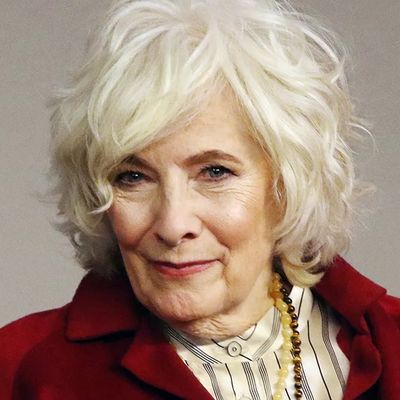
On this week’s episode, Jamie and Rob dive into the world of famous (and infamous!) Broadway flop musicals with a special two-part show focusing on these flawed and fabulous gems. They kick it all off with a look back at “Carrie” (1988) with word from its original star, the incredible Betty Buckley, who provides a rare peak into that experience. Then, Rob and Jamie move on to discuss such musicals as “Kelly” and “Breakfast at Tiffany’s”, and some less “successful” works by Rodgers & Hammerstein and Stephen Sondheim. Part two follows next week.
This week’s music: “Overture”, “Eve Was Weak”, “Carrie”, and “Out For Blood”, from “Carrie”. “Opening: Joseph Taylor, Jr.” and “The Gentlemen Is A Dope”, from “Allegro”, “Sweet Thursday”, “Overture”, from “Pipe Dream”, “Me And My Town” from “Anyone Can Whistle”, “Overture”, “Like It Was”, from “Merrily We Roll Along”, and “Who Needs Her” from “Breakfast at Tiffany’s”.
Find us on Twitter & Instagram: @fabulousinvalid
Facebook: www.facebook.com/fabulousinvalid
Rob’s reviews: www.stageleft.nyc
Email us at: info@fabulousinvalid.com
Jamie Du Mont
Twitter: @jamiedumont
Instagram: @troutinnyc
Rob Russo
Twitter/Instagram: @StageLeft_NYC
Jennifer Simard
Twitter: @SimardJennifer
Instagram: @thejennifersimard
Transcript
This transcript was automatically generated and might contain errors.
[0:19] Jamie DuMont: Welcome to the Fabulous Invalid, Broadway's podcast, where we present essential conversations with a curated roster of the best, most important, and innovative theater makers working today.
[0:29] Rob Russo: From actors to writers, directors, designers, and everyone in between.
[0:32] Jamie DuMont: We took our name from the title of a 1938 play by Kaufman and Hart that has since become a loving nickname for Broadway itself.
[0:39] Rob Russo: Always deemed on the verge of decline, yet always bouncing back, the fabulous invalid.
[0:43] Jamie DuMont: I'm Theater Savant Jamie DuMont.
[0:45] Rob Russo: And I'm Rob Russo, writer and theater critic with StagedLeft.nyc and Stage Left the Podcast.
[0:51] Jamie DuMont: Hi, Rob.
[0:52] Rob Russo: Hi, Jamie.
[0:54] Jamie DuMont: List show.
[0:56] Rob Russo: It's our favorite type of show.
[0:58] Jamie DuMont: Oh, it's like Christmas and our birthdays combined.
[1:02] Rob Russo: Absolutely.
[1:03] Jamie DuMont: You always say that.
[1:04] Rob Russo: It's always Christmas.
[1:05] Jamie DuMont: You know, I like Christmas.
[1:07] Rob Russo: I think that's a good thing.
[1:09] Jamie DuMont: That's an established fact.
[1:10] Rob Russo: It's a happy day.
[1:12] Jamie DuMont: I like Thanksgiving too.
[1:14] Rob Russo: But you know what I like better?
[1:15] Jamie DuMont: A list show.
[1:17] Rob Russo: Yeah, for sure.
[1:18] Jamie DuMont: Well, you know, we were thinking about the title of our show, The Fabulous Invalid, and how it's like just become so relevant for the times that we're living through.
[1:28] Rob Russo: You know, and beyond that, just how Broadway itself has always been host to, you know, just gigantic flops and big hits, and that dichotomy is just so fascinating to explore.
[1:41] Jamie DuMont: Well, I think it's one of the reasons that we love theater. It's an ever-changing art form.
[1:45] Rob Russo: It's never boring, except for when it is, and it has a rich, fascinating history, and unlike most histories, I feel like the theater learns from its past mistakes.
[1:59] Jamie DuMont: I mean, they repeat them every so often, which is basically the whole premise of our show today.
[2:06] Rob Russo: Yeah, exactly.
[2:07] Jamie DuMont: But we can in the theater be taught, which is a nice thing, but not with these 10 shows.
[2:13] Rob Russo: Yeah, that's right.
[2:15] Jamie DuMont: So, we decided it would be fun to close our season off by curating our own list of 10 of those flops and hits, so we could delve into the history a bit, nerd out some, and just have a reason to talk about them.
[2:30] Rob Russo: Um, so I guess we should note at the top that we decided to focus on musicals only, and that's not because we don't like a good play.
[2:38] Jamie DuMont: You know, obviously we love a good play, but mainly it was because we thought it'd be fun to interpolate some music into this episode, as we always like to do.
[2:46] Rob Russo: And there's nothing more fun than delving into recordings of flop shows.
[2:55] Jamie DuMont: Are you ready, boy?
[3:05] Rob Russo: Everyone hates me.
[3:08] Jamie DuMont: Yes, yes.
[3:10] Rob Russo: Be in the mayor.
[3:13] Jamie DuMont: Well, you know, it's interesting because I've been doing a lot of research and prep for this, as you have as well.
[3:20] Rob Russo: Um, I like many other gay men, I have quite a few rare recordings, I have quite a few soundboard recordings of shows, and I have been listening to, I've had the great fortune to listen to every single show except for one, or two actually, that we're gonna talk about.
[3:42] Jamie DuMont: And so, as fun as it's been and as illuminating as it's been, and I've listened to all of them before, but not with a particular mission.
[3:51] Rob Russo: But I am so grateful that this weekend I'll be able to like put on Dear Evan Hansen or something that isn't just, you know, really rough on the ears from time to time.
[4:04] Jamie DuMont: There's some real clunkers and there's some real beauty, and you'll hear a little of both in this episode in terms of music that we're gonna provide for you.
[4:13] Rob Russo: Well, this week and next week, we're gonna do a two-part episode where we'll look at some of the most notable flops in Broadway history, and then we'll follow that up by looking at some of the greatest hits.
[4:24] Jamie DuMont: That's less fun.
[4:25] Rob Russo: What?
[4:26] Jamie DuMont: That's less fun.
[4:27] Rob Russo: I well, we'll see.
[4:29] Jamie DuMont: I guess we'll, I shouldn't say that.
[4:32] Rob Russo: We want to tune into both episodes.
[4:34] Jamie DuMont: Do tune in, they're both gonna be great.
[4:36] Rob Russo: Gosh, Jamie, you're sabotaging us.
[4:38] Jamie DuMont: Um, I do think lest we get an inbox full of angry listeners.
[4:45] Rob Russo: Um, I do think it's important for us too, before we dive in, which we're gonna do shortly, to define our terms, especially when we're talking about flops, because you know, a flop technically is, you know, any show that doesn't make back its investment.
[4:58] Jamie DuMont: Um, and that's not particularly useful for us in terms of whittling down a list here because that's incredibly common on Broadway.
[5:05] Rob Russo: Uh, I think like only 20% of shows on Broadway actually ever recoup.
[5:10] Jamie DuMont: Um, so you know, if that's your metric, then you know, 80% of all musicals are flops.
[5:16] Rob Russo: Right, exactly.
[5:17] Jamie DuMont: Wow, you know, yeah.
[5:18] Rob Russo: Uh, so we also decided that we would focus on musicals that had short runs, um, which duh, right? That's what makes them flops.
[5:24] Jamie DuMont: Um, but usually under 100 performances. I think there's only one or two shows on our list that violate that 100 performance rule.
[5:31] Rob Russo: Um, and then, you know, we also decided to just pick shows that represented a milestone or a moment in the history of musical theater and its creators, um, or that just had some, you know, lasting cultural impression, such that we, you know, still speak of it today.
[5:45] Jamie DuMont: So there's a real mix of things. Obviously, your favorite flop might be missing from the list, and that's not intentional.
[5:50] Rob Russo: It's just because, you know, we could only talk about so much. People only want to listen to us talk for so long, I guess.
[5:57] Jamie DuMont: Well, that's true.
[5:57] Rob Russo: Well, Rob, we did say 10 shows, but technically it's 11, right?
[6:02] Jamie DuMont: Well, technically it's more than 11, but well, yes, that's true.
[6:05] Rob Russo: Jamie's favorite trick of making a list of 10 really be a list of 15.
[6:10] Jamie DuMont: Or 20, yes.
[6:11] Rob Russo: Or 20.
[6:12] Jamie DuMont: Yeah, right.
[6:13] Rob Russo: Yeah.
[6:13] Jamie DuMont: Well, but I also have, as I have said to you many times, and I've even said on this show, like, that's the thing about a list. Like, it's ever changing.
[6:19] Rob Russo: If you ask me what my top favorite five musicals are, uh it's gonna change mostly every time you ask me because it's what's in your head, it's where you are in that moment.
[6:32] Jamie DuMont: But at any rate, the first show we're gonna talk about, which is the show I'm referencing as show 11, is obviously Carrie.
[6:54] Rob Russo: You can't talk about flops without first talking about, you know, perhaps the most infamous flop of them all.
[7:00] Jamie DuMont: Yes, books have been written about it.
[7:02] Rob Russo: In 1991, uh Ken Mandelbaum wrote a book called Not Since Carrie.
[7:07] Jamie DuMont: Um, you know, kind of the thesis of that whole book is that, you know, Carrie is the measure against which all other flops can be compared, right?
[7:16] Rob Russo: Um, so we're not technically including it on our 10 because it's sort of like the lens through which we are going to look at all the shows that we're gonna talk about today.
[7:26] Jamie DuMont: But Carrie, oh my gosh, what a legend.
[7:50] Rob Russo: It has such an interesting history, right? Because there was the production at Stratford, um, which there's video that exists so it does live in the world you can get a sense of what it was like there was the Broadway production and then there was the revival that MCC did which was a reimagining of the show somewhat 25 years later.
[8:14] Jamie DuMont: At least, yeah, so it's had a really fascinating history and it's sort of the show that won't die.
[8:21] Rob Russo: I think it has a magnificent score and I think there's a lot to unravel with it. I think it's very interesting, um, not only in terms of all the things that they got wrong but all of the things that they got right.
[8:21] Jamie DuMont: Absolutely. Well, that's the thing that in reading about it because you know obviously I wasn't, well I was one, I was I was one years old in 1988 when this when the show ran on Broadway so but I wasn't there.
[8:46] Rob Russo: But in reading about it, what's so amazing to me is how almost everyone talks about how there were parts of the show that were just so thrilling and so glorious and that were just right.
[8:57] Jamie DuMont: And then there were parts of the show where you were like cringing, you know.
[9:01] Rob Russo: Um, that is, I think partially what makes it, you know, such a legendary show that people still talk about, while there's so much lore about it.
[9:12] Jamie DuMont: Um, Terry Teachout, the critic has a quote that he uses. I forget who said it, but he said it multiple times on his show, which is when I don't like something, I ask myself why I love it.
[9:23] Rob Russo: Um, and with Carrie, I feel like that there's just like morbid fascination with it because on one level you're like, oh God, what a terrible idea for a musical to take, you know, Stephen King's novel and film and put it on stage as a musical.
[9:35] Jamie DuMont: But then also like how genius and how brilliant and how relevant, you know, the themes of it.
[9:40] Rob Russo: Um, and when you listen to that bootleg, which you know, uh you can probably find online.
[9:46] Jamie DuMont: I know I inherited a copy of it from the final performance.
[9:50] Rob Russo: You listen to it, and there are parts that you're like, oh my god, this is incredible.
[9:55] Jamie DuMont: Yeah, it's thrilling.
[9:57] Rob Russo: And as you mentioned, you were one. I was in my early 20s and living in San Francisco, so I did not see it.
[10:04] Jamie DuMont: Um, we will, we're gonna say all kinds of things about a lot of shows that we never saw, right?
[10:10] Rob Russo: We did some research and we have informed opinions and we're fairly smart fellows.
[10:14] Jamie DuMont: Well, you're a very smart fellow.
[10:15] Rob Russo: Um, I'm a fairly smart fellow, but we decided to go right to the source and talk to somebody who was actually there, and that person would be Tony Award winning actor, singer, and former guest of the show, Betty Buckley.
[10:30] Jamie DuMont: She starred as Mrs. White in that infamous 1988 production on Broadway, and she had some very illuminating things to say.
[10:38] Betty Buckley: At the inception of it, uh, you know, Dean Pitchford is a very good friend, and Larry Cohen wrote the uh screenplay of Carrie, and Michael Gore, his partner, you know, was the composer, and they all called me and said, We've written a great show, we want you to do it, of Carrie.
[10:58] Betty Buckley: And I was so awful in that first phone call. I was I was very shocked, and I said, Why?
[11:04] Betty Buckley: And they were like, Well, because it's a great story, and I but I didn't, I didn't quite understand how it would lend itself to becoming a musical.
[11:11] Betty Buckley: So I regret that initial response.
[11:15] Betty Buckley: Anyway, they offered it to me, and uh we started negotiating, and we couldn't come to terms.
[11:23] Betty Buckley: Um, the director, Terry Hands met with me, and he had all kinds of uh questions, which I just was like kind of taken aback by because I had worked with his associate and his friend Trevor Nunn.
[11:40] Betty Buckley: You know, he was at that point the head of the Shakespeare Company, Royal Shakespeare Company, and Trevor had also done that.
[11:47] Betty Buckley: And so they were very good friends.
[11:49] Betty Buckley: And so I said, Well, if you have questions about who I am as a person, go talk to Trevor.
[11:54] Betty Buckley: I don't understand this.
[11:56] Betty Buckley: So it was not, it just didn't feel like a copacetic beginning.
[12:00] Betty Buckley: The negotiation basically came to a halt and they moved on to uh cast Barbara Cook for the first version at in Stratford at the Royal Shakespeare Company.
[12:12] Betty Buckley: And while they were doing that, they called my agent and they asked me if I would fly to London to take over the show, and I said, Well, I'd like to see some, you know, uh video of it or something.
[12:30] Betty Buckley: And so they changed their minds, they weren't going to have me come in.
[12:34] Betty Buckley: Apparently, Barbara Cook was very unhappy in the project.
[12:38] Betty Buckley: And so instead, they sent me a video, and I thought, hmm, I felt like I had an interpretation to offer to it that could be helpful.
[12:49] Betty Buckley: Um, I mean, Barbara Cook obviously is was a glorious singer and a beautiful, beautiful human being, but it was a very um stationary, if you will.
[13:00] Betty Buckley: It was, and I, as an actress was more athletic, I guess one could say.
[13:06] Betty Buckley: So she left the show.
[13:08] Betty Buckley: She was not happy.
[13:10] Betty Buckley: And they were coming into Broadway with this German producer who had produced a lot of um touring companies of a lot of different musicals.
[13:20] Betty Buckley: The day before, or a couple of few days before we were to start rehearsals.
[13:25] Betty Buckley: My agent called and said, "Look, here's the deal we've got. We have a guarantee of so many weeks because I felt like the show was on shifty grounds, you know." And so I told him, "All right, I would come in." He says, "Because all these people will be out of work, Betty, if you don't go in." So I said, "Okay." So I went in and basically I asked them to, because I'm an acting coach, and Lindsay Hatley was making her Broadway debut at 17, and she was a wonderful, gifted talent. So I asked them to let me have some alone time with her so we could really bond in the relationship, uh, that just work alone in a rehearsal room with a pianist, uh, you know, rehearsal pianist, and Lindsay and me and Terry Hands.
And so Terry kindly let me work with her, and basically I just said, "Look, Lindsay, we're really gonna go for some stuff here. So I want you to trust me. I want you to look me in the eye, and whatever I give you, I want you to give me back your authentic feelings about that. And let's just have a real give and take, uh, relationship and really play some hardball tennis." And she trusted me, which was a great gift. And so all the mother-daughter scenes we did together in a very improvisational fashion. And so we kind of developed all that stuff away from everybody else. And then when the run-throughs began, we brought that style of work to the rehearsal room.
[15:03] Betty Buckley: The baby came to plague the world, his name was sin. His name was Sin, but his name was Honestine, and lust was all the sin began, the sin was mad. Just beginning. Hooray for your salvation from damnation. We were doing some very realistic, naturalistic work. And I was determined to play this very abusive dark character to give the play, you know, to give the show the kind of gravitas I thought that it needed, and to bring the kind of um horror aspect to it to lift it to that place. God made it from Adam's Ribbonie was weak, and he was weak, and I was weak. A pray this day would never come. I should have known. I should have known. Now I am alone and so afraid. Oh Lord, I've seen this fif. The flesh is weak, and I am law. Don't forsake her, mother, take her. Let's purify her with a liar and the hover and the glory forever and ever and ever. Where I throw her down into the trapdoor.
[17:06] Betty Buckley: First of all, we had like a real fight. We would go home from rehearsal every night and share this car, and we would be literally exhausted. Um, you know, it was like a real physical spite. I mean, it's highly choreographed, but it was really uh intense. And I'll never forget the vision of her when I open the trapdoor and I'm shoving her down in there. There was a stage hand underneath who would catch her and then hold her by her legs while she's scrambling to try to get out of the trapdoor. And it was such a funny visual to be looking down the trap and see this big burly stage hand holding her up while she's trying to scramble back out of the door out of the trap, you know. Um, and it was all I could do to keep from laughing every night watching that.
Uh yeah, that scene with her was so powerful. Terry Hands, I understand, had been at a cocktail party prior to this process, and someone told him that they thought the show was like Greece, and they meant like uh Greece, the musical, and he thought they meant like Greek tragedy. So he had all the kids dressed in togas, and the last uh great visual in the musical was this kind of Aztec white Greek staircase with a red handrail down it. It was glorious to look at. There was a lot of juxtaposition through the show. So there was the authentic mother-daughter relationship that really had some dark, aberrated emotional, dysfunctional family um aspects to it. And the rest of the show is played kind of uh superficially and comically, somewhat over the top with Greek tragedy costumes from Greece, you know. So it things didn't marry up, they didn't, they didn't match, so to speak. It was like two different musicals.
[19:17] Betty Buckley: And then I've got the flammes for the blood. And the blood, blood, blood, ooh, blood, kill the paper, make it free. Get the buttons all we need. Out the buttons. Get the buttons all we need. Out the buttons. So when we opened the first night, Lindsay went on and stopped the show with her first number, which was incredible. And I was backstage, and I was like, "Oh my God, she's like, that's like amazing. I hope my stuff has the same impact." I was really like, "What's happening here?" And so um all our stuff was like really exciting theater. And the audiences went nuts for that. But when we got to the curtain call, it was staged where I'm coming down this. I went up on an elevator behind the Aztec staircase and come down singing this lullaby in what was meant to be my former prom dress when I was a kid, and I'm barefoot and I've got this butcher knife behind my back, and I'm singing this lullaby, and she is covered in blood, and I meet her halfway on the staircase, and then I comfort her and then stab her, and then she in before she dies, reaches over and stops my heart with her telekinetic power.
So I'm left on the middle of the staircase, a dead person, and she then crawls down the stairs singing the last few notes. Is to die at the bottom of the stairs, and then there's a blackout, and then we rise in the dark. I'm in the middle of the stairs, she's at the bottom. And as the blackout happens, and it was the first time I've ever experienced this, the entire audience starts booing as a unified voice, and I was like, "What is going on?" And she looks back at me in the dark, and I was like, I looked at her and I was like, "Lindsay, get up. We've got to take our bow, and then we gotta get out of here." And so the lights come back up, and we take our bow, and as soon as the lights come back up, the entire audience jumps to their feet in this, like you know, you know, the unanimous standing ovation. So it was completely psychotic, you know, the responses of the audience in terms of the visceral booing to the huge cheers and ovations, and that had been so throughout the show.
[22:08] Betty Buckley: And I remember one night uh I came to the top of the stairs for this moment, and um, and this guy, and people would come in costumes and stuff, uh, which was great. They would talk to us during the show, and one guy yells uh at me at the top of the stairs, "Come on down, Betty Buckley." And I was like, "Oh my god," you know. So it was just wild. The audience's response were absolutely wild. That's not my name. Doesn't anybody ever get in bike, Carrie? Why don't they remember that I'm coming white, Carrie White? Carrie, is it any hard and save them? Goddamn totally crazy. And we handle and dumb and 10 doesn't any funny thing that I can hear. I kill. When did everybody decide I'm the one who's the block? If I had a wicked God, I fixed it off.
[23:13] Betty Buckley: After the with the reviews came out, we went to the party afterwards, and the reviews started coming out. And Frank Rich was the power reviewer at that point. He wrote this review, and uh the kind of buzz went through the party that it wasn't all good. So Lindsay and I shared this limousine home, and I dropped her off, and then I went to the 72nd Street in Broadway newsstand to get a copy of The Times to read it for myself. And I remember being in the back of this limousine reading the New York Times review, and he gave Lindsay and I this lovely review, but it was so buried in all of the uh cr his criticism, which was rancorous, that you couldn't lift the quote, which just made me laugh. I remember laughing in the back of the limousine really hard, like, "Oh my God," you know, he won't even let us have that one great quote.
I went back and read the Frank Rich review from the New York Times. Um, and of course, yeah, he eviscerates the show. But um Frank Rich was not the only critic writing about Carrie. Um and in fact, people always talk about the fact that Clive Barnes, who was the critic for the New York Post, um, loved it. I mean, he he said it was uh terrific, uh, that it was strong, effective, remarkably coherent, which is like completely at odds with what other critics said. Um, you know, to say that it had this cathartic, you know, finale of biblical proportions. Um, you know, so there were there was a range of reviews. It was not the case. And I, you know, when we talked to Ben Brentley, you know, he he also talked about this, right?
How lore builds up around the critical reception of shows. And when something closes, you know, it's oh, well, it's because it got bad reviews. But when you actually go back and read them, you know, lots of times it's the case that no, actually, you know, there was a real uh diversity of opinion. You know, it was in fact the biggest flop in musical theater history at that time. The show lost all $8 million of its investment, which even today, $8 million is, you know, it's a fair amount of money for a Broadway show. So it was a very expensive show for its time. Um, and you know, was the biggest flop. Well, I think if it's time to move on to our list, you know, stepping back in time, we can talk about our first show, which also for its time was was uh incredibly expensive.
And that is uh Rogers and Hammerstein's Allegro, which as I alluded to at the top of the episode, um, you know, there are a couple uh shows that that run afoul of our 100 performance limit. And Allegro is is our first show and the the the first show that violates that rule. Show ran 315 performances on Broadway. But the reason why we felt like we had to start with this, with this show, um, is because uh, you know, it was the first flop of the rather nascent Rogers and Hammerstein partnership uh following the success of Oklahoma and Carousel. Um and most importantly, it sort of put an end to the innovations of the Rogers and Hammerstein Revolution in terms of their willingness to experiment with form, um, which you know was what was so notable about Oklahoma and Carousel to, you know, successful shows.
And then uh Oscar Hammerstein in particular, this the show is his baby, um, you know, was really, really, really pushing audiences to accept conventions that were beyond what they were, you know, sort of ready or willing to consume in 1947. And the show, you know, it had a decent run, but you know, it closed after only nine months, um, despite having the largest advanced sale in history of Broadway at that time.
[26:48] Rob Russo: Um, and um, you know, unlike most of their other shows, you know, it never had a movie, and it's rarely done.
[26:54] Jamie DuMont: It's never done.
[26:55] Rob Russo: There is a there is a fantastic, well, uh CSC did a lovely production of it a few years ago.
[27:01] Jamie DuMont: There's a studio recording that's quite good that I urge you to check out.
[27:05] Rob Russo: Um, but no, you're right. And it's it's it's funny because it it's been called the original concept musical or the first concept musical.
[27:14] Jamie DuMont: And it's interesting to think that these two men who broke the form or created the form or helped shape the form, however, you want to define what they did with Oklahoma, then couldn't pivot.
[27:28] Rob Russo: And I think it was too big. I think there was too much happening, and they they didn't, there was no way to streamline it.
[27:35] Jamie DuMont: And I also think that there was a mistake in having Agnes DeMille also serve as director.
[27:40] Rob Russo: I think that on something as ambitious as they were trying to make Allegro, I think you needed two different people to guide that ship in terms of direction and choreography.
[27:51] Jamie DuMont: Yeah, absolutely. And you know, uh talking about the ambition of the show, I mean, I I always kind of bristle when people uh lament um you know movies being adapted to the stage because musical theater as a form is, you know, nine times out of ten an adaptive form, right?
[28:07] Rob Russo: And what what Hammerstein was doing with Allegro was creating an original story, which is it's really hard to create an original story for the first time in the form of a musical.
[28:17] Jamie DuMont: And um and he was inspired, you know, sort of by the aesthetic and the and the theme of Thornton Wilder's Our Town.
[28:25] Rob Russo: Um, and and the show is about an ordinary man, Joseph Taylor Jr., who, you know, follows the footsteps of his of his father uh going on to being a doctor, um, and then is you know, sort of tempted by fortune and fame.
[28:38] Jamie DuMont: Um, and it's sort of an everyman story uh that is rather humble, and yet um in its original production, uh it, you know, the the show had basically no set, but a huge cast.
[28:55] Rob Russo: I wrote these statistics down because I thought they were so interesting. 18 principals, 21 supporting players, 22 dancers, 38 singers, which were billed sort of as a Greek chorus, which is we've learned with Carrie, never a good idea to have a Greek chorus in a musical, ever, ever, ever.
[29:15] Jamie DuMont: And there were 35 in the orchestra, which for those that that time period was not unusual.
[29:21] Rob Russo: Um, and then over 300 costumes.
[29:24] Jamie DuMont: Wow. I mean, talk about bloated.
[29:26] Rob Russo: Yeah, yeah, yeah.
[29:27] Jamie DuMont: And that's, you know, and that's sort of what happened, right? Is that the process was a little unruly, the material was experimental to begin with, and the budget exploded, and the show just couldn't sustain itself when it wasn't Oklahoma, right?
[29:40] Rob Russo: When it didn't have that same exuberance or that same romanticism, you know, of carousel, when it was something that was a little bit more of a commentary on, you know, the on on contemporary themes, right?
[29:52] Jamie DuMont: The idea of of examining a man's life.
[29:57] Rob Russo: I mean, you know, it it every person in the audience is called upon to think of themselves as Joseph Taylor Jr., right?
[30:03] Jamie DuMont: And that's you know, that's that's ambitious.
[30:04] Rob Russo: That's hard to it's hard to do today, let alone in 1947.
[30:08] Jamie DuMont: His hair is fuzzy, his eyes are blue, his eyes may change, they often do.
[30:15] Rob Russo: He weighs eight pounds and announce on two Joseph Taylor Jr.
[30:24] Jamie DuMont: Slice of Life is hard to do.
[30:26] Rob Russo: It really you you it I think it's deceptive because it's it's not a simple thing to pull off.
[30:31] Jamie DuMont: I've got a couple of other factoids just because I find this so interesting. Stephen Sondheim was a production assistant on this production, but it also has my favorite all-time story of sort of the Rogers and Hammerstein lore, and that is Lisa Kirk, who uh would go on to have great success in Mac and Mabel and Kiss Me Kate.
[30:50] Rob Russo: Um she was uh she was one of the principals, it was I think her first musical, and she's the one who sang The Gentleman Is a Dope, which is the sort of the one of the songs that people remember from that show.
[30:50] Jamie DuMont: The gentleman is a dope.
[31:05] Rob Russo: He isn't very smart, he's just a lug.
[31:10] Jamie DuMont: You'd like to hug and hold against your heart.
[31:17] Rob Russo: When they were in New Haven, there was we talked about you know not being much of a set, but there was this large curtain that moved across the stage, and a track had to be built into the stage onto the floor, which had not been done before.
[31:32] Jamie DuMont: And again, it was one of those ambitious things that proved to work against them because the curtain never really worked.
[31:38] Rob Russo: But they had this track in the floor anyway.
[31:40] Jamie DuMont: Anyway, Lisa Kirk is singing her song, she trips in the track, she falls into the orchestra, and she's caught by two cellists who hoist her back up onto stage, and she never stops singing the entire time.
[31:57] Rob Russo: Taxi.
[32:02] Jamie DuMont: Hey Jack.
[32:03] Rob Russo: Oh hell I'll walk.
[32:09] Jamie DuMont: That's a pro.
[32:10] Rob Russo: That's a star.
[32:11] Jamie DuMont: Well, moving on, um, you know, to the second show in this first category of Rogers and Hammerstein flops.
[32:16] Rob Russo: Um, that would be 1955's Pipe Dream, which, you know, was the absolute biggest flop that Rogers and Hammerstein ever uh wrote and produced.
[32:25] Jamie DuMont: Because in addition to being writers, they were also the producers, which was very unique in its time and still unique today.
[32:31] Rob Russo: Um, it like Allegro, it also arrived in New York with the biggest advance in Broadway history at that time, a whopping 1.2 million dollars.
[32:39] Jamie DuMont: Um, but the show was sort of doomed from the start, you know.
[32:43] Rob Russo: It's an adaptation of John Steinbeck's short novel Sweet Thursday, um, which itself was written using characters from his earlier novel, Canary Row.
[32:52] Jamie DuMont: Um correct me if I'm wrong, wasn't Sweet Thursday written so that they could adapt it into a musical?
[33:00] Rob Russo: When the wind got confidential and whispered through a trinkle, I knew that this would be a sweet Thursday.
[33:12] Jamie DuMont: My head was up in the clouds, my heart was flapping its wings.
[33:18] Rob Russo: I looked at the sky and wanted to try to do impossible things.
[33:24] Jamie DuMont: What a day it's been for dreaming.
[33:27] Rob Russo: My dreams have all come true.
[33:30] Jamie DuMont: And if one I kept for you turns out to be right, it's gonna be a sweet Thursday night for me.
[33:30] Rob Russo: It's gonna be a sweet Thursday night.
[33:48] Jamie DuMont: A good kind of the story is they wanted Steinbeck to write the book for they wanted him to write the libretto, and he didn't feel that it would he tried and couldn't make it work.
[33:59] Rob Russo: So he wrote this short story, Sweet Thursday, for them to then adapt.
[34:03] Jamie DuMont: Adapt.
[34:04] Rob Russo: Yeah, yeah.
[34:05] Jamie DuMont: Um, and you know, the musical itself tells a story of a marine biologist in Monterey, California, and his romance with a prostitute named Susie.
[34:13] Rob Russo: And right there, that should tell you everything that it was it was about to doom the show, which is that in 1955, you know, they were attempting to write a musical about a prostitute.
[34:22] Jamie DuMont: And not only that, but Oscar Hammerstein was, you know, uh writing the book and lyrics.
[34:27] Rob Russo: And you could say many things about Oscar Hammerstein.
[34:29] Jamie DuMont: Um obviously he's an incredible, incredible dramatist and one of the greatest innovators in the musical theater, but he was a bit of a prude.
[34:37] Rob Russo: Um, and the the mores of the time wouldn't necessarily have allowed them to be as uh as honest with um Susie's profession as as they probably might have wanted to be.
[34:47] Jamie DuMont: So they ended up sort of, you know, toning down a lot of the language of the book and the nature of her profession to make it somewhat ambiguous, and that itself, you know, just watered down the entire enterprise and left not much of a story, not much of a you know, sort of compelling grist with which to dramatize a musical.
[35:05] Rob Russo: Well, here you have a woman who is down on her luck, living on hard times.
[35:09] Jamie DuMont: She's liver, she literally moves into a large pipe by the ocean, right?
[35:15] Rob Russo: That's did you know this?
[35:17] Jamie DuMont: This is this is what happens, right?
[35:19] Rob Russo: And she's a prostitute who works in a brothel, and they never and the chorus girls who sing this wonderful song Sweet Thursday with the madam, they never say what they are.
[35:32] Jamie DuMont: They never say they're prostitutes, they never say it's a brothel.
[35:35] Rob Russo: I believe they refer to them as flowers.
[35:38] Jamie DuMont: The prostitutes are called flowers in the script.
[35:40] Rob Russo: So it's very confusing because you don't really know what you're watching.
[35:45] Jamie DuMont: Yeah, yeah.
[35:45] Rob Russo: And further complicating things, um, Richard Rogers uh was fighting cancer throughout the tryout and the Broadway run.
[35:53] Jamie DuMont: So he wasn't available to really be the collaborator that um Hammerstein needed.
[35:58] Rob Russo: And you know, like any collaboration, the the magic was was in their synergy.
[36:03] Jamie DuMont: And so with Rogers sort of sidelined uh during the process, it's just one more thing that that hampered the entire thing.
[36:09] Rob Russo: I mean, the show closed after only seven months.
[36:12] Jamie DuMont: It didn't recoup its 250,000 investment despite that, you know, 1.2 million dollar advance.
[36:17] Rob Russo: Um, it never played London, it never toured, it never had a film.
[36:21] Jamie DuMont: Um we learned in our research uh that in 1989, a film version of Pipe Dream was proposed starring the Muppets.
[36:32] Rob Russo: Uh Jim Henson was considering it.
[36:35] Jamie DuMont: You know, he died in 1990.
[36:36] Rob Russo: So in the last year of his life, one of the ideas on his desk was turning Pipe Dream, the Rogers and Hammerstein flop musical into a Muppet movie.
[36:46] Jamie DuMont: Look, I love the Muppets.
[36:48] Rob Russo: I know you love the Muppets.
[36:49] Jamie DuMont: That's a terrible idea.
[36:51] Rob Russo: Terrible.
[36:52] Jamie DuMont: Bad idea.
[36:53] Rob Russo: I mean, what's worse than than doing a story about prostitutes, but never actually calling them prostitutes?
[36:53] Jamie DuMont: Doing a story about prostitutes that are Muppets.
[37:02] Rob Russo: Right.
[37:03] Jamie DuMont: I mean, that's just that's just fucked up on so many levels.
[37:03] Rob Russo: So many levels.
[37:06] Jamie DuMont: So I'm glad that didn't happen.
[37:08] Rob Russo: I will say about Pipe Dream before we move on, it is a glorious score.
[37:12] Jamie DuMont: There's a fabulous recording.
[37:14] Rob Russo: Encours did it in 2012.
[37:15] Jamie DuMont: There's a beautiful live recording.
[37:17] Rob Russo: You really can get a sense of what they were trying to do.
[37:21] Jamie DuMont: They didn't succeed, but the score, you listen to that overture, and it sounds like a big hit musical.
[38:02] Rob Russo: One other thing that I think is so interesting, around the time that they were looking for their next show, which would become Pipe Dream, they were offered or in talks to talk about doing shows that would end up becoming My Fair Lady and Fiddler on the Roof.
[38:19] Jamie DuMont: And they they didn't, they weren't interested in whatever however these conversations happened.
[38:19] Rob Russo: They weren't interested in pursuing these projects, and yet they settled on Pipe Dream, which is I think kind of funny.
[38:29] Jamie DuMont: Yeah, yeah.
[38:30] Rob Russo: Well, I always I always imagine that's where um where Stephen Sondheim, you know, who was a protege of Oscar Hammerstein's, um, you know, got his whole uh they painted the lily line about um My Fair Lady, you know, because the reason I believe that Oscar Hammerstein turned down My Fair Lady um is because he didn't feel like he could improve upon the play, Pygmalion, right?
[38:51] Jamie DuMont: And so he saw no need to musicalize it.
[38:54] Rob Russo: Um so I always thought that was funny.
[38:58] Jamie DuMont: Well, one other thing.
[38:59] Rob Russo: I'm not sure I would ever be ready for a Rogers and Hammerstein fiddler on the roof.
[39:05] Jamie DuMont: Like that's just again, that's sort of like a Muppet prostitute.
[39:09] Rob Russo: There's just something really wrong about that whole concept.
[39:11] Jamie DuMont: As much as I love Rochester and Hammerstein.
[39:13] Rob Russo: Uh well, speaking of Stephen Sondheim, uh, our second category is uh is devoted to Mr.
[39:19] Jamie DuMont: Sondheim and two of his biggest flops.
[39:22] Rob Russo: Uh the first one being 1964's Anyone Can Whistle, which is probably Jamie's favorite musical ever.
[39:29] Jamie DuMont: He's obsessed with it, he knows all the things.
[39:31] Rob Russo: So I'm gonna turn it over to Jamie.
[39:33] Jamie DuMont: As my beloved Lee Remick said, Anyone can whistle was the happiest nine nights of her life.
[39:40] Rob Russo: Um it's I I have a hard time calling either anyone can whistle or merrily we roll along a flop, because you know, technically they are.
[39:52] Jamie DuMont: I s that that's that's you know, you can't question that.
[39:55] Rob Russo: But they're both such interesting shows.
[39:58] Jamie DuMont: And anyone can whistle, I think is a magnificent score.
[40:01] Rob Russo: Again, I think it suffers from this, you know, what was it, George S. Kaufman said, um, satire is what closes on Saturday night.
[40:09] Rob Russo: You know, the subject matter may have been a little too advanced for its time. I think the things that they were trying to accomplish, perhaps were too ambitious. Well, I mean, it's another, you know, um original story that, you know, was being musicalized for the first time, um, you know, in this form. And uh Arthur Lawrence, who is the book writer, um, was also serving as a director. And that's been pointed out, you know, both contemporaneously and in the year since that um that he had bitten off a little bit more than he could chew by having both roles on this particular project because it was not an adaptation. Um, but it's it is a satire, um, which you know closes on Saturday night on um you know conformity and um you know the insanity of the so-called insane, right?
So uh the show itself was was very um very hard on its audience, right? I mean, it sort of turned a mirror onto its audience. Um, and uh in the years since Stephen Sondheim has reflected on it and said that yeah, you know, we were not we were we were perhaps poking the audience too much, right? That it became sort of obnoxious um in substance and in and in the way it was uh produced. Uh it's a three-act musical, right? Which is also something that you really don't see much of anymore, or kind of ever. Um and um, you know, it people say that it wasn't sort of funny enough uh to be uh you know a comedy, um, but it wasn't really fun enough either to sustain its own commentary, and that's sort of what you need with satire, right?
[41:48] Rob Russo: She's unpopular with the populous, unpopular with the populace, the popular with the populace, the popular with the populace. Everyone here hates me at length. Probably lynch me if they have the strength, but me at my town, me at my town. We just want to be loved. Our free ship is lovely and worships of all. But give her a township. Township. Every time. Give me my crowd. Give me a boat and hurry on now. Tell me just what you think. Yes of me. Love me. Love my time.
[43:02] Rob Russo: Well, I've seen Anyone Can Whistle a couple of times. But the last time I saw it was when, again, when Encores did it with the marvelous Donna Murphy. And that show was all hail. That show is that that production was very successful, and there was talk about moving it, and it was, you know, it was really well done. And I wonder how much of the success of that was entwined with the lore and legend of Stephen Sondheim. Right. Because you're much more forgiving of the flaws of the show when it lives in this, you know, this magical world of cult status. Um and this marvelous recording. That the cast album of Anyone Can Whistle is really a great recording. It's really a smart score. Um, it's the book that's problematic.
And and also again, I might get in trouble for saying this. I don't think Arthur Lawrence was a particularly good director. I think he was a good book writer to a certain extent, but I don't think, I don't, I think in the hands of another director, this might have, this might have worked. Right.
[44:05] Rob Russo: Well, absolutely. And that, you know, that's the point that one of the producers made, you know, on reflecting about the show. It was that, you know, he was wearing two hats, and it's sort of impossible to see the show for what it is when you're also writing it. And how do you write and direct an original show? Not something that you're adapting, where there's a source material, where there's an existing idea of it in the world, but an original show. Um, to be wearing both hats on a, you know, on a Broadway production is a lot. And you know, clearly it proved to be um too much. But you know, the reason that we had to include it on this list, um, other than the fact that it, you know, is sort of famous, um, is that it really marked the emergence of Sondheim in his own sort of idiom, right?
Um, he had done A Funny Thing Happened on the Way to the Forum, which was the first musical he had done the music and lyrics for in 1962, and that was a hit, but that you know was sort of a classic musical comedy, right? It was very much playing on the sound of the way that musicals uh up to that point um had sounded. And with this, he got to do in his own words, you know, what he loved doing for the first time, right? Which was uh, you know, to write more romantically and more true to his own um taste and and style. And you listen to that cast album and it's all there, right? The entire Sondheim sound is for the first time really cohesively 100% there, and it's thrilling.
[45:32] Rob Russo: It is thrilling. It's also the show that brought Angela Lansbury to musical comedy, which would prove to be the gift that keeps on giving for the world. Yes, people think it was Mame, right? That Mame was her big thing, but no, no, no, it was Anyone Can Whistle. No, and in fact, she never would have gotten Mame if she hadn't done Anyone Can Whistle. And and as many of you probably know, she was not the first choice for Mame. In fact, her audition process for Mame was quite arduous and uh and difficult. And she would never have gotten that part if it hadn't been for Jerry Herman. But that's another podcast.
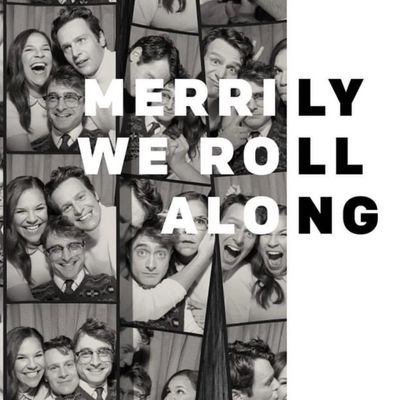
[46:06] Rob Russo: That's another podcast. Well, it's a complicated show. And uh, and I, you know, again, nobody sets out to make a flop, right? Well, speaking of that, um, the second Stephen Sondheim flop, um, which technically, I mean, I, you know, there's very few Stephen Sondheim musicals that have ever actually made money on Broadway. So you could say that uh, you know, most of them are flops. But um the second, you know, big one that we're gonna talk about is Merrily We Roll Along, as Jamie already uh pre-saged. That was in 1981. Uh had a whopping 16 performances at the Alvin Theater. Um, and uh what's fascinating about this show is that, you know, kind of like Anyone Can Whistle, but even more so because in the years since there have been so many attempts.
Um it's sort of like a show that's just been in perpetual development, right? And like every couple years somebody else has their idea for how they're gonna fix, you know, air quotes, uh uh Merrily We Roll Along. And you know, I've come to the conclusion after, you know, loving the score my entire adult life and seeing every production of it that I could, um, that you know what, I don't think it's solvable. And I think that's just the story of Merrily We Roll Along. And I I've come to peace with it in my own fandom. It's first and foremost, it's one of the great overtures of all time. Oh my god. I will die on that hill, and most people will most people would die with me.
[47:28] Rob Russo: Um, but I agree with you. I mean, I think the structure of the piece of it moving backwards in time sets you up for failure right away because it begins with all of the friendships dissolving. It begin you you're suddenly asked to care about a group of angry, hostile, not particularly likable people, and you have no reason to care about them. And then so it's it's a tough setup, and yet it's this marvelous score. I actually love the show, and I I think it works, but I acknowledge that I'm a twisted person and that that's not actually accurate. Like I intellectually understand that the show doesn't work, and I agree with you that it's not solvable, it's not a fixable problem. Stop trying. What is so um important about Merrily We Roll Along is that it sort of marked the end of the Sondheim Prince era, right?
Which had begun um 11 years earlier with Company um which you know played at the same theater, the Alvin Theater and had the same book writer, George Firth. Um but Harold Prince as director and producer uh and Stephen Sondheim as a composer, you know, together, their innovations, their their partnership um was one of the most successful and you know influential in the history of musical theater.
[48:45] Rob Russo: Um, you know, they both have remarked that um, you know, part of the sort of noise around Merrily We Roll Along was this idea that people were sort of chomping at the bit to see them fail, right? Which is very much the temporal politics of 1981, right? But after, you know, being experimental and successful critically, I mean, if not, you know, financially, with a range of shows from Company to uh Follies to A Little Night Music to Pacific Overtures to Sweeney Todd, right? Which was the last thing that they had done together, to have that remarkable string of innovation and and you know praised work. Um, you know, there was a bit of a pent-up sort of who do these guys think they are, right? And then they, of course, handed uh both audiences and critics a piece that was uh easy to rip apart, right?
Not only because of the the frustrating structure of the piece, um, but also its execution. I mean, Harold Prince has said that his biggest mistake with Merrily We Roll Along is that he didn't know what it should look like.
[49:52] Rob Russo: And he's a I mean, he was a very visual director. I mean, that sounds, you know, kind of silly to say, but I mean, are in all directors, right? But he Harold Prince started with the set, right? If he if he couldn't see it, he couldn't do it. And this was the perfect example of a show that he never had a cohesive visual language for it. And that just trickled out, whether it was the costumes or the set or you know, just the story, right? He he never sort of was able to figure out how he wanted to put this piece on stage. And fatal flaw, because of the success of Sweeney Todd, which had arrived on Broadway cold in 1979, they did not go out of town with Merrily We Roll Along. And uh they learned a very hard lesson, right, by not going out of town because they had to experience all of the flaws of the piece in real time with a New York audience over the course of 44 previews, uh, which turned out to be quite painful.
[50:49] Rob Russo: Charlie, nothing's the way that it was. I wanted the way that it was. God knows things were easier. And that's what everyone does. Blame's the way it is on the way it wants on the way it never. It's as simple as that. And there have been many, many, many productions of Merrily We Roll Along. I've seen quite a few of them. And it's the same problem in all of them, and some of them are successful. I've enjoyed quite a few of them, but they never look good ever. There's never, and and and I think that maybe that has something to do with the actual show. If Harold Prince couldn't figure out the look of the show and the set for the show, nobody can. These titans of the theater, at the height of their power, uh couldn't pull it off.
[52:18] Rob Russo: Well, as you said, we love to tear our idols down. It's interesting to think about what let's just say it was moderately successful or successful enough that they went on to do more work together, what that would have looked like. Or also imagine a world where we don't have the Sondheim Prince collaboration. Right. And we don't get Sunday in the Park with George. We don't get um uh Into the Woods. Into the Woods or Passion. Right. Like that's a whole nother. We don't get Assassins. We don't get like that's a whole nother world of uh sometimes these things happen for a reason.
[52:58] Rob Russo: Um, one final thing I'll say on Merrily We Roll Along, uh, which is you know, which we haven't touched on, is that um rather than cast uh adults to play uh these characters who end up being you know basically teenagers in the end, they went with the opposite decision, right? And they cast young people, most of whom were making their professional debuts to play these characters over the course of 30 years. So when you first see them, they're adults, but they were very clearly um, you know, teenagers. Um, and that's always been a complicating aspect of the show. Most times now it's done with adults who you know then play teenagers in the end.
[53:36] Jamie DuMont: But director Richard Linklater is making a film version of it right now that is going to be filmed over the next 20 years.
[53:44] Rob Russo: Um, they've already shot the first scene of it, uh, the first you know, segment of it last summer, um, with being with uh Beanie Feldstein, Ben Platt, and Blake Jenner.
[53:54] Jamie DuMont: So perhaps that'll be the solution to Merrily We Roll Along, which is to have the same actors literally aging over the course of a 20-year shoot.
[54:02] Rob Russo: Well, that's I mean, that's that's a problem.
[54:04] Jamie DuMont: That's always a problem with any piece of theater that spans 20 years or spans a great length of time.
[54:12] Rob Russo: You're you're you're either doomed to look silly as an adult playing a child, or as a child trying to play an adult.
[54:19] Jamie DuMont: It it it never really, it's it's hard to make that successful.
[54:22] Rob Russo: Unless you're Celia Keenan-Bolger.
[54:25] Jamie DuMont: She was marvelous.
[54:26] Rob Russo: I will give her that.
[54:28] Jamie DuMont: I will say, you know, if if it if you look at that, if you look at all of the sort of recent productions, the London Revival, the Encores, that the Encores casting was the most successful.
[54:40] Rob Russo: Those were the that was the eight was also wonderful actors, but they were sort of in the middle of the ages.
[54:46] Jamie DuMont: They weren't quite youngsters and they weren't quite, you know, middle-aged.
[54:50] Rob Russo: So they they straddled those worlds a little bit better.
[54:53] Jamie DuMont: And then Celia Keenan-Bolger can do anything.
[54:57] Rob Russo: Right.
[54:57] Jamie DuMont: Yep.
[54:58] Rob Russo: Okay.
[54:58] Jamie DuMont: Well, moving on to our third slot.
[55:01] Rob Russo: Um, we we could not talk about flops without talking about the show.
[55:05] Jamie DuMont: Um, because before Carrie, there was Kelly.
[55:09] Rob Russo: Yes, there was.
[55:10] Jamie DuMont: In fact, Kelly has the great notoriety of being the first poster on the flop wall at Joe Allen.
[55:17] Rob Russo: Uh, I love that.
[55:19] Jamie DuMont: That's so amazing.
[55:21] Rob Russo: The show that began the flop wall at Joe Allen.
[55:24] Jamie DuMont: Well, there's an interesting argument that, you know, when you think about flops and you think about the legend of a flop musical and why they live on in infamy.
[55:33] Rob Russo: I think there's a lot of reasons why.
[55:35] Jamie DuMont: We're discussing many of them.
[55:37] Rob Russo: There's great scores or great moments or great performances.
[55:42] Jamie DuMont: Um, and that that grabs you.
[55:44] Rob Russo: But I also feel that Joe Allen is partially responsible for for the lore and the legend of many of these flops because so many people who go to the theater dine at Joe Allen.
[55:56] Jamie DuMont: And so for decades, people have been seeing these posters on the walls there, and they get interested in, and it just helps create and perpetuate the myth of a flop and the legend of a flop.
[56:09] Rob Russo: So I want to do a little hat tip to Joe Allen because I think we wouldn't really be talking about some of these shows.
[56:14] Jamie DuMont: Kelly in particular, if it didn't live on the wall there.
[56:18] Rob Russo: Right.
[56:19] Jamie DuMont: Yeah, because I mean the thing about Kelly is it had a single performance.
[56:23] Rob Russo: That is to say it opened and closed on the same night.
[56:27] Jamie DuMont: Um, and that is, you know, rare throughout history.
[56:30] Rob Russo: I mean, I in my own little, you know, cursory review.
[56:33] Jamie DuMont: I mean, I there's only like about 20 musicals in Broadway history that have opened, or in recent Broadway history that have opened and closed on opening night.
[56:40] Rob Russo: And um increasingly rare these.
[56:42] Jamie DuMont: Oh, and of course, yeah, now, yeah, now it would never happen.
[56:46] Rob Russo: Um, you know, but it was also, you know, the biggest flop in Broadway history at that time, uh, with a budget of $650,000, which was unheard of in you know, 1965 to do a musical for that much money.
[57:01] Jamie DuMont: I mean, you know, in 1971, Hellprints did Follies for like $750,000.
[57:07] Rob Russo: And that was like, oh my God, you're spending $750,000 on a musical.
[57:10] Jamie DuMont: How could you do that?
[57:11] Rob Russo: Right?
[57:12] Jamie DuMont: This was, you know, seven years earlier, and it was almost that amount, right?
[57:16] Rob Russo: Um, and you know, this is a show, just to give a little uh context for it.
[57:21] Jamie DuMont: Um, it's based off a true story of a man named Steve Brodie, who in 1886 claimed to have jumped off the Brooklyn Bridge and survived.
[57:30] Rob Russo: Um, so this uh, you know, fictionalized version of it centers around uh a character named Hop Kelly, who is uh a daredevil busboy, um, and some gamblers in the Bowery who are trying to prevent him from uh jumping from the Brooklyn Bridge and surviving.
[57:47] Jamie DuMont: Um there's all sorts of hijinks around that.
[57:50] Rob Russo: Apparently, in the end, he triumphs, he jumps off the bridge and he lives.
[57:54] Jamie DuMont: What a strange subject matter for a musical.
[57:57] Rob Russo: I I I stopped listening a while ago.
[58:00] Jamie DuMont: It's just, it's it's incredible to me that this was the subject of a musical.
[58:05] Rob Russo: Right?
[58:06] Jamie DuMont: Yeah.
[58:06] Rob Russo: Wild.
[58:07] Jamie DuMont: And you know, it was written um by uh uh Moose Charlap, which is a great name, and Eddie Lawrence, um, who you know together wrote the book, the music and then the book and lyrics.
[58:18] Rob Russo: Um, and um, you know, the the show was clearly in trouble when it was in Boston.
[58:23] Jamie DuMont: So the producers brought in some new writers, including uh uh Mel Brooks.
[58:27] Rob Russo: Um, and it uh it erupted into this legal battle where uh Charlap and Lawrence were so upset with the changes that were being made to their show that they filed suit in the New York New York Supreme Court seeking an injunction to prevent the play from even opening.
[58:40] Jamie DuMont: Um, the judge ordered arbitration and they were threatening to sue for damages and all this was going on, and then the show opened and closed on one night.
[58:48] Rob Russo: And so it, you know, the there was no need to continue the litigation.
[58:52] Jamie DuMont: But New York Times theater critic Howard Taubman, the line that started his review.
[58:58] Rob Russo: Uh, I have to read it because it's it's such a classic, like bitchy New York Times uh dig.
[59:04] Jamie DuMont: Uh quote, Ella Logan was written out of Kelly before it reached the Broadhurst Theater Saturday night.
[59:10] Rob Russo: Congratulations, Miss Logan.
[59:13] Jamie DuMont: Well, and doesn't that just say it all?
[59:17] Rob Russo: It does.
[59:18] Jamie DuMont: Amazing.
[59:19] Rob Russo: Alrighty.
[59:19] Jamie DuMont: Well, let's move on to the next season in 1966.
[59:23] Rob Russo: Um, another uh infamous, famous uh Broadway flop, Breakfast at Tiffany's.
[59:29] Jamie DuMont: I love this flop.
[59:30] Rob Russo: I love this flop so you're a big, big fan.
[59:33] Jamie DuMont: Yeah.
[59:34] Rob Russo: Well, it's amazing to me that it was considered the most anticipated show of the 1966, 1967 Broadway season.
[59:43] Jamie DuMont: A season that included cabaret, by the way.
[59:45] Rob Russo: Yes, but but also cabaret wasn't something people were expecting much of.
[59:50] Jamie DuMont: Of course.
[59:51] Rob Russo: Right.
[59:51] Jamie DuMont: Because, you know, the the issue word stories were popular, but they wasn't part of the cultural zeitgeist.
[59:57] Rob Russo: Breakfast at Tiffany's was a huge novella and then an even bigger film.
[1:00:03] Jamie DuMont: So it was a really, you know, really, really hot property.
[1:00:08] Rob Russo: And then you add uh Mary Tyler Moore, who was not quite Mary Richards, but she was Laura Petrie, right?
[1:00:15] Jamie DuMont: So she was a television star uh in 1966, just hot off of the Dick Van Dyke show.
[1:00:21] Rob Russo: So there was a lot of, you know, interest in this show, and boy, is it a stinker.
[1:00:27] Jamie DuMont: I can see on paper Mary Tyler Moore is an interesting idea, right?
[1:00:31] Rob Russo: Because the thing people misunderstand is that the Holly Go Lightly, again, a prostitute of the novella is a hard, embittered woman.
[1:00:31] Jamie DuMont: The Holly Go Lightly, not ever called a prostitute in the film is Audrey Hepburn.
[1:00:47] Rob Russo: And what they did was they cast a woman who America thought of as an Audrey Hepburn and then tried to make her this hard as nails hooker.
[1:00:56] Jamie DuMont: And it just like you don't want to hear Mary Tyler Moore swear.
[1:00:56] Rob Russo: You don't want to hear her talk about sex, certainly not in 1966.
[1:01:04] Jamie DuMont: I mean, it's it's it's bad.
[1:01:09] Rob Russo: And talk about troubles.
[1:01:10] Jamie DuMont: Um, you know, they the it was originally um Abe Burroughs project, who was writing the book.
[1:01:17] Rob Russo: Um, and Abe Burroughs, of course, had written Guys and Dolls and How to Succeed in Business Without Really Trying.
[1:01:21] Jamie DuMont: He had a real, you know, proven track record of taking uh, you know, uh books and turning them into musicals.
[1:01:28] Rob Russo: Um he was replaced.
[1:01:31] Jamie DuMont: Uh David Merrick brought in Edward Albee, right?
[1:01:36] Rob Russo: Like, who was in the time, you know, at the time, you know, one of the hottest playwrights, of course, but also known for, you know, really cutting work, right?
[1:01:46] Jamie DuMont: That was not that did not necessarily lend itself to the musical theater, to the musical comedy.
[1:01:50] Rob Russo: Um, and of course that didn't work out.
[1:01:53] Jamie DuMont: Uh so he was replaced by Joseph Anthony, who uh was also the director.
[1:01:57] Rob Russo: So, you know, that alone just tells you all you need to know, right?
[1:02:00] Jamie DuMont: And crazily enough, the the score was writ it was written for the first version of the book, right?
[1:02:08] Rob Russo: And as they brought in new writers, they never really changed the score.
[1:02:12] Jamie DuMont: So Bob Merrill wrote the music and lyrics, he wrote a rather conventional, you know, classic Broadway musical score.
[1:02:20] Rob Russo: And then Edward Albee was, you know, was writing the book, right?
[1:02:23] Jamie DuMont: So you can imagine that there was probably just such a clash of tone and style happening in this show.
[1:02:30] Rob Russo: Well, I can tell you about that.
[1:02:31] Jamie DuMont: I'd like to know which one of the three men wrote this line.
[1:02:35] Rob Russo: So there's a moment where Holly and her boyfriend, her love interest Jeff, are having a discussion about their emotions or their feelings, and he says, I care for you.
[1:02:44] Jamie DuMont: And she says, Well, that would be a great comfort to me in the discotheque if I'm allowed to have emotions.
[1:02:52] Rob Russo: And then he says, Go to hell, and she says, I might just do that.
[1:02:57] Jamie DuMont: And then they sing a song called Who Needs Her?
[1:02:57] Rob Russo: Who needs her?
[1:03:03] Jamie DuMont: Who needs her?
[1:03:05] Rob Russo: If I want to get my brain really scrambled, I don't need her.
[1:03:09] Jamie DuMont: If I'm looking for a war, there's war in Africa, chaos in Asia.
[1:03:16] Rob Russo: Crime in the streets.
[1:03:18] Jamie DuMont: You're not the only natural catastrophe.
[1:03:20] Rob Russo: Sorry, sweet.
[1:03:22] Jamie DuMont: You're right.
[1:03:23] Rob Russo: It's a it's a huge jumble of emotions.
[1:03:27] Jamie DuMont: Something else that's interesting of the soundboard recording that I don't ever remember hearing, but I would listen, because I never listened to the overture because the overture is really bad.
[1:03:35] Rob Russo: Um, but I I've listened to the overture a few times now, and it's comforting to know that you can hear the audience talking throughout the entire overture.
[1:03:44] Jamie DuMont: In fact, you can hear the audience talking through most of the book scenes.
[1:03:48] Rob Russo: And I can only imagine they're not saying good things.
[1:03:51] Jamie DuMont: Oh my gosh.
[1:03:52] Rob Russo: Well, um, the show had four previews at the Majestic Theater, and then never opened.
[1:04:00] Jamie DuMont: Producer David Merrick placed an ad in the New York Times announcing that he would shut down the production, quote, rather than subject the drama critics and the public to an excruciatingly boring evening.
[1:04:13] Rob Russo: I love that.
[1:04:14] Jamie DuMont: I love that so much.
[1:04:15] Rob Russo: In fact, we had Priscilla Lopez on our show this year, who was it was in the company at Breakfast at Tiffany's, and she told us on her show that that was the single thing people wanted to talk about the most with her when she was just after that show doing auditions.
[1:04:31] Jamie DuMont: She'd go in for an audition and they'd stop her and ask her, you know, what was it like?
[1:04:36] Rob Russo: Tell us stories.
[1:04:37] Jamie DuMont: Yeah, but we learned from her that by the time the show got to Broadway, they had cut the ensemble.
[1:04:42] Rob Russo: Right.
[1:04:42] Jamie DuMont: So she never even really got to make her Broadway debut on Breakfast at Tiffany's.
[1:04:47] Rob Russo: Um, I mean her, I guess her name was probably listed in the playbill, but uh yeah, and she's listening she's listed on um database.
[1:04:54] Jamie DuMont: Yeah, yeah.
[1:04:55] Rob Russo: Well, as David Merrick might agree, time is money, and I think this is a good place to leave it for now.
[1:05:01] Jamie DuMont: And let's revisit Flops Part 2 next week, where we're gonna dig into why you should never do a sequel.
[1:05:10] Rob Russo: Never and also, you know, Vampires Visit Broadway.
[1:05:15] Jamie DuMont: So check back in next week for Flops Part 2.
[1:05:21] ♪ Musical number: "Lean on Me" — performed by Rob Russo ♪
[1:05:52] Rob Russo: That's our show.
[1:05:54] Jamie DuMont: Thanks for listening.
[1:05:55] Rob Russo: At this difficult time, please consider making a donation to the Actors Fund at ActorsFund.org.
[1:06:00] Jamie DuMont: The Fabulous Invalid is a production of OM etcetera and the Fabulous Invalid LLC, and a proud member of the Broadway Podcast Network.
[1:06:07] Rob Russo: Our theme music is by Lucky Chops.
[1:06:09] Jamie DuMont: Today's episode was edited and engineered by Charles Van Kirk.
[1:06:12] Rob Russo: You can find us online at the FabulousInvalid.com and on social media at Fabulous Invalid and on iTunes, Spotify, and wherever you find your podcasts.
[1:06:20] Jamie DuMont: Be sure to tune in next Wednesday.
[1:06:21] ♪ Musical number: "Lean on Me" — performed by Rob Russo ♪
© Broadway Podcast Network, All Rights Reserved