

On this week’s episode, Jamie and Rob return to the world of famous (and infamous!) Broadway flop musicals with part two of our look at these flawed and fabulous gems. We investigate Dude(s), space travel, sequels, VAMPIRES and much, much more... Read More
From the show: The Fabulous Invalid
Guests
About
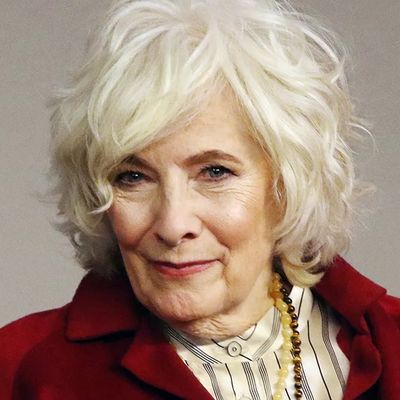
On this week’s episode, Jamie and Rob return to the world of famous (and infamous!) Broadway flop musicals with part two of our look at these flawed and fabulous gems. We investigate Dude(s), space travel, sequels, VAMPIRES and much, much more. And, we finish out the show with a bit more about “Carrie” from the legendary Betty Buckley.
This week’s music: “So Long Dude” and “Pears and Apples”, from “Dude”, “In A Little Town”, from “The Human Comedy”, “Movin’ Out” and “Well, I’m Not” from “Bring Back Birdie”, “But You Go On”, from “Annie 2: Miss Hannigan’s Revenge”, ”I’m Leaving Texas” from “The Best Little Whorehouse Goes Public”, “Overture”, and “Garlic” from “Dance of the Vampires”, “Who Will Love Me As I Am?” from “Side Show”,“Tell My Father” from “The Civil War”, “Everything Taboo”, and “Stranger In This World”, from “Taboo”, and “Eve Was Weak” from “Carrie”.
Find us on Twitter & Instagram: @fabulousinvalid
Facebook: www.facebook.com/fabulousinvalid
Rob’s reviews: www.stageleft.nyc
Email us at: info@fabulousinvalid.com
Jamie Du Mont
Twitter: @jamiedumont
Instagram: @troutinnyc
Rob Russo
Twitter/Instagram: @StageLeft_NYC
Jennifer Simard
Twitter: @SimardJennifer
Instagram: @thejennifersimard
Transcript
This transcript was automatically generated and might contain errors.
[0:19] Jamie DuMont: Welcome to the Fabulous Invalid, Broadway's podcast, where we present essential conversations with a curated roster of the best, most important, and innovative theater makers working today.
[0:29] Rob Russo: From actors to writers, directors, designers, and everyone in between.
[0:32] Jamie DuMont: We took our name from the title of a 1938 play by Kaufman and Hart that has since become a loving nickname for Broadway itself.
[0:39] Rob Russo: Always deemed on the verge of decline, yet always bouncing back, the fabulous invalid.
[0:43] Jamie DuMont: I'm Jamie DuMont.
[0:45] Rob Russo: And I'm Rob Russo, writer and theater critic with StagedLeft.nyc and Stage Left the Podcast.
[0:51] Jamie DuMont: Well, hello, Rob.
[0:52] Rob Russo: Hello, Jamie.
[0:54] Jamie DuMont: How are you?
[0:55] Rob Russo: I'm good. How are you?
[0:56] Jamie DuMont: Well, I'm great because it's part two of our flop show.
[1:00] Rob Russo: Yes, famous flops.
[1:02] Jamie DuMont: Uh, if you tuned in last week, we did our list of 10 different categories, but of course, we got through half of it because there's so much to talk about.
[1:09] Rob Russo: There is, and we have a lot to say.
[1:11] Jamie DuMont: Yes, well, of course, of course.
[1:13] Rob Russo: Um, so this week we're gonna pick up where we left off and uh continue with our list, uh, going through history of some famous flops.
[1:21] Jamie DuMont: Uh of course, last week we were joined by the incredible legendary Betty Buckley, who gave us the true story about Carrie, all the back story that you don't necessarily hear.
[1:34] Rob Russo: It was a real treat to hear from someone who was actually there because there's so much lore that's been built up around Carrie, and boy, did she deliver.
[1:41] Jamie DuMont: Yeah, well, and also Betty is so thoughtful. You know, she's so insightful and she has such a terrific brain, and her memories of what happened are so exciting and fun and vivid.
[1:53] Rob Russo: But also, she's just like such a thoughtful person. Like every word she speaks has great thought and meaning to it, and so I love talking to her. I could literally talk to her about anything.
[2:04] Jamie DuMont: Yeah, no, for sure. And we're gonna finish this episode with a nice bookend getting back to Carrie.
[2:10] Rob Russo: So you'll hear from Betty on this episode as well.
[2:13] Jamie DuMont: She comes back.
[2:14] Rob Russo: Oh, of course, of course.
[2:15] Jamie DuMont: Um, just like Carrie did.
[2:17] Rob Russo: The musical, not the...
[2:17] Jamie DuMont: Exactly, yeah, yeah.
[2:21] Jamie DuMont: We're with you.
[2:22] Rob Russo: Um, we're with you, Rob.
[2:22] Rob Russo: Yeah.
[2:22] Jamie DuMont: Uh so before we get there though, we're gonna finish our list.
[2:25] Rob Russo: So last week we talked about Allegro and Pipe Dream, the Rogers and Hammerstein flops, Steven Sondheim's Anyone Can Whistle and Merrily We Roll Along.
[2:34] Jamie DuMont: Kelly, which is a personal favorite of mine, and we finished with Breakfast at Tiffany's.
[2:39] Rob Russo: So those were the first four that we talked about, sort of categorically.
[2:44] Jamie DuMont: So let's move on to our fifth.
[2:47] Rob Russo: But before we do that, I think we need to address a tiny little elephant in the room.
[2:52] Jamie DuMont: Oh, yes, elephants.
[2:54] Rob Russo: Elephants.
[2:54] Jamie DuMont: I love elephants.
[2:55] Rob Russo: There was a little bit of chatter about our use of the word flop.
[3:00] Jamie DuMont: And I think it's just important to note that words have meaning, words have power. I don't mean to say that they don't.
[3:07] Rob Russo: But even though we're using the word flop and it has a negative connotation, we are coming at this from a total place of love, which I think everybody understands.
[3:14] Jamie DuMont: I mean, I think if you listen to how we talk about the shows, yes, I can be a little sassy at times about certain things. That's really just me being a dick.
[3:19] Rob Russo: But we love these shows, and even the shows that we didn't quite know about necessarily, like Kelly, Rob's new favorite show.
[3:29] Jamie DuMont: Um, these shows have great merit and we love them. And so this is not necessarily a takedown. It's just the word we use to describe a show that was not as successful as perhaps it could have been.
[3:43] Rob Russo: Yeah, absolutely. As I said on the first part of this episode, you know, the technical definition of a flop would be a show that doesn't make back its investment.
[3:52] Jamie DuMont: And by that logic, I mean, 80% of shows that are ever on Broadway would be flops, right?
[3:57] Rob Russo: So we don't mean any ill will.
[4:00] Jamie DuMont: Well, moving on to our fifth category, you know, we were debating whether or not this is my least.
[4:06] Rob Russo: Yeah, I this is this is gonna be hard for me.
[4:08] Jamie DuMont: But wow, carry on.
[4:10] Rob Russo: Well, Jerry Herman, uh, who of course we love and adore, um, and who we lost at the end of last year, um, you know, wrote Hello, Dolly! and Mame and La Cage aux Folles.
[4:19] Jamie DuMont: Um, but he also had a string of three flops, uh, Dear World, Mac and Mabel, and The Grand Tour.
[4:25] Rob Russo: And, you know, I thought, well, should we do something about Jerry Herman's flops?
[4:29] Jamie DuMont: Um, but since we had done an entire episode about Mac and Mabel when it was at Encores back in February, I thought we would pivot to another hit composer of the era who also had three very big flops.
[4:43] Rob Russo: You might be wondering, who is that?
[4:45] Jamie DuMont: Well, none other than Galt McDermott.
[4:48] Rob Russo: Now, Galt McDermott is not a household name like Jerry Herman or Steven Sondheim or any of the greats of musical theater, but he wrote a little show called Hair, that was obviously a huge, huge breakthrough success off-Broadway and then on Broadway in 1968.
[5:07] Jamie DuMont: Um, and you know, brought the rock sound to Broadway, which in the late 1960s, early 1970s, everybody was wondering, oh my gosh, show tunes are now no longer America's songbook. What are we gonna do? Is the theater gonna die?
[5:22] Rob Russo: So the proposed solution at the time for producers who I guess thought they were being savvy was to try to strike gold again and have Mr. McDermott pen a string of rock musicals, none of which were successful.
[5:39] Jamie DuMont: So he did do Two Gentlemen of Verona, which won Best Musical in 1972.
[5:45] Rob Russo: Um, so he was riding a high when later that fall, Dude came to Broadway.
[5:51] Jamie DuMont: So Long Dude is the first of the three Galt McDermott flops we will talk about briefly.
[5:56] Rob Russo: Uh Jamie's like just so bored right now.
[5:59] Jamie DuMont: This is basically a conversation of one, just so you know.
[6:02] Rob Russo: Wow.
[6:02] Jamie DuMont: Oh my gosh, the hatred you have, the hatred.
[6:05] Rob Russo: I so hate the score to Dude.
[6:07] Jamie DuMont: I will say I like the poster. I think that the poster sort of posters.
[6:11] Rob Russo: I do I do like that.
[6:13] Jamie DuMont: It was such a struggle for me to listen to this.
[6:16] Rob Russo: Um it has it's it's recorded, it's out there, you can hear it.
[6:20] Jamie DuMont: In a weird way, it's mildly pleasant.
[6:23] Rob Russo: Um it's it's not offensive. It doesn't, you know, it doesn't have, you know, Mary Tyler Moore saying, "God damn it, cocksucker" or anything like that.
[6:31] Jamie DuMont: But it's just after Hair, it's just hard to listen to this sort of recycled drek, is all I can say.
[6:42] Rob Russo: I know you'll leave.
[6:47] Jamie DuMont: So long, Dude.
[6:52] Rob Russo: I think a change sing is best for ye do.
[6:59] Jamie DuMont: I know you're gonna even this was an original story, an allegory about good and evil.
[7:07] Rob Russo: Um, you know, very much a product of its time. I'd love to know what everyone involved was doing in terms of recreational drugs.
[7:14] Jamie DuMont: The show had 16 previews and 16 performances at the Broadway Theater, which they had completely renovated.
[7:21] Rob Russo: They gutted and renovated the interior of the theater, cost $800,000 to create a circus-like arena in the Broadway Theater.
[7:30] Jamie DuMont: Um, and they filled the, you know, the floor with fake dirt and had these ramps and runways and catwalks and columns and trapezes and trapdoors, you know, to make this sort of immersive theatrical experience, which in 1972, you know, was rather ahead of its time.
[7:44] Rob Russo: The overall effect of the entire thing was that you were sort of witnessing this like circus being performed in a primeval forest.
[7:51] Jamie DuMont: Um, you know, instead of having orchestra seats and mezzanine seats, you would sit in the valleys in the foothills or in the mountains and the mountaintops, right?
[7:59] Rob Russo: Uh again, very, very 1972, uh spacey.
[8:04] Jamie DuMont: Um and you know, it was a huge flop, right?
[8:07] Rob Russo: I mean, completely ripped apart.
[8:09] Jamie DuMont: Um, Ken Mandelbaum in his book said that it was perhaps the most incomprehensible show ever presented on a Broadway stage.
[8:48] Rob Russo: It lost one million dollars, but I guess the silver lining of the entire thing is that that renovation of the Broadway Theater paved the way for Hello, Princess's Candide in the round.
[8:59] Jamie DuMont: Um, so I guess we can thank the failure of Dude for the success of Candide, which would follow, I think in 1974.
[9:07] Rob Russo: And it did have Nell Carter.
[9:08] Jamie DuMont: So it had Nell Carter.
[9:10] Rob Russo: I'm always here for Nell Carter, and I'll be very supportive of that.
[9:14] Jamie DuMont: But totally, but totally.
[9:15] Rob Russo: Well, just as his luck would be, five weeks later, literally five weeks after the closing of Dude, right, in November 1972, Mr. McDermott had a second musical open on Broadway called Via Galactica.
[9:28] Jamie DuMont: I mean, they just get worse.
[9:29] Rob Russo: It just gets worse and worse. If you thought Dude was weird, this is a futuristic story of social outcasts living on an asteroid in the year 2972.
[9:38] Jamie DuMont: Among them, a space sanitation man who collects trash in a clamshell-shaped garbage ship called the Helen of Troy.
[9:47] Rob Russo: What?
[9:48] Jamie DuMont: The hell.
[9:50] Rob Russo: I mean, it's just unbelievable.
[9:53] Jamie DuMont: It was another one of the first musicals to lose more than a million dollars.
[9:56] Rob Russo: Well, they deserved it.
[9:57] Jamie DuMont: I have to say, this one, they deserve to lose every penny that they...
[9:57] Rob Russo: Let's not be mean, let's not be mean.
[10:02] Jamie DuMont: It was one of the first entirely sung-through American musicals.
[10:06] Rob Russo: Um, much like Dude, it was considered to be rather incomprehensible by audiences and critics alike.
[10:12] Jamie DuMont: The set consisted of seven trampolines to simulate the weightlessness because they were in space.
[10:17] Rob Russo: There were laser beams, there were flying spacecraft.
[10:21] Jamie DuMont: Um just a hot, hot mess.
[10:24] Rob Russo: There is no cast album, and probably for good.
[10:27] Jamie DuMont: Um, but fun fact it was the first show to open at the Euris Theater, which of course is now the Gershwin Theater.
[10:34] Rob Russo: Uh, and the original title of the show was not Via Galactica, but rather Up with an exclamation point.
[10:40] Jamie DuMont: Um, and they decided that they needed to change the title of the show when they saw the marquee would read up Urus Theater.
[10:50] Rob Russo: So on that note, I think we should move on to our next show.
[10:54] Jamie DuMont: Well, yes, yes.
[10:55] Rob Russo: The third and the triple crown of Galt McDermott flops actually came about a decade later.
[10:59] Jamie DuMont: Uh, it's called The Human Comedy.
[11:01] Rob Russo: This is 1983.
[11:03] Jamie DuMont: Uh it's an adaptation of a novel, uh sort of a coming-of-age story about a young boy and a telegram messenger who is exposed to the sorrows and the joys experienced by his family and the residents of his small town during World War II.
[11:19] Rob Russo: Premiered at the Public Theater, actually.
[11:21] Jamie DuMont: Joe Papp was behind this project, had 79 performances, opened to rave reviews.
[11:26] Rob Russo: Frank Rich, the New York Times, loved it.
[11:28] Jamie DuMont: And then it transferred to the Royale Theater on Broadway, where it ran a whopping 13 performances in 1984.
[11:36] Rob Russo: And, you know, an interesting thing about that is at the time, um, the New York Times had a policy that its critics, if you reviewed a show off-Broadway, you didn't get to re-review it when it transferred.
[11:47] Jamie DuMont: Now, of course, that's different today.
[11:49] Rob Russo: And in fact, when we talked to Ben Brantley, he pointed out that not only does it get re-reviewed, but the same critic has the option to re-review it, right?
[11:57] Jamie DuMont: That the preference is actually that the same critic gets to re-re-review it.
[12:01] Rob Russo: So unfortunately, The Human Comedy was robbed of a re-revisiting by Frank Rich and uh sort of petered out.
[12:09] Jamie DuMont: It's a fascinating show. There is actually a cast recording of the full thing.
[12:14] Rob Russo: There are 86 songs in the show.
[12:18] Jamie DuMont: It is completely sung through.
[12:21] Rob Russo: And you know, it's sort of like a folk opera.
[12:23] Jamie DuMont: I mean, and it's not sort of, it is.
[12:24] Rob Russo: It's a folk opera.
[12:26] Jamie DuMont: There's no real book, it's all sung through.
[12:28] Rob Russo: And you know, the approach that worked probably was charming in the East Village at the Public Theater of having, you know, sort of no scenery except for, you know, projections, ended up not really transferring to Broadway, right?
[12:40] Jamie DuMont: Where you're in a huge house that has, you know, a gravitas to it, and then, you know, the show just felt rather small and sort of cheap for lack of a better word.
[12:49] Rob Russo: And it hasn't been seen since. You know, there was a staged reading at the York Theater in 1997, but that's it.
[12:54] Jamie DuMont: So justice for The Human Comedy.
[13:06] Rob Russo: Not famous for any way.
[13:09] Jamie DuMont: Not famous for it, not famous for it, not famous for any way.
[13:17] Rob Russo: Well, you know, Galt, lightning doesn't strike twice.
[13:21] Jamie DuMont: Yeah, well, it did, it did.
[13:22] Rob Russo: He wrote Two Gentlemen of Verona, which was, you know, a huge hit.
[13:26] Jamie DuMont: Um, doesn't strike a third, fourth, fifth, sixth time, as we learned.
[13:32] Rob Russo: You know how I feel about Two Gentlemen of Verona.
[13:35] Jamie DuMont: So I do, I do, and it's it's a crying shame.
[13:38] Rob Russo: I'm not a fan of that show.
[13:39] Jamie DuMont: In fact, that show makes me angry, but wow.
[13:42] Rob Russo: That's wow.
[13:42] Jamie DuMont: Okay, well, let's move on then to a category that Jamie's so excited for his cockles are warm for our next group of sequels.
[13:54] Rob Russo: Speaking of lightning not striking twice, yeah.
[13:59] Jamie DuMont: So category six are three or four, depending on how you put it, musicals that were all sequels to other musicals.
[14:08] Rob Russo: Now, this idea has a really, really spotty history. I mean, I don't think there's a single example of a musical sequel that was actually successful.
[14:16] Jamie DuMont: Um, the first one being, of course, Let Them Eat Cake, which was a sequel to Of The Ice Sing.
[14:20] Rob Russo: Um, Divorce Me Darling, which I'm sure you've never heard of, I had never heard of it, was a sequel to The Boyfriend.
[14:26] Jamie DuMont: Um, and of course, you know, there is Love Never Dies, which is a sequel to The Phantom of the Opera.
[14:31] Rob Russo: Um, if I've learned one thing from doing research for this episode, sequels are terrible ideas, there's no reason.
[14:41] Jamie DuMont: So we're gonna talk about three sequels right now. We're gonna talk about Bring Back Birdie, we're gonna talk about The Best Little Whorehouse Goes Public, and we're gonna talk about the duo of sequels, the twins, Annie 2: Miss Hannigan's Revenge, and Annie Warbucks.
[14:58] Rob Russo: The titles alone are making me cringe.
[15:00] Jamie DuMont: Well, well, here's the thing. I spent a lot of time in this world this week. And the same thing is true of all of them. You know, and this is not a I'm not making a huge revelation here. They all try to recreate the success of their more famous parents. And by doing that, what they always do, all three of these shows basically follow the same format as the first show, very, very badly. In fact, Bring Back Birdie is the most sort of the most heinous in that department. They literally do a telephone hour, which is called Movin’ Out.
[15:45] Rob Russo: Hey, Julie.
[15:47] Jamie DuMont: Hey, Jenny, you know what?
[15:50] Rob Russo: No.
[15:50] Jamie DuMont: What?
[15:51] Rob Russo: I'm moving out.
[15:53] Jamie DuMont: Moving out. I'm 16. Now when it's time to go, I'm gonna live with Gary because I love him so.
[16:01] Rob Russo: Hey, Gary baby. How you been?
[16:03] Jamie DuMont: Well, I found this loft and Jenny's moving in.
[16:07] Rob Russo: You're leaving home.
[16:09] Jamie DuMont: Yeah!
[16:10] Rob Russo: All right!
[16:14] Jamie DuMont: Movement out! Moving out! The children are moving out, and the jungle gym in this is suspended television monitors that hang from the rafters and everywhere. I mean, it's just it's it's beyond comprehension. I think we should probably like particularly with Bring Back Birdie. I think we should give a little bit of the plot, which is um it's now 20 years later. Albert and Rosie have moved to the suburbs. He is an English teacher, she is a housewife, their kids are grown up, right? So now their kids are the roughly the same age as the two kids in the first one, but it's 20 years later, times are different. It's the early 80s, and in this one, they decide that they need to find Conrad Birdie, who has disappeared for 20 years, and bring him back so that they can win a fortune of 20,000, I think it is. And that's the premise of the show. So it's basically the exact plot, only very badly done.
[17:29] Rob Russo: Sometimes we hold that too far, bye bye, bye, bye, bye Jenny, bye Gary, bye bye.
[17:43] Jamie DuMont: And in this one, the young boy, their son, he wants, he joins a punk rock band, and the girl, the teenage girl who is about to move out, this song Movin’ Out is basically her, this she's I think 16 years old, and she's gonna move in with her boyfriend. But she doesn't move in with her boyfriend, she joins a cult. I mean, the thing is just a mess. My favorite part about Bring Back Birdie is that when they finally find Conrad, he's now overweight, and he's the mayor of some town in Arizona, and yet he still has, even though he's a good 40 pounds heavier, he still has a Gold LeMay jumpsuit. And it fits. And it fits. Doesn't everyone have a custom Gold LeMay jumpsuit in their closet? I mean, I know I do.
I suppose if that's your thing, then that's what you have. Well, the show did not go out of town because of that complicated TV set, literally set, set, the TV set that you were talking about, um, which of course was fatal, as is usually the case here. Um and it closed at the Martin Beck Theater after only four performances.
[19:00] Rob Russo: Well, Dick Van Dyke was smart enough to stay away from this one. I will say, and this is a testament to the great Chita Rivera. Um, because this album exists. You can hear the score, parts of it are on YouTube. In fact, I think the whole thing is on YouTube, but there's varying degrees of quality footage on YouTube that you can see. So you can get a sense of what the show was like. However, if you listen to the album, even with this middling score by the original, by the original team, right? Um uh Lee. Jackson Lee. Yeah. Uh Adams, uh, Lee Adams, and Charles Strouse. Um Chita Rivera is given second, third rate material, and she makes it sing. And it's the same thing. She, you know, in Bye Bye Birdie, she has Spanish Rose, right?
In this, she has a song that's very similar. And it's not good, but she sells it. She really makes it work. He thinks that I'll collapse. Well is wrong. I've been under racks for way too long. Thinks I'm gonna miss his silly friend a lot. That's a laugh. And a half. Thinks I'll never fit. Thinks I'm gonna quit. Well I'm not. Well I'm not, well I'm not, well I'm not.
[20:20] Rob Russo: She was nominated for a Tony Award. The show ran four performances, and she still got a Tony Award nomination. So that, you know, that really says it all.
[20:27] Jamie DuMont: Yeah, well, you know, there's there's nothing she can't do. Um, I will say, and then we can we can move on. Um, there is a funny moment where they finally get to the Arizona town and they meet this mayor, and they're looking for Conrad Birdie. And they realize in the conversation that they are talking to Conrad Birdie. He's just older and fatter. Um, he then sings a song called Never Go Back. And I thought, wow, if they had only followed their own advice, right?
[20:58] Rob Russo: Yeah. Well, not only uh let's let's let's let's go chronologically. So not only did Charles Strouse go back with Bring Back Birdie, he went back with Annie.
[21:09] Jamie DuMont: Oh well, this is less troubling to me because I actually like this score.
[21:16] Rob Russo: I actually like Which one?
[21:18] Jamie DuMont: Well, I guess it's the same, right?
[21:20] Rob Russo: Well, it is and it isn't. So um so Annie too. Annie 2: Miss Hannigan's Revenge actually has um uh I believe it has a studio recording, right? And I think that's the recording where Carol Burnett serves as sort of a narrator for the story. It also the what would become the seek what would become the revised version of Miss Hannigan's Revenge, Annie Warbucks, has a spectacular cast recording, right? And and and that's the show that they got to a place that many people agree was a pretty good place. So the history of the show is they decided to capture the success of Annie. And I believe on the closing day of the original production of Annie in 1983, Martin Charnon announced from the curtain speech that they were going to do a sequel, right?
So it was it was something that that happened fairly quickly after the show closed. Um, and it was a disaster. I mean, the whole the whole plot is is basically Miss Hannigan has decided that she's gonna seek revenge on Annie and Oliver Warbucks, but her motivations are are very questionable because why? Why she really they didn't wrong her, right? She was she was part of her brother's scheme to defraud them, but really Annie never did anything to her, and Oliver Warbucks never did anything to her. So the whole motivation for her is is skewed.
[22:45] Rob Russo: There's also this very implausible plot line where um they're trying to take away Annie from Oliver Warbucks by saying that a single father can't can't keep her, right? Can't keep an orphan, so he must get married. And so Miss Hannigan, she disguises herself to fool Oliver Warbucks into marrying her. Now, this all happens fairly soon after the action of the first story ends. So he doesn't recognize, even in a makeover in a wig, that it's it. Well, that's that's why this closed out of town uh in DC in 1990 and never came to me. And I will say, there is again, I have a I have a soundboard recording of Miss Hannigan's Revenge, and there's a lot wrong with it. There's a moment in the first act where um the Miss Hannigan character played by Dorothy Loudon is explaining her hard luck life to Oliver Warbucks.
She's disguised as this woman, um, and she sings this marvelous song called But You Go On. Uh, and it basically talks about all the terrible things that have happened to her. And in that moment, Dorothy Loudon is so brilliant and so moving, and it's just it's it's such a stunning, stunning performance. So much so, and in in the soundboard recording, you can hear the audience turning on the I mean you people you can hear the restlessness, you can hear that people are not enjoying it. However, when she finishes that song, she gets a round of applause that goes on for 48 seconds. Now that's a long time.
[24:24] Rob Russo: Yeah, that is a long time. Take America for sure. Take your take your phone and clock 48 seconds. That's a long time for a round of applause.
[24:34] Jamie DuMont: Life is full of scrapes. You live, you'll learn, but you go on. Yes, some go on. Solely guts and nerve and smoke. Return. So you bought. Mr. Warbucks, thank you for this chance. I really hope you find your perfect swan. But if there isn't a flower in the bunch, well, you're the kind who can roll with any punch. Yes, I've got a hunch. You'll go.
[25:33] Rob Russo: Yes, yes, just like me. You will go.
[25:44] Jamie DuMont: Well, as you know, it's like it's like Betty Buckley and Carrie, right? You know, in the middle of a show that has all sorts of problems. These, you know, Titanic performers can deliver, right? Can show why they are who they are, or like Chita Rivera getting a Tony nomination for a show that ran four performances, right?
[26:01] Rob Russo: Well, I think it's I think it's part and parcel of what we were talking about. They these shows, as flawed as they are, they all have things about them that live on. They have absolutely they have moments, you know. Miss Hannigan's Revenge, as we said, would later become Annie Warbucks, which was successful and did have a uh it was a critical Broadway. Ran off Broadway, it got good reviews, it was supposed to move to Broadway. They ran out of money or didn't couldn't raise the money. Um, but that recording exists, and you can you can you can actually hear how they changed it and how it could have worked, but it's still a terrible idea.
[26:39] Jamie DuMont: Well, speaking of terrible ideas, you don't exactly look like the type to run a girl store.
[26:48] Rob Russo: That's why I need you. As my head consultant, I'll pay you 5% of the gross, and here's your first class ticket, Dallas to Las Vegas. The Best Little Whorehouse Goes Public. This did play on Broadway in 1994 for a whopping 16 performances at the Lenfontaine Theater. Jamie, what can you tell me about The Best Little Whorehouse Goes Public?
[27:10] Jamie DuMont: Well, I can tell you again, it's a continuation of the story. It's I believe they jump a few years. It's Miss Mona again. What's interesting about now this this time Miss Mona has decided to move the operation to Las Vegas because she really because she's told that prostitution in Nevada is legal. Legal. Yeah. Which is not untrue. Um, however, what's interesting about this story is that it was inspired by a real life woman, Jerry Copa, who was a bank trustee who in the um early 80s became a madam and ran a brothel. Um and and so it's fascinating that they they thought this would be a good idea for the continuation story for for Miss Mona. Um it's really icky. And it's really, it's it's the early 90s now, so we're at the height of the AIDS epidemic, and we're doing a show about prostitution. It just everything about it felt uncomfortable. Talk about being tone deaf and the wrong time and place for something.
[28:24] Rob Russo: Yeah, yeah. I've, you know, Bob Mackie did the costumes, and I've watched some of the footage, and it all just looks like a disaster. You know, it doesn't even look good as a show.
[28:36] Jamie DuMont: Yes, because it's all neon and it's very 80s, and there's lots of like there's lots of dry ice and smoke everywhere. I will say the costumes, and there's an infomercial. So this is interesting about the show. They did what they call the first ever infomercial about a Broadway show. And there's a about a 40-minute video of sort of the making of The Best Little Whorehouse Goes Public. And in that, you see a quite quite a bit of Bob Mackie and the costumes. I think they're actually kind of great, but they're they're they're tacky. They're tacky. They're they're they're they're they're but I there's a there's a certain cleverness to them. What I found was so incredible about this this infomercial is just how times have changed. You watch this infomercial and they just objectify these women.
[29:25] Rob Russo: Oh yeah. And it's really like it's just me too, me too. In fact, Bob Mackie says, Tommy Toon doesn't hire four foot nine chunky girls.
[29:35] Jamie DuMont: Now I love Bob Mackie. He's a genius, and I don't think he meant anything malicious about it. You know, the times were different. That doesn't make it right. I'm not excusing his behavior, but it's just so shocking that, you know, to look at that through today's lens is hard. They also, their ticket number to buy tickets was 1-800-BROTHEL. You could never do that today. Classic. Now, remove all the ickiness away. Something that's fascinating about Best Little Whorehouse Goes Public is the producer, Terry Childs, removed all of the seats from the Lunt-Fontaine Theater at her expense and actually put a rake in and staggered the seats and made more comfortable seats, which the theater owners did not pay for.
She did. And that was a selling point of the show. So interestingly enough, like who doesn't like a comfortable seat? Who doesn't like a good rake? Who doesn't like staggered rows? All that's great. But when your number one selling point of the show is the seats and not the actual show, you have a problem.
[30:47] Rob Russo: Goodbye to good old boys, sucking all their long neck beers, gallery hanging out like me. Goodbye to listen to them sing about their moments. Holly tree, no wives and sweetheart just like dogs. And the truth is I can't wait to. So near rattlesnakes, horny toes, old dead sounds on fucking ropes, all in size, polypaws, Santa Pete and Pickle Dogs. Now for someone here's this song and next us.
[31:17] ♪ Musical number: "I'm Leaving Texas" — performed by Rob Russo ♪
[31:40] Jamie DuMont: Let's hope that we never see another sequel to a musical on Broadway. You know, the thing that strikes me about why sequels don't work, and we've just talked about three or four examples, what comes to mind is actually a quote from George C. Wolfe, the great director and writer. He once quipped that film is about story, TV is about characters, and theater is about ideas. And to me, the reason that these sequels don't work is that they're trying to serialize something. They're trying to make theater be about characters or about stories when what theater is about is ideas, and all they're doing is just presenting the same idea, and that's why they don't work.
[32:28] Rob Russo: Very true. Wisdom, wisdom from George C. Wolfe. Well, moving on to our seventh slot, we put in Sideshow from 1997, which, you know, obviously is one of the more, I guess, celebratory stories we could tell here because, you know, the show opened, played 91 performances in '97 and closed, but then, you know, received a revival that was in D.C. and then came to Broadway in 2014. It was not necessarily successful; it only ran 56 performances. It ran shorter. But it's the only show on our list of flops that did have that second chance that we kind of wish most, if not all, to have. And I saw the 2014 version. I didn't see the '97 version, although I'm obsessed with that cast album. And I have to say, I really enjoyed the revival.
I thought it was a terrific show. I mean, I could understand why, you know, substantively, right, in terms of subject matter, it might not be everyone's cup of tea. You know, to see a musical about conjoined twins. But I find that there's a lot to really love in Sideshow.
[33:45] Rob Russo: I agree with that. There's a lot to love in Sideshow. And I agree with the fact that the revival was very successful and addressed most of the problems of the '97 original version and fixed them. I saw the '97 version more than once. It's awful. It was terrible. It was a bad show that had a lot of really good things in it. And some of those really good things, Norm Lewis was phenomenal. The women were exceptional. The cast, Alice Ripley and Emily Skinner, they were, I mean, that was like an event. But the material just didn't live up to this incredible cast. It also had a look, you know, it definitely had a look. It definitely lived in a world that was very consistent. All of those things. There was a lot to admire about the original Sideshow.
And it's certainly, you know, not unlike Wicked strikes a chord with a certain demographic, and you know, these shows get into our veins, particularly the less successful ones. We'll talk about one a little bit later that did that for both you and I. However, it isn't a good show. And so what's remarkable to me about this is that they really did fix it so many years later. They really did figure out, they found the show I think they were trying to do initially, and for whatever reason they didn't get there. But they did get there. It's a great score. It's a really good score.
[35:25] Jamie DuMont: Send me flowers or an Hell and Rail. Who could probably stand beside me? Who will love me?
[36:10] Rob Russo: Well, yeah, I mean, it's an incredible score. I mean, Henry Krieger, who wrote the music to Dreamgirls, you know, wrote the music here, and then Bill Russell, you know, wrote the book and the lyrics. You know, Bill Condon, the director who made the film of Dreamgirls, I have to imagine that's what sparked his interest in working with Henry Krieger and Bill Russell on Sideshow. He is the one who sort of spearheaded that revival in 2014. And I have to say, I mean, it felt very cinematic on stage. It was really, it was a really—I mean, I'll never forget the opening of that show, that revival in particular. The way it was staged was absolutely stunning. I mean, one of those tableaus that I'll never forget.
[36:56] Jamie DuMont: Well, speaking of tableaus, moving along to our eighth slot, 1999 saw the arrival and quick departure of The Civil War.
[37:06] Rob Russo: Well, musical by Frank Wildhorn.
[37:08] Jamie DuMont: Yeah, that Jamie has a lot of feelings about.
[37:11] Rob Russo: Well, I so I worked on this show. I've joked on this show before, and I think it's even in my bio on our website, that I had a very lovely string of flops in terms of the shows that I worked on on Broadway in the '90s. And this was one of them. And I will say this was a show that was much better in many ways than it got credit for. I think, you know, Frank Wildhorn, I think is a terrific composer. He writes, he's written some really fabulous songs. You can say what you want to about Jekyll and Hyde, you can say what you want to about Wonderland. But the man can write a tune. And this score for The Civil War is actually quite good. There's no cast album; there's just the concept album. And the problem I think with The Civil War is that it really isn't a musical; it's really a concert.
And there's no real story or idea here. And if there is, as someone who worked on the show, I can't tell you what it is. So that's a problem right there. I mean, yes, it is a story about the Civil War. There's a through line of a soldier going off and leaving his girl and, you know, all of that stuff. But it really was muddled, and it had this terrific score and this great cast, Beth Leavel, Capathia Jenkins, Matt Bogart. I mean, there were some really talented people on that stage. But it just—and it was directed by Jerry Zaks. I mean, the man is a genius, but it lived in two worlds of being a concept album/slash concert sort of thing, and then this Broadway musical. And they never figured out a way to make the two come together.
[39:03] Rob Russo: All that said, it was nominated for Best Musical.
[39:06] Jamie DuMont: Yeah, I think it might be the only musical on this list that was nominated for Best Musical. And it had a tour, you know, in the year 2000. It played 61 performances at the St. James Theater on Broadway. Sort of came and went. But, you know, it did have a tour. And it's always something that's fascinated me. I loved the art for this show. It was a great, great poster, great, you know, ad campaign that they did. But it's never really done, or maybe it's never done at all. You know, in fact, Manhattan Concert Productions had announced that they were gonna do it as part of their annual, you know, they do an annual concert at Lincoln Center. And they announced it, and then a couple weeks later they replaced it with Jekyll and Hyde, another Frank Wildhorn show.
So, you know, I was excited that they were gonna do it. You know, because it's something that I've never seen, and I don't know how many people have. And it seems like it might be worth revisiting at some point, especially given the story and, you know, how in many ways we haven't gotten over the American Civil War.
[39:58] Rob Russo: And you know, might never.
[40:25] Jamie DuMont: Tell my father, so he'll know. I love him so well at the time in 1999, you know, Frank Wildhorn, you know, hot off of Jekyll and Hyde and The Scarlet Pimpernel, became one of the few composers ever to have three shows on Broadway at the same time, you know, following Jerry Herman and Stephen Schwartz. So, you know, The Civil War was a big deal when it came to Broadway, and it's just sort of kind of faded away and no one ever really talks about it. That's why I was excited when you added it to the list because I thought, yeah, let's talk about The Civil War.
[41:07] Rob Russo: Well, you know, because for that reason alone, it was a huge flop. It was, you know, it was one of those shows that everybody wanted to rip apart, not unlike Sideshow. You know, that was another show sort of reveled in its failure.
[41:24] Jamie DuMont: Yeah, and it had a huge cult following. And The Civil War, to a certain extent, had a bit of a cult following. If you watch the performance that they do on the Tony Awards, when they come out, the audience goes crazy for it. They get a huge ovation. And I think there's a reason for that. And I think getting a nomination, but also the fact that Frank Wildhorn was such a thing in the late '90s, such a thing. And we rarely hear from him.
[41:56] Rob Russo: Well, we're gonna hear from him in another minute with our next category. Should we move on to it?
[42:02] Jamie DuMont: And now we get to something I'm dreading and can't wait for.
[42:07] Rob Russo: Yes, category number nine, vampires. In the early 21st century, there was a strange fascination with vampires on Broadway. Every other season from 2002 to 2006, there was a new vampire musical. Starting with Dance of the Vampires and then Dracula and then Lestat. They were all big flops. Why? Why? Why? If there's one thing worse than doing a sequel, that would be doing a vampire musical.
[42:46] Jamie DuMont: A vampire musical.
[42:47] Rob Russo: Yeah, well, you know, it's interesting. Hal Prince has talked about this before. How attempts to musicalize gothic stories on stage have historically not worked. And in fact, you know, The Phantom of the Opera is a bit of an outlier with its success, given the genre, right? And I think that is, you know, that's due to a lot of things, of course. You know, obviously it had Andrew Lloyd Webber's score and Hal Prince's vision behind it, right? But in terms of the substance of the story, you know, putting a gothic tale on stage, it kind of never works. And Dance of the Vampires has always held a very special place in my heart. I saw it a couple times during its brief run in 2002. And it had a bit of a rocky road to Broadway, as a lot of these shows do, but it premiered in Austria in 1997 and then was done in Germany in 2000.
It's a musical adaptation of the Roman Polanski film The Fearless Vampire Killers, which, you know, follows a professor and his assistant attempting to prove the existence of vampires in Transylvania, and the Count von Krolock, you know, being sort of the guy that they're after. And, you know, it was sort of this perfect oddity in Europe that was tremendously successful. Music and lyrics by Jim Steinman, who, you know, despite his bona fides from the rock world, actually, you know, started in the theater.
[44:24] Jamie DuMont: He was a protege of Joe Paps at the public theater in the 1970s. And that's where he really sort of cut his teeth. So it's not to say that there isn't craft behind this show. I think there's actually a tremendous amount of craft. What happened along the way was just a complete unraveling of what this show actually is or ought to be.
[45:09] Rob Russo: And by the time it came to Broadway, it had been completely rewritten as sort of a like Mel Brooks style, campy body comedy. I don't know. But the producers got nervous and they brought in, you know, a new book writer, David Ives, who is, you know, an acclaimed dramatist. And the thing was completely at war in itself.
[45:34] Jamie DuMont: I can report firsthand, having seen it a couple of times, that, you know, they had this like very sensual and gothic score and design, and then these like comedy moments, or like, you know, this rather, you know, kind of sophomoric humor that was built into it. And then, of course, at the top of all of this was Michael Crawford making his return to Broadway 15 years after the Phantom of the Opera, and he was so hellbent on making sure that his characterization of this character, Count Von Krolak, wouldn't be compared to his performance in Phantom of the Opera, that he put on this like ludicrous accent, and you know, it's just the whole thing is one giant hot mess.
[46:51] Rob Russo: A whopping 56 performances at the Men’s Goth Theater. One of the worst things I have ever seen in my life. Wow. Without question. And I, um, you know, I was drinking in those days, and I was reminded, my husband reminded me of this, um, the other morning. I thought we had seen it together, but I saw it with my friend Ash, and apparently, uh, my husband reminded me of this. We went to a place called Ariba Ariba, which is a very popular Mexican restaurant on Ninth Avenue, and we had these oversized margaritas, and we must have had too many of them because I was very drunk.
[47:28] Jamie DuMont: Um, I don't I can't speak for mouse, but I was very, very intoxicated. So I don't really remember a lot of it. I remember that it was like I remember laughing at it, but not in the ways that they wanted me to. So I revisited it, um, yesterday. I watched it online, and um, there's a fairly decent recording of it. And I have to say, um, I was not wrong. Um, even in my, even in my, um, in my alcoholic stupor, um, my reaction was appropriate.
[47:57] Rob Russo: It's at war with itself, as you've mentioned. It's a great spiritual descendant of Carrie.
[48:02] Jamie DuMont: Yeah.
[48:03] Rob Russo: It's sort of the same story, right?
[48:04] Jamie DuMont: Absolutely.
[48:05] Rob Russo: And there's some quite, some of the music's quite good, but it's hard to enjoy any of that because it's just wrapped up in just this excess of crap. But it does contain a really fun and memorable song called Garlic, uh, which it comes early in act, uh, one, sort of introduces the townspeople as you know, as you're wont to do in a musical comedy.
[48:33] Jamie DuMont: Um, and I've always found it to be quite catchy. Uh, but the lyrics kind of sum up everything that was wrong with this show. And I believe, Jamie, you wrote some of them down so you could read them to us.
[48:46] Rob Russo: I did because it was dramatic reading. Because I couldn't believe it. Um, not to mention that the whole time they're singing this song, they're sort of like doing a hokey, oh not a clog dance, but it's a very energetic dance moment too, and very movement heavy. And everything's accentuated with a Dance of the Vampires, you know, you gotta have some dance.
[49:09] Jamie DuMont: Right, but everything's accentuated with like a, you know, with like an arm swing, and it's, it's anyway. Here we go. Garlic garlic, the secret of staying young. Garlic garlic, that's why we're so well hung.
[49:25] Rob Russo: What?
[49:26] Jamie DuMont: Uh, what?
[49:28] Rob Russo: That's that sophomoric humor, you know.
[49:32] Jamie DuMont: I mean, I, I don't, I can't even read any more of it. The secret is staying home. Talking that's why we're so well home. The song is getting stronger.
[49:45] Rob Russo: We're calling on your tongue.
[49:47] Jamie DuMont: We're gonna toe.
[50:14] Rob Russo: It just reminds me of Carrie, you know, out for blood, right? It's a simple little gig. You help me kill a pig, right? You know, just certain lyrics that are so bad, but are also just so great because they're so bad.
[50:28] Jamie DuMont: Um, moving on, unless you have anything more to say about Dance of the Vampires.
[50:32] Rob Russo: No, I wish we had said less.
[50:34] Jamie DuMont: Yeah, well, speaking of Frank Wildhorn, uh, Dracula, Dracula the Musical, uh arrived on Broadway in 2004. It actually had, you know, a sa a pretty lengthy run. This is one of the ones that violates our hunched performance rule. It ran 157 performances. Did you see Dracula?
[50:49] Rob Russo: I did see Dracula.
[50:51] Jamie DuMont: Okay. What did you think of it?
[50:53] Rob Russo: We don't have to, we don't have to tell the story, right? Everybody knows the story of Dracula.
[50:57] Jamie DuMont: Well, yeah.
[50:59] Rob Russo: Of course, yeah.
[51:00] Jamie DuMont: Um, but it was one of the worst things I've ever seen in my entire life. I mean, it was wholly unremarkable, right? I mean, that to me is what I remember most about it is how little there was to remember about it. Tom Hewitt played Dracula, um, Melissa Erico was in it, uh, Kelly O'Hara was in it.
[51:15] Rob Russo: I remember at the time there being a lot of sort of like word on the street about the fact that Kelly O'Hara at one point was like topless, right? And that was so scandalous that there was a topless performer on Broadway. And I was so bored while what while seeing this musical that I remember after it ended, I was like, oh, there was all that hubbub about someone being topless. Did that happen?
[51:37] Jamie DuMont: And everyone around me was like, yeah, what are you talking about? You missed it?
[51:41] Rob Russo: I was like, yeah, I guess I was just so bored that I missed the, you know, the infamous topless moment in the show. I saw the show on a student ticket. I think I paid $20, literally $20, because you could get a student ticket for $20 in 2004. I sat in the balcony of the Belasco Theater, which, if you've ever sat in the balcony of the Belasco Theater, it is high up.
[52:03] Jamie DuMont: And uh the seats are not particularly good.
[52:06] Rob Russo: Um, it's like the Lyceum is a terrible balcony. Um, but from where I was sitting, we could see all the traps in the floor of the set, right? So there were all these scenes, the way it was staged, where these doors would sort of fly up, right?
[52:21] Jamie DuMont: Um, from the floor, and all these things would come up from the floor, but we would watch the trapdoor just slowly open in preparation.
[52:29] Rob Russo: So none of it was thrilling or shocking or surprising. It was just so hokey.
[52:33] Jamie DuMont: Well, as somebody who sat in house seats, uh, in fact, I think I believe I believe I sat next to Jerry Orbach and his wife.
[52:40] Rob Russo: Yeah.
[52:41] Jamie DuMont: It's no better down, no better sitting in E on the aisle.
[52:48] Rob Russo: I can promise you that. Um, I will say it did, it had a good look to it. It was a very bland score. I found the score very bland. Kelly O'Hara was not Kelly O'Hara at the time. She was sort of new to the scene.
[53:00] Jamie DuMont: Right, it's 2004. She was new to the scene. I think I remember thinking, oh, this lovely, this poor lovely girl, right? Stuck in this track. Melissa Erico was known, obviously. She was a star.
[53:12] Rob Russo: Um and she was marvelous. I will say she was really wonderful. And Tom Hewitt was fine, but again, it was everything was underwritten. Nothing was, nothing was well done.
[53:20] Jamie DuMont: It did have a good look to it, but I can't tell you what that was.
[53:26] Rob Russo: And everything flew. Everyone flew, right?
[53:27] Jamie DuMont: There was a lot of flying.
[53:29] Rob Russo: A lot of flying.
[53:30] Jamie DuMont: Yeah.
[53:31] Rob Russo: Why are they flying?
[53:32] Jamie DuMont: Why is everyone flying?
[53:35] Rob Russo: I don't know.
[53:37] Jamie DuMont: Yeah, there was one scene in particular, I, I that's now just coming to memory where they were like riding a carriage.
[53:44] Rob Russo: Do you remember this?
[53:45] Jamie DuMont: I do, yes.
[53:46] Rob Russo: Yes.
[53:46] Jamie DuMont: Now that you're and all the stuff kept flying by them.
[53:50] Rob Russo: Yes.
[53:51] Jamie DuMont: Yes.
[53:51] Rob Russo: Again, more things flying.
[53:54] Jamie DuMont: I remember people flying out of graves at one point.
[53:57] Rob Russo: It just hot mess.
[53:59] Jamie DuMont: It was a hot mess.
[54:00] Rob Russo: And um, and there it is.
[54:03] Jamie DuMont: Well, the curse of the vampires, uh, on Broadway ended, at least for now, in 2006, with Le Stat, which was a musicalization of the Anne Rice character, um, set, um, you know, in from France to New Orleans in the 18th and 19th centuries.
[54:22] Rob Russo: Um, music by Elton John, lyrics by Bernie Taupin, his longtime collaborator.
[54:28] Jamie DuMont: I did not see this show.
[54:29] Rob Russo: Uh, very few people did. It only played 39 performances at the Palace Theater.
[54:33] Jamie DuMont: Um, Jamie, did you see it?
[54:35] Rob Russo: No, I didn't care for the book, I didn't care for the film, and by this point, I was done with vampires.
[54:44] Jamie DuMont: So, um, no, I did not.
[54:47] Rob Russo: Okay, well, maybe the less said about Lestat the better.
[54:50] Jamie DuMont: I would agree with that.
[54:51] Rob Russo: Did have a great cast. Hugh Panaro, the divine, always perfect Carolie Camelo, uh, Nikki, Nikki Renee Daniels, whom I'm a big fan of, and of course Will Swenson. I mean, you couldn't do any better with that cast, but um, all right.
[55:05] Jamie DuMont: Oof.
[55:05] Rob Russo: Yeah.
[55:06] Jamie DuMont: Alrighty.
[55:06] Rob Russo: Well, if you're still listening to us, God bless you.
[55:09] Jamie DuMont: We have gotten to our 10th and final flop that we're gonna talk about. Um, you know, it's endless. We could talk about flops forever, but we decided to include this last one because it holds a very special place in both of our hearts.
[55:23] Rob Russo: Running at exactly 100 performances.
[55:27] Jamie DuMont: 2003's Taboo.
[55:45] Rob Russo: Welcome to the world of Taboo!
[55:48] Jamie DuMont: The blood that everyone wants to be up on.
[55:51] Rob Russo: Come in, come out.
[55:53] Jamie DuMont: We're in this together, but there's always room for one less.
[55:58] Rob Russo: Taboo is, I think, the whole reason that we landed on doing this episode, because initially we had talked about doing an entire episode devoted to Taboo because we're both big fans of it.
[56:10] Jamie DuMont: Um and then we sort of pivoted for a variety of reasons and we bring you this. But Taboo, Taboo is a really interesting story in terms of flops.
[56:25] Rob Russo: It's had a very interesting history. It had a very turbulent run on Broadway, and at the core of it is also a really fascinating story about a very interesting time in our history, and pivoted around a really interesting guy.
[56:44] Jamie DuMont: Right, and that is Boy George, right? So it's the story of Boy George, sort of the semi-autobiographical, or I guess not semi, it's fully autobiographical, um, you know, owed to not just his own journey from, you know, obscurity to being a pop star, um, but also, and what I love most about the show is, uh, sort of capturing the London club scene of the 1980s, right?
[57:08] Rob Russo: It had such a sense of time and place.
[57:10] Jamie DuMont: Well, that's what I'm thrilling.
[57:12] Rob Russo: That's what I'm talking about, yes.
[57:13] Jamie DuMont: And I think it's also like it starts in that pre-AIDS world of the 80s, and then it moves on through with Lee Bowry as one of the characters who was a hugely influential, um, sort of bon vivant artist, uh, who then died of AIDS, right?
[57:34] Rob Russo: Um, and but it's really, it, it's so as somebody who is around in that time and as somebody who went to clubs in the 80s and was a bit of a club kid, uh, for lack of a better way to put it, um, I can say with it with great assurity that speaking as you did of time and place, they captured it perfectly.
[57:55] Jamie DuMont: They really, it's one of the best examples of what that world was like and the energy and the frenetic quality and the inventiveness of people's outfits and that whole sort of club kid world where people would really live their lives for this nightlife and create these characters and these costumes.
[58:18] Rob Russo: It was quite perfect in that sense.
[58:40] Jamie DuMont: Euan Morton made his Broadway debut as Boy George and was phenomenal.
[58:46] Rob Russo: He became a right, yes, but also Ral Esparza, you know, was in it. Jeffrey Carlson as Boy George's best friend was so incredible.
[58:55] Jamie DuMont: And he was not a, you know, musical theater performer, he sort of popped, you know, out of obscurity himself and, you know, into this show. Um, in a terrific cast, Liz McCartney, who I mean, I could listen to her sing all day, right?
[59:08] Jamie DuMont: Um, but we've talked about all the great things about the show. Let's talk about some of the things that weren't as successful about Taboo. Uh, I think starting with, you know, and this is not Taboo's fault, but I have to imagine that in 2003, I mean, let's you know, go back in time and remember the world in 2003. Um, you know, George W. Bush is president. We are, you know, at war in Iraq. Um, you know, it's a very different time. Same-sex marriage is not legal in America, and in fact, it is about to be weaponized in the 2004 election. The culture was in a very interesting time of transition. And the internet was still somewhat of a nascent thing in terms of fan culture around Broadway shows.
So all I'm saying all that to set up the fact that here you had this musical produced by Rosie O'Donnell, which we have not mentioned, who was the sole producer of the show, invested $10 million of her own money into the show to make it happen. Lost all that money, of course. And it was sort of unapologetically itself, which is to say that I'll never forget the ad campaign of this show. And as wonderful a subject as that is for a song in a musical, that was sort of taken as the theme for the ad campaign. And there were literally giant posters of men at urinals, and Lee Bowery, who of course was played by Boy George, you know, in his elaborate getup, right? So the show did not go out of its way to make itself sort of welcoming to the sensibilities of a Broadway theatergoer, which the average Broadway theatergoer is not, you know, a 30-year-old gay man.
The average theatergoer on Broadway is a 50-something-year-old woman from the suburbs, right? That is who was buying tickets to Broadway shows. Um, so here you had this show that was like queer before we were, you know, using queer left and right to describe things, right? It was in a lot of ways ahead of its time and unabashedly itself, and had as its cheerleader and sole producer um someone who, in terms of her own public persona, was also coming out. I mean, literally, but also just reimagining herself in the public's eye, right? Rosie O'Donnell, who was this like sweetheart of network television in the late 1990s, um, had come out in 2002 after her show ended as a lesbian. And this was part of her sort of uh reemergence into the culture.
Um, and of course, she was involved in a lawsuit uh that was eating at the tabloids um every single day while this show was in previews and opened on Broadway. And so there was a lot of just like there was a lot of noise around Merrily We Roll Along, there was a lot of noise around Taboo and a lot of people rooting for it to fail. And there was a lot of you referenced this a second ago, a lot of gossip that surrounded the show, not only with Rosie and her personal issues in terms of her lawsuit and America having to get sort of shift its focus on who she presented herself as, right? Because for so long she was America's sweetheart, and that really was not who she was, right? She's a much more complicated person, and she was just coming into being the Rosie we all know and love now, right?
And she did all of that in front of the world, right, while fighting a lawsuit and trying to produce this very difficult, troubled show. And it just it in a politically conservative culture. Absolutely. I mean, let's not forget that, right? That was the atmosphere in which the show arrived. Talk about a stacked deck against you. And she was a novice producer. And she had really, you know, she found the show in the UK, right? I mean, she's the one who brought it to America. And in the course of that, you know, Charles Bush came on to rewrite the book. And you know, I haven't seen the London version from 2002. I know there's a cast album. Um, but you know, people did say that there were you know problems with the book, and that you know, perhaps it lost some of the edge that it had in London in the way that it was reimagined for Broadway.
Um, you know, I haven't been able to do the analysis because I've never, you know, I've never seen or read the UK version. Um, but that was another big knock against the show, right? I mean, it's not just that it was so great and people didn't appreciate it. No, the show itself had its problems. And part of that was the book, right? But I think what the show had, which really resonated with its fans, including the two of us, and a lot of this, I think was also ingrained in Rosie O'Donnell. It had the show had this heart to it, and it had it had this it had this joyous take no prisoners. This is who I am, and this is the this is the life I want to lead, and this is the world in which we live.
And Rosie, I think embodied that, right? It was art mirroring life. You know, she was in her own personal life, she was saying a very similar thing that the show says, which is this is who I am, love me or leave me. I I'm not gonna apologize for being who I am or what I love or any of that. And that's the ethos of the show, right? Right, right. I mean, uh, the song "Stranger to the World," um, which is sung early, and you'd see an introduction of the Boy George character, um, is one of the most beautiful, sort of um sympathetic, heartfelt I want songs that I've ever encountered in a musical, you know, and it's captured beautifully on the album.
[1:05:14] Rob Russo: You always knew mother. You always knew as mothers always do. You always knew too many. I was a stranger this world. This dumb education. To me, that's an example of what you're talking about, right? Of how the show could sort of get under the skin and into the DNA of the people who loved it, because of moments like that song, right? That have this yearning, that have this expression of something that we've all felt, but that particularly members of the queer community have felt, right? Which is this idea of living in a world that wasn't meant for you, um, and then coming to terms with who you are, and then wanting to express that and to live that, right? I mean, that's the story of Boy George.
It's a story of Taboo. And I have to imagine that were Taboo to have a revival, wink wink, someone should do that. Um, or had it uh you know, premiered uh now, right? In the world we live in now, with the change in our culture and the shift in the way that fans of Broadway shows interact with and support those shows. Um, I have to imagine it would be a completely different reception in today's culture and society. Um, because you know, because of because of the way that so much has changed since 2003. So I would love for someone somewhere at some time in the future to revisit Taboo and to give it the production that it deserves so that it can have the response that it deserves.
[1:06:56] Jamie DuMont: I agree with that. And I think it'll happen. And I also think this is one of those shows that will be vindicated in the end. I think this is one of those shows that with the right team to finish it off, so to speak, they'll get it right. And I think it will be, I think it I think it could have a huge life.
[1:07:18] Rob Russo: Yeah. Amazing. Well, we have talked through uh quite a lot of shows. We've talked through, you know, the greats of the musical theater like Rodgers and Hammerstein and Stephen Sondheim, who have had, you know, as much as they've had great successes, they've had great failures. We've talked about sequels, which no one should ever do. We've talked about vampires, which no one should ever do. If you learn two things from this podcast, no sequels, no sequels and no vampires. Right? We've talked about shows that were vindicated in the end, like Side Show. We've talked about shows like Taboo that have yet to have that vindication. And we've talked about shows like Breakfast at Tiffany's and Kelly that should probably never be seen again.
And we've talked about shows that are forgotten, but perhaps could live another life. And I would put The Civil War in that category. I think that's a show that, um again, like Taboo with the right team behind it to give it the thing that it didn't have the first time around, could be quite a marvelous evening in the theater. So it just goes to show. I mean, there are so many different manifestations of what a flop is and means uh to the culture, uh, to the musical theater, of course, to fans like us. Uh so to properly bookend this episode, we have to end, like I said at the top, where we began uh with Carrie, which um still, for better or for worse, whether fair or not, uh, retains its title of being the flop against which all other flops are compared. But interestingly enough, uh, when we left off with Betty Buckley in part one, we were talking about how um the reviews that Carrie received were not um all negative.
[1:09:00] Jamie DuMont: No, that's only half of the story. And I think to finish the story and round things out, let's turn to the legendary Betty Buckley.
[1:09:07] Betty Buckley: To be honest with you, by the end, the bad reviews, we've got we got quite a few, but we got just as many great reviews, but you needed some money to run it. They all got together, and apparently this Bruce Mailman, who owned The Saint and had a lot of money, was gonna come forward and put he needed two million dollars more to run the show past the bad reviews, you know, in terms of doing a marketing campaign, and that was their plan, which we were all excited about. So we did it, I think it was the Saturday matinee, and we all met after the matinee, and apparently we were going to get the money, the infusion of money, and then go forward. And so that was all well and good. And by the time we came back from the dinner break, the closing notice had been posted, which was very disappointing.
And so my brother took the red eye, came in and saw the last performance of the show, which was I believe the next day, and I asked him afterwards, I said, Well, what is it, Norman? Tell me really give me your appraisal because so many sh of the reviews had been great, and so many had not. Uh had been like it really provoked people in a way that I'd never witnessed in a show or reviews before. And he said, Well, Betty Lynn, you know, you and Lindsay are doing some really groundbreaking, remarkable work. You're invited to really open your heart and you know to have some really uh free associative experiences of the complexity of an abusive parent-child relationship, and then it goes into this different style of work that was very confusing and caused the audience to be really not taken care of on an emotional journey as intense as we had made it for them.
So that's kind of it. That's what happened. I think it was an incredible groundbreaking piece that was flawed, you know, had some things that needed to be worked out, and the business of musical theater is so huge that this neophyte Broadway producer needed to have planned a marketing budget and strategy to carry him past what was going to obviously be some conflicted reviews. And so he got that money together, but his advisors at the last minute, they were like, you can't risk it because everything you've got is is in hockey, you can't risk losing anymore. But I was there and I saw the impact of the show on audiences, and I really think it could have continued to run and made his money back for.
I mean, maybe I'm just a positive thinker, probably I am, but um, I try to be. It had that impact. Audiences were uh horrified and terrified and riveted by it and very passionate about it. The handful of people that actually saw it were in every single performance. There were massive standing ovations. It was an incredible event.
[1:12:18] ♪ Musical number: "The Blessings We Get" — performed by Betty Buckley ♪
[1:12:47] Rob Russo: Rob here, that's our show. Thanks for listening. At this difficult time, please consider making a donation to the Actors Fund at ActorsFund.org. The Fabulous Invalid is a production of O and M etc. and the Fabulous Invalid LLC, and a proud member of the Broadway Podcast Network. Our theme music is by Lucky Chops. Today's episode was edited and engineered by Charles Van Kirk. You can find us online at the FabulousInvalid.com and on social media at Fabulous Invalid, and on iTunes, Spotify, and wherever you find your podcasts. Be sure to tune in next Wednesday. On a clear day, I can see myself.
© Broadway Podcast Network, All Rights Reserved