

On this week’s penultimate episode, Jamie and Rob are joined by stage and screen legend Sheryl Lee Ralph for their final regular interview of the series... Read More
From the show: The Fabulous Invalid
Guests

Featured Shows

About
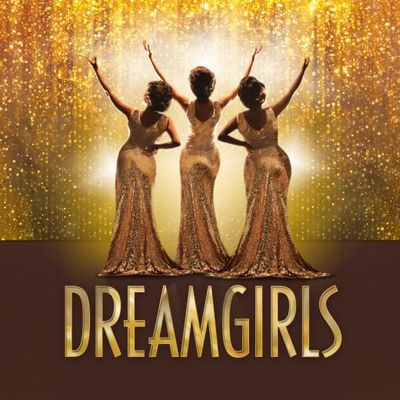
On this week’s penultimate episode, Jamie and Rob are joined by stage and screen legend Sheryl Lee Ralph for their final regular interview of the series. Together, they talk about Sheryl’s remarkable career, from star turns on Broadway in “Dreamgirls”, “Thoroughly Modern Millie”, and “Wicked”; to her advocacy efforts combatting HIV/AIDS stigma; and her latest gig as a producer of “Thoughts of a Colored Man”, a new play coming to Broadway this fall. Tune in to hear all about the creation of “Dreamgirls” from the original Deena Jones!
This week’s music: “Move”, “When I First Saw You”, “Fake Your Way To The Top”, “I Am Changing”, “The Firing of Jimmy”, “Dreamgirls”, “Listen”, “One Night Only”, “Dreamgirls (Finale)”, all from “Dreamgirls”. “Applause”, from “Applause”, and “Killing Me Softly with His Song" by The Fugees
Find us on Twitter & Instagram: @fabulousinvalid
Facebook: www.facebook.com/fabulousinvalid
Rob’s reviews: www.stageleft.nyc
Email us at: office@fabulousinvalid.com
Jamie DuMont
Twitter: @jamiedumont
Instagram: @troutinnyc
Rob Russo
Transcript
This transcript was automatically generated and might contain errors.
[0:20] Rob Russo: Welcome to the Fabulous Invalid, Broadway's podcast where we present essential conversations with a curated roster of the best, most important, and innovative theater makers working today, from actors to writers, directors, designers, and everyone in between.
[0:33] Jamie DuMont: We took our name from the title of a 1938 play by Kaufman and Hart that has since become a loving nickname for Broadway itself.
[0:39] Rob Russo: Always deemed on the verge of decline, yet always bouncing back, the fabulous invalid.
[0:44] Jamie DuMont: I'm Jamie DuMont.
[0:46] Rob Russo: And I'm Rob Russo, writer and theater critic with StageLeft.nyc and Stage Left of the Podcast.
[0:52] Rob Russo: Jamie.
[0:53] Jamie DuMont: I'm your dream girl.
[0:55] Rob Russo: Well, I'm not unconvinced that this entire podcast, all three seasons and 99 episodes, were an elaborate ruse to get one Miss Deena Jones, aka Sheryl Lee Ralph, in the room with us.
[1:07] Jamie DuMont: Well, one could say that it goes back to as far as the first time I met you, that that was the beginning of this elaborate plot.
[1:13] Rob Russo: Yes, years in the making.
[1:15] Jamie DuMont: Years in the making.
[1:16] Rob Russo: But here we are.
[1:16] Jamie DuMont: Here we are.
[1:17] Rob Russo: The day has arrived.
[1:18] Jamie DuMont: I am so excited.
[1:19] Rob Russo: And for those of you who don't know, in addition to creating the iconic role of Deena Jones in Dreamgirls, Sheryl Lee Ralph has also starred on Broadway in Thoroughly Modern Millie and Wicked and on TV in Designing Women.
[1:30] Jamie DuMont: If you don't know that, you should know it now.
[1:32] Rob Russo: It's a Living and the hit sitcom Moesha.
[1:35] Jamie DuMont: Not to mention a film that is very dear to Rob's heart, 1993's Sister Act 2: Back in the Habit.
[1:43] Rob Russo: And that's just to name a few of her stage and screen credits.
[1:46] Jamie DuMont: First of all, Back in the Habit. What a brilliant title for a sequel, right?
[1:51] Rob Russo: Well, as you know, Jamie, I re-watched it in preparation for this, and I hadn't seen it in years.
[1:57] Jamie DuMont: That film holds up.
[1:58] Rob Russo: Oh, it's a gem.
[2:00] Jamie DuMont: It's a real gem.
[2:02] Rob Russo: Take a revisit. It's on Disney Plus. I'm sure you can stream it in other forms.
[2:07] Jamie DuMont: It's pretty good.
[2:08] Rob Russo: Well, a renowned actress, singer, author, and activist, Sheryl Lee Ralph has also spent decades now working to break the silence and erase the stigma still connected to HIV/AIDS, which she's very passionate about, and I'm sure we'll talk to her about it.
[2:21] Jamie DuMont: Um, but she's also currently a co-producer on the upcoming play, Thoughts of a Colored Man, which is arriving on Broadway this fall.
[2:28] Rob Russo: So she's a legend, she's an icon, she's done it all.
[2:31] Jamie DuMont: She's a woman who defines the very word diva.
[2:34] Rob Russo: Should we get to our conversation with Sheryl Lee Ralph?
[2:37] Jamie DuMont: We should, but I also just feel like I need to say, for those of you that don't know, she created the iconic role of Deena Jones in Dreamgirls.
[2:47] Rob Russo: Yes.
[2:47] Jamie DuMont: And if you know anything about me, you know that I'm a big fan of Dreamgirls.
[2:52] Rob Russo: I think even my Twitter profile says probably watching a bootleg of Dreamgirls.
[2:58] Jamie DuMont: Yeah.
[2:58] Rob Russo: Well.
[2:59] Jamie DuMont: Which is how I occupy a fair amount of time.
[3:01] Rob Russo: That's where you can be found at all times.
[3:03] Jamie DuMont: Speaking of time, I think it's time we get to our guest.
[3:06] Rob Russo: Let's do it.
[3:15] ♪ Musical number: "Move" — performed by Sheryl Lee Ralph ♪
[3:30] Sheryl Lee Ralph: Thank you so much for joining us today. I cannot tell you how thrilled we are to have you. After three years, 100 episodes, 128 guests, one global pandemic, you are our final interview, and it's a true honor, I have to say.
[3:45] Sheryl Lee Ralph: Oh, thank you very much. Thank you. I appreciate that.
[3:48] Sheryl Lee Ralph: Well, we're thrilled to have you. So you're returning to Broadway this fall, but not in your usual leading lady capacity. This time you'll be the lead producer of the much-anticipated new play by Keenan Scott II, Thoughts of a Colored Man. What can you tell us about the play and your involvement with it?
[4:05] Sheryl Lee Ralph: Well, I tell you, I believe I'm one of the leads. And it's very interesting that this year marks 40 years. This December will be 40 years since the debut of Dreamgirls on Broadway.
[4:21] Sheryl Lee Ralph: Yes. And 40 years later, to be a producer on a Broadway show that concentrates on the lives and feelings and experiences of men, specifically Black men, to me is like a wonderful trajectory. I think Goddess in her choices in life has just been amazing in this one for me. And I'm just so proud and so happy about being a part of this play.
[4:56] Rob Russo: How did you get involved with it?
[4:57] Sheryl Lee Ralph: Uh, Brian called me, Brian Moreland called me, and he said, Sheryl Lee Ralph, I have something that I think is absolutely perfect for you. And I was like, Brian, I think you're right. And that's how it all started, you know, and you start negotiating, figuring things out, you know, reading the play, looking at the cast and all of this. And what another thing that was really wonderful for me is my nephew, Tristan Wilde, is in the cast. So, you know, I think of things like that, and I'm just like, wow, Goddess is so good.
[5:36] Rob Russo: Had you thought about producing before?
[5:38] Sheryl Lee Ralph: You know what? I believe in my heart, in my soul, and in my spirit, I'm absolutely a producer. I'm absolutely an actor's producer. You know, I always think in my mind, my God, if more producers understood the journey of actors, it would be a better industry all over. Show business would look different, feel different, sound different. So I've always thought of producing. Producing is something I just love to do. You know, I've been producing for the past 31 years, Diva is simply singing, which is the longest consecutive running musical HIV/AIDS awareness fundraiser in the country. And I love doing that by being able to use my connections, my relationships to call out to other artists to do something for good, something that's for other people. So it's something I've been doing at least once a year, every year for 31 years, producing.
[6:44] Rob Russo: Can you tell us a little bit about how the Diva Foundation got started and also more about what the organization does?
[6:51] Sheryl Lee Ralph: You know, something that's interesting. We call it Diva, Divinely Inspired, Victoriously AIDS aware, awesome. If it's Sunday, we are anointed every day, we are audacious. But I started the foundation because I wanted something that was unapologetically artistic, unapologetically female, unapologetically aware of what was going on in the world, especially as it pertained to people of color around HIV and AIDS. Very often, I mean, early, early in the disease for me, I saw that people of color were just being left out. They weren't being considered.
[7:58] Sheryl Lee Ralph: And people like her need help. You know, people like her need to be considered in what is going on. When you would get, oh my God, and it's sometimes it's still hard for me because I still remember it so vividly. When you would go to work, you know, doing Dreamgirls, and that was like the best and the worst time of my whole life. And I would go to work and you could hear about somebody just not being there because they got that thing, you know, and people would always say it in hushed tones, they would never say it out loud. Worse than that, people would ignore that they had ever been there. And when you would watch people literally waste away, I mean, it was so horrible. And the little church girl in me said, we can absolutely do better than this.
And what I found so hard, still to this day, was people who would tell you to shut up. People who would tell you it's not your fight. People who would be strong to let you know you got nothing to do with this. It was to me, it was so confusing, almost as confusing as now with when people want to tell you they are not wearing masks when this COVID virus is all around us. Just the same way people refuse to touch condoms when condoms were a known barrier to HIV and people contracting AIDS. I mean, it was so confusing to me how people could just find comfort in standing in their own personal confusion and trying to draw you into it. It was horrible to me. And to be treated so badly at times. And I remember things like that.
But for me, it was still you cannot let one person's ignorance stop you from doing what is right, or at least what you know and feel is right, and what you know and feel is necessary. And I knew it was necessary for me to use my voice.
[10:57] Sheryl Lee Ralph: I mean, I've known Sharon Stone since we were about 19 years old doing commercials. So when we both got involved in the fight against AIDS, I remember somebody telling me that I, it was like, why are you even doing this? It's not like you're Sharon Stone. And I was like, this some shit, the way people want to keep trying to tell you how not to do you what you know you need to do. But that's how, that's the long story to tell you. That's how Diva started. It was all about raising awareness, all about focusing on those who were not being considered in the fight until to this day, we still raise awareness. And I'm always fascinated at how little people value awareness.
[11:51] Rob Russo: What do you say to people when you come up against ridicule or they don't want to tell you not to do what you're doing in the fight against data? I mean, the stigma still exists today. So you must have some words of wisdom or some pushback that you offer.
[12:08] Sheryl Lee Ralph: I always tell people that silence will kill you quicker than the disease. Inaction will kill your spirit when you know there is a fight to be fought, that you've got the winning hands and you sit by and do nothing. I have to let people also know sometimes I didn't ask you for what you thought about what I'm doing. You do you because I am doing me. And look at me. I've been quite successful doing me. There comes a time when the child's got to grow. There comes a time when the woman who's got to grow, mama said, I am special. She said, I've got to move. I am just as good. I'm even better than that's what she would say.
[13:09] Sheryl Lee Ralph: Shine in a soul and a shot of so my dream. Dreams will never take my dream from me.
[13:29] Rob Russo: That's a perfect transition, I think, to Dreamgirls, which you mentioned at the top, you know, this year marks the 40th anniversary this December, which is so thrilling. As you mentioned, you know, the show was an instant sensation in 1981. I believe it was Frank Rich, the critic who compared it to Gypsy and called Michael Bennett the new Jerome Robbins. So I'm wondering if you could share with us, you know, how you got involved with the show and what that early development period was like.
[14:01] Sheryl Lee Ralph: The early development period was very interesting because it was literally just a small audition with a wonderful angel of mine to this day. And I really believe that when I lost him, I lost a warrior angel, and that was Tom Ion. Tom Ion had this idea for a musical based upon some crazy story he had read in some little booklet on a plane. And it was about a relationship between Effie and Deena, two very different women, two very deeply talented women who lost their friendship due to fame. And in that first audition, three women were cast: myself, Loretta Devine, and another incredibly talented woman who disappeared by the name of Ramona Brooks. And it was a grueling couple of years developing the show early on.
And Loretta and I stuck with it. Ramona, you know, she left because her role was downsized quite a bit, downsized past her talent, and she decided to leave. And when she left, we never heard anything more from her, which was to us very sad. You know, there's something about the story of the third girl, and it's always the third girl in a girl group. And sometimes, you know, it's always that third girl has a great talent that is not recognized, and they always lose their mind. Always, and it happens over and over and over again, which to me I find fascinating. I'm sure there's a movie in there somewhere. But you know, Joseph Papp passed on us. The number of men who we believed knew what real talent was, who knew what hits were, the number of those men that passed on us, it was just staggering.
I'll never forget Joseph Papp said he didn't get it. And he passed on us. Quincy Jones said he didn't get it, and he passed on us, but I think he passed on Madonna too. But you know, hey, you know, it was just fascinating. The Schuberts stayed in there, they hung in there, you know, with us because they adored Michael Bennett, you know. So they stayed with us, and it was hard.
[16:49] ♪ Musical number ♪
[17:07] Sheryl Lee Ralph: And it's always real so we'll come and ladies and gentlemen, oh well, this is open.
[17:17] Sheryl Lee Ralph: But I always knew that the show was going to be something special if we could just get Effie right, you know, and Effie just kept changing, you know. Effie, you know, it started out as it was originally a vehicle for Nell Carter, you know. Nell Carter left us to go to Hollywood. Then we started waffling, and they brought in, I think her name was Cheryl, and Cheryl had been one of the leads in Hair. And then it didn't work out with her. And then Jennifer Lewis was in there. And Jennifer Lewis was another person I've known since I was very young. And Jennifer, you know, didn't work with Jennifer. And then they met this 19-year-old, something about 19 years in these dreams. And 19-year-old Jennifer Holliday, who was in a small show called Your Arms Too Short to Box with God.
And she was huge, you know, she was huge in talent, she was huge in size, you know. It was just this mountain of talent. And when this wall of a woman came in and got on stage and sang, it was just sort of like whoa, whoa, whoa. And she, it was so interesting. There was something about Jennifer. Jennifer was huge, right? Like I said, in talent and in size, and she always had this kind of, you could see there was this pretty face underneath it, but it was sort of it was hidden by everything else. You know, maybe it was insecurity, maybe it was unsuredness. But when she opened up that mouth of hers, she was sure of one thing. You were going to be blown away by that voice.
[19:10] ♪ Musical number: "I Am Changing" — performed by Jennifer Holliday ♪
[19:10] Sheryl Lee Ralph: I'll change my life. Oh my god, I would miss my own cue standing in the wing watching her sing. Oh my god, I was crazy. You know, we will stand and watch her singing, and I'm telling you, and um, and you know that quick change where the dreams really eclipse her greatness and come out with love, love you, baby. There are things like that in the show that people always say, oh, they shouldn't do that. It should all be about her. But no, you have to understand it's about show business. Show business is unkind. You can have an incredible talent, and they will wipe you out by what they believe is the next big thing. They're little things like that that Tom wanted in the show that to this day people don't get.
I mean, that is the whole, that is the whole point of the show. The show is not about lost love. The show is about show business. The show is about the cruelty and the hardship of the business, which even at a young age, you women all understood. You had to have, right? You had to. Yeah. Because if you think it was, if you think it was cruel on stage, ha, it was cruel off stage, baby.
[21:13] Jamie DuMont: Well my God. I want to get there in one second, but I have to say, since we're talking about quick changes, everyone talks about the quick change in "I Am Changing" as being the great quick change in the show. For me, it's the one in "Heavy," where the screen drops down and you come out in the new dresses. That to me is so marvelous. And again, it's showbiz. It's just showbiz.
[21:37] Sheryl Lee Ralph: The magic of show business and the deep level of talent that was behind the creation of Dreamgirls. Theoni Aldridge. The design, the costume designer, Theoni Aldridge literally said, darling, it's simply magic. It's just magic. Feathers, sparkle, magic. Do you know it was literally about a snap? It was uh we would we took we just had layers on. They were literally just layers. And you know, we would go around, the lights would change, there'd be somebody standing back there. These are all things that are rehearsed heavily and often where to grab the outfit for you to complete your step in a 360 degree circle and come back looking brand new. Right. It was amazing, amazing, right down to there's there's even one thing in the photo session where I have this monstrosity on my head, which was literally just and only horse hair designed to look like something amazing.
And, you know, they put that coarse hair up there, and when the horse hair was removed, a pin was removed, and my hair drops, and all of a sudden, it looks like I've just changed my whole look. And it's literally just a pin. So, you know, when Ted Arthur created those wigs, you know, you've got Ted, you've got Theoni working in concert to make the magic real.
[23:26] ♪ Musical number: "Dreamgirls" — performed by cast of Dreamgirls ♪
[24:13] Sheryl Lee Ralph: And it certainly was magical, I have to say. And I think it's moments like that, right? Those moments of magic, those reveals that that are exactly what he's talking about when he describes the show in that way.
[24:33] Jamie DuMont: Absolutely.
[24:34] Sheryl Lee Ralph: And you know, it for Tom, Tom, you know, came from a different era, you know, and Tom said, the dreams, you know, the original company, you'll see he said, the dreams are all obviously black girls. You're not gonna look at the dreams and think that they were the Ronettes, you know, like black girls who look like white girls. No, these had to be absolutely black girls. Black girls of absolute talent and charm that the country, the audience had to fall in love with no matter their shade. Now, this is important, no matter their shade, they had to be dark girls. It is not until they go to Hollywood, and the new third girl is chosen, and that third girl is a light-skinned girl. You're supposed to see in that moment how Hollywood will infect and change the original piece of art, the original group. And so many people just miss that fact. You have to see the color of the group start to change.
[26:28] Jamie DuMont: So much so that I remember one day I said to Tom, Tom, I want to do the movie. We have to work on the movie. And Tom Ion looked at me and said, Sheryl, when they make the movie of Dreamgirls, Deena will be a blonde. And I was like, thank you when it happened, because I heard you gasp. When it happened, I was like, are you reaching up from the grave at me, Tom Ion? What are you doing?
[27:05] Sheryl Lee Ralph: What did he know some truth? Did he know some truth? He said, it showbiz, darling, it showbiz. And I remember being, I remember being shocked at his saying that because I didn't want it to be true. But when I saw it, I was like, oh my God, he really knows what he's written here. He really knows what he has created here.
[27:35] Rob Russo: Tyler Perry opened a huge studio in Atlanta. And the I mean, the cream of the crop in the in the black glitterati, and a few white folks too, were there.
[28:04] Sheryl Lee Ralph: And it was a real sparkler. And literally at the end of the stairway was Beyoncé. And Beyoncé was dressed in gold sequins. So we looked very much like we had picked out, you know, matching sort of or complimenting gowns. And I came down the stairs. It was really like in a movie. And she opened her arms and said, and you know she has a lovely deep voice, and she said, Miss Ralph, the girls and I just want to thank you for what it is you have done for all of us. So from me to you, thank you. Honey, you know, I almost melted into a pile of tears. Just like you saw that witch melt in The Wizard of Oz, it would have been a golden melt of me after she said that to me. I was like, oh my god. Yes, inside, but you know, mother had to hold it together and say, and you're welcome.
Ha! Yes. Well, think about how inspiring it was for her as a young girl to listen to the cast album of Dreamgirls. I mean, I would imagine that was a huge influence. So that's just so that's such a fantastic moment for both of you.
[29:32] Sheryl Lee Ralph: Absolutely. It's absolutely one I treasure. You know, it was just it was just a great moment. I said, if I went there to that event just for that, then it was all worth it. It was all worth it. Well, you know, I was gonna ask you this question, but I feel like you've answered it. But I'm just gonna, I'm gonna, I'm gonna tick at it a little bit more. You know, obviously Dreamgirls was created mostly by white men, and my question was did they did they get it right? Did they did they get the experience correctly? But it sounds like they did. It sounds like Tom in particular understood he was a soothsayer almost. Um but do you do you feel looking back on it now 40 years later that it was that they did capture everything the way you would want it to be captured?
[30:22] Sheryl Lee Ralph: I think so. I think I think they did a wonderful job. It was about in many ways, it was about like you said, show business. It was about in many ways race in the 60s. In many ways, it was about feminine, you know, the power of the feminine and you know how to take charge of your own life, you know. The I wish that there was a greater moment for Deena in leaving Curtis, in deciding to leave Curtis. In fact, sometimes when I perform, I do something where I pull in a little bit of Listen into their departure song, Mama Said I Was Special. You know, when I first saw you, I incorporate a little bit of Listen into when I first saw you, so that she could be heard, you know, before she leaves. And um that that's the only thing that I thought was missing.
[31:34] ♪ Musical number: "Listen" — performed by Sheryl Lee Ralph ♪
[32:25] Sheryl Lee Ralph: I am alone at a crossroad. I think very often when the show is done, though, people try to turn it into something else. They try to turn it into a battle of voices and the battle of talent. You know, they always miss the fact that Effie comes in a time where you could not be a fat, black, not very attractive woman and be on the cover of an album. You know, it would take 40 years for the industry and humanity to evolve when we can look at a Lizzo and say you're beautiful just the way you are, and believe that that is absolutely the truth. That a Lizzo could strip down, or a Frenchie Davis could strip down to absolutely nothing. And say, I'm a big, fat, black, and I am far from ugly woman, and I can sing, and I'm okay, and you're gonna buy my albums.
It took years to get to that point, but Tom had it right, you know, that you could bring up the slim girl with the velvet hammer that was gonna keep everybody together, and she didn't have to be a great singer, because she was charming, she was beautiful, she spoke well, and she was a homogenized version of a bold souled sister. She was different, you know, and it's something that people all it's a look, it's a version of black women that people always love. Look at Donna Summer, you know. It was um that homogenized black girl. Love to love you, baby. She doesn't have to say, no, she coos and she just looked lovely, you know, and then you come to a Beyoncé who's a mixture of all of that. And she'll take to a bat to your windshield.
[34:47] Sheryl Lee Ralph: To the song here in my heart, a melody I start, but I will complete. Now I'm gonna believe in you. You don't know what I'm feeling. I'm all in what you made of me. I followed the voice, you'll think you gave to me. But now I've got to find my touching on all the various sort of cultural strains that sort of lead to inspire the story. One thing that I'd be interested to get your take on is you know, there's been a lot of talk over the years about how Dreamgirls is or isn't inspired by Diana Ross and the Supremes in particular. And in fact, if you go on the Wikipedia page for the show today, there's a whole 12-point analysis of the similarity. So I'm wondering what's your take on Diana Ross and the Supremes as being source material, if it is at all for Dreamgirls.
[36:04] Sheryl Lee Ralph: Well, I can tell you this. And you know, everybody has their own thoughts on this. I can only tell you what I was told directly by Tom Ion and Michael Bennett. They said you can love Diana Ross as much as you can, but you cannot play Diana Ross because they will sue us. Well, that's good advice. He said, if you're gonna be any star, you be the star. But anything else, they will sue us. And once again, when the movie came out, what happened? They got sued. Yeah. They got sued by Motown. And they had to take out full page apologies because everybody had it so in their head that it was Diana Ross and the Supremes. No, Tom Ion was very clear about this story. It came from something that people don't even know about.
And he had given me a copy about it, but you know, when you're young, you don't hold on to these things because you don't know the value of them. And he literally gave it to me, and I don't know where it is to this day, but it was about friendship. And I believe it they were it was friendship, and I think one of them was one was thin enough to be a stewardess, and the other one was too big to be a stewardess. But you know, then it turned into girl group and all of that. So it has a whole different beginning. But because it's a girl group, everybody wants to liken it to the most famous girl group ever. The Supremes.
[38:46] Sheryl Lee Ralph: You mentioned at the top of our conversation about Dreamgirls that it was sort of the best time and then also maybe the most challenging time of your career. Um I'm wondering if perhaps part of that challenge might have been working with Michael Bennett. A lot of it was with working with Michael Bennett. You know, it was Michael came from a different time. He was Michael, Michael Dephilia. Michael came from a strong Italian family where Macho, Macho is um, you know, macho, you to be a macho idle man. And um, you know, he was conflicted in his sexuality, you know, and Michael would love women but sleep with men. And that I'm sure made something difficult. It was a war inside of him that he had to fight, that he was not able to just come out and you know be himself. And um that was that was difficult to work with at times, you know. That was very difficult to work with.
[40:04] Sheryl Lee Ralph: And one time we were in rehearsal, and uh Michael and Bob and the other Michael, Michael Peters, uh they said, Oh my god, you're just not being girly enough.
[40:19] Sheryl Lee Ralph: Let us show you how to do it. They whipped out their assistants, bought out their high heels, and they showed us how to do it. I was like, okay.
[40:28] Sheryl Lee Ralph: So, you know, there were those kind of battles that I'm sure made it difficult for each one of them, but especially for Michael.
[40:37] Sheryl Lee Ralph: And he, you know, he was, it was hard to work with him.
[40:41] Sheryl Lee Ralph: Yeah. Do you think part of it might have also been the sort of pressure he might have felt coming on the heels of A Chorus Line, you know, to have to deliver another, you know, big successful Broadway musical? Might that have been that energy have been brought into the room as well? I'm sure. You always want to be, you always want to top what you did before. Right. You always want to carry on. You always want to get your godfathers like the Schuberts to continue to believe in you, to continue to give you their money, to continue to walk on the ledge with you. Yeah, I'm sure that was part of it. Because I think the next show after us, it might have been Chess, and it was not, it was not very well received. And he was not feeling well at that time either.
[41:22] Sheryl Lee Ralph: Before we move on from Dreamgirls, I just I have to ask this. There's been a lot made about the rivalry that year between Dreamgirls and Nine and the race for the Tony Award. And I'm just curious what you remember from that award season, and what, if any, is the biggest misconception about that rivalry. First of all, shows for us as casts, we were not rivals. We did our, we got out there, we did our show, they got out there, they did their show. I mean, Lillianne Montevecchi was very much, you know, wanting to let me know how to be a star.
[42:02] Sheryl Lee Ralph: And then the necessity to speak another language and how to simply be fabulous. I mean, she took me out many times to lunch just to talk and just to mentor in little ways that glamour girl will do to glamour girl, you know, and then there was the tall, vibrant redhead, Anita Morris. Anita Morris, you know, we lost her to cancer, and you know, Anita, Anita, you know, with that whole thing that she created, she was, and she would always say to me, you could wear this cat suit if they had larger minds, and we're gonna cast a black girl. And it was just all very interesting, you know. It was, it was to me, it was all a learning experience. But to this day, I am fascinated at how the Tony Awards could give Dreamgirls every award except Best Musical.
How the hell does that happen? It let me know that it's just showbiz, and it is not fair, it's not fair, because if it had been fair, we would have won simply, but there is money out there, there is money to be earned, spent, gained, and we've got to have something. So they gave us everything other than Best Musical. And I also think people put a lot of emphasis on awards, right? People put a lot of emphasis on competition and pitting people against each other. And we all kind of fall into that trap. We all, you know, we all understand that it's not great, but we all kind of get into it. So it's a tricky thing. It's not a tricky thing because every award out there is connected to money. That makes it very untricky.
It is connected to money. Every single award from the president down to the Oscars, to the Emmys, to the daytime Emmys, to the Afkas, all of them are connected to money. And as a great musical lets you know, popular.
[44:43] Jamie DuMont: I know about Popular. Thank you. Well, that's a kind of great transition for us to talk to your wonderful stint as Madame Morrible in Wicked in 2016. You joined the company as the first black actress to play her. You know what was so fascinating about that moment for me is what happened a year or two before. My nephew, my nephew Stanley, has to see Wicked. He and his sister have read the original books and everything. They have collected all of the Wizard of Oz toys, everything. They have got, he's like, Auntie Cheryl, we have got to go see Wicked. My son is like loving theater. Mom, Wicked. Let's get orchestra seats to Wicked. I'm like, okay, I guess we're gonna go see Wicked. We see the show, and the three of us are sitting on the aisle, probably about in row G to the left.
And so we're right up front, we're seeing everything. And I pull out my camera and I literally shoot my nephew and my son, and we're talking about this show. And I'm saying if they cast a black woman as the press secretary, I would eat that role up. My nephew says I should be the stage manager of a show like this. My son is like, I just want to be in show business. When I got the role, my nephew asked me, where is the tape, Auntie? And I was like, what tape? He was like, the tape. Because believe it or not, to this day, my nephew is one of the few black male equity stage managers. And when Broadway gets back up on its feet, he will be the lead stage manager on a very large musical going out and had been offered a stage managerial job on Wicked.
[47:06] Sheryl Lee Ralph: Wow. They said, Would you like to do this role? And I was like, hell yeah. No one's, and it just goes to show that sometimes you just have to speak your dreams out loud. Sometimes you just have to be clear in your intentions.
[47:51] Jamie DuMont: That's right. Well, I'm wondering, um, you know, going back a little bit earlier than that, um, in 2002, uh, you returned to Broadway for the first time since Dreamgirls to star as Muzzy in Thoroughly Modern Millie. I remember being at an early preview of that show, and the audience went absolutely wild when you came on stage for that first entrance. I'm wondering what was what did it feel like to be coming back to Broadway 20 years later, you know. I hope I'm not speaking out of turn here when I say that in 1981, uh that show Dreamgirls made you a star. Now you were returning as a star. What did that, what did that feel like?
[48:28] Sheryl Lee Ralph: You know what? I was very, I was very conflicted about it all. Personally, I was going through my own challenges. I had been divorced a few years before that. I'm I was now a mother. I had these two wonderful kids that I loved, and I literally had to leave my children because they were young school-age kids, leave my children to go to New York to do this show. It was a challenge. I was going back and forth every weekend, you know, to see my kids because I didn't want them to think that I had just abandoned them. That was taking a toll on me. As the show was being developed, I realized that sometimes it's not good for an actor to be quiet. I in when I should have spoken up more in that my entrance just came in much too late in that first act to have more of an impact.
And the things that I had in my mind, I should have spoken up, but I didn't trust myself enough at that time to speak up and say those things. And when everybody in the company got nominated for Tony except me, that was just like, oh my God, it was devastating that I'd come back in my mind that I'd come back to Broadway to be a failure, you know, to be an also or also ran or be and by the way she was, and that that was very hurtful. But the great thing about it was I did meet my current husband. That the January that I got there, I met him four weeks later. And you know, we just celebrated 16 years together, and um that was one of the greatest things to ever happen to me.
[50:15] Jamie DuMont: Well, I appreciate you speaking so candidly about that because I think that you know, to a theater goer or a casual fan of the theater, I think oftentimes we don't appreciate the lives that performers live outside of you know the work that they do and and how you know how it takes a real toll, especially you know, in when you have kids or you know, a family or have to are traveling you know across the country to do it to work a job, you know. So I really am grateful to you for sharing that um that personal reflection.
[50:44] Sheryl Lee Ralph: Believe it or not, it was a very it was a hard choice, it was a difficult choice, but it was it was the right choice, you know. It's so funny. Every now and then my kids now will break out into a Millie song. What are it? Long as I'm here with you, and you and a you and you and you and you and yet you too. So happy, dear, long as I'm here with, long as I'm here with you.
[51:19] Jamie DuMont: Well, I have to say, for my money, you were fabulous in the role, and I absolutely loved it. So well, another role. I was telling Jamie about this, you know, we we couldn't have you on the show, uh, even though it's not theater related. Um, we couldn't have you on the show and not talk about Sister Act 2, especially because it is such a beloved film. And I have to tell you, you know, I'm I'm 34 years old, and and for people of my age, it's like you know, it is a thing of our childhood, for lack of a better word, that we are just obsessed with that movie. So I'm wondering though, you know, of course, of the film you play um Lauren Hill's mother, Florence Watson, who who doesn't want her daughter to pursue a music career. And one of your first lines is singing does not pay the bills, singing does not does not put food on the table. I mean, of course, the opposite is true of your own career. So it's a bit ironic, isn't it?
[52:08] Sheryl Lee Ralph: Oh my god, let me tell you, when I got to Wicked, I had no idea the depth of love that your age group has for the show. When I showed up, I thought it was, you know, Dreamgirls, Deena. But they're too young. They don't know. That's right. They would, I would walk into the theater and you would hear Rita Louise Watson. Oh, you would hear every now and then you'd say, singing your shoulda, coulda, woodas. They would look at me and they would say things like, Do you want to be like your father? Well, then you need to get into those books. Oh my God, they loved it so much. Rita, how many times do we have to go through this? Singing does not put food on the table. Singing does not pay the bills. Singing is no guarantee to a future, even if you have gotten talent.
But what does that have to do with me? Mom, we are good choir. They want to take us to this all-state music competition. We could win, but if you want to win in life, then you keep your nose in them books and out of the clouds. If you could just listen to me, let me explain. Maybe I know how you feel. Really, I do. But there are a lot of talented people right down there on the street singing their shoulda, coulda, woodas. Now, is that how you want to end? Um no, that's not without. But then you don't have time for any choir because you got to study. Mommy, we have a chance are out. When I got to Wicked, I, you know, my love for raising AIDS awareness and letting young casts know what happened just a few years before them and how awful it had been.
So I wanted them to get really into Broadway cares, and I really wanted them to perform. So, you know, we did our first one, and it was around Dreamgirls, and then our second one, we did Joyful Joyful.
[54:10] Jamie DuMont: No, that's amazing.
[54:11] Sheryl Lee Ralph: Oh, it was amazing. Oh my God. And it was then that I discovered the impact of that movie on them. And it was just, I had no idea that I had become iconic that way.
[54:27] Jamie DuMont: And you certainly have.
[54:29] Sheryl Lee Ralph: Yes. And every time I see Lauren, she just, she's, oh my God. She's just always thankful for that time. I'll never forget Lauren Hill in between shots, telling me at 16 years old that she was going to be a star. She said to me, Miss Ralph, I'm going to be a star, and I'm going to have a very famous group. And I was like, okay, I love listening when young artists tell me these things. Yeah. This is, and we're going to have a group, and it's going to be called the Fugees. When she said Fugees, I was like, Foogies. I like, honey, I'm all down for the hit group, but why Fojies? Maybe work on the next one. That doesn't sound like a hit to me. Right. And she said, Miss Ralph, refugees. The Fugees. I was like, oh my God. Okay, I don't get it. I don't get it, but okay. And there he was this young one. Straight to my strong lap with his finger. One time. Killing me softly with this song.
[56:04] Sheryl Lee Ralph: Needless to say, she was absolutely right. And I love it. Talk about speaking your dreams. See, see, once again, you must be clear in your intentions. Very often I find a lot of people go all over the place. I'm gonna do this, I'm gonna do this, I'm gonna do this, I'm gonna do that. No, what are you going to do? What is your true passion? Can you concentrate on that? Very good advice. Very, very good advice. And I have to say, I watched Sister Act last night. I hadn't seen it in years. It holds up. It really does. Back in the Habit holds up. It's a great film. Let me tell you, Sister Act One and Sister Act Two are wonderful movies. I think these are some of the greatest. Um, I think it's the great Miss Van Cartier is probably Whoopi's greatest role.
Absolutely. And you know, as a musical, it was as a musical, it wasn't bad. It could have been better, but it doesn't matter. You know, I'm sure I honest to God, I believe it's going to be redone and it's going to be even better. You had one other starring role that I was quite fond of. In the 90s, I lived one block east of La Brea Avenue on a street called Sycamore. And I used to spend my Saturdays and Sundays walking up and down La Brea. There was a hush puppy store, there was a fabulous restaurant called City, there was American Rag, and then there was a store that was owned by you. It was actually owned by my first husband at the time, and it was called New Nubian. He was from the Ivory Coast.
I had a love for African textiles, the cotton, the designs of the cotton, the colors of the fabric. I was a new mother, and I wanted to create the clothes of the past in these new African textiles. So, you know, got together, you know, with my ex, shared the idea, and I started doing this line of clothing called Le Petit Etienne. And because my son's name was Etienne, named after my character Etienne in Designing Women. And I started doing these clothes and they were a hit. But honey, I had no idea that the rag trade was rougher and more difficult than showbiz baby. Oh my God. These folks would just take all your stuff and copy it and say that it was theirs. It was amazing. So we did that for a few years.
And one of the great things that came out of it was I got a call from the Smithsonian, and they asked if I would send them one of my pieces. And I was like, yes, but could you tell me what for? And it's um in the Smithsonian now in a collection called Modern Use of an Ancient Textile. And I just love the fact that in a little footnote, it's that I have a piece in the Smithsonian. So New Nubian really, really created something special with the love of all things African. And it really created a trend that still lasts to this day.
[59:20] Jamie DuMont: Yeah. That's fantastic. Wow, that that's having something in the Smithsonian is huge. That's a really that's that's really spectacular.
[59:30] Sheryl Lee Ralph: Thank you. My next thing is I want to get some things into the African American Museum, which I believe is just amazing.
[59:39] Rob Russo: Yeah.
[59:40] Sheryl Lee Ralph: Yeah. So I want to get something in there.
[59:43] Jamie DuMont: Amazing. Well, thank you so much for being so generous with your time. We just have two more questions for you, if you'll indulge. And the first is, you know, as we mentioned at the top, um, this year is the 40th anniversary of Dreamgirls. So as you reflect back on the past 40 years in your capacity as a performer and now as a Broadway producer, um, what have you learned about Broadway and what have you learned about yourself?
[1:00:09] Sheryl Lee Ralph: Oh my God. You know, I'm running for vice president of the LA Local of Screen Actors Guild, and I tell you, I've learned one thing, and I said it in my video. I love the arts, acting, singing, dancing. I love it all. I love it so much. I would do it for free, but thank God I don't have to. There is something so marvelous about the lights going down in a beautiful room and all of your dreams coming true on stage, whether it's through the storyline, whether it's through the actors that you see singing or saying those lines, whether it's the lighting, whether it's the costume, but seeing your dreams come true. There is nothing like it. And I just love it so much. I love Broadway. I love the arts. I just, it's for me, it's like I say this to young performers all the time. Whenever they invite me to a stage, and I have many photos like this on my Instagram, I go right to my home, and my home is center stage.
[1:01:17] Rob Russo: I love that.
[1:01:17] Sheryl Lee Ralph: Home is center stage. That's beautiful. Home is center stage. I'm gonna be like Irene Ryan. Thank you. Thank you. Thank you because Irene Ryan did it right.
[1:01:41] Jamie DuMont: Oh, yeah.
[1:01:42] Sheryl Lee Ralph: She had a grand entrance. And she made the perfect exit. When the show was done, she was dead.
[1:01:55] Rob Russo: In real life.
[1:01:56] Sheryl Lee Ralph: Yeah. To a rousing applause. That's the way to die. That's the way to go out. Forget falling asleep. Forget dying in your sleep. You can't top that. You know, you can't top that. To go from Granny to that great exit. I was like, you better go, babe.
[1:02:15] Jamie DuMont: Amazing.
[1:02:16] Sheryl Lee Ralph: Pippin was the first Broadway show I ever saw. Um really. I was I was like seven or eight years old. I probably had no business being in the theater. My parents had no idea what it was about. And um I was hooked. I have I anyway. That's that's this is you see your dreams come true.
[1:02:34] Rob Russo: Yeah.
[1:02:35] Sheryl Lee Ralph: Oh, it it to this day, when the house lights go down as an audience member, I get that same thrill I got that day in the theater, and it's never left me. I can see a show over and over again. Anyway, this isn't about me, but but um but no, but that's it is about all of us listening who love theater. It is that feeling, you know, it is the the way we feel, no matter what. I mean, we could the show could be awful, and we still feel like, uh, well, at least I saw the show.
[1:03:08] Jamie DuMont: Yeah, you know, I can tell you about it, but I do want to tell you about Irene Ryan. I won the Irene Ryan Scholarship Award as a college freshman.
[1:03:20] Sheryl Lee Ralph: And that award put me in the circle of stars, and it gave me money to finish college. I graduated from Rutgers University, an English major theater minor, because Rutgers at the time was transitioning from an all-male university to just letting women through the door. And I was the first woman to graduate from Rutgers, and I thank the Irene Ryan Scholarship Award, the American College Theater Festival, for that great scholarship.
[1:03:56] Jamie DuMont: I had no idea she had an award or a scholarship. That's that's again, talk about giving back to young people.
[1:04:04] Sheryl Lee Ralph: It's how art, it's how art grows, right? It's it's about fueling these dreams, as you said. It's about saying your dreams out loud, it's about funding for arts education in the schools. It all starts so young.
[1:04:18] Rob Russo: All starts so young, so young.
[1:04:22] Sheryl Lee Ralph: And somebody, you know, when I think back on talent like Chadwick Bozeman, I look at that great talent and then I think about Denzel Washington, and I think about how Denzel Washington, with he and his wife's scholarship fund, gave the money for Chadwick Bozeman to complete college to be the great talent who left us an incredible legacy. So sometimes you do have to pay it forward.
[1:04:49] Rob Russo: Absolutely.
[1:04:50] Sheryl Lee Ralph: Well, this brings us to our final question beautifully. Um, and this is a question, this is a question we ask everyone, and that is what is that thing that made you want to become an actor?
[1:05:00] Sheryl Lee Ralph: The applause. It was the applause. It was it was standing on stage singing my song and hearing people applaud. It blew my mind. I entered the Miss Black Teenage America pageant and I sang Summertime. And I they applauded for me. Aretha Franklin told me, oh, you got something different there. I was like, oh my God. I I Aretha Franklin. You know, I there was a great DJ at the time in New York called uh Frankie Crocker. And Frankie Crocker held my hand, and Frankie Crocker said, wow, she's special. Oh my God, it was like amazing.
[1:05:51] Sheryl Lee Ralph: Wow. It sent me to a different place. And I mean, applause, applause, applause.
[1:06:45] Jamie DuMont: Well, special you are. And I'm so glad that you sang Summertime and got applause and all the standing ovations you've gotten because they're well deserved.
[1:06:56] Rob Russo: Absolutely. This has been such a treat. You you really have no idea how happy I am that you did this. Um what a huge fan, Rob and I. We're both such big fans of yours.
[1:07:04] Sheryl Lee Ralph: Thank you.
[1:07:06] Rob Russo: Um and everything that you do. So thank you so much for being our final interview. This is um we couldn't have picked a better, a better person. Um, and we've just had a great time.
[1:07:08] Sheryl Lee Ralph: Thank you.
[1:07:17] Sheryl Lee Ralph: And I hope that you will make sure to let all of your listeners know to please go out and buy their tickets now to see Thoughts of a Colored Man. It will be on the Broadway stage in October. And I want you to see this show.
[1:07:30] Rob Russo: Absolutely.
[1:07:36] Jamie DuMont: We can't wait to be there ourselves.
[1:08:30] Jamie DuMont: That's social goods where every transaction comes with real action. The Fabulous Invalid is a production of O and M etc and the Fabulous Invalid LLC and a proud member of the Broadway Podcast Network. Our theme music is by Lucky Chops. Today's episode was edited and engineered by Aaron Kaufman. You can find us online at the FabulousIl.com and on social media at Fabulous Invalid and on iTunes, Spotify, and wherever you find your podcasts check out our archive of episodes and be sure to tune in next time.
© Broadway Podcast Network, All Rights Reserved