

Christine Pedi is renowned for her work in Forbidden Broadway, where she showcased her talent for impersonating Broadway divas. Pedi's Broadway credits include Little Me (1998), Talk Radio (2007), and Chicago (2013), where she portrayed Matron "Mama" Morton... Read More
From the show: The Ladies Who Lunch with Donna McKechnie
Guests


Featured Shows


Videos
About
Christine Pedi is renowned for her work in Forbidden Broadway, where she showcased her talent for impersonating Broadway divas. Pedi's Broadway credits include Little Me (1998), Talk Radio (2007), and Chicago (2013), where she portrayed Matron "Mama" Morton. Off-Broadway, she starred in NEWSical the Musical and Spamilton: An American Parody. On television, she appeared as Karen Baccalieri in The Sopranos and voiced Holly Blue Agate in Steven Universe. Pedi also hosts "The Broadway Breakfast" and co-hosts "Dueling Divas" on Sirius XM's On Broadway channel.
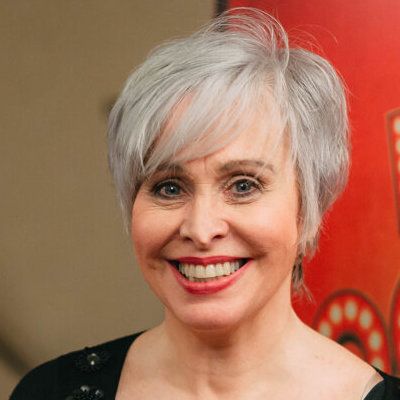
Nancy Opel is an American singer and actress known for her extensive work on Broadway. She originated the role of Penelope Pennywise in Urinetown, earning a Tony Award nomination for Best Actress in a Musical in 2002. Her Broadway credits include Evita (1979), Sunday in the Park with George (1984), Anything Goes, Triumph of Love (1997), Fiddler on the Roof (2004), Memphis (2011–2012), Cinderella (2014), Honeymoon in Vegas (2014–2015), and Into the Woods (2022). Opel has also appeared in television series such as Law & Order, Law & Order: Criminal Intent, and Law & Order: SVU.
Jeanine Tesori is an American composer and musical arranger known for her work in theatre, film, and television. She is the most prolific and honored female theatrical composer in history, with notable credits including Fun Home (Tony Award for Best Original Score), Caroline, or Change, Thoroughly Modern Millie, Shrek the Musical, Violet, and Kimberly Akimbo. Tesori has been nominated for multiple Tony Awards and has won the Drama Desk Award for Outstanding Music. Her film work includes arrangements for Mulan II and The Little Mermaid: Ariel's Beginning. She was the first female composer to have two Broadway musicals running simultaneously and is recognized for her work promoting diversity in the arts.
Produced by Dori Berinstein and Alan Seales, music composed by Matthew Sklar.
Part of the Broadway Podcast Network.
Every episode is recorded live at the legendary Sardi's restaurant, 234 W 44th St, New York, NY 10036. Thank you so very much to Max Klimavicius, Sean Ricketts, Beth Shafeman and the entire Sardi’s family for your tremendous kindness and delicious cuisine!
Transcript
This transcript was automatically generated and might contain errors.
[0:00] Donna McKechnie: Oh, my God. Okay. Happy New Year.
[0:29] Donna McKechnie: I'm so excited. I'll try not to gush, but I did a little research and I honestly feel we're going to levitate soon. The table, by the way, a little sense of history. The table belonged to Vincent Sardi and this is family table. Yeah, it's wonderful. So here's to the Ladies Who Lunch. Thank you each and everyone for being here today. I'm going to go around the room because I am sitting with Nancy Opel, Christine Pedi and just Jeanine Tesori. I'm already hypoglycemic. So just to recap, just a little bit, so everybody kind of brings them in in a way of introducing you to everybody else. Nancy Opel, you have done 15 Broadway shows. You're now starring in Wicked, right? And the list goes on. I saw you in Urinetown that you received a Tony nomination and many other awards.
But Vida, Teddy and Alice, I heard I was out of town. Oh, my gosh, Teddy and Alice. Yes, I did Teddy and Alice with Len Carriou. That's right. I mean, I totally forgot about Sunday in the Park, Anything Goes, Triumph of Love, Fiddler on the Roof. The last time I saw you was in a recording studio. Oh, because we did that. And we did the outtakes of the original score. And now we know why that was not the opening. I don't know what I was doing there. I just did it. You know, well, we were trying to be little. We were trying to be the daughters. It was open to with. So these are trunk songs from Fiddler. Yeah. Yeah. And I just think it was a different opening. It was about the daughters and the mother.
Right. And you were Yance. I was Seidel. Sure you were. We were all one of that. We were all one of the daughters. Yes. Oh, I see. Yeah. We all sang the daughters. And it makes sense. I didn't want to. I wanted to say that I go all over the place. I'm so sorry. And you can interrupt me any time you want. Well, I'd like to say that face says Seidel to me. We were all kind of going. And we were there for like an hour. But the funny thing is, it made sense story wise to open it with. It just made sense. But then after because we know what the opening is, it's one of the greatest shows ever written. And that opening is just, you know. Yeah. Anyway, so that and, you know, you're just a fantastic singer, comedian.
You are now teaching your famous acting coach. I just have questions for that. I coach people all the time. It's kind of what I do. And interestingly, I probably have more clients coming with sides than with music because people just don't know really how to. I want to get in. I want to get into that because I really want to know about that. Christine Pedi, I just love you so much. I want to see your show. Thank you. At 54 Below, the Christmas showbiz snow business business. It's so fantastic. And I had the great pleasure of sitting with your family who loves sitting with you. Oh, I loved it. It was such a great night. And when you've done you are like a renaissance woman and radio. You do Sirius.
You have a couple of shows. We've done those. Yeah. Forbidden Broadway. Forbidden Hollywood. Three Broadway shows. What am I missing? Not too much snorkeling. Somebody came up to me once said, did I just see you on an episode? I went, nope. You were on an episode. Nope. Never been on an episode. Anything. Nope. Yeah. It wasn't me. OK, so I went to your website. Yeah. This is what OK, this is you did this. What I do. Comedic actress. Drama Desk nominee. Sirius XM radio personality. Lady of a Thousand Voices. Award winning cabaret performer, which you are. YouTube semi station. Semi station. That's what I call it. Dead. Dead. So Prano. Oh, dead soprano. Yes. Because that was Bobby Bacala's wife.
And I was I get hired to play a mob boss's wife. And I thought, oh, thank I've made it. It's the only one the only one who gets killed. All right. But he loved me so much he couldn't defrost my ZD for like five episodes. Oh, God. Did they bring you back? Well, when Tony Soprano went to a coma, he was in this dream state where he was going into a house and all the his dead cousin was outside the house trying to get him to come in. And I went, it's the house of death. It's the house. If he goes in the house of death and I'm not there, you know what I mean? They didn't ask me to be in the house of death. He ended up not dying. So it didn't matter. But, yeah, it was a good part because I was the only he was my husband was the only character who loved his wife and who didn't kill his wife.
He didn't kill her. She got killed in an accident. And he was devastated. He buried a wedding cake at my grave on our anniversary. Lord, that's Italian. Yeah. I mean, Bobby Bacala. Yeah, Bobby Bacala is a kind of. I have to. The last one is Cookie Baker, but we can talk about that later. Seriously, that's too good a first. It's very important. Janine Tesori, you. I want to get back to Cookie Baker. Yeah, OK. OK. I have so many. I get so overexcited, but I'll try not to gush. But I am one of your biggest fans, I think. Maybe not, but because you have so many. But you are one of the most important musical voices that we have today in our time, not just Broadway, but and just to go into some of the things that I did miss, like your operas, Blue and with the Lion, the Unicorn and me.
I mean, so gorgeous. Besides five Broadway shows, Tony nominations and received, of course, the Tony for Best Musical for Fun Home with Lisa Kron. And that's an important first time to women. Right. All women team. That's the first time to all women writing team writing team. Yeah. And now what is there? Was it? Oh, no, it's been not opened up. Yeah. Yeah. But I'm so honored to have you here. Thanks for coming. And what I love, I have so many questions about the beginnings. And I read something that you wrote about pure music because you have had I mean, I love you. How to Succeed was my first show, 1960. And you were a dance arranger. That was one of your first things. Right. You arranged other shows, Swing Time, Dream.
And then you were conducting. Yeah, I get it. Yeah. Like 19. I started at 19 when I switched from pre-med to music. I know. Can we talk about that? Well, I there's so many doctors who are great. I once had a doctor and he was such a great pianist that ultimately and I could have my carotid artery could be just, you know, Zimmern. He say, so when you play the Ravel in the left hand, like what about this? What about this situation? And I had to leave because he wanted to talk about music. But so many, you know, math and music and science. Because you started music. You were three. You're like little Mozart. Well, you were playing piano at three. Yes, I was playing piano at three. And I read that you wrote your first sheet music down.
You were like seven. You had a good mentor and teacher. Yes. I had an amazing piano teacher and he taught me what things that I use today. My mentors have been so incredible. And I'm sure we've all had them about not judging music. And I was just reading something here today about the wrap ups. The worst thing about the thing I hate is about the best theater of this and that. And I think can we curse on this? Yeah. OK. I don't know. You know, I mean, that whole thing about comparing stuff, you know, you just we've all been part of things that I think to be the prejudice about just comparing art, you know, just like the 10 best, whatever. And then they have a 10 of this last decade. I know. I mean, that kind of stuff.
I also as women, you know, you're so I don't know what it's like because I'm with three great actors and, you know, with composers, we spend so much time in our room and then they let us out, they feed us and then we go back in. And the idea that you are looking like, oh, you know, being up with the same parts and all those things, it's such about comparing. And so when those lists come out, I always have a little of just like, don't read them, just do your work. Keep your hands down and do your work. Yes. I've said it before here, but it keeps coming up and it will always come up, I think, in our popular culture, you know, that all the great people I work with, Sondheim, Hal Prince said they always said, or in some way in conversation in our work, it's all about the work and the process and how you get there.
And sometimes now the process is cut short. I've talked with directors, the process is cut short. So now we do some of the work in our bedroom for the actors. You know, you have to be prepared. We don't have the time. But too much of emphasis is on the result of things. And it's been always that way in terms of when we learn acting, right? You have to bring these young, great talents back to what is this about? I mean, just simple things, not the result, not go for the highest, you know, it's like everything is the one note samba. You know, the work is, it's funny, and I just want to say one thing to you, because I'm such a huge admirer of not just your work, you know, but that's for everybody here.
But there are certain women I look to, and I think, okay, she's doing it. I'm going to do it. She's in it. She's going to do it. And what you've done collectively. But I went in, there's one interview with Michael Bennett that's at the library, and everybody should go. He did it with Bob Avian, and the interviewer didn't show up. So, and it was right after Chorus Line. And they were just talking to each other, and it's one of the only live interviews that he did. And he talks about the process of putting that together, and the months, and the months. And he walks that through in such a way, and I thought, some doctor, some theater doctor should write a prescription pad and give that thing out to everybody who thinks that, you know, it goes like this.
It's like the hours, and the detail, and you know, some things that were, I'm sure, not fun to work with that kind of rigor. But it was, it made me, it really, I saw it months, and months ago, just because I'd heard it was there. And it gave me such respect for the way that things were. I remember seeing that, and it was an odd thing. And they did their interview with each other, and they're like, what, they're smoking. What should we talk about? Remember smoking? Oh, God.
[12:04] Jeanine Tesori: Yeah.
[12:38] Jeanine Tesori: I want to be able to own the only way to really I feel like one of the hard ways about having a family is passive income that you can sit and put your kid to bed and your show maybe will go on.
[12:53] Jeanine Tesori: So there's teaching and writing and I so I spend all my money and I took a year and I thought, you know, I had to learn how to use time because it's different when you're in rehearsal. That unstructured time, well, I thought if it undoes me, I'm not meant to be a writer.
[13:10] Christine Pedi: Yeah.
[13:11] Jeanine Tesori: Because so much about it is getting up in the morning and thinking, OK, I have to write this by then. But no one's asking me to show up for rehearsal. It's very, very different.
[13:20] Christine Pedi: You were in a lighthouse with your 24 hours a day to yourself.
[13:23] Jeanine Tesori: Yes.
[13:24] Jeanine Tesori: To do with it. Exactly. And I thought, well, if I eat Butterfingers and roll on out of here 300 pounds, then I'll know that I don't use time well on my own.
[13:33] Christine Pedi: But then when you went back to your family from the lighthouse, mother's home from the lighthouse, did you then realize that there was a structure and a process that could work in your regular day to day life?
[13:51] Jeanine Tesori: Yeah, I was super single and I'd made a real mashup of my life. But there are still times it was in 1994 and there's still times in during the day. And I have that feeling of like, what did I do there all these years later that I can carry through about being aware without being obsessive about that time is the only thing we run out of and we have to use it well.
[14:14] Christine Pedi: And especially when someone isn't telling us what steps to take.
[14:17] Jeanine Tesori: Yes, I have a hard time with that.
[14:18] Christine Pedi: It's very hard for us to do that. Just to have the discipline to get up. I have to pretend, act like some mornings when I don't really want to get out of bed that I have to go to class.
[14:31] Jeanine Tesori: Yes.
[14:32] Jeanine Tesori: And that someone's paying me. I have to psychologically set that tone, you know.
[14:36] Christine Pedi: Right.
[14:37] Jeanine Tesori: And to do it. And then once I'm up and out, it's fine.
[14:39] Christine Pedi: Well, I think it's just I think this is endemic of culture right now in particular, because I was just I was just listening to a book because it's the easiest way when you can close your eyes and listen to a book called Undistracted.
[14:53] Jeanine Tesori: And it's about all of the distractions. And it's not about this is my cell phone's fault or this is MSNBC's fault or whatever. It said what the distractions are is you trying to dissipate the pain that is in your life.
[15:10] Jeanine Tesori: It's about trying to dissipate pain. It's not about enjoyment because none of us get really that much enjoyment out of going through Facebook, but it does help us dissipate pain, which I thought was really interesting.
[15:23] Christine Pedi: So I can't remember the author's name, but I thought it was very interesting that that he says we pick things up to avoid the pain of our lives now.
[15:34] Jeanine Tesori: And but you say, oh, well, I should be working on I should be working on the sides for tomorrow for that audition. You know, oh, gosh, I just wasted an hour doing this thing and I really should have done this other thing.
[15:44] Christine Pedi: And then we get mad at ourselves for doing that and waste more time.
[15:48] Jeanine Tesori: Right. Well, this brings up to mind, too, when I, you know, ventured out to write a book with someone and I have writer friends.
[15:57] Christine Pedi: Thank you. Thank you, sir.
[15:59] Jeanine Tesori: She's did that so well. And, you know, and I said, do you have to clean the whole house before you are able to sit down and concentrate?
[16:10] Christine Pedi: And she's a whole block. She said, yes, I do. And she's you know, she's written seven books.
[16:15] Jeanine Tesori: And I said it's like and I thought all the different the fear that comes up in our work and our sensitivity, you know, it's like I'm old enough and I've done enough to know that.
[16:26] Jeanine Tesori: And I've worked with younger students that I try to help them. I can help them sometimes more than I can help myself in terms of the inhibition, the fear that comes up.
[16:36] Christine Pedi: And to stay on top of that, to be clued in to what's really going on, that's that's a skill.
[16:44] Jeanine Tesori: I mean, eating is the perfect is that is that the first thing that comes by the way, when you get up and go to the refrigerator.
[16:51] Christine Pedi: Yeah. You know.
[16:53] Christine Pedi: I'm eating right now. Remember, I remember sitting at the computer, whatever I was doing or at my desk doing whatever I was doing. And I remember saying, God, I want a bagel.
[17:08] Jeanine Tesori: Now, these are not things I eat often bagels. You know, who doesn't like a bagel?
[17:11] Christine Pedi: But it's not a thing I eat often. And then I stopped myself and I said, what? What? Why do you want a bagel? Why did you say that? What?
[17:17] Jeanine Tesori: And then I had to I stopped and I rewound and I rewound to the thought I had before that and the thought I had before that.
[17:26] Jeanine Tesori: And the thing I did before that till I got to the thing. That it maybe had something to do with my checkbook. You know what I mean? I got to the source that you have to the source of it.
[17:36] Christine Pedi: And honestly, if I did that more often, I know why I get up and go to the refrigerator.
[17:41] Jeanine Tesori: That's a perfect that's the first procrastination distraction that I think anybody can identify with.
[17:47] Jeanine Tesori: But I remember I often ask people who are writers in particular, when do you write?
[17:53] Jeanine Tesori: And because everybody, you know, you read about the guys who get up at five in the morning and they have their coffee and they go to their shed in the back of a country.
[18:00] Christine Pedi: I would like a shed. Right. You know what I mean?
[18:03] Jeanine Tesori: And then they write until noon and then they go walk their hounds or something.
[18:09] Christine Pedi: Everybody ought to have a hound.
[18:13] Jeanine Tesori: I have a friend whose wife writes, wrote chapter books for teenagers.
[18:21] Jeanine Tesori: And I said, how did she work? Because she worked from home. And he said, nine to five, nine to five at home in her house.
[18:30] Christine Pedi: Wow.
[18:30] Jeanine Tesori: And that's what she did. She treated it like a job.
[18:34] Christine Pedi: I mean, listen, I always I always I give a lot of respect to people who write because I know I do not have the discipline for that.
[18:43] Jeanine Tesori: But when you have a discipline, you know what to do.
[18:46] Christine Pedi: Do you when you get to do you have a ritual?
[18:49] Jeanine Tesori: I was thinking about rituals when you don't you're not in the mood, but you have to, you know, find a way, but not a superficial way.
[18:56] Jeanine Tesori: But I really kind of get back to the beginning. I know in the dressing, a lot of my actor friends, you know, you get to the theater.
[19:02] Jeanine Tesori: If you have a place to go and then you start the makeup and the thing, it's all of a sudden the character emerges, even though it's repetition.
[19:11] Christine Pedi: Is that do you is that a preparation for you or do you need certain, you know, things?
[19:17] Jeanine Tesori: It depends on how long I've done it.
[19:20] Jeanine Tesori: Because now I'm 14 months in at Wicked.
[19:23] Jeanine Tesori: And honestly, just putting just putting that makeup on, you just go, there she is. Now I'm ready. You know, I mean, seriously, because it's how long does that take?
[19:33] Christine Pedi: It's fair. It's fairly bold at this point. Fifteen minutes.
[19:36] Jeanine Tesori: Oh, OK. It's great. An hour when I was struggling with my eyebrow.
[19:42] Christine Pedi: But that makes sense. You've done all the work. It's like you all of a sudden kick.
[19:46] Jeanine Tesori: But I also feel I mean, I'm serious about my work when I work and when I'm on stage.
[19:51] Jeanine Tesori: I'm serious. You can't break me up on stage.
[19:55] Christine Pedi: Except when you sing upside down.
[19:59] Jeanine Tesori: Yeah, except I didn't want to do that, but I only did it once.
[20:04] Christine Pedi: Can you tell them I this was because I love I love that show. Oh, my God. I love that show so much.
[20:15] Jeanine Tesori: And they decided sort of mid previews that I would because I was dead for the whole show.
[20:20] Jeanine Tesori: Yeah, that I would die. But go to heaven. I said, I really did. So I really just have to go.
[20:24] Christine Pedi: I have to go to heaven.
[20:24] Jeanine Tesori: And they said, yeah, you're right. You do.
[20:24] Christine Pedi: So the day that they decided to teach me how to to to fly.
[20:30] Jeanine Tesori: Oh, dear.
[20:30] Jeanine Tesori: Day of Peter Pan live.
[20:35] Jeanine Tesori: Oh, no, I am not kidding.
[20:35] Christine Pedi: The day all the harnesses and use the day that they taught me no harnesses.
[20:42] Jeanine Tesori: They said they're one guy that was off because all the other boys were at Peter Pan live.
[20:48] Christine Pedi: You've got the alternate for you.
[20:56] Jeanine Tesori: I did. He was a nice fella. Don't get me wrong. He was a little bit like, oh, my gosh, I hope he doesn't write me a poison pen letter.
[21:04] Jeanine Tesori: But he sort of looked a little bit like a young and more good looking weird Al Yankovic.
[21:10] Christine Pedi: That's kind of what I look like.
[21:10] Jeanine Tesori: But he puts me in the thing and show me how to do it. And I, you know, and I practice flying and all of that.
[21:18] Jeanine Tesori: And I go, oh, that's great. OK, we're not going to put it in tonight. We'll put it in tomorrow. Great.
[21:21] Jeanine Tesori: So the next day, I mean, I literally had like a half an hour to do this.
[21:30] Jeanine Tesori: And it's real simple. They just hoisted me backstage up into the flies, basically.
[21:36] Jeanine Tesori: And I waited and then I went. And then back out the other way, singing, of course.
[21:45] Christine Pedi: Why wouldn't you be singing?
[21:45] Jeanine Tesori: The way that he had me set up, my arms were in front of the of the of the wires.
[21:55] Jeanine Tesori: I started going out the first time I do it for people.
[22:00] Jeanine Tesori: My hand sort of ticks the proscenium and I go like this.
[22:05] Jeanine Tesori: Let's see. This is my head, of course.
[22:08] Christine Pedi: Betsy loves you. Go be happy.
[22:11] Jeanine Tesori: Betsy loves you. In the middle of the stage.
[22:18] Jeanine Tesori: Well, of course, they didn't want to zing me back up. So they 22 seconds left in the show.
[22:23] Christine Pedi: And we had to stop.
[22:26] Jeanine Tesori: Oh, geez.
[22:26] Jeanine Tesori: Bryn O'Malley, who was it was playing. She was crying because it did look terrifying.
[22:33] Christine Pedi: I'm sure it looks terrifying. And you're and you're on stage, though. You're not in the audience.
[22:37] Jeanine Tesori: Oh, no, no. You can watch it. You can go on YouTube. You can find it.
[22:42] Christine Pedi: Seriously, you should do it right now. You should do it right now.
[22:46] Jeanine Tesori: I mean, I hide behind little notes and or I teach.
[22:51] Jeanine Tesori: But what you guys do when you put it on the line, it's the that that is the respect that I flying without a net.
[22:58] Christine Pedi: It's my I mean, even if you're not doing that, literally, I feel like you guys do that.
[23:02] Jeanine Tesori: I don't get it. I've never wanted it. Thank God.
[23:05] Christine Pedi: Only because I don't have the talent, but I also do not have the courage to go out.
[23:09] Jeanine Tesori: I mean, I've seen all of your work. I don't have it. I mean, I don't.
[23:13] Christine Pedi: But I did. You did a great job when I saw you play and perform at the Library of Congress.
[23:19] Jeanine Tesori: Oh, that I can do because I have music and glasses and I have my.
[23:23] Christine Pedi: Well, you know, you're too. I'm just I'm not really here. You know, I'm not really here.
[23:26] Jeanine Tesori: But what you guys think without a net thing? No way.
[23:29] Christine Pedi: But aren't there times aren't there times that you're standing backstage and like maybe maybe you hear maybe you hear the overture.
[23:37] Jeanine Tesori: Yeah. What did I ever say?
[23:41] Christine Pedi: Oh, my God.
[23:41] Jeanine Tesori: No, it happens all the time. That feeling. That's why.
[23:45] Jeanine Tesori: Why did I say that I would be in this?
[23:47] Christine Pedi: I have an indelible moment when I transitioned the first time I did a cabaret.
[23:51] Jeanine Tesori: In other words, the first time you do a show where you break that fourth wall and you are really there and you're playing you.
[23:59] Christine Pedi: Yes.
[24:03] Jeanine Tesori: And you don't even know how to play you yet.
[24:03] Christine Pedi: You know, and you're looking at eyeballs and and I was it was like a club that's no longer there was on the West Side.
[24:12] Jeanine Tesori: And I'm standing and it's my first time and I have like five musicians because I'm very insecure instead just to be able to start.
[24:20] Christine Pedi: It's a big deal.
[24:20] Jeanine Tesori: And I'm standing there and I hear my name.
[24:23] Jeanine Tesori: I hear the announcer say, and now Donna McKay.
[24:30] Christine Pedi: And I remember that feeling sinking and going, am I crazy?
[24:32] Jeanine Tesori: Have I lost my mind? What am I doing here?
[24:36] Christine Pedi: And then you enter.
[24:36] Jeanine Tesori: And then I go on. I feel like that that moment is to me the only thing I can think of.
[24:42] Jeanine Tesori: When I first started working and I was, you know, 19 or whatever in my 20s and I was subbing, which is you conducted.
[24:50] Christine Pedi: We were conducting.
[24:50] Jeanine Tesori: Conducted. I conducted three shows in a row at the St. James.
[24:56] Jeanine Tesori: And the first time I subbed there on Gypsy and they hadn't spent the money to transpose the score.
[25:03] Christine Pedi: So you had to sort of it was a nightmare and I worked really hard.
[25:07] Jeanine Tesori: And at the same time, they hadn't spent the money to transpose some of the charts.
[25:13] Jeanine Tesori: Mama Rose or something.
[25:16] Nancy Opel: Oh, for part of the whole score, they did some work on it.
[25:20] Christine Pedi: Some things you just scribbled in?
[25:22] Nancy Opel: Yes. So I did a lot of work, but at the same James, if you've ever been in that pit, that pit, and I think it's still the same way, makes a sound like in Spamalot when the dungeon closes.
[25:32] Christine Pedi: It goes, ka-chung, gong, gong, gong, gong, gong. And I remember thinking, run, run, run, run, run, run, run now.
[25:39] Nancy Opel: And then the viola player, who I love, she leaned over and she said, the last nine people didn't do so well. Good luck.
[25:46] Christine Pedi: Oh, my gosh.
[25:48] Nancy Opel: Ba, ba, ba, ba.
[25:50] Christine Pedi: I was like, sweat. And I thought, this must be sort of what it feels like to be on the, and I'll never do it again. It was so scary and thrilling.
[25:57] Nancy Opel: Terrifying.
[26:00] Christine Pedi: But, you know, that feeling.
[26:01] Nancy Opel: And you did great, I'm sure.
[26:03] Christine Pedi: I mean, I did well enough to be invited back, but it was, it was, I will never, that was so long ago. And I remember that panic of, leave, leave, leave, leave, fight or flight kicks in. Go now.
[26:14] Nancy Opel: I was doing, I was doing Anything Goes up in Lincoln Center with Patti. And I, when I joined the show, they said, okay, ho-car-court the debutante. And, you know, could you second cover Rina? And I went, sure.
[26:29] Christine Pedi: Don't say it.
[26:32] Nancy Opel: Oh, yes, it happened. She, Patti went off to do a pilot, I think. So, Linda Hart, who was playing another part, also moved up. So I'm, so I'm, she does one show.
[26:50] Christine Pedi: Linda Hart does Rina?
[26:51] Nancy Opel: Oh, dear God.
[26:54] Christine Pedi: You are kidding me. I am doing this show. It was a Wednesday matinee, right? And I, and I said, oh, I mean, I just got dressed in a fog. I mean, I knew the show. And I also knew my other part, you know.
[27:09] Nancy Opel: And then I'm standing back there, like, with Howard McIlwain going, what am I doing? And I said, you had a perfectly good life. You had a perfectly good life. Why would you say you would do second cover?
[27:25] Christine Pedi: Oh, my God, there should be a book called Why Did I Say Yes? There's all these books about don't say no to anything.
[27:31] Nancy Opel: And how much extra money did you get? You know what I mean? Sometimes you do that.
[27:36] Christine Pedi: Oh, my God. I did almost the entire week.
[27:39] Nancy Opel: Oh, my God.
[27:41] Christine Pedi: But the best part was I walked out to that thing. And I'm singing probably, I don't know, I got a kick out of you. I get a kick every time. And I look out and Jerry Zaks is in the audience. Because he was shooting a movie or something, happened to be in the neighborhood. And somebody said, oh, Nancy's going on. So he was there too. It was awesome.
[28:03] Nancy Opel: Now, Christine, you, I mean, you've been doing, you're so spontaneous on stage. I mean, I can't imagine anything throwing you or making you, because that's what you do so great.
[28:14] Christine Pedi: I've done mostly these satirical reviews and stuff. So I haven't done a lot of book musicals.
[28:19] Nancy Opel: But has there been any moment in time when you went, what am I doing?
[28:26] Christine Pedi: Mary and Joseph. Well, you know, Forbidden Broadway was deceptively hard. It looks like a bunch of crazy people wearing wacky wigs and just popping on stage and singing and what have you.
[28:40] Nancy Opel: But every number was costumed with a wig and a dress and jewelry and gloves and shoes. And there were 20 numbers in the show and there were only four people. So you're in essentially every other number and sometimes more than that.
[28:54] Christine Pedi: There was this Disney number when Times Square got cleaned up and it was somebody dressed up as the Beast, someone dressed up as Belle, Brian Batt was the Beast, Donna English was Belle, Tom Plotkin was Lumiere and I was Mrs. Potts in a great big teapot.
[29:13] Nancy Opel: Now I had to leave early because I had to get ready to be Lilius White in The Life. And the joke was, they and the big be depressed, be depressed, you know, all about how Disney has turned Times Square.
[29:25] Christine Pedi: And I'm supposed to walk out as Lilius White in The Life like a streetwalker and say, what are you doing in my neighborhood? Get out of here. You've screwed everything up. Just go, you know. So I go into the wings and we had a new dresser.
[29:41] Nancy Opel: I dropped the teapot and I told him, I told him, I like to step into the dress, have it on the floor and step into it and put my hands through the arms, through the little spaghetti straps.
[29:54] Christine Pedi: Because this was a, this was a spandex thing with a little pouchy stomach, you know, in it. And I knew if you put it over your head, it would spin around and not up and gnarled. And I said to him, I want to step into it.
[30:07] Nancy Opel: He was so nervous and I don't blame him because he's working his butt off. There's so much stuff to do. And so I walk, drop the teapot and he has it over his arms, like ready for me to, ready to, for me to put over my head.
[30:21] Christine Pedi: And I'm like, oh, I put it over my head. And sure enough, the, the, the, the little, the little pot belly that's tacked into it spins around, the spandex gnarles up and it ends up going little spaghetti straps fall around my waist, like a, like a tube, like a, like a life preserver.
[30:39] Nancy Opel: All right. I got to be on and there's three people on stage and the numbers over. And I just, I said, I, my rule is, my rule is you can go out if your head and your genitals are covered. It doesn't matter with what you can go out if your head and your genitals are covered.
[31:04] Christine Pedi: Well, my head wasn't covered and my genitals were not covered. I mean, in a costume. You know what I mean?
[31:11] Nancy Opel: I have that rule in the morning.
[31:14] Christine Pedi: Well, I had that rule on stage and the theater going public is better for it. Trust me. And I, and I looked and I was in my underwear with no wig and I said, well, I can't go out. And he's sweating and sweating and trying to roll it up and trying to pull it down and try to take it off me.
[31:35] Nancy Opel: Just put it down and just shake it out and shake it out.
[31:39] Christine Pedi: And I put my wig on and there's silence outside and they're on the stage and nothing's happening. And all of a sudden Donna English looking like Belle goes, goodbye. And she just walks off because she was done. And, and that was, you know, I mean, what, what are you going to do? Have a nervous breakdown? It's not brain surgery. It's ridiculous.
[32:02] Nancy Opel: So I had to because he was, he was, he was going to have a stroke.
[32:05] Christine Pedi: He was going to have a stroke. I had to save his sanity and I had to just, just had to be grown up about it. And it was, sorry, I got the flu, not the flu, the cough. I never get the flu, but it was a lesson. I really realized it didn't kill me.
[32:21] Nancy Opel: Well, you know, so what did you do?
[32:23] Christine Pedi: We just got dressed very slowly and I came on my genitals and my head was covered and it was a long time. It was a long time, but I couldn't panic and an overinvestment.
[32:50] Nancy Opel: Well, a minute is a really long time when you're a stage weight, right? That's a stage weight.
[32:53] Christine Pedi: Okay. So I have the longest state, you know, and all the shows I've done and different kinds of shows because everybody that I worked with were professionals. There were, you know, things, there weren't a lot of times that things really went wrong or stopped the show.
[33:12] Nancy Opel: But there was, when I was doing Can Can in London at the Strand Theater, one of the oldest theaters, they were like, this is one time that it really, the show stopped and not in a good way.
[33:20] Christine Pedi: The designer, they were great. He built a set that was made of steel. It was made up in up north, up north Manchester or something. And it was a gorgeous set that moved from stage left to stage right and it became turned and it became rooms and everything.
[33:39] Nancy Opel: And so I'm on top, I'm doing at the end of the show, like 20 minutes, I'm on top of this set and I'm singing a song and it's moving across the stage of the Strand in that theater because it's so old.
[33:54] Christine Pedi: The floor, the stage wood couldn't take it and it stopped and it was like creaking and then creaking along and I'm going, what is that sound? I'm singing. And then it stopped in the middle of the stage. And then I'm up there and then the music stops.
[34:03] Nancy Opel: Oh, and I hadn't done that much cabaret by that time. So I kind of was waiting. And then I went, well, it's not television. There's like an uncomfortable laugh. And I went, Mr. Ziegfeld, I'm trying and I and I then I said, anybody there? There was nobody there. They were over the whatever computerized thing there was.
[34:27] Christine Pedi: I was up there alone and I just started talking. I don't remember what I said. And then finally it was the most horrendous because nobody was there. I went, stage management, anybody?
[34:37] Nancy Opel: Nobody said anything. And I was stranded on top of a set. I couldn't climb down. So then I'm talking and I went, well, this is what happens sometimes. And I'm just talking, trying to be friendly and I'm so upset.
[35:06] Christine Pedi: And then a stagehand comes, clumps on with this big ladder, you know, a big ladder because it's I don't know how many feet. It's twice the height of this.
[35:14] Nancy Opel: With everybody watching.
[35:15] Christine Pedi: Everybody, audience is like, you know, I guess they're fascinated by what's going to happen now. And so he, you know, held the thing and I'm and I have all these skirts on and I have to pick everything up and I'm going down. I'm backing down the stairs and I'm watching and because we've never rehearsed this.
[35:35] Nancy Opel: And I get down and everybody, of course, you know, people are going to claw at me. And I got off stage and I was just like, no one, I don't remember any talking about it. I just, everybody was mortified, mortification.
[35:57] Christine Pedi: Okay, so segue. And I thought, did I dream that? Was that something I, what happened?
[36:05] Nancy Opel: I think there is a dream state that you go into because you're asking people to come in, sit in the dark and go into a suspended place.
[36:07] Nancy Opel: They really will go.
[36:10] Christine Pedi: They will go with you, right? Pretty much anywhere.
[36:10] Christine Pedi: So this is like a year, maybe two years later. I'm in New York walking down the street. And this woman says, I was there. And I say, excuse me. She said, I was there the night that this set stopped on the Strand stage. And I went, oh, thank you for reminding me. Because it really did happen.
[36:33] Nancy Opel: Well, also, you know, you talk about the cabaret and everything. And in a sense, I think, you know, it's a combination of when you do that enough and you become more comfortable with being yourself in front of people that can help you in a situation like that.
[36:45] Christine Pedi: And I also just think a certain amount of, you know, being in the trenches for long enough, you know that if you make the decision to say something, someone who's done as much as you have, let's say, you make a decision to say something and try to work the room.
[37:00] Nancy Opel: If anybody gives you any grief about it, you know what I mean. You can say, I know what I'm doing. Somebody who may be newer at it, not as good at it, might be a little more scared.
[37:11] Christine Pedi: And I trust the audiences now. I mean, they like I go like a child's sensibility, like take me, be sure what you're doing, but I will go anywhere with you. I mean, they will they want to be there. Right.
[37:26] Nancy Opel: They're there. You can take them there. Like you kept saying, this is not political.
[37:30] Christine Pedi: Her show and her show is so funny.
[37:34] Nancy Opel: One year I sang Mr. Grinch.
[37:36] Christine Pedi: It was.
[37:38] Nancy Opel: Last year.
[37:40] Christine Pedi: I said something like this is not a song about politics.
[37:45] Nancy Opel: The subjects that you have books when you go ahead. And last year when I went, you're a mean one.
[37:55] Christine Pedi: The whole room went Trump, you know. And as a result, the next line, which was, you're a greasy black, I mean, she really are a heel. You're a something black banana. I went, last year is when this happened. They had all said Trump, so I went, you're a greasy black tangerine. And then they loved that, you know, they kept on saying Trump throughout the whole song last year. And they, because of the way I set it up. And this year, I set it up the same way, but they didn't. They didn't? Not quite as, no, no, no, no. Last year, they all said Trump. Every time I said Grinch, they said Trump. Yeah, because they're upset. This year, they knew what I meant, but they weren't as actively participating.
But they knew what I meant. It was because of the way I set up the song. You know, if I hadn't, they wouldn't. They wouldn't have had that, that subject. You know, there's, I wanted to just kind of jump, changing subject, but I wanted to, not because it's political, but maybe, I don't know. I think people get upset. I think people are really scared right now. I know I am. Yeah. So I'm more thoughtful about what, you know, what's going on. But anyway, what was that night? You did a night at the Friars Club that I wish I had gone to.
[39:00] Nancy Opel: The Blacklist?
[39:01] Christine Pedi: Yeah. My cousin Tom Petty was in the original Guys and Dolls. He was Harry the Worms. He was in the original Death of a Salesman. Oh, yes. He was the original Iceman Cometh. He was in all the movies as the bartender, and he was a beautiful man. I got to know him when he was in his 70s in Los Angeles, and we went to London many, many times, and I loved him. He was blacklisted. He was a righteous lefty. All his friends were. He hung out with Jack Guilford and Madeline Guilford, and he was a man who worked for, who fought for workers' rights and unions and the working man. And he was blacklisted when he was doing Guys and Dolls. Jack O'Brien or Ed Sullivan, I can't remember which of them, columnists, both.
They both wrote about him. One of them wrote an article how B.S. Pulley, who played Big Julie, saw Tom marching in some workers' parade and said some really stupid things like, we don't have no commies in this, you know. And then he actually went on to be quoted as saying, this guy's lucky he's in a play. Acting ain't hard. It's an easy job. You don't have to work hard to be an actor. He's such an asshole. But B.S. Pulley went to the theater, took Tom's costumes, and cut them, accomplishing nothing. Ernie Martin and Cy Fuhrer, who were righteous guys, who were really great men in that respect, they said, I remember Merle Dubusky, the press agent, told me at Tom's memorial that the stage manager said to Ernie Martin, B.S. Pulley just cut up all Tom's costumes because he was in this parade and he's been accused of being a combat pilot.
And Ernie Martin just said, well, let's get him some more costumes, you know. And I learned Cy Fuhrer, at his memorial, I learned that he was a musician and a music contractor, right, in the movies. And he had the first integrated orchestra, Silk Stockings, was the first integrated orchestra.
[41:32] Nancy Opel: Oh, I thought it was the Sammy Davis Jr. one. Is that true?
[41:37] Christine Pedi: That's what they said. Wow. I thought it was the Golden Boy. He integrated orchestra. I don't know. Well, the pit, the orchestra. Right. And then he said that they were out of town in Boston. I think it was Silk Stockings or it might have been Geisendahl's, I don't know. No, it was because one of the pit musicians was at his memorial and said that there was a, I hope I'm getting this right, said that there was an invitation to the cast to come to an opening night party by some fancy people in Boston. And it said something to the effect of, collards need not attend, something like that. And Cy Fuhrer said, anybody who goes to that party is fired.
[42:17] Christine Pedi: Yeah. Oh, love him. You know what I mean? When you have the power and you can use it. They didn't a lot of the time, but this guy did. Anyway, Tom was blacklisted. The theater was always good to him. It stayed with him forever. If you've ever met any people like Lee Grant and Joan Copeland, it stayed with them forever. Well, one of my acting teachers and Jack Guilford I've worked with, but I knew them and he had, they had a really hard time.
[43:00] Nancy Opel: Yeah.
[43:01] Christine Pedi: And so I had at BroadwayCon about three years ago, I asked if I could do a panel discussion on the blacklist and I brought in Josh Mostel, Zero's son, Jack Guilford, Joe Guilford, Jack's son, Lee Grant, Merle Dabusky was there, Kate Draper, whose father was Paul Draper, Kate Lardner Jr., Ring Lardner Jr.'s daughter.
[43:19] Nancy Opel: Oh my God. Is there a video of that?
[43:22] Christine Pedi: There's an audio and Joan Copeland. And we got in this big room and it was, the other group was letting out and I was setting up the dais and Lee Grant was saying, I don't know, I don't know if people are going to come to this. The day before was, this was January after Trump got elected, the day before we were going to put the ban on the airport. And so it was so frighteningly timely. And when I turned around after setting up all the chairs on the dais and I looked, the room was packed. It was packed. There were several hundred people.
[43:57] Nancy Opel: It was great.
[44:00] Christine Pedi: Then we did it again at Symphony Space.
[44:01] Nancy Opel: Wow.
[44:02] Christine Pedi: And like later on in the year, and then we did it a couple of months ago at the Friars Club. And, and it's important.
[44:11] Nancy Opel: Yeah, it is. I was glad to see that you did that. And it's, and you have that.
[44:14] Christine Pedi: Oh, and John Guilford's daughter, Julie Guilford. She came to the one at the Friars Club and the one at Symphony Space. She was involved as well. You know, because Jerome Robbins and just, Zero Mostel, right? They worked together after they had to, you know, that must have been a difficult. And what did Zero say famously something about, well, we don't have to go to lunch.
[44:38] Nancy Opel: He said, how you doing, loose lips or something like that when he came into the theater.
[44:44] Christine Pedi: But I think he said, we of the left do not blacklist, you know. And I mean, it begs the question, you know, with the Me Too movement too, do you, do you, do you ban someone's art because they were, they were a bastard and a criminal? If that's the case, then we could do a lot of investigating and pull some of the great philosophers off the shelves easily. What do you do? I mean, I say about, you know, Bill Cosby.
[45:19] Nancy Opel: Yeah. Rat bastard.
[45:20] Christine Pedi: Cliff Huxtable wasn't though. You know what I mean? Cliff Huxtable had a lot of good things to say about family and what have you. And so it's a, it brings this question up. I think in time, I don't know, in time, you know, when change or things that come to the top and are revealed and it's important and everything, and there we'll find it's, it's a way called the level. There's a, and I think it has to be, it's all a part of it. You know, I mean, the art, I mean, you, you, you, you, you can separate, I think, eventually. I think you have to see it for what it is, but I think change is painful.
[46:01] Nancy Opel: Yeah.
[46:02] Christine Pedi: And now this kind of knowledge is painful to face it. And in time, I think that's the human condition to just find, it'll find its, its place. It's a equilibrium. I am interested though, when people do the wrong thing, what the reparation is, like, what are you doing after you move? People fuck up. People do the wrong thing. Those, those men, the, the men, when we were growing up and we came into this business, what, what you had to fight, it was just right. And so we want to make it different for our sons and daughters. And once the people realize the time has changed, what they were taught doesn't, isn't the right way. It's immoral. It's unethical. What you then do once, you know, like how you repair, where you put your money, where you put your time, how you...
[46:42] Nancy Opel: And education.
[46:43] Christine Pedi: And education, you educate yourself. You'd be humble. And I've watched some of the comedians, and I think, don't, now that you, are you kidding? You're still doing that, that thing, make different choices or don't, but then I'm not going to go. Well, for me, I'm not, then I'm not going to, but you know, look at James Levine. Are you not going to listen to any of those operas? I don't know. It's really a hard question, the art versus the artist. Also, when people just get fired and sent off to, into the darkness when they've done something wrong, they're really not, you know, they're just fired immediately. They're not taught, we don't set an example that when you make a mistake, you've got to make it right, that you've got to face the people that you've wronged, that you have to sit in it and fix it. You know, that doesn't happen as much.
[47:32] Nancy Opel: It's too reactive.
[47:33] Christine Pedi: Bombshell, did you see Bombshell? They say that, you know, Roger Ailes and, and, and what's his name? Bill O'Reilly got something like collectively $65 million. Meanwhile, the women got 50 million amongst all of them. And did it come out of Roger Ailes and, and Bill O'Reilly's pocket, or did it come out of Fox's pocket? What, what, what are they? I mean, if it's criminal, that's what's really hard.
[48:02] Nancy Opel: Well, if it's criminal, that's totally.
[48:04] Christine Pedi: Right. But, but the, the idea of how you move it forward, how you move it forward so that it's, you give what you didn't get. And that goes for men in any gender. It's truly about the treatment of human, human beings in some.
[48:17] Nancy Opel: And seeing women, I'm, I'm watching, I'm, I'm binging on my Netflix, Mad Men. There's so many seasons. It's fantastic. It's written well. The actors are great. I mean, did you see any, any part of that?
[48:27] Christine Pedi: And that's the era. That's the year I came to New York and I made a joke of it, but it was, um, I was raised, I'm a fifties girl who was raised to believe that women had to just deal with it. And this is what I'm watching as I'm watching Mad Men. And I go, oh my God, I was one of those girls. And it's, it's so painful. Um, and I mean, I remember I brought this up at another conversation at this table about going to agents and, and literally running around at Louis Scher's desk twice and out the door saying, okay, thank you. And I never confront, I just kept moving and he was chasing me around his desk.
[49:09] Nancy Opel: Oh dear God.
[49:10] Christine Pedi: Yeah.
[49:11] Nancy Opel: Weren't you also expect, I guess I don't expect that now. I did expect it when I entered my, I'm one of four girls and my father raised us as, as men to be tough, to be toughest. So when people say, why aren't there more women doing what you do? It's like, oh, how do I count the ways to be a, to make sure that you stay curious, you stay humble, you, you keep your head down and you work that you're kind, you learn how to make a business and all of that, but you're tough enough to do all of these things. But the expectation I think for this next generation is not to be running around trying to defend. And, and if that happens to not be silent.
[49:48] Christine Pedi: And they already give me hope when I meet young people.
[49:51] Nancy Opel: Your daughter at 29 is not going to be expecting the, I think.
[49:58] Christine Pedi: Well, also speaking to authority, you know, they, they, I think they have a, hopefully a, they're not as scared to speak to authority because of, you know, when you had the kids after the terrible shooting, um, forgetting God, forgive me, because there's so many of them. I can't remember which one it was.
[50:16] Nancy Opel: Yeah, probably.
[50:21] Christine Pedi: And, uh, you know, those kids, the one thing about that generation, when we say they're spoiled and they're this, you know what they just stood right up and said to their, their elders, no, I will not.
[50:32] Christine Pedi: I like this show so much because it's a platform for women, but this will maybe inspire people just to be people again, men and women, and young students. I loved reading about one of your role models when you saw Lena Horne's show. She was one of the first women I ever saw, and to this day I know her. She's not working as much, but when I watched her on stage, and she's in front of Grady Tate. Also, there was something about her. I was 19 and watching her on stage. She was really beautifully and simply dressed, and her authority was so quiet. I had really been taught that authority has to be in almost like a Tuscanini tradition, and she was not that, but every eye was on her. I thought, just clock it, those moments that you clock someone, and you think people lead with fear or love.
She had mostly love. They were looking at her, and they feared losing respect, her respect. I just clocked it. I remember that such a moment. That's fantastic because I just want to bring up in relation to that how when I first came, Jerome Robbins, I loved Jerome Robbins. He was great. He was fantastic. Dancers today still go back. I work with the American Dance Machine. We create his work. When I came, it was like dancers just had this thing about you. We expected to be treated not with love, from a positive place, but from a negative place because you're a kid, and you learn that dancing is incredible. It's hard to do. You're asking your body to do unnatural things. The ballet teachers had the canes, and they hit your feet and your ankles and yell at you sometimes.
That was the whole style of choreographing, and Jack Cole and all that. Michael wasn't like that, but that was the school of thought. I just thought, that doesn't work. That could never work with me. What you brought up, if you can work from a place of loving and giving and generosity and earn the respect, then that's the way the work comes. Some people need that to be beat up. The cruelty is so 1983. It doesn't work. That's what it was when I went to school, too. That's what Juilliard was. What was that like? I got there in '76. Oh, God, the height of cruelty.
[53:55] Nancy Opel: It was indeed the height of cruelty. Sure it was. The thing that I take away from that, because I got great technique there, but the thing that I take away from there is actually freedom and learning how to be freely expressive comes from love. It's not trying to please the guy who's going to beat you over the head, because that's not where that comes from. You have to isolate yourself sometimes. That's a training all in its own, isn't it? Getting through that school at that time. How'd you get through?
[54:37] Christine Pedi: You know what? When you're there with everybody else, it just seems like, well, I guess this is how ... I hadn't been to any other acting schools, so I just assumed that's how they all work. When I see kids coming out of there from 10 years ago or eight years ago or whatever, and they're like, yeah, with a lot of love, I go, wow, it's a kinder, gentler place, which I'm happy about. I think maybe they learned that. Maybe they learned that actually breaking the artist down first is not really the way to go. I hate that. I hate all of that. I hate it. I am the older generation, but the younger generation, it is changing. It is different. The thing that I've always loved about what you've done is that it's the idea of you can have discipline.
Discipline, disciple, means teaching. It doesn't mean punishment. A lot of people mistake those two things, when they parent, when they teach. It's really about saying, be better. I want you to be better. I know you can be better. I see you can be better, and I love you. It's not, I will love you more when you're better, because that's what all that stuff is about. It's that that's non-conditional, but I see what you can do. Then you just keep moving that person up. That kind of stuff, it really starts you for a whole life. I'd love to be better, better than be best, but anyway. Be better, because that's, yeah. It's grammar. I think that's what it is, but I don't know. I'll put this up. I know we have to wrap up. What's coming next? Can you share anything?
[56:15] Jeanine Tesori: Right, well, Blue is coming to New York. It hasn't been announced yet, but it will be in New York in the summer. It's going to the Kennedy Center, then Chicago Lyric at their smaller space. Carolina Change is coming back from London.
[56:36] Christine Pedi: Great, congratulations. I'm really happy about that. I have a commission that I'm going to the McDowell next week to be terrified about, so that will be nice. Congratulations on everything. It's fantastic. I can't wait to see more.
[56:56] Nancy Opel: Thank you. There are so many questions I have, but when you work with these collaborators, like with Tazewell Thompson on Blue, and Lisa, and do you all work, you find a way to work with them that must be so interesting, that you just work in a different way, or is it, I don't even know how I'm asking the question, but...
[57:18] Jeanine Tesori: Well, it's sort of like when you are working with directors, and that person here, she comes into a room, or they... It's all different each time, right? It's all different. The tennis game is completely different. It's that they're coming in with... The text comes first, or you kind of compromise. You go back and forth. I work from such a story, kind of, or from like, what are we making? Are we making a car? Are we making a pie? Like, what the hell are we making, and how are we going to get there? And then it's just hours, and hours, and hours about what about, what about, what about? Oh, you feel strongly about that. You follow that. That's sort of the rule. Someone in the team follows something, and...
[58:10] Christine Pedi: That's great. And so then we'll go, but usually it's the idea, because shows to me are like buildings. Great foundation. You know what you're after. You're willing to fall on your face for it, and then just build it, build it, build it, build it, and then be willing to change. In previews, I cut, like, mercifully, because the audience comes in. They're your last scene partner. If you're not laughing, it's not funny. The way that it's not funny, as you guys know, is a mystery to me, and the great comic timing that the three of you have, but if people aren't laughing, it's not funny.
[58:44] Jeanine Tesori: Yeah. So don't pretend that it's funny. They're like, they're listening. I hate it when people say, don't worry, they're listening. Oh no, they're smiling. They're smiling. Yeah, no thanks. No thanks. We need a laugh. No thanks on the smiling. This is what I miss about going out of town anymore. When you have to open a show in New York, that's got to be for the creators, but also for everybody, right? It's just, the best songs are written out of town, right? And they're passed. But there's no out of town. I mean, that's the thing that you lose. I'm not on any of the social media anymore, except one, so I can spy on my daughter, but there's no privacy anymore. I can't go and fail at something, because someone will write about it, and then it's out there.
I don't begrudge anybody, but everybody self-publishes their thoughts. So they pull something out of their ass as a comment, and then they do this, because they have opposable thumbs, and it goes out there, as opposed to before that, you had to wait. You were able to hide in the nooks and crannies. So Janine, really, it's now, it's like nobody, you really can't listen to anybody. You really have to be, you know, not reactive. I bring in three or four people to come in and say, be brutal and not, you know, use the language you're going to use when you talk to your husband or wife or partner. Use that language so I can hear what's behind it. Don't, you know, but not for everybody, because there are more people, I'm sure, when you're in new pieces, and they pull you, and they want to help or tell you how to fix it.
[59:58] Christine Pedi: I think there's another thing that's different from the old days. Remember Jerry Schoenfeld and all those guys? The old gentleman producers who were actually people. They were actually people, and they actually cared how you were. And not corporations, and not conglomerates. It's a very different thing to try to work with producers who are people, and work with producers who aren't corporations. Because the corporate line does not often coincide with the artistic line. Do you know, sometimes it does, but that's the great juggling act of commerce and art. Boy, oh boy, but those old guys. I mean, I remember when I was doing Sunny in the Park with George, and Jerry Schoenfeld came up and goes, do you think we're going to make a single dollar on Sunny in the Park with George? He goes, we're doing it because it's great.
[1:01:02] Jeanine Tesori: That's a very good impression.
[1:01:07] Christine Pedi: Yeah, but I just had the suit and everything, yeah. But yes, you know, I mean, and there's not many people say stuff like that.
[1:01:11] Nancy Opel: No, I mean, Oscar, David Stone will say that. You know, there are.
[1:01:13] Christine Pedi: So you have your few people that you-
[1:01:21] Jeanine Tesori: Yeah, I bring a few people who can just have great design minds. Yeah, Oscar, Tony, George Wolfe. I bring George C. Wolfe into everything. I love him so much because he will also, we had a rule when I worked with George, because I used to call it Sunday in the Dark with George. I would go and I'd be like, just tell me, just tell me. And then we had a rule that he had to say good five times. Good, good, good, good, good. And then I would be like, okay, okay, I'm talented. You think I'm pretty? Now, bring it, bring it. Like, let's get back in, but just to sort of-
[1:01:49] Christine Pedi: That's right, love works.
[1:01:51] Jeanine Tesori: Yeah.
[1:01:51] Christine Pedi: Yeah.
[1:01:57] Christine Pedi: It's great. Well, we're winding down. I know you have a very important appointment. So I'm going to, this is the ladies who launched, I hope this is not a superstition for anyone. I'm just going to say, I want to thank you. Cheers, Cole, Rosianne, Xin Xin. Thank you. Happy New Year, everybody. Thank you so much for being here. I want to also thank Dory Berenstein, our wonderful producer, and this fantastic crew. Thank you. You guys do a great job. Thank you, Vincent. There's me, eyelashes.
[1:02:27] Nancy Opel: Oh, wow.
[1:02:28] Christine Pedi: Can't fit, Sam. Anyway, thanks again. Bye.
[1:02:32] Jeanine Tesori: Bye.
[1:02:33] Christine Pedi: I just broke the fourth wall. See, there's no fourth wall here. We did well.
© Broadway Podcast Network, All Rights Reserved