

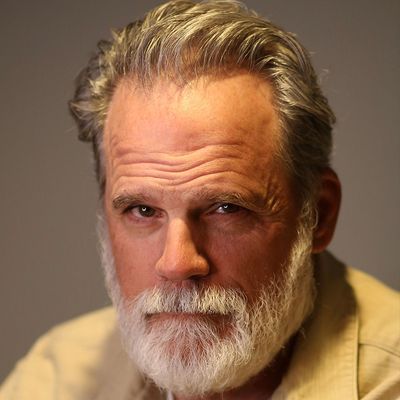
Michael Passaro is a production stage manager. He has stage managed well over 100 shows, such as Evita, A Steady Rain, Impressionism, White Christmas, Phantom, Les Misérables, History Boys, Chitty Chitty Bang Bang, Chicago, Thoroughly Modern Millie, Cabaret, Pippin, Carousel, and Angels in America... Read More
From the show: The Producer's Perspective Podcast with Ken Davenport
Guests
Featured Shows

About
Michael Passaro is a production stage manager. He has stage managed well over 100 shows, such as Evita, A Steady Rain, Impressionism, White Christmas, Phantom, Les Misérables, History Boys, Chitty Chitty Bang Bang, Chicago, Thoroughly Modern Millie, Cabaret, Pippin, Carousel, and Angels in America.
When you’ve watched the development of so many shows from the PSM chair, you learn stuff that no one can teach in a classroom, or on a blog, which is why I was thrilled to sit down with Michael and let him share his wisdom on topics like . . .
- What the primary responsibility of a PSM actually is (can you guess?).
- The role of the Stage Manager in the creative development process.
- The advice he got (that he has on a piece of paper) that he can see every day that he passes on to his students . . . and now you.
- The best thing to learn if you want to be a Stage Manager.
- How saying “Yes” to a job he didn’t have a clue how to do led him to his successful career.
Keep up with me: @KenDavenportBway
Transcript
This transcript was automatically generated and might contain errors.
[0:00] Ken Davenport: Hey everybody. So a couple areas of our country got hit pretty hard by Mother Nature over the past few weeks. So do me a favor, just pull out your phone and text Red Cross to 90999 and give 10 bucks to the relief efforts. That's Red Cross to 90999. It's an instant donation of 10 bucks. It's like a couple Starbucks. It's nothing for us right now, but it'll go a long way to the people that are still dealing with the aftereffects of Irma and Harvey. Thanks so much, and now on with the podcast.
[0:31] Ken Davenport: I wanna be a producer with a hit show on Broadway. I wanna be a producer. Hi everybody, Ken Davenport here. You're listening to the Producer's Perspective podcast. We're going backstage today. You know, we've talked to lots of people who create shows. Today we're gonna talk to someone who literally makes those multi-million dollar shows happen eight times a week. Please welcome to the podcast production stage manager extraordinaire Michael Passaro. Welcome, Michael.
[1:01] Michael Passaro: Thank you for having me, Ken.
[1:03] Ken Davenport: So I could list all of Michael's credits, but this podcast would be longer than Le Miz if I did so. Select credits include Charlie and the Chocolate Factory, Bright Star, Evita, Les Misérables, Promises, Promises, ooh, and even Dance of the Vampires. Is that true?
[1:16] Michael Passaro: That is very true.
[1:17] Ken Davenport: You survived.
[1:18] Michael Passaro: I survived.
[1:18] Ken Davenport: Well, we'll get into that in a bit. Tons more shows Michael has worked on. So look, we're gonna start off with my bar in Omaha question. Ready for it? The first of my James Lipton-like questions. I want you to imagine you're at a bar in Omaha, which you were on the road at some point in your career.
[1:26] Michael Passaro: I certainly was.
[1:35] Ken Davenport: Were you ever seated at a bar stool in Omaha?
[1:37] Michael Passaro: And in fact, Omaha is one of my favorite road cities, I have to tell you. I did a number of tours when I was much younger, and I always remember Omaha as being a very, very great place to bring a show.
[1:47] Ken Davenport: Well, I'm gonna ask this question, and then I'm sure I'm gonna get lots of letters and tweets about how upset the people from Omaha are. But I want to imagine you're on a bar stool in Omaha and you're seated next to someone who says, "What do you do?" And this person has never seen a musical before in their life. How would you describe what you do?
[2:06] Michael Passaro: Well, I would describe what I do and what the team of stage managers do on a show is to try to provide the best possible working environment for the artists who come to work there, whether it's the rehearsal room during the rehearsal process, or whether it's the theater during the tech process, or the environment that the folks have to come and work at during a long-running show. The work takes such great passion and a great effort for the folks to come and do it properly, so we try to provide the best space that we can for them to work in.
[2:45] Michael Passaro: You know, I always chunk up the running of a Broadway show into four different steps. There's pre-production, there's in the rehearsal studio, there's the tech preview period, and then there's running. Of those four periods of time, which one's your favorite?
[3:00] Michael Passaro: Absolutely, the rehearsal process and the tech process. It's particularly suited to, I think, my own personality where things are potentially changing on a daily basis, a minute-by-minute basis. So if the team is really grooving and you're really grooving with the creative team in the room, you're able to sort of make those things happen almost instantaneously, and there's a real, you know, I get a real kick out of it.
[3:26] Ken Davenport: So give me an example of a new musical that you worked on that went through a lot of changes in the rehearsal period.
[3:33] Michael Passaro: Well, one of the shows that you mentioned was Dance of the Vampires. And I love it, you just went there. You're just going for it.
[3:40] Ken Davenport: I didn't have the prod.
[3:41] Michael Passaro: Well, it's a show that did more previews. We spent more time in the rehearsal process and more time in the preview process than we did once we opened. It didn't run as long as we had done previews for. So we postponed twice our opening. We postponed it twice. So we had, I think, almost two and a half months of previews where every day we would get a list of changes that we were gonna try to rehearse that afternoon and put into the show that evening. Some afternoons we would be rehearsing something that we didn't intend to put into the show until two or three days down the line. So it was a really fantastic experience on that level.
[4:24] Michael Passaro: It was also toward the end of it, you know, very, very debilitating for a lot of the folks who are working on it because it was just so exhausting. I mean, the work we do is, you know, very, very labor intensive. You know, it is still the end of the day as big and technological and massive as some of these shows are, they are really handcrafted. They are made by people for people to experience in the moment. So they're quite fragile in a way. So it takes a lot of work to sort of balance that fragility versus the energy that's required to deliver the show across the orchestra pit to a house full of 1500 people every night.
[5:06] Ken Davenport: So on Dance of the Vampires, when you were doing that show, you had already been working on Broadway for many, many years and in the theater for even more, yes?
[5:14] Michael Passaro: Yes.
[5:15] Ken Davenport: So you'd seen a lot of great shows, you've seen some not so great shows. You've got good instincts. Here's what impresses me the most about what you do. You're sitting there and in the rehearsal process. I'm sure you're witnessing something that you're like, "Eh, that's not so good." How do you keep your mouth shut? Or do you? Or is it a stage manager's place to like nudge the director or the writer and be like, "You know what? I'm not sure that's gonna fly."
[5:40] Michael Passaro: Well, it depends on the team that you're working with, and it depends on, I think, the stage manager's ability. One of the great abilities that we have to develop through experience is knowing how to read the room and knowing when you have the privilege to perhaps say something that may, you know, expand the boundaries of what we do as stage managers, in that it's not just, you know, the paperwork and the technology, but it does very often, more often than not, in my opinion, cross over into the artistic.
[6:13] Michael Passaro: Yeah, I was because I teach up at Columbia University, and I was reading an article that was written by, you know, the late great book writer Peter Stone many years ago, and he said, you know, the book of a musical isn't just the words on a page or the structure that the songs fit into and the character arc and all that. These days, a book can sometimes be very often is how we transition from scene to scene, what the scenery is doing, how is that sort of informing the character development or what the director wants the audience to feel at any particular moment. So on that level, I think that stage managers can and should have the license to say things that might be, you know, not just about the scenery moving, but how it moves in relation to the story that they want to tell.
[7:04] Michael Passaro: And again, you have to know sort of when to read the room. You know, on Charlie and the Chocolate Factory, Jack O'Brien, who I know you've had on your podcast, is an unbelievably, he's incomparable in terms of his leadership ability. And he creates an environment where everybody has the freedom and the safety to say what might be best for the production. And he can then edit in or out what he sees that will fit with that vision. So that was a very safe space for us to all kind of try to make that show, make Charlie move and feel and look and you know give the audience the experience that he wanted.
[7:45] Michael Passaro: Dance of the Vampires, I would say it was such a the creators really worked hard to try to have that environment. It wasn't always successful. I think that there were, we certainly, in my opinion, made the show much better from when we started previews to when we opened. And also, as you know, from a producer's perspective, that you know, sometimes it's the timing of when these shows open. You know, I think in another day in time, Dance of the Vampires might have actually become a success or landed with an audience in a more positive way than it did when we opened it.
[8:23] Ken Davenport: And looking back at all the shows that you've been a part of, is there one thing that you think contributes to the success or the failure of a show more than any other? Is there one thing, one characteristic that you think, "Oh, all great musicals need to have this?"
[8:40] Michael Passaro: Well, if I knew that, I'd probably be earning a lot more money in some other business, the stock market, perhaps. No, it is there is an alchemy and a chemistry to it, you know, from where I sit, that is a little bit ineffable, a lot of skill and craft, and a good dose of luck. I would say, though, in terms of you know, musicals from the stage manager's perspective, the stronger that you have an artistic blueprint and foundation for, I would say those shows are the ones that have, I think, the better chance of you know succeeding with an audience on a financial or commercial level.
[9:21] Michael Passaro: And there are a lot of shows that I've done that haven't you know succeeded in the model of you know, had did it make money? Did it pay its investors back, or did it not? You know, as you know, most of them do not, but a lot of them are very successful artistically, and a lot of them are very successful to the audiences that came to see them.
[9:40] Ken Davenport: So, how'd you get started in this business? How did it happen? And more specifically, what drew you to stage management?
[9:46] Michael Passaro: Well, I would venture to say that like many of my colleagues, I'm sure, would say the same thing. I just fell into it. And I asked that question of my students who I'm interviewing for the stage management program up at Columbia University, and it's the same, mostly the same answer. Well, you know, I kind of just fell into it, and I was pretty good at it, and I really loved it, and then I decided to go for it. I actually got interested in the theater now that I think of it, when my mother was watching the Tony Awards, the year that Chorus Line won.
[10:20] Michael Passaro: So that must have been '76. And I walked into, you know, the living room just before the show started, and I said, "What are you watching?" She said, "It's the Tony Awards." "Oh, what is that?" "Oh, they have to do with the Broadway Theater." And I sat down, and of course, the opening number to the Tony Awards that year was the opening number for Chorus Line. I hope I get it. And I was like, "I want to do that." Like, how do we go see that? How do we watch that live? And the next year for my birthday, we came to the city and saw Chorus Line. In the meantime, I had gotten the album. It was an album back then. And I'd listened to it. It was all scratched up by the time, you know, we went to see the show a year later.
I knew every word. And I was hooked. After that, I sort of dabbled in drama club in junior high and high school. And I went to, I ultimately ended up at NYU, and I sort of didn't really think I was gonna be an actor, but I loved the theater and I loved being in New York. And I loved seeing shows. I, you know, as a student at NYU in the mid-'80s, we ushered everywhere. We got to usher at Manhattan Theater Club and Playwrights Horizons and Roundabout, and we got a lot of free tickets to Broadway shows, and I loved going. I went to the shows whenever I could, and I just loved the way it made people feel. I loved it, and I said, you know, I wanted to be involved in that in some way. I was lucky enough in my senior year of college to take a class called The Business of Theater, which was taught by, you know, a beloved mentor of mine, Charlie Willard, who was a company manager in the '70s and '80s, and he started teaching at NYU and at Carnegie Mellon, and I was, I didn't really know what I wanted to do.
[12:00] Michael Passaro: I didn't really want to run a box office, I didn't really know what the business of theater was. And the very first thing he said in that class was if you've come to this class to learn how to run a box office, you should go find another class. And I thought, well, this is the place for me. And I wanted to be a company manager, but I had not one single skill after being at NYU that I could possibly, you know, say could get me a job. So he encouraged me to get my MFA, which I did get at NYU, and I ended up doing an internship at Gatula Neufeld, which was uh, you know, one of the premier general management uh firms at the time. And at the end of my semester internship, one of the associate company managers in the office was leaving to go to another job or something, and I thought, well, this is it.
I have landed in the right spot at the right time. That's the way everyone says it happens. And I went to Peter Newfeld and I said, I'm here. You gotta hire me. The job is mine. And he's like, Well, hold on a second. He's like, I think before you sit down at a desk to be a company manager, you should really see how these shows are put together. And I think that you should uh be a production assistant. And we have a big new musical coming up uh next spring called Starlight Express. He said, I'll get you an interview with the stage managers, and you know, I think you should uh really in the trenches see how the shows are put together. So I interviewed with the stage managers, I got the job, and like a month or so in, they came to me.
They must have thought I was interested in stage managing or I knew what I was doing because they said, Well, you have to hire another assistant stage manager on the show. You know, you're here, you've you've got to do it. And I said, sure. I mean, they tell you that your equity salary at that time for an ASM, I think was $750 a week, and that's a lot of money now, and it was a lot of money back then, really a lot of money back then. So I said sure, as only a 23-year-old can do, 24-year-old can do, like having no idea what you really said yes to, but saying, sure, I'm I'm ready to go. And I basically have been here ever since.
[14:00] Ken Davenport: So it's funny. I started in a similar way, although you know, I started as a PA and started stage managing a little bit myself, but it was quite the opposite. I was like, get me out of here. I cannot, I cannot do what these people do. Couldn't take it. Plus, I almost got beat up if I about 17 stage hands for being in the wrong place at the wrong time. So, what was the some of the best advice you got from a stage manager early on? If you didn't know what you were doing, you're wandering around back there, you didn't want to get beat up by stage hands. What was the best thing you learned?
[14:29] Michael Passaro: Well, the best thing I learned, and I've I say this to my students at Columbia on the first day of school, which is coming up next week, by the way, for the fall semester, is actually uh a piece of advice I got from Peter Newfeld, which was in my written evaluation for the internship that I did for his office. He said, Michael needs to understand. I think the question was, what else does Michael need to learn, or you know, does he uh need to sort of fill his skill set with or something, you know, some collegiate question. And he said, you know, Michael just needs to understand that in addition to having a very good head for business and detail, that the theater is an industry that makes great demands on the soul.
And in addition to having all of the technical skill and know-how, you need to understand that it's the people who make the industry run, and it's that part that you really need to pay attention to. And that has stuck with me ever since. It's something that I try to live up to every day. It's something that I try to instill in my students. I still have that typed on an IBM Selectric, you know, piece of paper that Peter gave me at the end of the uh internship. It's really the best piece of advice that I've uh one of the best pieces of advice I've ever received.
[15:50] Ken Davenport: Yeah, you're so right, and I can't emphasize this enough because I didn't do that coming up. I mean, I did a lot of work, but mostly I'm the type of guy that like goes sits in front of my computer to try and solve any problem and not think about the networking connections I need to make or just being around people and learning from them more. It's uh it's so important in this business uh than so many others. Well, and uh, you know, my other uh mentor who I mentioned earlier, Charlie Willard, you know, said it's it's a mom and pop business. And even though you know, we have seen, you know, over the past, you know, 30 years since I've been doing it with the advent of the internet, that it is still a mom and pop business.
It happens to be one of a global reach now. You know, shows like Wicked and Mamma Mia and Phantom and Jersey Boys, you know, are basically our, you know, sort of Fortune 500 brands, you know, if you will. But that said, it is still a mom and pop business, and it's one that's created, you know, by hand with people in the room. One of the things that I also feel passionately about is, you know, having a face-to-face conversation with every one of the departments every day. You know, I'm about to, you know, head over to the lunch, and I will do that. You know, I go around to every department and just kind of check in because it's an opportunity for them to, you know, say, oh, by the way, this is going on.
It's a way for me to get the information to, you know, make that environment a better place for them to come and work and feel good about the work they do and go home at night, feel like they've done something, you know, really great.
[17:20] Michael Passaro: You remember how many cues Starlight Express had for you to call back in the day? Well, I do remember that because of that the way that show was set up technically, with uh all of these bridges coming into place at the last minute as skaters came, you know, around the corner. We didn't do anything on cue lights. You know, a lot of what we do in almost every single musical that I've done, or every single play that I've done since Starlight Express is we use a cue light to um you know cue the crew or the actors as to what their next entrance is or what the next uh automation cue is or whatever. On Starlight, because we had to be so focused on what was actually happening on stage, we didn't want our attention to be diverted by you know turning on a bunch of cue lights.
So everything was called verbally. So there were probably more cues, more words coming out of the stage manager's mouth than any show that I've done since, because it wasn't just lighting cues and sound cues, it was auto scenery cues and actor cues, and we had a whole series of commands and uh verbal uh cues uh with the deck stage managers to make sure that things were safe. I mean, this was the you know earliest version of modern automation, you know, in 1986, we didn't have uh you know windows uh or uh Mac computers or things that that sort of easy graphic user interface on some of those computers, and uh it was you know quite um uh a tribute to that crew and to uh those technicians that we were able to get through almost a two-year run with very, very little problems.
[18:56] Ken Davenport: What was the ambulance cue? You had a lot of injuries on the show.
[19:01] Michael Passaro: We we did we did, but uh we never, if I'm recalling correctly, I don't think we ever had to stop the show for anything like that. Once we opened one uh in previews, we had a number of show stops that we had to deal with. It's a pretty complicated show to begin your career with. Oh, since then, do you think shows have become more complicated technically in terms of the demands on a stage manager? Or has technology also just made it easier for you to deal with the advances in technology?
[19:33] Michael Passaro: Yeah, I think the latter. I think the shows have become more challenging on the interpersonal management and leadership levels. I think the technology has made such enormous advances that it uh we couldn't do a show like Charlie and the Chocolate Factory without the incredible advances that we've made in uh theater technology, and not just in terms of scenery, but lighting, sound projections. Uh things are linked over there. Sound is linked to automation, is linked to projections, is linked to lighting, so that you know any one of those cue points can initiate another cue in one of the other departments. So it makes for a seamless experience, which is I think what the audiences uh really want uh these days, or become accustomed to seeing, and not just through the great things we've done on Broadway, but but just through their you know day-to-day existence uh with you know video games or television, the screens outside your office here.
I mean, look at the look how far they've come in even the last five years. You know, that's all part of what the experiences I think we're trying to deliver um uh on Broadway. But I I do think the shows have become for the stage managers more challenging in terms of leadership skills and uh uh integration to the uh many, many, many different team members uh that are working uh behind the scenes during production, after production, you know, when the shows are running.
[21:01] Ken Davenport: Talk to me a little bit about that. So, what what are some examples of more specific challenges that you may deal with today that you didn't have to deal with 20 years ago?
[21:08] Michael Passaro: Well, I don't think that in I it like many of my colleagues and many of my students and myself, you know, who really sort of fell into this, I I think there's you probably can do that these days, but I don't think that I think the window is sort of closing on that. I think the uh the skill sets that are required to be a stage manager on Broadway are are becoming you know very specific, uh, not in terms and not just in terms of sort of the granular, you know, task-based things that we do uh in terms of paperwork or administration or methodologies, if you will, but are becoming very, very high-level skills in terms of leadership and management. I think also that because of the nature of the shows, I think that the stage manager's role has changed quite a bit in the time that I've been uh lucky enough to work on Broadway, in that it's not just a job now where someone is hidden, you know, behind black curtains whispering numbers and you know cues into a headset.
It's a front and center position, you know, on the organizational chart. I like to think of it as sort of a combination uh CEO and COO of the production, someone who's not only in charge of you know, setting culture and workplace ethic, but is also in charge of the you know the delivery systems, the operations, you know, the supply chain, if you will, you know, that gets that show up and running eight times a week. So it's a very high-level job that requires you know, management skills that I don't think 30 years ago that are very common, you know, in the Fortune 500 world, but are now required to make a successful uh show now. And I think the producers uh sort of demand it. I don't think they sometimes I don't know if they can really put uh you know words to that, but with so many of our producers who are coming from, you know, our producers, Warner Brothers and uh you know, other arenas, you know, entertainment arenas where they're used to that kind of uh organizational chart that you are you know expected to sort of behave and on on that level.
[23:12] Ken Davenport: What I love about how you started off is that you were told you should before you started managing shows or before to start used or company managing shows, you should get see how the shows are put together and get in the theater, right? And that's what I did. And a lot, but a lot of producers these days, that's not how they get started. They don't see how the sausage is made. What advice would you give to producers that hadn't seen that? If you let me put it this way if you could get all the producers in a room, what would you tell them that you don't think they know about what happens in a theater when they're not there?
[23:46] Michael Passaro: Well, I would, you know, and I don't want to answer a question with a question, uh, but I do I think it's incumbent upon the stage managers to sort of you know come to their side of the table as well. I don't I think that's a two-way street. Uh, you know, again, I I sort of came up in the days where there were, you know, very, you know, sort of, you know, a c a cottage industry of general managers and all who did spend a lot of time in in the theater. But by the same token, I don't think that we as stage managers can say, you know, you know, it's it's incumbent upon us to mentor, in other words. It's we we're the ones who should really be trying to have that those conversations uh with uh producers who may not be from this environment.
And again, you know, I go back to what you know, I was, you know, what I said earlier on is that it is it it really is a business and a craft that depends on people as your main resource. And perhaps, again, I have not worked in television, I haven't worked in the movies. Maybe that work ethic is a little bit a little bit different there, but I bet at the end of the day that it's not. I bet there's a lot more common ground than there is uncommon ground in terms of that.
[24:53] Ken Davenport: Have you ever wanted to direct?
[24:54] Michael Passaro: No, I haven't. I think that what makes me a good stage manager is that I don't want to direct. I think I'm I'm very good at recreating other people's direction. And of course that doesn't, I mean, of course I have an opinion, of course I have a perspective, but I think what makes a good stage manager who is also a good, you know, can maintain the show, is that he or she knows sort of what the parameters are. You know, where are the boundaries of the sandbox? Where can you let an understudy maybe do something a little bit different? And a lot of that is set by by the creative team. Uh, but the best directors, I don't I haven't worked with a single one of them, you know, who's ever said it must be done like that.
It must be an automaton of there. No one's ever said that. And if you can kind of sort of figure out where the the boundaries are of that, I think you'll be you'll be successful at it. I I never found I I never had an aspiration, uh, aspiration to direct. I think I'm good at just recreating someone else's direction.
[25:51] Ken Davenport: Well, let's talk about that fourth period of the timeline, which is the maintenance period, if you will, when the show is up and running, the assembly line part of it. You talk that an important part of what you do is maintaining the culture backstage and the environment. I mean, that is a tough period of time on those actors and stagehands when they start doing the same thing every single day, eight times a week.
[26:15] Michael Passaro: Yeah. How do you and I've noticed, you know, even in my my 25 years now on Broadway, absenteeism seems to be up now more than it did back in the old days. What do you think about what's happening backstage and and how do you combat that assembly?
[26:31] Michael Passaro: I think that, you know, again, the I think the generation before me of stage managers were still of that period of time when the shows were less technically complicated, not quite as large scale in terms of the human resources management that the stage manager was responsible for. And they were of the age where the stage manager was, you know, the be-all and end all. He or she did everything in that theater on behalf of the producer, on behalf of the creative team. And because of the things that you just mentioned, because of creating and cultivating and harvesting that backstage culture, that to me is the job that takes the most energy. I'll speak for myself, takes the most energy, takes the uh most time for me and my team to make sure that it is humming along and can respond to issues and challenges that come up as quickly as possible.
So where 30 some odd years ago the stage manager had maybe focused more on the artistic maintenance of the show, I think nowadays, you know, in the with the system that has kind of morphed from the British system, which was having a uh a resident director and the stage managers did none of the maintaining. We've now sort of morphed into a version that works uh on most of the big shows where there is a resident or associate director, may not be on site, you know, every day or every performance, but does have you know an artistic uh imprint to maintain in terms of what the creative team and the director and the choreographer and the musical director wanted. There are there's an associate level that helps take care of that now because the stage manager, his or her team, is busy, you know, making sure that the backstage culture is uh is taken care of.
In terms of keeping everybody motivated, you know, if a show opens in the spring, like we did with Charlie, I can almost tell you that I was pretty much dead on, you know, at the point at which people are gonna be like, oh, it's a job now, it's we have to come here eight times a week, you know, we uh have to do a five-show weekend. I can pretty much tell you when that starts to kind of interfere. Uh, we're past it now. It's was midsummer. In terms of absenteeism, not to, I mean, a lot of the gains that you know the the actors equity union has made in terms of vacation time, paid vacation time, personal days, etc. We at Charlie really follow those rules to the letter of the law, the letter of the equity law, if you will.
I think some shows are a little more lenient about that. So I think it you know sort of gives uh an overall feeling that there's more absenteeism than there really is. I I think it's sort of a false, a false perspective that there's all this absenteeism on Broadway. And also, you know, uh in the days with the internet, people know about that now. You know, they know that oh, so-and-so is out in such and such a show and becomes a huge deal when it's really not that big a deal at all. The majority of the audiences don't know the difference.
[29:32] Ken Davenport: No. So you talked about the window closing, perhaps on falling into stage management. What advice would you have to someone out there who's who says, I I want to do a Michael doing, I want to be a stage manager?
[29:44] Michael Passaro: Well, again, to do as much as you can wherever you are, you know, whether that's community theater, college theater, summer stop, and to do as much if you want to be a stage manager, uh, I think the best thing you can do for yourself is learn about everything else in the theater other than stage managing. And to really, you know, have you may not, you know, and I'm not an expert on, you know, the granular details of how you know some of these computerized automation systems run, but I have enough knowledge of it that I have a really good, you know, glossary of of terms and a really good uh you know appendix to sort of uh refer to in terms of how those systems work. So you really should you know find out what the producer does, find out what the company manager does, you know, spend a day with the head carpenter or the technical director if you're working at a regional theater.
You know, spend a day with the development folks at uh at a regional theater. You know, f learn what everybody does in that microcosm, and uh so you'll have a better sense of how you fit into the whole. And and don't say no to anything, you know. Just don't think, oh, how's this gonna be for my kids? You know, just just do it. Just be out there and do it.
[30:56] Ken Davenport: Okay, my last question, we're gonna bookend this one with another James Lipton question, my genie question. I want you to imagine that the genie from Aladdin comes to visit you, and thanks you for your many years of service to the industry and wants to grant you one wish. Now, the one thing I will tell you a little sidebar here is that the one thing I've noticed all very successful production stage managers is they all have this element of their personality, which you have. Very calm. You can withstand any press door, whatever it is, you can handle it, and no matter what happens. I want you to imagine what what is the one thing, one thing on Broadway that gets you mad, angry. Have you throwing chairs, banging on your calling desks, wearing up a storm that you'd ask this genie to wish away can be as small as sippy cups or as large as ticket prices. Anything you want that you just ask this genie to make go away so that your job in the theater would be a better place.
[31:57] Michael Passaro: Well, I I did my research as I always do for these kinds of things, and I was expecting this question. I cheated in other words. I cheated, yeah. But I I've been so lucky and so blessed in the trajectory of my career and now being able to work with my students up at Columbia University. And I just I guess I would say to that genie, just make sure people realize, you know, just how for those of us who are you know lucky enough to work in this environment, that it really is a privilege and it's a gift, and it's a and it's something that is very easy to take for granted, but we should be reminded every day that we shouldn't take it for granted. And also that no matter what you're doing, I think no matter where your skills take you in this business, that I think it's incumbent upon us to really try to help mentor the next the next generation.
And that doesn't have to be, you know, mentoring can be something as formal as what I do up at Columbia, or it can be something incredibly informal and off the cuff as you know, one actor pulling aside another actor to say, hey, you know, think about this, think about how you're coming across. Could be, you know, a stagehand, an actor to a stage. Can it can be it can cross all lines? The the Broadway theater is very departmentalized, but the most successful environments, the most fun environments that I've worked in are where you you have a lot of cross, a lot of cross-pollination. But uh the the mentoring thing is particularly important to me. And I think we all have that ability. And we should we should recognize it, especially when we get, you know, we get to do this on Broadway. I mean, come on. I mean, it's fantastic. It's great. It's it's incredible.
[32:18] Ken Davenport: So that's what I would say to the genie. It's very good advice. And very good advice to remember when you're on a long-running show.
[33:53] Michael Passaro: Yeah. That's when it's the hardest for how fortunate we all are, whether you're producer, musician, actor, when you're a year and a half into a show, that's when it's hard.
[34:01] Ken Davenport: I listen, I am lucky enough that I get to, you know, somewhat kind of choose the things I get to work on, you know. And I am deliriously happy over at Charlie and the chocolate factory. You know, but I my career has been sometimes not through my own, not through my own doing. So, you know, I've just I've just gone from show to show to show to show. And that suits my personality really well. You know, but I think that some of my colleagues who are on the long-running shows, I think their job is harder. I think that they're to be able to motivate, you know, a group of people year in and year out, day in and day out, hour in and hour out, you know, to deliver the best possible, you know, version, whatever show they're doing uh on any given night, it it's really it's it's a real challenge. And my hat's off.
[34:54] Ken Davenport: And with that, we will say goodbye, Michael. Thank you so much for the first time.
[34:57] Michael Passaro: Thank you for having me. It was great. Uh being uh here today.
[35:00] Ken Davenport: Thank you, all of you for listening, and we will see you next time. Don't forget, whip out your phone, text Red Cross to 90999. That's Red Cross to 90999, and give 10 bucks to help with the relief efforts for all the people that are still dealing with the after effects of Irma and Harvey. Thanks so much, guys. Means a lot.
© Broadway Podcast Network, All Rights Reserved