

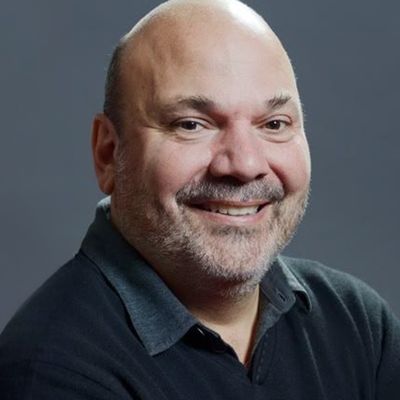
Casey Nicholaw is an American theatre director, choreographer and performer. He has been nominated for Tony Awards for directing and choreographing The Drowsy Chaperone (2006), The Book of Mormon (2011), Something Rotten!.. Read More
From the show: The Producer's Perspective Podcast with Ken Davenport
Guests
Featured Shows

About
Casey Nicholaw is an American theatre director, choreographer and performer. He has been nominated for Tony Awards for directing and choreographing The Drowsy Chaperone (2006), The Book of Mormon (2011), Something Rotten! (2015), and Mean Girls (2018), for directing The Prom (2019), and for choreographing Monty Python's Spamalot (2005) and Aladdin (2014), winning for his co-direction of The Book of Mormon with Trey Parker. He also was nominated for the Drama Desk Awards for Outstanding Direction and Choreography for The Drowsy Chaperone (2006) and Something Rotten! (2015) and for Outstanding Choreography for Spamalot (2005).
Casey Nicholaw is an 8-time Tony Nominee and a big winner for his direction of Book of Mormon. You know that show, right? One of the biggest hits of the century? Yeah, that was Casey’s. Along with Drowsy Chaperone, Spamalot, Elf, Something Rotten!, Aladdin and more.
He’s got a nose for what works, and is also one of the nicest guys in the biz (when talking about Casey and his incredible career, I often say, “I love it when great things happen to great people”).
And he’s today’s podcast guest! Listen in to hear him talk about:
- His secret to choosing material or what kind of shows lots and lots and lots of people want to see.
- How he turned Aladdin from a show in trouble out-of-town into a big fat hit.
- Why Choreographers make great Directors.
- What losing his hair had to do with the start of his career.
- How he maintains a show (or his many shows) after they are open.
Enjoy and I hope you learn as much as I did!
Keep up with me: @KenDavenportBway
Transcript
This transcript was automatically generated and might contain errors.
[0:00] Ken Davenport: I wanna be a producer with a hit show on Broadway. I wanna be a producer.
[0:10] Ken Davenport: Hey guys, it's Ken. Quick announcement before we get into this week's podcast. Have you ever been curious about how Broadway investing actually works? Maybe you want to put some money into a show yourself, find the next Wicked or Hamilton. Or maybe you're raising money for your own show and you just have some questions about where that money actually goes. Well, I'm teaching a Broadway Investing 101 seminar on November 7th that will answer all these questions and a whole lot more. November 7th, 2 o'clock, right here in New York City. You can sign up by going to the ProducersPerspective.com and clicking on the consulting and seminars tab, and all the information is there. Hope to see you on November 7th at 2 o'clock. Now enjoy the podcast.
[0:52] Ken Davenport: Hello everybody, Ken Davenport here. Welcome back to the Producer's Perspective podcast. Now, before I introduce today's guest, I have to tell you a little story. So, as you all know, I talk to lots of theatergoers at my own shows, on the subways, when I see people holding playbills. And the other night I approached a couple from Georgia who I saw holding a playbill, and they said they were in town seeing some shows, and I asked them what shows they were seeing, and they said, "Oh, we've seen three shows." We saw Book of Mormon. Yes, you heard the laughter already, you know what's coming. Book of Mormon, Something Rotten, and Aladdin. And they, of course, they love them all. Uh, and what do all three of these shows have in common? Well, all three were directed and choreographed by the man who is here to talk to you today. Welcome to the podcast, Tony Award winner Casey Nicholaw. Welcome, Casey.
[1:40] Casey Nicholaw: Thank you. Hi, everyone.
[1:42] Ken Davenport: I swear that is an absolutely true story, and thank God she loved them, because it really would have been a bad thing.
[1:42] Casey Nicholaw: Thank God.
[1:48] Ken Davenport: Yeah, you would I wouldn't have let you start with that. Um, we really like two of them.
[1:53] Casey Nicholaw: Two of them were so good.
[1:57] Ken Davenport: It is crazy though when you think about it. You have these three real mega million dollar club shows on uh on Broadway right now. Uh, you have a bit of a divining rod for finding these hits as well as making them into hits. What do you think is the secret ingredient to that?
[2:15] Casey Nicholaw: Oh, I have no idea, actually. I mean, I mean, South Park's a big ingredient to Book of Mormon, and Latin is a big ingredient to Latin. You know, Something Rotten is just a show that totally appealed to me when uh Kevin McCollum like brought it to me. And uh it's just been a labor of love. We absolutely love the show. But as I always bring you up as an example of directors and choreographers and who you should look for, because even when you go back further, Drowsy Chaperone, which was your debut as a director.
[2:46] Ken Davenport: Right.
[2:46] Casey Nicholaw: Yep, uh Spamalot was a hit. In fact, from looking if you look at your Playbill Vault list, uh-huh, seven I I have like seven shows you've done in a commercial Broadway arena. Uh-huh. And it looks to me like five have been commercial successes. Your recruitment rate is outstanding.
[3:04] Casey Nicholaw: Pretty awesome.
[3:08] Ken Davenport: So tell me, I do believe you have an innate sense, whether you know it or not, of what the modern or the audience that goes to Broadway shows want to see. What do you look for specifically? Or what attracts you to a show?
[3:21] Casey Nicholaw: Well, I mean, uh something something that's buoyant and that is I mean, actually, something that I'm gonna want to see is is sort of what uh what I look at it. You know, I look at a show and I go like I would love to see something like this. Or I mean, it's it's a combination of that, but it's also a combination of the storytelling of it. You know, if it feels like it's a good story or it's a good script, and it's something that you know that interests me or that has like a buoyant build to it, you know, which all three of those shows do have in common. You know, the storytelling is fantastic in those shows.
[3:50] Ken Davenport: So you mentioned the shows that you would want to see. Tell me a little bit about how you got into the theater in the first place, where it all began.
[3:56] Casey Nicholaw: Oh, it all began in San Diego, really. You know, my my parents were not from a theatrical background, and they just saw that I was interested in that. And I think that's when I sort of found myself, you know, as a young kid. You know, 13 years old, I was suddenly a dancing Indian in Annie Get Your Gun in San Diego in junior theater there, and you know, made new friends because I was high school was not for me, and junior high school was not for me. I just felt like such uh such a misfit, you know, bad at sports, made fun of, all that kind of thing, and then I found like my theater family, you know, and that was that was great, finding a place to sort of fit in in that way.
[4:33] Ken Davenport: And then you made the move to New York City to become a performer here.
[4:37] Casey Nicholaw: Yeah, but I mean it sort of started earlier, like in San Diego, because you know, I did a show at the Old Globe when I was uh 15 with Greg Barnes, who was in it as well, and Brian Stokes Mitchell was in it, and Kathleen and Jimmy was in it, and you know, it it it I learned so much from being in that situation, and I just knew that I wanted to move to New York. You know, I stayed at UCLA for like a year and a quarter, and I was like, I'm out of here, basically, because I just knew I wanted to be here.
[5:04] Ken Davenport: So you get here, and what happened next?
[5:07] Casey Nicholaw: Uh I got here, I waited tables for a really long time. You know, I came as a performer, you know, I had 50 bucks, nowhere to live, slept on people's couches, which you know you kind of could do then. Um, waited tables absolutely everywhere. Watched all my friends get their equity cards, lost my hair, you know, and once I lost my hair, then I started working. You know, and I got absolutely I couldn't get jobs at all, you know, and then um I sort of, but you know, it's those informative times. I sort of developed my sense of humor when I lost my hair because it was a very self-deprecating sort of sense of humor. But you know, I wanted to be the first to talk about my hair loss before people started commenting on it, and everyone's looking at my forehead when they're talking to me, like, "Hey, I haven't seen you in a long time.
Great." Yeah, how are you? And every with the other eyes just like focused up at the top of my head. But you know, then I started, you know, getting in the ensemble of all these shows, and I was always, you know, the waiter or the gangster or the stage hand or the you know, all those parts. But uh I loved it.
[6:03] Ken Davenport: First Broadway show.
[6:04] Casey Nicholaw: Crazy for You.
[6:05] Ken Davenport: Crazy for You.
[6:06] Casey Nicholaw: Yeah, what a great show that was.
[6:08] Ken Davenport: Awesome. It was the it was everything you could ask for. Being someone who grew up loving MGM musicals and you know, getting the, you know, there were when I was growing up, you know, we didn't get, we didn't have VCRs, you know, or we're just getting beta, you know. Um, so I was always going to the revival houses, like, you know, checking the schedules, you know, having to drive to the theater to get the schedule, uh, and circle the ones I wanted my parents to drive me to so I could go see all the old uh all the old musicals.
[6:35] Ken Davenport: How many shows did you do as a performer on Broadway?
[6:38] Casey Nicholaw: Eight.
[6:39] Ken Davenport: Eight. So when did you start to think that you wanted to be on the other side of the proscenium?
[6:45] Casey Nicholaw: Well, I I was always, you know, I just paid attention to all of it and and you know, I I've always wanted to do it. And you know, I actually was choreographed a lot non-equity before I started concentrating on performing, like during the losing my hair period, I was choreographing non-equity. Um, and then um and then I just decided after a while I wanted to get back to it. And you know, I mean, I've told the story so many times now, you know, but but for those of you who have not heard it, uh, you know, I was in I was in Seussical and I just uh really wanted to do something more. And so I rented some studio space and I said I'm just gonna be creative. And I went to I went to New Dance Group every Wednesday and Saturday between shows, and I was like, I'm gonna be creative.
And I wasn't very creative to start with. I was like, I don't know what I'm doing, why am I here, what's what what do I want out of life? And then before you know it, I choreographed three numbers, had 25 dancer friends, thank you everybody, uh, who did this with me, and I arranged three numbers and I invited every director, writer, producer that I'd worked with in those eight Broadway shows. And everyone came, and Kevin McCullum gave me a job uh choreographing Prince and the Pauper at the for the Ordway in the Fifth Avenue, and um that's kind of what started it. And then I did Dance Break, which I don't know if they still even do it, but uh I did Dance Break, and then Des McAnuff hired me to do uh the Sinatra show at Radio City.
[8:10] Ken Davenport: Uh so your choreography career starts going well. You do Spamalot, big fat.
[8:15] Casey Nicholaw: And then Kevin McCullum again says, "Hey, you want to direct Drowsy Chaperone and choreograph it?"
[8:21] Ken Davenport: Right. Did you have, oh, I want that's the next step for me. I'm gonna do that.
[8:24] Casey Nicholaw: I just said sure. You know, I just said sure, you know, and um, and uh then it happened. I met with the writers of Drowsy the morning after Spamalot opened, and then they were like, "You want to do this?" I was like, "Yeah."
[8:38] Ken Davenport: And you jumped right in. Was it were you nervous about it? Were you um
[8:41] Casey Nicholaw: I was nervous? I mean, it was a very different show then um when I came on board, you know, I knew I loved it and it made me laugh and stuff, but you know, it didn't have the physical production that the Broadway show ended up having. It wasn't set in someone's apartment, you know, it was a chair on the side, and they were like six doors, and people came in and out of the doors and did these sort of uh these sort of period songs while the man in the in chair, you know, basically deconstructed it all. You know, but they were doing that show with very little money, so that was their set, you know, in their heads it probably was, but we we made it a real physical place to then sort of disappear into this musical theater world.
[9:24] Ken Davenport: So that brings up a uh an interesting question is when do you like to start working on these new shows?
[9:31] Casey Nicholaw: I I like getting in as soon as I possibly can. You know, I when I got involved with Drowsy, you know, they'd done it in um in Toronto already, and then they did, you know, the anamped 45-minute version of it, and then they brought me on board and changed it a lot. We changed it a lot. We cut like six songs right off the top, uh, moved all kinds of stuff around, made it, you know, they hadn't really, you know, they'll be the first to tell you they hadn't really thought about the dance element in that way because there wasn't a dance element really. You know, we changed the opening number, we you know, gave it more of a 20s feel as opposed to was a little bit more in the operetta world when we started.
[10:07] Ken Davenport: So to talk about look, think because I agree with you, I don't think writers think about dance uh at all sometimes when I read musicals, they just don't visualize it, they stare at text all day. And of course, some of the greatest Broadway directors we've ever had have been choreographers first from Fosse, uh huh, uh Jerome Robbins. Why do you think choreographers make great Broadway directors?
[10:32] Casey Nicholaw: Well, one is I think it's one vision, which is a great thing because you know, with two people, there's more of a chance of them not getting along or having a different vision. And you know, a musical has to move literally with pace, you know, and so I think a choreographer knows pace well and is able to keep things moving, especially for me, this the shows that I've been doing, the comedies, you know, they they it just has to go, and there's like a natural build that has to happen in a musical. Uh, and I think that a choreographer is is also very helpful with the transitions. Uh, so someone who's directing a choreographing can move things literally more quickly.
[11:10] Ken Davenport: So, Book of Mormon obviously exploded onto this scene several years now.
[11:15] Casey Nicholaw: Right.
[11:16] Ken Davenport: Um, but the buzz was deafening about that show. And what I loved actually about the advertising campaign that Scott Rudin uh uh initiated back then was he you didn't really see much of the show in any of the advertising. He was very smart, so smart because it just made you want to get in there that much more.
[11:32] Casey Nicholaw: Yeah.
[11:33] Ken Davenport: When you did the workshop with that, there was a workshop because it was supposed to go to New York Theater Workshop first, I think.
[11:38] Casey Nicholaw: I think so. I've I actually was brought on pretty late because they'd been working on it for like five or six years, and then I brought was brought in as new eyes, and um then we did a lab, like four weeks after I got hired, or three weeks after I got hired, and then um and then it went to Broadway from there.
[11:53] Ken Davenport: At the final performance of the lab, did you know what it would become? Were you like, uh oh, this is going to be special?
[12:02] Casey Nicholaw: We knew we had something special. Yeah, absolutely. You know, I I didn't know it when I started for sure, and I was also petrified, so I didn't know, and this is people that people that had been working on it already, and I was really nervous about it all. Um, but then you just got this feeling, and also it was that it was that sort of feeling that when I had friends come to the workshop, they said afterward, "Oh my god, that was amazing, I loved it," and then they texted me later that night. That I can't stop thinking about that. And then two days later, calling me and saying, "I just have to say, I have not stopped, you know, so I still have that song stuck in my head," or "I still am thinking about this moment." So that's three times friends, or you know, as opposed to someone just going, "That was cute," or "that was sweet."
[12:46] Casey Nicholaw: Cute is or fun, cute or sweet, it's the worst. You know what? It's the worst, it's absolutely the worst. I just want someone to say that was so funny.
[12:54] Ken Davenport: I did a show.
[12:55] Casey Nicholaw: Oh, I loved it.
[12:56] Ken Davenport: Yeah, I did a show off Broadway several years ago, and I always hang out at the uh the entrance of the theater, and I heard like four people say it was cute after the third preview, and I was literally like, "Nope, not gonna make it."
[13:07] Casey Nicholaw: Yeah, yeah, totally. Don't make it on cute, you need much more passionate word of mouth.
[13:11] Ken Davenport: So tell me a little bit about your process. You get a call and you're like, "Hey, we want fresh eyes on Mormon," or we get a call with Charlie Chaperon.
[13:19] Casey Nicholaw: Right. What's the first thing you do? Are you a research guy? Do you go to your studio?
[13:24] Casey Nicholaw: Well, it it depends which hat I'm wearing, if I'm wearing the director hat or the choreographer hat. You know, if I'm wearing the director hat, it's all about the script to start with. So getting the storytelling right, deciding which songs are gonna build just as strongly as the strip as a script builds. You know, because a song structure is so important in it, you know, uh, it has to just it has to build, and there has to be the right, you know, ballad next to this, or you or you know, well, we got three ballads in a row, so it's just gonna tank here. You know, it really is it really is uh dictated by that, I think. You know, and I all the time in deal with writers, we were talking about this the other day as we were working on on Tuck, that you know, writers say, "Well, you know, it's an energetic scene, so it sort of acts like a song."
No, it really doesn't. It really doesn't. If there's not a song in it, it doesn't act like a song. You know, people just they know it's like three-page song, three pages song, three pages song. It's like, you know, the encore's rule, and also it's a pretty good rule to follow anyway, because then if you've got 13 pages in between two songs, the show's gonna lag.
[14:27] Casey Nicholaw: It totally is, and you have to figure it out, you have to restructure it somehow. You know, you what was I? There's always, you know, there's always a moment in a show where you go, like in Aladdin, actually. You know, we didn't have like a I we suddenly realized we don't have a production number in the middle of Act One, and we need one, and we completely changed Bad Kakomar Aladdin Kasim, which was just a small cute number, cute number with the four guys, and it just didn't go anywhere.
[14:52] Casey Nicholaw: And it was like song number three in the show, and so we pulled it out and we moved it and made it a giant production number in the middle, so that we had major ensemble buoyancy in between Arabian Nights and Friend Like Me.
[15:05] Ken Davenport: So let's talk about Aladdin a little bit, which is obviously a big fat hit here. But when you did the tryout in Toronto, there was all this scuttle, like, ooh, it's maybe it's not working, maybe it's not working. Maybe it's a turd.
[15:18] Casey Nicholaw: Yeah. I love your blood. I would never say that. No, but I just said, no, but honestly, I was saying, I was like, this can't be a turd, this can't be a turd, this can't. I just kept saying that. And it was feeling like that, and everyone just rallied, completely rallied. And you know, I went into killer mode, and you know, I kept talking to Natasha Katz, and I'm like, I'm going into killer mode now. She's like, Alright, go killer, you know. And Tom and Ann, everyone was so supportive of it and saying, This is what we need to do. You because I suddenly got, I know what to do, and they're like, do it. And we all worked together, and it was a really supportive atmosphere, and we were able to just really, you know, Chad, everybody was just champs and like let's beef the jokes up.
Let's, you know, let's cut numbers, we gave numbers to other people. You know, the whole thing about Aladdin was that it was originally conceived, you know, as this sort of musical theater movie that ended up being an action adventure. And part of the conceit of the musical theater part of it was that Babcak, Omar, and Cassim narrated the whole story. So we thought, perfect, and we used all the stuff that you know Howard and Alan had done with those three guys narrating, and we realized that it was a mistake. And so we took Arabian Nights away from those three guys, and they were great about it, and gave it to the genie because we didn't see the genie for 45 minutes into the show, which is kind of what happens in the film as well.
And then we were we were stuck with okay. If we're if we're cutting all that, what do we do to change the set? Because every time we had to change the set, those three guys did that. So we ended up, you know, maybe not ideal, but we ended up bringing, you know, getting a brand new drop that was a palace hallway drop and doing half of every scene in front of it. So we had to do a lot of thinking and a lot of re-choreographing and a lot of re-rejigging, and it really ended up well.
[17:14] Ken Davenport: What percentage of it changed from Toronto to Broadway?
[17:17] Casey Nicholaw: I would say about 30.
[17:19] Ken Davenport: That's a lot.
[17:20] Casey Nicholaw: It is a lot, but I would say about 30. We worked really hard during that time. Everybody worked really hard. Every department. I wrote a blog a long time ago that I think where creative team members earn their stripes is during a preview period or during a trial because people don't realize that you're working under the confines of stage hand hours and scenery.
[17:38] Ken Davenport: You had a set built. It wasn't like you were gonna trash it and build a whole new one.
[17:42] Casey Nicholaw: Yeah, so you had to write this story or rewrite the story around pre-existing.
[17:47] Ken Davenport: Absolutely.
[17:48] Casey Nicholaw: Absolutely. Well, obviously you did incredible work. I love the killer mode idea because that's certainly what you need to do. How do you get feedback during that? Do you listen to audience members during previews? Was it just your own gut saying this is a turn?
[18:01] Casey Nicholaw: Usually it's my own gut. You know, and audience response, of course. I watch half the show looking up and down the aisles, you know, down the rows. You know, but mostly it's my gut. Again, it's the thing I said earlier, it's like it has to be a show I want to see. And I wasn't really enjoying myself at Aladdin when I was watching it. So I thought, well, something's wrong. If I'm not looking forward to the next number, then it's not right.
[18:28] Ken Davenport: And was it surprising to you that first preview where you're like, oh, we're in good shape, we're in good shape?
[18:33] Casey Nicholaw: It was. It was. It was. You know, and also where we were in Toronto, and the you know, and then you start going like, well, is it the audience is here? Would it be the audience in New York? You know, is it a Canadian versus, you know, a New York thing? You know, you just don't know. You start questioning everything, but then you have to really listen to your gut. No, I'm not Canadian and I wasn't enjoying it. You know what I mean? There were so many moments I loved in it, but we all knew it, and I think we all felt it, you know, and you could sort of tell. And you can sort of tell in actors a little bit too, you know, when they you start getting a little disgruntled about things. You can go, okay, maybe things aren't so good. You just have to watch everything for signs. You really do.
[19:13] Ken Davenport: So we talked a little bit about how you prepare as a director. How do you prepare as a choreographer? So you get, oh, here's a big dance number I have to do. What's the first step in creating that number?
[19:26] Casey Nicholaw: Well, actually, it's even before that that you get a song and you don't know what it's gonna be, and then I'm like, hey, I think this should be a big dance number, you know, so it sort of starts there, and then the next thing is always Glenn Kelly or David Chase, but for the most part, Glenn's the person I've worked with the most. And you know, so I'll say to Glenn, I want a big dance number here, and he'll just go write something, and then we'll start working together. I'll say, Oh my god, I love this part of it. And he inspires me so much. I mean, he is just one of the unsung heroes of bringing all the shows that I work on to life, you know, and many people, Susan Strowman and you know, Warren Carlisle, that they use Glenn and he's absolutely fantastic, you know.
So it then it goes with that, and then I basically sit on the floor and close my eyes and watch it as a movie like a million times while Glenn's playing it and see what I want to see and see where it lags and see where I need more, and then you know, then after that, I'll get, you know, I'll get the associates, my associates, which you know, for those three shows we talked about, John McGuinness has been the associate choreographer, and then you know, Jen Warner and Steve Bebout and Scott Taylor have been the associate directors, and you know, we'll go in a room with Glenn and for a week just try to start staging the numbers, and then we'll get you know, it's like six dancers or something and put all the numbers together with those people.
[20:46] Ken Davenport: Actually, never even thought about that. If you think about it in terms of like writing music first or lyric first, so your dance numbers are music first in a way.
[20:55] Casey Nicholaw: Absolutely. For me, I don't think everybody works that way. I don't know if everyone works that way, but that's it for me. And so much of your the numbers that you've done have so much comedy in them, right? Especially the Mormon stuff, of course, and chapter. Where does that just come out of that movie in your head? Do you improvise with the dancers?
[21:10] Casey Nicholaw: What it does, it does come out of my head in that way. You know, and also it has to stay true to, you know, to me, it has to straight stay true to the feeling of the show. Because, you know, if you're doing a big comedy, if you're doing Book of Mormon, the numbers have to be funny too. You can't just stop and do a dance number for no reason. Just to have energy, you know. You can a little bit more in Aladdin. It doesn't have to be as funny unless it's the genie who's a funny character. But you know, something rotten and and Mormon both have to have those hooks, and Drowsy did too.
[21:43] Ken Davenport: So you have three big fat hits here on New York. You have another show coming up. But in addition, some of these shows, of course, are all over the world now, Book of Mormon. In London, Aladdin, I'm sure is going to be super global. I think what a lot of people don't realize is that your job is not over after opening night.
[22:06] Casey Nicholaw: No, it's not. How much of your time do you spend maintaining these shows?
[22:11] Casey Nicholaw: Quite a bit, you know. I return to the shows quite often, and and also when there's understudies going on or there's a cast change or something to just make sure that the show stays in as good shape as possible. And it gets it gets difficult after four years, you know, with the show. I mean it's it's great. It's it's great, but it's it's a it's a lot, and I just want to be sure I'm still involved and and keeping everything in as good shape as when it started.
[22:36] Ken Davenport: And tell me a little bit about Tuck, the next show that opens this year for you.
[22:41] Casey Nicholaw: Oh, um, it's a beautiful show. It really is. I love it, you know, and Claudia Scheer and Nathan Tyson and Chris Miller are the authors and composer and lyricist, and it's you know, it's a really beautiful, heartwarming story, basically about, you know, it was written in you know 70 I forget exactly which year but in the 70s about you know to help younger kids slash early adults how to deal with life and death and it was a story about you know a family that lives forever and if you had that choice would you and how the what the circle of life is and it's a it's a beautiful story it's not a big fat musical comedy it is not at all it really isn't but I was so drawn to the humanity of it.
[22:44] Ken Davenport: Now what else is coming up for you? I had John Breglio on this podcast a few weeks ago and he broke the news that you'd be doing Dreamgirls in London with us.
[23:42] Casey Nicholaw: Correct.
[23:44] Ken Davenport: So how did that come about?
[23:45] Casey Nicholaw: I'm so excited. I'm just so excited. I don't know if I'm supposed to both the news is already broken I guess and it is and we had auditions in London so I guess people know it's happening. But no Sonia Friedman when we were when I was at the Olivier's during Book of Mormon year said I have the rights to this would you be interested in doing this? I was like are you kidding me? It is seriously my favorite show you know I moved to New York in 1982 I you know stood for it you know six or seven times I love it absolutely love it and I'm so excited and it's never been done in London which is one of the one of the cool things about it.
[24:19] Ken Davenport: So you've worked for some of the best and most powerful producers in the business from Scott Rudin to Kevin McCollum to Disney of course tell me a little bit about what you like a producer-director relationship to be like.
[24:34] Casey Nicholaw: What without naming who's your favorite.
[24:37] Ken Davenport: No, I think that the m my favorite, my favorite producers to work with, I think the the best thing is we all meet, they trust me, you know, and then and then the thing is that they have opinions and then they leave me alone during the rehearsal process, and then they're able to be fresh eyes and have lots to say. You know, they'll come after act one run or after act two run, and then when we're doing the runs in the studio. But then once we go into previews, that's where it's most helpful to have that person really, you know, weigh in with us.
[25:12] Ken Davenport: Advice for people that want to do what you do, that want to direct choreograph?
[25:18] Casey Nicholaw: Honestly, just make it happen. You know, you know, really you know, figure out a way to to do it and and and you know, work really work really hard. You know, it's a different thing for me because I didn't end up being an associate or anything first, you know. But I think that part of my part of my work ethic as a performer and my experience being a performer in Broadway shows was what people knew I was reliable and had a sense of humor and all that kind of thing before I started doing this.
[25:48] Ken Davenport: Any shows that you want to do before like your dream list besides Dreamgirls?
[25:53] Casey Nicholaw: You know, I mean, except for Dreamgirls, everything I've done really has not been a revival. It's it's been something original. The big one on my list was Most Happy Fella, and I got to do it an encore, you know, year before last. The other one for me is me and my girl, which I've always wanted to do.
[26:08] Ken Davenport: What about writers that you would the South Park writers coming to Broadway, of course, was a very exciting thing for all of us, and any time someone very successful from the other coast, if you will, or from somewhere else, is exciting to us. Any writers that you think, God, they would have a great Broadway musical in them?
[26:25] Casey Nicholaw: I don't know, offhand. I'd think about that. And I think I don't want that in here.
[26:32] Ken Davenport: Okay. Last question, which is perfect for you, because I ask every single person on my podcast this question. It's now been called My Genie question.
[26:39] Casey Nicholaw: Okay.
[26:42] Ken Davenport: Which I want you to imagine that the genie from Aladdin that you helped create for the Broadway Party. You ask everyone this?
[26:48] Casey Nicholaw: Every single person.
[26:49] Ken Davenport: Including Tib Rice.
[26:52] Casey Nicholaw: Okay.
[26:52] Ken Davenport: So, and you gave this genie another song. So if he knocks on your door and says Do I get four then?
[26:59] Casey Nicholaw: No.
[27:00] Ken Davenport: Okay, one. But the genie says, Thank you for giving me that extra song and for helping to make Aladdin the big fat hit it is instead of the turd it could have been. And I'm gonna grant you one wish. What is the one thing that drives you so crazy about Broadway, that keeps you up at night, that makes you so angry that you would ask this genie to wish away with the snap of a finger?
[27:27] Casey Nicholaw: Well, it's a you know, it's a tricky thing. I wish that I wish that there wasn't just one winner of a Tony Award. That's what I wish. Because I understand it's about money and that that has to happen, but I just wish that it wasn't so reliant on that that a show could succeed or fail. And that there would be room for more in that way.
[27:51] Ken Davenport: Great answer. There was a just Michael Grandage just gave an interview recently where he said Broadway, unlike the West End, is too focused. It's all about Tony Awards. That's all we do. From the start of the season, everyone handicaps to who's gonna win because that's all that we seem to care about instead of just doing great theater.
[28:08] Casey Nicholaw: Yeah, because honestly, too, I don't I don't know this because I'm not in marketing or anything, but I don't know that the rest of the world outside of New York worries about that as much. You know, we do because it's about getting the rest of the world in, you know, but I don't know that they do.
[28:25] Ken Davenport: I think you're right. I actually think we're sometimes same thing with reviews, right? I think we it's our own ego that we're trying to serve more than the audience. But I think if someone comes and they're only going to see one show, they're gonna find they want to know which the best one by definition of winning an award is.
[29:11] Ken Davenport: So tune in then. Don't forget to subscribe, and thanks so much. Hey guys, don't forget about the Broadway Investing 101 seminar on November 7th, 2 o'clock. Go to the Producer's Perspective.com and click on the seminars tab for all the details. We'll see you then.
© Broadway Podcast Network, All Rights Reserved