

Diane Paulus is the Terrie and Bradley Bloom Artistic Director of the American Repertory Theater (A.R.T.) at Harvard University, and was selected for the 2014 TIME 100, TIME Magazine’s annual list of the 100 most influential people in the world... Read More
From the show: The Producer's Perspective Podcast with Ken Davenport
Guests
Featured Shows
About
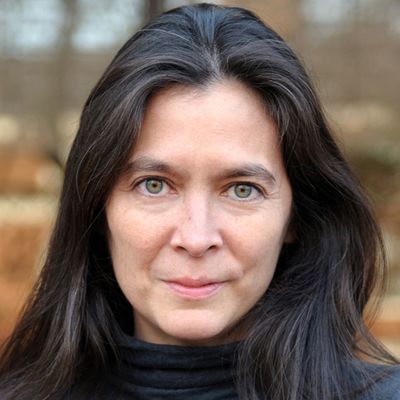
Diane Paulus is the Terrie and Bradley Bloom Artistic Director of the American Repertory Theater (A.R.T.) at Harvard University, and was selected for the 2014 TIME 100, TIME Magazine’s annual list of the 100 most influential people in the world. She is an American director of both theater and opera. Paulus was nominated for the Tony Award for Best Direction of a Musical for her revival of Hair, and won the award in 2013 for her revival of Pippin. In 2015, Paulus directed the new musical Waitress, based on the 2007 film of the same name, written by Adrienne Shelly. The music was written by six-time Grammy Award nominated singer-songwriter Sara Bareilles. The musical was nominated for four Tony Awards and the Grammy Award for Best Musical Theater Album.
Listen in to our chat to hear where her journey to “it” status as a Director began and . . .
- How her “there are no rules” attitude was the key to her early success . . . in a garden.
- How she maintains that attitude on Broadway, where there is nothing BUT rules.
- Where she learned what the “people” thought mattered more than what the critics thought.
- The most challenging part of being the Artistic Director of a regional theater like ART.
- How growing up in NYC shaped her style.
Keep up with me: @KenDavenportBway
Transcript
This transcript was automatically generated and might contain errors.
[0:00] Ken Davenport: I wanna be a producer with a hit show on Broadway.
[0:07] Ken Davenport: I wanna be a producer.
[0:09] Ken Davenport: Hey guys, it's Ken Davenport.
[0:11] Ken Davenport: Listen, as of the release of this podcast, there are only 18 performances of Spring Awakening left.
[0:17] Ken Davenport: 18, and that's it.
[0:18] Ken Davenport: It goes away forever.
[0:19] Ken Davenport: So if you haven't seen it, get your tickets now.
[0:22] Ken Davenport: In fact, listen, if you haven't seen it, drop me an email.
[0:25] Ken Davenport: I can get your full price tickets anytime you want.
[0:28] Ken Davenport: That was a little producer humor.
[0:30] Ken Davenport: Okay, on to the podcast.
[0:32] Ken Davenport: Hello, everybody. Welcome back to the Producers Perspective Podcast.
[0:36] Ken Davenport: Now, if you listen to Lynn Aaron's podcast from a few weeks ago, then you heard her impassioned plea for our industry to put more of a spotlight on the women that make Broadway work.
[0:45] Ken Davenport: And when Lynn Aaron talks, I listen.
[0:47] Ken Davenport: So I immediately reached out to a woman who I believe has had one of the most significant impacts on our industry in the past decade.
[0:53] Ken Davenport: And that woman is our guest today.
[0:55] Ken Davenport: A big welcome to Tony Award-winning director Diane Paulus.
[0:58] Ken Davenport: Welcome, Diane.
[0:59] Diane Paulus: Welcome.
[1:00] Ken Davenport: Diane burst onto the Broadway scene with her in the park revival of Hair that transferred to a proscenium house, despite so many people saying it couldn't make the jump, and then she knocked it out of the park there.
[1:11] Ken Davenport: Followed that up with the acclaimed revivals of Porgy and Bess and Pippin, and get this.
[1:16] Ken Davenport: All three of those shows won the Tony Award for Best Revival.
[1:20] Ken Davenport: That's three for three.
[1:21] Ken Davenport: Directed last season's Finding Neverland and is about to go into rehearsals for the new Sara Bareilles musical Waitress.
[1:27] Ken Davenport: And during all of this, she became the artistic director for Boston's ART, which is quickly becoming the first choice for out-of-town tryouts for all of us commercial producers.
[1:37] Ken Davenport: Her phone rings a lot these days, I'm sure.
[1:40] Ken Davenport: She's the it woman of Broadway Directors, and I'm thrilled she has taken the time out of her schedule to hang with us.
[1:45] Ken Davenport: So, Diane, let's start with the simple one.
[1:48] Diane Paulus: How did you get started as a director?
[1:51] Diane Paulus: Well, I actually trained as an actor. Um, I went to Harvard undergrad and at that point thought I would pursue a career in politics.
[2:02] Diane Paulus: I grew up in New York City, and I always had this dream of being the mayor of New York.
[2:08] Diane Paulus: I think I looked at New York City in the 1970s and I thought it didn't make sense to me that it couldn't be a better place to live.
[2:19] Diane Paulus: I was very idealistic and I did a lot of political work in high school.
[2:24] Diane Paulus: Um, I marched for ERA, nuclear disarmament, I lobbied for Planned Parenthood.
[2:30] Diane Paulus: So I was sort of on a political path.
[2:35] Diane Paulus: Um, and then my freshman summer after my first year of college, I interned for Ruth Messenger, who's this councilwoman for the Upper West Side at the time.
[2:46] Diane Paulus: And I think I had this light bulb moment which we all look for in our lives, where I realized I could do this.
[2:55] Diane Paulus: I could discipline myself and maybe pursue politics.
[2:59] Diane Paulus: Um, but it wasn't what made my heart tick.
[3:06] Diane Paulus: And um, I just thought about what would I be happy to do and pull an all-nighter for.
[3:14] Diane Paulus: I guess I was at Harvard working very hard as a student.
[3:18] Diane Paulus: And again, I was a, you know, and I knew how to do that, but it couldn't compare to being in a rehearsal room.
[3:28] Diane Paulus: So when I graduated college, I had spent two summers in Williamstown.
[3:34] Diane Paulus: So I moved from interning for the city council to being an apprentice in the Act One company at Williamstown.
[3:42] Diane Paulus: And those were other seminal moments where I really thought, oh, okay, you know, because when you're an apprentice, you're painting sets all night long, and you know, you're running around in the box office.
[3:53] Diane Paulus: I even taught aerobics to Mary Tyler Moore because I happened to be in the management office, and someone turned to me and said, "Who can teach aerobics?" and I said, "I can."
[4:02] Diane Paulus: So anyway, I had that immersive experience of, you know, 24-7 theater.
[4:08] Diane Paulus: Um, and I graduated college, and actually I was gonna drive, I had my brother's car, I was gonna drive to Alaska.
[4:16] Diane Paulus: I had this whole vision.
[4:17] Diane Paulus: Randy and I, my now husband, we were gonna drive to Alaska and sort of see America, and the car broke down, and I remember coming to New York, and I, at the last second, got into a summer acting program here, and that sort of triggered this pursuit of acting, um, which led to the New Actors Workshop where I went to school, which was founded by Mike Nichols, Paul Sills, and George Morrison.
[4:42] Diane Paulus: Sadly, all three of those amazing um artists and teachers are now passed away.
[4:47] Diane Paulus: Um, but I did two years of acting training, and then really I started directing when I finished that program, and we were all out-of-work actors waiting for a job.
[4:58] Diane Paulus: And um, I feel like you can relate to this.
[5:01] Diane Paulus: I was like, gotta do something about this, gotta make the theater happen.
[5:04] Diane Paulus: And the first play I directed was Schnitzler's La Ronde, you know, basically because it's a form of a play and scenes, you know, two-person scenes.
[5:14] Diane Paulus: So I acted in one of the scenes, and I also directed all my other classmates in the other scenes.
[5:19] Diane Paulus: And we did it in the classroom at New Actors Workshop.
[5:22] Diane Paulus: I asked if I could use the classroom after hours.
[5:25] Diane Paulus: And it's very funny when I look back, um, I made it into like a Viennese cafe with little tables, and it was clip lights, and we would make hot chocolate.
[5:34] Diane Paulus: It was sort of my first foray into breaking the fourth wall.
[5:38] Diane Paulus: And that's how I started.
[5:39] Diane Paulus: The next play I directed was Twelfth Night, and I did it in an outdoor community garden on West 89th Street between Amsterdam and Columbus because it was one of those plots of land that the community took over when no one else would, you know, claim it, and everybody starts planting their flowers, and before you know it's this gorgeous garden.
[5:59] Diane Paulus: And I walked by one day and I looked in and I thought that's a perfect little theater.
[6:03] Diane Paulus: So I walked in and said, you know, does anyone do any performance here?
[6:06] Diane Paulus: They said, "Oh no, no, no, we just garden."
[6:08] Diane Paulus: But if you'd want to, you'd have to talk to the board and they meet, you know, the first Monday of every month in the lobby of that building over there.
[6:15] Diane Paulus: So I went over and I said, you know, how about doing outdoor Shakespeare?
[6:18] Diane Paulus: Joe Pack was sort of an icon of mine.
[6:20] Diane Paulus: I said, you know, we do free Shakespeare, you know, for the community here.
[6:24] Diane Paulus: And they said, great, fine, whatever.
[6:26] Diane Paulus: You know, only one rule, you cannot stop anybody from gardening.
[6:29] Diane Paulus: You know, you can use the space, but gardening comes first.
[6:32] Diane Paulus: So I remember thinking, okay, I can take that all.
[6:35] Diane Paulus: And you know, if someone puts down their shovel and watches the play, maybe I'm doing something right.
[6:39] Diane Paulus: Um, and that's how I started.
[6:41] Diane Paulus: It was, you know, the actors changed in the Claremont Horse Stables, which was right next to that garden, no longer there, but everybody worked for free.
[6:50] Diane Paulus: So I was directing really from my acting training, just, you know, out of this desire to just take what I had learned, use my classmates who we had, you know, we had bonded and we had made all this great work together in school, and then everybody just was waiting for the phone to ring.
[7:10] Diane Paulus: I mean, it was in the age, this is the early 90s of, you know, services.
[7:14] Diane Paulus: People don't even remember probably what those were, but you'd, as a young actor, you'd get a telephone number, um, and you'd call your service to see, you know, any messages.
[7:24] Diane Paulus: It was like totally humiliating, you know.
[7:26] Diane Paulus: It was sort of you're testing your willpower.
[7:28] Diane Paulus: How often would you call?
[7:30] Diane Paulus: Because, you know, I think they'd call you if you actually got an audition, but you were also allowed to check in.
[7:35] Diane Paulus: So, you know, you'd go up a couple hours and then call in and they'd say, nope, no messages.
[7:40] Diane Paulus: And I just found it completely, you know, uh, what's the word?
[7:45] Diane Paulus: Just nonsensical, that as young people who love the theater and who had trained and who had made, you know, great work under the tutelage of these amazing teachers like Paul Sills and Mike Nichols, and there we were just waiting for the phone to ring.
[8:01] Diane Paulus: It didn't make sense to me.
[8:02] Diane Paulus: So that's how I started directing.
[8:04] Diane Paulus: It's so funny, people ask me how they should start producing all the time.
[8:07] Diane Paulus: And I say, do a Shakespeare reading series in your dorm room.
[8:11] Diane Paulus: That's producing.
[8:12] Diane Paulus: Just get started.
[8:13] Ken Davenport: Do something.
[8:14] Diane Paulus: Yeah.
[8:15] Diane Paulus: Exactly.
[8:15] Ken Davenport: I love your Mary Tyler Moore aerobics story.
[8:17] Diane Paulus: I drove Adrian Zmed's golf cart, golf clubs to Boston.
[8:21] Diane Paulus: That was my bait.
[8:22] Diane Paulus: Like, I'll do it, I'll do anything at this point, just to be around it.
[8:26] Ken Davenport: So it's interesting to see how your immersive theater instinct started with the very first show that you did, or uh with La Ronde.
[8:34] Ken Davenport: And then even Twelfth Night.
[8:35] Ken Davenport: And then, of course, the Donkey Show.
[8:37] Ken Davenport: How did that come about?
[8:39] Diane Paulus: So tell me a little bit about the beginning of that, which was sure the first big immersive, I think start of the revolution actually.
[8:46] Diane Paulus: Well, that um, so that, you know, flash forward.
[8:49] Diane Paulus: Um, I finished acting school, actually had a whole five years in Wisconsin of all places where I did theater with a company there that I founded because Paul Sills was my mentor and he had a farm there.
[9:04] Diane Paulus: And after about five years, I realized, you know, I wanted more training as a director.
[9:09] Diane Paulus: Everything I was doing was from the actor's perspective.
[9:12] Diane Paulus: So I was kind of hitting a wall and feeling like I wanted more um input as a director.
[9:17] Diane Paulus: So I applied to Columbia to the master's program and got in there and went to train as a director under two, you know, phenomenal teachers who really have influenced my directing life.
[9:29] Diane Paulus: That's uh Anne Bogart and Andre Sarban.
[9:33] Diane Paulus: Couldn't be more different from one another, but I owe everything to the two of them.
[9:37] Diane Paulus: Um, and Donkey Show came um at the end of my three years at grad school, and actually I'll never forget it.
[9:45] Diane Paulus: Um, you know, it was another sort of seminal turning point where I was about to finish Columbia, and I remember saying to Ann, um, you know, what should I do?
[9:55] Diane Paulus: Should I apply for this fellowship program?
[9:58] Diane Paulus: Should I go do this?
[9:59] Diane Paulus: You know, there were all these sort of opportunities for young directors, like the things you should do.
[10:04] Diane Paulus: And I said, or you know, Randy, who again, my now husband and I were, you know, had been making shows together actually in Wisconsin in those interim years.
[10:14] Diane Paulus: And I said, you know, Randy has this idea for this play, and I could, you know, work on that this summer.
[10:20] Diane Paulus: And Anne said, she actually did something.
[10:23] Diane Paulus: She took a finger, she pointed to my heart and touched my heart, and she said, "Follow your heart, and you know, therein will lie all your riches."
[10:33] Diane Paulus: You know, and I'll never forget that.
[10:35] Diane Paulus: And so, of course, uh, what did I do?
[10:38] Diane Paulus: I didn't do any of those things you should do, and um, Randy and I got some of the actors from Columbia School of the Arts grad program, you know, our friends, my friends who I directed in all these scenes during grad school.
[10:51] Diane Paulus: And when we started, it was just these two women, Anna Wilson and Rachel Murray, these two actresses.
[10:58] Diane Paulus: And Randy said, um, let's do this adaptation of Midsummer Night's Dream set in a 1970s disco because he had this epiphany, actually, having acted as um Peter Quince in a really, you know, very traditional version of Midsummer Night's Dream in Wisconsin, and was so frustrated they didn't have enough actors, so he did the role, and he would like to sit backstage, and it was your typical cuddly production where you know Bottom is so cute and Titania is putting flowers in the ass's ears, and it's all very funny and sweet.
[11:31] Diane Paulus: And he's like, "This is wrong, this is bestiality. Does no one see the cruelty in this play?"
[11:34] Diane Paulus: So he had this obsession, and um, you know, I'm talking about Randy because we dated in high school and we went to Studio 54.
[11:44] Diane Paulus: That was part of kind of our, you know, experience together.
[11:48] Diane Paulus: So he had this idea of mashing up Midsummer Night's Dream, setting the kind of enchanted Athenian Woods as the dance floor of Studio 54, where you could run away and be anyone you wanted to be, like the lovers run to the Athenian Woods, you know, and their fairies, and you know, there's magic dust that gets you high and all that.
[12:08] Diane Paulus: So um, I mentioned Columbia because we created it in the lobby of Dodge Hall, which is the arts building on the Columbia campus, only because my ID still swiped.
[12:18] Diane Paulus: I mean, it was that ghetto.
[12:20] Diane Paulus: And we showed up in the lobby, um, this like marble lobby, and we'd have a boom box, and we started rehearsing it, and it was kind of pre-internet.
[12:29] Diane Paulus: And Randy was interested in all these disco songs. So we would get like the cheesy disco compilations from the drugstores back then. And we would have the, you know, Rachel and Anna who we were working with, they would transcribe all the lyrics. Because this was before you could just get any lyric you wanted off the internet. And at first he was like doing a study of disco songs because he thought he'd kind of write his own, and it's like, why would I write my own? These are masterpieces. So, you know, he created a structure where every disco song kind of was chosen to serve the plot point, and the convention was that these were lovers on the dance floor, and a song would come on that the DJ was playing, and they'd sing along to it because it was capturing exactly what they were feeling, like Selma Houston's "Don't Leave Me This Way."
That was Helena, you know, singing to Demetria's "Don't Leave Me This Way." I can't survive without your love. Um, and so, uh, we made this little show, and it's so funny you bring it up because yes, just yesterday we went down to the Lower East Side, and you know, this is a piece of theater history that I had that feeling yesterday walking on Ludlow Street because it's completely changed. It's all high-end boutiques and restaurants, and I really had that feeling of, oh my god, a neighborhood can be erased. But I grew up as a young director in those years. I don't even know if they were on your radar even, or you were too uptown on Broadway by then. But you know, Randy and I did all our work on Ludlow Street at Toto Konada, at a place called the Piano Store, House of Candles.
It was sort of this hotbed of the off-off Broadway scene. And Aaron Bell, who was a little impresario of that neighborhood, had taken over the space. Um, it's still there, and if you go there on it's on Ludlow between Stanton and Rivington. It says pianos outside. It's now a club, like a fancy little restaurant. But it was a piano store, which was a front for a speakeasy. So on the back of this, you know, little room of, you know, storefront was this small little club with like a balcony. I mean, small, like could fit a hundred people. And so we asked Aaron if we could do the donkey show there, and he gave us the midnight slot. And he was doing all sorts of little plays, you know, that were like folding chairs, and everybody would do their downtown show for like 50 people.
So the first thing we did is we took all the chairs, we stuck them in the basement, so it would be like an empty space, like a little dance floor. And then Randy borrowed the red robes from the restaurant across the street. I mean, it's so funny that he now like owns the box, but you know, he took the red ropes and would put them outside the piano store and stand on the street, and we would do the show at midnight. We'd put the boom box in the window and blast disco music, and the actors would go change at the coffee shop up the block, the paint pony, you know, to Tanya in her like pasties and hot, you know, high thigh-high leather boots, and she'd walk down Ludlow Street. And you know, the cop cars would circle around and we'd make a scene on the street, and Randy would hawk every offer money back guarantee, two for one, ladies' night, you know, and we would line the people up on the street, and then eventually we took the actors out on the street and we developed like the street version, you know, the portion of the donkey show.
And we did this every Friday and Saturday night at midnight for I don't know, like six months, and none of the actors got paid. Everybody took their costumes home in a shoebox. We had a little piece of white linoleum floor that we would tape down with duct tape and, you know, flash colored lights on it to make it look like, you know, the disco dance floor in "Saturday Night Fever." And it was still one you could smoke in New York, so people would come and they would smoke in this teeny little theater, and you know, ashes would be all over the dance floor, and we'd throw glitter, and at the end at like three o'clock in the morning, the actors would scoop up the glitter. This is how real it got.
And they would come to me and they'd ask me, like, Diane, could is this glitter still good? And we'd like to separate it and put it in baggies for the next week. So that's how we did it, but it was like a religion. I mean, I always tell the story because it would never have happened if we didn't do it, you know, out of that passion for the show. And here's the truth we were doing another show called "Frankenwiener." It was like this Victorian adaptation of the Frankenstein story. We were doing that at 10. And then at midnight we do "Donkey Show" and this "Frankenwiener" show, which was very clever and funny. You know, that got like the review, I can't remember in the Village Voice, or it got a pick in Time Out.
You know, we weren't, we know it had a press agent, you know, we were just underground, underground. So we'd do that show, and like eight people would show up. That was what it was like when you did downtown theater, eight, ten, maybe fifteen. And then midnight would roll around, and it was like 50 people, a hundred people, a hundred and fifty people. And the internet had just started, and we had this VIP policy where if you saw the show, you could get on the VIP list and you could come back for free if you brought a paying friend. So it just multiplied. And it was sort of the birth of the internet. And Randy and I would stand at the door and we were amazed, because there we were, you know, we had the listings in Time Out and the Village Voice for "Frankenwiener."
No one was showing up, and hundreds of people were coming to the "Donkey Show," and we'd say, like, how did you hear about me? So my God. Someone emailed my office. They said, You had to see this. It was like word of mouth 101. So we did it and we kept doing it. And every three to four months we'd take the whole cast out to like, you know, hamburgers on 2nd Avenue and say, You want to keep going, guys? Because you know, no one's getting paid. We could shut the show. And everybody was working day jobs, but it was like a passion thing. Everyone was just felt the power of the show. It was really an instance where no rules, no unions, just actors feeling something is happening, and why stop it? Right, which drives me crazy and runs, you know, when like, you know, the run is over, the theater has to kick you out because the next show's coming in, or the union, or this or that.
And this was just so, you know, wild west, so breaking every rule. And every actor said, No, I want to keep doing it. And lo and behold, um, we actually moved the show to the Pyramid Club on Avenue A, and we did it Thursday nights for a while. And like eight or nine months into doing this, Jordan Roth shows up, you know, and comes and sees it and says, Wow, this is something. And he was first starting to figure out like what he wanted to do. You know, he was maybe gonna be a photographer, he was gonna make him do acting. He hadn't become the producer he is today. And he said, I think I want to help you move this. And you know, to make a long story short, we sat in a restaurant with a yellow pages.
I don't know if Jordan gave this detail, but we literally never forget. We would look at that the age of the yellow pages, and we flipped to like nightclubs, and we'd like to look at clubs, and we'd get in taxis and just go around to scout clubs, and we found this club on 21st Street, um, the Flamingo, and um, it was the right architecture, the right vibe. And uh the club owner had been a bodyguard for Prince. Uh he had been involved with Copa Cabana. So he loved the idea of a nightclub as a place of theater. So he gave us our home there and opened the show there. I love this idea that you there were really no rules for you downtown, of course. You could do whatever you want. The actors could work for free, you could change across the street.
And then, of course, you make this incredible transition to Broadway where there is nothing but rules. Um, in fact, Randy, one of your husband who I know very well, obviously. I remember him saying to me once, like, my wife is such an artist. And it was it was half compliment, of course, and half like she just wants to do these things that we that have no rules, and of course, to make it in this business, quote unquote, there are a ton of rules. How did you make that transition? Now, "Hair," of course, was the first one, which was a bit immersive again, if you will, in the park, and then going over, uh, of course, to the what was the Martin Beck at the time, or had it been reading. It was it was the Hirschfeld by then.
How was that transition for you to all of a sudden have everyone saying, Oh no, Diane, you can't do it this way, you can't do it this way? You know, I think I think "Hair" was sort of a symbolic first, you know, big musical for me, uh, because it's all about breaking rules. And I, you know, I had grown up on that music. I had never actually seen a production of "Hair," but I saw the movie and it was just in my DNA. I think I always felt I missed my decade. I always wished I had grown up in the 60s. I had this whole kind of like romanticization of what it would have been like to be part of the, you know, youth culture at that time. And, uh, you know, I think we did it, you know, Oscar approached me, Oscar Eustace.
We did it as a concert the very first time. And he gave me um nine days to do it. So it was already kind of non-traditionally, you know, it wasn't like here's your musical, like here's your four weeks of rehearsal in your tech. It was like, you have nine days, and it's this 40th anniversary, and you know, let's do it in the park, and um, you know, what could you do? And I think that kind of gauntlet, that challenge was critical to the inception of that production. Because I actually said to him, I said, you know, look, you can't do like a concert of "Hair" and not have a hair, like you can't not have the clothes and the hair. I mean, it will just be stupid, like it won't make sense. And I said, we have to get the casting right.
So um, you know, we did this mega search and we found this extraordinary cast, a lot through open call, a lot of non-equity people that all went on, all went on to Broadway. I partnered with Carol Armitage, you know, because she told me she grew up in like Kansas and would take rugs and cut holes in them and make them into ponchos and loved "Hair" too. You know, we had this like shared generational, you know, thing, the hippie thing. So we were kind of breaking rules, you know. I don't even know what contract we were on. I can't it had to have been some, you know, non-traditional contract to do a because we staged it, we had costumes, you know, we even had some wigs, but we did it in nine days.
And uh it was like the right moment for that show. And so, and and I also said to Oscar, because I had read about the history of "Hair," you know, how it had started downtown, went to the at the public, had gone to the Cheetah Nightclub. Like I had followed the whole history of the show and how they got audience to dance on the stage. And I said, I think the other thing I said to Oscar, we have to have like hair and the costumes, and we have to let the audience dance on the stage. I said, That's just such a part of the lore. You know, and I got to work closely with Jim Rado and Galt McDermott, you know, uh Jerry Ragni had passed. And so they would describe to me everything about, you know, the history of "Hair" and the, you know, all the anecdotes and stories, especially Jim.
You know, he was around a lot. And and he told me about the dancing on stage. And I think, you know, there was dance industry, but not like what happened at the Delacorte. And I'll never forget that first night when um the show ended, and I was standing in the back of the Delacorte with Oscar. I'm like, let's see what happens, right? So the show ended, we do we do like the reprise of "Let the Sunshine In," and the actress kind of reached out and then like one, because you think no one's gonna go on stage, people are too embarrassed. One, two, fifty, a hundred. I mean, there must have been like three hundred people, and I remember the production managers, you know, ran to look in the bowels underneath the Delacorte because all of a sudden there was a panic that like the, you know, the stage and the ground was not like, you know, prepared for 300 people like jumping and dancing.
So that was like a real rule breaker. And I remember when we went to Broadway, I said, fine, we can take this show divided, but we must allow people to dance on stage. And of course, you would think, how is that possible? Union rules, liability, how did the audience get on stage? You know, Jordan, who was running to Jampson, you know, understood that. Paul Libin, you know, when we moved into the Hirschfeld, he said, tear this theater up. That's my one, you know, my one, uh, you know, request. And amazingly enough, when we did our first national tour, I also said we have to have the dancing on stage. So part of the tech writer that went out with that national tour was that the audience could come on stage. And you know, some auditoriums across the country have that built in, other times we'd have to put in stairs.
[24:55] Diane Paulus: And I'm telling you, it happened in every venue across America. We also had in the Tech Writer that the actors come out of the audience and, you know, step on the seats. Yeah, so it was an encouraging experience of like you think you can't make something happen, and yet maybe there's some wiggle room there, right? Even in the biggest of establishments to kind of, you know, break some boundaries. So let's talk about this trilogy of revivals that you've done now. Uh, Hair, Porgy and Bess, Pippin. Now, for me, all three of those things have one thing in common, which was when I heard they were coming, if you just told me the title, I would have said, you know what, I'm not so sure I need to see that.
Yet every single one of those productions I saw and I loved because of your perspective on it. How do you find your way in to these to make them so fresh and new and give someone like me who's seen 17 productions of each one of those shows? How do you make me feel like I'm seeing it for the first time? What's the process?
[25:58] Diane Paulus: Well, I think, you know, those productions were very carefully matched for me. You know, I think I've been asked to do many revivals, and I will pass on them because I don't have a feeling for them. Um, as I've said, you know, Hair was I grew up with Hair. So it was like a dream come true to sort of give an audience an experience of Hair that in a way I wanted to have. I mean, I think that's how I go about it. Is there a potential in the show that I can viscerally emotionally connect to that I want to live inside? Um, Porgy and Bess, I didn't know as well. I more or less knew it from this production at City Opera I'd seen, and I remember seeing it and thinking, okay, this is an opera with a lot of hits, like a lot of hit songs.
And I remember weeping because it's so emotionally powerful. I'm thinking, you know, maybe one day I'll be asked to direct this opera. Um, and working on Porgy and Bess was a whole immersion into the history of that work, you know, the creation of it and also the production history of it and how complicated that was. That was it, it was such a larger undertaking, just historically, or, you know, looking at American culture and social history, Hair as well. Um, when I finished directing Hair, I did ask myself, like, this is fun, what would I want to do next? And Pippin was next on the list. Um, because I had grown up with Pippin in the 70s. I was, you know, I grew up in New York City, I saw Pippin three times when I was like eight and nine.
And um, I hadn't looked at the script ever, but I just remembered something like visceral and powerful and seductive and theatrical about Pippin. And I had loved the score. Um, but the rights were held up with some other ventures in London, so, you know, Porgy and Bess came along, that was a little detour for a couple of years, and then I finally got to Pippin. But all three musicals, um, you know, they couldn't be more different, but when I look at all three, they all have to do um with community. You know, they're all, you know, Hair is about a tribe, Porgy and Bess is about Captor Show, Pippin is about this troupe of players. And in each case, uh, you know, each project was this incredible undertaking of casting this sublime ensemble and giving every ensemble member a purpose and a life and a creativity on stage, you know, for different reasons. But I think that that was my way in.
[28:31] Diane Paulus: And they all had, you know, maybe Pippin is the one people would say, well, like what did she see in Pippin? Because Pippin is thought of as, you know, you've done it at your summer camp, and you know, the book of Pippin. I had so many people who say, really, Pippin. In fact, it's a very funny story. Peter Dubois, who's a dear friend, when we first got jobs as artistic directors in Boston, he at the Huntington when I was at ART, this was 2008. He took me out to breakfast, and we were really talking about how we wanted to reach audience, like both of us were gonna like break down Boston and reach audience. And then he looked and he said, you know, that's not, you know, we're not gonna pander.
It's like it's not like I'm gonna do Pippin at the Huntington. And of course, I remember sitting at the breakfast table thinking, well, I'd like to do Pippin. But that's because I think I saw something in Pippin. And when I actually looked at the script, and I was like, oh my god, this is like a medieval morality play. You know, when you really look at what Fosse did with it and how dark it was, and you know, the story that we could potentially um, you know, put into kind of relief, you know, of kind of a trial by fire, literally, of life. So I think, you know, all three musicals, I was very interested in what they were in their original time, right? In the 60s for Hair, you know, in 1972, or you know, the 70s, early 70s for Pippin, you know, coming out of the horror of the Vietnam War, sort of Hair was Summer of Love, like the beginning of the end, and Pippin was kind of after all that, and of course, Porgy and Bess, this like radical work by all these white guys writing about black people, you know, in the 20s and 30s, and all that craziness that came as a result of that work over the course of the century.
I really wanted to understand what made them tick in their time, and how could I recreate that experience for an audience today? Which is not about replicating it, it's about finding out what was the visceral experience. I'm sort of obsessed about that. You know, like I read about the premiere of Marriage of Figaro, the Mozart opera, you know, and you read about how people stayed online like all night long to get in, and there was like basically a stampede because people were so eager to be at the show that they pressed each other and like someone almost died because they got squished to death at like the premiere of this opera, you know, and that there were like eight encores to the point that Joseph II the next day banned encores because he wasn't gonna tolerate, you know, all that repetition.
But you know, that kind of idea that, you know, Marriage of Figaro could feel like a rock concert in its, you know, how do you do that? You go to see Marriage of Figaro today, and it is the completely most removed thing from that experience. So, you know, that's my interest. How do you take what was, you know, what was alive then and make it alive now?
[31:15] Diane Paulus: So you go from these revivals now, and now you're on to new musicals. So last year, Finding Neverland, brand spanking new and a mammoth of a show. And of course, Waitress this coming season. Do you have a preference for doing something new or finding the life in something old?
[31:36] Diane Paulus: You know, new musicals are the hardest thing on the planet. That's what I'm gonna say. It's hard as a revival is, you know, at least you're really focused on execution. I mean, actually, every revival I did, I worked with the authors, and in this case of Porgy and Bess with the estate, on crafting the revival, you know, a revival kind of production script. But you're not questioning like, is the story working, or do we need a new opening to act two? Or, you know, you're not questioning the actual um architecture of the piece. And what's so hard in a new musical is you have to work as hard on the execution of it, and then while you're putting all that time and effort into the execution of it, you have to kind of stand back and say, okay, do we even have the book right?
Do we even have the right song here? So you've got to like let go, back up, maybe, you know, drop a song or rewrite the structure, rewrite scenes. So it's kind of like a revival on steroids. I mean, it's just so, so hard. Um, but in many ways, like perhaps more rewarding because you're creating something new, you know. Um, when you get it right, there's nothing like it. Because, uh, you know, I do think there's something for an audience when they come to see something new, you know, a story being kind of unveiled for the first time.
[33:01] Diane Paulus: Now, Finding Neverland, you came on later into the process, because there was a London production, etc. And uh, Waitress, you've been around the process since the beginning. Do you like to get involved with new musicals from the get-go, or do you like them to be delivered to you? Well, oh, here's the script, here's the songs, and now we're ready for you to come in and put up a reading for us.
[33:21] Diane Paulus: Yeah, you know, I, in my experience, it's always been the former, you know, that writers and composers want a director involved pretty early to help shape the piece. And in the case of Finding Neverland, there had been another version of it, but when I was brought in early on in my time with the show, we basically started all over with Gary Marlowe and Elliott Kennedy and James Graham. So it was a completely new scoring book. So it really was starting from scratch. Um, we went back to the film. In the case of both Finding Neverland and Waitress, the source material was the film. You know, the Johnny Depp, Kate Winslet film, and also in Waitress' case, this, you know, fabulous independent film by Adrienne Shelly.
So, uh, that's like another challenge because you're doing an adaptation, you know, it's not quite original, original from scratch. And what's hard in that case is, you know, you want to follow the film, but you actually can't follow the film. Like, you want to follow what's good about the film, but in both cases, the more I worked on the shows, and the more I'm working on Waitress, the liberation theatrically comes when you say, well, we're not gonna do that. Like they do in the film, we're gonna actually do something completely different. You know, that if you're slavish to the film, it's very, very hard to make it pop as theatrically as the show needs to.
[34:44] Diane Paulus: And in Finding Neverland, the best example of that was I remember early on, if you've seen the film, it's, you know, quiet, beautiful period film, and at the very end, when Kate Winslet is uh, Sylvia L. M. Davies, she's dying, and she sees the little play in her living room, she gets up and like she walks through her doors, her window doors, and she walks into this incredible Neverland. And it's technical in the movie, and there are creatures, and you know, it's like a Bosch painting. And I remember early on thinking, okay, well, that's it. Like, like that's the meta-theatrical moment when we actually get to go to Neverland. So Scott passed the designer work with me, and we were thinking about the whole design based on that, you know, something very state and simple that would then explode into something fantastical at this like 11th hour.
And then we finally realized, like, I think one day I was like, that's exactly why we can't do that, because we'll never achieve it as well as the film. And um, Mia Michaels, who came on board as our choreographer, sent me this YouTube video one day of Daniel W. Walker's work, who's the air sculpturist that we and I had used his work in my Cirque du Soleil show, and he had emailed me flukally, like that day saying, you know, I'm thinking of doing more theater, and if you want to see what I have up my sleeve, you know, I'd love to show you some of my other things. And Mia the same day sent me a video and said, have you ever seen this? You know, a little YouTube video of like fabric blowing in the wind.
I was like, okay, this is weird. That's Daniel. I know him, I've worked with him, and he just emailed me. Um, and then we went out to his warehouse in Brooklyn, and you know, he had the setup of fans, and he was throwing everything into this air sculpture when, you know, styrofoam peanuts, and he lit fire, and then he threw this bag of glitter in the wind thing, and I was like, oh my god, we were like all our breath was taken. We were like, that's it, that's it. I had my assistant Mia like walk through it, and I was like, walk through it, walk through it, put your hands in the air, and we had this little video of her, and it was freezing. We were like in parkas in his garage in Brooklyn, we're like, okay, that is Neverland.
I mean, it was really, and it couldn't be more removed from that literal representation, you know. And then we hid it from Harvey for like months. I'm like, don't show it to Harvey, he's gonna can't it if he doesn't understand it. And then finally, you know, I showed him the video that was like, I know this is not gonna seem what you think it should be, but I think this could be pretty incredible. Um, so you have to find, you can't find the like one to one mapping, you have to find like the theatrical equivalent of what's in the film. So it's a, it's a, it's kind of like a revival because you're looking at a source and, you know, kind of dealing with the source, but trying to make it present in a different way.
[37:24] Diane Paulus: But it's a little harder, I find when the source is newly created in the last decade. It's easy to take 12 minutes of a similarity for hundreds of years.
[37:33] Ken Davenport: No, no, completely.
[37:34] Diane Paulus: Yeah, also, you know, the scrutiny is different, to be you know honest. It's you know, when a revival happens, you know, people aren't really looking at, you know, is this story worthy? You're you're you're saying it's worthy by virtue of reviving it. But when you do a new musical, it's sort of like, well, what's the point of the story? Like, you know, why should you have even taken on this story? Um, so there's something about a new musical that um you've got to get so many things right, you know, to really to really pass. Um so it's it's much more challenging, but uh in the end, I think really rewarding.
[38:10] Ken Davenport: In the midst of all this work, you take on the job of being the artistic director of ART. Uh, what's been the biggest surprise of you being an artistic director of a regional theater like that?
[38:21] Diane Paulus: I think the biggest surprise um was how pliable actually, ultimately, a regional theater could be. And and I say ultimately because I've been there now eight years. And in the early years, it was tough, you know, to change the course of the ship, you know, in any institution, especially an institution that's been run by kind of a leadership over many, many, many years. There are rules, like we talk about, you know, breaking rules. You have rules on Broadway, you have rules in regional theater, you know, things the way things are supposed to be done. Um, but ART had this mission, which I'll never forget reading when I was head on for the job. It's like, what's the mission? Because I know when you work for a not-for-profit, it's all about the mission, right?
You've got to live and die by the mission. And the mission in writing was, you know, the ART is dedicated to expanding the boundaries of theater. I thought, oh my God, like that is a mission I could get behind, because that's what I had been doing. Whether it was a donkey show or a hair, it was like, how do you take theater and push it? Push it, push what we think is theater. I thought, if that is this regional theater's institutional mission, there's a lot of permission there for experimentation. Because it's kind of, you know, that's in the in the in the words of the mission. And and part of what I I wouldn't say, so so is it surprising? Maybe not surprising, because there it was, you know, the the the board of the ART and the the artistic leadership had agreed on that mission.
So in the DNA of the ART, you know, that impulse was obviously present. Um but uh, you know, uh what was surprising was actually um here's a way of saying what was surprising about how pliable it was. The audience was really really eager to embrace a new path. And frankly, so were the critics in the Boston area. Of course, you know, there are those people who are gonna write whatever they want to write, and you know um there were reporters that wanted to, you know, question the change that was happening. But the audience was a full partner. I mean, they were really ready to go on the ride. I mean, I opened my first season of the Donkey Show, you know, and I remember thinking like the day before we opened, I'm like, what was I thinking?
Like, why did we put this on the subscription? This should have been like the wild add on, like, am I nuts? And then I'll never forget debriefing after the first performance. And they were like, you know, um, a couple of audience members who had brought these silver flags, which is a big part of like gay disco culture. So they had shown up with their flags, and I was like, who are the flag guys? You know, because how do they know? And we've tracked it down, and they're like, subscribers, you know, they have been waiting for that kind of a show. Um it was harder for the staff and the institutional kind of like, you know, habits to change on the inside. But on the outside, the change happened really, really uh within one year because the work proved it.
You know, I was really determined not to just get up there and proselytize about theater give me this and theater give me that, but like you gotta show it. And even my board members who who were really eager to support me, they would say things like, well, let's wait and see. You know, it was like, oh my god, I get these emails, like we well, we'll see, you know. And they were getting tours of like sleep no more and this abandoned uh, you know, uh elementary school and bookline, you know, walking through rooms with just pieces of paper taped to the wall saying, This is gonna be a forest, and this is gonna be like the insane asylum, and this is gonna be the witches' room, and you know, they're like, where are the seats?
No seats, everyone's walking, you know. And of course, so you know, God bless that board. I mean, they they approved all that, they were ready to you know turn our second stage into a nightclub, take on sleep no more, but it was always, you know, well, let's see, let's see how it goes. Um, and I think the proof was in the connection, you know, to the audience, which the ART had frankly lost. You know, everyone knew that that that just fundamental transaction was not happening at that theater, people weren't coming, there was no um energy going on in the building. And that for me, I remember taking on the job thinking I was a you know a Harvard student, I saw all of Robert Wilson and Philip Glass and Andre Serabonge with Tim Moore.
You know, I saw all their seminal work at ART, Andre Sermon in the 1980s. You know, Bruce Seen was an idol of mine. I interviewed with my college thesis in his office, which is now my office, you know, it was that really rocked my world, seeing all that theater at the ART. So when I heard, okay, ART's not doing well, subscriptions are down, they're pointing to 50% capacity. I remember thinking, what is wrong? Like if the ART can't be flourishing, this avant-garde, cutting-edge theater at Harvard in Boston with all those young people and colleges, then that's not just a failure on the part of ART. That's like a case study for the American theater. You know, something, if I can figure out how to reignite that, then maybe it's it's a worthy undertaking for just the field.
I mean, that's how I went there. And I was also kind of feeling like I wanted to have an official voice at the table as a producer. Because when you're a freelance director, you're really not invited, you know, to look at the budget. I think it's changing actually more and more because I think the world has changed, and yeah, directors are changing, but that idea of like the director's just gonna be irresponsible, you can't show them the budget, they just want to do the art. Um that made me crazy because I grew up on the Lori side, you know, paying for everything with a penny, you know, out of a you know, out of a little kitty of envelope of cash. So my whole experience of making art had to do with like, you know, the business of it.
But that's not, you know, that's not what regional theater was founded on. You know, regional theater was founded on its art. The public doesn't know they want it, they won't buy tickets for it, so you have to subsidize it. You know, the public will never pay. You could never commercially pay. Public would never subsidize it by ticket sales, right? You've got to like support it. And you know, God knows philanthropy for the arts is necessary. It's still necessary at the ART, no matter how much we sell it in like 98% capacity these days. We absolutely rely on the philanthropy. But the philanthropy that we need, I always say is about RD. It's about RD. And I think people in the arts don't appreciate, you know, I have a lot of entrepreneurs on my board, and you know, any big successful innovation, right?
Invention, big business, big buck success comes from many, many, many failures. You know, you've got to do RD on things, and you've got to, you know, try, try, try, maybe abort certain projects, things come, they go. If you don't do that RD, you don't have the chance at the innovation. And that needs subsidy.
[45:19] Ken Davenport: So, you know, the philanthropy is really important. I always think about the and use the comparison to the pharmaceutical industry about how much money they will pay an RD to come up with a drug that changes the world.
[45:30] Diane Paulus: Yeah, exactly. Right?
[45:31] Ken Davenport: And we have to dedicate that kind of resources. Uh okay, so last question, which we call my genie question, which I ask all of my guests. So I want you to imagine that the genie from Aladdin comes to your door, knocks on your door, and says, Diane, you've done such amazing work. You've made these three revivals that could have seem very dusty, brand new again to whole new audiences. You've gotten audiences excited to participate in the experience of going to the theater again, whether it's your subscribers at ART feeling like they want to belong as a part of the Donkey Show, or whether it's the Hai Rod, it's out of the Delicord. I'm going to grant you one wish. One wish. What is the one thing that drives you so crazy about Broadway that makes you so angry you can't sleep at night?
[46:22] Diane Paulus: You're a very passionate person. Uh-oh, here we go. Okay. There's a long list. We'll take a 15-minute break here. No, I'm thinking, all right. So the one thing that gets you so mad. What I love about you is how passionate you are about your art as well as the business of the theater. The one thing you want this genie to change that you could wish for.
[46:39] Diane Paulus: Okay, I'll tell you what I'd want to change. Um I wish the brand of Broadway could be expanded and not simply confined to the X number of theaters that are part of that landscape. You know, for me, it doesn't make sense if you look at the innovation in other art forms, you know, the Netflix, the HBO, you know, just cable television. I mean, every form, the internet, YouTube, every form allows for a development of venue, if we call it, let's call it venue, right? And on Broadway, it's it doesn't change because it's it's just defined by an X number of theaters. So there is something valuable about the Broadway brand, right? We know that that's what people want to come and see. So, you know, it's not like you can just do a show over here, you know, on whatever 20th Street and Fifth Avenue, or you know, in an auditorium and call it Broadway.
You can't. Or you can, but if it's not called Broadway, you're not gonna have access to that brand, that audience. So I I think for Broadway to stay as vibrant as we all want it to stay, the venues have to be opened up, and the architecture of the venues have to change. Because we're also stuck living not only with the set number of theaters, but also the architecture, which is frankly very 19th century. So, you know, when you think about the next generation of audience that wants to experience theater in new ways, there's just a limitation. I mean, yeah, you can take a Broadway theater and rip out all the seats and you know, be the one that does that. Um, and maybe more and more will that happen will happen. And look, that's not to say there isn't an audience. Clearly, there's an audience for the shows that are in those. How many theaters are there? You'll know that fact.
[48:36] Ken Davenport: 41.
[48:37] Diane Paulus: 41 now with the Hudson. Exactly. So I should say one theater's been added. You know, there's definitely an audience for those 41 theaters that likes to come and sit in those theaters. But I just think for the vibrancy of the field, it would be thrilling if that brand could be expanded to a new form of architectural venue.
[48:58] Ken Davenport: I agree, and I think there is an audience today for those 41, but I'm worried about tomorrow's audience that they are not, as you said, not gonna want to sit in an old-fashioned theater and watch a play like their grandparents did.
[49:11] Diane Paulus: Exactly. Well, Diane, thank you so much for being here. Thanks for everything that you do. Everybody go see Waitress Opening this spring, and we will see you next time.
[49:20] Ken Davenport: Hey everybody, don't forget, only 18 performances of spring awakening left. And if you're listening to this after Monday, January 11th, there are less than that. 18 left. Go see it. You will be sorry if you miss it.
© Broadway Podcast Network, All Rights Reserved