

Bess Wohl is a playwright, screenwriter, and actress whose plays include Small Mouth Sounds, and the book for the musical Pretty Filthy with composer/lyricist Michael Friedman and The Civilians. Her plays have been produced in numerous venues in New York City and around the United States... Read More
From the show: The Producer's Perspective Podcast with Ken Davenport
Guests
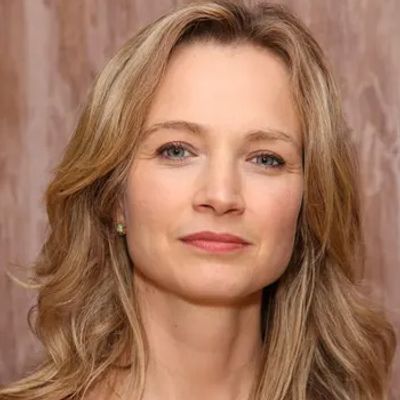
About
Bess Wohl is a playwright, screenwriter, and actress whose plays include Small Mouth Sounds, and the book for the musical Pretty Filthy with composer/lyricist Michael Friedman and The Civilians. Her plays have been produced in numerous venues in New York City and around the United States. Pretty Filthy, which ran Off-Broadway from January 2015 to March 1, 2015, was nominated for the 2015 Lucille Lortel Award, Outstanding Musical and the 2015 Drama Desk Award, Outstanding Musical. Small Mouth Sounds premiered Off-Broadway at Ars Nova in 2015 to wide critical acclaim. The play also was produced in 2016 at the Off-Broadway Signature Theatre.
Listen to Bess and I talk about her coming of age as a playwright and . .
- Why she gave up a successful acting career to pursue writing, and how her acting skills help her be a better writer.
- How she manages rewriting under the pressure of previews.
- What she thinks about one of her shows getting on Broadway . . . and whether or not she thinks about that when she writes.
- Her process of writing and how her schedule might help yours.
- What her mentors told her when she was getting started, and what she now tells new writers.
Keep up with me: @KenDavenportBway
Transcript
This transcript was automatically generated and might contain errors.
[0:00] Ken Davenport: Hey everybody, in case you missed last week's webinar, How to Market Your Show with No Money, it's now available on the Producers Perspective Pro.com. Check it out. The Producers Perspective Pro.com. Now on with the podcast.
[0:12] Ken Davenport: I wanna be a producer with a hit show on Broadway. I wanna be a producer. Hello, producers, perspective podcast listeners. Welcome back. I'm Ken Davenport. You know, I've been so fortunate to have spoken to some of the industry's most treasured playwrights on this podcast. People who are already in the theater hall of fame, people who have won multiple Tony Awards and a heck of a lot more. Well, today I'm thrilled to have someone on the podcast who I believe and a whole bunch of us in this industry believe is gonna be one of those playwrights soon enough. Please welcome to the podcast, Playwright Bess Wohl. Welcome, Bess.
[0:47] Bess Wohl: Thank you so much.
[0:49] Ken Davenport: So Bess is currently repped off Broadway by Small Mouth Sounds, which was named the top 10 of 2015 from the New York Times and a whole bunch of other publications. She's also the author of American Hero, Touched, Pretty Filthy in collaboration with The Civilians. And oh man, my favorite, Cats Talk Back. We'll get to that later. I remember reading all about that show though. Her work has been done at the major regional theaters out there, Second Stage, Williamstown, the Geffen and more. And in 2015, she won a special Drama Desk Award for establishing herself as an important voice in the New York theater. And on top of that, she was a pretty successful actress before picking up the pen. So, Bess, how did you get started in the theater? Where did you get bit by the bug?
[1:29] Bess Wohl: Wow, I really think it's when I was a little kid, like in my church musicals, we would do. We would do like a musical every year in my church choir, and I just got obsessed with being in them. And they were all like, we did Oklahoma, it came a lot. Anyway, so yes, we did a lot of that's cool, actually. We did a lot of different musicals in church choir, and I just started to, you know, fall in love with theater, and then from there I was always like in the musicals and plays at school, and then started to write after that.
[2:01] Ken Davenport: So when did the writing happen? Did you go to school and college for acting? Were you intent on being a performer early?
[2:07] Bess Wohl: I was. I went to college. I studied English, and so I sort of always did both at the same time. I think I thought it was like too crazy to try to be an actor. So I decided, okay, I'll write at the same time, and then after college, I auditioned for a bunch of grad schools, didn't get into getting finally got into Yale Drama where I went as an actor. And then Yale has this little sort of side space called the cabaret where you can just put up whatever crazy show you want to put up. So that's where I started writing. So, in a way, as well as getting my MFA in acting that I discovered writing, and that was where Cats Talk Back first came to life.
[2:44] Ken Davenport: Was it the Yale Cabaret?
[2:44] Bess Wohl: Cats Talk Back was the first show you wrote.
[2:49] Ken Davenport: Yeah, yeah.
[2:49] Bess Wohl: It's my first play.
[2:51] Ken Davenport: Tell everyone what it is. I mean, it's Cats Talk Back, but tell everyone.
[2:55] Bess Wohl: So Cats Talk Back is like a, I always call it a sort of Waiting for Godot style post-show discussion, a mock post-show discussion with five former cast members of Andrew Lloyd Webber's Cats. Of course, they're not really former cast members of Andrew Lloyd Cats, but they're pretending. And so it's basically them sitting on folding chairs talking about their experience in Cats, what it was like to work with Andrew Lloyd Webber. They perform numbers that were like cut from the musical because they were too gritty and too real, like this fictitious number where the cats find and maul to have a small child called Cats Kill. They basically talk about their experience, and it was great, it was really fun. And we built it when we did it at Yale, we pretended that these were real cats, people who've been in Cats coming to talk to the students at the drama school. And it was a big hit, and then we did it in New York at the Fringe Festival.
[3:51] Ken Davenport: So what I loved about that idea when I read it, it was just very unique and it stood out to me. And I'm gonna flash forward a little bit and then we'll go back, but to Small Mouth Sounds, which is also a very unique piece in the setting and the actual environment that we're in, somewhat immersive in a way. Where do you get your ideas? Where do they come from when you sit down? Like, I want to write a play about this.
[4:15] Bess Wohl: Yeah, it's a good question. And I don't really know with Cats Talk Back. It was so long ago, but I just was really interested in doing a show that was a post-show discussion. Like the entire play is what normally comes after the play. I was really interested in how actors talk about acting because I was in drama school. With Small Mouth Sounds, I had gone on a bunch of silent retreats and started taking notes because I was like, this is such a weird and amazing environment and so dramatic in so many ways. So I think there's normally a little spark in my own life somewhere I go, something I come across, an article I read that just kind of doesn't leave me alone. That's where it comes from.
[4:55] Ken Davenport: So you were pursuing an acting career and a writing career simultaneously for the first couple years of your career?
[5:01] Bess Wohl: Yeah, so after Yale, I did Cats Talk Back in New York at the Fringe Festival. We won Best of Fringe. And then at the same time I started getting cast in like little movies and TV, just little roles. Um, and so I went out to LA to do that, and I didn't write for a year or two, and then one of the plays that I wrote, I ended up adapting into a screenplay, and that was sort of how I got started doing a little film and TV writing. So it was always sort of simultaneous, although now I really don't act anymore at all. I'm just a writer.
[5:36] Ken Davenport: Was that a tough decision for you to make? Because I hear you know, you had a pretty successful career as an actress. I mean, you were working, you did a couple episodes of CSI New York, I know that.
[5:47] Bess Wohl: I was on CSI New York, I know.
[5:49] Ken Davenport: So you were doing fine.
[5:50] Bess Wohl: Yeah.
[5:51] Ken Davenport: You were doing fine. And a lot of I think actors out there, when they're doing fine at such a very difficult profession, they'd be like, oh, I'm gonna keep doing this. What made you go? All right, that's it. I'm putting away my makeup kit and just gonna do this writing thing.
[6:05] Bess Wohl: Well, it was actually a pilot I wrote, a TV pilot. I've often found that whatever I'm writing actually teaches me something that I didn't know about myself while I'm writing it. It's a sort of very strange experience. So with this pilot, I wrote a TV pilot about an actress on CSI New York who was so miserable in her job. She was like fifth banana, you know, that she actually started using her CSI New York knowledge to solve little crimes around Hollywood. And it was sort of a one hour light detective story. And as I wrote that, I thought, wow, I'm writing about an actress who hates her life so much that she's like finding missing cats for people with her CSI knowledge. And a friend of mine actually said to me, like, look at what you're telling yourself. You're telling yourself you need to be doing something other than what you're doing. So, in a way, I wrote myself a letter in the form of a TV pilot that told me that I needed to make a change.
[7:02] Ken Davenport: Wow.
[7:02] Bess Wohl: Yeah, a very insightful comment. And I also want to draw attention to the fact that you talked about cats again. Isn't that so cats are obviously a repeated theme in your life as well.
[7:12] Bess Wohl: I don't have a cat, I don't really like cats and the animals.
[7:16] Ken Davenport: You don't like cats?
[7:17] Bess Wohl: No.
[7:19] Ken Davenport: And did being an actor make you a better writer? Do you draw upon when you write dialogue now? Do you think about what it's like to be said or be worked on by someone?
[7:30] Bess Wohl: Yeah, completely. I mean, I think for me, in two ways. One was by the time I started writing plays, I had been in so many of them that I really understood the architecture of a play and what works and what doesn't. And I had sat backstage as an actor so many times and thought, you know, arrogant actors think, you know, I can fix this. You know, what this scene doesn't need to be in the play? Or, you know, kind of I dramaturg all these plays in my head by being in them. And then I also think there's a way that you approach character as an actor where you just really think of the play from the inside out. And to me, my favorite plays are plays where they're really character driven, and you sense that the characters you see on stage are the ones making the choices, and you're not feeling the hand of the writer in some really, you know, active, aggressive way. So I think I still go into the character like an actor does.
[8:26] Ken Davenport: Do you have a writing process? Do you get up at 6 a.m. and write for two hours, or do you write when you're inspired? What do you do?
[8:32] Bess Wohl: I'm best in the morning. By the afternoon, like right now, unfortunately, I'm slightly brain dead, but in the morning, that's when I do my best writing. And an hour I do wake up at around six and try to write till around eight. That's and those are my best writing hours. Um, and it's almost like I'm still in a little bit of a dream zone, you know, and often I'll go to sleep thinking about a scene or a problem in a play that I'm working on, and then the hope is that when you wake up it somehow started to untangle itself.
[9:05] Ken Davenport: Seven days a week, do you write seven days a week?
[9:07] Bess Wohl: I don't. I write about six days a week.
[9:10] Ken Davenport: How long does it take you to write a play? So say let's some you bump into a member of Andrew Lloyd Webber's School of Rock, and when the School of Rock talks back and you get some inspired to write a play about that from idea to completion about how long do you think it'll take you?
[9:27] Bess Wohl: It really depends on the play, and it depends on the process because I rarely just pick up a play and, you know, exclusively write that for six months or write that for a year. I'm always juggling different projects, and I find that time away helps me come back to it with fresh eyes. So I would say all in all, it's generally a couple years. I'm trying to, but along that path, there'll be workshops and reading, you know. I might have a draft after three months and then do a workshop and then realize after the workshop that I have to kind of start over and take three more months, and so by the time that process has played itself out, it's normally a few years.
[10:06] Ken Davenport: And you mentioned that you've done a bunch of work in film and television. How different is the writing process for film and TV versus the stage?
[10:15] Bess Wohl: It's so different. I mean, one big difference is there's no workshop development process a lot of the time, you know. So often you don't get to hear your piece aloud until somebody's decided to shoot it, you know, and you have the first read-through with the cast. But everything else is just like a bunch of conference calls with a lot of people who've read it and are responding.
[10:35] Bess Wohl: So that's one big difference. It's a much more, or my experiences have been that it's a much more sort of collaborative group process in terms of the development of the script. You're taking a lot of notes and synthesizing them. And there I'm talking about things like a studio movie job or a network TV show or something. I think if you just wrote your own little indie, then you could make it however you wanted. So it is very different, and it's interesting to go back and forth.
[11:04] Ken Davenport: So let's go back to after you win the award at the fringe here in New York. Woo-hoo. What was the next step in your career? When did you get quote unquote discovered to use that cliché term? Like how did it happen for you as a writer?
[11:21] Bess Wohl: Yeah, does that happen? Do people get discovered like that? I don't even know what it means. Everyone usually says, no, that's not what happened. I put 10 years of my life into this and then something happened. What was there a moment though where you were like, oh, this is starting to work now for me. People are interested in me doing this.
[11:39] Bess Wohl: It's been sort of little fits and starts. If there's no, I don't, I mean, maybe in the future I'll have a moment where I feel like, okay, I've arrived, you know. That would be amazing. But for me, it's been very much, you know, I had the play at the fringe, that was how I got writing agents. So then I had agents, and that was helpful, and then, you know, there've just been little markers along the way, you know, selling the first TV pilot, getting a first studio movie writing job, getting my first play produced in New York, which was at Second Stage, getting, you know, first musical, then this. So, you know, there hasn't been sort of a big transformative moment as much as little sort of markers in the path along the way.
[12:24] Ken Davenport: Do you have any mentors, writing mentors as you came up?
[12:27] Bess Wohl: You know, mostly I have to say my peers have been really for me the most important thing. You know, my class at Yale, even though I went and got an MFA in acting, the other actors and the directors, Trip Coleman was in my class, Jackson Gay, who's a wonderful director, is in my class, and Will Freers was here above me. There were all kinds of great directors and actors and other writers in my class, and we all sort of taught each other, I think. We kind of came out together and like Tripp, for example, was one of the first directors who I said, oh, will you read this play and tell me what you think? And would you do a reading of it? And then we worked together last winter on Barcelona at the Geffen.
So they've really stayed my collaborators. And then the other actors are the ones that I called and said, like, hey, will you come to my apartment and read this script for me? I don't know what it is yet, but like I'll get free food for you if you'll do it. So it's been much more peer-based for me.
[13:30] Ken Davenport: And since you bring up directors, how early do you like to bring directors into your plays when you write them? Are they very early? Do you like getting dramaturgical advice? Do you want to wait and let it breathe for a little while?
[13:41] Bess Wohl: Yeah. I will take all the advice I can get from anyone. I mean, I really appreciate feedback and I'm in a writer's group, and that's really helpful too. So I would say it really depends on the project, but I generally like to start talking with a director about a piece pretty early, you know. And I like to have them there for the early readings, and I like to develop with them, and I like to have a collaborator. I really crave that. When left to my own devices, I can spin out in some very, very strange directions. And it gets a little, it gets weird. It gets weird really fast. So I need somebody sort of like creating some parameters for me most of the time.
[14:24] Ken Davenport: Do you attend all rehearsals? Do you sit in the rehearsal room or do you need some space?
[14:29] Bess Wohl: That's been a learning curve for me. At the beginning, my first few out-of-town productions, I really wanted to be in the rehearsal room every day. And I think probably having been an actor, I was sort of in this mode of like, well, we have rehearsal tomorrow, I have to go, you know, even though I was the writer, I still thought of it as an act. Oh my god, I'm 10 minutes late for rehearsal. We're near the writer, nobody cares, you know, they just start. But I was really feeling like I was important somehow in that process. And so now since then, I've sort of learned that it's really good to step away for me and then to come back to a preview, or you know, I find that if I'm there the whole time, I can kind of lose perspective.
And if I leave for a week and then come back, or if I miss tech and come to previews, I can offer more objective help and actually be a good partner for the director to say, like, oh, I didn't see how you came to this choice, but here's what I'm getting from it, you know, as opposed sometimes. If you know how the sausage is made, it's a little hard to really see things clearly.
[15:36] Ken Davenport: And what about rewrites and previews? How do you deal with those?
[15:38] Bess Wohl: Yeah, I have a bad habit of over rewriting. I know some playwrights like refuse to rewrite their work, and I would imagine that can present one set of problems, but my problem is sort of the opposite. Like I'll rewrite anything, and I have to be kind of put in a corner and told to stop. Because I'm a tinkerer. I love to tinker with everything and see what it would be. I get bored easily, so I like to just like make it different, which the actors love, especially when they're in previews and they have to go on that night. So it's funny, like with Small Mouth Sounds, I at in the original production at Ars Nova, I had this giant monologue that one of the characters had, and like, you know, I think during previews or maybe during tech, I said to the director, that monologue's not working, and we just need to cut it, you know.
And she was like, I don't think we should cut it. You know, it's I think it's like kind of important to the play. It's like we gotta just get rid of it. So she was like, okay, I'll try it. I made them do a run-through without it there, and then like the fury coming off of the cast during the run-through was so intense because they were like, why are you messing with this play? But I saw it and it was helpful for me to see it. So it went back. And then I went back the next day.
[16:57] Bess Wohl: Yeah. They I got like a conference call of like worried producers and directors saying, please put this back in the show. You're destroying your play. Or they did an intervention basically. You know, it depends. I read, I'll read one or two of the bigger reviews sometimes just to get a sense of basically how the play's gonna sell, kind of, you know, whether you know how it's gonna live in the landscape. But I don't compulsively read everything that's written about a play, and I often will have somebody else in my life read the review to me instead of me reading it myself, you know, and just I'll say, like, give me the highlights or the lowlights and just tell me if it was good or not, you know.
The thing about the practicality of being a playwright is even if you try to avoid them, if you find out because if they're good, somebody tweets it to you or puts it on Facebook or sends you a text, and if they're not good, you get that vibe too, because you get like an email from your aunt or uncle saying like that was so unfair. So you just can't, you can't avoid having a sense of what the conversation around the play is.
[18:14] Ken Davenport: You were musical and what was that experience like for you? Do you want to write more or do they?
[18:17] Bess Wohl: Yeah, I do, I loved it. I really did. I had great collaborators. I work with Michael Friedman, the composer who's actually a friend of mine from college. And I loved working with him. He also did the music for Cats Talk Back.
[18:34] Ken Davenport: Of course.
[18:35] Bess Wohl: Of course. But the play that started it all. And so yeah, I had a great time, and Steve Cosson, who runs The Civilians, was wonderful to work with. So it's really fun to feel like you can have music as another tool to create an emotional result in the audience. And after you go back to playwriting, you sort of feel like you're like, I don't know, like running, you know, with like one, you know, one foot or something. Like there's, it's hard to take it away again. Because now when I read a play, I'm like, I wish they could just sing right now. It'd be so much easier than having to write the scene.
[19:16] Ken Davenport: So yeah, I loved it. If you could be a playwright trying to make it today versus a playwright trying to make it 20 years ago, yeah. Which would you choose? In other words, is it harder do you think to try to get your footing today versus than it was 20 years ago or easier?
[19:36] Bess Wohl: Well, I think for women it's probably a lot easier now. There just seems to be much more focus on making sure that women are produced, and you know, obviously there's a long way to go, but it does seem like there's an openness to women's voices that's exciting now in a way that probably wasn't 20 years ago. I think the thing that would be nice is people's attention span seems shorter now than it was 20 years ago. And I think it'd be nice to be able to speak to an audience that's not like sort of on their phone in their, you know, half the time or without cell phones going off. I'd love to write a play where no cell phone ever went off in the audience, and that's just not possible anymore.
[20:24] Ken Davenport: Have you experienced any, as you were coming up, any challenges for being a woman in this industry or in on the other coast, even?
[20:31] Bess Wohl: Yeah, I think I, it's hard to say because I don't know what it would be like not to be a woman. So I can't say how my experience would have been different. But I think, you know, there's times when especially making the transition from being an actress to being a writer, it feels like as an actress you're seen in a very more as more of a reactive part of the process. You know, you got the part, you didn't, and then you're there to sort of serve the process.
[21:02] Bess Wohl: And as a writer, you're much more there to sort of be in charge of the process and direct it. Not literally, but you know, be sort of leading. So I think it's sometimes hard for people to see an actress in that role. It seems like there's a little more freedom for, and again, this is a giant generalization, but my experience is there's a little more freedom for men who are actors to sort of go from writing to directing to acting and back again. And actresses seem like at least when I was getting, you know, making that transition, like they were a little sort of stuck in but you're a pretty actress, you know, that sort of a box, sort of. And I was much more interested in like the Sam Shepard trajectory, you know?
[21:44] Ken Davenport: So would you ever direct your own work?
[21:47] Bess Wohl: Probably not in theater, but I would love to in film someday. Love to make a little movie.
[21:54] Ken Davenport: Would you ever direct someone else's theater work?
[21:56] Bess Wohl: I don't think I could. I really don't. It would be interesting, but I don't have that chip that can take something on a page that I haven't written and really invest it to that degree. A director has to have like such an incredible generosity of spirit because they take this piece of material and they treat it as if it's their life's blood, you know, they'll put their full imagination into it. And I think it's incredible that they can do that, and I think that would be hard for me because I'd be multitasking my own project. I'd probably be calling the theater and saying, There's this great Bess Wohl play you could be doing instead of this other play.
[22:42] Ken Davenport: When you write, how important is it for you to have a play on Broadway? Because do you think like, oh, I'm gonna write a play now, I'm gonna write something that could be on Broadway?
[22:52] Bess Wohl: Broadway is its own strange ecosystem. Is it important to you? Do you think about it when you write?
[22:59] Bess Wohl: I never have, but recently I've started to think about it a little bit more. And I don't know why. I mean, for me, I was always just for the longest time I just said, you know, I just want to be in the conversation. I don't care how. Like I don't care if it's, you know, 70 people in a little room, if it's 20 people at a reading, if it's I just want to somehow be in dialogue for my work. And now that that started to happen, I think I've started to imagine, well, what kind of a Broadway play could I write? What would it look like? Started to sort of ask people, well, what do you think works on Broadway in terms of, you know, straight play? It's such a hard formula and such a hard thing to crack, but um, I'm interested.
[23:44] Ken Davenport: I want you to flash forward decades, decades ahead now, and you're getting a lifetime achievement award for your work in the theater. What do they want? What do you want people to say about you that night why you're getting that award and that recognition? What would that mean to you?
[24:02] Bess Wohl: Oh, that's such a great question. I to me, without hopefully sounding cliche about it, I love the sense of community and collaboration in theater. I love the family aspect of it. So I would love it if people thought of me as a great collaborator. You know, to me, the most gratifying part of writing a play truly, truly, is seeing the actors step up and shine and seeing, you know, people do their best work together. So I would really just want to hear that I was fun to work with.
[24:43] Ken Davenport: So I tracked you down for this podcast via Twitter.
[24:46] Bess Wohl: Yes.
[24:47] Ken Davenport: Do you find as a you just grimace a little I'm a reluctant tweeter.
[24:51] Bess Wohl: I yeah you're great at it I'm I'm learning it's a learning curve.
[24:57] Ken Davenport: So talk to me about that learning curve. Do you find like oh this is something I I should be doing this. I I have to be doing this. I have to put myself out there to promote myself a little bit or just because of the writing aspect like why why learn it?
[25:12] Bess Wohl: Why learn it? I know. I think I don't I'm not sure about the answer to that question because I'm very um conflicted about whether I even want to be on it at all you know because there's so little time in the day just with all of the busy lives that we lead to write anything that I feel like the things I should write should not be tweets, you know. Um so it is conflicting. But partly because it's so hard to market a play I felt that you know it was worth it to do a little bit of that to help especially doing this commercial off Broadway transfer of this play. You know I thought okay well I'll try to be on Twitter a little bit and see and and I the part of it I do love is hearing from people if they enjoyed the show. It's really nice to have that direct connection to the audience where they can just tweet they don't even have to be tweeting at you but you can read their tweet and know that they had a good experience. That is really great.
[26:11] Bess Wohl: But yeah the coming up with pippy little things to say is not my strong suit.
[26:17] Ken Davenport: And yeah.
[26:18] Bess Wohl: It says a celebrated playwright.
[26:20] Ken Davenport: Yeah, no, I can't, I can't write. I can't do 140 characters or less. I need 140 pages over less.
[26:26] Bess Wohl: But you know, it's so funny because you know, people have told me stories of like actors now get cast based on how many Twitter followers they have. Like if there's two contenders for a role, they'll cast one for Twitter followers and all of that is like a little bit terrifying to me.
[26:42] Ken Davenport: Yeah, it it is. And I I can say I've been in auditions myself where you know, I often just Google the person to see frankly whether their resume is matching up with reality.
[26:52] Bess Wohl: Yeah.
[26:53] Ken Davenport: And yeah, you look at Facebook friends and and usually somewhat artistically always trumps, so it doesn't matter, but yeah, you look at those things and it can't help but influence you for sure.
[27:04] Bess Wohl: Yeah, yeah, no, it's it's and it's a great, you know, some people use it really beautifully and have really funny, great uh Twitter accounts, and we met through Twitter, so it's all worth it.
[27:15] Ken Davenport: Advice to playwrights out there that are coming up with fringe festival shows about famous composers in their shows.
[27:23] Bess Wohl: I don't know. That they what they should do. So funny because I think for playwrights, there's two tracks. There's the making the work, and then there's the marketing yourself part. And for the making, you know, you really just have to like lock yourself in a room with your favorite snacks and come up with something. You know, either you just have to sit there and write it and get, I guess, get a group of supporters around who can offer you feedback and sort of help you make your work better, you know, whether it's like actor friends who come to your living room like I did, or are um, you know, dramaturges or or smart directors.
[28:05] Bess Wohl: Um, and then the marketing part I think is like getting in writers' groups and getting going to readings and going to plays and being on Twitter if you want to be on Twitter or Facebook and sort of getting into the community in a way where you know enough people so that somebody could email you and say, like, hey, I'm doing a reading series at such and such space. Like, do you have anything to read? Or, you know, hey, we're putting together a writer's group, do you want to be in it? And that I find really helpful to me, the the writers' groups that I've been in and and the other artists that I've worked with. I I there's absolutely no way I could have written my plays without that.
[28:42] Ken Davenport: Okay, my last question. It's uh my genie question. I want you to imagine that the genie from Aladdin comes to visit you.
[28:50] Bess Wohl: Yes.
[28:50] Ken Davenport: And thanks you for all the great work you've done so far and all the work that's yet to come, and says, I'm gonna grant you one wish. What's the one thing that drives you so crazy about Broadway or about the New York theater scene in general? Something that makes you really mad. You're a such a nice woman, you've had a smile on your face the whole time. I wish my listeners could see. Uh so what makes you mad? What makes you like banging your fists against the table, swearing that you would ask this genie to wish away?
[29:22] Bess Wohl: About theater or about the world in general. Start with theater, maybe we'll segue into the world.
[29:28] Bess Wohl: Oh, I I think ticket prices, you know, I just wish it was accessible to more people. I really do. And I I'm sure you have a lot of people who've come on and said that. But um I wish that there was a way to get people to the theater for less money, the economics, and I wish there was a way to pay actors more, and I I wish the whole economic machine functioned more easily. But that's your job, not mine.
[29:57] Ken Davenport: Great. Anything about the world you want to change?
[30:00] Bess Wohl: Oh, so many things. How long do you have?
[30:02] Ken Davenport: We can't fit that in this podcast.
[30:04] Bess Wohl: But we'll wait for your next play. I'm sure it will address many of the things you'd like to change in the world and address them beautifully. Thank you so much. I'm a huge fan. Small Mouth Sounds go check it out. Check out whatever's coming next. What is coming next?
[30:15] Bess Wohl: I'm writing a few plays. I have commission from Lincoln Center and uh commission from Second Stage. I have a bunch of commissions. So back to work.
[30:24] Ken Davenport: So I'm gonna ask you one more question now. Commissions versus your own ideas. Is it more challenging to do? Is there any difference for you?
[30:35] Bess Wohl: Most of the commissions that I've taken, they say just bring us any idea you have. You know, they're pretty open-ended. So the best of both worlds, I think, is you know, you have your own idea, but you're also supported by a commission, which is a little money, and also a sort of development strategy where you're gonna do a reading or a workshop or you have partners along the way. It feels really good to have someone waiting to read your play.
[31:00] Ken Davenport: Well, I look forward to seeing all those commissions and everything else you got coming. Thank you so much for being here. Thanks to all of you for listening. We will see you on the next one. Don't forget to check out last week's webinar, how to market your show for no money available on the producer's perspectivepro.com. Check it out.
© Broadway Podcast Network, All Rights Reserved