

Welcome to the miniseries, The Producer's Perspective LIVE! From The Pandemic. Inspired by my podcast and check-ins with friends, I started The Producer’s Perspective LIVE!.. Read More
From the show: The Producer's Perspective Podcast with Ken Davenport
Guests

Featured Shows


About
Welcome to the miniseries, The Producer's Perspective LIVE! From The Pandemic.
Inspired by my podcast and check-ins with friends, I started The Producer’s Perspective LIVE! I started going live every night at 8pm with a superstar TheaterMaker to check in with them and see how they were doing and how this pandemic has affected them.
Many shared how they’ve been keeping those creative juices flowing, sharing many fun memories, raising money and awareness for The Actors Fund and other charitable organizations needing our support. We even started sharing ‘something to make you smile’ by featuring a new music video one of you in the community produced, directed, wrote, performed in!
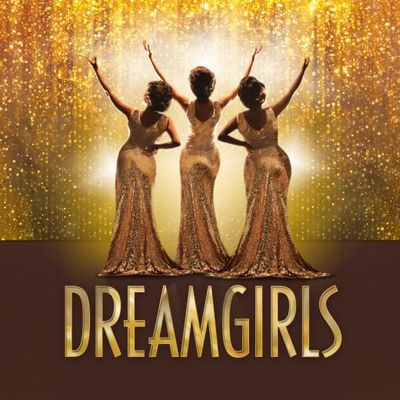
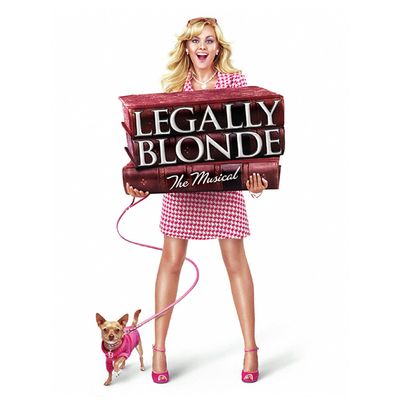
In this episode, I sit down with one of my favorite people - Asmeret Ghebremichael (West End's Dream Girls, Broadway's Book of Mormon & Legally Blonde). After running into each other in London a few years ago, we reunite on my livestream to talk about what she's up to during quarantine, racial equality in the industry, and more!
Watch the replay of this episode: https://youtu.be/JtLD0IbbQrw
Follow me on Instagram: www.instagram.com/kendavenportbway
Catch the next livestream LIVE: www.theproducersperspective.com/live
About Asmeret Ghebremichael:
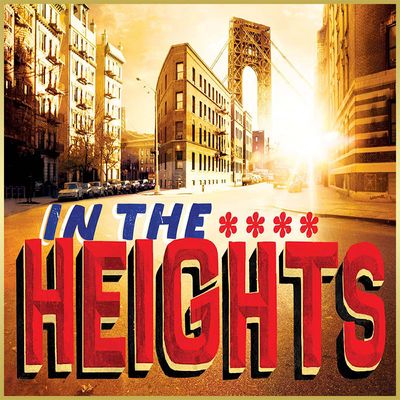
Asmeret Ghebremichael was most recently seen on Broadway in The Book of Mormon. Her other Broadway credits include Wicked, Legally Blonde, Elf, Spamalot and Footloose. Off-Broadway, she's been seen in Lone Star Love, In the Heights and Sweet Charity. In 2017, she took on the role of Lorrell Robinson in the West End production of Dreamgirls. Ghebremichael appeared in NBC's The Wiz Live! and has also been seen on screen in Submissions Only and Confessions of a Shopaholic.
The Producer's Perspective LIVE! and this podcast episode was produced by Mary Elizabeth Dina.
Transcript
This transcript was automatically generated and might contain errors.
[0:23] Ken Davenport: Hey everybody, it's Ken Davenport, and I wanted to say thank you for listening to the Producers Perspective Podcast. You're now listening to a special mini-series, the Producer's Perspective Podcast Live from the Pandemic. These are recordings directly from the Facebook Live series I started during the coronavirus pandemic, where every single night I interviewed a Broadway luminary and chatted about what they were going through, how they were dealing with it, and what they expected Broadway and theater to look like when it was all over. So join us for this very special episode of the Producer's Perspective Podcast live from the pandemic. We have a very special guest, someone that I'm very happy to not only call up here, but also a friend.
She is a Broadway veteran for over 20 years. I mentioned her in the introduction, but Legally Blonde, Elf, Wicked, Book of Mormon here in the US and the West End. In fact, one day I just bumped into her on the sidewalk in London, just walking down the street. It was like, oh hey, Asmeret. So let's bump into her now on the live stream. Please welcome Asmeret Ghebremichael.
[1:33] Asmeret Ghebremichael: I forgot that we bumped into each other in London.
[1:36] Ken Davenport: That's right.
[1:36] Asmeret Ghebremichael: Oh my god, that's so funny. That goes down in history. It's one of the most like bizarro moments I've ever had in the world. Like I'm walking down the street, and I literally see her, I was like, oh hey. And then the freak out begins because you're seeing someone, what, 7,000 miles away from where you spent a lot of time there.
[1:55] Ken Davenport: I did, yeah.
[1:56] Asmeret Ghebremichael: Yeah. I was there. I did Dreamgirls there for almost two years. And then I was there for Book of Mormon in 2016, and I did I was there for like six months.
[2:07] Ken Davenport: Wow. So we're gonna talk about a lot of things tonight. But tell me just first, you worked on Broadway for a very long time, and then you went to London. What are the differences for the scene for a performer? Did you enjoy it more? What about the social scene, everything about it? How did it differ from here?
[2:25] Asmeret Ghebremichael: Um, well, I mean, I loved it. That had been a dream of mine. And so the fact that I got to do it twice was insane. Getting to perform on a London stage was amazing, and so much fun to be doing those shows in particular.
[2:41] Ken Davenport: Uh so let's talk about how you got to London. Let's go start at the beginning. So, tell me the origin story. Where did you first get bit by the theater bug? How did it happen for you?
[2:53] Asmeret Ghebremichael: Well, I always loved performing as a little kid. I mean, I would make up songs and torture my younger sister into making her do these performances with me. Um, but I think I think when I was I was 11 or 12, and I went to New York with a group for my dance studio, and we'd seen a bunch of shows. I saw I remember seeing Andy Blank and Bueller in Guys and Dolls. I had, you know, I'd met him at around the dance competition circuit. Um, and I saw Vanessa Williams starring in Kiss of the Spider Woman, and we got to meet her, you know, afterwards. And I was like, there's a woman that looks like me who's front and center singing and dancing and acting, and she's you know, she's wearing these incredible costumes, and I can do that. Um, I already I knew I'd love to dance and I love to sing, but I remember going home after that trip and writing down on paper. I'm gonna go to New York University and I'm going to be on Broadway.
[3:53] Ken Davenport: You how you were 11 or 12, you went home and you wrote it down on a piece of paper?
[3:56] Asmeret Ghebremichael: Yes, we had it was like a school project or something. And I only knew about NYU because of the Cosby Show because Theo Huxtable was on NYU. So I was like, well, that obviously that's where I'm gonna go to school.
[4:07] Ken Davenport: Of course. Theo's gonna be there.
[4:09] Asmeret Ghebremichael: Of course.
[4:10] Ken Davenport: Theo can do it, I can do it.
[4:12] Asmeret Ghebremichael: Yeah, Theo's gonna be there. Theo could do it. You definitely could do it.
[4:13] Ken Davenport: Yeah, see, exactly. Actually, that's so funny because it brings up a very poignant point. You learned about NYU, NYU changed your life, right? Because of a television show, which is really uh Cosby show aside for the moment, what we know now, but the arts or entertainment had a massive impact on you and your life, which is now having a massive impact on a whole bunch of other people.
[4:42] Asmeret Ghebremichael: Yeah, just goes to show you how important the work that entertainers do in the entertainment industry does to change people's lives.
[4:50] Ken Davenport: Oh, for sure. I mean, that's I can remember watching TV with my kids from a very for my kids, whoa, no, um, with my parents. I haven't seen you in a little bit of time. Yeah, no, no, no, no, no. Nothing new, nothing new to report. Um, uh God, that was weird. Um I remember watching as a kid with my parents, um, you know, watching Saturday Night Live and watching these blooper shows, and and learning that I that I I could do impressions. I mean, I couldn't really, but I started doing impressions of people and I I just watched everything and absorbed it all. I loved comedy, um, I loved sitcoms, um, and you know, obviously the Cosby Show had a huge effect in where I went to school.
[5:34] Ken Davenport: Uh and that's the other thing that what my first experience with you as a performer was not in any of these big Broadway shows.
[5:41] Asmeret Ghebremichael: Right.
[5:42] Ken Davenport: It was in this small improv show called Don't Quit Your Night Job, which was a late night event. Uh and I remember just like leaning forward and watching you totally commit to whatever crazy scene it was. Uh and thinking and hearing you were in the ensemble of a bunch of shows and thinking like that's not an ensemble performer right there. That's that's that's different. So you went to NYU. How quickly did you get on Broadway? How quickly did that piece of paper dream come true?
[6:13] Asmeret Ghebremichael: Well, so I actually went to NYU to study communications because I told my parents that I wanted to be a performer, and they were like, that is great news. What are you studying in school?
[6:22] Ken Davenport: Like what did they do?
[6:24] Asmeret Ghebremichael: Uh well, they're both retired now, but my mother was first recently retired, and my father is an electrical engineer. And in fact, they came over to America for education. So there was no way that I was, you know, go off, you know, just go off and start performing and not get a college degree.
[6:44] Ken Davenport: Um so I couldn't convince them because there's a lot of people I'm sure watching a lot of young people watch this going like, I'm gonna have that conversation with my parents like next week. What what did you say? What should they say?
[6:54] Asmeret Ghebremichael: I mean, I'm a crazy person. So what I said was, yeah, I'll go to school for for you know something academic and just be in New York and take class and audition. Which was like, you know, I'm I don't think they thought that my second semester of my freshman year, I would get my first Broadway show and that I would stay, yeah.
[7:13] Ken Davenport: Yeah, you don't know. It's so funny, yeah.
[7:16] Asmeret Ghebremichael: So I um year was this.
[7:21] Ken Davenport: It was 99.
[7:23] Asmeret Ghebremichael: It was Footloose. I went to NYU, but oh that's right, yes.
[7:27] Ken Davenport: Yeah, yeah.
[7:29] Asmeret Ghebremichael: So I just I I got an academic scholarship to NYU. I got a partial scholarship. I was um admitted into the Martin Luther King Junior Scholars Program. So I was to keep a 3.5 GPA every semester and do 30 hours of community service.
[7:44] Ken Davenport: Oh jeez.
[7:46] Asmeret Ghebremichael: Yeah. And so I I said I was gonna study communications, I was in the school of ed, and it actually worked to my advantage because I didn't, you know, I could still audition. And since I got a show, I could leave, I could do my classes and go.
[8:01] Ken Davenport: Did you know, I think I think with the Tish kids, they they weren't allowed to audition, right?
[8:06] Asmeret Ghebremichael: So I had auditioned for Footloose um a few times before that. Mark Myers and I grew up together in the same dance studio, and he had gotten he got the show. He got the workshop and then and then he moved to Broadway with the show. So he was the dance captain, and I had auditioned a few times, didn't get it. One Thursday afternoon, there was a last minute call for an immediate replacement. And that was it. It was like my fourth audition. I remember Walter Bobby and Doug Katsaros and everyone just so happy to see me again. I was just this bright-eyed, bushy-tailed kid, teenager, you know. And I remember at the end of the audition, you know, they asked if I could roller skate, and I was like, yes, of course I can. Couldn't, I was terrified. Um, and they thanked me for coming in, and then two hours later I got the call.
[8:52] Asmeret Ghebremichael: So, my entire second semester of of my freshman year, I was going to school during the day, and then going to the dressing room, I was a swing, so I covered nine tracks, and when I wasn't on, I was upstairs studying or working on papers or...
[8:52] Ken Davenport: Well, talk a little bit about I mean you've auditioned for a lot of shows throughout your career. Any tips out there for performers who are in those moments and get nervous, or how do you how do you show up and and be you in those moments?
[9:24] Asmeret Ghebremichael: I I think that it's important to remember why you're there and that you love it so much. Um, and I think that being you, and sometimes that that can that can put you in your head. Um, but I but really just being yourself, and I think I think people just want to see your personality. I think I think you know, I they they saw this kid coming in three and four times, and every time I just had this smile on my face, I was so excited, I was working really hard, you know, and I I was persistent, I was persistent and I was friendly. And I think if you if if it's if it's clear that you love it, that's that's probably the biggest that the biggest thing you can do.
[10:03] Ken Davenport: Was it everything your 12-year-old heart and mind thought it would be? Like, what was it like when you were finally there and living it now and living the life? How how was it? How did it exceed your expectations? How did it not?
[10:17] Asmeret Ghebremichael: I was kind of thrown into the fire by swinging nine tracks. And in a show like Footloose, I was I went on for every single track. Um, I even you know pushed scenery for some of the male tracks when when we went down there.
[10:31] Ken Davenport: Did you ever play any of the boys?
[10:33] Asmeret Ghebremichael: Oh, yeah, yeah, yeah. I mean, I I had I had a couple of girlfriends, a couple Beaumont High School girlfriends, as some of the male tracks in the show. So that was that was super exciting. And I, you know, because I I wasn't I didn't originate that show, there were it wasn't until years later when I was part of an original cast that I felt that excitement, which is a little bit different, but certainly the first time I went on and the first time I ever went on for Rusty and sang Let's Hear It for the Boy, I was completely terrified, you know.
[11:05] Asmeret Ghebremichael: Um but but you never forget that you never forget those those first moments. Um and so it I think it it did it exceeded it exceeded my expectations and and I think there's always that excitement, you know, your first performance or the first preview or the the invited dress, which is one of my favorites, and the sits pro, you know. I think that every experience that I've had has had one highlight.
[11:30] Ken Davenport: I'll ask you one of my James Lipton questions.
[11:32] Asmeret Ghebremichael: Okay.
[11:33] Ken Davenport: So of all the shows that you performed in and all the roles you performed in, if you could only take like one moment from your entire performing career and like freeze that moment and put it in the Smithsonian Institute to represent your favorite memory, what would it be?
[11:53] Asmeret Ghebremichael: Oh okay. I have two. Is that okay?
[11:57] Ken Davenport: Just one.
[11:58] Asmeret Ghebremichael: Damn it. Okay. Wishing for more wishes. It's like if I write it down, I'll get it. Um, then I would say singing um, oh baby, I got a show to do at the end of the rap in Dream Girls. No. The the the whole the whole rap in that that particular moment, and then that just that fierce walk off stage.
[12:25] Ken Davenport: And what was the other moment?
[12:28] Asmeret Ghebremichael: The line that I have at the end of the book of Mormon in my original track named Asmeret after me. Where I say you don't think a man actually F a frog do you? That's nothing stupid. When like our invited dress I think just the laugh the laugh that I got after that.
[12:49] Ken Davenport: And that was that your line you came up with that?
[12:53] Asmeret Ghebremichael: No no what the F is a stake knife is the line I came up with. That was another favorite moment of that show. I just said the F word a lot in Mormon.
[13:01] Ken Davenport: That's basically you know we'll see if the Smithsonian will allow that in allow the F word we certainly allow it fucking here at the producer's perspective oh good I was like I don't know what I could say. Great perfect because that's my favorite word so uh so listen so in in the midst of everything that's happened over the last couple weeks a few um it was a week or two ago now I'm scrolling through my Instagram uh and uh I see Josh Gad's Instagram and I'm a fan of Josh and I follow him I don't really I don't really watch all his videos don't tell him he reads to kids sometimes it's great but um your face and name popped up and I was like oh it's it's as so I'm gonna listen and I did and for those of you who haven't seen this video I urge you to watch it there's a an um Mary will throw up it's such a great shot there I love it we'll throw up in uh the link uh to it in our chat.
[14:01] Asmeret Ghebremichael: Um, it's been viewed like almost a hundred thousand times now. It's it's an incredible video. Uh, and part of it is this because of this image, there's friendship and joy and laughter and tears and authentic truth. And the the line that really woke me up a bit and slapped me in the face was you saying you were tired and and too tired. Uh and it it just really grabbed me in many, many places in my heart, my head, everywhere.
[14:31] Ken Davenport: And I really leaned into that Instagram and listened. Uh, and it was really the beginning for me. And I thank you, so I wanted to thank you for that. Uh, and also it was shortly thereafter um that I noticed these pop up on Instagram.
[14:49] Asmeret Ghebremichael: Yes.
[14:50] Ken Davenport: If you can figure out how to make banana bread, you can find James Baldwin. And if you can drill basil in your kitchen now, you can Google Tony Morrison. And this is what has so I think I've probably always been taken by you since that very first don't quit your night job experience I had, like somehow leaning in and saying this person is special, because there's such a combination of education and activism and irony and a little humor and all of that in those quotes.
[15:21] Asmeret Ghebremichael: Uh, and they work like that's what's amazing is that they they work and are so powerful. I leaned in again. I want you to know that I Googled like right away, I learned because of course Tony Morrison Tony Morrison was my um, I do these whiteboard quotes in the morning. She was my quote this morning. It just was such such a successful moment of again education uh and activism and inspiration.
[15:47] Ken Davenport: Tell me where what motivated you to say, where did you come up with that?
[15:51] Asmeret Ghebremichael: You know, I it after the conversation with Josh, and he he had called me that morning, and we were just talking about everything that's going on, and and um, you know, I'd had a hard few days before our conversation. And then, you know, upon speaking with other black people, they were having a hard time too. Like there was a there was a day where I stayed in bed, you know, I was just tired from seeing all this footage of of of people being killed and and reading George Floyd's last words, you know.
[16:21] Asmeret Ghebremichael: And and we had just gone through Ahmad Arbory a few a few months prior to that. So it just felt so draining on top of the fact that we're dealing with this global pandemic. Um so when so Josh and I got on the phone and he was saying, you know, uh if there's anything I can do, I'd love to use my platform to to really, you know, share share your story and and amplify your voice.
[16:46] Asmeret Ghebremichael: And I was like, yeah, sure, you know, like coffee, and like we'll do this sometime, you know. And um, and I got and I started saying, I made this point about being tired. I said, you know, because people were reaching out and saying, let me know what I can do, and um let me know if there's anything I can read, you know, to to learn more about this. And and I said, Josh, we're tired. As a people, black people are tired of of you know being asked this.
[17:11] Asmeret Ghebremichael: And so that was actually the impetus for him to want to go live that day. He said, Do you want to just go live? And I was like, Yeah, I guess I, you know, I didn't think anyone would care to hear what I had to say. I didn't know what I was gonna say. But because Josh and I are such good friends and I felt so comfortable with him, you were able to see the humor and the vulnerability and the candor.
[17:34] Asmeret Ghebremichael: You know, I I don't remember half the stuff that I said, which is probably for the best, but um, it was after that that I, you know, I was I was just watching all of these people post these things and watering their plans and and making all this bread. And you know, I thought we were done eating bread also. I thought, like, you know, we were a protein society.
[17:53] Asmeret Ghebremichael: And then everyone's making bread during the pandemic. Um, and so I was doing a post on my Instagram feed, and I and that's where I came up with it. I was just trying to um post this conversation. And so it was just sort of an addendum. I said, you know, there, you know, there are plenty of resources. If you can figure out how to make banana bread, you can easily find James Waldorf or whatever.
[18:18] Asmeret Ghebremichael: And I got off the phone, and Nika Lanzaroni had texted me the meme. She had already made it. She works that fast. I was like, oh my God. Because, you know, and then I was seeing, I, you know, and then I then the basil thing I I came up with later when I was talking to Ingrid Michelson, who's a good friend of mine, and I had sent her the banana bread quote as well.
[18:40] Asmeret Ghebremichael: Um, and you know, because I think it's it's we are people black people are tired. We're dealing we're dealing with the trauma on our own. And and racism is not a trend. So so this information has been around for years. We've been experiencing these emotions for years. And you know, it's like now it's it's it's on you to do the work. You do it. You, you know, you read the books, you watch the documentaries.
[19:08] Asmeret Ghebremichael: Um, you know, if you can learn these like Megan the Stallion dances on TikTok, you got time to like to, you know. Yeah, it's that thing of, you know, I talk about this a lot in people who want to write scripts or do anything. You want something bad enough, you will go, you will take action and do it.
[19:25] Ken Davenport: Yeah.
[19:25] Asmeret Ghebremichael: And that's what, of course, because my that was my first reaction too, just like Josh, and I'm sure like a lot of like, oh, I want to find out what I can do. Let me if I want something in my life, I want it badly enough, I just sit down and do it. Uh and that's what obviously you're reminding us, and uh it it just hit home for me.
[19:45] Asmeret Ghebremichael: Yeah, so I had it too. I think like I think this is the the you know the artist scholar kid, you know, this is the this is the performing arts kid who went to NYU. I feel like the the memes are sort of uh they're they're my voice, you know, they they reflect all of my my background, you know, the nerdy kid and the kid that you know watched the Cosby show.
[20:10] Ken Davenport: I gotta stop watching the Cosby show.
[20:12] Asmeret Ghebremichael: I gotta get some you're you're actually helping the brand a little bit. At least it's a little bit inspirational or something.
[20:22] Ken Davenport: Uh and then uh so after Josh, then you wrote an op ed for Broadway News, which another which is another powerful piece. We have we have that.
[20:34] Asmeret Ghebremichael: So did how did this come about? Was this did they reach out to you? Was this what tell us a little bit about this?
[20:41] Asmeret Ghebremichael: I was approached by a friend of mine who had who had been approached by the editor in chief over at Broadway News. Um it was, I guess the conversation I had with Josh was on a Tuesday, and then on Wednesday morning, uh my friend reached out to me and said, Hey, there's this opportunity. Are you interested in in telling your story?
[21:07] Asmeret Ghebremichael: And so I panicked first, and then I said, Yes, I'll do it. And I had no idea what I was gonna talk about. You know, I I had I had watched Christ Matthews' um video, and my friend, my friend Cody Richard had had written a post on Facebook, my friend Warren Adams, you know, I was I was seeing friends of mine speak out and being and being really vulnerable and really honest.
[21:35] Asmeret Ghebremichael: And I I was, you know, I I had been ruminating over some things, but I didn't know exactly what I wanted to say, so I refrained from saying anything for a while.
[21:44] Asmeret Ghebremichael: And then this opportunity came up, and I remember I said yes, I hung up the phone and I worked out, and I tend to get thoughts when I'm either on the subway or exercising or something. And so I was like doing whatever, you know, burpees or whatever I was doing, and it started to come to me, you know, it's like, what is my perspective? I've been the token all my life growing up, you know, at my dance studio, amongst my circles of friends in the musical theater community. What is, you know, what do I want to say? And so it just started to come together. And that was Wednesday, I wrote a draft on Wednesday afternoon, and then it was turned around Thursday. I edited Thursday, and then it was out Thursday afternoon.
It's like it was the fastest thing I've ever written in my entire life. Wow. Um, but I think I had just been sitting on years of experience, and then once you start thinking about those things, then they just start to keep coming, you know, even after I finished, there was stuff that I thought about that happened, um, you know, uh in London, even, you know, or just you just start thinking, and yeah, it just came out of me.
[22:38] Ken Davenport: What I love, I have to just mention this again, you yes and did Broadway news like I it's amazing. I mean, it seems like, but you have, this is what you do and it is pushing you forward and very important, but just you're presented with an opportunity and you're just taking it and it's good for you, it's good for a lot of people in the world right now because this message is getting out there. Yeah, the yesterday all of a sudden a Forbes article pops out so yeah just, but before you also said you panicked and you also said you were a little nervous before Josh, where do you think you summoned up this courage to do this? This is very courageous. These are big things you're saying. You are a performer in the industry who is going to be looking for a job in the next several years. Like talk a little bit about why the courage or how the courage came about now.
[22:38] Asmeret Ghebremichael: Um, I think I've always, I think, well they say courage is having the fear and doing it anyway, right? So I think that for me, it's always a split second decision of weighing whether this fear is just a fear of being vulnerable and of being that exposed, um, or is it something that just does not feel right? I think that's something that I've cultivated especially in the last few years as you, you know, as you work in the business more and more and you are offered things, and you know, most of the time it's timing or, you know, but you know, if you're offered, if you're offered a job and you're so used to saying yes to things, um, that you do or you say yes to on audition and you go into this audition and you didn't really, you didn't really want to say yes, but you said it, you said yes anyway out of fear, then that doesn't go well either.
[24:56] I think in those instances with having the talk with Josh and with writing this article, with writing this piece, I sat with it for a minute and, and you know, not very long because I, the turnaround was super quick, but um, I think I've gotten really good at knowing intuitively if something is going to benefit me or if it could benefit someone else. And I think certainly with both of those, in both of those instances, I felt like if I can inspire one other person to speak out, then it's been successful.
[25:42] Ken Davenport: And now that those have been out for a little bit, how are you? And there is a big Forbes article about you, uh, which is fantastic, and we'll throw that up in the comments as well. How are you feeling with all of this?
[25:56] Asmeret Ghebremichael: I'm, I mean, I'm overwhelmed. The initial, that first day that, um, that Josh and I spoke, and then the day that the article came out, I just, I was overwhelmed by the response and the support. Um, and even as time has gone on, you know, it's reaching so many people, you know, because of people like Josh and people like you and, and you know, friends of mine who are supporters, I I've felt so supported and so, um, encouraged to keep speaking out. You know, I've gotten messages from people in the business and not in the business who have thanked me for my perspective because really, you know, Josh and I touched on this in our conversation, but you could fill that blank in with any profession. It's not just the performing arts.
[26:46] Ken Davenport: So I think, I think that what I've learned, and what you know, it's something that you know, but you sometimes is worth repeating is that there's such universal themes. I think it's why shows work because if you're touching on a universal theme, it's gonna touch more people than you realize.
[27:04] Asmeret Ghebremichael: How much do you feel theater and arts will play a role in the changes needed in this country and the world over the next couple of decades?
[27:24] Ken Davenport: Well, I think that I think that people as a collective are listening now. Um, you know, I don't know what's gonna happen with the government. I am hopeful that in the microcosm of theater and the arts, that people will start to listen and, and people will start to implement the change and, and you know, broaden the idea of diversity and representation to, to the, like I say in the article, the theater makers. Um, I think people look to the arts for that kind of inspiration, but I, you know, and I, and I think just as it, as it will just as it, it would needs to happen in society, it needs to start from the top, you know.
[28:11] Asmeret Ghebremichael: Um, I'm hopeful, I really am hopeful just based on the conversations that I've heard and, and even, you know, I went to the Broadway advocacy coalition forum as well, um, just seeing the number of people there I was inspired, you know, but as a lot of people are saying it's a marathon not a sprint so I don't expect to see drastic change overnight and I hope, I hope that it's not drastic. I think that for it's long lasting, I think, you know, things like this conversations, I think the conversations are important and I'm seeing, I'm, I, it feels, it feels different, it feels like people are actively listening.
[28:49] Ken Davenport: Well they, I know many people are and frankly that's because of you and a lot of the work that you've done just so you know I can tell you that I have heard your name and these articles and videos in more Zoom rooms around the industry over the last, uh, several week or, uh, week or so I'm so grateful for that because you, I'm so grateful you yes and did me tonight and came on, uh, and that you yes and did all these opportunities and experience you didn't need to do any of this you didn't need to go live with Josh, didn't need to write that article and you did and I personally am so thankful and I, I know there are a lot of people that are so grateful for all the work that you're doing right now.
[29:32] Asmeret Ghebremichael: That means a lot Ken, thank you so much I appreciate it thank you for being here and sharing your stories with us.
[29:38] Ken Davenport: Yes, oh can I just add one thing? Yes, the charity that I was that I was gonna do, um, just really quickly because you know, I mentioned that, uh, that you know there were days and I, there are a lot of there are a lot of people, um, who are who are having a hard time, you know, and, and I self-care is very important and I'm a huge proponent of therapy. Um, and you know, we not only lost George Floyd, but Brianna Taylor was killed in her home while she was asleep, and her killers are still haven't been arrested. Um, and I, I think that as a, as a group, women, uh, black women may not feel as valued, you know. I think that that can play, that can play on your mind and I, that can mess with your psyche.
[30:26] Asmeret Ghebremichael: So I just want to say that I would like to, um, point out the Love Land Foundation, which was started by Rachel Cargill, who's been very popular on social media, very smart woman. Um, and this organization raises money so that black girls and women all across the country can get therapy for free. Um, I just think there's a stigma in the black community around getting help and, and mental illness and therapy. And so I think this organization is really important. If you can donate, that would be amazing. But I just think spreading the awareness and, you know, sharing posts on social media is one way you can help. But, um, I feel very, very strongly about that organization. So I just wanted to say that before I left.
[31:06] Ken Davenport: No, I'm so glad you're talking about I will certainly make a donation myself. I will urge everyone out there to make a donation as well. Uh, it's certainly something we should all do right now. And it's a great, you know, we're focused. There's so many, so many areas that need attention and love and support. And this is what I think you're right, gets overlooked.
[31:25] Asmeret Ghebremichael: Yeah, healthcare is so important right now. Uh thank you again so much for everything.
[31:32] Ken Davenport: Thank you. I hope to bump into you on a sidewalk in this country or London.
[31:37] Asmeret Ghebremichael: We do.
[31:38] Ken Davenport: I know.
[31:39] Asmeret Ghebremichael: Yes, we'll make it happen.
[31:40] Ken Davenport: We'll bump into each other on purpose.
[31:43] Asmeret Ghebremichael: Yes, exactly.
[31:43] Ken Davenport: Okay, take care.
[31:45] Asmeret Ghebremichael: Bye.
[31:47] Ken Davenport: Asmeret Ghebremichael, everybody. Thanks again for listening to this very special episode of the Producer's Perspective Podcast live from the pandemic. If you enjoyed tonight's episode, do us a favor and subscribe on Apple Podcast. And hey, while you're at it, leave us a big standing ovation review, will ya? And check out my Facebook page at Facebook.com backslash Ken Davenport for more live stream interviews just like this one. Except on the Facebook page, you can actually see our faces. So check it out at Facebook.com backslash Ken Davenport. We'll see you there.
[32:21] Ken Davenport: Getting the fan back together. Bye bye.
© Broadway Podcast Network, All Rights Reserved