

On this episode of The Roundtable with Robert Bannon, Dylan Mulvaney steps into the spotlight to talk about her brand-new Off-Broadway solo show, The Least Problematic Woman in the World... Read More
From the show: The Roundtable with Robert Bannon
Guests
About
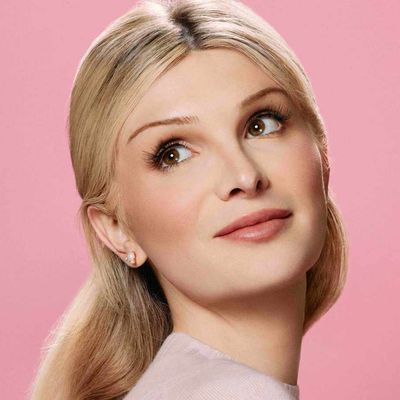
On this episode of The Roundtable with Robert Bannon, Dylan Mulvaney steps into the spotlight to talk about her brand-new Off-Broadway solo show, The Least Problematic Woman in the World. The one-woman musical comedy, born at the Edinburgh Fringe and now opening at the Lucille Lortel Theatre, blends music, camp, and razor-sharp wit to tell Dylan’s story in her own voice — and she’s bringing all of that honesty, humor, and heart to our chat.
Dylan opens up about her journey from Catholic school roots to internet fame, the joy and pressure of being in the public eye, and why humor has been her greatest tool for resilience. We dive into the process of reclaiming labels, transforming backlash into art, and why this Off-Broadway moment is such a powerful next chapter in her story. It’s candid, funny, fearless — and absolutely Dylan.
Watch The Roundtable with Robert Bannon on Broadway World, the Broadway Podcast Network, iHeart, Spotify, Apple, YouTube & wherever you stream.
Visit RobertBannon.com & follow @RobertMBannon on Instagram.
#DylanMulvaney #OffBroadway #TheRoundtableWithRobertBannon
Transcript
This transcript was automatically generated and might contain errors.
[0:10] Robert Bannon: Are you ready? It's the round table with me, Robert Bannon.
[0:14] Robert Bannon: Well, hey everybody, my name is Robert Bannon, and this is the round table. And I love that you're here. Hi. Hey, yep, it's me. How you doing? That face that pops up, that voice in the night. Well, I'm really excited about this very special edition of the roundtable with the one and only headline-making superstar, genre-breaking trailblazer. That is Dylan Mulvaney. So Dylan Mulvaney was on the books for a couple of weeks to do an exclusive interview with us here at the roundtable to talk about her one-person show coming to Off-Broadway at the Lortel. And then I had a death in my family. We lost my grandmother. And um, we were not going to cancel the interview. So instead, we had a pinch hitter.
So my cousin Adrian, who has been on the red carpets for me, if you follow the round table, you have seen Adrian Garzillo out and about for me since I've moved to Detroit. She takes care of New York for me. She had the exclusive chat. She's been an ally and advocate for the trans and LGBT community from the second I've known her. And she has no one better to talk to Dylan than her. I think of my grandmother when I did this episode because my grandmother has always let me be me. She encouraged me listening to Liza Minnelli as a kid. We would talk about everything from drag to queer culture to Madonna. She knew how much I love Whitney Houston. She loved her hair and nails, did and done. So Virginia, Grandma Verge, this one is for you.
Dylan Mulvaney talks about coming to her own place, space, the world we live in, and we stand with her in our trans community. Art. Art is important in these times because these times the community is under attack. So I'm very honored and excited. Adrian Garzillo, our special roundtable correspondent, talks to the one and only Dylan Mulvaney right here on the round table.
[2:14] Adrian Garzillo: Hello. Welcome to the round table. We are so excited to have you here today. And I was so excited because Robert had some personal things. And he goes, Could you interview Dylan? I said, could hello, of course I could interview Dylan. I'm so excited. That makes me so happy. Well, it's it's destiny, and I love your shirt.
[2:35] Dylan Mulvaney: Oh, thank you so much.
[2:36] Adrian Garzillo: Thank you. So you've been busy. You've had a lot going on.
[2:40] Dylan Mulvaney: Honey, a one-person show I I've found to maybe be the toughest lift of them all. Um, but but it's happening. It we're it's it's about to happen. So you're in previews right now.
[2:54] Dylan Mulvaney: We are we actually start previews this upcoming weekend. Today is my first week of tech, and uh it's gonna they I mean I did the show last year, and but we've added about 25 minutes on to it in three new songs, and so there's you know, a few uh new things that that are coming into the show. The sets much more, you know, intricate. We've kind of upped the ante on on many of the the elements. So just trying to get those all together before our audience gets in.
[3:27] Adrian Garzillo: Wow. I mean, making your debut at the West End had to be something amazing and uh, I'm sure a bucket list for you.
[3:34] Dylan Mulvaney: Yeah. Oh, well, in a weird way, I feel like London and the West End felt even more of like a reach because I think growing up, I I only assumed like if I got to be in the back of an ensemble anywhere, even if that was like in an Ohio dinner theater, I would have been thrilled. Um, but if you had told me I would get the chance to like go overseas to do a show for the Brits, I wouldn't have believed you. Um, and so I kind of think this year has been full of so many happy surprises. And I think um the fact that now I'm bringing my my story to uh the Lortel, which is such an iconic theater, and and we've seen so many like amazing shows like O'Mary start there recently. It just I it's so wild to be living through such a dark time period, but then also having these like bits of joy um that that I makes me think like, okay, I'm doing the right things. I've you know I've gotta keep trucking, keep trying to spread trans joy because it's worth sharing.
[4:42] Adrian Garzillo: Very, very true. And the name of the show is the least problematic woman in the world.
[4:47] Dylan Mulvaney: Correct. Yeah, a very ironic title.
[4:50] Adrian Garzillo: Yes. So um tell me a little bit about how it came about and and also you've got all original music in this.
[4:59] Dylan Mulvaney: Yes, yes. Uh there's six original songs. Uh four are written um by myself and Mark Sonnenblick, who wrote the music for Deep uh K-pop Demon Hunters, um, which is you know been quite uh a win for him this year. Um, I've got a song with Ingrid Michelson that we collaborated on. The opening number is written by Toby and Lucy, who wrote six the musical, and um, and then Abigail Barlow, who wrote uh the Bridgerton musical, also wrote one of the songs with me. And it it really was crazy to get to reach out to like all the people I've like fangirled over to see if they would want to do something, and they all said yes. So that I think has been one of the really fun perks of getting to build something from the ground up is bringing all the people that you love into it.
[5:50] Dylan Mulvaney: Um and the show, it's called The Least Problematic Woman in the World. It is sort of a crazy retelling of um my relationship with my transness growing up and also my relationship with the Catholic Church, because I grew up um going to Catholic school for most of my life, and I feel like it's a it's a really unique experience to be like battling you know, gender identity while also having um the church and and God to be involved in sort of the storytelling of that. But I I've found now that there's so many queer folks and trans folks who've had also similar uh experiences of like trying to step into their true authenticity, but like being told that their religion wouldn't accept whatever that is, and so I I really do think whether someone is you know in the queer community or not, they can find a way in to the story.
[6:53] Adrian Garzillo: I love that. I I think that's so important, and it's I'm I'm excited to see that even though it's slow, more information is coming out, more more education is coming back, even though it's trying to be silenced, right? We we need more people to speak up and and have that voice. And I think that's why it's so wonderful. I I remember back in 2020, my sister's like, you have to join TikTok and I'm like they're only young people dancing I said I'm in my 40s I said what are you crazy she goes I'll watch Star Wars because she's never watched it because I love Star Wars. I've never watched Star Wars oh dill oh my god I'm gonna have to do it for you it's great it's wonderful well maybe take a pause on it right now but you know what I'm saying but so I said okay fine and then I go on and I said oh there's a plethora of wonderful things on here and I found you and yes and you know I'm scrolling through my my for you page and you popped up and I said who is this person I said oh my gosh the amount of joy of watching you every day where you know it was you know day 105 and I said this is so wonderful and I said it's such a simple thing but it just it the the the awareness and I I did want to ask you were you ever like once you hit like you were like oh my gosh like everyone knows who I am were you ever nervous or scared that did I do the right thing by putting myself you know out there like that?
[7:24] Dylan Mulvaney: That's it's so interesting I was just talking thank you first of all I can't I I sometimes because I was just in my apartment making videos with myself like it it's so confusing to me of like if I'm walking down the street and someone you know tells me that they like feel like they know me because it was so isolating in some ways but um kind of this idea of like did I make the right decision by sharing it and I was there's a part of the show um towards the end of it, where I start to kind of question whether or not this was the the the right thing to do. Because a lot of trans people, you know, go into their little cocoons and then they come out as this trans person, whether that's months or years later from their realizations.
And for me, I remember that first day of being like, oh, should I go into hiding or should I take people along for the ride? And I really did take people along for the ride because I wanted to see if it was possible to like be, you know, to be so early on and still find that acceptance. And I ultimately did from a lot of good, wonderful people. Um, but I think that now uh looking back, I'm so much more private just because I know how many people how many people want to take that joy away. And so I think during a time like right now where uh trans people are so under attack, I just want to make sure that whatever I'm putting out there can't be used against other trans people. And also because I started in theater, I was like, this feels almost like coming home in a way, because I I feel so much safer to tell my story on a stage with like 300 people who are specifically want to be there versus, I mean, I could see some hater buying a ticket just to sit through and try to um, you know, come up with reasons to not like me, but that is a lot more energy than a hater just watching a 60 second video.
So I I really feel like um during this kind of uh scary time when people don't know how to support trans folks, and if some trans folks aren't as comfortable like me to be making content about our journeys, that there are other ways to find us and connect with us, whether that's through books that we write or through, you know, this stage that we're doing.
[10:49] Dylan Mulvaney: And um, I think that's something like uh, oh my God, I'm doing the drowsy chaperone later in October with a huge cast of trans people at Carnegie Hall. And like to me, it's that might not be like inherently a trans story, but seeing all those trans people do something like that, I think is a huge part of like advocacy of like allyship because we need to show right now that we're profitable. We need to show that like our supporters are still there and willing to, you know, fill seats and and willing to listen. Um, and I think that's what really excites me about um coming back to the stage is is telling my audience that loved my day one, day two videos to also say, but this is actually what I want to do, which is be a performer and and the fact that they have a personal connection with me outside of that makes me so happy. Um, but it's almost like helping them see the real me in a in a fun way.
[11:55] Adrian Garzillo: Exactly. And I I think it's so important.
[11:57] Dylan Mulvaney: And I mean, I live in New Jersey, I grew up in the city, and I remember going to see, you know, my first musical, which was Annie, you know, on Broadway. I love it. It's just there's just something about live theater and live music, and it's there's nothing like it, you know, in my and I was probably like five years old, you know, and that was it. I was like, I love this, you know, let's do it again and again. But I think it's so important, especially for people who I think they're scared for people that don't know and say these horrible things. They're just they are uneducated. And I don't mean like they don't know, well, that's the story another time, but like just listen, you know, and you don't always have to agree, but you could be like, okay, and go about your day.
It's like, what are you doing that are bothering these people? It makes me very angry. My husband's like, don't get in trouble online. I said, okay. Because I get so angry because it's like, you know, I have so many friends, you know, in the queer community. And then I have some of my, you know, my friends that I've had forever, their children are like, hmm, I'm not sure, you know. I want to try this and I want to try that. Why not? As long as you're being safe, you're being careful, you know, and their parents are supportive, and it's like, okay. And you know, and sometimes they're like, oh, I'm nervous, I'm afraid. And it's like, I love you. And that's why I think it's so important to be out there.
And it's like, you can maybe be like, I don't understand or I don't get it, but you can be like, okay. And that's it. I just more people felt that way. I really think um, I actually saw Trevor Noah do a stand-up show in London a few months ago, and he talks about how like trauma plus time equals comedy. And I feel like so much of my past few years of transitioning has been quite traumatic just because of hate and backlash. But it's been enough time since like Beer Gate and certain events, uh, that I now feel like I can laugh about it in some ways, even though we are living through still so much trauma. And I think that's what I want to bring my audience, especially those who saw me online before, be like, now I can laugh about it.
I want you all to laugh with me. And I think that humor is such a way to help teach people because it's less intense, and it also is like it lets them into um like the healing process with you. Um so instead of pity, they actually like um can empathize. Uh, because I find like the pity element of it to be uh a bit, I don't know, not it feels like one of a cheaper form of currency. But when it comes to like empathy, which feels very different than pity, that's where I want us to be able to have like honest conversations and um being able to tell a story and know that the audience isn't just victimizing me, but is like being able to see that I am uh kind of conquering these battles um without feeling like uh guilty about it.
I don't know, I just really think like a lot of the show is so stupid silly, and I think that is uh something that I want people to see from me after you know going to the White House to interview a president or you know, being talked about by all of these Congress people, like I want people to see that I still have that like stupid sensibility within me.
[15:34] Robert Bannon: Because that's who that's part of who you are. Like, you know, you're a performer, you're an entertainer, and it's like I don't have to be serious all the time. And I also think empathy, which is a beautiful word, empathy also leads to acceptance, and that's where we have to go. And it's that's why I say, like, you don't always have to understand it, but if you can just empathize and be like, oh, okay, and then be like, okay, and then just be like, leave us alone. That's really what it is. Just leave us alone. We didn't do anything. I mean, I think about growing up in the theater and like this the shows that really like affected me as a young person were um, you know, Rent. I remember seeing it like six times in San Diego at the Civic Center and then Spring Awakening, and like even just seeing any sort of queerness was so exciting to me and like really like almost felt more tangible to me than seeing um real life queer people because I could project myself into these characters, and so you know, someone that might not be on TikTok even or an older generation that doesn't know a trans person yet, but if they can see me on stage playing this heightened version of myself, which is a character in some ways, to live through that, I think that would be so exciting to me, the way that I did as a kid with Angel and Rent or Ernst and Spring Awakening.
And I am just so happy to like because in it feels like in the New York theater scene right now, there's been some like progression in um getting trans representation up on the stage, but we have so long to go. So that's what wanting to chip away at it.
[17:21] Dylan Mulvaney: I love that so much. It's so fantastic. Um what do you um do you have any advice to the young, and I don't even just want to say queer community, but just to the young people out there because you know, it's a very scary time in our country, which you know, on a daily basis, we don't know what's going to happen next. And it's just I think it's all young people. If we can all just learn to accept one another and be like, oh, you're you know, it's that's what I think is if we can get to that, you know. Um, and and also when you're feeling down, you know, when they're when you have those moments, um, what is something that you do that kind of picks you up and is like, okay, I'm all right, I can I can get through this day.
[17:59] Dylan Mulvaney: Yeah, I think if I was to tell young people anything, it would be that you know yourself better than anyone else does, and that applies to your gender, your sexuality, your hobbies, your taste in music. And I think I spent a lot of my younger years looking to other people to tell me what to do, or to tell me that I was talented or to tell me what to sing. Um, and then the moments before my transition that really do stick out to me as like moments of pure authenticity were the moments where I actually said, no, this is what I want to do to the people in charge. Um, specifically, you know, in college, being like finally allowing myself to sing uh female material, or um finally taking a comedy class instead of Shakespeare.
And so it's like whatever it is, that little itch that you have, um, you have you need to follow it because if you stop following that, it gets quieter and it gets less easy to follow. Um, and then as far as like things um to do that will, you know, help get us through these trying times. I mean, I really do rely on my friendships and making sure that like I think what is particularly tricky about um the way that social media is working right now is we feel so connected to all of these different people, but I think the tangibility of having friends um in real life that you can go and see a show with or have a sleepover with, or you know, like I think that that for me is still my fate greatest joys being in actual physical community with people.
Um and if they don't have the ability to do find that right now, then hopefully that day will come. Um and and also like I try to look at every day as like a brand new fresh start. You can't really change anything that you've done before this moment, but you know, every morning feels like a reset. And so I think just not being so cruel to ourselves because as a young person, I was constantly telling myself why I was not enough, but I wasn't actually checking in on the things that I was doing correctly. So I think it's being able to like really acknowledge what you're also doing right instead of purely what you're doing wrong.
[20:33] Robert Bannon: I love all of that so so much. And and you also have a you're an author, you have a book, Paper Doll.
[20:40] Dylan Mulvaney: I have a book, Paper Doll. It's so f in New York I I don't even think I brought a copy, but um I'm gonna need to change that. But I have it on my I have it on my audible. Oh god, you know what? And that's a good way to do it. Cause I think um so the way I wrote it, I felt like was how I spoke versus like some formal approach to like writing. And so I wanted it to be sort of everything that I couldn't share online. Um I put into the book and and it's it's a little raunchier than my normal content. It's a little more adult, but I think it's it's fun. And I grew up reading books that were, you know, like Chelsea Handler or um Amy Poehler's book, and I didn't know books could be that casual and personal.
Um and so that's what I really wanted to do with Paper Doll. And I think now that I've kind of gotten bit by that bug as well, like, and so hopefully more books to come. Um, but it's I just can't believe that the internet helped me create all these dreams. Like there's no way I would be doing a show at the Lore Tower right now if it weren't for TikTok. And so as much as people might try to like shit on social media or make people that start on there feel like less of a creative, I actually think it is such a tool right now, and we have to harness it.
[22:05] Robert Bannon: I agree a hundred percent. It's really true. And I think especially for the younger generation where it shifts, it changes all the time. You when you see, you know, I love to bake and stuff, and I see this young man, he's 15 years old, and he's like, please follow me. And he does like treats like Oreo cookies and things like that. And I was like, he's 15. Like, I think that's wonderful, and he's got all these followers, and it's like my ASMR. I love watching him, you know, like it's so great, and I think it's so true, Dylan, that it really is a way to carve out something for yourself, whatever your niche is. I just think it's wonderful. And I'm so happy that you came across my for you page. It's truly.
[22:44] Dylan Mulvaney: Well, and now we're here three years later. So we're here. So now everyone needs to go buy tickets to go see the show. Uh, I believe it starts, is it October 7th through November 30th?
[22:54] Dylan Mulvaney: Those are the dates that I have. Or did you do that shift? Uh we've got we've got a shift. We've um we're actually starting September 27th now, and we're going through October 19th. And so we've got four weeks. It's gonna be uh eight shows a week, and I'm gonna give it my all every single night. So I hope that they will join me.
[23:13] Robert Bannon: Yes, yes. And you can go get your tickets at leastproblematicwoman.com. Please go do that. Please buy her book. Please support her, follow her, and all those wonderful things as I do on everything. And Dylan, thank you so much. This has been just wonderful for me. And um, thank you, Robert, for letting me do the interview. Thank you, Adrian. Thank you, Robert. Thank you for being here. Thank you for the love, encouragement, and support you've all sent me. And I look forward to seeing you next week on Broadway World, the Broadway Podcast Network, iHeart, Spotify, YouTube, or wherever you hear me, follow me at Robert M. Bannon on Instagram, go to RobertBannon.com and listen to us every single day on your favorite podcast and watch us Fridays here on Broadway World where Broly gets its news. Till then, thanks everybody.
© Broadway Podcast Network, All Rights Reserved