

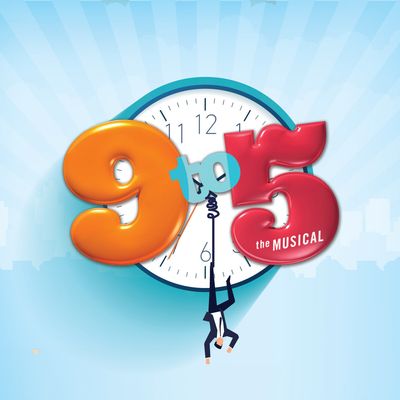
TV Executive, Theater Producer, and now The Show Must Go On Sale special guest Bob Greenblatt helped bring shows like “The Drowsy Chaperone,” “9 to 5,’ and the new revival of ”Ragtime” to the Broadway stage... Read More
From the show: The Show Must Go On Sale!
Featured Shows
About
TV Executive, Theater Producer, and now The Show Must Go On Sale special guest Bob Greenblatt helped bring shows like “The Drowsy Chaperone,” “9 to 5,’ and the new revival of ”Ragtime” to the Broadway stage. Now, he sits down to talk with Tom Greenwald about bringing IP and stars to the stage, what word of mouth means, and how to market a “Smash.”
Transcript
This transcript was automatically generated and might contain errors.
[0:00] Tom Greenwald: What do you think is easier to sell? A celebrity in a show that doesn't work or an unknown cast in an incredible show?
[0:08] Tom Greenwald: Well, I think it's a trick question because thrilled to welcome Bob Greenblatt to today's episode of The Show Must Go On Sale. I've known Bob for many years. I think the first show we did together was Nine to Five, which we'll talk about that a little bit. A lover of theater, but he's also an entertainment executive of significant renown, mostly in television as a producer and as an executive running both NBC and HBO.
[0:41] Tom Greenwald: My first question to you, Bob, is do you love the act of marketing? In your role as an executive, do you love it? And do you love it just as much or more as a Broadway producer?
[0:51] Bob Greenblatt: Well, first let me say I'm happy to be with you guys today. I love the name of this too, The Show Must Go On Sale, because we're always like, we gotta get on sale. When can we get on sale? I love marketing. I always have loved marketing, and I think it's just vital to everything that we do, whether it's television, film, you know, theater, you name it. It's just like the bedrock of what we have to do.
[1:19] Bob Greenblatt: I was really excited when I got my first really big job as president of Showtime back in the early 2000s, as we now say, and I got a marketing department that reported to me. It was the first time. And it was really thrilling to just be part of the process on selling every show and putting the key art together and the visuals that we were putting out. But back then we didn't have any social media to worry about, which is now taking over our lives, but the messaging and really presenting the shows in the right way to kind of build your audience was vital to turning a network around like Showtime.
[2:07] Bob Greenblatt: But I think it's important to everything we do, and I love it. I'm very visual, so I love working on the visual side of it, but also the communication of it and trying to boil things down so that people can get it immediately and get excited about it. And I love it. I really, if I had another life or another career, I think I would do something more directly in marketing because I do love it.
[2:35] Tom Greenwald: Bob, I have a question for you because before you ran Showtime, you were a producer. Do you remember acting like a client when you were a producer of television shows and did HBO invite you into the room to approve posters and stuff? And how was that?
[2:52] Bob Greenblatt: You know, each network is different and has various levels of frustration, and they've all changed over the years. But the broadcast networks, you know, ABC, if we're doing a show for ABC or CBS, which we did a few, they sort of ran the show and they were very nice and spoke well to the producers, but they weren't really asking for your input. And a lot of producers, I say very humbly, don't really have the knack for that. So they didn't invite a lot of that.
[3:29] Bob Greenblatt: We went back and forth on some of our shows with them. But HBO with Six Feet Under was a joy. Not only do they have an amazing marketing department, they always have, but this was the heyday. Six Feet Under was 1999, 2000. It was the heyday of the Sopranos and Sex in the City, and they had an amazing marketing department. I remember when we looked at key art possibilities, the very first time they showed us anything, they sat us down and included us in the process.
[4:02] Bob Greenblatt: They had done everything and had mocked a lot of stuff up, but they must have showed us 15 different complete approaches to the key art. They had one that they really liked. They had a couple that they were leaning to, so of course they were kind of wanting to get us towards their preferred version. And we immediately got to it because it was the famous image of the dead body with the hand, you know, with the lipstick. They must have showed us 10 or 12 beautifully done examples of key art, any one of which we could have gone.
[4:37] Bob Greenblatt: And then from there on, they were showing us promos, they were asking us if we thought they were positioning the show right, and they were very, very inclusive. And I really loved it. But I think that's the hallmark of a great marketing organization. They're not just dictatorial, they really want to know what you think, and hopefully you all arrive at the best end result together.
[5:03] Bob Greenblatt: Like I said, some producers have more of an affinity for this than others, but I always pushed my way into it, you know, when I was a producer. And then shortly thereafter, I was running networks and got to have the final say in everything from Dexter to This Is Us, and you name it, all those great campaigns, many of which were overseen by the great Len Foggy, who I know is a friend of you guys. But yes, I love it and I get very excited about it for everything that I do.
[5:39] Tom Greenwald: Do you equate your early days of being treated well by the marketing departments at HBO and then kind of being on the other side of the table and building those campaigns at NBC and HBO with how you approach your marketing for Broadway shows? What do you remember from the earliest days of that as similar to and or different from your television background?
[6:08] Bob Greenblatt: Even though the mediums are different, I think it's really just all about how do you cut through the clutter and how do you present something that's really clean and really exciting to a potential viewer or ticket buyer. I think it's the same exercise. Being in on the ground floor of a major HBO show back then really did influence the way I looked at how they did things and how I would then do things thereafter.
[6:36] Bob Greenblatt: Because they were, I think they were among the best in the business and still are. I mean, you know, I'm very involved in the Gilded Age right now, which is a show that I use for HBO and was an executive when we bought the show, and I still think some of that stuff is best in class. When I started doing theater with Nine to Five being the first big show, it wasn't any different in my mind. I mean, I had to learn about the target audiences on Broadway and the best ways to reach them and different tactics and things that we weren't necessarily doing in television, which I relied on, you know, the agencies, you know, when you guys specifically back then for Nine to Five, but creatively, it was to me all the same exercise.
[7:21] Bob Greenblatt: I will say, remember from early days of Nine to Five, you guys did similarly what HBO did, although even more expansively. I have a book that I've kept with me all these years of there must be 50 approaches to Nine to Five that you guys laid out, different illustrators, you know, just all kinds of different taglines. But I really loved leaving no stone unturned, and then we had to go through all the different various ways that we could approach the show.
[7:54] Tom Greenwald: Were you shocked at the budget constraints of Broadway coming out of Hollywood?
[7:59] Bob Greenblatt: I'm not shocked, but I think a challenge, an ongoing challenge, is just how do you ever have enough money to do all the stuff that you need or want to do on these shows? And it just gets harder and harder as the marketplace gets more cluttered, and after just being pummeled with shows on every now, there's streaming platforms, and Broadway has never been more voluminous, and so you're constantly fighting the budget, like, oh, we want to do this, but we can't. If we do this, we then can't do that. And you know, you don't want to just throw money at everything, but you never have enough money.
[8:37] Bob Greenblatt: So I wasn't shocked. Honestly, it was easier 20 years ago to do the television Broadway show because we didn't have as much. There wasn't all the social media and all the ways that you can now spend money in very clever and effective ways, but you really had print ads and you had TV spots and you had a basic coterie of things that you did on every show, and you were always fighting for more money.
[9:08] Bob Greenblatt: But now it seems like any idea you can come up with, you know, you want to do, but then there's a price tag to it. And do you really want to get a camera crew out to shoot this? And yeah, you do, but can you afford that? And so the chasing the money is really one of the biggest challenges.
[9:26] Bob Greenblatt: The first thing I ever invested in was another show you guys did, which was Drowsy Chaperone.
[9:31] Tom Greenwald: That was a good one.
[9:32] Bob Greenblatt: God almighty is it great. Did you see it in LA? Is that where you came up on?
[9:37] Bob Greenblatt: I went to the Omnison Theater and I happened to see it. It was the pre-Broadway run, right? And I was sitting next to Bob Boyette in the theater that day, who was an old friend of mine from the TV world, right? All of his sitcoms. I turned to Bob after the show and I went, this is amazing. This is like one of the best shows I've ever seen. How did you get involved in it?
[10:02] Bob Greenblatt: And he said, I love the theater, I'm investing in and co-producing. He goes, why don't you join us, you know, and come to Broadway with us? And I went, okay, you know, I think I had flirted with the idea when I really didn't know how to go about it, and that was a real entree to me because Kevin said to me, you know, come aboard.
[10:28] Bob Greenblatt: And I just was a co-producer. I didn't, you know, write an enormous check. But he said, if you want to be part of marketing meetings and you want me to sort of clue you in on all the big decisions we're making, and it was a real learning experience for me, and I was very grateful for him to have extended that opportunity to me.
[10:47] Bob Greenblatt: But that show was so fun. And I remember thinking, and I'm sure you did too, this is the worst title ever for a show. How are we gonna make this show a hit? And somehow everybody just said it doesn't matter, the show is so great, and it worked in spite of that.
[11:02] Bob Greenblatt: We made an ad out of the badness of the title. Our original friend Drew Hodges' mantra has always turned your weaknesses into a strength. So we did that with an ad.
[11:13] Tom Greenwald: Do you remember thinking on Nine to Five? Because the show opened and it was a bit of a struggle. And I had a reclamation in London, as I recall. I had a really nice run. Did you come out of that experience saying to myself, okay, advertising can only work up to a point?
[11:35] Bob Greenblatt: I don't think I ever lost heart about the marketing because having worked at networks and I've been on the other side of it, I really don't believe that marketing can make a show work that's just inherently not working. I think, like you said, it can really magnify something that is great and working really well. And I guess there's probably some examples where marketing turned a difficult or show that wasn't working around, but I don't know that show didn't quite land with the audience.
[12:12] Bob Greenblatt: It did if you were in the theater enjoying how hilarious those three women were, but for some reason, we couldn't get people to hear the title and hear the idea of the show and want to go see it.
[12:25] Bob Greenblatt: It was just there was a real barrier to it, and I don't know if that was partly, oh, it's an iconic movie that you know wasn't as iconic as we thought it was, or people would rather see the movie stars and not the Broadway stars.
[12:39] Bob Greenblatt: I mean, that's a whole other podcast, also, right? You talk about movies to theater, but I don't blame the marketing. I mean, I think you know, we got unfortunately a really rough New York Times review that you know, back in the day, that was really a thing that helped you sell a show and really lift a show off the ground was a great New York Times review, and he didn't like the show, and many of the other reviewers were very blasé about it or kind of negative.
[13:11] Bob Greenblatt: Um, so I don't blame the marketing. I don't know what we could have or would have done differently to get people more excited about that show. I mean, we had great actors, was really well done. You know, I do think we were a little ahead of our time in that the whole Me Too thing had really not taken off. I don't think the show landed that well. People were just sort of, you know, blasé about it. When it eventually went to London years later, um, it was much closer to, and it was many years later. Um, it it was much closer to the whole movement happening, and I think the timing was much better for it later, but it's still a heartbreak that it didn't explode on Broadway the way we hoped it would.
[14:00] Bob Greenblatt: And sitting in that theater every day, hearing the audiences literally fall out of their chairs, um, was you were just scratching your head. It was not dissimilar to Smash, you know, what we just experienced recently with a show that if you in the theater, it was like explosive. And you know, but for some reason there was a disconnect with the large audiences that we now need to pay for these shows.
[14:29] Bob Greenblatt: Bob, you're a part of the new production of Ragtime that is um wowing humans and critics. Do you consider um marketing a revival? Do you approach it any differently? Is this the first revival that you've been this intensely involved with?
[14:47] Bob Greenblatt: Yes, I think I'm gonna say this is uh I didn't really, I was uh a co-producer of Marley Lee Rollong, which was a huge success on every level. Um, thanks in part to a young man named Jonathan Groff, who I don't think we can underestimate his ability to sell tickets. But you know, I uh this so this for all intents and purposes is my first revival. And you know, um we we kind of went into it with a real wind, you know, at our backs because the first of all, you get a a bedrock of customers from Lincoln Center from subscribers.
[15:25] Bob Greenblatt: So one on sale initially, and they get a discount early on. There was a frenzy of buying, and um, it had already been an Encores, you know, almost a year ago. Um, so it was kind of a pre-sold revival, and in addition to it being a great classic show with an amazing cast, it's very sort of um low-key, I think, in terms of of marketing. Um I think it's the power of the show and this production and this moment in time. I mean, we can't ever overlook timing as one of the most important factors that makes the show or not, and the timing of what's going on in our country politically and all of that has never been better for Ragtime in some sad or ironic way.
[16:12] Bob Greenblatt: You know, there wasn't a tremendous amount of like let's fire up the marketing machine. You know, marketing can amplify, but I don't think if a show's great and it's undeniably great. I think you know it you don't need to do that much. I say that cavalierly, but no, it's true. Although Ragtime is not a slam dunk. You know, the last revival didn't quite work. Um, all the all the pieces fit so beautifully together this time.
[16:43] Bob Greenblatt: And as you said, Encore's kind of proved that. Yeah, timing. The last one was I think the beginning of the Obama years, and it was actually a very hopeful time. I don't know. I mean, it's it's also a theater that's only a little over a thousand seats, so it feels like again, there's you know, it's a 14-week run until we you know extend it, which I'm hopeful that we will.
[17:07] Bob Greenblatt: So there's a sense of urgency and compression, and there's only a thousand seats, and there's subscribers, and it's like like all this kind of adds up to well, you gotta see it. You if you want to see it, you gotta you gotta see it now. If we extend, a little bit of that falls away. Also, it's a lighter year on Broadway at the moment, you know, it's early in the season, but last year there were 14 or 15 new musicals alone, and five revivals or six revivals. This year, there's probably gonna be six new musicals.
[17:38] Bob Greenblatt: You know, it's funny you mentioned reviews earlier, Bob, uh, because you know, famously for those who know it, um, Smash got a love letter from Jesse Green, the erstwhile New York Times critic. And in another time in another place, that would have made a difference. So it would have been a home-free situation. It's just not the same anymore.
[18:02] Bob Greenblatt: Right. We got that good review and several others. And we don't have that, that doesn't have the impact it once had. Um I don't know why that's the case, because I still, you know, we we've talked about quote ads before. I still have a good quote where you can say, thrilling, flawless, spectacular. And I do think that lands with people, but um, I don't know that the I think the New York Times specifically has lost all of its power to, you know, be the decision maker for a ticket buyer.
[18:39] Bob Greenblatt: The good news on that is that if you have a bad review, I don't think it pulls you down either. I think the industry still looks at it a lot more than the public. I think a bad review in the New York Times, if you're out of town and you're trying to figure out your way in, can still be can still be like a kiss of death for investors and producers and stuff like that. There are famous examples over time and history and you know, the Phantom and of the Operas and the Wickets of the world all overcame mediocre reviews because the word of mouth was just so so popular.
[19:15] Bob Greenblatt: And that still does happen now, but I agree the it's not a the critics of the New York Times aren't brand names anymore, like Frank Rich was a brand name and Clive Barnes, even before him was a was a brand name. In the old days, I don't know if you remember in in ad meetings, everybody used to be like, who's reviewing the show? Is it Jesse? Is it Charles Isherwood? Is it this person? And now nobody even brings that up anymore because it's just a revolving cast of people nobody's no consumers have connected with or will connect with.
[19:47] Bob Greenblatt: I guess it's good. It's the democratization of the process. Um and now people read Reddit and they read what other people are thinking. Um and it's it's kind of fascinating.
[19:59] Bob Greenblatt: And you also mentioned that marketing itself is so splintered. And you said it was so much easier in the old days. I couldn't agree more. Our job as marketers is so splintered now, and we need 30 people to do what four people used to do, because we need a whole social department. We need the influencers, we need them marketing and sponsorship people. And everything has everything has changed.
[20:25] Bob Greenblatt: And there's so many things out there. Does any one thing really work? Do you believe in influencer marketing, for example? I think you just have to do a little bit of everything until you figure out well, this this category seems to be working for us really well, so let's do more of that. It just seems like a lot of, you know, test it and then see what happens.
[20:46] Bob Greenblatt: And then if it's good, okay, lean in there. And it probably is different depending on the demo of your audience or who you're really speaking to. And back in the day, it was like we did these 10 things almost uniformly, and you dial some of them up or down, but it's like, well, those things worked and they drove it, or the show didn't have it and it didn't work. But now it's just like, what what new thing can we think of?
[21:11] Bob Greenblatt: And and also it's a daily beast. You just have to keep feeding it. Because it's almost gone the next day. Like, oh, we put this great thing out. And oh, now what are we going to put out today? Because several other shows are putting their stuff out. Look what look what chess just did, or look what Versailles just did. Oh my God, we didn't do that. What what do we do?
[21:32] Bob Greenblatt: So true. You just go three or four pieces of content a week at least. Focus groups were, I mean, Bob, you must have done a ton of focus groups in Hollywood for shows and and for campaigns. We used to do focus groups all the time. I was never a big fan of them, but now you can A B test online and you can just trot something out and see how it does.
[21:53] Bob Greenblatt: And if it doesn't do great, you trot something out the next day, or you try something out the day after that. Um it's almost impossible to know what's sticking because there's everybody's in such a rush all the time to get the next thing out. Um every once in a while there'll be some quote unquote viral piece of marketing that sticks. But by and large, you're right. It's just everybody throwing everything against the wall and seeing what can stick.
[22:21] Bob Greenblatt: Do you do you have anything that like drives you crazy about how Broadway advertising has changed? If there is one thing you could change about it.
[22:30] Bob Greenblatt: Well, certainly the cost is is never your friend. I wish we could change the cost and just get much more efficient than than we can, but I don't know how to how to do that. And the relentlessness of it is just um daunting. You know, it's it's not just every show is doing everything on a daily basis, but your feed, and you know you you're on your phone and you're getting stuff from everything, not just entertainment, not just TV and film and and theater.
[23:01] Bob Greenblatt: You're getting it from every direction. So you're just overwhelmed. And I think we've gotten a lot more scientific and smart about how to really target people and find cohorts of audiences that we think are our audience and really go after them repeatedly. And I think that's that's good. But yes, I think it's the diffusion of everything that to me is the most frustrating thing.
[23:25] Bob Greenblatt: If the show is truly great, I believe it breaks through no matter what you do in Microsoft, good or bad. If the show's truly great, and you know, we all aspire to that, but it's really hard to pull that off every time. So short of that, you just have to like look at every single thing you can do and then prioritize what you can not only keep on top of, but but afford to do, and hope that somehow there's a lift-off on its own.
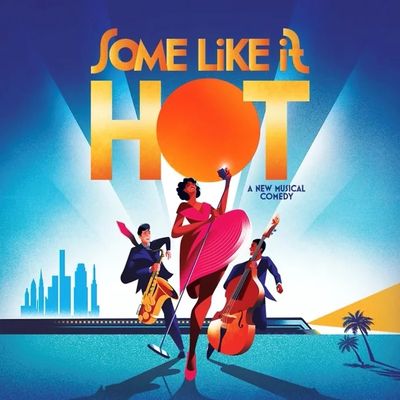
[23:57] Bob Greenblatt: And we could talk about word of mouth too. Does we know critics don't have the impact they used to have? Does word of mouth have the same impact? I fundamentally think it does, but I've worked on shows like Some Like It Hot, which was is a phenomenal show, by the way, doing extraordinarily well on the road. Audiences loved it. Word of mouth was fantastic, but it was hard to you know get that show to even run a year and a struggle.
[24:26] Bob Greenblatt: Um, so what does word of mouth do for you? I mean, we know it's it can be amazing and it can do everything, but sometimes you even have shows that have great word of mouth that struggle.
[24:39] Bob Greenblatt: I think on a show like Some Like It Hot, people have a preconceived notion about it, and if they do, they're a harder sell for someone who says, no, no, no, no, no. Trust me, it's great. Some people will go, okay, I'll take your word for it. But a lot of people will be like, I don't know. That's like an old movie with Marilyn Monroe. You know, it's just a harder deal to close. Whereas Oh Mary, people don't know what the hell that is. So if someone tells them it's absolutely hilarious, they'll go, okay. I guess I believe I don't have a preconceived notion about it. I don't have a bias against it to start. And that's why I think there's a school of thought out there that gravitates toward producing very familiar IP.
And I think that's a fool's errand sometimes because it's harder to develop really strong word of mouth on very familiar IP because people, they know it. I feel I saw the movie. They just come in with preconceived notions, which can dilute the word of mouth, I think. I want to ban the IP phrase from our vocabulary because everyone wants IP. It's like we, if we have IP, we have a leg up, we've got a cold start. You can't do a big movie unless it's got established IP, and we needed a tech whole franchise of movies. I get it, but you might be right in the theater, it works against you, unless of course the show is phenomenal and somehow transcends the IP. There are fewer examples of hugely successful shows that have transcended the IP. Lion King, of course, is that's what started it all. Disney in general, I mean, Beauty and the Beast, even before Lion King. Disney family shows kind of have their own rules over there, I think.
[26:27] Tom Greenwald: And also the Tony campaigning and the award campaign. Like, how much have you thought about that in your marketing decisions? You mentioned that the fall is so light, the backfilling of the season to the Tony March-April craziness has gotten completely out of control. Do you think that the business and the marketing of Broadway has become too beholden to the chasing of these awards, especially the Tony Grant Prize?
[26:53] Bob Greenblatt: Probably. And you know, don't bother painting those, you know, other even those other awards, which aren't Tony Awards, you're bummed if the Dramatists Guild, it's like, oh my god, we didn't get what we wanted on that. You know, just because everything is so precarious, you just want everything to go your way. And if it doesn't, you're like, oh, are we disadvantaged now? And the Tony also feels good, you know, no matter what. If it sells tickets, it doesn't have the same impact it had years ago either. Are we stopping our desire to win them and to win the voters over? No, I think if we get the Tony, then it does help us just propel the show a little bit longer, I guess.
[27:46] Tom Greenwald: What is your attitude toward the future at this point? I mean, marketing is one thing, and yes, this is a podcast about marketing, but you're one of these people that I've known for so long that has Broadway in your blood, has Broadway musicals in your blood, and we all saw the article in the Times a month ago. Do you see a future for yourself on Broadway? And do you want to continue to produce Broadway musicals?
[28:11] Bob Greenblatt: I think we're at a real crisis point for the business, and I've not been doing it nearly as long as many other producers. But I think the economics are really difficult to sustain. There's certainly not one solution. I think if you can do a show like Operation Mince Meat or O'Mary, where you have five people on stage, and if you have an orchestra, you have six people in the orchestra. I think you have to find ways to control those running costs. Fourteen-week star shows is also look, it's a way to sort of game the system. You know you're gonna be okay with Keanu Reeves, and you know you're gonna be okay for Denzel Washington. So that's great. There's a place for that. I worry that too much of that takes the audience in that direction and away from going to new works or things they haven't seen before.
And maybe they wouldn't anyway. Maybe that Denzel fan would only go to Denzel's show. But I think if we just become a Broadway of big stars and revivals of great titles of plays, I don't think that's healthy for the development of the art form or the continuation of the art form, which is musicals used to be the thing that made all the money. Like if you hit it, like Mormon or Lion King, it was billions of dollars. But it's harder and harder to make that happen. And the business used to be able to count on one of those happening every ten years. Right? But since Hamilton, we've still been waiting.
[29:47] Tom Greenwald: Bob, before we go, I want to ask you a couple of quick questions. We call the eleven o'clock number QA. Do you have a favorite campaign that you made out of all your various shows?
[30:00] Bob Greenblatt: I have to say, and it's just happened, but the Smash campaign for me was great. A new musical about the world's most beautiful, iconic and misunderstood star. Actually, it's a musical about the making of a musical of the world's most beautiful, iconic and misunderstood star. It was big, it was exciting, it was visually thrilling, it was clever, it was funny. I mean, it really embodied the show. It photographed those actors in an ideal way, and it was just I don't think I have any regrets on that at all. In fact, I think it's one of the best campaigns I've seen in a Broadway musical in a long time. And up to you guys, because you were very much at the center of it, and Drew, of course, pushing us big and exciting and thrilling, and I think audiences respond to that, and you know, it makes it doubly frustrating that that didn't help us turn into a massive hit, but I'd love your body campaign.
[31:02] Tom Greenwald: Well, thank you for saying that. How about for a show that you didn't work on?
[31:07] Bob Greenblatt: You know, recently the O'Mary campaign just knocked me out. I mean, I think it's so clever and funny and indicative of what the show is, and not a musical, obviously, but it's just had the right attitude, and you know, again, the show has the goods, so I think it emanates from the show itself, but I was knocked out by that. And on the musical level, I thought the Hadestown stuff was really beautiful and evocative, and a show that I knew again, to your point, I knew nothing about that show. I had no preconceived, and it really delivers, but I thought all of this stuff, all the marketing around it felt very ethereal and just interesting. It kind of drew me in.
[31:59] Tom Greenwald: I have a question for you about O'Mary. When you go, that campaign really captured it, and I agree with you because I've always said if you're trying to sell a funny show, your marketing has to be funny. Otherwise, people won't believe you that the show is funny. When you're thinking of that campaign, what's the first thing that pops into your mind? Is it the three to four pieces of content that show up on social media every week?
[32:22] Bob Greenblatt: Yeah, because I can't think of even Key Art that I go, oh, that was amazing. I don't know what that poster was, right? Or a TV commercial on CBS Sunday morning. I don't think they ever have run a TV commercial on Sunday morning. Somehow it was just, I mean, it's one of those rare things that just caught fire off Broadway and everybody was talking about it, and that was the word of mouth is the thing, but just a lot of pieces of content that I would pop up in my feed in the ruffled dress and like a funny line above it, and I just went, oh, what is that? You know, what, oh, I'm leaning into that. It feels like they're like in a community theater, you know, putting stuff together, it's kind of like the showing.
[33:04] Tom Greenwald: Now, I've asked this question to other people. This was the last one, and people have always given the same answer, but based on what you've said so far, you might not give the same answer. What do you think is easier to sell? A celebrity in a show that doesn't work, or an unknown cast and an incredible show?
[33:21] Bob Greenblatt: Well, I think it's a trick question because I feel to have either scenario. Because I think they're both easy. Those are the two easiest ways to hit the target. If you have a star in a who cares what the show is. I mean, I don't want to do terrible shows, but I think if you have a star in something, you know, it's really easy to get over the hump. Of course, I'd rather, you know, emotionally sell a show that's great and doesn't have, doesn't depend on the cast. And look, my whole career in television, and I don't know that I would stand by this today, but most of the hits I've been involved in 90210, Melrose Place, The X-Files, Six Feet Under, Dexter, Weeds, you know, This Is Us. They mostly been done with people you've never heard of, or certainly were not stars when they were in those shows.
And we made them, the shows were so good as we made them into big stars. So I think that's still possible. And if the show is great, I mean, who knew Cole who uh Lula Cola Scola was yesterday? I'm personally I'd rather have the unknown cast in the great show. But if somebody hands me a star and a play that's not very good, I wouldn't be against, I mean, I don't have a lot of time, but I don't think that's the worst case scenario. I have sold one or two stars in terrible shows and they didn't sell. You can you say what you don't want to chill stuff? I can say one out loud, I guess. Yes, Kelsey Grammer and Macbeth when he was on TV and he was a superstar, but it just was a disconnect. It was a disconnect for people.
Then we saw Kelsey Grammer in La Cage aux Folles, and it was a smash hit. So I think that the disconnect was the issue. But are you saying you sold Macbeth when he was in it just because of Hill, right?
[35:31] Tom Greenwald: Yeah.
[35:31] Bob Greenblatt: I mean, the production happened because he agreed to do it.
[35:35] Tom Greenwald: Before we let you go, are you allowed to talk about anything that's coming up for you that might come back to the theater?
[35:44] Bob Greenblatt: Yeah, I mean, one thing that Neil Marin and I are working on right now, and it's going nicely. It'll, it's gonna be a few years, but we're developing a musical based on the whole myth of Studio 54, using the whole canon of the great disco era. So it's very Moulin Rouge in terms of music, a lot of mashups, and we're using Justin Levine, who did all the musical supervision on Moulin Rouge to do it. Yeah, and we might have a couple, we might sneak in a couple of the original songs that the audience won't even know are original, they'll just think they're songs from the period that they didn't know. But it's really the rise, and you know, it was two years and the thing those guys were in jail, but it was a huge explosion, and having a lot of fun on, and we've got a really good handle on it, I think. And you know, it'd be fun to do it at Studio 54, wouldn't it? So it's like very meta.
[36:41] Tom Greenwald: Thank you, Bob, for joining us today. This was so fun.
[36:45] Bob Greenblatt: Great to see you. Long live Broadway, right?
[36:49] Tom Greenwald: Long live Broadway, baby.
© Broadway Podcast Network, All Rights Reserved