

Ad guy, digital marketer, co-producer, producer -- Sammy Lopez has done it all on Broadway, pretty much. Sammy sits down with SpotCo co-founder Tom Greenwald to discuss his theatrical journey, the marketing lessons he's learned along the way, and the exciting new projects he's got coming up... Read More
From the show: The Show Must Go On Sale!
Featured Shows
About
Ad guy, digital marketer, co-producer, producer -- Sammy Lopez has done it all on Broadway, pretty much. Sammy sits down with SpotCo co-founder Tom Greenwald to discuss his theatrical journey, the marketing lessons he's learned along the way, and the exciting new projects he's got coming up.
Transcript
This transcript was automatically generated and might contain errors.
[0:00] Tom Greenwald: The intersection of these pieces that deserve to be told that should be told and the realities of the commercial marketplace is what gets me excited about this work.
[0:14] Tom Greenwald: Welcome back, or welcome for the first time to the Show Must Go On Sale, which is all about Broadway advertising and marketing.
[0:21] Tom Greenwald: My name is Tom Greenwald, co-founder of SpotCo advertising in New York City.
[0:26] Tom Greenwald: And I am joined today by Sammy Lopez, one of the rising young stars of the Broadway producing scene.
[0:33] Tom Greenwald: Sammy has a bunch of credits that he's co-produced.
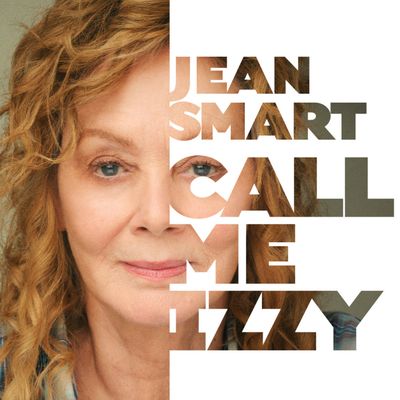
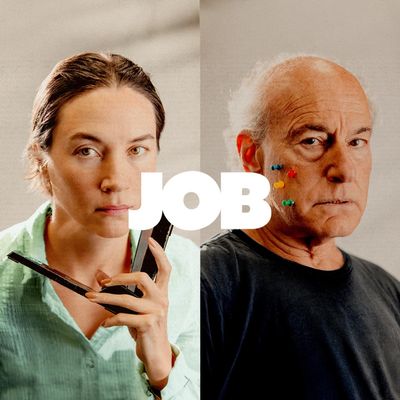
[0:36] Tom Greenwald: He's also lead produced some shows recently, some very exciting shows, including Job, How to Dance in Ohio, Call Me Izzy recently with Jean Smart.
[0:46] Tom Greenwald: He is part of P3 Productions with his partners Ben Holtzman, Fiona Howe Ruden, and they are doing some exciting stuff coming up too.
[0:53] Tom Greenwald: There is a musical called Wanted, formerly called Guns and Powder, which got remarkably strong critical and audience reaction when it debuted at the Paper Mill Playhouse.
[1:07] Tom Greenwald: Sammy, welcome.
[1:08] Sammy Lopez: Tom, thank you for having me.
[1:09] Sammy Lopez: First things first.
[1:10] Sammy Lopez: Let's let's let's kind of go back to the shows that that I mentioned that you have lead produced.
[1:16] Sammy Lopez: When you were co-producing shows, for people who are listening, co-producers are people who play an essential part in the Broadway ecosystem and they raise money and without them shows could not happen.
[1:28] Sammy Lopez: And I know you did Sunset, you did Just For Us, Last Five Years, Art.
[1:33] Sammy Lopez: Yeah, I assume you got your start as a co-pro.
[1:36] Sammy Lopez: And were you able to participate in any marketing decisions?
[1:41] Sammy Lopez: And were you in the room where it happened enough to kind of make some bones on those shows, especially when it came to learning about how to market a Broadway show?
[1:49] Sammy Lopez: I did, and I think that co-producing in general, it so depends on the lead producers that you're working with, and I often share with people who are interested in co-producing that whoever is the lead producer or lead producing team on the show is such a critical part of access.
[2:07] Sammy Lopez: And what does access really mean?
[2:09] Sammy Lopez: Because essentially we're all startups, and so our lead producers can, you know, build their companies the way that they want in our agreements.
[2:16] Sammy Lopez: It literally says at the discretion of the lead producer.
[2:19] Sammy Lopez: So for me, the first show I co-produced was Be More Chill, and it was for the off-Broadway run that we did at the Signature Theater.
[2:27] Sammy Lopez: And I feel like I had a really exciting first co-producing opportunity because it was really energetic, youthful team behind it.
[2:37] Sammy Lopez: And there was a group of us who were first-time co-producers all in our 20s, truly just raising funds for the first time, kind of participating in an off-Broadway show that had so much buzz.
[2:53] Sammy Lopez: So I think for Be More Chill, I had a unique first experience because I was also part of the key demographic that we were trying to market to.
[3:02] Sammy Lopez: And I had another unique perspective because at the time I was working full-time at Marathon Digital.
[3:09] Sammy Lopez: So I was working on the social media team as well.
[3:12] Sammy Lopez: So I had this crossover of unique access because I was a co-producer, but also helping manage the day-to-day conversations with our fans directly.
[3:21] Sammy Lopez: And so that taught me so much.
[3:24] Sammy Lopez: It also taught me that co-producing is not for everyone.
[3:29] Sammy Lopez: And once again, going back to the question of access, I think that's something that I often when I'm in a lead producing position and bringing on co-producers, I often make that part of one of our initial conversations of what type of access are you looking for and setting those expectations.
[3:48] Sammy Lopez: In our office, we often say expectations can be the thief of joy, and we just want to have joyful productions, like, or at least the process of making it be fun.
[3:58] Sammy Lopez: That early co-producing experience really helped me clarify what I want as someone who is a part of a marketing strategy or marketing team.
[4:09] Tom Greenwald: Did you learn any lessons emerging from the co-pro experiences you had so that when you produced your first show as a lead producer?
[4:18] Tom Greenwald: I mean, Be More Chill is interesting.
[4:20] Tom Greenwald: That show emerged out of a social tsunami of popularity.
[4:26] Tom Greenwald: So I can imagine that was a full-time gig managing the social on that.
[4:31] Tom Greenwald: Did you emerge from that process going digital and social is where it's at, and that's the marketing wave of the future, which of course is common sense at this point?
[4:40] Tom Greenwald: And when you launched How to Dance, did you bring some of those lessons to it as part of your marketing strategy?
[4:47] Sammy Lopez: Oh, absolutely.
[4:48] Sammy Lopez: I think with Be More Chill, there was such, like you said, like that groundswell of digital support and activation that was necessary.
[4:57] Sammy Lopez: It was totally like a full team effort at Marathon to manage the audience that was being cultivated.
[5:06] Sammy Lopez: And I think a big takeaway I had from that show is actually utilizing the in-platform features of the digital platforms we use.
[5:16] Sammy Lopez: Like that's when close friends came into play during our run, and we were exploring with how do you use close friends for, you know, possibly your most engaged users, or like we often talk about like authenticity, like we want our brands or our shows to feel authentic in how we speak to our audience.
[5:16] Sammy Lopez: And so for Be More Chill, we really created a persona and way we spoke in the digital space, like from all types of copy to captions to like how we used when Instagram stories started to roll out at the time.
[5:50] Sammy Lopez: So then when we started How to Dance in Ohio, I knew that community needed to be at the center of that campaign, and so I took so much of my learnings from Be More Chill of cultivating this excited community for a new musical that had a random run in Red Bank, New Jersey at Two River.
[6:08] Tom Greenwald: Like when you refer to community, can you let people know a little bit about what you're talking about?
[6:13] Sammy Lopez: I think of community as not just the target demographic of who you're trying to reach in your show, but actually building a space where it's not just someone a community you are selling to, but a community you're inviting in to be active, engaged participants in a show, particularly on a show like How to Dance in Ohio, where for the first time we were building a project that was centering the disability community in a way that hasn't happened before on Broadway.
[6:13] Sammy Lopez: And there were simple shifts to how we wanted to build community, starting with thinking about what do our social channels need that wasn't necessarily standard practice on Broadway.
[6:58] Sammy Lopez: For example, image descriptions or captioning.
[7:01] Sammy Lopez: You know, if we are gonna be building a community that is centering the disability community, then we need to look at the way we build our content and making sure that accessibility was at the forefront of that content.
[7:15] Sammy Lopez: And so I think community is not just what is behind our ad dollars, but it is how then once they're there, how do we support them and offer them opportunity to directly engage with us?
[7:28] Sammy Lopez: So it really taught us a lot.
[7:28] Tom Greenwald: How much do you think about marketing when you decide that you're going to move ahead with the project?
[7:37] Tom Greenwald: Because you, anybody who looks at your resume sees challenging, original, not based on, you know, world-famous IP.
[7:49] Tom Greenwald: You know, you're going for it in your projects.
[7:53] Tom Greenwald: And part of that conversation with yourself and others must be well, we have an extra special marketing challenge here because we have to educate people from scratch.
[8:01] Tom Greenwald: I mean, I'm a huge fan of original made from whole cloth shows because those are where the big hits always come from.
[8:08] Tom Greenwald: They don't usually come from existing IP.
[8:12] Tom Greenwald: But at the beginning, there is a challenge involved.
[8:15] Tom Greenwald: Is that a fun part of the gig for you?
[8:17] Sammy Lopez: It's a great question, and it's hilarious because I don't even think sometimes around like I operate and and with my partners at P3, we really operate from a place of the why of a piece first.
[8:33] Sammy Lopez: Like we what makes us lean forward in a story.
[8:37] Sammy Lopez: And often I find that the stories we're interested in are those that aren't typically put center stage within most shows that we commercial shows that we see.
[8:48] Sammy Lopez: And I think that the intersection of these pieces that deserve to be told that should be told, and the realities of the commercial marketplace is what gets me excited about this work.
[9:02] Sammy Lopez: Like to be able to find the avenues for supporting shows that might be considered risky, but to be able to find a path to helping them reach a wider audience is the thing that lights me up to go to work.
[9:21] Sammy Lopez: And that's both from the artist perspective, like who are the right artists to be telling this piece all the way to our co-producing team, like who are the people that will raise their hand at us and say, like, yes, I'm equally as passionate about this theme or this subject matter, and it should be on Broadway.
[9:39] Sammy Lopez: So I think that Broadway is a bridge for I think society to kind of not just look at where culture is in that moment, but to also expand and get a point of view that is not our own, because to me, storytelling is the biggest device for creating opportunity to grow your perspective.
[10:09] Sammy Lopez: Or I was told that, you know, aiming to center accessibility within this structure that wasn't created for disabled artists was not possible.
[10:23] Sammy Lopez: But to me, it was actually that was the fuel to make it happen even more.
[10:29] Sammy Lopez: And while we didn't have necessarily the long-running life I had hoped for on Broadway, and to be honest, like it was there was some grief after that.
[10:41] Sammy Lopez: It's like, wow, like commercial theater is commercial theater at the end of the day, despite how powerful or meaningful a show means to you, it's our job to build the commercial viability and path for as many people to see your show as possible each week.
[10:58] Sammy Lopez: So I learned a lot from that process, but it also allowed me to redefine what success means because impact is just as important through the various avenues of what success means on Broadway.
[11:11] Sammy Lopez: And when I think of risk, just getting a show up on Broadway is a risk.
[11:17] Sammy Lopez: So, you know, I might as well, if I'm gonna say yes to that risk, I might as well have that risk be something that I a thousand percent full-body feel like is something that I will risk to try and raise X million dollars to make happen.
[11:38] Sammy Lopez: It's such an uncompromising environment. It's not commercial viability has different meanings in different industries, and in our industry, it's such a hugely high bar to hit that that's why there is the odds can be long and the frustration can be great. But a show like How to Dance in Ohio, I you can tell me, you know, what kind of life you expect that show to have going forward, I would imagine it would be a very important and popular show out in the world. How is the Broadway run going to impact your ability to kind of keep that show alive in an ancillary rights way? And does the fact that you had your Broadway run, even though it wasn't as successful as you wanted, has that impacted your ability to get it out into the world at large?
Because it's such an important thing to get out to the world at large. Broadway is one tiny fraction of the theater going public, obviously. Have you seen the connection? I mean, it's inherent in our deal making too within the structure of a show, but I think that by the show playing on Broadway and taking up that space that hadn't been taken up before, particularly for the many artists that were involved, the small shifts that were made of how we created the show, I think have changed how some of my colleagues are building their teams. We had these accessibility surveys of how we asked company members how to best set up a space for them to do their best work. And I know that other shows have since adopted that practice of before we even get in a room, let's talk about how we should build the room from an industry perspective, there's been some change.
But I think by the show playing on Broadway, we've been able to have the show it's going to be licensed by MTI, Musical Theater International, and have its life if the show didn't play on Broadway, if we didn't have that original Broadway company album, like that is the catalyst for other people to experience and learn about the show. And I think what also is important about the Broadway step for that piece in particular was opening up the show for other mediums, whether it's in film, online, international opportunities. And so I think that was critical for us, despite however long we had during our time at the Blasco Theater, there's still conversations that are happening coming out of that production that hopefully we'll see How to Dance in Ohio evolve into new mediums down the line.
[14:29] Sammy Lopez: Let me ask you now about Call Me Izzy and the marketing decisions and challenges with that piece of your three lead producing gigs. That's the one that had the biggest star attached to it, Gene Smart. But she was doing something that was possibly quite surprising to her many fans who know her from her brilliant comedy television career, most recently Hacks, of course, and that this is a show that was a very serious show which Gene Smart played a writer suffering from domestic abuse. Do you remember early marketing meetings for that show and discussing how to attract her audiences but also telling them that this was something different for them? And was that a challenge? Yes, Call Me Izzy was, you know, I think inherently a piece that is another one of those where I knew the story hadn't necessarily been centered on Broadway and particularly in a solo show on Broadway.
But with our PR on that show, we were partners with Robert Ahrens as our lead producing partner, and I remember those early conversations in the marketing room with the SpotCo team around what this show is and what it isn't. And I think at the end of the day, if you were a Gene Smart fan, this was her return to Broadway after over a decade. And so at the height of her career in Hacks, I think from an artistic perspective, she fell in love with the poetry of the text of this play. And we knew that if we just further emphasized what the event is, you know, the event is seeing Gene in a theater in that intimate space for 90 minutes that is truly a tour de force. It wasn't a comedic, you know, stand-up session.
It was truly you're in a space with this character who was in real time sharing some of the darkest parts of her current situation. And to me, that's theatrical. And so it was challenging to distill down how do you message that, which is why we ultimately decided to lead with the messaging around the event is Gene Smart in a play and not, and it's not the Gene that you know.
[17:23] Sammy Lopez: We were also able to really look at the landscape of particularly I tend to get very inspired by what's happening in the TV and film sector because their budgets are much larger than ours, so we can kind of get excited to see like what's working, what's not at the kind of the highest paid level, but then also learn what didn't work. And I think there have been films in recent years that have come out that we pointed to that centered themes of domestic abuse and we were like, all right, let's really hyper-focus on this movie, how they addressed domestic abuse head-on instead of keeping that as a backburner because the last thing we would want to do is subvert an audience's expectations and suddenly they're not comfortable being in the theater because of the subject matter.
So that was a challenge, and I think now we're used to turning on Netflix and seeing a content advisory as the first frame of a TV show. And that's something that is, I think, an ongoing discussion for live theater because how do you open your theater door to offer audiences to experience something but also make sure that they are taken care of simultaneously?
[18:45] Sammy Lopez: That's true. And I think the other issue with the point you just raised, Sammy, is that if you woo an audience into a theater under false pretenses or without telling them at least a little bit about what they're going to experience, your word of mouth will suffer because the expectations will be that a person's going into seeing Smart, oh this is gonna be hilarious. And as impactful as the show might be to them, if it's something completely different than what they were expecting, they might either feel slightly bamboozled or just so unsettled to the point that they're not going to give you the word of mouth that you need. We've had so many of those shows over the years where if you told them what it was about, you would be risking their attendance in the first place.
But if you didn't tell them how hopefully the play or musical would make them feel, then they'd feel slightly duped. So it's a good point. People just, you know, when you're Gene Smart, who's known for her most recent Hacks, of course, but in general people would call her a brilliant comic actor, and people forgot that she was just a brilliant actor, period. And this was able to remind them of that.
[20:02] Sammy Lopez: Producers wear so many hats when they're putting on a show. Is the marketing hat a hat you look forward to putting on? Is it one of the fun parts of the job for you? Yeah, I need to be honest that marketing is my favorite part of the process besides the creative development and working in that, you know, kind of creative sandbox with the authors and creative team. The marketing to me is essentially the mouthpiece of what's happening in creative development. And so I think because I worked in social media, I worked in marketing at Center Theater Group in Los Angeles as well as with a few agencies here in New York, I feel like those paths when I was solely wearing the social media manager or account manager hat, I felt like I was a sponge getting my master's degree in marketing because I was in rooms with some of the top lead producers on Broadway watching them in real time decide, is this something we want to try out in a campaign or that didn't work or the data shows that our audience isn't on that platform?
And just being a part of those discussions for, you know, I did social media management on Broadway for about 10 years, and I feel like that is why to this day I love being a part of a marketing process because of the collaboration that is required. It feels like I'm also in that same headspace as I am when I'm in a creative development session with a writing team. It's like at the end of the day, the ideas, it should be a space where the ideas are flowing, and so I, you know, just to directly answer the question, I really look forward to our marketing meetings and how you can set up the ethos of a team of, you know, everyone should have the ability and the overall spirit that they can contribute to this conversation because clearly everybody that's in the room, you know, is either an expert in their lane and can contribute something that could shift a campaign in a second.
[22:23] Sammy Lopez: Did you work at other marketing shops besides Marathon? I worked at Pico Group in 2020. It was one of my first times working particularly on off-Broadway campaigns, which I feel like also opened my eyes to what I love about producing, which is in ways like off-Broadway feels like you can roll up your sleeves a bit more. You know, I think that off-Broadway taught me so much of like, oh, you know, I can piece together this like front of house activation in a way that feels almost grassroots and fun, or like, you know, and so my days at the Pico Group actually really opened my eyes to like, no, the marketing team is just as creative and has the possibilities to get in the weeds of a show as any other role on the team.
[23:23] Sammy Lopez: No SpotCo stop along the way though. What the hell? I know, you know, I just was waiting for the right moment to come collaborate with you guys after the pandemic. I have a question about, um, like how much impact you think marketing can have. Do you are you willing to change horses midstream in terms of marketing how to market a show if you feel like you launch with something and it's going okay but it's something's not quite clicking? Will you circle back to the marketing and say let's try something else? Do you feel like the marketing can make that kind of a difference? How much stake do you put in the actual marketing of a show as far as kind of what you've learned in your show so far?
[24:16] Tom Greenwald: Yeah, I mean I think Wanted is an example of making a very sharp turn pivot to the title of a show. How did that come up? Wanted previously Gun and Powder was the first show that my producing partners and I optioned, um, now, you know, almost a decade ago. And so we've been, you know, in the development process with the writers who are incredible Angelica Sherry and Ross Baum, and um, I went to college with Ross. When Ross was at NYU, I would, you know, spend time with Angelica. So we have this long-term relationship and friendship, and I think as the show continued to evolve and develop, it was also a challenge for us to continue to look at like this, you know, they had been writing it for around eight years at the time when we decided to move forward and change the name.
I think it was in response to Angelica and Ross not feeling like the title was reflective of the story that it has evolved to over the course of the many years of development. While we were at Paper Mill, um, which is part of the reason I love a pre-Broadway out of town opportunity to test your materials, um, we learned that the word gun was flagged within the community guidelines on Meta and Google, and um, our ads were suppressed. We didn't want to change the name of the show without informed data to back it up, and so when we were discovering like why aren't these ads converting or why aren't they performing or why are certain social posts, if there's the word gun in it, there's like no engagement, but if there's another video that's posted right after that, the engagement is, you know, three times that.
[26:22] Sammy Lopez: What, what, like the questions just started to come without answers, and so we were like, we need to point to data, and we brought in this incredible team called Special Forces, um, which is an advertising team that hadn't worked in the theatrical marketing lane, but they've worked on with big brands such as Lululemon and YouTube and other companies that had gone through rebrands. We had just asked them to support this process of how do we use data to help us answer some of the questions that had been coming up, and then to also offer the writers, because at the end of the day in the theater, and I believe this is our foundational job as a producer, is you know, the authors own their own work.
This is not TV and film where, you know, the studios or other entities own the work. It's, you know, at the end of the day, I am as the producer in service of the author's work that they own, and we are stakeholders together. So I knew like we couldn't just, if the data pointed to a certain name, then that's the name we went with. Like it needed to be that collaborative balance. We tested names, we worked with partners at Telecharge for individuals who purchased new musical tickets in the last five years. We identified certain shows that we wanted to test against using data from those ticket buyers, and then we segmented some lists to non-theater people because we didn't want to just get feedback from those that see shows or see new musicals, but we wanted data from people that might just, you know, be scrolling on their Instagram feed and discover this new show.
[28:21] Tom Greenwald: And so it was very interesting and it shifted how I think some of my marketing decisions are made now of not just relying a hundred percent on gut, still making sure that the gut and instinct is there. But, um, but because the way our digital platforms are operating now, like we can get so granular and really use data to our advantage without compromising the creative process.
[28:52] Sammy Lopez: Yeah, I agree with that. I agree that you have to take data as a valuable tool without taking it as a religious text. My best example for that is how they react to the question, do you want to see X, and X being an incredibly popular piece of IP. And they say yes, absolutely, I loved that movie. Of course, I would want to see it as a musical, whereas what I really think is that they want to see something brand new that will surprise them that they've never seen before. And as I said before, that's why I admire so much your track record of producing new original stuff because I think that's where the breakthrough pieces of Broadway theater come from. They come from new, transcendently surprising material that makes people leave the theater and offer word of mouth at the level that a show can become a hit in this uncompromising financial situation.
Other than Disney, if you look at the big hits of the last fifty years, almost all of them are from pieces of material that are unfamiliar to audiences. But in data, the data would tell you the opposite. So you have to kind of take that stuff with a grain of salt.
[30:10] Tom Greenwald: Speaking of original shows, do you, because your shows kind of tend to have a social conscience to them and they tend to be relevant to people, do you feel that that is a marketing challenge or opportunity or both? I mean Broadway as an escape is one thing. Broadway as a place that reflects your own lives and challenges and issues is another. You tend to gravitate toward the latter so far in your storytelling. How is the marketing aspect of that been to deal with?
[30:46] Sammy Lopez: It is both. It is a challenge and it is the opportunity. I think my, I grew up in a household of educators, so I feel like I tend to go back to the simple SWOT analysis like foundation anytime I'm producing a show. Like we internally as a team, as a producing team, do our own SWOT analysis before even bringing in a marketing team. Let's tell people what SWOT is: strengths, weaknesses, opportunities, and threats. They couldn't remember what the team is threats. And it is a fun exercise for us to identify that, but I think it's really necessary for our team because of exactly as you share a lot of our shows do have a larger mission and engine behind it as not wanting to misrepresent any of the communities of the shows that we're developing.
And I find that the challenge is something that I, you know, going back to this data point is like I look to other examples that have happened before me. So for How to Dance in Ohio, for example, I was, uh, because the show's themes and topics centered around autism and autism in a musical had not necessarily been displayed in the way that we did. I was looking to the other shows that have happened ahead, which in a lot of our research, I was analyzing the Come From Away campaign, and particularly on paper, you know, it was very easy for that show to get it labeled as the 9-11 musical. In the early conversations with our team talking about how do we make sure that we are not labeled a specific way, there has been someone else that has gone through these discussions before in our industry.
I just believe in like building on what we have learned from those previous experiences. So I was able to like talk with people that were involved in the Come From Away campaign and hear, um, and you know, those producers are the most generous loving producers I've ever met, and they really opened my eyes to hurdles that they went through or just flags to think about as we were developing the show.
[30:48] Tom Greenwald: And so I feel like our producing colleagues are, um, we don't often talk to each other enough around how our marketing campaigns either led to a successful campaign or led to something that we would pivot or not do again, and I find that that is the insular individual feeling sometimes. Like when no, I really want to share out how a certain campaign worked or didn't work, because I think it's only gonna help all of us for especially as our online behavior changes in day-to-day society. It's like we're all learning a lot in real time, especially as new features or new ways digital advertising plays a role in our work, not to mention the influx of influencer marketing and how that is shifting daily.
[33:08] Sammy Lopez: Yeah, that's a good pivot to my last general question, which is you haven't been producing all that long since you're so young and you started out in marketing before you pivoted to producing. Do you feel like the marketing, uh, just kind of the nuts and bolts of the marketing process and the marketing vehicles available to Broadway shows has changed a lot since you've been in this field? I mean I've been doing it for over 25 years, so it's essentially unrecognizable from the beginning. But for you, who's I guess you've kind of been in this sphere 10 years plus, um, is it unrecognizable from when you started and how do you, how much do you feel like the evolution of marketing has gone since you've been in this game?
[35:00] Sammy Lopez: Oh my gosh. I mean, I do think the last 15 years of our the way we engage with digital and social media has drastically changed, I think the way that we look at our media plans and or it's changed the way I look at my own media plan and how much do we actually do in print or outdoor these days versus you know purely digital campaign.
[35:23] Tom Greenwald: I know, and it's interesting because I think at the end of the day, the show's the thing, and something we say that I have written up on a post-it note is let the show guide you. And not every show is going to have a direct mail piece or some type of printed asset, but some shows like need that or it and I think it's depending on who we're talking to.
[35:49] Sammy Lopez: But when I first started working in social, it was around when Instagram truly like first came out and people started to realize it could be utilized as a sales tool. And I quite honestly miss some of those days because you could just be walking down the street, snap a picture, post it, and you'd get like a ton of likes and engagement, and it was very it felt very simple. So pick one of the filters that are in the app and so I think I joke, like I miss those simpler days because it felt like you could operate from a more instinctual, like no, this feels right to post. Whereas now like we have rounds of approvals, we have like the strategy is so curated. Testing and data points, yes, and utilizing engagement as a tool for a future content of is this a direction you still want to go in or not? And so while I think all of that is great, I do still believe that that in that feeling of instinct needs to remain.
[37:02] Tom Greenwald: And an example that I love is actually a show that I'm working on with Spot called Mexodus, which we had an off-Broadway run this fall and the social team on that show is like your social team is just one of my favorites to work with. And I think there is this level of instinct that, you know, I'm not in the app every day as I once was when Instagram first came out and I was, you know, in a different place in my life. Like now I usually my engagement with social media is typically like either in the mornings with my cup of coffee or in the evenings when I'm like winding down and I'm not as involved as I used to be. So I actually lean on a great social media manager's instinct to say like no run with this like and sometimes those rounds of approvals disturb that like secret sauce of instinct and then suddenly a very specific detailed social post becomes watered down with five rounds of feedback and then it's lost that secret sauce of why it was even being created in the first place.
[38:15] Sammy Lopez: Yeah and it's usually so timely that a day goes by and the moment's gone.
[38:21] Tom Greenwald: It's so true and I think that's where my biggest goal as a producer in collaboration with a marketing team is trust. It's like I really do trust the people that I want to work with in the external communications of a show. And I think of the trust is, you know, it's always something that is evolving. But from a social perspective, like if we're not trusting the people that are, you know, building the content, then it kind of shows when you're like I can kind of feel that sometimes when I'm looking and scrolling on other pages and I see I'm like, oh, that is an unclear social post for that brand or something.
[39:06] Sammy Lopez: Well, it's like you know, committee decisions equal watered down product. So that's part of this part of what we're talking about.
[39:14] Tom Greenwald: It's funny you said that you missed the simpler times from 10 years ago. And I'm like 10 years ago was already very complicated from my perspective. I missed the, you know, one ad on CBS Sunday morning, one ad in the Sunday Arts and Leisure, a billboard and maybe a radio spot. And everybody could, you know, regroup in two months and see how things are going.
[39:34] Sammy Lopez: In the nineties, baby.
[39:36] Tom Greenwald: The nineties. Sammy, before I let you go, I want to ask you two quick questions. First, what is your kind of the campaign that you've worked on that you feel most captured what you were trying to do for a particular show? And what campaign out there that you didn't work on, a show not of yours that you admire because you think they solved the marketing conundrum that is getting butts and seats to a Broadway show?
[40:04] Sammy Lopez: So first one one of your own.
[40:06] Tom Greenwald: Oh, this is so hard, Sammy.
[40:08] Sammy Lopez: So I mean how to dance in Ohio was a piece it was our first time lead producing on Broadway. It was a subject matter that was so dear to my heart from both the personal perspective but also just all the creators involved and knowing that we didn't have any stars or we needed to really work to build a brand fast and it was still at a time coming out of the pandemic where we were also up against just getting general audiences back to the theater at large as an industry. But we were able to put together a collaboration with Macy's that with the support, and this is an example of how critical it is for lead producers to bring co-producers into a process and if they want access to marketing, and one of our co-producers, Ann Keating, hadn't really supported us in bridging a collaboration with Macy's, and it not only was I would consider a marketing campaign, but I think it was a 360 campaign for our show, where from a creative perspective, we were able to shift one of the scenes to take place in Macy's and have their product featured on stage, which can't happen with every show, but for this one we were able to make that happen, which then unlocked so many other ideas where Macy's because the show centered around a spring formal, there were lots of dresses that needed to be on stage.
Macy's donated all the dresses that were featured in the dress shop. Macy's also, you know, donated the mannequins that were featured on the set. And from a practical standpoint, like that was a huge savings cost for a small mid-size musical. But then Macy's also made a financial contribution for the sponsorships. They were part of our opening night partnership we were able to perform on the Macy's Day Parade we were able to have a window in Herald Square during the holidays and have our cast album being played outside that window we were able to have invite cast members to the store and do styling we were able to have them featured on Macy's Live which is one of their digital shows they have and so and there were so many other ways Macy's was involved but I think it that was an example of like all right we the challenge or the opportunity is that we have a show with no stars so let's identify a brand that's in alignment and Macy's also has an adaptive clothing line where we were able to dress and it's through Tommy Hilfiger and actually our the character in the show Tommy was dressed in some of the adaptive clothing so there were just so many layers to this partnership and campaign that it wasn't just in that marketing sense but it was it like kind of spewed into so many directions and you were able to work it into the show in a way that felt organic as opposed to forced or replacement D which was a blessing too.
[42:13] Tom Greenwald: Yeah, yeah and thanks for thanks for sharing that Sammy. How about out there in the world where you've said ooh that's a campaign that really works?
[43:46] Sammy Lopez: So not just because I have the script happens to be on my desk right now, but I also just had admired the entire campaign of the show but it was John Proctor is the villain. I thought that the you mentioned like getting butts in seats like I thought that the evolution of that campaign was so brilliant in how you know I think it was another challenge of when it opened in the season and also how many amazing plays were on Broadway last year. But to me this show killed it in how they built community and by the end of that show it was a hot ticket and being in that theater truly made me want to make more shows because it was like this the way that I was able to feel the community not just in the digital space but like literally in the theater.
It's like that's what you happen I happen to see that show on an afternoon where school groups were in the house and they went completely batshit. They loved it so much and these were you know fourteen and fifteen year old kids from the city I'm like okay like more of this and Broadway theater will survive. It was that was a really memorable experience.
[45:15] Tom Greenwald: And that's a good example of a show that you know it did have a star and but not a super duper star and it had an unfamiliar title and it just was so good and I agree with you that the marketing kind of captured what was magical about what was happening on that stage that people left the building going, Holy shit, you have to go to that show. And that's what it takes these days. And you're right, by the end, they had a ton of momentum going. Sammy, I haven't seen it, but I'm hearing Wanted, formerly Gun and Powder, delivers a similar experience. You're promising that show on Broadway or as promising as promising can get in this business for 2026. Is that right?
[46:00] Sammy Lopez: That's the vibe.
[46:02] Tom Greenwald: Okay, that's the vibe. That that's as definitive as it gets. Sammy Lopez, thank you so much for joining us today on The Show Must Go On Sale. It was great to talk to you. It was a really interesting conversation. Congratulations on everything that's happening, and keep an eye out for this show that is the real deal. Wanted. Sammy's next show. Thanks, Sammy.
[46:07] Sammy Lopez: Thank you.
© Broadway Podcast Network, All Rights Reserved